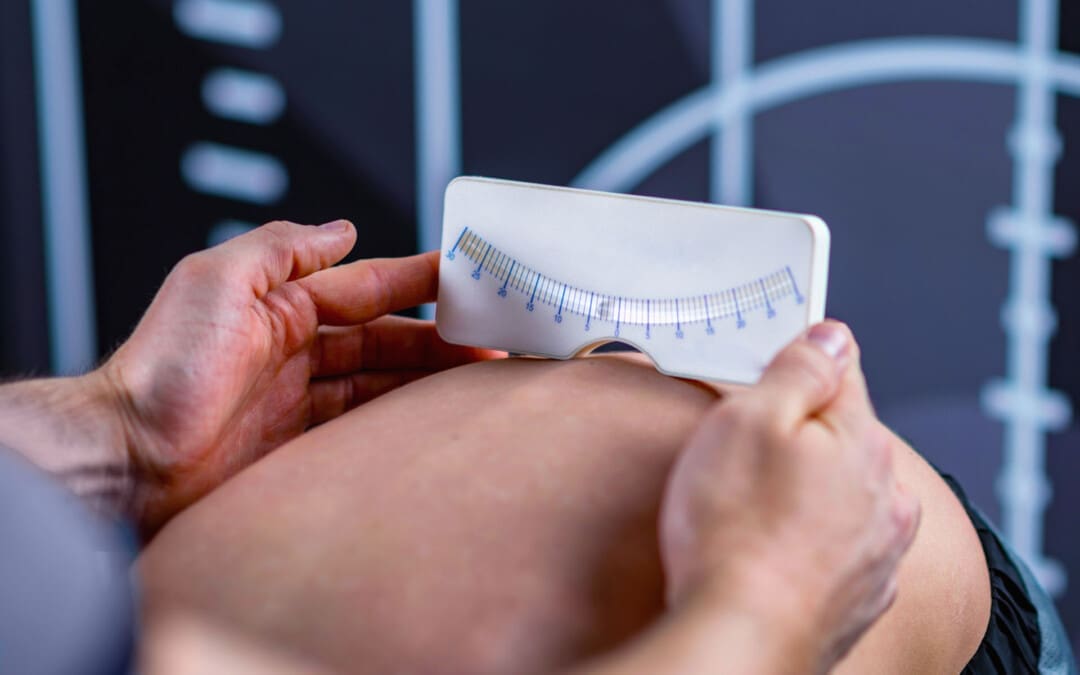
The Cobb angle is a mathematical measurement tool for assessing the curvature of the spine. Along with physical exams and other tests, how is it used to evaluate scoliosis and kyphosis of the spine?
Cobb Angle
The Cobb angle is used to quantify the curvature of the spine, particularly in conditions like scoliosis. It measures the degree of side-to-side spinal curvature, a deformity called scoliosis. The angle’s size helps determine what kind of treatment is needed. Monitoring may be all that’s necessary for mild curvature. With severe scoliosis, treatment may require spinal fusion surgery. Named for orthopedic surgery pioneer John Robert Cobb, it describes the distance a scoliotic curve may deviate from being straight. (Botterbush K. S. et al., 2023) Generally, it takes at least 10 degrees of deviation from straight before scoliosis is confirmed.
X-Ray and Interpretation
An X-ray is taken to measure the Cobb angle. Side and back views are taken. The healthcare provider or examiner then views the X-rays and locates the most affected vertebra in the curve, the apical vertebra. In a scoliotic curve, the apical vertebra is the spinal bone with the greatest degree of rotation that takes the biggest curve away from the center of a normal spine column.
Visualizing the Angle
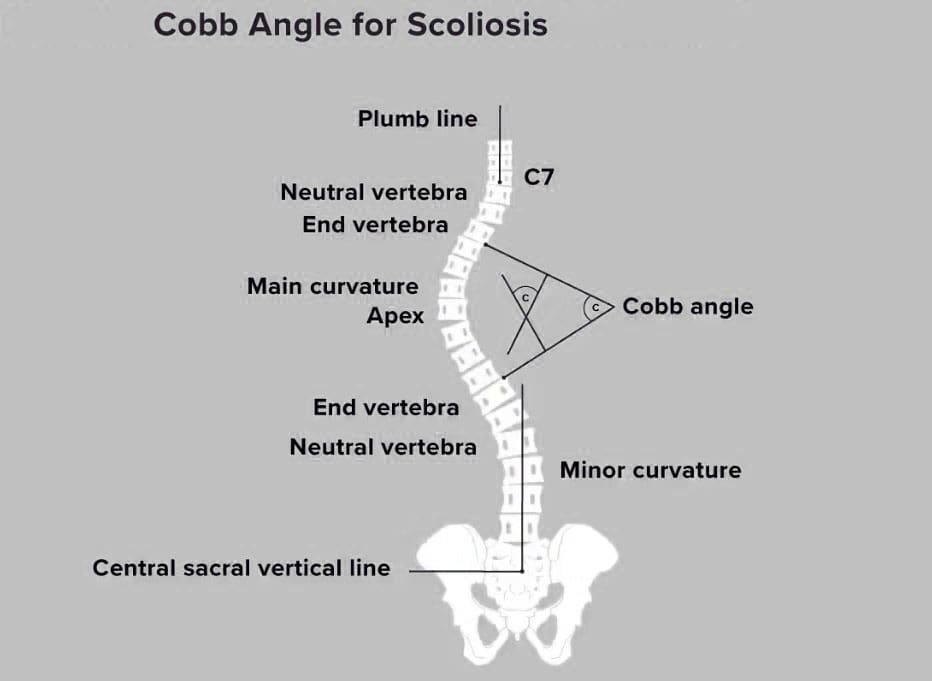
The apical vertebra is where two lines drawn from the X-rays meet. Two lines are drawn along the edge of the top and bottom bones of the curve. The lines extend out as follows:
On the top bone, the line starts on the high side, continues along the top edge, and then slopes down according to the angle of the vertebra. (Jin, C. et al., 2022)
On the bottom vertebra, the line starts on the low side, continues along the bottom edge, and slopes upward.
The Cobb angle is found by measuring the angle of the two intersecting lines where they meet.
Then, the top and bottom vertebrae of the side-to-side curve are identified to create a number for the Cobb angle. These bones have the most tilt but the least rotation and displacement and are located above and below the apical vertebra. Computer software is commonly used to calculate the Cobb angle. (Jin, C. et al., 2022) Treatment is based on the:
Angle size
Gender: Scoliosis is more common and likely to progress in females
Scoliosis is diagnosed when the Cobb angle reaches 10 degrees or more. However, this is not generally considered a significant curvature (American Association of Neurological Surgeons, 2024). In around 80% of cases, the scoliosis is considered idiopathic or without congenital or other underlying causes.
Less Than 25 Degrees Cobb Angle
If a scoliotic curve is less than 25 degrees, individuals may only need to visit their healthcare provider periodically so long as the scoliosis is monitored. These are mild cases, often without symptoms, but there is a chance that the curvature can progress. This usually means reassessing the Cobb angle every four to six months in a growing child or adolescent. (National Scoliosis Foundation, 2015) A 5-degree or more progression can change the diagnosis and treatment. (Jin, C. et al., 2022)
Between 25 and 40 Degrees Cobb Angle
A Cobb angle of 25 to 40 degrees usually requires wearing a back brace and intensive physical therapy. The goal of these treatments is to help halt the curve’s progression. Braces are generally worn 16 to 23 hours every day. (National Scoliosis Foundation, 2015) The healthcare provider will provide a referral for physical therapy. Many report excellent results with the Schroth or other scoliosis-specific exercise methods. A study found that core stabilization exercise programs can decrease Cobb angles in adolescents with idiopathic scoliosis. (Ko K. J. & Kang S. J. 2017)
Scoliosis in Adults
Scoliosis is diagnosed in adults, usually in those who have had the condition, treated or not, that was identified in their youth. A study that followed various cases for 20 years found disease progression occurred in 40% of adults but was usually less than one degree per year. However, degenerative scoliosis can also occur in individuals aged 65 and older. (American Association of Neurological Surgeons, 2024)
40 Degrees or More Cobb Angle
Surgery may be recommended once the Cobb angle reaches 40 to 50 degrees. A spinal fusion is often used to force the curve to stop developing. In adults, surgery may be needed if the angle reaches 50 degrees and they experience complications, such as nerve damage or bowel/bladder dysfunction. Risk factors in adults include older age, a history of smoking, and a diagnosis of other conditions, including being overweight. (American Association of Neurological Surgeons, 2024)
Variations
Variations occur in measuring scoliosis, and it is important to understand the difference between a change in scoliosis and a change in the tools or measurement. Equipment errors, imaging errors, and the subjective reading of the healthcare provider can change the values. (Jin, C. et al., 2022) Scoliosis measurement software and intelligent medical devices continue to improve how scoliosis is evaluated and treated. Physical exams, symptoms, and careful monitoring of changes in posture or function are still critical to an accurate diagnosis. The healthcare provider will explain the Cobb angle and other test results.
Injury Medical Chiropractic & Functional Medicine Clinic
Injury Medical Chiropractic and Functional Medicine Clinic works with primary healthcare providers and specialists to develop an optimal health and wellness solution. We focus on what works for you to relieve pain, restore function, and prevent injury. Regarding musculoskeletal pain, specialists like chiropractors, acupuncturists, and massage therapists can help mitigate the pain through spinal adjustments that help the body realign itself. They can also work with other medical professionals to integrate a treatment plan to resolve musculoskeletal issues.
Academic Low Back Pain: Impact and Chiropractic Solutions
References
Botterbush, K. S., Zhang, J. K., Chimakurty, P. S., Mercier, P., & Mattei, T. A. (2023). The life and legacy of John Robert Cobb: the man behind the angle. Journal of neurosurgery. Spine, 39(6), 839–846. https://doi.org/10.3171/2023.7.SPINE23146
Jin, C., Wang, S., Yang, G., Li, E., & Liang, Z. (2022). A Review of the Methods on Cobb Angle Measurements for Spinal Curvature. Sensors (Basel, Switzerland), 22(9), 3258. https://doi.org/10.3390/s22093258
National Scoliosis Foundation. (2015). Scoliosis Media & Community Guide. https://www.scoliosis.org/nsf2/wp-content/uploads/2015/06/ScoliMediaGuide_9June3.pdf
American Association of Neurological Surgeons. (2024). Scoliosis. https://www.aans.org/patients/conditions-treatments/scoliosis/
Ko, K. J., & Kang, S. J. (2017). Effects of 12-week core stabilization exercise on the Cobb angle and lumbar muscle strength of adolescents with idiopathic scoliosis. Journal of Exercise Rehabilitation, 13(2), 244–249. https://doi.org/10.12965/jer.1734952.476
Learn about kyphosis, its causes and symptoms, and treatment approaches to alleviate discomfort and improve posture.
What Is Kyphosis?
How frequently have you seen that after spending too much time sitting down, your posture has become more hunched? Do you have neck and shoulder strains that are momentarily relieved by stretching? Or do you experience shoulder and back discomfort and tension as a result of bad posture? Frequently, people have experienced musculoskeletal problems that may impact the neck, shoulders, and back—the three most frequent parts of the body. A spinal disorder called kyphosis may result from prolonged hunching. An increase in the forward curve of the spine that affects the thoracic location is known as kyphosis, and it may be brought on by degenerative alterations in the intervertebral discs. (Lam & Mukhdomi, 2025) The development of a hunchback or rounded upper back is a symptom of kyphosis that may impact posture and general musculoskeletal health. Depending on how severe the kyphosis is, the symptoms might vary from severe stiffness and pain to trouble breathing. Finding different treatment choices for this spinal ailment may also be made easier for many people by having a better grasp of the environmental variables that contribute to its development and the symptoms that are connected with it.
Environmental Factors Contributing to Kyphosis
Kyphosis may occur as a result of many environmental factors. This is because a lot of individuals engage in physically demanding activities that put a lot of strain on the spine. On the other hand, kyphosis may occur as a result of the spine’s gradual aging process. Among the environmental elements that cause kyphosis are:
Bad Posture
Living a Sedentary Lifestyle
Overweight Items & Inappropriate Lifting
Osteoporosis
Conditions & Injuries of the Spine
Kyphosis Symptoms & Its Effects on the Musculoskeletal System
Because it may impact both the cervical and thoracic regions of the spine, kyphosis can result in a number of musculoskeletal issues.When kyphosis begins to damage the cervical region, it may result in referred neck pain, which puts more pressure on the soft tissues in the back. This forces the head to cope with a mechanical imbalance, which puts strain on the muscles and creates weariness. (Ogura and others, 2021) At the same time, when kyphosis begins to impact the thoracic spine, other risk factors include poor bone density and dysfunction in the lower extremities in older persons, which may restrict movement. (Lorbergs and others, 2017). Other musculoskeletal problems linked to kyphosis include:
Stiffness & Pain in the Upper Back
Minimal Flexibility & Mobility
Referred pain
Weakness and Muscle Fatigue
Digestive & Breathing Problems
Understanding Long-Lasting Injuries- Video
Treatment Approaches For Kyphosis
If the spinal curvature has become much worse, many people have chosen to undergo surgery to manage the symptoms of kyphosis. Nonetheless, a lot of individuals have chosen nonsurgical treatments since they are less expensive and noninvasive. In order to improve a person’s posture and lessen the difficulties associated with kyphosis, nonsurgical therapies may take many different forms. (Jenkins et al., 2021) When individuals begin using nonsurgical methods to lessen cervical kyphosis, their mobility and postural control will significantly improve. (Oakley and others, 2024)
Chiropractic Care & More
For those with kyphosis, chiropractic adjustments are a non-invasive treatment option that may help reduce pain and realign the spine. The goal of chiropractic therapy is to stretch and strengthen weak, tense muscles while realigning the spine to its natural position. By increasing the range of motion in the neck, chiropractic therapy may alleviate overlapping risk profiles, such as headaches and kyphotic neck discomfort. (Norton and others, 2022) Additionally, in order to avoid a slouched posture, chiropractors may create a personalized treatment plan for those with kyphosis that offers substantial relief from the neck to the back. (Fortner and others, 2017). For those with kyphosis, chiropractic adjustments may provide the following advantages:
Adjustments to the spine may help realign the vertebrae, improve posture, and lessen excessive curvature.
Postural Training: To improve support, chiropractors may provide workouts that build stronger core and back muscles.
Pain management: Spinal decompression methods and manual treatment may ease tense muscles and lessen transferred pain.
Increased Flexibility and Mobility: Mobility exercises and stretching help increase range of motion and avoid stiffness.
Additional Treatments For Kyphosis
In addition to chiropractic treatment, alternative kyphosis management techniques may enhance spinal stability and stop the progression of spine curvature. Among these extra treatments are;
Physical Therapy.
Supporting Postural Ergonomics
Final Thoughts
Although kyphosis may cause pain and suffering, quality of life can be greatly improved with early diagnosis and appropriate therapy. Proactively treating kyphosis may result in improved posture, less discomfort, and more mobility, whether via physical therapy, chiropractic adjustments, or lifestyle changes.
Injury Medical Chiropractic & Functional Medicine Clinic
We associate with certified medical providers who implement the importance of the causes and symptoms of kyphosis. While asking important questions to our associated medical providers, we advise patients to integrate small changes into their daily routine to reduce the effects of kyphosis from affecting the cervical and thoracic areas. Dr. Alex Jimenez, D.C., envisions this information as an academic service. Disclaimer.
References
Fortner, M. O., Oakley, P. A., & Harrison, D. E. (2017). Treating ‘slouchy’ (hyperkyphosis) posture with chiropractic biophysics((R)): a case report utilizing a multimodal mirror image((R)) rehabilitation program. Journal of Physical Therapy Science, 29(8), 1475-1480. https://doi.org/10.1589/jpts.29.1475
Jenkins, H. J., Downie, A. S., Fernandez, M., & Hancock, M. J. (2021). Decreasing thoracic hyperkyphosis – Which treatments are most effective? A systematic literature review and meta-analysis. Musculoskelet Sci Pract, 56, 102438. https://doi.org/10.1016/j.msksp.2021.102438
Lorbergs, A. L., Murabito, J. M., Jarraya, M., Guermazi, A., Allaire, B. T., Yang, L., Kiel, D. P., Cupples, L. A., Bouxsein, M. L., Travison, T. G., & Samelson, E. J. (2017). Thoracic Kyphosis and Physical Function: The Framingham Study. J Am Geriatr Soc, 65(10), 2257-2264. https://doi.org/10.1111/jgs.15038
Norton, T. C., Oakley, P. A., & Harrison, D. E. (2022). Improving the cervical lordosis relieves neck pain and chronic headaches in a pediatric: a Chiropractic Biophysics((R)) (CBP((R))) case report with a 17-month follow-up. Journal of Physical Therapy Science, 34(1), 71-75. https://doi.org/10.1589/jpts.34.71
Oakley, P. A., Gage, W. H., Harrison, D. E., & Mochizuki, G. (2024). Non-surgical reduction in thoracolumbar kyphosis and sagittal vertical axis corresponding with improved sensorimotor control in an older adult with spinal deformity: a Chiropractic Biophysics((R)) case report. Journal of Physical Therapy Science, 36(11), 756-764. https://doi.org/10.1589/jpts.36.756
Ogura, Y., Dimar, J. R., Djurasovic, M., & Carreon, L. Y. (2021). Etiology and treatment of cervical kyphosis: state of the art review-a narrative review. J Spine Surg, 7(3), 422-433. https://doi.org/10.21037/jss-21-54
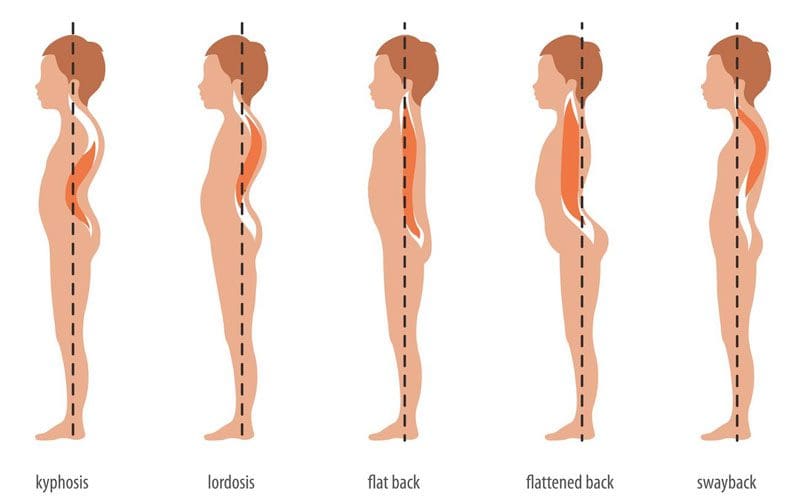
Individuals believe that maintaining a straight/flat back is healthy. However, the back is made up of natural curves that allow flexibility and optimal movement. If there is a lack of these curves, it can lead to spine issues, discomfort, and pain. A common problem to develop from a spine lacking natural curvature is abnormal kyphosis. This is when the natural curve in the thoracic spine – mid-back or lumbar spine – low back disappears, which results in a flat back. Restoring the curvature can be challenging, as flatback syndrome requires chiropractic adjustments to gently shift and realign the spine back into a healthy curve and re-train the spine to maintain the curve.
Causes of Flat Back Syndrome
Flatback syndrome is usually a result of muscle tightness in the lower back muscles, specifically in the psoas muscle. Or it could be degenerative disc disease, where the cartilage supporting the spine begins to weaken. Other causes include arthritis and osteoporosis. Practicing unhealthy posture habits can worsen these conditions, speeding up the loss of the spine’s curvature. Loss of spinal curvature does not occur rapidly, as the body will begin to present with symptoms. The following symptoms could be an indication:
Fatigue when trying to stand upright
Balance problems
Restricted mobility
Muscle spasms
Chronic low back pain
Thigh pain
Groin pain
Disc herniation
Back pain and problems with balance are the earliest warning signs of flatback syndrome.
Symptoms
Flatback symptoms usually get worse as the day progresses, with a sense of fatigue and increasing difficulty to stand upright. Individuals tend to flex or bend their hips and knees to get into an upright position. This can become an exhausting process as the day progresses. Individuals can also have symptoms of sciatica and/or spinal stenosis with leg pain and weakness that gets worse when walking. Neck and upper back pain can begin to present while straining to align themselves. The symptoms become disabling, often requiring pain medications that limit the individual’s ability to perform daily activities.
Realignment Treatment
A chiropractor must determine the severity of the deviation through a thorough assessment and examination. This shows the loss of curvature to help a chiropractor plan a realignment/remodeling adjustment schedule. Restoring a natural kyphosis is done through a combination of adjustments and bracing. Scheduled spinal adjustments will realign and shift the vertebrae back to neutral, while a back brace supports to prevent any deviation. Stretching and exercising relevant muscle groups is also part of a chiropractic treatment plan. An example is core exercises for strengthening the muscles supporting the spine.
Body Composition
Personalized Nutrition
Because the body is so complex and dynamic, there is no perfect fit when it comes to diet, exercise, or a combination. Fad diets typically recommend that individuals adhere to the same eating guidelines, indicating they will reach an expected result like fat loss. These diets work because they focus on a simple reduction in calorie intake, especially processed and fast foods. The problem is that some of these fad diets can restrict critical nutrients that negatively affect an individual’s health. More information about an individual’s body and how it works is an excellent resource in improving body composition and overall health. Personalized nutrition is an innovative and favorable approach to preventing and treating obesity and related conditions. This approach identifies:
Genetic markers
Dietary patterns
Environment
Metabolism
Educated recommendations can be made based on these factors.
References
Drabsch, Theresa, and Christina Holzapfel. “A Scientific Perspective of Personalised Gene-Based Dietary Recommendations for Weight Management.” Nutrients vol. 11,3 617. 14 Mar. 2019, doi:10.3390/nu11030617
Farcy, J P, and F J Schwab. “Management of flatback and related kyphotic decompensation syndromes.” Spine vol. 22,20 (1997): 2452-7. doi:10.1097/00007632-199710150-00025
Lee, Chang-Hyun, et al. “‘Lumbar Degenerative Kyphosis’ Is Not Byword for Degenerative Sagittal Imbalance: Time to Replace a Misconception.” Journal of Korean Neurosurgical Society vol. 60,2 (2017): 125-129. doi:10.3340/jkns.2016.0607.001
Lu, Daniel C, and Dean Chou. “Flatback syndrome.” Neurosurgery clinics of North America vol. 18,2 (2007): 289-94. doi:10.1016/j.nec.2007.01.007
Wiggins, Gregory C et al. “Management of iatrogenic flat-back syndrome.” Neurosurgical focus vol. 15,3 E8. 15 Sep. 2003, doi:10.3171/foc.2003.15.3.8
Kyphosis is a condition that is most typically identified by a humped mid to upper back. It can be frustrating to find yourself diagnosed with kyphosis, both due to the unusual appearance it causes and the physical discomfort that can come with the condition. Fortunately, chiropractic offers a variety of treatment options for kyphosis that are non-invasive, drug-free and quite effective. With the right approach, it should be possible to get significant relief for your symptoms through chiropractic care.
Causes
Many times kyphosis is caused by poor posture. Years of hunching your back can cause the body to change the way the vertebrae sit atop one another�leading to stretching of soft tissues and a resting position that is hunched instead of upright.
Not all cases of kyphosis are the result of poor posture, however. There are some people who are born with kyphosis. There are also those that develop kyphosis following trauma or due to disease. One of the most common diseases that result in kyphosis is Scheuermann’s disease.
Chiropractic can often help resolve kyphosis that is caused by poor posture. If your kyphosis is due to trauma or other issues, chiropractic can still provide a much-needed relief from many of your symptoms�including pain and stiffness.
How Chiropractic Helps With Kyphosis
HEALTHCARE AND MEDICAL CONCEPT: KYPHOSIS
Diagnosing the Cause
Your first visit to the chiropractor will begin with a comprehensive examination to determine the cause of your condition. An accurate diagnosis is key to developing an effective treatment plan. The examination will most likely include imaging tests like an x-ray or MRI. It may also include a physical examination to figure out how your body currently moves, where you are tender and/or in pain, etc.
Treatment Plan
Your chiropractor will never move forward with treatment until he or she has explained your options and gotten your permission to begin. The treatment plan you are offered may include:
The joint in the human body, particularly the spinal joints, have an ideal alignment where everything fits together best. The more you can achieve and maintain this alignment, the less pain, stiffness and other disruptions you can expect to experience. Chiropractic adjustments aim to bring your body back into alignment.
Regular adjustments should help to improve your spinal alignment and straighten your back. In the case of poor posture, adjustments can aid you in learning how to improve your posture and keep those improvements over the long term.
Mobility Increased
The curving of the back typical of kyphosis can lead to a lot of stiffness in the spine and surrounding soft tissues. Lack of mobility makes everything you do more difficult, so it makes sense to try and increase your mobility when possible.
Chiropractic adjustments and complementary therapies are ideal for relaxing the soft tissues that may have become stiff as the kyphosis developed. One of the great things about improving the mobility of the spine is that it allows you to improve your posture. Over time, it should become easier to keep your back in a more healthy alignment.
Pain Lessened
Pain is common with kyphosis. The spine is not meant to hump as it does with kyphosis, which explains why pain is so typical with the condition. Chiropractic is very useful for decreasing pain related to spinal issues. Many patients get relief immediately following their first adjustment.
Schedule an Appointment With Us Today
If you are suffering from kyphosis, please contact us to schedule an appointment. Our chiropractic team is standing by to answer your questions and help you get treatment for your condition.
What is a Pronated Foot & What Can Custom Orthotics Do?
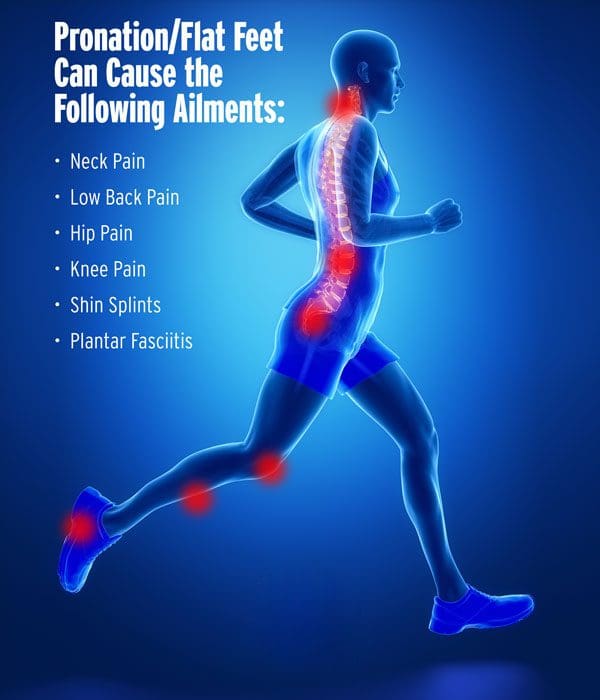
When a foot is pronated, it means its arches have fallen and the foot is flat. Flat feet do not absorb shock as well and make for a less stable base for�the bones, muscles, ligaments, and tendons. They can also:
Shift the body’s alignment out of order
Cause aches and pains in the feet, knees, hips, neck and/or spine
Lead to injury and problems like shin splints, Achilles tendinitis, and plantar fasciitis
Up to a third of people suffer from flat feet
Causes
The connective tissue, called the plantar fascia, on the underside of the foot is what maintains the foot�s healthy arch shape. Injury and health conditions can cause the fascia to stretch out and flatten. But so can everyday walking and standing. Once the fascia stretches out, it is unable to spring back. When the foot structure becomes flattened, the body�s foundation is prone to injury and health conditions.
Treatment
Chiropractic adjusting to ensure proper positioning of bones and joints
Custom orthotics in every pair of shoes for pronation control, support, and comfort
Get Rid of *Foot Pronation* with *FOOT ORTHOTICS* | El Paso, Tx (2019)
Pronation
Pronation describes the way that the foot rolls inward during its normal motion. The foot turns inward, flattening out, as the heel�s outer edge strikes the ground. For the foot to function correctly, there must be a significant degree of pronation. However, excessive pronation, or overpronation, can cause injury and damage to the foot and ankle. It creates the arch in the foot to flatten, and the ligaments, tendons, and muscles under the foot overstretch. For instance, overpronation of the foot causes a series of internal changes that extend up through the leg. The femur may rotate causing hip pain and inflammation of the sacroiliac joint which leads to back pain. Other misalignments in the body that are caused by foot problems can also lead to chronic lower back pain as well.
NCBI Resources
Sometimes there are abnormalities of the spine and it causes a misalignment of the natural curvatures or some curvatures may be exaggerated. These unnatural curvatures of the spine are characterized by three health conditions called�lordosis, kyphosis, and scoliosis. They gently curve, sloping slightly inward at the small of the back, and again slightly at the neck. The pull of gravity, combined with body movement, can put a great deal of stress on the spine and these slight curves help absorb some of the impact. Spinal manipulations for spinal curvature disorders�have been shown to be very effective. Chiropractic helps restore the spine�s natural balance even if the patient has one of these types of conditions.
IFM's Find A Practitioner tool is the largest referral network in Functional Medicine, created to help patients locate Functional Medicine practitioners anywhere in the world. IFM Certified Practitioners are listed first in the search results, given their extensive education in Functional Medicine