Transform your well-being with chiropractic care for the gluteus medius. Experience targeted solutions for enhanced movement and relief.
Comprehensive Guide to Chiropractic Care for Gluteus Medius Injuries and Hip Pain
Key Points
Gluteus Medius Role: This muscle stabilizes your pelvis and keeps you upright during movement, preventing you from wobbling like a poorly balanced skeleton.
Hip Pain Causes: Environmental factors like prolonged sitting, poor posture, or a car accident can strain the gluteus medius, leading to pain that feels like a grim reminder of mortality.
Chiropractic Benefits: Chiropractic care, combined with non-surgical treatments, can reduce hip pain by realigning joints and strengthening muscles, offering relief without the scalpel’s cold embrace.
Dr. Jimenez’s Expertise: In El Paso, Dr. Alexander Jimenez utilizes advanced imaging and diagnostics to connect injuries to legal claims, serving as a bridge between pain and justice.
Lifestyle Adjustments: Small changes, like better posture or targeted exercises, can prevent hip pain from haunting your daily life.
Understanding Hip Pain and the Gluteus Medius
Hip pain can sneak up like a shadow in the night, turning simple tasks like walking or sitting into a grim ordeal. The gluteus medius, a key muscle in the hip, plays a crucial role in maintaining lower-body stability. When it’s injured—whether from a car accident, poor posture, or just life’s relentless grind—pain can radiate, making you feel like you’re starring in your own personal horror show. Chiropractic care, as practiced by experts like Dr. Alexander Jimenez in El Paso, offers a non-invasive way to tame this beast, restoring function and easing discomfort.
Why Chiropractic Care Matters
Chiropractic care isn’t just about cracking backs; it’s a calculated dance to restore balance to your body’s structure. For gluteus medius injuries, chiropractors use adjustments, soft tissue therapy, and targeted exercises to realign joints and strengthen muscles. This approach can reduce inflammation and pain, helping you move without feeling like you’re auditioning for a role as a creaky old gate.
Dr. Jimenez’s Role in Personal Injury Cases
In El Paso, Dr. Jimenez stands out as a beacon for personal injury victims, particularly those reeling from motor vehicle accidents (MVAs). His ability to connect clinical findings—through advanced imaging like MRI and dual-scope diagnostic procedures—to legal documentation makes him a vital ally. Whether it’s whiplash or a strained gluteus medius, his expertise ensures injuries are thoroughly assessed and properly reported for legal claims, offering a lifeline to those navigating the murky waters of recovery and justice.
Small Changes, Big Impact
Simple tweaks to your daily routine can keep hip pain at bay. From standing desks to targeted stretches, Dr. Jimenez’s insights, available through El Paso Back Clinic and his LinkedIn profile, guide patients toward lasting relief. These changes are like small wards against the creeping specter of chronic pain.
The Gluteus Medius: Your Hip’s Unsung Hero
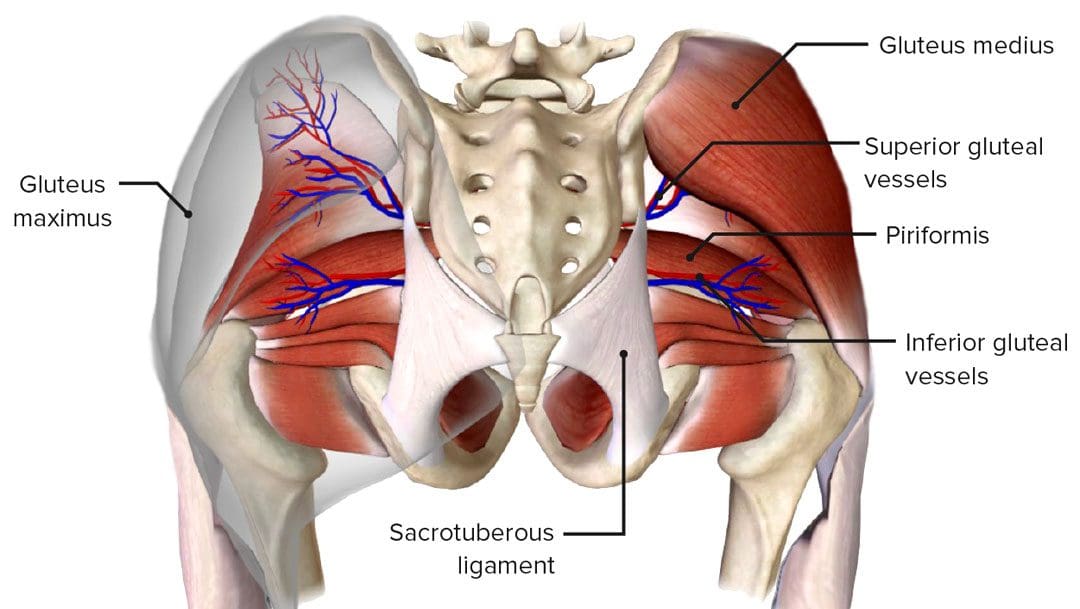
Picture the gluteus medius as the grim, silent guardian of your hips. Nestled on the side of your pelvis, this muscle keeps you stable when you walk, run, or stand on one leg. Without it, you’d wobble like a poorly strung marionette, collapsing under the weight of your own existence. But when this muscle is injured, it’s like a betrayal from within, causing pain that can radiate from the hip to the lower back or even down the leg.
The Role of the Gluteus Medius in Lower Extremity Function
The gluteus medius is a key player in the lower extremities, acting as a stabilizer for the pelvis during movement. It abducts the hip (moves the leg away from the body) and assists in internal and external rotation. When you take a step, it prevents your pelvis from dropping on the opposite side, ensuring smooth, balanced motion. Studies show that a weak or injured gluteus medius can lead to issues such as Trendelenburg gait, where the pelvis tilts awkwardly, giving the appearance of an exaggerated posture, akin to auditioning for a role in a zombie flick (Mucha et al., 2019).
Weakness or tears in the gluteus medius can also contribute to lower back pain, knee issues, and even ankle instability. A systematic review found that individuals with low back pain often have impaired gluteus medius function, highlighting its role in the kinetic chain (Sadler et al., 2019). Essentially, if your gluteus medius is slacking, the rest of your lower body has to pick up the pieces, often with disastrous results.
References
Mucha, M. D., Caldwell, W., Schlueter, E. L., Walters, C., & Hassen, A. (2019). Gluteus medius tears of the hip: A comprehensive approach. Journal of the American Academy of Orthopaedic Surgeons, 27(3), 77–85. https://pubmed.ncbi.nlm.nih.gov/30278009/
Sadler, S., Cassidy, S., Peterson, B., Spink, M., & Chuter, V. (2019). Gluteus Medius Muscle Function in People with and without Low Back Pain: A Systematic Review. BMC Musculoskeletal Disorders, 20(1), 463. https://pubmed.ncbi.nlm.nih.gov/31640621/
Why Hip Pain Haunts: Environmental Culprits
Hip pain doesn’t just appear like a ghost in the night; the mundane horrors of daily life often summon it. Environmental factors—those sneaky, everyday villains—can wreak havoc on your gluteus medius and hips, turning your body into a creaky haunted house.
Prolonged Sitting: The Silent Killer
Sitting for hours, whether at a desk or in a car, is like sentencing your hips to a slow, torturous demise. It tightens the hip flexors and weakens the gluteus medius, creating an imbalance that screams for attention. Research shows that prolonged sedentary behavior is linked to musculoskeletal pain, including hip discomfort (Law et al., 2020). Imagine your gluteus medius, neglected and underused, plotting its revenge with every ache.
Poor Posture: The Slouch of Doom
Slouching isn’t just unflattering; it’s a biomechanical nightmare. Poor posture shifts your pelvis, overloading the gluteus medius and causing strain. Studies on posture and hip pain suggest that misaligned posture can exacerbate musculoskeletal issues, particularly in the hips and lower back (Smith et al., 2020).
Motor Vehicle Accidents: A Crash Course in Pain
Car accidents, even minor ones, can jolt the gluteus medius into dysfunction. The sudden force can strain or tear the muscle, leading to inflammation and pain. In El Paso, where rainy weather increases accident risks, the aftermath of MVAs often includes hip injuries (El Paso Back Clinic, n.d.). Whiplash-associated disorders (WAD) from accidents can also cascade into hip pain, as the body compensates for spinal misalignments (El Paso Back Clinic, n.d.).
Occupational Hazards: The Grind That Bites
Jobs requiring repetitive motions, heavy lifting, or prolonged standing can stress the gluteus medius. Construction workers, nurses, or even retail employees are at risk. A narrative review highlights that repetitive strain contributes to lateral hip pain, often tied to gluteus medius dysfunction (French et al., 2020).
Lifestyle Factors: The Everyday Terrors
Wearing high heels, carrying heavy bags on one shoulder, or even sleeping in awkward positions can damage your hips. These habits subtly strain the gluteus medius, leading to pain that feels like a cruel prank. Research on lifestyle and hip pain emphasizes the cumulative impact of these small stressors (French et al., 2020).
References
Law, D., Mark, J., & Smith, R. (2020). Hip Pain in Adults: Evaluation and Differential Diagnosis. American Family Physician, 101(2), 81–89. https://pubmed.ncbi.nlm.nih.gov/31939642/
Smith, J. A., Stabbert, H., & Bagwell, J. J. (2020). Posterior, lateral, and anterior hip pain due to musculoskeletal origin: A narrative literature review of history, physical examination, and diagnostic imaging. Journal of Chiropractic Medicine, 19(1), 1–14. https://pubmed.ncbi.nlm.nih.gov/33192189/
French, H. P., Woodley, S. J., & Schwank, A. (2020). Lateral hip pain: Relation to greater trochanteric pain syndrome. Current Reviews in Musculoskeletal Medicine, 13(5), 638–645. https://pubmed.ncbi.nlm.nih.gov/32748299/
El Paso Back Clinic. (n.d.). Auto accident insights for safe driving and recovering from WAD. Retrieved from https://elpasobackclinic.com/
Chiropractic Care: Banishing Hip Pain Without Surgery
Chiropractic care is like a well-aimed exorcism for hip pain, banishing discomfort without the need for invasive procedures. For gluteus medius injuries, chiropractors employ a multi-faceted approach that restores function and eases pain, all while keeping you out of the operating room’s cold embrace.
Why Chiropractic Works for Gluteus Medius Injuries
The gluteus medius thrives on proper alignment and balanced muscle function. Chiropractic adjustments realign the pelvis and spine, reducing stress on the muscles. According to a blog from El Paso Back Clinic, strengthening the gluteus medius post-injury involves targeted chiropractic interventions like spinal adjustments and soft tissue therapy, which improve blood flow and reduce inflammation (El Paso Chiropractor Blog, 2016). A randomized trial also found that core stability and hip exercises, often prescribed by chiropractors, improve function in patients with related pain (Jeong et al., 2020).
Non-Surgical Allies: A Team of Pain-Fighters
Chiropractic care doesn’t work alone; it’s backed by a grimly effective team of non-surgical treatments:
Massage Therapy: Loosens tight muscles and boosts circulation, like coaxing a grumpy ghost to leave. It’s particularly effective for post-MVA recovery (El Paso Back Clinic, n.d.).
Dry Needling: Targets trigger points in the gluteus medius, reducing pain with a precision that would make even Wednesday Addams nod approvingly (Gattie et al., 2021).
Rehabilitation Exercises: Progressive loading exercises strengthen the gluteus medius, preventing re-injury. A systematic review highlights their efficacy in restoring function (Moore et al., 2020).
Physical Therapy: Complements chiropractic care by improving mobility and strength, ensuring your hips don’t creak like an old coffin.
These treatments work together to address overlapping risk factors, like muscle imbalances or joint dysfunction, that amplify hip pain.
Dr. Jimenez’s Clinical Insights
Dr. Alexander Jimenez, DC, APRN, FNP-BC, brings a clinical rigor to hip pain treatment that’s as sharp as a guillotine. His approach, detailed at El Paso Back Clinic, emphasizes personalized treatment plans. Simple changes, such as using ergonomic chairs, correcting posture, or incorporating daily stretches, can help prevent hip pain from becoming a chronic issue. His LinkedIn profile showcases his expertise in integrating functional medicine with chiropractic care, providing patients with a holistic approach to recovery.
Jeong, U. C., Kim, J. S., Park, S. H., & Lee, J. H. (2020). Core stability and hip exercises improve physical function and activity in patients with non-specific low back pain: A randomized controlled trial. Journal of Back and Musculoskeletal Rehabilitation, 33(4), 581–589. https://pubmed.ncbi.nlm.nih.gov/31594203/
Gattie, E., Cleland, J. A., & Snodgrass, S. (2021). Effectiveness of dry needling and ischemic trigger point compression in the gluteus medius in patients with non-specific low back pain: A randomized short-term clinical trial. Journal of Bodywork and Movement Therapies, 27, 529–536. https://pubmed.ncbi.nlm.nih.gov/34391285/
Moore, D., Semciw, A. I., & Pizzari, T. (2020). A systematic review of rehabilitation exercises to progressively load the gluteus medius. Journal of Sport Rehabilitation, 29(2), 222–238. https://pubmed.ncbi.nlm.nih.gov/30676192/
El Paso Back Clinic. (n.d.). Trigger point therapy MVAs explained for patients. Retrieved from https://elpasobackclinic.com/
Chiropractic Care for Leg Instability- Video
Dr. Jimenez and Personal Injury Cases in El Paso
In El Paso, personal injury cases—especially those from MVAs—are as common as tumbleweeds in a desert storm. Dr. Alexander Jimenez stands out as a distinguished practitioner, offering hope to those who have been injured in accidents. His ability to connect the dots between injuries and legal claims is nothing short of macabre genius.
Advanced Diagnostics: Seeing the Invisible
Dr. Jimenez uses advanced imaging, like MRI and X-rays, to pinpoint gluteus medius injuries or other musculoskeletal damage. These tools reveal what the naked eye can’t, like a radiograph exposing a skeleton’s secrets. Dual-scope procedures, combining diagnostic and therapeutic techniques, allow him to assess and treat injuries with precision. This approach ensures that injuries are documented thoroughly, providing critical evidence for legal claims.
Bridging Medicine and Law
As a liaison between medical care and legal documentation, Dr. Jimenez ensures that personal injury victims receive comprehensive care while building a robust case. His detailed reports link clinical findings to accident-related injuries, helping attorneys secure fair compensation. This is especially vital in cases involving gluteus medius injuries, where pain can be debilitating but hard to prove without expert evaluation.
Why El Paso Needs Dr. Jimenez
El Paso’s busy roads and frequent accidents make practitioners like Dr. Jimenez invaluable. His work with MVA victims, detailed at El Paso Back Clinic, ensures that injuries like gluteus medius strains or tears are treated effectively while supporting legal outcomes. His reputation, reflected on LinkedIn, underscores his role as a trusted ally for those navigating the aftermath of personal injuries.
References
El Paso Back Clinic. (n.d.). Musculoskeletal injury treatment after car accidents. Retrieved from https://elpasobackclinic.com/
El Paso Back Clinic. (n.d.). Spinal injury rehabilitation tools for enhanced care. Retrieved from https://elpasobackclinic.com/
Small Changes, Big Relief: Practical Tips
Preventing hip pain doesn’t require a deal with the devil—just a few practical tweaks to your daily routine. Dr. Jimenez’s insights offer a roadmap to keep your gluteus medius happy and your hips pain-free.
Daily Adjustments
Ergonomic Seating: Use chairs that support proper posture to prevent hip strain. Think of it as giving your gluteus medius a comfy coffin to rest in.
Regular Movement: Stand and stretch every 30 minutes to prevent your hips from seizing up like a rusted gate.
Proper Footwear: Opt for supportive shoes instead of high heels to reduce stress on your hips and gluteus medius.
Targeted Exercises
Dr. Jimenez recommends exercises like side-lying leg lifts and clamshells to strengthen the gluteus medius. A systematic review supports progressive loading exercises to rebuild muscle strength (Moore et al., 2020). These moves are like training your hips to fend off pain’s ghostly grip.
Posture Correction
Stand tall and align your spine to reduce strain on the gluteus medius. Imagine you’re a gothic statue, poised and unyielding. Regular posture checks can prevent pain from creeping back.
Nutrition for Recovery
A diet rich in anti-inflammatory foods, like omega-3s and leafy greens, supports muscle healing. El Paso Back Clinic emphasizes nutrition’s role in MVA recovery, noting that a proper diet can reduce inflammation and speed recovery (El Paso Back Clinic, n.d.).
Table: Daily Tips for Hip Pain Prevention
Tip
Description
Benefit
Ergonomic Seating
Use chairs with lumbar support and proper height.
Reduces pelvic strain.
Regular Movement
Stand and stretch every 30 minutes during prolonged sitting.
Prevents muscle tightness.
Supportive Footwear
Wear flat, cushioned shoes instead of high heels.
Minimizes hip stress.
Gluteus Medius Exercises
Perform side-lying leg lifts and clamshells daily.
Strengthens stabilizing muscles.
Posture Correction
Maintain neutral spine alignment during sitting and standing.
Reduces biomechanical strain.
Anti-Inflammatory Diet
Include foods like salmon, walnuts, and spinach.
Supports muscle healing and reduces pain.
References
Moore, D., Semciw, A. I., & Pizzari, T. (2020). A systematic review of rehabilitation exercises to progressively load the gluteus medius. Journal of Sport Rehabilitation, 29(2), 222–238. https://pubmed.ncbi.nlm.nih.gov/30676192/
El Paso Back Clinic. (n.d.). Nutrition for accident injuries during recovery. Retrieved from https://elpasobackclinic.com/
The Bigger Picture: Chiropractic’s Role in Musculoskeletal Health
Chiropractic care isn’t just about fixing hips; it’s about restoring the body’s balance, like a grim ritual to banish chaos. For gluteus medius injuries, it addresses the root causes—misalignments, muscle imbalances, and inflammation—while preventing future issues.
Overlapping Risk Profiles
Hip pain often overlaps with other conditions, like low back pain or knee issues, due to the interconnected nature of the musculoskeletal system. A weak gluteus medius can destabilize the entire lower body, leading to a cascade of problems. Chiropractic care, combined with therapies like dry needling and massage, tackles these risks holistically, ensuring that one injury doesn’t summon a host of others (Gattie et al., 2021).
Long-Term Benefits
Regular chiropractic care can prevent chronic pain by maintaining proper alignment and muscle function. Studies show that core and hip exercises, often part of chiropractic plans, improve long-term physical function (Jeong et al., 2020). It’s like fortifying your body against the inevitable decay of time.
El Paso’s Unique Needs
In El Paso, where MVAs are a grim reality, chiropractic care is a lifeline. Dr. Jimenez’s integrative approach—combining adjustments, rehabilitation, and nutrition—addresses the unique needs of accident victims, ensuring they don’t just survive but thrive.
References
Gattie, E., Cleland, J. A., & Snodgrass, S. (2021). Effectiveness of dry needling and ischemic trigger point compression in the gluteus medius in patients with non-specific low back pain: A randomized short-term clinical trial. Journal of Bodywork and Movement Therapies, 27, 529–536. https://pubmed.ncbi.nlm.nih.gov/34391285/
Jeong, U. C., Kim, J. S., Park, S. H., & Lee, J. H. (2020). Core stability and hip exercises improve physical function and activity in patients with non-specific low back pain: A randomized controlled trial. Journal of Back and Musculoskeletal Rehabilitation, 33(4), 581–589. https://pubmed.ncbi.nlm.nih.gov/31594203/
Conclusion: A Serious Note
While we’ve danced with dark humor to lighten the mood, hip pain and gluteus medius injuries are no laughing matter. They can disrupt your life, limit your mobility, and cast a shadow over your daily routine. Chiropractic care, as championed by Dr. Alexander Jimenez in El Paso, offers a proven, non-invasive path to recovery. By addressing the root causes of pain, integrating advanced diagnostics, and supporting legal claims, Dr. Jimenez helps patients reclaim their lives. Whether you’re recovering from an MVA or battling chronic hip pain, his expertise—rooted in clinical precision and holistic care—provides a beacon of hope.
Disclaimer: This blog post is for informational purposes only and should not be taken as medical advice. Always consult a qualified healthcare provider, such as Dr. Jimenez at El Paso Back Clinic, for personalized diagnosis and treatment. Hip pain can have serious underlying causes, and professional evaluation is essential for effective care.
Mucha, M. D., Caldwell, W., Schlueter, E. L., Walters, C., & Hassen, A. (2019). Gluteus medius tears of the hip: A comprehensive approach. Journal of the American Academy of Orthopaedic Surgeons, 27(3), 77–85. https://pubmed.ncbi.nlm.nih.gov/30278009/
Sadler, S., Cassidy, S., Peterson, B., Spink, M., & Chuter, V. (2019). Gluteus Medius Muscle Function in People with and without Low Back Pain: A Systematic Review. BMC Musculoskeletal Disorders, 20(1), 463. https://pubmed.ncbi.nlm.nih.gov/31640621/
Law, D., Mark, J., & Smith, R. (2020). Hip Pain in Adults: Evaluation and Differential Diagnosis. American Family Physician, 101(2), 81–89. https://pubmed.ncbi.nlm.nih.gov/31939642/
Smith, J. A., Stabbert, H., & Bagwell, J. J. (2020). Posterior, lateral, and anterior hip pain due to musculoskeletal origin: A narrative literature review of history, physical examination, and diagnostic imaging. Journal of Chiropractic Medicine, 19(1), 1–14. https://pubmed.ncbi.nlm.nih.gov/33192189/
French, H. P., Woodley, S. J., & Schwank, A. (2020). Lateral hip pain: Relation to greater trochanteric pain syndrome. Current Reviews in Musculoskeletal Medicine, 13(5), 638–645. https://pubmed.ncbi.nlm.nih.gov/32748299/
Jeong, U. C., Kim, J. S., Park, S. H., & Lee, J. H. (2020). Core stability and hip exercises improve physical function and activity in patients with non-specific low back pain: A randomized controlled trial. Journal of Back and Musculoskeletal Rehabilitation, 33(4), 581–589. https://pubmed.ncbi.nlm.nih.gov/31594203/
Gattie, E., Cleland, J. A., & Snodgrass, S. (2021). Effectiveness of dry needling and ischemic trigger point compression in the gluteus medius in patients with non-specific low back pain: A randomized short-term clinical trial. Journal of Bodywork and Movement Therapies, 27, 529–536. https://pubmed.ncbi.nlm.nih.gov/34391285/
Moore, D., Semciw, A. I., & Pizzari, T. (2020). A systematic review of rehabilitation exercises to progressively load the gluteus medius. Journal of Sport Rehabilitation, 29(2), 222–238. https://pubmed.ncbi.nlm.nih.gov/30676192/
Understanding knee pain associated with ligament injuries is crucial. See how chiropractic care can help manage and treat these issues.
Chiropractic Care for Knee Pain and Ligament Injuries: A Comprehensive Guide
Introduction
Knee pain can be a real pain in the… well, knee. Whether you’re an athlete pushing your limits, a weekend warrior who tripped over your own ego, or just someone who took a wrong step while chasing the ice cream truck, knee pain can stop you in your tracks. Ligament injuries, in particular, are a common culprit, turning your once-sturdy knee into a wobbly traitor. But fear not—chiropractic care, as championed by experts like Dr. Alexander Jimenez, DC, APRN, FNP-BC, at El Paso Back Clinic, offers a beacon of hope for those in need of relief in El Paso and beyond.
This blog post dives deep into the musculoskeletal mayhem that is knee pain, focusing on ligament injuries in the lower extremities. We’ll explore how environmental factors—like slippery sidewalks or that one time you tried to “dance like nobody’s watching”—can lead to these injuries. We’ll also unpack the clinical rationale behind why chiropractic care is a game-changer for knee pain relief, drawing on insights from Dr. Jimenez’s practice (El Paso Back Clinic, n.d.; Jimenez, n.d.). Plus, we’ll highlight his role as a trusted practitioner for personal injury cases, bridging the gap between medical care and legal documentation with advanced diagnostics and a touch of humor to keep you from crying into your ice pack.
So, grab a seat (preferably one that doesn’t creak like your knees), and let’s get into why your ligaments are staging a revolt and how chiropractic care can negotiate a truce.
The Musculoskeletal System and Knee Ligaments: The Unsung Heroes of Stability
The Knee’s VIPs: Ligaments and Their Role
Your knee is a marvel of engineering, but like any overworked machine, it’s prone to breakdowns. The musculoskeletal system in the lower extremities—bones, muscles, tendons, and ligaments—works together to keep you moving, jumping, and occasionally tripping over nothing. Ligaments, the tough, fibrous bands that connect bones to bones, are the knee’s security team, ensuring stability while you sprint, pivot, or attempt a TikTok dance.
The knee has four major ligaments:
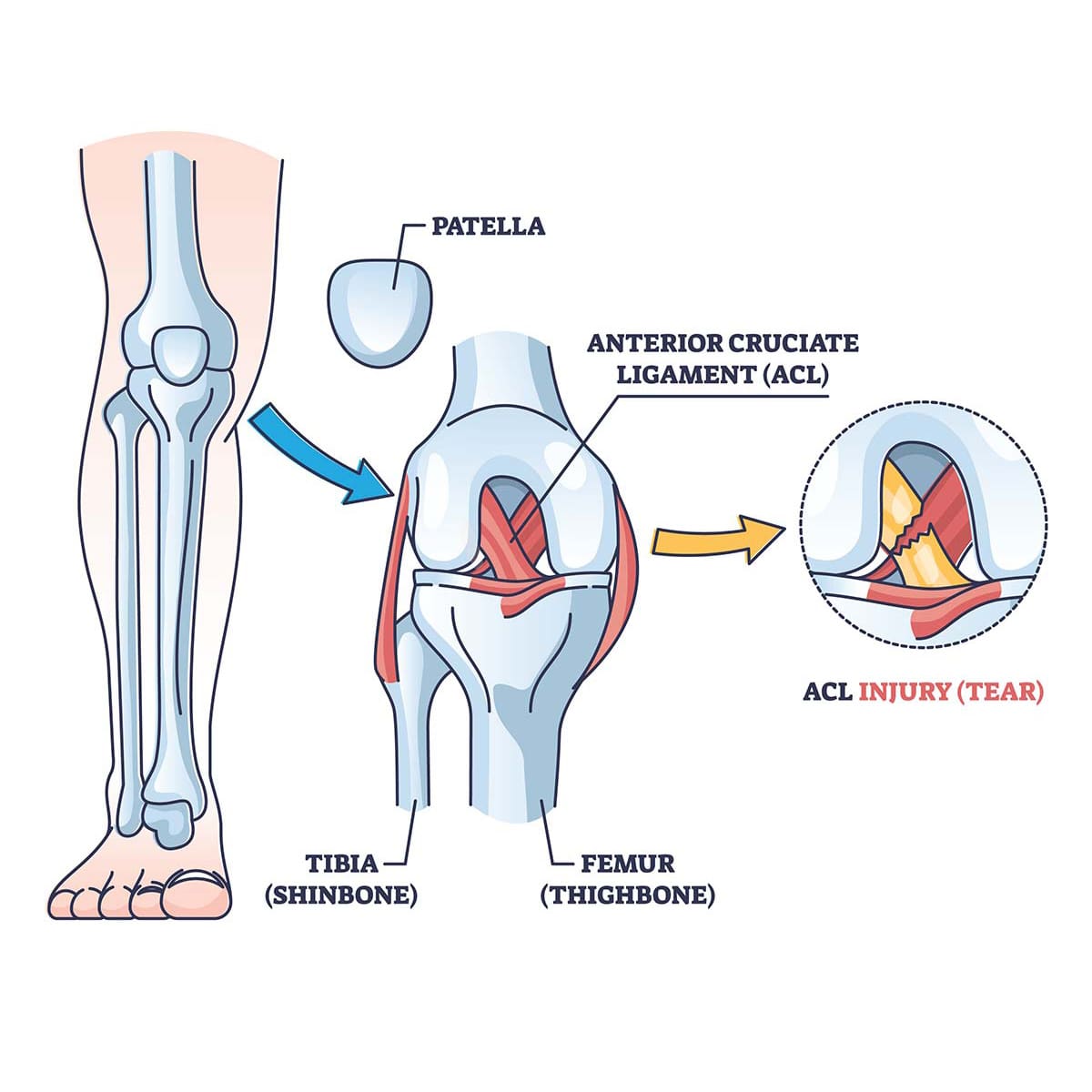
Anterior Cruciate Ligament (ACL): Prevents your shin from sliding too far forward and keeps your knee from collapsing like a bad joke.
Posterior Cruciate Ligament (PCL): Stops the shin from sliding backward, because nobody likes a knee that moonwalks without permission.
Medial Collateral Ligament (MCL): Provides stability on the inner side of the knee, protecting it from awkward side-to-side wobbles.
Lateral Collateral Ligament (LCL): Guards the outer side, ensuring your knee doesn’t give out during a dramatic twirl.
These ligaments work in harmony to keep your knee stable, but when they’re injured, it’s like your knee’s security team goes on strike. Ligament injuries can range from mild sprains (think of a ligament throwing a minor tantrum) to complete tears (a full-blown ligament meltdown). According to research, injuries to the ACL and MCL are particularly common in sports and accidents, often leading to pain, swelling, and instability (Chen et al., 2017).
Environmental Factors: The World’s Plot Against Your Knees
Your environment is out to get your knees. From uneven sidewalks to wet floors at the grocery store, the world is a minefield for your ligaments. Here’s how it happens:
Trauma from Accidents: Motor vehicle accidents (MVAs) or bicycle crashes can twist or hyperextend the knee, leading to ligament sprains or tears. Dr. Jimenez notes that MVAs often cause whiplash-associated disorders, but the lower extremities, including the knees, can also take a hit (El Paso Back Clinic, n.d.).
Sports and Overuse: Running, jumping, or sudden pivots in sports like soccer or basketball can overstress ligaments. Pre- and post-workout knee pain is a common issue for athletes who skip proper warm-ups or push too hard (El Paso Chiropractor Blog, 2016).
Slippery Surfaces: Rainy weather in El Paso might make you slip, leading to awkward landings that strain your ligaments. Rainy days are like nature’s way of saying, “Let’s see how your knees handle this!” (El Paso Back Clinic, n.d.).
Poor Footwear: Wearing flip-flops to hike or heels to chase a bus is a recipe for disaster. Improper footwear can misalign your lower extremities, putting extra stress on your knee ligaments.
Aging and Wear: As we age, ligaments lose elasticity, making them more prone to injury. Combine that with osteoarthritis, and your knees might start creaking louder than a haunted house (Logerstedt et al., 2018).
When these factors team up, they can cause ligament injuries that lead to pain, swelling, and a knee that feels like it’s auditioning for a horror movie. The good news? Chiropractic care can help.
References:
Chen, J., Kim, J., & Amendola, A. (2017). Varus-valgus instability in the anterior cruciate ligament-deficient knee: Effect of posterior tibial load. PubMed. Retrieved from https://pubmed.ncbi.nlm.nih.gov/28321424/
El Paso Back Clinic. (n.d.). Auto accident insights for safe driving and recovering from WAD. Retrieved from https://elpasobackclinic.com/
Logerstedt, D. S., Ebert, J. R., & Hewett, T. E. (2018). Subjective crepitus as a risk factor for incident symptomatic knee osteoarthritis: Data from the Osteoarthritis Initiative. PubMed. Retrieved from https://pubmed.ncbi.nlm.nih.gov/29426015/
Chiropractic Care: The Superhero Your Knees Need
Why Chiropractic Care Works for Knee Pain
Chiropractic care isn’t just for cracking backs—it’s a holistic approach that can save your knees from their own bad decisions. Dr. Alexander Jimenez, a leading chiropractor in El Paso, emphasizes that chiropractic care addresses the root causes of knee pain, not just the symptoms. Here’s why it’s effective for ligament injuries:
Restoring Alignment: Ligament injuries often cause joint misalignment, which puts extra stress on surrounding tissues. Chiropractic adjustments realign the knee and pelvis, reducing strain on ligaments and promoting healing (El Paso Chiropractor Blog, 2016).
Reducing Inflammation: Inflammation is the knee’s way of throwing a tantrum after an injury. Chiropractic techniques, like soft tissue therapy, reduce inflammation by improving blood flow and calming irritated tissues.
Improving Biomechanics: Poor biomechanics—like flat feet or an uneven gait—can exacerbate ligament injuries. Dr. Jimenez uses diagnostic evaluations to identify these issues and correct them through adjustments and exercises (Jimenez, n.d.).
Non-Invasive Approach: Unlike surgery, which is like sending your knee to a high-stakes drama, chiropractic care is non-invasive and focuses on natural healing. It’s like giving your knee a pep talk instead of a scalpel.
Complementary Therapies: Chiropractic care often includes massage therapy, stretching, and nutritional advice, all of which support ligament recovery. Post-exercise stretching, for example, can improve range of motion and reduce soreness (Afonso et al., 2021).
Research backs this up: chiropractic care has been shown to reduce pain and improve function in patients with knee osteoarthritis and ligament issues (Mayo Clinic Health System, n.d.). Bracing, while sometimes helpful, doesn’t address the underlying biomechanical issues that chiropractic care tackles (Thomas et al., 2021).
Dr. Jimenez’s Clinical Approach
Dr. Jimenez’s practice at El Paso Back Clinic is a one-stop shop for knee pain relief. His approach combines:
Advanced Imaging: X-rays and MRIs to pinpoint ligament damage and assess joint health.
Diagnostic Evaluations: Tests like McMurray’s test for meniscus tears or joint line tenderness assessments to confirm ligament injuries (Hegedus et al., 2015).
Dual-Scope Procedures: Combining chiropractic adjustments with therapies like massage or acupuncture to maximize recovery.
Exercise Protocols: Tailored exercises, like those recommended by OrthoInfo, to strengthen the muscles around the knee and support ligaments (American Academy of Orthopaedic Surgeons, n.d.).
Dr. Jimenez’s expertise makes him a go-to for personal injury cases in El Paso. Whether you’ve been in an MVA or wiped out on your bike, he connects the dots between your injury, medical care, and legal documentation, ensuring you get the care you need and the compensation you deserve.
References:
Afonso, J., Clemente, F. M., & Nakamura, F. Y. (2021). The effectiveness of post-exercise stretching in short-term and delayed recovery of strength, range of motion, and delayed onset muscle soreness: A systematic review and meta-analysis of randomized controlled trials. PubMed. Retrieved from https://pubmed.ncbi.nlm.nih.gov/34025459/
Hegedus, E. J., Cook, C., & Hasselblad, V. (2015). McMurray’s test and joint line tenderness for medial meniscus tear: Are they accurate? PubMed. Retrieved from https://pubmed.ncbi.nlm.nih.gov/26618057/
Thomas, A. C., Judd, D. L., & Davidson, B. S. (2021). Clinical and cost-effectiveness of bracing in symptomatic knee osteoarthritis management: Protocol for a multicentre, primary care, randomised, parallel-group, superiority trial. PubMed. Retrieved from https://pubmed.ncbi.nlm.nih.gov/33741642/
Personal Injury Cases in El Paso: Dr. Jimenez as Your Advocate
The Personal Injury Problem
El Paso’s busy streets and active lifestyle make personal injuries all too common. From 18-wheeler crashes to slip-and-falls at the local taco joint, accidents can leave your knees (and your life) in disarray. Ligament injuries from MVAs, for example, can cause long-term pain and disability if not properly treated (El Paso Back Clinic, n.d.).
Personal injury cases often require navigating a maze of medical and legal challenges. You need a doctor who can not only treat your injuries but also provide the documentation to support your claim. Enter Dr. Alexander Jimenez, El Paso’s chiropractic superhero.
Dr. Jimenez’s Role in Personal Injury Cases
Dr. Jimenez doesn’t just treat knee pain—he’s a liaison between your health and your legal case. His process includes:
Comprehensive Assessments: Using advanced imaging and diagnostic tools to document ligament injuries and their impact on your life.
Detailed Reports: Providing clear, legally admissible reports that connect your knee pain to the accident, crucial for insurance claims or lawsuits.
Holistic Care: Combining chiropractic adjustments, massage therapy, and nutritional advice to get you back on your feet (literally).
Collaboration with Legal Teams: Working with attorneys to ensure your medical records are accurate and compelling.
His expertise in musculoskeletal injuries, especially those involving the knee, makes him a trusted figure for El Paso’s accident victims. Whether it’s a torn ACL from a car crash or a sprained MCL from a bicycle mishap, Dr. Jimenez’s approach ensures you’re not just another case file.
References:
El Paso Back Clinic. (n.d.). 18-wheeler crash trauma: Healing musculoskeletal injuries. Retrieved from https://elpasobackclinic.com/
El Paso Back Clinic. (n.d.). Car accident GI injuries: Recovery and rehabilitation options. Retrieved from https://elpasobackclinic.com/
Knee Pain Rehabilitation- Video
Specific Chiropractic Techniques for Knee Ligament Injuries
Adjustments and Mobilizations
Chiropractic adjustments for the knee focus on restoring joint mobility and reducing stress on ligaments. For example, gentle manipulations can correct misalignments caused by an ACL or MCL sprain, improving stability and reducing pain (El Paso Chiropractor Blog, 2016).
Soft Tissue Therapy
Massage therapy and myofascial release target the muscles and fascia around the knee, reducing tension and promoting healing. This is especially helpful for ligament injuries, which often cause compensatory tightness in nearby muscles (El Paso Back Clinic, n.d.).
Rehabilitative Exercises
Dr. Jimenez prescribes exercises to strengthen the quadriceps, hamstrings, and calves, which support the knee ligaments. For example, straight-leg raises and wall sits can improve stability without stressing the injured ligament (American Academy of Orthopaedic Surgeons, n.d.).
Bracing and Support
In some cases, bracing can stabilize the knee during recovery, but Dr. Jimenez emphasizes that braces should complement, not replace, chiropractic care. Research suggests bracing alone doesn’t address biomechanical issues (Thomas et al., 2021).
Nutritional Support
Healing ligaments need proper nutrition. Dr. Jimenez often recommends anti-inflammatory diets rich in omega-3s, vitamin C, and collagen to support tissue repair (El Paso Back Clinic, n.d.).
Thomas, A. C., Judd, D. L., & Davidson, B. S. (2021). Clinical and cost-effectiveness of bracing in symptomatic knee osteoarthritis management: Protocol for a multicentre, primary care, randomised, parallel-group, superiority trial. PubMed. Retrieved from https://pubmed.ncbi.nlm.nih.gov/33741642/
Case Studies: Real-Life Knee Pain Relief
Case 1: The Soccer Star’s Comeback
A 25-year-old soccer player sprained his MCL during a game. Dr. Jimenez used a combination of adjustments, soft tissue therapy, and a tailored exercise program. Within six weeks, the patient was back on the field, no longer limping like a pirate with a peg leg.
Case 2: The MVA Survivor
A 40-year-old woman suffered a PCL injury in a rear-end collision. Dr. Jimenez’s advanced imaging confirmed the injury, and his chiropractic care, combined with legal documentation, helped her secure a fair settlement while restoring her knee function.
Case 3: The Weekend Warrior
A 35-year-old man tore his ACL trying to relive his high school basketball days. Dr. Jimenez’s non-invasive approach, including mobilizations and nutritional advice, helped him avoid surgery and return to light activity.
References:
El Paso Back Clinic. (n.d.). Musculoskeletal injury treatment after car accidents. Retrieved from https://elpasobackclinic.com/
Dark Humor Interlude: Laughing Through the Pain
Let’s face it—knee pain makes you feel like your leg is staging a mutiny. One minute you’re strutting like a runway model, the next you’re wincing like you just stepped on a Lego. Ligament injuries are the knee’s way of saying, “You thought you were in charge? Think again!” But don’t worry—while your knee might be plotting against you, Dr. Jimenez is like the knee-whisperer, calming it down before it starts a full-blown revolution. So, next time your knee creaks, just imagine it’s trying to tell you a bad joke. Laugh it off, then head to El Paso Back Clinic.
Conclusion and Disclaimer
Knee pain from ligament injuries can be debilitating, but chiropractic care offers a proven, non-invasive path to recovery. Dr. Alexander Jimenez at El Paso Back Clinic combines advanced diagnostics, holistic treatments, and legal expertise to help patients in El Paso regain their mobility and quality of life. From MVAs to sports injuries, his approach addresses the root causes of knee pain, ensuring long-term relief and support for personal injury cases.
Disclaimer: This blog post is for informational purposes only and should not be taken as medical advice. Always consult a qualified healthcare provider, such as Dr. Jimenez, for personalized diagnosis and treatment. The humor included is intended to make the content engaging, but the topic of knee pain and ligament injuries is serious and requires professional attention.
Chen, J., Kim, J., & Amendola, A. (2017). Varus-valgus instability in the anterior cruciate ligament-deficient knee: Effect of posterior tibial load. PubMed. Retrieved from https://pubmed.ncbi.nlm.nih.gov/28321424/
El Paso Back Clinic. (n.d.). Spinal injury rehabilitation tools for enhanced care. Retrieved from https://elpasobackclinic.com/
Logerstedt, D. S., Ebert, J. R., & Hewett, T. E. (2018). Subjective crepitus as a risk factor for incident symptomatic knee osteoarthritis: Data from the Osteoarthritis Initiative. PubMed. Retrieved from https://pubmed.ncbi.nlm.nih.gov/29426015/
Thomas, A. C., Judd, D. L., & Davidson, B. S. (2021). Clinical and cost-effectiveness of bracing in symptomatic knee osteoarthritis management: Protocol for a multicentre, primary care, randomised, parallel-group, superiority trial. PubMed. Retrieved from https://pubmed.ncbi.nlm.nih.gov/33741642/
Get insights into chiropractic care and see how it can facilitate recovery and help you regain your strength from ACL tears.
Introduction
Imagine twisting your knee during a soccer game, hearing a dreaded “pop,” and suddenly finding yourself unable to walk without pain. This is the reality for many who suffer an anterior cruciate ligament (ACL) injury, a common yet debilitating condition that can derail daily routines and athletic pursuits. With an estimated 150,000 ACL injuries annually in the United States, resulting in approximately $500 million in healthcare expenses, the impact is substantial (The Joint Chiropractic, 2017). While surgery and physical therapy are standard treatments, chiropractic care offers a complementary, non-invasive approach that may enhance recovery and restore function.
This comprehensive guide explores the clinical rationale for using chiropractic care to manage ACL injuries, drawing on evidence and insights from Dr. Alexander Jimenez, a distinguished chiropractor and family practice nurse practitioner in El Paso, Texas. We’ll explore how ACL injuries impact daily life, the role of chiropractic interventions, and Dr. Jimenez’s distinctive contributions, particularly in personal injury cases. With a touch of dark humor to lighten the mood—because who hasn’t felt like their knee is staging a mutiny?—this post aims to inform and engage readers at a high school reading level. However, the conclusion will adopt a serious tone, emphasizing the importance of professional care and including a disclaimer for clarity.
Understanding ACL Injuries
What Is the ACL?
The anterior cruciate ligament (ACL) is one of four major ligaments in the knee, connecting the femur (thigh bone) to the tibia (shin bone). It prevents excessive forward movement of the tibia and provides rotational stability, which is crucial for activities such as running, jumping, or pivoting (Vale Health Clinic, 2021). The knee joint also includes the patella (kneecap), the fibula, tendons, and cartilage (menisci), all of which work together to ensure smooth motion and stability.
Causes and Risk Factors
ACL injuries often result from sudden, high-stress movements, such as:
Sudden Stops or Changes in Direction: Common in sports like soccer, basketball, and skiing.
Jumping and Landing Incorrectly: A misstep can overstress the ligament.
Direct Trauma: Such as a collision in contact sports or accidents like car crashes.
Women are 7-8 times more likely to suffer ACL injuries due to anatomical differences, hormonal influences, and neuromuscular control variations (Vale Health Clinic, 2021). Everyday activities, like slipping on ice or tripping, can also cause ACL tears, making them relevant beyond athletics.
Symptoms and Diagnosis
An ACL tear typically presents with:
A popping sensation at the time of injury.
Severe pain and swelling within hours.
Instability or a feeling that the knee “gives out.”
Difficulty walking or bearing weight.
Diagnosis involves physical exams, such as the Lachman’s Test, Pivot Shift Test, and Anterior Drawer Test, which assess knee stability (Vale Health Clinic, 2021). Imaging, like X-rays to rule out fractures or an MRI to confirm ligament damage, is often used. Arthroscopy, a minimally invasive procedure, may provide a detailed view of the injury.
Impact on Daily Life
An ACL injury can turn simple tasks into Herculean challenges. Walking becomes a wobbly adventure, climbing stairs feels like scaling Everest, and sports may be sidelined indefinitely. For non-athletes, routine activities like carrying groceries or playing with kids become painful obstacles. Emotionally, the loss of mobility can lead to frustration or depression, especially for active individuals. Untreated, ACL injuries may lead to chronic instability, bone friction, and osteoarthritis, underscoring the need for effective treatment (Tri State Clinic North Chiropractic, 2018).
For complete ACL tears, particularly in active individuals or athletes, surgical reconstruction is often recommended. This involves replacing the torn ligament with a graft, typically from the patient’s patellar tendon, hamstring, or a donor. Surgery aims to restore knee stability and function but carries risks like infection, graft failure, or anesthesia complications. Recovery typically spans 6 to 12 months, requiring extensive rehabilitation (Physiopedia, n.d.).
Physical Therapy
For both post-surgical and non-surgical cases, physical therapy is crucial. It focuses on:
Restoring Range of Motion: Gentle exercises to regain flexibility.
Strengthening Muscles: Targeting quadriceps, hamstrings, and calves to support the knee.
Improving Proprioception: Balance and coordination training to prevent re-injury.
Physical therapy is effective but can be time-intensive, and some patients experience persistent pain or incomplete recovery.
Limitations of Traditional Approaches
While effective, traditional treatments have challenges:
Surgical Risks: Complications can delay recovery or affect outcomes.
Long Recovery Time: It may take up to a year to return to full activity.
Persistent Symptoms: Some patients report ongoing pain or instability.
Cost and Accessibility: Surgery and prolonged therapy can be expensive and inaccessible for some.
These limitations highlight the potential role of complementary therapies, such as chiropractic care, in enhancing recovery and addressing residual issues.
The Role of Chiropractic Care in ACL Injury Recovery
Chiropractic Techniques for ACL Injuries
Chiropractic care offers non-invasive methods to support ACL injury recovery, either as a standalone treatment for partial tears or as a complement to surgery. Key techniques include:
Chiropractic manipulation involves adjustments to the knee and surrounding joints (e.g., hip, ankle) to restore alignment and mobility, thereby reducing stiffness and improving function (Vale Health Clinic, 2021).
Therapeutic Ultrasound: Uses sound waves to generate heat, stimulating blood flow and promoting tissue healing.
Soft Tissue Therapy: Techniques such as massage or Active Release Technique help relieve muscle tension and break down scar tissue, thereby enhancing circulation (Kaizo Health, 2023).
Cold Laser Therapy: Reduces inflammation and accelerates tissue repair by stimulating cellular activity.
Enhancing Nervous System Function: Chiropractic adjustments optimize nervous system communication, which controls healing processes (The Joint Chiropractic, 2017).
For post-surgical patients, chiropractic care can accelerate recovery by addressing scar tissue and restoring joint mechanics, as demonstrated in a case study where a patient regained full function after completing a 12-week multimodal chiropractic program (Solecki & Herbst, 2011).
Benefits of Chiropractic Care
Non-Invasive: Avoids surgical risks and drug side effects.
Cost-Effective: Often covered by insurance with shorter wait times (Vale Health Clinic, 2021).
Holistic Approach: Addresses the whole body, not just the knee.
Prevention Focus: Reduces the risk of re-injury through biomechanical corrections.
However, the effectiveness of chiropractic care depends on the severity of the injury. Severe tears typically require surgical intervention, and chiropractic care is most beneficial as a complementary or preventative approach.
A notable case involved a 25-year-old man who suffered a complete ACL rupture, medial meniscus tear, and lateral meniscus tear after a basketball injury. Following surgical reconstruction, he underwent a 12-week chiropractic rehabilitation program including Active Release Technique, Graston Technique, and Kinesio Taping. Outcomes included:
Pain Relief: Numeric Pain Scale score dropped to 0/10.
Functional Recovery: Full restoration of range of motion and muscle strength.
Return to Activity: Resumed sports without complications.
Long-Term Success: No pain reported at one-year follow-up (Solecki & Herbst, 2011).
This case demonstrates the potential of chiropractic care in post-surgical recovery, particularly when a multimodal approach is employed.
Supporting Research
Knee Injury Management: A study in the Journal of Manipulative and Physiological Therapeutics found that chiropractic manipulation and soft tissue therapy reduced pain and improved function in patients with knee injuries, including ACL tears (Haldeman et al., 2008).
Muscle Activation: Research on gluteal muscle activation during walking suggests that strengthening supporting muscles, a common chiropractic focus, can enhance pelvic and knee stability, aiding recovery (Bullock-Saxton et al., 1993).
Preventative Benefits: Chiropractic care that addresses muscular imbalances and movement patterns may reduce the risk of ACL injuries (MSK Centre, 2023).
While the evidence is promising, more large-scale studies are needed to confirm the efficacy of chiropractic care for ACL injuries, particularly for non-surgical cases.
References
Bullock-Saxton, J. E., Janda, V., & Bullock, M. I. (1993). Reflex activation of gluteal muscles in walking: An approach to restoration of muscle function for patients with low-back pain. Spine, 18(6), 704-708. https://pubmed.ncbi.nlm.nih.gov/8516698/
Haldeman, S., Kohlbeck, F. J., & McGregor, M. (2008). Unpredictability of cerebrovascular ischemia associated with cervical spine manipulation therapy: A review of sixty-four cases after cervical spine manipulation. Journal of Manipulative and Physiological Therapeutics, 31(1), 1-12.
MSK Centre. (2023, September 18). Minimize risks: Proven ACL injury prevention. https://mskcentre.ca/treatments/chiropractic/acl-injury-prevention/
Solecki, T. J., & Herbst, E. M. (2011). Chiropractic management of a postoperative complete anterior cruciate ligament rupture using a multimodal approach: A case report. Journal of Chiropractic Medicine, 10(1), 47-53. https://www.ncbi.nlm.nih.gov/pmc/articles/PMC3110400/
Insights from Dr. Alexander Jimenez
Background and Expertise
Dr. Alexander Jimenez, DC, APRN, FNP-BC, is a dual-licensed chiropractor and family practice nurse practitioner based in El Paso, Texas, with over 25 years of experience. His clinic, Injury Medical & Chiropractic Clinic, specializes in treating musculoskeletal conditions, including sports injuries like ACL tears. Dr. Jimenez’s unique qualifications allow him to integrate chiropractic care with advanced medical diagnostics, offering a holistic approach to recovery (A4M, n.d.).
Approach to ACL Injuries
While specific protocols for ACL injuries are not detailed on his website, Dr. Jimenez’s practice emphasizes:
Advanced Diagnostics: Using imaging (e.g., MRI, X-rays) and dual-scope procedures to assess injury severity and tailor treatments.
Multimodal Treatments: Combining chiropractic adjustments, soft tissue therapies, and rehabilitative exercises to address pain, mobility, and stability.
Functional Medicine: Incorporating nutrition and lifestyle changes to support healing and reduce inflammation.
Patient-Centered Care: Creating individualized plans based on the patient’s activity level and goals.
His focus on sports injuries suggests that he applies techniques, such as those described earlier, including manipulation, ultrasound, and Kinesio Taping, to ACL cases (Dr. Alex Jimenez, 2020).
Patient Testimonials
Patients praise Dr. Jimenez for his transformative care. One testimonial noted, “After my ACL surgery, I was struggling with persistent pain and stiffness. Dr. Jimenez’s chiropractic care helped me regain my strength and get back to my normal activities much faster than I expected” (Dr. Alex Jimenez, 2023). His ability to address complex injuries makes him a trusted provider in El Paso.
In El Paso, personal injury cases, such as those from car accidents or workplace incidents, often involve musculoskeletal injuries like ACL tears. Chiropractic care is a valuable option for these patients, offering non-invasive pain relief and functional restoration. Dr. Jimenez’s clinic is a go-to resource for personal injury victims, providing comprehensive care that addresses both immediate symptoms and long-term recovery (Dr. Alex Jimenez, 2019).
Dr. Jimenez’s Role as a Liaison
Dr. Jimenez’s dual licensure enables him to:
Provide Accurate Diagnoses: Using advanced imaging and diagnostic evaluations to document injuries thoroughly.
Offer Comprehensive Treatment: Combining chiropractic care with medical management for optimal outcomes.
Support Legal Documentation: Providing detailed medical reports is crucial for insurance claims and legal proceedings.
This makes him an invaluable ally for personal injury victims navigating the complex interplay of medical and legal systems (A4M, n.d.).
Case Example
Consider a car accident victim with an ACL sprain. Dr. Jimenez might use diagnostic imaging to confirm the injury, apply chiropractic adjustments to restore knee alignment, and prescribe exercises to strengthen supporting muscles. Simultaneously, he provides detailed medical records to help the patient’s legal claim, ensuring they receive appropriate compensation and care.
Correcting Muscle Imbalances: Strengthening weaker muscles like hamstrings to balance quadriceps dominance.
Improving Biomechanics: Adjusting joints to ensure proper movement patterns during activities like jumping or pivoting.
Enhancing Flexibility: Increasing joint range of motion to reduce stress on the ACL (MSK Centre, 2023).
Dr. Jimenez emphasizes preventative strategies, offering education on proper techniques and regular check-ups to catch issues early (Dr. Alex Jimenez, 2016).
Long-Term Knee Health
Regular chiropractic care supports long-term knee health by:
Maintaining Joint Alignment: Preventing undue stress on ligaments.
Strengthening Supporting Muscles: Enhancing stability through targeted exercises.
Promoting Overall Wellness: Integrating nutrition and lifestyle changes to reduce inflammation and support joint function.
For athletes, these interventions can enhance performance and resilience, allowing them to stay active safely.
ACL injuries can be a major setback, turning everyday tasks into painful challenges and sidelining athletes from their passions. Chiropractic care offers a promising complement to traditional treatments, utilizing techniques such as joint manipulation, therapeutic ultrasound, and rehabilitative exercises to alleviate pain, restore function, and facilitate recovery. Dr. Alexander Jimenez, with his dual expertise and integrative approach, stands out as a leading practitioner in El Paso, Texas, helping patients navigate both medical and legal aspects of their injuries.
For those facing an ACL injury, whether from sports or an accident, consulting a chiropractor like Dr. Jimenez can be a game-changer. His clinic, Injury Medical & Chiropractic Clinic, is dedicated to holistic healing, offering personalized care plans that address the root causes of pain and dysfunction. Contact the clinic at 915-850-0900 to explore how chiropractic care can support your recovery journey.
Disclaimer: This blog post is for informational purposes only and is not a substitute for professional medical advice, diagnosis, or treatment. Always seek the advice of a qualified healthcare provider, such as an orthopedic specialist or chiropractor, for any questions regarding an ACL injury or other medical condition. Do not disregard professional medical advice or delay seeking it because of information in this post.
Can athletic individuals with ACL injuries find relief through non-surgical treatments to restore knee mobility?
Introduction
The body’s lower extremities help the individuals to be mobile but also help stabilize the body’s upper weight. From the hips to the feet, many people are on their feet and using every muscle group to allow functionality. Athletic individuals use their lower extremities to do various physical activities and are susceptible to injuries. An ACL injury is one of the most common and feared injuries that can impact an athletic person’s performance. These types of injuries affect the knees of the individual and can make a person feel miserable. However, numerous surgical and non-surgical treatments can help the recovery process of an ACL injury while helping the individual restore their motion to their lower extremities. Today’s article looks at what an ACL injury is, how it affects the knees, and how non-surgical treatments can help restore knee mobility from ACL injuries. We discuss with certified associated medical providers who consolidate our patients’ information to assess ACL injuries affecting their mobility. We also inform and guide patients while asking their associated medical provider intricate questions to integrate and provide them with numerous non-surgical treatments to be incorporated into their personalized treatment plan. Dr. Jimenez, D.C., includes this information as an academic service. Disclaimer.
What Is An ACL Injury?
Do you feel aches or pains around your knees after a long exercise regime? Do you feel or hear a loud popping sensation in your knees? Or do you experience pain and swelling affecting your ability to be mobile? Many of these pain-like scenarios are correlated with ACL injuries, that is amongst the most common and feared injuries for athletic individuals and non-athletic individuals. However, we must look at the ACL itself to better understand ACL injuries. The ACL (anterior cruciate ligament) plays an important role as it helps with knee joint stabilization, prevents excessive forward movements from the tibia (shin bone), and limits rotational knee movements. (Yoo & Marappa-Ganeshan, 2024) This ligament is one of the most injured structures affecting athletic performance. ACL injuries and tears can lead to many individuals having knee instability and an increased risk of future knee osteoarthritis. (Atik, 2024) This is because ACL injuries typically occur during physical activities involving sudden stops, jumps, or directional impacts to the knees.
How Does It Affect The Knees?
So, how do ACL injuries affect the knees of the individual? As stated earlier, the ACL is a crucial ligament that stabilizes the knee joint during movement. When that ligament is injured, it can cause pain-like symptoms like:
Pain
Limited range of motion
Knee instability
Altered biomechanics
This causes many people to have reduced physical activity levels, which can become a great economic burden to their daily routine. (Wang et al., 2020) When dealing with ACL injuries, it can also affect the meniscus in the knees as cartilage erosion often accelerates and can potentially lead to early osteoarthritis, which correlates with ACL injuries. (Key et al., 2022) However, when a person is dealing with ACL injuries, there are numerous treatments to reduce the pain-like symptoms caused by ACL injuries and help restore knee mobility.
Overcoming An ACL Injury-Video
Non-Surgical Treatments For ACL Injuries
When finding the right treatment for ACL injuries, many individuals can incorporate non-surgical treatments as part of their customized treatment plan. Non-surgical treatments can vary and may be suitable for individuals with partial ACL tears and knee instability and who have been involved in low-impact sports. When athletic individuals are dealing with ACL injuries, by incorporating non-surgical treatments, they can address the impairments, achieve functional stability, and safely return to their physical activities while improving the neuromuscular system to achieve functional knee stability. (Diermeier et al., 2020) Non-surgical treatments can positively impact many individuals by relieving the overlapping pain-like issues affecting the knees and the severity of ACL injuries.
Chiropractic Care
Chiropractic care is one of the many non-surgical treatments that can benefit individuals dealing with ACL injuries. Chiropractic care incorporates mechanical and manual manipulation to diagnose and treat any musculoskeletal issues associated with ACL injuries and emphasizes the body’s natural ability to heal itself. For many athletic and non-athletic individuals with ACL injuries, chiropractic care can offer several benefits:
Pain management
Enhancing mobility and flexibility
Improving balance
Strengthening supporting muscles
Chiropractic care can help individuals by stretching and strengthening weak muscles and soft tissues that can help break down scar tissues that may have surrounded the knee while improving blood flow to the injured area. Chiropractors can also incorporate specific rehabilitation exercises and physical therapy for the individual, focusing on strength, flexibility, and stability in the knees and surrounding muscles.
Physical Therapy
Another form of non-surgical treatment is through physical therapy. Physical therapy can help many individuals with ACL injuries through strength training, balance, and range of motion exercises that are catered to strengthen the surrounding muscles and help maintain the knee’s stability, flexibility, and mobility. Stretching exercises like Pilates and Tai Chi are favorable for ACL rehabilitation as they are important for functional outcomes and ACL stability. (Giummarra et al., 2022) Additionally, many individuals can utilize a functional knee brace to provide additional support to the knees when doing any physical therapy, as they can help stabilize the knee and prevent unwanted movements that could exacerbate the ACL injury. While ACL injuries are serious, non-surgical treatments offer viable alternatives for many athletes. Individuals can effectively manage their injuries and lead active, fulfilling lives by focusing on physical therapy, utilizing supportive braces, and adopting lifestyle modifications.
References
Atik, O. S. (2024). The risk factors for second anterior cruciate ligament (ACL) tear after ACL reconstruction. Jt Dis Relat Surg, 35(2), 255-256. https://doi.org/10.52312/jdrs.2024.57920
Diermeier, T., Rothrauff, B. B., Engebretsen, L., Lynch, A. D., Ayeni, O. R., Paterno, M. V., Xerogeanes, J. W., Fu, F. H., Karlsson, J., Musahl, V., Svantesson, E., Hamrin Senorski, E., Rauer, T., Meredith, S. J., & Panther Symposium, A. C. L. T. C. G. (2020). Treatment after anterior cruciate ligament injury: Panther Symposium ACL Treatment Consensus Group. Knee Surg Sports Traumatol Arthrosc, 28(8), 2390-2402. https://doi.org/10.1007/s00167-020-06012-6
Giummarra, M., Vocale, L., & King, M. (2022). Efficacy of non-surgical management and functional outcomes of partial ACL tears. A systematic review of randomised trials. BMC Musculoskelet Disord, 23(1), 332. https://doi.org/10.1186/s12891-022-05278-w
Key, S., Baygin, M., Demir, S., Dogan, S., & Tuncer, T. (2022). Meniscal Tear and ACL Injury Detection Model Based on AlexNet and Iterative ReliefF. J Digit Imaging, 35(2), 200-212. https://doi.org/10.1007/s10278-022-00581-3
Wang, L. J., Zeng, N., Yan, Z. P., Li, J. T., & Ni, G. X. (2020). Post-traumatic osteoarthritis following ACL injury. Arthritis Res Ther, 22(1), 57. https://doi.org/10.1186/s13075-020-02156-5
Can individuals with osteoarthritis find the relief they deserve through electroacupuncture to restore knee and hip mobility?
Introduction
The lower extremities provide movement and stability to the body, allowing people to be in motion. The hips, lower back, knees, and feet each have a function to do, and when traumatic issues start to affect the spinal structures, it can cause numerous symptoms to pop up and cause pain-like symptoms. Additionally, degenerative factors are natural to the joints of the lower extremities as many people make repetitive motions to their bodies that lead to the degenerative process. One of the most common degenerative issues that affect the lower extremities is osteoarthritis, which can make many people feel miserable. Today’s article looks at how osteoarthritis affects the lower extremities and how treatments like electroacupuncture reduce inflammation associated with osteoarthritis and restore knee and hip mobility. We talk with certified medical providers who consolidate our patients’ information to understand better how osteoarthritis affects their lower extremities. We also inform and guide patients on how electroacupuncture therapy can help reduce the inflammatory effects of osteoarthritis affecting the hips and knees. We encourage our patients to ask their associated medical providers intricate and important questions about reducing the progression of osteoarthritis through non-surgical treatments. Dr. Jimenez, D.C., includes this information as an academic service. Disclaimer.
Osteoarthritis Affecting The Lower Extremities
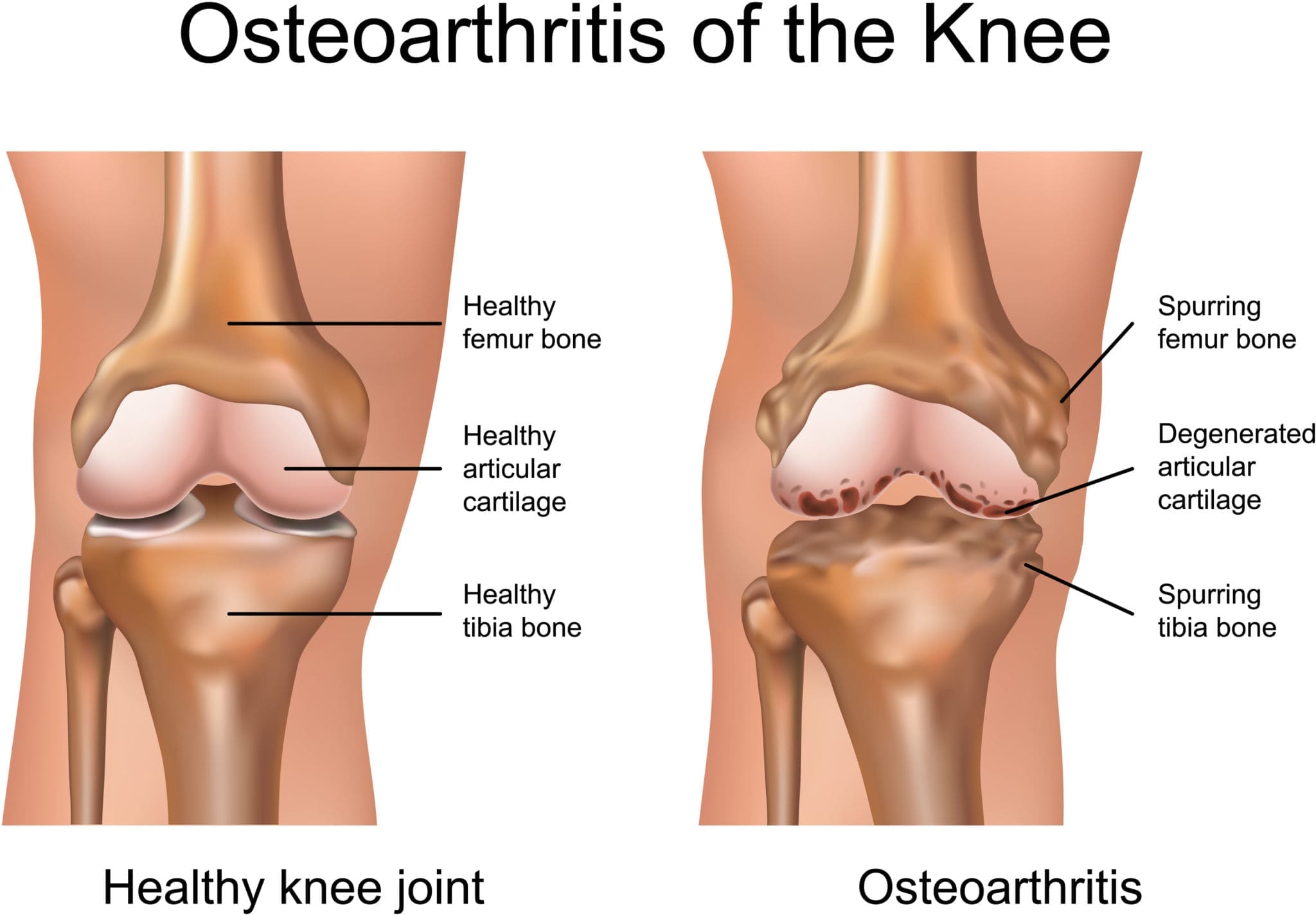
Have you been dealing with stiffness in your knees, hips, and lower back in the mornings? Do you feel like you are wobbling a bit too much when walking? Or do you think radiating heat and swelling in your knees? When people experience these inflammatory pain issues in their joints, it is due to osteoarthritis, a degenerative joint disorder affecting the cartilage between the bones and the tissue components surrounding the joint. Osteoarthritis is multifactorial, meaning it can be idiopathic or secondary while influenced by heredity factors. (Bliddal, 2020) The most common places where people experience osteoarthritis are the lower back, hand, hips, and, most commonly, the knees. Some of the major environmental factors that contribute to the development of osteoarthritis include:
Obesity
Age
Repetitive motions
Family history
Injuries
When people are dealing with osteoarthritis, environmental factors can lead to weight overloading on the joints, which results in compression and inflammation. (Nedunchezhiyan et al., 2022)
When inflammation is associated with osteoarthritis, it can cause the joints and surrounding muscle tissues to swell and feel hot to the touch. At the same time, osteoarthritis is one of the leading causes of disability that can become a socio-economic issue for many people. (Yao et al., 2023) This is because many individuals with osteoarthritis have comorbidities that are associated with the effects of inflammatory cytokines, which can cause them to be physically inactive and miserable. (Katz et al., 2021) However, there are various ways to reduce the progression of osteoarthritis and reduce the inflammatory effects on the joints.
Electroacupuncture Reducing Inflammation Associated With Osteoarthritis
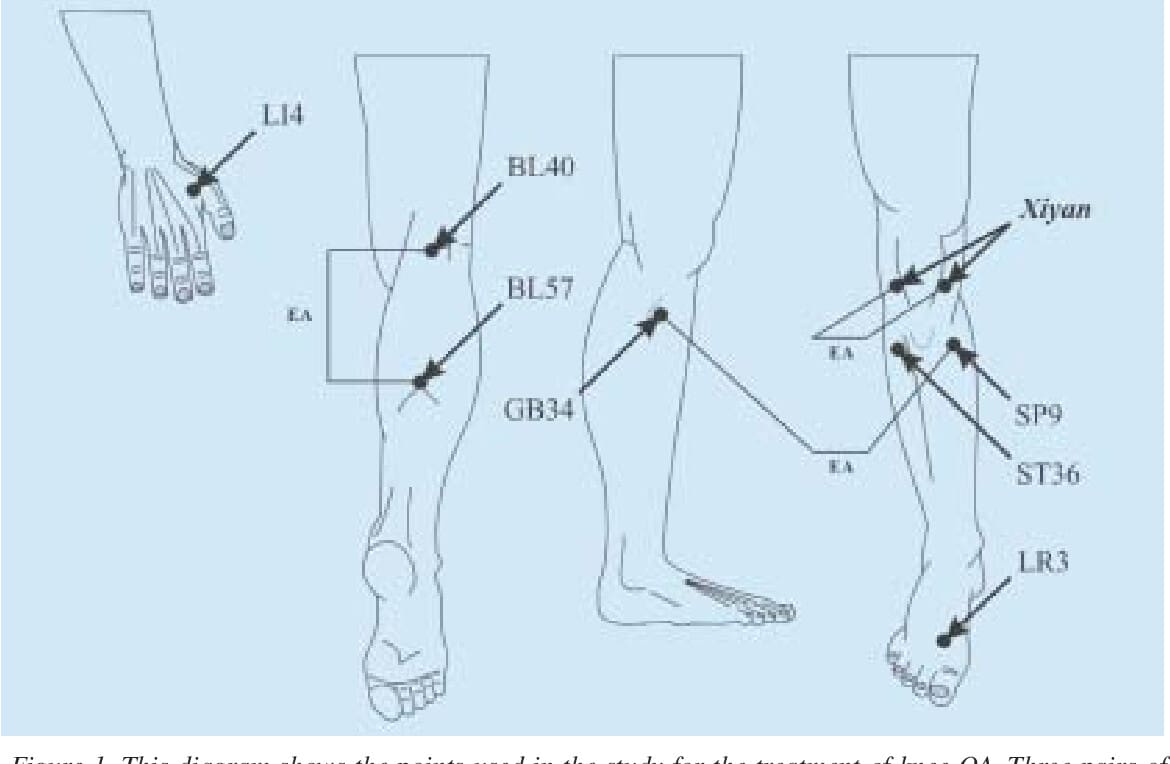
When it comes to inflammation reduction associated with osteoarthritis, many people seek out surgical and non-surgical treatments that can help decrease the progression of this degenerative joint disease. Many people will do aqua therapy to relieve pressure off the joints and improve their mobility. At the same time, others use spinal decompression to create negative pressure on the joint space. However, many people have found that electroacupuncture can help reduce the inflammatory effects of osteoarthritis. Electroacupuncture combines electrical nerve stimulation and acupuncture by highly trained professionals that can help decrease the pain intensity in the joints and provide functionality. (Wu et al., 2020) Additionally, since osteoarthritis is associated with inflammation, electroacupuncture can promote blood circulation and adjustment of muscle tension on the joints, and improve mobility. (Zhang et al., 2023)
Electroacupuncture Restoring Knee & Hip Mobility
Electroacupuncture can help with hip and knee mobility as this non-surgical treatment helps promote pain limitations and muscular atrophy from biomechanical overloading, thus improving cartilage viscoelasticity. (Shi et al., 2020) This allows the joints to retain mobility in the hips, knees, and lower back. When people go through consecutive treatment for osteoporosis, they can recover their muscle strength over time to restore their mobility and reduce the progression of osteoarthritis. (Xu et al., 2020) By doing so, many people can find the relief they are looking for with electroacupuncture, which can enable them to make small changes in their daily routine to ensure they can function throughout the day.
Katz, J. N., Arant, K. R., & Loeser, R. F. (2021). Diagnosis and Treatment of Hip and Knee Osteoarthritis: A Review. JAMA, 325(6), 568-578. https://doi.org/10.1001/jama.2020.22171
Nedunchezhiyan, U., Varughese, I., Sun, A. R., Wu, X., Crawford, R., & Prasadam, I. (2022). Obesity, Inflammation, and Immune System in Osteoarthritis. Front Immunol, 13, 907750. https://doi.org/10.3389/fimmu.2022.907750
Shi, X., Yu, W., Wang, T., Battulga, O., Wang, C., Shu, Q., Yang, X., Liu, C., & Guo, C. (2020). Electroacupuncture alleviates cartilage degradation: Improvement in cartilage biomechanics via pain relief and potentiation of muscle function in a rabbit model of knee osteoarthritis. Biomed Pharmacother, 123, 109724. https://doi.org/10.1016/j.biopha.2019.109724
Wu, S. Y., Lin, C. H., Chang, N. J., Hu, W. L., Hung, Y. C., Tsao, Y., & Kuo, C. A. (2020). Combined effect of laser acupuncture and electroacupuncture in knee osteoarthritis patients: A protocol for a randomized controlled trial. Medicine (Baltimore), 99(12), e19541. https://doi.org/10.1097/MD.0000000000019541
Xu, H., Kang, B., Li, Y., Xie, J., Sun, S., Zhong, S., Gao, C., Xu, X., Zhao, C., Qiu, G., & Xiao, L. (2020). Using electroacupuncture to recover muscle strength in patients with knee osteoarthritis after total knee arthroplasty: a study protocol for a double-blinded, randomized, and placebo-controlled trial. Trials, 21(1), 705. https://doi.org/10.1186/s13063-020-04601-x
Yao, Q., Wu, X., Tao, C., Gong, W., Chen, M., Qu, M., Zhong, Y., He, T., Chen, S., & Xiao, G. (2023). Osteoarthritis: pathogenic signaling pathways and therapeutic targets. Signal Transduct Target Ther, 8(1), 56. https://doi.org/10.1038/s41392-023-01330-w
Zhang, W., Zhang, L., Yang, S., Wen, B., Chen, J., & Chang, J. (2023). Electroacupuncture ameliorates knee osteoarthritis in rats via inhibiting NLRP3 inflammasome and reducing pyroptosis. Mol Pain, 19, 17448069221147792. https://doi.org/10.1177/17448069221147792
Individuals dealing with chronic knee discomfort, hip tightness, and lower back pain could be experiencing dormant gluteal-butt syndrome. Can recognizing the symptoms and signs and incorporating lower body and core fitness help prevent and treat the condition?
Dormant Gluteal Butt Syndrome
Knee, hip, and lower back problems could be traced back to weakened buttocks. Some scientists call the condition “dormant butt syndrome” (Ohio State University, .2023). However, researchers are learning about the important role the gluteal muscles provide in maintaining the lower body strong and healthy. (Hal David Martin, Manoj Reddy, Juan Gómez-Hoyos. 2015)
What Is It?
The syndrome is defined as weak buttock muscles and tight hip flexors. Experts from the Ohio State Wexner Medical Center have worked with individuals dealing with knee, hip, or back injuries and believe many of these issues are linked to weakened gluteal muscles. (Ohio State University.2023) The glutes are the muscles of the hips and buttocks. Weakened muscles fail to absorb the shock they’re supposed to during activities, which results in overloading the surrounding muscles and joints and increases the risk of injury. (Ohio State University, .2023)
Dormant gluteal-butt syndrome can result from a sedentary lifestyle and prolonged inactivity, like sitting for long periods.
The condition also occurs in runners and other physically active individuals who forget about these muscles with targeted exercises.
Exercises
Exercises to target the gluteals and prevent dormant gluteal-butt syndrome include activities/exercises that work the hips and core.
When walking properly, the gluteals should execute hip extension naturally.
Unhealthy postures, excessive sitting, and continued dysfunctional biomechanics mean walking without achieving optimal hip extension. (Hadi Daneshmandi. 2017)
When this happens, the gluteal muscles never get to fully function work, ending up with a series of aches and pains.
Pilates exercises can be adjusted to address order, repetition, and variation to strengthen the gluteals. (Laís Campos de Oliveira, 2015)
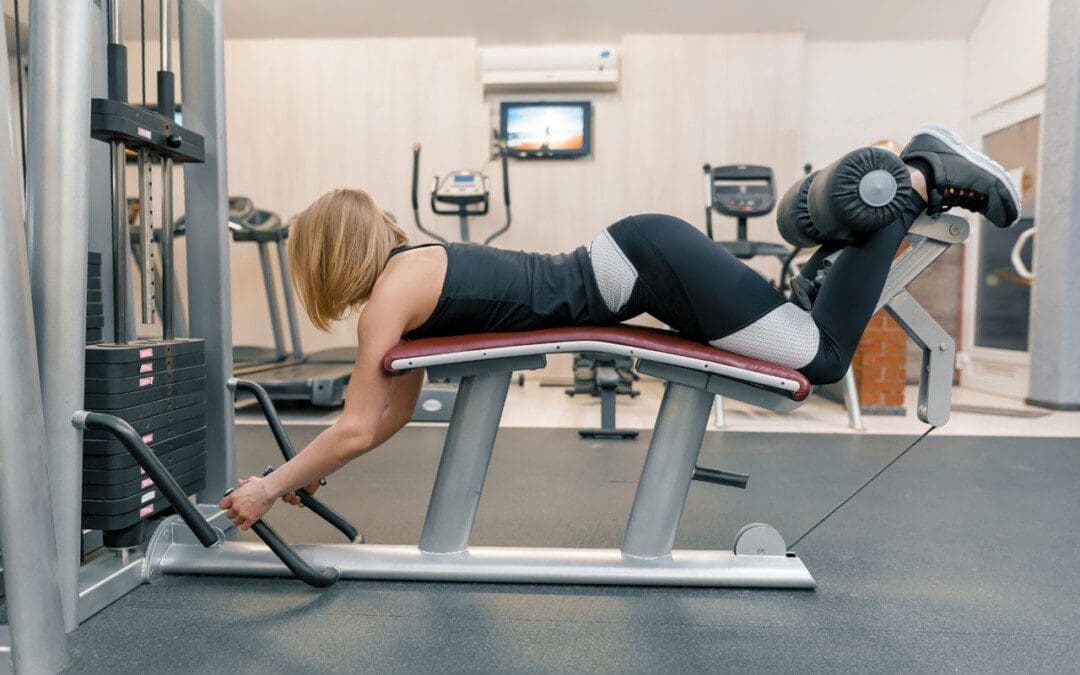
Hamstring Curls
Lie face down on an exercise mat.
Use your hands to create a cushion for the forehead.
Bend both knees so the feet point up towards the ceiling.
Let the knees be slightly apart, but keep the heels together.
Squeeze the heels together and tighten the gluteal muscles.
Hold for 3 seconds, then release the buttocks.
Repeat 10 times and then rest.
Hamstring curls can also be done using a weight machine.
Place the hands just behind the backside with the fingers pointing forward if possible.
Raise the body up.
Keep your head up and look straight ahead.
Raise one leg as high as possible.
Hold for as long as possible.
Lower and raise the other leg.
Repeat for a total of 3 reps.
Lining Up With A Wall Posture Helper
Standing posture is important to proper buttock function. Lining the body up with a wall can help train the body to maintain proper posture.
Find a wall and stand against it from the heels to the back of the head.
Work the backs of the legs and spine as firmly as possible into the wall.
Work to get the back of the skull into the wall as well.
Add some abdominal work by working the waistline inward and upward.
Hold for up to one minute.
The alignment is how you want to hold your body.
As you move off the wall, learn to maintain that posture throughout the day and night.
Repeat the wall exercise several times for reinforcement.
If aching of the hip, back, or knee is part of daily struggles, working out the gluteal muscles may be the solution. Contact the Injury Medical Chiropractic and Functional Medicine Clinic for a full consultation.
Martin, H. D., Reddy, M., & Gómez-Hoyos, J. (2015). Deep gluteal syndrome. Journal of hip preservation surgery, 2(2), 99–107. https://doi.org/10.1093/jhps/hnv029
Daneshmandi, H., Choobineh, A., Ghaem, H., & Karimi, M. (2017). Adverse Effects of Prolonged Sitting Behavior on the General Health of Office Workers. Journal of lifestyle medicine, 7(2), 69–75. https://doi.org/10.15280/jlm.2017.7.2.69
Campos de Oliveira, L., Gonçalves de Oliveira, R., & Pires-Oliveira, D. A. (2015). Effects of Pilates on muscle strength, postural balance and quality of life of older adults: a randomized, controlled, clinical trial. Journal of physical therapy science, 27(3), 871–876. https://doi.org/10.1589/jpts.27.871
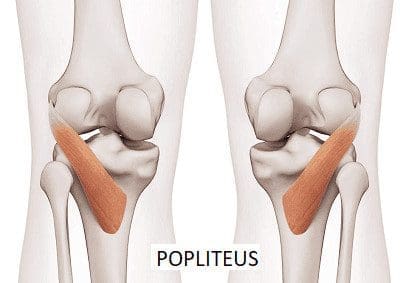
As one of the stabilizers for the body, the knees are located between the thighs and legs, allowing flexion and extension. The knees help the hips by supporting the upper body’s weight and allowing the legs to move from one place to another without feeling pain. The knee has various muscles and ligaments surrounding the knee joint, allowing the leg to be bent when active. One of the muscles is located behind the knee, known as the popliteus, and supports the legs. However, minor injuries or actions can affect the knees causing the joint to be in a “lock” position and develop myofascial trigger points that can induce muscle spasms in the knees. Today’s article focuses on the popliteus muscle, how knee pain is associated with trigger points, and how to manage knee pain through various treatments. We refer patients to certified providers that incorporate multiple methods in the lower body extremities, like knee pain treatments correlating to myofascial trigger points, to aid many people dealing with pain symptoms along the popliteus muscles. We encourage and appreciate each patient by referring them to associated medical providers based on their diagnosis, especially when appropriate. We understand that education is an excellent source to asking our providers intricated questions at the patient’s request. Dr. Alex Jimenez, D.C., only utilizes this information as an educational service. Disclaimer
What Is The Popliteus Muscle?
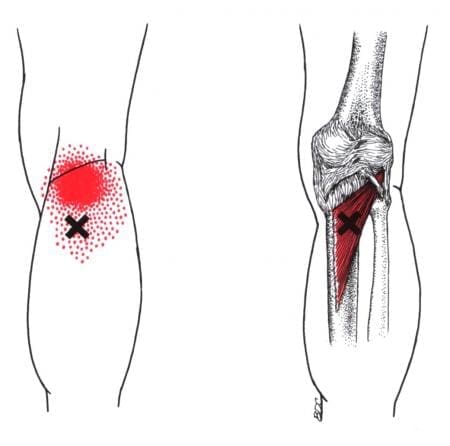
Have you been dealing with pain behind your knees? Do you have issues bending your knees when climbing up or down the stairs? Or do your back knee muscles start to twitch uncontrollably, causing muscle spasms? Many knee issues correlate with various factors that can affect the popliteus muscle and develop trigger points. The popliteus is a small muscle with a very important job as it is a major stabilizing muscle to the knees. The popliteus muscle originates from the lateral side of the femur and inserts itself into the posterior surface of the tibia. Some attachments are between the popliteus and lateral meniscus, allowing the knees to be in motion and providing flexion without pain and entrapment. Additional studies reveal that when a person exercises, the popliteus’s basic function helps bring about and maintain internal rotation of the tibia on the femur. The popliteus also helps prevent the foot from external rotation and allows the individual to stand correctly. However, injuries to the knee could overstretch the popliteus muscle and cause mobility issues to the knee flexion.
Knee Pain Associated With Trigger Points
When dealing with knee pain, it could often be a joint disorder like osteoarthritis or a musculoskeletal condition like sciatica pain associated with the knee. These issues could be due to normal factors like constantly sitting down or bending down to lift heavy objects that cause the knees to buckle. However, when the popliteus muscle has been continuously overused from being bent, it can form tiny nodules known as trigger points to cause knee pain. Studies reveal that trigger points on the muscles surrounding the knee are often ignored during a clinical diagnosis. Trigger points cause referred pain to the surrounding muscles, accompanied by various sensory sensations like heaviness, tingling, and hypersensitivity to the popliteus muscle. In “Myofascial Pain and Dysfunction,” written by Dr. Travell, M.D. stated that one of the chief complaints that many patients often talk to their doctors about is the pain they feel in the back of their knees when they are in a crouch position. The book also states when normal actions like running or twisting have overloaded the popliteus muscle, it can cause trauma or strain to the popliteus muscle and tear the posterior cruciate ligament to the knees.
How To Find Trigger Points In The Popliteus- Video
Have you been having knee issues that make walking difficult for a long period? Do you feel like your knees are locking up constantly? What about feeling unstable when standing or carrying objects around? These issues that affect the knees are associated with trigger points along the popliteus muscles. The popliteus muscle is small, located at the back of the knees, and assists with knee flexion. When the popliteus muscle becomes overused, it can cause trigger points to form and cause knee issues. Studies reveal that various issues, like tendon injuries, are associated with repetitive mechanical stresses that can cause degenerative knee lesions. Any trauma or muscle strain can affect the knee’s function of flexing and bending without pain for trigger points to form along the popliteus muscles. The video above focuses on the popliteus muscle, where the trigger points are located, and where the referred pain patterns are situated in the knees. On the bright side, all is not lost, as various treatments offer ways to manage knee pain associated with trigger points.
Managing Knee Pain Through Various Treatments
When it comes to knee pain, many individuals will apply an ice or heat compress to allow the surrounding muscles to relax while reducing the pain and swelling. Other individuals use over-the-counter medicines to eliminate the pain for a few hours. While these work at managing knee pain, various treatments target trigger points and can help improve flexion mobility back to the knees. Studies reveal that muscle stretching on the popliteus muscle contributes to joint position sense to knee joint stability and function. Stretching the popliteus muscles can reduce the pain in the back of the knee while elongating the muscle fibers to manage trigger points from forming again. Other treatments that people can do to avoid trigger points from returning is to avoid walking or running in a lateral sloped area to prevent the knees from locking up. Incorporating these treatments to prevent knee issues and allow the knee to function properly.
Conclusion
The knees are one of the stabilizers in the body that are located between the thighs and legs, allowing flexion and extension. As a small muscle located in the back of the knees, the popliteus stabilizes the knees and enables them to be in motion without pain. However, when the popliteus muscle becomes overstretched and overused, it can develop trigger points in the popliteus that invoke referred pain to the surrounding muscles and cause the knees to lock up. To that point, it causes the body to be unstable and mimics knee pain issues. Fortunately, trigger points are treatable through various treatments that help relieve the pain and reduce the trigger points from returning. When these treatments are utilized on the knees, the surrounding muscles regain flexion mobility in the lower body.
References
English, S, and D Perret. “Posterior Knee Pain.” Current Reviews in Musculoskeletal Medicine, U.S. National Library of Medicine, 12 June 2010, https://www.ncbi.nlm.nih.gov/pmc/articles/PMC2941578/.
Ghaffarinejad, Farahnaz, et al. “Effect of Static Stretching of Muscles Surrounding the Knee on Knee Joint Position Sense.” British Journal of Sports Medicine, U.S. National Library of Medicine, Oct. 2007, https://www.ncbi.nlm.nih.gov/pmc/articles/PMC2465159/.
Hyland, Scott, and Matthew Varacallo. “Anatomy, Bony Pelvis and Lower Limb, Popliteus Muscle.” In: StatPearls [Internet]. Treasure Island (FL), StatPearls Publishing, 6 June 2022, https://www.ncbi.nlm.nih.gov/books/NBK526084/.
Mann, R A, and J L Hagy. “The Popliteus Muscle.” The Journal of Bone and Joint Surgery. American Volume, U.S. National Library of Medicine, Oct. 1977, https://pubmed.ncbi.nlm.nih.gov/908724/.
Sánchez Romero, Eleuterio A, et al. “Prevalence of Myofascial Trigger Points in Patients with Mild to Moderate Painful Knee Osteoarthritis: A Secondary Analysis.” Journal of Clinical Medicine, U.S. National Library of Medicine, 7 Aug. 2020, https://www.ncbi.nlm.nih.gov/pmc/articles/PMC7464556/.
Travell, J. G., et al. Myofascial Pain and Dysfunction: The Trigger Point Manual: Vol. 2:the Lower Extremities. Williams & Wilkins, 1999.
IFM's Find A Practitioner tool is the largest referral network in Functional Medicine, created to help patients locate Functional Medicine practitioners anywhere in the world. IFM Certified Practitioners are listed first in the search results, given their extensive education in Functional Medicine