Temporomandibular joint disorder causes pain and jaw locking that can be worsened with certain activities. How individuals can manage and prevent flare-ups by learning what not to do to worsen the condition?
What Not To Do Temporomandibular Joint Disorder
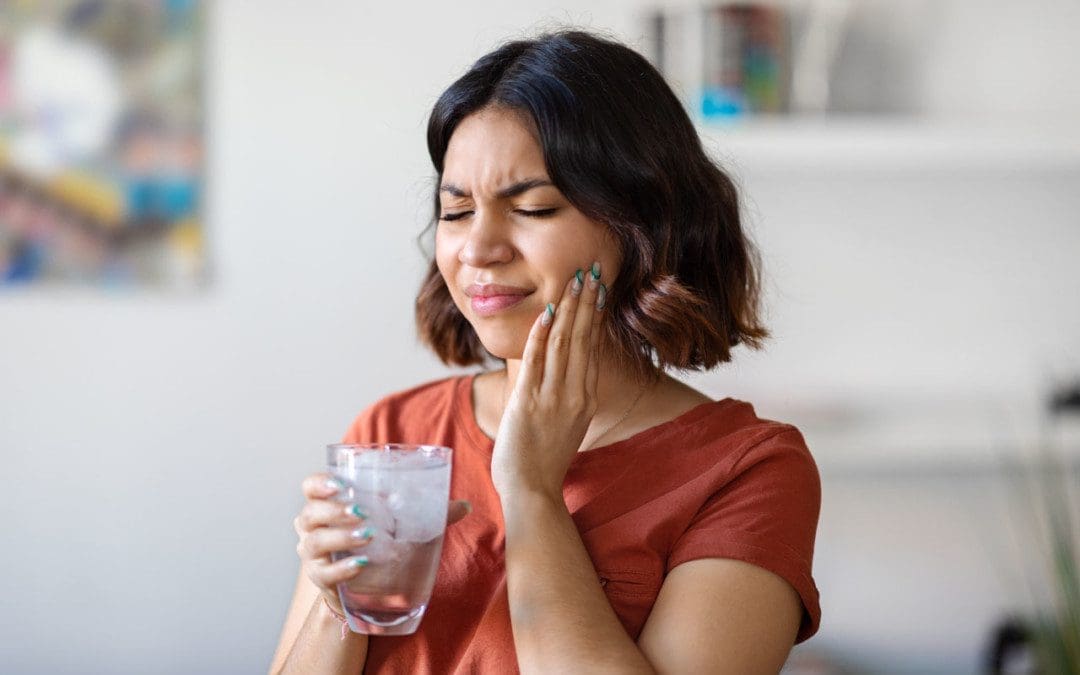
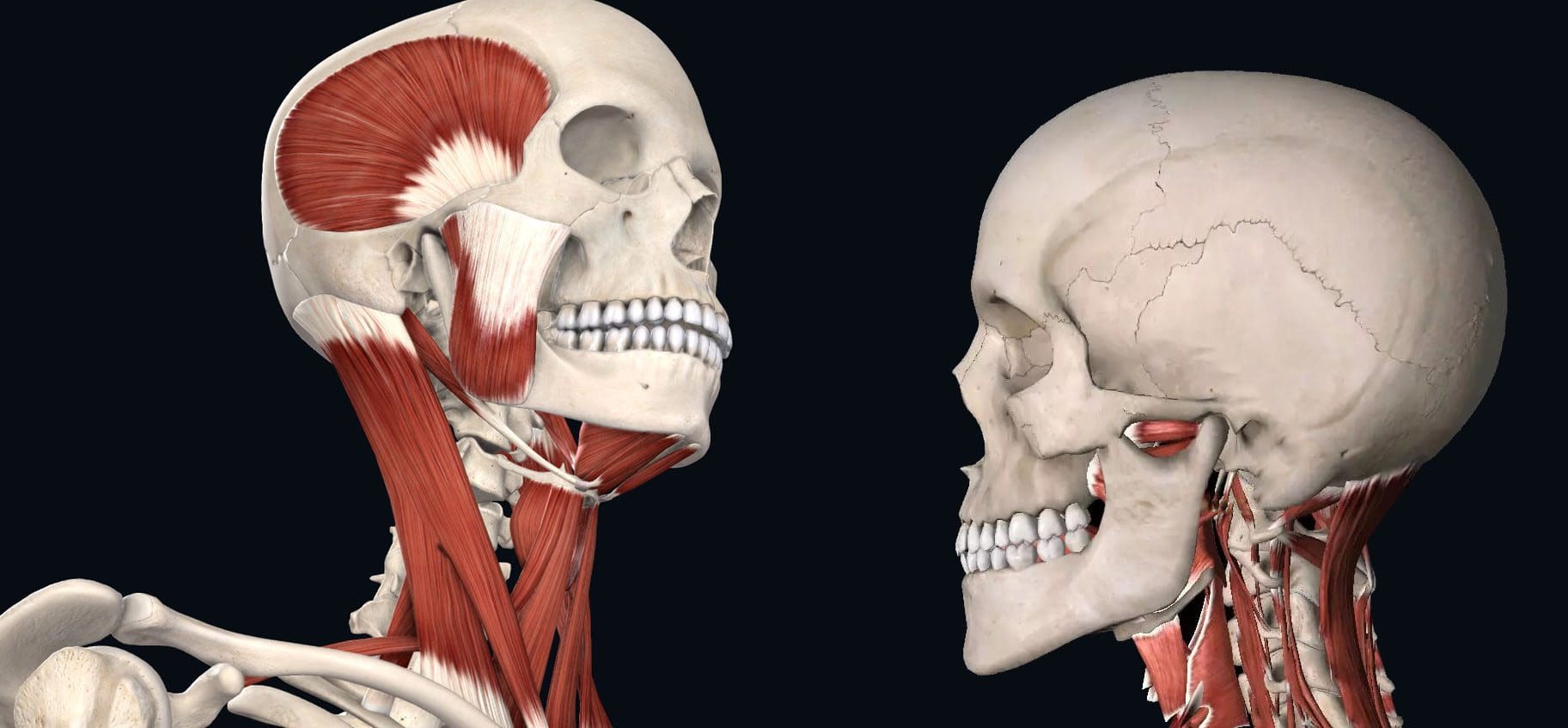
Tenderness, aching, pain, and jaw locking are symptoms of temporomandibular joint disorder or TMJ. The temporomandibular joint connects the jaw to the skull. It is used daily for eating, drinking, and talking. It is a small disc in the joint that allows the jaw bones to slip and slide correctly. With TMJ, the disc shifts out of place, leading to clicking, snapping, and limited jaw movement. It can also cause pain in the jaw and face, neck pain, and headaches, and the muscles around the jaw and neck can become sore and/or go into spasm. Any type of activity that stresses or overworks the joint can trigger a flare-up and worsen TMJ symptoms. (Schiffman E, et al. 2014) This article looks at avoiding activities that make TMJ worse and what not to do to help keep TMJ symptoms in check.
Chewing Gum
Gum chewing is not recommended for individuals with TMJ.
The jaw is one of the most used joints in the body.
Limiting excessive use alleviates pressure allowing the joints and muscles to rest.
Resting sore muscles and joints is the first step in injury recovery.
Eating Chewy and Hard Foods
Chewy and hard foods make the jaw have to work overtime.
Avoid eating hard foods like chewy candies, hard and chewy breads, vegetables like corn on the cob, and fruits like apples.
These foods can place excessive stress on the jaw, and prevent the joint from properly resting and healing.
Chewing Only On One Side
Many individuals chew their food on only one side of the mouth.
This can stress out one side of the temporomandibular joint and surrounding muscles, leading to pain and dysfunction. (Urbano Santana-Mora, et al., 2013)
Stay aware of chewing habits and make sure to utilize both sides of the mouth.
Individuals with dental issues or tooth pain are recommended to see a dentist.
Non-Functional Jaw Activities
Going through each day, individuals tend to do things unconsciously or out of habit.
For example, individuals:
Reading or writing might chew on a pen or pencil.
Bite their nails or chew on the inside of their mouth while watching TV or internet browsing.
These activities can place stress on the joint, worsen the condition, and extend the healing process.
Resting on The Chin
Individuals will rest their jaw in their hands while studying, on social media, or watching TV.
This position can be comfortable, but it can affect the jaw.
This position can build pressure against the side of the jaw and push against the joint, causing the disc to shift out of place affecting how the jaw opens and closes.
Breaking the chin resting habit can allow the joint to relax and heal correctly.
Teeth Clenching
Bruxism is the medical term for clenching the teeth.
This can occur during the day or during sleep.
Teeth clenching is often brought on by stress and can place incredible pressure on the jaw’s muscles and worsen TMJ.
A dentist can prescribe a mouth guard to be worn while sleeping to protect the teeth from excessive clenching. (Miriam Garrigós-Pedrón, et al., 2019)
Slouching
The function of the jaw is closely related to body posture.
The jaw operates optimally when the head is above the cervical spine and the posture is upright.
Slouching can change how the jaw muscles work and the way the jaw opens and closes.
Part of physical therapy for TMJ is working on posture adjustments and training.
This can involve strengthening the back and shoulder muscles and setting up posture reminders.
Sitting and standing correctly can keep the jaw operating properly.
Postponing Treatment
Many with musculoskeletal issues and symptoms wait for the pain to go away.
Individuals having problems with their jaw should not wait to get treatment.
TMJ has a positive rate of recovery with conservative treatment, which is all the more reason to seek treatment. (G Dimitroulis. 2018)
A dentist or healthcare provider can provide an accurate diagnosis if TMJ is suspected.
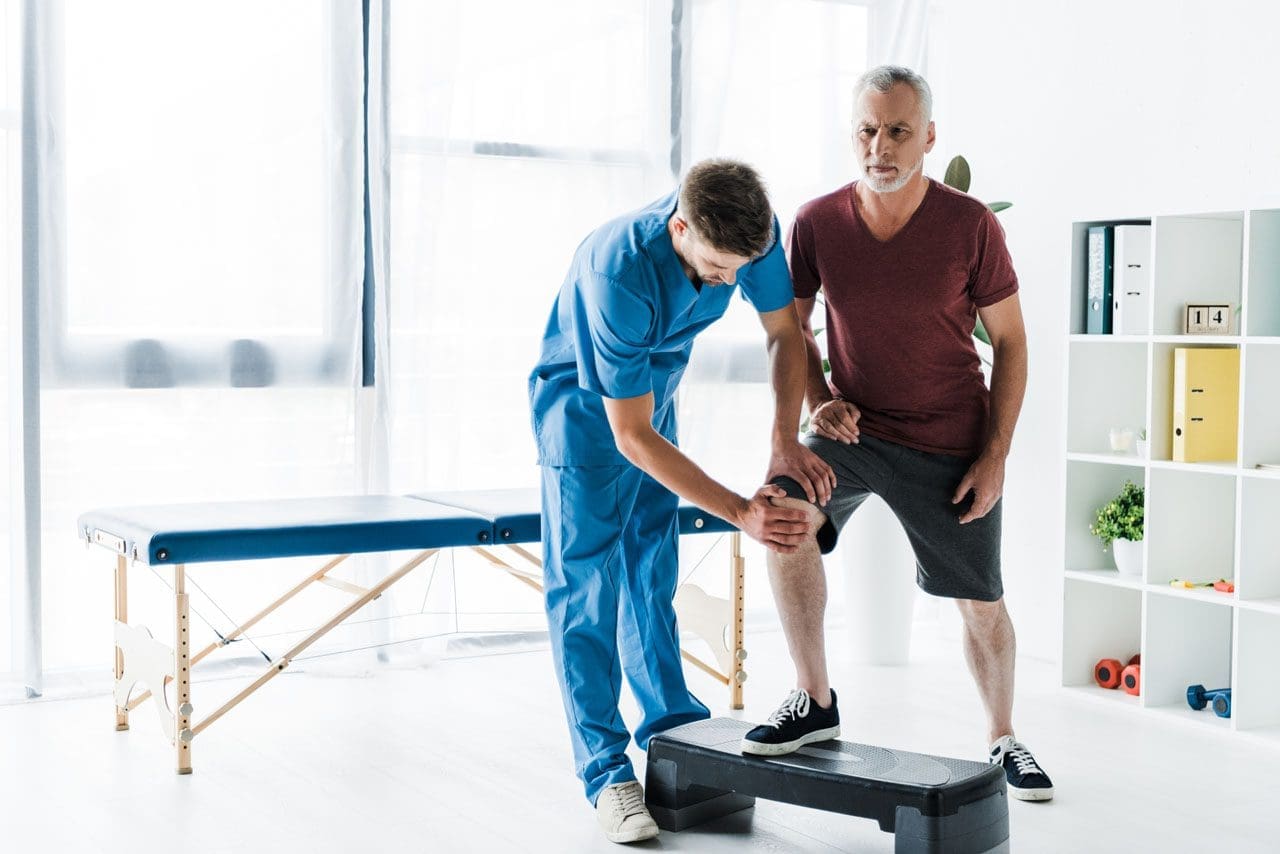
Individuals can benefit from visiting a physical therapist to learn exercises and strategies to self-treat the condition. (Yasser Khaled, et al., 2017)
Treatment
Treatment can involve:
Initial treatment focuses on pain relief and jaw function opens and closes improvement.
A guard can help with night teeth grinding/bruxism.
Anti-inflammatory treatments.
In severe cases, surgery may be recommended to correct the problem, as a last resort. (Meghan K Murphy, et al., 2013)
Follow recommendations on what not to do and avoid certain activities.
Quick Patient Initiation
References
Schiffman, E., Ohrbach, R., Truelove, E., Look, J., Anderson, G., Goulet, J. P., List, T., Svensson, P., Gonzalez, Y., Lobbezoo, F., Michelotti, A., Brooks, S. L., Ceusters, W., Drangsholt, M., Ettlin, D., Gaul, C., Goldberg, L. J., Haythornthwaite, J. A., Hollender, L., Jensen, R., … Orofacial Pain Special Interest Group, International Association for the Study of Pain (2014). Diagnostic Criteria for Temporomandibular Disorders (DC/TMD) for Clinical and Research Applications: recommendations of the International RDC/TMD Consortium Network* and Orofacial Pain Special Interest Group†. Journal of oral & facial pain and headache, 28(1), 6–27. https://doi.org/10.11607/jop.1151
Santana-Mora, U., López-Cedrún, J., Mora, M. J., Otero, X. L., & Santana-Penín, U. (2013). Temporomandibular disorders: the habitual chewing side syndrome. PloS one, 8(4), e59980. https://doi.org/10.1371/journal.pone.0059980
Garrigós-Pedrón, M., Elizagaray-García, I., Domínguez-Gordillo, A. A., Del-Castillo-Pardo-de-Vera, J. L., & Gil-Martínez, A. (2019). Temporomandibular disorders: improving outcomes using a multidisciplinary approach. Journal of multidisciplinary healthcare, 12, 733–747. https://doi.org/10.2147/JMDH.S178507
Dimitroulis G. (2018). Management of temporomandibular joint disorders: A surgeon’s perspective. Australian Dental Journal, 63 Suppl 1, S79–S90. https://doi.org/10.1111/adj.12593
Khaled Y, Quach JK, Brennan MT, NapeÑas JJ. Outcomes after physical therapy for the treatment of temporomandibular disorders. Oral Surg Oral Med Oral Pathol Oral Radiol, 2017;124(3: e190. doi:10.1016/j.oooo.2017.05.477
Abouelhuda, A. M., Khalifa, A. K., Kim, Y. K., & Hegazy, S. A. (2018). Non-invasive different modalities of treatment for temporomandibular disorders: a review of the literature. Journal of the Korean Association of Oral and Maxillofacial Surgeons, 44(2), 43–51. https://doi.org/10.5125/jkaoms.2018.44.2.43
Murphy, M. K., MacBarb, R. F., Wong, M. E., & Athanasiou, K. A. (2013). Temporomandibular disorders: a review of etiology, clinical management, and tissue engineering strategies. The International journal of oral & maxillofacial implants, 28(6), e393–e414. https://doi.org/10.11607/jomi.te20
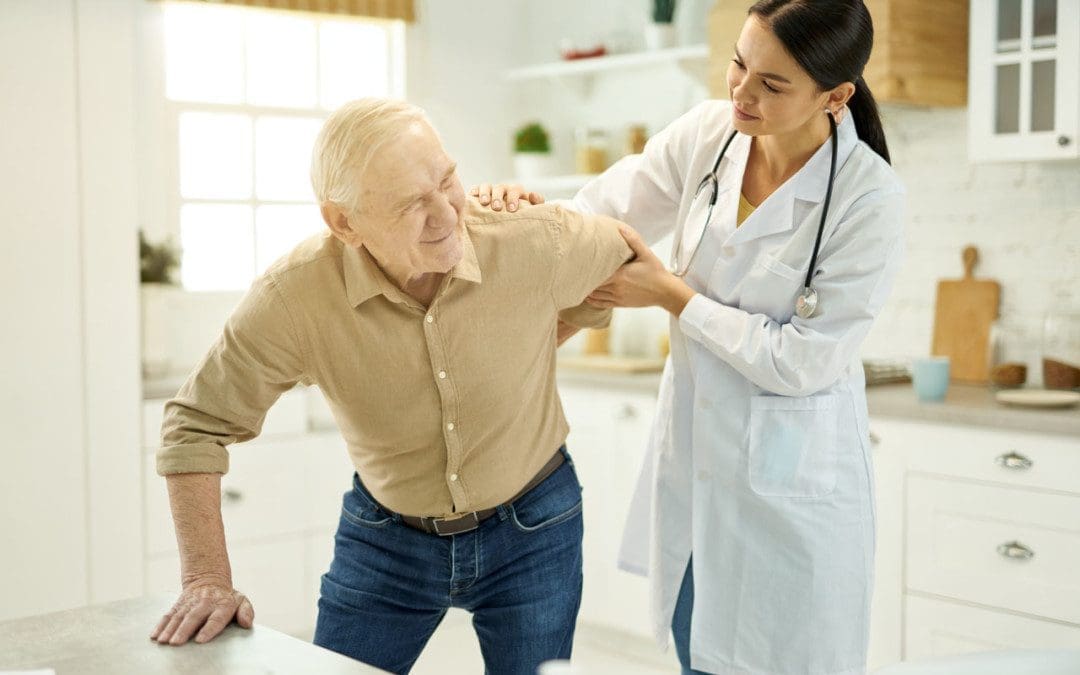
Individuals at work, school, etc, perform all kinds of repetitive physical tasks that put their bodies through a great deal of musculoskeletal stress, what are the effects and benefits of joint manipulation therapy for pain relief?
Joint Manipulation Health Benefits
Joint manipulation is a form of manual therapy that involves applying force to the spinal or peripheral joints to:
Relieve pain symptoms.
Realign the joints to their proper position.
Restore flexibility.
Improve mobility.
Increase range of motion.
Chiropractors, massage, and physical therapists use various manipulation techniques to help move and feel better after an injury or illness that causes loss of functional mobility. Here we explain joint manipulation, its applications, and if the technique is safe for you and your condition.
Joint Popping
The joints in the body are places where two or more bones come together to allow movement.
The cartilage allows the joint surfaces to glide/slide smoothly.
If the cartilage is injured or damaged, pain and limited motion can present.
When a joint doesn’t move properly, the muscles surrounding that joint don’t contract properly.
If a joint is dysfunctional for some time, significant muscle wasting and atrophy can occur around the joint, leading to difficulty with mobility like standing, walking, or reaching. (Hurley MV.1997)
The body is made up of cells that breathe by converting energy and releasing waste materials. One type of waste material from cell respiration is carbon dioxide. The gas is transported through the blood and delivered out of the body while breathing. Small pockets of gas can get trapped in the joints that expand and contract as pressure around the joint changes during movement, known as cavitation. When the gas is released through joint manipulation, there can be a popping or snapping sound as the joint is moved. Once the gas is released, joint pressure is decreased and mobility is increased. (Kawchuk, et al., 2015)
Causes
Non-medical
There are non-medical and medical causes of joint dysfunction and derangement that include:
Overuse and repetitive strain.
Unhealthy sitting and/or standing posture.
Lack of physical activity.
Over-stretching or stretching incorrectly.
In these situations, the joints can be temporarily placed in a dysfunctional/compromised position. When moving to the correct position, a popping sound can present as built-up pressure is released.
Medical
Joint problems can occur from medical conditions that can include:
Herniated cervical or lumbar discs.
Spinal arthritis.
Rheumatoid arthritis.
Osteoarthritis.
Joint contracture after being immobilized for some time.
In these cases, a medical problem can be causing a limitation in the joint’s position and movement. (Gessl, et al., 20220)
Benefits
If a chiropractic practitioner determines there is joint dysfunction then manipulation may be a treatment option. The benefits include:
Pain Relief
When a chiropractor or therapist gets an injured joint moving properly, the receptors in and around the area get reset allowing for pain relief.
Improved Muscle Activation
As a chiropractor manipulates a joint into its correct anatomical position, the surrounding muscles can flex and contract properly.
Improved Range of Motion
The joint is repositioned for proper movement.
This improves the range of motion and relieves tightness and stiffness.
Improved Functional Mobility
Once a joint is manipulated, the improved range of motion and muscle activation around the joint can lead to improved overall functional mobility. (Puentedura, et al., 2012)
Candidates
Joint manipulation is a safe manual therapy technique for certain individuals. (Puentedura, et al., 2016) This includes:
Individuals with acute neck, back, or peripheral joint pain.
Adults aged 25 to 65 with no serious medical conditions.
Athletes who have been injured from their sport.
Individuals who have been immobilized after injury or surgery.
Joint manipulation is not recommended for everyone and can be dangerous or lead to injury in individuals with certain conditions. (Puentedura, et al., 2016) These include individuals with:
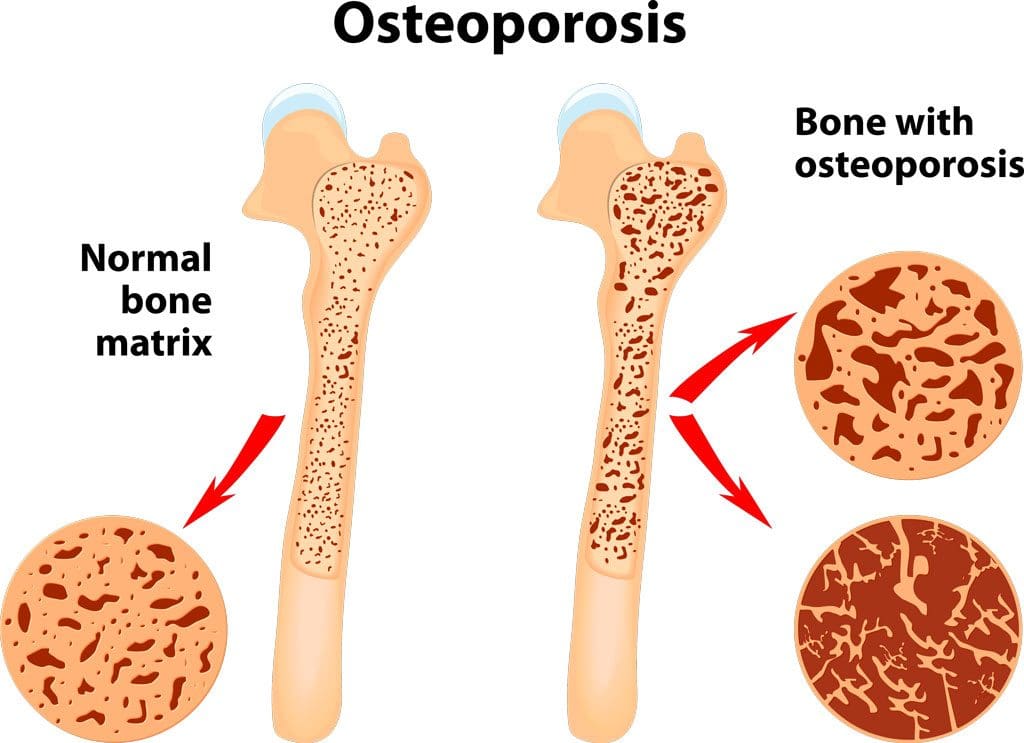
Osteoporosis
Weakened bones may fracture if a high-velocity force is applied to a joint via manipulation
Joint fractures
Individuals with a joint fracture, should not have that specific joint manipulated.
Post Spinal Fusion Surgery
Individuals that have had spinal fusion in the neck or lower back should avoid spinal joint manipulations or adjustments for at least one year after the procedure.
The bones need time to heal thoroughly.
Manipulation can cause a failure of the fusion.
Individuals with Arterial Insufficiency In Their Neck
A rare but dangerous side effect of a neck adjustment is the risk of tearing an artery in the neck known as the vertebrobasilar artery. (Moser, et al., 2019)
If there is pain, loss of movement, or decreased mobility after an injury or surgery, a chiropractic adjustment with joint manipulation can be beneficial to help regain movement. Manual techniques can help improve joint mobility, alleviate pain, and increase strength and stability around the joints. Joint manipulation isn’t for everyone and is recommended to consult with a healthcare professional to see if it is safe for your specific condition.
Gessl, I., Popescu, M., Schimpl, V., Supp, G., Deimel, T., Durechova, M., Hucke, M., Loiskandl, M., Studenic, P., Zauner, M., Smolen, J. S., Aletaha, D., & Mandl, P. (2021). Role of joint damage, malalignment, and inflammation in articular tenderness in rheumatoid arthritis, psoriatic arthritis, and osteoarthritis. Annals of the rheumatic diseases, 80(7), 884–890. https://doi.org/10.1136/annrheumdis-2020-218744
Hurley M. V. (1997). The effects of joint damage on muscle function, proprioception, and rehabilitation. Manual therapy, 2(1), 11–17. https://doi.org/10.1054/math.1997.0281
Kawchuk, G. N., Fryer, J., Jaremko, J. L., Zeng, H., Rowe, L., & Thompson, R. (2015). Real-time visualization of joint cavitation. PloS one, 10(4), e0119470. https://doi.org/10.1371/journal.pone.0119470
Moser, N., Mior, S., Noseworthy, M., Côté, P., Wells, G., Behr, M., & Triano, J. (2019). Effect of cervical manipulation on the vertebral artery and cerebral hemodynamics in patients with chronic neck pain: a crossover randomized controlled trial. BMJ open, 9(5), e025219. https://doi.org/10.1136/bmjopen-2018-025219
Puentedura, E. J., Cleland, J. A., Landers, M. R., Mintken, P. E., Louw, A., & Fernández-de-Las-Peñas, C. (2012). Development of a clinical prediction rule to identify patients with neck pain likely to benefit from thrust joint manipulation to the cervical spine. The Journal of orthopedic and sports physical therapy, 42(7), 577–592. https://doi.org/10.2519/jospt.2012.4243
Puentedura, E. J., Slaughter, R., Reilly, S., Ventura, E., & Young, D. (2017). Thrust joint manipulation utilization by U.S. physical therapists. The Journal of manual & manipulative therapy, 25(2), 74–82. https://doi.org/10.1080/10669817.2016.1187902
Joints are the musculoskeletal areas where two bones connect. The joints have soft tissues around them, like cartilage, tendons, and ligaments. Cartilage is the flexible tissue that covers the ends of the bones at a joint. The tendons are bands between the muscles and bones that connect everything to initiate joint movement. And the ligaments are a kind of bridge that connects the bones of the joints to keep the body stable when in motion. After an injury, the joints need to be worked out, stretched, and massaged to return to proper function and support. A chiropractic personalized rehabilitation program will include exercises that target joint stability.
Joint Injury Rehabilitation
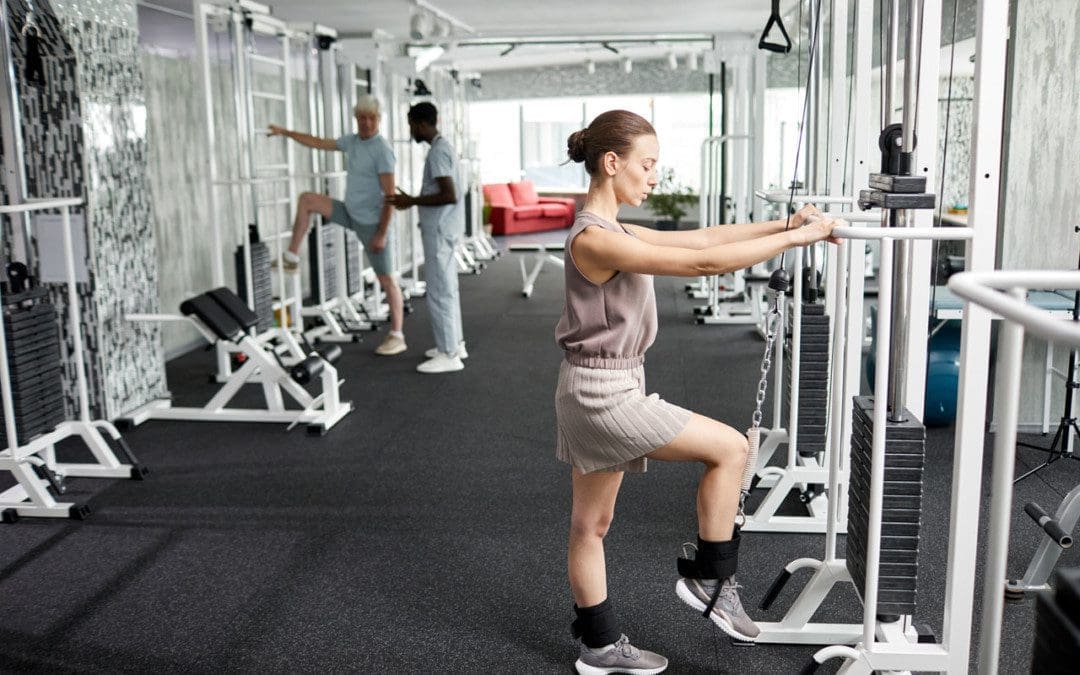
The shoulders, elbows, wrists, knuckles, hips, knees, and ankles are joints. The spine is also made up of joints. The first step for achieving joint stability after a lower-body injury is to assess the joints for:
A physician, chiropractor, or therapist will check the joint and test for weakness or deficits in soft tissues, tendons, ligaments, and cartilage.
Individuals can have conditions, diseases, or injuries that affect the joints, causing dysfunction.
Correcting deficits may require taping, bracing, exercises, or surgery.
Joint stability is attained through specific exercises that target balance, proprioception, range of motion, flexibility, strength, and endurance.
Individuals must participate in their rehabilitation program to fully recover from their injuries.
Proprioception and Neuromuscular Training
Neuromuscular training and proprioception are essential to joint stability.
Neuromuscular control is an unconscious response to joint motions without awareness.
It is how workers or athletes adjust to uneven pavement or shift their weight to stay balanced on an incline or stairs.
Proprioceptionis the ability to sense the body’s orientation in the environment.
It allows body movement and responds without consciously thinking about where the body is in space.
The information signals detect joint position, limb movement, direction, and speed.
A joint with a high level of neuromuscular control and a trained proprioceptive system can respond appropriately to various forces placed upon it during activity, decreasing the risk of injury.
Proprioceptive exercises train joint proprioceptors to adapt before initiating a potentially damaging/injurious movement.
Targeted Training
Specific to the individual’s injury, specific exercises are incorporated to regain/relearn skill sets and reset automatic movement patterns.
Skills training improves the ability to make adjustments quickly and decreases the potential for worsening or creating another injury.
Research has found that individuals who participate in neuromuscular retraining have improved muscular activation and reaction to changes compared to those who do not incorporate retraining exercises.
Trainers and therapists use neuromuscular exercises to prevent and rehabilitate ACL injuries.
The following example of an exercise rehabilitation program can be used to rehabilitate the lower extremities. The exercises should be done slowly over several weeks. Therapeutic exercises should be combined with an appropriate and gradual range of motion and strengthening program. Individuals should always work with a chiropractor and physical therapist to develop the most suitable program for specific injuries and limitations.
One-Leg Balance
Try to stand on one leg for 10 to 30 seconds.
One-Leg Balance with Eyes Closed
Stand on one leg for 10 to 30 seconds with your eyes closed.
Akbar, Saddam, et al. “Effects of neuromuscular training on athletes’ physical fitness in sports: A systematic review.” Frontiers in physiology vol. 13 939042. 23 Sep. 2022, doi:10.3389/fphys.2022.939042
Borrelli, Joseph Jr et al. “Understanding Articular Cartilage Injury and Potential Treatments.” Journal of orthopedic trauma vol. 33 Suppl 6 (2019): S6-S12. doi:10.1097/BOT.0000000000001472
Cote, Mark P, et al. “Rehabilitation of acromioclavicular joint separations: operative and nonoperative considerations.” Clinics in sports medicine vol. 29,2 (2010): 213-28, vii. doi:10.1016/j.csm.2009.12.002
Jeong, Jiyoung, et al. “Core Strength Training Can Alter Neuromuscular and Biomechanical Risk Factors for Anterior Cruciate Ligament Injury.” The American Journal of sports medicine vol. 49,1 (2021): 183-192. doi:10.1177/0363546520972990
Porschke, Felix, et al. “Return to work after acromioclavicular joint stabilization: a retrospective case-control study.” Journal of orthopedic surgery and Research vol. 14,1 45. 12 Feb. 2019, doi:10.1186/s13018-019-1071-7
Vařeka, I, and R Vařeková. “Kontinuální pasivní pohyb v rehabilitaci kloubů po úrazech a operacích” [Continuous passive motion in joint rehabilitation after injury and surgery]. Acta Chirurgie orthopaedicae et traumatologiae Cechoslovaca vol. 82,3 (2015): 186-91.
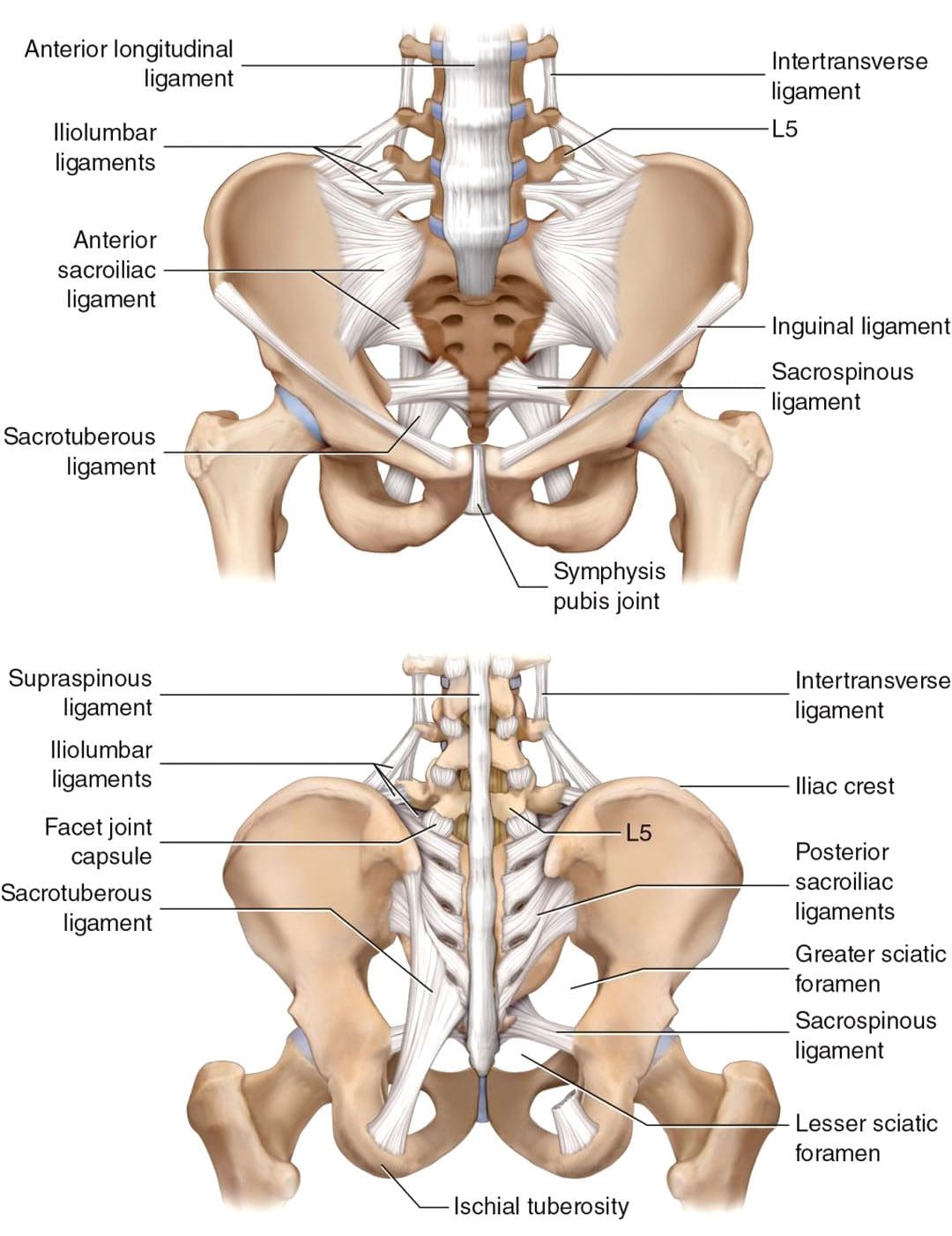
A joint is where two bones meet. The two sacroiliac or SI joints connect the spine, pelvis, and hips. This strong joint balances and transmits stress from the upper body to the pelvis and legs. The joints can suffer a sprain causing pain and discomfort symptoms. There can also be the feeling of tightness wrapping around the waist and dull aching across the low back as the surrounding muscles tighten up as a form of protection, also known as muscle guarding. A correct diagnosis is vital to avoid any potentially serious complications. Chiropractors are experts on neuromusculoskeletal problems and can treat, heal, and strengthen the body through various MET, mobilization, and manipulation techniques.
Sacroiliac Sprain
The main function is to balance the upper and lower body forces. The sacroiliac joints are surrounded by muscle, connective tissue, nerves designed to withstand large stresses and a complex system of ligaments, further strengthening the joints.
Injury Causes
Sacroiliac sprains can be caused by direct trauma to the pelvis from a fall or automobile collision or jobs and sports that involve a lot of bending and twisting. However, sometimes there is no distinct cause. Common causes include:
Repetitive microtrauma is excessive/repetitive movements like prolonged twisting, bending, or lifting at work, home, physical activities, and sports.
The joint can be pushed out of alignment.
Muscular imbalance or weakness in the muscles surrounding the sacroiliac joints can cause problems to develop over time, presenting little or no symptoms.
The tissues around a sacroiliac joint also can be stretched or torn.
Trauma such as a fall or road traffic accidents
Problems with the hips, knees, and feet can generate increased pressure on the joint, which can become painful over time due to repetitive strain.
Pregnancy hormones released to promote pelvis relaxation can increase the risk of SI sprain injury.
Excessive stress on the joint can cause microscopic damage to the ligaments surrounding the joint. The joint then becomes inflamed and presents with pain and sensations of discomfort. The body responds by contracting the muscles to prevent further damage. However, the muscle spasms may not stop, resulting in more pain. Referred pain is common from the muscles that go into spasm, with the most affected being the piriformis, gluteal/buttock, and psoas muscles.
Signs and Symptoms
Tenderness over the affected joint and area.
Pain symptoms on one or both sides above the joints and into the buttocks.
Standing or working with increased weight on one leg increases pain symptoms.
Pain after lifting or twisting that develops a little while later.
Pain travels to the back of the leg, front of the thigh, and the groin.
Pain gets worse when sitting and bending forward.
Lying down eases the symptoms.
Most cases report no loss of strength, tingling, or numbing sensations.
Chiropractic Treatment
Chiropractic treatment will relieve the pain symptoms, but there are stages of treatment, each with specific goals before moving to the next.
The objective of the initial stage is to decrease pain and inflammation.
The second stage is stabilizing and restoring proper musculoskeletal function.
Rehabilitation and targeted stretches and exercises will be introduced as the treatment continues.
In the maintenance stage, there should be no pain, and the individual should be able to perform normal daily activities and return to normal life.
Recovery time for a sacroiliac sprain can be 4-6 weeks but can take months to heal completely.
Chiropractic Approach for Pain Relief
References
BIDWELL, A M. “Treatment of sacroiliac sprain by manipulation.” The Medical World vol. 65,1 (1947): 14-6.
Evans, P. “Sacroiliac sprain.” American family physician vol. 48,8 (1993): 1388; author replies 1390.
LeBlanc, K E. “Sacroiliac sprain: an overlooked cause of back pain.” American family physician vol. 46,5 (1992): 1459-63.
Sun, Chao, et al. “Cost and outcome analyses on the timing of first independent medical evaluation in patients with a work-related lumbosacral sprain.” Journal of Occupational and environmental medicine vol. 49,11 (2007): 1264-8. doi:10.1097/JOM.0b013e318156ecdb
The musculoskeletal system allows the various muscle groups to surround the bones and joints through ligaments and muscle tissues that help with mobility and stabilizes the skeletal structure from pain. As the body ages naturally, the muscles, bones, and joints get affected as numerous factors begin to cause the body to be dysfunctional. Many of these factors could take a toll on the body and cause bone mass density loss, leading to osteoporosis. A person experiencing osteoporosis can generate overlapping risk profiles affecting the body’s muscles and joints, leading to painful symptoms. Today’s article looks at osteoporosis, how it affects the muscles and joints, and how numerous treatments can help reduce osteoporosis symptoms. We utilize information about our patients to certified medical providers using MET therapy to mitigate the effects of osteoporosis on the musculoskeletal system. We encourage patients by referring them to associated medical providers based on their diagnosis while supporting that education is a remarkable way to ask our providers the most interesting and essential questions at the patient’s acknowledgment. Dr. Alex Jimenez, D.C., comprises this information as an educational service. Disclaimer
What Is Osteoporosis?
If you’ve been experiencing severe back or hip pain or struggling to breathe, you may be experiencing osteoporosis. This condition causes bones to become porous, making them brittle and weak, and it affects around 200 million people worldwide, with women being more commonly affected than men, as studies revealed. Many risk factors can cause bones to deteriorate quickly and become weaker, leading to an increased risk of fragility, fracture, and muscle and joint pain. Additional studies have revealed that some risk factors that can lead to osteoporosis development include:
Race
Ethnicity
Age
Sex
Metabolic syndrome
Osteoporosis can often go undetected for a long time, with individuals only noticing symptoms such as a forward-curved upper back or a broken bone.
Osteoporosis Affecting The Muscles & Joints
Osteoporosis can affect the body’s bones, muscles, and joints, especially major skeletal portions like the spine, hips, wrists, and shoulders. Studies have shown that individuals with or without trauma can experience symptoms like pain due to osteoporosis caused by hormone deficiency. “Clinical Applications of Neuromuscular Techniques” by Dr. Leon Chaitow, N.D., D.O., and Dr. Judith Walker DeLany, L.M.T., explain that bone density can decrease when bone resorption happens faster than bone formation. This decrease in bone density could lead to joint fractures and cause musculoskeletal disorders that affect a person’s stability and mobility, leading to complaints in the upper and lower body extremities.
An Overview Of Osteoporosis-Video
Are you experiencing pain in your arms or legs? Do your joints ache more than usual or do you have persistent back pain? These symptoms are often associated with osteoporosis, a chronic condition where bones become weak and brittle due to fractures or trauma. Osteoporosis can go undetected for an extended time, and when it affects bone density, it can also impact surrounding muscles and joints, leading to various musculoskeletal conditions. The video above explains osteoporosis, including risk factors and treatment options such as chiropractic care to reduce its effects.
Treatments To Reduce Osteoporosis Symptoms
If you risk developing osteoporosis, it’s best to consult your primary doctor for confirmation. Once confirmed, you have several options for your next steps, such as incorporating exercises, vitamins, minerals, and supplements for bone health, lifestyle changes, and utilizing treatments like MET therapy or chiropractic treatments. MET therapy can help restore bone density and promote a mindful approach to one’s body and lifestyle when combined with proper nutrition and exercise. Studies show that individuals with osteoporosis can use MET therapy to reduce pain and improve range of motion in affected joints. Pain specialists often use MET to stretch and shorten muscles to help restore the body to normal.
Conclusion
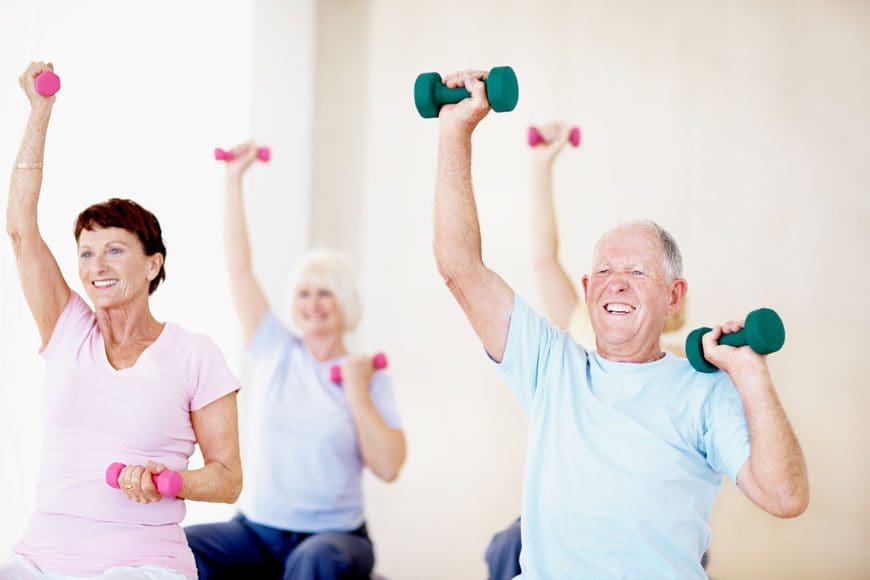
Osteoporosis is a chronic silent disease that affects the bones silently, causing pain and correlating with numerous factors that can increase its progression. When bones become porous, weak, and brittle, it can lead to pain-like symptoms in the musculoskeletal system. This can cause chronic issues that misalign the body, leading to mobility and stability problems. Fortunately, numerous ways exist to prevent and reduce the effects of osteoporosis. Some effective measures include incorporating vitamins and supplements for bone health, exercising for 30 minutes to an hour, and getting MET therapy to restore the body’s range of motion. These small changes can greatly impact an individual’s health and wellness journey.
References
Chaitow, Leon, and Judith Walker DeLany. Clinical Applications of Neuromuscular Techniques. Churchill Livingstone, 2003.
Porter, Joann L, and Matthew Varacallo. “Osteoporosis.” In: StatPearls [Internet]. Treasure Island (FL), 4 Sept. 2022, www.ncbi.nlm.nih.gov/books/NBK441901/.
Pouresmaeili, Farkhondeh, et al. “A Comprehensive Overview on Osteoporosis and Its Risk Factors.” Therapeutics and Clinical Risk Management, 6 Nov. 2018, www.ncbi.nlm.nih.gov/pmc/articles/PMC6225907/.
Sözen, Tümay, et al. “An Overview and Management of Osteoporosis.” European Journal of Rheumatology, Mar. 2017, www.ncbi.nlm.nih.gov/pmc/articles/PMC5335887/.
Thomas, Ewan, et al. “The Efficacy of Muscle Energy Techniques in Symptomatic and Asymptomatic Subjects: A Systematic Review.” Chiropractic & Manual Therapies, 27 Aug. 2019, www.ncbi.nlm.nih.gov/pmc/articles/PMC6710873/.
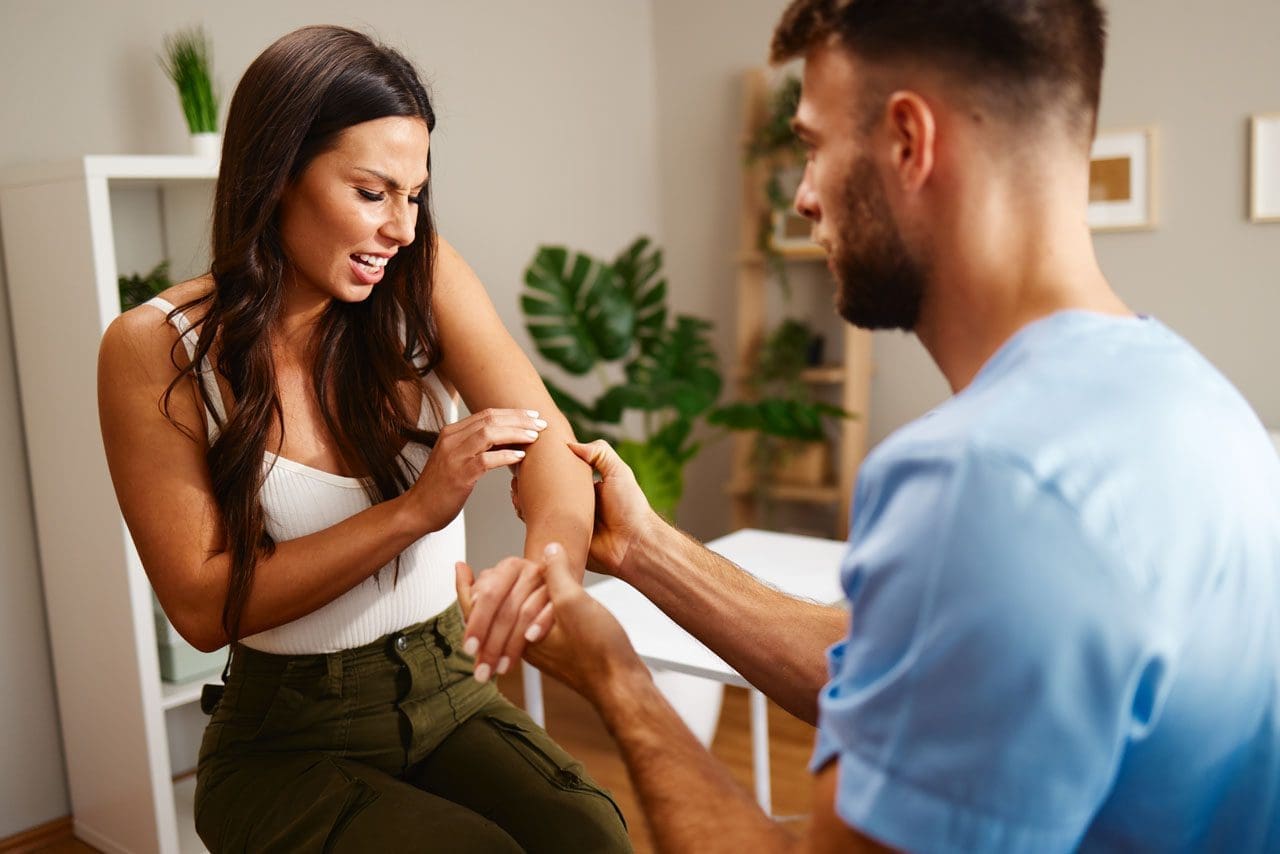
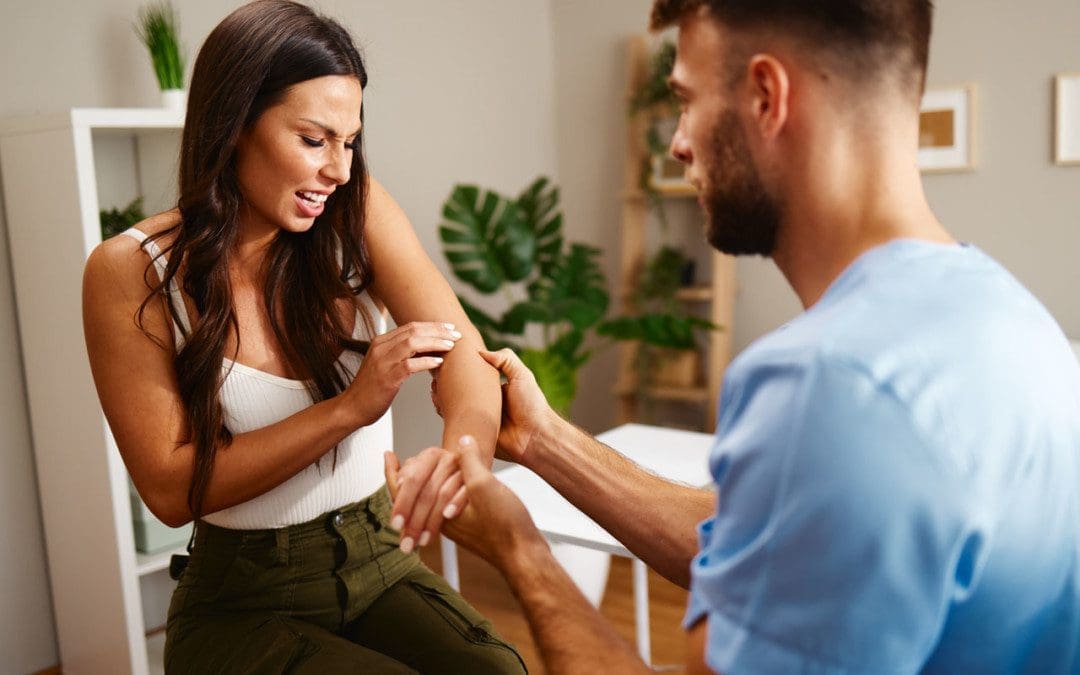
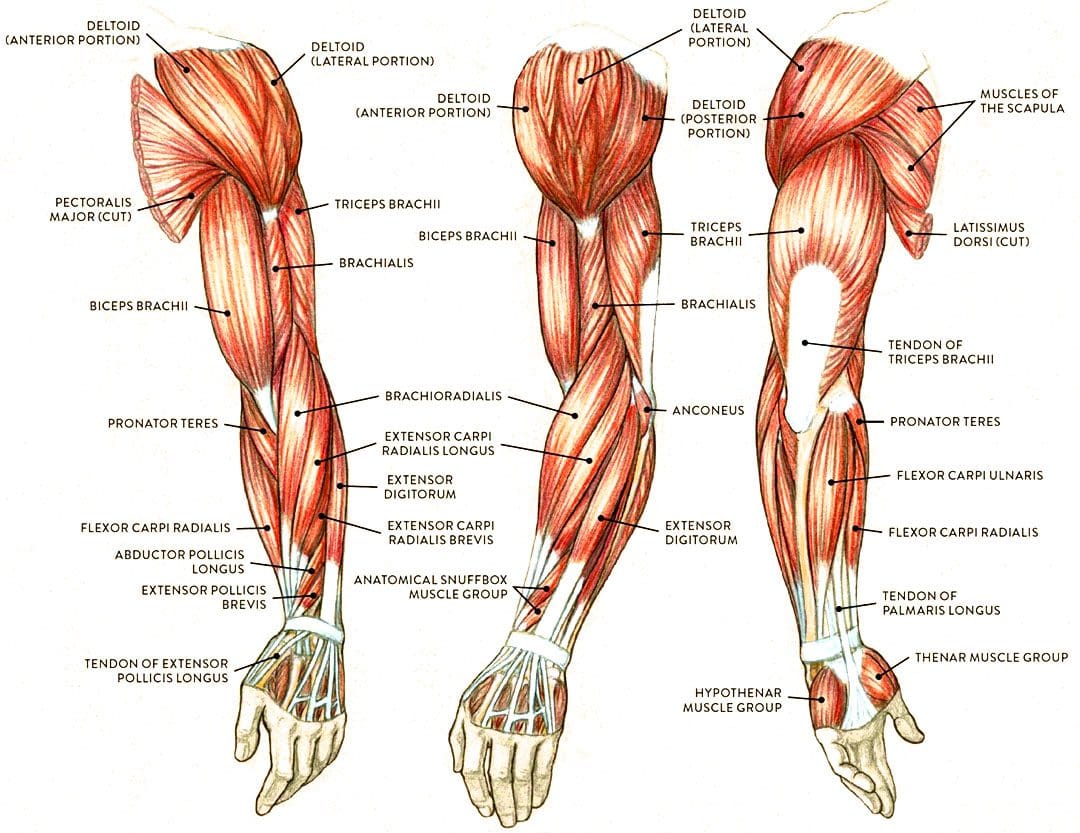
The function of the arm is to allow for movement of the wrist and hand. Various muscles initiate the arm’s actions, large muscles flex and extend, pronate and supinate, and the more sensitive muscles allow fine motor control. Lifting capacity and grip strength come from the arm muscles, making them essential for all types of activities. Because of the many functions and jobs the hands and arms do, added stress is placed on them. Arm discomfort symptoms, radiating pain, weakness, numbness, and tingling are common conditions. Chiropractic care can relieve injury symptoms and restore mobility and function.
Arm Discomfort Symptoms
The muscles of the upper arm, the biceps, and the triceps, control the movement and positioning of the elbow joint, and the muscles of the forearm control the wrist and hand. There are 30 bones from the top of the arm to the tip of the finger that include:
The humerus in the upper arm.
Ulna and radius in the forearm.
Carpal bones in the wrist.
Metacarpals and phalanges make up the hand and fingers.
The joints allow movement between the bones and are stabilized by ligaments and joint capsules.
Symptoms
Discomfort or Radiation
Symptoms vary based on the severity of the injury but commonly include.
Numbness and tingling in the elbow, forearm, or hand can develop.
Pain sensations often radiate to other areas.
Causes
Individuals that work with their hands related to work, home tasks, sports, or hobby activities, such as construction workers, hair stylists, store cashiers, graphic artists, automotive technicians, carpenters, painters, butchers, and more, have an increased risk of injury and developing chronic conditions. Work that involves manually cutting, writing, typing, gripping, operating motorized tools, hair clippers, working with animals, etc., makes the arms susceptible to injury from the constant stress on the ligaments. Common overuse injuries affecting the upper extremity include:
Carpal Tunnel Syndrome and Cubital Tunnel Syndrome
These conditions involve the nerves of the forearm.
Prolonged or repetitive bending or flexing of the wrist or elbow can generate swelling pressure that compresses the nerve/s.
Symptoms include numbness, coldness, tingling, and/or weakness in the hand and fingers.
Tennis, Golfer, and Pitcher Elbow
These conditions involve the inflammation of the tendon structures surrounding the elbow joint.
Repeating the same motion over and over causes damage.
This leads to tenderness and pain inside and surrounding the elbow.
De Quervain’s syndrome affects tendon structure in the wrist.
Swelling near the base of the thumb.
Individuals have difficulty grasping objects.
This is common for landscapers, gardeners, and sports where constant gripping is involved.
Tendonitis
Tendons attach muscles and bones
The condition causes tendon inflammation, presenting pain in the area around single or multiple joints.
Common types include wrist tendonitis, pitcher’s shoulder, and swimmer’s shoulder.
Tendon Tears
Overuse and frequent stress from continuous motion can wear tendons to the point of partial or complete tearing.
Rotator cuff tears in the shoulder are often caused by overuse wearing down.
Chiropractic Treatment
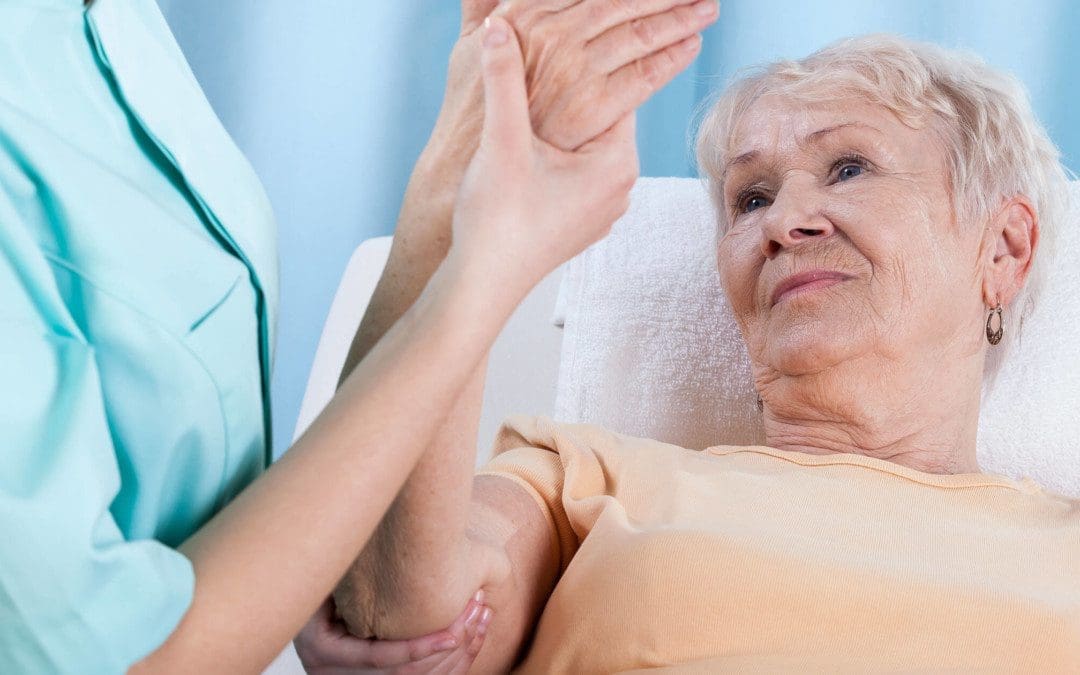
Chiropractic and massage therapy can rehabilitate arm injuries, restore function and reduce arm discomfort symptoms. Treatment includes:
Ice or heat treatment.
Manual therapy – soft tissue massage and trigger point alleviation.
Joint mobilization.
Taping or bracing support.
Rehabilitation targeted exercises.
Work and sports modification training.
Training on upper extremity overuse, practicing caution, and knowing when to seek professional medical help.
Shoulder Pain Rehabilitation
References
Bass, Evelyn. “Tendinopathy: why the difference between tendinitis and tendinosis matters.” International Journal of therapeutic massage & Bodywork vol. 5,1 (2012): 14-7. doi:10.3822/ijtmb.v5i1.153
Cutts, S et al. “Tennis elbow: A clinical review article.” Journal of Orthopaedics vol. 17 203-207. 10 Aug. 2019, doi:10.1016/j.jor.2019.08.005
Hoe, Victor C W, et al. “Ergonomic design and training for preventing work-related musculoskeletal disorders of the upper limb and neck in adults.” The Cochrane Database of systematic reviews vol. 2012,8 CD008570. 15 Aug. 2012, doi:10.1002/14651858.CD008570.pub2
Konijnenberg, H S et al. “Conservative treatment for repetitive strain injury.” Scandinavian Journal of Work, Environment & Health vol. 27,5 (2001): 299-310. doi:10.5271/sjweh.618
Luger, Tessy, et al. “Work-break schedules for preventing musculoskeletal symptoms and disorders in healthy workers.” The Cochrane Database of systematic reviews vol. 7,7 CD012886. 23 Jul. 2019, doi:10.1002/14651858.CD012886.pub2
Pitzer, Michael E et al. “Elbow tendinopathy.” The Medical Clinics of North America vol. 98,4 (2014): 833-49, xiii. doi:10.1016/j.mcna.2014.04.002
Verhagen, Arianne P et al. “Conservative interventions for treating work-related complaints of the arm, neck or shoulder in adults.” The Cochrane Database of systematic reviews vol. 2013,12 CD008742. 12 Dec. 2013, doi:10.1002/14651858.CD008742.pub2
Zaremski, Jason L et al. “Sport Specialization and Overuse Injuries in Adolescent Throwing Athletes: A Narrative Review.” Journal of athletic training vol. 54,10 (2019): 1030-1039. doi:10.4085/1062-6050-333-18
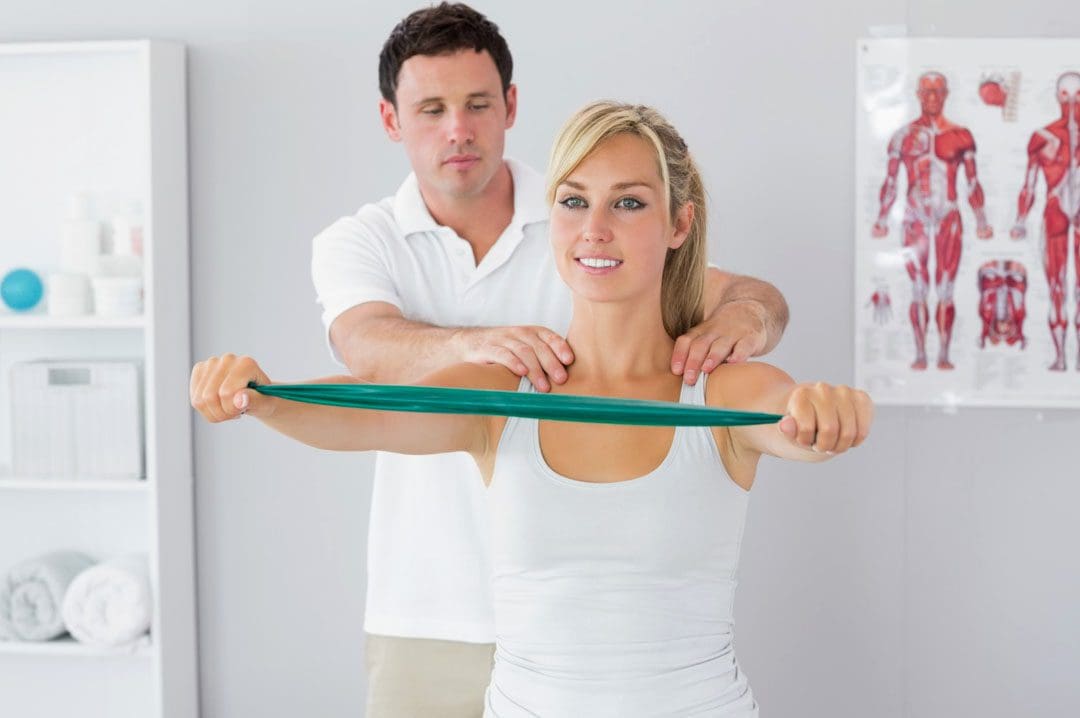
Resistance band exercises can be very useful for injury rehabilitation. As a part of a chiropractic neuromusculoskeletal treatment plan, personalized rehabilitation exercises using resistance bands can be prescribed to strengthen targeted areas of the body that require retraining due to an injury or condition. Resistance band training can effectively rehabilitate neck, shoulder, back, leg, knee, and ankle conditions and offer several advantages, from improving strength and posture to increasing mobility and improving joint health.
Resistance Bands
Resistance bands are rehabilitation and exercise equipment that provide consistent resistance throughout a specific exercise. They are rubberized bands or elastic cables that can be color-coded (different brands may vary in color progressions) to signify the amount of resistance they provide. These bands are great for all types of injuries to the joints or muscles and have been found to be effective in the following types:
Weakened neck muscles from injury.
Shoulder dislocation
Tennis elbow
Hip bursitis
Knee injuries
IT band syndrome
Ankle sprains
Improve flexibility for arthritis.
The body does need time to heal before engaging in exercise, especially after major muscle, ligament, or tendon tears. A chiropractor or physical therapist will inform the patient when they can begin. However, some areas can be worked out three days after an injury.
Benefits
Resistance bands can isolate strength training and stretching to specific muscles affected by surgery or a non-surgical injury/condition in chiropractic and physical therapy. They can help in the following:
Increased circulation.
Increased range of motion and flexibility.
Increased muscular strength.
Improved posture.
Increased joint stability.
Improved balance.
Added benefits:
They are small, lightweight, and portable making them perfect for those that travel frequently.
They are simple to use.
They are cost-effective.
They provide a whole-body workout.
They come in different resistance levels to progress gradually.
Safe for every fitness level.
Exercises
Exercises with bands can be used in standing, sitting, or lying down positions. Some may consist of movements with resistance coming from body weight. Other activities may require additional resistance. Lunges are an example of a simple exercise to help rehabilitate certain back conditions.
Injury Stages
Strength and resistance training is essential for healing from neuromusculoskeletal injuries and overall health.
Early/Acute Stage
This stage entails light, gentle exercising that will allow damaged tissues to begin healing with simple movements to get circulation moving through the areas.
This gradually increases the weight on the injured bone, ligament, or muscle so the tissue can develop the ability to withstand strains from daily activities.
Late/Functional Stage
This is the final step, in which the tissues are stressed through functional exercises to be fit enough to return to work, sports, and activities.
Exercises For Lower Back
References
Lee, Jae-Kwang, and Jae-Hong Lee. “Effect of the lumbar stabilization exercise on the height difference between shoulders and range of motion in older adults.” Journal of physical therapy science vol. 35,1 (2023): 46-50. doi:10.1589/jpts.35.46
Mikesky, A E et al. “Efficacy of a home-based training program for older adults using elastic tubing.” European journal of applied physiology and occupational physiology vol. 69,4 (1994): 316-20. doi:10.1007/BF00392037
Seguin, Rachel C et al. “The Efficacy of Upper-Extremity Elastic Resistance Training on Shoulder Strength and Performance: A Systematic Review.” Sports (Basel, Switzerland) vol. 10,2 24. 14 Feb. 2022, doi:10.3390/sports10020024
Seo, Myong-Won et al. “Effects of 16 Weeks of Resistance Training on Muscle Quality and Muscle Growth Factors in Older Adult Women with Sarcopenia: A Randomized Controlled Trial.” International journal of environmental research and public health vol. 18,13 6762. 23 Jun. 2021, doi:10.3390/ijerph18136762
Yamamoto, Yutaro, et al. “Effects of resistance training using elastic bands on muscle strength with or without a leucine supplement for 48 weeks in elderly patients with type 2 diabetes.” Endocrine journal vol. 68,3 (2021): 291-298. doi:10.1507/endocrj.EJ20-0550
IFM's Find A Practitioner tool is the largest referral network in Functional Medicine, created to help patients locate Functional Medicine practitioners anywhere in the world. IFM Certified Practitioners are listed first in the search results, given their extensive education in Functional Medicine