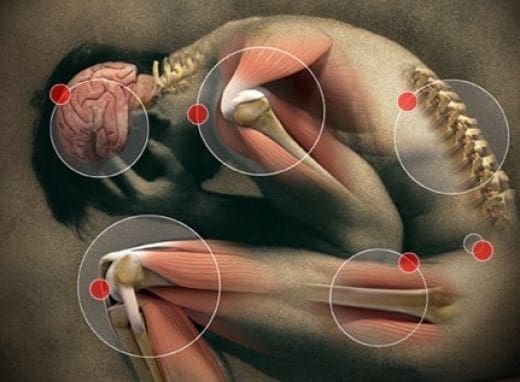
Gluten Free: During a visit to my orthopedist I made a confession: �I stopped eating gluten and�this might sound a little crazy, but�a lot of my joint pain disappeared.
She smiled broadly and said, �You�re not the first person to say that.�
I stopped eating gluten because couple of friends suggested it might relieve some unexplained symptoms I was experiencing, like fatigue and mild joint pain. I had strong doubts, but my primary care doctor and I had run out of ideas (I was waiting to see a specialist), so I figured I had nothing to lose.
More recently, medical experts have begun to acknowledge the connection between gluten and joint pain described as non-pathologic (unrelated to disease).
Both my orthopedist and primary care provider agree that my gluten-free diet is probably keeping my joint pain and other
Before you throw away your pasta and cereal in search of joint pain relief, consider these factors:
Going gluten free isn�t for everyone.�
Whole grains are a recommended part of a healthy diet. No research suggests everyone should start eating a gluten free diet. But for people experiencing painful joint inflammation, eliminating gluten and other �pro-inflammatory� foods may be one treatment approach to consider.
Food products labeled �gluten free� aren�t necessarily healthy.�
It�s almost always better to eat whole foods as opposed to processed foods that are gluten-free, but still full of sugar or saturated fats. For example, skip the gluten-free sugar cereal and make yourself a bowl of gluten-free oatmeal or a fruit smoothie for breakfast.
Eating a gluten-free diet isn�t a magic bullet.�
Adopting other healthy habits, such as making time for exercise, is essential to eliminating joint pain.
A health professional can help.It�s always a good idea to tell yourdoctor about lifestyle changes, including achange in diet. A doctor may refer you to a registered dietician who can recommend certain foods, helping ensure you get enough nutrients and fiber in your gluten-free diet.
You might experience gluten withdrawal.Many people report that their inflammatory symptoms initially got worse after starting their gluten free diet. This withdrawal stage can last days or even weeks, so you may not want to go gluten free right before a big event, like a vacation, holiday, or the start of a newjob.
No single treatment or lifestyle habit can eliminate the symptoms of arthritis, but going gluten-free may be an option worth trying as part of your overall treatment plan.
If you have fatigue and mysterious pain in your joints, muscles, and ligaments that seems to come out of nowhere, you are not alone: many people throughout the world face such issues, which are often disabling. Thousands of people per year visit their doctor in hopes of isolating the cause of such pain; most of them have tried traditional and over-the-counter remedies for joint pain to no avail.
Joint pain can be caused by a variety of accidents or existing conditions: it can be the consequence of a fall, structural issues, twisted ligaments, pulled muscles, or an underlying inflammatory condition, among other possibilities. These obvious causes are easily diagnosed by conventional methods. However, pain can also appear spontaneously, with no apparent cause and clean medical workup, making the etiology uncertain. Such pain can be associated with Adrenal Fatigue.
Migratory Pain
For those who suffer from Adrenal Fatigue, some of this pain might be migratory. Migratory pain is a type of pain that moves throughout the body with no discernible pattern. One day you may feel pain in the right side of your body, but the next day you may feel it in the left side. All too often, this type of mobile pain of unknown origin comes with underlying symptoms of Adrenal Fatigue and does not usually respond to typical remedies for joint pain, baffling doctors and many other medical practitioners.
After telling your doctor about the pain you are experiencing, he or she will likely perform a variety of tests, perhaps including an x-ray scan. More often than not, the results may seem perfectly normal, and yet the pain persists. Your doctor may decide that you have fibromyalgia, however, your pain may actually be due to Adrenal Fatigue. In those with Adrenal Fatigue Syndrome (AFS), the body is in a state of tiredness caused by advanced and chronic stress. This stress strains the adrenal glands and�disrupts the NeuroEndoMetabolic (NEM) stress response, which is the body�s main mechanism of dealing with stress.
NEM & Remedies For Joint Pain
The NEM stress response is a complex system in which organs and bodily systems work together to protect the body from excessive stress. The system includes six types of stress responses: inflammatory, neuro-active, cardiac, hormonal, metabolic, and detoxifying. Together, these responses work to restore the body�s normal function during times of heavy stress. It is important that remedies for joint pain do not disrupt this complex system.
The�adrenal glands are the main control�center for stress responses outside the nervous system. Your body has two adrenal glands, which are about the size of a walnut, located directly above the kidneys. They control your body�s responses by secreting cortisol, a hormone that helps your body cope with stress. Properly functioning adrenal glands are a keystone to overall health and wellbeing. Due to today�s high-stress society, however, this natural defense can easily become disrupted, allowing toxins to accumulate and do great damage to the body. Excessive and chronic stress can overburden the adrenal glands, inhibiting hormone output and causing the body�s natural coping mechanisms to fail.
As stress and fatigue advance, new symptoms and ailments associated with Adrenal Fatigue will emerge. Early stage symptoms include low blood pressure, insomnia, and lethargy; advanced stage symptoms include anxiety, panic disorders, heart palpitations, low libido, hypersensitivities to medication, and food sensitivities. All of these symptoms can negatively affect your daily life. Eventually, as the NEM stress response fails, even the smallest bodily stresses can seem unbearable because your body�s natural coping mechanisms have been slowed and overloaded.
The Detoxification & Inflammation Circuits
The liver is�the body�s primary detoxification organ, aided by the extracellular matrix. A buildup of toxins and metabolites will therefore occur when the liver slows down to conserve energy. This is the body�s way of conserving the nutritional reserves it has left. As your body slows down, your liver becomes more sluggish and levels of toxins and metabolites increase, often leading to inflammation. These toxins accumulate and are not eliminated efficiently. This accumulation causes many other problems because the blood circulates these metabolites throughout the body constantly and rapidly, with a one-minute cycle.
Some of these metabolites can be quite toxic to the body. These metabolites may trigger inflammation, which in turn can trigger pain. Upon reaching the joints, these metabolites may become �stuck,� meaning they are slow to move through the joints and muscles. If your joints or muscles are already inflamed, the toxins and metabolites will further irritate the muscles, causing additional inflammation.
The Inflammation Circuit consists of the gut, microbiome, and immune system.�The gastrointestinal tract and microbiome�play an important role in breaking down and absorbing metabolites. If you are constantly eating unhealthy foods that your body can�t handle, you may trigger inflammatory responses. If you are constipated, and food is rotting in your intestines for long periods of time, then you are at higher risk of inflammation. This inflammation causes pain in random places because of the buildup of metabolites in the bloodstream. This also slows the immune system, because it has to deal with the extra toxins, compounding the inflammation.
If you experience migrating pain, this is an important clue that the cause of the pain may be metabolic, rather than structural (such as the strain of a ligament or muscle, which is usually more confined to a certain area). If you experience a dull to slightly severe pain of unknown origin that seems to migrate throughout the body and no one can seem to give you a direct answer as to the cause, you may be suffering from Adrenal Fatigue Syndrome. Consider metabolites, examine your stress levels, and investigate your diet, including supplements. In rare cases, some medications and supplements�even those often used as a remedies for joint pain�can trigger inflammation that is fundamentally caused by Adrenal Fatigue.�Pain medications may help temporarily, but they tend to hide the underlying condition, and can cause collateral damage. Remember, pain is a sign of an underlying problem. Suppressing or ignoring pain can cause long-term damage if the cause is not addressed.
Remedies For Joint Pain: Conclusion
Joint pain of unknown origin can cause a myriad of debilitating problems, including the additional stress of trying to find effective remedies for joint pain. It can be a scary and confusing time, especially when test results show no abnormalities and your doctor can�t figure out what�s wrong. It�s important to find and address the cause of the inflammation. If you experience other concurring symptoms similar to those of Adrenal Fatigue, find a practitioner who can support your NEM stress response. Proper restorative strategies will help your body cope with both the stress and the pain.
El Paso TX. Chiropractor Dr. Alex Jimenez takes a look at medication for joint pain and how they can make the pain worse.
Non-steroidal anti-inflammatory drugs (NSAIDs) are as common as candy, a staple of every home medicine cabinet and tossed casually in desk drawers, purses, and briefcases. Many people take these drugs, which include ibuprofen (sold as Motrin and Advil), naproxen (Aleve), and aspirin, at the first sign of a�headache or muscle cramps � and they are a daily ritual for many people living with arthritis.
But few people realize that NSAIDs carry a black-box warning, the strictest warning issued by the Food and Drug Administration. �Most people think that the government or FDA would not allow something dangerous on the market, especially since most of them are over-the-counter and [used] without a prescription,� says integrative medicine expert Sunil Pai, MD, author of An Inflammation Nation. �A black-box warning is the FDA�s attempt to let you know that you can end up in a casket if you are unlucky enough to suffer one of a medication�s serious reactions.�
Not only have NSAIDs been linked to a slew of serious side effects, including ulcers, hearing loss, allergic reactions and miscarriages, but they can actually worsen some of the conditions, such as arthritis, they are supposed to help.
�The scientific literature makes it abundantly clear that NSAIDs�have a significant negative effect on cartilage,� which accelerates the deterioration of arthritic joints, says Pai. �NSAIDs have no beneficial effect on [cartilage] and speed up the very disease for which they are most used and prescribed.�
Even worse, NSAIDs do not address the underlying conditions that cause pain and inflammation, such as a leaky gut, and can even exacerbate them. Stress, infections, alcohol, and a poor diet can all irritate the gut lining and lead to a leaky gut, but so can NSAIDs.
�If you use a full therapeutic dose of NSAIDs for two weeks, there is a 75 percent chance you will develop a leaky gut that doesn�t go away when you stop taking the drug, Leo Galland, MD, tellsExperience Life magazine.
6 Simple Dietary Interventions To Fight &�Heal A Leaky Gut
So, how can people with acute or chronic inflammatory conditions fight pain naturally? Some simple dietary interventions go a long way towards fighting inflammation and healing a leaky gut.
1. Try an Elimination Diet
Removing common foods that can irritate the gut, including gluten, sugar, dairy, processed foods and soy, can jumpstart the healing process. Sugar (and refined grains, which turn to sugar in the body), for example, is one of the single biggest drivers of inflammation and its downstream consequences.
When sugar cravings strike, try roasting root vegetables or sweet potatoes. Roasting concentrates the natural sweetness of the plant, but the fiber slows down sugar absorption in the bloodstream.
2. Eat Whole Foods
Michael Pollen�s recommendation � �Eat food. Not too much. Mostly plants.� � Is great advice when it comes to naturally fighting inflammation. Eating a Standard American Diet (SAD) � high in processed foods, unhealthy fats, and sugars � is like pouring kerosene on inflammation�s fire. Eating whole foods, rich in phytonutrients, helps put out that fire.
One fun way to eat more plants? Strive to �eat the rainbow,� or get at least one whole food from all the different colors of the rainbow each day:
Animal protein doesn�t need to be avoided if it�s grass-fed and pastured. Instead, try to reverse the ratio on your dinner plate: Make meat the side dish and vegetables the main course.
3. Supplement with Glutamine
Glutamine helps heal your gut by fueling the cells in your gut lining. You could think of it as a leaky gut superhero. �Glutamine heals the intestinal lining more than any other nutrient,� Liz Lipski, Ph.D., CCN, author of Digestive Wellness, tells Experience Life.
4. Get Your Omega-3s
Omega-3 fatty acids are natural inflammation fighters. Good whole food sources of omega-3s include wild-caught fish, grass-fed meat, pastured eggs, algae, and seeds such as hemp, chia, and flax. A high-quality omega-3 supplement is also worth considering. Even on a largely whole-foods-based, it can be hard to get the recommended daily amount of omega-3s.
5. Drink Bone Broth
Bone broth is one of the best natural sources of collagen, a protein found in abundance in our ligaments, tendons, bones, and skin. The collagen in broth is easily absorbed by our tissues and can not only help promote healthier connective tissue and ease joint pain, but it can also help heal a leaky gut. The best bone broth is homemade�but increasingly high-quality bone broth is available for purchase at cooperatives and health food stores.
6. Consider Botanical First Aid
Many plants are powerful inflammation fighters. Turmeric may be the best known and most studied.�Recent research suggests that the active ingredient in turmeric (called curcumin) has anti-inflammatory, antioxidant, antiviral, antibacterial, antifungal, and anticancer activities on par with commonly prescribed arthritis drugs like Enbrel and Humira.
A lot of other plants and plant compounds show similar activity in the body, including ginger, bromelain (an enzyme found in pineapple), capsaicin (the active ingredient in hot peppers), and ginger. Consult your healthcare practitioner before taking botanical supplements.
IFM's Find A Practitioner tool is the largest referral network in Functional Medicine, created to help patients locate Functional Medicine practitioners anywhere in the world. IFM Certified Practitioners are listed first in the search results, given their extensive education in Functional Medicine






 Joint pain of unknown origin can cause a myriad of debilitating problems, including the additional stress of trying to find effective remedies for joint pain. It can be a scary and confusing time, especially when test results show no abnormalities and your doctor can�t figure out what�s wrong. It�s important to find and address the cause of the inflammation. If you experience other concurring symptoms similar to those of Adrenal Fatigue, find a practitioner who can support your NEM stress response. Proper restorative strategies will help your body cope with both the stress and the