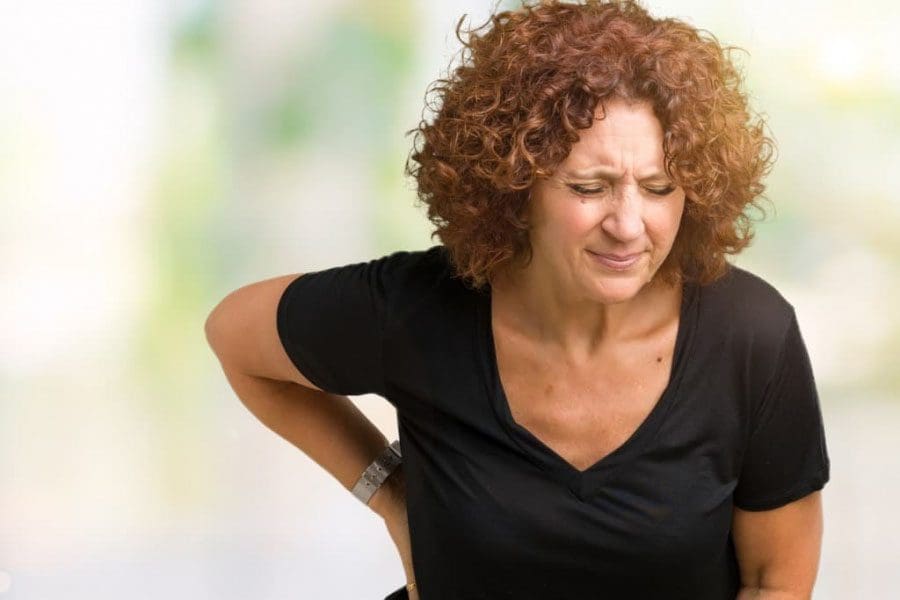
A February 2020 study explored the relationship between low back pain and menopause. Hormones and vitamin D play a role. Vitamin D deficiency is related to increased lower back pain and degenerative disc disease in postmenopausal women. Decreasing estrogen levels can also drop levels of vitamin D, which can be downright painful if left unaddressed.
Menopause:
Hot flashes
Mood swings
Sleep issues
Libido changes
A drop in�estrogen levels can cause these symptoms.
Degenerative Disc Disease
In between the vertebra are fibrous discs that are the shock absorbers for the spine. These discs also support and stabilize the spine, which allows you to move freely pain-free. The health of the spine is a vital part of well-being and provides the ability to bend, lift, twist, and perform normal activities without pain.
With the passage of time, the discs start to dry out and lose their flexibility and elasticity. When the discs dry out, known as desiccation is a natural process that happens as we age and does not always cause pain symptoms. The discs become thinner and less able to absorb shock that can lead to pain and stiff movement. The loss of elasticity and height in the discs is known as degenerative disc disease.
Stenosis/Compression
With degenerative disc disease, sometimes the body tries to compensate for the loss of stability by producing more bone to stabilize the spine.
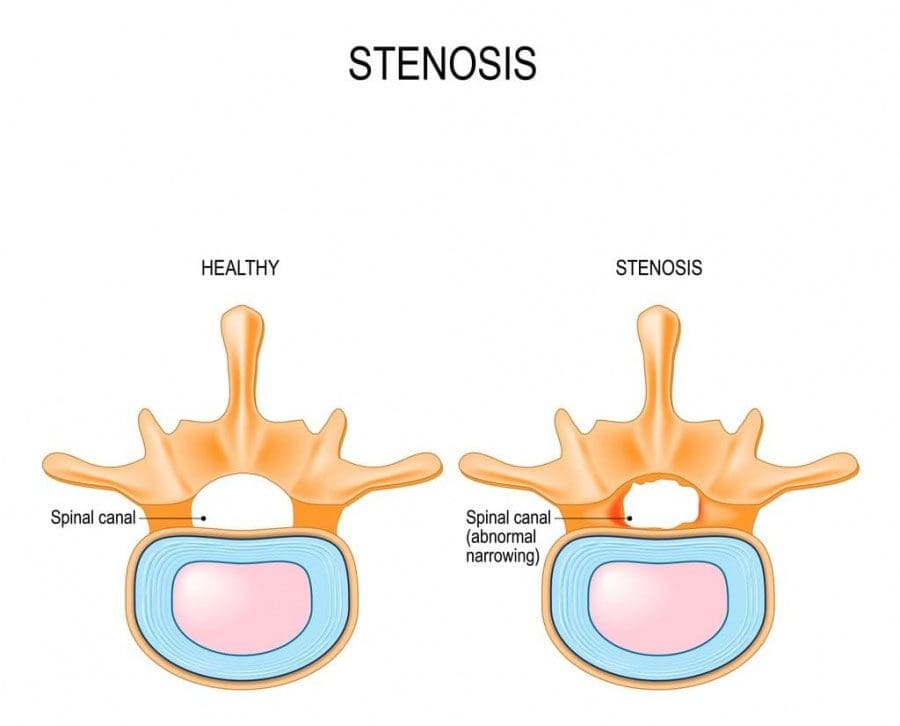
This causes bone growth/s, called bone spurs or osteophytes. These can crowd the spinal canal, which is a condition called stenosis.
Stenosis places pressure on the nerve roots that branch off the spinal cord.
The symptoms of this compression can present with:
Pins and needles sensations
Muscle spasms
Decreased sensation to touch
Weakness and pain in the back or that radiate down the arms or legs.
Treatments for degenerative disc disease include physical therapies and surgery. Most cases are treatable without surgery by utilizing physical therapy, occupational therapy, strength/flexibility exercises, injections, and supplements. Surgery could be considered to make more room in the spinal canal, relieve nerve compression, and reduce pain.
Vitamin D and Bone Health
Vitamin D has multiple functions in the body. It’s produced by the body when exposed to sunlight and is also found in certain foods and supplements. One function of vitamin D involves bone health support. The body needs vitamin D to absorb calcium and phosphorus, which are essential for bone production. Calcium is stored inside the bones.
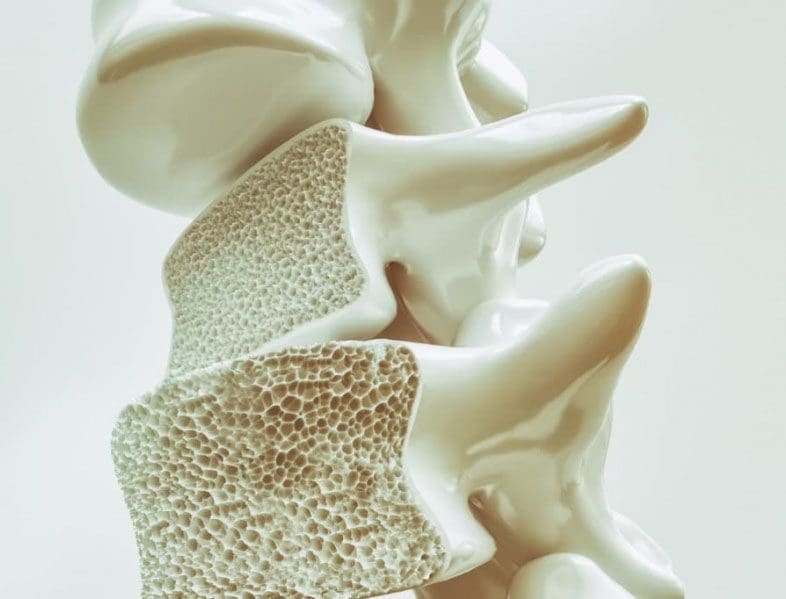
When there is a deficiency in calcium, the body breaks down the bone/s and takes/pulls the calcium back into the blood. Inadequate vitamin D means the body is not able to absorb enough calcium and cannot prevent the bones from being broken down. Vitamin D deficiency at an early age can cause low bone density along with diseases like rickets, osteopenia, and osteoporosis. Osteoporosis is a condition where the bone gradually weakens and breaks easily.
It can cause vertebral compression fractures, where the vertebrae crack because the bone tissue is not strong enough to support the body�s weight and resist gravity.
Two causes of osteoporosis are nutritional deficiencies and hormonal imbalances, like low estrogen production after menopause. Proper vitamin D/calcium intake is essential for preventing and reducing bone loss that can lead to these conditions and increased lower back pain.
Estrogen and Bone/Spine Health
Estrogen plays a role in male and female bone health. Cells called osteoblasts help in the production of bone are highly active. Estrogen helps slow the breakdown of bones and promotes bone growth. A drop in estrogen over time compromises the health of bones. Individuals with chronic hormone imbalances and postmenopausal women are frequently affected by bone disease/s and the loss of bone density over time.�Studies reveal the risk of developing osteoporosis is higher in postmenopausal women.
Estrogen helps maintain tissues that contain collagen, which is found in intervertebral discs. Lower estrogen levels following menopause have shown to lead to more severe lumbar disc degeneration and increased lower back pain in women when compared to men. This demonstrates the importance of monitoring changes in lower back pain for women after menopause.
Vitamin D and the Spinal Discs
The relationship between increased low back pain in postmenopausal women and vitamin D deficiency is real. Supplements can help correct these deficiencies, can help reduce low back pain and promote bone health.
Postmenopausal women are especially at risk for vitamin D deficiency. Vitamin D and calcium supplements can be used in combination.The bone/s breakdown is stopped, while the bone tissue is strengthened thus reducing back pain. Low back pain brought on by degenerative disc disease is pretty much present in patients over age 65.
These health concerns can be helped through:
Vitamin supplementation
Exercise
Healthy diet
Slowing down bone loss can be achieved with strategies that range from diet change to prescription medication.
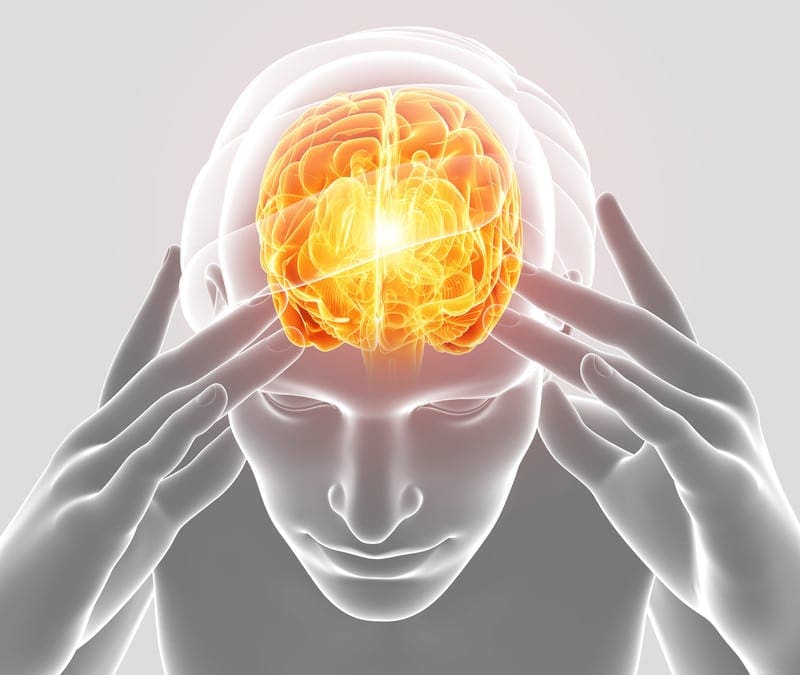
The Neural Zoomer Plus is a blood test that is designed to test 48 neurological antigens. When testing for these antigens, the results these markers find can help physicians determine if a patient is at risk for neurological conditions later on. To view last week’s article containing a full list of the signs and 48 markers, click here.�
When a patient comes to us with concerns, we listen very intently and make sure our patient’s concerns are addressed. More often than not, patients reveal they are having issues that relate to neurological declines, such as, muscle spasms or memory loss. With symptoms like these, the patient is referred to get a Neural Zoomer Plus.�
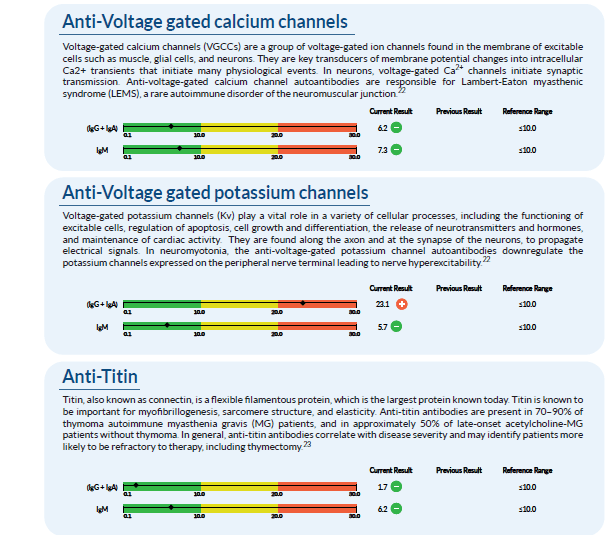
Once we receive the results back, it is compiled into a large report. From here, we assess it and go through all of the markers with an additional team of clinicians. An example of a few of the markers tested in a Neural Zoomer Plus is below. One can see that this patient has an elevated �Anti-Voltage gated potassium channel�. Anti- Voltage-gated potassium channels are responsible for multiple cellular processes such as cell growth and differentiation.�
After analyzing the data, we take these findings and create a treatment protocol that is specific to each patient and their lifestyle. Due to the fact that this patient shows an elevation in specific markers, there are certain adjustments we make in order to help prevent or reverse the cognitive and physical effects of neurological disorders.�
The first step we take is to change the diet of the patient. Many foods are not properly digested, leading to gut inflammation, which further leads to �leaky gut� which then enters the bloodstream and into the blood-brain barrier, causing neurological decline. In order to reverse these effects, we want to make sure the gut is getting the proper nutrients from foods that will not cause inflammation. For this patient, we recommend the Wahls Protocol.�
The second step we take is to usually get the patient involved in a more active lifestyle. By having this patient start to exercise with activities like yoga, it can improve the state of mind and their mind-body connection.�
The third step is usually nutraceuticals. These are supplements that will naturally help the body and brain with no addictive or harsh chemicals. With every patient, the nutraceuticals and amount needed vary depending on their specific body. For this case, we recommend:��
N-acetyl-L-cysteine:� (NAC) is a precursor to glutathione, the body�s most important cellular�antioxidant. NAC supplements have been shown to increase cellular glutathione levels.
Vitamins B12, B6, and folate: These are metabolic cofactors important for cellular metabolism and maintenance of all tissue cell types, but particularly important to nerve cells. Deficiencies in�B12 or folate can raise homocysteine levels, which have been associated with a higher risk for�vascular disease and dementia.
Alpha Lipoic Acid:� (ALA) is an essential cofactor in normal cellular metabolism and cellular�energy production.
Vitamin C and vitamin E: Can reverse symptoms caused by vitamin C and E�deficiencies.
As mentioned before, each patient is different and their lab work shows varying needs. However, with the Neural Zoomer Plus, we are able to get ahold of these symptoms, create a personalized treatment plan, and get them under control.�
As one can see, the data and knowledge we gain from these tests are truly eye-opening and give us an early advantage to help reverse or aid in prevention methods. We take the needs and concerns of every patient very seriously and work extremely hard to figure out the right method of treatment for them. Our goal is to help ensure that this lifestyle change is as smooth and easy on the patient as possible so they can get back to enjoying the activities they love and spending time with loved ones. The transition into a new lifestyle can be stressful, but with the information we gain from the tests, the knowledge we use from the doctor, and the willingness to change from the patient, we are set up to be the best team you can have to get your life back! – Kenna Vaughn, Senior Health Coach�
After a long day of work, you tiredly march your way to your bedroom. You take off your work clothes, slip on your comfiest pajamas, your bed is inviting you to just go under the covers and get that full 8 hours of recommended sleep that the media tells you to. However, you realize that you have that project you have to finish in two days to show your boss.
Thus, you are working on that project in those two days; after work, in the wee hours of the night until completion. Surprisingly, when your head hits that pillow and you close your eyes for a few hours; your alarm starts to alert you awake to start your workday and you are exhausted.
The world today is still experiencing a lack of sleep, as people still have busy lives and are just getting about 5 hours or less of sleep. �Japan still holds the record for having 5 hours of no sleep, while the U.S. is in second place of getting about 6 hours or less of sleep. But there is some good news as there are some natural ways to get the full recommended amount of sleep without the use of medication and can help keep you stay asleep throughout the night. Here are the top 4 botanicals that are used by professionals.
�4 Botanicals
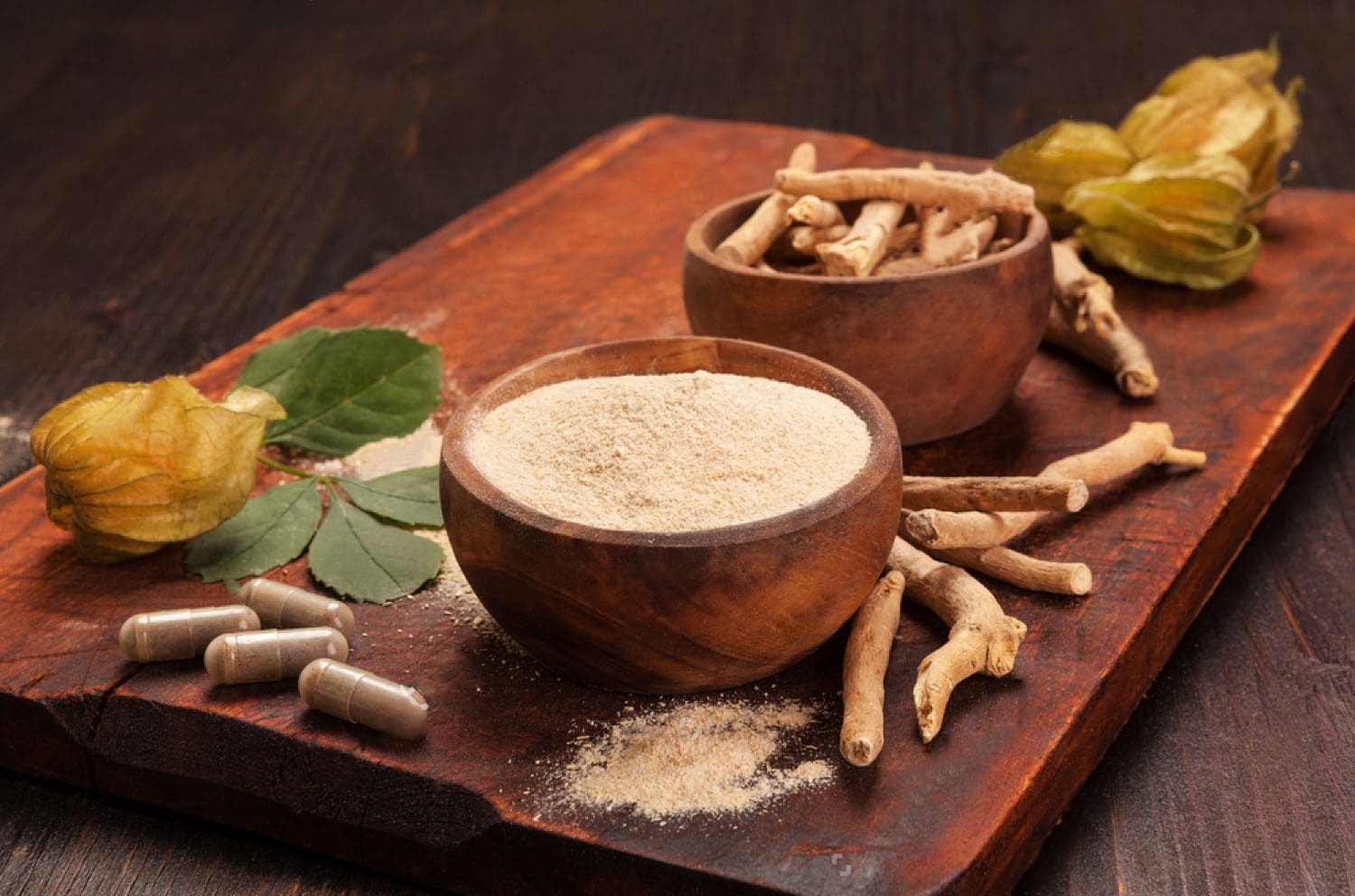
#1 Ashwagandha
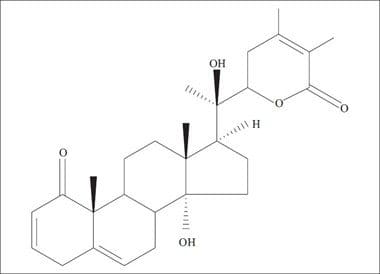
Located in southwest India, Ashwagandha has many health benefits that can help people with different ailments and has many different names including the most common name, �winter cherry.� The plant contains alkaloids, phytosterols, saponins, iron, and steroidal lactones. With these chemical constituents, they are known as withanolides.
In small dosages, it can reduce your cortisol levels to where you feel a bit more relaxed. Not only that Ashwagandha root has been used to improve your brain function, boost your memory, and your reaction time gets improved and is completely safe and widely available.
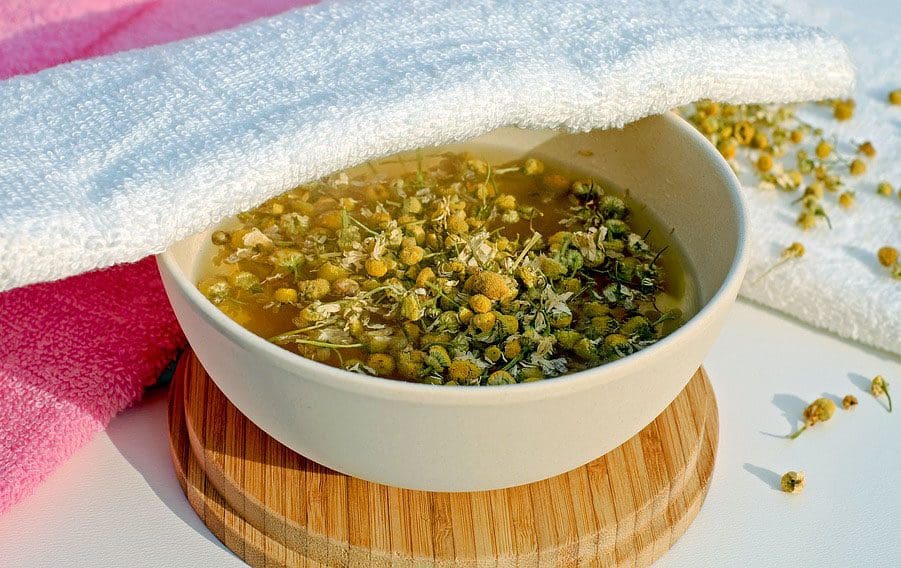
#2 Chamomile
Chamomile has to be one of the most common herbs that helps anyone that has trouble sleeping. When the herb is dried up, you can actually seep the plant into hot water and with a small dash of honey, it can be the most relaxing, hot beverage that you can sip and relax to. The herb contains apigenin, which is an antioxidant that will bind to certain receptors in your brain. So that being said, chamomile�s properties can make you sleepy and reduce your anxious mind to be at ease.
Another reason to drink chamomile is that it can actually relieve anxiety and depression. When our body is anxious, our brain produces more glutamate, which can be harmful to us. So, by sipping or taking the herb as a supplement, it can target what receptors that are making us anxious and calm them down immensely.
#3 Lemon Balm
Lemon Balm is part of the mint family that goes by many different names but the main purpose for this herb is to actually calm your mind. If you have an anxious mind and your beta brain waves are overstimulated it can be very bad for your health. This herb has about 100 active phytochemicals and has high flavonoids that have both antioxidant and neuroprotective effects that are beneficial. Studies have proven that lemon balm can calm the mind, uplifts your mood, and soothes the central nervous system.
One of the compounds that lemon balm has is called rosmarinic acid. This compound acts like a sedative, which helps you relax when you are stressed out but can be taken in small dosages. When your brain is overly active, sometimes a bit of this herb can help you relax and be calm.
When you combine lemon balm and valerian in a tea, the combination has been helpful to relieve restlessness and insomnia. So, if you want to try to get a good night�s rest, try sipping a hot cup of lemon balm tea before you go to bed.
#4 Lavender
This herb is one of the top plants that everyone in the world uses. Lavender is a multipurpose plant that has so many properties that can help us. Using lavender in aromatherapy can actually help to reduce your stress and promote wellness and calmness. Studies have shown that lavender oil can be useful to treat anxiety, depression, restlessness, and insomnia. The actual smell of lavender is pleasant and is known to make you calmer when you sniff it from any stores or farmer�s market that sells the plant.
Today, many people use lavender because of its calming aroma and used it in their crafts. Whether it be for cooking, soap making, essential oil and aromatherapy remedies, and yoga wellness. It is a versatile herb that has many properties to ease our anxious minds.
These four herbs are some out of the many, many herbs that are out there to help us get a better chance to fall asleep. Sleep is very important to us that some people take for granted. A lot of people will use the phrase, �Sleep is for the weak,� but that phrase is dangerous due to the fact that sleep is not for the weak.
When we don�t get enough sleep, our bodies take a nasty toll as we feel sluggish and irritable to those around us. Not only that it is bad, but sleep deprivation can lead to many health problems that can be fixed. Granted that we want to tackle as many commitments and finish projects before deadlines; however, does that gives us the right to sacrifice sleep so we can have a fullfed life of happiness.
If we start by changing our sleep habits with any of these herbs, our bodies can naturally start repairing itself. Once that happens, then your body will thank you for getting the full eight hours of sleep. These herbs are not a cure-all, but they are helpers to ease your brain and help calm down any anxious thoughts you may have. So, if you try out these herbs to relax a bit, maybe even get a full night�s rest, then go for it. Because sleep is not for the weak, sleep is for everyone.
Get A Good Night’s Sleep
Insufficient or poor sleep has been linked to numerous health issues. People who don�t get enough sleep or their sleep quality is poor, have a higher risk of developing dangerous health conditions such as heart disease, diabetes, and obesity. Adults should get between seven and nine hours of sleep a night, preferably uninterrupted, within 24 hours on a regular basis. There is more to a good night�s sleep than just quantity though. You should be able to fall asleep within about 20 minutes after you lie down and stay asleep.
NCBI Resources
Proper sleep hygiene and the application of organic herbs and the 4 botanicals aforementioned, can help promote a healthy amount of sleep. The outcome could result in a wide array of benefits, including an improvement in problem-solving and work performance, weight management, and even promote the prevention of chronic health issues, such as diabetes, cardiovascular disease and mood disorders like depression. You may find numerous products and information regarding how to manage proper sleep. A�research study from 2016�indicated that individuals in the United States alone spent over $41 billion on sleeping treatments, where it is expected to rise up to $52 billion by the year 2020.
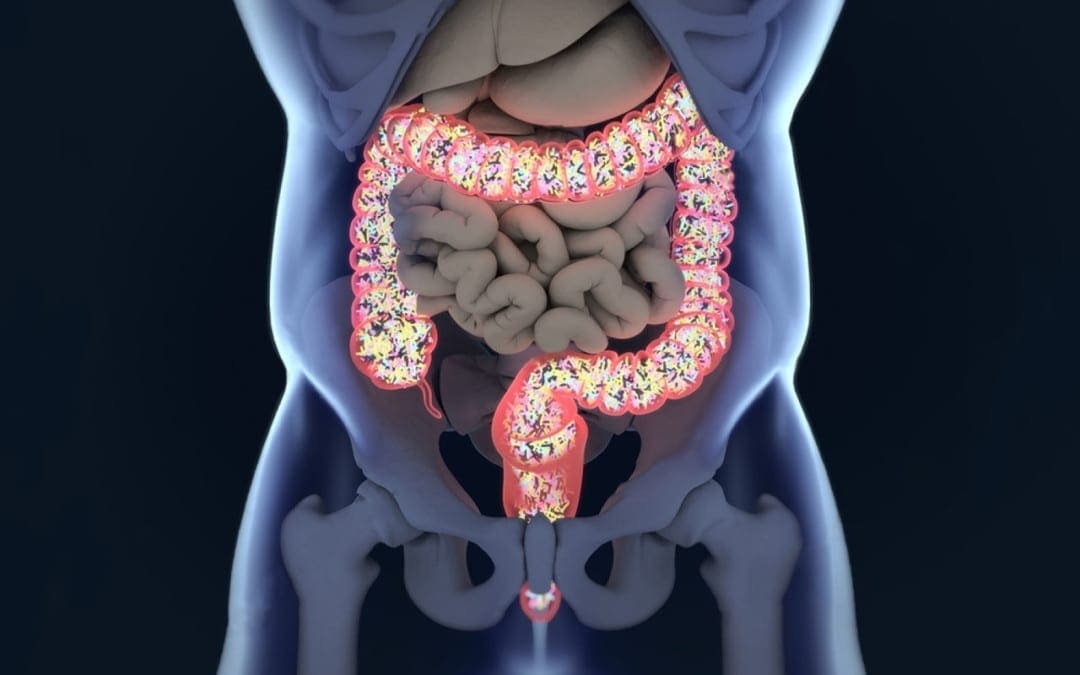
The phrase, �You are what you eat� implies that the way we are defines us as the food we all consumed. However, our gut tells us otherwise as the food we eat, may in fact be leading us to obesity. Our gut plays a role in our overall health, when we eat good food our gut is happy and when we eat bad food our gut will tell us by fighting off the bad food. A recent study showed us that the bacteria in our gut produce amyloid and lipopolysaccharides. These two microbiomes seem to show us that together, with proper dieting that these microbiomes can prevent Alzheimer�s Disease.
As the microbiomes and the bacteria that co-exist in our gut, there are the two most predominant groups that have also played a key role in our lifestyle: gram-positive Firmicutes and gram-negative Bacteroidetes- both play a huge role in obesity. Firmicutes are bad bacteria that lead us to obesity. When we eat processed food and sugars, our body starts to crave it more, thus leading us to be overweight.
Junk Food
When we eat junk food, all that sugar and fat are feeding the Firmicutes. Firmicutes thrive on sugar since our bodies need it and it can be both good or bad While Bacteroidetes are the good bacteria that leads us to a healthy gut. Bacteroidetes are in the stomach regions as well as the Firmicutes. These two predominant bacteria groups tell us that the food we eat can actually affect our bodies when we eat bad foods or good foods.
However, Dr. Kristen Senella mentioned that we all have a different balance of Firmicutes and Bacteroidetes since we are all different shapes and sizes. Depending on our health and food lifestyle, we can have either a low Firmicutes and a high Bacteroidetes or a high Firmicutes and a low Bacteroidetes. Plus, having either a high or low count of Firmicutes can lead to weight gain or weight loss; depending on which healthy lifestyle and exercise regime you are following.
Gram-Positive
Gram-positive bacteria will appear blue or violet, while gram-negative bacteria will appear red or pink under the microscope. When studying the gut and the bacteria groups that it is hosting, scientist use mice to study how their guts react to different diets they are put through so that way we, as humans, can take either pills to help our bodies maintain a healthy lifestyle or to read and do our own research. One group is fed in a healthy lifestyle and doesn�t experience diseases or ailments that we face. And the other group is fed with a bad lifestyle where they are prone to many of the diseases and fatigue as their life span is shortened very quickly. In order for us to actually maintain a healthy lifestyle and importantly feel good is to make sure our Firmicutes are not too dangerously low, but we can control it with probiotics.
Probiotics
Probiotics can vary from yogurt, fermented vegetables, kombucha, and miso. But there are certain companies that also reign supreme in the probiotic market. Activia yogurt and Yakult are two of the most well-known companies that use the live microorganisms to help us maintain a healthy lifestyle as well as keeping our gut�s microbiome in check. When we have some sort of probiotic foods in our system, we are preventing certain ailments and diseases going out of control. Like our cholesterol, blood pressure, being lactose intolerant, or recurring abdominal pains.
When we mix probiotics into our food when we are trying to maintain a healthy lifestyle, we can see a vast improvement in how we have more energy, we feel full that we don�t have to overeat or mindless snacking, and overall we feel good in our gut as we go through our daily routine. From 2007 to now, roughly 3.9 million Americans use probiotics to maintain a healthy gut, however, those probiotics are just a fraction of what the six types of foods that can help maintain a healthy gut microbiome to help support a healthy lifestyle.
Healthy Lifestyle
For instance, a good healthy lifestyle is eating your basic food groups; whether it be plant-based or omnivorous, as well as, exercising a couple of times out of the year. A bad healthy lifestyle is eating processed food and not exercising, which leads to obesity and cardiac arrest. Depending on the person and the efforts that they are willing to maintain a healthy lifestyle, they can achieve longevity by taking care of their gut first and foremost.
Family In Kitchen Making Morning Breakfast Together
Protein
Let�s start with protein. Protein can vary with lean meats like chicken and beef or plant-based like beans, legumes or tofu. Any of these types of protein can help our bodies by making us make our muscles grow, but also control the bacteria in our guts. Next up is fats. Fats can vary like good and bad bacteria. There are good fats like fish, nuts, olive oil, and avocado; as well as, bad fats like butter, lard, and fatty foods. Granted that we can overindulge on the trans fats as there are many fast-food chains, but we can moderate ourselves to not eat out at fast food joints all the time.
Yes, they are cheap and easy to access, however now and days, we as humans are now cooking more in our homes and meal prepping our meals to be healthier. Digestible and Non-Digestible Carbohydrates are mostly starch, sugars, and fibers. These two food groups can make our gut feel happy or upset depending on the food we consume. Sugars, starches, and fibers help our bodies by feeling full with the starches, the fibers help our bowel movements in case our gut feels bloated, and the sugars gives us microburst of energy for our fast-paced lives.
Fermented & Polyphenols
The last two food groups are fermented food and Polyphenols. Both of these food groups have amazing properties since we see them everywhere in the food market, hiding in plain sight. Fermented foods like yogurt and kimchi are a few examples of ways of keeping our guts happy and stopping many diseases. Polyphenols are antioxidant foods like dark chocolate, berries, dark greens, and certain fruits. These help our gut curb that sugar hunger and all in all taste really good.
All in all, our gut microbiomes are important to us and our overall health as we all try to maintain and achieve a healthy lifestyle. The phrase �we are what we eat� still implies to all of us, however, it is up to us to actually put in the work and constantly try out different foods to make sure that our gut is still functioning properly. No matter which diet you choose, pick one that will work with your body and your gut since we all are made differently. But our gut should be the first thing that we should listen to.
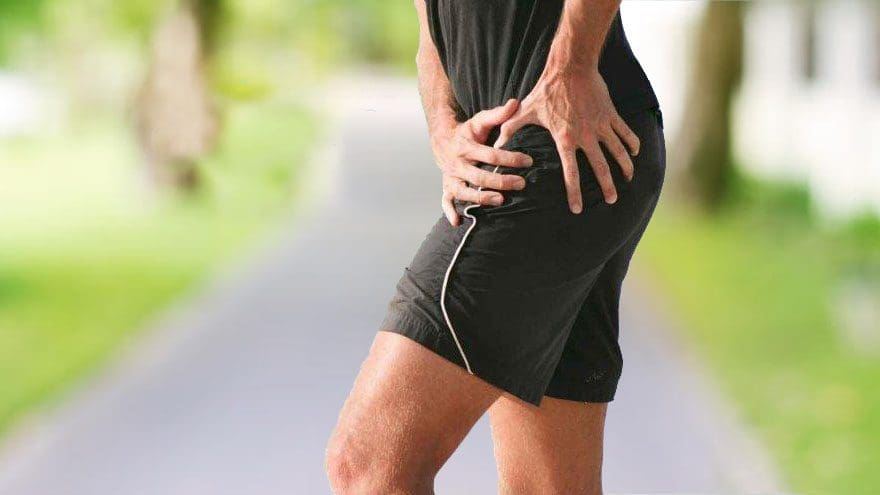
Athletes both recreational and fully competitive can be impacted by injuries to the muscles and ligaments around the hip.
These injuries interfere with performance levels and sometimes end participation completely.
�Excessive pronation along with shoes with poor shock absorption has been found to be an underlying cause for various leg/hip injuries.
Custom made Orthotics improve the biomechanics of the feet and reduce the extent of pronation helping to prevent sport-related leg/foot injuries.
Over Foot Pronation
Research has determined that athletes with more foot pronation have a higher probability of sustaining a leg injury, including iliotibial band syndrome that comes from excessive tightness of the hip muscles.
People involved in sports or recreational activities lower their likelihood of developing traumatic and overuse hip injuries through chiropractic treatment and using custom foot orthotics.
The amount of pronation during standing and while running at a standard speed is determined by measuring the angles of the footprints.
Athletes with more pronation have a higher likelihood of an overuse injury.
Standing (static) and running (dynamic) prints show the amount of pronation and is a predictor of developing an overuse injury.
Athletic performance and injury prevention involve regularly checking the alignment of patients� feet in the standing position.
Hip Injuries & The Hamstring
Many hip injuries develop from poor biomechanics and improper movement, especially when running.
Smooth muscle coordination provides balance and support for the pelvis and is needed for optimum sports performance.
This includes:
Hamstring muscles
Hip abductor muscles
Tensor fascia lata or the iliotibial band
When there is an issue with the feet and ankles, abnormal motion like over-rotating the entire leg is the perfect set-up for pulls, sprains, and strains.
50% of standing consists of heel strike and maximum pronation.
The hamstring muscles function to control the knee and ankle when the heel strikes and absorb the impact.
The theory behind orthotic support is that orthotics help the hamstrings control the position of the calcaneus and knee, so there is less stress on the hip and pelvis.
Hip Injuries & Over-Pronation
Orthotics can correct excessive pronation and treatment of hip problems. These are some of the problems/pathologies that can develop.
These conditions develop in athletes who push their body’s to the limit going for optimal performances.
Conclusion
Overpronation and poor shock absorption contribute to leg injuries � from:
Foot
Lower leg
Knee
Thigh
Hip
These conditions can be prevented with custom-made orthotics.
Foot biomechanics evaluation is a must
To avoid hip injuries, athletes need regular evaluations of foot alignment and function
Wear well-designed and solid-constructed shoes
Chiropractors can prevent arch breakdown and foot problems with custom orthotics, and also treat numerous injuries to the lower extremities, especially the hips.
Excessive Foot Pronation can Affect *FOOT POSTURE & MOBILITY* | El Paso, TX (2019)
The following video discusses how excessive foot pronation can ultimately affect foot posture and mobility. Several factors can affect foot posture and mobility, such as excessive foot pronation. Excessive foot pronation is most prevalent among the general population, therefore, it is considered to be one of the most common factors for abnormal foot posture and mobility, which can lead to a variety of health issues like overuse injuries. Excessive foot pronation and even supination can ultimately affect overall health and wellness.
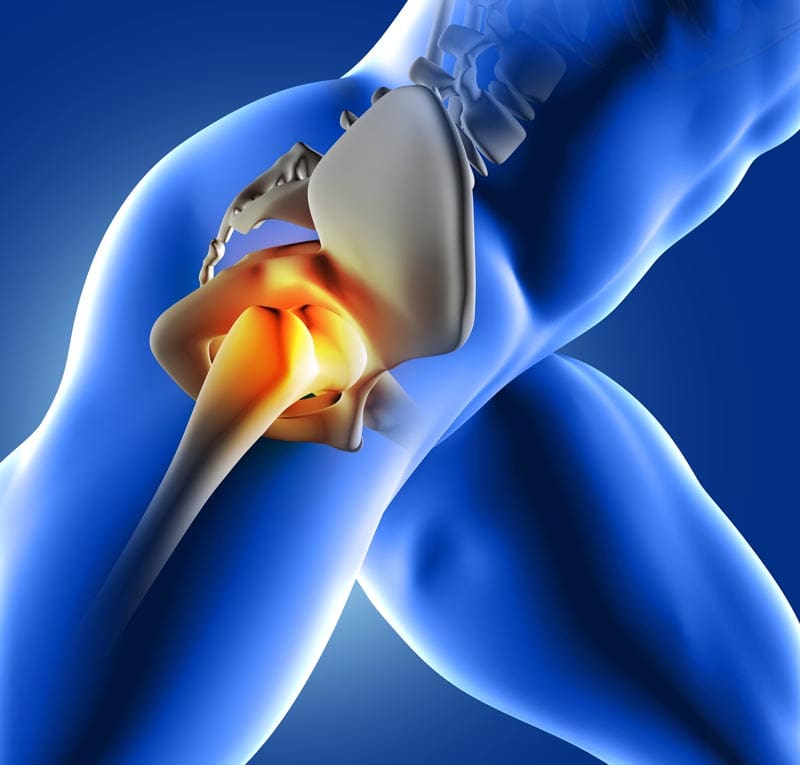
Hip Labrum tears in athletes can occur from a single event or recurring trauma. Running may cause labrum tears due to the labrum being utilized more for weight-bearing and taking excess forces while at the end-range motion of the leg. Sporting activities are probable causes, specifically those that require frequent hip rotation or pivoting to a loaded femur as in ballet or hockey. Constant hip rotation places increased strain on the capsular tissue and harm to the iliofemoral ligament. This subsequently causes hip instability putting increased stress on the labrum and causing a hip labrum tear.
What’s Afoot
Chiropractic�seeks to find the cause of the conditions it is used to treat, including pain, instead of just treating symptoms. Because of this, the chiropractor will work to find the cause of the pain, in this case, overpronation and overpronation, and correct it � or the effects of the condition � in addition to treating the back pain.
Overpronation and oversupination can cause a variety of injuries and conditions that affect not only the feet and ankles, but also the knees,�hips, and back as well. Some of the more common injuries and conditions include:
Flat feet or posterior tibial tendon dysfunction
Ankle Sprains
Achilles tendinitis
Arch pain
Plantar fasciitis
Corns
Shin splints
Heel pain
Tight calves
Calluses
Knee pain
Patellar tendonitis
Tight hip flexors
Back pain
Sciatica
Herniated disks
NCBI Resources
Muscle imbalances in the hip, such as tight hip flexors, can cause low back pain � or at least contribute to it. When the hip flexor muscles are too tight, it causes what is known as an anterior pelvic tilt.�Hip flexors�can become too tight if the person sits for extended periods of time or engages in activities like cycling and jogging. A chiropractor can guide you through exercises that will help release the tight muscles and stop the micro spams that occur as a result.
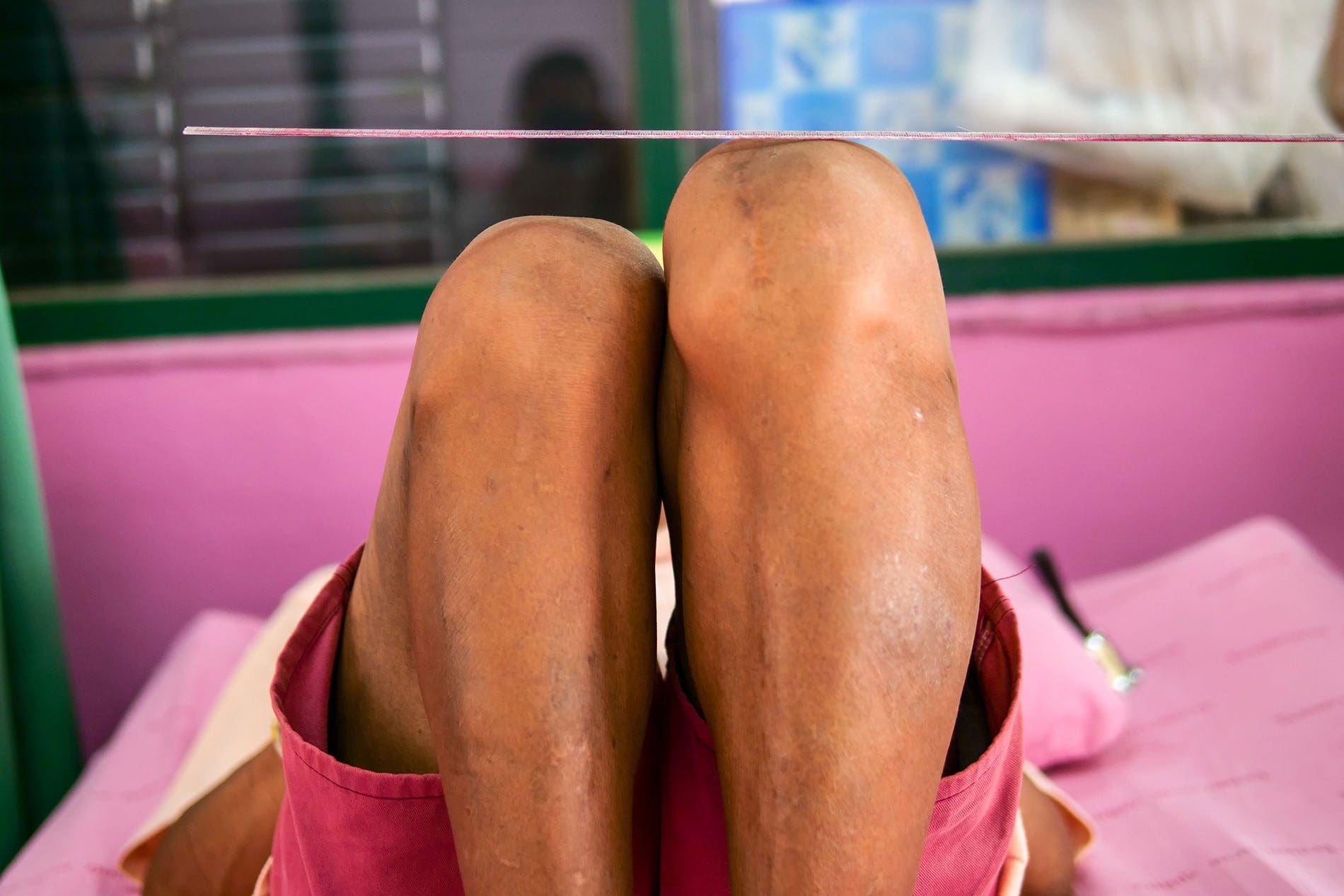
Leg Length Discrepancy (LLD) has profound effects on the body’s biomechanics, which can result in back pain and a number of other debilitating conditions.
Overview
Also known as Leg length inequality leg length discrepancy affects as many as 60 to 90% of the population.
It is categorized as functional or structural, but both have profound effects on the body’s biomechanics and result in back pain.
Other conditions include:
Arthritis of the knee
Psoasitis
Arthritis of the hip
Patellar tendinitis
Patellofemoral pain syndrome
Plantar fasciitis
Medial tibial stress syndrome
Iliotibial band syndrome
Lateral knee pain
Trochanteric bursitis
Sacroiliac discomfort
Achilles tendinitis
Cuboid syndrome
Functional Short Leg: Alignment�difference of the supporting structures between the ground and the top of the femur or thigh bone.
This is caused by excessive pronation or the natural rolling in of the foot as someone walks.
Anatomical Short Leg: A difference in the size or length of the thigh bone (femur).
This is most often caused by growth asymmetry that can be inherited/genetic condition�but can sometimes come from a fracture or surgery.
Our body can work with leg inequality for short a period but over time, biomechanical problems throughout the body can begin to happen.
Our body’s ability to adapt to abnormal stress eventually takes its toll and the surrounding soft tissues can’t take it anymore.
Even the simplest movements begin to require much more muscular effort and energy, which reduces endurance.
Excessive stress gets transmitted to the ligaments, which then creates:
The first goal of treatment is to improve alignment and restore symmetry.
This can be accomplished with:
Spinal adjustments focus on providing better spinal column alignment
Exercises to help the affected muscles
Proper orthotics with a pronation wedge under the heel for long-term correction
Sometimes LLI causes a profound gait (walk) disfunction, which means physical therapy might be necessary.
Prevention
Keep your bones and tissues strong and healthy with exercise and diet can help.
Avoid tobacco and excessive alcohol use, which weaken bones and can cause problems with the blood supply in the legs.
Reduce your risk of injury by adhering to safety measures (like wearing a seatbelt).
Custom orthotics provide support, stability, and shock absorption.
Recovery
The body�s foundation can be made level with custom orthotics, but it does take some time to adjust to proper and healthier alignment/posture.
Talk to your doctor or chiropractor to learn more.
Symptoms:
Back pain
Leg pain
Pelvic obliquity
Scoliotic deviations of the lumbar spine
Increased risk of injury, especially in athletes
Chiropractic care does wonders for helping individuals regain their spinal alignment and loosen the joints and muscles affected by leg length inequality, and the orthotic heel lifts balance out the legs, which balances the hips and pelvis.
Reduce *PLANTAR FASCIITIS PAIN* with Custom Foot Orthotics | El Paso, TX (2019)
Foot problems can affect the overall well-being of the human body. Many health issues which affect the foot can result in poor posture, low back pain, and sciatica. These imbalances can ultimately result in a variety of other health issues. Custom-made foot orthotics can help promote and support overall well-being by relieving foot problems. The following video discusses how many health issues which affect the foot can cause a variety of foot problems, including poor posture, low back pain, and sciatica. Dr. Alex Jimenez is the non-surgical choice for foot problems and other health issues. Dr. Alex Jimenez can help promote and support overall well-being with the use of custom-made foot orthotics and other treatments approaches.
What’s Afoot
According to the�American Chiropractic Association, a study found 75% of subjects who suffered from lower back pain had legs that were slightly different lengths (5 millimeters or more). This condition is called�Short Leg Syndrome�and causes a variety of issues for its sufferers. The symptoms can be quite severe, depending on the degree of difference in the leg length.
NCBI Resources
The premise of this condition is that the leg length inequality disrupts the�body�s entire balance, possibly resulting in issues in the knees, hips, and back. The spinal system is designed to bear weight evenly, and, when one leg is shorter than the other, this places additional weight and stress on one side. According to�The Back Pain Authority, common causes of Short Leg Syndrome are a past history of fractures, hip or knee issues, or the individual was simply born that way.
XYMOGEN is passionate about helping people achieve the best health possible.
Why Xymogen? �Choosing Xymogen will help you achieve your best possible health! �Xymogen brand supplements are leading the industry in quality and reliability. �Xymogen products are exclusively available through practitioners because nobody understands your health better. �For a fee of $50,� Injury Medical & Chiropractic Centers offers one on one consultations with a medical and wellness professional to individualize a plan just for you and the consultation fee will be applied directly to your Xymogen purchase.� Once you are accepted as a patient, you will be assigned a specific referral code in order to complete your prescription.
�Xymogen uses ingredients and delivery systems with the highest bioavailability so you can be sure you are getting the most for your money.
Xymogen formulas are researched, developed, and clinically tested and reviewed by a medical board of advisors to ensure all formulas contain the ingredient amounts and dosing recommendations.
Third-Party Tested � Xymogen products are tested by an independent third-party to verify all formulas meet stringent standards for quality and purity.
Xymogen products are guaranteed to meet or exceed the FDA�s GMP (good manufacturing practices) quality standards.
As a naturopathic wellness sciences firm, Xymogen produces innovative nutritional supplements in response to individual opinions from their accredited healthcare professionals and clients.
A quarter-century of expertise has shown them the worth of personal attention to every detail and client, and that is among the reasons for our success.
Xymogen Formulas – Now Offered In El Paso
XYMOGEN�s Exclusive Professional Formulas are available through select licensed health care professionals. The internet sale and discounting of XYMOGEN formulas are strictly prohibited.
Proudly,�Dr. Alexander Jimenez makes XYMOGEN formulas available only to patients under our care.
Please call our office in order for us to assign a doctor consultation for immediate access.
If you are a patient of Injury Medical & Chiropractic�Clinic, you may inquire about XYMOGEN by calling
IFM's Find A Practitioner tool is the largest referral network in Functional Medicine, created to help patients locate Functional Medicine practitioners anywhere in the world. IFM Certified Practitioners are listed first in the search results, given their extensive education in Functional Medicine