Clean eating for beginners is a way to approach how you eat by removing unnecessary fats, sugars, and carbs, avoiding processed foods, and embracing vegetables, whole foods, unrefined grains, lean proteins, and healthy fats. The more you practice, the more the craving for salts and sweets decreases and no longer satisfies. The idea is to combine a clean eating lifestyle with an active life that turns into long-term healthy habits.
Clean Eating
Junk food refers to processed/refined foods, artificial flavors, sugars, salts, high saturated fats, and other foods that don’t provide nutrition. Clean foods fill the body with an abundance of vitamins and minerals, high-quality protein, and healthy fats, which improve heart and brain health, assist with weight management, strengthen the immune system and increase energy levels. Clean eating guidelines include:
Preparing and Cooking Own Food
Preparing and cooking your food is an easy way to control what goes into your body.
You control the salt, sugar, flavors, and fats with the objective of keeping the levels as low as possible.
Restaurant and diner food tastes great, but it is usually because salt, sugar, and butter are added to everything.
Whole Foods
Whole foods have not been modified, processed or refined, or saturated with preservatives, added sugars, dyes, fats/hydrogenated fats, or salt to add extra flavor or to enhance shelf life.
They include fresh fruits and vegetables, lean proteins, unsalted nuts/seeds, whole grains, full-fat dairy products, and dried beans/legumes.
Unrefined foods contain more nutrients and fiber, essential for healthy body function.
For example – broccoli is a carbohydrate but provides a lot of fiber, antioxidants, and other nutrients, so it’s recommended when eating clean.
Fats should come from unsaturated fats as much as possible, avoiding saturated and trans fats when possible.
This should be practiced with every meal, whether a snack or dinner.
Limit Adding Salt, Sugar, and Fats
Avoid unnecessary additives, like fat, salt, and sugar, when choosing foods.
Clean eating detoxes the body, so pastries, hamburgers, fries, and fried foods begin to taste too sweet or salty because the body is no longer used to them.
The body and tastebuds become acclimated to whole foods with no longer a need for additives.
Five to Six Small Meals
Counting calories does not take into account the value of each calorie.
Making mindful decisions for all foods, like lean protein, complex carbohydrates, fats, fresh fruits, and vegetables, will make the calories count.
Eating five to six times a day in the right amounts with three small main meals and two to three healthy snacks prevents:
Over-eating
Skipping meals
Exhaustion or jitteriness from unstable blood sugar levels.
Avoid foods with labels that include words like modified, which indicates added processing, and words that end with the lettersose, which indicate added sugars/fructose.
Look for labels with whole grains and whole wheat.
High-calorie foods should have low saturated fat and sugar levels and calories that come from fiber and lean proteins.
Sodium levels should be as low as possible; the body only needs 250 mg daily.
Drink Plenty of Water
Water needs to be consumed throughout the day, every day.
Water will maintain body hydration and function and prevent hunger.
Fruit juices contain more nutrients than soda but can be high in calories and sugar. Read the labels.
To start, take small steps so the body can gradually transition into healthy habits that will last long-term. This is a new lifestyle, not a trending fad. Individuals are recommended to ease into it, and then it will begin to feel normal. Injury Medical Chiropractic Clinic has a Functional Medicine team, including a certified nutritionist, to help individuals develop a nutrition plan specific to their needs.
For Beginners
References
Ambwani, Suman et al. “”It’s Healthy Because It’s Natural.” Perceptions of “Clean” Eating among U.S. Adolescents and Emerging Adults.” Nutrients vol. 12,6 1708. 7 Jun. 2020, doi:10.3390/nu12061708
Allen, Michelle, et al. “The Dirt on Clean Eating: A Cross-Sectional Analysis of Dietary Intake, Restrained Eating, and Opinions about Clean Eating among Women.” Nutrients vol. 10,9 1266. 8 Sep. 2018, doi:10.3390/nu10091266
Ghaderi, Ata. “A European perspective on “clean eating”: Commentary on Negowetti et al. (2021).” The International journal of eating disorders vol. 55,1 (2022): 49-51. doi:10.1002/eat.23615
Kombucha is a fermented tea that has been around for nearly 2,000 years. It became popular in Europe in the early 20th century. It has the same health benefits as tea, is rich in probiotics, contains antioxidants, and can destroy harmful bacteria. Kombucha sales are growing at stores because of its health and energy benefits.
Kombucha
It is typically made with black or green tea, sugar, healthy bacteria, and yeast. It is flavored by adding spices or fruits into the tea while it ferments. It is fermented for about a week, when gases, 0.5 percent of alcohol, beneficial bacteria, and acetic acid are produced. The fermentation process makes the tea slightly effervescent. It contains B vitamins, antioxidants, and probiotics, but the nutritional content will vary depending on the brand and its preparation.
Benefits
The benefits include:
Improved digestion from the fact that fermentation makes probiotics.
Helps with diarrhea and irritable bowel syndrome/IBS.
Toxin removal
Increased energy
Improved immune system health
Weight loss
Helps with high blood pressure
Heart disease
Kombucha, made from green tea, includes the benefits of:
Beneficial bacteria are known as probiotics. These same probiotics are found in other fermented foods, like yogurt and sauerkraut. Probiotics help populate the gut with healthy bacteria that aid digestion, reduce inflammation, and produce essential vitamins B and K. The probiotics improve bowel movements and alleviate nausea, bloating, and indigestion.
Antioxidants
The antioxidants and polyphenols benefits include:
Increased metabolic rate
Reduced blood pressure
Lowered cholesterol
Improved cognitive function
Decreased risk of chronic diseases – cardiovascular disease, type 2 diabetes, and certain cancers.
Anti-Bacterial Properties
The fermentation process produces acetic acid that destroys harmful pathogens like invasive bacteria and yeasts, preventing infection.
The anti-bacterial effect also preserves the beneficial bacteria.
Liver Detoxification
It can help detoxify the liver, which:
Improves overall skin health
Improves liver function
Decreases abdominal bloating and pain
Improves digestion and bladder function
Pancreatic Support
It can improve pancreatic function, which can help protect the body from diseases and illnesses like:
Acid reflux
Abdominal spasms
Numbness
Pancreatic cancer
Joint Support
The tea contains compounds like glucosamines that have been shown to improve joint health and relieve joint pain.
Glucosamines increase hyaluronic acid, lubricating the joints, which helps protect and strengthen them.
Satisfy Soda Craving
The variety of flavors and natural carbonation can satisfy the craving for a soda or other unhealthy beverages.
Injury Medical Chiropractic and Functional Medicine Clinic includes elements of integrative medicine and takes a different approach to health and wellness. Specialists take a comprehensive view of an individual’s health, recognizing the need for a personalized treatment plan to help identify what is needed to get healthy. The team will create a customized plan that fits an individual’s schedule and needs.
Dietitian Explains Kombucha
References
Cortesia, Claudia et al. “Acetic Acid, the active component of vinegar, is an effective tuberculocidal disinfectant.” mBio vol. 5,2 e00013-14. 25 Feb. 2014, doi:10.1128/mBio.00013-14
Costa, Mirian Aparecida de Campos et al. “Effect of kombucha intake on the gut microbiota and obesity-related comorbidities: A systematic review.” Critical reviews in food science and nutrition, 1-16. 26 Oct. 2021, doi:10.1080/10408398.2021.1995321
Gaggìa, Francesca, et al. “Kombucha Beverage from Green, Black and Rooibos Teas: A Comparative Study Looking at Microbiology, Chemistry and Antioxidant Activity.” Nutrients vol. 11,1 1. 20 Dec. 2018, doi:10.3390/nu11010001
Kapp, Julie M, and Walton Sumner. “Kombucha: a systematic review of the empirical evidence of human health benefit.” Annals of epidemiology vol. 30 (2019): 66-70. doi:10.1016/j.annepidem.2018.11.001
Villarreal-Soto, Silvia Alejandra, et al. “Understanding Kombucha Tea Fermentation: A Review.” Journal of food science vol. 83,3 (2018): 580-588. doi:10.1111/1750-3841.14068
Toxin overload is the condition of having an excessive amount of toxins in the body. Harmful substances can come from water, food, cleaning products, and environmental sources that individuals are exposed to regularly. Toxins are also produced in the body by poor gut health through autointoxication. Considering the number of toxins from food additives, preservatives, and perfumes to cleaning products, cosmetic products, and plastic water bottles, much of everyday life include exposure to chemicals that are not healthy. That’s why it’s recommended to undergo regular detoxes to ensure optimal body function and disease prevention.
Toxin Overload
One of the main ways toxins damage the body is they poison the enzymes, which prevents the body from functioning correctly. The body relies on enzymes for every physiological function. When toxins damage the enzymes, the production of hemoglobin in the blood is prevented, which can accelerate aging and lead to the failure of energy production and lower protection against oxidated stress. The failure of normal body functions increases the risk of diseases that include:
Proper waste elimination is essential to optimal health.
80% of the immune system is in the gut, and with a compromised digestive system, toxins can begin to accumulate.
Fatigue
When the body efficiently delivers nutrients to the cells and eliminates waste, there should be balanced energy throughout the day.
Toxin overload can cause individuals to experience fatigue, even in individuals that eat healthily and exercise, which could be an indicator of accumulation.
Chronic fatigue and viral infections could present from a weakened immune system.
Muscle Joint Aches and Pains
When gut health is compromised, undigested food particles can cause tears in the lining of the intestinal wall leading to a leaky gut.
The food particles enter the bloodstream and can cause an inflammatory response.
They can lodge themselves in weak areas of the joints, causing pain and increased muscle soreness.
Proper digestion and detoxification help eliminate toxins from the joints and muscles and heal the damaged lining.
Insomnia
Sleep is when the body detoxes, repairs, and rejuvenates itself.
Sleep problems could be a sign that the body is struggling to detoxify.
Chronic Headaches
Chronic headaches often result from imbalances in the body resulting from toxin overload and obstructed/blocked detoxification pathways.
Fluid Retention and Congestion
The lymphatic system is part of the circulatory system. The primary function is to transport lymph, a clear fluid that contains white blood cells essential for regulating inflammation.
Diet, hormone imbalances, sedentary lifestyle, medications, and genetics can contribute to fluid retention and congestion, causing stagnation of the lymphatic system.
If the system becomes congested, it can cause pain and swelling.
Unusual Weight Loss or Gain
Increased belly/visceral fat is the fat stored within the abdominal cavity. This is the most dangerous fat because of its proximity to vital organs like the liver, pancreas, and stomach.
Visceral fat or active fat influences how hormones function in the body. Stress, lack of exercise, and an unhealthy diet contribute to excess visceral fat.
Individuals trying to lose weight unsuccessfully could be a sign of having excessive toxins in the body.
Skin Problems
The skin reveals what’s happening inside the body.
Acne, rosacea, eczema, or other chronic skin issues, could indicate toxins are traveling through the skin.
When waste is not eliminated thoroughly through sweat, urine, and feces, the body could try to expel it through the skin.
Improving the body’s digestive and detoxification processes can help heal the root problem.
Giannini, Edoardo G et al. “Liver enzyme alteration: a guide for clinicians.” CMAJ : Canadian Medical Association journal = journal de l’Association medicale canadienne vol. 172,3 (2005): 367-79. doi:10.1503/cmaj.1040752
Grant, D M. “Detoxification pathways in the liver.” Journal of inherited metabolic disease vol. 14,4 (1991): 421-30. doi:10.1007/BF01797915
Lala V, Goyal A, Minter DA. Liver Function Tests. [Updated 2022 Mar 19]. In: StatPearls [Internet]. Treasure Island (FL): StatPearls Publishing; 2022 Jan-. Available from: https://www.ncbi.nlm.nih.gov/books/NBK482489/
Mattick, R P, and W Hall. “Are detoxification programmes effective?.” Lancet (London, England) vol. 347,8994 (1996): 97-100. doi:10.1016/s0140-6736(96)90215-9
Seaman, David R. “Toxins, Toxicity, and Endotoxemia: A Historical and Clinical Perspective for Chiropractors.” Journal of chiropractic humanities vol. 23,1 68-76. 3 Sep. 2016, doi:10.1016/j.echu.2016.07.003
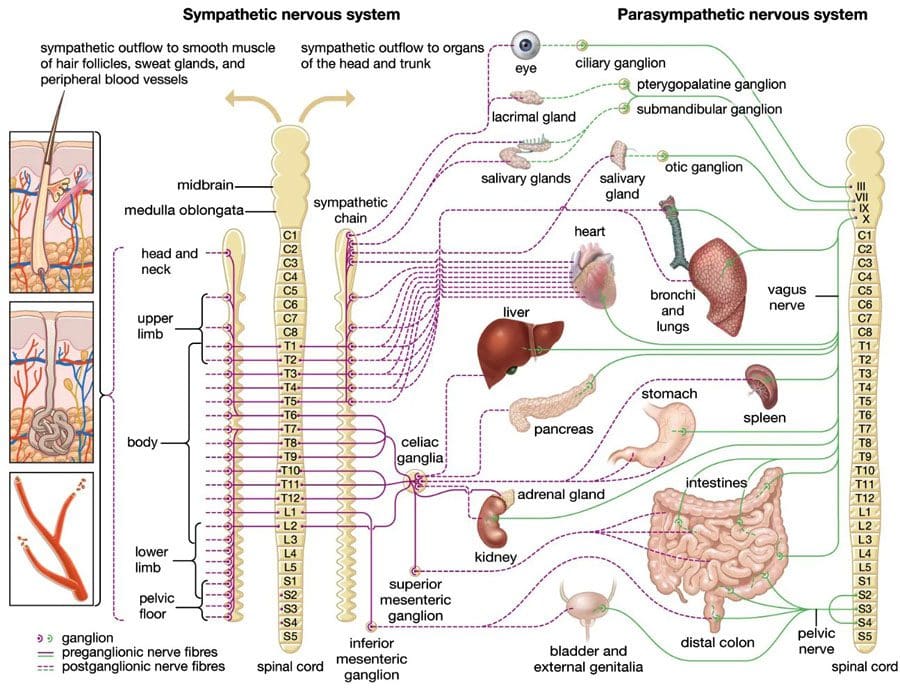
The neuromusculoskeletal system refers to the nerves, muscles, and bones. Nerve messages flow through the nervous system to coordinate and control every bodily function. Nerve interference causes an imbalance in this system, compromising body function. Uncoordinated or reduced nerve function over time can result in an unhealthy state or disease development. Complex or puzzling symptoms can include:
The nerves in the body are linked to the spinal cord, and when the spinal joints shift out of position, they can compress or kink the nerves, causing malfunction. Even a minor misalignment can create nerve, joint, and muscle tightness that travels throughout the body. This causes imbalances in nearly every other bodily system, forcing it to change in negative ways and typically becomes worse with time. Injuries from slips and falls, playing sports, accidents, unhealthy ergonomics, and repetitive/overuse motions can cause nerve injuries. Nerve dysfunction or damage can irritate the nerves causing nerve irritation that leads to nerve interference. Nerve damage can cause numbness, tingling, discomfort, and pain.
Dizziness and Mental Fog
Nerve interference can cause brain fog, sluggishness, dizziness, and anxiety.
If the brain and nervous system’s communication is disrupted by damage or injury to the nerves, mental ability may become confused and muddled.
Negatively Affect Sleep
Nerve interference can produce discomfort all over the body, causing sleep problems.
During restorative sleep, nerve interference can interrupt memory and cognitive function.
Gastrointestinal symptoms like indigestion, acid reflux, constipation, diarrhea, GERD, and nausea can present suddenly.
Back Pain
Back discomfort and pain can be caused by nerve issues.
Nerve pain can be aching, pinching, throbbing, or stabbing in the upper, middle, and lower back areas.
Numbness
Nerve signals can get mixed up or sent to the wrong areas.
Nerve interference reduces nerve energy circulation, causing tingling and numbing sensations in different body regions.
Recovery Problems
Pain could result from a past injury making injuries more difficult to heal.
Nerve interference can cause the body to become stiff, immobile, and numb, depleting the body’s energy.
Nerve energy transmission is required so the body can react to its surroundings and function correctly.
Chiropractic
Nerve blockage can be cleared through functional chiropractic medicine.
The nerve/s that are blocked or restricted are worked on through therapeutic percussive massage, manual adjustments, decompression, and stretching exercises.
Therapeutic deep tissue stimulation with or without heat is applied directly to the nerve region to increase circulation.
Proper function of nerves is restored and allows for increased blood circulation that provides increased oxygenated nutrients expediting the healing process.
Discomfort and pain are relieved.
Range of motion increases.
Restoration of muscle function and joint stability.
Tissue repair improves through treatment and nutrition.
Spinal Decompression Therapy
References
Crawford, J P. “Chiropractic intervention in the treatment of joint and soft tissue disorders.” Canadian journal of applied physiology = Revue canadienne de physiologie appliquee vol. 24,3 (1999): 279-89. doi:10.1139/h99-023
Gu, Xiaosong, et al. “Neural tissue engineering options for peripheral nerve regeneration.” Biomaterials vol. 35,24 (2014): 6143-56. doi:10.1016/j.biomaterials.2014.04.064
Mackinnon, Susan E. “Pathophysiology of nerve compression.” Hand clinics vol. 18,2 (2002): 231-41. doi:10.1016/s0749-0712(01)00012-9
Norton, Charles E et al. “Role of perivascular nerve and sensory neurotransmitter dysfunction in inflammatory bowel disease.” American journal of physiology. Heart and circulatory physiology vol. 320,5 (2021): H1887-H1902. doi:10.1152/ajpheart.00037.2021
T Francio, Vinicius. “Chiropractic care for foot drop due to peroneal nerve neuropathy.” Journal of bodywork and movement therapies vol. 18,2 (2014): 200-3. doi:10.1016/j.jbmt.2013.08.004
In today’s podcast, Dr. Alex Jimenez DC, Health Coaches Adriana Caceres and Faith Arciniega, Massage Therapist Amparo Armendáriz-Pérez, and Clinical Nutritionist Ana Paola Rodriguez Arciniega discuss today what they do and offer with Functional Medicine.
Discussion
Dr. Alex Jimenez introduces his guests.
[01:00:11] Dr. Alex Jimenez DC*: Welcome, guys. We’re here talking today about what we do. Today is a special day. It’s my father’s birthday, Alberto Jimenez. Alberto Augusto Jimenez. He is an immigrant from Colombia who gave me my knowledge. My amazing father. So happy birthday, dad. We’re going to be talking today is we’re going to be talking about what we do. We have a group of wonderful individuals here. We have five individuals. We have a whole lot more people in the background. So what we’re doing today is we’re beginning a process of notifying ourselves of a change that is going on. We’re going to be talking about nutrition, wellness, exercise, what we do in the office, how we do a little bit different techniques within the office, and how we compare and contrast to other services and let people understand what we do as we do change. So today, we’re in a new podcast room where we left the Push Fitness Center, which is now going to be another big, fantastic thing. So as they do the construction, we moved our podcast here. So you’re going to notice that we’re going to be communicating from this particular podcast. Still, we’re so connected to our Push counterparts and our Push Fitness centers and Daniel Alvarado, and we’ll be making that happen as it starts coming up. So today, we’re going to be talking about nutrition. I have Ana Paola Rodriguiez Arciniega here, so say hello there. We have Faith Arciniega. We have Adriana Caceres, and we have Amparo Armendáriz-Pérez as a massage therapist there. So we are going to be talking about different things. So each one of us has different specialties. So I’m going to start with some of the unique things we’re doing in our office, such as the types of treatments we do. We deal with a lot of inflammation, many injuries, a lot of trauma, and many soft tissue injuries. But you can’t get away from soft tissue injuries without discussing inflammation. So at the basis of inflammation, what we do is we associate, collaborate, find out the coincidence of inflammation to injuries, and we deal with the true causation of inflammation and come up with treating protocols and health care plans that affect people and their disorders. So many people come to us with a back injury or a neck injury after, let’s say, a motor vehicle accident, a car accident, or a work-related accident. But they may also have, you know, subclinical issues of inflammation that are just looming and then aggravate the direct trauma that’s going on. So what we’re going to do is introduce our team here one at a time so we can see what’s going on. And we’re going to start with Ana Paola Rodriguez Arciniega. Ana, how are you doing?
[01:02:57] Ana Paola: I am doing fine, and how are you doing?
[01:03:00] Dr. Alex Jimenez DC*: Good, can you hear us OK over there?
[01:03:02] Ana Paola: Yes, I can hear you, OK.
[01:03:04] Dr. Alex Jimenez DC*: Excellent. Tell us a bit of what you do, and we actually because you work hand-in-hand with us all here, and you are our virtual eye in the sky for nutrition at this point. But the nutrition that you deal with works a little bit with functional medicine. Tell us what you do and how we integrate that particular type of practice in our office.
Ana Paola Rodriguez Arciniega
Clinical Nutritionist Ana Paola Rodriguez Arciniega introduces herself and talks about what she does.
[01:03:23] Ana Paola: OK, so I am the head nutritionist, and basically, what I do is I take care of their nutritional assessment. But as you said before, we try to look for the root causes, and this allows us to create a more integral treatment plan for our patients, so that is focusing a little bit more on finding what is the root cause of the inflammation because it is related to injuries, accident, and stress, and to maybe delay the recovery part of our patients. So this is what we are trying to do to get like a fast track recovery for our patients for nutrition because it has to do with that.
[01:04:09] Dr. Alex Jimenez DC*: Yes. And then? Don’t worry.
[01:04:17] Ana Paola: OK, I’m here.
[01:04:18] Dr. Alex Jimenez DC*: It’s all technology. Just keep on going and telling me. We’ll figure it out as we go.
[01:04:22] Ana Paola: So what we always start doing is very simple. I try to focus on what is going on with my patient physically, which has a lot to do with the body composition of my patient. So I find that that is the principle, not the principle, but the first step could do it that way. So we try to integrate this body composition analysis with the Inbody 770 machine that we use. And that way, we can correlate all the body composition, either a fat mass percentage or BMI or muscle mass or lean body mass, that our patient has and try to associate with injuries or correlated with inflammation. And it is often, very often, or all of the time, that we find a direct correlation with inflammation or this type of injury. Specifically, talking about intracellular and extracellular water is one of the most exciting starting with my patients. But the thing about nutritional assessment is that even if it’s like separated into different parts, it kind of overlaps within each other, and that is like the thing that has in common with functional medicine, functional nutrition, then trying to treat your patient as a holistic, like a whole person and try to integrate the nutritional part of it, the fast recovery of an injury, the massage therapist and of course, all the wellness part of their recovery that has to do with our health coaches. So mostly, what I think that I do right here is that I perform for that. I am part of a team that integrates like a holistic care plan for patients.
Adriana Caceres
Health Coach Adriana Caceres introduces herself and explains what she does.
[01:06:28] Dr. Alex Jimenez DC*: Well said. That is very, very good. I have to tell you there is no separating inflammation, nutrition, and injuries that there’s no way. So as we deal with it, we can learn about it. It’s almost like saying exercising and not talking nutrition. We have to deal with nutritional components. Now, specifically that we are talking about exercise. Adrianna, here, she’s our specialist and our expert on exercise physiology. She works with nutrition. She has extensive experience of working with clients online and in video as well as in your home. So she gets in there and exercises with you as she does her thing. Adriana, tell us a bit of your experience and what you do and what you offer these particular dynamics with our team here.
[01:07:14] Adriana Caceres: Sure. Well, my name is Adriana Caceres, and I’m your health coach, fitness trainer, and of course, exercise specialist. And as Ana was saying, nutrition and exercise go hand in hand. Nutrition is the base, but exercise gives you the mobility and gives you that range of mobility that you need to live a proper and, well, life until you know when you age. So definitely, it’s the base for a lot of recovery for injuries. The stretching is super important, and we use that a lot here to stretch our patients and make them do their small stretching so they can grow their range of mobility and have a better life in their daily life, their daily style. Right now, I work online a lot. So since COVID started, we started working out online with our patients and clients, and it’s different. But at the same time is super fun. The difference between going to an in-person exercise session and doing an online session is that you don’t have the time. We always hear excuses like; I can’t make it. I don’t have the time. I’m too busy. I know that I’m in pain, but I just think it’s too far. So the online cuts all those excuses. I mean, you’re doing that from the comfort of your home. You are just opening your TV or your computer, laptop, or tablet and connecting to a session. It’s on your time. So that helps a lot. The second excuse we always hear is if we are parents who watch our kids, what will I do? There’s no daycare, and this is just the same thing. It’s at your home, so you can even involve your family in this new and different lifestyle. Usually, when we have somebody who is overweight, it is a family. It’s the household. Because of course, it’s the same poor nutrition that they have or bad nutrition that they have and the same habits. So starting with the workouts online helps you realize, or your household realize that it’s a group thing, it’s a whole lifestyle, and you want to be the role model for your kids. You always want the best for your kids, so you want to be the role model for them. Normally they will. If you’re overweight or have a little extra pounds on, your kids usually will have the same habits. And of course, we’ll tend to be with the same kind of overweight that you have. So this helps them see a life change experience and get involved in this new experience.
[01:10:12] Dr. Alex Jimenez DC*: You know, now that you mention that, you know, it’s essential to be the change that you expect in the world. I think Gandhi or something that says, might that be the change you want to see? Right. So the thing is, when you go purchase foods or exercise in front of your kids and see what you do, this is who they will become and what do we want for our children? We want the best. Our legacy is our family sometimes or our friends. And when you have family, they’re watching you. They learn they observe and appreciate mom, you know, wiggling around the living room and dealing with it. Everyone’s got memories of their parents exercising or doing something. And then, you know what happens, later on, we end up becoming our parents? Right. So if we have good habits, we eventually will become habits. I have become my father, and it’s the truth. The reality is in my son, and I listen to him. He doesn’t realize it, but he says everything I used to say. So it’s a continuous change. So if you’ve got nutrition and exercise, which seems to be one of the most extraordinary kinds of collaborative associative and treatment protocols, you can’t separate exercise from recovery. So Parkinson’s… exercise, Alzheimer’s… exercise, diabetes… exercise, brain disorder… exercise, health issues… exercise is such an essential component of fitness that by not doing it and not being part of it, you’re going to minimize the ability to return to an optimal configuration. Now, whether you like it or not, exercising mobility is one of the most important key factors. I realize that when you start working on so many patients over the years, you kind of start kind of seeing the intent of God. Right. So the intent of God is mobility, and he gives you tons of joints. I mean, why does he give you so many joints so we can wiggle, OK? To move, right? So using that and integrating the brain and the function of the brain with your body moving and pumping, and blood does heal a lot of issues and should be part of most treatment protocols. Even if exercise doesn’t look like, let’s say, a Zumba class, maybe it’s just wiggling around in a chair or doing certain things. We can do it for a lot of people. People think that I’ve seen from, you know, a nine-month literally about to have a baby, women doing CrossFit, and the baby is born fine. The body is designed to handle certain things too. Older adults about 100 years old, exercising. And children, they love to exercise. So it’s an essential component. So yes, that is what you do, Adriana, and we integrate that in the office, and we look or minimize the excuses to do that, so that’s very important. So do you also do nutrition a little bit?
[01:13:06] Adriana Caceres: Yes, I do. I’m a nutrition consultant, so I do help a lot with that part. As I said, it goes hand in hand, definitely to have a higher health span. You want to have a healthy habit, so one thing is lifespan, and one thing is healthspan, and lifespan comes out of years we’re going to live. Yes, eventually, we’ll die, and then our health span is how we want to live them. Are we going to leave them healthy our last ten years? Are we going to be able to walk? Are we going to able to say, are we going to be able to get out of a bathtub? So that’s what you want to have, and that’s what we don’t think about when we say, Oh, you know what? I know what I’m doing, and I don’t think exercising is for me. Everybody has a fitness level, and everybody has a way. And the trick for this is to find what you want to do. And what we do here is a lot of that we build up people and save injury, save from injuries and, you know, prolong their life and prolong how they live, their life, their daily activities.
Amparo Armendáriz-Pérez
Massage Therapist Amparo Armendáriz-Pérez introduces herself and talks about what she does.
[01:14:15] Dr. Alex Jimenez DC*: You know, it’s excellent that approach. Now we also have a young lady named Amparo Armendáriz-Pérez. So for Amparo, she does our massage. And what she does is she works on individuals with a deep level of knowledge of fitness. Now, she comes to us with a vast amount of personal experience working with people and her desire for health care. So I would like her to tell us. Welcome. And tell us about what you do in terms of massage as a component within this group.
[01:14:55] Amparo Armendáriz-Pérez: Thank you. Being here as a part of this family, this community of servers, because that’s what we do. We serve those that come to us. We’re all about education. So we’re listening to, you know, nutritional education, physical education on how to help them to make better choices for themselves. What I do is I discuss with our patients what I’m going to do for them, what’s happening as I put my hands on their muscles. What I feel, and they even ask me questions, Well, what is that? Why do I feel so restricted? What’s happening? So I enjoy helping them understand their own body with all my heart because they’re in their own body. We exist in our body, and we know we have hands and feet and all these components. But sometimes, when they’re not operating correctly, we don’t know why, and that’s very frustrating. And so, I enjoy discussing with the patients. OK, well, this is what I’m feeling, and how do you feel as I’m, you know, applying pressure here as we’re moving and grooving here? And the feedback is what helps them to accelerate. They want to learn more. They want to know; well, what else can I do? You know, when I go home, how do I prolong this feeling of feeling like I’m standing up straight now? Like I feel more empowered? You know, I didn’t realize my feet felt that way. I didn’t know my arm felt that way. And I understand where they’re coming from because massage therapy was one of my avenues of healing when I went through a healing process. So it’s just a fantastic tool to reach out to the patients and allow them to know that this is another way that we support them is not just OK; we’re going to do this one two three. No, it goes further than that. These are your muscles, and this is how you can assist yourself, and this is what we’re going to do for you. And you can take it a step further and understand that you have the power to help these muscles become more pliable through nutrition, exercise, movement, and anyway, shape or form. And you can put your hand on yourself and feel like, you know, that’s tight today. I think I can kind of touch that a little and massage that, and you don’t need a license to touch your arm. And I think that that’s what’s beautiful about what we do. We empower our patients, and that’s important.
[01:17:16] Dr. Alex Jimenez DC*: You know, when you were saying that in your approach, because I see that when you work on the patients, sometimes there are areas in the body that hurt. However, the human dynamics is that the body was designed with duality, such as one muscle affects another. The tricep, you know, pushes the bicep disengages. There’s a constant synergy with the muscular structure. Sometimes the pain or discomfort in those areas is remote or not, even in the area where you had, you know, you were initially told where the person’s issues were. Tell us a bit of that, Amparo. How you kind of tracked down the discomfort in, let’s say, an area over a problem that you’ve treated in the past.
[01:18:07] Amparo Armendáriz-Pérez: One of the most common areas I’ve experienced with many patients is when they discuss low back pain or sometimes even sciatic pain. And they tell me, you know, this is restricting me from sitting up straight. It’s restricting me from just going in the grocery store and walking to and from and not having to feel like I need to sit. And so, OK, I understand. And then they get on the table, and as I’m working on their back, I’m listening to what they’re saying. I also married together, what my hands are saying, and basically, my hands are just interpreting what their muscles are saying because sometimes, we can say something. I know in and out ourselves, OK, I feel this pain right here. However, the muscle is saying, well, something else is happening, and it’s extending, so they’ll tell me my pain is in the lower back while I follow the connection from that low back. And as I’m feeling alongside the side of their leg, I feel how tight it is, and it’s like, that’s got to be very restrictive down to the knee. And I’m like, OK, so let’s release that. And then as I’m working on that, it’s very powerful to hear the patient say, Wow, I can feel that, but you’re on my knee, and I’m like, It all goes together because the knee attachments go straight into the low back or into the hip area. And it was beautiful. Is that when they love to, everybody loves to learn about themselves? Why wouldn’t you want to know about yourself? It helps you become a better you. And so when I love to explain that to them, they’re like, Wow, so if I do this, I can feel better doing this. Absolutely. You know, ma’am or sir, right in here is where I’m touching. I’m massaging, and I’m applying compressions. It’s straightforward. It’s even over your clothes. I’m just playing some pressure right there, gently releasing, and they’re like, Wow, the movement is a lot better. And it’s interesting that just to the right around the knee, in the back and the front even, and it helps to release that low back pain.
[01:20:05] Dr. Alex Jimenez DC*: You know, you mentioned just like the referral pain patterns, it’s incredible. How the body adapts is like that gecko, you know, when it’s hot and lifts its left leg and throws up on a different leg; that’s what the human body works. So if you have a lower back problem, it will affect the mid-back. It will affect your knees. The knees and lower back are directly and indirectly related. So as we look at those dynamic changes. One of the things we look at as we track down the problem. OK, it’s not just so easy to treat a low back problem for what it is. We have to find out the problem for every person and every person’s design, and we can track it down quickly after a couple of minutes of working in your body. We got the suspect in, and it’s not so apparent many times that it’s just a low back problem. You mentioned sciatica. Sciatica is one of these things where it isn’t a disorder. It’s a group of syndrome disorders that creates a lot of drama, and it almost has its mind. It’s like, it’s like you’ve got stress or sciatica flares up. You got, you know, you get upset about financial worries, sciatica flares up. It’s like it sits there looming, and it bites you, and it causes a whole array of problems and hinders a lot of people, which we don’t want to do surgically. And sometimes, there are issues where it does require surgical intervention. We have diagnostic procedures to determine the differences over a thousand reasons, and I would venture to say there are even more than a thousand reasons for causing sciatica. So we got to get to the root cause of it. And does nutrition play? Yes. Will exercise play? Yes, we have to look at all these components. Now we have another individual here, that is Faith Arciniega. So Faith comes to us with a lot of great experiences. She’s going to be an incredible doctor, nurse practitioner. That’s the goal right now. She’s in the process of going through that, but she also does our health coach integration. So she does many different things from, you know, body compositions, as Ana mentioned, all the way to in laboratory tests and X-rays are integrated with Ana. So we facilitate the ability to communicate the issues, treat the problems, and develop an appropriate care plan. So Faith, tell us a bit of what you do here in this particular group of people?
Faith Arciniega
Health Coach Faith Arciniega introduces herself and explains what she does.
[01:22:27] Faith Arciniega: Absolutely. So as Dr. Jimenez mentioned, my name is Faith Arciniega. I bridged the gap between Ana and Adriana, and Amparo. We all work very closely together to ensure the patients leave here to understand better how their bodies should operate and function. So if the doctor goes in and finds out they’re having issues with their sciatica, I will go in before that gather together their medical history, see what’s going on, and see if they have problems with the gut. Depression, anxiety. And then, I would then communicate with Ana about those issues, and we can work together to find supplements or with the correct diet for them. So I work together with Ana and Adriana to ensure that the patient leads healthier and better understands their body because a car wouldn’t operate correctly. If we fill it with water, the human body will not function if we don’t fuel it correctly, so we teach them. How they should eat, what supplements they should take, and how they should exercise so that they’re moving and operating as they should be like the body was created to.
[01:23:26] Dr. Alex Jimenez DC*: You know, as like you, as you kind of work with patients, we mean right before we have this little unified meeting together. We noticed that we had a patient that had, you know, chronic inflammation and pain everywhere. And it’s crazy. But you know, the problem comes as a low back problem and leads to ankle issues. But we could see that there was a dietary issue, and it was almost like inflammation. No injury; keeps on inflaming. Then we find out that there’s a lot of sugar, many processed foods, a lot of meat. Well, to say that those are bad, it’s not just that easy, but we have to figure out the cause for that particular individual. We assess food sensitivities, and we do laboratory diagnostics. We figure out what it is the root cause. Not everything is a surgical procedure; as a matter of fact, most things are non-surgical. So what we try to do is is allow the intelligence of the body wants to figure it out, using the knowledge that we have and the expertise that we have in functional wellness and functional nutrition to be able to come up with a treatment plan that’s appropriate with exercise and the protocols that we use. So we have a lot going on here. So we wanted to do this as a beginning because we will be doing quite a few different presentations. But as we do changes, we haven’t been communicating well. So now what we’re going to be doing is we’re going to be coming back at different presentations, discussing particular topics. If you have a specific topic that you want us to discuss, particularly about an injury, inflammation, and a disorder that falls into the world of functional wellness and even functional medicine, we commonly associate and look for corporations related to the musculoskeletal system. So what we want to do is to be able to assess and determine the true causes because once we fix you, we want to improve you, right? We want to give you the tools to go on and live an extraordinary life because everyone here knows that I touted as much as possible. And man, if we’re designed to live 100 years and probably more, according to even the statisticians out there, if you take care of everything, the heart will continue to pump years after it’s removed from the body. So our body doesn’t get clogged with some atherosclerotic plaques or inflammatory disorders or some diseases or cancers; if we can keep it healthy, we will live a good life. God willing, God wants you to take you now. OK, so we all know that. So the focus of today was to present a little bit of a review. So Ana, thank you very much for helping us out. You know, a little bit of information there. You know, Faith, you’re out there. You’ve got the calm, soothing voice, and she’s cool with her voice there; you’ve got Amparo, which is our therapist that finds and tracks down. We got everyone here. We have many massage therapists that track down the issues. She’s just the one that has been able to formulate the ability to communicate the intention of the human body, which is and also the results, and that takes years to do. You can’t just go ahead and present yourself. Doctors worldwide will tell you a doctor that graduates, whether it’s in any clinical practice on his first day, is not the same doctor ten years later. And they’re like wine. They get better each time, and most of the time, you’ll find that doctors, the wiser they become, the more they rely on the wisdom of the body to manipulate and facilitate the healing process. So for Adriana, she’s our exercise, and she’ll have you dancing and doing the Zumba and seeing, you know, what’s best for you. And by the way, if you feel ugly that day, you can put the screen off, so you don’t have to be showing your body. You just know that she’s there, and you just tell her you’re doing the exercise. It’s pretty funny. Someone probably has the video off and is sitting there, you know, eating something. Yeah, I’m exercising, but we do have tools for that, like a cardio thing. They’ll tell us what your heart rate’s at; we will know if you are fibbing, but it doesn’t happen anyway. But anyway, it was a tremendous little connection today. It was the first, and we looked forward to more. Thank you, guys. Thank you very much, and does anyone have anything else to say. Faith, anything good, anything you want to add.
Conclusion
Dr. Alex Jimenez and crew recap on Functional Medicine.
[01:27:40] Faith Arciniega: No, just super excited for you all to come in here so that we can work together to find the best treatment plan for you. We’re all very passionate about patient care, and we’re excited to work with you.
[01:27:49] Dr. Alex Jimenez DC*: All right, Amparo?
[01:27:50] Amparo Armendáriz-Pérez: Just like, she said. We’re ready to help you be empowered. Understand that you are the boss of you.
[01:27:58] Dr. Alex Jimenez DC*: I’m the boss of me. I tell my wife that you know what she says all the time; you think you’re the boss of you, right?
[01:28:02] Dr. Alex Jimenez DC*: And like I’m saying, OK. Anyways.
[01:28:05] Dr. Alex Jimenez DC*: Ana, anything you have to say.
[01:28:10] Ana Paola: We’re so excited to work with all our patients, and we try to follow through and listen to all of the symptoms you’re having. So I guess that from our part, you will always have ears to follow through.
[01:28:32] Dr. Alex Jimenez DC*: Thank you so much. Adriana, anything?
[01:28:34] Adriana Caceres: Well, we are here waiting for all of you, and we have a great team, all very passionate, as you see. And we are just here waiting for you to come in, and we will help you resolve.
[01:28:47] Dr. Alex Jimenez DC*: We’re going to tear it up, guys. We’re going to tear it up. We’re going to make it. We’re going to happen. OK, so this is called Cobra Kai Chiropractic Center. OK, so if you think you’re going to come in here and just have a little talk? We’re going to get it on. We’re going to get it on with your body, and we’re going to take it to the next level. And yeah, we got to go, OK, we’re going to make the body what it should be, OK. And we’re going to release it without in pain, and it’s going to be a very comfortable dynamic. So thank you, guys, and we look forward to being connected the next one. So God bless you guys. Have a good one.
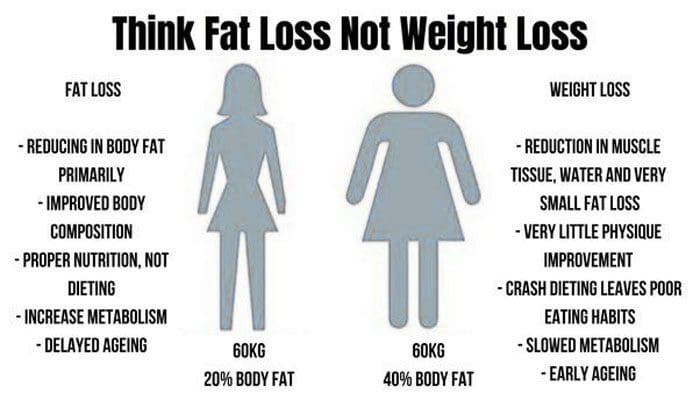
Understanding the difference between weight loss and fat loss will help promote a healthy change and improve an individual’s wellbeing. Fat loss can be a part of losing weight. However, individuals lose more than just fat. Fat loss is the goal for most individuals, so taking a deliberate, focused approach will generate the best results. Here we discuss how individuals can optimize for fat loss.
Understanding The Difference
Weight loss is the overall reduction in body weight
Fat loss is a reduction in body fat
When losing weight, the body is not just losing body fat, and changes are being made to each component of body composition. This includes:
Body fat
Lean Body Mass
Body Water
This is also true for weight gain. An individual cannot control how much is lost but can influence what is lost.
Weight Loss
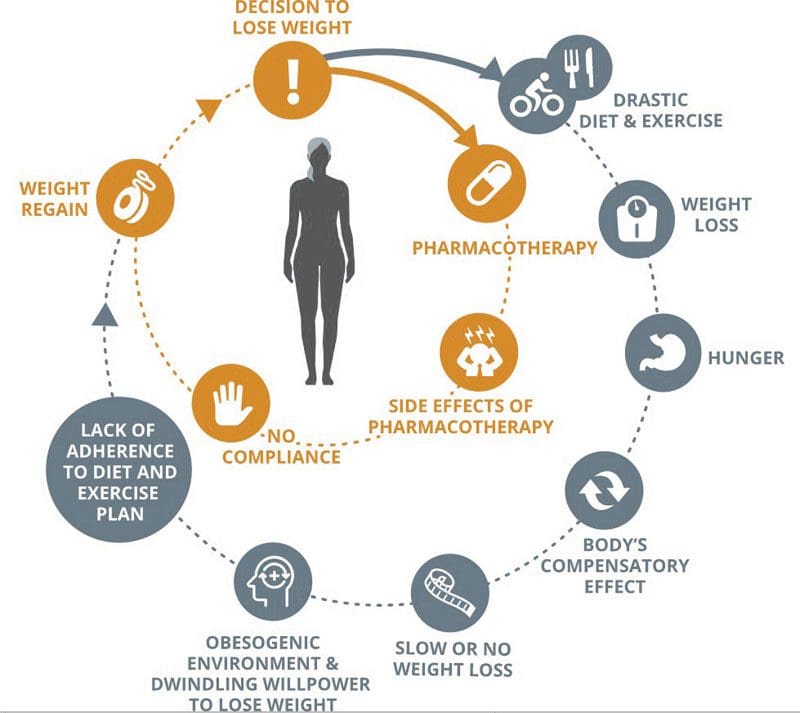
Hundreds of diet and exercise programs can help achieve fat loss, some better than others. The ones that tend to work better focus on the same thing: reducing energy intake from food/diet while increasing energy output through exercise and regular physical activity. This forces the body to compensate for the missing energy by breaking down the body’s tissues, including fat and muscle. As an individual loses weight, they will also lose some muscle in the form of Lean Body Mass in addition to body fat.
Fat Loss
Body fat is a combination of essential fat and storage fat. Storage fat is adipose tissue that has accumulated for reserved energy. This type of fat changes with diet modification and regular exercise. Too much storage fat can negatively impact physical and mental wellbeing, so this should be the focus for better health.
Focus on fat loss and not weight loss
There is a clear association between obesity and chronic disease. Focusing on weight loss can lead to unintended consequences like eating disorders. This is why focusing on weight loss, and healthy body composition is critical. This is the recommended approach because it encourages the individual to move more and eat healthily.
Understanding health benefits of losing fat
Body fat percentage works better as a gauge of health than weight.
Weight is composed of lean body mass, body fat, and water, so any changes in these areas can lead to weight gain and not just fat loss. Excess body fat, specifically storage fat, has a close association with chronic diseases like:
Type 2 Diabetes
Hypertension
Heart Disease
Various Cancers
The key is understanding that a healthy body fat percentage will help reduce the risk of these diseases and improve mental health and overall health.
Different ways to measure fat loss
Tracking body fat loss means having body composition tracked and monitored. There are devices and methods for determining body composition, including:
For genuinely accurate results, get tested by a highly skilled professional who uses medical-grade tools for assessment. Cheap plastic calipers and at-home scales don’t tend to be the best options.
Metabolism changes with weight loss
When losing weight, there is more loss than fat. One loss can be Lean Body Mass, which is critical because the amount of Lean Body Mass has directly influenced Basal Metabolic Rate or the body’s metabolism. The Basal Metabolic Rate (BMR) is the number of calories the body naturally burns when resting. When focusing on weight loss and not making changes to minimize lean body mass loss, the individual decrease the size of their metabolism. However, if an individual continues with the same eating habits, this could be a setup for weight regain.
Weight loss can slow down metabolism.
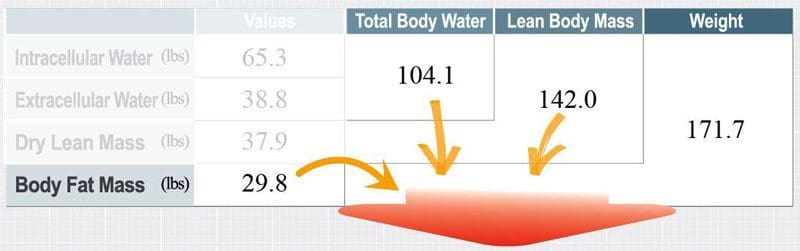
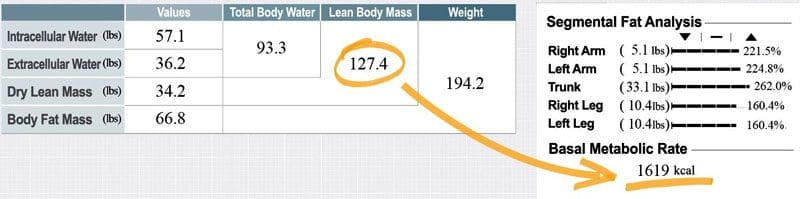
Here is an example of a typical set of body composition results of someone who would be clinically diagnosed as obese.
Along with weight and body fat mass measurements, the individual naturally developed muscles by carrying their body weight. This means that individuals that are obese also have relatively large metabolisms. Dramatic changes to Lean Body Mass and metabolism are not ideal, especially when the goal is maintaining a healthy body weight.
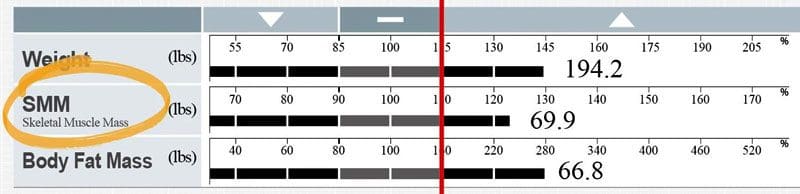
The weight and body fat bars on the above chart are significantly over average, and the Skeletal Muscle Mass bar. This is common for individuals that are obese. Individuals that are obese have developed this muscle by carrying a large amount of weight. Large amounts of muscle begin to build to move the heavy body. This is why it is essential to come up with a focused/customized approach for gaining strength, losing fat, and body recomposition, rather than just weight loss.
Stopping weight regain
Focusing on body composition, developing muscle, and Lean Body Mass is crucial. With weight loss, there will be some Lean Body Mass loss. This means a low metabolism and non-regulated eating habits can lead to regaining weight. With no development of Lean Body Mass and skeletal muscle to help grow the metabolism, there is an increased chance of weight retrieval. Along with continued changing eating habits after an individual reaches their target weight.
Building muscle, losing fat for healthy body composition
The main areas to focus on to change body composition, overall health, and wellbeing.
Focus on body composition, not on weight loss
Instead, track changes in body composition. This means optimizing programs for fat loss while minimizing Lean Body Mass loss. Weight loss will occur, but proper nutrition and strength training can reduce Lean Body Mass loss.
Develop new eating habits
An important step is understanding how to improve eating habits by choosing a diet plan that will be enjoyable. When optimizing for fat loss, it will take longer than weight loss. Effective dietary strategies go for half to one pound of fat loss per week. This is a manageable and sustainable goal that will not cause adverse effects on metabolism. Slow and steady is the better option and will lead to long-term changes.
Start strength training to increase metabolism.
Strength training/weight lifting is a great way to increase metabolism. Increased muscle benefits range from:
High ability to recover from disease/s
Reducing insulin resistance
Keeps the body mobile
Helps combat obesity by increasing BMR and metabolism
Body composition in the long-term
Fat loss is more important than weight loss and will lead to long-term changes. Understanding that working out smarter and finding out body composition numbers will promote getting fit while keeping the fat off. It will take longer than expected, but dropping 30 pounds in less than a year and then regaining it all back is counterproductive.Take the time to make minor, impactful adjustments that will lead to a lifetime of optimal health.
InBody
Dr. Alex Jimenez’s Blog Post Disclaimer
The scope of our information is limited to chiropractic, musculoskeletal, physical medicines, wellness, and sensitive health issues and/or functional medicine articles, topics, and discussions. We use public health & wellness protocols to treat and support care for injuries or disorders of the musculoskeletal system. Our posts, topics, subjects, and insights cover clinical matters, issues, and topics that relate to and support directly or indirectly our clinical scope of practice.*
Our office has reasonably attempted to provide supportive citations and identified the relevant research study or studies supporting our posts. We also make copies of supporting research studies available to the board and or the public upon request. We understand that we cover matters that require an additional explanation as to how it may assist in a particular care plan or treatment protocol; therefore, to further discuss the subject matter above, please feel free to ask Dr. Alex Jimenez or contact us at 915-850-0900. The provider(s) Licensed in Texas& New Mexico*
References
Hall, Kevin D et al. Calorie for Calorie, Dietary Fat Restriction Results in More Body Fat Loss than Carbohydrate Restriction in People with Obesity. Cell metabolism vol. 22,3 (2015): 427-36. doi:10.1016/j.cmet.2015.07.021
Merlotti, C et al. Subcutaneous fat loss is more significant than visceral fat loss with diet and exercise, weight-loss promoting drugs and bariatric surgery: a critical review and meta-analysis. International journal of obesity (2005) vol. 41,5 (2017): 672-682. doi:10.1038/ijo.2017.31
Tobias, Deirdre K et al. Effect of low-fat diet interventions versus other diet interventions on long-term weight change in adults: a systematic review and meta-analysis. The Lancet. Diabetes & endocrinology vol. 3,12 (2015): 968-79. doi:10.1016/S2213-8587(15)00367-8
Music therapy, combined with standard medical treatment�has been found to reduce the perception of pain in individuals recovering from spinal surgeries, according to a study published in the American Journal of Orthopedics. Spine surgery recovery can take a long time and take a tremendous toll on the individual and family. Research has found that music therapy can help reduce pain post-surgery.
The study has shown solid findings that this therapy, when combined with standard treatment, positively impacts pain. Individuals report an increase in comfort during the recovery time. Utilizing music in a therapeutic setting can benefit a patient’s treatment plan, as it addresses the whole individual, including mind, body, and spirit. This is the same approach that chiropractic uses.
Combining Standard Treatment with Music Therapy
The study took place at the Spine Institute of New York with the music therapy set-up through the hospital�s Louis Armstrong Center for Music and Medicine. There were 60 patients thirty-five females and twenty-five males ranging in age from 40 to 55. They underwent anterior, posterior, or anterior-posterior spinal fusion surgery. The groups were equally split up. The experimental group had music therapy included with their standard medical care, and the control group only received standard medical treatment.
The experimental group would undergo a 30-minute music therapy session over an 8-hour period within 72 hours after the procedure. The music options included:
Patient-preferred music
Singing
Rhythmic drumming that encourages relaxation
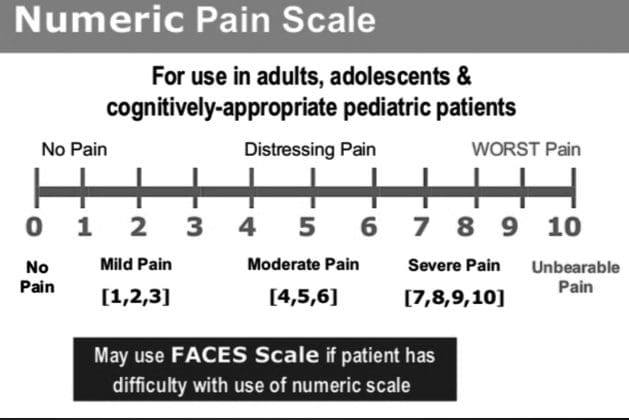
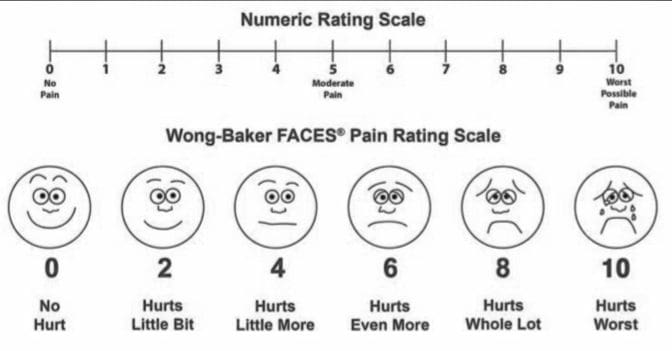
The sessions focused on personal treatment, where the individuals were encouraged to express emotions. A pain scale was used before and after the interventions to measure the results. What was found, was that pain levels would go up slightly in the control group, and in the experimental group, the pain dropped.
Spine Surgery Recovery
With standard care medications are typically the first-line treatment post-spine surgery pain. With all of the negative side effects that come with pain meds/opioids, music therapy is worth considering when looking for non-drug therapies. If anything music is an excellent distraction tool. So long as the music is enjoyable to the individual.
For the most part, many individuals that underwent spine surgery already listen to their music pre and post-operation. It helped them to relax before the surgery and allowed them to focus on something else after. Much like athletes that have their headphones/earbuds when they get to the venue to focus and block out everything going on around them. This therapy works the same way. But now we want to encourage anyone undergoing some spinal procedure to go ahead and jam out.
IFM's Find A Practitioner tool is the largest referral network in Functional Medicine, created to help patients locate Functional Medicine practitioners anywhere in the world. IFM Certified Practitioners are listed first in the search results, given their extensive education in Functional Medicine