If you are experiencing any of these situations, then you might be experiencing some zinc deficiency in your body.
Whenever someone thinks of zinc, their minds go to the immune system in the body. Surprisingly though, the immune system needs zinc so that way, the body could function properly. Not only that, but zinc is the unsung mineral that has numerous functions and structural roles that is throughout the body. Zinc also makes sure that the body is at a healthy weight for anyone who may have disorders from chronic illnesses or from autoimmune diseases that can make the bodyweight fluctuate from being overweight to underweight.
Zinc Beneficial Properties
One of the things to know is that zinc cannot be naturally produced in the body, but it can be consumed through food or supplements. This mineral can help the body in numerous ways since it is the second abundant trace mineral that is present in the body, right after iron. Research shows that zinc is necessary for 300 enzymes to activate the body�s metabolism and many of its functions to make sure that each of the systems is working correctly, especially the immune system.
Zinc has many beneficial properties that can help support a healthy body. When it comes to the immune system, studies have shown that zinc can act as an antioxidant and help fight inflammation. The studies even stated that the effects of zinc could reduce the symptoms of the common cold within 24 hours. There are about five zinc supplements that are excellent for the body and can be beneficial to make sure that each system, including the immune system. They are:
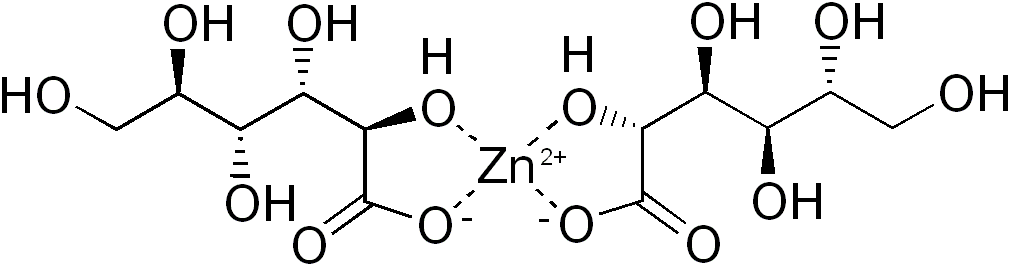
Zinc gluconate: This supplement is one of the most over the counter forms of zinc that is usually found in the form of cold remedies like cough drops, lozenges and nasal sprays that are found in local stores.
Zinc acetate: Just like zinc gluconate, this supplement is added to lozenges to help reduce cold symptoms and to speed up the recovery process.
Zinc sulfate: For anyone that has a zinc deficiency, this supplement has been known to help reduce severe acne on the skin.
Zinc picolinate: This supplement can be absorbed better into the body than the other forms of zinc, as the research shows.
Zinc orotate: This supplement is bounded with orotic acid and is one of the most common zinc supplements that can be found in the market or the grocery stores.
Zinc citrate: Studies have found that this zinc supplement can be absorbed like zinc gluconate; however, it has a more appealing taste that is less bitter, when it is consumed.
With these zinc supplements, they can be found in any local stores that carry supplements, cough drops, lozenges at an affordable price, and can help increase a person’s intake as well as impact their health.
Zinc Deficiency Symptoms
Even though a person cannot produce zinc in their body, it is rare for someone to have a severe zinc deficiency unless it is from a rare genetic mutation or anyone that is taking any specific immune-suppressing medication. Research has found that anyone who has acrodermatitis enteropathica can have the symptoms of a severe zinc deficiency. Acrodermatitis enteropathica is a recessive condition that is autosomal and can result in a person to have a severe zinc deficiency. The symptoms can range from impaired growth to skin rashes.
There are other ways that zinc deficiency can cause symptoms that can affect the body and cause problems as well. They can include:
Loss of appetite
Anemia
Diarrhea
Skin conditions like acne or eczema
Increase the risk of chronic diseases like Crohn’s disease or chronic kidney disease
Many healthcare professionals have found that zinc deficiency has a severe wide-ranging consequence and is one of the prevalent micronutrient deficiencies in the world. Studies have found that when a person has a low zinc intake can contribute to altering neurotransmitter levels, especially GABA in the brain. The research has found and suggested that when a person takes a zinc supplement can help improve neurodegenerative functions like depression and anxiety.
Conclusion
Zinc is one of the minerals that the body cannot produce naturally. When a person takes zinc in a supplement form or food form, it can provide native support for the body and the systems. Zinc is highly crucial in the immune system because when the immune system is deficient, it can cause a development of chronic illnesses that can harm the body. Some products can help the body have a healthy immune system by providing support to the metabolic system and the gastrointestinal system.
The scope of our information is limited to chiropractic, musculoskeletal, and nervous health issues or functional medicine articles, topics, and discussions. We use functional health protocols to treat injuries or disorders of the musculoskeletal system. Our office has made a reasonable attempt to provide supportive citations and has identified the relevant research study or studies supporting our posts. We also make copies of supporting research studies available to the board and or the public upon request. To further discuss the subject matter above, please feel free to ask Dr. Alex Jimenez or contact us at 915-850-0900.
References:
Barrie, S A, et al. �Comparative Absorption of Zinc Picolinate, Zinc Citrate and Zinc Gluconate in Humans.� Agents and Actions, U.S. National Library of Medicine, June 1987, www.ncbi.nlm.nih.gov/pubmed/3630857.
Birmingham, C L, and S Gritzner. �How Does Zinc Supplementation Benefit Anorexia Nervosa?� Eating and Weight Disorders: EWD, U.S. National Library of Medicine, Dec. 2006, www.ncbi.nlm.nih.gov/pubmed/17272939.
Gupta, Mrinal, et al. �Zinc Therapy in Dermatology: a Review.� Dermatology Research and Practice, Hindawi Publishing Corporation, 2014, www.ncbi.nlm.nih.gov/pmc/articles/PMC4120804.
Hemil�, Harri, et al. �Zinc Acetate Lozenges May Improve the Recovery Rate of Common Cold Patients: An Individual Patient Data Meta-Analysis.� Open Forum Infectious Diseases, Oxford University Press, 3 Apr. 2017, www.ncbi.nlm.nih.gov/pmc/articles/PMC5410113/.
Higdon, Jane. �Zinc.� Linus Pauling Institute, 1 Jan. 2020, lpi.oregonstate.edu/mic/minerals/zinc#impaired-immune-function.
Kubala, Jillian. �Zinc: Everything You Need to Know.� Healthline, 14 Nov. 2014, www.healthline.com/nutrition/zinc.
Lim, Karen H C, et al. �Iron and Zinc Nutrition in the Economically-Developed World: a Review.� Nutrients, MDPI, 13 Aug. 2013, www.ncbi.nlm.nih.gov/pmc/articles/PMC3775249/.
Nistor, Nicolai, et al. �Acrodermatitis Enteropathica: A Case Report.� Medicine, Wolters Kluwer Health, May 2016, www.ncbi.nlm.nih.gov/pmc/articles/PMC4902399/.
Team, DFH. �Functional Roles of Zinc.� Designs for Health, 28 Jan. 2020, blog.designsforhealth.com/node/1193.
Wegm�ller, Rita, et al. �Zinc Absorption by Young Adults from Supplemental Zinc Citrate Is Comparable with That from Zinc Gluconate and Higher than from Zinc Oxide.� The Journal of Nutrition, American Society for Nutrition, Feb. 2014, www.ncbi.nlm.nih.gov/pubmed/24259556.
Wieringa, Frank T, et al. �Determination of Zinc Status in Humans: Which Indicator Should We Use?� Nutrients, MDPI, 6 May 2015, www.ncbi.nlm.nih.gov/pmc/articles/PMC4446750/.
Zastrow, Melissa L, and Vincent L Pecoraro. �Designing Hydrolytic Zinc Metalloenzymes.� Biochemistry, American Chemical Society, 18 Feb. 2014, www.ncbi.nlm.nih.gov/pubmed/24506795.
The University offers a wide variety of medical professions for functional and integrative medicine. Their goal is to inform individuals who want to make a difference in the functional medical fields with knowledgeable information that they can provide.
Greasy or high-fat foods cause distress in your gut?
Temporary relief by using antacids, foods, milk, or carbonated beverages?
If you are experiencing any of these situations, then you might have GERD or gastrointestinal reflux disease in your gut.
When a person is overly stressed, and their body starts to develop problems, especially in the gut, it can cause harm. The gut system is essential to the body because it makes sure that the body is working correctly, that food is being consumed, and making sure inflammation does not happen to cause harm to the body. There are many gut disorders that the GI tract and the gut system can have. It can range from intestinal permeability, SIBO, gut inflammation, and GERD.
GERD and Its Symptoms
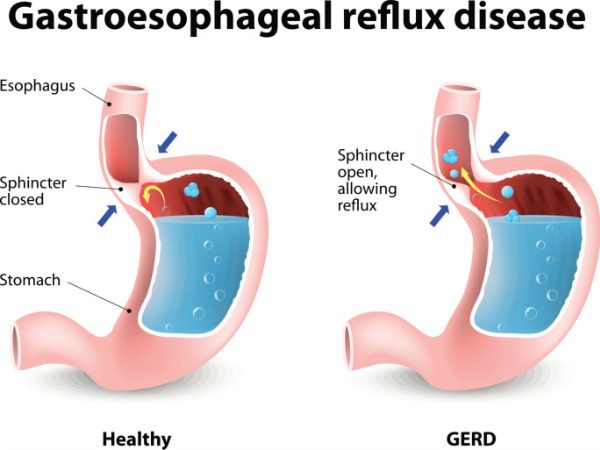
GERD or gastrointestinal reflux disease is a common disorder in the digestive tract. This disorder has chronic symptoms that can cause abnormal content in the stomach that is in the esophagus, causing mucosal damage. GERD is multifactorial and is the result of a person who may either stress, a poor diet and risk factors like smoking alcohol and medication usage can cause the condition in the stomach to be chronic if it is not being checked out. Research shows that when there is damage to the esophagus from GERD, it can be due to the cytokine-mediated being inflamed and not being caused by stomach acid directly. It stated that approximately twenty percent of adults do have GERD symptoms in their gut.
There are many symptoms that people can experience if they have GERD. Some of the symptom that causes include:
Heartburn
Respiratory complications
Bad breath
Nausea
Difficulty swallowing
Laryngitis
Even though these are minor symptoms, if a person does not talk to their primary health care physician, the symptoms can become worse if it not treated.
Ways to Dampen GERD Symptoms
Many ways can help dampen the GERD symptoms like pharmaceutical interventions. Even though pharmaceuticals can help manage the symptoms, sometimes they do not correct the underlying factors that GERD has caused and may have side effects that can cause discomfort on the body. It is essential to know that lifestyle changes and any nutritional support are sufficient when a person has acid reflux in their gut. If a person has acid reflux in their gut, they should consider eating smaller food portions, as well as trying to avoid laying down after eating and not eat before bedtime.
Another way to help dampen the GERD symptoms is by using the PPIs (proton pump inhibitors); however, there have been recent studies that PPIs have done more harm than good. Even though PPIs can help lower the GERD symptoms, it has caused more problems like dysbiosis and SIBO (small intestinal bacterial overgrowth) in the body.
The natural and the most effective way to help battle against the GERD symptoms, and that is consuming probiotics. Studies have shown that probiotics can help lower the severity and the frequent symptoms that GERD does to the gut. By consuming probiotics in food or supplements can help the gut produce good bacteria that the gut needs while getting rid of the harmful bacteria. Even though there is more and future research about how probiotics can help the gut. One of the research studies has found out that when probiotics are consumed when there is dysbiosis in the gut, it can help promote gastrointestinal homeostasis and promote growth stimulation for beneficial indigenous gut microbes.
There have been at least thirteen studies that have been extremely positive on the usage of probiotics for gut health. One study talked about how probiotics can reduce the effects of gut problems like diarrhea, constipation, and of course, GERD. While another study stated that when the gut becomes unbalanced with unhealthy harmful bacteria, that probiotics can help restore the gut balance. It stated that probiotics that secrete out a protective substance that turn on the immune system and preventing the harmful pathogens that harm the gut and causing chronic discomfort for not only the gut but also for the body.
Conclusion
With new and upcoming research on how to dampen the effects GERD causes in the gut, patients can consume probiotics to restore their gut health. When chronic inflammation in the gut, it can cause the person to feel bad, and it can lead to many threating symptoms on the body. By consuming probiotics, it can dampen the effects and produce good bacteria in the gut. Some products are specialized in the gastrointestinal system by providing support to the gut and offer nutrients, enzymatic cofactors and phytonutrients to not only the gut but also the body.
The scope of our information is limited to chiropractic, musculoskeletal, and nervous health issues or functional medicine articles, topics, and discussions. We use functional health protocols to treat injuries or disorders of the musculoskeletal system. Our office has made a reasonable attempt to provide supportive citations and has identified the relevant research study or studies supporting our posts. We also make copies of supporting research studies available to the board and or the public upon request. To further discuss the subject matter above, please feel free to ask Dr. Alex Jimenez or contact us at 915-850-0900.
References:
Publishing, Harvard Health. �Do PPIs Have Long-Term Side Effects?� Harvard Health, Jan. 2009, www.health.harvard.edu/staying-healthy/do-ppis-have-long-term-side-effects.
Publishing, Harvard Health. �Should You Take Probiotics?� Harvard Health, Apr. 2015, www.health.harvard.edu/staying-healthy/should-you-take-probiotics.
Cheng, Jing, and Arthur C. Ouwehand. �Gastroesophageal Reflux Disease and Probiotics: A Systematic Review.� MDPI, Multidisciplinary Digital Publishing Institute, 2 Jan. 2020, www.mdpi.com/2072-6643/12/1/132/htm.
Dunbar, Kerry B., et al. �Histologic Changes in the Esophagus in Patients With GERD.� JAMA, American Medical Association, 17 May 2016, jamanetwork.com/journals/jama/fullarticle/2521970.
Jurgelewicz, Michael. �New Review Investigates the Role of Probiotics in Gastroesophageal Reflux Disease (GERD).� Designs for Health, 17 Jan. 2020, blog.designsforhealth.com/node/1189.
MacGill, Markus. �GERD: Symptoms, Causes, and Treatment.� Medical News Today, MediLexicon International, 18 Jan. 2018, www.medicalnewstoday.com/articles/14085.php.
The University offers a wide variety of medical professions for functional and integrative medicine. Their goal is to inform individuals who want to make a difference in the functional medical fields with knowledgeable information that they can provide.
If you are experiencing any of these situations, then you might be experiencing menopause and its symptoms.
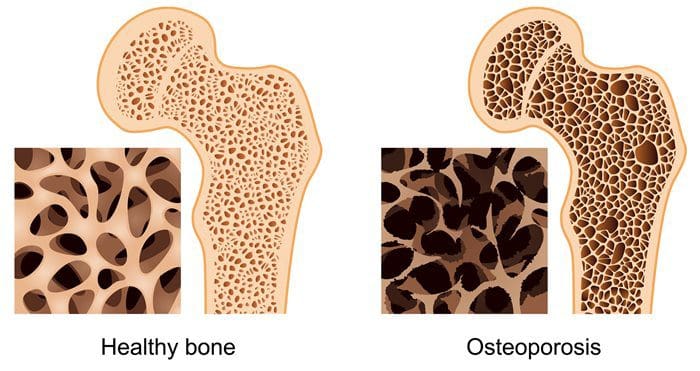
When a woman hits their late forties and entering their early fifties, they go through the natural aging process known as menopause. Menopause is when a woman has not menstruated in about twelve consecutive months as well as can no longer become pregnant. With menopause comes uncomfortable symptoms like hot flashes, vaginal dryness, and hormones imbalance. For women, hormone imbalances can range from having too much or too little hormones in the body’s bloodstream. When menopause occurs, the loss of the ovarian function in a female’s body can have an impact on their skeletal health, causing osteoporosis in the joints.
Osteoporosis and Menopause
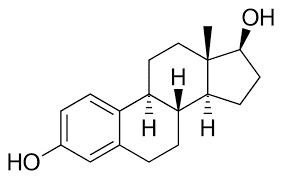
Surprisingly though, the hormone estrogen can play a role in the development of osteoarthritis and when a woman is under the menopausal phase. They can experience a decline in their estrogen levels, and osteoporosis will begin to wreak the bones and joints, causing chronic inflammation. Studies have found out that when estrogen hormones begin to change during healthy menopausal changes, they will begin to fluctuate then suddenly drop. They stated that estrogen helps prevent bones from getting weaker through the natural breakdown. Any fractures from accidents can cause pain, decreased mobility, and normal function of the female body due to osteoporosis.
There is even more evidence that the fluctuation of estradiol that may even be more pronounced in the perimenopause and might not be able to correlate well with bone density and loss for the body. So, during the menopausal stage, the bone density will deteriorate when females have osteoporosis. There have been rumors that osteoporosis is something that a person should not have to worry because it only happens if there is a family history of osteoporosis. Sadly though, osteoporosis is a common bone disease, and having a family history of the disease can increase the chances. However, there are also other risk factors that can cause osteoporosis like:
Excessive alcohol
Amenorrhea
Smoking
Low body weight
Research shows that osteoporosis does start when a woman is at the start of the menopausal stage and has stopped ovulating, her monthly menstrual cycle stops. Her estrogen levels will dramatically stop, as well. It stated that women could have a total bone loss within the first ten years that follow menopause. When there is a lack of estrogen in the body due to menopause, bone density loss is much more significant and can cause fractures in the body. Studies have found out that local health care professionals will ask women about the amount of bone density that has been lost during their menopausal transition and when they begin. They even found out that the follicle-stimulating hormone in women has changed as well during their menopausal transition.
Bone Remodeling
Furthermore, studies found that over 20 American individuals are affected by osteoporosis, and this can lead to about 1.5 million bone fractures each year, thus making osteoporosis to be one of the leading public health problems. More studies even found that women would lose at least fifty percent of their trabecular bone, and about thirty percent of their cortical bone in their body will eventually be lost during the first ten years during their postmenopausal stage. Women must at least take vitamin D supplements to make sure that their bones are healthy and are not prone to bone loss or fractures.
There is information about why bone loss seems to accelerate after a woman�s menstrual cycle has ended and why bone remodeling can help replace the old bones that have been lost due to osteoporosis or due to fracture. Surprisingly though, bone remodeling is a process to replace old bones with new bones for the body, and it is consists of five phases. They are:
Activation: During this phase of bone remodeling, osteoclasts are being recruited to the surface of the bone.
Resorption: In this phase, the osteoclast is being generated into an acidic microenvironment on the surface of the bone, thus dissolving and resorbing the bone�s mineral content.
Reversal: In this phase, the osteoclast then undergoes apoptosis and then is being recruited onto the bone�s surface.
Formation: This is the last phase of bone remodeling as the osteoclast deposits collagen and then being mineralized to form a new bone in the body.
Conclusion
Menopause is a natural part of hormone levels to drop, and women cannot get pregnant any more. One of the most common signs that menopausal women encountered is osteoporosis. Osteoporosis is when bones become brittle and can break from falls or injury. Women need to take supplements for bone health so that way the bones and the body is functioning correctly. Some products are designed to help support the estrogen metabolism in both the female and male bodies as well as products to help support the hormonal balance and the normal menstruation for females in the reproductive age.
The scope of our information is limited to chiropractic, musculoskeletal, and nervous health issues or functional medicine articles, topics, and discussions. We use functional health protocols to treat injuries or disorders of the musculoskeletal system. Our office has made a reasonable attempt to provide supportive citations and has identified the relevant research study or studies supporting our posts. We also make copies of supporting research studies available to the board and or the public upon request. To further discuss the subject matter above, please feel free to ask Dr. Alex Jimenez or contact us at 915-850-0900.
References:
Duggal, Neel. �What�s the Connection Between Menopause and Arthritis?� Healthline, 11 May, 2017, www.healthline.com/health/menopause/menopausal-arthritis.
Finkelstein, Joel S, et al. �Bone Mineral Density Changes during the Menopause Transition in a Multiethnic Cohort of Women.� The Journal of Clinical Endocrinology and Metabolism, The Endocrine Society, Mar. 2008, www.ncbi.nlm.nih.gov/pmc/articles/PMC2266953/.
Rosen, Clifford, and Ramon Martinez. �Post Menopause and Osteoporosis.� Hormone Health Network, Mar. 2019, www.hormone.org/diseases-and-conditions/menopause/post-menopause-and-osteoporosis.
Sowers, MaryFran R, et al. �Amount of Bone Loss in Relation to Time around the Final Menstrual Period and Follicle-Stimulating Hormone Staging of the Transmenopause.� The Journal of Clinical Endocrinology and Metabolism, The Endocrine Society, May 2010, www.ncbi.nlm.nih.gov/pmc/articles/PMC2869543/.
Team, Penn Medicine. �Menopause And Osteoporosis: What’s The Connection? � Penn Medicine.� � Penn Medicine, 18 Mar. 2016, www.pennmedicine.org/updates/blogs/womens-health/2016/march/menopause-and-osteoporosis.
Tella, Sri Harsha, and J Christopher Gallagher. �Prevention and Treatment of Postmenopausal Osteoporosis.� The Journal of Steroid Biochemistry and Molecular Biology, U.S. National Library of Medicine, July 2014, www.ncbi.nlm.nih.gov/pmc/articles/PMC4187361/.
The University offers a wide variety of medical professions for functional and integrative medicine. Their goal is to inform individuals who want to make a difference in the functional medical fields with knowledgeable information that they can provide.
Gut health is more important than most realize. The gut has been connected to multiple symptoms including but not limited to; joint pain, inflammation, headaches, digestive problems, and even brain fog.
Due to the American Diet, gut health has been lacking. We are seeing an increase in starches consumed rather than fermented foods and dark leafy greens. There are certain foods that many people refer to as “Super Foods”. Within this group, there are Super Foods for your gut! These foods will help to optimize gut health and can even help in gut repair.
Fermented Foods
Fermented foods are great as they support a healthy microbiome. The microbiome is made up of trillions of microorganisms. The microbiome consists of good and bad bacteria, including the organisms that make up probiotics.
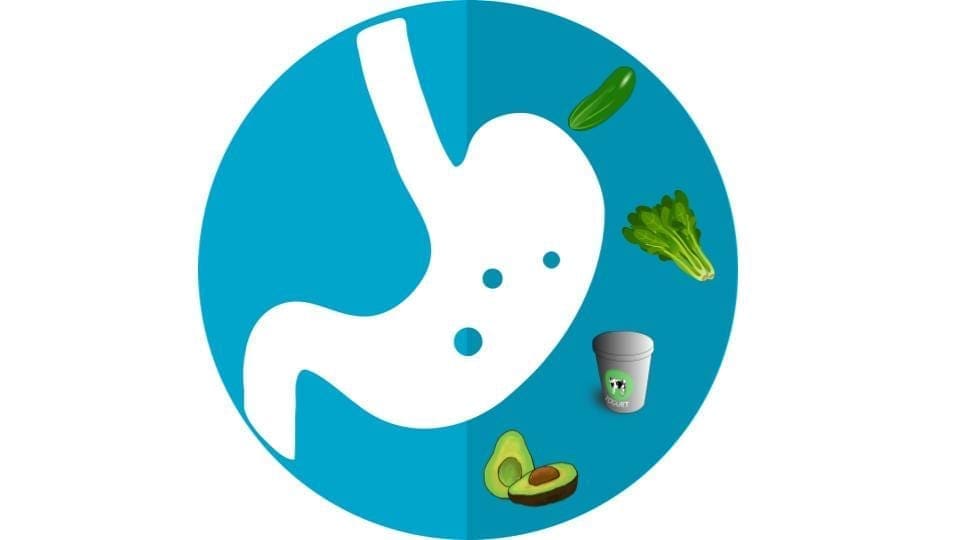
Some of the best fermented foods that help support these bacterias are Kefir, yogurt, and sauerkraut. Kefir has about 27.7 billion colony forming units per one cup. These foods help to collect bacteria, yeast, and viruses that not only live in your gut but also on your skin!
Healthy Fats
Healthy fats are important to have in the diet. They ensure the body is getting Omega-3s which are polyunsaturated fats. These fats help the brain and nervous system function properly. They also reduce inflammation in the body caused by a leaky gut and can help lower cholesterol.� Two great examples of healthy fats that fall into the superfood category are avocados and salmon.
Dark Leafy Greens
Dark leafy greens provide an immense amount of nutrients to the body and the gut. Not only are these low in calories and carbohydrates, but they contain essential minerals and vitamins. These foods contain fiber, folate, vitamins K and C, and minerals like iron and calcium. These foods will help to heal and seal the gut. Some great superfoods that fall under this category are kale and seaweed.
It can be hard to get enough dark leafy greens into your diet. A great way to do this is to mix them into a smoothie in the morning! It can add a refreshing taste as well as provide your body with another serving of nutrients!
There are so many foods one can eat to help boost their gut health. The Gut is often overlooked as many people are not fully aware of how much control it has over the body. By increasing or adding some of these foods into your diet daily, the healthy bacteria in your gut will become more nourished.
Increasing fiber, healthy fats, dark leafy greens, and fermented foods will not only provide your gut with healthy bacteria, but it will also keep the bacteria in the gut “full” and not die off from lack of nutrition. Another word for this is prebiotics. Essentially, the food that feeds the probiotics. In addition to these foods, a probiotic supplement will also aid in optimal gut health. Gut health is so important and should never be overlooked. It’s never too late to start paying attention to your gut! – Kenna Vaughn, Senior Health Coach
The scope of our information is limited to chiropractic, musculoskeletal, and nervous health issues or functional medicine articles, topics, and discussions. We use functional health protocols to treat injuries or disorders of the musculoskeletal system. Our office has made a reasonable attempt to provide supportive citations and has identified the relevant research study or studies supporting our posts. We also make copies of supporting research studies available to the board and or the public upon request. To further discuss the subject matter above, please feel free to ask Dr. Alex Jimenez or contact us at 915-850-0900.�
References:
Hill, Ansley. �16 Superfoods That Are Worthy of the Title.� Healthline, 9 July 2018, www.healthline.com/nutrition/true-superfoods.
Lee, Linda. �5 Foods to Improve Your Digestion.� Johns Hopkins Medicine, 2019, www.hopkinsmedicine.org/health/wellness-and-prevention/5-foods-to-improve-your-digestion.
Link, Rachael. �8 Fermented Foods to Boost Digestion and Health.� Healthline, 18 Oct. 2017, www.healthline.com/nutrition/8-fermented-foods.
If you are experiencing any of these situations, then you might be going through perimenopause.
When the body hits a certain age, the hormone levels will naturally increase then decrease, causing the person to experience symptoms that they never have. For women, they go through an aging progression known as menopause, which is a normal part of aging, and when the female stops producing eggs. Menopause occurs when a female is in her late forties to her early fifties, depending on which country they are from. Before a woman goes through the menopausal process, perimenopausal begins before the actual menopausal progression occurs. Not only that but when a woman goes through perimenopause, their endocrine system is being affected with hormonal changes as the hormones begin to fluctuate during the menopausal shift.
Perimenopausal
Perimenopausal can be defined in various ways; however, researchers can agree that perimenopausal begins when a woman starts to have irregular menstrual cycles. This is due to a natural decline in their ovarian function, and it will be their last menstrual period. Research shows that perimenopausal leads up to menopause and follows after post-menopause. Surprisingly though, during perimenopausal years, the hormone levels will begin to fluctuate, and the estrogen levels begin to become a bit higher than average. Afterward, though once menopause goes through the postmenopausal stage, the hormone levels will begin to decrease gradually naturally.
Perimenopausal Symptoms
When it comes to the endocrine system, it plays a role when a female is going through perimenopause. Since the endocrine system produces hormones and is responsible for reproduction hormones, it makes sure that the female body has the two hormones estrogen and progesterone. When there is a lack of hormones in the female body, it is due to the effects of hot flashes that are caused by perimenopause. Now research shows that most women do not expect that to have hot flashes until they have menopause. It is one of the symptoms that all females get. Other symptoms can cause women to have them when they are going through. They are:
Hot flashes and night sweats: There is about an estimated 35%-50% of women who have perimenopausal, will suffer a sudden wave of body heat that is consist of sweating ant flushing that can last about five to ten minutes. Surprisingly it can happen at night as well when the body starts to sweat.
Vaginal dryness: When estrogen levels began to decline during late perimenopause naturally, it can cause the vaginal tissue to become a bit thinner and drier. When this happens, it can cause irritation, itching, and can be a source of pain during intercourse.
Uterine bleeding: When the progesterone levels start to decline, it can cause the growth of the endometrium, which is the uterine lining to become a bit thinker than usual before it sheds, thus resulting in a very heavy period. Not only that, but if a female has fibroids or endometriosis, then those two conditions may become a bit more troublesome.
Sleep problems: Studies found out that about forty percent of perimenopausal women have trouble sleeping. Between the night sweats and the disrupted sleep patterns, the problem can be a little complex to be blamed on the hormone oscillation, and the sleep cycles change as a person ages. Plus, insomnia is a common complaint for both sexes.
Mood swings: There is about ten to twenty percent of women who have experienced mood swings during perimenopause that has been linked to low estrogen levels. When women have experienced mood swings, it usually happens around midlife, like stress, poor overall health, and a history of depression.
Short term memory: Surprisingly, many women have complained about having short term memory problems as well as having a difficult time concentrating during the menopausal transition. Even though estrogen and progesterone help maintain brain function, there is too little information to separate the effects of aging and the psychosocial factors that can be related to hormone changes.
Studies have even found out that during the menopausal transition, the regular patterns of a female’s menstrual cycle will become disrupted, and the normal ovulatory cycle will decline naturally. At the same time, the gonadotropin levels will start to rise as well as the follicle-stimulating hormones will increase on a woman’s feature.
Conclusion
Menopause is a natural stage in a woman’s life. The hormone levels will begin to fluctuate, and it all starts when a woman’s menstrual cycle begins to stop. With perimenopause, it is the beginning of the menopausal transition as the female body starts to change. From hot flashes to irregular sleep patterns, perimenopause is a natural way to let the body know that change is coming. Some products are designed to help support the estrogen metabolism in both the female and male bodies as well as products to help support the hormonal balance and the normal menstruation for females in the reproductive age.
The scope of our information is limited to chiropractic, musculoskeletal, and nervous health issues or functional medicine articles, topics, and discussions. We use functional health protocols to treat injuries or disorders of the musculoskeletal system. Our office has made a reasonable attempt to provide supportive citations and has identified the relevant research study or studies supporting our posts. We also make copies of supporting research studies available to the board and or the public upon request. To further discuss the subject matter above, please feel free to ask Dr. Alex Jimenez or contact us at 915-850-0900.
References:
Publishing, Harvard Health. �Perimenopause: Rocky Road to Menopause.� Harvard Health, June 2009, www.health.harvard.edu/womens-health/perimenopause-rocky-road-to-menopause.
Buckler, Helen. �The Menopause Transition: Endocrine Changes and Clinical Symptoms.� The Journal of the British Menopause Society, U.S. National Library of Medicine, June 2005, www.ncbi.nlm.nih.gov/pubmed/15970017.
Cherney, Kristeen. � Effects of Menopause on the Body.� Healthline, 5 Feb. 2019, www.healthline.com/health/menopause/hrt-effects-on-body.
Edwards, Beatrice J, and Jin Li. �Endocrinology of Menopause.� Periodontology 2000, U.S. National Library of Medicine, Feb. 2013, www.ncbi.nlm.nih.gov/pubmed/23240949.
Wexler, Tamara L. �Perimenopause and Menopause Overview.� EndocrineWeb, 25 Mar. 2016, www.endocrineweb.com/conditions/menopause/perimenopause-menopause-overview.
The University offers a wide variety of medical professions for functional and integrative medicine. Their goal is to inform individuals who want to make a difference in the functional medical fields with knowledgeable information that they can provide.
Shaky, jittery, or have tremors throughout your body?
If you are experiencing any of these situations, then it might be your blood-brain barrier and your endocrine system that may be imbalanced.
The brain in the human body is the primary control system that makes sure that each of the body’s system is working correctly. This includes the gastrointestinal system, the hepatic system, the neurological system, and, most importantly, the endocrine system. In the brain, however, there is a tissue known as the blood-brain barrier, it is connected to the endocrine system. It is essential to make sure that the blood-brain barrier and the endocrine system are healthy in the human body.
The Blood-Brain Barrier
The blood-brain barrier in the body separates the central nervous system from peripheral tissue. Even though the blood-brain barrier separates the nervous system, it does not prevent hormones from entering the brain. Research shows that the brain can bind and secretes any circulating substances and can be qualified as an endocrine organ. When this happens, it can be one of the largest and most metabolically active of the endocrine organs by acting as both the target and secretor of hormones.
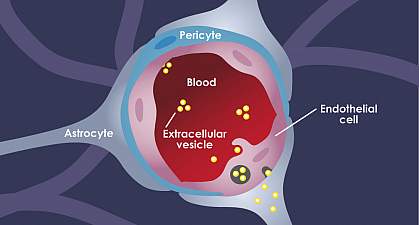
With the blood-brain barrier, it conveys the blood vessels by transporting the blood from the heart to every tissue and organs throughout the body. It then delivers oxygen and the nutrients to all the tissues and removing the carbon dioxide and metabolic waste from the tissues. The blood vessels also convey hormonal signals to the tissues and is a mediator for interacting with the peripheral immune system with each tissue. Research shows that since the blood-brain barrier is an endocrine tissue, the substances that are being carried in the blood can emerge in a hormone-like fashion. The research stated that the blood-brain barrier could exhibit the endocrine system properties as well as being a target for hormones that can affect many of the blood-brain functions in the body.
The Endocrine System
The endocrine system is a collection of glands that secretes out and produces hormones that can regulate not only the body but makes sure that it regulates the body’s metabolism and many other functions that the body needs to function correctly. When the body’s hormone levels fluctuate, it can be very good or horrible, depending on the situation. If the body produces an abundance of hormones, it can cause a person to have hyperthyroidism, and when the body produces a low abundance of hormones, the body can have complications and cause the body to develop chronic illnesses. Stress, infections, and diabetes can influence the body’s hormone levels by making hormones either too much or too little. By making sure that the body’s hormones are at a balanced level is essential because eating right and doing daily exercises can make the body function properly and feel good as well.
Since the body can produce hormones naturally, the job of the primary hormone is to make sure that it is traveling in the bloodstream and making it to the various organs and tissues that need the hormone levels. The hormone levels can tell every organ and tissues what to do and how to function. When the hormone levels get crazy by being produced too much or too little, it causes those organs and tissues to malfunction.
For the blood-brain barrier, since it is an endocrine tissue, it can divide the hormone receptors. The research found out that the blood-brain barrier can respond to circulate the hormone substances and secrete those hormone substances into the blood circulation and the central nervous system. It can also make sure that when the hormone receptors are being divided that it goes to the central nervous tissues and the peripheral tissues. The research also found out that insulin levels can also affect the brain’s endothelial cell function through several parameters and modulating amino acids, leptin, and p-glycoprotein transporters in the body.
Surprisingly there is a unique feature that the blood-brain barrier possesses. The blood-brain relies on its cell membrane surfaces facing into the bloodstream and the interstitial fluid of the central nervous system so that way it can receive signals for the body. The research found out that the blood-brain barrier’s properties are primarily manifested within the brain’s endothelial cells. They can be induced and maintained through critical interactions with the cells that are interacting in the neurovascular unit in the brain. With these endocrine-like mechanisms that the blood-brain barrier has, it can help dampen the effects of endocrine diseases like neurodegenerative conditions and Alzheimer’s disease.
Conclusion
The blood-brain barrier is an essential tissue in the brain as it functions as an endocrine tissue and does play a role by interacting with the hormone levels that the endocrine system secreted out to the body. When the hormone levels start to malfunction by either producing an abundance or too little amount of hormones, it can cause the body to have chronic illnesses and the blood-brain barrier to dysfunction in the brain, causing degenerative neurological disorders in the brain as well. Some products can help the endocrine system by making sure the hormone levels are balanced as well as products for a healthy brain function for a healthy body.
The scope of our information is limited to chiropractic, musculoskeletal, and nervous health issues or functional medicine articles, topics, and discussions. We use functional health protocols to treat injuries or disorders of the musculoskeletal system. Our office has made a reasonable attempt to provide supportive citations and has identified the relevant research study or studies supporting our posts. We also make copies of supporting research studies available to the board and or the public upon request. To further discuss the subject matter above, please feel free to ask Dr. Alex Jimenez or contact us at 915-850-0900.
References:
Banks, William A. �Brain Meets Body: the Blood-Brain Barrier as an Endocrine Interface.� Endocrinology, Endocrine Society, Sept. 2012, www.ncbi.nlm.nih.gov/pmc/articles/PMC3423627/.
Banks, William A. �The Blood-Brain Barrier as an Endocrine Tissue.� Nature Reviews. Endocrinology, U.S. National Library of Medicine, Aug. 2019, www.ncbi.nlm.nih.gov/pubmed/31127254.
Daneman, Richard, and Alexandre Prat. �The Blood-Brain Barrier.� Cold Spring Harbor Perspectives in Biology, Cold Spring Harbor Laboratory Press, 5 Jan. 2015, www.ncbi.nlm.nih.gov/pmc/articles/PMC4292164/.
Zimmermann, Kim Ann. �Endocrine System: Facts, Functions and Diseases.� LiveScience, Purch, 18 Feb. 2018, www.livescience.com/26496-endocrine-system.html.
The University offers a wide variety of medical professions for functional and integrative medicine. Their goal is to inform individuals who want to make a difference in the functional medical fields with knowledgeable information that they can provide.
If you are experiencing any of these situations, then something might be wrong with your gut and brain connection in your body.
Gut-Brain Connection
The gut and brain connection go hand in hand as they send signals back and forth to make sure that that human body starts functioning correctly. The gut makes sure that its entire gastrointestinal system, the endocrine system, and the hepatic system is functioning correctly. While the brain makes sure that its neurological system is working but also sending out signals to the entire body as well as making sure that the hormones are distributed to the essential organs.
Chemo-Brain and Gut Connection
Even though the gut and brain connection is vital for a healthy body, however, when it comes to a person who has cancer may have a �chemo-brain� and gut connection when they are getting treatments from chemotherapy. Since chemotherapy is the conventional standard of care for treating cancer by consistently combining particular drugs that kills cancer cells. Throughout the world, there are over 100 types of cancer that can attack the cells and then spread out through the different organs and tissues in the human body. According to research from the CDC, it stated that cancer is the second leading cause of death in the US.
There is more information about what chemotherapy does to the body since chemotherapy works by putting a stop on cancer cells from proliferating or even slowing down the rate of cancer cell growth. Sadly though, even though chemotherapy can target fast-growing cancer cells, it can also kill the body’s healthy cells as well. When the healthy cells are being attacked by chemotherapy, the cells can cause a long list of painful side effects. For example, the epithelial cells in the GI tract can be damaged, and it can cause many cancer patients to stop the chemo treatment prematurely.
In a recent study that was published in Frontier in Pharmacology, it showed that scientists had discovered a new method to deliver chemotherapy that can attack the malignant cells in the body while leaving the healthy cells alone. With this technique, it can provide a little bit of hope by allowing doctors to lower the dosages of the chemo treatment to reduce the patients� suffering from any of the harsher adverse effects of chemo, which can increase compliance and improve the overall prognosis for the patients.
In a recent journal study, a research scientist from Ohio State University has discovered a possible solution to help improve the undesirable gastrointestinal and cognitive side effects that were caused by chemotherapy. According to the research, the model showed how the link between the gut and brain symptoms perform in chemotherapy treatment. The results showed how the chemo drugs entirely altered the human gut microbiome. They stated that the gut bacteria and the body tissue changed while the blood and brain in the body show signs of inflammation-causing fatigue and cognitive impairment. When chemo treatments cause inflammation is in the neurological system, it can make the entire system be correlated with disruptive colonic and bacterial homeostasis in the body.
With chemotherapy, it can cause intestinal permeability. It can trigger the immune system in the body to over activating and signaling the brain’s immune cells to be inflamed while also be the culprit to “chemo brain.” Chemo-brain is defined as cognitive impairment and causing the person to have mental fogginess that can linger for months or even years after the cancer is gone. Surprisingly with this new phenomenon, chemo-brain has affected more than half of the cancer survivors while becoming a common thing as cancer therapies can extend the patient�s lifespan.
With this type of research, it can shed some light on how the gut microbiome’s health can be more affected than the digestive tract, since the gut plays a hugely critical role in all the other systems in the body, especially in the immune and nervous system. By looking at the existing evidence, they show how the health and wellbeing of the body’s gut and brain are connected. It can lead to better interventions for many cancer patients by promoting a beneficial bacterial composition for the gut and can protect against any neuroinflammation to reduce any symptoms of chemo-brain.
Probiotics and Prebiotics Benefits
Hippocrates was right when he stated that “all diseases begin in the gut.” The information paved the way for many functional medicine practitioners to help many cancer patients. By adding any anti-inflammatory foods in a person’s diet like the Mediterranean diet or even a plant-based ketogenic diet is excellent for cancer patients. It is recommended for cancer patients to increase their intake of prebiotics and probiotic-rich food. It is proven that probiotics and prebiotics can help reduce the negative side effect that most patients go through during their chemotherapy experience. With prebiotics and probiotics, they are fiber-rich foods that can be fermented and be consumed so people can get the beneficial and commensal bacteria that are residing in the gut and can improve the gut microbiome composition.
Conclusion
With the gut and brain connection, they work together by making sure the body is functioning correctly. When it is chemo-brain, however, it can cause dysfunction in the body by impairing the body’s entire system through chemotherapy. By adding probiotics and prebiotics to a cancer patient’s diet can help them at least get their body the nutrition and beneficial properties they need. Some products are beneficial to the body by supporting not only the gut but also making sure that the brain is being supported as well.
The scope of our information is limited to chiropractic, musculoskeletal, and nervous health issues or functional medicine articles, topics, and discussions. We use functional health protocols to treat injuries or disorders of the musculoskeletal system. Our office has made a reasonable attempt to provide supportive citations and has identified the relevant research study or studies supporting our posts. We also make copies of supporting research studies available to the board and or the public upon request. To further discuss the subject matter above, please feel free to ask Dr. Alex Jimenez or contact us at 915-850-0900.
References:
Arora, Malika, et al. �Impact of Probiotics and Prebiotics on Colon Cancer: Mechanistic Insights and Future Approaches.� Latest TOC RSS, Bentham Science Publishers, 1 Jan. 1970, www.ingentaconnect.com/content/ben/cctr/2019/00000015/00000001/art00005.
Caldwell, Emily. �A Possible Gut-Brain Connection to ‘Chemo Brain’.� Medical Xpress – Medical Research Advances and Health News, Medical Xpress, 23 Oct. 2019, medicalxpress.com/news/2019-10-gut-brain-chemo-brain.html.
Caldwell, Emily. �The Gut May Be the Ticket to Reducing Chemo’s Side Effects.� Medical Xpress – Medical Research Advances and Health News, Medical Xpress, 11 Nov. 2019, medicalxpress.com/news/2019-11-gut-ticket-chemo-side-effects.html?utm_source=nwletter&utm_medium=email&utm_campaign=daily-nwletter.
Loman, B. R., et al. �Chemotherapy-Induced Neuroinflammation Is Associated with Disrupted Colonic and Bacterial Homeostasis in Female Mice.� Nature News, Nature Publishing Group, 11 Nov. 2019, www.nature.com/articles/s41598-019-52893-0.
Neumann-Raizel, Hagit, et al. �2-APB and CBD-Mediated Targeting of Charged Cytotoxic Compounds Into Tumor Cells Suggests the Involvement of TRPV2 Channels.� Frontiers, Frontiers, 17 Sept. 2019, www.frontiersin.org/articles/10.3389/fphar.2019.01198/full.
staff, Science X. �’Chemo Brain’ Caused by Malfunction in Three Types of Brain Cells, Study Finds.� Medical Xpress – Medical Research Advances and Health News, Medical Xpress, 6 Dec. 2018, medicalxpress.com/news/2018-12-chemo-brain-malfunction-cells.html.
staff, Science X. �Technique Targets Cancer Cells and Leaves Healthy Ones Alone.� Medical Xpress – Medical Research Advances and Health News, Medical Xpress, 27 Nov. 2019, medicalxpress.com/news/2019-11-technique-cancer-cells-healthy.html.
Team, DFH. �New Research – Gut Solutions to Chemotherapy.� Designs for Health, 2 Jan. 2020, blog.designsforhealth.com/node/1179.
The University offers a wide variety of medical professions for functional and integrative medicine. Their goal is to inform individuals who want to make a difference in the functional medical fields with knowledgeable information that they can provide.
IFM's Find A Practitioner tool is the largest referral network in Functional Medicine, created to help patients locate Functional Medicine practitioners anywhere in the world. IFM Certified Practitioners are listed first in the search results, given their extensive education in Functional Medicine