
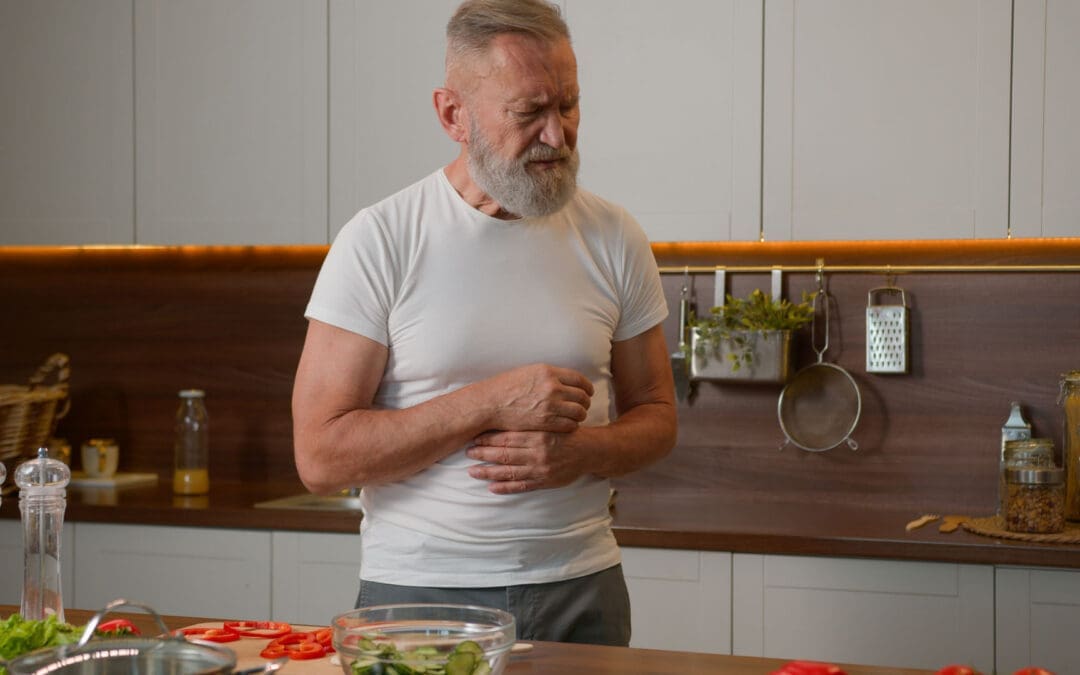
Healthy Eating but Gut Pain Persists: Find Relief Today
Why Gut Pain Persists Even When Eating Healthy: Root Causes and Integrative Chiropractic Solutions at El Paso Back Clinic
Many people switch to salads, fresh fruits, whole grains, and lean proteins, hoping their stomach troubles will finally end. They cut out fast food and feel optimistic. Yet the bloating, cramps, and pain often continue or even worsen. At El Paso Back Clinic in El Paso, Texas, Dr. Alex Jimenez, DC, APRN, FNP-BC, CFMP, IFMCP, sees this pattern daily. As a leading injury specialist and scientific chiropractor, he explains that persistent gut pain often stems from underlying issues such as leaky gut, hidden food sensitivities, low stomach acid, and insufficient digestive enzymes. The clinic’s integrative chiropractic approach identifies and addresses these root causes rather than just masking symptoms. They blend gentle spinal adjustments, functional medicine testing, and targeted nutrition for real, lasting relief.
Leaky gut, also known as increased intestinal permeability, is a common hidden reason why pain lingers. The lining of the small intestine should work like a smart filter. It lets nutrients pass into the bloodstream while keeping out bacteria, toxins, and undigested food. When the lining gets damaged, tiny gaps form. Harmful particles slip through and trigger immune responses. This creates inflammation that shows up as gut pain, fatigue, brain fog, or skin problems.
Here are key factors that can weaken the gut lining:
- Frequent use of pain relievers like ibuprofen or antibiotics
- Too much alcohol or processed foods
- Ongoing stress that keeps the body in fight-or-flight mode
- Dysbiosis, an imbalance of good and bad gut bacteria
- Environmental toxins or past infections
These triggers break the tight junctions between cells, allowing leaks that spark body-wide inflammation.
Hidden food sensitivities make the problem even trickier
You might eat what seems like healthy food—avocados, chicken, or broccoli—yet still feel discomfort hours later. These are often delayed reactions, unlike the rapid swelling seen in true allergies. Once particles leak through a damaged gut, the immune system makes antibodies. This leads to constant low-level irritation and pain in the intestines.
Low stomach acid and insufficient digestive enzymes add to the struggle. Stomach acid normally breaks down food and kills harmful germs. Enzymes from the pancreas chop proteins, fats, and carbs into pieces the body can absorb. Stress, aging, or antacid medicines lower acid levels, so food sits half-digested. Undigested bits then feed harmful bacteria, create gas, and irritate the lining. Healthy meals alone cannot fix this cycle.
The spine plays a surprising role in gut health, which is why El Paso Back Clinic specializes in connecting back care to digestion. The vagus nerve runs from the brain through the neck and spine down to the stomach and intestines. It controls acid production, enzyme release, and proper gut movement. Misalignments in the upper back or neck tension from poor posture, injuries, or desk work can pinch or irritate this nerve. When vagus signaling slows, digestion lags, bacteria overgrow, and leaky gut worsens. Many patients who come in for back pain or sciatica also report stubborn gut issues that improve once spinal alignment is restored.
Dr. Alex Jimenez has observed these spine-gut connections for years in his clinical practice at El Paso Back Clinic
His dual training as a Doctor of Chiropractic and a Family Nurse Practitioner allows him to treat both structural problems and functional imbalances. Gentle chiropractic adjustments restore proper nerve flow, reduce inflammation, and support better digestion. Patients with chronic back pain, bloating, and fatigue often see major improvements when the clinic addresses the full picture. Dr. Jimenez uses advanced testing and personalized plans that include nutrition, supplements, and spinal care to resolve symptoms standard diets miss.
Dysbiosis and chronic stress frequently hide behind “healthy” eating struggles. Dysbiosis means the trillions of gut microbes get out of balance. Helpful bacteria that digest fiber and make vitamins decline, while harmful ones produce gas and toxins. Stress keeps the body from entering the calm “rest-and-digest” mode. The vagus nerve cannot function well, so acid and enzymes stay low, and the gut lining stays irritated.
Small Intestinal Bacterial Overgrowth (SIBO) takes this further. When nerve interference or low acid slows movement, bacteria that belong in the large intestine migrate upward. They ferment food too early in the small intestine, causing pressure, bloating, and pain. Even a vegetable-rich diet can feed SIBO if the root spinal or nerve issue remains untreated.
El Paso Back Clinic stands out because they treat the whole person. They do not simply hand out another diet sheet. Instead, the team listens to your full story—back pain history, stress levels, sleep, past injuries, and posture. They order precise functional tests and combine them with chiropractic adjustments for a custom plan.
Here are common steps in a gut-healing protocol used at the clinic:
- Temporarily remove irritants while testing to find exact triggers
- Add bone broth, fermented foods like sauerkraut, and fiber-rich vegetables to feed good bacteria
- Use digestive enzymes and herbal bitters before meals to boost acid and break down
- Sip warm ginger or chamomile tea to calm the nervous system and improve motility
- Practice slow, mindful eating with deep breaths to activate the vagus nerve
- Include supportive herbs like marshmallow root and calendula to repair the lining
These steps work best when paired with spinal adjustments and lab results
Testing matters more than guessing. Simply changing diets without knowing the cause often fails. One person might need extra acid support. Another might fight SIBO linked to vagus nerve pressure from neck strain. A third could have a hidden sensitivity to gluten or dairy. Functional labs check stool microbes, measure gut permeability, or scan for food antibodies. Dr. Jimenez and the El Paso Back Clinic team use these tools, plus chiropractic exams, to build plans that last.
The nervous system strongly affects digestion. Eating while stressed or in a rush keeps the body in fight-or-flight. Digestion slows, food sits longer, and the gut lining stays open. Simple daily habits help: take five slow breaths before meals, chew thoroughly, and eat without distractions. These cues tell the vagus nerve it is safe to produce acid, release enzymes, and move food smoothly.
Healing takes time
The gut lining renews every few days, but full repair often needs weeks or months of consistent care. Professional guidance at a clinic like El Paso Back Clinic prevents wasted effort on random changes. Many patients feel surprised when pain fades once the real issue is fixed. One client who ate only clean foods still had daily cramps until tests revealed SIBO and low enzymes. After chiropractic adjustments, targeted nutrition, and stress work, digestion normalized. Another person who had ongoing back pain and bloating felt better when integrated care fixed hidden sensitivities and tension in the vagus nerve.
El Paso Back Clinic also links low secretory IgA—a key gut defense—to leaky gut and autoimmunity. Their approach combines stress reduction, anti-inflammatory eating, and supplements to rebuild defenses. The team emphasizes functional nutrition that heals from the inside out while keeping the spine aligned to optimize nerve flow.
In the end, ongoing gut pain despite healthy eating is your body’s way of asking for help. It often points to leaky gut, sensitivities, poor digestion, dysbiosis, or nerve interference due to spinal issues. Targeted testing and root-cause care at El Paso Back Clinic deliver real results. Dr. Alex Jimenez and the team show how chiropractic science, functional medicine, and personalized protocols turn pain into steady wellness. Listen to the signals, get evaluated, and take step-by-step action. Your gut—and your back—will thank you.
References
Aviva Romm, MD. (n.d.). Is “leaky gut” just wellness BS? Facebook.
Chris Williamson. (n.d.). How to rebuild a leaky gut—Dr. Rhonda Patrick. Facebook.
Functional Health Colorado. (n.d.). Impaired digestion.
Whole Health Chicago. (2023, November 13). Leaky gut syndrome at long last an accepted diagnosis.
Bäumler, A. J., & Fang, F. C. (2015). Microbiota and the gut-brain axis. PMC, Article PMC4303825.
Caring Medical. (n.d.). Small intestinal bacterial overgrowth and the vagus nerve.
Carolina Total Wellness. (n.d.). Gut health category.
The Well-House Chiropractic. (n.d.). Functional nutrition: Healing inside out.
Ask Dr. Olsen. (n.d.). Leaky gut – Finding the cause podcast.
Nourishing Meals. (2025, April). Digestive health, food sensitivities, and the role of the nervous system.
Jimenez, A. (n.d.). Clinical articles on gastrointestinal health and functional medicine.
Jimenez, A. (n.d.). Professional profile. LinkedIn.
Jimenez, A. (n.d.). El Paso Back Clinic.







