by Dr Alex Jimenez DC, APRN, FNP-BC, CFMP, IFMCP | Chiropractic, Mobility & Flexibility
Having a chiropractic treatment is one of those options that are not usually covered by your medical insurance. This leads to people being shy of this practice and usually fearing the doctor�s bills, they avoid getting a treatment as a whole. This should not be the case at all. Keeping yourself healthy is very important and nothing should stop you from leading a good, active life.
When a patient wants to give up on the treatment he or she is getting due to some issue, for their affected area, it does influence the doctor as much as it disturbs the patient�s recovery process. A doctor has put a lot of effort in making the patient feel better and to leave the treatment midway will also impact the patient adversely. It can result in the patient�s wellbeing going back to where it was before. Just so the patient can take care of themselves even if a doctor is not readily accessible , here is a list of exercises that they might do just to keep the condition from getting bad again.
These exercises will not only help you relax and unwind but also avoid the unnecessary weight gain. All of these exercises are easy to do and even a few can be done in your office, in between classes, or while spending a few minutes at the park.
Low Back Pain Exercises:
Table top. The table top exercise requires you to kneel on all fours, and then lift one of your legs as straight as you can go. The more you do it the more you will be able to lift your leg straighter.
Extension exercise.� While lying head down, you must move your head upward but not let your back bend. Do this stretching, until you feel a stretch on your hamstrings. That is as high as you should go.
Child�s pose. �Lay yourself in the position that your knees are wider apart than your hips. Turn your toes into touch and push your hips backwards as if in a bow and then stretch your hands forward in a relaxing position.
Neck Pain Exercises:
These following neck exercises provide you with a relief for neck pain. In fact, they are so easy to do that they can be done during your office or classes. This workout will definitely help anyone trying to increase their productivity during a long day.
Trap-stretch exercise. All you have to do is lie or stand or sit and bend your head to one side and use your hand on the same side to touch your ear of the other side from over your head.
Head Drop. You must take your head as back as possible with your chin pointing towards the ceiling. Don�t bend your back. And don�t stress your neck too much.
Turn your head in the way that your nose touches your shoulders, but do not move your shoulders. Do it both sides.
Shoulder Pain exercises:
Shoulder Shrug. As the name suggests, you shrug your shoulders. While you are standing or sitting up straight, you lift your shoulders up to your ear length and then while exhaling you let them down.
Shoulder blade Pinching. Either standing straight or sitting straight, take your arms to the back and inhale. When you feel your back skin pinching that is when you exhale and bring your arms forward.
Here you have it, a few exercises that will get you through your day and will help you in overcoming the pain. If you have any difficulty in figuring out whether you really have chiropractor then you must consult a specialist. However, it is also recommended that you must see a chiropractor regularly if you want to get full recovery.
By Dr. Alex Jimenez
Sourced through Scoop.it from: Dr. Alex Jimenez
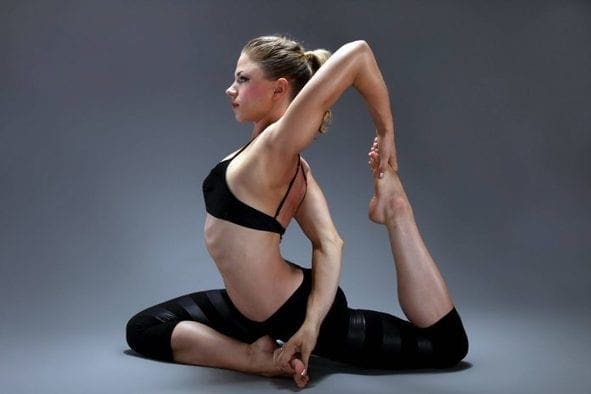
Chiropractic�Exercises�can help you relax, unwind and help with�unnecessary weight gain. All of these exercises are easy to do and can be done in your office, in between classes, or while at the park.
by Dr Alex Jimenez DC, APRN, FNP-BC, CFMP, IFMCP | Chiropractic, Scoop.it
As people age, there are some physical changes taking place. Skin changes to become thinner and less elastic and wrinkles appear in greater numbers. We may lose out hair or it can change to shades of gray or white. These are processes that everyone who lives a long life will go through naturally. Barring cosmetic changes, we can’t control the aging of our looks much.
The good news is that we can control the aging of other body physical aspects such as posture and weight.
Other physical changes we face as we age include the following:
- Body weight is usually less in late adulthood because we lose muscle tissue.
- Muscle strength, along with mass, is reduced, causing loss of strength in the legs, arm, and other part of the body. In late adulthood the most apparent loss of strength is usually in the legs.
- Bone loss, or loss of bone calcium, occurs. This will cause changes in the body that are visible. Bone loss is responsible for some weight loss and possibly a stooped posture. A decrease in bone density or osteoporosis may also result.
- Other body functions slow down due to a loss of organ reserve.
The Importance of Exercise for the Elderly
Reducing the effects of physical changes due to aging is the major reason behind the importance of exercise for the elderly. Exercise is an important tool for improving a large part of the process. Research indicates that many factors can be improved with regular exercise. Benefits of regular exercise include:
- Increased exercise and activities promote well-being and a sense of feeling younger. Feeling younger and more self-confident has been shown to promote good psychological health.
- Exercise is often a social activity, which many experts believe contributes to a healthy state of mind and reduced depression. Exercising is a great way to spend time with friends either at the gym or on a walk at the park.
- The U.S. Department of Health and Human Resources has research that indicates exercising helps people in late adulthood avoid disabilities that may be caused by chronic disease and other illnesses.
- Other studies show that exercise during late adulthood will help decrease the risk of diabetes and increase body function abilities.
Get Started With an Exercise Program
No matter what your age, if you want to begin exercising, the first place you need to stop is your doctor’s office. As a senior, it can be even more important to have a physical exam before starting an exercise program. Also, some medication use is affected by exercise, which your doctor can talk with you about.
There are also other special considerations. For example, it’s important to learn about stretch exercises for seniors because in late adulthood, it’s best to have a long stretching period before your exercise time and a proper cool-down. The best way is to warm up the body with light cardio activity for five minutes, stretch for about five minutes, then begin your exercise routine.
After discussing your exercise options with your doctor, narrow down your exercise plan to ideas you’ll be sure to use. Because of the importance of exercise for the elderly, choose an activity you’ll actually do. If you get dizzy on an exercise bike, switch to something else. If walking is boring to you, try swimming or even walking with a buddy-pairing up can make any activity seem more like fun and less like exercise.
Sourced through Scoop.it from: seniors.lovetoknow.com
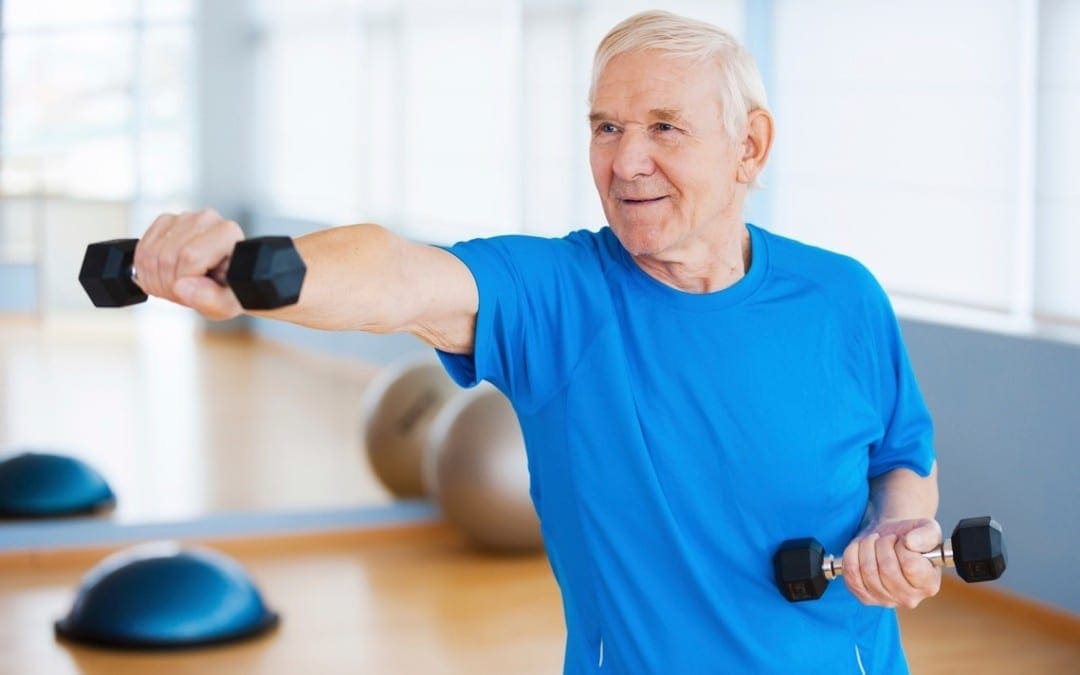
The body naturally begins to change with age, often causing the degeneration of bones and joints, as well as other structures. While this process is inevitable, physical activity can help slow down the changes and ensure they happen much more smoothly. Research has demonstrated how exercise can improve other factors of aging.
For more information, please feel free to ask Dr. Jimenez or contact us at 915-850-0900 .
by Dr Alex Jimenez DC, APRN, FNP-BC, CFMP, IFMCP | Chiropractic, Scoop.it
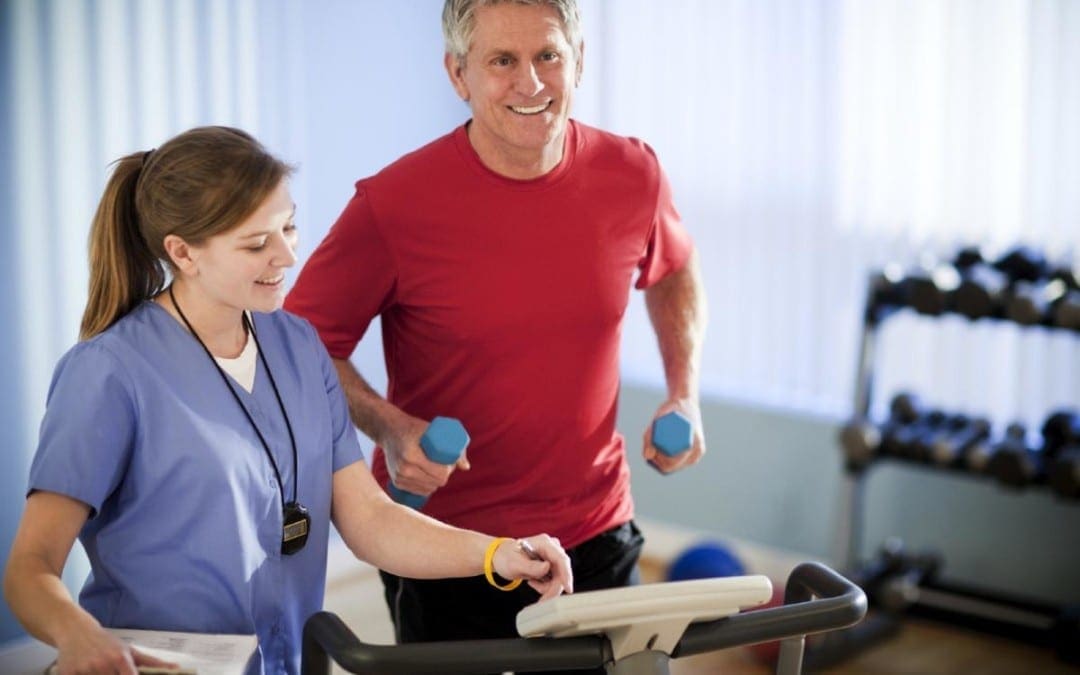
Physical therapy helps people of all ages who have medical conditions, illnesses or injuries that limit their regular ability to move and function.
A customized physical therapy program can help individuals return to their prior level of functioning, and encourage activities and lifestyle changes that can help prevent further injury and improve overall health and well being. Primary care doctors often refer patients to physical therapy at the first sign of a problem, since it is considered a conservative approach to managing problems. Wondering what makes physical therapy so important? There are 10 ways physical therapy may benefit you.
- Reduce or eliminate pain.�Therapeutic exercises and manual therapy techniques such as joint and soft tissue mobilization or treatments such as ultrasound, taping or electrical stimulation can help relieve pain and restore muscle and joint function to reduce pain. Such therapies can also prevent pain from returning.
- Avoid surgery.�If physical therapy helps you eliminate pain or heal from an injury, surgery may not be needed. And even if surgery is required, you may benefit from pre-surgery physical therapy. If you are going into a surgery stronger and in better shape, you will recover faster afterwards in many cases. Also, by avoiding surgery, health care costs are reduced.
- Improve mobility.�If you�re having trouble standing, walking or moving�no matter your age�physical therapy can help. Stretching and strengthening exercises help restore your ability to move. Physical therapists can properly fit individuals with a cane, crutches or any other assistive device, or assess for orthotic prescription. By customizing an individual care plan, whatever activity that is important to an individual�s life can be practiced and adapted to ensure maximal performance and safety.
- Recover from a stroke.�It�s common to lose some degree of function and movement after stroke. Physical therapy helps strengthen weakened parts of the body and improve gait and balance. Physical therapists can also improve stroke patients� ability to transfer and move around in bed so that they can be more independent around the home, and reduce their burden of care for toileting, bathing, dressing and other activities of daily living.
- Recover from or prevent a sports injury.�Physical therapists understand how different sports can increase your risk for specific types of injuries (such as stress fractures for distance runners). They can design appropriate recovery or prevention exercise programs for you to ensure a safe return to your sport.
- Improve your balance and prevent falls�. When you begin physical therapy, you will get screened for fall risk. If you�re at high risk for falls, therapists will provide exercises that safely and carefully challenge your balance as a way to mimic real-life situations. Therapists also help you with exercises to improve coordination and assistive devices to help with safer walking. When the balance problem is caused by a problem in one�s vestibular system, Physical therapists can perform specific maneuvers that can quickly restore proper vestibular functioning, and reduce and eliminate symptoms of dizziness or vertigo.
- Manage diabetes and vascular conditions. As part of an overall diabetes management plan, exercise can help effectively control blood sugar. �Additionally, people with diabetes may have problems with sensation in their feet and legs. Physical therapists can help provide and educate these patients on proper foot care to prevent further problems down the road.
- Manage age-related issues�. As individuals age, they may develop arthritis or osteoporosis or need a joint replacement. Physical therapists are experts in helping patients recover from joint replacement, and manage arthritic or osteoporotic conditions conservatively.
- Manage heart and lung disease.�While patients may complete cardiac rehabilitation after a heart attack or procedure, you also may receive physical therapy if your daily functioning is affected. For pulmonary problems, physical therapy can improve quality of life through strengthening, conditioning and breathing exercises, and help patients clear fluid in the lungs.
- Manage Women�s Health and other conditions.�Women have specific health concerns, such as with pregnancy and post-partum care. Physical therapists can offer specialized management of issues related to women�s health. Additionally, PT can provide specialized treatment for: �Bowel incontinence, breast cancer, constipation, fibromyalgia, lymphedema, male pelvic health, pelvic pain, and urinary incontinence.
If you have questions about how physical therapy may help you or someone you care about, please don�t hesitate to ask your health care provider or local PT for information.
Sourced through Scoop.it from: www.burke.org
Remaining physically active is essential for people of all ages towards maintaining overall health, especially for elderly patients. And, when an injury or a condition has challenged an individual’s lifestyle, physical therapy can have tremendous benefits for them.
For more information, please feel free to ask Dr. Jimenez or contact us at 915-850-0900 .
by Dr Alex Jimenez DC, APRN, FNP-BC, CFMP, IFMCP | Chiropractic, Scoop.it
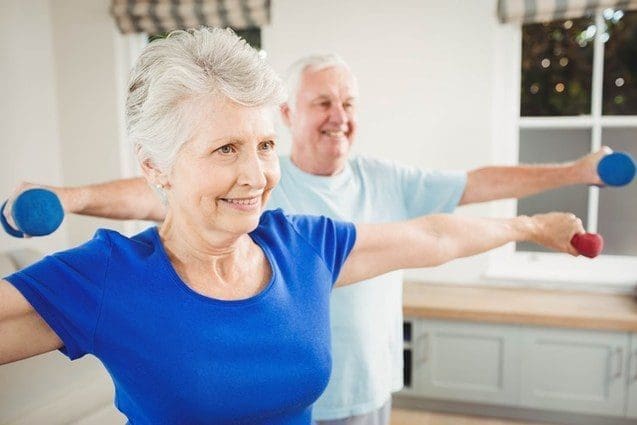
Is it safe for seniors to exercise? According to the American Academy of Family Physicians, almost all elderly individuals can benefit from additional physical activity. Aerobic exercise, stretching and strength training can help with heart health, flexibility, mobility, bone health, immune function, and stamina.
Regular exercise provides a myriad of health benefits, including improvements in blood pressure, diabetes, lipid profile, osteoarthritis, osteoporosis, and neuro-cognitive function.
Regular exercise improves the following:
- Immune Function. A healthy, strong body fights off infection and sickness more easily and more quickly. Rather than sapping energy reserves entirely, recovery from an illness will take less of a toll on the body if the person exercises regularly.
- Cardio-Respiratory and Cardiovascular Function. Frequent physical activity lowers the risk of heart disease and high blood pressure. If the elderly person has hypertension, exercise will help lower their blood pressure.
- Bone Density and Risk of Osteoporosis. Exercise protects against loss in bone mass. Better bone density will reduce the risk of osteoporosis, lower the risk of falling and prevent broken bones. Post-menopausal women can lose as much as 2 percent bone mass each year, and men also lose bone mass as they age. Research done at Tufts University shows that strength training can dramatically reduce this loss, help restore bones, and contribute to better balance and less fractures.
- Gastrointestinal Function. Regular exercise helps boost your metabolism and promotes the efficient elimination of waste and encourages digestive health.
- Chronic Conditions and Cancer. Physical activity lowers risk of serious conditions such as Alzheimer’s disease and dementia, diabetes, obesity, heart disease, osteoporosis and colon cancer, to name a few. It also helps in the management of high cholesterol and arthritis pain.
A consistent exercise schedule is also associated with decreased mortality and age-related morbidity in older adults. In addition, a study by the Journal of the American Geriatrics Society examined exercise in the elderly and found that training led to improvements in functional reach and balance and reduced the participants’ fear of falling.
Of course, there are some people whose physical abilities are limited by medical conditions or general frailty. These seniors have to go about exercise more carefully than others, but they do not have to dismiss it entirely. With proper instruction and guidance, the elderly can learn activities and exercises that improve mobility and strength. Exercise is even more important for frail individuals since they are the most prone to falling and broken bones.
Try activities in a class setting with proper supervision by a trained professional. Consider swimming or other water exercises that are low-impact and less jarring to the body. The local YMCA or YWCA are good places to start when looking for exercise programs that address special needs.
Sourced through Scoop.it from: www.agingcare.com
With the changes the human body goes through with age, its common for individuals to question whether they should keep staying active. Actually, exercise can have a lot of benefits for the elderly. The body will undergo natural wear and tear alterations with time, however, physical activity over time can help maintain overall strength, flexibility and mobility as well as help avoid the development of certain injuries and conditions.
For more information, please feel free to ask Dr. Jimenez or contact us at 915-850-0900 .

by Dr Alex Jimenez DC, APRN, FNP-BC, CFMP, IFMCP | Chiropractic, Scoop.it
Exercise plays a significant part maintaining health and physical fitness. Regular exercise can fight obesity and improve your heart and lungs. As you get older, it becomes especially important to be physically active in order to maintain health and independence. Setting the the four S’s of exercise as daily and weekly goals can yield valuable fitness and longevity benefits.
As individuals age, muscle rigidity may occur, as well as loss of muscle tone and even muscle tissue. Strength exercises help rebuild muscle mass. Additionally, they accelerate your metabolism, warding off obesity and diabetes — significant health issues for the elderly.�To strengthen upper arm muscles, try biceps curls using light dumbbells. Sit in an armless chair, slowly bend one elbow and lift the dumbbell toward your chest. Alternate arms for 10 to 15 repetitions. For stronger thigh and hip muscles, simply hold on to the back of a sturdy chair, and march in place.
Balance is key to remaining safe and active.�Simple coordination and stability exercises can help prevent falls among older adults. Standing on one foot without wobbling, walking heel to toe across the room or along a line, and standing up from a sitting position without the use of your hands can all improve balance.
As you get older, you lose flexibility and elasticity in your skin and connective tissue. Your muscles tighten, and your joints lose range of motion. Flexible joints and muscles are critical to maintaining an independent lifestyle as you age.� To keep your body limber, spine straighter and lungs working at full capacity, bouncing toe touches, shoulder rolls and stationary jumping jacks may be recommended.
And finally, exercises that increase your stamina support the health of your respiratory and circulatory systems. They help you accomplish your daily tasks, such as climbing stairs, lifting objects and housecleaning as well as aiding in the prevention of such diseases as diabetes, colon cancer, heart disease and stroke. Any activity that increases your heart rate — brisk walking, swimming, dancing — can increase your stamina. Start slowly and increase the intensity of your activity and the length of time you exercise as you become stronger. And always check with your healthcare provider before adding any new exercise to your fitness regimen.
Sourced through Scoop.it from: www.livestrong.com
Maintaining overall fitness and wellness is absolutely essential for everyone, including the elderly, and it just might be the key to a fulfilling quality life. For seniors, health can be achieved by remaining active and this can be achieved with several, basic exercises, specially designed for the aging human body. As with any other work-out routine, however, be sure to consult a professional for further instructions.
For more information, please feel free to ask Dr. Jimenez or contact us at 915-850-0900 .

by Dr Alex Jimenez DC, APRN, FNP-BC, CFMP, IFMCP | Chiropractic, Scoop.it
Good physical and mental health can improve your quality of life during your older years. In addition to promoting your independence and keeping your body strong and energized, the American Council on Exercise states that physical activity can also prevent or improve age-related conditions, such as osteoporosis and arthritis, and lowers your risk of injuries and health conditions, such as stroke and heart disease. Paired with good mental health, this combination can add years to life.
The Centers for Disease Control and Prevention suggests that those who are healthy and 65 or older do 150 minutes of cardio a week. You can, for instance, do 30 minutes of cardio, five days a week. Some exercises an individual can do include walking, bicycling, swimming, water aerobics and dancing. Everyday activities, such as gardening, playing with the grandchildren or cleaning the house can also be part of an active lifestyle.
Working against resistance doesn’t just strengthen your muscles, it also strengthens your bones, reducing your risk of fractures. Your risk of falling reduces as your balance and stability are likely to improve. As you age, you lose muscle tissue, which can slow down your metabolism. Resistance training combats this. The CDC favors strength training on at least two days of the week. They suggest at least one set of eight to 12 repetitions, and if you’re up to it, slowly adding two more sets. Exercise examples include chest presses, biceps curls, overhead presses, lateral raises and knee or wall pushups. Many of these exercises can be done with dumbbells or a resistance band, and while sitting on a chair.
In addition to keeping your body healthy and strong, you should also keep your brain active. As you age, it might take longer to remember things than it did when you were younger. By exercising and challenging your brain, you can stay sharp and prevent memory problems and cognitive decline. Solving crossword puzzles and playing word games can help, as can learning a new skill and switching around daily tasks. You can take a computer class, experiment with different recipes when you cook, take a different route to the grocery store or brush your teeth with your non-dominant hand.
Consult your doctor before starting a new exercise routine to ensure your planned regimen is safe for your physical condition. Always gradually start exercising, and as your fitness improves, slowly increase the duration and intensity. Start your workouts with a five- to 10-minute warm-up to get your blood flowing and prep your body for the work to come. Find activities that you enjoy so you’re more likely to stick to your routine. Your local community center might offer various classes, such as yoga and tai chi, which can help promote your flexibility while you enjoy the company of other health-conscious adults.
Sourced through Scoop.it from: www.livestrong.com
As people age, it’s natural for the human body to begin going through wear and tear changes along its functioning structures, occasionally developing into conditions and their respective symptoms. However, maintaining a proper fitness and wellness regimen over time, can help keep individuals active and healthy, improving their quality of life during their older years.
For more information, please feel free to ask Dr. Jimenez or contact us at 915-850-0900 .

by Dr Alex Jimenez DC, APRN, FNP-BC, CFMP, IFMCP | Chiropractic, Scoop.it
If you have fibromyalgia, you know what it’s like to live with the chronic pain and stiffness it can cause. And while medication and therapy are key to controlling symptoms, incorporating physical activity can vastly improve your quality of life.
“Try to keep moving�that’s my motto for patients,” says Maura Daly Iversen, PT, DPT, SD, MPH, spokesperson for the American Physical Therapy Association. “The less you move, the more pain and fatigue you’ll feel.” Exercise can also help you sleep better and reduce your need for pain meds, as well as improve your mood: “So often, the pain of fibromyalgia leads to depression,” adds Iversen. “Working out is a great, healthy way to manage both conditions.”
Here are the top five fibro-friendly workouts, plus tips and tricks to help you ease in and hurt less: (Check with your doctor before starting any program.)
Walking
It’s an excellent form of light aerobic exercise, which provides a list of healing benefits: It brings oxygen and nutrition to your muscles to keep them healthy, helps rebuild stamina, boosts energy, and reduces stiffness and pain. In fact, a comprehensive research review found that low-impact aerobics is most effective for improving FMS symptoms. Biking is another good option: “The reciprocal, or back-and-forth, motion helps provide relaxation,” adds Iversen, who also chairs the Department of Physical Therapy at Northeastern University Bouve College of HealthSciences.
Other effective forms of aerobic exercise include swimming�and water aerobics in a heated pool (warm water relaxes muscles, and the buoyancy of the water helps with movement, whereas cold water can make muscles tense up) and using an elliptical trainer (which is lower impact than a treadmill).
Fibro-friendly tip: Do short bursts, not long stretches. Research shows breaking a longer workout into shorter chunks provides the same healthbenefits�and for people with fibro, the latter strategy is best: “If your goal is to walk for 30 minutes, start with three 10-minute walks a day,” says Iversen. “Just don’t leave your last walk for too late; that’s when fatigue is the worst.” Experts generally recommend doing aerobicexercises three to four times per week on nonconsecutive days. To help motivate you to stay on track, join a walking or workout group, adds Iversen.
Stretching
Do it at least once a day to help increase flexibility, loosen tight, stiff muscles, and improve range of motion�the combination of which will help ease everyday movements, like looking over your shoulder or reaching for a can on the top shelf of your pantry. Stretching duringworkouts may also help you to tolerate training better.
Fibro-friendly tip: Stretch to cool down, not warm up. The best time to stretch is after some form of light warm-up exercise, says Iversen; you could hurt yourself trying to stretch cold muscles. Start by positioning yourself until you feel a slight stretch in the muscle, then hold the stretch for a full minute for the most benefit.
Strength training
The trick is to use light weights (start with 1 to 3 pounds, says Iversen) and lift slowly and precisely to improve tone and make muscles stronger�stronger muscles use less effort than weaker muscles, which may leave them less fatigued. Plus, studies show strength training can help treat depression, even as well as some medications. Aim to work out each major area�legs, chest, shoulders, back, arms, and abs�two to three times per week, with at least a 1-day break in between. Start with a weightyou can lift comfortably for eight reps, then gradually up it to 10 and 12 reps. When you can lift the weight 12 times, two sessions in a row, you’re ready to increase the weight slightly (and start back down at eight reps.)
Fibro-friendly tip: Shorten the range of motion. Take a bicep curl, for example: There are two parts to that move�when you bring your hand up to your shoulder (the concentric phase) and when you lower it back down to your thigh (eccentric phase). That second part can be the problem�going down too far can cause discomfort and make pain worse for people with fibromyalgia, says Iversen. Studies show shortening that phase can help decrease muscle soreness.
Yoga
Practicing the Hatha kind�a more gentle combination of postures, breathing, and meditation�reduces the physical and psychological symptoms of chronic pain in women with fibromyalgia, according to a recent study published in the Journal of Pain Research. Participants reported significantly less pain; they were also more accepting of their condition and felt less helpless and more mindful.
Yoga also helps build endurance and energy and improves sleep and concentration. Tai chi, where you slowly and gracefully perform a series of movements, has also been shown to help relieve fibro pain and other symptoms�maybe even better than stretching, according to a recent study from Tufts Medical Center.
Fibro-friendly tip: Modify moves to reduce stress. If a particular position hurts, you can tweak it to still get the benefits with less pain, says Iversen. “With the downward dog, for example, the pressure on the wrists can be painful for someone with fibromyalgia, so rest on your forearms instead.” And don’t worry about extending your knees fully, she adds�as long as you can get into the basic position, and are comfortable in that position, that’s what matters. For beginners especially, it’s important to find an instructor who understands your needs�ask your physical therapist or doctor for recommendations.
Everyday activities
That’s right�studies show that playing with your kids, mopping the floors, gardening, and other things you do in daily life count toward increasing fitness and reducing symptoms.
Fibro-friendly tip: Plan your day to better manage pain. “Spread out your list of chores throughout the day, doing the tougher ones in the morning,” suggests Iversen. And give yourself a break: If you want to play with your kids, but you’re in pain, get on the floor with them so you don’t have to lean over and run around. Don’t clean your floors on your hands and knees; get a lightweight mop instead. And when you need a rest, take it.
Sourced through Scoop.it from: www.prevention.com
With fibromyalgia, exercise can improve your quality of life and reduce pain. As a chronic pain condition, the symptoms can often be impairing and debilitating. However, following an appropriate exercise routine along with ongoing treatment can help greatly reduce the individuals discomfort.
For more information, please feel free to ask Dr. Jimenez or contact us at 915-850-0900 .








