Explore how chiropractic care can alleviate fibromyalgia pain and improve your quality of life with targeted treatments.
Comprehensive Guide to Fibromyalgia and Chiropractic Care: A Path to Relief and Recovery
Introduction to Fibromyalgia and Its Impact
Fibromyalgia is like that uninvited guest who shows up to the party, makes everything uncomfortable, and refuses to leave. It’s a chronic condition characterized by widespread musculoskeletal pain, fatigue, and a host of other symptoms that can turn daily life into a bit of a circus—without the fun clowns. For those dealing with fibromyalgia, simple tasks like getting out of bed, carrying groceries, or even enjoying a good laugh can feel like climbing Mount Everest in flip-flops. The condition affects millions, with estimates suggesting it impacts 2-4% of the population, predominantly women (Tawfik et al., 2022).
At its core, fibromyalgia is a disorder of the central nervous system, amplifying pain signals and making the body feel like it’s stuck in a perpetual state of “ouch.” It’s not just about physical pain, though—fibromyalgia brings along friends like fatigue, sleep disturbances, cognitive fog (affectionately called “fibro fog”), and even mood challenges. These symptoms don’t just stay in one place; they ripple through the musculoskeletal system, creating overlapping risk profiles that can exacerbate discomfort and lead to secondary issues like joint stiffness, muscle weakness, and even injury.
In El Paso, Texas, where personal injury cases are all too common due to motor vehicle accidents and workplace incidents, fibromyalgia can complicate recovery. Enter Dr. Alexander Jimenez, DC, APRN, FNP-BC, a beacon of hope for those navigating the stormy seas of chronic pain and injury. Practicing at the El Paso Back Clinic, Dr. Jimenez combines chiropractic care, functional medicine, and advanced diagnostics to help patients manage fibromyalgia and recover from injuries (El Paso Back Clinic, n.d.). His expertise in personal injury cases makes him a trusted ally, bridging the gap between medical care and legal documentation with precision and care.
This blog post dives deep into fibromyalgia, its effects on the musculoskeletal system, and how chiropractic care—particularly under Dr. Jimenez’s guidance—can offer relief. We’ll explore the clinical rationale behind chiropractic interventions, highlight the importance of personal injury care in El Paso, and sprinkle in some light humor to keep things approachable. By the end, you’ll have a comprehensive understanding of fibromyalgia and why chiropractic care might just be the key to unlocking a better quality of life.
Tawfik, A. M., Kamel, S. M., & Abdel-Mohsen, M. T. (2022). Fibromyalgia: One year in review 2022. Clinical and Experimental Rheumatology, 40(6), 1188–1196. https://pubmed.ncbi.nlm.nih.gov/35748718/
Understanding Fibromyalgia: A Painful Puzzle
Fibromyalgia is like trying to solve a jigsaw puzzle where all the pieces are blank and the box is missing the picture. It’s a complex condition defined by widespread pain lasting at least three months, often accompanied by tender points across the body (Clauw, 2014). The exact cause remains elusive, but researchers point to a mix of genetic, environmental, and neurological factors. Think of it as the body’s pain volume being turned up to 11, thanks to a hypersensitive central nervous system (Sluka & Clauw, 2016).
How Fibromyalgia Affects the Musculoskeletal System
The musculoskeletal system—your body’s framework of bones, muscles, and joints—bears the brunt of fibromyalgia’s wrath. Here’s how:
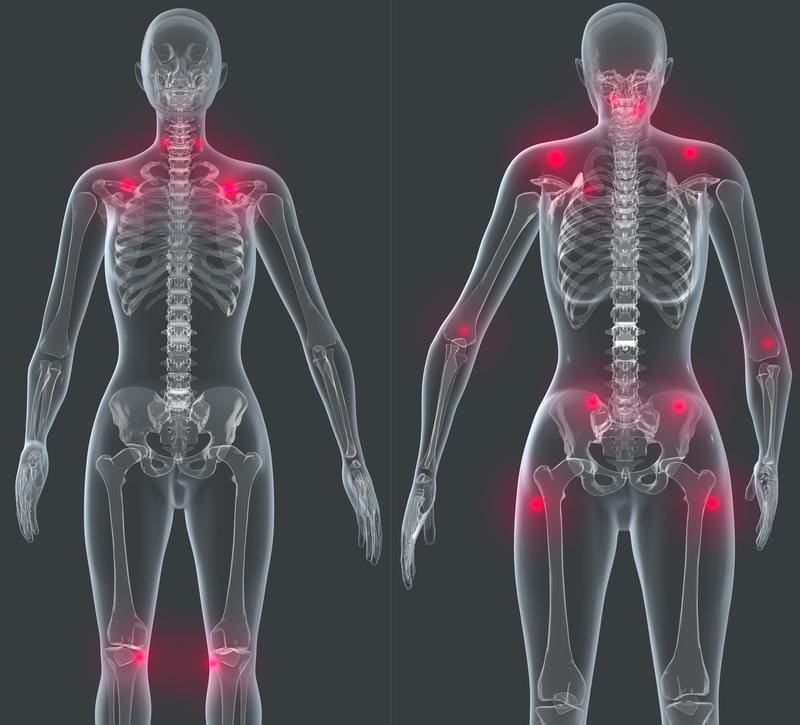
Widespread Pain: Fibromyalgia causes pain in muscles, ligaments, and tendons, often described as a deep ache or burning sensation. This pain isn’t localized; it’s like the body decided to throw a pain party and invited every muscle group.
Muscle Stiffness: Imagine waking up feeling like you’ve been glued to your bed. Fibromyalgia can cause muscles to stiffen, reducing flexibility and making movement feel like wading through molasses (Andrade et al., 2020).
Joint Dysfunction: While fibromyalgia isn’t an autoimmune disorder like rheumatoid arthritis, it can mimic joint pain, leading to stiffness and reduced range of motion (Clauw, 2014). This can make joints feel like they’re auditioning for a role in a rusty gate.
Fatigue and Weakness: Fibromyalgia’s fatigue isn’t just feeling tired—it’s like someone unplugged your battery. This leads to muscle weakness, increasing the risk of strains or injuries during daily activities.
Postural Issues: Chronic pain can alter posture as the body compensates to avoid discomfort. Over time, this can lead to biomechanical imbalances, putting extra stress on joints and muscles (El Paso Back Clinic, 2016).
These effects create a vicious cycle: pain leads to reduced activity, which leads to muscle deconditioning, which amplifies pain. It’s like a bad rom-com where the plot just keeps circling back to the same problem.
Overlapping Risk Profiles
Fibromyalgia doesn’t play nice with the musculoskeletal system, and its symptoms can overlap with other conditions, increasing risk profiles for:
Chronic Pain Syndromes: Fibromyalgia shares traits with conditions like myofascial pain syndrome, where trigger points in muscles cause referred pain (Tawfik et al., 2022).
Joint Hypermobility: Some fibromyalgia patients have hypermobile joints, increasing the risk of sprains or dislocations (Andrade et al., 2020).
Degenerative Changes: Prolonged immobility due to pain can accelerate wear-and-tear on joints, mimicking osteoarthritis.
Injury Susceptibility: Weakened muscles and poor biomechanics make individuals more prone to injuries, especially in high-risk environments like El Paso’s busy roads.
These overlapping risks amplify discomfort and complicate recovery, particularly for those involved in personal injury cases like motor vehicle accidents (MVAs). Dr. Jimenez notes that fibromyalgia patients often experience exacerbated symptoms post-MVA due to the added stress on an already sensitive musculoskeletal system (Jimenez, A., LinkedIn Profile).
References
Andrade, A., Vilarino, G. T., & Bevilacqua, G. G. (2020). Efficacy of manual therapy on pain, impact of disease, and quality of life in the treatment of fibromyalgia: A systematic review. Pain Physician, 23(5), E461–E476. https://pubmed.ncbi.nlm.nih.gov/32967394/
Tawfik, A. M., Kamel, S. M., & Abdel-Mohsen, M. T. (2022). Fibromyalgia: One year in review 2022. Clinical and Experimental Rheumatology, 40(6), 1188–1196. https://pubmed.ncbi.nlm.nih.gov/35748718/
Fibromyalgia’s Impact on Daily Life
Living with fibromyalgia is like trying to run a marathon while carrying a backpack full of bricks. The pain, fatigue, and cognitive challenges infiltrate every aspect of daily routine:
Morning Struggles: Waking up feeling unrefreshed is a hallmark of fibromyalgia. Getting out of bed can feel like a Herculean task, with stiff muscles and aching joints setting the tone for the day (Clauw, 2014).
Work Challenges: Tasks requiring concentration, like answering emails or meeting deadlines, are disrupted by fibro fog, which clouds memory and focus. Physical jobs become even tougher due to muscle weakness and pain.
Social Life: Socializing takes a hit when fatigue makes even a coffee date feel exhausting. Pain can also make physical contact, like hugs, uncomfortable.
Exercise Barriers: Exercise is crucial for health, but fibromyalgia makes it a double-edged sword. Too much activity can trigger a flare-up, while too little leads to deconditioning (Andrade et al., 2020).
Emotional Toll: The constant battle with pain and fatigue can lead to anxiety or depression, further complicating daily life and increasing the risk of musculoskeletal strain due to stress-induced tension.
These challenges create a domino effect, where reduced activity leads to muscle weakness, poor posture, and increased injury risk—especially in a bustling city like El Paso, where car accidents are a common trigger for worsening symptoms.
References
Andrade, A., Vilarino, G. T., & Bevilacqua, G. G. (2020). Efficacy of manual therapy on pain, impact of disease, and quality of life in the treatment of fibromyalgia: A systematic review. Pain Physician, 23(5), E461–E476. https://pubmed.ncbi.nlm.nih.gov/32967394/
Chiropractic care is like finding an umbrella in a thunderstorm—it doesn’t stop the rain, but it sure helps you stay dry. For fibromyalgia patients, chiropractic interventions offer a non-invasive, drug-free approach to managing pain and improving function. Dr. Alexander Jimenez, with his extensive experience at the El Paso Back Clinic, emphasizes a holistic approach that addresses the musculoskeletal and neurological components of fibromyalgia (El Paso Back Clinic, 2016).
Why Chiropractic Care Works for Fibromyalgia
Chiropractic care targets the musculoskeletal system and nervous system, which are central to fibromyalgia’s pathology. Here’s the clinical rationale for its effectiveness:
Spinal Alignment and Pain Reduction: Misalignments (subluxations) in the spine can exacerbate pain by irritating nerves. Chiropractic adjustments restore alignment, reducing nerve irritation and calming the hypersensitive pain signals characteristic of fibromyalgia (El Paso Back Clinic, 2016).
Improved Joint Mobility: Fibromyalgia’s stiffness can lock up joints, limiting movement. Gentle manipulations and mobilizations enhance joint function, reducing stiffness and improving range of motion (Andrade et al., 2020).
Muscle Relaxation: Techniques like trigger point therapy and massage, often used in chiropractic care, release muscle tension and reduce pain in tender points (El Paso Back Clinic, 2016).
Reduced Inflammation: Chiropractic care may lower oxidative stress, a key player in fibromyalgia’s inflammatory profile. By improving blood flow and reducing muscle tension, adjustments can help mitigate inflammation (Siracusa et al., 2021).
Neurological Benefits: Adjustments stimulate mechanoreceptors in the spine, which can modulate pain signals in the central nervous system, effectively turning down the “volume” on fibromyalgia pain (Sluka & Clauw, 2016).
Dr. Jimenez’s approach integrates these techniques with functional medicine, focusing on nutrition, stress management, and lifestyle changes to address fibromyalgia’s multifaceted nature. His clinic’s use of advanced therapies, like spinal decompression and laser therapy, further enhances outcomes (El Paso Back Clinic, n.d.).
Addressing Overlapping Risk Profiles
Fibromyalgia’s overlapping risk profiles—like joint hypermobility, muscle weakness, and chronic pain—require a tailored approach. Chiropractic care helps by:
Strengthening Biomechanics: Adjustments correct postural imbalances, reducing strain on joints and muscles.
Preventing Secondary Injuries: By improving mobility and muscle function, chiropractic care lowers the risk of sprains or strains, especially post-MVA.
Managing Comorbid Pain: Techniques like manual therapy address myofascial pain syndromes that often coexist with fibromyalgia (Andrade et al., 2020).
References
Andrade, A., Vilarino, G. T., & Bevilacqua, G. G. (2020). Efficacy of manual therapy on pain, impact of disease, and quality of life in the treatment of fibromyalgia: A systematic review. Pain Physician, 23(5), E461–E476. https://pubmed.ncbi.nlm.nih.gov/32967394/
Siracusa, R., Paola, R., & Cuzzocrea, S. (2021). Oxidative stress in fibromyalgia: From pathology to treatment. Antioxidants, 10(8), 1268. https://pubmed.ncbi.nlm.nih.gov/34439516/
Dr. Alexander Jimenez: El Paso’s Personal Injury Expert
In El Paso, where car accidents and workplace injuries are all too common, Dr. Alexander Jimenez stands out as a distinguished practitioner for personal injury victims. His unique blend of chiropractic expertise, functional medicine knowledge, and advanced diagnostic skills makes him a go-to resource for those navigating the aftermath of an injury—especially when fibromyalgia complicates recovery (Jimenez, A., LinkedIn Profile).
Clinical Approach to Personal Injury
Dr. Jimenez’s approach to personal injury cases is like a well-choreographed dance, blending science and precision:
Advanced Imaging: He uses MRI, X-rays, and CT scans to pinpoint musculoskeletal damage, ensuring accurate diagnoses. This is critical for fibromyalgia patients, whose symptoms can mask or amplify injury-related pain.
Diagnostic Evaluations: Dr. Jimenez employs comprehensive assessments, including neurological and orthopedic tests, to identify the extent of injuries and their impact on fibromyalgia symptoms.
Dual-Scope Procedures: His ability to integrate chiropractic adjustments with functional medicine protocols—like nutritional counseling and physical therapy—addresses both immediate injuries and chronic conditions like fibromyalgia.
Legal Liaison: In personal injury cases, Dr. Jimenez acts as a bridge between medical care and legal documentation. He provides detailed reports and expert testimony, ensuring patients’ injuries are accurately represented for insurance claims or legal proceedings (El Paso Back Clinic, n.d.).
For fibromyalgia patients involved in MVAs, Dr. Jimenez’s tailored treatments—such as spinal adjustments, trigger point therapy, and rehabilitation exercises—help mitigate exacerbated symptoms and promote healing. His holistic approach ensures that both the injury and the underlying fibromyalgia are addressed, reducing the risk of long-term complications.
Integrating Chiropractic Care with Other Modalities
Chiropractic care doesn’t work in a vacuum—it’s like the lead singer in a band, shining brightest when backed by a solid rhythm section. Dr. Jimenez often combines chiropractic with other modalities to maximize relief for fibromyalgia patients:
Physical Therapy: Targeted exercises strengthen muscles and improve mobility, complementing chiropractic adjustments (Andrade et al., 2020).
Massage Therapy: This reduces muscle tension and promotes relaxation, addressing fibromyalgia’s tender points.
Nutritional Counseling: A diet rich in anti-inflammatory foods can reduce oxidative stress, a key factor in fibromyalgia (Siracusa et al., 2021).
Acupuncture: This can modulate pain signals and improve energy flow, offering additional relief.
These integrative approaches create a comprehensive treatment plan, tackling fibromyalgia from multiple angles and reducing overlapping musculoskeletal risks.
References
Andrade, A., Vilarino, G. T., & Bevilacqua, G. G. (2020). Efficacy of manual therapy on pain, impact of disease, and quality of life in the treatment of fibromyalgia: A systematic review. Pain Physician, 23(5), E461–E476. https://pubmed.ncbi.nlm.nih.gov/32967394/
Siracusa, R., Paola, R., & Cuzzocrea, S. (2021). Oxidative stress in fibromyalgia: From pathology to treatment. Antioxidants, 10(8), 1268. https://pubmed.ncbi.nlm.nih.gov/34439516/
The El Paso Context: Why Personal Injury Care Matters
El Paso’s busy roads and active workforce make personal injury cases a significant concern. Motor vehicle accidents, 18-wheeler collisions, and workplace incidents can exacerbate fibromyalgia symptoms, turning a manageable condition into a full-blown crisis. Dr. Jimenez’s expertise in personal injury care is particularly valuable here, as he helps patients navigate both medical recovery and legal challenges with a focus on restoring quality of life (El Paso Back Clinic, n.d.).
Fibromyalgia is a complex condition that challenges the musculoskeletal system and daily life, but chiropractic care offers a path to relief. Under Dr. Alexander Jimenez’s expert guidance at the El Paso Back Clinic, patients can find hope through tailored treatments that address pain, improve mobility, and reduce overlapping risk profiles. His role as a personal injury specialist in El Paso further enhances his ability to support those recovering from accidents while managing fibromyalgia.
Disclaimer: This blog post is for informational purposes only and should not be taken as medical advice. Always consult a qualified healthcare provider, such as Dr. Alexander Jimenez, DC, APRN, FNP-BC, for personalized diagnosis and treatment plans. Fibromyalgia and personal injury recovery are serious matters requiring professional care to ensure the best outcomes.
Individuals dealing with fibromyalgia can find natural remedies to reduce the pain-like symptoms and provide relief to their bodies?
Introduction
When it comes to the immune system in the human body, it is the number one defender in healing the body naturally from chronic illness or injuries to which the host has succumbed. When the body is dealing with unwanted pathogens, the immune system sends out inflammatory cytokines to attach to the affected area, allowing the healing process to take effect. However, when environmental factors or pathogens develop inside the body over time, the immune system can become confused and begin to attack healthy cells; when this happens, the body can develop autoimmune diseases. This causes chronic issues and overlapping risk profiles to develop and cause the body to succumb to pain and discomfort. Autoimmune diseases like fibromyalgia can affect the various muscles in the body and cause a person to be in tremendous amounts of pain. Luckily, there are different natural remedies to dampen the pain-like effects of fibromyalgia. In today’s article, we are looking at the impact of fibromyalgia on the body and how various natural remedies can help reduce fibromyalgia flare-ups. We discuss with certified medical providers who inform our patients how fibromyalgia can affect the body and be correlated with pain-like symptoms. While asking informed questions to our associated medical providers, we advise patients to incorporate various natural remedies to reduce the chances of fibromyalgia causing more issues in the body. Dr. Alex Jimenez, D.C., encompasses this information as an academic service. Disclaimer.
How Fibromyalgia Affects The Body
Have you been dealing with pain and discomfort in different areas of your body? Do you feel exhausted throughout the day despite having a good night’s rest? Or have you been dealing with constant migraines that you would rather stay in bed all day? Many pain-like scenarios are associated with musculoskeletal conditions that can affect the entire body through painful sensations. However, musculoskeletal conditions have a casual relationship with not only environmental factors but also with autoimmune diseases like fibromyalgia. Now, fibromyalgia is characterized by chronic and widespread musculoskeletal pain and can be associated with hypersensitivity processing to pain in the brain. (Siracusa et al., 2021) This is because many factors like genetics, environmental, hormonal, neural, and immunological are all associated with fibromyalgia and can cause the neuron signals to be haywire and hypersensitive to the body. (Garcia Rodriguez & Abud Mendoza, 2020) When that happens, the body begins to experience musculoskeletal pain-like symptoms like muscle-joint stiffness and fatigue that can cause the vagus nerve to be in a constant hyperactive state in the body.
Additionally, since fibromyalgia is an autoimmune disease, the role of the immune system and inflammation also come into play as the body produces altered levels of pro-inflammatory cytokines to dysregulate neuro-sensitizing molecules and affect the small nerve fibers in the body (Clauw et al., 2024). Unfortunately, when doctors diagnose fibromyalgia, comorbidities can cause overlapping risk profiles in the body. Fortunately, there are numerous treatments and natural remedies available to reduce and manage pain-like symptoms associated with fibromyalgia.
Fibromyalgia: Food Choices & Neutraceutical Options- Video
Natural Remedies To Reduce Fibromyalgia
When it comes to finding numerous ways to reduce the pain-like effects of fibromyalgia, many people seek out over-the-counter medicine to reduce the musculoskeletal pain associated with fibromyalgia, which can provide temporary relief. Luckily, there are natural remedies that can improve overall fibromyalgia symptoms that can improve the global functioning of the body, pain reduction, psychological relief, and brain activity. (Assavarittirong et al., 2022) Many natural remedies for fibromyalgia include:
Incorporating vitamins and supplements
Making small changes in diet and lifestyle
Utilizing non-surgical treatments
Supplements
When it comes to reducing fibromyalgia flare-ups, many people wonder where to start on their health and wellness journey. The best way to start making small changes to their health and reducing fibromyalgia flare-ups is by incorporating vitamins and supplements. Vitamins and supplements can help the body by incorporating the necessary nutrients that the body needs to provide energy and function to the muscles, tissues, bones, and vital organs. When it comes to incorporating various vitamins and supplements to reduce fibromyalgia symptoms, many people have started incorporating vitamin D to boost the immune system and reduce muscle impairment in tissue structure and function. (Lombardo et al., 2022) This is because when individuals are dealing with fibromyalgia flare-ups, they experience extreme muscle pain, and it spreads throughout the entire body. At the same time, many people can also incorporate magnesium as part of the regime to reduce fibromyalgia. When people start to integrate magnesium, they will experience reduced symptoms of muscle pain, fatigue, anxiety, and improved sleep difficulties. (Boulis et al., 2021) By incorporating vitamins and supplements into individuals with fibromyalgia, they will begin to notice over time that the symptoms associated with fibromyalgia are reduced.
Diet & Lifestyle Changes
Another way for individuals dealing with fibromyalgia is by incorporating a diet that has anti-inflammatory properties and lifestyle changes that can be customized for the person’s treatment plan. When it comes to the diet portion of reducing fibromyalgia, many wonder how to start. Since a healthy diet is crucial for a natural treatment to reduce fibromyalgia, the main goal is to reduce the inflammatory effects associated with fibromyalgia. When people start incorporating fruits and vegetables that have been shown not only to reduce oxidative stress but also to reduce the inflammatory markers caused by fibromyalgia. (Lowry et al., 2020) While incorporating a healthy diet containing anti-inflammatory foods, exercising and utilizing non-surgical treatments also play a crucial role in managing fibromyalgia. When it comes to exercising can be a multimodal treatment as it can help create a physiological response that decreases the sympathetic activity and shifts the parasympathetic activity that relaxes the muscular and nervous system, thus reducing the stress levels of individuals with fibromyalgia. (Metyas et al., 2024) This allows people to manage their symptoms and make small changes in their health and well-being. At the same time, they can incorporate non-surgical treatments like chiropractic care and acupuncture to realign the body and reduce symptoms of stiffness and pain correlated with fibromyalgia. By doing so and managing their fibromyalgia symptoms, many people can begin taking back their health and wellness with these natural remedies for their fibromyalgia.
References
Assavarittirong, C., Samborski, W., & Grygiel-Gorniak, B. (2022). Oxidative Stress in Fibromyalgia: From Pathology to Treatment. Oxid Med Cell Longev, 2022, 1582432. https://doi.org/10.1155/2022/1582432
Boulis, M., Boulis, M., & Clauw, D. (2021). Magnesium and Fibromyalgia: A Literature Review. J Prim Care Community Health, 12, 21501327211038433. https://doi.org/10.1177/21501327211038433
Clauw, D., Sarzi-Puttini, P., Pellegrino, G., & Shoenfeld, Y. (2024). Is fibromyalgia an autoimmune disorder? Autoimmun Rev, 23(1), 103424. https://doi.org/10.1016/j.autrev.2023.103424
Garcia Rodriguez, D. F., & Abud Mendoza, C. (2020). Physiopathology of fibromyalgia. Reumatol Clin (Engl Ed), 16(3), 191-194. https://doi.org/10.1016/j.reuma.2020.02.003 (Fisiopatologia de la fibromialgia.)
Lombardo, M., Feraco, A., Ottaviani, M., Rizzo, G., Camajani, E., Caprio, M., & Armani, A. (2022). The Efficacy of Vitamin D Supplementation in the Treatment of Fibromyalgia Syndrome and Chronic Musculoskeletal Pain. Nutrients, 14(15). https://doi.org/10.3390/nu14153010
Lowry, E., Marley, J., McVeigh, J. G., McSorley, E., Allsopp, P., & Kerr, D. (2020). Dietary Interventions in the Management of Fibromyalgia: A Systematic Review and Best-Evidence Synthesis. Nutrients, 12(9). https://doi.org/10.3390/nu12092664
Metyas, C., Aung, T. T., Cheung, J., Joseph, M., Ballester, A. M., & Metyas, S. (2024). Diet and Lifestyle Modifications for Fibromyalgia. Curr Rheumatol Rev, 20(4), 405-413. https://doi.org/10.2174/0115733971274700231226075717
Siracusa, R., Paola, R. D., Cuzzocrea, S., & Impellizzeri, D. (2021). Fibromyalgia: Pathogenesis, Mechanisms, Diagnosis and Treatment Options Update. Int J Mol Sci, 22(8). https://doi.org/10.3390/ijms22083891
For individuals dealing with fibromyalgia, can incorporating acupuncture as part of integrative treatment help with pain relief?
Introduction
The musculoskeletal system helps the various muscles, tendons, and ligaments be mobile while stabilizing the vertical pressure. The upper and lower extremities work together, enabling the host to be mobile without feeling pain and discomfort. However, many individuals have dealt with pain, whether it is acute or chronic, at one point in their lives. When the body is dealing with pain, the response signal from the brain will show where the pain is located, which causes muscle soreness. To that point, the immune system will start to heal the affected area naturally. However, when a person has an autoimmune disease, the body will be impacted for no reason, which then causes the immune system to release inflammatory cytokines to healthy cells and muscular structures. When this happens, it can affect their quality of life and cause painful sensations to the musculoskeletal system, forcing individuals to seek treatment. Today’s article focuses on the correlation between the musculoskeletal system and fibromyalgia and how treatments like acupuncture can help reduce the pain-like symptoms that are caused by fibromyalgia. We talk with certified medical providers who utilize our patients’ information to provide acupuncture treatments to lessen the overlapping risk profiles associated with fibromyalgia. We also inform and guide patients on how various treatments can help reduce the pain-like symptoms related to fibromyalgia. We encourage our patients to ask their associated medical providers intricated and important questions about the pain-like symptoms they are experiencing from fibromyalgia. Dr. Jimenez, D.C., incorporates this information as an academic service. Disclaimer.
The Musculoskeletal System & Fibromyalgia
Have you been experiencing tingling sensations in your arms, legs, feet, and hands? Do you feel your muscles and joints lock up and feel stiff constantly in the morning? Or have you been dealing with unquestionable pain in your body that is affecting your daily routine? Many of these pain-like symptoms are associated with an autoimmune disease known as fibromyalgia. Fibromyalgia is often characterized by widespread chronic musculoskeletal pain that is associated with neurosensory disorders. People with fibromyalgia will have musculoskeletal pain symptoms from muscle and joint stiffness to fatigue and myofascial pain. (Siracusa et al., 2021) This is because the vagus nerve in the parasympathetic autonomic nervous system is in constant “fight or flight” mode, which causes many individuals to become hypersensitive and experience amplified painful sensations. This forces the muscle fibers in the musculoskeletal system to develop tiny nodules known as trigger points in the soft tissues. This causes muscle pathophysiology as a primary mechanism that mediates the onset of symptoms that pertain to fibromyalgia. (Geel, 1994) Unfortunately, fibromyalgia is a challenge to diagnose when comorbidities factors start to overlap and can play a role in this autoimmune disease.
Fibromyalgia is an autoimmune condition that increases a person’s sensitivity to pain while including multiple tender points at specific areas of the body, causing widespread chronic musculoskeletal pain. Many individuals dealing with chronic musculoskeletal pain are unaware of the proper pathway to care as it generates a negative impact on pain, disability, and quality of life. (Lepri et al., 2023) Since fibromyalgia is associated with musculoskeletal pain, it can be combined with myofascial pain syndrome since both are characterized by muscle tenderness. (Gerwin, 1998) However, there are numerous treatments available to reduce the painful effects of fibromyalgia and help restore a person’s quality of life.
From Inflammation to Healing- Video
Do you feel muscle pain and tenderness in various areas of your body? Do you feel muscle and joint stiffness in your upper and lower extremities? Or do you feel numbing or tingling sensations in your arms, hands, legs, and feet? Many people dealing with these pain-like issues are experiencing an autoimmune disorder known as fibromyalgia. Fibromyalgia is a challenging autoimmune disorder to diagnose. However, the symptoms are often correlated with muscular pain. This can cause many individuals to reduce their quality of life. Fibromyalgia can cause the body to be hypersensitive to pain and can cause chronic inflammation of the joints. However, some treatments are non-surgical, cost-effective, and can help provide the pain relief many people deserve. The video above explains how various non-surgical treatments can help reduce inflammatory and pain effects on the body through various treatments that can be combined to minimize the pain-like symptoms of fibromyalgia.
Acupuncture Reducing Fibromyalgia Pain
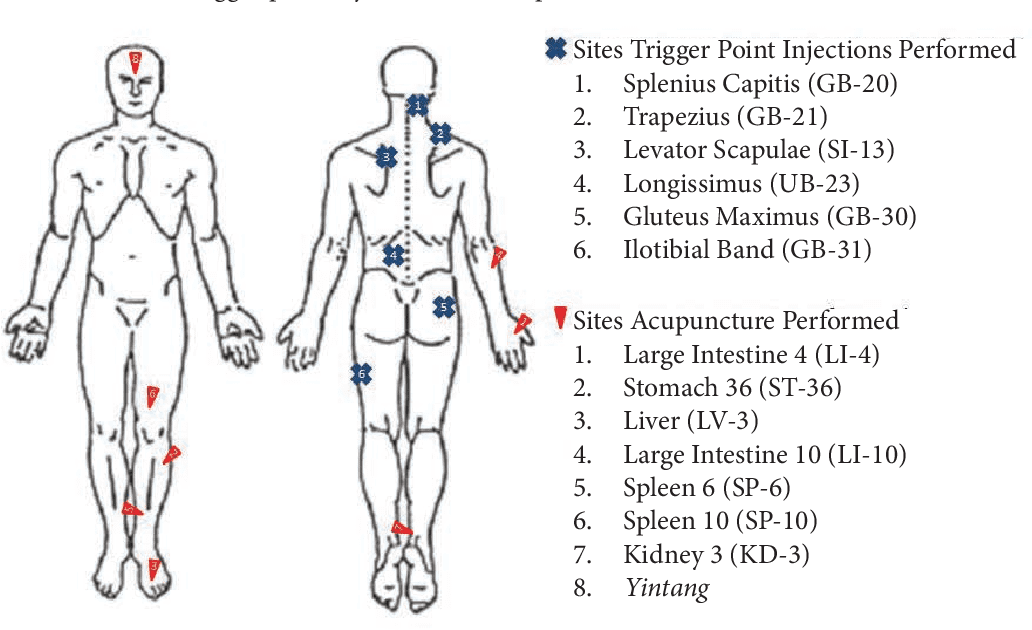
When it comes to treating fibromyalgia and reducing pain-like symptoms, many people will seek out non-surgical treatments to manage and improve the symptoms correlating with fibromyalgia. Acupuncture can help ease the pain-like symptoms that are affecting the body and reduce the myofascial trigger points correlating with fibromyalgia. Since acupuncture originated in China, it is one of the most popular sensory stimulation therapies that are non-surgical; acupuncturists who are highly trained use various techniques to insert and manipulate fine needles to stimulate specific anatomic trigger points in the body to restore balance to the body. (Zhang & Wang, 2020) For individuals dealing with fibromyalgia pain, acupuncture can be combined with other therapies as part of the individual’s personalized treatment plan. Acupuncture helps improve muscle pain caused by fibromyalgia.
Additionally, acupuncture can assist in regulating the somatosensory function of the body and reduce symptoms of muscle stiffness while enhancing a person’s quality of life. (Zheng & Zhou, 2022) Fibromyalgia is a chronic autoimmune disorder that can affect the musculoskeletal system and can cause unbearable pain to many people by disrupting a person’s quality of life. When combined with other therapies, acupuncture can provide a significant positive effect on managing fibromyalgia and enhancing a person’s quality of life. (Almutairi et al., 2022)
References
Almutairi, N. M., Hilal, F. M., Bashawyah, A., Dammas, F. A., Yamak Altinpulluk, E., Hou, J. D., Lin, J. A., Varrassi, G., Chang, K. V., & Allam, A. E. (2022). Efficacy of Acupuncture, Intravenous Lidocaine, and Diet in the Management of Patients with Fibromyalgia: A Systematic Review and Network Meta-Analysis. Healthcare (Basel), 10(7). https://doi.org/10.3390/healthcare10071176
Gerwin, R. D. (1998). Myofascial pain and fibromyalgia: Diagnosis and treatment. J Back Musculoskelet Rehabil, 11(3), 175-181. https://doi.org/10.3233/BMR-1998-11304
Lepri, B., Romani, D., Storari, L., & Barbari, V. (2023). Effectiveness of Pain Neuroscience Education in Patients with Chronic Musculoskeletal Pain and Central Sensitization: A Systematic Review. Int J Environ Res Public Health, 20(5). https://doi.org/10.3390/ijerph20054098
Siracusa, R., Paola, R. D., Cuzzocrea, S., & Impellizzeri, D. (2021). Fibromyalgia: Pathogenesis, Mechanisms, Diagnosis and Treatment Options Update. Int J Mol Sci, 22(8). https://doi.org/10.3390/ijms22083891
Zheng, C., & Zhou, T. (2022). Effect of Acupuncture on Pain, Fatigue, Sleep, Physical Function, Stiffness, Well-Being, and Safety in Fibromyalgia: A Systematic Review and Meta-Analysis. J Pain Res, 15, 315-329. https://doi.org/10.2147/JPR.S351320
When issues like autoimmune disorders start to affect the body for no reason, it can lead to chronic problems and conditions that can affect the various muscles and vital organs that cause overlapping risk profiles to the host. The body is a complex machine that allows the immune system to release inflammatory cytokines to the affected area when a person has acute or chronic pain. So when a person has an autoimmune disorder like fibromyalgia, it can affect their quality of life while amplifying painful sensations in their musculoskeletal system. Today’s article focuses on fibromyalgia and its systems, how this autoimmune disorder correlates with myofascial pain syndrome, and how chiropractic care can help reduce fibromyalgia symptoms. We refer our patients to certified providers that incorporate techniques and various therapies for many individuals with fibromyalgia and its correlating symptoms, like myofascial pain syndrome. We encourage and appreciate each patient by referring them to associated medical providers based on their diagnosis when it is appropriate. We understand that education is a fantastic way when asking our providers intricated questions at the patient’s request and understanding. Dr. Jimenez, D.C., only utilizes this information as an educational service. Disclaimer
What Is Fibromyalgia?
Have you been dealing with unquestionable pain that is affecting your daily life? Do you feel fatigued when you are barely getting out of bed? Or have you been dealing with brain fog and aches all over your body? Many of these symptoms overlap with an autoimmune disorder known as fibromyalgia. Studies reveal that fibromyalgia is an autoimmune condition characterized by widespread chronic musculoskeletal pain that can correlate with neurosensory disorders that affect the nervous system. Fibromyalgia can affect about 4 million adults in America and roughly 2% of the general adult population. When people with fibromyalgia go through a physical examination, the test results would appear to be normal. That is because fibromyalgia can include multiple tender points in specific body areas and manifest as a primary or secondary condition while extending far beyond the defining criteria. Additional studies reveal that the pathogenesis of fibromyalgia could potently be linked with other chronic factors that affect the following systems:
Inflammatory
Immune
Endocrine
Neurological
Intestinal
The Symptoms
Many individuals, especially women, have fibromyalgia, which causes symptoms of multiple somato-visceral issues. To that point, it can often overlap and accompany fibromyalgia. Unfortunately, fibromyalgia is challenging to diagnose since the pain can last for several months to years. Studies have shown that even though fibromyalgia is challenging to diagnose when many other factors like genetics, immunological, and hormonal factors potentially play a part in this autoimmune disorder. Also, additional symptoms and specific diseases like diabetes, lupus, rheumatic diseases, and musculoskeletal disorder can be associated with fibromyalgia. Some of the following symptoms that many fibromyalgia individuals deal with include:
Have you been having trouble getting a good night’s sleep? Do you feel pain in different areas of your body? Or have you been dealing with cognitive issues like brain fog? Many of these symptoms correlate with an autoimmune disorder known as fibromyalgia. Fibromyalgia is an autoimmune disorder that is challenging to diagnose and can cause immense pain to the body. The video above explains how to notice the signs and symptoms of fibromyalgia and what associated conditions correlate with this autoimmune disorder. Since fibromyalgia causes widespread musculoskeletal pain, it can even affect the peripheral and central nervous systems. This causes the brain to send out neuron signals to cause an increase in sensitivity to the brain and spinal cord, which then overlaps with the musculoskeletal system. Since fibromyalgia causes pain to the body, it can present unrecognized symptoms that can be difficult to recognize and can be arthritis-related.
How Fibromyalgia Is Correlated With Myofascial Pain Syndrome
Since fibromyalgia can correlate with different chronic conditions, one of the most chronic disorders can mask the effects of fibromyalgia in the body: myofascial pain syndrome. Myofascial pain syndrome, according to Dr. Travell, M.D.’s book, “Myofascial Pain Syndrome and Dysfunction,” mentions that when a person has fibromyalgia causes musculoskeletal pain, overtime if not treated, can develop trigger points in the affected muscles. This causes muscle stiffness and tenderness in the taut muscle band. Additional studies mentioned that since myofascial pain syndrome and fibromyalgia have common muscular pain symptoms, they can cause tenderness and refer pain to different body locations. Fortunately, available treatments can help reduce the muscular pain symptoms caused by fibromyalgia associated with myofascial pain syndrome.
Chiropractic Care & Fibromyalgia Associated With Myofascial Pain
One of the available treatments that can help relieve the muscular pain from fibromyalgia associated with myofascial pain syndrome is chiropractic therapy. Chiropractic therapy is a safe, non-invasive treatment option that can help alleviate symptoms of body pain and swelling from a spinal subluxation. Chiropractic care uses manual and mechanical manipulation to re-align the spine and improve nerve circulation while increasing blood flow back to the joints and muscles. Once the body has been re-balanced from chiropractic therapy, the body can manage symptoms better and reduce the effects of fibromyalgia. Chiropractic therapy also provides a customized treatment plan and works with associated medical professionals to achieve maximum results and ensure the highest quality of life for the individual.
Conclusion
Fibromyalgia is one of the most common autoimmune disorders that affect most of the population and can be challenging to diagnose. Fibromyalgia is characterized by widespread chronic musculoskeletal pain that can correlate with neurosensory disorders and cause pain symptoms in the body. People with fibromyalgia also deal with myofascial pain syndrome, as both disorders cause muscle and joint pain. Luckily, treatments like chiropractic therapy allow spinal manipulation of the body to be re-aligned and restore functionality to the host. This reduces the symptoms caused by fibromyalgia and causes the individual to be pain-free and function normally.
References
Bellato, Enrico, et al. “Fibromyalgia Syndrome: Etiology, Pathogenesis, Diagnosis, and Treatment.” Pain Research and Treatment, U.S. National Library of Medicine, 2012, https://www.ncbi.nlm.nih.gov/pmc/articles/PMC3503476/.
Bhargava, Juhi, and John A Hurley. “Fibromyalgia – Statpearls – NCBI Bookshelf.” In: StatPearls [Internet]. Treasure Island (FL), StatPearls Publishing, 10 Oct. 2022, https://www.ncbi.nlm.nih.gov/books/NBK540974/.
Gerwin, R D. “Myofascial Pain and Fibromyalgia: Diagnosis and Treatment.” Journal of Back and Musculoskeletal Rehabilitation, U.S. National Library of Medicine, 1 Jan. 1998, https://pubmed.ncbi.nlm.nih.gov/24572598/.
Simons, D. G., and L. S. Simons. Myofascial Pain and Dysfunction: The Trigger Point Manual: Vol. 2:the Lower Extremities. Williams & Wilkins, 1999.
Siracusa, Rosalba, et al. “Fibromyalgia: Pathogenesis, Mechanisms, Diagnosis and Treatment Options Update.” International Journal of Molecular Sciences, U.S. National Library of Medicine, 9 Apr. 2021, https://www.ncbi.nlm.nih.gov/pmc/articles/PMC8068842/.
Everyone has dealt with acute or chronic pain at some point in their lives. The body’s response tells many of us where the pain is located and can leave the body sore as the immune system begins to heal the affected area. When disorders like autoimmune diseases start to attack the body for no reason, then that is when chronic issues and disorders begin to overlap in risk profiles on other various problems that affect both the muscles and organs. Autoimmune diseases like fibromyalgia can affect a person’s body; however, they could be associated with different issues affecting the body. Today’s article looks at fibromyalgia, how it affects the musculoskeletal system, and how chiropractic care helps manage fibromyalgia in the body. We refer patients to certified providers specializing in musculoskeletal treatments to help those with fibromyalgia. We also guide our patients by referring to our associated medical providers based on their examination when it’s appropriate. We find that education is the solution to asking our providers insightful questions. Dr. Alex Jimenez DC provides this information as an educational service only. Disclaimer
What Is Fibromyalgia?
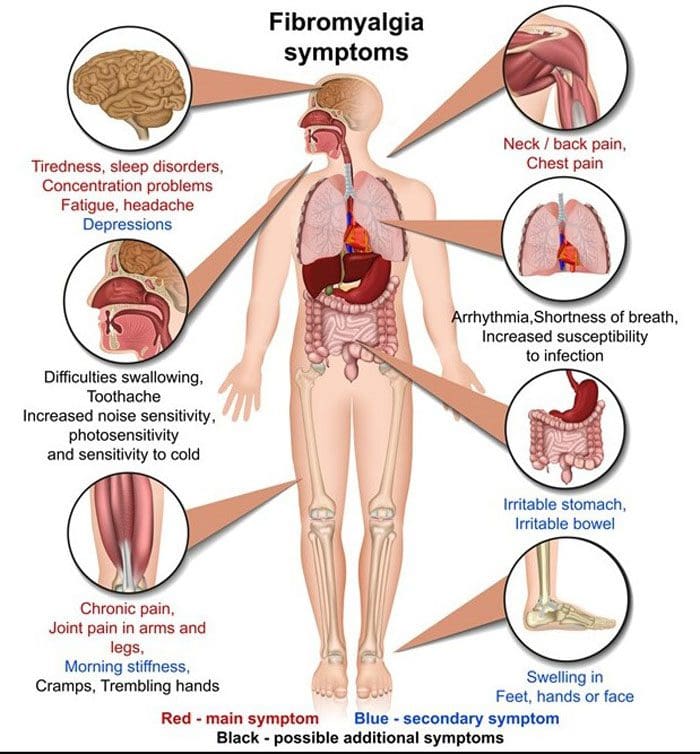
Have you experienced excruciating pain that is spread all over your body? Do you have trouble sleeping and feel exhausted every day? Do you experience brain fog or other cognitive disturbances? Many of these issues are signs and conditions of fibromyalgia. Fibromyalgia is defined as a chronic condition that is characterized by widespread musculoskeletal pain. Symptoms like fatigue, cognitive disturbances, and multiple somatic symptoms often overlap and accompany this disorder. Around two to eight percent of the world population suffers from fibromyalgia, and it affects women more than men. Sadly though, fibromyalgia is a challenge to diagnose, and the pain can last several months to years. Some of the main symptoms that fibromyalgia does to the body include:
Muscle and joint stiffness
General sensitivity
Insomnia
Cognitive dysfunction
Mood disorders
Fibromyalgia could also potentially be associated with specific diseases like diabetes, lupus, rheumatic diseases, and musculoskeletal disorders.
How Does It Affect The Musculoskeletal System?
The musculoskeletal system in the body has three muscle groups: skeletal, cardiac, and smooth muscles that provide different functions correlating how the body moves. Individuals with fibromyalgia will experience amplified painful sensations affecting their brain and spinal cord to process pain and nonpainful signals potentially associated with musculoskeletal disorders. The neural structures from the brain become hyper-reactive to any soft tissues close to the spine, known as segmental facilitation. These changes that occur to the soft tissues are called trigger points, and if situated in the muscles, they are referred to as “myofascial” trigger points. Studies reveal that the pathophysiology of musculoskeletal dysfunction can be considered secondary to central abnormalities of pain modulation associated with fibromyalgia.
An Overview Of Fibromyalgia-Video
Have you been experiencing excruciating pain in different areas of your body? Have you been constantly tired throughout the entire day? Or has your mood been dampened all of a sudden? These are the signs that you have fibromyalgia, and the video above gives an overview of what fibromyalgia is. Fibromyalgia is defined as a chronic disorder that is difficult to diagnose. Studies reveal that fibromyalgia is possible to be described as a cognitive disorder that triggers painful amplifications and sensory nociceptors that become hypersensitive. So what does this mean, and how is the nervous system affected by fibromyalgia? The nervous system has the central and peripheral systems. The peripheral system has a component known as the autonomic nervous system that regulates involuntary bodily functions. The autonomic system consists of two subsystems: the sympathetic and parasympathetic systems. For individuals with fibromyalgia, the sympathetic nervous system, which provides the “fight or flight” response, is constantly active, causing the parasympathetic nervous system, which provides the “rest and digest” response, to be inactive in the body. The good news is that individuals with fibromyalgia and its associated symptoms can find relief through treatment.
Chiropractic Care & Fibromyalgia
Even though there hasn’t been a cure for fibromyalgia yet, treatments are available to manage and improve the symptoms associated with fibromyalgia with chiropractic care. Chiropractic care can help relieve fibromyalgia pain by carefully correcting spinal misalignments or subluxations through spinal adjustments and manual manipulations of the body. Studies reveal that the effectiveness of chiropractic care for fibromyalgia patients helps improve their range of motion to the cervical and lumbar areas of the spine. Chiropractic care can help improve their flexibility, decrease their pain levels, and have better sleep quality. People diagnosed with fibromyalgia need to understand that many options for pain management don’t rely on medicines. Chiropractic care is gentle and non-invasive. It can be helpful for individuals that want to take control of their circumstances and have chiropractic therapy as a vital part of managing their well-being.
Conclusion
Fibromyalgia is a chronic disorder that affects the musculoskeletal system by causing stiffness in the muscles and joints, general sensitivity, and other chronic issues associated with this disorder. Individuals with fibromyalgia will describe their pain as unbearable due to the nerves in the sympathetic system being hyperactive and tender to the touch. Fortunately, treatments like chiropractic care can help relieve fibromyalgia pain through spinal adjustments and manual manipulations. Chiropractic care for individuals with fibromyalgia can help improve their range of motion and flexibility and decrease their pain levels without using medicines. Incorporating chiropractic care as a treatment for fibromyalgia can be vital in managing a person’s well-being.
References
Bhargava, Juhi, and John A Hurley. “Fibromyalgia – Statpearls – NCBI Bookshelf.” In: StatPearls [Internet]. Treasure Island (FL), StatPearls Publishing, 1 May 2022, https://www.ncbi.nlm.nih.gov/books/NBK540974/.
Blunt, K L, et al. “The Effectiveness of Chiropractic Management of Fibromyalgia Patients: A Pilot Study.” Journal of Manipulative and Physiological Therapeutics, U.S. National Library of Medicine, 1997, https://pubmed.ncbi.nlm.nih.gov/9272472/.
Geel, S E. “The Fibromyalgia Syndrome: Musculoskeletal Pathophysiology.” Seminars in Arthritis and Rheumatism, U.S. National Library of Medicine, Apr. 1994, https://pubmed.ncbi.nlm.nih.gov/8036524/.
Maugars, Yves, et al. “Fibromyalgia and Associated Disorders: From Pain to Chronic Suffering, from Subjective Hypersensitivity to Hypersensitivity Syndrome.” Frontiers, Frontiers, 1 July 2021, https://www.frontiersin.org/articles/10.3389/fmed.2021.666914/full.
Siracusa, Rosalba, et al. “Fibromyalgia: Pathogenesis, Mechanisms, Diagnosis and Treatment Options Update.” International Journal of Molecular Sciences, MDPI, 9 Apr. 2021, https://www.ncbi.nlm.nih.gov/pmc/articles/PMC8068842/.
Fibromyalgia is a condition that causes pain throughout the whole body. It causes sleep problems, fatigue, and mental/emotional distress. It affects around four million adults in the United States. Individuals with Fibromyalgia tend to be more sensitive to pain. This is referred to as abnormal/altered pain perception processing. Research currently leans towards a hyperactive nervous system as one of the most plausible causes.
Symptoms and Related Conditions
Individuals with fibromyalgia/fibromyalgia syndrome/FMS may have:
Fatigue
Sleep issues
Headaches
Concentration, Memory issues, or Fibro Fog
Stiffness
Tender points
Pain
Numbness and tingling in hands, arms, legs, and feet
Central sensitization means that the central nervous system, made up of the brain and spinal cord, processes pain differently and more sensitively. For example, individuals with Fibromyalgia could interpret physiological stimuli, like heat, coldness, pressure, as pain sensations. Mechanisms that cause altered pain processing include:
Pain signal dysfunction
Modified opioid receptors
Substance P increase
Increased activity in the brain where pain signals are interpreted.
Pain Signal Dysfunction
When a painful stimulus is felt, the brain signals the release of endorphins, the body’s natural painkillers that block the transmission of pain signals. Individuals with Fibromyalgia could have a pain-blocking system that is altered and/or not functioning correctly. There is also the inability to block repetitive stimuli. This means that the individual keeps feeling and experiencing the stimuli even as they try to block them out, suggesting a failure in the brain to filter out irrelevant sensory information.
Modified Opioid Receptors
Research has found that individuals with fibromyalgia have a reduced number of opioid receptors in the brain. Opioid receptors are where endorphins bind so the body can use them when necessary. With fewer available receptors, the brain is less sensitive to endorphins, as well as opioid pain medication like:
Hydrocodone
Acetaminophen
Oxycodone
Acetaminophen
Substance P Increase
Individuals with fibromyalgia have been found to have elevated levels of substance P in their cerebrospinal fluid. This chemical is released when a painful stimulus is detected by the nerve cells. Substance P is involved with the body’s pain threshold, or the point when a sensation turns into pain. High levels of substance P could explain why the pain threshold is low in individuals with fibromyalgia.
Increased Activity in the Brain
Brain imaging tests, like magnetic resonance imaging or MRI, have shown that fibromyalgia is associated with greater than regular activity in areas of the brain that interpret pain signals. This can suggest that pain signals are overwhelming those areas or that the pain signals are being processed dysfunctionally.
Triggers
Certain factors can trigger a flare-up. These include:
Diet
Hormones
Physical stress
Too much exercise
Not enough exercise
Psychological stress
Stressful events
Sleep Patterns changed
Treatment changes
Temperature changes
Weather changes
Surgery
Chiropractic
Chiropractic focuses on whole-body wellness. 90% of the central nervous system goes through the spinal cord. A misaligned vertebral bone can create interference and irritation on the nerves. Fibromyalgia is a condition related to the hyperactivity of the nerves; therefore, any vertebral subluxations will complicate and aggravate fibromyalgia symptoms. By realigning the misaligned vertebrae releases the stress off of the spinal cord and spinal nerve root. That is why individuals with fibromyalgia are recommended to add a chiropractor to their healthcare team.
Clauw, Daniel J et al. “The science of fibromyalgia.” Mayo Clinic proceedings vol. 86,9 (2011): 907-11. doi:10.4065/mcp.2011.0206
Cohen H. Controversies and challenges in fibromyalgia: a review and a proposal. Ther Adv Musculoskelet Dis. 2017 May;9(5):115-27.
Garland, Eric L. “Pain processing in the human nervous system: a selective review of nociceptive and biobehavioral pathways.” Primary care vol. 39,3 (2012): 561-71. doi:10.1016/j.pop.2012.06.013
Goldenberg DL. (2017). Pathogenesis of fibromyalgia. Schur PH, (Ed). UpToDate. Waltham, MA: UpToDate Inc.
Kamping S, Bomba IC, Kanske P, Diesch E, Flor H. Deficient modulation of pain by a positive emotional context in fibromyalgia patients. Pain. 2013 Sep;154(9):1846-55.
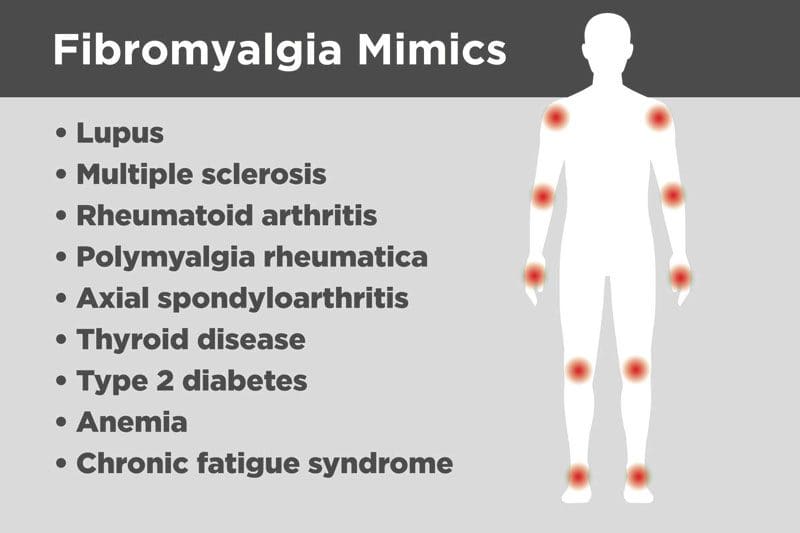
A fibromyalgia diagnosis involves the process of eliminating other disorders and conditions with similar symptoms. It can be difficult to diagnose fibromyalgia. There is no common exam or test that a doctor can use to definitively diagnose fibromyalgia. The elimination process is utilized because of several other conditions with similar symptoms. These include:
Rheumatoid arthritis
Chronic fatigue syndrome
Lupus
It can take some time when an individual first notices symptoms and actually being diagnosed with fibromyalgia, which can be frustrating. Doctors have to become detectives, working hard to find the right cause of pain and other symptoms. Developing the right diagnosis is necessary to create an optimal treatment plan.
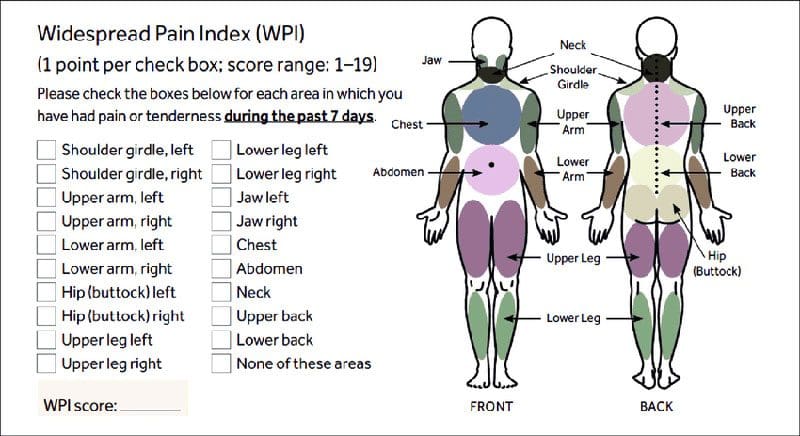
Fibromyalgia Diagnosis Criteria
Pain and symptoms based on the total number of painful areas
Fatigue
Poor sleep
Thinking problems
Memory problems
In 2010, a study was published that updated fibromyalgia diagnosis criteria for fibromyalgia. The new criteria remove the emphasis on tender point examination.The 2010 criteria’s focus is more on the widespread pain index or WPI. There is an item checklist about where and when an individual experiences pain. This index is combined with a symptom severity scale, and the end result is a new way to classify and develop a fibromyalgia diagnosis.
Diagnostic Process
Medical History
A doctor will look at an individual’s complete medical history, asking about any other conditions present and family condition/disease history.
Symptoms Discussion
The most common questions asked by a doctor are where it hurts, how it hurts, how long it hurts, etc. However, an individual should offer as much or added details of their symptoms. Diagnosing fibromyalgia is very dependent on the report of the symptoms, so it is important to be as specific and accurate as possible. A pain diary, which is a record of all symptoms that present will make it easier to remember and share information with the doctor. An example is giving information on trouble sleeping, with a feeling of tiredness a majority of the time, and headache presentation.
Physical Examination
A doctor will palpate or apply light pressure with the hands around the tender points.
Other Tests
As previously stated symptoms can be very similar to other conditions like:
A doctor wants to rule out any other conditions, so they will order various tests. These tests are not to diagnose fibromyalgia but to eliminate other possible conditions. A doctor could order:
Anti-nuclear antibody – ANA test
Anti-nuclear antibodies are abnormal proteins that can present in the blood if an individual has lupus. The doctor will want to see if the blood has these proteins to rule out lupus.
Blood count
By looking at an individual’s blood count, a doctor will be able to develop other possible causes for extreme fatigue like anemia.
Erythrocyte sedimentation rate – ESR
An erythrocyte sedimentation rate test measures how quickly red blood cells fall to the bottom of a test tube. In individuals with a rheumatic disease like rheumatoid arthritis, the sedimentation rate is higher. The red blood cells fall quickly to the bottom. This suggests that there is inflammation in the body.
Rheumatoid factor – RF test
For individuals with an inflammatory condition like rheumatoid arthritis, a higher level of the rheumatoid factor can be identified in the blood. A higher level of RF does not guarantee that the pain is caused by rheumatoid arthritis, but doing an RF test will help the doctor explore a possible RA diagnosis.
Thyroid tests
Thyroid tests will help a doctor rule out thyroid problems.
Final Note Fibromyalgia Diagnosis
Again, diagnosing fibromyalgia can take awhile. A patient’s job is to be proactive in the diagnostic process. Be sure you understand what the results will tell and how that specific test will help figure out the cause of the pain. If you don’t understand the results, keep asking questions until it makes sense.
InBody
Body composition and Diabetes Connection
The body needs a balance of lean body mass and fat mass to function properly/optimally and maintain overall health. The balance can be disrupted in overweight and obese individuals because of excess fat. Individuals that are overweight should focus on improving body composition by reducing fat mass while maintaining or increasing lean body mass. Balanced body composition can reduce the risk of diabetes, other obesity-related disorders, and a positive effect on metabolism. Metabolism is the breaking down of foods for energy, the maintenance, and repair of body structures.
The body breaks down the food nutrients/minerals into elemental components and directs them to where they need to go. Diabetes is a metabolic disorder meaning it changes the way the body makes use of the nutrients, in such a way that the cells are unable to utilize digested glucose for energy. Without insulin, the glucose cannot get into the cells, so it ends up lingering in the blood. When the glucose can�t make its way out of the blood, it builds up. All the excess blood sugar can potentially be converted to triglycerides and stored as fat. With an increase in fat mass, hormone imbalances or systemic inflammation can happen or progress. This increases the risk for other diseases or conditions. A buildup of fat and diabetes are associated with increased risk for:
Heart attacks
Nerve damage
Eye problems
Kidney disease
Skin infections
Stroke
Diabetes can even cause the immune system to become impaired. When combined with poor circulation to the extremities, the risk of wounds, infections, can lead to amputation of the toes, foot/feet, or leg/s.
Dr. Alex Jimenez�s Blog Post Disclaimer
The scope of our information is limited to chiropractic, musculoskeletal, physical medicines, wellness, and sensitive health issues and/or functional medicine articles, topics, and discussions. We use functional health & wellness protocols to treat and support care for injuries or disorders of the musculoskeletal system. Our posts, topics, subjects, and insights cover clinical matters, issues, and topics that relate and support directly or indirectly our clinical scope of practice.*
Our office has made a reasonable attempt to provide supportive citations and has identified the relevant research study or studies supporting our posts. We also make copies of supporting research studies available to the board and or the public upon request. We understand that we cover matters that require an additional explanation as to how it may assist in a particular care plan or treatment protocol; therefore, to further discuss the subject matter above, please feel free to ask Dr. Alex Jimenez or contact us at 915-850-0900. The provider(s) Licensed in Texas& New Mexico*
References
American College of Rheumatology. Fibromyalgia. 2013.�http://www.rheumatology.org/Practice/Clinical/Patients/Diseases_And_Conditions/Fibromyalgia/. Accessed December 5, 2014.
Living with Fibromyalgia:�Mayo Clinic Proceedings.�(June 2006) �Improvement in Fibromyalgia Symptoms With Acupuncture: Results of a Randomized Controlled Trial��https://www.sciencedirect.com/science/article/abs/pii/S0025619611617291What Are Common Fibromyalgia Symptoms and How Does It Cause Back Pain?:�Clinical Biomechanics.�(July 2012) �Functional capacity, muscle strength and falls in women with fibromyalgia��https://www.sciencedirect.com/science/article/abs/pii/S0268003311003226
IFM's Find A Practitioner tool is the largest referral network in Functional Medicine, created to help patients locate Functional Medicine practitioners anywhere in the world. IFM Certified Practitioners are listed first in the search results, given their extensive education in Functional Medicine