ClickCease
+1-915-850-0900 spinedoctors@gmail.com
Select Page
Podcast: What is the Fasting Mimicking Diet?

Podcast: What is the Fasting Mimicking Diet?

https://youtu.be/RwZq8a9_PpM


PODCAST: Dr. Alex Jimenez, chiropractor in El Paso, TX, and Victoria Hahn discuss the fasting-mimicking diet and the ProLon Fasting Mimicking Diet program developed by Dr. Valter D. Longo. The ProLon Fasting Mimicking Diet is a high-fat, low-calorie intermittent fasting diet that may promote fat loss and reduce blood sugar, inflammation, and cholesterol, similar to other fasting methods. Valter D. Longo is an Italian-American biogerontologist and cell biologist known for his research studies on the role of fasting and nutrient response genes on cellular protection aging and diseases as well as for proposing that longevity is regulated by similar genes and mechanisms in many eukaryotes. Only a few research studies have been carried out to date regarding the fasting-mimicking diet and more research is needed to validate its benefits. �- Podcast Insight


[00:00:06] And we are live. Hi El Paso. This is Dr. Alex Jimenez coming back with you. This is a very unique day, a very special day. We are offering some information to you guys as my patients. Today is a very unique moment in time. As you can see, my podcast is empty as you’re gonna be able to notice in this particular area. You can actually see the podcast presentation. Doing this alone. And as we’re doing, we’re following the rules of engagement of today. Now, today is a� moment in time where we’re finding ourselves kind of a little bit on kind of a sandy ground. The flow and the situation of our present state is that we’re all watching CNN we’re establishing things. But one of the concepts that we’ve been looking at in the last couple of weeks prior to this all happening was a disorder that we’re all experiencing right now. And a lot of us are trying to figure out what we can do because we’re all kind of feeling a little thick. We’re feeling a little fat or feeling a little bit displaced from our normal patterns. So one of the aspects that we want to be able to do is to discuss what can we do with our physiology, things that we can do at home, things that we can adapt, and things that we can alter into our metabolic process. Now, as I’ve gone in the past, I’ve talked and discussed heavily on metabolic syndrome. Metabolic syndrome is one disorder that really affects us all. And we have given us options and the options that we have done in terms of working with the sugar issues, the weight issues, the belly fat issues, as well as the underlying issues of the triglycerides that we’ve been discussing along with cholesterol issues. Though we have looked at diets that have different varying components. One diet that is really, really popular is the fasting-mimicking diet. I had an amazing experience when I went to Hollywood, Florida, about a good two years ago where we actually did the Functional Medicine Institute program. We went out there, we saw the program presenting the fasting-mimicking diet and teaching all of the new things that the diet actually can do in the physiological state. But one of the things is when people hear fasting, it’s kind of confusing. So I’m going to bring in an amazing individual. Victoria Hahn, who works with Al Neutra, and she is the medical science liaison for the fasting-mimicking diet with Al Neutra. She’s going to give us some information in terms of things that we can do and about the diet, because it’s a very unique diet and because we live on the border and we have a lot of, I guess, metabolic syndrome just by definition. There are issues with high blood pressure, glucose, triglycerides, HDL issues. We want to take a look at the things that we can do. Now, one of the greatest things we’ve learned about metabolic syndrome is that it has an immediate response as the diet. But not everyone can do a certain type of diet, whether it’s intermittent fasting, ketogenic diet, a different type of water fasting. We’re going to go ahead and go over those things. So I’m going to present to you Victoria Hahn, who is really, really the person who’s going to bring this home to us. Is she going to educate us on the process? So I’m going to bring her in right now and we’re going to go ahead and talk to her. And you’re going to see me in the sideline in the far distance. So as I kind of click that button. Victoria, tell us, how are you doing?


[00:03:38] How’s everything going with you? It’s going well, going well. Staying safe, practicing physical distancing, you know, doing everything I can to ensure that, you know, I’m keeping myself safe as well as everyone else that I’m interacting with, including by hand-washing.


[00:03:54] So I’m doing good. How are you?


[00:03:57] I’m doing very well. I wanted to present to my patients the fasting-mimicking diet. I have a box right around here. I kind of actually took it away, i’ll have to go get it while we’re talking here. Actually, for the products. But I’d like for you to tell us a little bit about what the fasting-mimicking diet is for the public to understand as to what the options are and what we’re actually talking about when we say this unique fasting-mimicking diet because it’s got a really good, unique name to it. So tell us a little bit about it. I know you got a presentation, too, so I think you can share your screen and you can start talking about it. And let us understand a little bit about what fasting, mimicking diet is for the public.


[00:04:36] Yeah, so fasting mimicking diet. So before I get into the presentation, which here, let me just pop this bad boy open. So fasting mimicking diet is this concept that in essence, you know, maybe you don’t actually have to be fasting. So, you know, ommiting food entirely to be fasting. And so that’s really what this diet brings. It brings the same type of physiologic and biological effect of fasting. But with food. And so it’s a really novel and kind of, you know, bizarre type of nutrition program because it takes you a little bit out of the box. You’re thinking, how can you be fasting with food? And I’ll go over, in essence, how you can, because there is a lot of science to explain how this works. And it unfortunately, fortunately, unfortunately, it’s not as black and white as we like to make it. But that’s the beauty is that, you know, you kind of can find these physiologic loopholes to being able to kind of stimulate a similar process without having to go through that absolute fasting process.


[00:05:43] In terms of this is the presentation. So how? OK. So this is the actual product here. And it looks like it’s pretty simple. It all fits in a box.


[00:05:50] Yeah. Absolutely. It’s super straightforward. So in essence, you actually get a rather large box. And within that large box, you get the individual boxes and they’re all evenly listed out for you.


[00:06:02] So it literally says day one all the way to day five, the product is actually a five-day fasting-mimicking diet. So you get everything that you need. So there’s no, you know, having to go to the grocery store, which is kind of convenient during this time, actually, but there’s no having to go out and buying. Figuring out like how much of this do I have to measure or wait, what about this other ingredient or did I get enough of these, you know, plant-based products? None of that, it’s already laid out for you? And that’s really to not only aid in the ease of it, because, again, this diet mimics fasting, but also in the consistency of it, we really want to make sure that that’s what it’s doing. So we got to kind of treat it in this very, almost clinical fashion.


[00:06:46] I’d like to add that in the design of me presenting this, full disclosure, I’ve actually done the fasting-mimicking diet three times. Each time it’s been an experience for me. And the protocol does include three options or three times that you can do it as the most optimal as from if I’m correct, I’m not too sure if I’m correct, but I do know that three times is the times when we test it. So tell us a little bit about the product line. So I’ll let you kind of take it from here.


[00:07:18] Yeah. So here, let me just go straight into the presentation. Absolutely. We’ll start to kind of way out some of these details. So the first question that, of course, typically is being asked is what are your health care goals? So before we even start to step into Prolon and what fasting-mimicking diets are or even how fasting is beneficial, you know, what are we all trying to achieve? And obviously, a lot of these are listed right here. So body weight loss, body composition, even. I would argue that body comp is way more important than body weight. Body weight only tell you so much. But you know, the amount of fat and muscle mass that you have is so much more important in the closet reader. I’ve definitely had times to where I’m going into my closet.


[00:08:05] And, you know, I was wondering what that was.


[00:08:09] Some things don’t fit the way that, you know, they used to. And that’s always a little alarming. And I personally don’t have a scale at home.


[00:08:16] And so that’s really the way that I can determine whether or not I’ve been overindulging. So all of these things, I’d argue, are super pertinent.


[00:08:24] I mean, most of us have, you know, certain weight parameter goals or, you know, medical or balance goals or even just wanting to feel better, well-being goals. And so arguably, you know, I know I’ve definitely said a few of these right here, like I’m struggling to lose body fat. You know, even when I’m working out and when I’m trying to figure out how I want to eat, even as, you know, a dietitian, some of these things are a little you know, they’re hard to figure out.


[00:08:53] You have to just be constant trial and error, trial and error, because unfortunately for some of these issues, we still haven’t necessarily figured out how to resolve them, which is why arguably obesity is such a huge issue that, you know, especially in the United States and any of the Westernized societies we’re facing today.


[00:09:12] So, you know, with any of those goals, we’re obviously going to be talking about, you know, how can we feel better about them? And so that really leads us to kind of a novel, a strategy which is fasting. Now, of course, you know, before we get into fasting, we want to define what it is. So what is fasting now? Arguably, whenever I ask this question, most people remark like, oh, that’s muscle mass loss or oh, that’s, you know, me starving or oh, that’s me feeling hungry or I can’t eat any food or isn’t that juice fasting? And to some extent, most of those would coincide with, you know, the common definition of fasting, which that would be to abstain from food or drink. And maybe that’s for religious observation, for example, Ramadan fasting or Yom Kippur. But, you know, that’s just one way to think of fasting. You could actually think about it from the perspective of what’s happening within your body when you start to fast. So I like to think of fasting from this common definition as the trigger for an outcome. And so the outcome is really what fasting is. And with that outcome is the lack of the triggering or the turning on, if you will, of what we call these food sensing pathways. It seems a little ambiguous, but truth be told, we’ve seen this in many different mouse models as well as clinical trials. There are literally these pathways that our bodies have that respong to food intake, and that makes sense. You know, if you eat food. Something has to happen, right? Yeah. And we call these pathways, these food sensing pathways. And so in the absence of nutrients or rather the right amount of protein, calories, carbohydrates, you can to some extent circumvent their activation. And so that’s really what fasting is. It’s this biological process.


[00:11:09] I like that word of food sensing pathways. How did that, how did that come about? I just kind of just touch on that food sensing pathways.


[00:11:18] It just seems to me like a very understandable way of allowing people to understand that the body is sensing, almost feeling out that the foods, you know, so go deep there.


[00:11:34] Yeah. So, you know, no problem. So I honest to goodness, this is actually my favorite part about fasting. Is this molecular biology surrounding it, the physiology of it. It’s just it’s honestly really beautiful.


[00:11:46] But I’m a little bit of a nerd in that regard.


[00:11:49] But really, what this is and how we came about it. One of the individuals who actually kind of piecemeal all of these individual components, was Dr. Longo and I’ll get into some of what he’s contributed to in regards to this whole area of fasting and the longevity research. But really what these food sensing pathways are, is they are literally these mechanisms that are triggered by certain levels of carbohydrates or sugars or we actually call it glucose. But basically, it’s just a carbohydrate or certain levels of proteins or amino acids and also certain degrees of energy. So calories. All of these things can contribute to this overall biological process that we think of as being fed. Because when you think about it, like when you eat food, you know, well, what happens? Obviously, we know that something happens where we don’t feel as sluggish and, you know, we get some energy and, you know, now we can go and do things throughout the day. And we know that that also helps out with weight gain. Yes. Too much. Yes. Like what is that cellular process with a biologic process? That would be these foods sensing pathways. It simply awesome.


[00:13:05] Awesome keep on going. What misconceptions?


[00:13:09] Yeah. And so in terms of some misconceptions, you know, I highlight this one because I did get to see quite a few of these juice shops that kind of crop up and they talk about juice fasting.


[00:13:20] And it’s arguable because most of those juices are rather high in calories and even in carbohydrates. And so when you think about biological fasting, it’s really not bad because there’s just too much nutrition in these shakes, which is great to some extent. Obviously, you know, you want to get the vitamins, minerals and fats, but not from the standpoint of actual fasting. It’s not 1 to 1. So maybe it’s fasting from the perspective of not eating solid food. So in that sense, it’s fasting. Fasting is so much more than just kind of the composition of your food. It is the actual amounts that you’re getting of each different type of nutrient. And so it’s a little misconceiving. And there’s a lot of these things that are cropping up because fasting is such a novel topic and it’s really popular. I mean, it’s just so popular. It’s gotten really popular in the last couple of years, which, you know, to kind of go a little forward in terms of how it got there. And I can show you some data as far as how popular it is in the US. So part of the reason that it’s kind of gained a lot of traction is because, you know, although fasting has been around for a millennia, I mean, we had to evolve and adapt to these periods of basically food and not food. And so naturally, you know, we know our bodies know what to do when it has that type of environment. But what we’ve seen in clinical trials is that, you know, it’s been shown to support metabolic health. It’s also been shown to support this really interesting concept called cellular cleanup. We like to use the phrase autophagy. It’s just a real fancy word to basically say the cells. So each of your cells, they have their own micro environment and they actually have their own kind of garbage disposal recycling center, which we could call autophagy. So it’s a really interesting process that’s triggered by fasting and that actually can help to lead to cellular renewal. So if your cell is able to kind of take out these less functional components and repurpose them for other types of activities or endpoints, then as a whole the cell can become more efficient. And so that’s this concept of cellular renewal. And ultimately, what we see all these pieces contributing to is this promotion of longevity and health span. So this is how, you know, in essence, fasting can be so beneficial. So to get into, you know, how it’s so popular, it’s really no surprise that it’s becoming really one of the number one dietary patterns in the United States. And in 2019. So this is in 2018. Number one. In 2019. It just took second place to this concept called clean eating. And you know that’s actually not a bad thing obviously, you know, clean eating is one of the better things that we can be doing for ourselves. But the interesting thing to note about fasting is that especially when you compare it to any of these diet patterns. So for example, vegetarian, vegan diet, low carb diet, gluten free diet, Mediterranean diet, all of these are compositional changes, meaning, you know, for example, with low carb, which is very mindful about carbohydrates that you’re getting sometimes in the types of carbs. So aiming for a low glycemic index card. So ones that don’t cause your blood sugar to spike too rapidly. So you have to be mindful about what you’re eating. Whereas with intermittent fasting or just fasting as a whole, you actually don’t need to consider that component. I mean, at Al Nutra for Prolon. We argue that you do, but for fasting as a whole, it’s really, you know, when and how you’re eating is the consideration. You don’t really have to modify what you’re eating. And so that might be part of why it’s been so well received. And I suppose the community as a whole, you know, wouldn’t you like to be able to continue to do what you’re doing with just a slight alteration? Yes, it’s a lot easier. Absolutely. Than completely shifting your diet.


[00:17:29] You know, simplicity has always been a component of trying to come together and making it easy for people if it’s too hard. You know, you can do a fasting. But soon as you make that mistake of going elsewhere and they don’t know what the rules of engagement are. It just goes crazy. This is so cool because it’s all packaged in one kind of dynamic. So as I see that, tell us a little bit about the overall when you say 36 percent. I notice that you say 36 percent. Follow a specific eating pattern. What was that number of versus the 16 percent that I notice there? Intermittent fasting was the top end that patients.


[00:18:09] Yeah.


[00:18:09] So in essence, really what they were trying to say and this was from a larger study. But anyhow, what they were trying to really say is that people, you know, they are following dietary patterns. It may not be, I suppose, too specific in regards to for certain reason that wasn’t well elucidated as to why they’re following these dietary matters. But it is to say that people are starting to follow specific ways of eating. So in essence, that that’s really this categorization of all of these different diets and these are the ones they were following. They want to see, you know, how many people in the United States are doing fasting? How many are doing paleo, gluten free all the way down to the DASH diet and dietary approaches to stopping hypertension and the ketogenic or other high fat diets. They really want to catalog, in essence, what the US is doing in regards to their own nutrition. So that’s really where this number was got.


[00:19:13] That makes perfect sense.


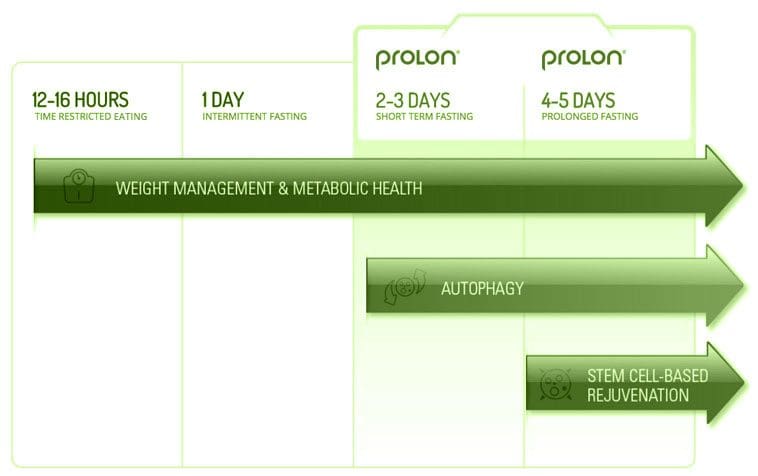
[00:19:16] And so just to kind of continue on here so we can go over different types of fasting because really, you know, even in the previous slide that I was showing you intermittent fasting, you know, that doesn’t really seem like a lot. It’s even how they were categorizing the ketogenic diet/ high fat diet doesn’t really say a lot. There’s many iterations of, you know, these really broad topics. But to hone in on the fasting and, you know, different types of fasting. So I like to think of fasting as a key umbrella term. And then, yes, refine that by way of duration of time. So in essence, fasting can be longer. So we call that prolonged or periodic fasting, typically two or more days or it can be shorter. And we call this intermittent fasting and that’s typically two or fewer days. I will argue that in the literature, when you’re reading about intermittent fasting, you know, unfortunately, though, kind of lumped together all kinds of fasting, under this umbrella.


[00:20:16] It has to do with the fact it’s a buzz word and you know, it’s kind of what gets the clicks and such.


[00:20:21] But unfortunately, with that being said, there’s like a lot of misinformation because unless you’re really reading into what type of intermittent fasting pattern or fasting pattern, they’re really talking about it just all kind of amalgamates together. And it’s real confusing. Like, were they talking about time or shifted eating or were they talking about the 5:2 diet? It’s kind of up in the air unless, you know, you’re doing your due diligence. So it’s unfortunate. But for the sake of, you know, how we define fasting, this is really our main definitional structure. So to get into different types of intermittent fasting patterns, I’m sure everyone is super familiar with time restricted eating.


[00:21:01] Yes. Maybe like the 16:8, yeah. Do you practice that at all?


[00:21:04] As a matter fact, I do. One of the things that I’ve always mentioned is that certain types of body types require certain types of patterns. And I’ve looked at people’s schedules and the ketogenic diet requires a real. It’s almost like the advanced version of process. You know, it takes a certain hardcore individual to do it. So, you know, intermittent fasting allows people to kind of start really controlling that. We start by just simple things of, you know, circadian, just eat during daylight. And don’t eat at night versus then start bringing it down to eight hours and, you know, having 16 hours of just a good non-mechanism of eating. So I have done that. And the better they became the intermittent fasting individuals and patients that I have, I would actually go to the next level of going six hours. Now, some patients can actually I mean, my extreme athletes and the individuals who are just high performers, they can push it down to three. But it takes a level of mental fortitude to be consistent in that. So I have seen that ability to be certain types of people for even different lifestyles. People who work at home can do more ketogenic diet. But, you know, in my particular practice, I physically work on people. If your job is physical, it’s kind of hard to maintain that if you’re expending calories throughout the day. So it depends on the individual. So we need something that is understandable, that it makes sense to the public and to let them understand that they can really attain those high level of physiological and metabolic, you know, advancements such as, you know, the apoptosis, the autophagy, that actually occurs and the reusing of the body with a simple mechanism. So I love this and this is the kind of stuff I enjoy. So no, no. Yes, I have tried, to answer your question. Yes, I have done it in the past.


[00:22:53] Nice. Yeah. And arguably, you know, at least what I have been seeing within just the consumer channels.


[00:23:00] Time restricted eating has got to be like one of the number one forms of intermittent fasting right now. And it’s because of that ease to some extent, because it’s like a daily window of fasting where you don’t have to be doing it for like a couple of days at a time or for days at a time. You’re just doing it for like a day. And it’s only a few hours within that day. And arguably one of the most vital research ones would have to be the 16:8 and the 12:12. So more information is definitely coming out on this type of fasting pattern. It’s all just in the works. Amazing. One type of intermittent fasting pattern. There’s also the 5:2 diet. This one was quite popular like 10 years ago. So five days of normal calorie intake, two days of fasting. Typically, those days are not one right after another. But sometimes they can be, depends on the individual. And then there’s alternate day fasting, quite extreme.


[00:23:51] Although, you know, there are some people who like practice this and this is basically where you’re fasting for one day and then the next day you’re not fasting, regular calorie intake. Then the next day you’re fasting. And then you’re right back to not fasting. You just keep doing that day after day. So that can obviously be quite a long term commitment. So to shift our focus on to the opposite end of the spectrum. So the longer versions of fasting, there’s not really many examples of this, there’s water fasting, it’s very straightforward. Typically, this is done under the supervision of a medical provider and you’re kind of sequestered somewhere like maybe. Like we are right now.


[00:24:27] Like we’re all sequestered right now.


[00:24:30] Yeah, seriously. And it’s because, you know, for some people, this can be actually quite risky. And I’ll get into some of those risks.


[00:24:36] And just as a whole, it can be quite hard because typically this is fasting for days at a time. And then there’s the fasting mimicking diet. So just going back to really, you know, the main focal point, the FMD is a version of a prolonged fast. It’s not a short term fast. It’s technically a longer fast because you’re fasting for days at a time as opposed to just a couple days or a few hours. And this one doesn’t typically have to be in the hospital. Thankfully, the majority of people, they do this at home safely.


[00:25:06] It’s amazing.


[00:25:07] Yes, so to get to some of the ultimate effects of intermittent fasting and just other fasting patterns. I really like this table because it tries to simplify a lot of this. So I put caloric restriction in here because, you know, when you really start to look at the research for fasting, it looks like it actually is coming out of this, you know, umbrella of dietary restrictions and core restrictions.


[00:25:29] So it deserves a space on this chart, although it is vastly different than fasting. So in terms of, you know, caloric restriction, we do see that obviously this leads to weight loss sometimes, though, especially because it’s chronic and depending on how much caloric restriction you’re implementing. Some people, they can actually lose the body mass. So you have to be mindful and careful about how you implement this type of pattern. We haven’t necessarily observed this. So either rejuvenation effects that’s going back to that renewal, that recycling. It’s not well documented, was caloric restriction.


[00:26:06] And of course, you do get food and to some extent it is of course, safe, but shifting our focus on to the different types of fasting patterns, intermittent fasting.


[00:26:17] Again, we get to see the weight loss. It’s been variable in regards to lean body mass protection. Some studies have shown that lean body mass was impaired, but this may just be an artifact. It’s not very well elucidated.


[00:26:29] This likely depends on the kind of fast that you’re doing, is it the 5:2, ADF, TRE, time-restricted eating which you’re doing eating. You know, it’s a little bit up in the air, but this one’s been variable, not necessarily an impact on the cellular rejuvenation. Again, very inconsistently reported, if at all. Sometimes you get food on this diet and then you don’t. Depending on the type of fast that you’re doing. And typically it’s quite a safe diet to do.


[00:26:55] But again, it depends on the iteration. The next type of fasting is periodic or prolonged fasting. And this is really talking about water fasting in specificity.


[00:27:04] So obviously we see weight loss with this pretty dramatically as well. Lean body mass can be sacrificed with this type of fasting pattern. So, again, you really want to make sure that you’re being medically supervised if you’re doing a water fast for days at a time. You know, it’s a very careful balance, especially wherever you were at before you started into that. So don’t try that one at home, please. But this is the only one that we actually get to see the cellular rejuvenation.


[00:27:34] So it appears that the sustained stress of fasting is really what’s dictating this type of recycling and renewal capacity is, you know, fasting for a while. Actually, obviously, with this type of fast, you don’t get food and the safety like I was mentioning, it’s very variable. Don’t do that one at home.


[00:27:57] Fasting mimicking diet is a form of a prolonged fast, obviously.


[00:28:05] And, you know, you do get to see the weight loss very similarly to periodic fasting.


[00:28:11] Fortunately, and I’ll show you some of this data, lean body mass protection, which is interesting, that may be a testament to the fact that there are nutrients in the diets and you see this preservation effect still with the cellular rejuvenation impact. So thankfully, it is stressful enough fasting for days at a time.


[00:28:31] Again that’s really the mantra to triggering that, you do get food and we do check safety regularly. So it has been proven to be safe.


[00:28:41] Guys, if I may, one of the things that I do is we make sure that we use biometric assessment exams, body mass index is BMI, BMR, BIA are ways that we can assess muscle density or how much protein is in the body, how much muscle is about versus bone density. We got to be very careful that we do this in a very safe way. So in essence, as she alluded to it. She was very exact. We have to make sure that we don’t lose muscle mass. And that’s the beauty of this diet plan, because it not only has been shown to preserve muscle mass while you go through this process, and it also helps with cellular rejuvenation. It’s almost like you’re cleaning out your body. So I hate to use those examples, but we can go into the physiology of it. But this is a very attractive mechanism. And it’s almost like a Tarzan effect. We go just to the point and she’s going to allude to that to the point where the body starts shifting and that’s when the diet ends. And so we go through these cycles. So in order to prevent muscle or actually muscle mass loss, it has to be timed at a certain point. So the beautiful thing that Dr. Longo, unique guy. I think he’s from what country is he from?


[00:30:03] Italy, actually.


[00:30:04] He’s got a unique accent. That is amazing. He’s at the University of Southern Cal. Is that where it’s at? Yeah. So it’s amazing that they have these, there’s always people who go to California, the smart people do, and then they come up with these great technologies that today we’re seeing the effects. And I’m not gonna sway too far, but we’re actually seeing the genomics effects or the genes are actually responding. And that’s where you were talking about the food sensing system our whole body is designed with the DNA that is just reacting to everything, whether it’s a drug or food. So as it responds, this diet is in sync, dancing with it. And so to speak, I guess forgive me if I’m wrong, but I’ll let you continue. But I’m very excited about the rejuvenation processes and also the lean muscle mass protection process.


[00:30:50] Yeah, absolutely, and those are honestly the most exciting pieces of fasting is that you, if done in the right way, exactly as you’re saying, done in the right way, you can get benefits out of it without sacrifice. And that’s part of, you know, there’s a whole concept called ormesis. And in essence, it’s this idea that, you know, to one degree, the same thing could be bad.


[00:31:18] But to another degree, it could be beneficial. For example, fasting, it’s a stress response and it’s similar to any other stress response, which obviously, you know, especially in today’s environment, we don’t want to be stressed out. You know, we want to make sure that we’re being healthy about that. But a little bit of stress can actually be good. And so it’s getting it’s fine tuning that it’s figuring out or what degree into a duration.


[00:31:43] That’s really the beauty of this concept, is that a lot of work, a lot of time with 20 years actually went into trying to figure out how this whole mechanism works and then how, if I may, touch on that word again, ormesis.


[00:31:58] So from what I’m gathering, it’s the extent and the and timing of the duration. Is that what it is to do? So I get like. From what I gather, it is up to the what was the word that you said to the extent of it or the amount of.


[00:32:14] But yeah, it is to say it was hormesis it’s in essence like to the simplest concept. And you know, there are many different ways to look at it.


[00:32:25] But in essence, it’s this idea that the degree or the amount of something can be positive or in essence, negative, or just have a different effect at different levels. Makes perfect sense. You know, for example, even with periodic fasting, with water fasting to a very, very high degree. Obviously, that can be very detrimental, damaging, catabolic. Just because it’s starving. If you’re fasting for too long so you don’t want to do that, you need to figure out what’s the degree of fasting that you need to get the benefit. Because we know there are benefits to a certain extent, but then afterwards there probably isn’t. And so that’s part of this whole concept of fasting mimicking diet and why it’s the five days and such.


[00:33:13] So makes perfect sense. Thank you. Yeah, no problem.


[00:33:17] So they get into some of those benefits and I want to add just to recapitulate, weight loss is a benefit of prolonged fasting that supports that cellular cleaning, that ability to recycle and also supports the sense of well-being. We actually did a survey in 2019 and that was a very interesting finding which I’ll show you some of that. So those notes, all of these things, you know, are some of the benefits of basically doing fasting, whether it be, you know, water-only fasting or any other type of prolonged fasting.


[00:33:54] But it does come with a subset of risks, obviously, you know, first things first. It’s very difficult to adhere to. And I would argue that even for myself and for any of the patients that I’ve ever had, you know, to try to get them to do small behavior changes.


[00:34:11] So, for example, you know, just try to incorporate one vegetable per week that can be quite difficult for some people to do. And it’s a behavior change. The other day, it’s a behavior change. You have to modify something that you’re doing and especially well, we’re continuing to do something and we get stuck in a routine. It’s hard to adjust and, you know, not to kind of, you know, integrate too much of what’s happening in society right now.


[00:34:38] But, you know, we’re kind of starting to see that. Whereas even how people are adjusting to today’s society, it’s a disruption of our routine. And it doesn’t feel very nice. Right. So that’s part of this notion of behavior change.


[00:34:51] So if I were to tell somebody, hey, I want you to eat watercress for four or five days at a time, that’s me taking out everything. I’m just completely abruptly altering their lifestyle.


[00:35:03] And that could be nearly impossible for some people. So it’s no surprise that ordered fasting is just very difficult to do. But at the same time, as we were going over that, it could also be at the risk of eating the lean body mass so that you get to the point of wanting to do it. You have someone to supervise you. You know, there’s still an inherent risk.


[00:35:24] And depending on how long you’re doing the water fasting, there’s always the potential to lose lean body mass. And obviously, it’s malnutrition that is what water fasting is as a whole. The lack of nutrients when you’re only consuming water, at least, you know, macro and micronutrients, water is obviously another type of nutrient, but it’s this deprivation of them. And so it can be very dangerous from that. Especially given wherever you’re starting out with going into that. You’d already be insufficient, so be further exacerbated.


[00:35:59] And then interestingly, there is this gallstone risk. Dr. Longo does talk a lot about this one. And there are some studies to show that certain periods of fasting, there’s almost like a period where it’s not so risky and then it gets to a point where it becomes riskier.


[00:36:15] So there are a lot of these things that we have to consider with water fasting. If one is to try to even do it on our own. And then also considering that it may not be appropriate for everybody and for more than just these reasons, listed expense.


[00:36:31] And so, you know that’s part of the reason why Dr. Longo had developed this fasting-mimicking diet. Truth be told, part of the reason was just that this is a picture of him right here.


[00:36:43] This is Valter Longo, Dr. Longo. And yes, he is at UMC and he’s the director of the Longevity Institute there.


[00:36:51] And in essence, you know, originally a lot of his research was on stress response and longevity and oxidative capabilities as well as water fasting. And it’s one thing to water fast yeast or mice. It’s a completely different ballgame to water fast people.


[00:37:14] You know if it doesn’t work out as easily for obvious reasons.


[00:37:18] So that’s part of the reason why he actually had to figure out a way to still be able to study this really interesting process that he was able to, you know, combine and bridge together. He was able to see that we are screwed sensing pathways. And they are so intimately tied to this aging process. And, you know, if you were to elevate them too high, we can see that they accelerate aging in essence. So the idea is maybe we can try to modify or modulate or just this type of aging process by adjusting these smooth sensing pathways. And so that’s part of the pinnacle research that he was trying to figure out. But when you get to the point of studying this with people, you know, they don’t want to water fast.


[00:38:06] And so that really forced him to figure out an alternative to water fasting. And that’s really the bursting of the fasting. Anything that is just it’s out of absolute necessity in terms of wanting to study it.


[00:38:21] And as a researcher, you know, obviously, if you spend so much time on something you really want to see it through, and especially if you think it’s going to be beneficial. So you have to adapt and adjust. And that’s what he did.


[00:38:34] You know, it’s one of those things wherein when we’re looking, as I alluded to initially, we’re sitting at home where we’re trying to figure out with the dynamics of the present-day what we can do for ourselves and how we can kind of benefit from this period time of pause. We’re all in a queue. So this is a great way of looking at changing our metabolism and making it work. Going back to that first moment when we, when I first understood this or was made aware of the fasting-mimicking diet surrounded the top functional medicine doctors in the country land.


[00:39:13] I think there is a blend of who’s the other one?


[00:39:19] There’s a bunch of guys that actually put this thing together and functional medicine, but the onslaught of all the specialists around the world that keen to try to figure out and understand what this new science had been that had been dropped, dropped down at the Functional Medicine Institute. Seminars. We were all very aware as to what it was. And you can see that the thriving doctors around the world from all over the world were trying to figure out how can we incorporate this for patients. So I feel blessed to have you here again. So did I mention that again and to continue with your story, because I just want my patients to know that this is a blessing to have you guys for the people of El Paso.


[00:40:03] Yeah, no problem. You know, I’m really excited to be here. I’m excited about being able to share some of this information. So, yeah, we’re just kind of keep on going. So in terms of the fasting-mimicking diet, you know, it’s really it’s just such an interesting and novel product as a whole. And so it really ticks off some of these really important elements of a breakthrough product. So it is all plant-based. That’s something kind of interesting to note, because even when some people go through it, you know, you’re thinking like, oh, no, I can’t do just plants.


[00:40:36] Like I always eat. I love my meat. You’d be surprised. You can do that for five days. Absolutely. And that’s you know, I’ll go over the kind of emotional effects that happen with FMD and Prolon.


[00:40:52] But it’s interesting that, you know. Yeah, everybody you actually could be eating just a plant-based diet. And this is just one way to do so. And again, it’s only five days. So it’s not a full-time commitment. But part of what built this was NIH and university-based research and development.


[00:41:11] Again, 20 years plus of research went into this type of concept and just a lot of grant funding. Honest to goodness. And foundational research. So pre-clinical, we had to test it out on different animal models first and then we started going into clinical trials to show its safety in humans in essence. And of course, this technology has a patent. And it is very innovative.


[00:41:39] And so that really lends well to why we wanted to go forward with our patent and a lot of the research.


[00:41:46] If you were to ever want to look into it, it’s actually published in some of these top tier medical journals.


[00:41:52] So maybe you’re not familiar with some of these, but these are the journals we use as clinicians to find evidence-based information.


[00:42:03] So it really does speak volumes that any of these publishers, they were like, hey, this does sound really good. Like let’s publish this, let’s get it out there.


[00:42:13] It’s huge to have this happen. So it really adds to the validity of this concept, which is nice. Of course, it is.


[00:42:21] Yes.


[00:42:23] And so then to kind of get into like the biological effects of FMD.


[00:42:27] And this is like a really simplified version of what happens for the most part. You know, it kind of meets all of these little parameters. This does happen. It’s just sometimes we like to simplify. So on day one, I like to call this the equalizer.


[00:42:42] And it’s because everybody gets the same day one. It’s around 100 calories for that day. And it’s really there to equalize and wash you out from whatever you were doing before Prolon.


[00:42:57] So basically, this is, you know, that transition day. So some people by the end of it, you’ll start to really ramp up this fasting state by day 2. This is the fasting state. Now, you’re fasting, the caloric ranges, they do drop down by day two to five and they have a week of dependent factor.


[00:43:13] So you’ll get a little bit of a different caloric amount depending on your weight. But in essence, the calories are anywhere from 700 to 800 calories. And so by day 2, we really like to view this as a fat-burning day, because your body is adapting to fasting.


[00:43:30] Now it has to, you know, utilize different types of substrates in order to fuel itself. So it’s going to start to, you know, in essence, fat burn by day three.


[00:43:41] You really would have wrapped a process called ketosis. Most people or many can actually reach the state on day three, but it’s contingent on the individual.


[00:43:52] Everybody has a different metabolic rate. Everybody has a different body composition. So not everybody will reach it on this day. But, you know, we do observe that many do. And that’s really like an accelerated state of fat burning, in essence.


[00:44:06] And you can perpetuate ketosis by way of fasting or by way of genic that they are a little different. So they’re not really they don’t get there the same way.


[00:44:15] But, you know, the outcome is relatively similar, at least in regards to kind of ramping up to this fat burning process. But day three is also where we like to consider that a tautology is really starting to kick start so that, you know, recycling mechanisms can also be seen on day two as well.


[00:44:33] But day three is like really where it’s kind of taking a full-fledged, you know, running the course by day four more of the cellular recycling, again, sustaining that keep ketogenic state and by now more of the cellular renewal. So enough of that recycling has occurred. Now it’s really optimizing. And by day five, again, the sustained effect of the process tosses recycling and renewal.


[00:45:00] And so that really lends us really well into day six, which is where you kind of kick yourself out of the fast. And it’s important to note this because interestingly enough, when I get to hear from some users is that, you know, even if before they started the program, they’re thinking, oh, this is going to be a little too hard.


[00:45:21] Why not? I’m going to do it. You know, my health care provider is telling me that I should do this for myself. So they go through it. And then by day five, you know, they’ll call us up and we’ll say, hey, you know, I feel really good right now.


[00:45:33] Can I do another fast after this? Like, can I do two in a row? How do I extend this mood? Can I just do some water fasting afterward for like a couple more days? You know what I do. And obviously the answer is no, we don’t want you to do a lot of fasting or doing to, you know, back to back FMD.


[00:45:51] That’s not the point of it.


[00:45:53] But it is really rewarding to hear that because it’s the echoing of how people are actually starting to feel, you know, quite nice.


[00:45:59] And the point of why we want to kick people out of the fast after day five is because part of the fast is this clean up.


[00:46:09] It’s this, fat burning phase. But in order to capitalize on all of that cleanup and all this kind of new foundation that’s been laid out. You do have to re-feed, so you have to start, you know, reintroducing nutrients. You do have to repeat yourself afterward. And that’s really this balancing act between fasting and feasting. So going back to those foods sensing pathways, it’s one thing to kind of try to downplay them or turn them off, but we don’t want them off forever. We do need to turn them back on. It’s just this modulation kind of this playing around. Is it turning it on, turning it off, turn on, turn off, that flexibility. That’s why it’s part of providing some of these benefits. So it’s not just kind of always turning it off that would not be a good thing at all.


[00:47:00] And so fasting, it’s a concept, although it’s simple, it’s complex in the sense that there are so many different things that we have to be considering with it. And that’s going back to that idea. You know, it depends on how much you’re getting and you’re gonna get a different effect. So obviously, we aren’t testing forever the really damaging effect, but asking for the right.


[00:47:21] I got a question. In terms of looking at that particular graph model, one thing I noticed is that I’ve done this a few times now and the dynamics are like your drawing there. I’ll go right back to it because that diagram, it’s kind of like it shows up and down. Talk to me a little bit about the emotions that people experience in general in terms of each kind of day as they go through this. Because one of the great things about this diet is that it’s structured. I have a philosophy that the greatest order always rules. There is great order in the structure of the design of this. And one of the things that I see is that at that moment, your mind starts going and your body starts changing and the dynamics that actually are occurring. One of the great things to hold onto is a structured mechanism that actually you can follow it and you just continue with the path. But talk to me a little bit about the emotional as well as what do people experience on the days that go by, because that’s kind of a unique thing. And by the way, I will say that my first time doing it, I experienced the unknown. I didn’t know how I was going to respond. The second time I was ready, I was almost like I was ready to go for it. And then the third time I was even it was a surprise that I was experiencing different emotions, those similar but a different level of emotional experience and a mindset that changed throughout the days. Tell me a little bit about what you’ve noticed with the patients throughout the United States that take this diet.


[00:48:51] Yeah, so, you know, in terms of actual survey data, unfortunately, we don’t have a lot on the feelings during Prolon. We do have on afterward, which is quite interesting but to get into more like an anecdote. So typically things that I get to hear collectively what we’ve discussed as a group, but you know, all of the team members are they have something that’s pretty common. I would argue, again, everybody does experience this a little differently. And that’s not really like a strict forward response. And I understand, you know, it is kind of fair.


[00:49:28] But it’s yeah, it’s true. You know, some people, they go through this like, oh, this is such a breeze, you know, like I didn’t even feel like I was fasting. And then others are like, wow, you know, I’ve just never fasted before. And now I fasted. So they’re kind of awestruck by that experience. But arguably, days when most people don’t really have any true remarks on this day. Some people, though, the remark that, oh, well, you know, is a little bit less of, you know, what I normally eat, but it has so many calories in it. And also the way that we’ve structured out the actual day when you get around almost like for technical meals that day, you get to these large like high healthy fat bars and then also not a feast. And then also we have two soups and a variety of snacks. So you get a lot of food in. And if you divide it up right, you’ll notice that, you know, it does sustain you quite well. But by day 2, 3. Arguably, these are the days that most people they may remark like. You know, I feel kind of sluggish. I just don’t feel myself. I’m not feeling like they’re questioning why they’re feeling I know off if you will. And it’s not specific. It’s not, you know, like, oh, you know, I have, you know, this type of, you know, I don’t know, pain or this type of feeling. It’s just kind of like I just feel a little not myself today. And usually, we like to kind of like in that to this transition. So you’re going from kind of carb burning to this fat burning state. So that’s like that adaptation. We’re not too sure if that’s what’s really happening, but it can be argued that some people, at least if you’ve never gone through a fast before, you may end up feeling kind of some of these like I feel a little off base to three, but usually by day four or five and especially on day five, actually. These are the days that typically people feel kind of, you know, the most, you know, revitalized, if you will. So they have energy on these days. Yes, I did the rebound. So they don’t feel that same kind of like, oh, I feel off. They’re like, wow, I have so much energy right now. And I get a lot of phone calls or people. They actually feel like they shouldn’t have that much energy. They’re actually a little worried, like, oh, you know, I woke up early today and I got a lot done. Is this normal?


[00:51:48] It’s funny because, you know, to some extent it is. That’s part of that adaptation, is that that’s how, you know, we’re kind of picturing it.


[00:51:58] So, Victoria, I’ll tell you, you know, when you mentioned that one of the beautiful things is that we have a social network. When I’ve done this with a group of people, I found it to be very, very cathartic, to communicate, to take pictures of us while we’re with the packages and share it. So we weren’t I didn’t feel like I was alone. I felt like I was in the community doing this together. So, yes, when I recommend people do this as husband and wife or families that are, you know, large, they can try it together because it does really, really bring you together because you’re doing something for yourselves at the same time. So I got to tell you, from my own experience, I felt the need to communicate and it really served me well to be able to have that ability to communicate through social media. So, yeah, it’s an awesome thing.


[00:52:48] Yeah, and I definitely would agree that, like, if anybody is thinking about doing the fast, you know, definitely work together with others. It’s funny because the types of questions that arise, you’ll find that, you know, maybe you have the same questions, maybe you have complete questions and you actually develop these inside jokes.


[00:53:08] I know. I know for myself and a few others in the office. Whenever I’m doing the fast that we have, there’s like a little packet that’s so delicious. Oh, yeah, I’m a little biased.


[00:53:19] The green olives and they’re fitted, thankfully. But anyhow, it’s funny because you get like this little packet of them and they’re in a little like a package. And once you’re done eating them all, like we’re just kind of like taking out all the liquid like, oh, my goodness, savory.


[00:53:34] Yes, yes, yes. There’s always a very good side.


[00:53:37] Yes, you do. It’s funny. You actually, you can build a sense of camaraderie with this.


[00:53:42] You do? Yes. Yes.


[00:53:43] Ensure that you’re with others when you’re doing it in terms of socializing with them.


[00:53:50] So other things that we see with the fast making that and this is specific to FMD, we did run a clinical trial.


[00:53:58] So there were researchers way at all in 2017.


[00:54:02] They ran a clinical trial in seventy-one. Individuals had completed this trial and in essence, they wanted to see the effects of one round of fasting and making that to the five days FMD down to once a month for three consecutive months. And so after what they had remarked was that individuals, they lost on average five-point seven pounds BMI body mass index that dropped by 0.9 points. And so that’s that ratio of, you know, in essence, bodyweight to high trunk fat went down.


[00:54:35] So compositionally wise, where it what kind of weight did people lose?


[00:54:39] It appeared to be this trunk, fat and lean body mass was thankfully preserved. We did not observe any lean body mass loss. So a lot of these, you know, really healthy weight loss type benefits with the fast. And again, this was in the five days can be done once a month for three consecutive.


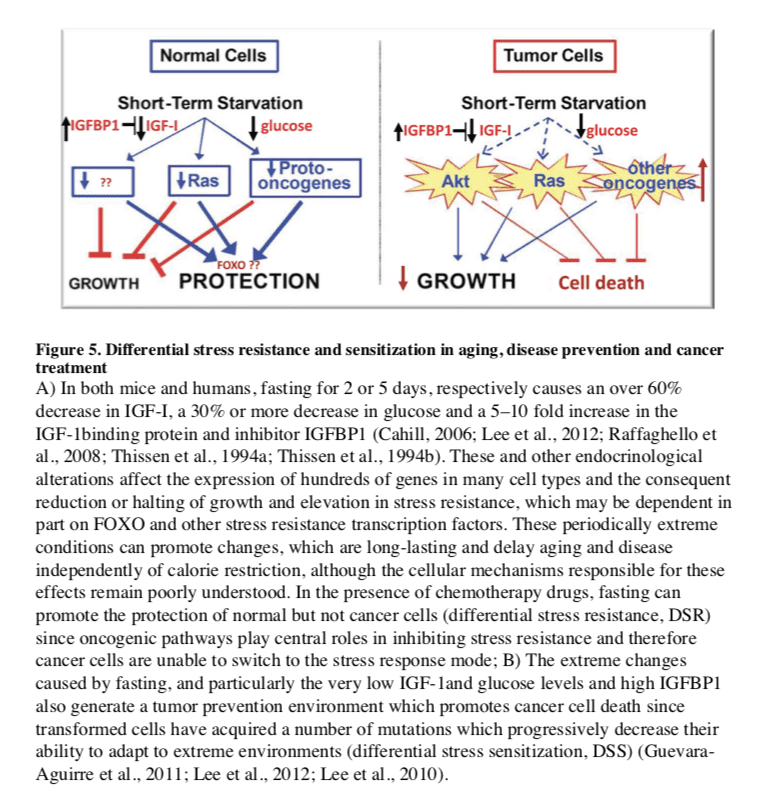
[00:54:58] And so other benefits that we see, of course, this promotion, a cellular link reduction of body weight and body fat. And then interestingly, this maintenance in the level of IGF 1, which I didn’t really go over too much and I won’t spend too much time on this bad boy, it gets rather relatively complex. But I do find it’s called into insulin-like growth factor 1.


[00:55:20] And it’s actually been implicated in this aging process and disease. And that’s part of this is one of the food sensing pathways.


[00:55:30] So this one is really important. And one of the ones that Dr. Longo had really just done a lot of research with, trying to figure out, you know, what’s triggering it and how can you modify it, at least with fasting. So these are all outcomes that we see with the FMV.


[00:55:46] It is a bad boy. It is the one that we focus on when we talk about metabolic syndrome. And it goes really deep and it does make a difference on that bad boy called insulin. So it’s a good one. So I definitely will allude to that in a future podcast, because it’s very important that even though it looks kind of a menacing and it’s a deep word, but I just love the fact that the research was done with that as the basis.


[00:56:11] Yeah, and you know. Yeah, you could definitely spend like a whole a long time on this one. That mechanism is a really beautiful thing. But yeah, it’s interesting to see that again as this kind of short term intervention. We see some of these outcomes.


[00:56:25] So to kind of go over some of these outcomes and like one, two, three, four, man.


[00:56:31] So one of them, of course, rejuvenation, wellness, and health optimization. This program was really designed to promote healthspan.


[00:56:40] Which health span is this concept of healthier years’ lives. So it’s one thing to live longer. That’s fine. But what if you know those years where you are in very poor health during that time, it wouldn’t be too fun, right? Maybe then you kind of reevaluate that concept of live fast, die young. So it’s so much less about right. It’s more about healthier years lives. So making sure that there’s quality with that quantity is so important.


[00:57:08] Vitale. That’s a huge point there because touching on that one delicately. The issue is when I talk to my patients, I tell a man, I want you to live 100 years. That’s what I say. I say that to them. We got to do it because when we look at the turn of the century, people didn’t live far beyond the 50s. Today, we live much longer. In the mid-60s, it was 65. Today, we’re reaching even up to 100. Many of us have parents that are in their 90s and close to the hundreds. And one of the biggest concerns that people have is I don’t wanna live that long. I don’t want to feel ugly that we’re bad. And that’s exactly what you’re alluding to, the quality of life that you’re feeling in that process. So, yeah, it makes sense.


[00:57:46] Yeah, absolutely. You know, it’s a kind of, it’s not a novel concept, but I feel like I’m more recently, it’s definitely gaining some traction.


[00:57:54] So I’m not going to let any go a little more further in just on these research results. There was this kind of weight management effect, so fast way to lose weight specifically coming from the circumferential region. So that trunk fat, abdominal fat without any of that means finding mass loss.


[00:58:13] And again, this was really only with five days. So, you know, think of short term interventions of five days done once a month for three consecutive. And going back to what you’re saying earlier. That’s where we get this concept of the once a month for three consecutive months. It’s totally based on a clinical trial. Ultimately, in terms of how many times you may want to do the fasting-mimicking diet, that’s definitely a discussion for you and your health care provider and also just, you know, what your health care goals are as a whole.


[00:58:43] So it may not be appropriate for everyone to do them once a month for three consecutive months, but for some, you know, it may.


[00:58:49] And just to note, these effects did actually persist even when individuals went right back to their normal diet. So we had some follow up evaluation after those three consecutive cycles.


[00:59:02] There was like in essence around three to four months after those last three cycles. And during that time, the research, the researchers had told those individuals the protocol there wasn’t, you know, hey, follow a healthy diet, Mediterranean, exercise more.


[00:59:19] There wasn’t any of that instruction. And we still did see this persisting in these weight loss effects. So that was actually quite interesting. And of course, in addition to some of the other markers that we had measured, we actually saw that this had helped to maintain healthy levels of not only IGF 1. So kind of going back to the growth factor 1, super important, but also systolic blood pressure, interestingly enough. And then to get into some of those well-being aspects I was mentioning earlier. So this was based on that survey that we had conducted in 2017. And we had kind of summarized from this survey was that these participants, they reported just a multitude of these well-being aspects of an improvement in their energy levels, and this would be after the fasting-mimicking diet.


[01:00:09] They also felt more empowered to make healthier, you know, changes in their life and they felt like they had a positive impact on their lifestyle, you know, after the FMD.


[01:00:21] So it’s interesting to note that there is, you know, this kind of emotional or wellness aspect or impact to completing, in essence, Prolon and, you know, just five days can really set the tone for so many other things.


[01:00:38] And although we didn’t measure this in the clinical trial, you know, we took it upon ourselves to try to evaluate this on the neutral side.


[01:00:46] And we did get to see a lot of these really interesting empowerment outcomes afterward.


[01:00:58] And so then to kind of summarize, and this is, in essence, my last slide before I had a Q&A. So to summarize the benefits of FMV and this is again off of the once a month for three consecutive.


[01:01:09] So five days on twenty-five on two more times in a row, we did to the meetings of healthy levels of IGF 1, systolic blood pressure. We all saw that lean body mass was maintained and a healthy level. And of course, we saw this reduction in weight and abdominal fat.


[01:01:30] That’s amazing.


[01:01:31] This is it right here. Yeah, that is it. So any questions?


[01:01:35] Well, yeah. The question that I’m getting here from some of my people here on the feed is that they love the presentation. And actually, there are three nurses there that say that they’re doing it. They’ve done it in the past and they loved it, too. So let me ask you this. There’s a person here says he’s 300 pounds and he’s about 5 foot 7. Can he do it? He’s clinical, I guess, from the dimensioned there, I think, clinically obese. And in that issue there, he is concerned that it may be something that he can look at and he can try. What could we say to him?


[01:02:13] Yeah. So, you know, what we can say to him is, in essence, you know, it definitely. This program is one of the intentions of it is weight loss.


[01:02:23] But given that we know that obviously with a very elevated BMI, you may want to discuss it with your health care provider to determine if Prolon is right for you. And then in addition with that frequency would look like. So I think, you know, the next step would really just be having that conversation, opening it up.


[01:02:45] And it’s a pretty easy, straightforward conversation to have, because ultimately what Prolon is, is it’s just a five day, you know, fasting-mimicking diet.


[01:02:54] But arguably, you could probably also say it’s a five day, you know, a reduced-calorie program.


[01:03:01] And typically, the health care provider will have a few questions about that. It’s appreciated Victoria.


[01:03:08] I would add to that for an individual that has that presentation, clearly talk to your doctor first, find out metabolically how you stand. If you have any underlying issues in today’s environment before we go on and do anything that is unique.


[01:03:24] And then you are having some maybe underlying issues, kidneys, heart issues, always get their doctor to approve these processes because you want someone to evaluate that and that makes sense. The other question I have here.


[01:03:35] Victoria, then I noticed here was people are asking, where can they get it? Where can they order it? And is this something that they can get online? Do they have to go to a doctor or what typically are most people doing?


[01:03:48] So, you know, I don’t know if you yourself.


[01:03:51] I do. I do. I do. Yeah, we have our channel.


[01:03:55] Yeah. So in case you know, you are a patient then definitely discuss this with and determine if it’s a good fit for you. You might want to go through his channel and ourselves.


[01:04:09] But we do also have a website and I would argue that most individuals who are just kind of looking to incorporate bossy into their life. Typically, we’ll just, you know, purchase it on their own through the patient portal that we have online.


[01:04:25] But absolutely, for some of the individuals that, you know, you may have some questions about it. Is this right for me? Then it’s always gonna be more appropriate for you to have a discussion, open up a discussion with your health care provider.


[01:04:37] What we do in our office is we do a full functional medicine assessment, functional wellness assessment. We go through deep and we figure out where the physiology is. We do at least a wellness panel to determine what’s going on. And we evaluate the BMI, BIA consistently and every few weeks. So it does. It’s important to if you’re going to be scientific about the process to have and if you specifically if you have underlying issues, you want to make sure that you have a watchful eye by your specialist, your doctor, your family physician. So that makes perfect sense. Well, Victoria, I was going to tell you, this has been a blessing on our behalf of El Paso. And I want to at least thank you. I want to thank the group over there. Al Neutra. And Prolon, the design.


[01:05:25] The product is one that we need. Having an environment where metabolic syndrome does affect so many, we want to be able to do certain things to control our diets. When I first came to El Paso, the story was we were the fattest, sweaty town of the United States. And sadly, today, that was always known. But today we hear where I mean, not sadly. The awesome component of it is that today there are fitness centers everywhere. In 1990, when I came here, there were no fitness centers. People are very health conscious. My patient base is extremely educated. The Internet has evolved. People are learning and people really understand the sciences of biomedicine. You know, biometrics designs in assessing the body for what it is. The question many times, because there’s so much information is, well, what do I start? How do I do this? This is an awesome diet. Well, it’s an awesome mechanism and a plan to follow where it’s had scientific backing. A fundamental approach that is just, you know, second to none. I love the research I read consistently. I have their books. I have books to offer my patients if they ever wanted because I do have people that want to learn of the breadth and width of the science behind the evolution of this particular diet. So I’m very much excited to bring this to the community. So I want to thank you, Victoria. And I want to thank your group and organization to have allowed at least this presentation to go live on the social portals so that we can bring a different option for our patients. And I want to honestly thank you very much because, for me, it’s been a blessing to hear of. The areas you see if I can get you in there somehow. But while you’re there, I’ll put you in the middle there. And what we can do is, in the future, if you guys have questions, call me and we can discuss these things. And is there anything else that you would want them to know?


[01:07:25] Victoria, in terms of this beautiful subject, just a brief tidbit and not to downplay anything, but just to know and I really want to make sure this is clear that, of course, you know, FMV is really exciting and it’s novel with just to note, it has not been evaluated by the FDA to treat, diagnose, cure, prevent any conditions.


[01:07:48] So it’s not meant for therapeutic rationale.


[01:07:53] Rather, if you have, you know, maybe these weight loss schools or healthy agents or schools or medical schools. That’s definitely something that I feel I can fit in. But I just always be very mindful that it’s not intended for treatment and has not been evaluated for those types of implementation. So.


[01:08:15] Well said, Victoria, I totally got that. And it makes perfect sense. And I really appreciate you going out of your way to show us this process and to give us the parameters. I thank you very much.



What is the Longevity Diet Plan?

What is the Longevity Diet Plan?

Adhering to a specific diet to maintain proper nutrition can sometimes make eating stressful. Natural lifestyle modifications are the key to changing your eating habits and this can help you live a longer, healthier life. The Longevity Diet Plan, created by Dr. Valter Longo, is a selection of practical eating guidelines which focuses on changing your eating patterns to achieve overall health and wellness.

The Rules of The Longevity Diet Plan

By merely following the nutritional tips below, you can overhaul your current diet plan and start eating healthier without all the stress of a traditional diet. The Longevity Diet Plan eliminates the consumption of processed foods that can cause a variety of health issues and boosts the consumption of nutrients that promote longevity. This unique dietary program shares the results of approximately 25 years of research studies all on a simple solution which can help people experience overall well-being through proper nutrition.

However, unlike most traditional diets, the Longevity Diet Plan doesn’t promote weight loss. Although you may experience weight reduction, the emphasis of this unique dietary program is on eating healthier. The Longevity Diet Plan has been demonstrated to help you activate stem cell-based renewal, lose weight and reduce abdominal fat, prevent age-related bone and muscle loss, build resistance to developing cardiovascular disease, Alzheimer’s disease, diabetes, and cancer, as well as extend longevity. Below, we will summarize the 8 most common nutritional tips of the Longevity Diet Plan which can ultimately help make your life longer and healthier.

Dr Jimenez White Coat

The Longevity Diet Plan is a unique dietary program designed by Dr. Valter Longo to promote overall health, wellness, and longevity. Through simple lifestyle modifications, people can change their eating habits and take advantage of the many health benefits of this dietary program. By following a pescatarian diet and following the ProLon� Fasting Mimicking Diet, among the other nutritional tips described below, people can live longer and healthier lives. Traditional diets can often be difficult and stressful to follow, however, the Longevity Diet Plan is a practical and unique dietary program which can be suitable for many people.

Dr. Alex Jimenez D.C., C.C.S.T. Insight

8 Nutritional Tips of the Longevity Diet Plan

ProLon Fasting Mimicking Diet Banner

Buy Now Includes Free Shipping.png

Follow a Pescatarian Diet

As a part of the Longevity Diet Plan, follow a pescatarian diet, which is almost 100 percent plant and fish-based. Also, make sure to limit fish consumption to two or three servings every week, avoiding fish with higher mercury content, such as tuna, swordfish, mackerel, and halibut. If you’re over 65 and you begin to experience reduced muscle mass, strength, and fat, add more fish into your diet alongside other animal-based foods, including eggs and specific cheeses, such as feta or pecorino, and yogurt made from goat’s milk.

Don’t Eat Too Much Protein

According to the Longevity Diet Plan, we should eat 0.31 to 0.36 grams of protein per pound of body fat every day. If you weigh 130lbs, you should eat about 40 to 47 grams of protein per day, or an equivalent of 1.5 filets of salmon, 1 cup of chickpeas or 2 1/2 cups of lentils, of which 30 grams should be consumed in one meal. If you weigh 200 to 220lbs, you should eat about 60 to 70 grams of protein per day, or an equivalent of two fillets of salmon, 3 1/2 cups of lentils or 1 1/2 cups of chickpeas. Protein consumption should be increased after age 65. For the majority of us, a 10 to 20 percent increase, or 5 to 10 grams more each day, is enough. Finally, the Longevity Diet is free of animal proteins like red meat, white meat, and poultry, with the exception of animal proteins in fish. This unique dietary program instead is comparatively high in vegetable proteins like legumes and nuts to optimize health and wellness.

Increase Good Fats and Complex Carbohydrates

As a part of the Longevity Diet Plan, you should eat higher amounts of polyunsaturated fats, such as those found in salmon, almonds, walnuts, and olive oil, while you should eat lower amounts of saturated, hydrogenated, and trans fats. Likewise, as a part of the Longevity Diet Plan, you should also eat complex carbohydrates, such as those found in whole wheat bread, legumes, and vegetables. Make sure to limit eating pasta, rice, bread, fruit, and fruit juices, which can be converted to sugars by the time they reach your gut.

Take Dietary Supplements

The human body needs proteins, essential fatty acids like omega-3 and omega-6, vitamins, minerals, and even sugars to function correctly. Whenever your intake of certain nutrients becomes too low, the repair, replacement, and defense methods of the human body can slow down or stop, allowing fungi, bacteria, and viruses to cause damage which can lead to a variety of health issues. Take vitamin and mineral dietary supplements, especially for omega-3, as recommended by your healthcare professional.

Eat Various Foods from your Ancestry

To take in all of the necessary nutrients you need, you have to eat a wide variety of foods, but it’s best to choose foods that were common on your parents’, grandparents’, and great-grandparents’ table. By way of instance, in many northern European countries where milk has been generally consumed, lactose intolerance is relatively rare, whereas lactose intolerance is quite common in southern European and Asian countries, where milk was not historically part of the conventional diet of adults. If a person of Japanese ancestry residing in the United States suddenly decides to begin drinking milk, which was probably rarely served in their grandparents’ dining table, they will probably start feeling sick. The most common problems in these cases are intolerances or autoimmunities, such as the response to gluten-rich foods like bread and pasta seen in people with celiac disease. Although further evidence is needed, it is possible that food intolerances could be related to many autoimmune disorders, including diabetes, colitis, and Crohn’s disease.

Eat Two Meals a Day and a Snack

According to the Longevity Diet Plan, it is ideal to eat breakfast and one major meal plus a nourishing low-calorie, low-sugar snack every day. While for some people it may be recommended to eat three meals and a snack every day. Many nutritional guidelines recommend that we should eat five to six meals every day. When people are advised to eat frequently, it can often become difficult for them to regulate their calorie intake. Over the last twenty years, approximately 70 percent of the population in the United States is considered to be overweight or obese. It’s much more difficult to overeat on the Longevity Diet Plan if you eat only two and a half meals every day. It would take massive portions of legumes, vegetables, and fish to reach the amount that would lead to weight gain. The high nourishment of the meals, plus the amount of the meal, sends a signal to your stomach and your brain that you have had enough food. This one major meal system may sometimes have to be broken down into two meals to avoid digestion issues. Adults and older people prone to weight loss should eat three meals a day. For people trying to lose weight as well as for people who are overweight or obese, the best nutritional advice would be to eat breakfast daily; have dinner or lunch, but not both, and substitute for the missed meal with one snack containing fewer than 100 calories and no more than 3 to 5 g of sugar. Which meal you skip depends upon your lifestyle, however, it’s not recommended to skip breakfast due to its adverse health issues. The benefit of skipping lunch is more free time and energy. But, there is a drawback for eating a large dinner, particularly for people who suffer from acid reflux or sleeping problems. The drawback for skipping dinner, however, is that it may eliminate the social meal of their day.

Eat Within a 12-Hour Window Every Day

Another common eating habit adopted by many centenarians is time-restricted eating or limiting all meals and snacks within a 12-hour window every day. The efficiency of this method was demonstrated in both human and animal research studies. Generally, you would eat breakfast at 8 a.m. and then eat dinner by 8 p.m.. A briefer eating window of ten hours or less can be even better for weight loss, but it’s considerably harder to maintain and it might increase the risk of developing side effects, such as gallstones and even potentially increasing the chance of developing cardiovascular disease. You should not eat three to four hours before sleeping.

Follow the ProLon� Fasting Mimicking Diet

Healthy people under the age of 65 should follow the ProLon� Fasting Mimicking Diet, 5-day meal program at least twice every year. The FMD is one of the key principles promoted by the Longevity Diet Plan. The fasting mimicking diet offers the same health benefits of fasting without actually fasting. By eating 800 to 1,100 calories in precise quantities and combinations of foods which have been individually packed and labeled for each day, you can “trick” the human body into a fasting state. Through various research studies, Dr. Valter Longo discovered that by depriving the body of food in this manner, our cells begin breaking down and regenerating our internal tissues, through a process known as autophagy, killing and replacing, or regenerating, damaged cells. Additionally, fasting can reverse various health issues, destroy cancer cells and significantly reduce the possibility of developing Alzheimer’s disease.

the-longevity-diet-book-new.png


With the Longevity Diet Plan presented in the book by Dr. Valter Longo, you’ll eat better, feel better and, although it’s not designed as a weight loss plan, you may even shed a few pounds. You’re not going to have to consider complex food rules and make difficult choices with this unique dietary program. Once you get the hang of these lifestyle modifications, you’ll be able to improve your overall health and wellness as well as your longevity. The scope of our information is limited to chiropractic, spinal health issues, and functional medicine topics. To further discuss the subject matter, please feel free to ask Dr. Alex Jimenez or contact us at 915-850-0900 .

Curated by Dr. Alex Jimenez

Green Call Now Button H .png

Additional Topic Discussion: Acute Back Pain

Back pain is one of the most prevalent causes of disability and missed days at work worldwide. Back pain attributes to the second most common reason for doctor office visits, outnumbered only by upper-respiratory infections. Approximately 80 percent of the population will experience back pain at least once throughout their life. Your spine is a complex structure made up of bones, joints, ligaments, and muscles, among other soft tissues. Injuries and/or aggravated conditions, such as herniated discs, can eventually lead to symptoms of back pain. Sports injuries or automobile accident injuries are often the most frequent cause of back pain, however, sometimes the simplest of movements can have painful results. Fortunately, alternative treatment options, such as chiropractic care, can help ease back pain through the use of spinal adjustments and manual manipulations, ultimately improving pain relief.

Xymogen Formulas - El Paso, TX

XYMOGEN�s Exclusive Professional Formulas are available through select licensed health care professionals. The internet sale and discounting of XYMOGEN formulas are strictly prohibited.

Proudly, Dr. Alexander Jimenez makes XYMOGEN formulas available only to patients under our care.

Please call our office in order for us to assign a doctor consultation for immediate access.

If you are a patient of Injury Medical & Chiropractic Clinic, you may inquire about XYMOGEN by calling 915-850-0900.

xymogen el paso, tx

For your convenience and review of the XYMOGEN products please review the following link.*XYMOGEN-Catalog-Download

* All the above XYMOGEN policies remain strictly in force.

***

Fasting Mimicking Diet Explained

Fasting Mimicking Diet Explained

Understanding the ProLon� Fasting Mimicking Diet

Fasting is associated with numerous health benefits; from weight loss to longevity. There are many different types of fasting methods, such as intermittent fasting. The fasting mimicking diet allows you to experience the benefits of traditional fasting without depriving your body of food. The main difference of the FMD is that instead of completely eliminating all food for several days or even weeks, you only restrict your calorie intake for five days out of the month. The FMD can be practiced once a month to promote well-being.

While anyone can follow the FMD on their own, the ProLon� fasting mimicking diet offers a 5-day meal program which has been individually packed and labeled for each day and it serves the foods you need for the FMD in precise quantities and combinations. The meal program is made up of ready-to-eat or easy-to-prepare, plant-based foods, including bars, soups, snacks, supplements, a drink concentrate, and teas. The products are scientifically formulated and great tasting. Before starting the ProLon� fasting mimicking diet, 5-day meal program, please make sure to talk to a healthcare professional to find out if the FMD is right for you. The purpose of the research study below is to demonstrate the molecular mechanisms and clinical applications of fasting in the FMD.

ProLon Fasting Mimicking Diet Banner

Fasting: Molecular Mechanisms and Clinical Applications

Fasting has been practiced for millennia, but only recently studies have shed light on its role in adaptive cellular responses that reduce oxidative damage and inflammation, optimize energy metabolism and bolster cellular protection. In lower eukaryotes, chronic fasting extends longevity in part by reprogramming metabolic and stress resistance pathways. In rodents intermittent or periodic fasting protects against diabetes, cancers, heart disease and neurodegeneration, while in humans it helps reduce obesity, hypertension, asthma and rheumatoid arthritis. Thus, fasting has the potential to delay aging and help prevent and treat diseases while minimizing the side effects caused by chronic dietary interventions.

Introduction

In humans, fasting is achieved by ingesting no or minimal amounts of food and caloric beverages for periods that typically range from 12 hours to three weeks. Many religious groups incorporate periods of fasting into their rituals including Muslims who fast from dawn until dusk during the month of Ramadan, and Christians, Jews, Buddhists and Hindus who traditionally fast on designated days of the week or calendar year. In many clinics, patients are now monitored by physicians while undergoing water only or very low calorie (less than 200 kcal/day) fasting periods lasting from 1 week or longer for weight management, and for disease prevention and treatment. Fasting is distinct from caloric restriction (CR) in which the daily caloric intake is reduced chronically by 20�40%, but meal frequency is maintained. Starvation is instead a chronic nutritional insufficiency that is commonly used as a substitute for the word fasting, particularly in lower eukaryotes, but that is also used to define extreme forms of fasting, which can result in degeneration and death. We now know that fasting results in ketogenesis, promotes potent changes in metabolic pathways and cellular processes such as stress resistance, lipolysis and autophagy, and can have medical applications that in some cases are as effective as those of approved drugs such as the dampening of seizures and seizure-associated brain damage and the amelioration of rheumatoid arthritis (Bruce-Keller et al., 1999; Hartman et al., 2012; Muller et al., 2001). As detailed in the remainder of this article, findings from well-controlled investigations in experimental animals, and emerging findings from human studies, indicate that different forms of fasting may provide effective strategies to reduce weight, delay aging, and optimize health. Here we review the fascinating and potent effects of different forms of fasting including intermittent fasting (IF, including alternate day fasting, or twice weekly fasting, for example) and periodic fasting (PF) lasting several days or longer every 2 or more weeks. We focus on fasting and minimize the discussion of CR, a topic reviewed elsewhere (Fontana et al., 2010; Masoro, 2005).

Lessons from Simple Organisms

The remarkable effects of the typical 20�40% CR on aging and diseases in mice and rats are often viewed as responses evolved in mammals to adapt to periods of limited availability of food (Fontana and Klein, 2007; Fontana et al., 2010; Masoro, 2005; Weindruch and Walford, 1988). However, the cellular and molecular mechanisms responsible for the protective effects of CR have likely evolved billions of years earlier in prokaryotes attempting to survive in an environment largely or completely devoid of energy sources while avoiding age-dependent damage that could compromise fitness. In fact, E. coli switched from a nutrient rich broth to a calorie-free medium survive 4 times longer, an effect reversed by the addition of various nutrients but not acetate, a carbon source associated with starvation conditions (Figure 1A) (Gonidakis et al., 2010). The effect of rich medium but not acetate in reducing longevity raises the possibility that a ketone body-like carbon source such as acetate may be part of an �alternate metabolic program� that evolved billions of years ago in microorganisms and that now allows mammals to survive during periods of food deprivation by obtaining much of the energy by catabolizing fatty acids and ketone bodies including acetoacetate and ?-hydroxybutyrate (Cahill, 2006).

In the yeast S. cerevisiae, switching cells from standard growth medium to water also causes a consistent 2-fold chronological lifespan extension as well as a major increase in the resistance to multiple stresses (Figure 1B) (Longo et al., 1997; Longo et al., 2012). The mechanisms of food deprivation-dependent lifespan extension involve the down-regulation of the amino acid response Tor-S6K (Sch9) pathway as well as of the glucose responsive Ras-adenylate cyclase-PKA pathway resulting in the activation of the serine/threonine kinase Rim15, a key enzyme coordinating the protective responses (Fontana et al., 2010). The inactivation of Tor-S6K, Ras-AC-PKA and activation of Rim15 result in increased transcription of genes including superoxide dismutases and heat shock proteins controlled by stress responsive transcription factors Msn2, Msn4 and Gis1, required for the majority of the protective effects caused by food deprivation (Wei et al., 2008). Notably, when switched to food deprivation conditions, both bacteria and yeast enter a hypometabolic mode that allows them to minimize the use of reserve carbon sources and can also accumulate high levels of the ketone body-like acetic acid, analogously to mammals.

Another major model organism in which fasting extends lifespan is the nematode C. elegans. Food deprivation conditions achieved by feeding worms little or no bacteria, lead to a major increase in lifespan (Figure 1C) (Kaeberlein et al., 2006; Lee et al., 2006), which requires AMPK as well as the stress resistance transcription factor DAF-16, similarly to the role of transcription factors Msn2/4 and Gis1 in yeast and FOXOs in flies and mammals (Greer et al., 2007). Intermittent food deprivation also extends lifespan in C. elegans by a mechanism involving the small GTPase RHEB-1 (Honjoh et al., 2009).

In flies, most studies indicate that intermittent food deprivation does not affect lifespan (Grandison et al., 2009). However, food reduction or food dilution have been consistently shown to extend Drosophila longevity (Piper and Partridge, 2007) suggesting that flies can benefit from dietary restriction but may be sensitive to even short starvation periods.

Together these results indicate that food deprivation can result in pro-longevity effects in a wide variety of organisms, but also underline that different organisms have different responses to fasting.

Adaptive Responses to Fasting in Mammals

In most mammals, the liver serves as the main reservoir of glucose, which is stored in the form of glycogen. In humans, depending upon their level of physical activity, 12 to 24 hours of fasting typically results in a 20% or greater decrease in serum glucose and depletion of the hepatic glycogen, accompanied by a switch to a metabolic mode in which non-hepatic glucose, fat-derived ketone bodies and free fatty acids are used as energy sources (Figures 2 and 3). Whereas most tissues can utilize fatty acids for energy, during prolonged periods of fasting, the brain relies on the ketone bodies ?-hydroxybutyrate and acetoacetate in addition to glucose for energy consumption (Figure 3B). Ketone bodies are produced in hepatocytes from the acetyl-CoA generated from ? oxidation of fatty acids released into the bloodstream by adipocytes, and also by the conversion of ketogenic amino acids. After hepatic glycogen depletion, ketone bodies, fat-derived glycerol, and amino acids account for the gluconeogenesis-dependent generation of approximately 80 grams/day of glucose, which is mostly utilized by the brain. Depending on body weight and composition, the ketone bodies, free fatty acids and gluconeogenesis allow the majority of human beings to survive 30 or more days in the absence of any food and allow certain species, such as king penguins, to survive for over 5 months without food (Eichhorn et al., 2011) (Figure 3C). In humans, during prolonged fasting, the plasma levels of 3-?-hydroxybutyrate are about 5 times those of free fatty acids and acetoacetic acid (Figure 3A and 3B). The brain and other organs utilize ketone bodies in a process termed ketolysis, in which acetoacetic acid and 3-?- hydroxybutyrate are converted into acetoacetyl-CoA and then acetyl-CoA. These metabolic adaptations to fasting in mammals are reminiscent of those described earlier for E. coli and yeast, in which acetic acid accumulates in response to food deprivation (Gonidakis et al., 2010; Longo et al., 2012). In yeast, glucose, acetic acid and ethanol, but not glycerol which is also generated during fasting from the breakdown of fats, accelerate aging (Fabrizio et al., 2005; Wei et al., 2009). Thus, glycerol functions as a carbon source that does not activate the pro-aging nutrient signaling pathways but can be catabolized by cells. It will be important to understand how the different carbon sources generated during fasting affect cellular protection and aging. and to determine whether glycerol, specific ketone bodies or fatty acids can provide nourishment while reducing cellular aging in mammals, a possibility suggested by beneficial effects of a dietary ketone precursor in a mouse model of Alzheimer�s disease (Kashiwaya et al., 2012). It will also be important to study, in various model organisms and humans, how high intake of specific types of fats (medium- vs. long- chain fatty acids, etc.) in substitution of carbohydrates and proteins influences gluconeogenesis and glucose levels as well as aging and diseases.

Fasting and the Brain

In mammals, severe CR/food deprivation results in a decrease in the size of most organs except the brain, and the testicles in male mice (Weindruch and Sohal, 1997). From an evolutionary perspective this implies that maintenance of a high level of cognitive function under conditions of food scarcity is of preeminent importance. Indeed, a highly conserved behavioral trait of all mammals is to be active when hungry and sedentary when satiated. In rodents, alternating days of normal feeding and fasting (IF) can enhance brain function as indicated by improvements in performance on behavioral tests of sensory and motor function (Singh et al., 2012) and learning and memory (Fontan-Lozano et al., 2007). The behavioral responses to IF are associated with increased synaptic plasticity and increased production of new neurons from neural stem cells (Lee et al., 2002).

Particularly interesting with regards to adaptive responses of the brain to limited food availability during human evolution is brain-derived neurotrophic factor (BDNF). The genes encoding BDNF and its receptor TrkB appeared in genomes relatively recently as they are present in vertebrates, but absent from worms, flies and lower species (Chao, 2000). The prominent roles of BDNF in the regulation of energy intake and expenditure in mammals is highlighted by the fact that the receptors for both BDNF and insulin are coupled to the highly conserved PI3 kinase � Akt, and MAP kinase signaling pathways (Figure 4). Studies of rats and mice have shown that running wheel exercise and IF increase BDNF expression in several regions of the brain, and that BDNF in part mediates exercise- and IF-induced enhancement of synaptic plasticity, neurogenesis and neuronal resistance to injury and disease (see sections on fasting and neurodegeneration below). BDNF signaling in the brain may also mediate behavioral and metabolic responses to fasting and exercise including regulation of appetite, activity levels, peripheral glucose metabolism and autonomic control of the cardiovascular and gastrointestinal systems (Mattson, 2012a, b; Rothman et al., 2012).

Hunger is an adaptive response to food deprivation that involves sensory, cognitive and neuroendocrine changes which motivate and enable food seeking behaviors. It has been proposed that hunger-related neuronal networks, neuropeptides and hormones play pivotal roles in the beneficial effects of energy restriction on aging and disease susceptibility. As evidence, when mice in which the hypothalamic �hunger peptide� NPY is selectively ablated are maintained on a CR diet, the ability of CR to suppress tumor growth is abolished (Shi et al., 2012). The latter study further showed that the ability of CR to elevate circulating adiponectin levels was also compromised in NPY-deficient mice, suggesting a key role for the central hunger response in peripheral endocrine adaptations to energy restriction. Adiponectin levels increase dramatically in response to fasting; and data suggest roles for adiponectin in the beneficial effects of IF on the cardiovascular system (Wan et al., 2010). The hunger response may also improve immune function during aging as ghrelin-deficient mice exhibit accelerated thymic involution during aging, and treatment of middle age mice with ghrelin increases thymocyte numbers and improves the functional diversity of peripheral T cell subsets (Peng et al., 2012). In addition to its actions on the hypothalamus and peripheral endocrine cells, fasting may increase neuronal network activity in brain regions involved in cognition, resulting in the production of BDNF, enhanced synaptic plasticity and improved stress tolerance (Rothman et al., 2012). Thus, hunger may be a critical factor involved in widespread central and peripheral adaptive responses to the challenge of food deprivation for extended time periods.

Fasting, Aging, and Disease in Rodent Models

Different Fasting Methods and Aging

The major differences between IF and PF in mice are the length and the frequency of the fast cycles. IF cycles usually last 24 hours and are one to a few days apart, whereas PF cycles last 2 or more days and are at least 1 week apart, which is necessary for mice to regain their normal weight. One difference in the molecular changes caused by different fasting regimes is the effect on a variety of growth factors and metabolic markers, with IF causing more frequent but less pronounced changes than PF. It will be important to determine how the frequency of specific changes such as the lowering of IGF-1 and glucose affect cellular protection, diseases and longevity. The most extensively investigated IF method in animal studies of aging has been alternate day fasting (food is withdrawn for 24 hours on alternate days, with water provided ad libitum) (Varady and Hellerstein, 2007). The magnitude of the effects of alternate day fasting on longevity in rodents depends upon the species and age at regimen initiation, and can range from a negative effect to as much as an 80% lifespan extension (Arum et al., 2009; Goodrick et al., 1990). IF every other day extended the lifespan of rats more than fasting every 3rd or 4th day (Carlson and Hoelzel, 1946). Fasting for 24 hours twice weekly throughout adult life resulted in a significant increase in lifespan of black-hooded rats (Kendrick, 1973). In rats, the combination of alternate day fasting and treadmill exercise resulted in greater maintenance of muscle mass than did IF or exercise alone (Sakamoto and Grunewald, 1987). Interestingly, when rats were maintained for 10 weeks on a PF diet in which they fasted 3 consecutive days each week, they were less prone to hypoglycemia during 2 hours of strenuous swimming exercise as a result of their accumulation of larger intramuscular stores of glycogen and triglycerides (Favier and Koubi, 1988). Several major physiological responses to fasting are similar to those caused by regular aerobic exercise including increased insulin sensitivity and cellular stress resistance, reduced resting blood pressure and heart rate, and increased heart rate variability as a result of increased parasympathetic tone (Figure 2) (Anson et al., 2003; Mager et al., 2006; Wan et al., 2003). Emerging findings suggest that exercise and IF retard aging and some age-related diseases by shared mechanisms involving improved cellular stress adaptation (Stranahan and Mattson, 2012). However, in two different mouse genetic backgrounds, IF did not extend mean lifespan and even reduced lifespan when initiated at 10 months (Goodrick et al., 1990). When initiated at 1.5 months, IF either increased longevity or had no effect (Figure 1D) (Goodrick et al., 1990). These results in rodents point to conserved effects of fasting on lifespan, but also to the need for a much better understanding of the type of fasting that can maximize its longevity effects and the mechanisms responsible for the detrimental effects that may be counterbalancing its anti-aging effects. For example, one possibility is that fasting may be consistently protective in young and middle aged laboratory rodents that are either gaining or maintaining a body weight, but may be detrimental in older animals that, similarly to humans, begin to lose weight prior to their death. Notably, whereas bacteria, yeast and humans can survive for several weeks or more without nutrients, most strains of mice are unable to survive more than 3 days without food. The age-dependent weight loss may make this sensitivity to long periods of fasting worse.

Fasting and Cancer

Fasting can have positive effects in cancer prevention and treatment. In mice, alternate day fasting caused a major reduction in the incidence of lymphomas (Descamps et al., 2005) and fasting for 1 day per week delayed spontaneous tumorigenesis in p53-deficient mice (Berrigan et al., 2002). However, the major decrease in glucose, insulin and IGF-1 caused by fasting, which is accompanied by cell death and/or atrophy in a wide range of tissues and organs including the liver and kidneys, is followed by a period of abnormally high cellular proliferation in these tissues driven in part by the replenishment of growth factors during refeeding. When combined with carcinogens during refeeding, this increased proliferative activity can actually increase carcinogenesis and/or pre-cancerous lesions in tissues including liver and colon (Tessitore et al., 1996). Although these studies underline the need for an in depth understanding of its mechanisms of action, fasting is expected to have cancer preventive effects as indicated by the studies above and by the findings that multiple cycles of periodic fasting can be as effective as toxic chemotherapy in the treatment of some cancers in mice (Lee et al., 2012).

In the treatment of cancer, fasting has been shown to have more consistent and positive effects. PF for 2�3 days was shown to protect mice from a variety of chemotherapy drugs, an effect called differential stress resistance (DSR) to reflect the inability of cancer cells to become protected based on the role of oncogenes in negatively regulating stress resistance, thus rendering cancer cells, by definition, unable to become protected in response to fasting conditions (Figure 5) (Raffaghello et al., 2008). PF also causes a major sensitization of various cancer cells to chemo-treatment, since it fosters an extreme environment in combination with the stress conditions caused by chemotherapy. In contrast to the protected state entered by normal cells during fasting, cancer cells are unable to adapt, a phenomenon called differential stress sensitization (DSS), based on the notion that most mutations are deleterious and that the many mutations accumulated in cancer cells promote growth under standard conditions but render them much less effective in adapting to extreme environments (Lee et al., 2012). In mouse models of metastatic tumors, combinations of fasting and chemotherapy that cause DSR and DSS, result in 20 to 60% cancer-free survival compared to the same levels of chemotherapy or fasting alone, which are not sufficient to cause any cancer-free survival (Lee et al., 2012; Shi et al., 2012). Thus, the idea that cancer could be treated with weeks of fasting alone, made popular decades ago, may be only partially true, at least for some type of cancers, but is expected to be ineffective for other types of cancers. The efficacy of long-term fasting alone (2 weeks or longer) in cancer treatment will need to be tested in carefully designed clinical trials in which side effects including malnourishment and possibly a weakened immune system and increased susceptibility to certain infections are carefully monitored. By contrast, animal data from multiple laboratories indicate that the combination of fasting cycles with chemotherapy is highly and consistently effective in enhancing chemotherapeutic index and has high translation potential. A number of ongoing trials should soon begin to determine the efficacy of fasting in enhancing cancer treatment in the clinic.

Fasting and Neurodegeneration

Compared to ad libitum-fed controls, rats and mice maintained on an IF diet exhibit less neuronal dysfunction and degeneration, and fewer clinical symptoms in models of Alzheimer�s disease (AD), Parkinson�s disease (PD) and Huntington�s disease (HD). These models include transgenic mice expressing mutant human genes that cause dominantly inherited AD (amyloid precursor protein and presenilin-1) and frontotemporal lobe dementia (Tau) (Halagappa et al., 2007), PD (?-synuclein) (Griffioen et al., 2012) and HD (huntingtin) (Duan et al., 2003), as well as neurotoxin-based models pertinent to AD, PD and HD (Bruce-Keller et al., 1999; Duan and Mattson, 1999). Animals on an IF diet also fare better than ad libitum-fed controls after acute injury including severe epileptic seizures, stroke, and traumatic brain and spinal cord injuries (Arumugam et al., 2010; Bruce-Keller et al., 1999; Plunet et al., 2008).

Several interrelated cellular mechanisms contribute to the beneficial effects of IF on the nervous system including reduced accumulation of oxidatively damaged molecules, improved cellular bioenergetics, enhanced neurotrophic factor signaling, and reduced inflammation (Mattson, 2012a). The latter neuroprotective mechanisms are supported by studies showing that IF diets boost levels of antioxidant defenses, neurotrophic factors (BDNF and FGF2) and protein chaperones (HSP-70 and GRP-78), and reduce levels of pro- inflammatory cytokines (TNF?, IL-1? and IL-6) (Figure 4) (Arumugam et al., 2010). IF may also promote restoration of damaged nerve cell circuits by stimulating synapse formation and the production of new neurons from neural stem cells (neurogenesis) (Lee et al., 2002). Interestingly, while beneficial in models of most neurodegenerative conditions, there is evidence that fasting can hasten neurodegeneration in some models of inherited amyotrophic lateral sclerosis, perhaps because the motor neurons affected in those models are unable to respond adaptively to the moderate stress imposed by fasting (Mattson et al., 2007; Pedersen and Mattson, 1999).

Fasting and the Metabolic Syndrome

Metabolic syndrome (MS), defined as abdominal adiposity, combined with insulin resistance, elevated triglycerides and/or hypertension, greatly increases the risk of cardiovascular disease, diabetes, stroke and AD. Rats and mice maintained under the usual ad libitum feeding condition develop an MS-like phenotype as they age. MS can also be induced in younger animals by feeding them a diet high in fat and simple sugars (Martin et al., 2010). IF can prevent and reverse all aspects of the MS in rodents: abdominal fat, inflammation and blood pressure are reduced, insulin sensitivity is increased, and the functional capacities of the nervous, neuromuscular and cardiovascular systems are improved (Castello et al., 2010; Wan et al., 2003). Hyperglycemia is ameliorated by IF in rodent models of diabetes (Pedersen et al., 1999) and the heart is protected against ischemic injury in myocardial infarction models (Ahmet et al., 2005). A protective effect of fasting against ischemic renal and liver injury occurs rapidly, with 1 � 3 days of fasting improving functional outcome and reducing tissue injury and mortality (Mitchell et al., 2010). Six days on a diet missing just a single essential amino acid such as tryptophan can also elicit changes in metabolism and stress resistance, similar to those caused by fasting, which are dependent on the amino acid sensing kinase Gcn2 (Peng et al., 2012).

Multiple hormonal changes that typify MS in humans a re observed in rodents maintained on high fat and sugar diets including elevated levels of insulin and leptin and reduced levels of adiponectin and ghrelin. Elevated leptin levels are typically reflective of a pro- inflammatory state, whereas adiponectin and ghrelin can suppress inflammation and increase insulin sensitivity (Baatar et al., 2011; Yamauchi et al., 2001). Local inflammation in hypothalamic nuclei that control energy intake and expenditure may contribute to a sustained positive energy balance in MS (Milanski et al., 2012). Fasting results in a lowering of insulin and leptin levels and an elevation of adiponectin and ghrelin levels. By increasing insulin and leptin sensitivity, suppressing inflammation and stimulating autophagy, fasting reverses all the major abnormalities of the MS in rodents (Singh et al., 2009; Wan et al., 2010). Finally, in addition to its many effects on cells throughout the body and brain, IF may elicit changes in the gut microbiota that protect against MS (Tremaroli and Backhed, 2012). Naturally, the challenge of applying fasting-based interventions to treat MS in humans is a major one, as some obese individuals may have difficulties in following IF for long periods.

Dr Jimenez White Coat

The ProLon� fasting mimicking diet is a 5-day meal program consisting of scientifically developed and clinically tested, natural ingredients which “trick” the human body into a fasting mode. The FMD is low in carbohydrates as well as proteins and it’s high in fats. The ProLon� fasting mimicking diet promotes a variety of healthy benefits, including weight loss and decreased abdominal fat, all while preserving lead body mass, improved energy levels, softer and healthier looking skin, as well as overall health and wellness. The FMD can promote longevity.

Dr. Alex Jimenez D.C., C.C.S.T. Insight

Fasting, Aging, and Disease in Humans

Fasting and Factors Implicated in Aging

Clinical and epidemiological data are consistent wit h an ability of fasting to retard the aging process and associated diseases. Major factors implicated in aging whose generation are accelerated by gluttonous lifestyles and slowed by energy restriction in humans include: 1) oxidative damage to proteins, DNA and lipids; 2) inflammation; 3) accumulation of dysfunctional proteins and organelles; and 4) elevated glucose, insulin and IGF-I, although IGF-1decreases with aging and its severe deficiency can be associated with certain pathologies (Bishop et al., 2010; Fontana and Klein, 2007). Serum markers of oxidative damage and inflammation as well as clinical symptoms are reduced over a period of 2�4 weeks in asthma patients maintained on an alternate day fasting diet (Johnson et al., 2007). Similarly, when on a 2 days/week fasting diet overweight women at risk for breast cancer exhibited reduced oxidative stress and inflammation (Harvie et al., 2011) and elderly men exhibited reductions in body weight and body fat, and improved mood (Teng et al., 2011). Additional effects of fasting in human cells that can be considered as potentially �anti-aging� are inhibition the mTOR pathway, stimulation of autophagy and ketogenesis (Harvie et al., 2011; Sengupta et al., 2010).

Among the major effects of fasting relevant to aging and diseases are changes in the levels of IGF-1, IGFBP1, glucose, and insulin. Fasting for 3 or more days causes a 30% or more decrease in circulating insulin and glucose, as well as rapid decline in the levels of insulin- like growth factor 1 (IGF-1), the major growth factor in mammals, which together with insulin is associated with accelerated aging and cancer (Fontana et al., 2010). In humans, five days of fasting causes an over 60% decrease in IGF-1and a 5-fold or higher increase in one of the principal IGF-1-inhibiting proteins: IGFBP1 (Thissen et al., 1994a). This effect of fasting on IGF-1is mostly due to protein restriction, and particularly to the restriction of essential amino acids, but is also supported by calorie restriction since the decrease in insulin levels during fasting promotes reduction in IGF-1(Thissen et al., 1994a). Notably, in humans, chronic calorie restriction does not lead to a decrease in IGF-1unless combined with protein restriction (Fontana et al., 2008).

IF can be achieved in with a minimal decrease in overall calorie intake if the refeeding period in which subjects overeat is considered. Thus, fasting cycles provide a much more feasible strategy to achieve the beneficial effects of CR, and possibly stronger effects, without the burden of chronic underfeeding and some of the potentially adverse effects associated with weight loss or very low BMIs. In fact, subjects who are moderately overweight (BMI of 25�30) in later life can have reduced overall mortality risk compared to subjects of normal weight (Flegal et al., 2013). Although these results may be affected by the presence of many existing or developing pathologies in the low weight control group, they underline the necessity to differentiate between young individuals and elderly individuals who may use CR or fasting to reduce weight or delay aging. Although extreme dietary interventions during old age may continue to protect from age-related diseases, they could have detrimental effects on the immune system and the ability to respond to certain infectious diseases, wounds and other challenges (Kristan, 2008; Reed et al., 1996). However, IF or PF designed to avoid weight loss and maximize nourishment have the potential to have beneficial effects on infectious diseases, wounds and other insults even in the very old. Nourishment of subjects can be achieved by complementing IF or PF with micro- and macro Studies to test the effect of IF or PF regimens on markers of aging, cancer, cognition and obesity are in progress (V. Longo and M. Mattson).

Fasting and Cancer

Fasting has the potential for applications in both cancer prevention and treatment. Although no human data are available on the effect of IF or PF in cancer prevention, their effect on reducing IGF-1, insulin and glucose levels, and increasing IGFBP1 and ketone body levels could generate a protective environment that reduces DNA damage and carcinogenesis, while at the same time creating hostile conditions for tumor and pre-cancerous cells (Figure 5). In fact, elevated circulating IGF-1 is associated with increased risk of developing certain cancers (Chan et al., 2000; Giovannucci et al., 2000) and individuals with severe IGF-1deficiency caused by growth hormone receptor deficiency, rarely develop cancer (Guevara-Aguirre et al., 2011; Shevah and Laron, 2007; Steuerman et al., 2011). Furthermore, the serum from these IGF-1deficient subjects protected human epithelial cells from oxidative stress-induced DNA damage. Furthermore, once their DNA became damaged, cells were more likely to undergo programmed cell death (Guevara-Aguirre et al., 2011). Thus, fasting may protect from cancer by reducing cellular and DNA damage but also by enhancing the death of pre-cancerous cells.

In a preliminary study of 10 subjects with a variety of malignancies, the combination of chemotherapy with fasting resulted in a decrease in a range of self-reported common side effects caused by chemotherapy compared to the same subjects receiving chemotherapy while on a standard diet (Safdie et al., 2009). The effect of fasting on chemotherapy toxicity and cancer progression is now being tested in clinical trials in both Europe and the US (0S-08-9, 0S-10-3).

Fasting and Neurodegeneration

Our current understanding of the impact of IF on the nervous system and cognitive functions is largely inferred from animal studies (see above). Interventional studies to determine the impact of fasting on brain function and neurodegenerative disease processes are lacking.

After 3�4 month, CR improved cognitive function (verbal memory) in overweight women (Kretsch et al., 1997) and in elderly subjects (Witte et al., 2009). Similarly, when subjects with mild cognitive impairment were maintained for 1 month on a low glycemic diet, they exhibited improved delayed visual memory, cerebrospinal fluid biomarkers of A? metabolism and brain bioenergetics (Bayer-Carter et al., 2011). Studies in which cognitive function, regional brain volumes, neural network activity, and biochemical analyses of cerebrospinal fluid are measured in human subjects before and during an extended period of IF should clarify the impact of IF on human brain structure and function.

Fasting, Inflammation and Hypertension

In humans, one of the best demonstrations of the beneficial effects of long-term fasting lasting one to 3 weeks is in the treatment of rheumatoid arthritis (RA). In agreement with the results in rodents, there is little doubt that during the period of fasting both inflammation and pain are reduced in RA patients (Muller et al., 2001). However, after the normal diet is resumed, inflammation returns unless the fasting period is followed by a vegetarian diet (Kjeldsen-Kragh et al., 1991), a combination therapy that has beneficial effects lasting for two years or longer (Kjeldsen-Kragh et al., 1994). The validity of this approach is supported by four differently controlled studies, including two randomized trials (Muller et al., 2001). Therefore, fasting combined with a vegetarian diet and possibly with other modified diets provides beneficial effects in the treatment of RA. Alternate day IF also resulted in significant reductions in serum TNF? and ceramides in asthma patients during a 2 month period (Johnson et al., 2007). The latter study further showed that markers of oxidative stress often associated with inflammation (protein and lipid oxidation) were significantly reduced in response to IF. Thus, for many patients able and willing to endure long-term fasting and to permanently modify their diet, fasting cycles would have the potential to not only augment but also replace existing medical treatments.

Water only and other forms of long-term fasting have also been documented to have potent effects on hypertension. An average of 13 days of water only fasting resulted in the achievement of a systolic blood pressure (BP) below 120 in 82% of subjects with borderline hypertension with a mean 20 mm Hg reduction in BP (Goldhamer et al., 2002). BP remained significantly lower compared to baseline even after subjects resumed the normal diet for an average of 6 days (Goldhamer et al., 2002). A small pilot study of patients with hypertension (140 mm and above systolic BP) also showed that 10�11 days of fasting caused a 37�60 mm decrease in systolic BP (Goldhamer et al., 2001). These preliminary studies are promising but underscore the need for larger controlled and randomized clinical studies that focus on periodic fasting strategies that are feasible for a larger portion of the population.

For both hypertension and RA it will be important to develop PF mimicking diets that are as effective as the fasting regimens described above but that are also tolerable by the great majority of patients.

Fasting and the Metabolic Syndrome

Periodic fasting can reverse multiple features of the metabolic syndrome in humans: it enhances insulin sensitivity, stimulates lipolysis and reduces blood pressure. Body fat and blood pressure were reduced and glucose metabolism improved in obese subjects in response to an alternate day modified fast (Klempel et al., 2013; Varady et al., 2009). Overweight subjects maintained for 6 months on a twice weekly IF diet in which they consumed only 500�600 calories on the fasting days, lost abdominal fat, displayed improved insulin sensitivity and reduced blood pressure (Harvie et al., 2011). Three weeks of alternate day fasting resulted in reductions in body fat and insulin levels in normal weight men and women (Heilbronn et al., 2005) and Ramadan fasting (2 meals/day separated by approximately 12 hours) in subjects with MS resulted in decreased daily energy intake, decreased plasma glucose levels and increased insulin sensitivity (Shariatpanahi et al., 2008). Subjects undergoing coronary angiography who reported that they fasted regularly exhibited a lower prevalence of diabetes compared to non-fasters (Horne et al., 2012). Anti- metabolic syndrome effects of IF were also observed in healthy young men (BMI of 25) after 15 days of alternate day fasting: their whole-body glucose uptake rates increased significantly, levels of plasma ketone bodies and adiponectin were elevated, all of which occurred without a significant decrease in body weight (Halberg et al., 2005). The latter findings are similar to data from animal studies showing that IF can improve glucose metabolism even with little or no weight change (Anson et al., 2003). It will be important to determine if longer fasting periods which promote a robust switch to a fat breakdown and ketone body-based metabolism, can cause longer lasting and more potent effects.

Conclusions and Recommendations

Based on the existing evidence from animal and human studies described, we conclude that there is great potential for lifestyles that incorporate periodic fasting during adult life to promote optimal health and reduce the risk of many chronic diseases, particularly for those who are overweight and sedentary. Animal studies have documented robust and replicable effects of fasting on health indicators including greater insulin sensitivity, and reduced levels of blood pressure, body fat, IGF-I, insulin, glucose, atherogenic lipids and inflammation. Fasting regimens can ameliorate disease processes and improve functional outcome in animal models of disorders that include myocardial infarction, diabetes, stroke, AD and PD. One general mechanism of action of fasting is that it triggers adaptive cellular stress responses, which result in an enhanced ability to cope with more severe stress and counteract disease processes. In addition, by protecting cells from DNA damage, suppressing cell growth and enhancing apoptosis of damaged cells, fasting could retard and/ or prevent the formation and growth of cancers.

However, studies of fasting regimens have not been performed in children, the very old and underweight individuals, and it is possible that IF and PF would be harmful to these populations. Fasting periods lasting longer than 24 hours and particularly those lasting 3 or more days should be done under the supervision of a physician and preferably in a clinic. IF- and PF-based approaches towards combating the current epidemics of overweight, diabetes and related diseases should be pursued in human research studies and medical treatment plans. Several variations of potential �fasting prescriptions� that have been adopted for overweight subjects revolve around the common theme of abstaining from food and caloric beverages for at least 12 � 24 hours on one or more days each week or month, depending on the length, combined with regular exercise. For those who are overweight, physicians could ask their patients to choose a fasting-based intervention that they believe they could comply with based upon their daily and weekly schedules. Examples include the �5:2� IF diet (Harvie et al., 2011), the alternate day modified fasting diet (Johnson et al., 2007; Varady et al., 2009), a 4�5 day fast or low calorie but high nourishment fasting mimicking diets once every 1�3 months followed by the skipping of one major meal every day if needed (V. Longo, clinical trial in progress). One of the concerns with unbalanced alternating diets such as those in which low calorie intake is only observed for 2 days a week are the potential effects on circadian rhythm and the endocrine and gastrointestinal systems, which are known to be influenced by eating habits. During the first 4 � 6 weeks of implementation of the fasting regimen, a physician or registered dietitian should be in regular contact with the patient to monitor their progress and to provide advice and supervision.

Fasting regimens could also be tailored for specific diseases as stand-alone or adjunct therapies. Results of initial trials of IF (fasting 2 days per week or every other day) in human subjects suggest that there is a critical transition period of 3 � 6 weeks during which time the brain and body adapt to the new eating pattern and mood is enhanced (Harvie et al., 2011; Johnson et al., 2007). Though speculative, it is likely that during the latter transition period brain neurochemistry changes so that the �addiction� to regular consumption of food throughout the day is overcome. Notably, the various fasting approaches are likely to have limited efficacy particularly on aging and conditions other than obesity unless combined with diets such as the moderate calorie intake and mostly plant-based Mediterranean or Okinawa low protein diets (0.8 g protein/Kg of body weight), consistently associated with health and longevity.

In the future, it will be important to combine epidemiological data, studies of long-lived populations and their diets, results from model organisms connecting specific dietary components to pro-aging and pro-disease factors, with data from studies on fasting regimens in humans, to design large clinical studies that integrate fasting with diets recognized as protective and enjoyable. A better understanding of the molecular mechanisms by which fasting affects various cell types and organ systems should lead to the development of novel prophylactic and therapeutic interventions for a wide range of disorders.

Take Home Message

The fasting mimicking diet provides the same benefits of traditional fasting by restricting your calorie intake for five days out of the month instead of completely eliminating all food for several days or even weeks. The ProLon� fasting mimicking diet offers a 5-day meal program which has been individually packed and labeled in precise quantities and combinations for each day. Although the research study above has demonstrated the health benefits of fasting, please make sure to talk to a healthcare professional before starting the ProLon� fasting mimicking diet, 5-day meal program to find out if the FMD, or any other diet, is right for you.

The published, final edited form of the research study referenced above was made available in the NIH Public Access Author Manuscript on PMC February 4, 2015. The scope of our information is limited to chiropractic, spinal health issues, and functional medicine topics. To further discuss the subject matter, please feel free to ask Dr. Alex Jimenez or contact us at 915-850-0900 .

Curated by Dr. Alex Jimenez

Referenced from: Nih.gov

Green Call Now Button H .png

Additional Topic Discussion: Acute Back Pain

Back pain is one of the most prevalent causes of disability and missed days at work worldwide. Back pain attributes to the second most common reason for doctor office visits, outnumbered only by upper-respiratory infections. Approximately 80 percent of the population will experience back pain at least once throughout their life. Your spine is a complex structure made up of bones, joints, ligaments, and muscles, among other soft tissues. Injuries and/or aggravated conditions, such as herniated discs, can eventually lead to symptoms of back pain. Sports injuries or automobile accident injuries are often the most frequent cause of back pain, however, sometimes the simplest of movements can have painful results. Fortunately, alternative treatment options, such as chiropractic care, can help ease back pain through the use of spinal adjustments and manual manipulations, ultimately improving pain relief.

Xymogen Formulas - El Paso, TX

XYMOGEN�s Exclusive Professional Formulas are available through select licensed health care professionals. The internet sale and discounting of XYMOGEN formulas are strictly prohibited.

Proudly, Dr. Alexander Jimenez makes XYMOGEN formulas available only to patients under our care.

Please call our office in order for us to assign a doctor consultation for immediate access.

If you are a patient of Injury Medical & Chiropractic Clinic, you may inquire about XYMOGEN by calling 915-850-0900.

xymogen el paso, tx

For your convenience and review of the XYMOGEN products please review the following link.*XYMOGEN-Catalog-Download

* All the above XYMOGEN policies remain strictly in force.

***

ProLon� Fasting Mimicking Diet Benefits

ProLon� Fasting Mimicking Diet Benefits

Fasting offers numerous health benefits, from increasing insulin sensitivity and promoting weight loss to enhancing the immune system. Although we all want the benefits of fasting, many of us can’t embrace the idea of not eating for extended periods of time. However, what if you could achieve all the healthy advantages of a fast without having to skip meals?

The fasting mimicking diet, sometimes abbreviated as FMD, is a nutritional regimen. It consists of eating natural ingredients for five days which “tricks” the human body into a fasting mode. Research studies have demonstrated the fasting mimicking diet’s ability to improve overall health and wellness. Below, we will discuss the benefits of the fasting mimicking diet.

How Does the Fasting Mimicking Diet Work?

By restricting the food you eat, the fasting mimicking diet can provide similar health benefits as traditional fasting like reduced inflammation and fat burning. The difference, however, is that instead of not eating any food for several days or weeks, you’re simply limiting your calorie intake for five days. You can do the FMD once a month or every other month to promote well-being.

The ProLon� fasting mimicking diet, 5-day meal program offers individually packed and labeled foods for each day in precise quantities and combinations. The meal program consists of ready-to-eat or easy-to-prepare, plant-based foods, such as bars, soups, snacks, supplements, a drink concentrate, and teas. The products are scientifically formulated and great tasting.

FMD Macronutrient Ratios

First, you will restrict your calories to 1,100 calories on day one of the FMD. Then, you will restrict your calories to 800 calories on the other four days. What you eat and in what ratios you eat those foods is fundamental in the fasting mimicking diet. Healthcare professionals will recommend different ratios of macronutrients, the three basic components of every diet.

The most common recommendation is to eat 1,100 calories following a macronutrient ratio of 34 percent carbohydrates, 10 percent proteins, and 56 percent fats on day one. For the remaining four days, the most common recommendation is to eat 800 calories following a macronutrient ratio of 47 percent carbohydrates, 9 percent proteins, and 44 percent fats.

Other healthcare professionals recommend a macronutrient ratio with as much as 80 percent of calories coming from fat, and 10 percent from carbohydrates and proteins, respectively. According to Dr. Valter Longo, creator of the FMD, “the fasting mimicking diet allows the natural process of starvation, including autophagy, and stem cell regeneration, to occur without interruption.

The Science Behind the FMD

Research studies have demonstrated that limiting calorie intake provides many benefits for the lifespan of animals. However, what does the science say about the benefits of the fasting mimicking diet on humans? A recent research study evaluated the effects of the FMD in people and found some promising outcome measures. The research study was conducted on 100 healthy participants.

Half of the participants followed the ProLon� fasting mimicking diet, 5-day meal program every month and the other half of the participants followed a regular diet. After three months, the FMD group experienced weight loss, including visceral fat reduction, as well as decreased blood glucose, blood pressure, and markers of inflammation. The FMD group also experienced a drop in insulin-like growth factor 1, more frequently known as 1GF-1, which is considered to be a biomarker for cancer development.

Dr Jimenez White Coat
The ProLon� fasting mimicking diet, 5-day meal program provides numerous health benefits while providing balanced nourishment. The FMD can promote weight loss as well as maintain healthy levels of blood glucose, BP, cholesterol, and triglycerides, C-reactive proteins, stem cells, and insulin-like growth factor 1 or IGF-1. Following the FMD alongside healthy lifestyle modifications can help improve overall health and wellness. Dr. Alex Jimenez D.C., C.C.S.T. Insight

Other Fasting Mimicking Diet Benefits

The FMD has been demonstrated to give you protective, regenerative, and rejuvenating advantages while continuing to provide you with the balanced nourishment you need. Below, we will discuss several other health benefits of the fasting mimicking diet.

Decreases Cholesterol

The same research study mentioned above also demonstrated that after three months, the FMD group experienced decreased levels of total and bad LDL cholesterol. When we have increased levels of cholesterol in our blood, it can cause plaque to build up in our arteries, causing the hardening, and the narrowing of the arteries. This may lead to a heart attack and coronary heart disease. If you combine the FMD with lifestyle modifications, you can lower and maintain healthy cholesterol levels and keep your heart healthy.

Reduces Inflammation

We already mentioned that the FMD research study demonstrated it could decrease inflammation. However, we should first discuss what inflammation is and what it can do to the human body. Inflammation is one of the human body’s defense mechanisms. Your inflammation is triggered by your immune system to protect you from foreign invaders that could cause infection, illness, or injury.

By way of instance, let’s imagine you get a splinter in your finger. Your finger will become red and inflamed almost immediately. Your body is utilizing inflammation to protect itself from this foreign object. When you get a cut or an insect bite, the same holds true. However, how does inflammation affect our well-being? Chronic inflammation can lead to many chronic diseases, such as heart disease, diabetes, multiple sclerosis, and cancer. The FMD has the potential to reduce the possibility of developing chronic diseases.

Improves Brain Health

The fasting mimicking diet can also help improve our brain health. In a 2015 animal research study, the FMD improved cognition and promoted the regeneration of neurons in the brains of mice. Additionally, it decreased the markers of aging in the subjects.

Can Help Reverse Diabetes

The FMD can positively affect insulin production. In another animal research study, blood glucose levels were preserved and more insulin-producing beta cells were produced in mice. The Science Translational Medicine research study also demonstrated that the participants following the FMD experienced a reduction in glucose levels. Although further evidence is required, there are strong indications that healthy lifestyle modifications can help control and even reverse diabetes.

How to Start the Fasting Mimicking Diet

I encourage you to work with your healthcare professional if you’re interested in the FMD. You will also need advice and guidance from a qualified healthcare professional to help you decide on your proper macronutrient ratios. In summary, you should be eating a diet full of plant-rich whole foods, with an emphasis on nuts and olives. You could also eat soups and broths as well as herbal teas.

Make sure you also avoid the consumption of alcohol and carbonated drinks. Instead, you can drink two cups of black tea or coffee. Furthermore, you shouldn’t exercise vigorously during those five days. Consider taking a gentle walk around the block.

Research studies have demonstrated promising results with the fasting mimicking diet. However, the FMD may not be for everyone. Pregnant women and older adults shouldn’t try the FMD. If you’d like to experience the health benefits of the FMD yourself, talk with your doctor and/or a nutritionist. Doing more than one cycle every month could ultimately affect your overall health and wellness.

The scope of our information is limited to chiropractic and spinal health issues as well as functional medicine topics and discussions. To further discuss the subject matter, please feel free to ask Dr. Alex Jimenez or contact us at�915-850-0900�.

Curated by Dr. Alex Jimenez

Green Call Now Button H .png

Additional Topic Discussion:�Acute Back Pain

Back pain�is one of the most prevalent causes of disability and missed days at work worldwide. Back pain attributes to the second most common reason for doctor office visits, outnumbered only by upper-respiratory infections. Approximately 80 percent of the population will experience back pain at least once throughout their life. Your spine is a complex structure made up of bones, joints, ligaments, and muscles, among other soft tissues. Injuries and/or aggravated conditions, such as�herniated discs, can eventually lead to symptoms of back pain. Sports injuries or automobile accident injuries are often the most frequent cause of back pain, however, sometimes the simplest of movements can have painful results. Fortunately, alternative treatment options, such as chiropractic care, can help ease back pain through the use of spinal adjustments and manual manipulations, ultimately improving pain relief. �

Xymogen Formulas - El Paso, TX

XYMOGEN�s Exclusive Professional Formulas are available through select licensed health care professionals. The internet sale and discounting of XYMOGEN formulas are strictly prohibited.

Proudly,�Dr. Alexander Jimenez makes XYMOGEN formulas available only to patients under our care.

Please call our office in order for us to assign a doctor consultation for immediate access.

If you are a patient of Injury Medical & Chiropractic�Clinic, you may inquire about XYMOGEN by calling 915-850-0900.

xymogen el paso, tx

For your convenience and review of the XYMOGEN products please review the following link.*XYMOGEN-Catalog-Download

* All the above XYMOGEN policies remain strictly in force.

***

Basics Of The ProLon� Fasting Mimicking Diet

Basics Of The ProLon� Fasting Mimicking Diet

The fasting mimicking diet is an alternative to fasting. However, it can have several benefits for your overall health and wellness. We will discuss everything you need to know about the regimen. The article below describes how to do it, its benefits, and how it’s different from normal fasting. The benefits of the fast mimicking diet will have you wanting to try it for yourself.

What is the Fasting Mimicking Diet?

The fasting mimicking diet is a type of modified fasting. The regimen produces the same benefits of fasting by eating small amounts of food. The fast mimicking diet generally lasts about five days and it includes a healthy protocol of carbohydrates, proteins, and fats.

Calories are also maintained at approximately 40 percent of the average calorie intake. This permits the human body to remain nourished without the stress of normal fasting. Calorie restriction can cause health issues, however, the fast mimicking diet is safe and effective. Below, we will discuss just how much the fast mimicking diet differs from traditional fasting.

Traditional Fasting Vs Fast Mimicking Diet

The fasting mimicking diet is always compared to intermittent fasting. There are many myths about these types of modified fasts. Some claim that our muscles waste away while others claim that they change our metabolism, and that it’s downright unhealthy.

The health issues discussed above may be true for a person who’s actually restricting their calorie intake. Some types of fasting may cause metabolic damage which may not be recommended for people with underlying health conditions. However, the fast mimicking diet gives you all the advantages of fasting without the side effects. Below are the benefits of the fast mimicking diet.

Benefits of the Fast Mimicking Diet

The benefits of the fast mimicking diet are essentially the same as those of regular fasting. The benefits are listed below.

Benefits of the Fasting Mimicking Diet | El Paso, TX Chiropractor

The fast mimicking diet “tricks” the human body into feeling as though it’s fasting. Now that we have discussed what this alternate form of fasting is and why it is worth doing, the following advice will demonstrate how to do the diet itself.

How to do the Fast Mimicking Diet

Research studies have found that the best results for the fasting mimicking diet occur in about five days or when your glucose ketone index drops below 1.0. Doing this regimen anywhere between 3 to 7 days is also beneficial. The regimen should also be repeated every month to fully experience its benefits, unless otherwise instructed by a healthcare professional.

If you’re interested in monitoring your fasting outcomes, you should consider quantifying specific biomarkers. This could be measured through lab tests before and after following the fasting mimicking diet. Measuring blood glucose, ketones, and weight changes every day can also be helpful to determine your biomarkers. You might also want to set up your environment by:

  • Telling friends and family about what you are doing and asking them for their support.
  • Eliminating any snack foods at home or work that might interrupt your regimen.
  • Giving yourself more time to sleep, as you will probably be more exhausted than usual.
  • Planning for exercise and physical activity every day. But keep away from intense workouts during this time.

Now that we discussed how you can do the diet, let’s discuss the basics of the fast mimicking diet.

Dr Jimenez White Coat
The fasting mimicking diet provides the same great benefits of fasting while still providing your body with some nourishment. If you are following this regimen, make sure that you maintain a low-calorie intake and utilize appropriate supplements to achieve ketosis without experiencing health issues. Set up your environment for the diet. And if you decide to blend the ketogenic diet with this alternate form of fasting to get into ketosis faster, you can achieve the maximum advantages out of the two regimens. Be sure to consult a healthcare professional before following the fasting mimicking diet. Dr. Alex Jimenez D.C., C.C.S.T. Insight

Fasting Mimicking Diet Basics

Some people today might eat a slightly higher amount of calories the first day as they ease into the fasting mimicking diet. They might then decrease their total caloric intake. You also want to make sure you eat smaller amounts of foods which are easy to digest.

ProLon� offers a pre-packaged box which contains all five days’ worth of meals for you to do the diet. The meals are all plant-based. One day, by way of instance, offers tea and a nut bar for breakfast, a small portion of vegetable soup and a few kale crackers for lunch, several olives in the afternoon, and finally another small portion of vegetable soup for dinner.

You can also do the fasting mimicking diet without the need for a pre-packaged box like ProLon�. Simply follow the right proportions and plan out how you will space them out every day. Macros for the fast mimicking diet are 34 percent carbohydrates, 10 percent protein, and 56 percent fat for the very first day and 47 percent carbohydrates, 9 percent protein, and 44 percent fat to the rest days.

A cup of black tea and coffee every day are generally allowed. Just make sure they don’t contain any added sugars or oils. Remember that people with health issues should consult a healthcare professional prior to doing the fast mimicking diet in your own home.

Foods

Dr. Anthony Gusting followed a four-day ketogenic fasting mimicking diet. Every day, he consumed different amounts of bone broth, coconut milk, coconut oil, BCAAs, and exogenous ketones. Avocados and grass-fed butter can also be included in the fast mimicking diet. This is a great way to combine the ketogenic diet with the fasting mimicking�diet to benefit from the two regimens.

Supplements

Taking nutritional supplements can also make the fasting mimicking diet easier by providing enough nutrition. These may include:

  • Electrolytes like magnesium and salt to replenish any lost during water loss
  • Grass-fed liver tablets to provide micronutrient support
  • Branch chain amino acids, or BCAAs, to help prevent loss of lean tissue
  • Greens powder to provide micronutrients
  • Algal oil or cod liver oil for omega-3s

You may also take exogenous ketones to achieve ketosis through the keto diet. The fast mimicking diet can also help you achieve ketosis before following a ketogenic diet. Below, we will discuss how the fast mimicking diet promotes ketosis.

Ketosis and the Fast Mimicking Diet

The fast mimicking diet is an excellent way to prepare you for the ketogenic diet. This is because it allows you to get into ketosis. Additionally, eating keto foods makes it possible to remain in ketosis throughout the regimen. To follow a ketogenic fasting mimicking diet you must maintain your macros over the suitable range of 5 to 10 percent of carbohydrates, 20 to 25percent of proteins, and 70 to 80 percent of fats. If you’re unsure about whether you’re properly maintaining your macros, always choose something with more fat.

The scope of our information is limited to chiropractic and spinal health issues as well as functional medicine topics and discussions. To further discuss the subject matter, please feel free to ask Dr. Alex Jimenez or contact us at�915-850-0900�.

Curated by Dr. Alex Jimenez

Green Call Now Button H .png

Additional Topic Discussion:�Acute Back Pain

Back pain�is one of the most prevalent causes of disability and missed days at work worldwide. Back pain attributes to the second most common reason for doctor office visits, outnumbered only by upper-respiratory infections. Approximately 80 percent of the population will experience back pain at least once throughout their life. The spine is a complex structure made up of bones, joints, ligaments, and muscles, among other soft tissues. Injuries and/or aggravated conditions, such as�herniated discs, can eventually lead to symptoms of back pain. Sports injuries or automobile accident injuries are often the most frequent cause of back pain, however, sometimes the simplest of movements can have painful results. Fortunately, alternative treatment options, such as chiropractic care, can help ease back pain through the use of spinal adjustments and manual manipulations, ultimately improving pain relief. �

Xymogen Formulas - El Paso, TX

XYMOGEN�s Exclusive Professional Formulas are available through select licensed health care professionals. The internet sale and discounting of XYMOGEN formulas are strictly prohibited.

Proudly,�Dr. Alexander Jimenez makes XYMOGEN formulas available only to patients under our care.

Please call our office in order for us to assign a doctor consultation for immediate access.

If you are a patient of Injury Medical & Chiropractic�Clinic, you may inquire about XYMOGEN by calling 915-850-0900.

xymogen el paso, tx

For your convenience and review of the XYMOGEN products please review the following link.*XYMOGEN-Catalog-Download

* All the above XYMOGEN policies remain strictly in force.

***

The ProLon� “Fasting Mimicking Diet�”?  | El Paso, TX.

The ProLon� “Fasting Mimicking Diet�”? | El Paso, TX.

El Paso, Tx. Chiropractor, Dr. Alex Jimenez presents the “Fasting Mimicking Diet�” (FMD�) by ProLon�. He introduces how the plan works, what it includes, and the benefits.

This 5-day meal program provides nutrients in precise quantities and combinations that nourish the body, but the body does not recognize�it as food and mimics a fast. This diet is the secret to fasting!

Research has shown certain types of diets that can mimic fasting, which enables the body to experience the health effects of a fast safely.

Fast Mimicking diet, what does it mean?

A Fasting Mimicking and Enhancing� Diet (FMED�) is a high nutrition, low protein, low carbohydrate meal plan, that benefits aging, poor health, inflammation and maintaining optimal health.

fast mimicking diet el paso tx

What does plan consist of?

  • The ProLon� plan is followed 5-days each month.
  • Suggested you follow a healthy diet for remaining 25 days.
  • Provides natural, healthy ingredients to nourish body while body believes it’s fasting.
  • Meal is low in carbohydrates & proteins
  • Contains healthy fatty acids
  • Plant-based soups
  • Bars
  • Crackers
  • Olives
  • Drinks
  • Supplements

How Diet Is Taken?

  • The diet should be taken for 5 consecutive days
  • Patient transitions one day then resumes normal diet gradually.
  • Specific combination of food provided for each day: Breakfast, Lunch, Dinner, and Snacks.
  • Missed meal can be made up any time same day.
  • Diet should be taken as recommended by healthcare professional.

After Completing the Diet?

  • 6th-day diet ends, patient should avoid binge eating and resume normal diet gradually.
  • Should start with liquid foods:
  • Soups and fruit juices
  • Followed by light meals:
  • Rice, pasta and small portions of meat, fish
fast mimicking diet el paso tx

Body Performance Enhancement:

  • Allows body to trigger set of protection measures
  • Greater focus
  • Clarity
  • Energy
  • Leaner body
  • Decrease excess body fat
  • Preserve lean muscle mass
  • Fastest way to lose fat (belly fat)
  • Enhances cellular function
  • Promote stem cell-based renewal (cleans up aging & damaged cells)
  • Metabolic health
  • Maintain healthy levels:
  • Blood glucose
  • Cholesterol
  • Blood pressure
  • Results in 5 days
fast mimicking diet el paso tx

Valter Longo, Ph.D.

fast mimicking diet el paso tx

Inventor: Fasting Mimicking Diet

Director of the Longevity Institute at the University of Southern California and The Program on Longevity and Cancer at IFOM in Milan designed the FMD.

  • He is considered the global leader in nutrition and aging.
  • His research team took on the journey to uncover an intervention that slows/reverses biological aging and delays the onset of age-related diseases.
  • Because it is risky nowadays to fast on water only, doctor Longo developed a natural plant-based meal program that imitates fasting while still feeding the body.

The ProLon Fasting Mimicking Formulation is only healthcare technology to be granted a patent for promoting tissue/organ regeneration, Longevity, and Healthspan by the USPTO.

Mastodon