ClickCease
+1-915-850-0900 spinedoctors@gmail.com
Select Page
Got Pain? Get Comfrey

Got Pain? Get Comfrey

Chronic pain is a way of life for millions of Americans, and many risk addiction by resorting to dangerous opioids to ease their suffering. Even those who are willing to risk addiction are finding painkillers harder to get as doctors cut down on the amounts of opioids they prescribe. Other desperate victims of chronic pain opt for over-the-counter relief, such as acetaminophen (Tylenol) and ibuprofen (Advil). But in addition to often being less effective, taking just slightly more than the recommended amount can have devastating consequences.

A recent study published in the British Medical Journal (BMJ) found that common non-steroidal anti-inflammatory drugs (NSAIDs) raised the risk of a heart attack as soon as one week after beginning their use, especially in higher doses. The medications include ibuprofen (Advil, Motrin), diclofenac (Voltaren, Cambia), celecoxib (Celebrex), and naproxen (Midol, Aleve).

A Scottish study published in the British Journal of Clinical Pharmacology found that taking large doses of Tylenol over a period of time, even at recommended levels, can build up in the system and cause life-threatening liver damage. In addition to liver damage, ibuprofen can also cause gastrointestinal bleeding.

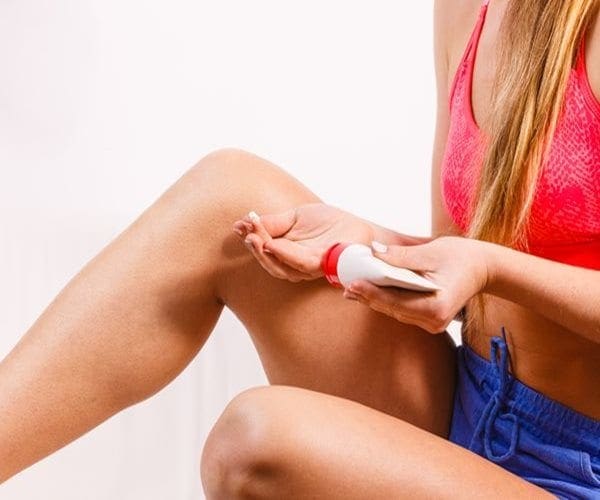
The answer to chronic pain, especially lower back pain and pulled muscles and ligaments, may be comfrey, an herb that’s been used for thousands of years in topical ointments to ease pain.

“Comfrey is an effective pain killer that can be used to treat any kind of pain,” says nationally recognized pain expert Dr. Jacob Teitelbaum, author of Pain Free 1-2-3! “Comfrey cream can be rubbed on wherever you hurt, and it works immediately � within seconds.”

Comfrey contains two compounds, allantoin and rosmarinic acid (also found in rosemary) that reduce pain and inflammation.

Comfrey’s power isn’t anecdotal. Many studies confirm its effectiveness in helping several painful conditions. They include:

�� Upper and lower back pain. A double-blind, placebo-controlled study published in the British Journal of Sports Medicine studied volunteers between the ages of 18 and 60 who had acute lower or upper back pain. Those who used an ointment containing comfrey root extract three times daily for five days had significant reduction in pain. Patients using the comfrey ointment reported a 95 percent reduction in pain compared to only 38 percent in those who used a placebo ointment. “Comfrey root extract shows a remarkably potent and clinically relevant effect in reducing acute back pain,” wrote the researchers.

� Sprains. A randomized study published in the Journal of the Australian Traditional-Medicine Society found that comfrey relieved the pain of sprains better than a prescription medication. Participants with acute ankle sprains received either topical comfrey root extract cream or the prescription diclofenac (Voltaren) gel. After seven days, swelling was down 70.5 percent in the comfrey groups compared to 69.4 percent in the diclofenac groups. Pressure pain was reduced by 80.6 percent with comfrey compared to 74.7 percent for diclofenac.

� Arthritis. In a study published in Phytomedicine, volunteers with painful osteoarthritis of the knee who used a comfrey cream three times a day for three weeks reported a 55 percent reduction in pain both when moving and when at rest. The randomized, double-blind study found that patients who used a placebo cream reported an 11 percent improvement.

� Wounds. A randomized, double-blind study used comfrey creams to heal wounds. Volunteers used two different strengths of comfrey creams. One contained 10 percent active ingredients and a second cream contained 1 percent. After two to three days, wounds treated with the 10 percent preparation were 49 percent smaller than those wounds not treated with comfrey, and wounds were 29 percent smaller in volunteers treated with the 1 percent cream. Comfrey’s healing power is attributed to a component called allantoin that’s believed to spur the growth of new cells.

Although comfrey can heal, it can also harm due to pyrroloxidine alkaloids (PA), which can be toxic to the liver. Experts warn to limit comfrey’s use to no more than 10 days at a time, and to never put it on an open wound.

Some PA-free comfrey products are available which have no detectible PAs. PA-free ointments can also be used on cuts and abrasions, since there are no toxins to get into the bloodstream.

Comfrey salves are inexpensive, and can be found in health food stores or ordered over the internet.

4 Principles For Pain-Free Workdays

4 Principles For Pain-Free Workdays

Doctor of Chiropractic, Dr. Alexander Jimenez shares some insights about a pain free workday.

#1. Use�Healthy Posture & Movement Patterns

Considering all the emphasis on how little or much we should sit or stand at work, there is almost no discussion of technique in standing and sitting. Inferior technique slumpsitting, archsitting, parking weight is used by many people so on, and poorly on joints.

As long as this is actually true, any place is going to stack up badly in the research�we are starting to see it for standing and �ve seen this for sitting. Sitting has been much maligned as �the new smoking�; and now standing as a replacement is being demonstrated to cause increased hospitalization due to varicose veins, atherosclerosis that is increased, etc. A good starting point is stretchsitting, to start the journey back to a pain free workday. Stretchsitting is simple, safe, comfy, and therapeutic.

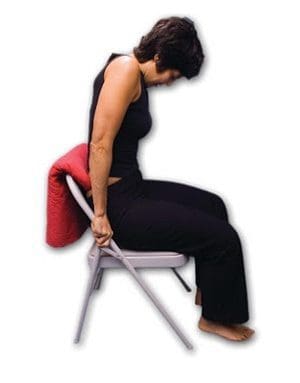
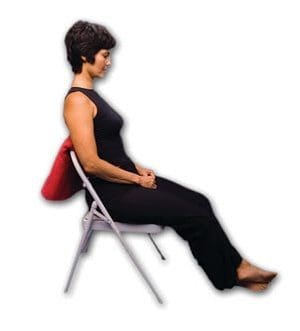
Work with flannel, a towel, or a Stretchsit pillow so it contacts you at mid-back, below the shoulder blades.

  • Scoot your bottom all the way back in the seat.
  • Lean forwards from the hips, like a mini crunch is being done by you, and tip your ribcage forward.
  • Push downwards on the armrests/side bars/seat pan of your chair to get a soft stretch in your lower back.
  • Keeping the stretch, lean back out of your hips and adhere your mid back on to the Stretchsit pillow/towel.
  • Relax completely, letting the Stretchsit pillow and come from the mini crunch /towel keep you in traction that is light.
  • Roll each shoulder back and rest your hands close into your own body.
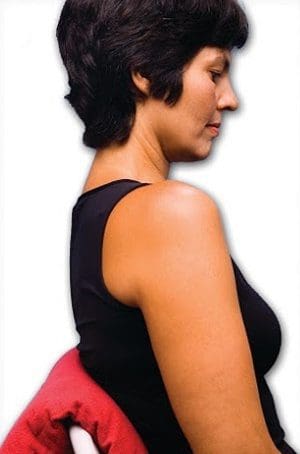
  • Angle your chin down slightly, letting the back of your neck be long.


(a) Lean forward from the hips, and tilt your ribcage forward, like you are doing a mini-�crunch. (b) Push downwards on the armrests/side bars/seat pan of your chair to get a gentle stretch in your lower back. (c) Keeping the stretch, lean back from your hips and stick your mid-�back on to the Stretch-sit cushion/towel.


(a) Come out of the mini�crunch and relax completely, letting the Stretchsit cushion/towel keep you in mild traction. (b) Roll each shoulder back and rest your hands close into your body.


Angle your chin down slightly, letting the back of your neck be long.


#2. Vary�Your Baseline Posture

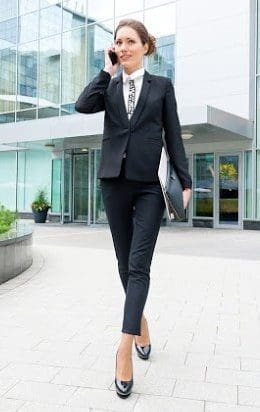
No matter how good your bearing, your body still needs a variety of places. Sitting and standing are the most practical positions for most occupations (example computer occupations)�I recommend switching between them every 20- 30 minutes. If other positions and motions are practical for doing your job (eg, walking when speaking on the phone), that�s an excellent bonus�the more baseline stances and movements, the better. (one sitting against backrest, one stack sitting, standing in a desk, and walking with telephone)


Sitting against the backrest.


Stack sitting


Standing at a desk.


Walking while talking on a cell phone.

#3. Supplement With Rest, Exercise, Movement During & Outside The Workday

Use your breaks in the workday along with your time away from work to supplement your special service line spots. Do you need rest? Exertion? Stretching? Strengthening your abdominal muscles?… There are countless tissues and muscles within your body that have needs just like you are served by a diet that is diverse well, a movement regimen that is varied will also.

#4. Use Well – Designed Tools & Furniture

Experiment and learn with what constitutes furniture that is healthy this is an investment in the way you’ll be spending about half your waking life.

Heavy Exercise Tied to Slower Aging

Heavy Exercise Tied to Slower Aging

Although scientists have yet to develop an effective pill that will stop aging, a study from Brigham Young University says you can do it yourself —  if you exercise a lot and don’t mind sweating. Heavy exercise can cut aging in your cells by nine years.

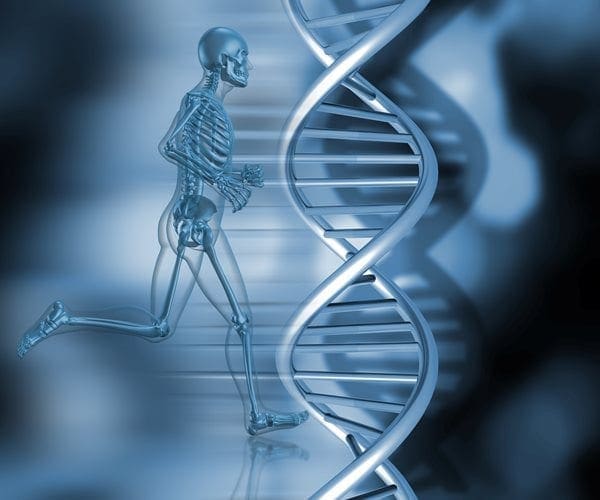
The study, which was published in the medical journal Preventive Medicine, found that people who have consistently high levels of physical activity have significantly longer telomeres than those who have sedentary lifestyles, as well as those who are moderately active.

Telomeres are the pieces of DNA at the end of chromosomes that act as protective caps. Chromosomes, which protect our genes, get shorter every time a cell divides. Once a chromosome gets too short, it dies. Shortened chromosomes are associated with the diseases of aging and death.

“Just because you’re 40, doesn’t mean you’re 40 years old biologically,” said exercise science professor Larry Tucker. “We all know people that seem younger than their actual age. The more physically active we are, the less biological aging takes place in our bodies.”

Tucker analyzed data from 5,823 adults who participated in the CDC’s National Health and Nutrition Examination Survey, one of the few indexes that includes telomere length values for study subjects. The index also includes data for 62 activities participants might have engaged in over a 30-day window. Tucker used the data to calculate levels of physical activity.

Tucker found adults with high physical activity levels have telomeres with a biological aging advantage of nine years over those who are sedentary, and a seven-year advantage compared to those who are moderately active. To be highly active, women had to engage in 30 minutes of jogging per day (40 minutes for men), five days a week.

“If you want to see a real difference in slowing your biological aging, it appears that a little exercise won’t cut it,” he said. “You have to work out regularly at high levels.

“We know that regular physical activity helps to reduce mortality and prolong life, and now we know part of that advantage may be due to the preservation of telomeres,” Tucker said.

Researchers have been searching for other means to extend the length of telomeres. Scientists at Stanford University have found that a modified RNA protein can extend their lives.  

RNA, or ribonucleic acid, helps transfer genetic information. Scientists modified RNA to contain the coding for an enzyme called telomerase, which is expressed by stem cells. When scientists treated skin cells with the modified RNA, the treated cells acted like much younger cells, multiplying as many as 40 times more than untreated cells. 

“We have found a way to lengthen human telomeres by as much as 1,000 nucleotides, turning back the internal clock in these cells by the equivalent of many years of human life,” said Helen Blau, Ph.D., professor of microbiology and immunology at Stanford.

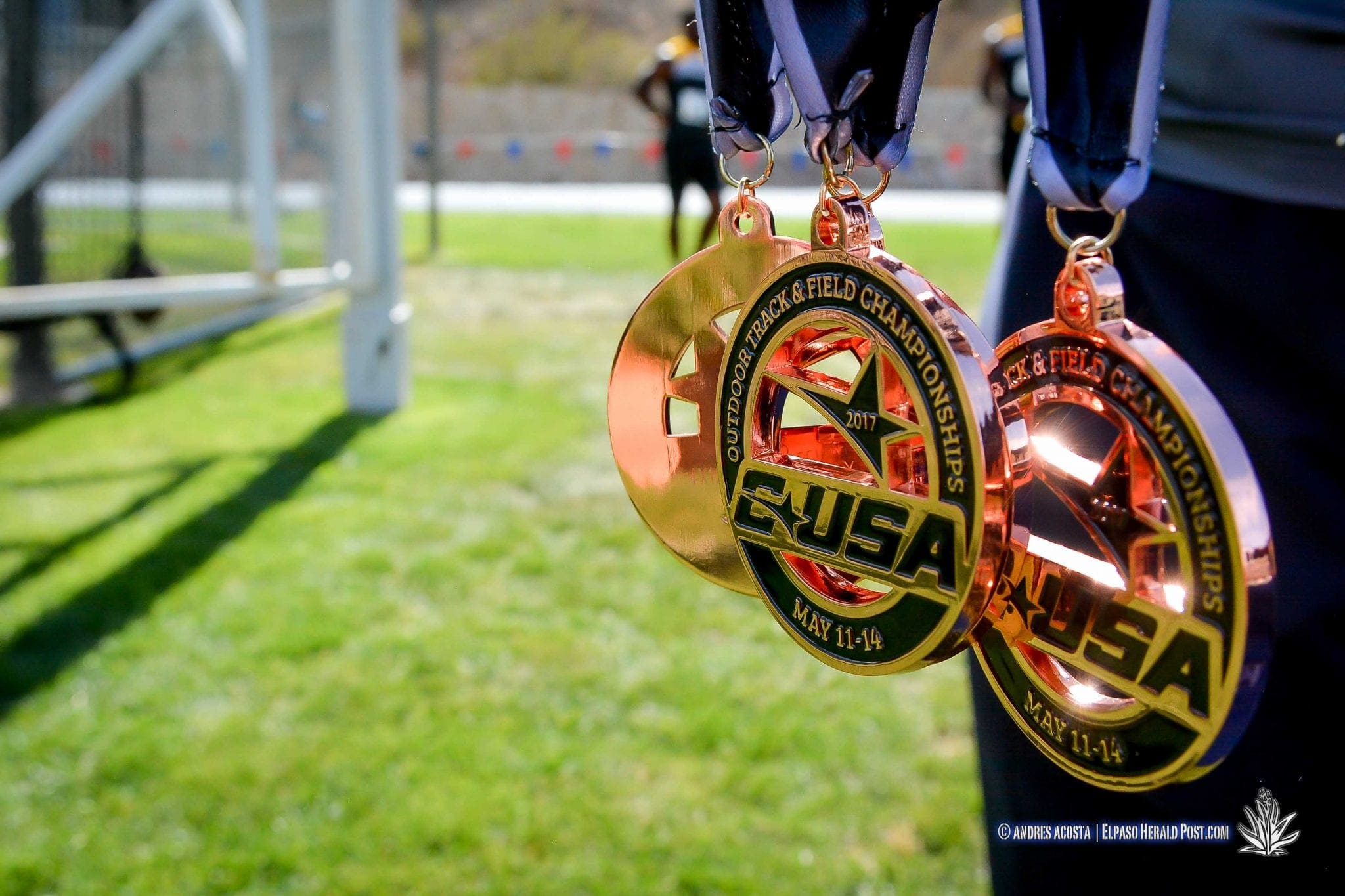
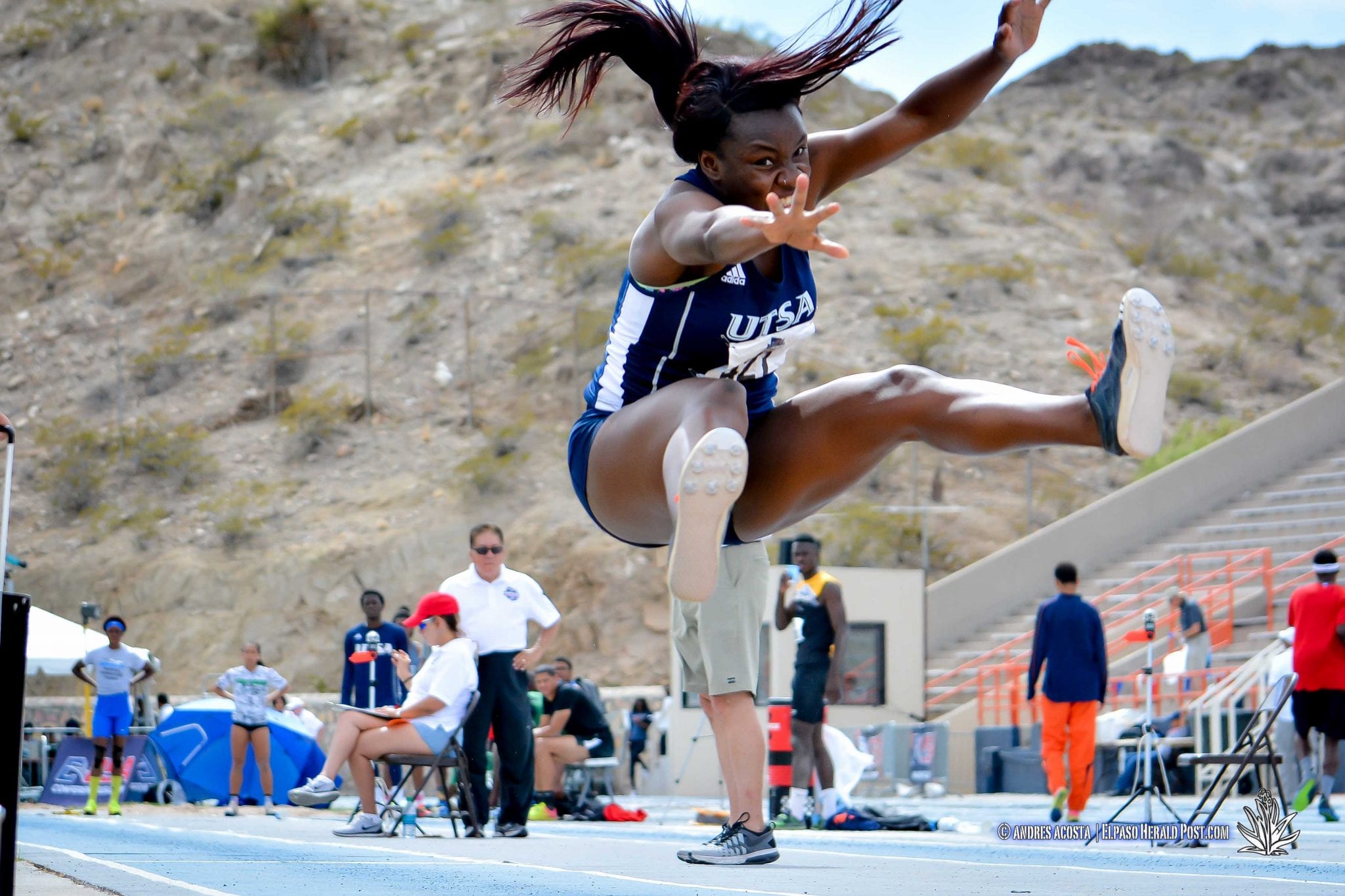
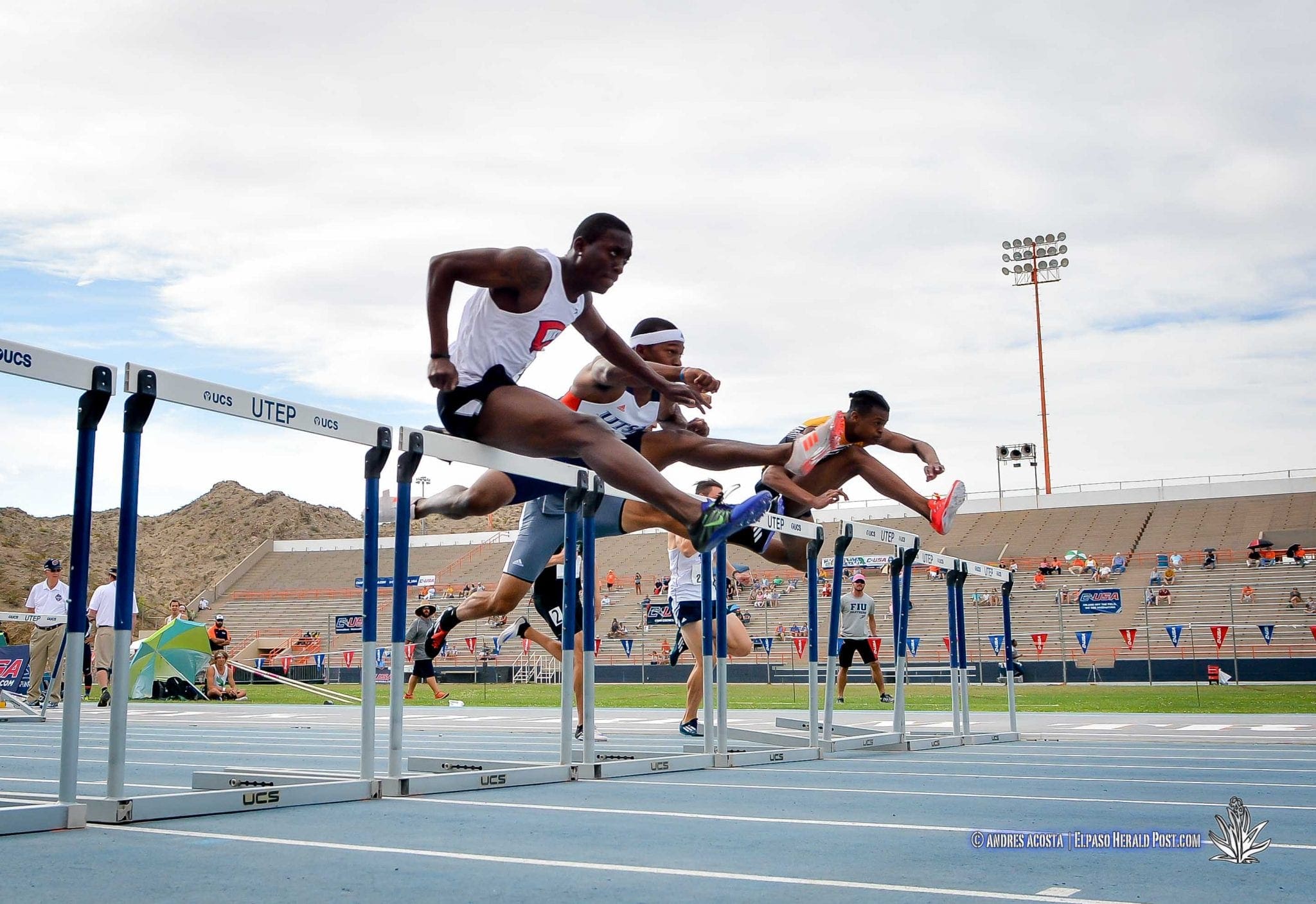
Gallery+Story: CHAMPS! UTEP Women Track and Field Captures First C-USA Outdoor Title

Gallery+Story: CHAMPS! UTEP Women Track and Field Captures First C-USA Outdoor Title

The UTEP women track and field team captured its first ever Conference USA Outdoor Championship scoring a total of 153 points on Championship Sunday.

“Our women’s team capturing their first outdoor title ever is a huge deal and to do it here at home makes it that much more special,” head coach Mika Laaksonen said. “We have a pretty well bunch team, we have scorers in multiple events and unfortunately a lot of them are seniors. So, we’re going to have to rebuild and rebuild in a hurry.”

On top of the women’s championship, Laaksonen was named the women’s C-USA Coach of the Year for the outdoor season.

Sophomore sensation Tobi Amusan led the Miners by scoring 24.5 team points. The Kenyan native took home two gold (100m hurdles and 4x100m relay), one silver (200m) and a fifth-place finish in the long jump. Amusan clocked 12.80 in the 100m hurdles and ran a personal-best 22.92 in the 200m.

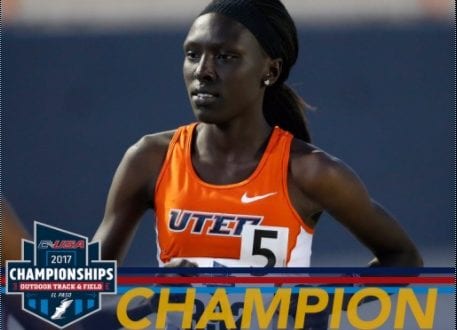
Winny Koech added 20 points by capturing gold in both the 10,000m (35:44.15) and the 5,000m run (16:52.87). Lilian Koech garnered two silver medals in the 1,500m crossing the line at 4:30.42 and the 800m with at time of 2:08.96.

Linda Cheruiyot scored in two events, with an eighth-place finish in the 5,000m run with a time of 17:53.33 and a bronze medal finish in the 1,500m with a time of 4:31.78. Rebecca Oshinbanjo earned a sixth-place showing with a personal-best 13.95 in the 100m hurdles, adding three team points.

In the 400m, Ada Benjamin (52.76) and Florence Uwakwe (53.18) garnered a silver and bronze medal, respectively. The two miners also were a part of the 4x400m relay team, along with Yanique Bennett and Imani Adams, that placed second with at time of 3:37.70 adding eight points.

On the men’s side, the Miners finished in third place tallying 117 points.

With the top performance of the meet for the men, freshman Emmanuel Korir clocked 44.53 setting the world’s fourth-fastest time in the 400m. Korir broke the school record previously held by Bert Cameron (44.58, 1981). Korir ran the anchor leg of the mile relay, along with James Bias, Donivan Ortega and Asa Guevara that garnered a silver medal with a time of 3:06.94 for 10 points. Korir’s split-time was 44.1.

Jonah Koech (3:44.64) and Michael Saruni, running a personal-best 3:46.15, took home gold and silver medals in the 1,500m run. The duo returned in the 800m, Saruni captured gold with a time of 1:47.48. Koech followed for a fifth-place finish with a time of 1:55.36. Both Miners combined for a total of 32 team points.

Bias clocked placed seventh in both the 400m (47.43) and the 200m (21.37), adding four team points.

In the 5,000m final, Antony Kosgei (15:15.73) captured the silver medal, Cosmas Boit (15:17.22) garnered bronze and Daniel Cheruiyot (15:23.13) with a seventh-place finish, combined for 16 team points.

The NCAA West Regional meet will take place in two weeks in Austin, Texas.

For live updates and breaking news be sure to follow @UTEPTrack on Twitter and uteptrack on Instagram.

2017 CUSA Track and field meet, Finals Kidd Field El Paso Texas

UTEP’s Tobi Amusan takes the 100 meter Hurdles Gold medal at the 2017 CUSA Track and field meet, Finals Kidd Field El Paso Texas

2017 CUSA Track and field meet, Kidd Field El Paso Texas

2017 CUSA Track and field meet, Finals Kidd Field El Paso Texas

2017 CUSA Track and field meet, Kidd Field El Paso Texas
UTEP’ Women capture the gold medal in 4X100 at the 2017 CUSA Track and field meet, Finals Kidd Field El Paso Texas

2017 CUSA Track and field meet, Kidd Field El Paso Texas

2017 CUSA Track and field meet, Finals Kidd Field El Paso Texas

2017 CUSA Track and field meet, Kidd Field El Paso Texas
2017 CUSA Track and field meet, Kidd Field El Paso Texas

UTEP’s Tobi Amusan takes the 100 meter Hurdles Gold medal at the 2017 CUSA Track and field meet, Finals Kidd Field El Paso Texas

UTEP’s Jonah Koech (#410) takes the lead in in the Men’s 800 meter dash at the 2017 CUSA Track and field meet, Finals Kidd Field El Paso Texas

2017 CUSA Track and field meet, Finals Kidd Field El Paso Texas

2017 CUSA Track and field meet, Finals Kidd Field El Paso Texas

2017 CUSA Track and field meet, Kidd Field El Paso Texas
2017 CUSA Track and field meet, Finals Kidd Field El Paso Texas

UTEP’s Tobi Amusan hold up her 4X100 Gold medal at the 2017 CUSA Track and field meet, Finals Kidd Field El Paso Texas

2017 CUSA Track and field meet, Kidd Field El Paso Texas
2017 CUSA Track and field meet, Finals Kidd Field El Paso Texas

UTEP’s Izzie Ramsay at the Women’s HIgh Jump at the 2017 CUSA Outdoor Track & Field championships at Kidd Field El Paso Texas

2017 CUSA Track and field meet, Kidd Field El Paso Texas

UTEP’s Tobi Amusan takes the lead on the last leg of the Women’s 4X100 Final at the 2017 CUSA Track and field meet, Finals Kidd Field El Paso Texas

2017 CUSA Track and field meet, Kidd Field El Paso Texas

2017 CUSA Track and field meet, Kidd Field El Paso Texas

2017 CUSA Track and field meet, Kidd Field El Paso Texas

2017 CUSA Track and field meet, Finals Kidd Field El Paso Texas

Izzie Ramsay prepares for the 4×100 Women’s Final at 2017 CUSA Track and field meet, Finals Kidd Field El Paso Texas

2017 CUSA Track and field meet, Kidd Field El Paso Texas

2017 CUSA Track and field meet, Finals Kidd Field El Paso Texas

2017 CUSA Track and field meet, Finals Kidd Field El Paso Texas

UTEP’s Izzie Ramsay at the Women’s HIgh Jump at the 2017 CUSA Outdoor Track & Field championships at Kidd Field El Paso Texas

2017 CUSA Track and field meet, Finals Kidd Field El Paso Texas

2017 CUSA Track and field meet, Finals Kidd Field El Paso Texas

2017 CUSA Track and field meet, Kidd Field El Paso Texas

2017 CUSA Track and field meet, Kidd Field El Paso Texas

2017 CUSA Track and field meet, Kidd Field El Paso Texas

2017 CUSA Track and field meet, Kidd Field El Paso Texas

2017 CUSA Track and field meet, Kidd Field El Paso Texas

2017 CUSA Track and field meet, Finals Kidd Field El Paso Texas

2017 CUSA Track and field meet, Kidd Field El Paso Texas
2017 CUSA Track and field meet, Kidd Field El Paso Texas

Izzie Ramsay prepares for the 4×100 Women’s Final at 2017 CUSA Track and field meet, Finals Kidd Field El Paso Texas

UTEP’s Tobi Amusan takes the lead on the last leg of the Women’s 4X100 Final at the 2017 CUSA Track and field meet, Finals Kidd Field El Paso Texas

UTEP’s Izzie Ramsay at the Women’s HIgh Jump at the 2017 CUSA Outdoor Track & Field championships at Kidd Field El Paso Texas

2017 CUSA Track and field meet, Finals Kidd Field El Paso Texas

Izzie Ramsay prepares for the 4×100 Women’s Final at 2017 CUSA Track and field meet, Finals Kidd Field El Paso Texas

2017 CUSA Track and field meet, Finals Kidd Field El Paso Texas

2017 CUSA Track and field meet, Kidd Field El Paso Texas
UTEP’s Izzie Ramsay at the Women’s HIgh Jump at the 2017 CUSA Outdoor Track & Field championships at Kidd Field El Paso Texas

2017 CUSA Track and field meet, Finals Kidd Field El Paso Texas

2017 CUSA Track and field meet, Kidd Field El Paso Texas
2017 CUSA Track and field meet, Finals Kidd Field El Paso Texas

2017 CUSA Track and field meet, Finals Kidd Field El Paso Texas

2017 CUSA Track and field meet, Kidd Field El Paso Texas

2017 CUSA Track and field meet, Finals Kidd Field El Paso Texas

UTEP’s Jonah Koech (#410) raises his hands in vitcory in the Men’s 800 meter dash at the 2017 CUSA Track and field meet, Finals Kidd Field El Paso Texas

2017 CUSA Track and field meet, Kidd Field El Paso Texas

2017 CUSA Track and field meet, Finals Kidd Field El Paso Texas

2017 CUSA Track and field meet, Kidd Field El Paso Texas

2017 CUSA Track and field meet, Finals Kidd Field El Paso Texas

2017 CUSA Track and field meet, Finals Kidd Field El Paso Texas

2017 CUSA Track and field meet, Finals Kidd Field El Paso Texas

UTEP’s Jonah Koech (#410) raises his hands in vitcory in the Men’s 800 meter dash at the 2017 CUSA Track and field meet, Finals Kidd Field El Paso Texas

2017 CUSA Track and field meet, Kidd Field El Paso Texas

2017 CUSA Track and field meet, Kidd Field El Paso Texas

UTEP’ Women capture the gold medal in 4X100 at the 2017 CUSA Track and field meet, Finals Kidd Field El Paso Texas

2017 CUSA Track and field meet, Finals Kidd Field El Paso Texas

UTEP’s Samantha Hall takes the gold medal in the Women’s Discus Throw at 2017 CUSA Track and field meet, Kidd Field El Paso Texas

2017 CUSA Track and field meet, Kidd Field El Paso Texas

2017 CUSA Track and field meet, Kidd Field El Paso Texas

2017 CUSA Track and field meet, Finals Kidd Field El Paso Texas

2017 CUSA Track and field meet, Finals Kidd Field El Paso Texas

2017 CUSA Track and field meet, Finals Kidd Field El Paso Texas

UTEP’s Tobi Amusan takes the 100 meter Hurdles Gold medal at the 2017 CUSA Track and field meet, Finals Kidd Field El Paso Texas

2017 CUSA Track and field meet, Kidd Field El Paso Texas

2017 CUSA Track and field meet, Finals Kidd Field El Paso Texas

2017 CUSA Track and field meet, Finals Kidd Field El Paso Texas

UTEP’ Women capture the gold medal in 4X100 at the 2017 CUSA Track and field meet, Finals Kidd Field El Paso Texas

2017 CUSA Track and field meet, Finals Kidd Field El Paso Texas

2017 CUSA Track and field meet, Kidd Field El Paso Texas

2017 CUSA Track and field meet, Kidd Field El Paso Texas

2017 CUSA Track and field meet, Finals Kidd Field El Paso Texas

2017 CUSA Track and field meet, Kidd Field El Paso Texas

Koech Garners First Career Gold Medal in the 10,000m

Koech Garners First Career Gold Medal in the 10,000m

Related Articles

UTEP�s Winny Koech set the pace during the 25-lap race, crossing the finish line to garner the Miners� first gold medal (10,000m) at the Conference USA Championships on Friday evening.

Koech ran a time of 35:44.15 to gather 10 precious team points. Teammate Gladys Jerotich finished in fifth place with a time of 37:57.56 to grab five points.

On the men�s side, Antony Kosgei took silver with a time of 31:05.55, raking in eight points. Evans Kiprono clocked 31:36.33 to place fifth, adding another four points.

Lucia Mokrasova garnered silver in a valiant effort on day two of the C-USA Championship in the women�s heptathlon. The junior still earned the Miners eight crucial points.

Mokrasova finished with a final tally of 5,525 points. The heptathlete battled against Elizabeth Dadzie (Middle Tennessee) for the conference title for the second consecutive year. Mokrasova collected a mark of 5.52m (18-01.5) in the long jump, a heave of 39.79m (130-06) and an 800m time of 2:30.86 to close out the event.

The Miners had two third-place showings in the men�s and women�s hammer throw with a couple of personal-bests.� Senior Fayon Gonzales tossed 56.82m (186-05) in her last competition as a Miner. In his first conference championship, Karol Koncos rocked 64.29m (210-11), both garnering six team points.

The men�s team sits in second place with 18 points, while the women�s team hangs on to first place with 28 points through three events.

Saturday�s action will showcase plenty of action as the Miners will have Tobi Amusan, ranked No. 2 in the in the country in the 100m hurdles, Michael Saruni, No. 3 in the nation in the 400m and Emmanuel Korir, ranked first in the country in the 800m.

The action kicks off at 1:00 p.m. MT. For Live updates and breaking news be sure to follow @UTEPTrack on Twitter and uteptrack on Instagram.

Yes Patellofemoral pain

Yes Patellofemoral pain

Patellofemoral pain is an extremely common and disabling condition that affects both men and women of all ages. Functionally it limits everyday movements and activities such as squats, lunging, walking up stairs and hills. It has been suggested and research concludes that dysfunction between the Vastus Medialis Oblique (VMO) and the Vastus Lateralis is one of the common predisposing factors that precedes patellofemoral pain.
The anatomical structure of the patella and the groove in the femur (trochlear groove) dictate that if the patella does not sit within the groove perfectly, then the hard edge of the lateral femoral condyle will contact the undersurface of the patella and create a pressure area that begins to wear down the cartilage structure of the patella and femur. Dysfunction of the VMO creates the situation whereby the patella is not able to be centralised in the groove and thus rides up on the lateral femoral condyle.

Physiotherapists, Chiropractors and exercise professionals have for decades been utilising VMO exercises in the treatment of patellofemoral pain.
Some of these exercises have been validated as effective VMO exercises and others have not.This month the focus of this research review is on VMO activity in rehabilitation exercises and also the validation that VMO dysfunction is associated with patellofemoral pain. The first study from Stanford University in California (Pal et al 2011) studied the relationship between VM activation delay and patellar tracking measures in different groups of knee pain patients. They hoped to find that measures of patellar tracking, patellar tilt and bisect offset correlate with VM activation delay in patellofemoral pain patients labelled as lateral maltrackers.
They selected 40 subjects who had suffered for more than 3 months with patellofemoral pain.
They had to have had pain on at least 2 of the following provoking movements � stairs, kneeling, squatting, prolonged sitting and isometric quadriceps contraction. They also selected 15 active, painfree control subjects. The subjects were initially studied in a motion analysis laboratory whilst walking and jogging. From this they collected data on ground reaction force and also the EMG data of the quadriceps was measured during leg swing phase before heel strike. Heel strike was the start of the measurement period and they continued to collect EMG data between the VM and VL during stance phase.
The researchers then measured the EMG signals from the VM and VL in all 55 subjects whilst performing isometric quadriceps contractions to generate �normal� data on each individuals maximum VM and VL activation. The isometric contraction was performed with the subject seated and the knee flexed to 80 degrees and they contracted against the resistance of the examiner. Magnetic resonance images of the subject�s knee in standing with the knee flexed to 5 degrees was also undertaken. From this they could evaluate the relative position of the patella in relation to the femur. They looked at the patella

The research papers

1. Pal et al (2011) Patellar maltracking correlates with vastus medialis
activation delay in patellofemoral pain patients.
American Journal of Sports
Medicine. 39(3). 590-598.
2. Sousa A and Macedo R (2010) Effect of the contraction of medial rotators of the
tibia on the electromyographic activity of vastus medialis and vastus lateralis
.
Journal of Electromyography and Kinesiology. 20: 967-972.
3. Irish et al (2010) The effect of closed kinetic chain exercises and open kinetic
chain exercise on the muscle activity of vastus medialis oblique and vastus
lateralis.
Journal of Strength and Conditoning Research. 24(5): 1256-1262.

bisect offset value (which is how far lateral the patella sits relative to the midline of the femur) as well as patella tilt angle which is a measure of the lateral rotation of the patella in relation to the femur. From this data they statistically compared the VL/VM activation during walking and running between 5 groups; pain free controls, all  patellofemoral pain patients, patellofemoral pain patients classified as normal trackers, patellofemoral pain patients who were maltrackers either with the patella tilt or the patella bisect offset and those with both tilt and offset. What they discovered was that subjects with both patella tilt and bisect offset as shown on MRI had the greatest and significant differences in VM activation delay. Interestingly, from the 40 subjects with patellofemoral pain, 7 were maltrackers with either a tilt or bisect abnormality whereas 8 had both. The other 25 pain subjects did not show tilt or bisect abnormalities. But when the painfree normal subjects were compared as a group to the pain group, there existed no significant correlation between the groups in VM activation delay in both walking and running. The second study from Portugal (Sousa and Macedo 2010)
approached VM/VL activation in a novel way. They compared maximum quadriceps contraction and the VM/VL ratio between normal quadriceps contraction and quadriceps contraction with resisted tibial medial rotation. The hypothesis was that activation of the medial tibia rotators would increase the VM/VL ratio favourably to recruit the VM over the VL. They selected 24 normal healthy females to participate in the study, all of whom had no injury to the knee, were not athletes and had a Q angle of 14-17 degrees. They had the subjects perform 4 series of contractions with 3 repetitions of each � a total of 12 maximum contractions held for 5 seconds with a 2 min rest. They randomised the sequence of contractions to avoid the fatigue effect. The 4 series were, isometric quadriceps contraction, isometric with forced medial tibial rotation with the tibia  internally rotated, neutral rotation and externally rotated.
They found that significant differences existed between VM/VL ration with no tibial rotation and with forced activation of tibial rotators. It did not matter if the leg was medially rotated, neutral or externally rotated, contraction of the medial tibial rotators preferentially recruited VM over VL during isometric quadriceps contraction. The final study from Plymouth in the United Kingdom assessed the VM/VL activation in 3 commonly used rehabilitation exercises – leg extension, squat with resisted adduction and lunge. They selected 22 healthy asymptomatic subjects (11 men and 11 women) to perform the series of exercises. They initially collected normalised data for maximum EMG activity by
performing repeat maximal isometric quadriceps contractions at 45 degrees of knee flexion. This was done over three trials. They then had the subjects perform 3 trials of the following exercises; 
1. Knee extension � seated and contracting the thigh with the knee from 90 degrees to full extension.
2. Double leg squat with isometric hip adduction. With the back flat against a wall and a pillow between the knees, the subject squatted to 45 degrees with constant pressure against the pillow.
3. Lunge exercise. Standing in a stride stance position the knee was flexed to 45 degrees followed by a return to full extension.
What they found was that the squat with the pillow and the lunge produced a greater VM/VL ratio than knee extension. There was no difference between the squat and the lunge with VM/ VL ratio, but the squat showed greater VM activation than the lunge. Furthermore, the leg extension showed greater VL than VM activation. The lunge
exercise showed the best idealised ratio of 1.1 with the VM/VL. Swimmers who covered more than 35 km in training were 4 times more likely to have tendinopathy than those who swam less.

Need to know
Is any of it really new?
The first study from Stanford University is the first study to look at standing MRI images of patella position and have this correlated with EMG data for VM activation
delay during walking and running. Previous studies had looked at supine MRI of the patella with the leg relaxed. The patella engages the trochlear groove at 30 degrees knee bend so patients suffering from patellofemoral pain tend to notice their pain once the patella engages into the groove.
By investigating the patella position in standing, it would more approximate what the patella does in weightbearing activities such as walking.
The UK study is one of the first to have studied the VM/VL ratio in a lunge position. Considering that this is a commonly used rehabilitation exercise, it adds to the evidence of the effectiveness of this exercise as a useful rehabilitation exercise for patellofemoral pain.

Does it challenge the consensus? The Australian EMG study does challenge previous research that If anything, the Standford University study demonstrates that evidence for patella maltracking and patellofemoral pain is in fact quite unrelated. Many of the subjects who suffered patellofemoral pain had normal patella tracking on MRI imaging.

Any clinical implications?
Absolutely. If patellofemoral pain and patella maltracking and VM onset is only loosely correlated, then perhaps many of the causes of patellofemoral pain are unrelated to poorly functioning VM and patella maltracking. Perhaps reasons as simple as tight overall quadriceps which may increase the compression force between the patella and femur in knee flexion may be a simpler explanation. The study from Portugal adds another dimension to VMO rehabilitation. By actively internally rotating the tibia (even isometrically) the VM increases its activity. The suggestion is that the VMO also acts as a tibial internal rotator due to its position on the medial patella. However, they measured the activity at 90 degrees knee flexion, a position not suitable for painful knees and post-operative knees. The UK study adds further credibility to the  understanding that closed kinetic chain exercises are more favourable for knee rehabilitation than open kinetic chain exercises. Possibly the lunge is a better exercise for gaining preferential 1.1 ratio of activation but the squat with the isometric hip adduction may be better if the goal is to selectively activate the VM.

Any loose ends? Unfortunately for the Stanford University study, the MRI images of the patella were only taken at 5 degrees knee flexion and not 30 degrees. It would be interesting to view the patella position at greater angles of knee bend whilst standing. Furthermore, it cannot be concluded that what a patella to femur relationship looks like in standing is the same as what happens in walking/running. Due the impact of gait on the limb, perhaps the patella maltracking may be more pronounced due to the influence of the supporting soft tissues such as VL, ITB and also hip joint position. Furthermore, the Stanford University study did not differentiate from the EMG data if the activity was from the Vastus Medialis Obliquus (VMO) or the entire VM. Perhaps with more defined EMG analysis of the VMO � which has been shown to be a significant patella stabilizer � the correlation between VM delay and knee pain may have been more pronounced. It would be interesting if the Portuguese study also looked at their study with the knee flexed to 60 and 30 degrees knee flexion.
Perhaps the knee angle plays a large part on selective activation of the VM when the tibial rotators are activated. Furthermore, they did not specify how much force was placed on the tibia to be resisted for the medial rotation. This may also have a bearing in the clinical setting. Similar to the Portuguese study, the UK study only looked at the effect of the exercises on normal subjects. Would the results have been different in patients with patellofemoral pain?

Gut Bacteria Hold Key to Diagnosing, Treating Chronic Fatigue

Gut Bacteria Hold Key to Diagnosing, Treating Chronic Fatigue

Chronic fatigue syndrome, a baffling disorder that affects an estimated 1 million Americans, has been strongly linked to imbalances in gut bacteria in a new study from Columbia University’s Mailman School of Public Health.

The researchers found abnormal levels of specific gut bacteria are found in people with the condition — formally known as myalgic encephalomyelitis/ chronic fatigue syndrome (ME/CFS), according to the study published in the journal Microbiome.

The findings offer new hope for an effective new way to diagnose and treat ME/CFS, a complex, sometimes-debilitating disorder that can interfere with activities of daily living.

Symptoms include extreme fatigue after exertion, muscle and joint pain, cognitive dysfunction, sleep disturbances, and orthostatic intolerance (light-headedness, dizziness, or fainting when standing upright).

Up to 90 percent of ME/CFS patients also have irritable bowel syndrome IBS, past research has shown. But the Columbia University study is among the first to disentangle microbiome imbalances in individuals with ME/CFS and IBS.

“Individuals with ME/CFS have a distinct mix of gut bacteria and related metabolic disturbances that may influence the severity of their disease,” says co-lead investigator Dr. Dorottya Nagy-Szakal.

The findings suggest sufferers may be able to ease their symptoms by incorporating certain probiotics — healthy bacteria — in their diets, to balance their gut bacteria.

To reach their conclusions, the researchers tracked 50 ME/CFS patients and 50 others without the condition. They tested subjects’ fecal samples for bacterial species, and blood samples for immune molecules.

The study’s key findings show that:

  • Levels of distinct intestinal bacterial species —Faecalibacterium, Roseburia, Dorea, Coprococcus, Clostridium, Ruminococcus, Coprobacillus — are strongly associated with ME/CFS.
  • The abundance of these species appears to be predictive of a ME/CFS diagnosis.
  • An abundance of Alistipes and low levels of Faecalibacterium are the top biomarkers of ME/CFS with IBS. Increased Bacteroides abundance and decreased Bacteroides vulgatus are the top biomarkers of ME/CFS without IBS.

The researchers also noted the severity of patients’ symptoms — such as pain and fatigue — correlated with the abundance of distinct bacterial types.

“Our analysis suggests that we may be able to subtype patients with ME/CFS by analyzing their fecal microbiome,” says co-lead investigator Dr. Brent L. Williams, Ph.D. “Subtyping may provide clues to understanding differences in manifestations of disease.”

The study also points toward a possible mechanism behind the development of ME/CFS.

“ME/CFS may involve a breakdown in the bidirectional communication between the brain and the gut mediated by bacteria, their metabolites, and the molecules they influence,” explains senior author Dr. W. Ian Lipkin.

“By identifying the specific bacteria involved, we are one step closer to more accurate diagnosis and targeted therapies.”

So far, researchers have not identified the cause of ME/CFS. Nor are there any standard diagnostic lab tests or federally-approved treatments for the condition. For reasons that are unclear, women are two to four more times likely than men to have ME/CFS.

Because MD/CFS is so variable, treatment focuses on individual symptom control. Conventional approaches include prescription medications to treat anxiety, depression, and insomnia; graded exercise, physical therapy, and psychological counseling including cognitive-behavioral therapy (CBT).

Adjunctive therapies to help manage pain and fatigue include:

  • Acupuncture.
  • Biofeedback.
  • Deep breathing exercises.
  • Hypnosis.
  • Massage.
  • Meditation.
  • Muscle relaxation techniques.
  • Yoga or tai chi.
  • Preliminary but inconclusive research suggests that some natural remedies may be helpful for ME/CFS, according to the Mayo Clinic. These include:
  • Magnesium injected into the muscles of people with low red blood cell magnesium.
  • A combination supplement containing fish oil and evening primrose oil.
  • Melatonin.
  • Nicotinamide.
  • Adenine dinucleotide hydrate (NADH).
  • Coenzyme Q10.
  • Propionyl-L-carnitine.
  • D-ribose.

Although the new Columbia University study suggests that probiotic supplements may be helpful for ME/CFS, more research is needed, experts say.

A 2009 study of 39 ME/CFS patients, however, showed that the Lactobacillus casei strain Shirota (LcS) was associated with significantly reduced anxiety symptoms compared to placebo.

Mastodon