Neck Crepitus Cracking, Grinding Sounds
Neck crepitus is a grinding sound that comes from moving or rotating the neck. Usually, it is not something to worry about, as the body is a sound system that generates various noises. For example, when hungry, the stomach rumbles. After digestion, the body releases the gasses through a burp. The bones can also generate neck cracking or popping sounds with regular movements. This unusual sensation is known as crepitus.
Crepitus
Crepitus or crepitation is a scientific term that describes joint movements sounds. Sounds can include:
- Popping
- Cracking
- Snapping
- Grinding
However, crepitus can happen in any moveable joints in the body. An example could be a neck cracking or popping sound when looking over the shoulder.
Why the Neck So Susceptible
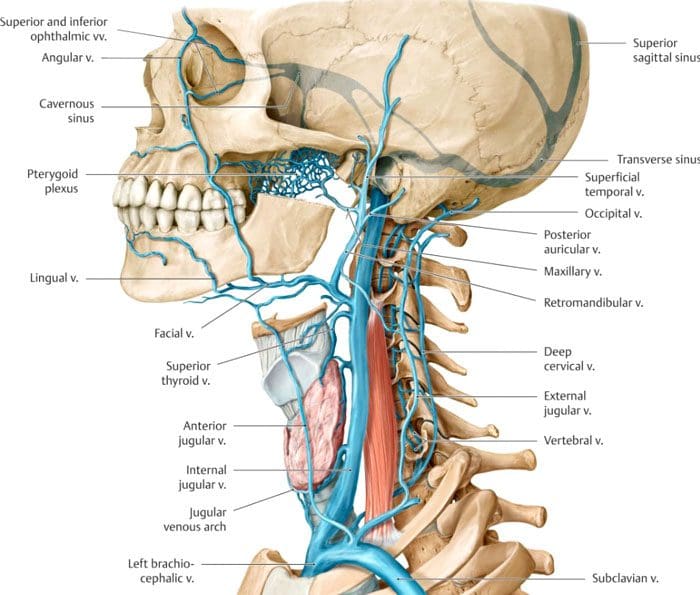
The cervical spine consists of seven segments, and each segment has multiple joints that interact with the segments above and below it. The cervical spine is a flexible system that protects the neurologic structures while maintaining head and neck stability. This flexibility and the multiple joints at each level can wear down, leading to arthritis and neck crepitus.
Other Symptoms
Neck crepitus can present without other symptoms. But it can also be associated with other severe symptoms that include:
- Neck pain
- Instability
- Weakness
- Numbness
- Diminished manual dexterity
- Difficulty walking
Risk Increases With Age
Neck crepitus can present at any age; however, the risk increases as the body ages. Some individuals may have neck crepitus symptoms more often. For example, the neck cracking or popping sounds could present just a few times a month. However, other individuals could have cracking, popping sounds daily or even throughout the day. Neck crepitus can increase or decrease in frequency. Symptoms could present for several days before the sensations stop entirely.
Possible Causes
Neck crepitus can have various causes, and multiple factors can also overlap to generate these sensations.
Articular Pressure Changes
Natural lubricating lining and fluid are found within the body’s joints. Small gas bubbles can form within the synovial joints, including the facet joints. When the bubbles collapse, they are released, creating cracking noises in the joints. The sounds can happen with regular everyday movements. This also occurs when a chiropractor or physical therapist performs spinal manipulations.
Tendon or Ligament Movement
Tendons are the tissue that connects the muscles to the bones, and Ligaments connect the bones. A tendon in motion can also make noises when sliding around a bone or over another tendon or ligament. The cracking can be caused by tight tissues and muscles from aging or muscles that have become weak/deconditioned.
Bones Grinding
Osteoarthritis, known as spondylosis in the spine, can cause the facet joints that connect the vertebrae to degenerate. The protective cartilage wears down, and the vertebral bones start to rub against each other. This can produce a grinding noise. However, the grinding can result from disc degeneration, which reduces the cushioning between the vertebrae.
When to Consult A Physician
If neck crepitus presents without other symptoms, it’s usually not serious. When neck crepitus presents with other symptoms, it is recommended to contact a doctor. These symptoms include:
- Neck pain
- Weakness
- Sensory changes
If pain spreads out and runs down the arm or there is difficulty completing fine motor tasks like writing your name or getting dressed, consult a doctor. These symptoms can be caused by spinal cord or nerve root compression. Sometimes, neck crepitus can show up after a different health issue. For example, if an individual notices neck sounds weeks after cervical spine surgery, the spine surgeon can determine if the two are connected. A recent fall or car accident could also cause symptoms to present. If the crepitus presents almost every time with joint movement, there could be compromised joint function.
Treatment and Prevention
There are various treatment options for neck crepitus. It is recommended to start with conservative treatment like physical therapy and chiropractic pain management. Imaging scans are necessary to see if there are signs of compression on the spinal cord or nerves. Treatment objectives are to remove the pressure from the neural structures and restore the spine’s stability. Cervical traction is another form of treatment. Consult a physician, spine specialist, or chiropractor to properly diagnose the issues, figure out what is going on, and develop a personalized treatment plan if necessary.
Body Composition
Sugar Replacements
Sugar substitutes can help with weight control and diabetes by allowing individuals to eat sweets without raising blood sugar levels. Sugar replacements are additives that add sweetness to food without the calories of sugar. Some sugar substitutes are synthetically made, while others are natural. Sugar replacements include:
Sucralose
- This artificial sweetener comes from sucrose and contains no calories. It is highly sweeter than sugar and can be found in grocery stores.
Fructose
- This sweetener comes in crystalline form or high-fructose corn syrup, which is often used for baking. Fructose is sweeter than sugar and has been linked to early diabetes.
Stevia
- This sweetener is extracted from the stevia rebaudiana plant species. It is calorie-free and can help manage and improve cholesterol levels.
Aspartame
- Only a tiny amount is necessary, as this artificial sweetener is 200 times sweeter than sugar. It contains four calories per gram.
- Aspartame has been associated with cancer, dementia, and depression. But research has not found a direct correlation, and currently, recommended amounts are safe to consume.
References
Mohamad, I et al. “Swollen neck and crepitus after bouts of cough.” Malaysian family physician: the official journal of the Academy of Family Physicians of Malaysia vol. 8,3 49-50. 31 Dec. 2013
Nguyen, Andrew B et al. “Crepitus: an uncommon complication of a common procedure.” The Annals of thoracic surgery vol. 91,4 (2011): e63. doi:10.1016/j.athoracsur.2011.01.031