Can coconut be a healthier alternative food option for individuals trying to improve their health and wellness?
The Coconut
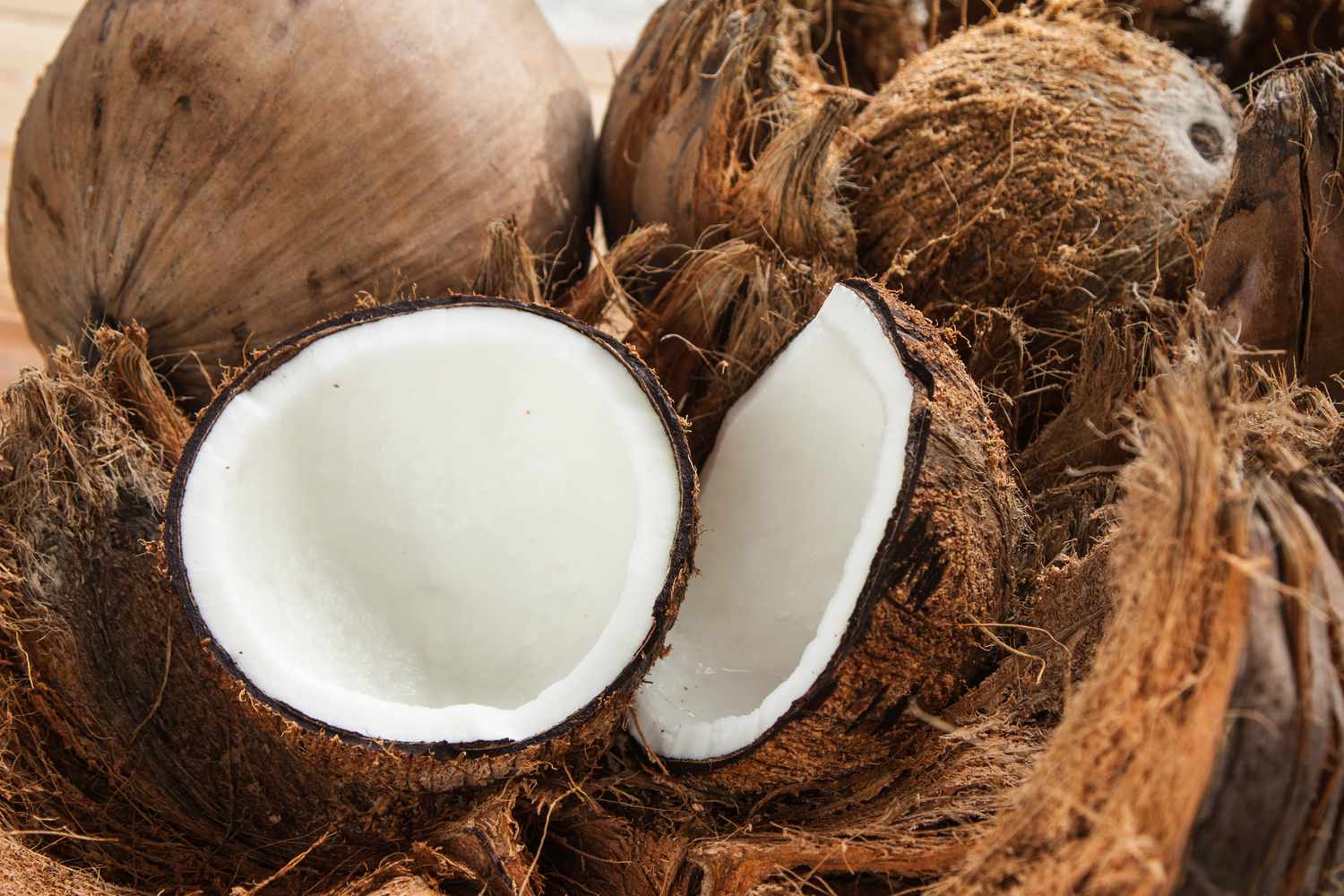
Located in the tropical regions around the world, especially in Southeast Asia, the Pacific islands, sunny coastal states in the U.S., and India, the coconut (Cocos nucifera L.) is a monoecious perennial palm that has many uses for people who are looking for alternatives in their dietary needs. Known as the “tree of life,” the coconut has numerous utilities that people can incorporate from food, medicine, and household products. (Beveridge et al., 2022) The outer coconut husk is used in household items, while the coconut fruit is used for food and medicinal purposes, from antibacterial and antioxidant to containing microminerals and nutrients. (DebMandal & Mandal, 2011) This tropical fruit can be used in baked goods, skin products, and food dishes and can help restore the body’s electrolytes. We associate with certified medical providers who inform our patients of the importance of incorporating healthy foods like coconut into a healthy diet. While asking important questions to our associated medical providers, we advise patients to integrate small changes into their daily dietary intake to feel good. Dr. Alex Jimenez, D.C., envisions this information as an academic service. Disclaimer.
Nutritional Facts
With coconut being a versatile fruit, it has many nutritional benefits. It is classified as a medium-chaired saturated fat absorbed by the body differently and can help reduce LDL-Cs (low-density lipoproteins, reduce cardiovascular diseases, and improve cognitive function. (Hewlings, 2020) When it comes to the nutritional facts of eating one piece of coconut is about:
1 piece of coconut: 45g
Calories: 159
Total Fats: 15g
Saturated fat: 13g
Cholesterol: 0mg
Sodium: 9mg
Potassium: 160mg
Total Carbohydrate: 7g
Dietary fibers: 4.1
Sugar: 2.8g
Protein: 1.5g
Coconuts are high in saturated fats and medium-chain fatty, so they can cross the blood-brain barrier and be absorbed, transported, and utilized for energy production for the body. They can also provide beneficial properties to the gut microbiome. (Fan et al., 2022) At the same time, if people drink the water from the coconut, its nutritional facts include:
1 cup of coconut water: 240g
Calories: 45
Total Fats: 0.5g
Saturated fat: 0.4g
Cholesterol: 0mg
Sodium: 252mg
Potassium: 600mg
Total Carbohydrate: 9g
Dietary fiber: 2.6g
Sugar: 6g
Protein: 1.7g
Food As Medicine- Video
The Health Benefits Of The Coconut
With the coconut tree being “the tree of life,” the fruit has many beneficial properties for health and wellness. For instance, using coconut oil for cooking has many advantages, such as being resistant to oxidation and polymerization due to its high saturated fatty acid content, being consumed at low levels, and reducing cardiovascular diseases. (Schwingshackl & Schlesinger, 2023) At the same time, when people start to use coconut oil for part of their cooking, they will notice that their body weight decreases. (Duarte et al., 2022). Below are other beneficial properties when people start incorporating coconut into their diet.
Replenish Electrolytes
Many people starting to work out or are physically active can utilize coconut water to replace sports drinks to replenish their electrolytes. When a person is exercising and sweating profusely, water and sodium levels are depleted, thus compromising the cardiovascular system’s ability to maintain a person’s exercise performance. (O’Brien et al., 2023) Hence, drinking coconut water can help rehydrate the body and replenish those electrolytes. At the same time, incorporating a bit of citrus fruit can provide extra health benefits and enhance the flavor of coconut water.
Reduces Blood Sugar
Coconuts can also help lower blood sugar levels, and for diabetic individuals, it can help reduce their blood glucose to healthy levels, regulate their carbohydrate metabolism, and improve their antioxidant capacity to reduce any comorbidities associated with diabetes. (Dai et al., 2021) Additionally, many diabetic individuals can substitute regular sugar with coconut sugar as it has a high nutritional value and a low glycemic index that can be beneficial to moderate glucose absorption. (Saraiva et al., 2023)
Adding Coconut To Your Diet
Many people can incorporate coconut into their diet by eating the fruit, drinking the coconut water, and utilizing it for smoothies and baked goods. By adding coconut to a healthy diet, many people can get their healthy fats in moderation, their electrolytes replenished, and enjoy eating clean, healthy foods. Making small changes by incorporating foods that have antioxidants into a healthy diet can help many people eat healthier and have more energy. At the same time, when people incorporate physical activity with their diet, they will begin to notice small positive changes in themselves and their bodies, thus leading happy, healthier lives.
References
Beveridge, F. C., Kalaipandian, S., Yang, C., & Adkins, S. W. (2022). Fruit Biology of Coconut (Cocos nucifera L.). Plants (Basel), 11(23). https://doi.org/10.3390/plants11233293
Dai, Y., Peng, L., Zhang, X., Wu, Q., Yao, J., Xing, Q., Zheng, Y., Huang, X., Chen, S., & Xie, Q. (2021). Effects of coconut water on blood sugar and retina of rats with diabetes. PeerJ, 9, e10667. https://doi.org/10.7717/peerj.10667
DebMandal, M., & Mandal, S. (2011). Coconut (Cocos nucifera L.: Arecaceae): in health promotion and disease prevention. Asian Pac J Trop Med, 4(3), 241-247. https://doi.org/10.1016/S1995-7645(11)60078-3
Duarte, A. C., Spiazzi, B. F., Zingano, C. P., Merello, E. N., Wayerbacher, L. F., Teixeira, P. P., Farenzena, L. P., de Araujo, C., Amazarray, C. R., Colpani, V., & Gerchman, F. (2022). The effects of coconut oil on the cardiometabolic profile: a systematic review and meta-analysis of randomized clinical trials. Lipids Health Dis, 21(1), 83. https://doi.org/10.1186/s12944-022-01685-z
Fan, L., Zhu, X., Sun, S., Yu, C., Huang, X., Ness, R., Dugan, L. L., Shu, L., Seidner, D. L., Murff, H. J., Fodor, A. A., Azcarate-Peril, M. A., Shrubsole, M. J., & Dai, Q. (2022). Ca:Mg ratio, medium-chain fatty acids, and the gut microbiome. Clin Nutr, 41(11), 2490-2499. https://doi.org/10.1016/j.clnu.2022.08.031
Hewlings, S. (2020). Coconuts and Health: Different Chain Lengths of Saturated Fats Require Different Consideration. J Cardiovasc Dev Dis, 7(4). https://doi.org/10.3390/jcdd7040059
O’Brien, B. J., Bell, L. R., Hennessy, D., Denham, J., & Paton, C. D. (2023). Coconut Water: A Sports Drink Alternative? Sports (Basel), 11(9). https://doi.org/10.3390/sports11090183
Saraiva, A., Carrascosa, C., Ramos, F., Raheem, D., Lopes, M., & Raposo, A. (2023). Coconut Sugar: Chemical Analysis and Nutritional Profile; Health Impacts; Safety and Quality Control; Food Industry Applications. Int J Environ Res Public Health, 20(4). https://doi.org/10.3390/ijerph20043671
Schwingshackl, L., & Schlesinger, S. (2023). Coconut Oil and Cardiovascular Disease Risk. Curr Atheroscler Rep, 25(5), 231-236. https://doi.org/10.1007/s11883-023-01098-y
Sweet foods were a delicacy for our ancestors. Can individuals incorporate these 5 natural sweeteners to curb any sugar cravings in food?
Introduction
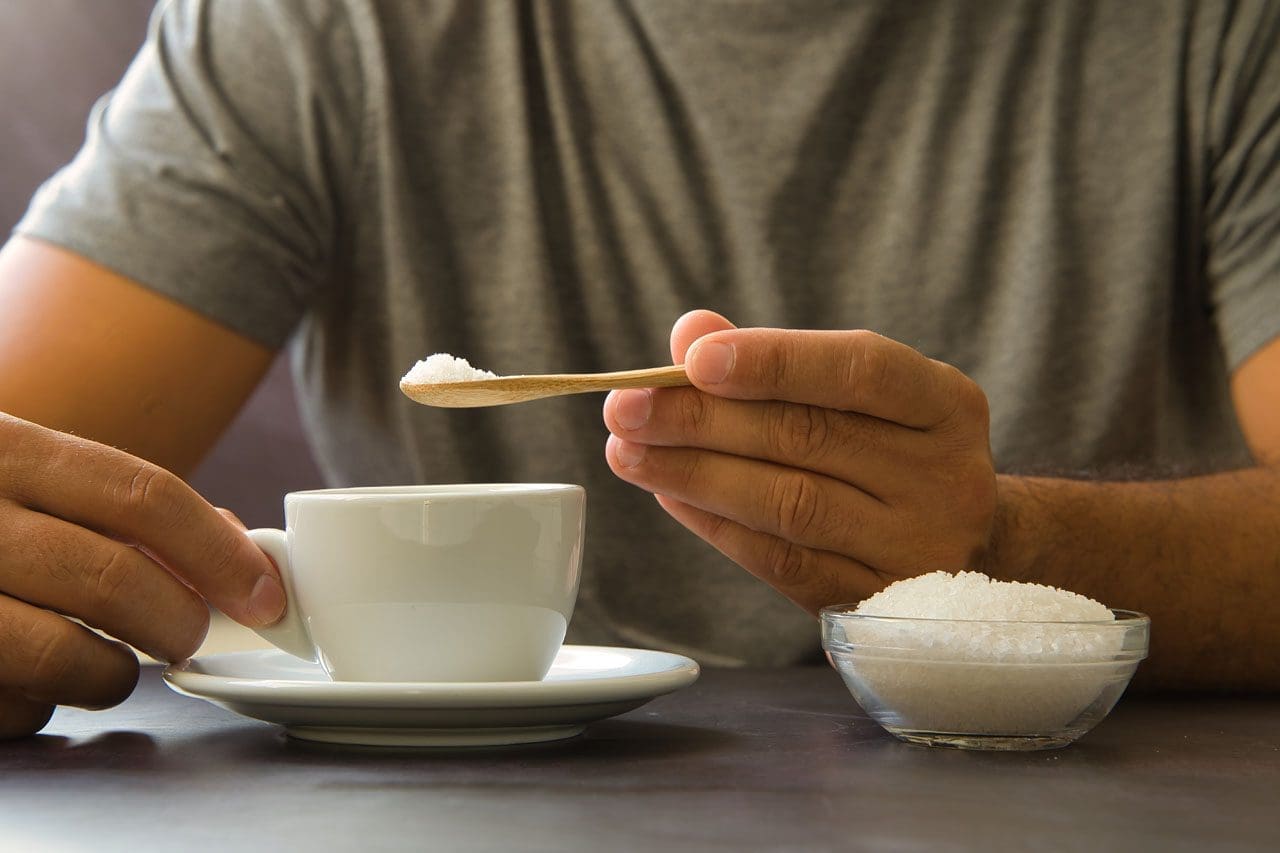
Everyone worldwide craves sweet foods to get through their day and have the energy to move around. At everyone’s disposal, many foods and beverages contain an unlimited supply of sugar. At that point, when many people start to consume excessive amounts of sugary foods and beverages, it can lead to the development of chronic conditions. Hence, many people start to consume less sugary foods and beverages by switching to natural sweeteners to satisfy their sugar cravings. In today’s article, we will look at how natural sweeteners affect blood glucose levels, divide them into the top 5 natural sweeteners, and see their natural benefits when consumed. We associate with certified medical providers who inform our patients of the effects of excessive sugar and how it can affect their blood glucose levels. While asking important questions to our associated medical providers, we advise patients to incorporate healthy natural sweeteners in their foods as part of their customized treatment plan. Dr. Alex Jimenez, D.C., envisions this information as an academic service. Disclaimer.
Natural Sweeteners Effect On Blood Glucose
Do you have an intense craving for sweet treats or chips and pasta constantly throughout the day? Have you experienced low energy throughout the day, and does eating something help you continue your errands? Or have you been healing with constant headaches that make concentrating difficult? Many of these environmental factors are associated with excessive sugar cravings. The human body can produce glucose energy levels from food a person is consuming, and when environmental factors start to affect the body, it can cause issues like insulin resistance. Insulin resistance is a complex condition that causes the body to not respond to the insulin hormone. It can impair biological response to the liver, muscles, and tissues. (Martins & Conde, 2022) Since blood glucose plays a vital role in the body as it gives the host energy, environmental factors, and food play a huge part in blood glucose.
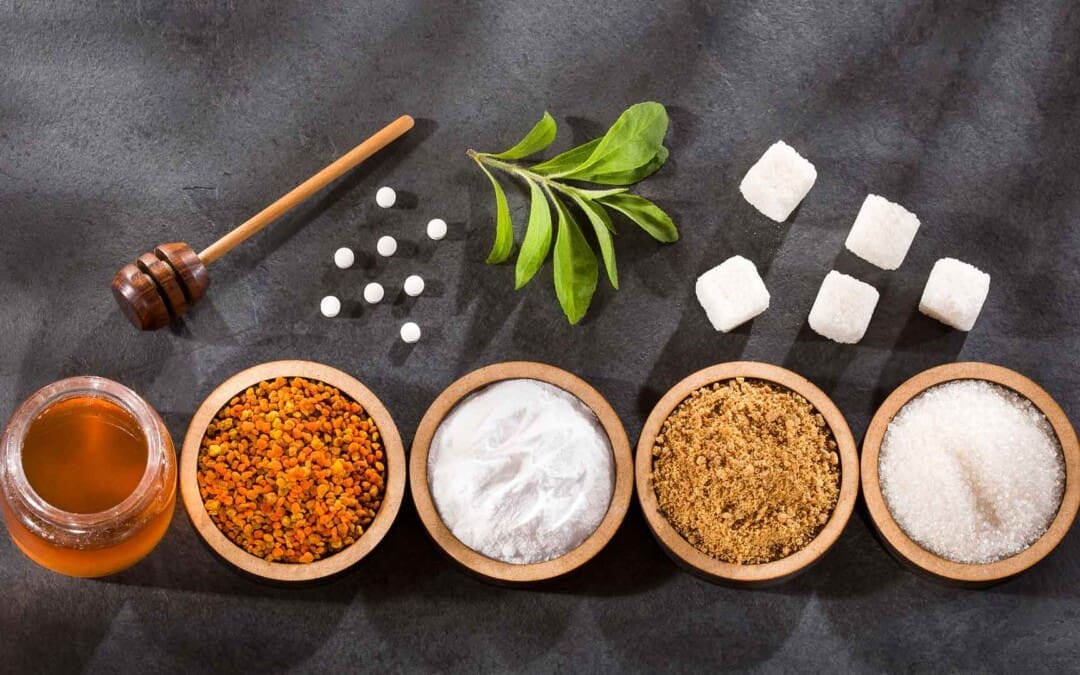
Environmental factors, such as blood glucose and natural sweeteners or sugary foods and drinks, are also in play for many people. Multiple environmental factors influence people’s food environment. (St-Onge et al., 2023) Since many individuals have a sweet tooth, consuming that much glucose can lead to the development of chronic conditions like diabetes, insulin resistance, and cellular inflammation. Some symptoms of consuming excessive amounts of glucose include elevated blood sugar, fat accumulation, and referred pain in the musculoskeletal system. Luckily, many individuals who want healthier eating habits can change their food consumption and sugar intake by swapping processed sweeteners with natural sweeteners when the sugar craving starts taking control. Switching to a natural sweetener can be effective when consumed in moderation to curb the sugar cravings that people mostly crave. Below are some of the top 5 natural sweeteners with low glycemic indicators and nutritional benefits.
Nutrition Fundamentals-Video
Stevia
Located in South America, the Stevia plant contains rebaudiosides and steviosides used in many food products as a substitute for sugar and a low-calorie natural sweetener. (Schiatti-Siso et al., 2023) At the same time, Stevia has beneficial properties that can help reduce plasma glucose concentration and inflammation while providing anti-glycemic and anti-viral effects to the body. (Kasti et al., 2022) Many people who switch out regular sugar for Stevia can incorporate Stevia in their cooking, and to prevent an aftertaste, they can add a bit of sea salt to mitigate the aftertaste.
Stevia Nutritional Benefits
One of the nutritional benefits Stevia offers is that it contains antioxidant properties that can help neutralize inflammation, which is a co-factor when a person consumes excess amounts of sugar combined with environmental factors. (Peteliuk et al., 2021) Some of the other benefits that Stevia has includes:
Anti-cancer properties
Improve kidney function
Lowers blood pressure
Diabetes reduces
Monk Fruit
Located in southern China and northern Thailand, monk fruit has a very low glycemic and sugar content. Most of its sweetness comes from a chemical structure in the fruit called mogrosides (Additives et al., 2019). Additionally, monk fruit is an intrinsic natural sweetener, as it is highly sweeter than other sweeteners and is found in nature. (Mahato et al., 2020) Plus, it has nutritional beneficial properties that make it amazing.
Monk Fruit Nutritional Benefits
Some of the nutritional benefits that monk fruit provides include:
Has antioxidants
Promotes weight loss
Has anti-cancer properties
Decreases blood sugar, total cholesterol & triglycerides
Improves the digestive and respiratory system
Yacon
Like the Stevia plant, yacon is an indigenous root in South America that can be extracted and turned into syrup. It is a popular sugar substitute for its sweet taste and has been used for medicinal purposes. (Braschi et al., 2024) Additionally, many people who utilize yacon will begin to notice that their gut will feel better. This is because yacon contains prebiotic fibers that can modify the composition and activity of intestinal microbiota. (Ribeiro et al., 2023)
Yacon Nutritional Benefits
Some of the nutritional benefits that Yacon provides include:
Increase body metabolism
Reduce hunger cravings
Has anti-inflammatory properties
Reduce constipation
Coconut Sugar
Coconut sugar is a popular sweetener that is used in southeastern Asian cuisines. It is made from phloem sap from coconut palm tree blossoms. (Saraiva et al., 2023) As one of the lowest natural sweeteners, it can substitute for many dairy products like ice cream to provide sweetness. (Beegum et al., 2022) Additionally, coconut sugar contains over 16 amino acids and four different B vitamins.
Coconut Sugar Nutritional Benefits
Some of the nutritional benefits of coconut sugar include:
Being a source of iron, potassium, magnesium, & zinc
Relieve diabetic neuropathy symptoms
Reduce anxiety, depression, and bipolar mood disorder
Treats high blood pressure
Honey
Honey is a superfood that positively affects blood sugar and has numerous properties worldwide. It contains numerous minerals and nutrients that can help with cellular insulin sensitivity and must be consumed in moderation for blood sugar balance. Many people have used honey for medicinal purposes, including wound healing and gut ailments. (Iftikhar et al., 2022) At the same time, honey, especially raw honey, can help reduce allergy symptoms.
Honey Nutritional Benefits
Some of the nutritional benefits that honey provides include:
Immunity & energy booster
Has anti-fungal properties
A natural cough suppressant
Reduce allergies
Skin moisturizer
References
Additives, E. P. o. F., Flavourings, Younes, M., Aquilina, G., Engel, K. H., Fowler, P., Frutos Fernandez, M. J., Furst, P., Gurtler, R., Gundert-Remy, U., Husoy, T., Mennes, W., Moldeus, P., Oskarsson, A., Shah, R., Waalkens-Berendsen, I., Wolfle, D., Degen, G., Herman, L.,…Castle, L. (2019). Safety of use of Monk fruit extract as a food additive in different food categories. EFSA J, 17(12), e05921. https://doi.org/10.2903/j.efsa.2019.5921
Beegum, P. P. S., Nair, J. P., Manikantan, M. R., Pandiselvam, R., Shill, S., Neenu, S., & Hebbar, K. B. (2022). Effect of coconut milk, tender coconut and coconut sugar on the physico-chemical and sensory attributes in ice cream. J Food Sci Technol, 59(7), 2605-2616. https://doi.org/10.1007/s13197-021-05279-y
Braschi, G., Njieukam, J. A., Gottardi, D., Genovese, J., Tylewicz, U., Patrignani, F., & Rocculi, P. (2024). Investigating the potential of yacon (Smallanthus sonchifolius) juice in the development of organic apple-based snacks. Heliyon, 10(11), e32342. https://doi.org/10.1016/j.heliyon.2024.e32342
Iftikhar, A., Nausheen, R., Muzaffar, H., Naeem, M. A., Farooq, M., Khurshid, M., Almatroudi, A., Alrumaihi, F., Allemailem, K. S., & Anwar, H. (2022). Potential Therapeutic Benefits of Honey in Neurological Disorders: The Role of Polyphenols. Molecules, 27(10). https://doi.org/10.3390/molecules27103297
Kasti, A. N., Nikolaki, M. D., Synodinou, K. D., Katsas, K. N., Petsis, K., Lambrinou, S., Pyrousis, I. A., & Triantafyllou, K. (2022). The Effects of Stevia Consumption on Gut Bacteria: Friend or Foe? Microorganisms, 10(4). https://doi.org/10.3390/microorganisms10040744
Mahato, D. K., Keast, R., Liem, D. G., Russell, C. G., Cicerale, S., & Gamlath, S. (2020). Sugar Reduction in Dairy Food: An Overview with Flavoured Milk as an Example. Foods, 9(10). https://doi.org/10.3390/foods9101400
Martins, F. O., & Conde, S. V. (2022). Impact of Diet Composition on Insulin Resistance. Nutrients, 14(18). https://doi.org/10.3390/nu14183716
Peteliuk, V., Rybchuk, L., Bayliak, M., Storey, K. B., & Lushchak, O. (2021). Natural sweetener Stevia rebaudiana: Functionalities, health benefits and potential risks. EXCLI J, 20, 1412-1430. https://doi.org/10.17179/excli2021-4211
Ribeiro, P. V. M., Veloso, T. G., de Oliveira, L. L., Mendes, N. P., & Alfenas, R. C. G. (2023). Consumption of yacon flour and energy-restricted diet increased the relative abundance of intestinal bacteria in obese adults. Braz J Microbiol, 54(4), 3085-3099. https://doi.org/10.1007/s42770-023-01140-w
Saraiva, A., Carrascosa, C., Ramos, F., Raheem, D., Lopes, M., & Raposo, A. (2023). Coconut Sugar: Chemical Analysis and Nutritional Profile; Health Impacts; Safety and Quality Control; Food Industry Applications. Int J Environ Res Public Health, 20(4). https://doi.org/10.3390/ijerph20043671
Schiatti-Siso, I. P., Quintana, S. E., & Garcia-Zapateiro, L. A. (2023). Stevia (Stevia rebaudiana) as a common sugar substitute and its application in food matrices: an updated review. J Food Sci Technol, 60(5), 1483-1492. https://doi.org/10.1007/s13197-022-05396-2
St-Onge, M. P., Cherta-Murillo, A., Darimont, C., Mantantzis, K., Martin, F. P., & Owen, L. (2023). The interrelationship between sleep, diet, and glucose metabolism. Sleep Med Rev, 69, 101788. https://doi.org/10.1016/j.smrv.2023.101788
IFM's Find A Practitioner tool is the largest referral network in Functional Medicine, created to help patients locate Functional Medicine practitioners anywhere in the world. IFM Certified Practitioners are listed first in the search results, given their extensive education in Functional Medicine