Finding the right physical activity that elevates heart rate and maintains it for 30 minutes a day increases the amount of oxygen delivered to the heart, brain, and muscles. Some form of aerobic activity will keep individuals moving in a healthy direction. This benefits the:
Heart
Muscles
Mood
Self-esteem
Amount of energy
It helps to lower:
Blood pressure
Cholesterol
Blood sugar
Body fat
Anxiety
Depression
Fatigue
Finding What Works For You
Doctors and health experts agree that individuals need to perform normal/moderate activity balanced with vigorous/intense activity. Some ideas for both types include:
Sports – soccer, field hockey, tennis, basketball, flag football, volleyball
Hiking
Cycling
Mountain biking
Skating and skateboarding
Horseback riding
House and Yard Work/Chores
Moderate house and yard work exercises:
Sweeping
Vacuuming
Mopping
Washing the car by hand
Sweeping the garage, walkways, sidewalk, or patio
Mowing the lawn
Raking the lawn
Labor intense gardening
Vigorous house and yard work exercises:
Shoveling dirt, rocks, etc
Carrying groceries upstairs
Carrying boxes
Moving furniture
Cleaning and organizing the house
Mix it up
Finding the activities that work for you are important. But mix them up, so you don’t get bored and tired of them. For example, if getting bored with walking, try a light aerobics class, dancing, or something similar.
Try new routes for walking and biking.
Change the room for exercising or stretching.
Exercise at different times, so it doesn’t just become a chore.
Mix up the amount of time exercising. Do a full 30 minute or longer workout one day, then break the workout into smaller 15, 10, 5-minute workouts other days.
Having options allows you to pick and choose what suits your mood and schedule.
Job Physical Activity
If job occupation includes sitting for long periods, try adding short bursts of activity throughout the day:
If the commute permits, walk, jog, or bicycle to work.
Park several blocks away or the furthest in the parking lot to get some walking in.
Use the stairs instead of the elevator for a few floors.
Get coffee or use the bathroom on another floor using the stairs the farthest from the office.
Need to talk to a coworker, take a walk to their office or station instead of e-mail or phone.
Finding breaks to take quick walks and stretch out.
Get Involved In Competition
Competition can motivate individuals as it:
Requires specific and measurable goals to work toward. An example could be training to walk or run a race.
Learning the details of an event and preparing/training can generate or restore the excitement and challenge of the activity.
Instead of entering a competition, an individual can help with organizing and planning. This can provide friendship with other individuals interested in the same activity that can lead to working out together and staying motivated.
CrossFit Training
CrossFit training is a combination of various exercises to work out various muscle groups. CrossFit can be beneficial because:
It prevents boredom by providing a variety of workouts.
It helps maintain balance among various muscle groups.
For example, runners that have powerful leg muscles cross-train to strengthen the upper body.
It reduces the risk of injuries because the combination of exercises allows muscles to recover while working out a different set of muscles.
Whatever the case, it’s all about finding what works for you. But the objective is to keep the body moving to maintain overall health.
Body Composition
Why the brain needs sugar?
The brain needs half of the body’s energy supply because of its complex system. The brain needs glucose for brain cell energy. As neurons cannot store energy, they need a constant fuel supply to function properly. The ability to think, learn and recall information is connected with the body’s glucose levels. When blood glucose levels are low, the ability to think clearly is slowed down as the production of neurotransmitters is reduced, leading to communication disruption. Natural sugars can increase brain health for optimal functioning. When consuming naturally occurring sugar like apples and bananas, sugar is released incrementally into the bloodstream. This maintains energy levels at a steady pace, and the body does not crave more sugar.
References
Berg JM, Tymoczko JL, Stryer L. Biochemistry. 5th edition. New York: W H Freeman; 2002. Section 30.2, Each Organ Has a Unique Metabolic Profile. Available from: https://www.ncbi.nlm.nih.gov/books/NBK22436/
Ainsworth BE, et al. (2011). Compendium of Physical Activities Tracking Guide. Columbia, SC: Prevention Research Center, Norman J. Arnold School of Public Health, University of South Carolina. Available online: http://prevention.sph.sc.edu/tools/compendium.htm.
The body’s metabolism along with body composition go hand in hand. The higher the metabolism the faster the body burns calories. The slower the metabolism the longer it takes and leads to fat storage as well as other issues, which include:
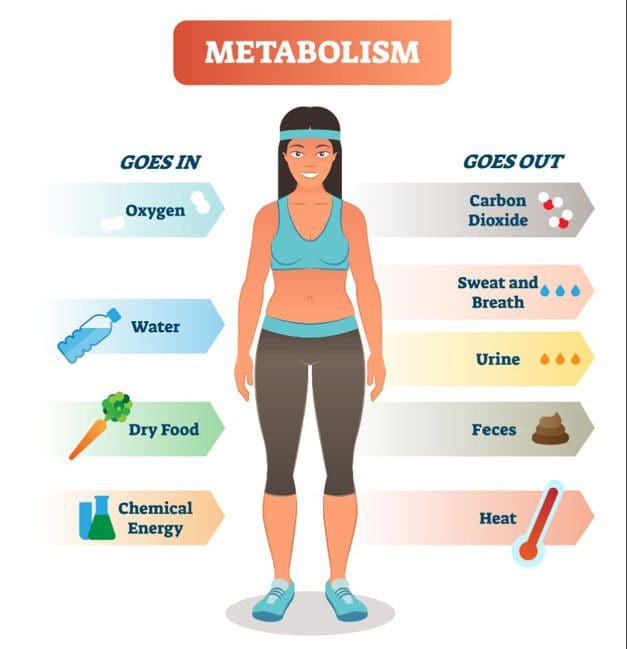
Metabolism is linked with weight gain and loss because it is a biological process involved with energy and calories. The process of the body converting food and drink into energy. The process involves the calories in food and drinks that get combined with oxygen to release energy that the body needs to operate.
Body Composition Linked To Body’s Metabolism
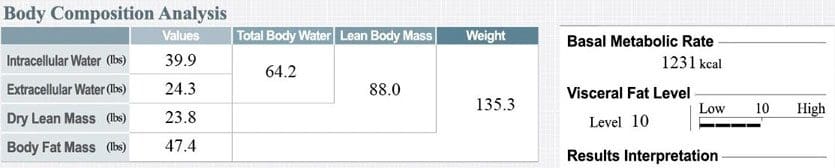
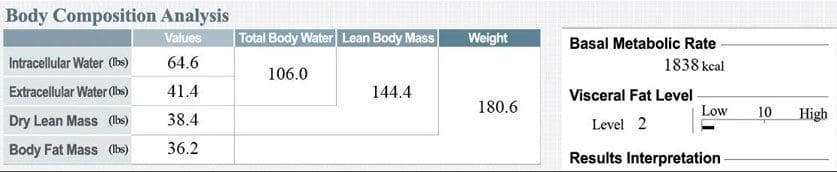
Metabolism varies for every individual. Here are two body composition profiles.
Individual A
Individual B
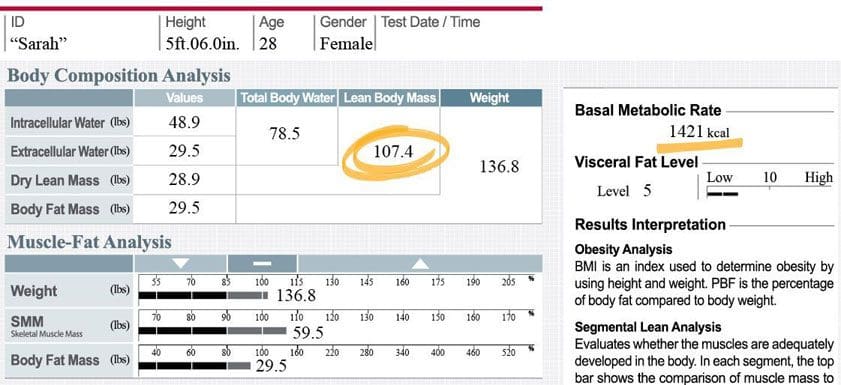
Individual A has a much smaller Basal Metabolic Rate than Individual B. This means individual B needs more calories than individual A to provide the body with the proper energy to function without losing weight. Because the Basal Metabolic Rate is bigger, the metabolism is bigger. The most important factor playing into Basal Metabolic Rate is the amount of Lean Body Mass every individual has.
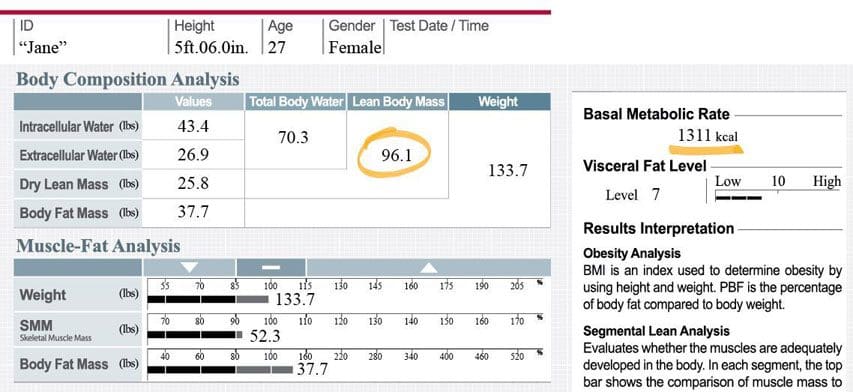
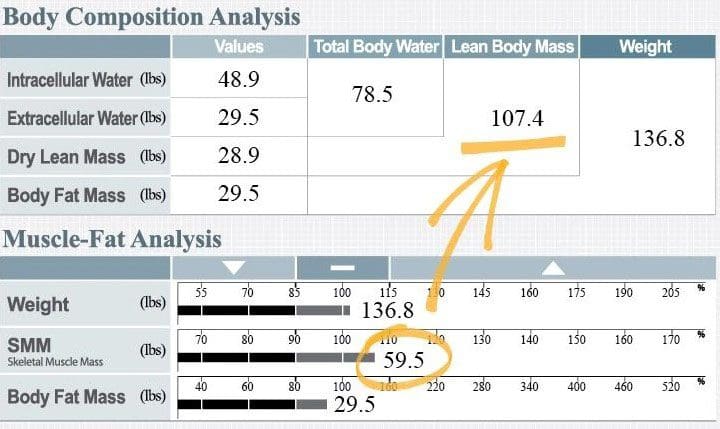
The more Lean Body Mass the greater the Basal Metabolic Rate will be. Strength training for muscle gain will increase lean body mass and is recommended to increase metabolism. For example: Take a look at Jane and Sarah, two individuals who are similar in age, height, weight, and gender.
Jane
Sarah
Despite being similar in age, height, weight, and gender, these two individuals have very different body compositions, as well as have different Basal Metabolic Rates.
Metabolism and Weight Gain
Take a deeper look at slow metabolism. It is not about being fast or slow but weight gain is almost always the result of caloric imbalance that goes on over a period of time. Two major factors are:
An individual’s energy level and how active they are
The thermic effect of food or the energy the body uses when digesting food
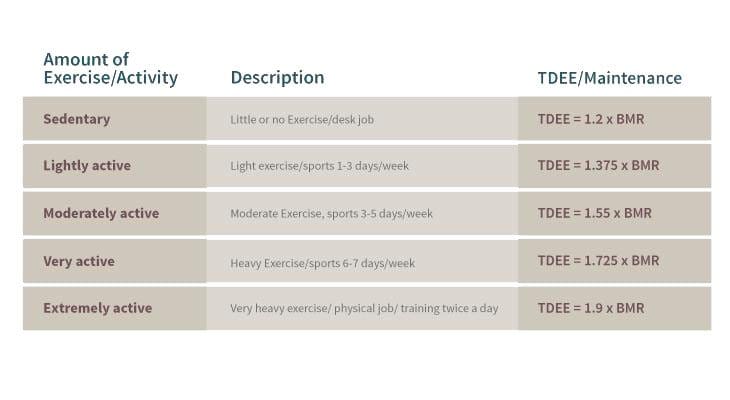
To take a closer look into the body’s metabolism and weight gain, take the two individuals above, Jane and Sarah, and see what could happen in real treatment development that includes diet and exercise. First, the TDEE for Jane and Sarah needs to be estimated, using their BMRs as a guide. Based on their compositions, it’s fair to assume that Jane is involved in less physical activity/exercise than Sarah. So an activity level of sedentary for Jane will be assigned and light activity will be assigned for Sarah.
Using these numbers and multiplying them by the appropriate activity factor, Jane�s TDEE can be estimated to be 1573 calories and Sarah�s 1953 calories, a difference of 380 calories. When activity levels are factored in, the difference in actual caloric needs gets magnified. This is an estimate of the calories Jane and Sarah will need to burn in a day. The nutritionist and/or health coach place both of them on a diet of 1,800 calories a day. This is the estimated calorie intake recommended by the USDA for sedentary women between 26-30 years of age.
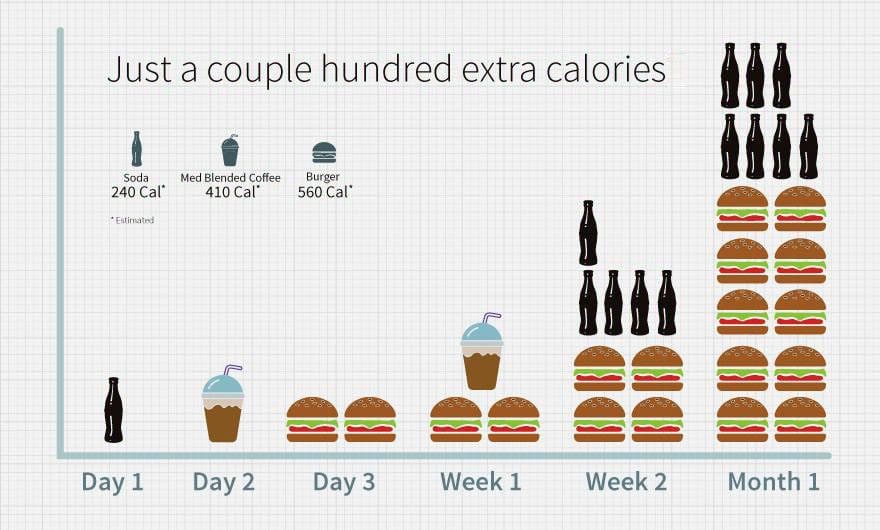
Let’s say they both follow the diet perfectly without any extra, high-calorie snacks/treats. Jane will end each day with a surplus of 227 calories, while Sarah ends each day with a slight calorie deficit of 153 calories a day. When in a calorie surplus taking more calories and living a sedentary lifestyle, weight gain, specifically, fat storage will be experienced. 227 extra calories a day doesn’t seem like a lot, but that is a single soda. However, over time, 227 calories a day becomes 1,589 extra calories a week and 7,037 extra calories a month, which is around 2 pounds of fat gain every month.
So despite the same height, gender, similar weight, and similar ages, the difference between Jane and Sarah is their body compositions. Jane will experience weight gain over time while Sarah might experience some weight loss because of the calorie deficit, even though the diets are the same. This is because each individual’s caloric needs are different and may seem small at first, but increases to significant differences over time.
Making The Body’s Metabolism Work
With the correct exercise and dietary plan, an individual can make their metabolism work for them. Because the body needs more energy to support itself when it has more Lean Body Mass, working to increase Lean Body Mass will increase Basal Metabolic Rate. Avoiding a decrease in metabolism can be done by maintaining the Lean Body Mass that is already present and also means maintaining Skeletal Muscle Mass. Skeletal Muscle Mass is not the same as Lean Body Mass but is the overall largest contributor. It is the muscles that will grow and develop through exercise.
Skeletal Muscle Mass is effectively developed through strength training, resistance exercise, and a healthy diet. This will help maintain Skeletal Muscle Mass. This is especially important as the body ages. Activity levels tend to drop and a healthy diet can become harder to maintain as responsibilities increase. Poor nutrition can lead to loss of Lean Body Mass over time, which leads to a decrease in overall metabolism. Balancing diet and metabolism. The example of Jane shows a well-intentioned dietary plan that does not match the metabolism of the person practicing it.
Even though Jane was told that 1,800 calories are right for her based on age and gender, her metabolism does not require that calorie intake. This will cause weight gain despite any efforts to eat a healthy diet. This is where a health coach and nutritionist come in. The first step is to get the information needed to get the answers by getting an accurate body composition analysis.
InBody Composition
Dr. Alex Jimenez�s Blog Post Disclaimer
The scope of our information is limited to chiropractic, musculoskeletal, physical medicines, wellness, and sensitive health issues and/or functional medicine articles, topics, and discussions. We use functional health & wellness protocols to treat and support care for injuries or disorders of the musculoskeletal system. Our posts, topics, subjects, and insights cover clinical matters, issues, and topics that relate and support directly or indirectly our clinical scope of practice.*
Our office has made a reasonable attempt to provide supportive citations and has identified the relevant research study or studies supporting our posts. We also make copies of supporting research studies available to the board and or the public upon request. We understand that we cover matters that require an additional explanation as to how it may assist in a particular care plan or treatment protocol; therefore, to further discuss the subject matter above, please feel free to ask Dr. Alex Jimenez or contact us at 915-850-0900. The provider(s) Licensed in Texas& New Mexico*
References
Westerterp, Klaas R. �Exercise, energy balance, and body composition.��European journal of clinical nutrition�vol. 72,9 (2018): 1246-1250. doi:10.1038/s41430-018-0180-4
Mazzoccoli, Gianluigi. �Body composition: Where and when.��European journal of radiology�vol. 85,8 (2016): 1456-60. doi:10.1016/j.ejrad.2015.10.020
Individuals are tired of feeling sick. Many doctors prescribe medications to just control the symptoms of the various ailments.
Headaches
Migraines
Nausea
Fatigue
Acid reflux
Asthma
Allergies
Chiropractic care combined with Health coaching will:
Bring the body back into balance
Restore optimal circulation
Detox the body
Increase immune system response
Tired Nervous System
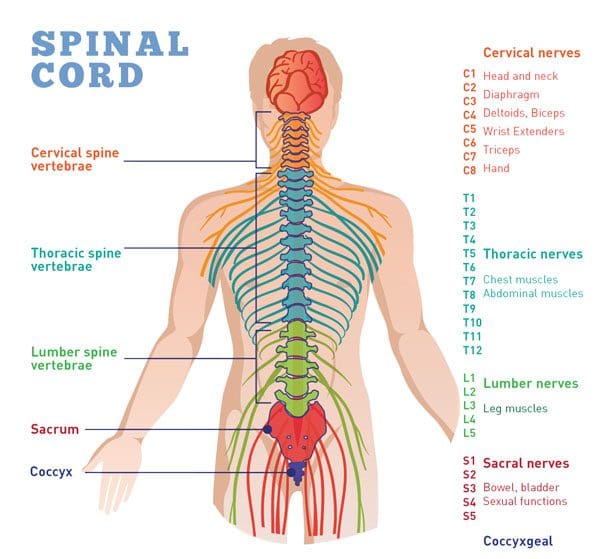
Many of these problems are rooted deep within the nervous system. This system controls pain, movement, organ function, and action/reaction in the body and needs consistent maintenance to continue to operate at an optimal level. Chiropractors are trained to detect nerve interference brought on from spinal misalignment. Chiropractic along with body scanning/imaging can detect nerve interference, and help identify any issues.
Nerve Interference
Nerve interference along the spine can lead to being tired, weakness, pain, discomfort, organ dysfunction, and disease if it is not addressed by a professional chiropractor. The interference can be a result of poor postural habits that have caused the spine to misalign. This places added and dangerous pressure on the delicate nerves flowing throughout the spine.
Chiropractors can determine the root cause back to the region of the spine that is causing any type of impediments. Spinal rehabilitation and realignment will restore the spine back to health eliminating nerve interference. As the body is realigned health coaching recommendations that include diet, supplements, and learning healthy habits will enhance chiropractic maintenance. The end result is a healthy energetic body free of disease, dysfunction, and pain.
Body Composition
Body composition is a way of breaking down the body into components, which are: fat, protein, minerals, and body water. It describes an individual’s accurate weight and provides a new perspective on overall health than traditional methods. Proper body composition analysis will show changes in fat mass, muscle mass, and body fat percentage.
The scope of our information is limited to chiropractic, musculoskeletal, physical medicines, wellness, and sensitive health issues and/or functional medicine articles, topics, and discussions. We use functional health & wellness protocols to treat and support care for injuries or disorders of the musculoskeletal system. Our posts, topics, subjects, and insights cover clinical matters, issues, and topics that relate and support directly or indirectly our clinical scope of practice.*
Our office has made a reasonable attempt to provide supportive citations and has identified the relevant research study or studies supporting our posts. We also make copies of supporting research studies available to the board and or the public upon request. We understand that we cover matters that require an additional explanation as to how it may assist in a particular care plan or treatment protocol; therefore, to further discuss the subject matter above, please feel free to ask Dr. Alex Jimenez or contact us at 915-850-0900. The provider(s) Licensed in Texas& New Mexico*
References
Stochkendahl, Mette Jensen, et al. �Can chiropractors contribute to work disability prevention through sickness absence management for musculoskeletal disorders? – a comparative qualitative case study in the Scandinavian context.� Chiropractic & manual therapies�vol. 26 15. 26 Apr. 2018, doi:10.1186/s12998-018-0184-0
Westerterp, Klaas R. �Exercise, energy balance, and body composition.��European journal of clinical nutrition�vol. 72,9 (2018): 1246-1250. doi:10.1038/s41430-018-0180-4
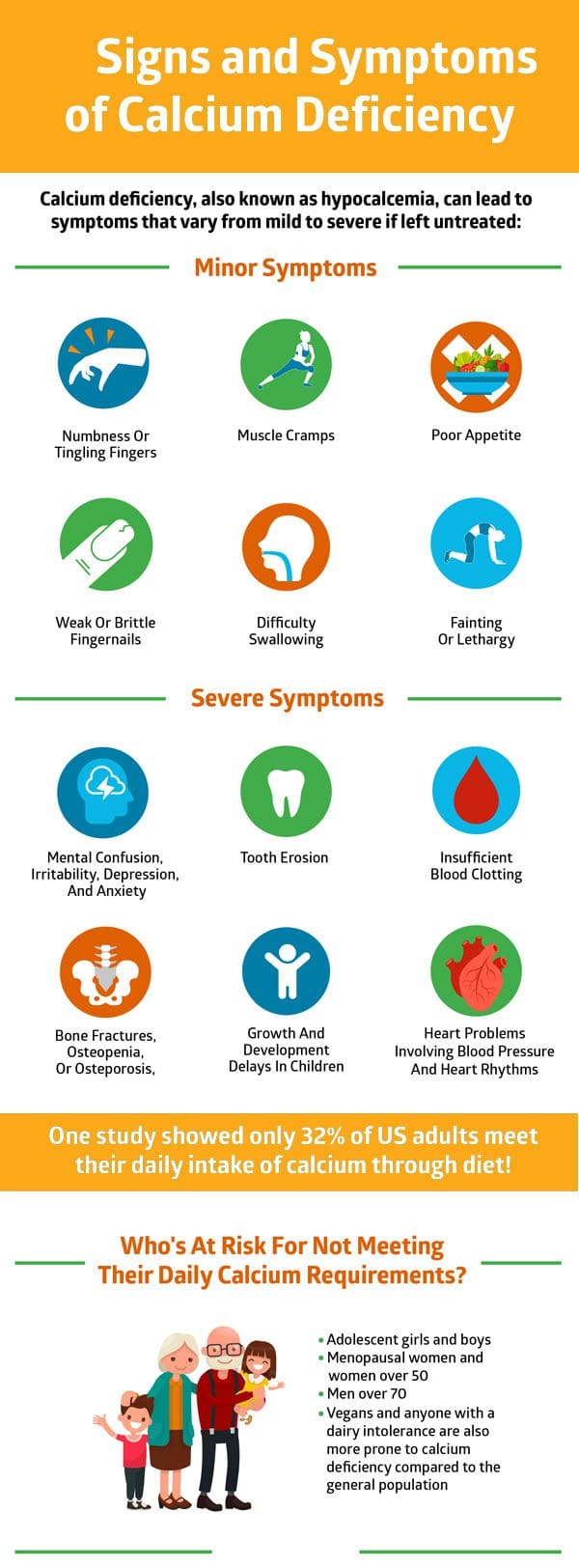
Calcium and Vitamin D for optimal bone health. The body’s bones/skeletal system contains a huge amount of calcium. Close to 100% of the body’s total calcium is in the bones. Calcium is a nutrient that helps the body rebuild/repair bones. �
�
This means an individual needs enough calcium throughout their lifetime for healthy bones. Individuals with osteoporosis have an increase of fracture/s, which means it is even more important to have the proper amount of calcium.
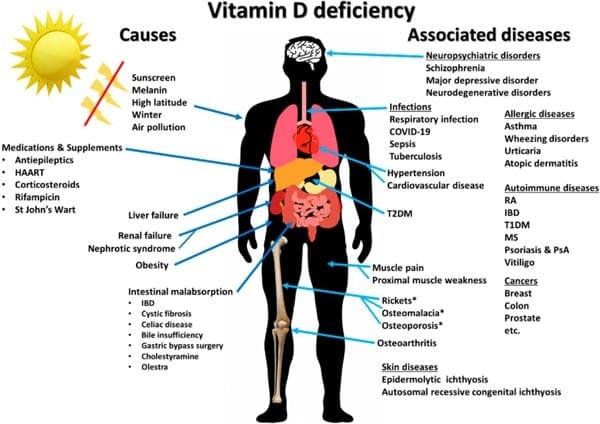
However, the body also needs enough vitamin D to properly absorb the calcium. When the body does not have enough vitamin D, the body will not be able to utilize all the calcium being taking in. Maintaining bone health requires keeping track of calcium and vitamin D intake.
�
Calcium
How much calcium the body needs depends on various factors, that include age. Listed are basic recommendations of calcium intake by age, but individuals should talk with a doctor about how much calcium is best for them on a daily basis. �
Children and Young Adults
1-3 years of age 500mg
4-8 years of age 800mg
9-18 years of age 1,300mg
�
Adult Men and Women
19-49 years of age 1,000mg
50+ years of age 1,200mg
�
Women Pregnant and Breastfeeding
Under 18 years of age 1,300mg
19+ years of age 1,000mg
�
This can help to get a general idea of how much calcium is needed every day. The best way to get enough calcium through what is eaten and drank regularly. Here are some foods that offer the proper amount of calcium:
Cooked Broccoli 60mg in 8 oz.
Fruit Juice with Added Calcium 200-260mg in 6 oz.
Low-fat and Skim Milk 300mg in 8 oz.
Low-fat Plain Yogurt 415mg in 8 oz.
Swiss Cheese 220-270mg in 1 oz.
These are estimates for the amount of calcium these foods offer. Always look at the food label to get an accurate number. These are also just examples of what foods can help meet the calcium requirement for the day. If unable to get enough calcium from the diet, supplements can be taken to make sure the appropriate amount is met.
An example of not being able to get the proper amount is individuals that are lactose intolerant. This can be a challenge to get the calcium needed. For individuals not getting enough calcium should talk with a doctor, nutritionist, or health coach about supplements. They will help figure out the best calcium supplement and how much to take. However, getting too much calcium can be detrimental to overall health. That’s why finding the best balance is key.
Vitamin D
Vitamin D is what helps the body absorb calcium. The body makes vitamin D when outside in the sun. This is a perfect reason to go outside more often. 15 minutes of exposure to the sun every day will significantly increase vitamin D production. Some individuals are not able to make enough vitamin D, no matter how much sunlight exposure. However, Vitamin D is also found in various foods like:
For some individuals, it can also be a challenge to get enough vitamin D. There are vitamin D supplements that can help fill daily requirements. A doctor can tell if supplements are needed with various tests that can tell how much vitamin D the body is getting. There are two types of vitamin D supplements: They are D3 and D2. Research shows that D3 and D2 are both good for bones. And just like calcium, the amount of vitamin D needed depends on age: �
Getting enough calcium and Vitamin D is essential for healthy bones and a healthy body. Our nutritionist and health coach can help get you back on track to optimal health.
Chiropractic Care and CrossFit Rehabilitation
Dr. Alex Jimenez�s Blog Post Disclaimer
The scope of our information is limited to chiropractic, musculoskeletal, physical medicines, wellness, and sensitive health issues and/or functional medicine articles, topics, and discussions. We use functional health & wellness protocols to treat and support care for injuries or disorders of the musculoskeletal system. Our posts, topics, subjects, and insights cover clinical matters, issues, and topics that relate and support directly or indirectly our clinical scope of practice.*
Our office has made a reasonable attempt to provide supportive citations and has identified the relevant research study or studies supporting our posts. We also make copies of supporting research studies available to the board and or the public upon request. We understand that we cover matters that require an additional explanation as to how it may assist in a particular care plan or treatment protocol; therefore, to further discuss the subject matter above, please feel free to ask Dr. Alex Jimenez or contact us at 915-850-0900. The provider(s) Licensed in Texas& New Mexico*
References
Fischer, V et al. �Calcium and vitamin D in bone fracture healing and post-traumatic bone turnover.��European cells & materials�vol. 35 365-385. 22 Jun. 2018, doi:10.22203/eCM.v035a25
If there is one thing we are learning more and more about, it is that everything can be related back to inflammation and what we put inside our bodies. Point blank. The food you consume affects your genetics and your inflammatory response in the body. Headaches, achy joints, and overall fatigue have been directly linked to inflammation.
Inflammation
Inflammation was once thought to just be something that occurs when the body has an infection or we hurt ourselves as the body’s natural response. That fact is still true to this day. However, we now know more. Now, we are able to recognize inflammation occurring inside our organs and down to the cellular level.
Just as you roll your ankle and it becomes inflamed, if you eat the wrong foods your gut becomes inflamed. This can then be traced back to leaky gut and in some cases, autoimmune diseases.
So what can we do about it? What is actually happening in our bodies?
The human body is an amazing machine that we are still finding more about each and every day. Let’s first take a look at where this inflammation is coming from. Inflammation can enter the gut barrier as a toxin, protein, pathogen, LPS, or alcohol.
If our body is continuously exposed to these triggers, it can result in our immune system becoming dysregulated. Now that our body has these triggers, things like allergies, asthma, autoimmunity, and poor immune tolerance and regulation become our bodies new regular.
Amplifying Loop
These triggers then signal something called cytokines. Cytokines are tiny and dance around inside of the cell. These cytokines increase NF-kB activity.
NF-kB is then used to transcribe DNA and express an inflammatory state!
Now, our bodies are promoting inflammation, all because we let the toxins in. What we put into our mouth and our bodies matter. The foods we eat have the ability to provide nutrients to our cells, rather than facilitating in this ongoing inflammatory response chain.
How Do I Regain Control?
Nrf2 is a key protein in the body that has the function of regulating the genome. This helps the body balance gene expressions and the regulation of our genes. Another thing Nrf2 does is upregulate genes that encode antioxidant enzymes and antiinflammatory genes.
Essentially, Nrf2 helps to fight off inflammation and reduce oxidative stress. Nrf2 activity is part of the detoxification system our bodies naturally have. It helps us to not get sick from every single bacteria we come into contact with. However, Nrf2 is a pathway, not a supplement. So now the question becomes, How do we active Nrf2?
From The Kitchen to The Genes
As mentioned earlier, everything can be traced back to the kitchen and what we put into our mouth to nourish our body. A great way to ensure you are feeding your body what it needs is to make a smoothie in the morning. Smoothies can contain so many nutrient-dense foods to aid in Nfr2 activation.
First, start off with flaxseed in the blender. Blend it up so the flax seeds get broken up and open. Next, add in blueberries, raspberries, strawberries, acai berry powder, broccoli sprouts, and almond milk!
By providing your body and your cells with the nourishment they need, they will flourish. In addition to a smoothie, there are supplements that can aid in Nrf2 activation as well. These supplements include curcumin, fish oil, wormwood, and CoQ10.
It’s clear that the “American Diet” has been causing problems for us. The world is so busy and fast-paced that we are not taking the time or giving our bodies the consideration to shop and make nutritious home-cooked meals. We need to increase our vegetables, fruits, fibers, whole grains and decrease the carbs. Everyone has some degree of inflammation in their body, and many of us do not even realize it! I challenge us to give up fast food for an entire month, cut the soda, increase the lemon water and eat at least one salad a day during this month. By increasing our vegetables and creating plates that are more colorful, our bodies will thank us! – Kenna Vaughn, Senior Health Coach�
References:
Gordon, Jacob. �Recipes for NRF2 – MyBioHack: Unlock Your Maximum Potential.� MyBioHack, MyBioHack | Unlock Your Maximum Potential, 7 Nov. 2017, mybiohack.com/blog/recipes-for-nrf2.
Gordon, Jacob. �Why NRF2 Activation Can Make You More Sick – MyBioHack: Unlock Your Maximum Potential.� MyBioHack, MyBioHack | Unlock Your Maximum Potential, 2 Feb. 2020, mybiohack.com/blog/nrf2-cirs-sensitivities.
Lawrence, T. �The Nuclear Factor NF-�B Pathway in Inflammation.� Cold Spring Harbor Perspectives in Biology, vol. 1, no. 6, 2009, doi:10.1101/cshperspect.a001651.
Ma, Qiang. �Role of Nrf2 in Oxidative Stress and Toxicity.� Annual Review of Pharmacology and Toxicology, vol. 53, no. 1, 2013, pp. 401�426., doi:10.1146/annurev-pharmtox-011112-140320.
The scope of our information is limited to chiropractic, musculoskeletal,and nervous health issues or functional medicine articles, topics, and discussions. We use functional health protocols to treat injuries or disorders of the musculoskeletal system. Our office has made a reasonable attempt to provide supportive citations and has identified the relevant research study or studies supporting our posts. We also make copies of supporting research studies available to the board and or the public upon request. To further discuss the subject matter above, please feel free to ask Dr. Alex Jimenez or contact us at915-850-0900.
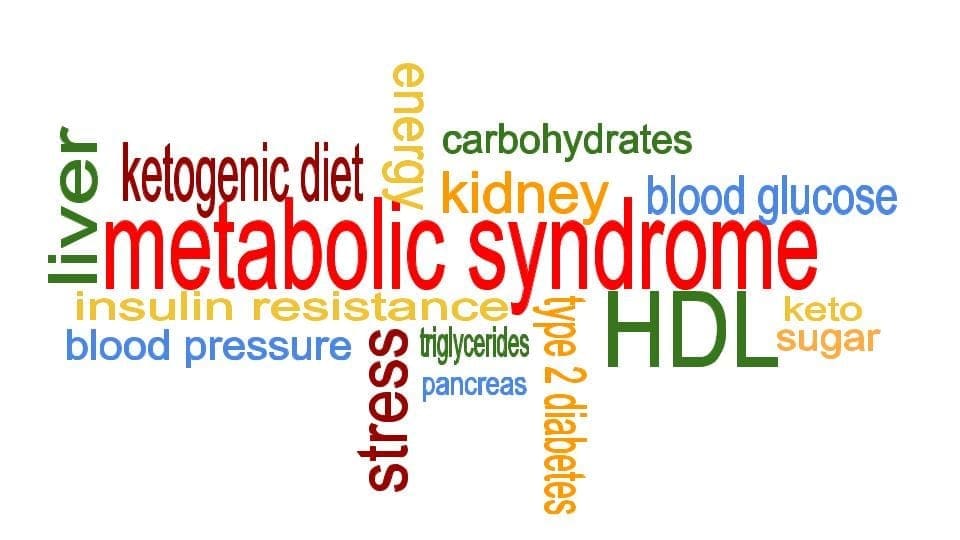
Metabolic syndrome is caused by having more than one condition. Metabolic syndrome often leaves individuals with headaches, joint pain, fatigue, and more! Metabolic syndrome is an epidemic all over the world, but in the US, we are seeing this condition all too often.
Metabolic Syndrome can be defined as having two or more of the conditions listed below:
Women with abdominal fat or a waistline greater than 35
Men with abdominal fat or a waistline greater than 40
Individuals with high blood pressure ( 130/85 or higher)
Patients with triglycerides higher than 150
A fasting glucose of 100 or greater
Low HDL ( good cholesterol ) less than 40 in men and 50 for women
These symptoms are often associated with inflammation. Many people believe inflammation is just something that occurs in the joints and on the skin, but inflammation can occur to the organs inside the body and create havoc.
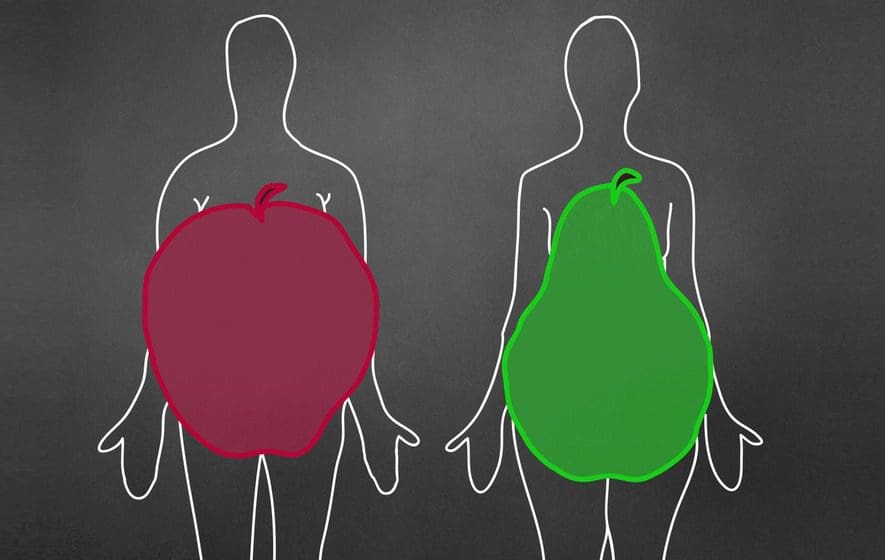
Metabolic syndrome does not target a specific population but can affect anyone who has an overlap of the factors listed above. Those who have an “apple” or “pear” body shape, are likely to have higher abdominal fat, and therefore are more at risk.
As individuals age, their chances of developing metabolic syndrome increases. On top of age, previously having or having a history of diabetes in one’s family also increases their risk of developing metabolic syndrome.
Speaking from personal experience, and having Type 1 Diabetes myself, I can say that metabolic syndrome really takes a toll on one’s body. With experiencing these symptoms first hand, it can leave your body feeling exhausted. When the blood glucose level in the body rises, it causes the blood to become thick due to the excess sugar in the blood. This then causes the heart to work harder and raise the body’s blood pressure due to the effort needed to pump. From here, the body responds with a hard and heavy headache, nausea, occasional vomiting, increased thirst, increased urination, and blurred vision. Recovering from a day of high blood sugars can leave you feeling defeated and similar to feeling like you are recovering from the flu.
One of the things that occur within the body when an individual has metabolic syndrome is their insulin sensitivity decreases. Insulin is the hormone produced that helps to turn the food you eat into fuel for the body or store it as fat. When the insulin sensitivity becomes decreased, it means not enough glucose in the body is being absorbed.� Leading to high blood glucose levels and increases the risk for Type 2 Diabetes.
For those who are suffering from metabolic syndrome, or have one or more of the above risk factors there are ways to take charge. The benefits of taking charge and preventing metabolic syndrome from getting worse or returning means getting back the energy you thought was lost. By decreasing your symptoms and increasing your energy, you could be feeling better than you remembered.
The best diet to quickly gain control of blood sugars and raise HDL is the ketogenic diet. This diet works by eating low carb, high-fat foods. In turn, this makes the body burn fat as fuel rather than carbohydrates. It starts by burning the fat around the pancreas and liver and then starts to burn the intramuscular fat ( excess abdominal weight ). By eliminating most carbs and increasing water intake, individuals can see a decrease in depression, brain fog, their risk of stroke, and blood pressure. All while seeing an increase in sleep and energy.
One of the best ways to reach your goals and stay healthy is to work with a team who understands them and is willing to educate you. We provide 1:1 coaching, scales to track weight that also reports the water weight and BMI of the individual, wrist bands to track caloric activity, and education. The education will help you understand why you are following a specific diet or food guidelines, how that food is breaking down to help you, and what foods to avoid. We will never leave a patient confused or with unanswered questions.
Speaking from personal experience, it is best to get a handle on these symptoms before they cause permanent damage. There are ways and things to do to help reduce your risk. I highly recommend seeing us, or a local doctor to start to build your plan. We can create personalized plans that will help you reach your goals, lower your risk, and work with your lifestyle. Take it from me, you do not want to be stuck feeling the side effects metabolic syndrome comes with.� -Kenna Vaughn, Senior Health Coach
The scope of our information is limited to chiropractic, musculoskeletal, and nervous health issues or functional medicine articles, topics, and discussions. We use functional health protocols to treat injuries or disorders of the musculoskeletal system. Our office has made a reasonable attempt to provide supportive citations and has identified the relevant research study or studies supporting our posts. We also make copies of supporting research studies available to the board and or the public upon request. To further discuss the subject matter above, please feel free to ask Dr. Alex Jimenez or contact us at 915-850-0900.
For most individuals experiencing symptoms,� health care providers will run a few tests. For the most part, these tests come back normal or inconclusive. The patient is usually relieved, but not satisfied as they are still experiencing symptoms. The truth of the matter is, most tests practitioners run on patients are basic.
What Does That Mean?
It means that they are checking your levels and ruling out issues based on standard testing, but they are not diving deep into the cause of the symptom itself. Most individuals have a family history of one or more autoimmune diseases. An autoimmune disease is when the body misidentifies its own cells as a foreign body leading them to attack. These diseases can be triggered at any point in one’s life.
So What Do I Do Now?
Due to family history,� an ANA test can be run. Most of the time for patients still experiencing symptoms after the standard tests came back negative, the ANA comes back positive. However, a positive test does not always mean answers. This test can provide useful information but does not include a definitive answer as to what kind of autoimmunity a patient may have.
Using A Functional Approach
In modern/traditional medicine, most practitioners will suggest the patient is fine and that there is nothing to treat until they have been diagnosed. However, by using a more naturopathic and holistic approach, integrative practitioners can take these symptoms and use them to the patient’s advantage to help avoid a full-blown diagnosis.� The main reason this is effective is due to the fact that individuals do not just wake up one day with a new disease, but rather there are steps progressing in the background that eventually build up to a diagnosis if not treated.
Uncovering the underlying issue and using this stage in someone’s life as an opportunity to improve their quality of living is what functional medicine revolves around. By combining symptoms, previous lab results, and the patients declining quality of life, testing that relates to triggers of autoimmunity can be conducted. These tests will provide insightful information allowing the practitioner to not only treat the symptom but more importantly, to treat the cause.
Testing
There are multiple factors, including environmental that cause an autoimmune response to start to express. There are certain markers in the body that will shift before the onset of the autoimmune disease in which the environmental triggers will be shown.
Many labs are equipt to test for these markers and use top of the line technology. Some tests that evaluate these triggers that contribute to the progression of autoimmunity are:
The Gut Zoomerfrom Vibrant Wellness:The Gut Zoomer provides information and patient potential risks for intestinal permeability, IBS & IBD, SIBO, celiac, MS, obesity, diabetes, nutrition, viruses, fungal or yeast species, worm species, bile acids, SCFAs and more
The Food Sensitivity Panel from Vibrant Wellness:This test from Vibrant Wellness recognizes the specific antibody-to-antigen responses in commonly ingested foods. This panel tests for IgG and IgA sensitivity to the food antigens. This test is beneficial so patients do not have to an elimination diet, but rather have the test remove the guesswork and let results tell them what foods cause their body inflammation.
Dietary Antigen Test Plus from Dunwoody Labs:��This specific test from Dunwoody Labs allows the health care provider to see if there is an increased antibody response to food. Often times, the antibodies this screens for attack the body’s tissue leading to more autoimmune symptoms. This test looks at 4 separate antibody types IgE, IgG4, Total IgG, IgA, and complement.
Oxidative Stress Test from Dunwoody Labs:If the body is under large amounts of stress, this will cause an increase in the activity of T-Cells, thus keeping the body out of balance.
GI Microbial Assay Plus (GI-MAP� ) from Diagnostic Solutions: This is a stool test that not only analyzes but also evaluates the DNA of the actual organisms that are living in the gut. This allows the health care providers to see what is impacting health such as, mucus metabolism, methane production, T-Cells, and inflammatory LPS.�
Why Would I Want / Need This?
Preventative medicine provides the ability to keep up with, if not improve a patient’s quality of life while decreasing or avoiding the hard prescription medicine! By treating the underlying cause and not just masking the symptom, it allows individuals to truly feel better.
The number of individuals diagnosed with a disease that could have been prevented should earlier steps have been taken, is on the rise while their quality of life is declining. Feeling good should not be a delicacy, but rather a normal standard. With the use of integrative medicine, many grandparents will be able to play hide and seek and tag with their grandchildren, parents will be able to get through the day without as much fatigue and headaches, and children will be able to play, focus, and learn with fewer belly aches no matter the hour of the day. Integrative medicine not only utilizes tests to guide patients in the right direction but also gives patients tools and further educates them on exercise and nutrition components that will help prevent inflammation and stimulate good bacteria in their bodies to grow. – Kenna Vaughn, Senior Health Coach
*The scope of our information is limited to chiropractic, musculoskeletal, and nervous health issues or functional medicine articles, topics, and discussions. We use functional health protocols to treat injuries or disorders of the musculoskeletal system. Our office has made a reasonable attempt to provide supportive citations and has identified the relevant research study or studies supporting our posts. We also make copies of supporting research studies available to the board and or the public upon request. To further discuss the subject matter above, please feel free to ask Dr. Alex Jimenez or contact us at 915-850-0900.
Resources:
�Basic Oxidative Stress.� Dunwoody Labs, 20 July 2018, www.dunwoodylabs.com/index.php/ox-stress/.
Burdette, Cheryl. �Is There Such Thing as Being Pre-Autoimmune.� 3 Dec. 2019.
�588 Dietary Antigen A, G, E, and C.� Dunwoody Labs, 17 Jan. 2019, www.dunwoodylabs.com/index.php/dietary-antigen-and-environmental-allergen-exposure-profiles/.
IFM's Find A Practitioner tool is the largest referral network in Functional Medicine, created to help patients locate Functional Medicine practitioners anywhere in the world. IFM Certified Practitioners are listed first in the search results, given their extensive education in Functional Medicine