“For individuals looking to improve their quality of life, can substituting healthy meal ingredients be a simple step toward better health?”
Food Substitutions
Eating well does not mean having to give up favorite foods. Part of the enjoyment of home cooking is putting one’s own style on each dish. Individuals soon discover they prefer healthy food substitutions to the original high-fat, high-sugar, or high-sodium ingredients. Healthy swaps can be introduced gradually to allow the taste buds to adapt. It is possible to reduce:
Calories
Unhealthy fats
Sodium
Refined sugars
Simply making smart swaps that replace some ingredients with more beneficial ones.
Ingredients for Healthier Meals
Recipes are the sum of their parts. A dish made with multiple ingredients adds its own nutrition for healthy or unhealthy. Ingredients high in calories, saturated fat, added sugars, and/or sodium can make a dish less nutritious. By making strategic food substitutions, individuals can transform a high-calorie, high-fat, sugary dish into something more nutritious. When done regularly this adjustment leads to long-term healthy behavior changes. Making small adjustments leads to improvements in weight management, heart health, and risk of chronic diseases.
Substituting Unhealthy Fats and Oils
Fat is a necessary nutrient, however, diets high in saturated fat have been linked with an increased risk of coronary artery disease, (Geng Zong, et al., 2016)
and high cholesterol levels. (American Heart Association. 2021)
Foods like butter, coconut oil, and lard are some of the most used saturated fats.
Conversely, research shows that eating more unsaturated fats is usually associated with better cardiovascular health and lower overall mortality. (Harvard T.H. Chan School of Public Health. 2016)
Instead of baking with butter, try using applesauce, mashed avocados, or mashed bananas.
These plant-based alternatives don’t overload the body with saturated fat.
Try using half butter and half an alternative to cut calories and fats.
For cooking, try sautéing, roasting, or pan-frying in olive or avocado oil.
Both contain healthy monounsaturated fats.
These oils can be used for dipping bread with dinner or for a quick snack.
Fresh herbs or a dash of balsamic vinegar can add flavor.
Refined Sugars
Enjoying sweets can be healthy, but the objective is to be mindful of how much-refined sugar is consumed. Sweet flavors send signals to the reward centers in the brain, increasing positive associations with sugar. However, eating high amounts of sugar can lead to:
An array of other herbs and spices can amplify the flavor of meals.
Purchase or create various flavor blends.
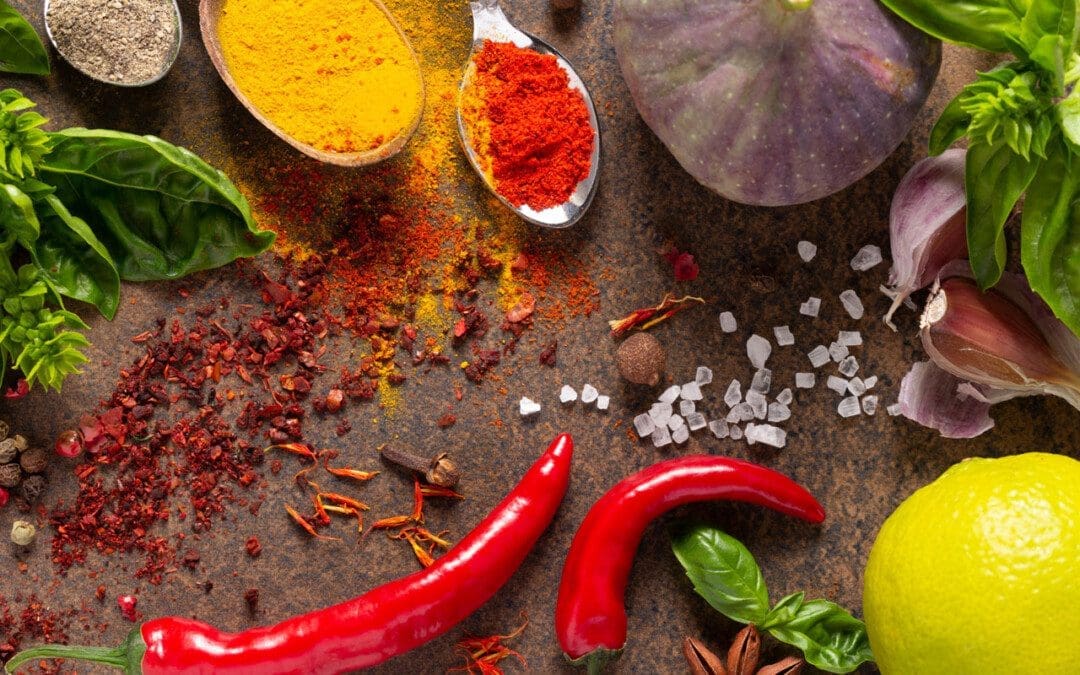
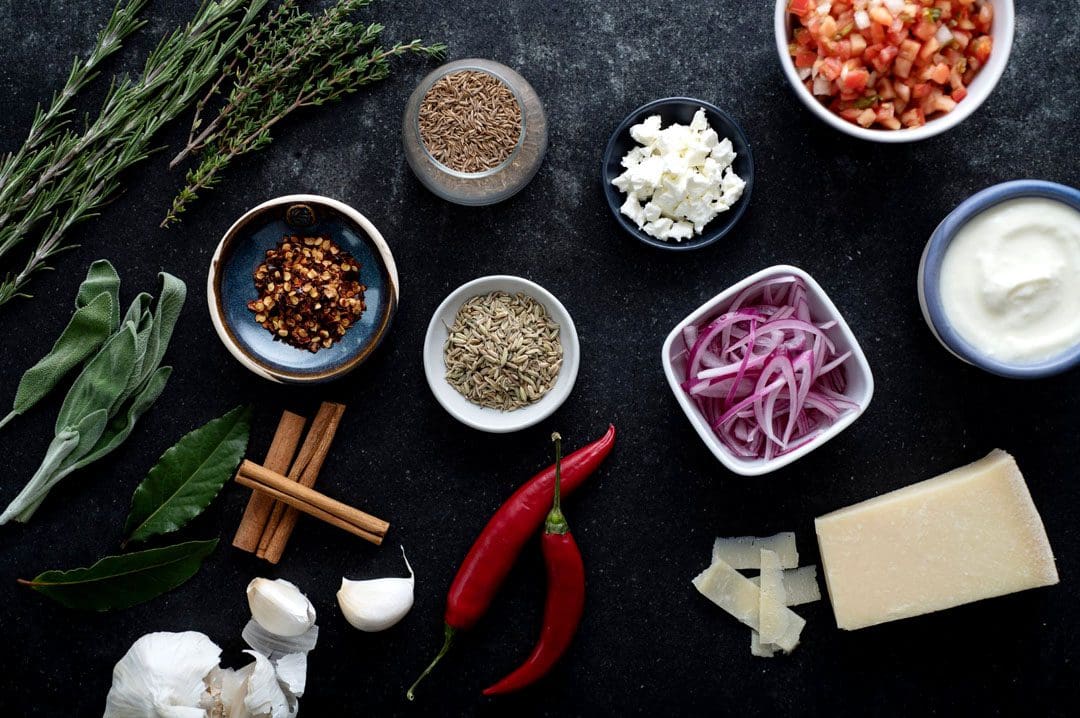
For example, cumin, chili powder, oregano, and red pepper flakes can spice up a dish or a blend of thyme, paprika, garlic powder, and onion powder can add savory notes.
A study found that adding lemon juice to recipes could reduce sodium content and add tanginess. (Sunkist Growers. 2014)
Whole Grains
Individuals don’t have to choose brown rice or whole wheat pasta for every meal but try to select whole grains half of the time. Food substitutions that can help achieve the halfway point include:
Popcorn or whole wheat crackers instead of refined flour crackers.
Whole wheat pizza crust instead of regular crust.
Substitute brown rice for white in stir-fries or casseroles.
Oatmeal instead of refined grain cereal.
Whole wheat pasta for spaghetti and meatballs or other pasta dishes.
Quinoa as a side dish instead of white rice or couscous.
More whole grains equals more fiber and B vitamins to help sustain energy, prevent blood sugar spikes, and promote digestive health. Eating more whole grains has been linked with a reduced risk of heart disease (Caleigh M Sawicki, et al. 2021) and a lower risk of colon cancer. (Glenn A. Gaesser. 2020)
Finding the right combination of each of these substitutions takes time. Go slow and taste often to see how each substitution affects a recipe’s taste and texture.
Boost Metabolism
References
Zong, G., Li, Y., Wanders, A. J., Alssema, M., Zock, P. L., Willett, W. C., Hu, F. B., & Sun, Q. (2016). Intake of individual saturated fatty acids and risk of coronary heart disease in US men and women: two prospective longitudinal cohort studies. BMJ (Clinical research ed.), 355, i5796. https://doi.org/10.1136/bmj.i5796
American Heart Association. Saturated fat.
Harvard T.H. Chan School of Public Health. Different dietary fat, different risk of mortality.
Faruque, S., Tong, J., Lacmanovic, V., Agbonghae, C., Minaya, D. M., & Czaja, K. (2019). The Dose Makes the Poison: Sugar and Obesity in the United States – a Review. Polish journal of food and nutrition sciences, 69(3), 219–233. https://doi.org/10.31883/pjfns/110735
Harvard Health Publishing. The sweet danger of sugar.
American Heart Association. How much sugar is too much?
Centers for Disease Control and Prevention. How to Reduce Sodium Intake.
Sunkist Growers. Sunkist Growers and Chefs from Johnson & Wales University Release New S’alternative® Research.
Sawicki, C. M., Jacques, P. F., Lichtenstein, A. H., Rogers, G. T., Ma, J., Saltzman, E., & McKeown, N. M. (2021). Whole- and Refined-Grain Consumption and Longitudinal Changes in Cardiometabolic Risk Factors in the Framingham Offspring Cohort. The Journal of nutrition, 151(9), 2790–2799. https://doi.org/10.1093/jn/nxab177
Gaesser G. A. (2020). Whole Grains, Refined Grains, and Cancer Risk: A Systematic Review of Meta-Analyses of Observational Studies. Nutrients, 12(12), 3756. https://doi.org/10.3390/nu12123756
Individuals striving to be healthy may not know where or how to start. Can hiring a health coach help individuals start their wellness journey and reach their goals?
Hiring A Health Coach
It’s easy to get caught up in the desire to make changes, but it is another thing to actually set a consistent plan in motion. Hiring a health coach can help individuals understand the information, develop an effective wellness routine that suits their lifestyle, and achieve health and wellness goals. A primary healthcare provider could be a resource and have referrals to reputable health coaches in the area.
What Do They Do?
Health coaches are experts in helping individuals reach health and wellness goals. This can be:
Reducing stress
Improving self-care
Focusing on nutrition
Starting exercise
Improving quality of life
A health coach helps create a plan and makes it happen.
Health and wellness coaches use motivational interviewing and evidence-based approaches to empower individuals in their wellness journey. (Adam I Perlman, Abd Moain Abu Dabrh. 2020)
They help identify areas that need improvement, develop a plan, and encourage the individual all the way like a personal fitness trainer.
Health coaches work with physicians and/or other health professionals in a clinical setting or as individual providers.
Their role is to provide a holistic approach to health and wellness.
A health coach is someone who helps organize and balance various aspects of an individual’s life so they can learn to maintain optimal health.
They will help overcome barriers when struggling.
A health coach listens and provides support for whatever an individual’s goals may be.
A health coach is there until the goal is reached.
Qualifications
It is important to ensure the providers being considered have the necessary qualifications. Because some certification programs offer a focus on specific areas like nutrition, it’s recommended to identify what is needed before choosing a health coach. Health coaches do not need a university degree, however, many certifications are affiliated with colleges and have educational partnerships that qualify coursework and award college credits. Training to become a health coach consists of: (Shivaun Conn, Sharon Curtain 2019)
Health
Fitness
Goal setting
Coaching concepts
Nutritional concepts
Motivational interviewing
Stress management
Changing behaviors
Health Goal Examples
Health coaching is not a one-size-fits-all approach. A primary healthcare provider or physician provides a diagnosis and medical plan, and a health coach helps guide and support the individual through the plan. However, hiring a health coach does not require a medical condition to employ services. A few examples of health goals that health coaches address include:
There are many types of health coaches and some may specialize, therefore try to determine the expertise needed to achieve the goals.
Budget
Determine how much money will be invested, as many insurance providers do not cover the cost of a health coach.
Health coaches may charge between $50 to $300 per session.
Some will offer packages, memberships, and/or discounts.
Certifications
Look into their certification.
Is it accredited?
This will ensure choosing a coach who has received the training and expertise needed to provide quality care.
Compatibility
Consult with potential coaches.
Ask questions and see if they are compatible with specific health goals.
Interview as many as needed.
Availability/Location
Virtual sessions, in-person meetings, and/or a combination?
How long are the sessions?
Frequency of meetings?
Finding a coach that is flexible and convenient will help maintain a healthy coach/client relationship.
Multidisciplinary Evaluation and Treatment
References
Perlman, A. I., & Abu Dabrh, A. M. (2020). Health and Wellness Coaching in Serving the Needs of Today’s Patients: A Primer for Healthcare Professionals. Global advances in health and medicine, 9, 2164956120959274. https://doi.org/10.1177/2164956120959274
Conn, S., & Curtain, S. (2019). Health coaching as a lifestyle medicine process in primary care. Australian journal of general practice, 48(10), 677–680. https://doi.org/10.31128/AJGP-07-19-4984
For individuals, does knowing about food condiments nutritional values help with overall health?
Food Condiments
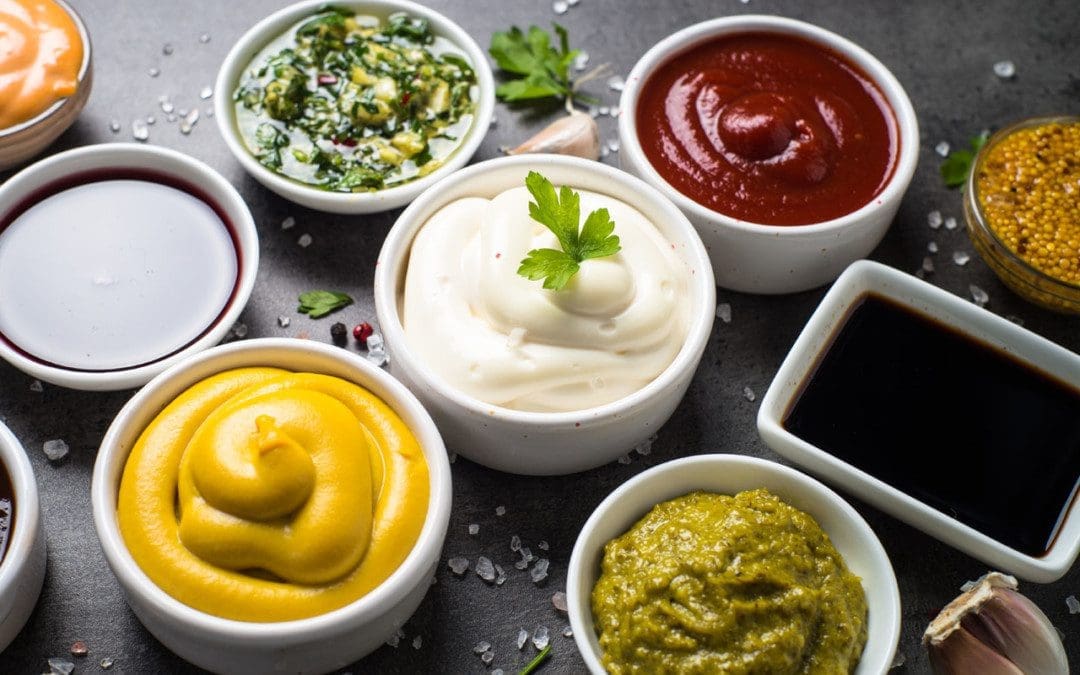
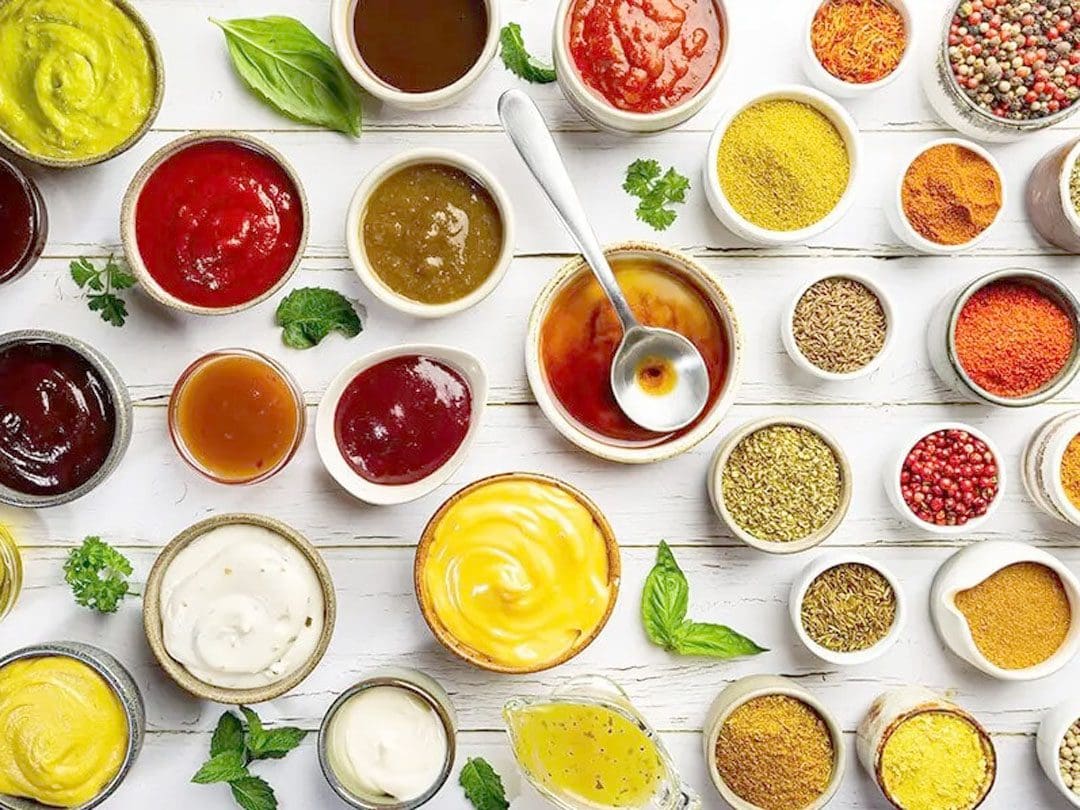
Condiment options go beyond the standard mayonnaise, ketchup, and mustard. Today there are various options to use as toppers, to marinate, tenderize, increase flavor, and add an appeal to the dish. Most condiments don’t provide much nutrition, but some do contain healthy ingredients like herbs, spices, heart-healthy fats, and antioxidants.
Healthy
The food condiments that are made the healthiest are those that are low in calories and unhealthy fat and they are made with less or no processed additives and quality ingredients that provide health benefits.
Pico de Gallo
This is a low-calorie, low-fat, nutrient-dense salsa that can zest up any meal.
It is made with tomatoes, onions, jalapeños, and lime.
Easily make your own to control sodium levels.
Top salads, vegetables, or protein with the salsa to add flavor.
Use as a dip for fresh raw vegetables as a snack.
Mustard
Mustard is a very low-calorie – 5 calories in 1 teaspoon, low-carbohydrate, and fat-free condiment that can increase the flavor of food by adding a sweet, sour, or spicy kick.
Most traditional mustards – yellow and spicy – are made with mustard seed, distilled vinegar, garlic powder, onion powder, salt, spices, and turmeric.
This means that mustard contains little or insignificant calories, fat, protein, and carbohydrate in one serving.
Studies have shown that turmeric can provide health benefits from a compound called curcumin.
Preclinical studies suggest that curcumin can act as an antioxidant and has anti-inflammatory, anticancer, and neuroprotective properties. (Abrahams S, et al., 2019)
Flavored mustards, like honey flavor, can contain added sugars, therefore, it is recommended to read the label before eating.
Balsamic, red or white wine or apple cider vinegar can be used on side dishes, salads, sandwiches, and to marinate.
This condiment ranges from 0 calories to 10 calories per tablespoon and contains no sodium.
Studies have shown that apple cider vinegar can reduce fasting blood sugar in individuals at risk for type 2 diabetes. (Johnston CS, Quagliano S, White S. 2013)
Hot Sauce
Hot sauce is made from red chili peppers.
Top eggs, vegetables, or whole grains with a few dashes.
Studies suggest that adding spice can help satisfy hunger, help curb appetite and possibly speed up metabolism. (Emily Siebert, et al., 2022)
Read labels as sauces can contain added sugars.
Ketchup
Because of its carbohydrate and sugar content, ketchup is a condiment that needs to be portion-controlled, especially for individuals with diabetes who are following a modified nutritional plan.
Although much of the fat is unsaturated/healthy type, it can be hard to portion control this food condiment, which can result in excess calorie intake.
Barbecue Sauce
Barbecue sauce is moderate in calories, around 60 in two tablespoons, but it can contain a large amount of sodium and sugar.
Most brands can contain 10 to 13 grams of sugar/equivalent to 3 teaspoons and 280 to 350 milligrams of sodium.
The recommended serving size is two tablespoons.
Individuals trying to watch calorie and sugar intake are recommended to stick to one serving.
Sour Cream
Sour cream contains 60 calories and 6 grams of fat in two tablespoons.
Regularly consuming saturated fat has been linked with heart disease, high cholesterol, and diabetes.
A healthy substitute for sour cream can be a tablespoon or two of low-fat or non-fat plain Greek yogurt.
Regardless of the healthy or non-healthy food condiments, it is recommended not to drown the food in them and stick to the recommended serving sizes.
Benefits of Healthy Diet and Chiropractic Care
References
Abrahams, S., Haylett, W. L., Johnson, G., Carr, J. A., & Bardien, S. (2019). Antioxidant effects of curcumin in models of neurodegeneration, aging, oxidative and nitrosative stress: A review. Neuroscience, 406, 1–21. https://doi.org/10.1016/j.neuroscience.2019.02.020
Spicy brown mustard. FoodData Central. U.S. Department of Agriculture.
Johnston CS, Quagliano S, White S. Vinegar ingestion at mealtime reduced fasting blood glucose concentrations in healthy adults at risk for type 2 diabetes. J Funct Foods. 2013;5(4):2007-2011. doi:10.1016/j.jff.2013.08.003
Siebert, E., Lee, S. Y., & Prescott, M. P. (2022). Chili pepper preference development and its impact on dietary intake: A narrative review. Frontiers in nutrition, 9, 1039207. https://doi.org/10.3389/fnut.2022.1039207
Ketchup. FoodData Central. U.S. Department of Agriculture.
Caesar dressing. FoodData Central. U.S. Department of Agriculture.
Vinaigrette. FoodData Central. U.S. Department of Agriculture.
Mayonnaise. FoodData Central. U.S. Department of Agriculture.
Sour cream, regular. FoodData Central. U.S. Department of Agriculture.
Individuals dealing with health problems, UTIs, and skin issues can become chronic, what are the effects and benefits of drinking cranberry juice?
Cranberry Juice
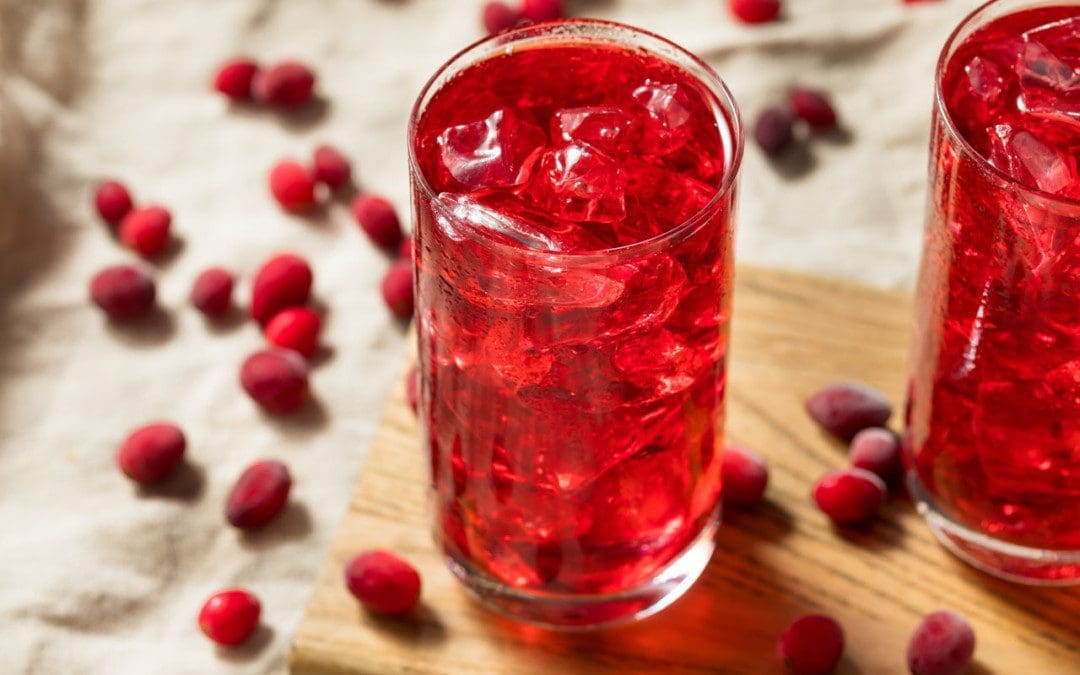
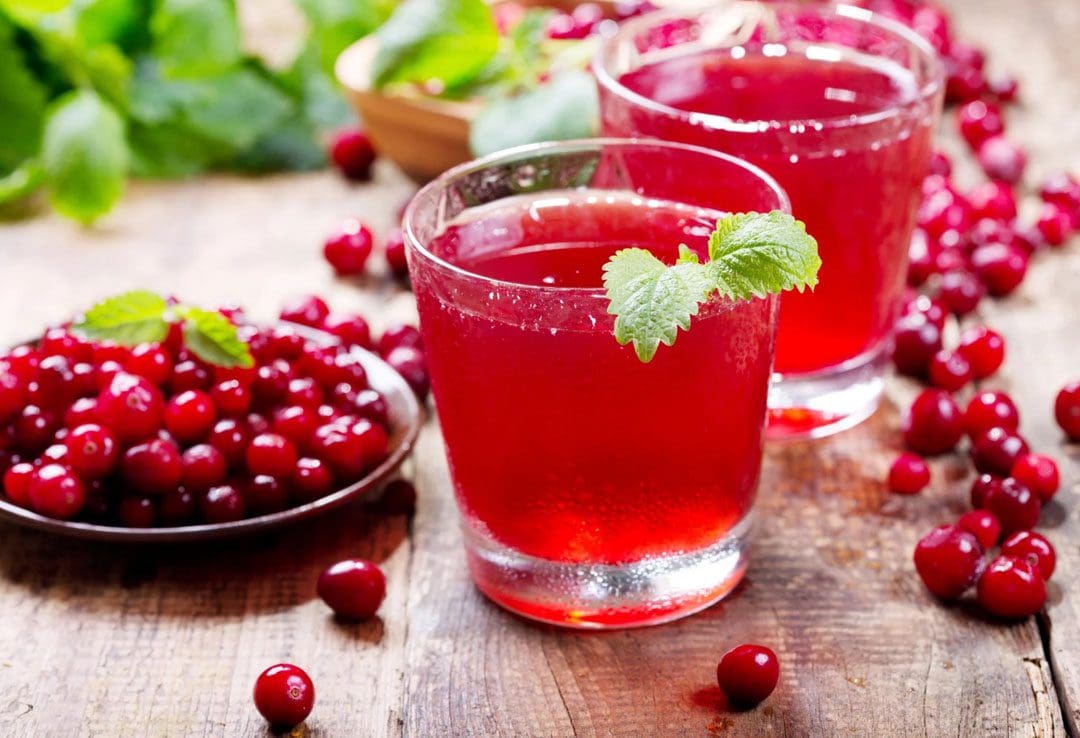
Cranberries are a healthy source of nutrients and antioxidants. Cranberry juice is a recommended source of vitamin C, with the added benefits of promoting digestive, heart, immune, and skin health. Most individuals can safely drink cranberry juice to their diet with no issues, but women who are pregnant or individuals that take blood thinners, or medications should discuss adding cranberry intake with a doctor or specialist first.
One cup of unsweetened cranberry juice provides 23.5 milligrams or 26% of the daily value for vitamin C. (USDA 2018)
To avoid excess consumption of added sugars and maximize the benefits, it is recommended to drink unsweetened cranberry juice.
Digestive Health
Cranberries contain antioxidant compounds/polyphenolsthat have been shown to help with digestive health.
A study found that drinking cranberry juice was associated with increased beneficial gut bacteria and decreased constipation.
Research funded by a cranberry juice company found participants who consumed cranberry juice twice daily had lower levels of several risk factors for heart disease, stroke, and diabetes than those who received a placebo. (USDA 2016)
A systematic review and meta-analysis found that cranberry supplementation may improve body weight and blood pressure levels.
Cranberries may also help improve high-density lipoprotein (HDL) cholesterol—considered “good” cholesterol—in younger adults.
Cranberry juice contains vitamin C, which is important for immune system function.
Research suggests that inadequate vitamin C consumption can lead to decreased immunity and an increased risk of infections. (Carr A, Maggini S, 2017)
Skin Health
Thanks to its high antioxidant content, cranberry juice may help protect your skin against damage caused by free radicals that contributes to premature aging.
The vitamin C in cranberry juice is also needed for collagen production.
Collagen is a type of protein that provides strength, elasticity, and structural support to the skin, helping to keep it firm and smooth.(Pullar JM, et al., 2017)
Infection Prevention
A study found that cranberry components known as proanthocyanidins, can promote oral health.
Cranberries activate antibacterial processes that can prevent bacteria from binding together, reducing periodontitis/gum disease and the formation of dental plaque. (Chen H, et al., 2022)
Urinary Tract Infection Prevention
Cranberries have gone through many studies for home treatment of UTIs.
It is believed the chemical compounds/proanthocyanidins can help prevent certain bacteria from sticking to the lining of the urinary tract, thus reducing the risk of UTIs. (Das S. 2020)
A study found cranberry products in the form of juice or tablets may lower the risk of UTIs in at-risk groups by approximately 30%.
At-risk groups include those with recurrent UTIs, pregnant women, older adults, and individuals with chronic indwelling catheters (devices used for short-term bladder drainage) and neurogenic bladder (conditions in which people lack bladder control due to problems in the brain, spine, or spinal cord). (Xia J Yue, et al., 2021)
Daily Amount
There is no official recommendation on the optimal amount of juice an individual should consume for health benefits. Most studies examining the benefits have used amounts ranging from 8 to 16 ounces, or around 1 to 2 cups per day. (The Cranberry Institute) However, cranberry juice with large amounts of added sugar can contribute to increased calories, leading to weight gain and other health concerns. Therefore, it is important to read the product label and look for pure, 100% cranberry juice.
If the pure juice is too tart, dilute it with some ice or water.
Avoid cranberry cocktails that are often mixed with other juices, like grape or apple juice, and contain added sugars that can decrease the benefits.
Chicas MC, Talcott S, Talcott S, Sirven M. Effect of cranberry juice supplementation on the gut microbiome and inflammatory markers: a randomized, double-blind, placebo-controlled study in overweight individuals. Curr Dev Nutr. 2022;6(Suppl 1):272. doi:10.1093/cdn/nzac053.013
Chen H, Wang W, Yu S, Wang H, Tian Z, Zhu S. Procyanidins and their therapeutic potential against oral diseases. Molecules. 2022;27(9):2932. doi:10.3390/molecules27092932
Pourmasoumi M, Hadi A, Najafgholizadeh A, Joukar F, Mansour-Ghanaei F. The effects of cranberry on cardiovascular metabolic risk factors: A systematic review and meta-analysis. Clinical Nutrition. 2020;39(3):774-788. doi:10.1016/j.clnu.2019.04.003
Pullar JM, Carr AC, Vissers MCM. The roles of vitamin C in skin health. Nutrients. 2017;9(8):866. doi:10.3390/nu9080866
Xia J Yue, Yang C, Xu D Feng, Xia H, Yang L Gang, Sun G ju. Consumption of cranberry as adjuvant therapy for urinary tract infections in susceptible populations: A systematic review and meta-analysis with trial sequential analysis. PLoS One. 2021;16(9):e0256992. doi:10.1371/journal.pone.0256992
With the summer heatwave blasting through, some individuals can experience digestive health problems. The relationship between the temperature outside and the temperature in the body translates to the digestive system. As the heat rises, it can make the digestive system slow down and become weakened feeling bloated, nauseated, and tired. The body’s balance may feel off because the body lowers its internal temperature to protect itself. Individuals must be careful not to overload themselves with the wrong foods. One way to avoid problems and maintain digestion working smoothly is to eat lighter, eat smaller portions for each meal, and eat easily digestible foods. Doing this will allow the body will feel cooler, and maintain alertness and energy throughout the hot day.
The objective is not to skip meals but to eat regular meals, just smaller and easily digestible ones. Foods low in fiber tend to be easy to digest and can help the body feel better.
White Rice
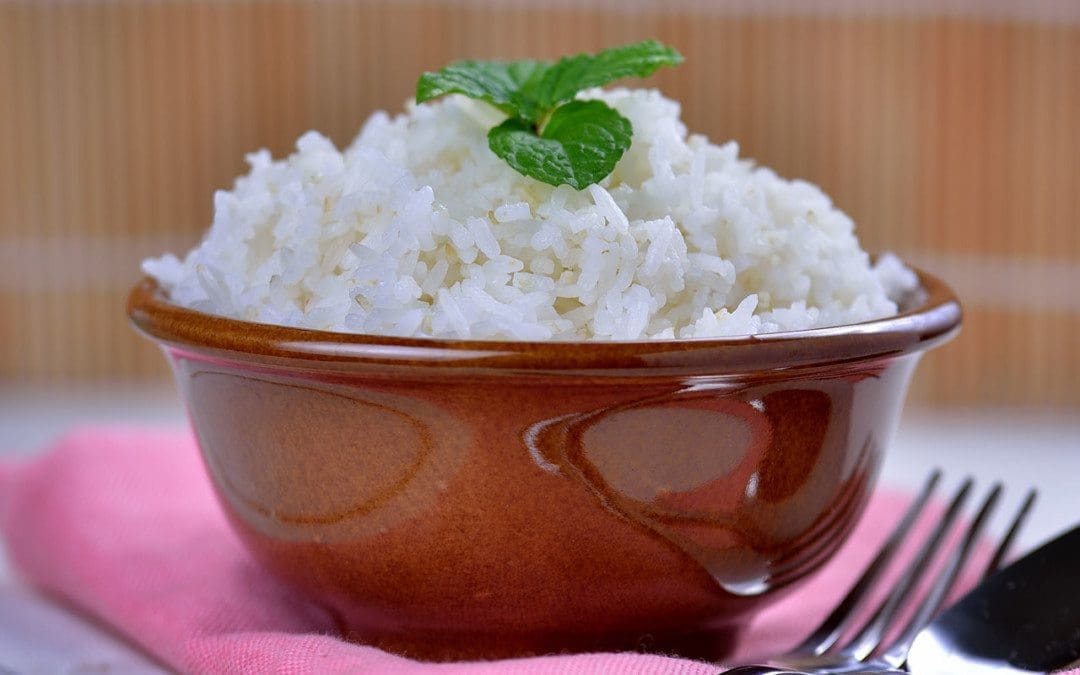
White rice is low in fat and fiber, making it easy on the stomach and easy to digest.
It is not associated with any gastrointestinal issues and is considered a safe starch because it is an easy source of carbohydrates that provides instant energy.
To digest rice even more easily, eat it by itself or pair it with foods low in fat.
Certain foods that are high in fat, like vegetable oils, can take longer to digest and could cause discomfort.
A 1/2 cup of cooked white rice:
210 calories
4g protein
0g fat
49g carbohydrates
1g fiber
Bananas
Ripe bananas are an easily digestible fruit that only contains a moderate amount of fiber.
They are associated with improvements in both constipation and diarrhea,
Individuals with a variety of digestive issues may experience relief when incorporating bananas into their diets.
Cooking bananas makes them even easier to digest as it makes certain nutrients easier to absorb.
Make sure the bananas are ripe enough.
Unripe bananas can be more difficult to digest.
1 medium raw/ripe banana:
105 calories
1.3g protein
0.4g fat
27g carbohydrates
3g fiber
Applesauce
Although made from apples, applesauce is low in fiber and a great source of vitamin C.
Cooked, canned, or processed fruits tend to be lower in fiber and easier to digest.
Applesauce is recommended to calm a variety of stomach-related ailments like constipation, diarrhea, and gastroparesis.
A 4-ounce serving of applesauce:
90 calories
0g protein
0g fat
22g carbohydrates
2g fiber
White Bread
Plain white bread is low in fiber and easier to digest than bread made with whole-grain wheat bread.
It is often fortified with nutrients including folic acid, B vitamins, vitamin D3, and more.
Try plain toast for breakfast
Use low-fat fillings for an easily digestible sandwich for lunch or dinner.
2 slices of plain white bread:
150 calories
4g protein
28g carbohydrates
2g fat
1g fiber
Chicken and Turkey
Lean proteins low in fat like chicken breast and turkey are easy to digest.
Individuals experiencing digestive problems are recommended to consume lean protein over fattier red meats.
A 3-ounce serving of skinless, boneless chicken breast:
128 calories
26g protein
2.7g fat
0g carbohydrates
0g fiber
Sweet Potatoes
Cooked potatoes of all varieties are examples of easily digestible foods.
Sweet potatoes are gentle on the digestive tract because they are mostly insoluble fiber, which speeds up digestion and increases regularity.
To make potatoes easier to digest, remove the skins and mash the inside.
Removing the skins decreases the fiber content, and mashing them makes digestion easier.
1 medium sweet potato that is cooked and peeled:
135 calories
3g protein
0.2g fat
31g carbohydrates
5g fiber
Other recommendations that could help stimulate digestion include drinking more water, getting more sleep, reducing stress levels, and exercising.
The Healing Diet
References
Howard, Sally, and Geetanjali Krishna. “How hot weather kills: the rising public health dangers of extreme heat.” BMJ (Clinical research ed.) vol. 378 o1741. 14 Jul. 2022, doi:10.1136/bmj.o1741
Kong, Fanbin, et al. “Physical changes in white and brown rice during simulated gastric digestion.” Journal of food science vol. 76,6 (2011): E450-7. doi:10.1111/j.1750-3841.2011.02271.x
Nguyen, Hoang Chinh et al. “Bioactive Compounds, Antioxidants, and Health Benefits of Sweet Potato Leaves.” Molecules (Basel, Switzerland) vol. 26,7 1820. 24 Mar. 2021, doi:10.3390/molecules26071820
Remes-Troche, José María. “Too hot” or “too cold”: effects of meal temperature on gastric function.” Digestive diseases and sciences vol. 58,9 (2013): 2439-40. doi:10.1007/s10620-013-2789-4
Salfi, Salvatore F, and Karyn Holt. “The role of probiotics in diarrheal management.” Holistic nursing practice vol. 26,3 (2012): 142-9. doi:10.1097/HNP.0b013e31824ef5a3
Singh, Balwinder, et al. “Bioactive compounds in banana and their associated health benefits – A review.” Food Chemistry vol. 206 (2016): 1-11. doi:10.1016/j.foodchem.2016.03.033
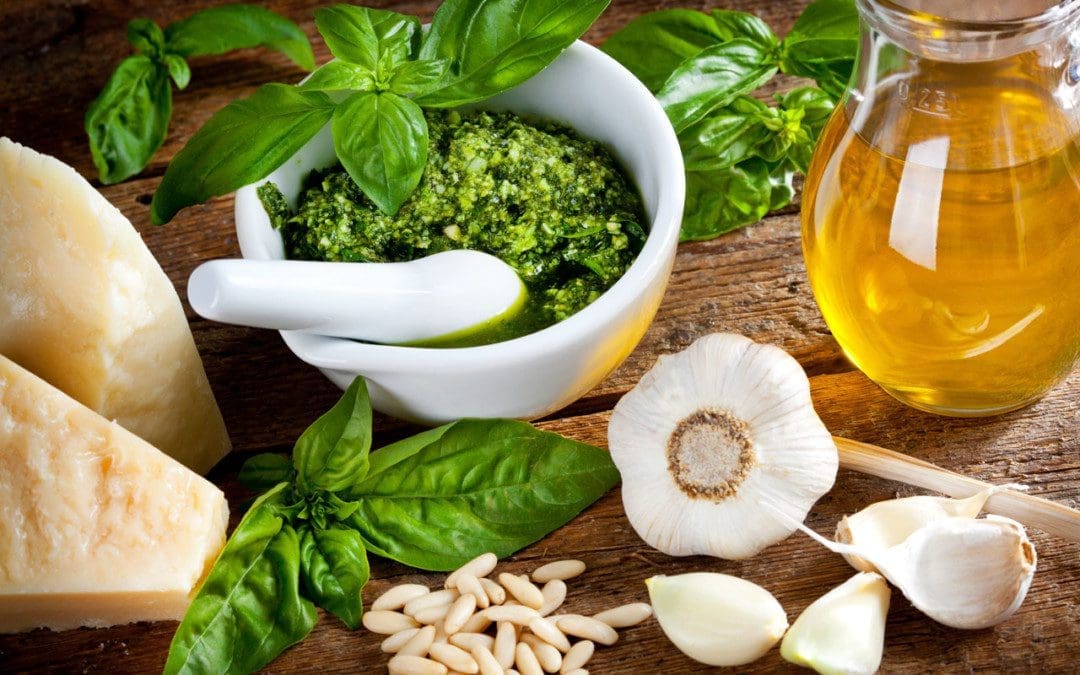
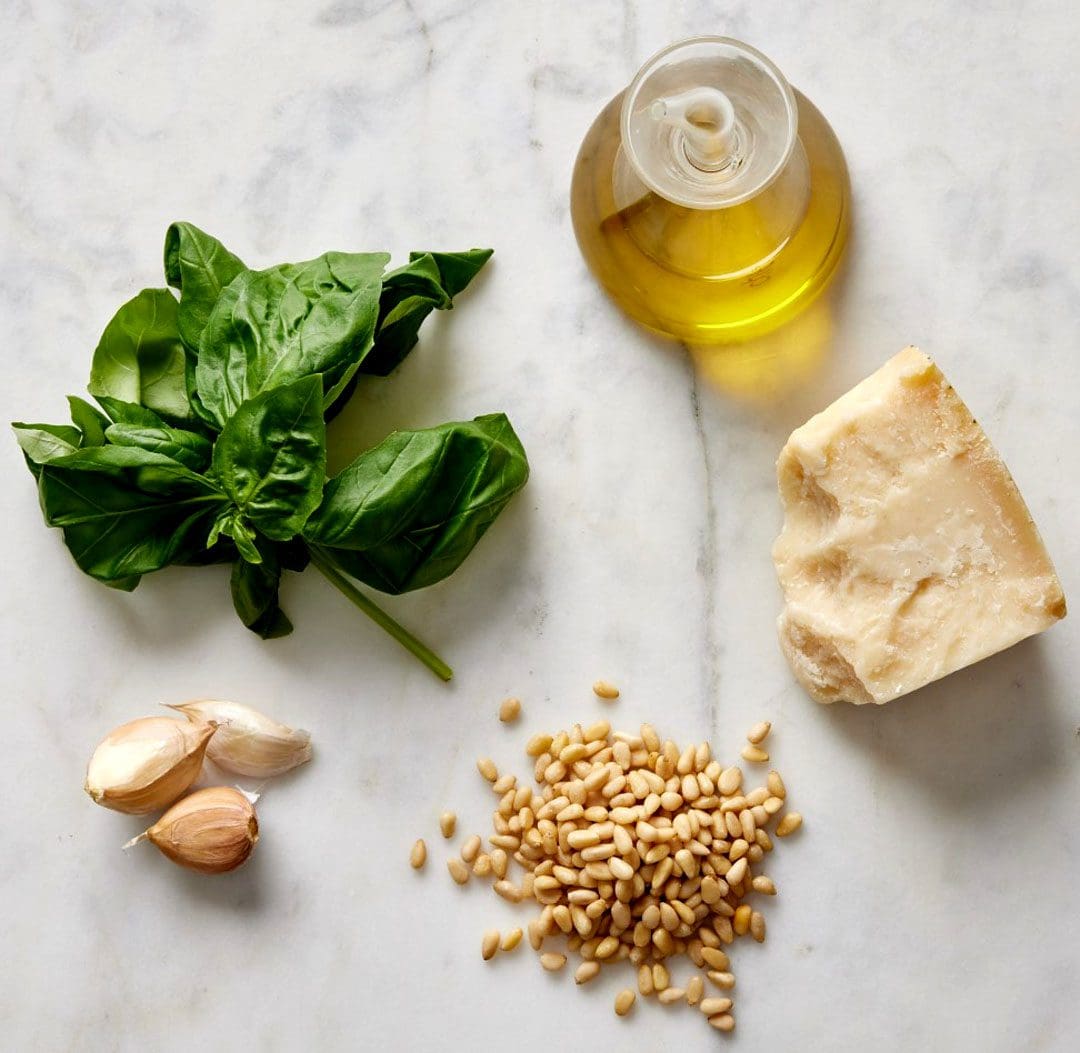
Pesto is a sauce that is made with garlic, pine nuts, basil, cheese, and olive oil, which creates a strong, rich flavor. It is used as a marinade, dip, salad dressing, sandwich spread, and a topping for dishes like pasta and pizza. It can be homemade or bought premade, including vegan varieties. It is made with nutritious ingredients and can be consumed as part of a balanced diet. The sauces can vary in nutrition, but in general, it is a rich source of healthy fats and is also part of the Mediterranean Diet.
Pesto
Carbohydrates
The sauce is not a significant source of complex carbohydrates, dietary fiber, or sugar.
A spoonful contains under 1 gram of carbohydrates.
It is often paired with foods rich in carbohydrates, like sandwiches, pizza, and pasta.
Fats
Nearly 60% of the calories in pesto come from fats, provided by the olive oil, cheese, and pine nuts.
There are 9.47 grams of fats per spoonful, which includes:
5.63 grams of monounsaturated fatty acids.
1.53 grams of saturated fatty acids.
1.68 grams of polyunsaturated fatty acids.
It also contains 2.56mg of cholesterol.
According to U.S. Dietary Guidelines for Americans, 20% to 35% of daily calories should come from fat.
Protein
The sauce is not a protein-rich food with only 1.38 grams of protein per tablespoon.
It is often used as a condiment, it can add flavor to other foods higher in protein.
Vitamins and Minerals
Pesto contains:
33.1mg of calcium.
36.8mg of phosphorus.
31.8mg of potassium.
9.76mg of magnesium.
Health Benefits
Some of the potential health benefits of pesto.
Antioxidant Properties
Garlic, pine nuts, olive oil, and basil are rich sources of antioxidants.
Antioxidants have an essential role in defending the body against free radical damage, which can lead to disease.
Diets high in antioxidants reduce the risk of various diseases, like heart disease and cancer.
Consuming antioxidant-rich foods like pesto on a regular basis can increase antioxidant levels.
Cardiovascular Benefits
Olive oil health benefits include the reduced risk of heart disease.
Substituting other high-fat foods like margarine, butter, and mayonnaise with olive oil can help lower the risk of heart disease and stroke.
Help Lower Cholesterol
Four different types of fats – saturated, trans, monounsaturated, and polyunsaturated fats.
Saturated fats can raise LDL/unhealthy cholesterol levels.
Foods rich in monounsaturated and polyunsaturated fats like pesto can help lower LDL cholesterol levels in the blood and support HDL/healthy cholesterol levels.
Weight Management
Pesto is commonly consumed on the Mediterranean diet and can be part of a nutritious lifestyle that supports a healthy weight.
Research has shown that following a Mediterranean diet can lead to and maintain long-term changes in weight management.
Store-bought pesto can contain a large amount of sodium.
Individuals following a low-sodium diet or taking heart medications should check with their doctor before consuming these products.
To control the amount of sodium, consider making a homemade recipe that uses less salt and aligns with individual dietary preferences.
Basil is the main ingredient but some varieties are made with other herbs.
Pesto traditionally contains parmesan cheese/milk products and pine nuts/tree nuts which are common food allergens.
The sauce is a vegetarian-friendly sauce, but vegans can look for cheese and dairy-free versions.
It is possible that an allergic reaction can occur in individuals allergic to dairy products and nuts.
Individuals allergic to nuts can choose nut-free varieties.
From Consultation to Transformation
References
Agnoli C, Sieri S, Ricceri F, et al. Adherence to a Mediterranean diet and long-term changes in weight and waist circumference in the EPIC-Italy cohort. Nutr Diabetes. 2018;8(1):22. doi:10.1038/s41387-018-0023-3
Bolling, Bradley W et al. “Tree nut phytochemicals: composition, antioxidant capacity, bioactivity, impact factors. A systematic review of almonds, Brazils, cashews, hazelnuts, macadamias, pecans, pine nuts, pistachios, and walnuts.” Nutrition research reviews vol. 24,2 (2011): 244-75. doi:10.1017/S095442241100014X
Bower, Allyson, et al. “The Health Benefits of Selected Culinary Herbs and Spices Found in the Traditional Mediterranean Diet.” Critical Reviews in food science and nutrition vol. 56,16 (2016): 2728-46. doi:10.1080/10408398.2013.805713
Guasch-Ferré M, Liu G, Li Y, et al. Olive oil consumption and cardiovascular risk in U.S. adults. J Am Coll Cardiol. 2020;75(15):1729-1739. doi:10.1016/j.jacc.2020.02.036
Liu, Qing, et al. “Antibacterial and Antifungal Activities of Spices.” International journal of molecular sciences vol. 18,6 1283. 16 Jun. 2017, doi:10.3390/ijms18061283
Marcelino, Gabriela et al. “Effects of Olive Oil and Its Minor Components on Cardiovascular Diseases, Inflammation, and Gut Microbiota.” Nutrients vol. 11,8 1826. 7 Aug. 2019, doi:10.3390/nu11081826
Nicastro, Holly L, et al. “Garlic and onions: their cancer prevention properties.” Cancer prevention research (Philadelphia, Pa.) vol. 8,3 (2015): 181-9. doi:10.1158/1940-6207.CAPR-14-0172
Sestili, Piero, et al. “The potential effects of Ocimum basilicum on health: a review of pharmacological and toxicological studies.” Expert opinion on drug metabolism & toxicology vol. 14,7 (2018): 679-692. doi:10.1080/17425255.2018.1484450
Sun, Liangzi, et al. “Tryptophan targeted pulsed electric field treatment for enhanced immune activity in pine nut peptides.” Journal of food biochemistry vol. 44,6 (2020): e13224. doi:10.1111/jfbc.13224
Before the body can benefit from consumed nutrients, the gastrointestinal tract has to digest and absorb the foods. Before eating, the body needs to feel hungry. However, hunger is not the same as appetite. Hunger is a physical reaction caused by hormonal and chemical changes in the body when fuel is needed. Appetite is more of a desire to eat and can be a learned response. It is one reason why individuals can eat when they are not hungry. The body comprises different hormones that regulate hunger, digestion, and appetite.
Hunger Digestion Regulating Hormones
Hunger Hormones
Hunger is the feeling when the body needs food. When the body has enough, hunger should subside. That’s because various hormones regulate hunger.
Leptin
Leptin is a hormone secreted by adipose tissue/fat into the bloodstream.
The more fat in the body, the higher the blood levels of leptin.
Leptin level also increases with food intake and is higher in females than males, but overall, it lowers with age.
Increased leptin levels trigger the hypothalamus to reduce hunger.
Ghrelin
Ghrelin is a hormone produced by the stomach and small intestine when the stomach is empty.
Like leptin, it also works with the hypothalamus.
However, instead of suppressing hunger, it increases hunger.
Insulin
The pancreas produces this hormone.
It is mostly known for regulating blood sugar levels.
It also suppresses hunger.
Adiponectin
Adiponectin is a hormone secreted by fat cells.
As body fat levels go down, this hormone goes up.
If fat levels go up, adiponectin levels go down.
Cholecystokinin
Cholecystokinin is a hormone produced in the small intestine during and after a meal.
It triggers the release of bile and digestive enzymes into the small intestine.
These suppress hunger and make the body feel full.
Peptide YY
This hormone suppresses appetite for about 12 hours after eating.
Made by both the large and small intestines after eating.
Glucocorticoids
Adrenal glands make these hormones, and their primary function is to regulate inflammation and other processes, but they also impact hunger.
A cortisol deficiency reduces appetite, but excessive amounts of glucocorticoids increase hunger.
Digestion Hormones
Digestion is coordinated and regulated by hormones.
Gastrin
Gastrin is a hormone the stomach and the small intestine release when eating.
Gastrin stimulates the release of hydrochloric acid and pepsinogen in the stomach to speed up digestion.
Gastrin stimulates glucagon, which works with insulin to regulate blood sugar.
Secretin
Secretin is a hormone made by the small intestine.
It is secreted into the bloodstream when the acidic chyme from the stomach enters the small intestine.
Secretin stimulates the pancreas to release bicarbonate digestive liquids into the small intestine.
The bicarbonate neutralizes the acidity.
Secretin acts on the stomach to trigger the production of pepsinogen to help break down proteins.
Cholecystokinin – CCK
The small intestine makes and releases CCK into the bloodstream.
Essential fat digestion stimulates the gallbladder to release bile into the small intestine.
It also triggers the pancreas to release various digestive enzymes so they can break down fats, carbohydrates, and proteins.
It stimulates the pancreas to release insulin and slows down stomach digestive activity.
Peptide YY and Enterogastrone
Released by the small intestine, two more hormones slow digestion down and decrease the production of digestive secretions.
Chiropractic Care and Metabolism
References
Chandra, Rashmi, and Rodger A Liddle. “Cholecystokinin.” Current Opinion in Endocrinology, diabetes, and Obesity vol. 14,1 (2007): 63-7. doi:10.1097/MED.0b013e3280122850
Davis, Jon. “Hunger, ghrelin and the gut.” Brain Research vol. 1693, Pt B (2018): 154-158. doi:10.1016/j.brainres.2018.01.024
Gupta K, Raja A. Physiology, Gastric Inhibitory Peptide. [Updated 2022 Sep 26]. In: StatPearls [Internet]. Treasure Island (FL): StatPearls Publishing; 2023 Jan-. Available from: https://www.ncbi.nlm.nih.gov/books/NBK546653/
Konturek, S J et al. “Brain-gut axis and its role in the control of food intake.” Journal of Physiology and Pharmacology: an official journal of the Polish Physiological Society vol. 55,1 Pt 2 (2004): 137-54.
Prosapio JG, Sankar P, Jialal I. Physiology, Gastrin. [Updated 2023 Apr 6]. In: StatPearls [Internet]. Treasure Island (FL): StatPearls Publishing; 2023 Jan-. Available from: https://www.ncbi.nlm.nih.gov/books/NBK534822/
Rix I, Nexøe-Larsen C, Bergmann NC, et al. Glucagon Physiology. [Updated 2019 Jul 16]. In: Feingold KR, Anawalt B, Blackman MR, et al., editors. Endotext [Internet]. South Dartmouth (MA): MDText.com, Inc.; 2000-. Available from: https://www.ncbi.nlm.nih.gov/books/NBK279127/
Suzuki, Keisuke, et al. “The role of gut hormones and the hypothalamus in appetite regulation.” Endocrine Journal vol. 57,5 (2010): 359-72. doi:10.1507/endocrine.k10e-077
Tack, Jan, et al. “The gastrointestinal tract in hunger and satiety signaling.” United European gastroenterology journal vol. 9,6 (2021): 727-734. doi:10.1002/ueg2.12097
Zanchi, Davide, et al. “The impact of gut hormones on the neural circuit of appetite and satiety: A systematic review.” Neuroscience and biobehavioral reviews vol. 80 (2017): 457-475. doi:10.1016/j.neubiorev.2017.06.013
IFM's Find A Practitioner tool is the largest referral network in Functional Medicine, created to help patients locate Functional Medicine practitioners anywhere in the world. IFM Certified Practitioners are listed first in the search results, given their extensive education in Functional Medicine