Can knowing the difference between butter and margarine help Individuals looking to improve cholesterol levels?
Butter and Margarine
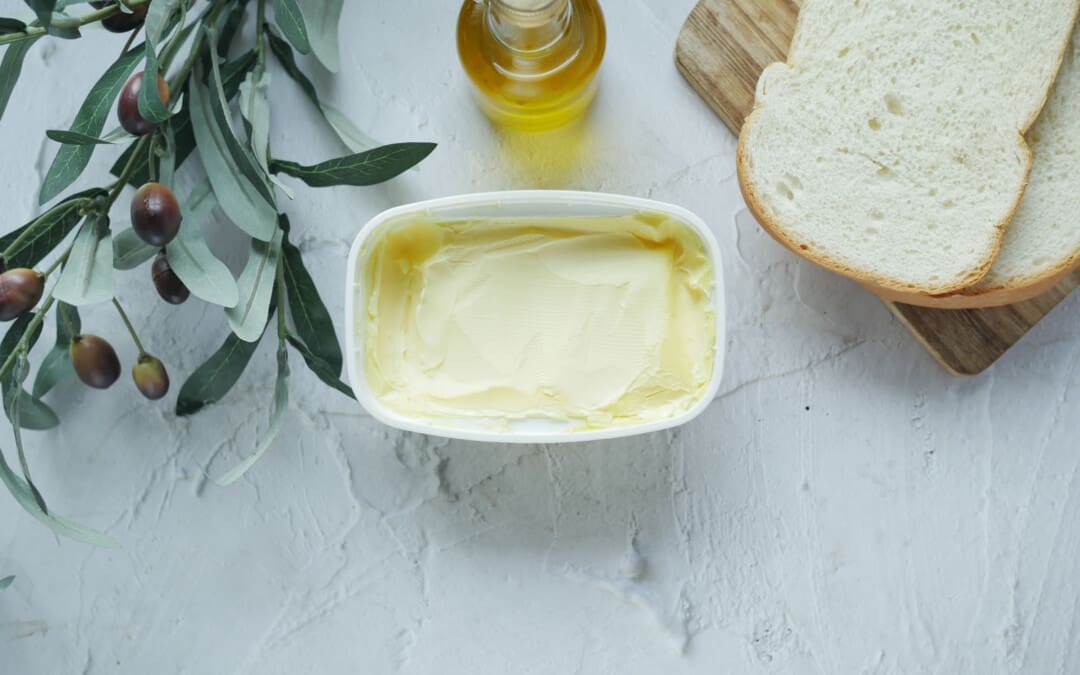
Individuals watching their cholesterol levels and switching from butter to margarine may have heard that it may be worse for heart health. What research has to say about the healthiest spread and the butter and margarine debate?
History
Butter was shown to be associated with an increased risk of heart disease because of its saturated fat content when margarine was developed as a substitute. Margarine is made from plant-based oils like canola, palm fruit, and soybeans. Nutritionists and researchers saw it as a healthier alternative. It is lower in saturated fat and has no cholesterol but contains high levels of trans fats, which raise unhealthy LDL cholesterol levels and lower healthy HDL cholesterol levels. (Ginter, E., and Simko, V. 2016)
Margarine Trans Fat and Butter Saturated Fat
Most of margarine’s unsaturated fats undergo hydrogenation, creating harmful trans fats. Trans fat raises unhealthy LDL cholesterol levels more than saturated fat. The trans-fatty acids solidify and maintain margarine consistency at room temperature. Stick margarines, the hardest type, contain the most trans fats and are still sold despite what is known about the damage they can do. (Brouwer, I. A. et al., 2010) Clinical studies showed these trans fats are associated with a 28% increased risk of death from heart disease and a 34% increased risk of death. (de Souza, R. J. et al., 2015)
Margarine Types
Some softer and liquid margarine products contain less trans fat than stick versions. They are low in saturated fat and high in unsaturated fat. Individuals can determine how much trans fat the margarine has by its softness. Those that are more solid at room temperature contain more trans fats than those in a tub, which are softer. However, some soft options can contain trans fats. If the label has partially hydrogenated oil, it’s recommended to avoid it. (Garsetti, M. et al., 2016) Some newer margarines are enriched with plant sterols, which block cholesterol absorption and help lower LDL levels. These are healthy choices if trying to lower LDL. (Ras, R. T. et al., 2014)
Butter
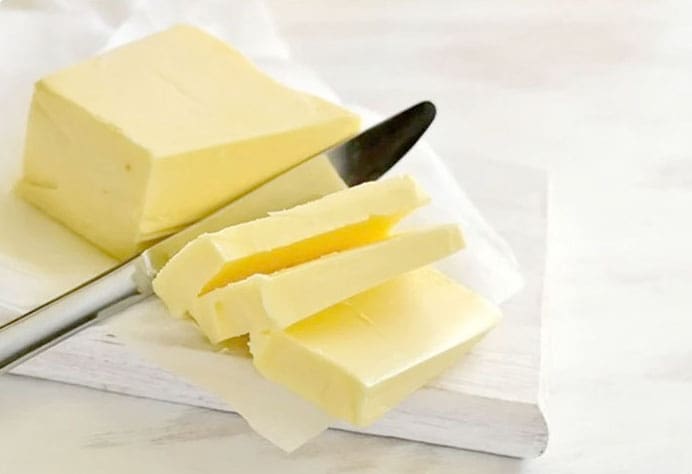
Butter is primarily made up of saturated fat and cholesterol and comes in a stick and spread. One tablespoon of butter contains around 30 milligrams of cholesterol and 7 grams of saturated fat. The maximum amount allowed daily is 200 milligrams and 10 milligrams, respectively. Both types of fat are linked to rising cholesterol levels and the risk of heart disease. Butter from grass-fed cows is higher in omega-3 fatty acids, essential for heart health, making it far more nutritional than the more widely used butter from conventionally-fed cows. (Hebeisen, D. F. et al., 1993)
Other Options
Butter or margarine are not the healthiest options. Olive, avocado, and other vegetable-based spreads are the most heart-healthy options. (Yubero-Serrano, E. M. et al., 2019) Use avocado oil as a cooking oil when sautéing or roasting vegetables. Consider substituting applesauce, nut butters, or squash purees in baked goods. Look for soft versions of margarine as a bread spread that contain plant sterols and no hydrogenated oils.
Injury Medical Chiropractic and Functional Medicine Clinic uses an integrated approach to create personalized care plans for each patient to restore health and function to the body through Nutrition and Wellness, Functional Medicine, Acupuncture, Electro-Acupuncture, and Sports Medicine protocols. If the individual needs other treatment, they will be referred to a clinic or physician best suited for them. Dr. Jimenez has teamed up with top surgeons, clinical specialists, medical researchers, nutritionists, and health coaches to provide the most effective clinical treatments.
Enhancing Health Together: Multidisciplinary Evaluation and Treatment
References
Ginter, E., & Simko, V. (2016). New data on harmful effects of trans-fatty acids. Bratislavske lekarske listy, 117(5), 251–253. https://doi.org/10.4149/bll_2016_048
Brouwer, I. A., Wanders, A. J., & Katan, M. B. (2010). Effect of animal and industrial trans fatty acids on HDL and LDL cholesterol levels in humans–a quantitative review. PloS one, 5(3), e9434. https://doi.org/10.1371/journal.pone.0009434
de Souza, R. J., Mente, A., Maroleanu, A., Cozma, A. I., Ha, V., Kishibe, T., Uleryk, E., Budylowski, P., Schünemann, H., Beyene, J., & Anand, S. S. (2015). Intake of saturated and trans unsaturated fatty acids and risk of all cause mortality, cardiovascular disease, and type 2 diabetes: systematic review and meta-analysis of observational studies. BMJ (Clinical research ed.), 351, h3978. https://doi.org/10.1136/bmj.h3978
Garsetti, M., Balentine, D. A., Zock, P. L., Blom, W. A., & Wanders, A. J. (2016). Fat composition of vegetable oil spreads and margarines in the USA in 2013: a national marketplace analysis. International journal of food sciences and nutrition, 67(4), 372–382. https://doi.org/10.3109/09637486.2016.1161012
Ras, R. T., Geleijnse, J. M., & Trautwein, E. A. (2014). LDL-cholesterol-lowering effect of plant sterols and stanols across different dose ranges: a meta-analysis of randomised controlled studies. The British journal of nutrition, 112(2), 214–219. https://doi.org/10.1017/S0007114514000750
Hebeisen, D. F., Hoeflin, F., Reusch, H. P., Junker, E., & Lauterburg, B. H. (1993). Increased concentrations of omega-3 fatty acids in milk and platelet rich plasma of grass-fed cows. International journal for vitamin and nutrition research. Internationale Zeitschrift fur Vitamin- und Ernahrungsforschung. Journal international de vitaminologie et de nutrition, 63(3), 229–233.
Yubero-Serrano, E. M., Lopez-Moreno, J., Gomez-Delgado, F., & Lopez-Miranda, J. (2019). Extra virgin olive oil: More than a healthy fat. European journal of clinical nutrition, 72(Suppl 1), 8–17. https://doi.org/10.1038/s41430-018-0304-x
Can incorporating tonic water benefit individuals who want to drink more water?
Tonic Water
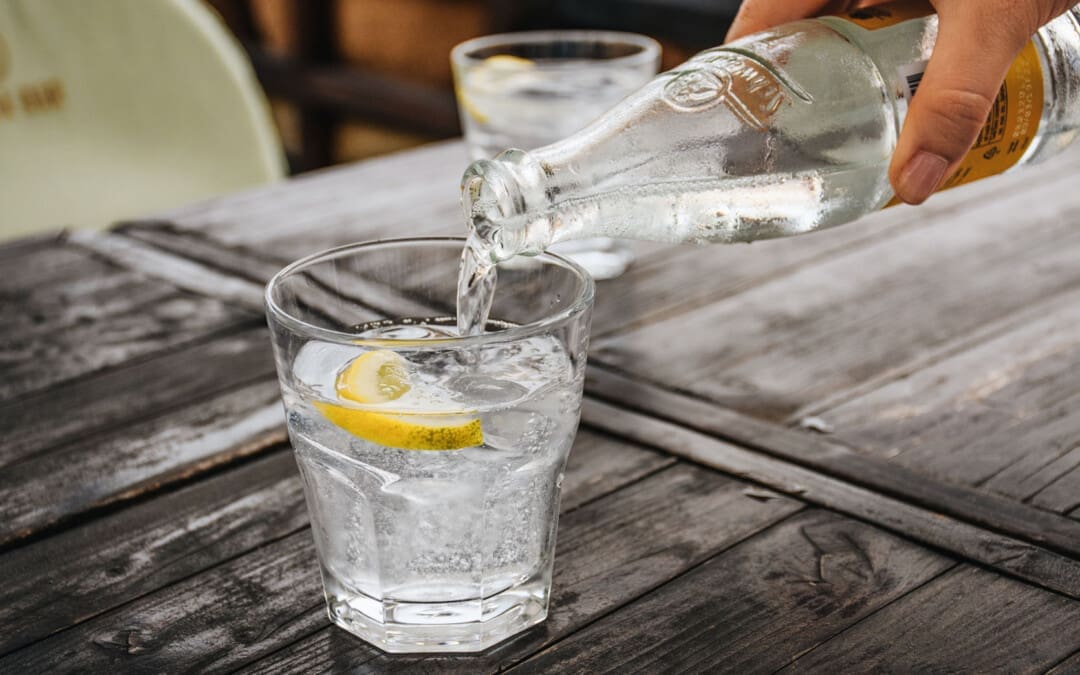
Tonic water is more than just water. Its bitter taste comes from quinine, a natural substance found in the bark of the Peruvian cinchona tree. Most store-bought tonic water contains quinine, with natural or artificial flavors from fruits or herbs to temper the bitterness, varying from brand to brand.
Tonic water calories can be high. Some brands can have up to 114 calories per bottle. The reason is they use a sweetener. Some brands have a diet version with zero calories and no sugar but may contain more sodium.
Fats and Protein
There is no fat or protein in tonic water.
Sugar
Some brands use high fructose syrup, while others use cane sugar or sugar from the other ingredients. For example, adding an alcoholic ingredient to make a tonic cocktail can significantly increase the calorie count.
Sodium
Depending on the variety and the amount drunk, tonic water can be a source of sodium. However, sodium intake should be 1500 milligrams per day.
Carbohydrates
There are 33 grams of carbohydrates per serving with the estimated glycemic load or the numerical value that estimates how much a food will raise an individual’s blood sugar to around four.
Micronutrients
There are no significant vitamins or minerals but a small amount of sodium, zinc, and copper.
Health
Quinine is FDA-approved in specific doses to treat malaria. However, the quinine in tonic water is less than prescribed for medicinal purposes. (Achan, J. et al., 2011) Some individuals have tried to use quinine for leg cramps. However, the FDA has warned that this is not recommended and can cause harm. (U.S. Food and Drug Administration. 2017)
Other Water Beverages
There are other water alternatives to reduce calories, sodium, and added sugar.
Seltzer
Seltzer is carbonated water, similar to club soda, with no calories or added sweeteners.
Add lemon or other fruit for flavor.
Mineral water
Mineral water tastes like seltzer, but the carbonation is usually natural.
Flavored water
Flavored water provides some nutrients and antioxidants from the vegetables and fruits.
It is a great alternative if the other options don’t work.
Allergies
It is possible to have an allergy to quinine that could cause a reaction when drinking tonic water. (Winter F. D., Jr. 2015) In these cases, the research suggests, the allergy may cause:
Individuals can make tonic water with online recipes using different herbs and flavors. Tonic water made at home may or may not be lower in calories than store-bought brands, but the ingredients can be controlled to create beverages that cater to personal tastes. Using tonic or sparkling water, keep the bottled water tightly capped and chilled to maintain carbonation and ready to serve.
Injury Medical Chiropractic and Functional Medicine Clinic focuses on and treats injuries and chronic pain syndromes through personalized care plans to restore health and function to the body through Nutrition and Wellness, Functional Medicine, Acupuncture, Electro-Acupuncture, and Sports Medicine protocols. If the individual needs other treatment, they will be referred to a clinic or specialist best suited for them, as Dr. Jimenez has teamed up with the top surgeons, clinical specialists, medical researchers, nutritionists, and health coaches to provide the most effective clinical treatments.
Learning About Food Substitutions
References
U.S. Department of Agriculture. FoodData Central. (2018). Beverages, carbonated, tonic water. Retrieved from https://fdc.nal.usda.gov/fdc-app.html#/food-details/171869/nutrients
Achan, J., Talisuna, A. O., Erhart, A., Yeka, A., Tibenderana, J. K., Baliraine, F. N., Rosenthal, P. J., & D’Alessandro, U. (2011). Quinine, an old anti-malarial drug in a modern world: role in the treatment of malaria. Malaria journal, 10, 144. https://doi.org/10.1186/1475-2875-10-144
U.S. Food and Drug Administration. (2017). FDA drug safety communication: New risk management plan and patient medication guide for Qualaquin (quinine sulfate). Retrieved from https://www.fda.gov/drugs/postmarket-drug-safety-information-patients-and-providers/fda-drug-safety-communication-new-risk-management-plan-and-patient-medication-guide-qualaquin
Howard, M. A., Hibbard, A. B., Terrell, D. R., Medina, P. J., Vesely, S. K., & George, J. N. (2003). Quinine allergy causing acute severe systemic illness: report of 4 patients manifesting multiple hematologic, renal, and hepatic abnormalities. Proceedings (Baylor University. Medical Center), 16(1), 21–26. https://doi.org/10.1080/08998280.2003.11927884
Winter F. D., Jr (2015). Immune thrombocytopenia associated with consumption of tonic water. Proceedings (Baylor University. Medical Center), 28(2), 213–216. https://doi.org/10.1080/08998280.2015.11929233
Can understanding night cravings help individuals who constantly eat at night plan meals that satisfy and choose nutritious snacks?
Eating At Night
Snacking after dinner and eating at night is common and not bad; however, snacking mindfully can help one truly enjoy and savor snacks. Consider some of the reasons why you might be hungry or not completely satisfied after dinner. Improving the nutritional value of nighttime snacks can make late-night hunger work toward meeting nutritional needs. Common reasons include:
Not meeting the right macronutrient balance during dinner.
Not being completely satisfied with dinner.
Dehydration.
Macronutrient Profile
Getting the right amount of carbohydrates, fat, and protein during dinner is integral to feeling satisfied. Adults need 130g of carbohydrates, 56g of protein, and 3.7L of water daily. The amount of fat required varies, but monounsaturated and polyunsaturated fats are the most healthy fats to consume, helping the body feel satisfied. Several studies show that eating protein during a meal reduces hunger and decreases cravings. (Kohanmoo, A. et al., 2020)
Unsatisfying Dinner
Another reason individuals eat at night is that they are unsatisfied with dinner. Eating satiating foods can help the mind and body feel full throughout the evening.
Satiety is the sense of satisfaction from food.
Foods high in fiber and healthy fats are known to help produce satisfaction.
When the body is full and satisfied, it produces hormones that signal to the brain there is no need to continue eating.
Try to plan healthy meals that are genuinely exciting to eat.
Create time to cook and make and eat meals you can genuinely enjoy.
Dehydration
Sometimes, when the body is dehydrated, it can have difficulty distinguishing thirst from hunger. As a result, some may eat in reaction to dehydration. This isn’t always bad, as some foods, specifically water-rich foods like melon and other fruits, can provide hydration. But sometimes, individuals don’t realize they are misreading their body’s thirst for hunger, and they reach for any food. They are still dehydrated, so they keep eating. If hunger persists after dinner, drink a glass of water and wait 20 minutes to see if that impacts hunger.
Maximize Nutrition
Snacking at night is not bad, but it is wise to plan to ensure the body gets the right balance of nutrients.
Satisfy Cravings
Many crave something sweet after dinner or later on. Eating healthy foods that satisfy cravings will help trigger hormones that tell the body it is done eating. Keep your favorite fruits and vegetables for a quick bite to get some sweetness and fiber. Vegetables like red bell peppers and carrots provide sweetness and crunchiness and can be satisfying. One small red pepper provides 100% of the daily recommended Vitamin C in 20 calories. (U.S. Department of Agriculture. Agricultural Research Service. 2018)
Foods that Promote Sleep
The foods chosen can affect sleep. Whole grains, walnuts, cherries, and kiwi increase serotonin and decrease the stress hormone cortisol. Complex carbohydrates contain melatonin, a hormone responsible for feeling sleepy. A whole-grain snack is a healthy choice before going to bed. (Nisar, M. et al., 2019) Some research shows that dark chocolate is rich in magnesium and can help promote deep sleep. However, it also contains caffeine, which can inhibit sleep. If dark chocolate is a favorite, make sure to eat it early enough in the evening.
Alternative Nighttime Routine
Some people eat out of boredom at night. To curb this, individuals in this category should change their routines. Here are a few tips to help adjust nighttime habits.
Healthy After-Dinner Activities
Go for a quick walk after dinner. 10 to 20 minutes can help, as physical activity signals the shift from dinner to other evening activities.
It also gives the body a chance to feel the fullness sensation.
Hobbies and other light meditative activities can help take the mind off eating.
Watch TV Mindfully
Many individuals eat more at night because snacking can go on and on in front of the television.
Use smart and healthy snacking strategies like portion control.
Remember to take a drink of water in between snacking.
Stay active – simple chores or activities while watching TV can help avoid overeating.
Rest and Sleep
Not getting enough sleep has been linked with increased appetite. (Hibi, M. et al., 2017)
Engage in activities to encourage rest.
Meditation can help calm down the mind and body.
Consider going to bed earlier.
Using an integrated approach, Dr. Jimenez’s Functional Medicine Team aims to restore health and function to the body through Nutrition and Wellness, Functional Medicine, Acupuncture, Electro-Acupuncture, and Sports Medicine protocols. We focus on what works for the individual through researched methods and total wellness programs.
Eating Right to Feel Better
References
Kohanmoo, A., Faghih, S., & Akhlaghi, M. (2020). Effect of short- and long-term protein consumption on appetite and appetite-regulating gastrointestinal hormones, a systematic review and meta-analysis of randomized controlled trials. Physiology & behavior, 226, 113123. https://doi.org/10.1016/j.physbeh.2020.113123
U.S. Department of Agriculture. Agricultural Research Service. FoodData Central. (2018). Peppers, sweet, red, raw. Retrieved from https://fdc.nal.usda.gov/fdc-app.html#/food-details/170108/nutrients
Nisar, M., Mohammad, R. M., Arshad, A., Hashmi, I., Yousuf, S. M., & Baig, S. (2019). Influence of Dietary Intake on Sleeping Patterns of Medical Students. Cureus, 11(2), e4106. https://doi.org/10.7759/cureus.4106
Hibi, M., Kubota, C., Mizuno, T., Aritake, S., Mitsui, Y., Katashima, M., & Uchida, S. (2017). Effect of shortened sleep on energy expenditure, core body temperature, and appetite: a human randomised crossover trial. Scientific reports, 7, 39640. https://doi.org/10.1038/srep39640
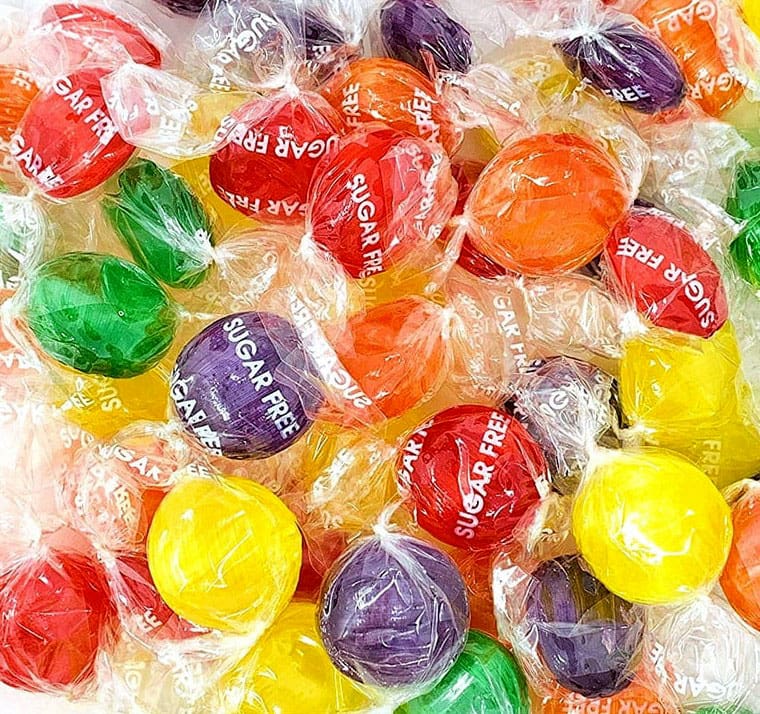
For individuals with diabetes or who are watching their sugar intake, is sugar-free candy a healthy choice?
Sugar-Free Candy
Sugar-free candies can be an option for individuals with diabetes and those watching their sugar intake. Different types of sweeteners are used in sugar-free candies, with pros and cons and possible side effects.
Ingredients
Sugar-free candies use artificial sweeteners or sugar substitutes to generate a sweet taste. Most of these sweeteners have fewer calories and carbohydrates than sugar, but not all are calorie or carb-free. Some sugar substitutes on labels include:
Aspartame
Saccharin
Sucralose
Aspartame, saccharin, stevia, and sucralose are calorie-free and carb-free.
Stevia is a non-alcoholic, non-artificial sugar substitute made from plant leaves.
Sugar alcohols – erythritol, xylitol, maltitol, lactitol, and sorbitol contain some carbohydrates.
Pros
Pros over candies sweetened with sugar.
Satisfies Cravings
Sugar-free candies can satisfy sweet cravings with less impact on blood sugar than their full-sugar counterparts.
For some individuals, especially with irritable bowel syndrome/IBS, sugar alcohols can cause unpleasant gastrointestinal side effects like bloating and diarrhea. (Mäkinen K. K. 2016)
It is recommended to avoid large amounts, especially for individuals with a sensitive stomach. (Evert, A. B. et al., 2019)
Taste
There may be an irregular or unfamiliar taste that can require getting used to.
Try other types and brands.
Carbohydrates
Always read the label.
The sweetener may contain some or none.
Other ingredients may have added carbohydrates.
For example, sugar-free chocolates may be high in saturated fat from ingredients like cocoa butter.
Appetite stimulants
Zero-calorie sweeteners may stimulate appetite, leading to eating more, which can be counterproductive to dietary goals. (Azad, M. B. et al., 2017)
Options
Choosing which types are best depends on personal taste and health goals.
Because of fatty ingredients, sugar-free chocolates may not be recommended if heart problems exist or fat intake must be limited.
Hard candies may be a better option.
Sugar alcohols can have an impact on blood sugar levels, which may make the candies less than ideal for those with diabetes. Digestive side effects can make them less appealing as well.
Some artificial sweeteners may cause discomfort. Learning the body’s response will help when choosing.
When it comes to taste, note what the preferred candy is sweetened with, as well as other ingredients, to guide future purchases.
Choose a snack that blends something sweet with other healthy ingredients, like fiber or protein, whole grains, nuts, or dried fruit. For example, strawberries with dark chocolate or apple slices with peanut butter.
Dr. Jimenez Functional Medicine Team. Healthy eating does not have to be hard. Using an integrated approach, we aim to restore health and function to the body through Nutrition and Wellness, Functional Medicine, Acupuncture, Electro-Acupuncture, and Sports Medicine protocols. If the patient needs other treatment, they will be referred to a clinic or physician best suited for them, as Dr. Jimenez has teamed up with the top surgeons, clinical specialists, medical researchers, nutritionists, and health coaches to provide the most effective clinical treatments. We focus on what works for you and strive to better the body through researched methods and total wellness programs.
How Chiropractic Can Help Diabetic Back Pain
References
U.S. Department of Agriculture and U.S. Department of Health and Human Services. (2020). Dietary Guidelines for Americans, 2020-2025. 9th Edition. Available at DietaryGuidelines.gov. Retrieved from https://www.dietaryguidelines.gov/sites/default/files/2020-12/Dietary_Guidelines_for_Americans_2020-2025.pdf
American Heart Association. (2020). Federal dietary guidelines emphasize healthy eating but fall short on added sugars. https://newsroom.heart.org/news/federal-dietary-guidelines-emphasize-healthy-eating-habits-but-fall-short-on-added-sugars
University of California, San Francisco, Diabetes Teaching Center: Diabetes Education Online. (2024). Counting sugar alcohols. https://dtc.ucsf.edu/living-with-diabetes/diet-and-nutrition/understanding-carbohydrates/counting-carbohydrates/learning-to-read-labels/counting-sugar-alcohols/
Mäkinen K. K. (2016). Gastrointestinal Disturbances Associated with the Consumption of Sugar Alcohols with Special Consideration of Xylitol: Scientific Review and Instructions for Dentists and Other Health-Care Professionals. International journal of dentistry, 2016, 5967907. https://doi.org/10.1155/2016/5967907
Evert, A. B., Dennison, M., Gardner, C. D., Garvey, W. T., Lau, K. H. K., MacLeod, J., Mitri, J., Pereira, R. F., Rawlings, K., Robinson, S., Saslow, L., Uelmen, S., Urbanski, P. B., & Yancy, W. S., Jr (2019). Nutrition Therapy for Adults With Diabetes or Prediabetes: A Consensus Report. Diabetes care, 42(5), 731–754. https://doi.org/10.2337/dci19-0014
Azad, M. B., Abou-Setta, A. M., Chauhan, B. F., Rabbani, R., Lys, J., Copstein, L., Mann, A., Jeyaraman, M. M., Reid, A. E., Fiander, M., MacKay, D. S., McGavock, J., Wicklow, B., & Zarychanski, R. (2017). Nonnutritive sweeteners and cardiometabolic health: a systematic review and meta-analysis of randomized controlled trials and prospective cohort studies. CMAJ : Canadian Medical Association journal = journal de l’Association medicale canadienne, 189(28), E929–E939. https://doi.org/10.1503/cmaj.161390
Can knowing which foods to eat help individuals recovering from food poisoning restore gut health?
Food Poisoning and Restoring Gut Health
Food poisoning can be life-threatening. Fortunately, most cases are mild and short-lived and last only a few hours to a few days (Centers for Disease Control and Prevention, 2024). But even mild cases can wreak havoc on the gut, causing nausea, vomiting, and diarrhea. Researchers have found that bacterial infections, like food poisoning, can cause changes in gut bacteria. (Clara Belzer et al., 2014) Eating foods that promote gut healing after food poisoning may help the body recover and feel better faster.
Foods to Eat
After food poisoning symptoms have resolved, one may feel that returning to the usual diet is fine. However, the gut has endured quite an experience, and even though acute symptoms have subsided, individuals may still benefit from foods and drinks that are easier on the stomach. Recommended foods and beverages after food poisoning include: (National Institute of Diabetes and Digestive and Kidney Diseases. 2019)
Gatorade
Pedialyte
Water
Herbal tea
Chicken broth
Jello
Applesauce
Crackers
Toast
Rice
Oatmeal
Bananas
Potatoes
Hydration after food poisoning is crucial. Individuals should add other nutritious and hydrating foods, like chicken noodle soup, which helps because of its nutrients and fluid content. The diarrhea and vomiting that accompany the illness can leave the body severely dehydrated. Rehydrating beverages help the body replace lost electrolytes and sodium. Once the body is rehydrated and can hold down bland foods, slowly introduce foods from a regular diet. When resuming the usual diet after rehydration, eating small meals frequently, every three to four hours, is recommended instead of eating a large breakfast, lunch, and dinner meal daily. (Andi L. Shane et al., 2017) When choosing Gatorade or Pedialyte, remember that Gatorade is a sports-rehydrating drink with more sugar, which could irritate an inflamed stomach. Pedialyte is designed for rehydrating during and after illness and has less sugar, making it a better option. (Ronald J Maughan et al., 2016)
When Food Poisoning Is Active Foods To Avoid
During food poisoning, individuals typically do not feel like eating at all. However, to avoid worsening the illness, Individuals are recommended to avoid the following while actively ill (Ohio State University. 2019)
Caffeinated drinks and alcohol can further dehydrate.
Greasy foods and high-fiber foods are hard to digest.
Foods and beverages high in sugar can cause the body to produce high glucose levels and weaken the immune system. (Navid Shomali et al., 2021)
Recovery Time and Resuming Regular Diet
Food poisoning doesn’t last long, and most uncomplicated cases are resolved within a few hours or days. (Centers for Disease Control and Prevention, 2024) Symptoms depend on the type of bacteria. Individuals may become ill within minutes of consuming contaminated food up to two weeks later. For example, Staphylococcus aureus bacteria generally cause symptoms almost immediately. On the other hand, listeria may take up to a couple of weeks to cause symptoms. (Centers for Disease Control and Prevention, 2024) Individuals can resume their usual diet once symptoms are gone, the body is thoroughly hydrated and can hold down bland foods. (Andi L. Shane et al., 2017)
Recommended Gut Foods Post Stomach Virus
Gut-healthy foods can help restore the gut microbiome or all the living microorganisms in the digestive system. A healthy gut microbiome is essential for immune system functioning. (Emanuele Rinninella et al., 2019) Stomach viruses can disrupt the balance of gut bacteria. (Chanel A. Mosby et al., 2022) Eating certain foods may help restore the gut balance. Prebiotics, or indigestible plant fibers, can help break down in the small intestines and allow the beneficial bacteria to grow. Prebiotic foods include: (Dorna Davani-Davari et al., 2019)
Beans
Onions
Tomatoes
Asparagus
Peas
Honey
Milk
Banana
Wheat, barley, rye
Garlic
Soybean
Seaweed
In addition, probiotics, which are live bacteria, may help increase the number of healthy bacteria in the gut. Probiotic foods include: (Harvard Medical School, 2023)
Pickles
Sourdough bread
Kombucha
Sauerkraut
Yogurt
Miso
Kefir
Kimchi
Tempeh
Probiotics can also be taken as a supplement and come in tablets, capsules, powders, and liquids. Because they contain live bacteria, they need to be refrigerated. Healthcare providers sometimes recommend taking probiotics when recovering from a stomach infection. (National Institute of Diabetes and Digestive and Kidney Diseases, 2018) Individuals should consult their healthcare provider to see whether this option is safe and healthy.
At Injury Medical Chiropractic and Functional Medicine Clinic, we treat injuries and chronic pain syndromes by developing personalized treatment plans and specialized clinical services focused on injuries and the complete recovery process. If other treatment is needed, individuals will be referred to a clinic or physician best suited to their injury, condition, and/or ailment.
Learning About Food Substitutions
References
Centers for Disease Control and Prevention. (2024). Food poisoning symptoms. Retrieved from https://www.cdc.gov/foodsafety/symptoms.html
Belzer, C., Gerber, G. K., Roeselers, G., Delaney, M., DuBois, A., Liu, Q., Belavusava, V., Yeliseyev, V., Houseman, A., Onderdonk, A., Cavanaugh, C., & Bry, L. (2014). Dynamics of the microbiota in response to host infection. PloS one, 9(7), e95534. https://doi.org/10.1371/journal.pone.0095534
National Institute of Diabetes and Digestive and Kidney Diseases. (2019). Eating, diet, & nutrition for food poisoning. Retrieved from https://www.niddk.nih.gov/health-information/digestive-diseases/food-poisoning/eating-diet-nutrition
Shane, A. L., Mody, R. K., Crump, J. A., Tarr, P. I., Steiner, T. S., Kotloff, K., Langley, J. M., Wanke, C., Warren, C. A., Cheng, A. C., Cantey, J., & Pickering, L. K. (2017). 2017 Infectious Diseases Society of America Clinical Practice Guidelines for the Diagnosis and Management of Infectious Diarrhea. Clinical infectious diseases : an official publication of the Infectious Diseases Society of America, 65(12), e45–e80. https://doi.org/10.1093/cid/cix669
Maughan, R. J., Watson, P., Cordery, P. A., Walsh, N. P., Oliver, S. J., Dolci, A., Rodriguez-Sanchez, N., & Galloway, S. D. (2016). A randomized trial to assess the potential of different beverages to affect hydration status: development of a beverage hydration index. The American journal of clinical nutrition, 103(3), 717–723. https://doi.org/10.3945/ajcn.115.114769
Ohio State University. Kacie Vavrek, M., RD, CSSD Ohio State University. (2019). Foods to avoid when you have the flu. https://health.osu.edu/wellness/exercise-and-nutrition/foods-to-avoid-with-flu
Shomali, N., Mahmoudi, J., Mahmoodpoor, A., Zamiri, R. E., Akbari, M., Xu, H., & Shotorbani, S. S. (2021). Harmful effects of high amounts of glucose on the immune system: An updated review. Biotechnology and applied biochemistry, 68(2), 404–410. https://doi.org/10.1002/bab.1938
Rinninella, E., Raoul, P., Cintoni, M., Franceschi, F., Miggiano, G. A. D., Gasbarrini, A., & Mele, M. C. (2019). What is the Healthy Gut Microbiota Composition? A Changing Ecosystem across Age, Environment, Diet, and Diseases. Microorganisms, 7(1), 14. https://doi.org/10.3390/microorganisms7010014
Mosby, C. A., Bhar, S., Phillips, M. B., Edelmann, M. J., & Jones, M. K. (2022). Interaction with mammalian enteric viruses alters outer membrane vesicle production and content by commensal bacteria. Journal of extracellular vesicles, 11(1), e12172. https://doi.org/10.1002/jev2.12172
Davani-Davari, D., Negahdaripour, M., Karimzadeh, I., Seifan, M., Mohkam, M., Masoumi, S. J., Berenjian, A., & Ghasemi, Y. (2019). Prebiotics: Definition, Types, Sources, Mechanisms, and Clinical Applications. Foods (Basel, Switzerland), 8(3), 92. https://doi.org/10.3390/foods8030092
Harvard Medical School. (2023). How to get more probiotics. https://www.health.harvard.edu/staying-healthy/how-to-get-more-probiotics
National Institute of Diabetes and Digestive and Kidney Diseases. (2018). Treatment of viral gastroenteritis. Retrieved from https://www.niddk.nih.gov/health-information/digestive-diseases/viral-gastroenteritis/treatment
For individuals who want to eat healthier, can selection and moderation make mayonnaise a delicious and nutritious addition to a low-carbohydrate diet?
Mayonnaise Nutrition
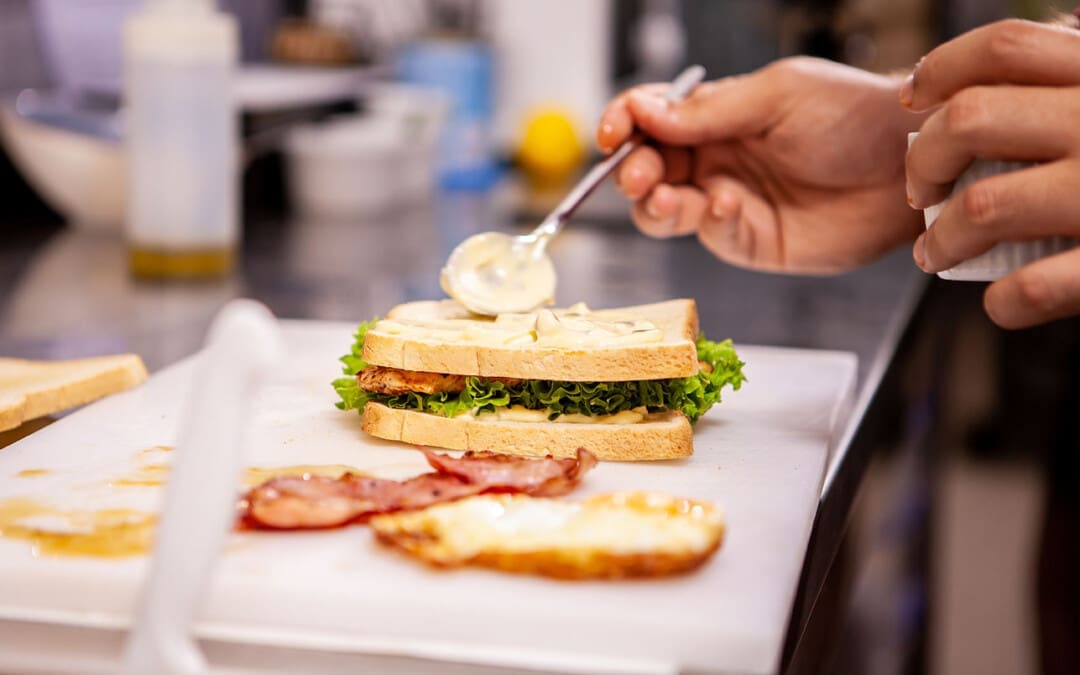
Mayonnaise is used in various recipes, including sandwiches, tuna salad, deviled eggs, and tartar sauce. It is often considered unhealthy, as it is mostly fat and, as a result, calorie-dense. Calories and fat can quickly add up when not paying attention to portion sizes.
What Is It?
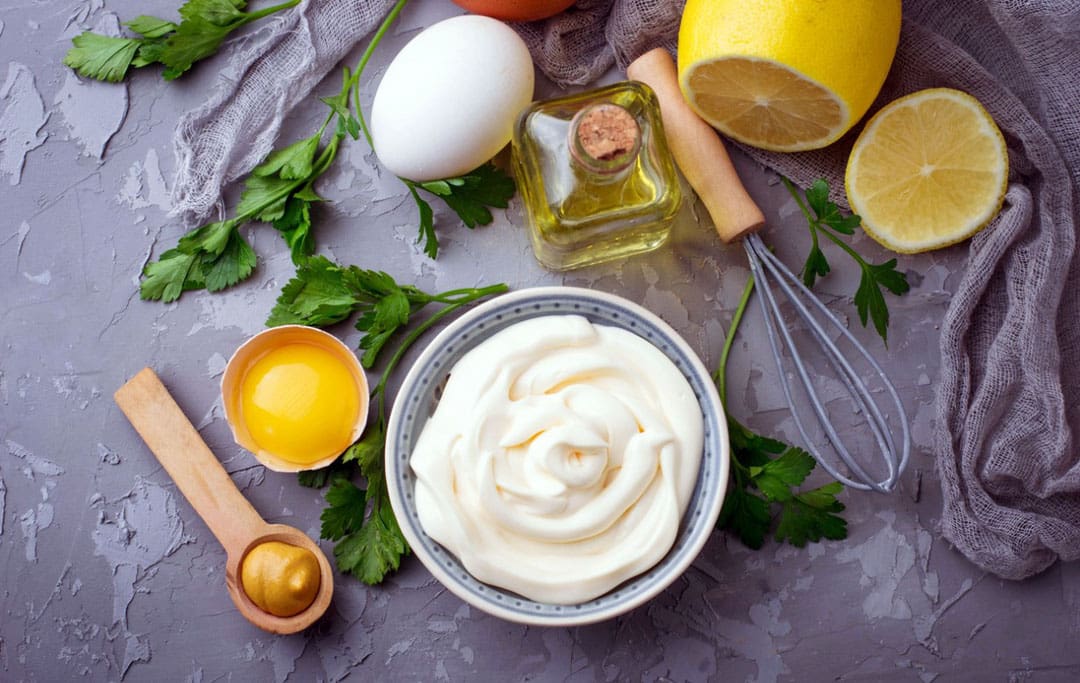
It is a blend of different ingredients.
It combines oil, egg yolk, an acidic liquid (lemon juice or vinegar), and mustard.
The ingredients become a thick, creamy, permanent emulsion when blended slowly.
The key is in the emulsion, combining two liquids that would otherwise not naturally come together, which turns the liquid oil into a solid.
The Science
Emulsification happens when an emulsifier – the egg yolk – binds the water-loving/hydrophilic and oil-loving/lipophilic components.
The emulsifier binds the lemon juice or vinegar with the oil and does not allow separation, producing a stable emulsion. (Viktoria Olsson et al., 2018)
In homemade mayonnaise, the emulsifiers are mainly the lecithin from the egg yolk and a similar ingredient in mustard.
Commercial mayonnaise brands often use other types of emulsifiers and stabilizers.
Health
It contains health-promoting properties, such as vitamin E, which improves heart health, and vitamin K, which is important for blood clotting. (USDA, FoodData Central, 2018)
It can also be made with healthy fats like omega-3 fatty acids, which maintain brain, heart, and skin health.
While reduced-fat mayonnaise has fewer calories and less fat than regular mayonnaise, the fat is often replaced with starches or sugar to improve texture and flavor.
For individuals watching carbohydrates or sugar in their diet, check the nutrition label and ingredients before deciding on the right mayonnaise.
Body In Balance: Chiropractic, Fitness, and Nutrition
References
Olsson, V., Håkansson, A., Purhagen, J., & Wendin, K. (2018). The Effect of Emulsion Intensity on Selected Sensory and Instrumental Texture Properties of Full-Fat Mayonnaise. Foods (Basel, Switzerland), 7(1), 9. https://doi.org/10.3390/foods7010009
USDA, FoodData Central. (2018). Mayonnaise dressing, no cholesterol. Retrieved from https://fdc.nal.usda.gov/fdc-app.html#/food-details/167736/nutrients
Mozafari, H. R., Hosseini, E., Hojjatoleslamy, M., Mohebbi, G. H., & Jannati, N. (2017). Optimization low-fat and low cholesterol mayonnaise production by central composite design. Journal of food science and technology, 54(3), 591–600. https://doi.org/10.1007/s13197-016-2436-0
Zhu, J., Li, J., & Chen, J. (2012). Survival of Salmonella in home-style mayonnaise and acid solutions as affected by acidulant type and preservatives. Journal of food protection, 75(3), 465–471. https://doi.org/10.4315/0362-028X.JFP-11-373
United States Department of Agriculture. Food Safety and Inspection Service. (2024). Keep Food Safe! Food Safety Basics. Retrieved from https://www.fsis.usda.gov/food-safety/safe-food-handling-and-preparation/food-safety-basics/steps-keep-food-safe
Institute of Medicine (U.S.). Committee on Dietary Guidelines Implementation., Thomas, P. R., Henry J. Kaiser Family Foundation., & National Cancer Institute (U.S.). (1991). Improving America’s diet and health : from recommendations to action : a report of the Committee on Dietary Guidelines Implementation, Food and Nutrition Board, Institute of Medicine. National Academy Press. http://books.nap.edu/books/0309041392/html/index.html
https://www.ncbi.nlm.nih.gov/books/NBK235261/
Could pita bread be a possible option for individuals trying to eat healthier?
Pita Bread
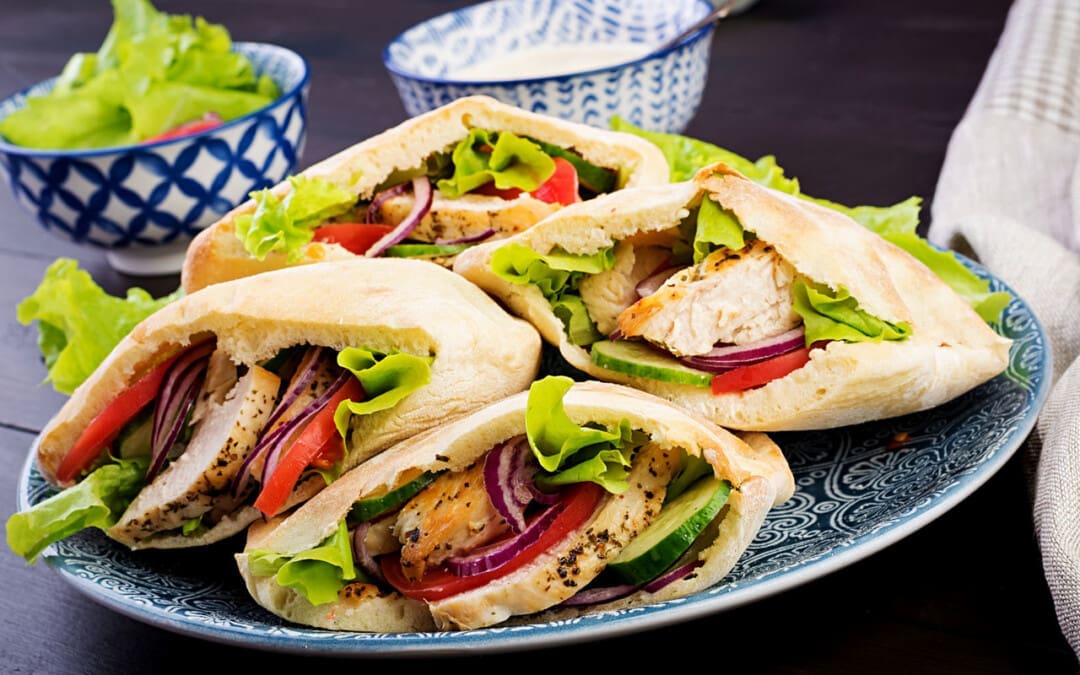
Pita bread is a yeast-leavened, round flatbread made with wheat flour. When baked, the dough turns into two layers. These layers create a pocket that can be filled with vegetables, meats, or vegetarian proteins. Pita bread offers health benefits because of its low carbohydrate count, the amount of nutrients in one serving, and the use of wheat flour.
The carbohydrate count for pita bread is 17 grams per serving or a little more than one carb count – 15 grams, used in meal planning for individuals with diabetes.
Non-keto bread is around 20 grams of carbohydrates per serving or slice.
Pita bread has a lower carbohydrate count than most breads.
Fats
Pita breads are relatively low in fat content.
The total lipid fat is under 2 grams, only 2% of the recommended daily amount or RDA.
The bread contains no fatty acids or trans or saturated fat.
Protein
Four grams of protein are in one serving of pita bread.
The protein content is found in the wheat flour.
Vitamins and Minerals
Other minerals in pita bread include:
Calcium, with 60.1 milligrams per serving.
Iron with 1.08 milligrams per serving – helps the body create hemoglobin, a protein in red blood cells that carries oxygen from the lungs. (National Institute of Health, 2023)
Sodium with 120 milligrams.
According to the Federal Drug Administration, this is a low amount of sodium. However, individuals should stay aware of sodium intake and limit it to no more than 2,300 milligrams per day.
Pita bread for a sandwich contains fewer calories than two slices of regular bread.
Benefits
Potential health benefits include the following:
Glucose Levels Lowered
Whole wheat can be beneficial to glucose levels.
The American Diabetes Association suggests that choosing bread with whole wheat grains, like pita bread, instead of white bread, can work to keep blood sugar levels from spiking. (American Diabetes Association 2024)
Digestion Support
Whole-grain pita bread fiber content can benefit the digestive system by regulating bowel movements.
Complex carbohydrates are digested slower than simple carbohydrates, keeping the body fuller for longer and assisting in weight management. (Harvard Health 2022)
Protein Source
Pita bread provides a healthy amount of protein.
A serving contains around 8% of protein.
Consuming the proper amount of protein helps in muscle repair. (Harvard Health 2024)
Allergies
Major allergies or intolerances can cause individuals to pass on the bread. What individuals need to know.
Celiac Disease
Celiac disease is a heredity autoimmune disease that occurs in genetically predisposed individuals.
Individuals with the disease cannot ingest gluten – a protein found in wheat – which can lead to small intestinal damage.
Individuals who experience gastrointestinal distress when eating wheat should consult a healthcare professional to get tested. (Celiac Disease Foundation 2023)
Wheat Allergy
A wheat allergy may mimic celiac disease symptoms, but they are different allergies.
The allergy occurs when the body produces antibodies to wheat proteins.
USDA. Pita Bread. (2021). Pita Bread. Retrieved from https://fdc.nal.usda.gov/fdc-app.html#/food-details/2134834/nutrients
National Institute of Health, Office of Dietary Supplements. (2023). Iron. Retrieved from https://ods.od.nih.gov/factsheets/Iron-HealthProfessional/
Food and Drug Administration. (2022). Sodium in your diet. Retrieved from https://www.fda.gov/food/nutrition-education-resources-materials/sodium-your-diet
American Diabetes Association. (2024). Types of carbohydrates (Food and Nutrition, Issue. https://diabetes.org/food-nutrition/understanding-carbs/types-carbohydrates
Harvard Health. (2022). Fiber (The Nutrition Source, Issue. https://www.hsph.harvard.edu/nutritionsource/carbohydrates/fiber/
Harvard Health. (2024). Protein (The Nutrition Source, Issue. https://www.hsph.harvard.edu/nutritionsource/what-should-you-eat/protein/
Celiac Disease Foundation. (2023). What is celiac disease? (About Celiac Disease, Issue. https://celiac.org/about-celiac-disease/what-is-celiac-disease/
American College of Allergy, Asthma, and Immunology. (2024). Wheat (Allergic Conditions, Issue. https://acaai.org/allergies/allergic-conditions/food/wheat-gluten/
IFM's Find A Practitioner tool is the largest referral network in Functional Medicine, created to help patients locate Functional Medicine practitioners anywhere in the world. IFM Certified Practitioners are listed first in the search results, given their extensive education in Functional Medicine