Can understanding antinutrients and the importance of a balanced diet help individuals get the most out of their foods?
Antinutrients
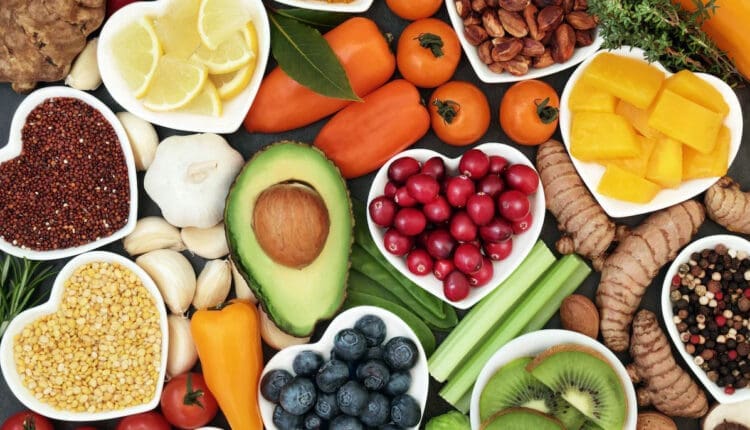
Antinutrients are compounds in some plant foods that can reduce the body’s ability to absorb and use certain nutrients. (Petroski W., & Minich D. M. 2020) The purpose of these compounds is to protect the plants from infections and insects, which benefits the plant. It can also lower the human body’s ability to absorb nutrients properly. They are found in many grains, legumes, seeds, nuts, fruits, and vegetables. Plant-based foods high in antinutrients have beneficial nutrients, such as antioxidants, fiber, and other vitamins and minerals, and have been associated with a lower risk of chronic disease. The antinutrients may prevent the digestion and absorption of some minerals and have other negative effects that include:
Altered gut function
Increased inflammation
Endocrine disruption
Increased risk of calcium kidney stones
Common Types
Some of the main antinutrients of concern include phytates, lectins, oxalates, tannins, and phytoestrogens.
Phytates (phytic acid)
They are found in grains, legumes, nuts, and seeds.
They are found in various plant foods, including fruits, vegetables, nuts, and grains. (Mitchell T. et al., 2019)
Oxalates bind to certain minerals, such as calcium-forming calcium oxalate.
Tannins
They are found in many plant foods, such as legumes, cereal grains, nuts, cacao, leafy and green vegetables, coffee, and tea. (Ojo M. A. 2022)
Tannins are antioxidant-phenolic compounds that can reduce the absorption of some minerals and proteins in the body.
Phytoestrogens
They are found in various plant foods, such as fruits, vegetables, legumes, nuts, and seeds.
These estrogen-like compounds have many health benefits but may also act as endocrine disruptors (interfering with hormones). (Petroski W., & Minich D. M. 2020)
Effects on the Body
Antinutrient compounds typically bind to minerals or other nutrients, which inhibits digestion and absorption. For example,
How these foods containing antinutrient compounds are prepared and consumed can influence their impact on the body and the quantity consumed.
Advantages and Disadvantages
Plant foods have long been associated with improved health and a decreased risk of some chronic diseases, such as heart disease, diabetes, cancer, stroke, and others. (Craig W. J. et al., 2021) For most, the effects of antinutrients are not of major concern after processing and cooking. The benefits and drawbacks of consuming foods high in antinutrients include: (Petroski W., & Minich D. M. 2020)
Benefits
Some antinutrients act as antioxidants.
Some have cancer-fighting abilities.
Some may increase immune system function.
They are often sources of dietary fiber and other beneficial nutrients.
Drawbacks
It may be difficult for some individuals to digest.
Phytoestrogens may behave like endocrine disruptors.
High amounts of oxalates can contribute to kidney stones.
Cooking methods to minimize antinutrient content, like boiling, steaming
Autoclaving – a cooking process that uses high pressure and heat to cook and sterilize food.
Peeling the skins of fruits and nuts is effective for reducing tannins.
Combining foods to enhance nutrient absorption.
For example, pairing high-oxalate foods with high-calcium foods.
Combining different cooking and processing methods can completely degrade and reduce many antinutrient compounds. The exception is phytoestrogens, where boiling, steaming, and fermentation can increase antinutrients. (Petroski W. & Minich D. M., 2020)
Injury Medical Chiropractic & Functional Medicine Clinic
Individuals concerned about antinutrients in their diet and who want individualized advice on how to get the most out of the food they eat should consider consulting with a registered dietitian nutritionist or another healthcare professional. Injury Medical Chiropractic and Functional Medicine Clinic works with primary healthcare providers and specialists to develop an optimal health and wellness solution.
Smart Choices, Better Health
References
Petroski, W., & Minich, D. M. (2020). Is There Such a Thing as “Anti-Nutrients”? A Narrative Review of Perceived Problematic Plant Compounds. Nutrients, 12(10), 2929. https://doi.org/10.3390/nu12102929
Gupta, R. K., Gangoliya, S. S., & Singh, N. K. (2015). Reduction of phytic acid and enhancement of bioavailable micronutrients in food grains. Journal of food science and technology, 52(2), 676–684. https://doi.org/10.1007/s13197-013-0978-y
Adamcová, A., Laursen, K. H., & Ballin, N. Z. (2021). Lectin Activity in Commonly Consumed Plant-Based Foods: Calling for Method Harmonization and Risk Assessment. Foods (Basel, Switzerland), 10(11), 2796. https://doi.org/10.3390/foods10112796
Mitchell, T., Kumar, P., Reddy, T., Wood, K. D., Knight, J., Assimos, D. G., & Holmes, R. P. (2019). Dietary oxalate and kidney stone formation. American journal of physiology. Renal physiology, 316(3), F409–F413. https://doi.org/10.1152/ajprenal.00373.2018
Ojo, M. A. (2022). Tannins in Foods: Nutritional Implications and Processing Effects of Hydrothermal Techniques on Underutilized Hard-to-Cook Legume Seeds-A Review. Preventive nutrition and food science, 27(1), 14–19. https://doi.org/10.3746/pnf.2022.27.1.14
Craig, W. J., Mangels, A. R., Fresán, U., Marsh, K., Miles, F. L., Saunders, A. V., Haddad, E. H., Heskey, C. E., Johnston, P., Larson-Meyer, E., & Orlich, M. (2021). The Safe and Effective Use of Plant-Based Diets with Guidelines for Health Professionals. Nutrients, 13(11), 4144. https://doi.org/10.3390/nu13114144
Harvard T.H. Chan School of Public Health. (2022). Are anti-nutrients harmful? https://nutritionsource.hsph.harvard.edu/anti-nutrients/
U.S. Department of Agriculture. (2020). Dietary Guidelines for Americans, 2020-2025. Retrieved from https://www.dietaryguidelines.gov/sites/default/files/2021-03/Dietary_Guidelines_for_Americans-2020-2025.pdf
National Institutes of Health Office of Dietary Supplements. (2024). Iron. Retrieved from https://ods.od.nih.gov/factsheets/Iron-HealthProfessional/
Enzymes’ function is to help trigger bodily processes ranging from digestion to blood clotting to growth. What is the best way to support enzyme production?
Enzymes
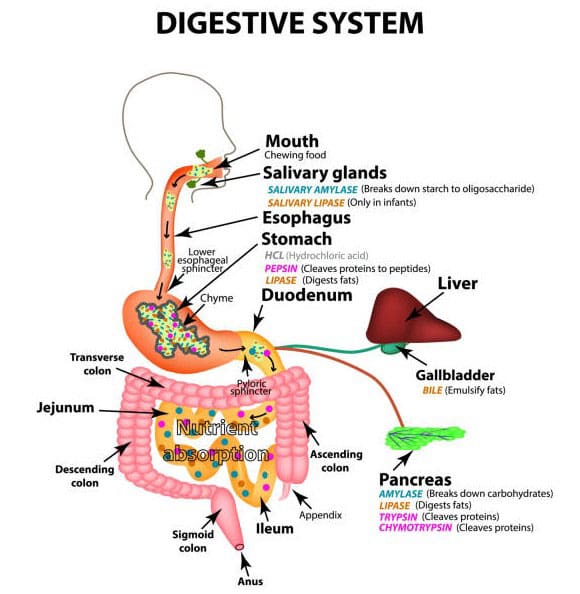
Enzymes are proteins that act as biological catalysts. They cause and speed up crucial chemical reactions and help the body complete necessary chemical reactions. They are vital for many biological processes, including digestion, metabolism, and molecule building and breaking down. This includes breaking down food, facilitating growth, and forming blood clots. Too little of a certain type can lead to serious health implications like a fatal buildup of toxins. Individuals missing a certain kind of enzyme or having too little of it can develop serious health conditions.
Function
They help speed up chemical reactions in the body (National Human Genome Research Institute, 2025). They facilitate chemical reactions in everything from digesting food to muscle growth. Enzymes facilitate this by binding to a cell, creating the reactions needed. With enzyme binding, chemical reactions can occur without destroying the cell. (Nemours KidsHealth, 2023) Each cell in the body has thousands of enzymes to help facilitate all the complex reactions to maintain health. (National Human Genome Research Institute, 2025)
Factors Affecting Production
In healthy individuals, the body produces the enzymes it needs. However, metabolic disorders can occur if the body does not produce enough of a certain type. (Kennedy Krieger Institute, 2025) These disorders can be serious and are usually caused by a genetic malfunction that impacts production.
Types
There are thousands of different types. Digestive enzymes, for example, aid in the breakdown of food and convert it into energy. Common enzymes that are critical for health include (Nemours KidsHealth, 2023)
Amylase
Digestive helps break down starches.
Aspartate aminotransaminase (AST) and Alanine Aminotransaminase (ALT)
Help the liver convert sugar into energy.
Creatine Kinase (CK)
Helps muscles create energy.
DNA Polymerase
Facilitates growth by allowing DNA to duplicate.
Glucose-6-Phosphate Dehydrogenase
Keeps red blood cells healthy by preventing damage to the cell.
Lipase
A digestive enzyme that helps break down fats and oils.
Protease
Digestive helps break down proteins.
Thrombin
Causes blood to clot.
Deficiencies
If the body doesn’t make enough of a certain enzyme, it cannot undergo the bodily processes that the enzyme helps facilitate. This can lead to a variety of symptoms. Some are minor, like not being able to eat lactose. Others are serious, like developmental delays caused by the build-up of toxins. (Kennedy Krieger Institute, 2025) Usually, these deficiencies are caused by genetics.
Types
There are various deficiencies. Some are very rare, while others can lead to conditions such as: (Nemours KidsHealth, 2023)
Lactose Intolerance
This is caused by not having enough of the enzyme that breaks down lactose, a sugar found in milk, leading to gas and bloating.
Tay-Sachs Disease
An often fatal disease caused by a missing hexosaminidase, which is responsible for breaking down fats
Gilbert’s Syndrome
This is caused by a missing enzyme that removes waste product (bilirubin) from the blood, leading to bilirubin buildup and
Jaundice or yellowing of the skin and whites of the eyes
Galactosemia
This leads to slow growth and trouble gaining weight, which is caused by the missing galactose-1-phosphate uridylyltransferase (GALT), which helps break down a sugar called galactose.
Phenylketonuria (PKU)
This is caused by having too little phenylalanine hydroxylase, which breaks down a protein called phenylalanine, causing brain damage.
Morquio Syndrome
This is caused by having too few enzymes that break down glycosaminoglycans, a type of sugar molecule.
This leads to bone and growth abnormalities.
Wilson’s Disease
A liver disease is caused by a missing protein that helps break down copper in the body.
Enzyme Production Support
Eat a healthy, well-balanced diet of fruits and vegetables to support enzyme production. Avoid processed foods, especially those that are very fatty (Johns Hopkins Medicine, 2025). The body produces all the necessary enzymes unless the individual has a genetic condition. Supplements aren’t usually required, but they can help with lactose intolerance or digestion in cystic fibrosis patients. (Nemours KidsHealth, 2023)
One supplement type, pancreatic enzyme replacement therapy (PERT), is available. PERT is an FDA-regulated prescription medication prescribed to patients with serious illnesses such as cystic fibrosis. (U.S. Food and Drug Administration, 2019)
Injury Medical Chiropractic & Functional Medicine Clinic
Injury Medical Chiropractic and Functional Medicine Clinic works with primary healthcare providers and specialists to develop an optimal health and wellness solution. We focus on what works for you to relieve pain, restore function, and prevent injury. Regarding musculoskeletal pain, specialists like chiropractors, acupuncturists, and massage therapists can help mitigate the pain through spinal adjustments that help the body realign itself. They can also work with other medical professionals to integrate a treatment plan to resolve musculoskeletal issues.
Chiropractic Care and Metabolism: The Hidden Link
References
National Human Genome Research Institute. (2025). Enzyme. Retrieved from https://www.genome.gov/genetics-glossary/Enzyme
U.S. Food and Drug Administration. (2019). FDA approves new breakthrough therapy for cystic fibrosis. Retrieved from https://www.fda.gov/news-events/press-announcements/fda-approves-new-breakthrough-therapy-cystic-fibrosis
Can incorporating nutritional yeast be an option for individuals seeking a healthy vegan and vegetarian cheese substitute?
Nutritional Yeast
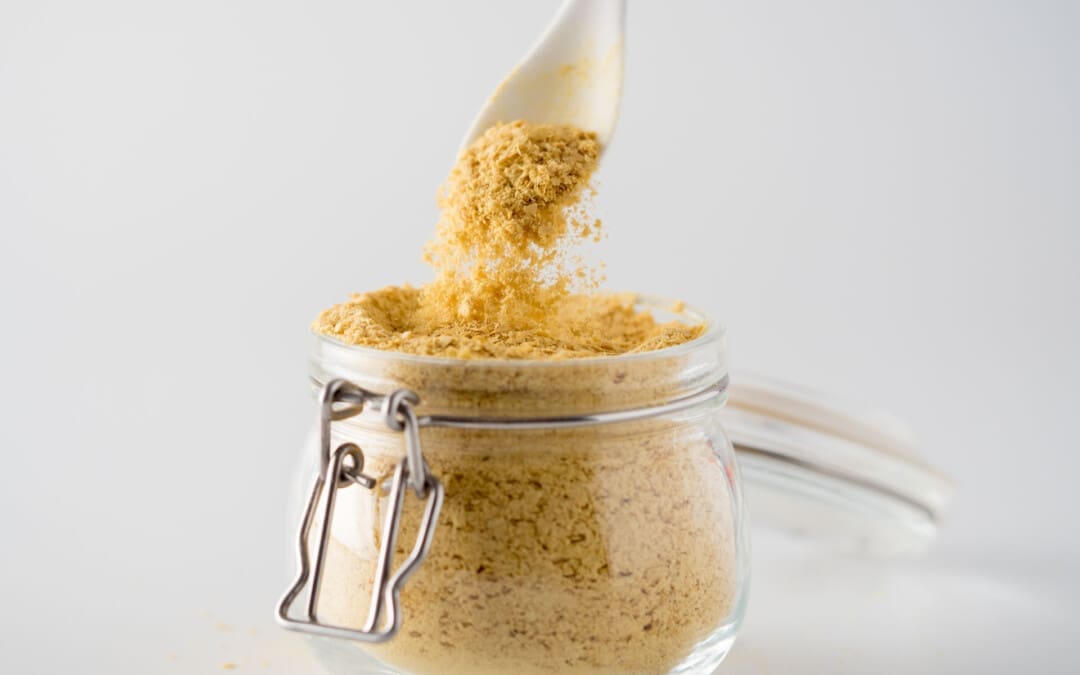
Nutritional yeast is a deactivated form of Saccharomyces cerevisiae yeast, commonly known as baker’s or brewer’s yeast. It’s popular in vegan and vegetarian cooking for its savory, cheesy flavor and nutritional benefits. Nutritional yeast is harvested, rinsed, and heat-dried to deactivate it, removing its leavening properties. This means it doesn’t cause food to rise but adds flavor and vital nutrients.
Around 1.5 tablespoons contains 5 grams of carbohydrates, including 3 grams of fiber.
Yeast provides an especially beneficial form of soluble fiber known as beta-glucan, with unique health benefits. (Bashir K. M. I., & Choi J. S. 2017)
Fats
Most brands are naturally fat-free.
Protein
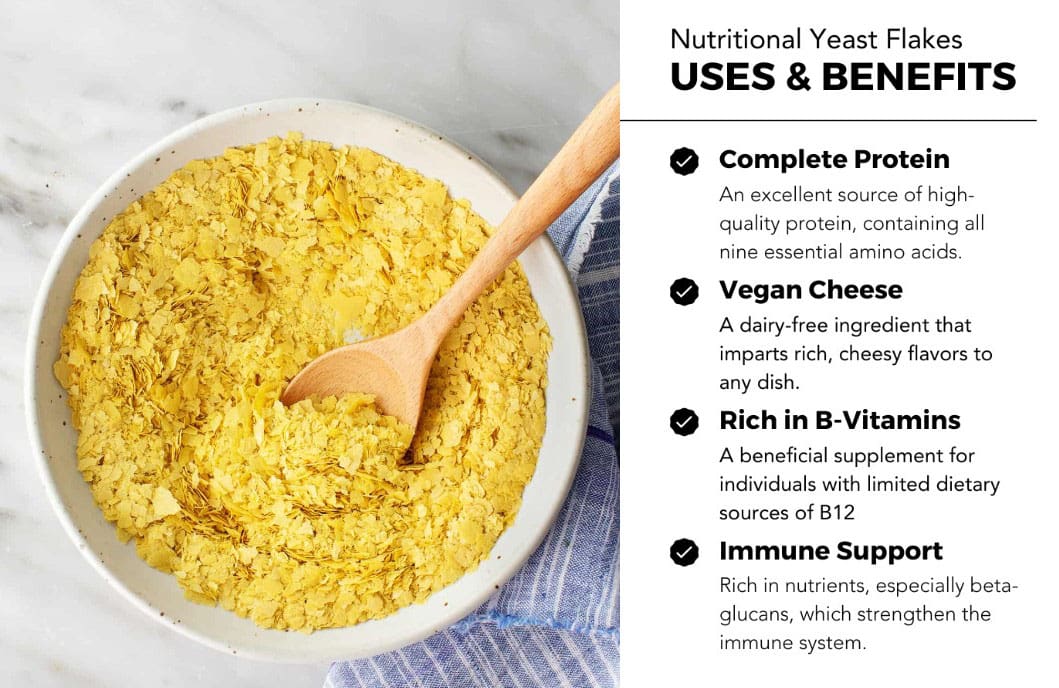
It provides all essential amino acids with 8 grams per 1.5 tablespoons.
Vitamins and Minerals
Most nutritional yeast products are fortified with added B vitamins. Most provide 600% or more B vitamins per 16 grams and 1,000% of the daily value for vitamin B12, depending on the brand. It also has:
Calcium
Thiamin
Iron
Potassium
Nutritional Yeast Health Benefits
Health benefits include:
Reduces Risk of Anemia
Iron is typically the first nutrient to come to mind. However, inadequate folate or vitamin B12 also causes anemia. A common treatment for a vitamin B12 deficiency is injections, but large doses consumed can also be effective. (National Institutes of Health, Office of Dietary Supplements, 2024) Individuals who follow a plant-based or vegan diet often have limited sources of vitamin B12. Most brands of nutritional yeast are fortified with B12, providing more than 500% of the daily value per serving. Because B12 is water-soluble, it won’t cause toxicity when consumed in high doses and can serve as a key source of this essential nutrient.
Supports Heart Health
Nutritional yeast contains beta-glucan, a carbohydrate found in the cell walls of plants, bacteria, and fungi. Higher intakes lead to favorable cardiovascular outcomes, including lowering bad cholesterol and increasing good cholesterol. (Bashir K. M. I., & Choi J. S. 2017) In addition, most brands contain potassium, which reduces blood pressure.
Promote Healthy Immune System Function
More research is needed, but several studies have shown how yeast-derived beta-glucan can strengthen the immune system. (Stier H., Ebbeskotte V., & Gruenwald J. 2014) These benefits are attributed to beta glucan’s bacterial fermentation in the intestines. Beta-glucan may also stimulate the activity of crucial immune system cells, like macrophages.
Prevents Constipation
Fiber is essential. The recommended fiber intake is at least 25 to 35 grams daily. Unfortunately, many do not get enough. Nutritional yeast contributes 3 grams of fiber per 16 grams. Fiber regulates bowel movements by pulling water into the colon and adding bulk and softness to stool. (University of Michigan, 2008)
Using nutritional yeast can help reach an adequate fiber intake.
Diabetes Management
Getting enough fiber helps prevent blood sugar fluctuations. Low-fiber diets have been shown to increase the risk of diabetes in various populations. (Harvard T.H. Chan, School of Public Health, 2022) Fiber slows digestion and increases satiety, controlling hunger and the glycemic response. Fiber is beneficial for preventing diabetes and helping those with diabetes maintain good numbers.
Allergies
Individuals who suspect a yeast or mold allergy see an allergist for a full evaluation.
Yeast overgrowth is another possible condition that is unrelated to yeast allergies.
Yeast overgrowth can occur in compromised immune systems or following antibiotic treatment.
Because yeast is present in many foods, anyone with a true yeast allergy may have to avoid several food items, including baked goods, fermented alcoholic beverages, marmite/vegemite, sourdough bread, and certain multivitamins. (Cunningham E. 2013)
Adverse Effects
Nutritional yeast is inactive and unlikely to cause negative effects. However, for individuals who suffer from irritable bowel syndrome (IBS) or migraines, yeast may be a trigger. (UMass Medical School Center for Applied Nutrition, 2020)
Check the label to see if the product is fortified with added vitamins and minerals or has added sodium.
Nutritional yeast is a dry food product available year-round in supermarkets or sold in a bulk food bin.
Storage, Safety, and Use
Although nutritional yeast is a dry product, it will stay in the refrigerator longer after it has been opened. Store it in an airtight container, and be mindful of the expiration date on the label.
It can be added to savory dishes such as pasta, roasted meats, vegetables, and salads. Ways to use include:
On scrambled eggs.
On top of garlic bread.
Popcorn seasoning.
Add to soups.
In pasta dishes, as a substitute for parmesan cheese.
An alternative to cheese sauce.
Injury Medical Chiropractic and Functional Medicine Clinic
Injury Medical Chiropractic and Functional Medicine Clinic works with primary healthcare providers and specialists to develop highly effective treatment plans through an integrated approach for each patient and restore health and function to the body through nutrition and wellness, functional medicine, acupuncture, Electroacupuncture, and integrated medicine protocols. We focus on what works for you to relieve pain, restore function, prevent injury, and mitigate issues through adjustments that help the body realign itself. The clinic can also work with other medical professionals to integrate a treatment plan to resolve musculoskeletal problems.
Learning About Food Substitutions
References
U.S. Department of Agriculture. FoodData Central. (2019). Nutritional yeast. Retrieved from https://fdc.nal.usda.gov/food-details/1744022/nutrients
Bashir, K. M. I., & Choi, J. S. (2017). Clinical and Physiological Perspectives of β-Glucans: The Past, Present, and Future. International journal of molecular sciences, 18(9), 1906. https://doi.org/10.3390/ijms18091906
National Institutes of Health, Office of Dietary Supplements. (2024). Vitamin B12: Fact sheet for health professionals. Retrieved from https://ods.od.nih.gov/factsheets/VitaminB12-HealthProfessional/
Stier, H., Ebbeskotte, V., & Gruenwald, J. (2014). Immune-modulatory effects of dietary Yeast Beta-1,3/1,6-D-glucan. Nutrition journal, 13, 38. https://doi.org/10.1186/1475-2891-13-38
University of Michigan. (2008). Bowel function anatomy. https://medicine.umich.edu/sites/default/files/content/downloads/bowel-function.pdf
Harvard T.H. Chan, School of Public Health. (2022). Fiber. https://nutritionsource.hsph.harvard.edu/carbohydrates/fiber/
Cunningham E. (2013). Is there a diet for “yeast allergy”? Journal of the Academy of Nutrition and Dietetics, 113(3), 484. https://doi.org/10.1016/j.jand.2013.01.013
UMass Medical School Center for Applied Nutrition. Chan, U., School, M., & Nutrition, C. F. A. (2020). Nutritional yeast: Nourishing or no-go? UM. https://www.umassmed.edu/nutrition/blog/blog-posts/2020/2/nutritional-yeast–nourishing-or-no-go/
Can converting a bicycle into a stationary bike be a way for individuals to exercise more while still enjoying cycling?
Bicycle Stationary Conversion
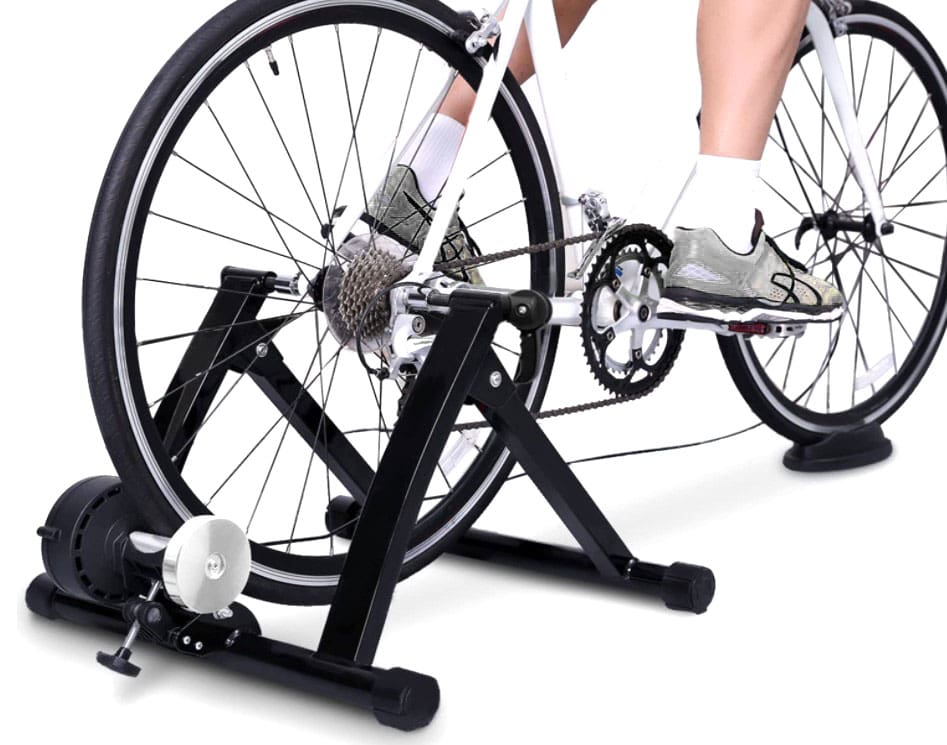
Is your bike collecting dust in the garage? Do you miss riding, but the weather or temperatures keep you indoors? Why not quickly and painlessly turn your bike into a stationary bike? An indoor stationary bike is a great way to maintain physical activity while avoiding inclement weather and outdoor elements. Plus, bicycle stationary conversion in your home, office, or garage is quick and straightforward. A bike trainer or roller is needed to convert a bicycle into a stationary bike. The bike is mounted onto the trainer stand, and its rear axle is replaced with a special axle provided with the trainer kit to secure it and hold the wheel in place while allowing you to pedal, creating resistance for indoor cycling.
Cycling
Bicycle stationary conversion isn’t only for die-hard cyclists. Research shows indoor cycling is a great way to stay healthy and consistent with your workouts. One study showed that indoor cycling improves aerobic capacity, blood pressure, lipid profile, and body composition. (Chavarrias, M. et al., 2019)
Stationary Bikes Types
For those who don’t have the space or know that they won’t regularly use a stationary bike, indoor bike trainers and rollers can provide convenient, economical, and compact options. Whether individuals want to exercise more, maintain a riding schedule, or train for an event, trainers and rollers can be highly effective tools for any cyclist. However, choosing between a bike trainer and rollers varies depending on the pros and cons. Selecting the right equipment depends on several factors, including:
Personal needs
Space – indoor or garage.
Cycling experience
Most cyclists, even hobbyists, prefer indoor cycling bikes over traditional stationary bikes because they are riding a real bicycle, including the positioning and pedaling, compared to upright, air, or recumbent bikes.
Trainer
A bike trainer is a stand that lets an individual ride a regular bicycle while stationary. Cyclists often use it to warm up before races, and it comes in handy when weather conditions or time constraints prevent riding outdoors. Most trainer stands can accommodate bicycles. Trainers are suitable for beginners and professional riders. There are two types of indoor bike trainers.
Direct-drive
Direct-drive trainers attach to the bike’s rear dropouts, replacing the wheel and providing a direct connection to the resistance unit.
These can cost more, but they’re worth the investment because they’re more accurate and deliver the highest resistance levels.
Friction
A small roller is installed against the rear wheel with friction trainers, which use magnetic or fluid resistance.
These are typically lighter and easier to transport than direct-drive trainers but are less accurate and provide less resistance.
Rollers
Rollers are the most basic type of indoor stationary bike but may not be the best option for individuals new to indoor cycling. This is because it requires advanced cycling techniques, such as balancing and keeping the front tire straight while riding. The cycle is on rollers instead of being fixed, allowing the resistance to range from zero to the equivalent of a direct-drive trainer. Rollers help refine pedaling technique and improve cycling form because you balance and stabilize while riding.
Conversion – What Is Needed
The most important equipment needed to convert the cycle is a bike stand, which will be the foundation of the stationary bike setup. (Bike To Work Day, 2025) There are two-piece stands and one-piece stands. (Bike To Work Day, 2025) Tools like an Allen wrench may be needed. Various bike trainer kits contain all the parts needed for this conversion, but extra standard tools may be required to remove the back wheel and replace the axle.
Choose the right trainer: Consider your bike type, desired resistance levels, and budget.
Install the trainer: Follow the manufacturer’s instructions to position and secure the trainer properly.
Mount the bike: Remove the rear wheel quick release, insert the trainer’s axle, and tighten it securely.
Adjust resistance: Most trainers have a knob or lever to control the difficulty level.
If you are uncertain whether your bike stand is set up correctly or having issues with the installation, contact a professional bike mechanic. They can help get the stationary bike up and running properly.
Considerations
Tire wear: Using a dedicated trainer tire for the rear wheel can minimize wear and tear.
Noise level: Some trainers can be noisy, especially wheel-on types.
Stability: Ensure the bike is properly secured on the trainer and your training area is stable.
Injury Medical Chiropractic and Functional Medicine Clinic
Injury Medical Chiropractic and Functional Medicine Clinic works with primary healthcare providers and specialists to build optimal health and wellness solutions. Regarding musculoskeletal pain, specialists like chiropractors, acupuncturists, and massage therapists can help mitigate the pain through spinal adjustments that help the body realign itself. The clinic can also work with other medical professionals to integrate a treatment plan to resolve musculoskeletal problems.
Body In Balance: Chiropractic, Fitness, and Nutrition
References
Chavarrias, M., Carlos-Vivas, J., Collado-Mateo, D., & Pérez-Gómez, J. (2019). Health Benefits of Indoor Cycling: A Systematic Review. Medicina (Kaunas, Lithuania), 55(8), 452. https://doi.org/10.3390/medicina55080452
Bike To Work Day. (2025). How to turn a bike into a stationary bike: Things to know. https://biketoworkday.us/turn-a-bike-into-a-stationary-bike/#Setting_up_Your_Stationary_Bike
Can bone broth help individuals with gut issues or chronic conditions like inflammatory bowel disorder?
Bone Broth Health
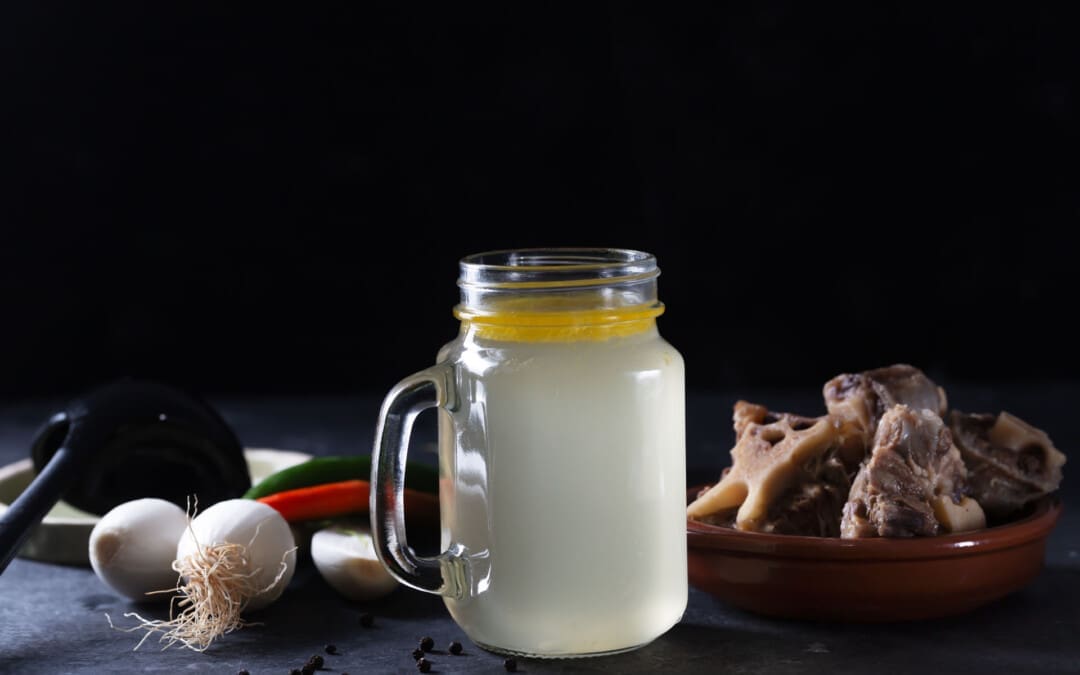
Bone broth is a nutrient-rich beverage made by simmering animal bones, typically from beef, chicken, or fish, in water for an extended period (24-72 hours). It can be used as a beverage or as a base for soups, stews, and sauces.
Process
Bones are roasted or boiled to release flavor.
Bones are placed in a pot with water, vegetables (such as onions, carrots, and celery), herbs (such as parsley and thyme), and spices.
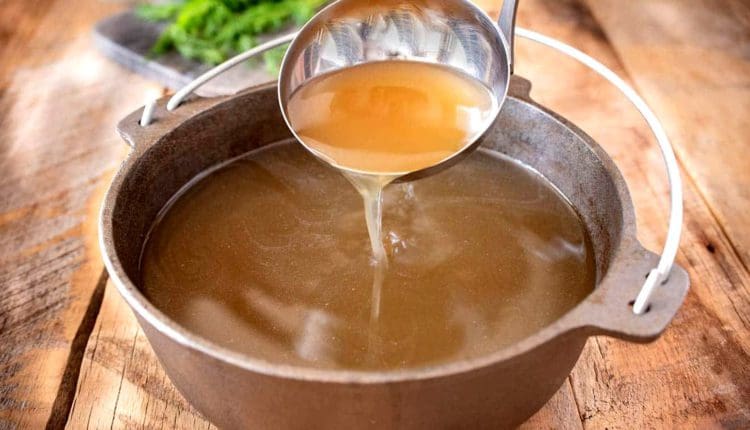
The mixture is simmered over low heat for a long time, allowing the bones to release their nutrients and collagen.
The broth is strained to remove the bones and solids.
Nutrients
Bone broth is a healthy source of:
Collagen
A protein that supports skin, hair, and joint health.
Minerals
Including calcium, magnesium, phosphorus, and silicon.
Amino acids
Essential for building and repairing tissues.
Bone Broth Health Benefits
While there is limited research on the health benefits, the nutrients in bone broth can be beneficial for:
Joint health
Bone density
Digestion
Gut health
Muscle growth and recovery
Hydration
Reduce inflammation
Improve skin elasticity and appearance
Boost immune system
While research on bone broth’s benefits is still limited, it’s a nutritious and hydrating beverage that supports gut health and recovery after a tough workout. It can be drunk on its own or used in cooking. Bone broth is a delicious way to replenish electrolytes and stay hydrated, whether recovering from a flare-up or an intense workout. It is especially helpful for those dealing with gut issues or chronic conditions like inflammatory bowel disorder.
Nutrient-Rich
Bone broth is rich in minerals, including calcium, magnesium, potassium, phosphorus, and iodine.
Joint Health
Collagen is the main source of protein found in bones, tendons, and ligaments.
Research suggests that collagen may support joint health, protect the tissues in joints, and improve symptoms of osteoarthritis. (Martínez-Puig D. et al., 2023)
Anti-Inflammatory
Bone broth contains glycine and arginine, amino acids with anti-inflammatory properties.
Incorporating bone broth into one’s diet can help meet protein goals.
One cup of bone broth contains four to 20 grams of protein.
Digestion and Gut Health
Colostrum is the first milk produced after giving birth, and some research suggests this may offer immune-boosting benefits and gut repair, but more research is needed. (Playford R. J., & Weiser M. J. 2021)
Bone broth contains glutamine, an amino acid that can reduce inflammation in the gut, strengthen the gut lining, and maintain a healthy microbiome.
Many bone broths are high in sodium and may not be suitable for individuals on low-sodium diets. It is recommended that individuals consume less than 2,300 milligrams of sodium per day to support a healthy heart and reduce the risk of high blood pressure, look for other sources of sodium, and incorporate bone broth accordingly. (American Heart Association, 2024) Also, because of the polysaccharides that may leach from the cartilage and the garlic and onions usually present in the bone broth, it’s not suitable for those with a digestive disorder like small intestinal bacterial overgrowth (SIBO) or individuals following a low-FODMAP diet.
What To Look For
Quality
When possible, choose a bone broth that’s grass-fed and organic.
Quality matters because the process of simmering the bones with water pulls all the nutrients, collagen, and protein into the broth.
Starting with the highest quality ingredients ensures it will be as nutritious as possible.
Type
Various types include chicken, beef, turkey, and bison varieties.
Packaging
Bone broth comes in various packaging, including shelf-stable, frozen, or fresh.
When selecting, consider how often it is used, how much is needed, and storage space.
For individuals who drink bone broth daily, buying it in bulk and storing it in the pantry or freezer may be more budget-friendly.
Consistency
Generally, bone broth is a thick, slightly viscous beverage.
Individuals who prefer a thinner liquid should try a shelf-stable broth, which is usually less gelatinous than frozen bone broths.
Powdered bone broth is also a great option for those who prefer a lighter beverage.
Individuals can choose a low-sodium bone broth to limit sodium intake.
Injury Medical Chiropractic and Functional Medicine Clinic
Injury Medical Chiropractic and Functional Medicine Clinic works with primary healthcare providers and specialists to develop highly effective treatment plans through an integrated approach for each patient and restore health and function to the body through nutrition and wellness, functional medicine, acupuncture, Electroacupuncture, and integrated medicine protocols. We focus on what works for you to relieve pain, restore function, prevent injury, and mitigate issues through adjustments that help the body realign itself. The clinic can also work with other medical professionals to integrate a treatment plan to resolve musculoskeletal problems.
Reducing Inflammation In The Body
References
Martínez-Puig, D., Costa-Larrión, E., Rubio-Rodríguez, N., & Gálvez-Martín, P. (2023). Collagen Supplementation for Joint Health: The Link between Composition and Scientific Knowledge. Nutrients, 15(6), 1332. https://doi.org/10.3390/nu15061332
Chen, S., Kim, W., Henning, S. M., Carpenter, C. L., & Li, Z. (2010). Arginine and antioxidant supplement on performance in elderly male cyclists: a randomized controlled trial. Journal of the International Society of Sports Nutrition, 7, 13. https://doi.org/10.1186/1550-2783-7-13
Razak, M. A., Begum, P. S., Viswanath, B., & Rajagopal, S. (2017). Multifarious Beneficial Effect of Nonessential Amino Acid, Glycine: A Review. Oxidative medicine and cellular longevity, 2017, 1716701. https://doi.org/10.1155/2017/1716701
Playford, R. J., & Weiser, M. J. (2021). Bovine Colostrum: Its Constituents and Uses. Nutrients, 13(1), 265. https://doi.org/10.3390/nu13010265
Wang, B., Wu, G., Zhou, Z., Dai, Z., Sun, Y., Ji, Y., Li, W., Wang, W., Liu, C., Han, F., & Wu, Z. (2015). Glutamine and intestinal barrier function. Amino acids, 47(10), 2143–2154. https://doi.org/10.1007/s00726-014-1773-4
Nagahama, K., Nishio, H., Yamato, M., & Takeuchi, K. (2012). Orally administered L-arginine and glycine are highly effective against acid reflux esophagitis in rats. Medical science monitor: international medical journal of experimental and clinical research, 18(1), BR9–BR15. https://doi.org/10.12659/msm.882190
American Heart Association. Association, A. H. (2024). Lifestyle & Risk Reduction, High Blood Pressure. https://www.heart.org/-/media/files/health-topics/answers-by-heart/why-should-i-limit-sodium.pdf
While cheddar cheese’s high-calorie count and saturated fat content have nutritional drawbacks, can a moderate amount be an enjoyable part of a healthy diet?
Cheddar Cheese
Cheddar is a hard, cow’s milk cheese known for its dense, layered texture and nutty flavor. It is a favorite cheese served in quesadillas, mac and cheese, or on burgers. However, cheddar cheese nutrition isn’t considered ideal.
Protein performs a variety of functions in the body.
Protein helps build muscle; it’s necessary to produce enzymes, give structure to cells, maintain fluid balance, and more. (Carbone J. W., & Pasiakos S. M. 2019)
Calorie-Dense
Cheddar is calorie-dense, which increases its satisfaction factor.
May Help Weight Loss
There is the belief that cheese causes weight gain; however, the full-fat dairy paradox, which goes against dietary guidelines, is the idea that full-fat dairy products may be healthier than low-fat or fat-free dairy,
Research now suggests removing fat from dairy products may make them more likely to cause weight gain, making full-fat the better choice for weight management. (Soltani S., & Vafa M. 2017)
Compatible With Keto and Low-Carb Diets
Because of cheddar’s high fat percentage, it’s compatible with high-fat nutrition plans.
With zero carbohydrates, cheddar also fits well in low-carb diets.
Low Lactose
Cheddar is one of the harder, aged cheeses that’s quite low in lactose.
This means lactose-intolerant individuals can often eat it without unpleasant symptoms like bloating, stomach upset, and gas.
Allergies
Although it is low in lactose, cheddar still contains casein and whey, two components that can trigger an immune response in individuals with a dairy allergy. (He, M. et al., 2017)
Storage and Safety
Cheddar does not technically require refrigeration. However, storing it in the fridge will help it last longer. According to the USDA, unopened cheddar can last up to six months in the refrigerator, and opened packages can last three to four weeks. Because it’s a hard cheese, cheddar even takes well to freezing, but this will not extend its life more than refrigeration. The USDA estimates cheddar can be frozen for about six months.
Preparation
Cheddar can be added to any number of cheesy dishes or, of course, served alone with crackers. It doesn’t require high heat to become nice and melty. Try adding a whole-grain base and veggies to increase the nutrients in dishes like cheesy casseroles, Mexican dishes, sandwiches, or pasta.
Injury Medical Chiropractic and Functional Medicine Clinic
Injury Medical Chiropractic and Functional Medicine Clinic works with primary healthcare providers and specialists to develop highly effective treatment plans through an integrated approach for each patient and restore health and function to the body through nutrition and wellness, functional medicine, acupuncture, Electroacupuncture, and integrated medicine protocols. We focus on what works for you to relieve pain, restore function, prevent injury, and mitigate issues through adjustments that help the body realign itself. The clinic can also work with other medical professionals to integrate a treatment plan to resolve musculoskeletal problems.
Osteoporosis
References
U.S. Department of Agriculture. FoodData Central. (2019). Cheddar Cheese. Retrieved from https://fdc.nal.usda.gov/food-details/494681/nutrients
Lordan, R., Tsoupras, A., Mitra, B., & Zabetakis, I. (2018). Dairy Fats and Cardiovascular Disease: Do We Really Need to be Concerned?. Foods (Basel, Switzerland), 7(3), 29. https://doi.org/10.3390/foods7030029
Astrup, A., Geiker, N. R. W., & Magkos, F. (2019). Effects of Full-Fat and Fermented Dairy Products on Cardiometabolic Disease: Food Is More Than the Sum of Its Parts. Advances in nutrition (Bethesda, Md.), 10(5), 924S–930S. https://doi.org/10.1093/advances/nmz069
Hirahatake, K. M., Astrup, A., Hill, J. O., Slavin, J. L., Allison, D. B., & Maki, K. C. (2020). Potential Cardiometabolic Health Benefits of Full-Fat Dairy: The Evidence Base. Advances in nutrition (Bethesda, Md.), 11(3), 533–547. https://doi.org/10.1093/advances/nmz132
Malmir, H., Larijani, B., & Esmaillzadeh, A. (2020). Consumption of milk and dairy products and risk of osteoporosis and hip fracture: a systematic review and Meta-analysis. Critical reviews in food science and nutrition, 60(10), 1722–1737. https://doi.org/10.1080/10408398.2019.1590800
Carbone, J. W., & Pasiakos, S. M. (2019). Dietary Protein and Muscle Mass: Translating Science to Application and Health Benefit. Nutrients, 11(5), 1136. https://doi.org/10.3390/nu11051136
Soltani, S., & Vafa, M. (2017). The dairy fat paradox: Whole dairy products may be healthier than we thought. Medical journal of the Islamic Republic of Iran, 31, 110. https://doi.org/10.14196/mjiri.31.110
He, M., Sun, J., Jiang, Z. Q., & Yang, Y. X. (2017). Effects of cow’s milk beta-casein variants on symptoms of milk intolerance in Chinese adults: a multicentre, randomised controlled study. Nutrition journal, 16(1), 72. https://doi.org/10.1186/s12937-017-0275-0
Should individuals experiencing lower left back pain see a healthcare provider if it lasts more than a few weeks?
Left Side Lower Back Pain
Lower left back pain can impact your ability to go about your day. If left-side lower back pain lasts longer than a week, it is considered chronic back pain, which can severely impact one’s quality of life. This type of pain has various causes. Muscle or spine and nerve damage, including sciatica, can cause pain. Organs in the lower back, including the kidneys, can cause pain. Pregnancy-related changes, fibromyalgia, and other conditions can cause lower left-side back pain in females.
Causes
Back pain is common and affects almost everyone. (National Institute of Arthritis and Musculoskeletal and Skin Diseases, 2023) Lower left back pain can have many causes, ranging from muscle and spine issues to organ infections. One way to help tell what’s causing the symptoms is to determine whether there is also sciatica, sharp or burning pain that radiates down one side of the body. It happens when the sciatic nerve gets compressed or irritated. Possible causes include (Penn Medicine, 2020)
Muscle Injury
A muscle injury from an accident or injury can be a cause that can appear with or without sciatica.
If this is the cause, you’ll notice that the pain improves with rest but worsens after you’ve sat for a long time or after getting up from sleep.
There may also be a limited range of motion, tenderness, or swelling.
Arthritis or Bone Conditions
Arthritis and bone issues, like osteoporosis, can also be a cause.
This can happen if the arthritis is in the left hip or the root cause is on the right side, but the body compensates by overusing muscles on the left side of the back.
Unhealthy Posture and Body Positioning
Unhealthy postures and body positioning can contribute to back pain and musculoskeletal problems.
To avoid straining the muscles, try sitting and standing straight and keeping all the joints at a 90-degree angle.
Move around every 20-30 minutes and stretch out.
Kidneys
The kidneys are located in the middle back.
Kidney infections or kidney stones could cause pain on the left side.
Other symptoms include pain when urinating, fever, and nausea.
Ulcerative Colitis
Ulcerative colitis, inflammation of the large intestine, can also cause lower left back pain in some cases.
If this is the cause, there may also be abdominal pain, cramping, nausea, and fatigue.
Uterine-Related Pain
Several conditions related to the uterus can cause back pain symptoms, including PMS, period cramps, endometriosis, and more.
Sometimes, these conditions cause pain on both sides, but some individuals may experience pain just on the left side.
Pregnancy
The weight gain, hormonal changes, and limited movement can also contribute to lower left back pain. (Cedars Sinai, 2024)
Spinal Disease
If one of the discs or vertebrae in the spine slips out of place or becomes damaged, this can cause upper, middle, or lower back pain.
In many cases, over-the-counter anti-inflammatory medications can help with sciatica. If it persists, it is recommended to see your healthcare provider to find the root cause. The causes include: (Aguilar-Shea, A. L. et al., 2022)
Herniated disc
A disc that pops out of place can add pressure to the sciatic nerve.
Spinal Stenosis
Spinal stenosis, or spine narrowing, can also cause sciatic symptoms.
Spondylolisthesis
Occurs when vertebrae are out of alignment, leading to sciatic symptoms.
Pregnancy
Pregnancy-related growth and bodily changes oftentimes lead to sciatic nerve symptoms and sensations.
Muscle Spasms
Spasms like piriformis syndrome, a spasm of the muscle in the buttocks, can cause back pain.
Surgery
It’s normal to have back pain for up to six weeks after a back procedure.
However, if there is new or worsening lower left back pain after surgery, consult the healthcare provider. (Penn Medicine, 2017)
Your healthcare provider may recommend massage, chiropractic care, and acupuncture treatments.
If pain can’t be managed at home, your healthcare provider may suggest prescription medications, including muscle relaxers.
These can allow the tissue to heal and reduce your pain as well.
If you have severe sciatica or vertebrae that have slipped out of place, the healthcare team might recommend a steroid injection into the lower left back to reduce pain by reducing inflammation.
In addition to prescription treatments, your healthcare provider might recommend physical therapy to retrain movements, build strength, and help prevent back pain.
Sleep on a firm mattress that will support your back.
Get a comfortable, ergonomic chair for your job.
If you work on your feet, learn to practice healthy posture and use shoes and insoles to facilitate and maintain correct posture.
Once you’ve healed, building your core strength may help avoid lower back pain in the future.
Injury Medical Chiropractic and Functional Medicine Clinic
Talk with a healthcare provider and request a referral to a specialist who can help with long-term management. Injury Medical Chiropractic and Functional Medicine Clinic works with primary healthcare providers and specialists to build optimal health and wellness solutions. We focus on what works for you to relieve pain, restore function, prevent injury, and mitigate issues through adjustments that help the body realign itself. The clinic can also work with other medical professionals to integrate a treatment plan to resolve musculoskeletal problems.
Lower Back Pain Chiropractor Treatment
References
National Institute of Arthritis and Musculoskeletal and Skin Diseases. (2023). Back pain. Retrieved from https://www.niams.nih.gov/health-topics/back-pain
Penn Medicine, B. T., MD. (2020). 4 reasons you may have back pain on only one side. Penn Medicine. https://www.pennmedicine.org/updates/blogs/musculoskeletal-and-rheumatology/2017/november/back-pain-on-one-side
Cedars Sinai. (2024). Back pain during pregnancy. https://www.cedars-sinai.org/health-library/diseases-and-conditions/b/back-pain-during-pregnancy.html
Aguilar-Shea, A. L., Gallardo-Mayo, C., Sanz-González, R., & Paredes, I. (2022). Sciatica. Management for family physicians. Journal of family medicine and primary care, 11(8), 4174–4179. https://doi.org/10.4103/jfmpc.jfmpc_1061_21
Penn Medicine, V. G., MD. (2017). Back pain that won’t go away—even with surgery. Penn Medicine. https://www.pennmedicine.org/updates/blogs/musculoskeletal-and-rheumatology/2017/november/back-pain-that-wont-go-away
See, Q. Y., Tan, J. B., & Kumar, D. S. (2021). Acute low back pain: diagnosis and management. Singapore Medical Journal, 62(6), 271–275. https://doi.org/10.11622/smedj.2021086
IFM's Find A Practitioner tool is the largest referral network in Functional Medicine, created to help patients locate Functional Medicine practitioners anywhere in the world. IFM Certified Practitioners are listed first in the search results, given their extensive education in Functional Medicine