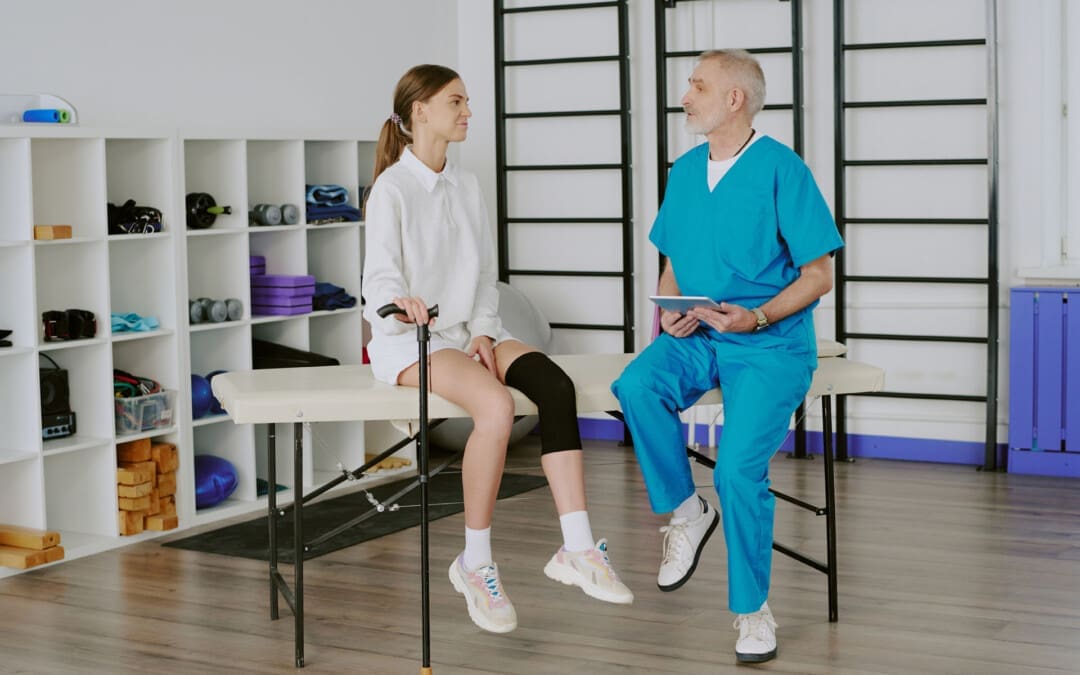
Individuals with difficulty with normal functional mobility after surgery, injury, or illness may be referred to physical therapy during recovery. A common question patients have before treatment is: What should they wear to the physical therapy appointment?
What To Wear To Physical Therapy?
Individuals referred to physical therapy usually have questions about what to expect and how to prepare. What to wear is a common question and is important because patients want to wear the right physical therapy outfit for their specific condition and feel comfortable and safe at their physical therapy appointments. A treatment plan may include exercise and stretching. Clothing recommendations may vary slightly depending on the type of physical therapy the patient is receiving; it is recommended to wear:
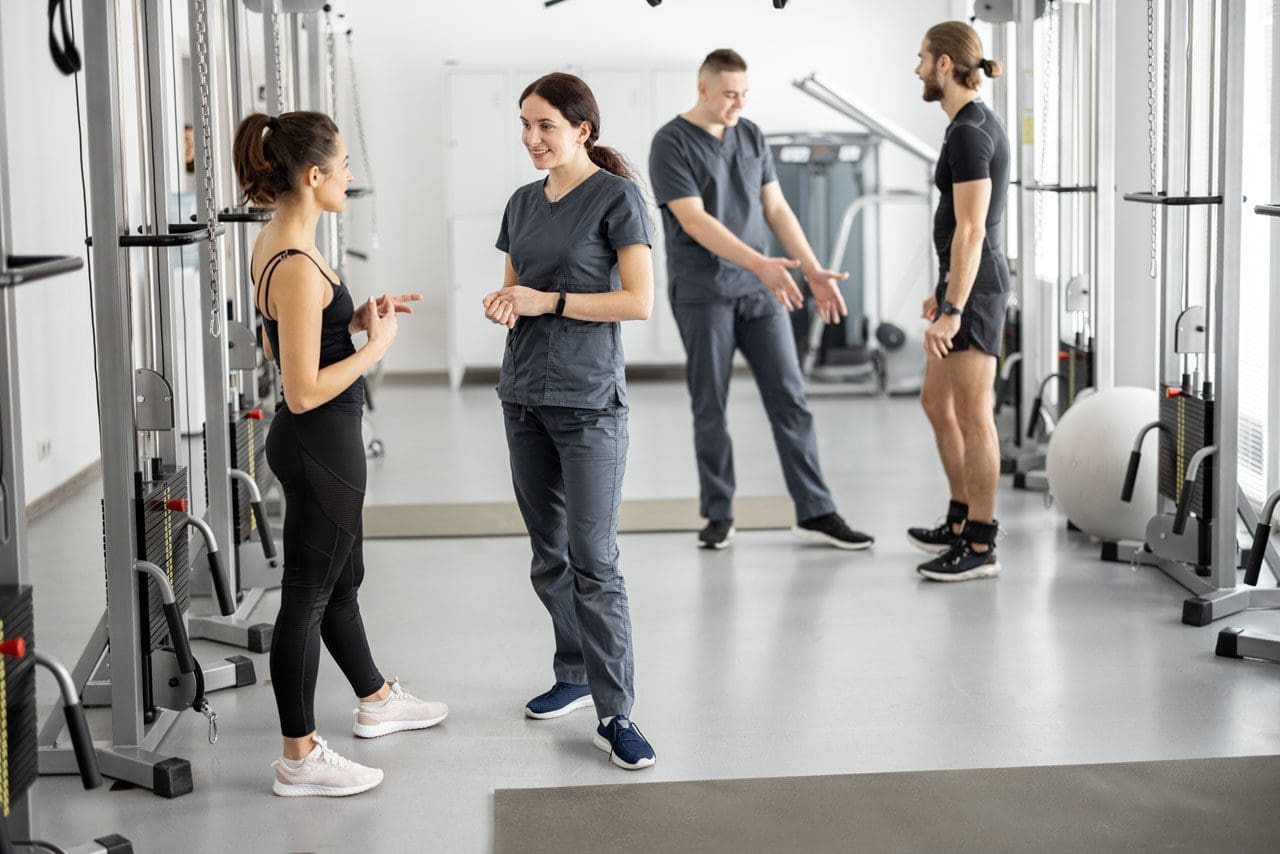
Athletic wear like t-shirts, shorts, yoga pants, and comfortable shoes like sneakers.
Sometimes, exercises are performed, and modalities such as heat, cold, or electrical stimulation are applied.
Comfortable, loose-fitting clothing allows for a full range of motion and easy access to the affected area.
Physical Therapy
The therapist will examine the patient’s mobility and flexibility.
Exercises may be prescribed, and therapeutic modalities, like ice or heat, may be applied.
Wearing the right clothing can make the therapy experience highly effective and productive.
This way, therapy sessions go smoothly, and there is a level of comfort and confidence to reach goals quickly.
Upper Body Neck, Shoulders, Arms, Back
For upper body injuries, wear clothing that provides access and mobility to the areas affected, such as the neck, shoulders, arms, or back.
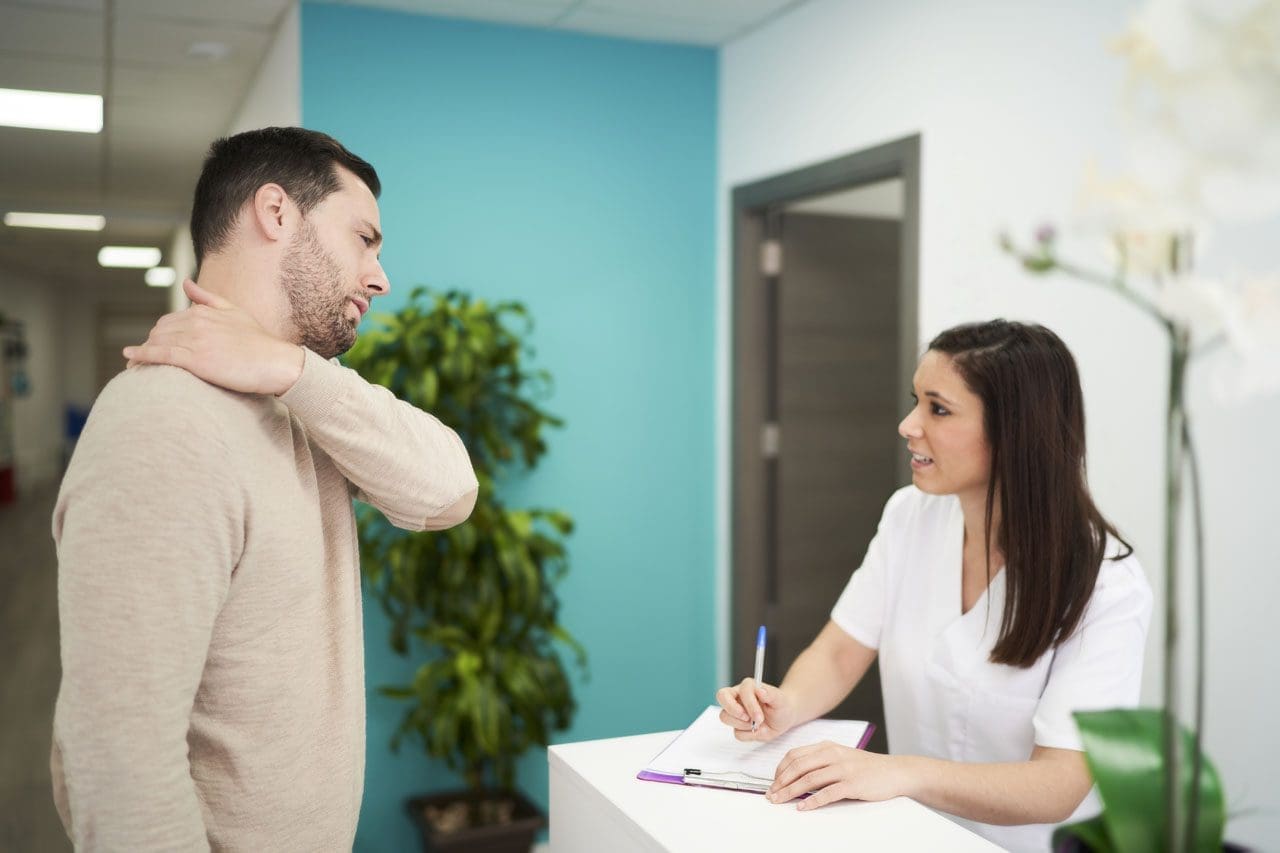
For neck pain, wear a shirt that allows the therapist to see the neck, shoulders, and upper back, such as a loose, open T-shirt with a scoop neck, V-neck, or tank top.
For long hair, bring a hair tie.
Women are recommended to wear a sports bra.
For an arm, wrist, or hand injury, wear a loose-fitting shirt with the arms exposed.
Tight shirts like those made from Lycra are not advisable because the therapist cannot effectively evaluate and treat the injury if the patient wears something tight.
Lower Body, Hips, Legs, Knees
For lower extremity problems and injuries, wear clothing that allows free movement to exercise while allowing the therapist to visualize and examine the back, hips, knees, and legs.
Wear a T-shirt, sports bra, and shorts or pants with an elastic waistband for back, lower spine, or pelvis injuries.
For hip pain, the therapist should be able to see and adjust the spine and hips.
Avoid wearing tight-fitting pants that don’t allow for full movement.
Shorts with an elastic waistband are recommended.
Leggings may not roll up easily.
Feet and Ankles
For a foot or ankle injury, the therapist will want to observe the patient walk in shoes and bare feet for conditions like plantar fasciitis or ankle sprains. For any lower extremity condition, expect some light or heavy exercise. Wear socks to absorb sweat and odor and sneakers or athletic shoes. Avoid open-toed sandals, high heels, or casual lightweight footwear like Crocs.
Other Considerations
Avoid
Bracelets and necklaces
Turtleneck shirts
Tight-fitting long-sleeved shirts
Leggings
Sandals
When preparing for appointments, consider your specific condition. Remember that you will likely be exercising, so wear loose, comfortable clothing that allows you to move around freely. If you are coming directly from work or a formal event, ask the office staff if there is a changing room that you can use. It may also be a good idea to avoid wearing dangling jewelry. A necklace or bracelet may get in the way, so be prepared to remove it for your appointments. Therapists can also use draping with towels or pillowcases/sheets to help you feel comfortable when certain body areas are exposed. That way, you can be relaxed and more able to focus on recovery and rehabilitation to return to normal activities.
Injury Medical Chiropractic & Functional Medicine Clinic
If you are unsure if what you plan to wear is appropriate, call the office and ask. If you’re leaving work and need to change, make sure your therapist’s office has a place for you to do that. Injury Medical Chiropractic and Functional Medicine Clinic works with primary healthcare providers and specialists to develop an optimal health and wellness solution. We focus on what works for you to relieve pain, restore function, and prevent injury. Regarding musculoskeletal pain, specialists like chiropractors, acupuncturists, and massage therapists can help mitigate the pain through spinal adjustments that help the body realign itself. They can also work with other medical professionals to integrate a treatment plan to resolve musculoskeletal issues.
Unlocking Pain Relief: How We Assess Motion To Alleviate Pain
Gender is a concept with many facets. Everyone has a gender expression. Can learning about gender expression help healthcare professionals provide better and more effective treatment plans for the LGBTQ+ community?
Gender Expression
Gender expression refers to the ways that individuals present their gender identity and themselves. This can be clothing, haircuts, behaviors, etc. For many, there can be confusion between what society expects from their gender and how these individuals choose to present themselves. Gender expression is constructed from the culture that surrounds it, meaning that there may be a shared social expectation about gender. It can also mean that the same feminine hair or clothing style in one setting could be seen as masculine in another.
Society tries to regulate expression by making women wear certain kinds of clothes, and men other kinds, in order to participate in school, work, and when in public.
When cultures enforce gender norms it is known as gender policing, which can range from dress codes to physical and emotional punishment.
Creating a safe space for all genders requires awareness of these explicit or implicit gender norms so policing can be prevented. (José A Bauermeister, et al., 2017)
Research has shown that there are increased rates of discrimination against transgender and gender-nonconforming individuals compared with bias against those who are LGBTQ. (Elizabeth Kiebel, et al., 2020)
Health Care
Gender expression can and does affect access to and quality of health care.
Individuals with a gender expression that is different from what is expected for their assigned sex at birth may experience increased bias and harassment from providers. (Human Rights Watch. 2018)
A significant percentage of patients feared health workers would treat them differently because of their expression. (Cemile Hurrem Balik Ayhan et al., 2020)
Minority stress has been shown to play an important role in health imbalances. (I H Meyer. 1995)
Research suggests that gender expression is a part of the minority stress described by cisgender sexual minorities and gender minorities. (Puckett JA, et al., 2016)
Better Training
The effects of gender expression are different depending on a person’s sex, gender identity, and their setting.
However, doctors do need to know a person’s sex that was assigned at birth to be able to do proper screening tests, like screening for prostate or cervical cancer.
One way to be more affirming is for the doctor to introduce themselves first, using their own pronouns.
Health workers should ask everyone what name they prefer to be called and what pronouns they use.
This simple act invites the patient to share without creating awkward uneasiness.
Each person chooses how to present themselves to the world, and we respect all. We at Injury Medical Chiropractic and Functional Medicine Clinic will work to address the effects of minority stress on health disparities and raise awareness of the ways to continually improve positive experiences for LGTBQ+ individuals seeking inclusive health care for neuromusculoskeletal injuries, conditions, fitness, nutritional, and functional health.
Revolutionizing Healthcare
References
Bauermeister, J. A., Connochie, D., Jadwin-Cakmak, L., & Meanley, S. (2017). Gender Policing During Childhood and the Psychological Well-Being of Young Adult Sexual Minority Men in the United States. American journal of men’s health, 11(3), 693–701. https://doi.org/10.1177/1557988316680938
Kiebel, E., Bosson, J. K., & Caswell, T. A. (2020). Essentialist Beliefs and Sexual Prejudice Toward Feminine Gay Men. Journal of homosexuality, 67(8), 1097–1117. https://doi.org/10.1080/00918369.2019.1603492
Human Rights Watch. “You Don’t Want Second Best”—Anti-LGBT Discrimination in US Health Care.
Ayhan, C. H. B., Bilgin, H., Uluman, O. T., Sukut, O., Yilmaz, S., & Buzlu, S. (2020). A Systematic Review of the Discrimination Against Sexual and Gender Minority in Health Care Settings. International journal of health services: planning, administration, evaluation, 50(1), 44–61. https://doi.org/10.1177/0020731419885093
Meyer I. H. (1995). Minority stress and mental health in gay men. Journal of health and social behavior, 36(1), 38–56.
Puckett, J. A., Maroney, M. R., Levitt, H. M., & Horne, S. G. (2016). Relations between gender expression, minority stress, and mental health in cisgender sexual minority women and men. Psychology of Sexual Orientation and Gender Diversity, 3(4), 489–498. https://doi.org/10.1037/sgd0000201
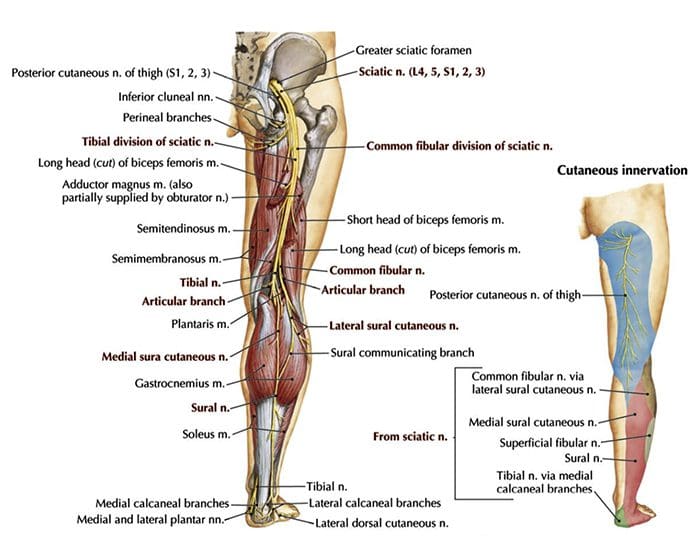
Sciatica is not only caused by a spinal injury, although this is the primary cause, sciatica can also surprisingly be caused by your clothes and shoes. Sciatica is defined as symptoms that include back, leg, and foot pain caused by the compression of the sciatic nerve. Other symptoms can include shootingelectrical rays of pain, weakness, and numbness from your low back all the way down your legs into your feet.
Because of the intensity, many assume it has to be something serious like a work/car accident, sports injury or severe trauma. All of this can lead to sciatica, but there are also everyday things that we do daily that can also cause it. Here are some lesser-known ways of developing sciatica.
Items in Your Back Pocket
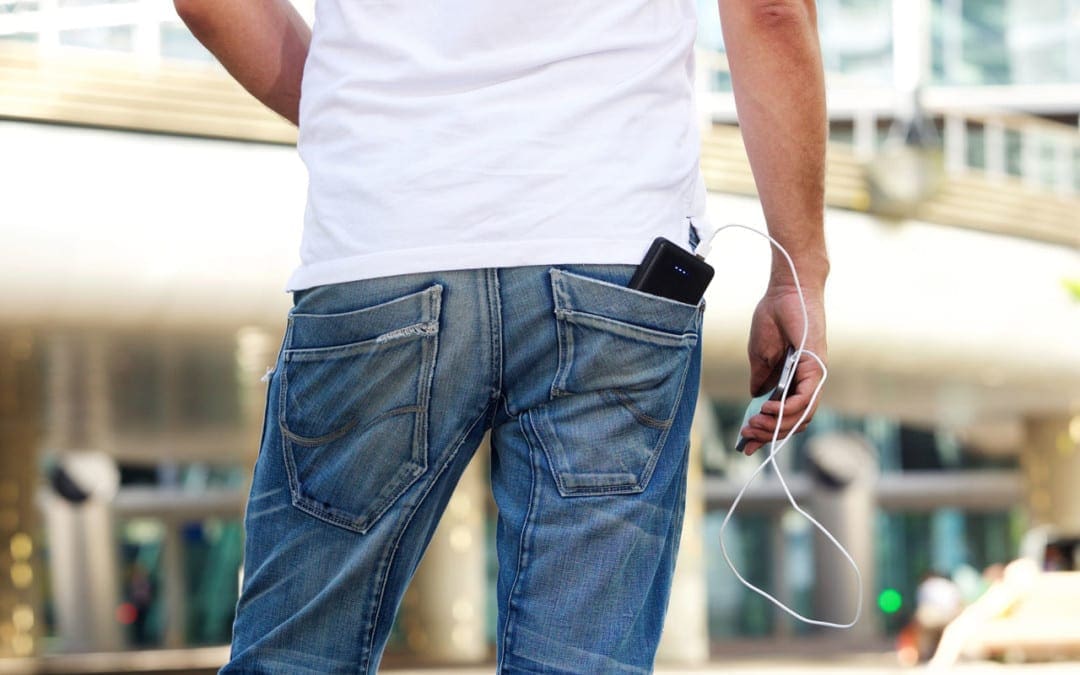
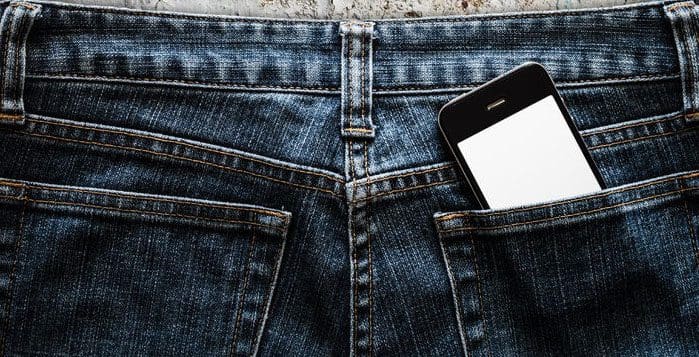
Many of us put our phones or wallets into our back pockets. When we carry these items in our pocket and then sit down on them, this can become a gradual trigger to sciatica. When we sit with these items begin to irritate the piriformis muscle. The sciatic nerve is right underneath this muscle and can get compressed. This cause has not been defined by the medical community, but a few names floating around include (back-pocket sciatica and cell-phone sciatica).
Wearing High Heels
High heels push your weight forward and so your body wanting to remain upright responds by flexing the hips to keep you straight. The risk of sciatica happens when this flexing at the hips stretches the hamstrings that can irritate the sciatic nerve running alongside the hamstrings. And besides sciatica high heels can cause a bevy of other spinal problems.
Wearing Tight Jeans and Underwear
Overly tight-fitting pants and underwear might look and feel great, however, they can also contribute to sciatic nerve pain. Wearing tight clothing is not bad but realize that wearing this type of clothing every day will start to compress the muscles, ligaments, and nerves. Mix it up with clothing that allows you to move freely. If your clothing cuts off circulation absolutely do not wear it. And when it comes to tight pants, change postures and don’t stay in the same position for too long, especially sitting.
Excess Weight
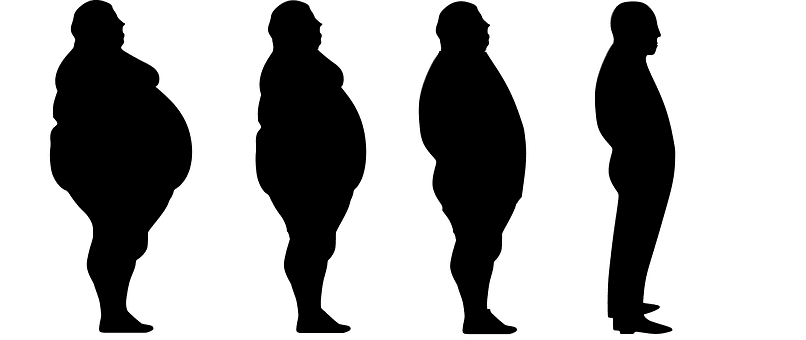
Research has found an association between being overweight and having sciatica.�Excess body weight puts stress on your spine. This added pressure combined with sedentarism can cause spinal disorders that include sciatica. Being able to maintain a healthy weight will greatly reduce your risk of developing sciatica symptoms.
The Impact of Sciatica
Even if just gradual weakness develops down your leg or a sudden burst of pain comes and goes, do not ignore it and make an appointment with your doctor or chiropractor to understand the issue and underlying cause/s and set up a preventative treatment plan before it gets out of hand. There are many sciatica treatments/therapies to reduce or eliminate low back and leg pain. Your doctor/chiropractor will work with you to develop a custom sciatic preventive exercise treatment plan.
Severe *Sciatica”* Pain Relief | El Paso, Tx (2020)
NCBI Resources
A study cited by the health magazine�Prevention found that sixty percent of sciatica sufferers who failed to get relief from other treatments found their symptoms improved after chiropractic care. Please contact our chiropractic team today to schedule an appointment if you are experiencing symptoms of sciatica. We are ready to help you feel better and get back on your feet again.
IFM's Find A Practitioner tool is the largest referral network in Functional Medicine, created to help patients locate Functional Medicine practitioners anywhere in the world. IFM Certified Practitioners are listed first in the search results, given their extensive education in Functional Medicine