Chiropractors and spine specialists utilize spinal imaging through X-rays, MRIs, or CT scans to figure out what is causing back problems and pain. Imaging is common. Whether chiropractic or spinal surgery, they help immensely discover back issues and allow the individual to see what is happening. Types of cases include back pain that:
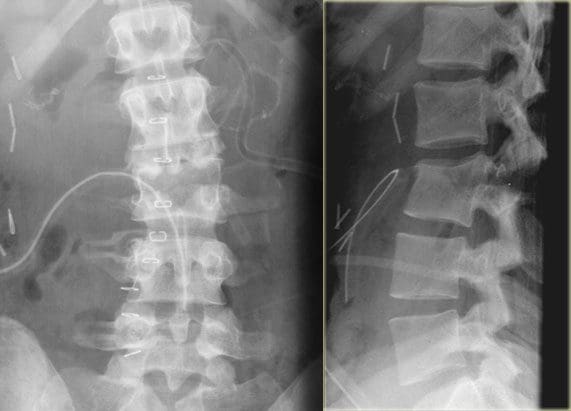
X-rays for back pain can be quite helpful. An X-ray is radiation-based and is used to examine the conditions of the bone structures. X-rays are optimal for bone tissue or tissues that are ossified or calcified. They work the best with hard tissues, specifically bones. Soft tissues like muscles, ligaments, or intravertebral discs do not present as well.
Individuals undergoing a back X-ray will be scanned by a machine that generates a beam. A receiver picks registers the beam after it passes through the body and generates an image. It takes around five minutes to complete but could be longer depending on the doctor’s number of images. X-rays are helpful for insurance purposes and rule out bone conditions like compression fractures and/or bone spurs. X-rays are ordered for specific reasons and are often part of a whole-body diagnostic study. This includes MRI and/or CT scan.
CT Scan
CT stands for computed tomography. It is a series of X-rays that are digitized into images using a computer. The advantage of a CT scan to standard X-rays is that it offers different views/angles of the body and can be in 3D. CT scans are most often used in trauma cases or individuals who have had surgery. They take around five minutes. For X-rays, individuals stand up or lay under the X-ray machine as it scans the body. A CT scan has the individual lie down in a circular donut-looking machine that scans while rotating during the imaging. Individuals are recommended to wear casual loose, comfortable clothing. Sometimes a dye, or intravenous contrast, is used to get the vascular tissues to stand out, generating clearer images.
MRI
MRI is short for magnetic resonance imaging. MRIs use magnets to generate images. MRI imaging is often used in individuals that have undergone surgery. They take longer, usually around 30 to 45 minutes. No metallic objects are allowed in the MRI. Patients are asked to remove items like belts, jewelry, etc. Contrast dye can be a part of an MRI. The machine is like a tunnel. This can become challenging for individuals that have claustrophobia. Consult with a doctor and find out how to get comfortable during the process.
Other Forms of Spinal Imaging
Other forms of imaging include:
CT navigation
CT navigation shows real-time CT scans during the procedure.
Fluoroscopy
Fluoroscopy involves an X-ray beam that passes directly through the body that shows live, moving images.
Both of these types of spinal imaging are utilized during surgeries. For some cases, intraoperative imaging is used. This type of imaging uses high-tech robotics to help surgeons navigate through tight spaces during the procedure. This increases the surgeon’s accuracy and reduces the size of the incision.
Ultrasound
Ultrasound can be used for spinal conditions. This is an imaging test that uses sound waves to generate images. However, the imaging tests which are used in spinal imaging are primarily X-rays and MRIs.
Imaging Appointment
Talk with your doctor or chiropractor ahead of time to understand what to expect during the imaging process. They will let you know how to prepare and any special instructions before the appointment. Along with medical history and a physical examination, spinal imaging is an important part of the diagnostic process to find what is causing the pain and to develop the best treatment plan.
Body Composition
Short-term Effects of Coffee and Blood Pressure
The caffeine in coffee is a stimulant or substance that excites the body’s systems. When caffeine is ingested, individuals experience an increase in excitement, specifically in the cardiovascular system. This excitement causes the heart rate and blood pressure to rise and then lower back to a baseline level for healthy individuals. Coffee slightly increases short-term blood pressure. Moderate coffee consumption is safe for individuals that do not have pre-existing cardiovascular conditions.
References
United States Nuclear Regulatory Commission. (May 2021) “Doses in Our Daily Lives” https://www.nrc.gov/about-nrc/radiation/around-us/doses-daily-lives.html
X-Ray for Back Pain: Current Reviews in Musculoskeletal Medicine. (April 2009) “What is the role of imaging in acute low back pain?” https://www.ncbi.nlm.nih.gov/pmc/articles/PMC2697333/
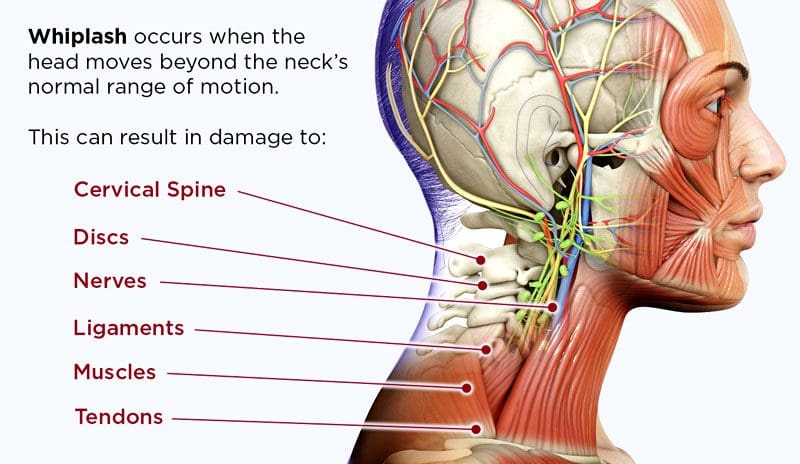
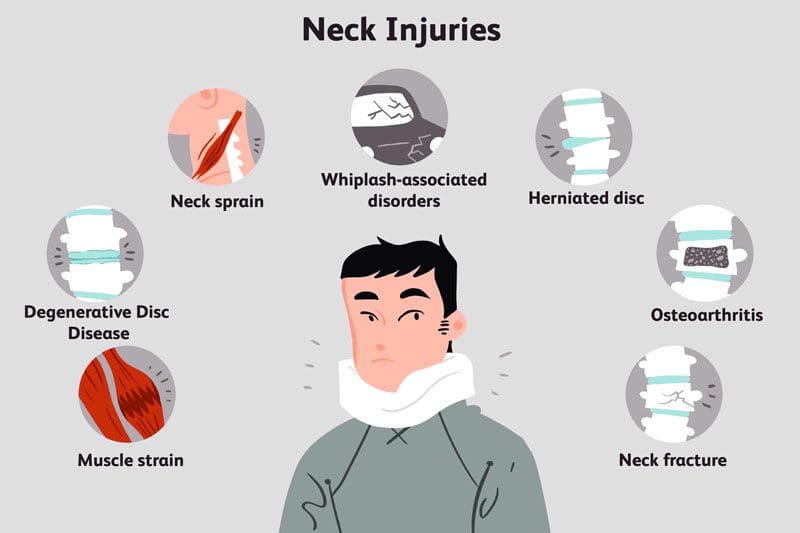
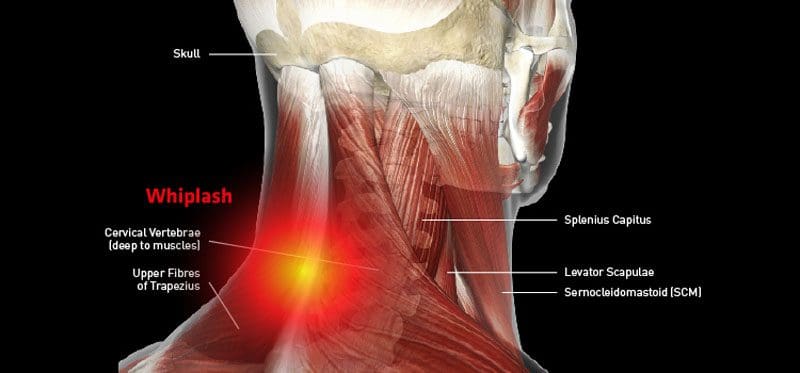
Motor vehicle accidents, sports injuries, work injuries, and falls are a few causes of whiplash. It is a condition that affects over 1.5 million individuals. It can cause serious side effects that can last for months and sometimes years. If not treated, the symptoms can worsen and lead to chronic conditions and pain.
Mild Whiplash
Mild whiplash can last around three months. During this time individuals might notice other symptoms other than neck pain that includes:
In certain cases, these symptoms happen immediately or they can be delayed.
Severe Whiplash
Severe whiplash means symptoms last longer than three months. The side effects can progressively go away or may not disappear at all. Severe whiplash falls in the whiplash classification of three to four. This indicates that there is a:
Loss of motion
Neurological problems
Fracture/s
Taking time off work for a whiplash injury depends on how severe the condition is. For mild symptoms, individuals are recommended to take about a month off to fully recover. If the condition is extreme, it could take a few years. For some individuals, the injury prevents them from working, and they have to leave their job.
Tinnitus
After a whiplash injury, some individuals develop tinnitus. This is a condition that results from the jolted ligaments and can irritate the surrounding nerves. This can cause an irritating ringing noise in the ears. How long tinnitus lasts depends on the severity of the injury. It can present every so often or could remain for several months even years.
Recovery Time
For most individuals, it takes around 4-6 weeks for a full recovery. This could last longer if the injury is not healed properly.
Chronic whiplash can present shooting pain throughout the body and prevents individuals from living a normal life. For chronic conditions chiropractic and physical therapy are highly recommended. Treatment could be difficult at first, but improvements will follow as long as the individual stays consistent with the therapy to completely heal the injury.
Treatment Options
The first recommendation will be to rest the body. This gives the body time to recover and also prevents worsening the injury. Ice packs and heating pads can help reduce swelling and pain.
Chiropractic
Chiropractors are experts in the musculoskeletal system. They inspect the whole body looking and feeling for misalignments, knotted muscles, swollen tendons, and ligaments that were stretched/pulled beyond their normal range. Various types of adjustments can be used. The most common are flexion-distraction and instrument-assisted.
Flexion-Distraction adjusting requires the chiropractor’s hands. They feel around the problem area and press their hands to slide the joint back in place.
Instrument-Assisted – utilizes a special tool, like an activator. The device helps the chiropractor delve deeper into the area than their hands. This helps them locate problems that could be hidden.
Anti-Inflammatory Diet
Adding more anti-inflammatory foods to the diet will reduce and alleviate inflammation and swelling. Some of these foods include:
Avocados
Blueberries
Mushrooms
Olive oil
Salmon
Strawberries
Turmeric
Vitamins
A full recovery can take longer if the body lacks essential nutrients. These nutrients are what helps the body create enzymes that repair the damaged tissues, bones, tendons, etc. If the body does not have enough it will not heal properly. Essential vitamins to take for injuries include:
These can be taken in supplement form or through food sources.
Body Composition
The body loses muscle every minute of life. This is because the muscles, like the other tissues in the body they depend on cell turnover and protein synthesis. This means that the body continually breaks down the protein in the muscles and rebuilds them. This is how the body is supposed to function and part of what keeps it alive. Skeletal muscle can be grown and developed with proper nutrition. This includes eating sufficient protein to provide the necessary amino acids and regular physical activity.
The reverse is also true becoming less physically active and the individual’s diet no longer supports the development of increased muscle tissue the body enters a catabolic/tissue-reducing state known as muscle atrophy.Muscles that are partially used meaning using less than 20% of their maximum force begin to atrophy over time. Muscles that are completely unused, like when bedridden with very little movement, can degrade around 1/8th of strength per week.
Disclaimer
The information herein is not intended to replace a one-on-one relationship with a qualified health care professional, licensed physician, and is not medical advice. We encourage you to make your own health care decisions based on your research and partnership with a qualified health care professional. Our information scope is limited to chiropractic, musculoskeletal, physical medicines, wellness, sensitive health issues, functional medicine articles, topics, and discussions. We provide and present clinical collaboration with specialists from a wide array of disciplines. Each specialist is governed by their professional scope of practice and their jurisdiction of licensure. We use functional health & wellness protocols to treat and support care for the musculoskeletal system’s injuries or disorders. Our videos, posts, topics, subjects, and insights cover clinical matters, issues, and topics that relate to and support, directly or indirectly, our clinical scope of practice.* Our office has made a reasonable attempt to provide supportive citations and has identified the relevant research study or studies supporting our posts. We provide copies of supporting research studies available to regulatory boards and the public upon request. We understand that we cover matters that require an additional explanation of how it may assist in a particular care plan or treatment protocol; therefore, to further discuss the subject matter above, please feel free to ask Dr. Alex Jimenez or contact us at 915-850-0900.
Dr. Alex Jimenez DC, MSACP, CCST, IFMCP, CIFM, CTG* email: [email protected] phone: 915-850-0900 Licensed in Texas & New Mexico
The first step in chiropractic care is getting the individual’s medical history. Many visit a chiropractor with certain expectations of how things will go. They will lay down on a table while the chiropractor adjusts the spine. There will be pops and cracks, and the tension will go away. And afterward, they�ll feel better.
However, without an individual’smedical history, the treatment will not be as effective because of the lack of information. This means that a chiropractor is only able to perform general adjustments but is not able to get to the root cause and maximize the full potential of the adjustments. Patient education starts the moment someone walks into the clinic.
The nature of holistic medicine
Some questions a chiropractor might ask include:
What type of pain is presenting – shooting, burning, aching, throbbing, etc?
Have you had any recent surgeries?
Is there a history of chronic pain?
What medications are being taken?
Each will be explained in further detail and what they mean for the development of a treatment plan. An individual needs to understand how important their medical histories are for treatment progress. Patient history prevents executing the wrong treatment plan by having an informed understanding of the individual’s body.
For example, a chiropractor can�t perform the same adjustments on a senior with osteoporosis that they do on a middle-aged athlete. And someone recovering from surgery will not have the range of motion when healthy.
An adjustment can result in X, Y, or Z, depending on the factors at work. Medical history is vital as it eliminates any unknowns, so a chiropractor can solve for X, Y, or Z by being able to provide the best outcome for the individual.
The more information, the better the treatment plan
When an individual has neck pain, a doctor is not going to prescribe immediate surgery, unless it is an emergency. Rather, they will perform a full examination, ask questions, try to find the cause, and analyze the intensity of the pain. A chiropractor is no different, and individual medical history is vital. Obtaining as much information as possible can help a chiropractor reach a proper diagnosis and ensures the right course of action is taken.Individuals often do not realize but for example,
An automobile accident that happened last year could be manifesting symptoms now.
Shoulder surgery five years ago could be limiting the range of motion, affecting the musculature around the cervical spine.
Chronic plantar fasciitis and self-medicating for a while can cause instability in the lumbar spine affecting the cervical spine.
Every little bit of information can help put the puzzle together to get a clear picture of what is going on. The biggest contributor of information is patient medical history, formally documented and informally spoken.
Informed care
A visit to Injury Medical Chiropractic Clinic is a collaboration between patient and chiropractor that leads to informed and the best treatment possible. Medical history informs optimal care. For more information or for more tips on chiropractic care, contact us today.
New Patient Chiropractic Care
Dr. Alex Jimenez�s Blog Post Disclaimer
The scope of our information is limited to chiropractic, musculoskeletal, physical medicines, wellness, and sensitive health issues and/or functional medicine articles, topics, and discussions. We use functional health & wellness protocols to treat and support care for injuries or disorders of the musculoskeletal system. Our posts, topics, subjects, and insights cover clinical matters, issues, and topics that relate and support directly or indirectly our clinical scope of practice.*
Our office has made a reasonable attempt to provide supportive citations and has identified the relevant research study or studies supporting our posts. We also make copies of supporting research studies available to the board and or the public upon request. We understand that we cover matters that require an additional explanation as to how it may assist in a particular care plan or treatment protocol; therefore, to further discuss the subject matter above, please feel free to ask Dr. Alex Jimenez or contact us at 915-850-0900. The provider(s) Licensed in Texas& New Mexico*
References
Hunter, J. �Medical history and chronic pain.��The Clinical journal of pain�vol. 17,4 Suppl (2001): S20-5. doi:10.1097/00002508-200112001-00007
Finding ways to manage chronic pain is a priority. Chiropractic testing and treatment could be an option that is effective and affordable. Various chiropractic care can help manage chronic pain caused by a condition like herniated disc/s. Chiropractic testing involves diagnosing the root cause/origin of the pain. Getting a proper diagnosis usually involves:
X-rays
CT scan
MRI
DNA
�
�
�
Chiropractic testing
The correct diagnosis is essential to creating an optimal treatment plan. It is a complicated disorder that can be difficult to treat because it can present with no apparent cause. But, researchers are working to find answers to many of the questions surrounding chronic pain. When treating spine-related pain other tests can include:
Discography
Bone scans
Nerve studies
Electromyography
Nerve conduction study
Myelography
A pain specialist might consult with and refer the individual to a neurosurgeon or orthopedic spine surgeon to determine if the pain requires surgery. This is because untreated and not fully treated chronic pain is one of the leading causes of limited mobility and flexibility. Other associated issues are:
There are some experts that believe tests like MRIs are overused. There is a fear that too many tests could expose individuals to unnecessary radiation and increase medical expenses. However, determining the cause/s holds the key to a successful treatment plan. Therefore, choosing the right diagnostic strategy will help in:
Creating the most effective and optimal treatment plan
Quality of life improvement
Prevent potential complications
Reduce the cost of diagnosis
Reduce the cost of treatment
�
Chiropractic Management
Chronic pain does not respond to typical pain management techniques. Chiropractic management deals with chronic pain inflammation and muscle tension. Chiropractors use a variety of non-surgical techniques like:
�
Soft Tissue
Manual release therapy stretches the muscle/s while pressure is applied
Trigger point therapy applies pressure on the area of the tensest muscle/s
Instrument-assisted soft tissue therapy uses a tool/s to apply gentle pressure.
�
Manual Therapy
When the joints are not moving correctly, a chiropractor may utilize this technique to regain a full range of joint motion. This is accomplished through joint mobilization which is slow, gentle stretches of the affected joint and manipulation, which are quick but gentle movement/thrusts that stretch the joint.
�
Exercise Therapy combined with Self-care
A chiropractor will provide simple therapeutic exercises and stretches that can be done at home to help with the pain and to help with prevention. Also provided:
Safe lifting techniques
Posture exercises/tips
Dietary strategies to manage pain and prevent re-injury
Once diagnosed with a pain condition, a chiropractor will develop a unique customized treatment plan. Don’t be afraid to talk with your chiropractor. The more they know the better the treatment plan. Once the pain is fully addressed, patients will be able to gradually increase daily activities.
�
Piriformis Syndrome Chiropractic Treatment
Dr. Alex Jimenez�s Blog Post Disclaimer
The scope of our information is limited to chiropractic, musculoskeletal, physical medicines, wellness, and sensitive health issues and/or functional medicine articles, topics, and discussions. We use functional health & wellness protocols to treat and support care for injuries or disorders of the musculoskeletal system. Our posts, topics, subjects, and insights cover clinical matters, issues, and topics that relate and support directly or indirectly our clinical scope of practice.*
Our office has made a reasonable attempt to provide supportive citations and has identified the relevant research study or studies supporting our posts. We also make copies of supporting research studies available to the board and or the public upon request. We understand that we cover matters that require an additional explanation as to how it may assist in a particular care plan or treatment protocol; therefore, to further discuss the subject matter above, please feel free to ask Dr. Alex Jimenez or contact us at 915-850-0900. The provider(s) Licensed in Texas& New Mexico*
Staying at home means it can be tough to see a doctor, chiropractor, spine specialist, or neurosurgeon to handle back pain, especially when it tends to flare up at the most inconvenient times. There are still options, here�s what to do. What options are available when you want to see a doctor about back pain, but getting to the clinic can be a challenge.
Fortunately, there are a variety of tools to handle back pain that can provide some relief.
Over-the-counter pain medications like Motrin are one of the best medicines for non-traumatic back pain inflammation.
�
Heat Packs/Heat Therapy
Heat therapy promotes vasodilation and draws nutrient-rich blood into the targeted tissues. Increased blood flow delivers oxygen and nutrients and cell waste is removed. The warmth decreases muscle spasms, relaxes tense muscles, relieves pain, and increases range of motion.
Superficial heat is available in different forms, which include:
Hot and moist compresses
Dry or moist heating pads
Hydrotherapy
Commercial chemical/gel packs
Remember heat packs in any form should be wrapped in a towel to prevent burns, as a punctured heat pack should be discarded, as the chemical agent/gel can burn skin. �
�
Cold Packs/Cold Therapy
Cold therapy produces vasoconstriction. This slows blood circulation, which reduces inflammation, muscle spasms, and pain. Superficial cold is also available in different forms, which include:
Commercial cold packs
Ice cubes
Iced towels/compresses
Hydrotherapy.
The application of cold therapy is usually less than 15 minutes, as the effects of cold are known to last longer than heat. Cold packs or ice should never be applied directly to the skin.
A towel, should be placed between the cold object and the skin surface to prevent any skin and nerve damage. A punctured cold pack should be discarded, as the chemical agent/gel will also burn the skin.
�
Telemedicine
It might be hard to believe that a virtual video visit can work to handle back pain. On a video call, a chiropractor is unable to physically palpate the sore areas and measure the range of motion and strength. However, this should not discourage you from scheduling a virtual appointment.
Telemedicine, without a physical examination, can be highly beneficial. A chiropractor can start the process of ordering tests, like MRI, X-ray, etc. Even if the pain is tolerable, meaning the kind that doesn�t need medicine or imaging tests, this should not be an excuse to skip an orthopedic visit.
With telemedicine, a chiropractor can still give advice, show back stretches, exercises, order back pain supplements, and talk about the risks and benefits of treatments available to try on your own. �
�
Physical Therapy
With chronic low back pain, chances are your chiropractor suggested physical therapy or PT. Now is the time to bring back those PT exercises, especially with a back-pain flare-up.
Low-back pain or any back pain for that matter with no neurological issues, could mean that a stretching and exercise program is all that is needed. Find out if your chiropractor or a physical therapist offers other options:
Patient portal communication or e-visits.
Uploads of illustrated handouts describing how to do various stretches and exercises.
Remote evaluation. The individual submits pictures or a video of their movements for personalized feedback, which the chiropractor or physical therapist evaluates and provides.
�
Get Active
Evidence shows that being active is better than resting. Moving increases the blood flow to the muscles, which helps with muscle spasms, trigger points, tense muscles/ligaments, and other issues.
�
Pilates
Pilates focuses on controlled movement, breathing, and stretching. A review found Pilates can be a highly effective and beneficial approach to handle back pain and related discomfort. Check out beginner Pilates videos. Be sure to avoid any move/s that cause pain, worsens the existing pain, or generate new pain.
�
Yoga
A review found that yoga can help improve mobility and decrease pain. If this is a new practice, start with gentle yoga or restorative yoga.
�
Walking
Going for a walk is easy, accessible, and is beneficial for the spine. Walking can be as effective as non-drug interventions in decreasing pain and discomfort in chronic low-back pain. Simple movements along with rollers and massagers can handle back pain as well. These include:
Self-massage with a tennis ball
Foam rolling
Hand-held massager
Stretching
McKenzie Method, comprised of gentle stretching exercises
These strategies and approaches can become the methods and techniques for the relief of existing back-pain in the absence of a doctor, chiropractor, or physical therapist.
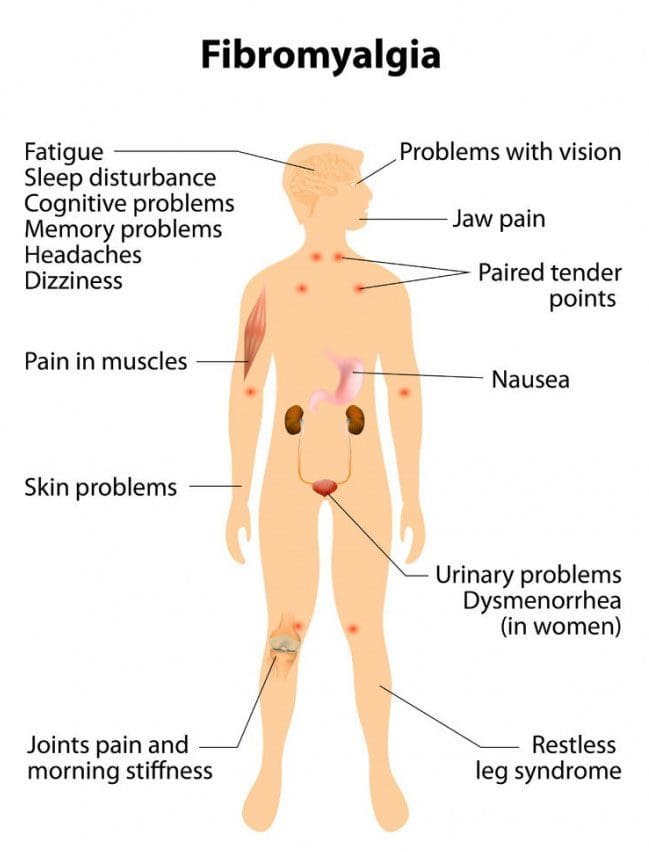
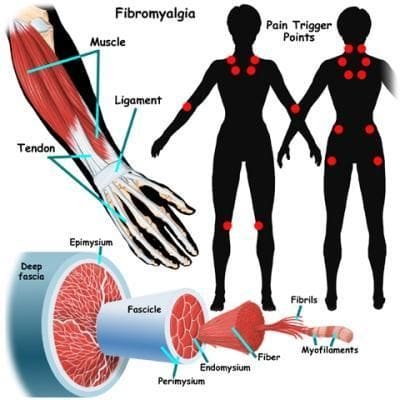
Fibromyalgia is a chronic pain disorder affecting millions and mostly women. It is physically and emotionally distressing. Those with the condition experience widespread chronic muscle pain. Research has shown that individuals with fibromyalgia could have a lower threshold for pain. This can come from injury, emotional distress, or abnormal levels of substances/chemicals in the brain and spine linked to pain sensitivity. One of the most common treatments is chiropractic medicine.
Common symptoms/conditions individuals report:
Chronic fatigue syndrome
Irritable bladder
Irritable bowel syndrome
Migraines
Sleep disorders
Restless legs syndrome
TMJ or Temporomandibular joint disorder
Raynaud’s Syndrome�-�a�rare blood vessel disorder causing the toes and hands to feel cold or numb.
Doctors are still trying to figure out the relationship between these conditions and fibromyalgia.
Causes
Doctors have yet to determine the exact cause, however, research is ongoing and beginning to shed light on the condition. Some possible causes include:
Abnormalities in the endocrine system
Abnormalities in the autonomic nervous system
Genetics
Muscle tissue abnormalities
Abnormal blood flow
As research has discovered many conditions/disorders do not have one cause but rather, several factors that impact the probability of developing the condition.
Questions
It has become one of the most common chronic pain conditions. 1 in 50 Americans are dealing with fibromyalgia. The condition can be difficult to diagnose, and, because of its chronic nature, it can linger for months and even years. Typically it causes pain throughout the body and creates areas that become tender to the slightest touch. There are both traditional and alternative treatments available.
Traditional approaches to manage the pain:
Anti-inflammatory’s
Over-the-counter pain relievers
Sleep medications
Muscle relaxants
Fibromyalgia medications include:
Lyrica – pregabalin, which is a nerve pain medication
Cymbalta – duloxetine hydrochloride, which is an antidepressant that can also help manage pain
Savella – milnacipran HCI, which is an antidepressant and nerve pain medicine
The type of treatment depends on the symptoms. For example, a doctor could prescribe an antidepressant to reduce pain and depression. If stress, anxiety, and trouble sleeping are presenting,�a therapeutic exercise program could be the answer. Individuals prefer natural remedies/therapies instead of more medications like vitamin therapy, acupuncture, and meditation.
Other treatment options include alternative treatments like:
The most common issue is constant and consistent pain, which can affect the entire body for weeks and even months. Individuals realize that chiropractic helps restore overall health and aids the body to heal itself. Adjustments to the spine bring alignment and balance back to the body. Also incorporated is soft tissue work that can relieve and reduce painful pressure/trigger points and decrease pain in tender spots.
Range of motion is increased
Chiropractic medicine also adjusts the body’s joints and helps loosen them up. This increases the range of motion and allows the individual to move more freely and easily. Depending on how long the individual has been dealing with the condition, it can take a few treatments to achieve optimal results, so it does take a commitment from the individual patient. However, in the long run, it is well worth the time.
Sleep is improved
The pain associated with fibromyalgia often affects an individual’s ability to sleep well. Being unable to sleep normally will leave you exhausted, foggy, unable to accomplish things and irritable to downright angry. A chiropractor’s ability to loosen the body’s joints, massage tender points, and kickstart the body’s self-healing mechanisms means individuals with this condition can enjoy deep sleep, and stay asleep.
Complements other therapies
Medicines/treatments/therapies can counteract with each other, or get mixed up and cause side effects. Chiropractic medicine can be utilized in combination with medications/treatments, either traditional or natural. Individuals diagnosed with this condition should speak to their chiropractor about the different treatments available. Customized treatment programs are created case-by-case and are tailored to the specific needs of that individual. Remember there is not a one-stop solution.
Empowers the individual
Individuals that have to deal with painful, chronic conditions can exhaust themselves with the varying treatment options and can feel as if they have no control over the situation. This causes stress, anxiety, and depression, which works against achieving overall wellness. With chiropractic, individuals are more in charge of their treatment plan, which leads to an optimistic outlook in their recovery.�
Chiropractic medicine treats not only the symptoms of fibromyalgia but attempts to get to the root cause to alleviate the condition or to activate the body’s self-healing response. Patients that commit will see the benefits along with reduced pain, better mobility, and sound sleep.
The best benefit is being able to take control of the circumstances and playing a vital role in the managing of an individual’s well-being. Understand that there are options available for fibromyalgia pain management. If you or a loved one has been diagnosed with fibromyalgia, don�t go it alone. Dr. Alex Jimenez is passionate about helping those who are injured or struggling with a condition get relief. Contact us today to schedule an appointment.
Spinal Cord Injuries Are Not Only Caused by Trauma
When people think of spinal cord injury/s or SCI’s, traumatic events like a major auto accident, hard fall, severe sports injury or intense work injury come to mind. It is true that auto accidents are the leading cause, however, non-traumatic accidents and diseases like a spinal tumor can also cause spinal cord injuries.
These types of injuries involve damage to the spinal cord that can temporarily or permanently affect its functionality. Spinal cord injuries are divided into 2 categories: traumatic and non-traumatic. Even with non-traumatic injuries the impact or severity is not lessened and the aftermath can have a devastating effect on a person�s life.
Spinal Cord Injury Trauma
Vehicle crashes: Motor vehicle accidents are the leading cause of traumatic spinal cord injuries, and they account for 40% of all SCI’s.
Falls: Falls are the second cause of traumatic spinal cord injuries, and they account for 32% of injuries.
Violence: Violent acts, like gunshot wounds or a stabbing cause around 14% of spinal cord injuries.
Spinal cord injuries occur more in men than women with 80% of cases affecting men.
Although people of all ages can experience SCI, there are activities/events that increase the risk that affects different age groups more than others. An example is high-impact actions like motor vehicle accidents and sports injuries occur more in young adults. Conversely, spinal cord injuries caused by a fall happens more in adults over age 60.
Regardless, SCI occurs more in the neck or cervical spine. Around 60% of cases involve the neck, followed by the mid-back or thoracic spine that averages to around 32% of injuries. Although most people experience low-back pain, only 9% of spinal injuries occur in the low back and tailbone or lumbosacral spine.
Understanding SCI Trauma
Damage to the spinal cord not only affects the area where the point of impact occurred. The primary injury can also damage cells, dislocate the vertebrae and cause spinal compression. It can also trigger secondary injuries, that cause a series of biological changes. This can happen within weeks or months after the injury.
The secondary injury cascade processes:
Glial cells along with the nerve cells in the spinal cord begin to die. These cells provide nutrients and other support to the nerve cells in the central nervous system. This consists of the brain and spinal cord.
The blood vessels in the spinal cord lose their ability to function, and this reduces the blood supply to the cord. When the blood supply becomes inadequate it is called ischemia. Blood vessel injuries expose the cord to inflammatory cells that in turn cause swelling. When the spinal cord becomes inflamed the spinal cord gets more and more compressed. If this happens�the initial injury progressively worsens.
This changes the cord�s structure and its normal operation. The secondary injury cascade can interfere with the cord�s ability to heal itself. This means an individual could experience permanent nerve pain and dysfunction.
Non-traumatic SCI
Spinal cord damage does not only happen with traumatic events. An SCI can also be caused by non-traumatic diseases in the spine. Tumors are the leading cause, but infections and degenerative disc disease can also cause serious damage.
Non-traumatic SCI’s happen more than traumatic based ones. �The incidence of traumatic SCI in North America comes to around 54 cases per one million people. With the incidence of non-traumatic SCI is around 1,227 cases per million people.
Healthy Spinal Cord Injury Outcomes
Spine researchers are making great strides in developing optimal protective and regenerative treatments to improve spinal cord health after these injuries occur.
Currently, innovative medical, surgical, cell-based and alternative treatments are furthering the medical community�s understanding of SCI’s. This is dramatically improving the quality of life and creating positive futures for individuals who experience these injuries.
Car Accident Injury Rehabilitation | El Paso, Tx (2020)
NCBI Resources
The muscles in the back keep the spine moving and functioning properly.�When the spine or�abdominal muscles are�weak this creates a higher probability of a back strain or injury. Having strong, healthy spine muscles are important because they function in maintaining correct posture, which in some cases, causes chronic back pain because of poor posture.
If�only one part of the body is�strengthened like the back is not enough. Therefore strengthening the rest of the body is a must. These include the body�s core and leg muscles. Total body strength will reduce back pain and can help perform regular activities, like�lifting heavy objects much easier, with more confidence and with a lesser probability of injury.
IFM's Find A Practitioner tool is the largest referral network in Functional Medicine, created to help patients locate Functional Medicine practitioners anywhere in the world. IFM Certified Practitioners are listed first in the search results, given their extensive education in Functional Medicine