Discover how chiropractic care for musculoskeletal inflammation can help alleviate discomfort and improve your overall well-being.
The Comprehensive Guide to Chiropractic Care for Joint and Muscle Pain: A Holistic Approach
Introduction
Imagine waking up with a stiff neck or aching joints, feeling like your body’s playing a prank on you. For millions, joint and muscle pain is a daily reality, often tied to inflammation from injuries, chronic conditions, or even lifestyle choices. Chiropractic care offers a non-invasive, holistic approach to tackle this pain, and it’s more than just “cracking your back.” This comprehensive guide examines how chiropractic care can help manage joint and muscle pain associated with inflammation, exploring clinical evidence, environmental factors, and the expertise of Dr. Alexander Jimenez, a leading chiropractor in El Paso. We’ll also explore related health topics, such as the gut microbiome and nutrition, all written at a high school reading level to ensure clarity and engagement. So, grab a comfy seat (your spine will thank you), and let’s dive in!
Understanding Chiropractic Care
Chiropractic care is a healthcare discipline that focuses on the musculoskeletal system, particularly the spine. Chiropractors use manual techniques, like spinal adjustments, to correct misalignments (subluxations) that may cause pain, stiffness, or reduced mobility. The goal? Restore balance to your body’s structure, much like aligning the wheels of a car to ensure a smooth ride.
For joint and muscle pain, chiropractic care can be a game-changer. It’s not about popping pills or going under the knife—it’s about helping your body heal naturally. Chiropractors also offer soft-tissue therapy, exercises, and lifestyle advice to support recovery and overall well-being. Research suggests that chiropractic adjustments can influence the nervous system, potentially reducing inflammation and pain (Roy et al., 2009). It’s like giving your body a gentle nudge to get back on track.
Why Inflammation Matters
Inflammation is your body’s way of saying, “Hey, something’s wrong!” It’s a natural response to injury or stress, but when it lingers (chronic inflammation), it can cause significant damage to your joints and muscles. Conditions like arthritis, fibromyalgia, or even a bad fall can trigger inflammation, leading to pain and stiffness. Chiropractic care may help by improving joint function and calming the nervous system, which can dial down those inflammatory signals. Additionally, chiropractors often recommend dietary adjustments—such as substituting fries for leafy greens—to help manage inflammation.
Clinical Rationale for Chiropractic Care
Let’s get to the science behind why chiropractic care works for joint and muscle pain. Several studies highlight its effectiveness, particularly for conditions involving inflammation.
Musculoskeletal Disorders and Iron Overload
Did you know that too much iron in your body could mess with your joints? A comment on the American College of Rheumatology guidelines suggests that iron overload, often associated with conditions such as hemochromatosis, can lead to joint pain and musculoskeletal issues (Vasquez, 1996). The prevalence of iron overload is reportedly five times higher in patients with peripheral arthropathy than in the general population, making it worthwhile to check if you have persistent joint pain (Olynyk & Bacon, 1994). Chiropractors, while not directly treating iron overload, can support overall health through adjustments and nutritional advice, potentially easing related symptoms. It’s like giving your body a tune-up to handle the extra load.
Reflex Activation of Gluteal Muscles
Low-back pain is a common complaint, and weak gluteal muscles (your butt muscles!) can make it worse. A study in Spine found that stimulating the proprioceptive system—your body’s sense of position—through “balance shoes” increased gluteal muscle activity in healthy subjects, suggesting a potential way to restore function in individuals with low-back pain (Bullock-Saxton et al., 1993). Chiropractors often employ similar principles, prescribing exercises to strengthen the gluteal muscles and enhance pelvic stability. Picture it like training your glutes to be the superheroes of your lower back, keeping everything stable and pain-free.
Avoiding NSAID Risks
Nonsteroidal anti-inflammatory drugs (NSAIDs) like ibuprofen are go-to solutions for pain, but they come with a catch. A review in The American Journal of Medicine estimates that about 107,000 patients are hospitalized annually for NSAID-related gastrointestinal issues, with at least 16,500 deaths among arthritis patients alone (Singh, 1998). This is known as NSAID gastropathy, and it’s a serious concern for long-term users. Chiropractic care offers a safer alternative by addressing pain through adjustments and lifestyle changes, reducing the need for NSAIDs. It’s like choosing a scenic bike ride over a bumpy car trip—less risk, more reward.
The SPEED Program for Osteoporosis
For older adults, especially women with osteoporosis and kyphosis (a hunched posture), back pain and falls are major concerns. A study published in Mayo Clinic Proceedings showed that the Spinal Proprioceptive Extension Exercise Dynamic (SPEED) program significantly reduced back pain and fall risk in osteoporotic kyphotic women (Sinaki et al., 2005). The program uses exercises and a weighted spinal orthosis to improve balance and strength. Chiropractors often incorporate similar exercises, helping patients stand taller and move with greater confidence. It’s like having a personal trainer for your spine to keep it strong and steady.
Holistic Health and Cost Savings
Chiropractic care isn’t just about pain relief; it’s about keeping you out of the hospital. A study on the Maharishi Vedic Approach to Health found that participants had 59-63% lower medical expenditures compared to norms, thanks to a focus on prevention and holistic care (Orme-Johnson et al., 1997). Chiropractic care shares this philosophy, emphasizing early intervention and lifestyle changes to reduce healthcare costs. By addressing issues before they escalate, chiropractors help you save money and stay healthy—think of it as investing in your body’s future.
Environmental Factors and Chronic Inflammation
Your environment plays a big role in how your body feels. Diet, stress, and exposure to toxins can fuel chronic inflammation, making joint and muscle pain worse. For instance, a diet heavy in processed foods and sugars can spike inflammatory markers, while chronic stress can throw your immune system into overdrive. Even environmental toxins, like air pollution, can contribute to systemic inflammation.
Chiropractic care tackles these issues holistically. Adjustments can improve nervous system function, potentially reducing stress-related inflammation. Chiropractors also guide patients toward anti-inflammatory diets—think berries, nuts, and fish—and stress management techniques like yoga or meditation. A study in Acta Biotheoretica argues that dietary interventions are often more effective than drugs, such as NSAIDs, for managing health conditions, supporting the chiropractic approach (vd Steen & Ho, 2001). It’s like cleaning up your body’s internal environment to make it a happier place for your joints and muscles.
Personal Injury and Dr. Alexander Jimenez
If you’ve been in a car accident or suffered another injury, the road to recovery can feel like a rollercoaster. That’s where chiropractic care shines, especially with experts like Dr. Alexander Jimenez in El Paso. Dr. Jimenez, a Doctor of Chiropractic with advanced credentials (DC, APRN, FNP-BC), is renowned for his work in personal injury cases. His practice, accessible at El Paso Back Clinic and LinkedIn, combines chiropractic adjustments with advanced imaging, diagnostic evaluations, and dual-scope procedures to pinpoint and treat injuries.
Dr. Jimenez serves as a bridge between medical care and legal documentation, ensuring patients receive the necessary treatment while supporting their legal cases. His approach is like a GPS for recovery—guiding you through the healing process with precision and care. Whether it’s whiplash, back pain, or joint issues from an accident, his tailored plans help patients get back on their feet.
Controversies in Chiropractic Care
Chiropractic care isn’t without its critics. In 2006, the Texas Medical Association filed a lawsuit arguing that chiropractors shouldn’t perform certain procedures, like needle electromyography, as they fall under the practice of medicine (Texas Medical Association, 2006). This highlights ongoing debates about the scope of chiropractic practice. However, evidence supports the safety and effectiveness of chiropractic care for conditions like low-back pain when performed by qualified professionals. The key is choosing a licensed chiropractor and discussing your health history to ensure safe treatment.
Unlocking the Secrets of Inflammation- Video
Additional Health Insights
Chiropractic care doesn’t exist in a vacuum—it’s part of a broader approach to health. Here are some related topics that underscore its holistic benefits:
Gut Microbiome and Neurological Health
Your gut is like a second brain, influencing everything from mood to pain perception. Research published in The Lancet Neurology reveals that the gut microbiome can influence neurological disorders, indicating that gut health has a significant impact on overall wellness (Cryan et al., 2020). Chiropractors often emphasize gut-friendly diets, which can reduce systemic inflammation and support musculoskeletal health.
Mitochondria and Osteoarthritis
Mitochondria, the powerhouses of your cells, play a role in osteoarthritis. A study in Nature Reviews Rheumatology links mitochondrial dysfunction to cartilage degradation, suggesting that therapies that improve cellular health could be beneficial (Blanco et al., 2011). While chiropractic care doesn’t directly target mitochondria, it supports overall health, potentially aiding joint function.
Brain Plasticity in Spinal Cord Injuries
Spinal cord injuries can disrupt nervous system function, but the brain’s plasticity offers hope for recovery. A review in Frontiers in Human Neuroscience highlights how rehabilitation, including chiropractic techniques, can enhance recovery by promoting neural adaptations (Nardone et al., 2017). Adjustments may support nervous system health, aiding recovery.
Nutrition and Brain Function
What you eat affects how you feel and think. A study in Nature Reviews Neuroscience examines how nutrients such as omega-3s and antioxidants support brain function, which can indirectly impact pain perception (Gómez-Pinilla, 2008). Chiropractors often provide nutritional guidance, reinforcing the link between diet and musculoskeletal health.
Table: Key Studies Supporting Chiropractic Care
Study Topic
Source
Key Finding
Relevance to Chiropractic Care
Iron Overload and Musculoskeletal Pain
Vasquez (1996)
Iron overload is associated with joint pain, suggesting that screening for patients with musculoskeletal symptoms may be beneficial.
Supports holistic chiropractic approaches, including nutritional advice.
Chiropractic care offers a promising, holistic approach to managing joint and muscle pain associated with inflammation. By addressing structural issues, improving muscle function, and promoting lifestyle changes, chiropractors help patients feel better without relying on risky medications. Dr. Alexander Jimenez’s expertise in personal injury cases exemplifies how chiropractic care can bridge the gap between medical and legal needs, offering hope to those recovering from accidents. While it’s not a magic bullet (sorry, no superhero capes included), chiropractic care can be a powerful tool for a healthier, pain-free life.
Disclaimer: This blog post is for informational purposes only and should not replace professional medical advice, diagnosis, or treatment. Consult a qualified healthcare provider for personalized guidance. Never disregard professional advice or delay seeking it based on this content.
References
Blanco, F. J., Rego, I., & Ruiz-Romero, C. (2011). The role of mitochondria in osteoarthritis. Nature Reviews Rheumatology, 7(3), 161–169. https://pubmed.ncbi.nlm.nih.gov/21173754/
Bullock-Saxton, J. E., Janda, V., & Bullock, M. I. (1993). Reflex activation of gluteal muscles in walking: An approach to restoration of muscle function for patients with low-back pain. Spine, 18(6), 704–708. https://pubmed.ncbi.nlm.nih.gov/8516698/
Cryan, J. F., O’Riordan, K. J., Cowan, C. S. M., Sandhu, K. V., Bastiaanssen, T. F. S., Boehme, M., … & Dinan, T. G. (2020). The gut microbiome in neurological disorders. The Lancet Neurology, 19(2), 179–194. https://pubmed.ncbi.nlm.nih.gov/31753762/
Gómez-Pinilla, F. (2008). Brain foods: The effects of nutrients on brain function. Nature Reviews Neuroscience, 9(7), 568–578. https://pubmed.ncbi.nlm.nih.gov/18568016/
Nardone, R., Höller, Y., Brigo, F., Seidl, M., Christova, M., Golaszewski, S., & Trinka, E. (2017). Brain plasticity in patients with spinal cord injuries: A systematic review. Frontiers in Human Neuroscience, 11, 149. https://pubmed.ncbi.nlm.nih.gov/28420981/
Orme-Johnson, D. W., Herron, R. E., & Schneider, R. H. (1997). An innovative approach to reducing medical care utilization and expenditures. The American Journal of Managed Care, 3(1), 135–144. https://pubmed.ncbi.nlm.nih.gov/10169245/
Roy, R. A., Boucher, J. P., & Comtois, A. S. (2009). Inflammatory response following a short-term course of chiropractic treatment in patients with chronic low back pain. Journal of Manipulative and Physiological Therapeutics, 32(7), 510–517. https://www.jmptonline.org/article/S0161-4754(09)00158-5/fulltext
Sinaki, M., Brey, R. H., Hughes, C. A., Larson, D. R., & Kaufman, K. R. (2005). Significant reduction in risk of falls and back pain in osteoporotic-kyphotic women through a Spinal Proprioceptive Extension Exercise Dynamic (SPEED) program. Mayo Clinic Proceedings, 80(7), 849–855. https://pubmed.ncbi.nlm.nih.gov/16007888/
Singh, G. (1998). Recent considerations in nonsteroidal anti-inflammatory drug gastropathy. The American Journal of Medicine, 105(1B), 31S–38S. https://pubmed.ncbi.nlm.nih.gov/9715832/
Vasquez, A. (1996). Musculoskeletal disorders and iron overload disease: Comment on the American College of Rheumatology guidelines for the initial evaluation of the adult patient with acute musculoskeletal symptoms. Arthritis & Rheumatism, 39(10), 1767–1768. https://pubmed.ncbi.nlm.nih.gov/8843875/
vd Steen, W. J., & Ho, V. K. Y. (2001). Drugs versus diets: Disillusions with Dutch health care. Acta Biotheoretica, 49(2), 125–140. https://pubmed.ncbi.nlm.nih.gov/11450808/
Learn how chiropractic care can alleviate discomfort and enhance your quality of life through joint and biomechanical restoration.
Chiropractic Care for Joint and Biomechanical Restoration: A Comprehensive Guide
Introduction
Picture this: you’re trying to open a stubborn jar, but your wrist won’t cooperate—it’s stiff, achy, and feels like it’s staging a protest. Now imagine your whole body acting like that jar, with joints creaking and muscles grumbling. That’s where chiropractic care comes in, like a skilled mechanic for your body’s framework. Chiropractic care focuses on diagnosing and treating mechanical disorders of the musculoskeletal system, particularly the spine, to restore joint function and improve overall biomechanics. This blog post delves into why chiropractic care can be a game-changer for joint health, explores the role of environmental factors in joint pain, and highlights why Dr. Alexander Jimenez stands out in El Paso for treating personal injury cases. We’ll sprinkle in a bit of humor to keep things light, but rest assured, the science and clinical insights are serious business.
This post draws on the expertise of Dr. Brandon Brock, a chiropractor and educator who teaches advanced techniques for joint restoration, and Dr. Alexander Jimenez, a leading practitioner in El Paso known for his work with accident victims. We’ll also incorporate scientific studies that examine the gut-brain axis and brain plasticity, illustrating how chiropractic care may impact more than just your aching back. By the end, you’ll have a clear picture of how chiropractic care works, why it matters, and when to seek professional help.
Section 1: The Science Behind Chiropractic Care
Chiropractic care is like giving your body a tune-up, focusing on the spine and joints to keep everything running smoothly. The core idea is that misalignments in the spine—called subluxations—can disrupt nerve signals, leading to pain, stiffness, or even problems in other parts of the body. Chiropractors use hands-on techniques, such as spinal manipulations, to correct these misalignments, aiming to restore proper function and alleviate discomfort.
Biomechanics of Spinal Manipulation
Let’s get a bit technical (but not too much—promise!). When a chiropractor performs an adjustment, they apply a quick, controlled force to a specific joint. This can cause a tiny “pop” (the satisfying sound you hear) due to gas bubbles collapsing in the synovial fluid within the joint, a process known as cavitation. Research shows that these adjustments can move vertebral bodies into a “para-physiological” zone, meaning they move just beyond their normal range without causing harm, thereby helping to restore mobility (Peterson & Bergmann, 2012). This movement can also trigger reflex responses in muscles far from the adjustment site, like a domino effect that eases tension throughout the body.
For example, if your lower back feels like a cranky old door hinge, an adjustment might loosen it up, reducing pain and improving your mobility. Studies suggest these changes can enhance joint function and even influence how your nervous system processes signals, potentially improving coordination (Haavik & Murphy, 2011). However, not every adjustment works miracles, and results depend on the patient’s condition and the chiropractor’s skill.
Mitochondria and Joint Health
Here’s where things get a bit sci-fi: your joints rely on tiny powerhouses called mitochondria to keep cells healthy. In conditions like osteoarthritis, where cartilage breaks down, mitochondrial dysfunction can exacerbate the condition by reducing energy production and increasing inflammation. Chiropractic care might help by reducing mechanical stress on joints, which could support mitochondrial health and slow joint degeneration (Blanco et al., 2011). Think of it like giving your joints a break from carrying a heavy backpack all day—less stress, better function.
References
Blanco, F. J., Rego, I., & Ruiz-Romero, C. (2011). The role of mitochondria in osteoarthritis. Nature Reviews Rheumatology, 7(3), 161-169. https://pubmed.ncbi.nlm.nih.gov/21173794/
Haavik, H., & Murphy, B. (2011). The role of spinal manipulation in addressing disordered sensorimotor integration and altered motor control. Journal of Electromyography and Kinesiology, 21(6), 961-976. https://pubmed.ncbi.nlm.nih.gov/20889343/
Peterson, D. H., & Bergmann, T. F. (2012). Chiropractic Technique: Principles and Procedures. Mosby.
Section 2: Environmental Factors and Joint Pain
Ever wonder why your knees complain after a long day at work or why your neck feels like it’s auditioning for a role as a rusty gate? Environmental factors—such as repetitive motions, poor posture, or even an uncomfortable chair—can put significant stress on your joints. Let’s break down how these factors contribute to joint pain and how chiropractic care can help.
Physical Stress and Repetitive Motions
If you’re lifting heavy boxes all day or typing like you’re racing to set a world record, your joints are taking a beating. Repetitive motions can strain muscles, ligaments, and tendons, leading to inflammation and pain. Athletes, construction workers, or even desk jockeys are all at risk. Chiropractic care can step in like a superhero, using adjustments to realign joints and reduce inflammation. For instance, a study found that spinal manipulative therapy can help ease low back pain caused by repetitive stress, improving mobility and reducing discomfort (Globe et al., 2009).
Poor Ergonomics and Lifestyle Factors
Your office chair might be your joints’ worst enemy. Slouching at a desk or craning your neck to stare at a phone can misalign your spine, putting pressure on joints. Add in environmental toxins—like pollutants that might increase inflammation—or a diet lacking key nutrients, and your joints are in for a rough ride. Chiropractors often pair adjustments with advice on ergonomics and nutrition to tackle these issues. Imagine your chiropractor as a coach, guiding you to sit up straight and eat foods that support your joints’ health (Seaman & Cleveland, 1997).
Table: Common Environmental Factors Affecting Joint Health
Factor
Impact on Joints
Chiropractic Solution
Repetitive Motions
Strains muscles and joints, causing inflammation
Adjustments to realign joints, reduce stress
Poor Posture
Misaligns spine, increases joint pressure
Spinal manipulations, posture advice
Environmental Toxins
May increase systemic inflammation
Nutritional counseling, lifestyle changes
Sedentary Lifestyle
Weakens muscles, stiffens joints
Exercise recommendations, mobility therapy
References
Globe, G., Morris, C., Whalen, W., Cashore, C., & Hinrichs, R. (2009). Biomechanical modeling assessment for spinal manipulative therapy: application to treating the low back using a flexion-distraction technique on an instrument-adjusting table. Chiropractic & Osteopathy, 17, 12. https://pubmed.ncbi.nlm.nih.gov/19954569/
Seaman, D. R., & Cleveland, C. (1997). Spinal pain syndromes: nociceptive, neuropathic, and psychologic mechanisms. Journal of Manipulative and Physiological Therapeutics, 20(2), 108-119. https://pubmed.ncbi.nlm.nih.gov/9046451/
Section 3: Personal Injury Cases and Dr. Alexander Jimenez
Car accidents can turn your body into a jigsaw puzzle with pieces scattered everywhere—muscles strained, ligaments sprained, and joints out of whack. In El Paso, Texas, Dr. Alexander Jimenez is like the master puzzle-solver for personal injury cases, helping accident victims put their bodies back together.
Expertise in Personal Injury
Dr. Jimenez, a chiropractor with advanced credentials, specializes in treating injuries from motor vehicle accidents (MVAs). His clinic, El Paso Back Clinic, offers a range of services to address musculoskeletal injuries, from whiplash to rotator cuff damage. He likely uses advanced imaging techniques, such as MRI or CT scans, to obtain a clear picture of the damage, ensuring that treatments are tailored to each patient’s specific needs. His role doesn’t stop at treatment—he also helps patients navigate the legal aspects, providing detailed documentation for insurance claims or court cases (El Paso Back Clinic, n.d.).
Advanced Diagnostics and Dual-Scope Procedures
While specific details on “dual-scope procedures” are scarce, Dr. Jimenez’s approach likely involves combining diagnostic tools—like imaging and physical exams—with chiropractic techniques to create a comprehensive treatment plan. For example, after a car accident, he might use an MRI to spot a herniated disc, then apply spinal adjustments to relieve pressure on nerves. This blend of high-tech diagnostics and hands-on care makes him a standout in El Paso, where personal injury cases are common due to the high volume of traffic on busy roads and highways.
Why El Paso Needs Experts Like Dr. Jimenez
El Paso’s bustling traffic means accidents happen, and injuries like whiplash or spinal misalignments are all too common. Dr. Jimenez’s ability to connect medical care with legal needs is akin to having a translator who speaks both the languages of “doctor” and “lawyer.” His work ensures patients get the care they need while building a strong compensation case, making him a vital resource for the community.
Section 4: The Gut-Brain Axis and Chiropractic Care
Now, let’s take a wild ride into the world of your gut—yes, that squishy, food-processing center might have more to do with your joints than you think! The gut-brain axis is the communication network between your digestive system and your brain, and it’s a hot topic in health research. Let’s explore how it might tie into chiropractic care.
Gut Health and Inflammation
Your gut is home to trillions of microbes that help regulate inflammation throughout your body. If those microbes get out of balance—say, due to a poor diet or stress—it can lead to systemic inflammation, which may cause your joints to feel like they’re in pain. Research suggests that a healthy gut microbiome can reduce inflammation, potentially easing joint pain (Cryan & Dinan, 2012). Chiropractic care might help by improving nervous system function, which could support better gut health through the vagus nerve, a key player in the gut-brain axis.
The Gut-Liver-Brain Connection
There’s also a broader gut-liver-brain axis, where imbalances can contribute to diseases affecting multiple systems. For example, a sluggish liver or an unhealthy gut may increase inflammation, placing additional stress on joints. While chiropractic care isn’t a direct treatment for liver or gut issues, adjustments may improve nerve signaling, potentially supporting overall health (Wang & Wang, 2016). It’s like giving your body’s communication system a better Wi-Fi signal—everything works a bit smoother.
References
Cryan, J. F., & Dinan, T. G. (2012). Mind-altering microorganisms: the impact of the gut microbiota on brain and behaviour. Nature Reviews Neuroscience, 13(10), 701-712. https://pubmed.ncbi.nlm.nih.gov/22968181/
Your brain is like a super-smart Play-Doh, constantly reshaping itself to adapt to new challenges. This ability, known as brain plasticity, is crucial for recovery from injuries, and chiropractic care may play a role in supporting it.
Brain Plasticity in Injury Recovery
When you injure your spine or joints, your brain has to rewire itself to cope with the changes. For example, after a spinal cord injury, the brain may reorganize to restore certain functions, such as movement or sensation. Studies show that therapies, including chiropractic adjustments, can support this process by improving nerve signaling and reducing pain, helping the brain adapt more effectively (Kalron et al., 2015).
Chiropractic’s Role in Neural Communication
Chiropractic adjustments might act like a reset button for your nervous system. By correcting spinal misalignments, they can reduce nerve irritation, potentially improving how your brain communicates with your body. Research suggests that spinal manipulations can activate sensory pathways, enhancing coordination and motor control (Pickar & Bolton, 2012). It’s like clearing static from a phone line so your brain and body can have a clearer conversation.
References
Kalron, A., Baransi, H., Magalashvili, D., & Gabai, A. (2015). Brain Plasticity and Functional Rehabilitation in Multiple Sclerosis. Neural Plasticity, 2015, 312941. https://pubmed.ncbi.nlm.nih.gov/26221186/
Pickar, J. G., & Bolton, P. S. (2012). Spinal manipulative therapy and somatosensory activation. Journal of Electromyography and Kinesiology, 22(5), 785-794. https://pubmed.ncbi.nlm.nih.gov/22483611/
The Role of Chiropractic Care in Improving Your Health- Video
Section 6: Dr. Brandon Brock’s Contributions
Dr. Brandon Brock is like the rock star of chiropractic education, blending his expertise as a chiropractor and nurse practitioner to teach others how to help patients. Based in Dallas, Texas, he holds a Doctorate in Family Nursing Practice from Duke University and a Doctorate in Chiropractic, with additional credentials in functional neurology and nutrition (Brock, n.d.).
Teaching Joint and Biomechanical Restoration
Through his seminars, Dr. Brock shares advanced techniques for examining and treating joint issues. He covers everything from orthopedic testing to soft tissue manipulation and even low-level laser therapy for neurological rehab. His approach is like a master chef’s recipe—combining science, hands-on skills, and a dash of creativity to help patients move better and feel better. His teachings emphasize understanding the “why, where, when, and how” of interventions, ensuring chiropractors can tailor treatments to each patient’s needs (NWHSU Continuing Education, n.d.).
Why His Work Matters
Dr. Brock’s focus on integrating neurology, nutrition, and chiropractic care underscores the holistic approach to joint restoration. By teaching chiropractors to consider the whole body—not just the sore spot—he’s helping to advance the field, making treatments more effective and personalized.
Chiropractic care doesn’t exist in a vacuum—it’s part of a broader health picture. Let’s explore some additional research that sheds light on why it works and how it connects to other aspects of health.
Low-Level Light Therapy
Low-level light therapy (LLLT) is like giving your cells a gentle pep talk with light. It’s been studied for its effects on the brain and eyes, potentially reducing inflammation and supporting healing. Some chiropractors, such as Dr. Brock, use LLLT in conjunction with adjustments to enhance joint and neurological recovery (Hamblin, 2016). It’s not a magic wand, but it might give your joints an extra boost.
Sex Hormones and Brain Function
Your hormones can influence how your brain and joints work together. For example, estrogen and testosterone influence brain function and inflammation, which may play a role in joint pain, particularly in conditions such as arthritis. Chiropractic care, by improving nervous system function, might indirectly help balance these effects, though more research is needed (Craft et al., 2015).
Posture and Neural Substrates
Good posture isn’t just about looking confident—it’s about keeping your brain and body in sync. Research shows that the brain’s neural substrates control posture, and spinal misalignments can disrupt this system. Chiropractic adjustments may help by restoring proper alignment and improving how your brain manages posture and movement (Kawasaki et al., 2017).
References
Craft, R. M., Mogil, J. S., & Aloisi, A. M. (2015). Understanding the broad influence of sex hormones and sex differences in the brain. Journal of Neuroscience Research, 93(1), 1-13. https://pubmed.ncbi.nlm.nih.gov/25257702/
Chiropractic care offers a promising approach to restoring joint function and improving biomechanics, backed by a growing body of research. From the biomechanical effects of spinal manipulations to the potential influence on the gut-brain axis and brain plasticity, chiropractors like Dr. Brandon Brock and Dr. Alexander Jimenez are pushing the boundaries of what this field can achieve. In El Paso, Dr. Jimenez’s expertise in personal injury cases underscores the real-world impact of chiropractic care, enabling accident victims to recover while navigating complex legal processes.
While we’ve added a touch of humor to make this journey through joints and spines more enjoyable, the information here is rooted in serious science and clinical practice. Chiropractic care isn’t a one-size-fits-all solution, and results can vary. Always consult a qualified healthcare professional to determine if it’s right for you.
Disclaimer: This blog post is for informational purposes only and is not a substitute for professional medical advice, diagnosis, or treatment. Always consult a licensed healthcare provider before starting any new therapy.
Learn everything about histamine intolerance and its effects on your health. Discover symptoms and dietary tips to manage it.
Introduction
How often does eating cause discomfort or a burning feeling in your stomach? After consuming a certain dish, does your skin get heated and irritated? Or have you seen that your upper muscles begin to hurt as a result of your frequent sneezing? A histamine assault that affects the body and immune system may be the cause of these circumstances for many people. The function of histamine in the body, its symptoms, the reasons of histamine intolerance, and potential dietary strategies to lessen histamine-related bodily responses will all be covered in today’s article.
What Is Histamine?
The immune system serves as the body’s first line of defense against any external invaders found within the human body. The human body needs histamine to function. As a chemical messenger, it functions as a neurotransmitter in the brain and aids in controlling inflammatory and immunological responses as well as the production of stomach acid. In addition to being present in many foods, it is naturally created by mast cells, basophils, and certain neurons. Throughout the body, histamine attaches itself to histamine receptors (H1, H2, H3, and H4). (Patel & Mohiuddin, 2025) These receptors mediate the following processes:
Vasodilation, or blood vessel widening
Secretion of gastric acid
Contraction of smooth muscles
Signaling in the nervous system
Activation of the immune system
To put it briefly, histamine is necessary for preserving homeostasis and protecting the body from infections. But balance is essential. Excess histamine causes symptoms that are frequently confused with allergies, gastrointestinal issues, or hormone imbalances, particularly when the body is unable to effectively break it down.
What Is Histamine Intolerance
An actual allergy is not histamine intolerance. Rather, it describes a diminished capacity of the body to metabolize histamine, frequently as a result of low levels of the enzymes histamine-N-methyltransferase (HNMT) and diamine oxidase (DAO), which are both involved in this process. (Comas-Baste et al., 2020) Histamine builds up when these enzymes are compromised or overloaded, leading to a series of symptoms that can be transient, sporadic, or chronic, contingent on hormone levels, gut health, food consumption, and environmental circumstances.
Symptoms of Histamine Intolerance
Since histamine intolerance impacts several systems, it is frequently challenging to identify when a patient is receiving treatment. This is because histamine is a strong inflammatory mediator linked to allergic reactions that alters the body’s tissues and arteries. (Branco et al., 2018) The following symptoms can range in severity from mild to severe:
Dermatological:
Flushing or redness of the skin
Hives (urticaria)
Eczema or unexplained itching
Gastrointestinal:
Bloating, gas, or abdominal pain
Diarrhea or constipation
Nausea or vomiting
Heartburn (due to increased stomach acid)
Respiratory:
Nasal congestion or a runny nose
Asthma-like symptoms
Difficulty breathing (in severe cases)
Cardiovascular:
Low blood pressure
Dizziness or lightheadedness
Rapid or irregular heartbeat
Neurological:
Headaches or migraines
Anxiety
Insomnia or sleep disturbances
Brain fog or difficulty concentrating
Reproductive:
Menstrual irregularities
Worsened symptoms during estrogen surges (e.g., ovulation, PMS)
If symptoms improve with a low-histamine diet or DAO supplementation, this may point toward histamine intolerance.
Causes and Risk Factors of Histamine Intolerance
1. Enzyme Deficiency
The most direct cause is a deficiency or dysfunction in the enzymes DAO (in the gut) or HNMT (in tissues), which are responsible for breaking down histamine.
2. Gut Dysbiosis
When the gut microbiome becomes imbalanced with environmental factors, it can lead to increased histamine production by certain bacteria and reduced DAO activity, especially in cases of:
Small Intestinal Bacterial Overgrowth (SIBO)
Inflammatory bowel disease (IBD)
Leaky gut syndrome
This is because gut bacteria play a crucial role in the body, providing food digestion and immune activation, and regulating the entero-endocrine signaling pathways to ensure the body works properly. (Dicks, 2022)
3. Genetic Polymorphisms
Variants in genes encoding DAO or HNMT enzymes may reduce their function, increasing susceptibility to histamine intolerance.
4. Nutritional Deficiencies
Vitamin B6, copper, and vitamin C deficiency—all cofactors for DAO activity—can impair histamine metabolism.
5. Medications
Several medications are known to block DAO or trigger histamine release, such as:
NSAIDs (ibuprofen, aspirin)
Antidepressants (SSRIs, MAO inhibitors)
Muscle relaxants
Diuretics
Certain antibiotics
6. Hormonal Fluctuations
Estrogen can inhibit DAO, which explains why many women experience worsened histamine symptoms during PMS, pregnancy, or estrogen-dominant conditions like PCOS or endometriosis.
Fighting Inflammation Naturally-Video
High-Histamine Foods to Avoid
To manage histamine intolerance, a low-histamine diet is often a first-line approach. Common high-histamine or histamine-liberating foods include:
This is because environmental factors like eating various foods can lead to food intolerances, thus causing histamine accumulation. (Jochum, 2024)
Foods That May Help Reduce Histamine Reactions
A well-structured anti-histamine diet should include foods that are low in histamine and support DAO activity and gut health. A low histamine diet can reduce the chances of histamine reactions by eliminating foods that contain histamine and cause responses in the body. (Sanchez-Perez et al., 2021) Here are some food categories that may help minimize histamine burden:
1. DAO-Supportive Nutrients
Vitamin C: Bell peppers, broccoli, kiwi, strawberries
These help stabilize mast cells and reduce histamine release:
Quercetin-rich foods: Apples (peeled), onions, kale, green tea
Turmeric: Contains curcumin, which has mast-cell-stabilizing properties
Ginger: Helps with nausea and inflammation
Holy basil (tulsi): Adaptogen and natural antihistamine
3. Gut-Healing Foods
Bone broth (if tolerated; avoid long cooking times to reduce histamine)
Fresh meats and poultry (cooked and eaten immediately)
Non-citrus fruits like pears, blueberries, and watermelon
Gluten-free whole grains (quinoa, rice, millet)
Functional Medicine Approach to Histamine Intolerance
When finding a holistic approach for reducing histamine intolerance, many healthcare professionals can devise a customized treatment plan to assess the individual. Histamine intolerance often exists alongside broader systemic dysfunctions such as:
Chronic stress
Heavy metal toxicity
Hormonal imbalance
Environmental triggers
Autoimmune conditions
In addressing histamine intolerance, it’s important to:
Identify underlying triggers using functional lab testing (e.g., gut microbiome panels, food sensitivity testing, genetic SNP analysis).
Rebuild DAO capacity with nutrient repletion and, if necessary, temporary DAO supplementation.
Support detoxification pathways, especially the liver and gut.
Heal the gut barrier through probiotics (non-histamine producing), prebiotics, and anti-inflammatory foods.
Final Thoughts: Empowering Healing Through Nutrition and Insight
Histamine intolerance may have a significant impact on many people’s quality of life, although it is often misdiagnosed or ignored. Many people find great comfort by comprehending the symptoms, identifying the underlying causes, and implementing thoughtful food and lifestyle adjustments. Like any chronic illness, bio-individuality is important. One person’s triggers could be quite harmless to another. Trial and error, close observation, and sometimes expert advice are all common steps on the road to recovery. A personalized holistic treatment plan may help people with histamine intolerance regain equilibrium and enhance their overall health.
Injury Medical & Functional Medicine Clinic
We associate with certified medical providers who understand the importance of assessing individuals with histamine intolerances affecting their bodies. When asking important questions to our associated medical providers, we advise patients to incorporate small changes in their routine to reduce the chances of aggravating histamine symptoms from affecting the body. Dr. Alex Jimenez, D.C., uses this information as an academic service. Disclaimer.
References
Branco, A. C. C. C., Yoshikawa, F. S. Y., Pietrobon, A. J., & Sato, M. N. (2018). Role of Histamine in Modulating the Immune Response and Inflammation. Mediators of Inflammation, 2018, 1-10. https://doi.org/10.1155/2018/9524075
Comas-Baste, O., Sanchez-Perez, S., Veciana-Nogues, M. T., Latorre-Moratalla, M., & Vidal-Carou, M. D. C. (2020). Histamine Intolerance: The Current State of the Art. Biomolecules, 10(8). https://doi.org/10.3390/biom10081181
Sanchez-Perez, S., Comas-Baste, O., Veciana-Nogues, M. T., Latorre-Moratalla, M. L., & Vidal-Carou, M. C. (2021). Low-Histamine Diets: Is the Exclusion of Foods Justified by Their Histamine Content? Nutrients, 13(5). https://doi.org/10.3390/nu13051395
Can bone growth stimulators help promote bone healing in cases where fractures or fusions fail to heal properly?
Bone Growth Stimulator
Individuals who sustain broken bones typically heal the fracture with appropriate treatment, which may include casts, realignment, and surgery. This type of surgery is performed on the spine and joints throughout the body; typically, the bone heals without a problem. Bone healing is a natural process, as bones are constantly replaced with new ones, and after an injury, the body can heal the damage to the bone. However, bone healing sometimes does not happen correctly and/or completely. Bone healing can take a long time, which is known as a delayed union, or it may not occur at all, or a nonunion. This is when a healthcare provider could recommend bone growth stimulation.
How They Work
Bone growth stimulators apply external or implanted electrical or ultrasonic energy to the fracture or fusion site, stimulating bone growth. These devices are often used when a fracture doesn’t heal within the expected timeframe (a nonunion fracture) or when a spinal fusion has not successfully fused. (FDA, 2022)
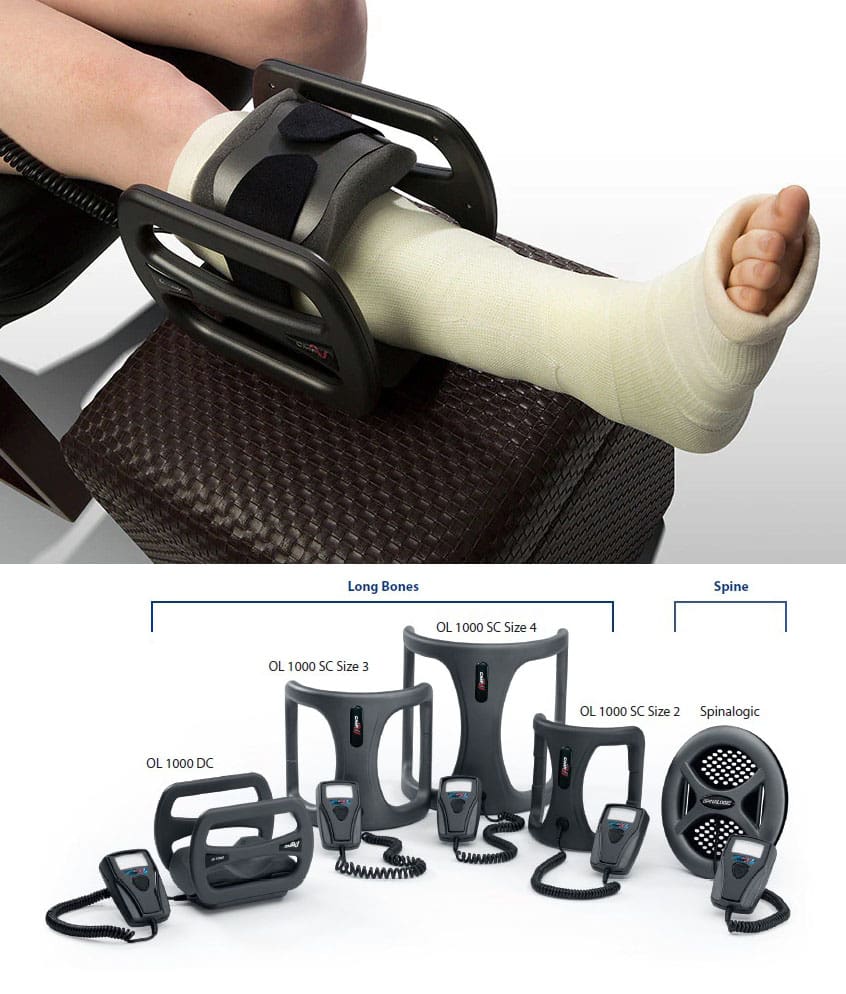
They come in various shapes, sizes, and technologies depending on the location of the fracture.
The most commonly used bone stimulators in orthopedics are electrical and ultrasound stimulators.
The stimulator emits a pulsed electromagnetic or ultrasonic impulse to the area where bone healing should occur.
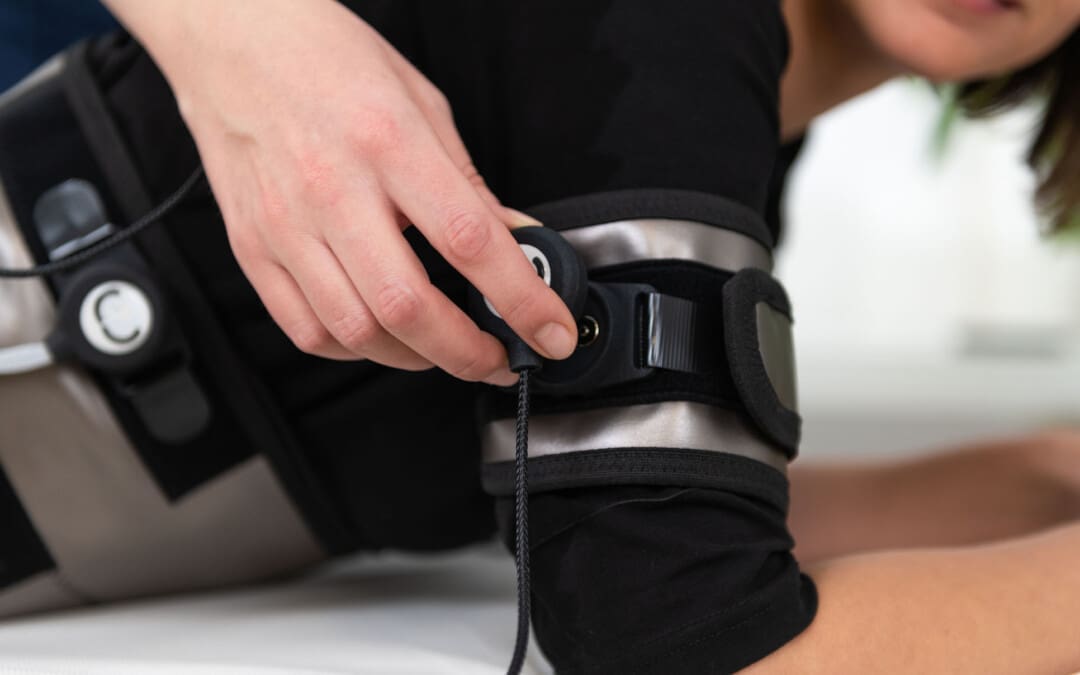
Most modern bone stimulators are attached near the fracture site or fused with a small battery pack and worn for a period each day that may last minutes or hours.
Electrical Stimulation
Devices deliver low-level electrical pulses to the fracture site, which can stimulate bone cells to create new bone tissue.
Ultrasound Stimulation
They emit low-intensity pulsed ultrasound waves, which are absorbed by the bone and can promote bone healing.
Implantable vs. External
Some stimulators are surgically implanted, providing constant stimulation directly at the fracture site, while others are external and worn over the skin or cast.
The goal is to activate a series of receptors in the body to encourage a healing response. (Childs, S. G. 2003) The stimulator activates a pathway that releases chemicals within the body to promote fracture healing. This type of process in the body is called a cascade, and it happens when one signal stimulates another method, and so on until healing is complete. The bone stimulator ensures this cascade continues until the healing process is complete.
Effectiveness
Studies of bone stimulator effectiveness suggest two benefits:
Less pain is associated with the bone healing process.
Faster fracture healing.
However, these studies haven’t shown that these differences lead to improved patient functional outcomes. It would seem that if there is less pain and faster healing, then the patient should recover without complications. However, some researchers have suggested this is probably because the differences in pain and healing times are small and not necessarily noticeable. (Aleem, I. S. et al., 2016)
While bone growth stimulators can be effective, the results can vary, and their effectiveness is still under investigation.
Some studies have shown that stimulators can reduce pain and speed up healing time, while others have shown mixed results.
It’s important to discuss the benefits and risks of bone growth stimulation with a doctor to determine if it’s the right treatment option.
When Stimulation is Necessary
Bone stimulators are currently not used for routine fracture healing. It is certainly possible that bone healing stimulators will be used routinely in the future. They seem to show some benefit in non-healing fractures or fractures that are likely troublesome to heal. Some reasons individuals may have problems healing fractures are injuries to the blood supply to and around the fracture, injuries to specific bones, and overuse-related fractures. (Victoria, G. et al., 2009) These injuries may include (FDA, 2022)
Nonunion Fractures
When a fracture doesn’t heal within the expected timeframe.
Open fractures
Stress fractures
Scaphoid bone fractures
Talus fractures
Failed Fusions
When a spinal fusion hasn’t been successful.
High-Risk Patients
For individuals with factors that can hinder bone healing, such as smoking, diabetes, or certain medications
Bone healing typically proceeds without much problem. However, there are situations where people have issues healing after fractures or surgery. Bone stimulators are not used for routine bone healing but in situations where steps may be needed to help stimulate the body. While the improvement may be small, it may be critical if it is the difference between healing and nonhealing.
Injury Medical Chiropractic and Functional Medicine Clinic
As a Family Practice Nurse Practitioner, Dr. Jimenez combines advanced medical expertise with chiropractic care to address various conditions. Our clinic integrates Functional Medicine, Acupuncture, Electro-Acupuncture, and Sports Medicine to create customized care plans that promote natural healing, mobility, and long-term wellness. By focusing on flexibility, agility, and strength, we empower patients to thrive, regardless of age or health challenges. At El Paso’s Chiropractic Rehabilitation Clinic & Integrated Medicine Center, we passionately focus on treating patients after injuries and chronic pain syndromes. We focus on improving your ability through flexibility, mobility, and agility programs tailored for all age groups and disabilities. We use in-person and virtual health coaching and comprehensive care plans to ensure every patient’s personalized care and wellness outcomes.
From Injury to Recovery with Chiropractic Care
References
U.S. Food & Drug Administration. (2022). AccelStim Bone Growth Stimulator – P210035. Retrieved from https://www.fda.gov/medical-devices/recently-approved-devices/accelstim-bone-growth-stimulator-p210035#:~:text=What%20is%20it?,the%20transducer%20to%20the%20fracture
Childs, S. G. (2003). Stimulators of bone healing. Biologic and biomechanical. Orthopedic nursing, 22(6), 421–428. https://doi.org/10.1097/00006416-200311000-00010
Aleem, I. S., Aleem, I., Evaniew, N., Busse, J. W., Yaszemski, M., Agarwal, A., Einhorn, T., & Bhandari, M. (2016). Efficacy of Electrical Stimulators for Bone Healing: A Meta-Analysis of Randomized Sham-Controlled Trials. Scientific Reports, 6, 31724. https://doi.org/10.1038/srep31724
Victoria, G., Petrisor, B., Drew, B., & Dick, D. (2009). Bone stimulation for fracture healing: What’s all the fuss?. Indian Journal of Orthopaedics, 43(2), 117–120. https://doi.org/10.4103/0019-5413.50844
Find useful information on perimenopause, including potential symptoms and expert tips to cope effectively.
Introduction
Regarding one’s health and well-being, many people often become aware of how their bodies are naturally changing. This may include both male and female hormonal changes as well as the normal skeletal deterioration that occurs inside the joints. Andropause is the period of time when male testosterone levels begin to diminish. Menopause is the natural aging process that begins for women when their levels of the hormones progesterone and estrogen start to decline. Nevertheless, women experience perimenopause prior to menopause taking place. This article will discuss the definition and symptoms of perimenopause, its effects on the musculoskeletal system, and strategies for managing these problems.
What Is Perimenopause?
Do you experience mental fogginess, where you can’t remember what you were doing? How often do your joints ache after doing a simple errand? Or how frequently does your bladder feel full that you constantly need to go to the bathroom? Many of these issues are associated with hormonal changes within the body. For women, perimenopause is a transformative menopausal stage that usually occurs in women in their 40s and early 50s, which is widely recognized for hormonal shifts and reproductive changes in the body.
Additionally, perimenopause usually starts when a woman is dealing with a persistent difference in their menstrual cycle length after 12 months. (Lega & Jacobson, 2024) This is due to the ovarian hormone production of estrogen and progesterone fluctuating unpredictably.
Common Symptoms Of Perimenopause
When it comes to perimenopause, it can affect women differently with its symptoms. Since hormones during perimenopause fluctuate unpredictably. This is because for women, ovarian hormones like estrogen play an important role in maintaining health and homeostasis by modulating the body’s nervous, endocrine, and immune function. (Priyanka & Nair, 2020) Some of the other symptoms that are included with perimenopause are:
Menstrual irregularities: Skipped, prolonged, or heavy periods
Additionally, since perimenopausal symptoms vary from woman to woman, perimenopause can also affect the musculoskeletal system in the body.
Assessing Hormone Therapy- Video
How Perimenopause Affects The Musculoskeletal System
The musculoskeletal system’s various muscles, tissues, andligaments allow the body to be mobile and flexible without pain. However, environmental factors like physical inactivity, poor dietary habits, andchronic issues affect the musculoskeletal system, leading to overlapping risk profiles affecting the body. For perimenopausal women, their musculoskeletal system is affected by fluctuating estrogen hormone levels. When it comes to perimenopause, the musculoskeletal system will begin to develop various issues that can affect the body over time. When a woman is going through perimenopause, their bone mineral density is reduced as well as their muscle mass due to the decline of estradiol. (Wright et al., 2024) This causes the musculoskeletal system to develop:
Increased joint stiffness (especially in the morning) and muscle pain
Osteopenia and osteoporosis
Sarcopenia (loss of muscle mass)
This is due to hormones being associated with inflammation. When a woman has low or fluctuating estrogen hormone levels, it can lead to developmental changes in their pain perception in their muscles. The hormone estrogen is responsible for inhibiting the actions of inflammatory mediators in osteoblasts and stromal cells to ensure that bone mass is reabsorbed into the skeletal system. When perimenopause naturally occurs in the body, estrogen levels decline, and the development of musculoskeletal issues starts to appear.
Managing Perimenopausal Symptoms
Now, when it comes to managing perimenopausal symptoms, many women can start researching non-surgical treatments and incorporating various techniques to help manage the symptoms and reduce any pain from musculoskeletal issues associated with perimenopause. Below are some therapeutic options for perimenopausal women to manage their symptoms and restore their musculoskeletal system.
Hormone Therapy
For many women, hormone replacement therapy remains the gold standard for treating moderate to severe vasomotor and musculoskeletal symptoms. Hormone therapy for perimenopausal women can help restore estrogen production to the body and accelerate skeletal growth. (Moustakli & Tsonis, 2023) Estrogen therapy can:
Reduce joint and muscle pain
Slow bone density loss
Improve overall well-being
Note: HRT is not suitable for everyone, particularly those with a history of breast cancer, thromboembolic disease, or certain cardiovascular conditions. Always conduct a thorough risk-benefit analysis.
Exercise & Nutrition
For perimenopausal women, proper nutrition and exercise can help manage the perimenopausal symptoms and maintain muscle tone. Incorporating nutritional foods with high protein, calcium, and vitamin D can help maintain skeletal muscle mass and regulate proper hormone functioning. (Erdélyi et al., 2023) Combined with exercises, itcan help strengthen weak muscles, improve bone density, and promote flexibility while retaining the joint’s range of motion. Exercises like tai chi are excellent for perimenopausal women as they combine meditation through slow and gentle movements that can lower fracture risk, improve muscle strength, and restore balance functionality. (Li et al., 2023)
Manual Therapies
Many women find relief with:
Acupuncture: Shown to help reduce chronic pain affecting the joints and provide anti-inflammatory effects to the musculoskeletal system. (Zhao et al., 2023)
Mind-body therapies: Meditation, cognitive-behavioral therapy (CBT) to address mood swings and insomnia
Chiropractic and physical therapy: Effective in managing musculoskeletal discomfort
Final Thoughts
For many women, the perimenopause is a normal time of life, and it significantly affects musculoskeletal health. Women may handle this shift with fortitude and resiliency if they remain proactive with lifestyle changes, medical treatments, and routine monitoring. In order to help women feel strong and supported throughout their perimenopausal journey, a customized treatment plan that honors their individual needs might be helpful.
Injury Medical & Functional Wellness Clinic
We associate with certified medical providers who understand the importance of assessing individuals dealing with musculoskeletal issues related to perimenopause. When asking important questions to our associated medical providers, we advise patients to incorporate numerous techniques to reduce pain-like symptoms related to the musculoskeletal system. Dr. Alex Jimenez, D.C., uses this information as an academic service. Disclaimer.
References
Erdélyi, A., Pálfi, E., Tűű, L., Nas, K., Szűcs, Z., Török, M., Jakab, A., & Várbíró, S. (2023). The Importance of Nutrition in Menopause and Perimenopause—A Review. Nutrients, 16(1), 27. https://doi.org/10.3390/nu16010027
Li, J., Guo, J., Wang, X., Zhang, X., Zhang, Y., Bu, M., Yao, X., & She, Y. (2023). Efficacy and safety of tai chi exercise on bone health: An umbrella review. Osteoporos Int, 34(11), 1853-1866. https://doi.org/10.1007/s00198-023-06830-7
Moustakli, E., & Tsonis, O. (2023). Exploring Hormone Therapy Effects on Reproduction and Health in Transgender Individuals. Medicina (Kaunas, Lithuania), 59(12). https://doi.org/10.3390/medicina59122094
Wright, V. J., Schwartzman, J. D., Itinoche, R., & Wittstein, J. (2024). The musculoskeletal syndrome of menopause. Climacteric, 27(5), 466-472. https://doi.org/10.1080/13697137.2024.2380363
Zhao, F.-Y., Zheng, Z., Fu, Q.-Q., Conduit, R., Xu, H., Wang, H.-R., Huang, Y.-L., Jiang, T., Zhang, W.-J., & Kennedy, G. A. (2023). Acupuncture for comorbid depression and insomnia in perimenopause: A feasibility patient-assessor-blinded, randomized, and sham-controlled clinical trial. Frontiers in Public Health, 11. https://doi.org/10.3389/fpubh.2023.1120567
What is the body’s center of gravity to understand and maintain a healthy posture and balance?
Center of Gravity
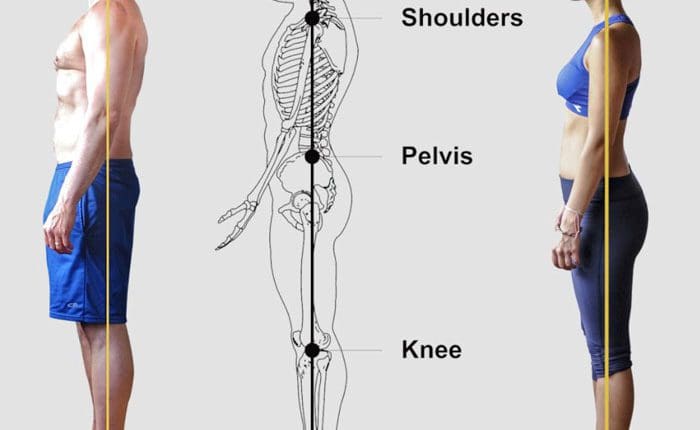
The human center of gravity, or COG, also known as the center of mass, with the two terms being interchangeable, is where the body’s weight appears to be concentrated. It’s a point in space where the entire body’s mass can be concentrated. When standing upright, the COG is generally located behind the navel and in front of the sacrum, around the level of the second vertebra. (Le Huec, J. 2011) The center of gravity is related to posture, including issues such as swayback, the design of posture exercise programs, and much more.
Gravity is a downward pull or force the Earth exerts on the body, creating weight. (NASA, 2013)
The center of gravity (COG) is where a body’s weight is equally balanced in all directions. (Physiopedia, 2025)
When the COG is defined, it is done from the reference of a static, standing position.
Because the body is in motion when we change positions, the COG is located in a new position with each new position.
The center of gravity is the point around which all the parts balance, which may be inside or outside the body.
Even slight changes in position can change where the COG is. (Physiopedia, 2025)
Key aspects of the COG
Location
When standing upright, the COG is typically found at the second vertebral level, behind the navel and in front of the sacrum. (Le Huec, J. 2011)
Shifting COG
The COG can shift depending on body position, posture, and movements like bending forward or backward. (Physiopedia, 2025)
Balance Impact
The relationship between the COG and the base of support (the area of the body in contact with the ground) is fundamental to maintaining balance.
Variations
There can be variations in the COG location based on factors like gender (men tend to have a slightly higher COG), body shape, and even conditions like obesity or chronic low back pain. (Physiopedia, 2025)
Biomechanics
Understanding the COG is crucial in biomechanics and movement analysis, as it’s an index of total body motion and how the body responds to external forces.
The Human Center
The center of gravity is the point at which the body’s mass is equally balanced. This point changes depending on one’s position:
Arms up/down
Leaning
Turning
With strength and flexibility training, the human body can change its center of gravity, as gymnasts and dancers do.
When standing, the center of gravity is normally located behind the navel and in front of the sacrum bone (made up of five vertebrae fused vertically) at about the second vertebra level. (Hasegawa K. et al., 2022)
Because the body has moving parts, its overall shape changes every time it moves. Carrying something like a suitcase or grocery bag or wearing a backpack adds weight to some areas but not others, changing the center of gravity as it does.
The center of gravity is a continually changing point inside or outside the body that represents where the weight or mass of the rest of the body is equally balanced in every direction.
This point can and does change based on what is being carried and how it is carried, as well as body position and movements.
Chronic Lower Back Pain
A study in the Journal of Back and Musculoskeletal Rehabilitation found that individuals with chronic lower back pain tend to have their center of gravity located excessively towards the back. (Kim D. H., Park J. K., & Jeong M. K. 2014)
In the study, the individuals had decreased low back strength upon extension and a reduced normal low back curve.
The researchers found that those with chronic lower back pain whose center of gravity was too far back may need physical therapy to retrain the body to overcome strength and balance challenges to re-establish and maintain a healthy posture.
Injury Medical Chiropractic and Functional Medicine Clinic
As a Family Practice Nurse Practitioner, Dr. Jimenez combines advanced medical expertise with chiropractic care to address various conditions. Our clinic integrates Functional Medicine, Acupuncture, Electro-Acupuncture, and Sports Medicine to create customized care plans that promote natural healing, mobility, and long-term wellness. By focusing on flexibility, agility, and strength, we empower patients to thrive, regardless of age or health challenges. At El Paso’s Chiropractic Rehabilitation Clinic & Integrated Medicine Center, we passionately focus on treating patients after injuries and chronic pain syndromes. We focus on improving your ability through flexibility, mobility, and agility programs tailored for all age groups and disabilities. We use in-person and virtual health coaching and comprehensive care plans to ensure every patient’s personalized care and wellness outcomes.
Enhance Your Lifestyle Today with Chiropractic Care
References
Le Huec, J. C., Saddiki, R., Franke, J., Rigal, J., & Aunoble, S. (2011). Equilibrium of the human body and the gravity line: the basics. European spine journal: official publication of the European Spine Society, the European Spinal Deformity Society, and the European Section of the Cervical Spine Research Society, 20 Suppl 5(Suppl 5), 558–563. https://doi.org/10.1007/s00586-011-1939-7
NASA. Jet Propulsion Laboratory, California Institute of Technology. (2013). What is gravity? Retrieved from https://gracefo.jpl.nasa.gov/news/5/what-is-gravity/
Physiopedia. (2025). Centre of gravity. https://www.physio-pedia.com/Centre_of_Gravity
Hasegawa, K., Amabile, C., Nesme, M., & Dubousset, J. (2022). Gravity center estimation for evaluation of standing whole body compensation using virtual barycentremetry based on biplanar slot-scanning stereoradiography – validation by simultaneous force plate measurement. BMC musculoskeletal disorders, 23(1), 22. https://doi.org/10.1186/s12891-021-04948-5
Kim, D. H., Park, J. K., & Jeong, M. K. (2014). Influences of posterior-located center of gravity on lumbar extension strength, balance, and lumbar lordosis in chronic low back pain. Journal of Back and Musculoskeletal Rehabilitation, 27(2), 231–237. https://doi.org/10.3233/BMR-130442
Find out why cauliflower is a must-have in your kitchen. From recipes to health benefits, learn all about cauliflower.
Introduction
Throughout their path toward health and wellbeing, many people throughout the globe want to include nutrient-dense meals for energy. Eating a lot of fruits and vegetables is one of the greatest methods for many individuals to do this. In addition to having many vitamins and minerals that the body needs, many fruits and vegetables may help lessen the overlapping pain-like sensations that lead to the development of chronic problems. Problems with the intestines, muscles, and essential organs start to play a part when environmental influences start to become a part of a person’s daily routine, which results in pain-like sensations. In order to facilitate the transition to a healthy lifestyle, many people look for non-surgical therapies that include a personalized treatment plan and nutritional component. One of them is consuming cauliflower, a vegetable. The nutritional benefits of cauliflower, its definition, how it supports the body, and simple dishes to include in a tasty, nutritious diet are all covered in today’s post.
What Is Cauliflower?
Known for being a humble vegetable with its pale appearance, the cauliflower is a powerhouse full of nutrients. It can become the most versatile vegetable to be added to any diet. As part of the Brassicaceae family, cauliflower falls in line with cruciferous vegetables like broccoli, Brussels sprouts, kale, and cabbage that contribute a significant amount of dietary intake to human health due to being low in calories while providing a diverse range of macronutrients. (Zhang et al., 2025) Additionally, cauliflower can come in various colors and be filled with multiple nutrients that benefit the body, including white, green, purple, and orange.
Nutritional Value of Cauliflower
Whether people want to improve their health, lose weight, or add more plant-based variety to their meals, cauliflower deserves a prominent place on their plate. One cup of chopped cauliflower, which is about 107 grams, includes:
Calories: 27
Total Carbohydrates: 5 g
Dietary Fiber: 2.1g
Sugar: 2 g
Protein: 2.1 g
Total Fat: 0.3 g
Saturated Fat: 0.1g
Trans Fat Regulation: 0g
Cholesterol: 0g
Sodium: 32mg
Potassium: 320mg
Vitamin C: 85% of the Daily Value (DV)
Iron: 2% of DV
Vitamin B6: 10% of DV
Magnesium: 4% of DV
Calcium: 2% of DV
Additionally, cauliflower is rich in phytonutrients, particularly glucosinolates and sulforaphane, which have neuroprotective and anticancer agents that can reduce neuroinflammation in the body. (Otoo & Allen, 2023)
Eating Right To Feel Better- Video
How Cauliflower Helps The Body
When it comes to the body, cauliflower can provide various nutrients that the body needs to provide energy and help with normal functioning. Incorporating cauliflower into a healthy diet can help reduce overlapping risk profiles like obesity and hypertension, which can cause individuals to experience pain and discomfort. (Madsen et al., 2023)
Supports Immune Function & Digestive Health
Cauliflower has a high vitamin C content that can help boost the immune defense response by being an antioxidant to protect against cell damage within the body. Since cauliflower is a cruciferous vegetable, it has many phytochemicals, including vitamins, carotenoids, fibers, and other nutrient compounds, to protect the body against reactive oxygen species (ROS) damage. (Ahmed & Ali, 2013) Additionally, with its nutrient components, cauliflower can help support gut health by aiding regular bowel movements. As a cruciferous vegetable, it feeds the beneficial gut bacteria to promote a healthy microbiome balance. This is due to cauliflower containing glucosinolates (GLS), a chemical compound in plants in the Brassicaceae family. GLS, when served in various dishes, contains anti-obesity effects and pro-healthy compounds to benefit the body’s gut system. (Sikorska-Zimny & Beneduce, 2021)
Reduces Inflammation & Oxidative Stress
When inflammation and oxidative stress occur in the body, many people don’t often realize that many environmental factors play a part in their development. While inflammation is the body’s natural response, chronic inflammation can correlate with oxidative stress, causing the body to develop musculoskeletal and gut issues. When oxidative stress is associated with chronic inflammation, it can impact the body’s central nervous system, causing the neuron signals to affect the gut system by increasing bad bacteria in the gastrointestinal system. (Shandilya et al., 2022) Consuming cauliflower in various dishes can help reduce the oxidative damage and inflammation correlated with chronic body issues.
Simple & Delicious Cauliflower Recipes
Since cauliflower has a mild flavor and versatile texture, it can be easily incorporated into numerous dishes that are not only delicious but also nutritious. Below are a few simple and easy recipes that many people can try:
Cauliflower Rice
Cauliflower rice is a low-carb, grain-free substitute for rice
How to make:
Start by grating raw cauliflower with a grater or pulse it in the food processor until it resembles rice grains.
Then, for 5 minutes, add olive oil, garlic, salt, and pepper to the cauliflower grains and sauté in a pan.
You can use various sauces and herbs to enhance the cauliflower rice for extra flavor.
Cauliflower Pizza Crust
Individuals with gluten allergies or sensitivity can make this pizza crust with cauliflower.
How to make:
Start by steaming and mashing a head of cauliflower, transferring it to cheesecloth, and squeezing out the excess water.
Then, add one egg, shredded mozzarella, seasoning, and cauliflower to a mixing bowl and mix. This should resemble dough.
Take the cauliflower dough and shape it into a crust.
Bake at 400°F (200°C) for at least 15 minutes, then remove it from the oven.
Then add your favorite toppings on the cauliflower pizza crust, and bake again.
Cauliflower Buffalo Bites
As a healthier alternative to chicken wings, they can be perfect for your next party.
How to make:
Toss cauliflower florets in flour and spices, and bake at 425°F (220°C) for 20 minutes.
Toss in buffalo sauce and bake for another 10 minutes. Serve with celery and light ranch.
Final Thoughts
More than just a simple white vegetable, cauliflower is a superfood full of nutrients and antioxidants that can be used in a variety of recipes and diets. A nutritious diet that includes cauliflower may provide the body with the vital vitamins, antioxidants, and nutrients it needs to function at its best. This cruciferous vegetable gives the body the energy it needs and may be a great way to add veggies to a nutritious meal.
Injury Medical & Functional Medicine Clinic
We associate with certified medical providers who understand the importance of assessing individuals and incorporating cauliflower into their dietary needs. When asking important questions to our associated medical providers, we advise patients to incorporate numerous vegetables like cauliflower into their foods to provide energy and nutrients to their bodies in their customized treatment plan. Dr. Alex Jimenez, D.C., uses this information as an academic service. Disclaimer.
References
Ahmed, F. A., & Ali, R. F. M. (2013). Bioactive Compounds and Antioxidant Activity of Fresh and Processed White Cauliflower. BioMed Research International, 2013, 1-9. https://doi.org/10.1155/2013/367819
Madsen, H., Sen, A., & Aune, D. (2023). Fruit and vegetable consumption and the risk of hypertension: a systematic review and meta-analysis of prospective studies. Eur J Nutr, 62(5), 1941-1955. https://doi.org/10.1007/s00394-023-03145-5
Otoo, R. A., & Allen, A. R. (2023). Sulforaphane’s Multifaceted Potential: From Neuroprotection to Anticancer Action. Molecules, 28(19), 6902. https://doi.org/10.3390/molecules28196902
Shandilya, S., Kumar, S., Kumar Jha, N., Kumar Kesari, K., & Ruokolainen, J. (2022). Interplay of gut microbiota and oxidative stress: Perspective on neurodegeneration and neuroprotection. J Adv Res, 38, 223-244. https://doi.org/10.1016/j.jare.2021.09.005
Sikorska-Zimny, K., & Beneduce, L. (2021). The Metabolism of Glucosinolates by Gut Microbiota. Nutrients, 13(8), 2750. https://doi.org/10.3390/nu13082750
IFM's Find A Practitioner tool is the largest referral network in Functional Medicine, created to help patients locate Functional Medicine practitioners anywhere in the world. IFM Certified Practitioners are listed first in the search results, given their extensive education in Functional Medicine