
by Dr Alex Jimenez DC, APRN, FNP-BC, CFMP, IFMCP | Fasting, Functional Medicine, Health, Weight Loss, Wellness
Do you feel:
- Hungry in an hour or two after eating?
- Unexplained weight gain?
- Hormonal imbalances?
- An overall sense of bloating?
- A sense of fullness during and after meals?
If you are experiencing any of these situations, then try considering intermittent fasting.
Since becoming popular in recent years, intermittent fasting is a dietary approach that lots of individuals have been using in their healthy lifestyle. During the time of the hunter-gatherer society, people have used this method for centuries as a way of survival. Studies have been shown that people used it for medicinal purposes throughout history as a medicinal remedy. Ancient Rome, Greek and Chinese civilizations used intermittent fasting in their daily lives. Fasting has even been used for spiritual reasons in certain religions, like Buddhism, Islam, and Christianity as individuals use it as a way to reflect on themselves and be closer to their deities.
What is Fasting?

Fasting is where a person does not consume food or beverages at least for twelve hours during the day. When a person starts fasting, they will notice that their metabolism and their hormones will change in their bodies. There is upcoming research that intermittent fasting can promote amazing health benefits to the body. The health benefits that intermittent fasting provides are weight loss, protective effects in the brain, decreased inflammation and improving blood glucose and insulin levels in the body.
The Different Methods
There are other methods of fasting that involves fasting from food for several days or weeks. With these different methods, they involve a shorter period that is between 16 to 24 hours. Several types of intermittent fasting are determined by the feeding window duration (when to eat the food) and the fasting window (when to avoid the food). Here are some of the other methods of fasting, which includes:
- Time-restricted feeding (TRF): This type of fasting has a feeding window period from 4 to 12 hours. For the remainder of the day, water is the only thing that is allowed to be consumed. The common variation to eat this type of fasting is 16/8. This means that a person has to fast at least 16 hours every day.
- Early time-restricted feeding (eTRF): This is a different variety of time-restricted fasting that is from 8 a.m. to 2 p.m. After the 6 hours are up, the rest of the day is made up of this fasting period.
- Alternate day fasting (ADF): This type of fasting involves a person eating one day and the next day they completely fast. They alternate between eating and fasting each day to get the benefits.
- Period fasting (cycling fasting): This type of fasting involves one or two days fasting per week and for the fifth or sixth days of eating as much as a person desire. The variety of period fasting can be a 5:2 or a 6:1.
- Modified fasting: This type of fasting has some methods of intermittent fasting that are similar to alternate-day fasting, but this fasting can be modified for anyone. A person can consume very-low-calorie substances during the fasting window period.
How Does It Work?
Intermittent fasting is the result of changes in the body as the hormone patterns and energy metabolism are being affected. Once a person finishes consuming food, the contents are being broken down and transforming into nutrients, so it can be absorbed into the digestive tract. What happens is that the carbohydrates are broken down and turn into glucose and absorb into the bloodstream, distributing it into the body’s tissue as the essential source of energy. The insulin hormone then helps regulate the blood glucose levels by signaling cells to take the sugars from the blood and turning into fuel for the body to function properly.
With intermittent fasting, a person is done with a meal and their glucose levels are depleted from the body. For the energy to meet its requirements the body has to break down the glycogen that is found in the liver and skeletal muscles causing gluconeogenesis. Gluconeogenesis is when the liver produces glucose sugars from non-carbohydrate sources in the body. Then once the insulin levels are low after 18 hours of fasting, a process called lipolysis begins. What lipolysis does is that the body begins to break down the fat components into free fatty acids. When there is a low quantity of glucose for the body to consume for energy, the body itself with start using fatty acids and ketones for energy. Ketosis is a metabolic state where liver cells start to help fatty acids breakdown and converting them into ketone acetoacetate and beta-hydro butyrate.
The muscle cells and neuron cells use these ketones to generate ATP (adenosine triphosphate) which is the main carrier for energy. Research has stated that the usage and availability of fatty acids combined with ketones as an energy replacement for glucose are beneficial for vital body tissues. This includes the heart, the liver, the pancreas, and the brain.
The four metabolic states are induced by fasting are referred to as the fast-fed cycle, and they are:
- The fed state
- The post-absorptive state
- The fasting state
- The starvation state
The physiological effect of intermittent fasting can also be achieved by following a ketogenic diet, which is very high fat and low carbohydrate diet. This diet’s purpose is to shift the body’s metabolic state into ketosis.
The Benefits of Fasting
There are tons of research that have demonstrated how intermittent fasting has a wide variety of health benefits, including:
- Weight loss
- Type 2 diabetes prevention and management
- Improved cardiometabolic risk factors
- Cellular cleansing
- Decreased inflammation
- Neuroprotection
Studies have been shown that several proposed mechanisms are responsible for these health effects of intermittent fasting and have proven to be beneficial to a person’s lifestyle.
Conclusion
Intermittent fasting has been practiced for centuries and has gain popularity in recent years. It involves abstaining from consuming foods for at least 12 consecutive hours by turning the fat cells into energy for the body to function. The health benefits that intermittent fasting provides is beneficial for an individual who is trying to maintain a healthy lifestyle. Some products help provide support to the gastrointestinal system as well as making sure that sugar metabolism is at a healthy level for the body to function.
The scope of our information is limited to chiropractic, musculoskeletal, and nervous health issues or functional medicine articles, topics, and discussions. We use functional health protocols to treat injuries or disorders of the musculoskeletal system. Our office has made a reasonable attempt to provide supportive citations and has identified the relevant research study or studies supporting our posts. We also make copies of supporting research studies available to the board and or the public upon request. To further discuss the subject matter above, please feel free to ask Dr. Alex Jimenez or contact us at 915-850-0900.
References:
Dhillon, Kiranjit K. �Biochemistry, Ketogenesis.� StatPearls [Internet]., U.S. National Library of Medicine, 21 Apr. 2019, www.ncbi.nlm.nih.gov/books/NBK493179/#article-36345.
Hue, Louis, and Heinrich Taegtmeyer. �The Randle Cycle Revisited: a New Head for an Old Hat.� American Journal of Physiology. Endocrinology and Metabolism, American Physiological Society, Sept. 2009, www.ncbi.nlm.nih.gov/pmc/articles/PMC2739696/.
Stockman, Mary-Catherine, et al. �Intermittent Fasting: Is the Wait Worth the Weight?� Current Obesity Reports, U.S. National Library of Medicine, June 2018, www.ncbi.nlm.nih.gov/pmc/articles/PMC5959807/.
Zubrzycki, A, et al. �The Role of Low-Calorie Diets and Intermittent Fasting in the Treatment of Obesity and Type-2 Diabetes.� Journal of Physiology and Pharmacology: an Official Journal of the Polish Physiological Society, U.S. National Library of Medicine, Oct. 2018, www.ncbi.nlm.nih.gov/pubmed/30683819.

by Dr Alex Jimenez DC, APRN, FNP-BC, CFMP, IFMCP | Functional Medicine, Health, Mind Body and Spirit, Nutrition, Wellness
Do you feel:
- Crave sweets during the day
- Eating sweets does not relieve the sugar craving
- Waist girth is equal or larger than hip girth
- Difficulty losing weight
- Feel shaky, jittery or have tremors
If you are experiencing any of these situations, then try eating flavonoid filled foods to regulate your metabolic health.
Flavonoids
Going to the grocery store is an excellent way to restock on certain food items and getting food that is filled with flavonoids. Nearly all fruits and vegetables are filled with this chemical component and are proven to be beneficial to the body. Flavonoids are a class of plant-derived polyphenolic compounds that represents a larger class of phytochemicals and phytonutrients. They are responsible for protecting plants from threats like insects and animals, while also having many beneficial health effects on metabolic disorders in humans.
With their chemical structure, they are group into six primary subclasses: anthocyanins, flavanols, flavan-3-ols, flavanones, flavones, and isoflavones. They concentrated more on the skins and seeds of plants, and when they are consumed into the body, they have antioxidant and anti-inflammatory properties.
Heart Disease and Cancer
Flavonoid-rich foods have been linked to many health benefits and have been known to protect the body against heart disease and cancer. A recent study stated that individuals who consume a moderate to the high amount of flavonoid-rich foods have the lowest risk of developing cardiovascular diseases and cancer mortality. Individuals who are heavy alcohol users and cigarette smokers have a higher risk of developing these chronic illnesses.
Flavonoid Beneficial Effects on Metabolic Health
Studies provided evidence that flavonoids from citrus fruits possess serval biological activities and have emerged as efficient therapeutics for the treatment of CVD (cardiovascular disease). Citrus flavonoids can scavenge free radicals, improve glucose tolerance and insulin sensitivity, modulate lipid metabolism, and adipocyte differentiation, suppress inflammation and apoptosis, and improve endothelial dysfunction.
A journal review demonstrated how natural-occurring flavonoids could prevent diabetes and its many complications. Flavonoids can target specific molecules that are involved in regulating pathways that support beta-cell proliferation, insulin signaling and secretion, reducing apoptosis, regulating glucose metabolism in the liver, improving carbohydrate digestion, glucose uptake, and deposition in the body. In human nutrition, quercetin (the most abundant dietary flavonoid) was shown to stimulate GLUT4 translocation to the molecular signaling that sets the motion during muscle contractions in the body.
Another study summarized that the role of flavonoid in metabolic diseases was able to elevate the energy system by activating the sympathetic nervous system, increasing epinephrine and thyroid hormone release, stimulating thermogenesis, and induce browning of� WAT (white adipose tissue). Browning WAT and up-regulating BAT (brown adipose tissue) can help increase the energy expenditure and improves lipids and glucose metabolism. When this happens, flavonoids stimulate the AMPK-PGC-1?, Sirt1, and PPAR? signaling pathways. These critical pathways are involved in preventing obesity and metabolic derangement due to their role in energy metabolism in the body.
Flavonoids Prevent Neuroinflammation
Blueberries are an excellent source of flavonoids that may help brain function in older adults. They have protective effects against the development of neurocognitive disorders like Alzheimer’s and other dementia diseases. Studies have shown that anthocyanins have the responsibility for improving cognitive function and working memories on the individual�s brain.
Studies have been shown that flavonoids target astrocytes, and these are star-shaped glial cells of the CNS (central nervous system). When they are healthy, they are crucial for functional control of the CNS since they are the primary cells that are responsible for neurotropic growth, synaptic plasticity, neurogenesis, cell migration, and differentiation. When glial cells are overactivated and dysfunctional, they are associated with the pathogenesis of brain diseases and cancers, hence why flavonoid therapy is a safe treatment of brain pathologies.
Sources of Flavonoids
Flavonoids are easily attainable through eating plant-based foods and beverages. Fruits, vegetables, tea, dark chocolate, and red wine are great examples because they are filled with not only flavonoids, but they also contain anti-inflammatory and antioxidants properties. The phrase “eat the rainbow” takes a whole new meaning for anyone who is trying to eat healthier. Colorful foods with deep reds, purples, oranges, yellows, greens, blues, and black hues are filled with flavonoids. Health professionals often recommend that it is best to avoid white foods that lack nutrients like refined bread, pasta, and sugars. However, white/tan-colored foods like garlic, cauliflower, mushrooms, ginger, onions, and parsnips offer oxidant-fighting properties that are perfect for getting rid of free radicals in the body.
Conclusion
Flavonoids are a class of plant-derived polyphenolic compounds that is in a variety of fruits and vegetables that are easily attainable for anyone to eat. When it is consumed into the body, it has many beneficial health effects on the body. They contained anti-inflammatory and antioxidants that the body needs to fight off free radicals that may have entered the body through environmental factors. Some products can be paired with flavonoid foods that can offer metabolic support as well as supporting the body’s sugar metabolism. So go out and eat the flavonoid food rainbow.
October is Chiropractic Health Month. To learn more about it, check out Governor Abbott�s proclamation on our website to get full details on this historic moment.
The scope of our information is limited to chiropractic, musculoskeletal and nervous health issues as well as functional medicine articles, topics, and discussions. We use functional health protocols to treat injuries or chronic disorders of the musculoskeletal system. To further discuss the subject matter above, please feel free to ask Dr. Alex Jimenez or contact us at 915-850-0900 .
References:
Aron, Patricia M, and James A Kennedy. “Flavan-3-Ols: Nature, Occurrence, and Biological Activity.” Molecular Nutrition & Food Research, U.S. National Library of Medicine, Jan. 2008, www.ncbi.nlm.nih.gov/pubmed/18081206.
Barreca, Davide, et al. �Flavanones: Citrus Phytochemical with Health-Promoting Properties.� BioFactors (Oxford, England), U.S. National Library of Medicine, 8 July 2017, www.ncbi.nlm.nih.gov/pubmed/28497905.
Bondonno, Nicola P, et al. �Flavonoid Intake Is Associated with Lower Mortality in the Danish Diet Cancer and Health Cohort.� Nature Communications, Nature Publishing Group UK, 13 Aug. 2019, www.ncbi.nlm.nih.gov/pmc/articles/PMC6692395/.
Cannon, Barbara, and Jan Nedergaard. �Brown Adipose Tissue: Function and Physiological Significance.� Physiological Reviews, U.S. National Library of Medicine, Jan. 2004, www.ncbi.nlm.nih.gov/pubmed/14715917.
Erdman, John W, et al. �Effects of Cocoa Flavanols on Risk Factors for Cardiovascular Disease.� Asia Pacific Journal of Clinical Nutrition, U.S. National Library of Medicine, 2008, www.ncbi.nlm.nih.gov/pubmed/18296357.
Lila, Mary Ann. �Anthocyanins and Human Health: An In Vitro Investigative Approach.� Journal of Biomedicine & Biotechnology, Hindawi Publishing Corporation, 2004, www.ncbi.nlm.nih.gov/pmc/articles/PMC1082894/.
Mahmoud, Ayman M, et al. �Beneficial Effects of Citrus Flavonoids on Cardiovascular and Metabolic Health.� Oxidative Medicine and Cellular Longevity, Hindawi, 10 Mar. 2019, www.ncbi.nlm.nih.gov/pmc/articles/PMC6431442/.
Matias, Isadora, et al. �Functions of Flavonoids in the Central Nervous System: Astrocytes as Targets for Natural Compounds.� Neurochemistry International, Pergamon, 2 Feb. 2016, www.sciencedirect.com/science/article/pii/S0197018616300092?via%3Dihub.
Panche, A N, et al. �Flavonoids: an Overview.� Journal of Nutritional Science, Cambridge University Press, 29 Dec. 2016, www.ncbi.nlm.nih.gov/pmc/articles/PMC5465813/.
Richter, Erik A, and Mark Hargreaves. �Exercise, GLUT4, and Skeletal Muscle Glucose Uptake.� Physiological Reviews, U.S. National Library of Medicine, July 2013, www.ncbi.nlm.nih.gov/pubmed/23899560.
Team, DFH. �Stock Your Fridge with Flavonoids.� Designs for Health, 1 Oct. 2019, blog.designsforhealth.com/node/1116.
Trayhurn, P, and J H Beattie. �Physiological Role of Adipose Tissue: White Adipose Tissue as an Endocrine and Secretory Organ.� The Proceedings of the Nutrition Society, U.S. National Library of Medicine, Aug. 2001, www.ncbi.nlm.nih.gov/pubmed/11681807.
Yu, Jie, et al. �Isoflavones: Anti-Inflammatory Benefit and Possible Caveats.� Nutrients, MDPI, 10 June 2016, www.ncbi.nlm.nih.gov/pmc/articles/PMC4924202/.
by Dr Alex Jimenez DC, APRN, FNP-BC, CFMP, IFMCP | Functional Medicine, Gastro Intestinal Health, Gut and Intestinal Health, Health, Wellness
Do you feel the following:
- Feeling those bowels do not empty completely
- Lower abdominal pain relieved by passing stool or gas
- Alternating constipation and diarrhea
- A hard, dry, or small stool
- Use laxatives frequently
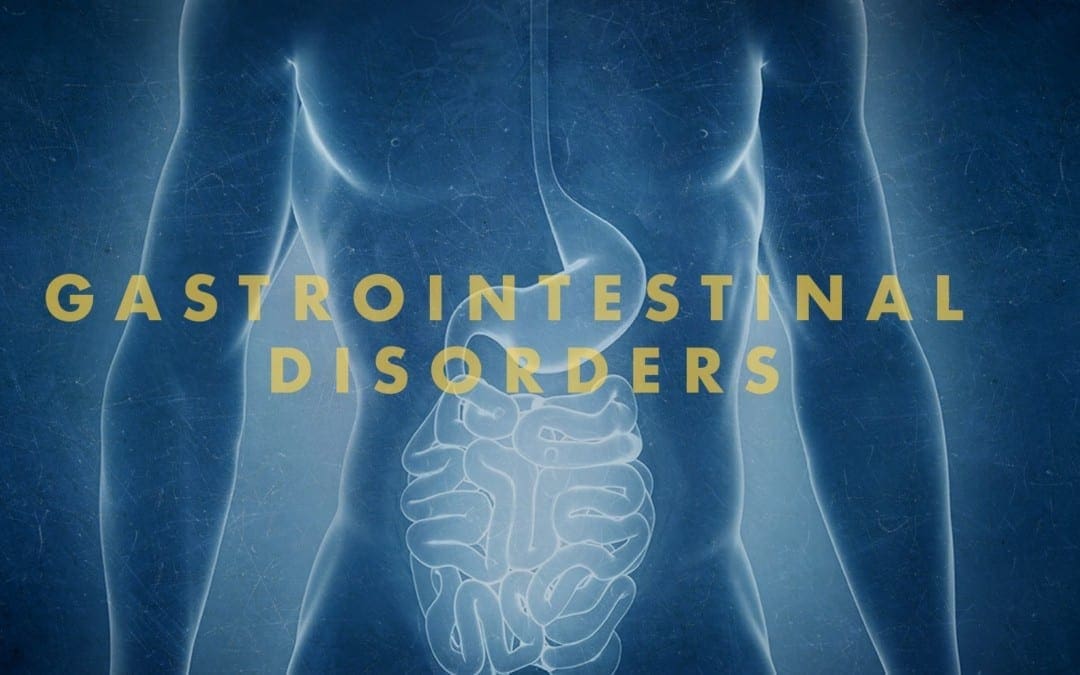
If you are experiencing any of these situations, then you must be experiencing gastrointestinal impairments in your body.
Gastrointestinal Impairments
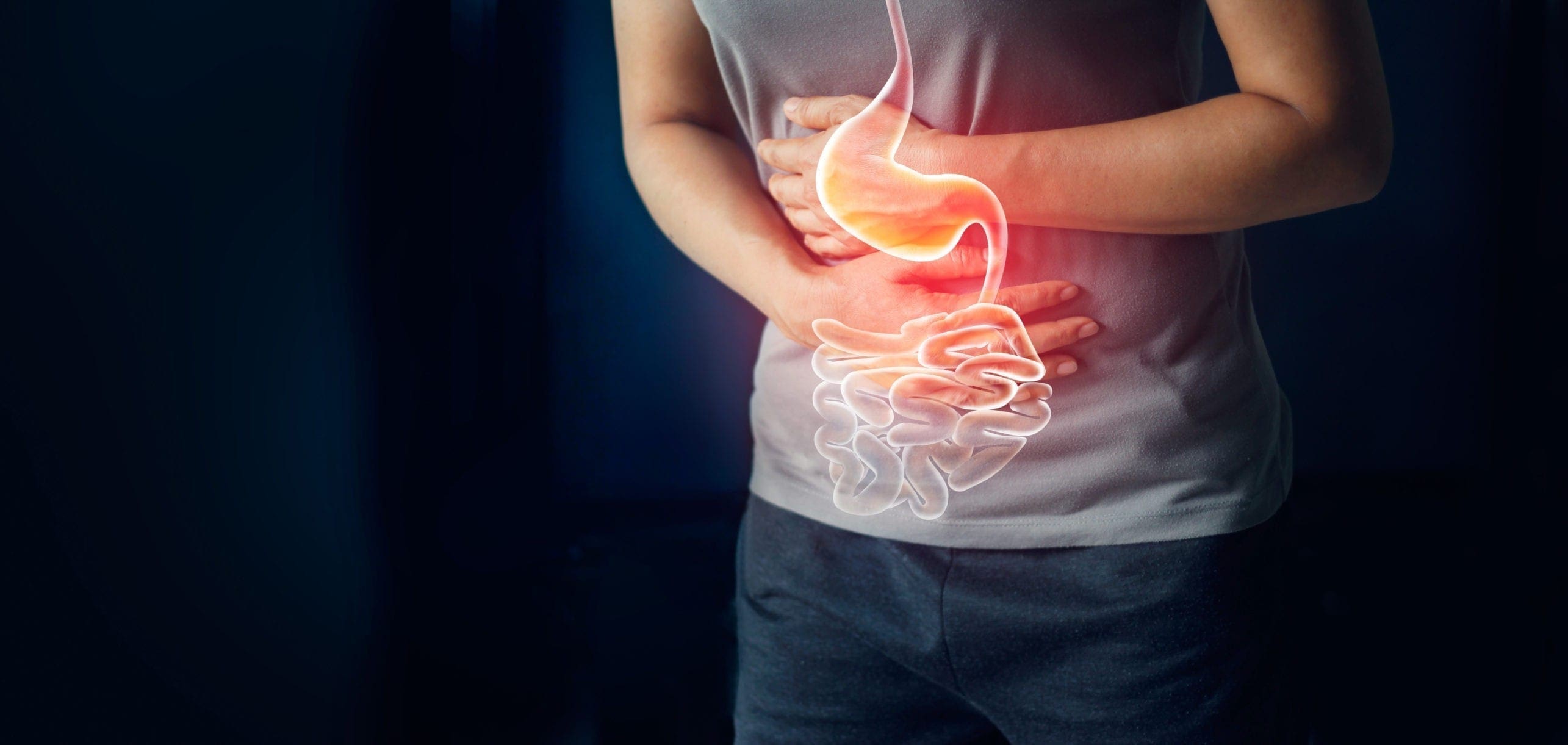
The digestive system is consisting of the gastrointestinal tract, which is home to the intestines, the liver, the colon, the gallbladder, the pancreas, and the stomach. When there is a disruption in the gastrointestinal tract, it can cause inflammation and chronic illnesses that can harm the body. Functional disorders in the digestive tract (GI tract) can look normal in the body, but it doesn’t work correctly.
Many factors can upset the GI tract and its motility, including:
- Eating a diet low in fiber
- Not getting enough exercise
- Traveling or changes in a routine
- Eating large amounts of dairy blankets
- Stress
- Resisting the urge to have a bowel movement
- Overusing laxatives
- Taking certain medicines
Some of the most common problems that can affect the GI tract are constipation, IBS, and colon cancer.
Irritable Bowel Syndrome
IBS (irritable bowel syndrome) is a long term gastrointestinal disorder. It can cause abdominal pain, bloating, mucus in the stool, irregular bowel habits, and can alternate diarrhea and constipation. IBS can cause persistent discomfort to individuals, but they can improve the symptoms over time as they learn to manage the condition.
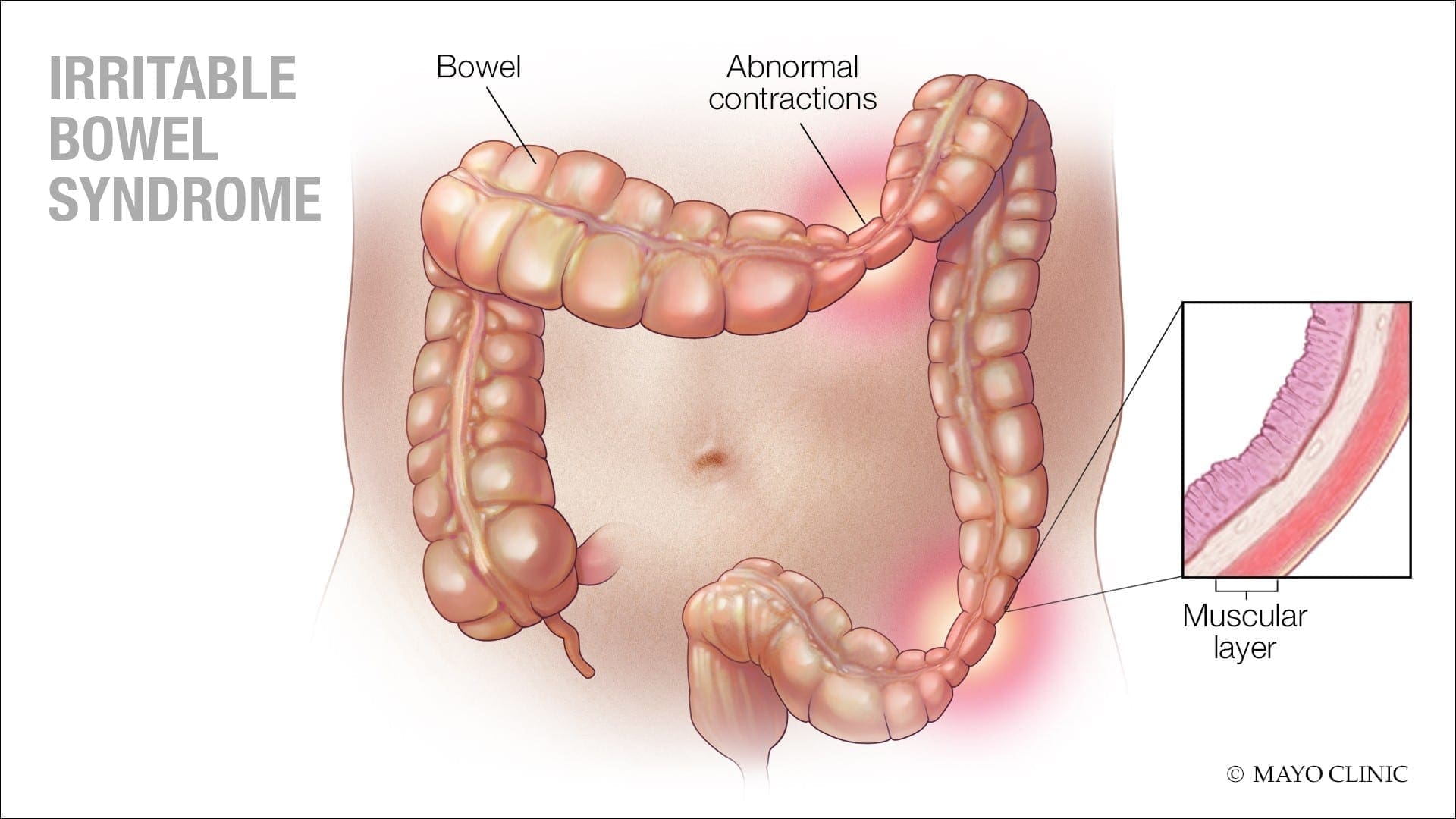
Some of the symptoms caused by IBS are:
- Changes in bowel habits
- Abdominal pain and cramping that lessens after using the bathroom
- A feeling that the bowels not fully emptied after using the bathroom
- Excess gas
- The passing of mucus from the rectum
- The sudden urgent need to use the bathroom
- Swelling or bloating from the abdomen.
Signs and symptoms of IBS can vary between individuals and can often resemble other diseases and conditions. IBS symptoms can often get worst after earing, and a flare-up may last about 2 to 4 days, then the symptoms may either improve or go away entirely, but IBS symptoms can affect different body parts.
These can include:
- Frequent urination
- Bad breath
- Headaches
- Joint or muscle pain
- Persistent fatigue
- Anxiety
- Depression
Constipation
Constipation is one of the most common digestive problems that affects around 2.5 million individuals. It is a syndrome that is defined by bowel symptoms (painful or infrequent passage of stool, the hardness of stool, or a feeling of incomplete evacuation) that may occur either in isolation or secondary to another underlying disease like for example, Parkinson’s disease.

The cause of constipation is through the colon. The colon’s main job is to absorb water from leftover food as it passes through the digestive system and creates waste. When the waste is ready to be excreted out, the colon’s muscles propel the waste out through the rectum to eliminate from the body. If the debris remains in the colon for too long, though, it can be tough and challenging to excrete it out of the body.
Some factors can cause constipation; this can include:
- Stress
- Low-fiber diet
- Lack of exercise
- Certain medications
- Particular diseases like a stroke, Parkinson’s disease, and diabetes
- Problems with the colon or rectum
- Hormonal issues
Everyone’s definition of a regular bowel movement may be different. Some people can go about three times a day, while others can go to relieve themselves about three times a week. Some of the symptoms of constipation included are:
- Fewer than three bowel movements a week
- Passing hard, dry stools
- Straining or pain during bowel movements
- Still feeling full after a bowel movement
- Experiencing a rectal blockage
Colon Cancer
Colon cancer is the third most common type of cancer. When tumorous growths develop in the large intestine or the colon, it develops colon cancer in the GI tract. The colon, the one organ where the body draws out water and salt from solid wastes. The waste then moves through the rectum and excretes out of the body through the anus.
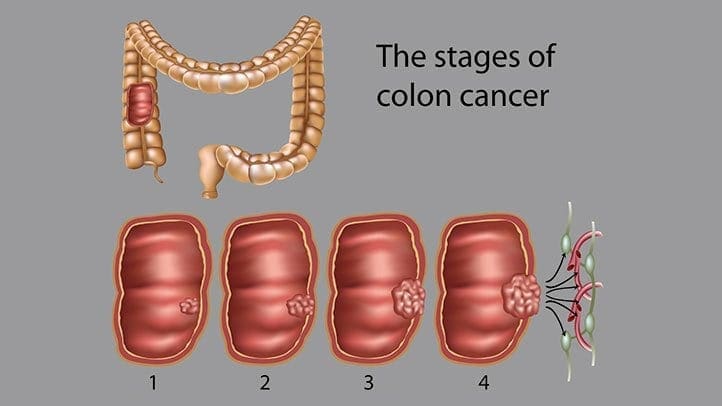
Even though colon cancer doesn’t cause any symptoms in the earliest stages, but it can become more noticeable as the disease progresses. Some of the sign and symptoms of colon cancer include:
- Diarrhea or constipation
- Changes in stool consistency
- Loose, narrow stools
- Blood in the stool
- Abdominal pain
- Weakness and fatigue
- Iron deficiency
If colon cancer spreads to a new location the gastrointestinal system, it can cause additional problems in the new area.
Conclusion
Having gastrointestinal impairments can cause the body to develop chronic illnesses. There are ways to make sure that the digestive tract is functioning correctly. An individual can change their diets and lifestyle and can make sure that their gut is working properly. When there is a disruption in the GI tract like IBS, constipation, and colon cancer, it can lead to many health problems if the individual is not careful. If an individual prolongs the symptoms, then they will develop life-long issues for their body. Some products help support the intestinal tract and help strengthens the natural defenses and support the intestinal immune function.
October is Chiropractic Health Month. To learn more about it, check out Governor Abbott�s declaration on our website to get full details on this historic moment.
The scope of our information is limited to chiropractic, musculoskeletal and nervous health issues as well as functional medicine articles, topics, and discussions. We use functional health protocols to treat injuries or chronic disorders of the musculoskeletal system. To further discuss the subject matter above, please feel free to ask Dr. Alex Jimenez or contact us at 915-850-0900 .
References:
Bharucha, Adil E, et al. �American Gastroenterological Association Technical Review on Constipation.� Gastroenterology, U.S. National Library of Medicine, Jan. 2013, www.ncbi.nlm.nih.gov/pmc/articles/PMC3531555/.
Brazier, Yvette. �Irritable Bowel Syndrome (IBS): Symptoms, Diet, Causes, and Treatment.� Medical News Today, MediLexicon International, 18 Dec. 2017, www.medicalnewstoday.com/articles/37063.php.
Crosta, Peter. �Colon Cancer: Symptoms, Treatment, and Causes.� Medical News Today, MediLexicon International, 28 Aug. 2019, www.medicalnewstoday.com/articles/150496.php.
Sethi, Saurabh. �What You Should Know About Constipation.� Healthline, 23 Aug. 2019, www.healthline.com/health/constipation.
Unknown, Unknown. �Digestive Disorders & Gastrointestinal Diseases.� Cleveland Clinic, 2017, my.clevelandclinic.org/health/articles/7040-gastrointestinal-disorders.
Whitfield, K Lynette, and Robert J Shulman. �Treatment Options for Functional Gastrointestinal Disorders: from Empiric to Complementary Approaches.� Pediatric Annals, U.S. National Library of Medicine, May 2009, www.ncbi.nlm.nih.gov/pmc/articles/PMC2830707/.
by Dr Alex Jimenez DC, APRN, FNP-BC, CFMP, IFMCP | Alzheimer's, Functional Medicine, Health, Wellness
Do you feel that you must have sweets after meals? Do you get light-headed if you miss a meal? Or feel that craving for sweets during the day? Does your body feels shaky jittery or have tremors? If you are experiencing any of these situations, you may be experiencing LADA.
LADA
Autoimmune diabetes is a heterogeneous disease that can arise at any age. Anyone with adult-onset autoimmune diabetes who does not necessitate insulin therapy for at least six months after being diagnosed may have LADA (latent autoimmune diabetes of adulthood). LADA is a slowly progressing form of autoimmune diabetes, and it has been estimated that 20% of people are diagnosed with having non-obesity-related type 2 diabetes.
LADA occurs when the pancreas stops producing adequate insulin and slowly damages the insulin-producing cells in the pancreas, harming the body�s function. It is clear, however, that the frequency of autoimmune diabetes among adults can be underestimated, and clinical features such as age and severity of symptoms are of no help in identifying patients that have LADA since there is still more research being done to treat LADA. The body mass index and C peptide levels in the general population can increase with age, and these parameters are of limited use in identifying LADA patients.
Different Types of Diabetes
In a person, diabetes is a condition that impairs the body’s ability to process blood glucose, and roughly the estimated number of people over 18 years of age that are diagnosed and undiagnosed with diabetes is about 30.2 million. Without ongoing, careful management, diabetes can lead to a build-up of sugars in the blood, which can increase the risk of dangerous complications, including stroke and heart disease.
There are different kinds of diabetes, including LADA, that can occur, and managing the condition depends on the type of diabetes an individual has.
Type 1 Diabetes
Type 1 diabetes is also known as juvenile diabetes, and the body does not produce enough insulin, and the blood glucose level remains high in the body. People with type 1 diabetes are insulin-dependent and must take artificial insulin daily to stay alive. The immune system attacks a cluster of cells known as islets in the pancreas that would typically produce insulin and stopping or slowing down the insulin production in the body.
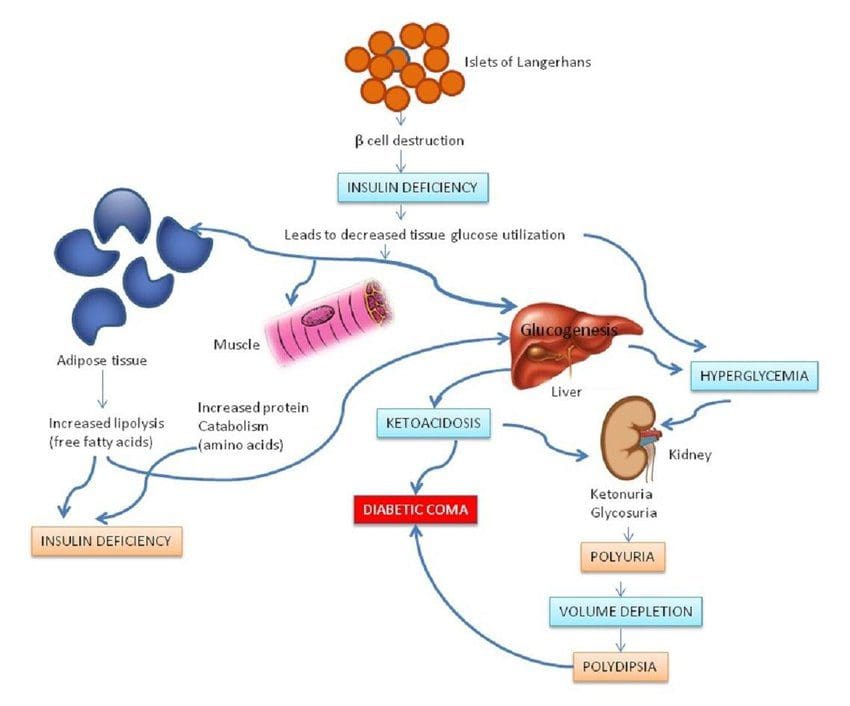
When a person receives a diagnosis of type 1 diabetes from healthcare professionals, the islet cells are responsible for insulin secretion from the pancreas may continue to produce the insulin hormone for a while before ceasing. It can also lead to the production of LADA if it is not being monitored.
The physical effects of type 1 diabetes include:
- Increased hunger and thirst
- Frequent urination
- Blurry vision
- Tiredness and fatigue
- Weight loss without an apparent trigger or causes.
Type 2 Diabetes
Type 2 diabetes is one of the most common forms of diabetes and can appear at any age, affecting over 30 million Americans. It happens when the blood sugar levels rise due to problems with the use or production of insulin.
Studies show that most people do not experience the symptoms in the early stages of type 2 diabetes, and they might have symptoms for many years. For those that do have type 2, diabetes may have acanthosis nigricans. Acanthosis nigricans is a skin condition that causes the skin to become thicker and darker. It often appears mostly on the neck, elbows, knees, knuckles, the folds around the neck and the groin.
Other early symptoms of type 2 diabetes that an individual may have included:
- Frequent bladder, kidneys, or skin infections
- Cuts that take longer to heal
- Fatigue
- Extreme hunger
- Increased thirst
- Urinary frequency
- Blurred vision
Mixed Diabetes (Type 1.5)
Mixed diabetes or LADA is an autoimmune condition that shares the characteristics of both type 1 and type 2 diabetes in adults. It is diagnosed during adulthood and sets in the bloodstream gradually; however, unlike type 2, LADA is an autoimmune disease and is not reversible if the person changes their diet and lifestyle. �It can be triggered by the damage done to the pancreas from the antibodies against the insulin-producing cells.

If a person has LADA, their beta cells stop functioning much more quickly than type 2 diabetes. Researchers have found out that an estimated 10 percent of people who have diabetes will have LADA. It stated that the treatment for LADA patients is far less elucidated than the cases for type 1 and type 2 diabetes. Finding a treatment strategy for LADA can reduce the decline of beta-cell function, ensures adequate metabolic treatment so far.
Some of the symptoms that LADA patients may have include:
- Frequent thirst
- Increased urination, including at night
- Unexplained weight loss
- Blurred vision
- Tingling nerves
If LADA is left untreated, it can lead to diabetic ketoacidosis, which is a condition where the body can not utilize sugar as fuel due to the absence of insulin and starts burning fat. It produces ketones, which are toxic to the body.
Type 3 Diabetes
Type 3 diabetes is known as brain diabetes and has an established linked to Alzheimer’s disease. This type of diabetes is triggered by a type of insulin resistance and an insulin-like growth factor dysfunction that occurs specifically in the brain, causing dementia.

Alzheimer�s disease has characteristics histopathological, molecular, and biochemical abnormalities in the brain’s cell structure. Since it has been linked with type 3 diabetes, characteristic features of type 3 diabetes include impairments in insulin actions and signaling that result in chronic hyperglycemia, irrespective of subtype, etiology, pathogenesis, or insulin availability.
Conclusion
Autoimmune diabetes can affect anyone at any age. It can damage the pancreas walls to stop producing insulin to the body, causing problems for an individual. LADA (latent autoimmune diabetes in adults) is an autoimmune disease that has the characteristics of type 1 and type 2 diabetes that are in adults. There is still more research being done to treat LADA, and there are products that can help support sugar metabolism and maintain blood sugar levels to a healthy range.
October is Chiropractic Health Month. To learn more about it, check out Governor Abbott�s declaration on our website to get full details on this historic moment.
The scope of our information is limited to chiropractic, musculoskeletal and nervous health issues as well as functional medicine articles, topics, and discussions. We use functional health protocols to treat injuries or chronic disorders of the musculoskeletal system. To further discuss the subject matter above, please feel free to ask Dr. Alex Jimenez or contact us at 915-850-0900 .
References:
Barhum, Lana. �Type 2 Diabetes: Symptoms, Early Signs, and Complications.� Medical News Today, MediLexicon International, 16 Apr. 2019, www.medicalnewstoday.com/articles/317462.php.
Castro, M. Regina. �Latent Autoimmune Diabetes in Adults (LADA): What Is It?� Mayo Clinic, Mayo Foundation for Medical Education and Research, 10 May 2019, www.mayoclinic.org/diseases-conditions/type-1-diabetes/expert-answers/lada-diabetes/faq-20057880.
de la Monte, Suzanne M, and Jack R Wands. �Alzheimer’s Disease Is Type 3 Diabetes-Evidence Reviewed.� Journal of Diabetes Science and Technology, Diabetes Technology Society, Nov. 2008, www.ncbi.nlm.nih.gov/pmc/articles/PMC2769828/.
Felman, Adam. �Type 1 Diabetes: Overview, Symptoms, and Treatment.� Medical News Today, MediLexicon International, 19 Nov. 2018, www.medicalnewstoday.com/articles/323729.php.
Hals, Ingrid K. �Treatment of Latent Autoimmune Diabetes in Adults: What Is Best?� Current Diabetes Reviews, U.S. National Library of Medicine, 2019, www.ncbi.nlm.nih.gov/pubmed/30009709.
Leonard, Jayne. �Acanthosis Nigricans: Causes, Symptoms, Treatment, and Pictures.� Medical News Today, MediLexicon International, 21 Dec. 2018, www.medicalnewstoday.com/articles/324062.php.
MSN, Rachel Nall RN. �Diabetes: Symptoms, Treatment, and Early Diagnosis.� Medical News Today, MediLexicon International, 8 Nov. 2018, www.medicalnewstoday.com/articles/323627.php.
Pozzilli, Paolo, and Silvia Pieralice. �Latent Autoimmune Diabetes in Adults: Current Status and New Horizons.� Endocrinology and Metabolism (Seoul, Korea), Korean Endocrine Society, June 2018, www.ncbi.nlm.nih.gov/pmc/articles/PMC6021307/.
Prelipcean, Maria S. �What You Need to Know About Type 1.5 Diabetes.� Healthline, 2 Nov. 2018, www.healthline.com/health/type-1-5-diabetes.
Watson, Kathryn. �Type 3 Diabetes and Alzheimer’s Disease: What You Need to Know.� Healthline, 16 Oct. 2019, www.healthline.com/health/type-3-diabetes.
Wint, Carmella, and Marijane Leonard. �What You Should Know About Diabetic Ketoacid.� Healthline, 4 Dec. 2018, www.healthline.com/health/type-2-diabetes/ketoacidosis.
by Dr Alex Jimenez DC, APRN, FNP-BC, CFMP, IFMCP | Functional Medicine, Health, Hormone Balance, Wellness
Prostaglandins are different than hormones. They are not secreted from a gland that can be carried through the bloodstream and work on specific areas around the body. Prostaglandins are made by a chemical reaction in the body that can be made in all the organs and are part of the body�s way of dealing with injuries and illnesses.
When any part of the body has been damaged, prostaglandins are made at the site of tissue damage or infection where they cause inflammation, pain and fever as part of the body�s healing process. When there is a high level of prostaglandins in the body due to the natural healing process from injuries and inflammation, it can contribute to several diseases from the unwanted inflammation.
Prostaglandins in the Omega fatty acids
In omega-6 fatty acids, DGLA (dihomo-gamma-linolenic acid) creates Prostaglandin E1(PG-1) as anti-inflammatory receptors in the body. In omega-3 fatty acids, they can create Prostaglandin E3 (PG-3) that are also anti-inflammatory receptors as well. PG-1 and PG-3 help prevent blood clotting in the body system.

When it comes to pro-inflammatory receptors, omega-6 fatty acids have these receptors as well. Pro-inflammatory receptors are created by arachidonic acid. Arachidonic acid creates Prostaglandin E2 (PG-2), which is responsible for inflammation, swelling and clotting as well.
There has to be a balance between PG-2 and PG-1,3 to provide a healthy function in the body and an ideal hormone signaling response. When one of the PGs are being disrupted by trans-fatty acids from food, it can cause health problems to a person.
Deficiencies in Prostaglandins
Trans fatty acids are a form of unsaturated fats that can be either natural or artificial. They are produced either by hydrogenation of unsaturated oils or by biohydrogenation in the stomach of ruminant animals. Numerous studies have been shown that consuming trans fatty acids continuously can increase the risk of cardiovascular diseases. This can also increase the ratio of LDL cholesterol to HDL cholesterol in the body. Trans fatty acids can block the activity of D6D (delta-6-desaturase), which is the first step in prostaglandin synthesis from essential fats in the diet.
The excess sugar consumption, insulin surges, inflammation, protein deficiencies hypothyroidism, and alcohol consumption will impair the activity of D6D and be a marker of accelerating aging to the human body. When a person has an increased consumption from fried foods and vegetable oils in an Western diet will shift the omega-6 pathway from PG-1 and into PG-2 production in the body. With the current American diet, people consume a high quantity of omega-6 fatty acids and low quantity of omega-3 fatty acids. This will cause a strong reaction of an inflammatory prostaglandin shift.
Since prostaglandins are caused by injuries and inflammation to heal the body, when an individual consumes a high omega-6 diet, it can cause an excessive amount of inflammation to the body and it can lead to chronic illnesses.
More Deficiencies in Prostaglandins
A deficiency in nutrients like nicotinic acid, pyridoxal 5� -phosphate, calcium, magnesium, zinc, and molybdenum is required for the desaturase and elongase enzymes in omega-6 and omega-3 fatty acids. Their deficiency can lead to improper production of prostaglandins. So EFAs from diets cause overconsumption of omega-6 and a lack of essential fatty acids in the body.
After that happens, then the EFAs can be synthesized into prostaglandins with desaturase and elongase enzymes. This will then cause nutrient deficiencies and metabolic factors can impair and downregulate those enzymes and causing the body to be prone to pro-inflammatory.
When that happens, prostaglandin formation will suddenly turn into abnormal ratios in the body causing problems, excessive inflammation in the endocrine glands and the body organs, and soon later on if it is not fixed, chronic illnesses will cause proper hormones to alter their components and either stop producing or create an abundance in the body.
Conclusion
Prostaglandins are a chemical reaction to the body that are different than hormones. They are caused when the body is injured and it causes inflammation so it can naturally heal itself. When there is an excessive amount of prostaglandins in the body it can lead to chronic inflammation and cause an abnormal shift in the body�s functional state. A factor that can affect the prostaglandins as well is the excessive consumption of omega-6 fatty acids. This consumption can cause inflammation and can make the body feel sluggish and not feeling great. There are products that can help the body, especially balancing the production of essential fatty acids and metabolizing the body for optimal health.
October is Chiropractic Health Month. To learn more about it, check out Governor Abbott�s bill on our website to get full details.
The scope of our information is limited to chiropractic, musculoskeletal and nervous health issues as well as functional medicine articles, topics, and discussions. We use functional health protocols to treat injuries or chronic disorders of the musculoskeletal system. To further discuss the subject matter above, please feel free to ask Dr. Alex Jimenez or contact us at 915-850-0900 .
References:
F.Horrobin, David. �Loss of Delta-6-Desaturase Activity as a Key Factor in Aging.� Medical Hypotheses, Churchill Livingstone, 22 Mar. 2004, www.sciencedirect.com/science/article/abs/pii/0306987781900645.
Horrobin, D F. �Fatty Acid Metabolism in Health and Disease: the Role of Delta-6-Desaturase.� The American Journal of Clinical Nutrition, U.S. National Library of Medicine, May 1993, www.ncbi.nlm.nih.gov/pubmed/8386433.
Innes, Jacqueline K, and Philip C Calder. �Omega-6 Fatty Acids and Inflammation.� Prostaglandins, Leukotrienes, and Essential Fatty Acids, U.S. National Library of Medicine, May 2018, www.ncbi.nlm.nih.gov/pubmed/29610056.
Iqbal, Mohammad Perwaiz. �Trans Fatty Acids – A Risk Factor for Cardiovascular Disease.� Pakistan Journal of Medical Sciences, Professional Medical Publicaitons, Jan. 2014, www.ncbi.nlm.nih.gov/pmc/articles/PMC3955571/.
Leech, Joe. �What Are Trans Fats, and Are They Bad for You?� Healthline, 30 July 2019, www.healthline.com/nutrition/why-trans-fats-are-bad.
Ricciotti, Emanuela, and Garret A FitzGerald. �Prostaglandins and Inflammation.� Arteriosclerosis, Thrombosis, and Vascular Biology, U.S. National Library of Medicine, May 2011, www.ncbi.nlm.nih.gov/pmc/articles/PMC3081099/.
Tallima, Hatem, and Rashika El Ridi. �Arachidonic Acid: Physiological Roles and Potential Health Benefits – A Review.� Journal of Advanced Research, Elsevier, 24 Nov. 2017, www.ncbi.nlm.nih.gov/pmc/articles/PMC6052655/.
Unknown, Unknown. �Prostaglandins.� You and Your Hormones, Dec. 2016, www.yourhormones.info/hormones/prostaglandins/.
Wang, Xiaoping, et al. �Multiple Roles of Dihomo-?-Linolenic Acid against Proliferation Diseases.� Lipids in Health and Disease, BioMed Central, 14 Feb. 2012, www.ncbi.nlm.nih.gov/pmc/articles/PMC3295719/.

by Dr Alex Jimenez DC, APRN, FNP-BC, CFMP, IFMCP | Functional Medicine, Health, Hyper Thyroid, Hypo Thyroid, Wellness
The thyroid is a small, butterfly-shaped gland that is located in the anterior neck producing T3 (triiodothyronine) and T4 (tetraiodothyronine) hormones. These hormones affect every single tissue and regulate the body�s metabolism while being part of an intricate network called the endocrine system. The endocrine system is responsible for coordinating many of the body’s activities. In the human body, the two major endocrine glands are the thyroid glands and the adrenal glands. The thyroid is controlled primarily by TSH (thyroid-stimulating hormone), which is secreted from the anterior pituitary gland in the brain. The anterior pituitary gland can stimulate or halt the secretion to the thyroid, which is a response only gland in the body.
Since the thyroid glands make T3 and T4, iodine can also help with the thyroid hormone production. The thyroid glands are the only ones that can absorb the iodine to help hormone growth. Without it, there can be complications like hyperthyroidism, hypothyroidism, and Hashimoto�s disease.
Thyroid Influences on The Body Systems
The thyroid can help metabolize the body, such as regulating heart rate, body temperature, blood pressure, and brain function. Many of the body�s cells have thyroid receptors that the thyroid hormones respond to. Here are the body systems that the thyroid helps out.
Cardiovascular System and the Thyroid
Under normal circumstances, the thyroid hormones help increase the blood flow, cardiac output, and heart rate in the cardiovascular system. The thyroid can influence the heart�s �excitement,� causing it to have an increasing demand for oxygen, therefore increasing the metabolites. When an individual is exercising; their energy, their metabolism, as well as their overall health, feels good.
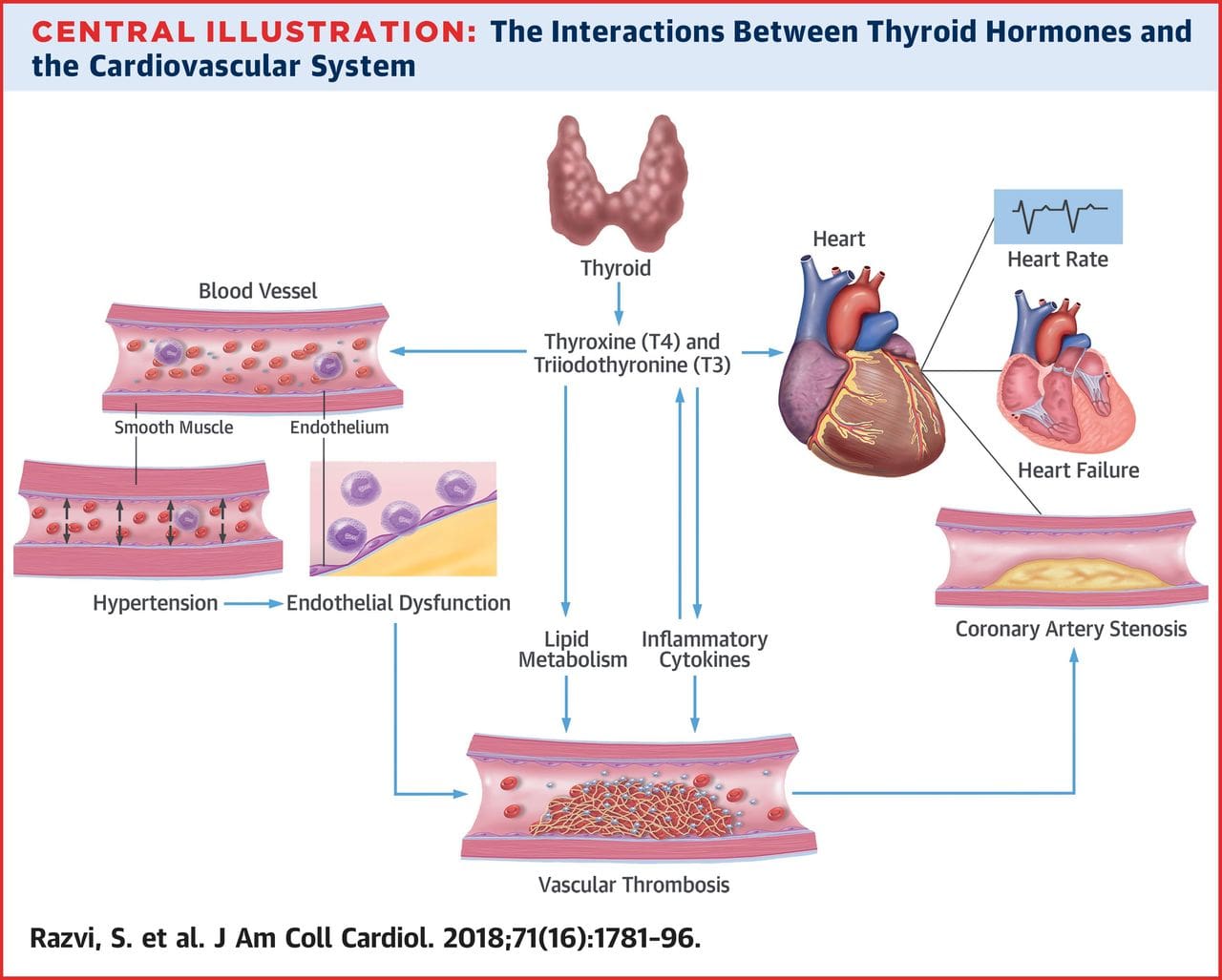
The thyroid actually strengthens the heart muscle, while decreasing the external pressure because it relaxes the vascular smooth muscle. This results in a decrease of arterial resistance and diastolic blood pressure in the cardiovascular system.
When there is an excess amount of thyroid hormone, it can increase the heart�s pulse pressure. Not only that, the heart rate is highly sensitive to an increase or decrease in the thyroid hormones. There are a few related cardiovascular conditions listed below that can be the result of an increased or decreased thyroid hormone.
- Metabolic Syndrome
- Hypertension
- Hypotension
- Anemia
- Arteriosclerosis
Interestingly, iron deficiency can slow the thyroid hormones as well as increase the production of the hormones causing problems in the cardiovascular system.
The Gastrointestinal System and the Thyroid
The thyroid helps the GI system by stimulating carbohydrate metabolism and fat metabolism. This means that there will be an increase in glucose, glycolysis, and gluconeogenesis as well as an increased absorption from the GI tract along with an increase in insulin secretion. This is done with an increased enzyme production from the thyroid hormone, acting on the nucleus of our cells.
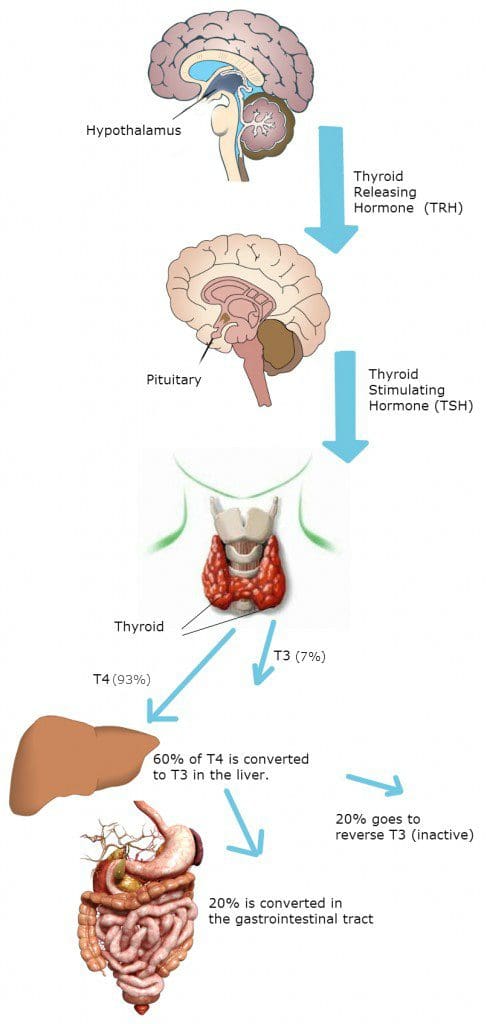
The thyroid can increase the basal metabolic rate by helping it increase the speed of breaking down, absorbing, and the assimilation of the nutrients we eat and eliminate waste. The thyroid hormone can also increase the need for vitamins for the body. If the thyroid is going to regulate our cell metabolism, there has to be an increased need for vitamin cofactors because the body needs the vitamins to make it function properly.
Some conditions can be impacted by thyroid function, and coincidentally can cause thyroid dysfunction.
- Abnormal cholesterol metabolism
- Overweight/underweight
- Vitamin deficiency
- Constipation/diarrhea
Sex Hormones and the Thyroid

The thyroid hormones have a direct impact on ovaries and an indirect impact on SHBG (sex hormone-binding globulin), prolactin, and gonadotropin-releasing hormone secretion. Women are dramatically more affected by thyroid conditions than men due to hormones and pregnancy. There is also another contributing factor that women share, their iodine vitals and their thyroid hormones through the ovaries and the breast tissue in their bodies. The thyroid can even have either a cause or contribution to pregnancy conditions like:
- Precocious puberty
- Menstrual issues
- Fertility issues
- Abnormal hormone levels
HPA Axis and the Thyroid
The HPA axis�(Hypothalamic-Pituitary-Adrenal Axis) modulates the stress response in the body. When that happens, the hypothalamus releases the corticotropin-releasing hormone, it triggers the ACH (acetylcholine hormone) and the ACTH (adrenocorticotropic hormone) to act on the adrenal gland to release cortisol. Cortisol is a stress hormone that can lower inflammation and increase carbohydrate metabolism in the body. It can also trigger a cascade of �alarm chemicals� like epinephrine and norepinephrine (fight or flight response). If there is an absence of lowered cortisol, then the body will desensitize for the cortisol and the stress response, which is a good thing.
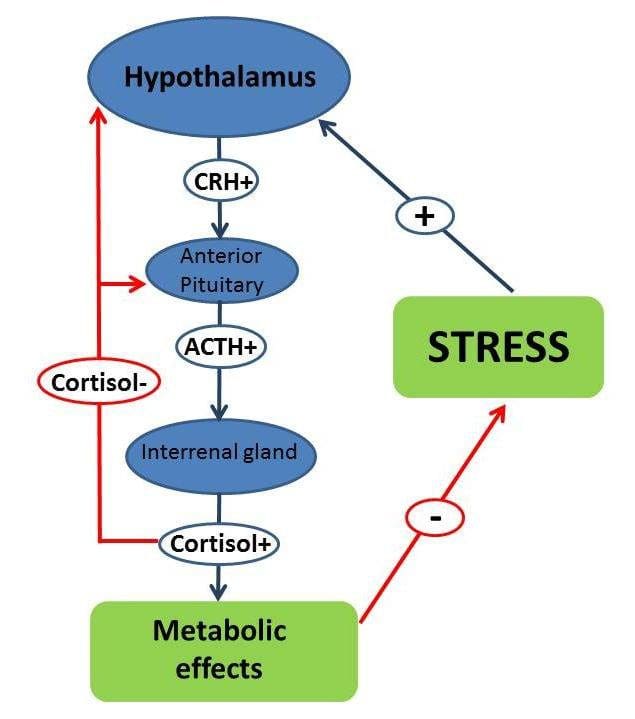
When there is a higher level of cortisol in the body, it will decrease the thyroid function by lowering the conversion of the T4 hormone to T3 hormone by impairing the deiodinase enzymes. �When this happens, the body will have a less functional thyroid hormone concentration, since the body can�t tell the difference of a hectic day at work or running away from something scary, it can either be very good or horrible.
Thyroid Problems in the Body
The thyroid can produce either too much or not enough hormones in the body, causing health problems. Down below are the most commonly known thyroid problems that will affect the thyroid in the body.
- Hyperthyroidism: This is when the thyroid is overactive, producing an excessive amount of hormones. It affects about 1% of women, but it�s less common for men to have it. It can lead to symptoms such as restlessness, bulging eyes, muscle weakness, thin skin, and anxiety.
- Hypothyroidism: This is the opposite of hyperthyroidism since it can�t produce enough hormones in the body. It is often caused by Hashimoto�s disease and can lead to dry skin, fatigue, memory problems, weight gain, and a slow heart rate.
- Hashimoto�s disease: This disease is also known as chronic lymphocytic thyroiditis. It affects about 14 million Americans and can occur in middle-aged women. This disease develops when the body�s immune system mistakenly attacks and slowly destroys the thyroid gland and its ability to produce hormones. Some of the symptoms that Hashimoto�s disease causes are a pale, puffy face, fatigue, enlarged thyroid, dry skin, and depression.
Conclusion
The thyroid is a butterfly-shaped gland located in the anterior neck that produces hormones that help function the entire body. When it doesn�t work correctly, it can either create an excessive amount or decrease the number of hormones. This causes the human body to develop diseases that can be long term.
In honor of Governor Abbott’s proclamation, October is Chiropractic Health Month. To learn more about the proposal on our website.
The scope of our information is limited to chiropractic, musculoskeletal, and nervous health issues as well as functional medicine articles, topics, and discussions. We use functional health protocols to treat injuries or chronic disorders of the musculoskeletal system. To further discuss the subject matter above, please feel free to ask Dr. Alex Jimenez or contact us at 915-850-0900 .
References:
America, Vibrant. �Thyroid and Autoimmunity.� YouTube, YouTube, 29 June 2018, www.youtube.com/watch?feature=youtu.be&v=9CEqJ2P5H2M.
Clinic Staff, Mayo. �Hyperthyroidism (Overactive Thyroid).� Mayo Clinic, Mayo Foundation for Medical Education and Research, 3 Nov. 2018, www.mayoclinic.org/diseases-conditions/hyperthyroidism/symptoms-causes/syc-20373659.
Clinic Staff, Mayo. �Hypothyroidism (Underactive Thyroid).� Mayo Clinic, Mayo Foundation for Medical Education and Research, 4 Dec. 2018, www.mayoclinic.org/diseases-conditions/hypothyroidism/symptoms-causes/syc-20350284.
Danzi, S, and I Klein. �Thyroid Hormone and the Cardiovascular System.� Minerva Endocrinologica, U.S. National Library of Medicine, Sept. 2004, www.ncbi.nlm.nih.gov/pubmed/15282446.
Ebert, Ellen C. �The Thyroid and the Gut.� Journal of Clinical Gastroenterology, U.S. National Library of Medicine, July 2010, www.ncbi.nlm.nih.gov/pubmed/20351569.
Selby, C. �Sex Hormone Binding Globulin: Origin, Function and Clinical Significance.� Annals of Clinical Biochemistry, U.S. National Library of Medicine, Nov. 1990, www.ncbi.nlm.nih.gov/pubmed/2080856.
Stephens, Mary Ann C, and Gary Wand. �Stress and the HPA Axis: Role of Glucocorticoids in Alcohol Dependence.� Alcohol Research: Current Reviews, National Institute on Alcohol Abuse and Alcoholism, 2012, www.ncbi.nlm.nih.gov/pmc/articles/PMC3860380/.
Wallace, Ryan, and Tricia Kinman. �6 Common Thyroid Disorders & Problems.� Healthline, 27 July, 2017, www.healthline.com/health/common-thyroid-disorders.
Wint, Carmella, and Elizabeth Boskey. �Hashimoto’s Disease.� Healthline, 20 Sept. 2018, www.healthline.com/health/chronic-thyroiditis-hashimotos-disease.
by Dr Alex Jimenez DC, APRN, FNP-BC, CFMP, IFMCP | Functional Medicine, Gut and Intestinal Health, Health, Wellness
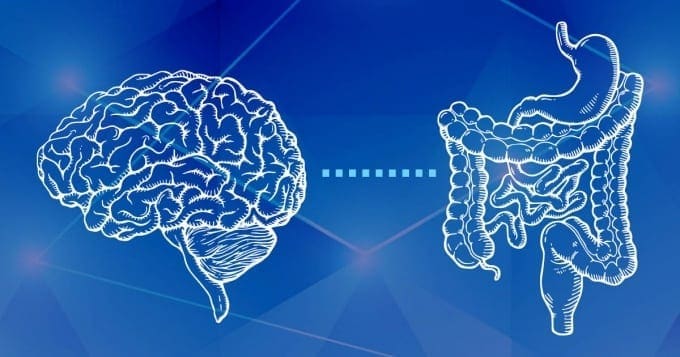
The gut-brain connection is essential in the body. If an individual has a leaky gut that is causing inflammation, it can send the signal to the brain and it can create problems like neurotransmitter dysfunction to systems that just don�t connect. The leaky gut can lead to brain dysfunction or brain dysfunction can lead to leaky gut. Sometimes an autoimmunity disease in the stomach can lead to a disruption in the mind. Then, brain disruption can also lead to inflammation in the gut. It�s a never-ending loop that the brain and gut can go on forever. Studies have stated that gut microbiota appears to influence the development of emotional behaviors like stress, pain modulation systems, and brain neurotransmitter systems.
The Brain System to the Gut System
The brain is the main control room that controls the body�s system and how the body should behave. The human brain also contains neuron cells that are found in the central nervous system. With the gut-brain connection, two critical systems help send the signal to the brain and the gut; these are known as the vagus nerve and the neurotransmitters.
The Vagus Nerve
There are approximately 100 billion neurons in the brain, while the gut contains about 500 million neurons, which is connected to the brain through the nerves in the nervous system. The vagus nerve is one of the most significant nerves that send signals back and forth to the brain and the gut. When the body is stressed, the stress signal inhibits the vagus nerve, and it can cause problems to the gut-brain connection. Animal studies have shown that any stress that is in the animal�s body can cause gastrointestinal issues and PTSD. While another study stated that individuals that have IBS (irritable bowel syndrome) have a reduced function of the vagus nerve.
There are ways to reduce the stress hormone so that the vagus nerve can function properly and send the right signals to the gut and the brain. Probiotic foods can help lower the amount of stress hormone in the bloodstream. When that happens, the body can start healing naturally when the stress is reduced; however, if the vagus nerve is damaged, then the probiotic has no effect.
Neurotransmitters
Neurotransmitters are produced chemically in the brain by controlling feelings and emotions in the body. Since the brain and gut are connected to neurotransmitters, the neurotransmitters can create these compounds that help contribute to the body. In the brain, the neurotransmitter can produce serotonin to make the person feel happy and help control their body�s biological clock.
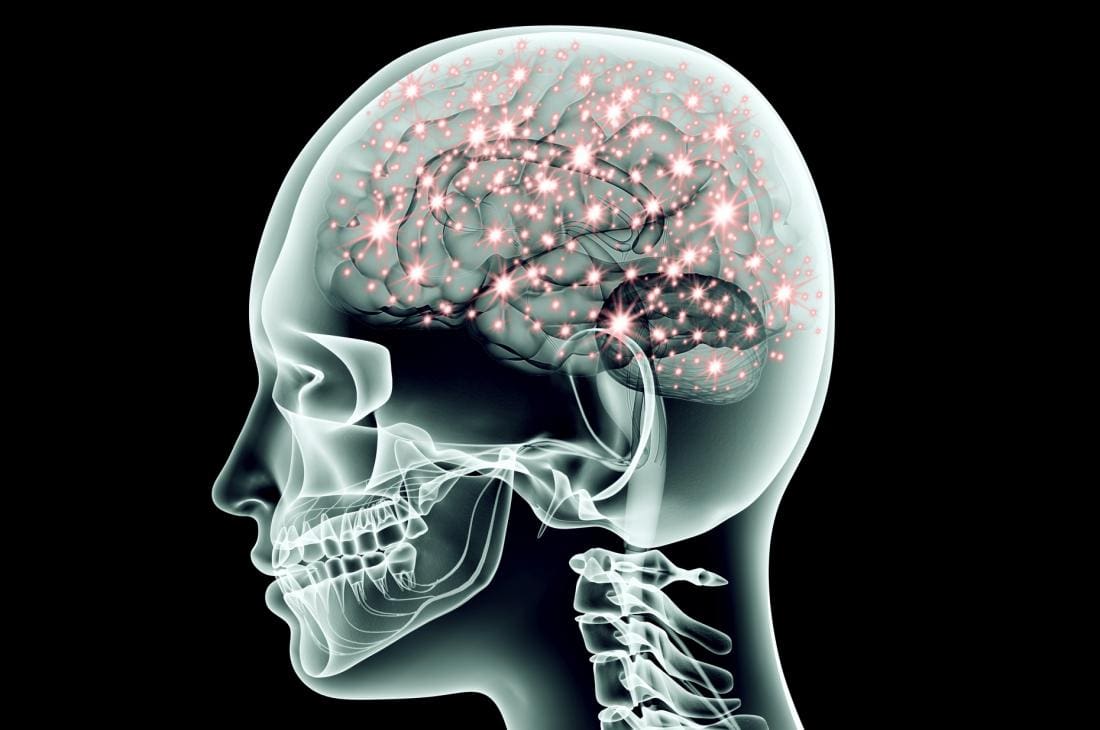
In the gut, there are trillions of microbes that live there, and interestingly researchers stated that serotonin is mainly being produced by the gut system. Another neurotransmitter that is provided in the gut is called GABA (gamma-aminobutyric acid), which helps control the feeling of fear and anxiety. When the brain feels overly anxious or has been through a traumatic experience that has caused them to be fearful, it can cause them to be hypersensitive and can cause a chemical imbalance to the gut, causing inflammation or leaky gut if it is severe.
The Gut System to the Brain System
The gut microbes can produce neurotransmitters to send to the brain, protect the intestinal barrier and the tight junction integrity, regulate the mucosal immune system, and modulates the enteric sensory afferents. The gut microbe produces a lot of SCFA (short-chain fatty acids) that form a barrier between the brain and blood flow called the blood-brain barrier. The blood-brain barrier protects the CNS (central nervous system) from toxins, pathogens, inflammation, injury, and disease.
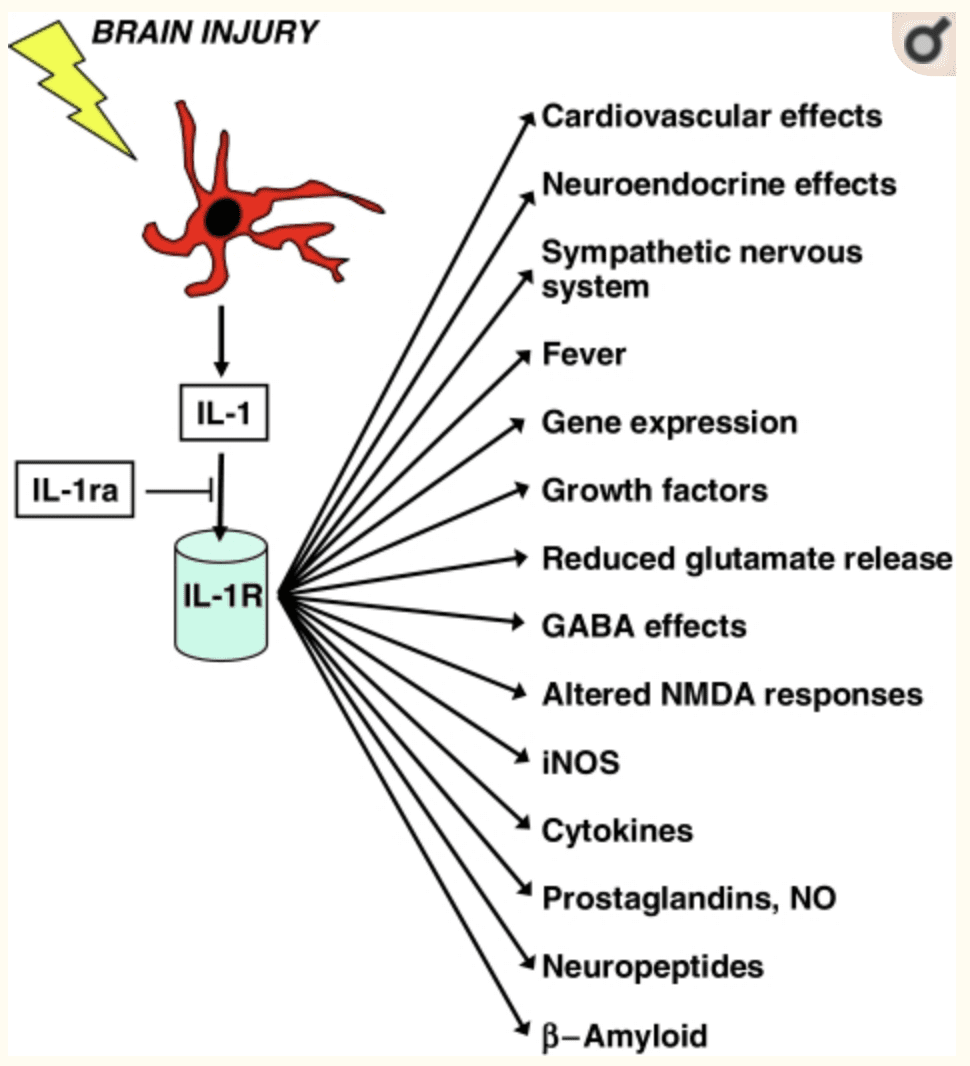
The gut microbes also metabolize bile and amino acids to help produce other chemicals that affect the brain. When the body is stressed, it can reduce the production of bile acid by gut bacteria and alter the genes that are involved. When that stress is still creating problems in mind, the gut can develop gastrointestinal issues that will destroy the permeability barrier that is protecting the intestines.
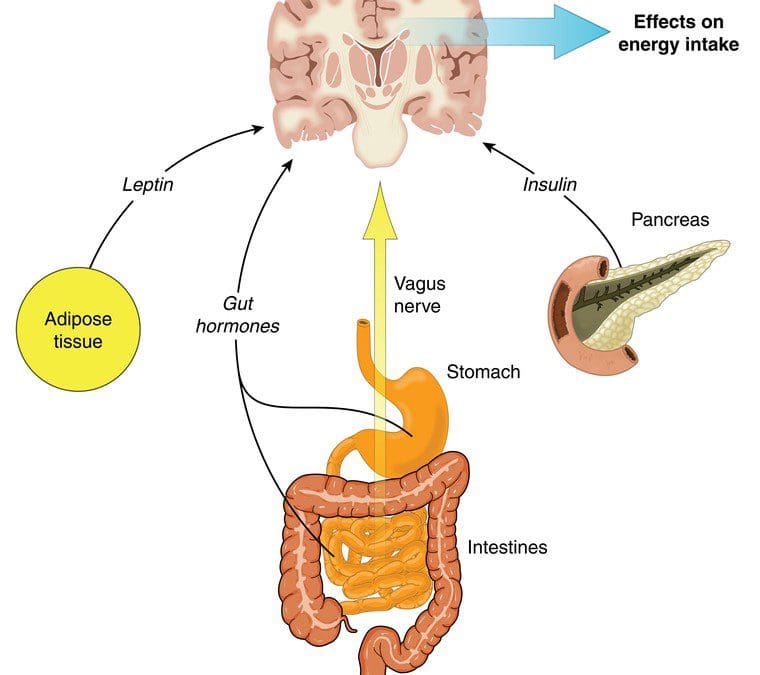
The gut-brain connection plays an essential role in the body�s immune system as it controls inflammation and what passes into the body. Since the immune system controls inflammation, if it is turned on for too long, inflammation can occur as well as several brain disorders like depression and Alzheimer�s disease. Stress can even disrupt the gut by causing contractions to the GI tract, make inflammation worse in the intestinal permeability, and making the body more at risk to infections.
When the body starts to alleviate stress, it can naturally heal itself, and the gut-brain connection can begin functioning normally. With changes in a person�s eating habits and lifestyle, it can drastically change a person�s mood and recover from intestinal ailments they may have. If the brain feels right, then the gut feels good as well. They work together side by side to make sure that the body is functioning correctly. When either one is being disrupted, then the body does not function properly.
Conclusion
Therefore, the gut-brain connection is vital to the body. Neurotransmitters and other components that are in both systems work together to make sure that the body is working correctly. When one of the connections is being disrupted, however, the body can develop many chronic illnesses even if the person seems fine. By altering little things like changing a person�s diet and lifestyle, it can help improve the body and bring the balance back to the gut-brain connection.
In honor of Governor Abbott’s proclamation, October is Chiropractic Health Month. To learn more about the proposal on our website.
The scope of our information is limited to chiropractic, musculoskeletal, and nervous health issues as well as functional medicine articles, topics, and discussions. We use functional health protocols to treat injuries or chronic disorders of the musculoskeletal system. To further discuss the subject matter above, please feel free to ask Dr. Alex Jimenez or contact us at 915-850-0900 .
References:
Anguelova, M, et al. �A Systematic Review of Association Studies Investigating Genes Coding for Serotonin Receptors and the Serotonin Transporter: I. Affective Disorders.� Molecular Psychiatry, U.S. National Library of Medicine, June 2003, www.ncbi.nlm.nih.gov/pubmed/12851635.
Bravo, Javier A, et al. �Ingestion of Lactobacillus Strain Regulates Emotional Behavior and Central GABA Receptor Expression in a Mouse via the Vagus Nerve.� Proceedings of the National Academy of Sciences of the United States of America, National Academy of Sciences, 20 Sept. 2011, www.ncbi.nlm.nih.gov/pubmed/21876150.
Carabotti, Marilia, et al. �The Gut-Brain Axis: Interactions between Enteric Microbiota, Central and Enteric Nervous Systems.� Annals of Gastroenterology, Hellenic Society of Gastroenterology, 2015, www.ncbi.nlm.nih.gov/pmc/articles/PMC4367209/.
Daneman, Richard, and Alexandre Prat. �The Blood-Brain Barrier.� Cold Spring Harbor Perspectives in Biology, Cold Spring Harbor Laboratory Press, 5 Jan. 2015, www.ncbi.nlm.nih.gov/pmc/articles/PMC4292164/.
Herculano-Houzel, Suzana. �The Human Brain in Numbers: a Linearly Scaled-up Primate Brain.� Frontiers in Human Neuroscience, Frontiers Research Foundation, 9 Nov. 2009, www.ncbi.nlm.nih.gov/pmc/articles/PMC2776484/.
Lucas, Sian-Marie, et al. �The Role of Inflammation in CNS Injury and Disease.� British Journal of Pharmacology, Nature Publishing Group, Jan. 2006, www.ncbi.nlm.nih.gov/pmc/articles/PMC1760754/.
Mayer, Emeran A, et al. �Gut/Brain Axis and the Microbiota.� The Journal of Clinical Investigation, American Society for Clinical Investigation, 2 Mar. 2015, www.ncbi.nlm.nih.gov/pmc/articles/PMC4362231/.
Mayer, Emeran A. �Gut Feelings: the Emerging Biology of Gut-Brain Communication.� Nature Reviews. Neuroscience, U.S. National Library of Medicine, 13 July 2011, www.ncbi.nlm.nih.gov/pmc/articles/PMC3845678/.
Mazzoli, Roberto, and Enrica Pessione. �The Neuro-Endocrinological Role of Microbial Glutamate and GABA Signaling.� Frontiers in Microbiology, Frontiers Media S.A., 30 Nov. 2016, www.ncbi.nlm.nih.gov/pmc/articles/PMC5127831/.
Pellissier, Sonia, et al. �Relationship between Vagal Tone, Cortisol, TNF-Alpha, Epinephrine and Negative Affects in Crohn’s Disease and Irritable Bowel Syndrome.� PloS One, Public Library of Science, 10 Sept. 2014, www.ncbi.nlm.nih.gov/pubmed/25207649.
Rooks, Michelle G, and Wendy S Garrett. �Gut Microbiota, Metabolites and Host Immunity.� Nature Reviews. Immunology, U.S. National Library of Medicine, 27 May 2016, www.ncbi.nlm.nih.gov/pubmed/27231050.
Sahar, T, et al. �Vagal Modulation of Responses to Mental Challenge in Posttraumatic Stress Disorder.� Biological Psychiatry, U.S. National Library of Medicine, 1 Apr. 2001, www.ncbi.nlm.nih.gov/pubmed/11297721.
Yano, Jessica M, et al. �Indigenous Bacteria from the Gut Microbiota Regulate Host Serotonin Biosynthesis.� Cell, U.S. National Library of Medicine, 9 Apr. 2015, www.ncbi.nlm.nih.gov/pmc/articles/PMC4393509/.










