El Paso, TX. Chiropractor Dr. Alex Jimenez investigates if garlic works for back pain.
Test�It Out yourself! Spaghetti, Oil & Garlic.
In my never-ending quest to learn everything I can about the best way to reduce back pain, I conduct research online frequently. Everything from tried and true remedies�like yoga, the latest scientific studies about nutrition as well as foods that promise to possess anti-inflammatory properties � are all on my radar. My intention is always to leave no stone unturned in the event the advice I uncover can reduce someone�s suffering.
So, the other day, when several pages of results turned up, I Googled �natural remedies for back pain� and wasn�t surprised. Granted, not everything you read on the Internet is accurate�in fact, finding information that is credible needs some sophistication. Briefly, it makes sense appraise the purpose of the source, to find out the source and look at the domain name when making a judgement call about it.
All of us know that pain can be alone triggered by inflammation, so minimizing or controlling it may be effective. If it�s accurate that in addition to truly being a vampire repellant, garlic is also an antiinflammatory power food (as some are promising), I�m game to start adding more to my diet.
On my way down the research rabbit hole, I came across some amazing facts from the Journal of Immunology (1), Journal of Immunology Research (2) and the University of Maryland Medical Center (3).
Plants of the genus Allium are known for his or her creation. Among these, garlic (Allium sativum) is one of the very broadly used.
Isolated and when expressed, these compounds display a broad spectrum of effects that are beneficial against microbial diseases and therefore are employed to safeguard against cardiovascular disease.
Garlic is now being analyzed because of its ability to boost the immune system and potentially fight with cancer.
Garlic contains allicin, a strong, sulfur-based compound that is in charge of the distinctive smell, but may also be the basis for �s antibacterial properties that are garlic.
Don�t Rush�The Rose
Garlic, frequently known as the �stinking rose does seem to have a full bouquet of health benefits. But preparation questions. Research supports that heating garlic soon interferes with the health-boosting benefits of allicin.
Cooks Take Note:
Be sure to let minced, chopped or crushed garlic to sit down for 5 to 10 minutes before warming. If you throw it into boiling water or that hot olive oil too soon and are inpatient, you’ll deactivate the valuable enzyme. Patience is definitely a virtue as it pertains to preparing this gold nugget!
Another Advantage Of Garlic, It’s Affordable!
At my last trip to the grocery store, a great-size bulb of garlic was priced at 99 cents. Paradise for under a dollar! All this adds up to what looks just like a total no-brainer to me. Add garlic to my diet. Obtain numerous health benefits. It couldn�t be more or considerably simpler cost-effective than that.
Over summer time, I made a decision to create a concerted effort to consume more garlic, and you also know what? I�ve found I have significantly more energy and feel better. Now it might be pure coincidence, but I�m going to continue my regime of taking one clove in the morning (I just chop the garlic, wait for allicin to activate, then consume the little sections with water). I�ve also been incorporating it to the main meal of the day. All things considered, except for ice cream, what doesn�t taste better using a tiny garlic?
Therefore I encourage you to give it a try and, as the famous, Greek philosopher Hippocrates once said: �Let food be thy medicine and medicine be thy food.�
I�d love to hear your experiences with garlic are going. Please fill me in on how it helped you, or if it didn�t. Share your comments on our Facebook page. Recipes additionally welcomed!
Meanwhile, enjoy this healthful and simple meal that is deliciously. And contemplate giving garlic a standing invitation to your own dinner table!
Spaghetti, Oil and Garlic. Buon Apetito!
Cook spaghetti according to directions
Save 1 cup of starchy pasta water when you drain it.
Chop 4 gloves of garlic�allow to breathe 5 to 10 minutes and then brown in olive oil
Add pasta water to help produce a sauce that may stick to the pasta.
Transfer pasta noodles to garlic and oil
Mix and top using a sprinkling of parsley and lemon zest
Add freshly -grated Parmesan cheese to taste. Enjoy!
El Paso, TX. Chiropractor Dr. Alex Jimenez looks at yoga for back pain.
Yoga increases strength and flexibility, but some find it to be a spiritual experience that brings serenity and delight.
I attended my first yoga class after I was 21 years old. At the time the goal was purely to appease my self so that I really could tell my family, buddies and coworkers that “I do yoga”. In my experience, yogis were “cool” and I enjoyed being linked with that healthy lifestyle. My twenty-something year old mind was in a self absorbed place and that I totally enjoyed the freedom of dedicating myself to yoga and other enjoyable ways to fill my time.
Yoga in its purest form is intended to help the individual’s head and body and is likely to be practiced without ego.
My First Yoga Course
I loved her gentle encouragement. As I visited my weekly yoga classes, bending and twisting and telling myself “I can perform this,” I began to reap the benefits. I was sleeping better. My body felt less angry and I noticed a calmness come over me. I felt more patient coping with the irritations of life, too.
Here is The�Irony
Yoga is not something you do. It’s a thing that you encounter. Because over time, it gets engrained in you it’s called a practice. The teachings of Maureen were put in me like little seeds which didn’t actually completely thrive until much later in my life. To jogging, though I did not intentionally give up my usual yoga practice, around along the way it took a back seat. Those little seeds were there but lay dormant for now.
Running Was Different
I felt free moving swiftly across the road. Being goal oriented, I found monitoring my mileage to be a pleasing achievement. Running was pleasing for another reason, too. My best friend Linda was also a runner, and we’d meet most Sundays for long runs. We’d participated in occasional half marathons and put in 15 to 20 miles each week. Running that distance took time � two hours or even more.
Those small seeds were there all along. Like I mentioned, yoga has a way of becoming engrained in you.
My Back Pain & Yoga
If you’ve been following my site, you understand that I’ve had back pain through most of my entire life. Then, seemingly out of nowhere, my little friend “yoga” softly arrived back on the scene. My pain riddled body seemed to intuitively understand it needed yoga again. I began feeling the requirement to roll over on my back and pull my legs towards my chest, before getting out of bed in the early hours. (The knees-to-chest pose extends your lower back muscles and is a gentle, soothing approach to begin your day.) The reach that was straightforward felt energizing and really good.
There are quite a lot of advantages of yoga, especially for maintaining well-being and managing low back pain. A follow up experiment was conducted after 26 weeks, and those same yoga participants were experiencing increased function and less pain. For me, the continual practice of yoga has relieved my pain to the point that I no more need pain medication to get me.
Other Ways�Yoga Relieves Back Pain
Yoga strengthens abdominal muscles both of which help support the spinal column and builds flexibility in the rear, when practiced regularly.
Holding yoga models, for up to a minute, helps stretch the muscles over time.
Properly stretching�the muscles in the low back reduces stress over the area.
Yoga offers relief from pain, stress and anxiety. All low back pain suffers know this is a vicious cycle. You start with pain that doesn’t go away. You find out there is an anatomical reason for the pain. But, you still have the anxiety, and stress of worrying about how long this may last. Yoga can counter that triple threat.
Yoga improves posture. To maintain a strong, fit, flexible backbone great posture is vital. Seated and standing yoga poses help improve the alignment of the spine and also posture. Proper bearing reduces back pain and removes some of the pressure from your spinal column.
Yoga For Beginners
Thus, let’s get started with a couple of poses which are a cinch to do and great for preserving flexibility in your spine.Try these three poses daily for increased flexibility and your spine will thank you!
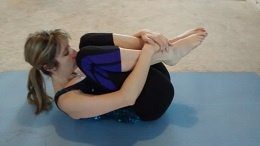
Knees to Chest Pose (Picture below)
Lie on your back with legs and arms stretched
Bring both knees to chest as you exhale. Clasp your hands around legs
Back is flat on the floor (mat)
If it’s comfortable for you, gently rock back and forth, which gives you a little massage
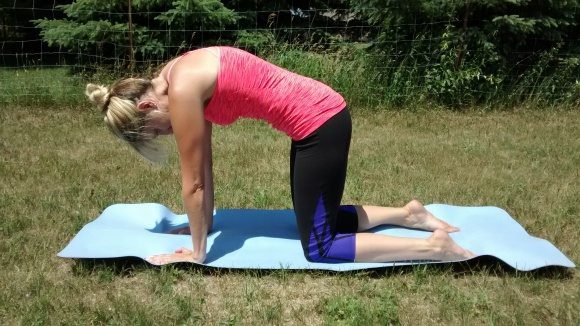
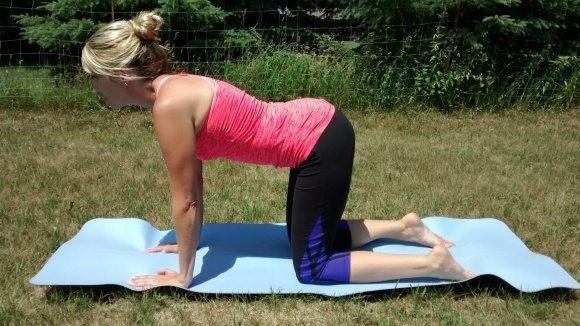
Cat/Cow Pose (Images below)
Begin on all fours in a tabletop�position
Place your hands under your shoulders along with your knees under your hips
Like a cat, round your back up to arch on the exhale
Bring your chin to chest
On the inhale, drop your abdomen and raise your head, extending your sitting bones (sits) back up
Cat Pose
Cow Pose
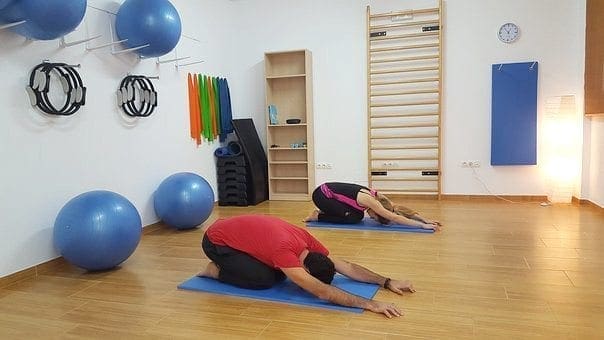
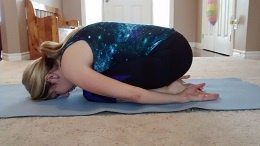
Child’s�Pose (Picture below)
Move from table top to a kneeling position. Rest your arms by your side, press your shoulders down and simultaneously reach your head tall
Slowly lower�your buttocks towards your heels feeling a nice stretch in your lower back/hips.
Let your forehead�rest on the floor
Place arms resting alongside your body
Or you can place�arms above head, gently stretching as they are placed on the floor
If it is easier too, you can widen knees as you stretch out
Those small yoga seeds�put by my first teacher long past � have continued to grow/flourish. I’m a fully certified yoga teacher and revel in sharing my practice with students every week now. May you find peace on your own journey and pain relief too, one pose at a time. Namaste.
El Paso, TX. Chiropractor Dr. Alex Jimenez takes a look at driving and how it effects the spine.
Daily, nearly 90% of journeys and 92% of miles traveled are made in autos or ground transportation (buses, trucks). On average, guys drive 44 miles as well as girls drive 34 miles each day. For many Americans, driving a motorized road vehicle is their job: truck drivers, bus drivers, ambulance and fire trucks, police, taxis etc.
Modern car and truck layouts have come a long way in their own design over the past 20 years, with better fuel efficiency, better features, better styling and better relaxation. But is there any signs that the look of contemporary bus, car or truck seats and driving might play a part in causing a few of the back injuries that plague�Americans each year?
Exactly Why Is Driving Different To Ordinary Sitting?
In case your own car is not moving, then sitting in a driving seat probably isn’t substantially different to sitting in a chair that is cushioned, but as soon as the vehicle begins moving things change. Additionally, when driving the feet are actively being used, the right foot on the gas (accelerator) pedal, the left on the brake, and in a stick-shift also on the clutch. When the feet are active they can’t be utilized to support and stabilize the reduced body when they’re put on the floor during regular sitting in a chair, as usually occurs. There is evidence the blend of those variables, coupled with the look of the car seat itself, can increase the possibility of back problems for many people.
Is Driving Linked With Back Problems?
Lab studies have examined the effects of whole-body vibration when a person is sitting in a car seat. The lumbar spine has a natural resonant frequency of 4-5 Hz , and results show that this natural frequency can be excited by lab simulated vehicle driving, and this may result in high spinal loadings in the lower back, and also this in turn could result in greater postural distress and an increased hazard of low back pain and injury.
Quite a few research studies have investigated potential associations between back and driving problems, and usually these studies have found significant consequences.
Drivers in the USA and in Sweden found that in each country 50% of those questioned reported low back pain.�
Investigation of the potential reasons for this revealed that long term vibration exposure from driving was among the greatest risk factors for neck, back and low back problems.
Gender generally seems to play an important part in the possibility of developing driving-related back problems. A survey of over 7000 Parisians found that even though severity and the prevalence of low back pain was higher in women, driving was just connected with back problems in guys. The need for driving as a risk factor improved with driving time, and was especially important for guys who drove 4 hours or more each day.
A survey of over 1400 urban transportation system motorists showed that issues using the capacity to accurately adjust the seat that was driving have significant effects on the prevalence of low back problems.
Nevertheless, it appears that driving need not consistently raise the chance of back problems.
Is There An Ideal Car Seat Layout?
Based on a comprehensive evaluation of advice from peer-reviewed scientific journals and texts, automotive engineering reports, and also the National Library of Medicine a string of requirements for the best car seat layout have been developed. Ideally, the optimal car seat should have:
1. Adjustable seat back incline (100 degrees from horizontal is ideal)
2. Changeable seat bottom depth (from seat back to front edge)
3. Adjustable seat height
4. Flexible seat bottom incline
5. Seat bottom cushion with solid (dense) foam
6. Adjustable lumbar support (horizontally and vertically adjustable)
7. Depth pulsating lumbar support to lessen static load
8. Flexible bilateral arm rests
9. Flexible seat back incline (100-degrees from horizontal is optimal
10. Flexible head restraint with pad that is lordosis
11. Frequencies between 1- 20 Hz to dampen
12. Linear front-back seat traveling to allow otherwise sized drivers to reach the pedals
13. Seat back damped to reduce bouncing of the torso in rear end impacts
Driving Safety
What To Check For In A Great Car Seat Layout When You Buy The Next Car
It is likely that most automobiles available on the market today won’t have the features listed above that are desirable in the optimal car seat all, but some will have more than others pick wisely. Pay close focus on the subsequent 5 guidelines which should help you to protect your back when you drive.
1) Car Seat Comfort
You’ve fixed this to suit your body and when you sit in the car seat does it feel comfortable. Otherwise, you will be most likely caused by then the car seat rear discomfort issues should you drive for any length of time. Rebound up and down in the seat to find out the way that it adapts vibration. Take the automobile on a test drive.
2) Car Seat Adjustments
Can you correct each of the features of the car seat you want to adjust? At a minimum you need to have the ability to adapt:
Seat space to accommodate different leg lengths
Seat height to accommodate different leg lengths
Backrest angle to sit down in either an upright or more reclined posture
You Should�Look For Other Adjustments That Are Useful:
Seat tilt to angle the front of the seat down or up so that this does not press against the back of your knees
Look for a car seat that supplies you with great low back support that can be corrected for depth (frequently the seat has an inflatable cushion) and is height adjustable
Headrest for neck support
Arms rests which are broad, cushioned and comfortable, and preferably height flexible
3) Shift Your Position
Remember to go your position from time to time. Wait until driving conditions are right to enable you to wriggle in the seat to relieve postural fatigue.
4) Take Breaks
Driving is exhausting work and to prevent driver fatigue and minimize postural discomfort it is good move around and take to pretty frequent rest breaks that enable you to stand up.
You can select a number of car seat accessories that will enhance seat comfort for you personally, from fleece covers to soften the seat to bead backrests to provide for some type of back massage while you drive. Select anything you find adds to your driving comfort.
5) Seat Accessories
You’re able to pick a number of car seat accessories which will improve seat comfort for you personally, from fleece covers to soften the seat to bead backrests to provide for some sort of back massage while you drive. Choose anything you locate adds to your driving comfort.
El Paso TX. Chiropractor Dr. Alex Jimenez looks at the work environment to see if it is in fact spine friendly.
While work can be a pain, it doesn’t have to cause pain. Creating your office work room in order to avoid back and neck strain is easier than you may think. Plus, rethinking your work environment is a fantastic chance to brush up on other healthy work habits as well as your posture.
Here are five ways you are able to design your office together with your back in your mind.
#1. Perfect Your Sitting�Posture
If you’re not sitting right even with the top equipment, your back will suffer. Pay attention to the situation of legs, hands, and your head when sitting. To avoid back pain, make sure to do the following:
Sit erect with your back and shoulders against the trunk of your chair
Consider using a hands free headset to stop shoulder and neck pain
Don’t slouch
Arms should rest on the armrests of your chair to avoid nerve pressure or circulatory difficulties
Keep your feet flat on the flooring�don�t cross your legs
Rest your shoulders while typing
#2. Get A Good�Chair
A good-constructed ergonomic seat to help increase your blood flow, reduce fatigue, stress, and decrease the chance of injury to your own neck and back. Getting the chair that is best is important, which means this is one product which should be tried in the store as opposed to purchasing online so you know before purchasing it, the way that it feels. Make fully sure your office chair has got the following:
A good backrest that provides lumbar support
The capability to recline (Sitting erect at a 90� angle is not good for your spine; a 100-degrees to 110-degrees angle is much better.)
Flexible height (You don�t want the seat to be overly high�your feet must be flat on the floor)
The ability to rotate or swivel, so you can easily�change tasks
#3. Invest In A Desk That Offers More Than Just Storage
One of the biggest pitfalls of a spine-friendly work routine is staying in one position for a long time. Switching between sitting and standing is the best strategy, and some desks�known as sit-stand desks or sit-to-stand desks � encourage one to mix up your position through the entire workday.
Sit-to-stand desks offer you the choice to work comfortably in both sitting and standing poses�and they been discovered to simply help burn off calories. They come in various price points and styles, and a growing variety of companies are considering this investment to boost workplace wellness.
If you�re looking to boost the ergonomic quality of a traditional desk make sure the desk is:
Secure (not wobbly)
Suitably high (generally 28″ to 30″ above the floor)
Large enough for your computer, with surface space for writing along with other jobs.
Not�so large that you have to over reach to do your work, which could cause excessive stress on the back
#4. Look At Your Computer
Since so much office work is done on computers, wherever your equipment is put can really make a difference when you are at work, in how your back feels. Try the following hints:
Tilt the keyboard down and slightly away from you for better wrist posture
Be sure your mouse is close enough so you can use it with your arms relaxed, and let it be as close to your body as possible
Set the monitor right in front of you at eye level, not off to the side, in order to avoid eye and neck strain. Adjustable monitor stands are available to find an ideal height.
If using a notebook, consider getting an external monitor or keyboard (or both). This enables each of those parts individually to move to develop a comfortable arrangement.
#5.�Take A Break
Not just a coffee break but a spine break. Stretch, take a quick walk, get the blood flowing. It�s simple to get caught up in work jobs and forget that you�ve been sitting or typing for a straight hour. Whether it�s a 15-minute walk or two-minute stretch session, occasional breaks can help revive your muscles, and perhaps you can find feel more productive, too.
You spend lots of time at work�why not take a few extra steps to develop a space that does your back a number of favors in return?
The understanding the spine is somehow involved in health and wellness, in addition to the practice of utilizing manual manipulation as a way to obtain healing, dates back to the time of the ancient Greek philosophers. In fact, Hippocrates once said, “Get understanding of the back, for this is the requisite for several ailments.”
The First�Chiropractic Adjustment
Modern chiropractic, however, indicates its beginnings in the late 1800s, �when a Canadian living in the US, Daniel David Palmer, a self educated teacher and healer, performed the very first spinal manipulation on a patient.
That patient was Harvey Lillard, a janitor who worked in Palmer’s building. Lillard was almost totally deaf and mentioned to Palmer that he lost his hearing many years before when he was bending over and felt a “pop” in his upper back.
Palmer, who had been a practitioner of magnet therapy (a common therapy of the time) was fairly learned in physiology and incredibly interested in how a spine interacts with all the remainder of the entire body’s systems.
He found a difficulty with one of his vertebra and examined Lillard’s back. Palmer manipulated Lillard’s vertebra and an amazing event occurred�Lillard’s hearing was restored. Today, this process is referred to as a chiropractic adjustment.
Palmer soon found that alterations could alleviate patients’ pain as well as other symptoms. These problems with vertebrae are called chiropractic subluxations.
He started to use these “hand treatments” to treat many different ailments, including sciatica, migraine headaches, stomach complaints, epilepsy, and heart trouble. In 1898, he started the Palmer School & Infirmary in Davenport, Iowa, and began teaching his chiropractic techniques.
Initial Resistance In The Medical Community
The medical community failed to immediately embrace techniques and Palmer’s chiropractic theories. The called him a “quack” and refused to recognize his achievements. At one point, Palmer spent time in jail because of his violation and was indicted for practicing medicine with no license.
Research has shown that Palmer was not the fish monger that was unlearned that some in the health care profession claim. An investigation of this library, which he quoted in his letters, showed that he was up to date in his knowledge at the turn of the 20th century. Obviously, his theories, in the light of 21st century knowledge, seem uneducated.
Chiropractic Today
Today, chiropractors are licensed in most European countries, Canadian provinces, all the US states, Australia and New Zealand. There tend to be more than 50,000 practicing chiropractors in the US alone . Despite its North American roots, there are more chiropractic educational programs beyond North America.
Chiropractors think that good health is decided by way of a healthy nervous system, particularly a healthy spinal column. Sometimes, vertebrae become misaligned and put pressure on the nerves exiting the spinal cord. The misalignment of a vertebra is called a chiropractic subluxation.
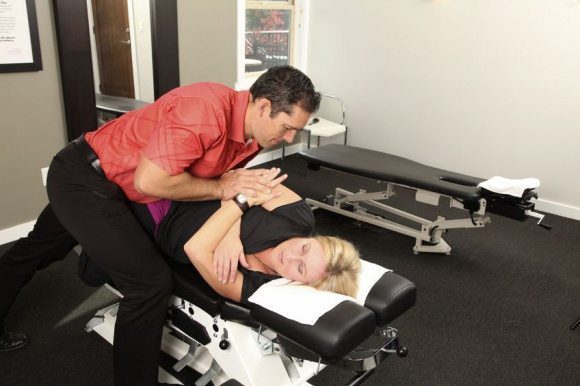
Chiropractors use specific methods to return the vertebrae in their proper locations or muster them to allow them to go freely when subluxations happen. These techniques are called spinal manipulations or adjustments. During an adjustment, the vertebra is freed in the misaligned location and returned to the right place in the spinal column. The adjustment permits the entire body to cure and preserve homeostasis once performed.
Chiropractors Are Trained In Many Different Adjustment Techniques
Some are done by hand; some necessitate using specialized instruments. Since each patient is different, your chiropractor will pick the best technique for the state. Nevertheless, don’t hesitate to ask the chiropractor which technique she or he will be doing and the way that it will be achieved.
Common Adjustment Techniques Employed By Chiropractors Are The Following:
Toggle Drop – this is when the chiropractor presses down firmly on a specific part of the back. Subsequently, using a drive that is precise and rapid, the chiropractor aligns the spine. This really is accomplished to enhance mobility in the vertebral joints.
Motion Palpation – this hand-on procedure is performed to determine in case your vertebrae are moving freely inside their normal planes of motion.
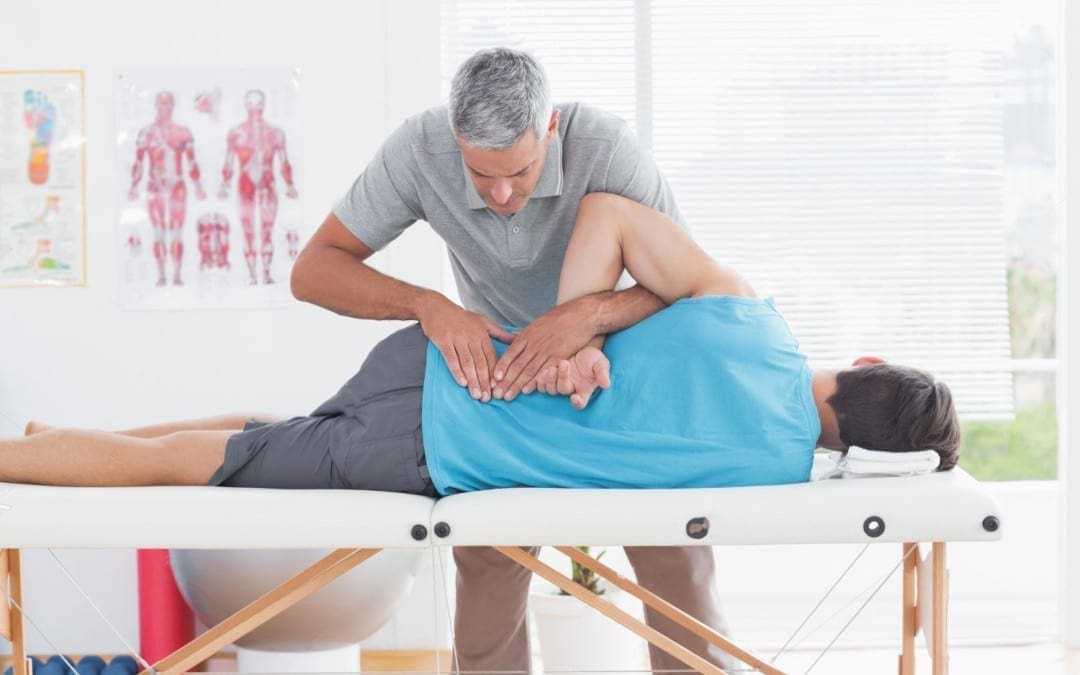
Lumbar Spin -the chiropractor positions the patient on her or his side, then implements a thrust that is quick and precise returning it to its proper place.
Release Work – the chiropractor applies gentle pressure using her or his fingertips to separate the vertebrae.
The chiropractor applies a quick thrust at once the table drops. The dropping of the table allows for a lighter adjustment without the twisting postures that can accompany the manual adaptation.
Instrument adjustments – of correcting the spinal column frequently the gentlest ways. The patient lies on the table while a string is used by the chiropractor face down – filled activator instrument to do the adjustment. This technique is frequently used to perform adjustments on creatures too.
Manipulation done under anesthesia (or twilight sedation) – this is performed by a chiropractor certified in this technique in a hospital outpatient setting when you’re unresponsive to traditional adjustments
Keep in mind that before you experience complete relief out of your symptoms you may really need to go back to the chiropractor’s office for additional adjustments.
When you�re in pain, you might try just about anything to feel better. Claims of miracle cures that instantly relieve back and neck pain are tempting, but they often fall short of their promises.
Save your money and steer clear of the products featured promising to eliminate your spine-related pain.
Copper Bracelets
Copper bracelets and wristbands have attracted a following of arthritis sufferers because of their perceived ability to reduce joint pain.
The key word here is perceived.
A 2013 study in the UK examining the effects of copper bracelets in patients with rheumatoid arthritis found no difference in pain outcomes between those wearing copper bracelets and those using a placebo.
While the bracelets won�t do you any harm, they�re more for looks than clinical benefit. There�s no solid medical evidence available proving they reduce pain or inflammation.
Magnets
From magnetic shoe inserts to bandages, magnets have been heavily marketed as a miracle cure to zap away a variety of back pain conditions, including fibromyalgia and arthritis. However, no proof exists to back up magnets� health claims.
While studies have examined magnets� impact on pain, the results are mixed�and the quality of some of the research is questionable. Additionally, magnets are not safe for some people, including those who use pacemakers or insulin pumps.
Colloidal Silver
Silver jewelry? Classic. Silver home furnishings? Sure thing. Colloidal silver for your spine pain? Never a good idea.
Colloidal silver for back pain is typically found as a topical cream containing small particles of silver. In 1999, the U.S. Food and Drug Administration (FDA) recommended that people not use colloidal silver to treat any medical condition because it�s neither safe nor effective.
Even worse than the false claims of back and neck pain relief are colloidal silver�s strange and serious side effects. This product can interfere with the absorption of some prescription drugs and even permanently tint your skin a blue-gray color.
DMSO and MSM Dietary Supplements
If you have spondylosis (osteoarthritis), you may have heard of the dietary supplements dimethyl sulfoxide (DMSO) and methylsulfonylmethane (MSM). Some believe this pair of supplements can block pain and inflammation, but no real medical evidence shows these substances actually relieve painful arthritis symptoms.
Instead of eliminating your arthritis pain, MSM and DMSO might cause some unwanted side effects. Both have been linked to causing upset stomach and skin rashes, while DMSO may also leave you with garlic breath and body odor.
A Word on Drug-Supplement Interactions
Speaking of supplements, it�s important to understand that dietary supplements may not mix with over-the-counter or prescription drugs. Some interactions result in mild side effects, but others can be much more serious�even life-threatening.
If you�re using a dietary supplement�even if it�s a seemingly benign herbal or vitamin�always let your doctor and pharmacist know before taking it with an over-the-counter or prescription medication. They will share any dangerous interactions, and ensure you�re safely addressing your back and neck pain.
The Real Deals: Alternative Treatments that Work
Many who fall prey to the products listed in this slideshow have an interest in alternative or complementary therapies for back and neck pain. While some non-traditional treatments should be avoided, many have been proven to reduce spine pain.
Scientists from the National Center for Complementary and Integrative Health at the National Institutes of Health reviewed 105 U.S.-based trials from the past 50 years that included more than 16,000 participants. They found the therapies below effective at controlling pain:
� Acupuncture � Massage � Relaxation techniques � Tai chi
If you prefer alternative methods to manage for your spinal condition, explore the therapies above. They are effective, safe, and will help you live a healthier life.
IFM's Find A Practitioner tool is the largest referral network in Functional Medicine, created to help patients locate Functional Medicine practitioners anywhere in the world. IFM Certified Practitioners are listed first in the search results, given their extensive education in Functional Medicine