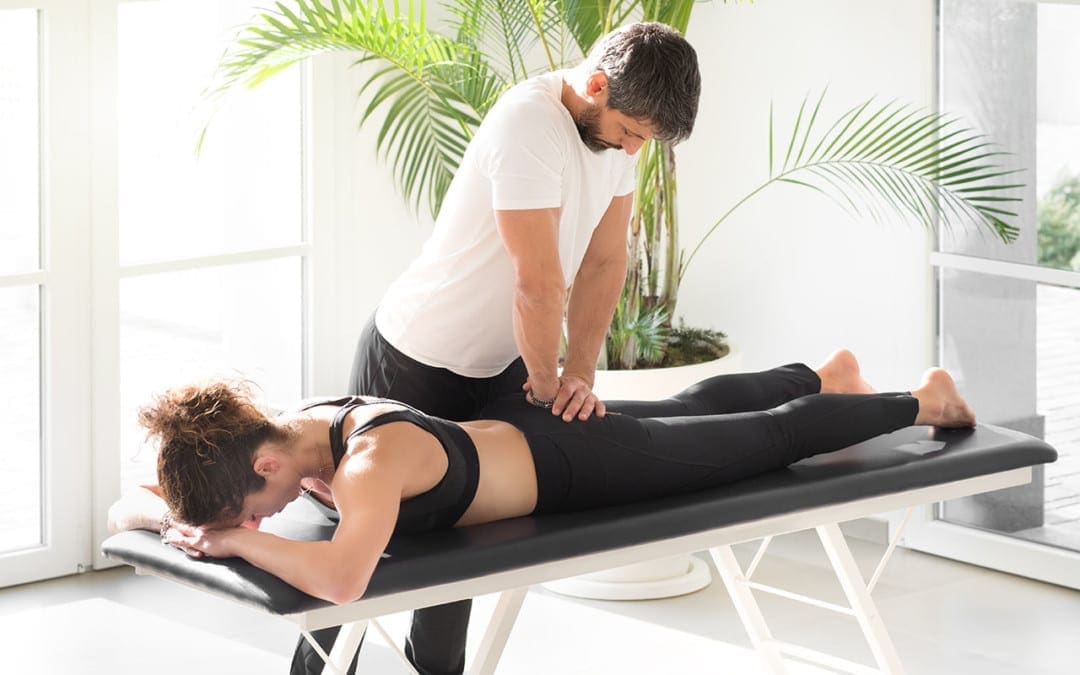
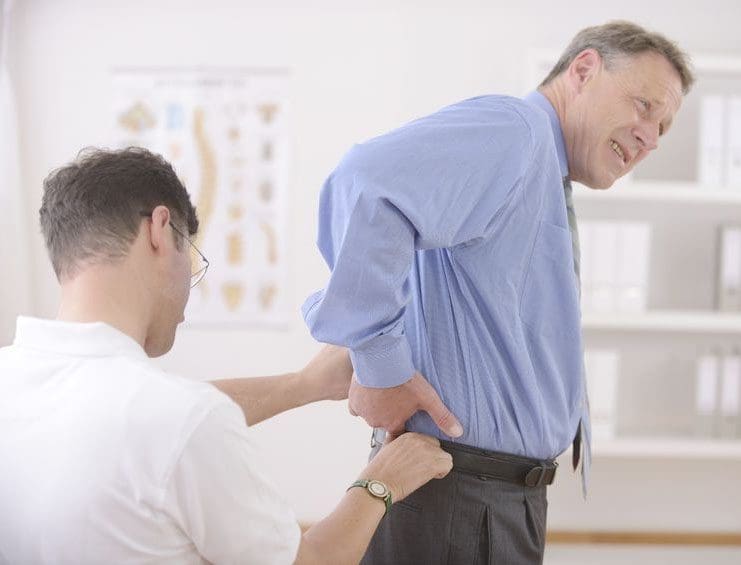
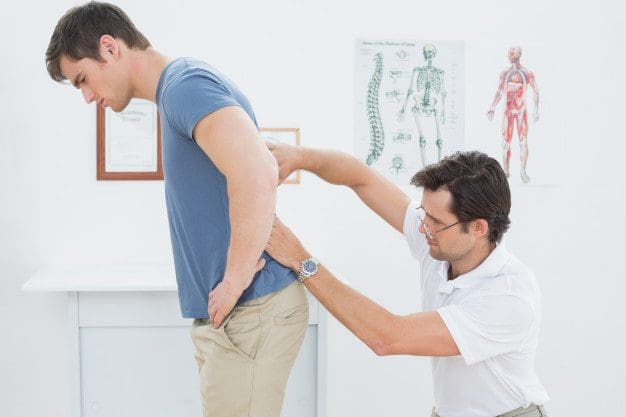
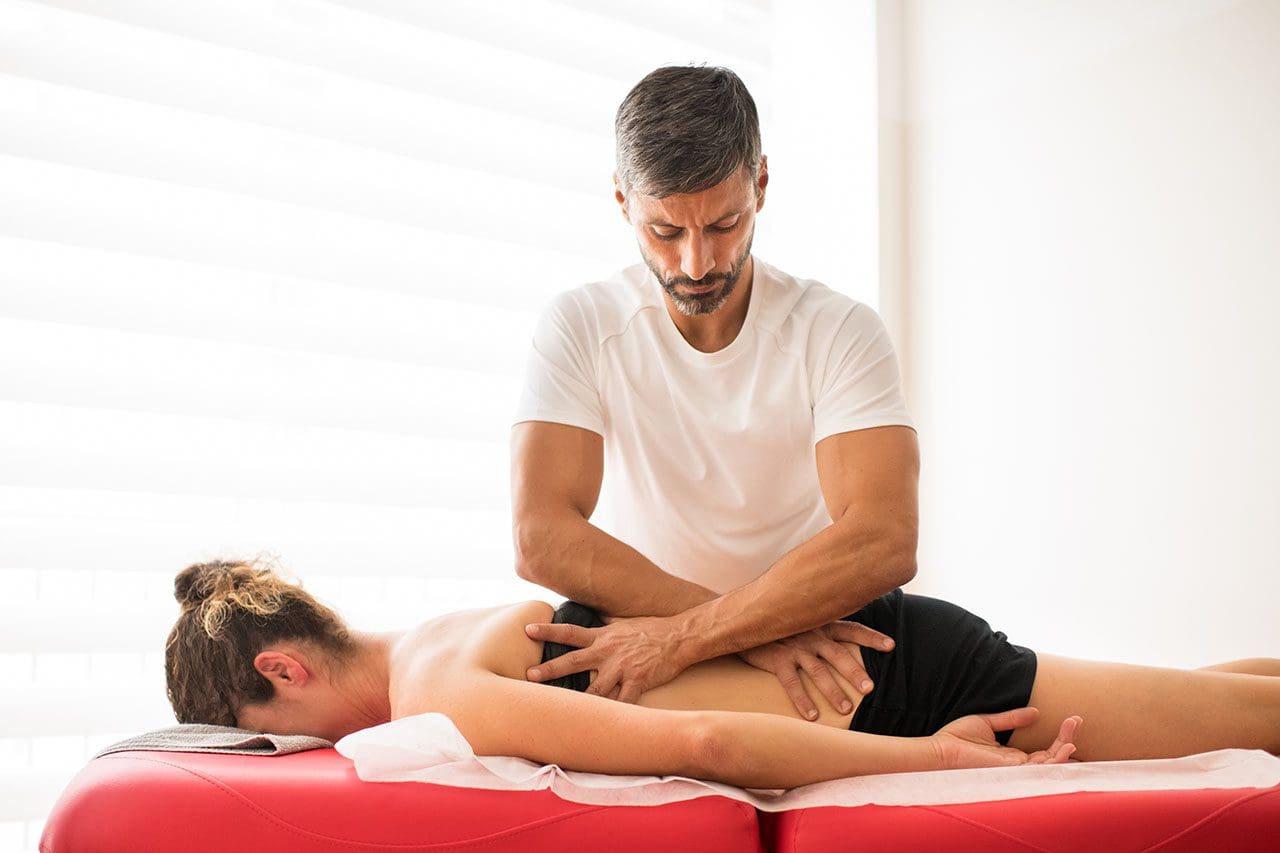
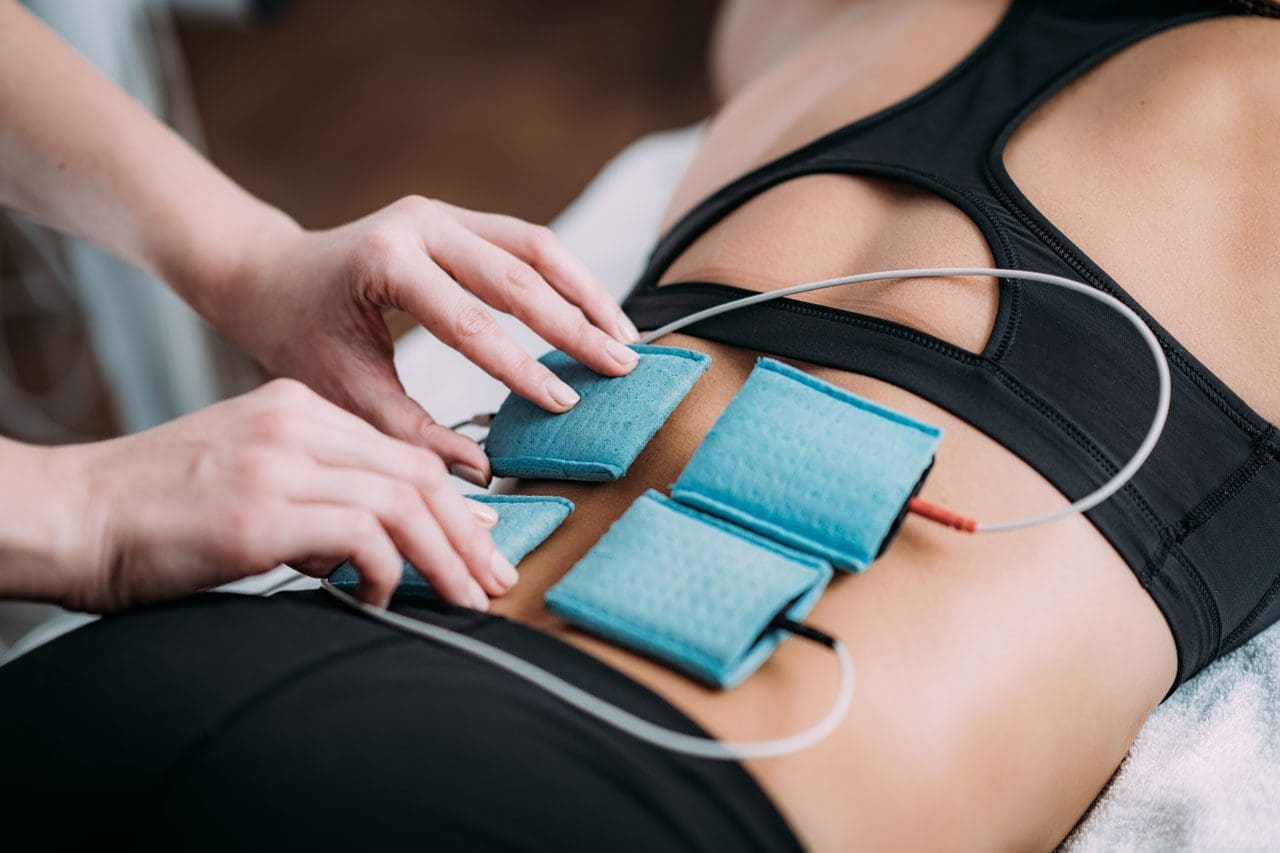
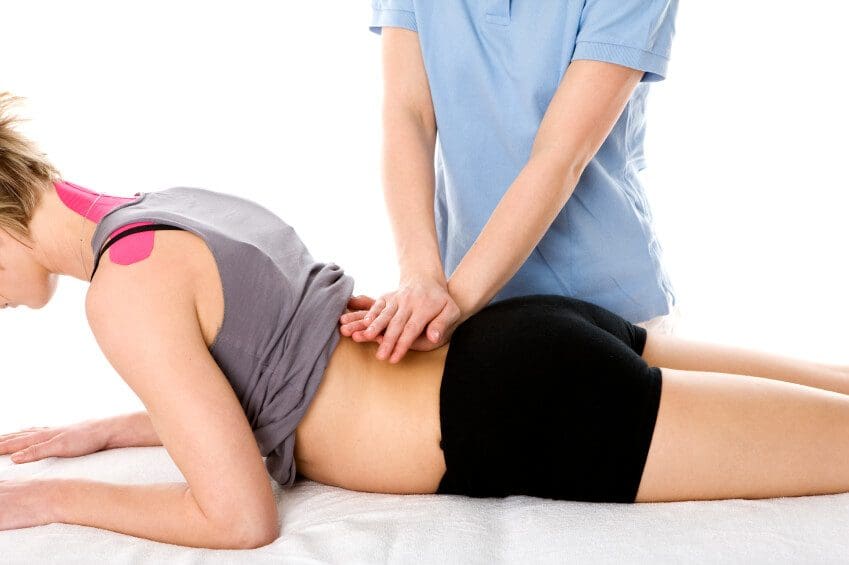
An overview of chiropractic treatment for lower lumbar back pain, how it works, how safe it is, and how often treatment is necessary. Along with the principles of chiropractic for the relief of lower/lumbar back pain, whether acute or chronic. Seeing a doctor ofchiropractic/DC, a chiropractor�or a chiropractic physician can be highly beneficial towards effectively treating low back pain. �
�
�
Practice
Chiropractic medicine utilizes a variety of treatments/therapies that are designed to manipulate/adjust the:
Spine
Joints
Tissues
These treatments focus on the entire body to relieve pain and improve functional ability. This is referred to as spinal manipulative therapy or SMT, but there are many other treatment methods and techniques.
Every chiropractor has a personal treatment approach based on the patient's condition/s, medical history, and personalized treatment plan. A chiropractor will begin traditionally starting off with soft, natural, less-invasive treatments. If these do not generate positive results they will move on to more aggressive techniques.
�
Consent Form
At every stage of the chiropractic process, there is a strict emphasis maintained on proactively discussingwith the patient exactly what is taking place and what is going to happen. A chiropractor makes sure that the patient understands everything that occurs during:
Diagnosis
Examination
Procedure/s
This is all done in order to educate the patient and receive direct permission to start the treatment. The emphasis on informed consent is essential. This is because some chiropractic techniques could carry material risk. This means that a certain technique or particular procedure could possibly cause injury.
A chiropractor also informs the patient of the possible risks of not being treated. It is not meant to scare a patient. It is to eliminate any misunderstandings and make sure that the patient has full control over their body, so they can make an informed decision, as to which way they want to go. �
�
Examination
A chiropractor will thoroughly examine a patient before making any sort of diagnosis or treatment plan. The assessment can include:
�
Medical history
The characteristics of the pain, any red flag symptoms that require further diagnostic testing will be conducted to remove any potentially serious medical issues that can be associated with neck or lower lumbar back pain-like:
Neurological disorders
Fractures
Infections
Tumors
There can be many reasons as to why low lumbar back pain happens. A chiropractor will investigate and develop a personally customized treatment plan. Next, a physical exam will be performed. This includes an orthopedic and neurological exam. These will test the:
Reflexes
Sensory nerves
Joints
Muscles
Other areas of the body
�
Advanced Diagnostic Testing
Imaging and laboratory tests are not always used for non-specificlower lumbar back pain, but they could be necessary if there are signs/symptoms of an underlying condition.
�
Severity/Duration of Condition
Chiropractic medicine looks at the symptoms and conditions of an injury or ailment and classifies them on how severe they are, and how long they last. Symptoms can be divided into degrees of severity: They are:
Mild
Moderate
Severe
For the duration period, pain and other symptoms are referred to as:
Acute pain - lasts for less than 6 weeks
Subacute - lasts between 6 and 12 weeks
Chronic - lasts for at least 12 weeks
Flare-ups - the same symptoms happen irregularly or from an exacerbation of the original injury
�
Treatment Trial
If an individual is dealing with acute or subacute lower lumbar back pain, then a chiropractic trial could be an option. This could be two to three weekly sessions over the course of two to four weeks adding up to twelve total sessions. This can be a sufficient treatment to completely alleviate the pain. However, when the pain does not go away then additional treatments could be necessary, especially if an individual has other issues/conditions.
�
Measured Outcomes
Outcome measurements are a valuable tool because they help determine whether or not the treatment is producing significant results. Some outcome measurements of treatments include:
Numeric Pain Scale for patients to rate the pain
Pain diagram so patients can describe the location and character of the pain
Increases and decreases in normal daily practices, like work, exercise, and sleep
Testing functions
Lifting ability
Strength
Flexibility
Endurance
For some low lumbar back pain could last and go over the 12-week mark making it a chronic pain condition. A chiropractor will look for signs/symptoms to see if there is a risk of developing chronic pain. �
�
Chiropractic How Often
When the pain is acute lower lumbar back pain, a standard treatment plan can be six to ten sessions over the course of two to four weeks. These treatments emphasize the passive non-exercise approach of manual therapy for relieving pain and improving function.
If the non-exercise method doesn't deliver positive results then a more active exercise-based treatment can be utilized to increase function and return an individual back to normal life.
�
Back Pain That Doesn't Go Away
Often acute symptoms are resolved within the first 4-weeks. But it is possible that the pain can become chronic, meaning that it lasts longer than 12 weeks. Some individuals can hit a plateau during the recovery process.
This is referred to as MTB or that the patient has met the therapeutic benefits. A chiropractor will want to see if pausing/stopping chiropractic treatment will have a residual effect, exacerbate the pain, or reduce function and activity.
Example: If mild to severe chronic lower lumbar back pain has worsened, a patient could need one to six more visits with each pain episode. And this would be two to three weekly treatments for two to four weeks. However, patients rarely need continuing or ongoing care of one to four visits per month.
�
Re-Evaluation
Chiropractors will not continue treatment/s if they are not helping the patient. Therefore, every 2 to 4 weeks there is a re-evaluation of the patient to see if the treatment is still having a positive and beneficial effect. Here are some of the criteria for continuing treatment:
Individual still responds positively to the treatment
The individual has met the therapeutic benefits and worsens when they are not treated
Proof shows that self-care alone will not be sufficient to maintain the therapeutic benefits
�
Continuing Treatment
Living with chronic lower lumbar back pain can be a challenge, but chiropractors want to emphasize to individuals that self-care is an essential component for pain management. This includes physical rehabilitation combined with range-of-motion exercises. A chiropractic physician may encourage a variety of treatment options, like:
Chiropractic treatment and the benefits are different for everybody. This is why it is important to communicate with your chiropractor every step of the way and to be open-minded about the different treatment options they offer.
�
Lower Back Pain Chiropractic Treatment
Dr. Alex Jimenez�s Blog Post Disclaimer
The scope of our information is limited to chiropractic, musculoskeletal, physical medicines, wellness, and sensitive health issues and/or functional medicine articles, topics, and discussions. We use functional health & wellness protocols to treat and support care for injuries or disorders of the musculoskeletal system. Our posts, topics, subjects, and insights cover clinical matters, issues, and topics that relate and support directly or indirectly our clinical scope of practice.*
Our office has made a reasonable attempt to provide supportive citations and has identified the relevant research study or studies supporting our posts. We also make copies of supporting research studies available to the board and or the public upon request. We understand that we cover matters that require an additional explanation as to how it may assist in a particular care plan or treatment protocol; therefore, to further discuss the subject matter above, please feel free to ask Dr. Alex Jimenez or contact us at 915-850-0900. The provider(s) Licensed in Texas*& New Mexico*�
Spinal stimulation is a treatment option that could help bring relief from pain and improve the quality of life for individuals dealing with chronic pain, like low back, and leg pain. Spinal stimulation can help reduce and manage chronic pain that does not alleviate or reduce with physical therapy, pain medications, injections, and other non-surgical treatments/therapies. �
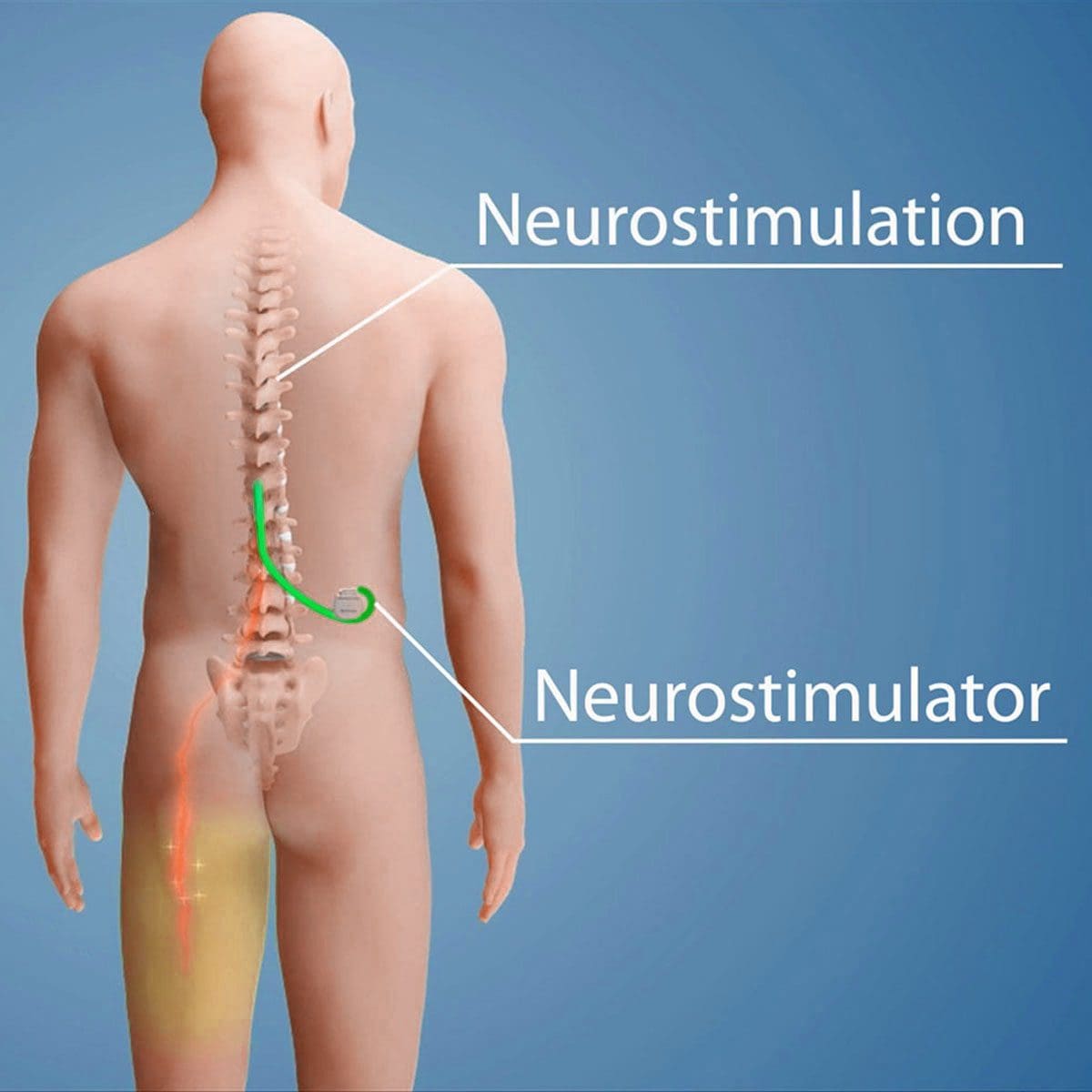
It is a form of neuromodulation that works by blocking pain signals that the nerves send out from reaching the brain. A spinal stimulator is a tiny device that is implanted underneath the skin. The device delivers a very low electrical impulse that masks/changes pain signals before they reach the brain.
�
A Spinal Stimulation System
�
Neurostimulator:
This is the entire device that is implanted and sends out electrical impulses through a lead wire to the nerves in the spine.
Lead:
The thin wire that delivers the electrical impulses from the neurostimulator.
Remote control:
This turns on/off the stimulator and increases or decreases the amount of stimulation.
Charger:
Stimulators are rechargeable and normally require recharging about one hour every two weeks.
�
Spinal Stimulator Types:
�
Traditional stimulators
These produce a gentle ringing/tingling sensation that masks the pain.
Burst stimulators
These send out random interval bursts of electrical impulses designed to copy the way the body sends out nerve impulses.
High-frequency stimulators
These reduce pain without generating tingling sensations. �
�
Types of Pain Spinal Stimulation Treats
Spinal stimulation is approved by the U.S. FDA to treat chronic back and leg pain, including pain that doesn't go away after back surgery known as failed back surgery syndrome. Chronic neuropathic back and leg pain are the most common types that stimulation treats. This means back or leg pain caused by nerve damage from:
Auto accident
Injury - personal, sports, work
Disease
Acute pain is like stepping on a sharp piece of glass, where the pain serves as protection letting you know something is wrong and not to continue. Whereas chronic neuropathic pain lasts for 3 months or more and does not help protect the body. �
�
Spinal stimulation is also used to treat complex regional pain syndrome or CRPS. This is a rare condition that affects the arms/hands or legs/feet and is believed to be caused by damage or malfunction of the nervous system. It is also used in treating peripheral neuropathic pain. This is damage to the nerves outside of the spinal cord often in the hands/feet that is caused by an:
Infection
Trauma
Surgery
Diabetes
Other unknown causes
�
Appropriate Treatment
Spinal cord stimulation should not be used in patients that are pregnant, unable to operate the stimulation system, went through a failed trial of spinal stimulation, and are at risk for surgical complications. The decision to use spinal stimulation is based on an individual's needs and risks. Talk to a doctor, spine specialist, chiropractor to see if spinal stimulation could be an option.
�
Benefits and Risks
The effects of stimulation are different for everyone. Therefore, it is important to understand that spinal stimulation can help reduce pain, but not completely eliminate it. �
�
The Benefits of Spinal Cord Stimulation
In addition to reducing pain, other benefits of spinal stimulation include:
Better sleep
Improved body function
Increased activity
Improved mobility
Reduced opioid medication/s use
Less need for other types of pain meds
Reduced dependence on braces/bracing
�
Risks
During the implantation, there is a risk for:
Bleeding
Infection
Pain at the site of incision
Nerve damage
Rarely paralysis
� For some individuals, scar tissue can build up over the electrode, which can block the stimulator's electrical impulse. The lead wire could move or shift out of position. This could lead to impulses being sent to the wrong location. The device itself could shift under the skin causing pain, making it hard to re-charge or communicate with the remote.
There is a risk that the lead wire could detach or break off causing a malfunction and require a replacement. Also, individuals could respond well to the stimulation at first, but later on, they develop a tolerance, and so the therapy no longer has the same impact and the pain could get worse because the nerves stop responding.
�
Take Precautions
Discuss with a doctor, spine specialist, or chiropractor what you can and can't do after the stimulator is implanted and activated. Here are a few precautions:
Do not drive or operate heavy equipment when the stimulator is active.
Stimulation systems could set off metal detectors, which could require manual screening.
MRIs, electrocautery, diathermy, defibrillators, and cardiac pacemakers could have a negative interaction with certain types of stimulators. This could result in injury or damage to the spinal stimulator. Talk to your doctor to determine if a spinal stimulator is a treatment option that will work for you.
�
Weight Loss Techniques - Push Fitness Center
Dr. Alex Jimenez�s Blog Post Disclaimer
The scope of our information is limited to chiropractic, musculoskeletal, physical medicines, wellness, and sensitive health issues and/or functional medicine articles, topics, and discussions. We use functional health & wellness protocols to treat and support care for injuries or disorders of the musculoskeletal system. Our posts, topics, subjects, and insights cover clinical matters, issues, and topics that relate and support directly or indirectly our clinical scope of practice.*
Our office has made a reasonable attempt to provide supportive citations and has identified the relevant research study or studies supporting our posts. We also make copies of supporting research studies available to the board and or the public upon request. We understand that we cover matters that require an additional explanation as to how it may assist in a particular care plan or treatment protocol; therefore, to further discuss the subject matter above, please feel free to ask Dr. Alex Jimenez or contact us at�915-850-0900. The provider(s) Licensed in Texas& New Mexico
Those who like to jog or run say there is nothing like the feeling of jogging and running. The breeze all around, the sound of feet hitting the pavement, and the accomplishment felt after. Jogging and running can generate empowerment that makes individuals feel like they're on top of the world. Until back pain rears its ugly head.
Many individuals with back pain see no alternative and so give up trying to jog or run and just forget the whole thing. However, it is possible to be a successful runner and hold down a jogging/running regiment, even with back pain. �
�
Jogging and Running
Running can be highly beneficial for those with back pain. Aerobic exercise is considered a form of effective treatment for low back pain. Other studies have found that runners have stronger spines. An article published in Scientific Reports looked at the intervertebral�discs in joggers/runners, as well as, non-joggers/runners. The joggers/runners had healthier intervertebral�discs.
Running can be quite helpful to those having trouble with mechanical back pain. Mechanical means an individual has a structurally sound spine but has a job/ that creates force/s that can damage tissues, which results in back pain. Often, those with back problems have a weak:
Core
Front
Back
� Jogging and running can help strengthen the core along with weight loss and improved fitness will definitely benefit the spine/back. Jogging and running increases endorphins. This is great for the brain and mood and decreases overall general pain.
�
Individuals that should not be jogging or running
It does not mean these individuals cannot jog or run. But because of underlying conditions, they need to talk to their doctor first and may have to take extra precautions.
Back pain can be mechanical or structural. If the spine has a structural problem, then jogging or running might not be the best option for a therapeutic exercise regiment/program. This can be dangerous as any added stress placed on an abnormal spine could worsen symptoms, instead of helping to reduce back pain. It could even worsen the condition. This is where the proper spine treatment is directed by a doctor, spine specialist, chiropractor, or physical therapist.
� If the back pain is mechanical, there are ways to work in a running program while keeping the back safe. Usually, this means stretching out, getting physical therapy, and applying heat, and ice. These can all help while being able to jog and run.
Lace-up, make sure there is plenty of water and hit the neighborhood, trail, pathway, etc. However, running with back pain is not the most optimal way to jog or run. Here are some ways to get the full benefits from the experience.
�
Stretching Out
Stretching is highly beneficial not only to runners, but everyone, especially those with back pain, which is why stretching before and after jogging and running is extremely important.
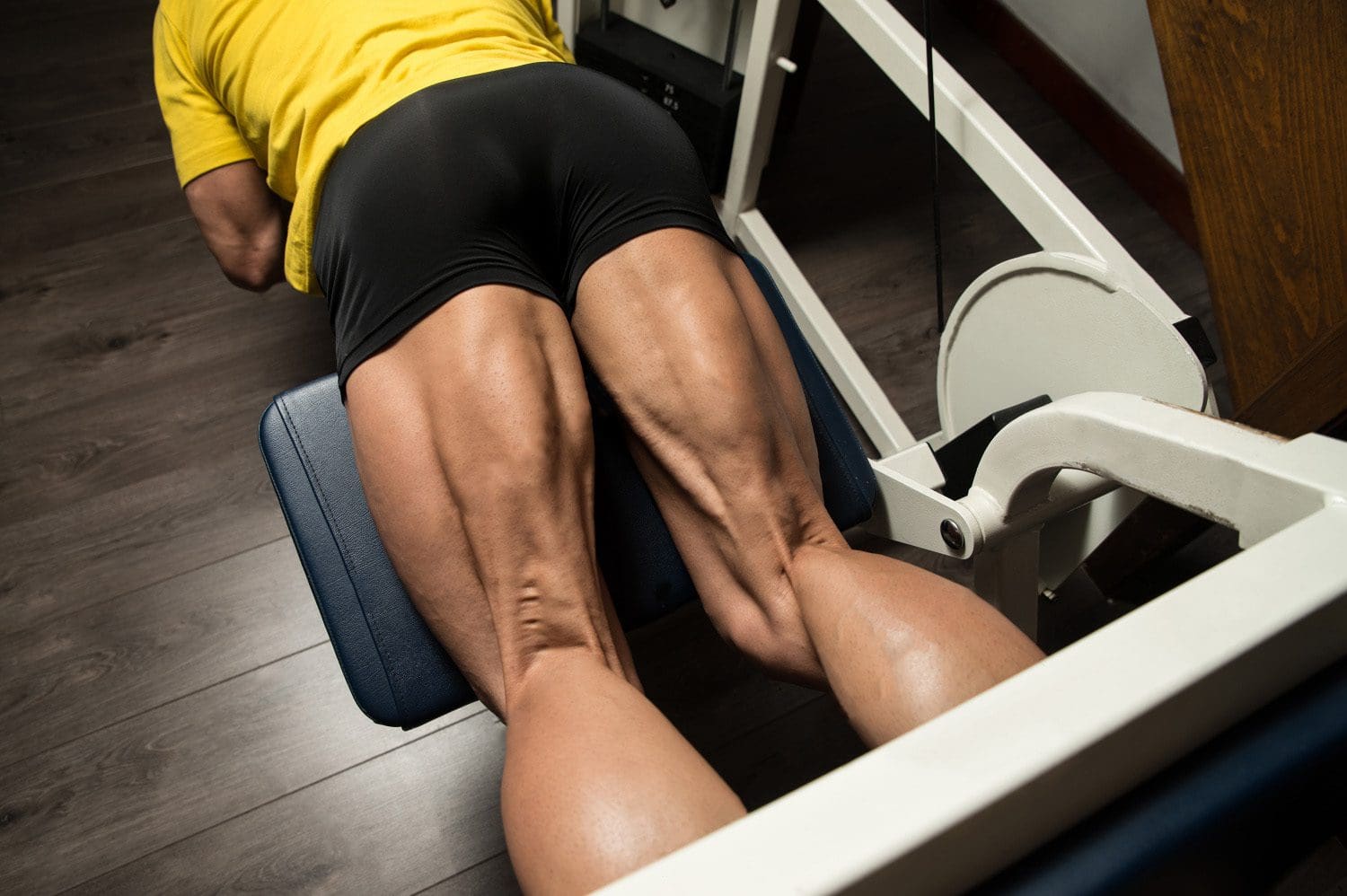
The hamstrings, quadriceps, groin, and calf muscles definitely need to be stretched out. These are the legs muscles and need to be loose and ready to move. The thigh muscles are all directly connected to the pelvis and hip. If they are not properly stretched it can affect pelvic tilt and generate low back tightness.
The calf muscles are not directly connected, but the body is a kinetic chain, which means that the body works as a whole unit. For example, let's say an individual has a tight calf or Achilles tendon. This can change stride length, which can then affect the hamstrings, hips, and back. Icing the back after a jog or run will reduce back pain and inflammation. �
�
Ease Into The Routine
Experienced runners know all too well that literally hitting the ground and taking off results inpain and injuries. First-time joggers/runners, as well as those coming back to jogging or running need to take it low and slow. This means to gradually ease into a jogging/running routine rather than trying for ten miles right away.
Go for reasonable goals that can be accomplished. This will increase the likelihood to stay with it and continue. This goes for new runners or joggers/runners making a return. Gradually increasing distance and speed is the safest approach. Gradual increases in the jog or run allow for positive and progressive gains.
�
Mix In Other Workouts
Cross-fit training can help the body take a break when carrying out a running program. Cross-fit training involves:
Swimming
Biking
Weights
A comprehensive exercise program should include resistance training and cardiovascular exercises. Only want to stick to only running and nothing else then change distances and speeds on a regular basis. Changing running workouts frequently will help to avoid overuse injuries.
Overuse injuries can stop an exercise routine cold. Therefore, making sure that the body gets the proper amount rest between jogs, runs, and workouts is crucial for the therapy to work, to eventually alleviate back pain. �
Proper Equipment
Throwing on a pair of old sneakers and jogging out the door is not the way to go. Improper shoes could exacerbate the back pain/condition and even create new injury/s. Therefore choosing the proper jogging and running equipment will prevent injuries and back pain.
Shoes, braces, and orthotics do make a difference. Just like using the right tool for a job makes a difference. Especially, when using a cheap knock-off that breaks or falls apart. It is the same with exercise equipment/gear. For the low back, a neoprene belt can help the low back remain loose by providing heat and spine support.
Shoes and orthotics are important, but be sure to know foot size and type. Otherwise, they could worsen back pain or cause another injury. Effectively utilizing them, a runner should get a custom foot orthotic/s sizing. Because every person is unique, functional custom foot orthotics can help balance a person�s unique body structure. Dr. Jimenez can help provide functional custom foot orthotics to patients who want to improve back pain. For example, some things to consider:
Some choices depend on the constant surface the runner is on, like cement, pavement, trail, or dirt road. Specialty running shoe stores can provide a foot strike analysis to find the shoes that are best matched for your physical needs. �
�
Feel That, Your Body's Telling You Something
Experienced athletes, especially runners know how to listen to their bodies. If an injury is acting up they take the necessary time off to heal properly before re-starting the regiment. For those with back pain, this is especially important during the program.
If back pain presents mid-run, it is recommended to slow down. If that doesn�t bring relief then stop and stretch. And if that does not help then stop the workout altogether. It could be nothing and all that is needed is more rest before starting up again. But if it persists then check with your doctor, chiropractor, or physical therapist to re-evaluate the program, as there could be some changes/adjustments that need addressing.
It does not matter, whether it is back pain, shin splints, or plantar fasciitis, the point is to listen to your body. Pain that lingers on or wakes you out of sleep should be checked out.
Chiropractors On Metabolic Syndrome & Inflammation
�
Dr. Alex Jimenez�s Blog Post Disclaimer
The scope of our information is limited to chiropractic, musculoskeletal, physical medicines, wellness, and sensitive health issues and/or functional medicine articles, topics, and discussions. We use functional health & wellness protocols to treat and support care for injuries or disorders of the musculoskeletal system. Our posts, topics, subjects, and insights cover clinical matters, issues, and topics that relate and support directly or indirectly our clinical scope of practice.*
Our office has made a reasonable attempt to provide supportive citations and has identified the relevant research study or studies supporting our posts. We also make copies of supporting research studies available to the board and or the public upon request. We understand that we cover matters that require an additional explanation as to how it may assist in a particular care plan or treatment protocol; therefore, to further discuss the subject matter above, please feel free to ask Dr. Alex Jimenez or contact us at�915-850-0900. The provider(s) Licensed in Texas& New Mexico
Being able to hike with back pain is a blessing for individuals that love being outdoors. Enjoying nature and being able to get away from all the stress and tension is something we all can use. Hiking is an excellent physical activity that cleanses the mind, body, and spirit. Not to mention the great exercise benefits that come with it.
The time spent going up and down hills following trails, etc. can feel unbelievable until pain symptoms start to present. Those with back pain know and understand that there are certain activities that can kick in the pain. If hiking has been stopped in its tracks because of back pain, or, if just about to start hiking for the first time, here is some advice to reduce and alleviate back pain during and after a hiking session. �
�
Hike The Right Way
Dr. Alex Jimenez D.C. is a spine injury specialist at Injury Medical Chiropractic Clinic. He believes at its core, hiking is very beneficial to individuals with back pain.
Hiking is a great activity for those with back pain because it increases muscular circulation improving soft tissue flexibility in the spine along with other muscle groups. Hiking helps strengthen spinal support muscles, improves flexibility and posture. The result is minimized pain on all levels. Walking on different uneven terrain/s contributes to improved balance and synergistic muscle activity of the back, legs, and core, and the small muscles of the feet. However, there is an incorrect way to hike with back pain.
If done incorrectly hiking can have a negative detrimental impact on the body. Proper technique and form need to be followed. For example, a backpack that is improperly worn or not correctly sized for the body type could lead to imbalance. This could lead to improper form and injuries. Poor posture during a hike places added pressure on the:
Joints
Spine
Ligaments
Tendons
This could easily result in muscle/tendon injuries. With some preparation, a few tips and being aware of your surroundings will help you to become a hiking pro in no time, with reduced, improved, and possibly no back pain after a while of doing this great activity. Here are some words of wisdom when it comes to hiking and back pain.
�
Proper Backpack
A poor-fitting backpack will easily lead to increased back pain and even other ailments like shoulder and neck pain issues. A proper backpack should have the straps around the waist and across the back to evenly distribute the weight. Visit a sports/outdoor store to get correctly fitted for a backpack.
�
Stretching Out
Getting and staying loose before and after a hike is very important. Before a hike improves circulation and loosens the muscles, in turn, reducing the stress on the joints. Stretching after a hike reduces muscle fatigue and soreness that can amplify and exacerbate back pain along with any other body soreness.
�
Trekking Poles
Using trekking poles can be beneficial and quite helpful for individuals with back pain. Trekking poles can help avoid poor posture by keeping the body in an upright position. This helps reduce back pain experienced during and after a hike. �
�
Body Care
Hiking successfully means that the body needs to be fully functional and fueled before even stepping on the trail. Fueling the body with nutritious snacks like bananas, dried fruit, and trail mix will keep the body's energy supply going. And above all stay hydrated with plenty of water. Also, focus the workout on developing upper body and core strength to prevent injury.
Don't forget to listen to what your body is telling you. Individuals with back pain need to listen to their bodies making sure not to overdo it, as well as, with any type of exercise, to adjust to your specific pain tolerance level. If unable to limit distance or time, then make sure to take frequent breaks. This will help avoid placing unnecessary strain on the spine. �
�
Recovery Time
The body needs a proper amount of time between hikes to recover properly. If there is still soreness and pain, WAIT until the body is no longer sorebefore trekking to the next trail. The amount a person can hike depends on the individual, overall strength, and how fast their body recovers between hikes. It is different for everyone.
�
Assistance
As the journey commences, whether going for pain-free or less painful hiking, remember that it's ok to have others help get you there. Getting help from a veteran hiker will definitely benefit proper form and posture. Hiking with an experienced partner can also help avoid poor hiking techniques that can worsen back pain or even create new injuries. �
�
Consult a local chiropractor, or spine, and pain specialist if you are unsure about hiking and are experiencing ongoing back pain. They will help develop a customized/personalized treatment plan with the focus on decreasing and controlling the pain and improving the body's overall function to be able to participate in physical recreational activities.
Chiropractor, Dr. Alex Jimenez shares some how-to advice on taking hot baths for back tension and pain. A bath can be a wonderful and fulfilling experience in self-care for back pain. There are medical benefits from taking a hot bath, as well. A hot bath can be extremely helpful when it comes to back pain.
Dr. Jimenez helps his patients with spinal ailments and conditions that range from arthritis, degenerative disc disease to nerve compression, sciatica, auto accident injuries, sports injuries, etc. In addition to chiropractic, physical therapy, diet, and exercise, he has also seen the power of home remedies, like a hot bath.
There are scientific studies that have shown how hydrotherapy can relieve back pain. Dr. Jimenez describes a hot bath as a muscle-relaxing stimulus. It opens up the muscles, which allows more blood to flow through, which in turn helps to heal injury/s, tightness, and soreness. It helps to clean out lactic acid, which is known to cause muscle pain, fatigue, and muscle cramps.
Here is what usually happens to the spine when soreness, tightness, aching, and pain present. A spinal structure like a nerve, disc, vertebral bone, or other tissue is injured or on the verge of injury, and the muscles around it contract closely in to prevent more damage.
This is called muscle spasm. Don't worry the body is supposed to respond this way, as it means the damaged tissue is less likely to sustain further injury. However, muscle spasms can be painful. Much like a Charley horse, a back spasm can have the same effect.
For example, someone standing or working for an extended period places the muscle/s under constant tension, which means they have a higher chance of having a spasm and developing painful symptoms. A hot bath relaxes the muscle/s and reduces/removes the aching soreness and pain. Here are some tips to help relax the back muscles. �
Try Epsom Salt
Taking a bath with Epsom salt or minerals that dissolve in water can be helpful, but are not necessary. Many are fantastic skin relaxants, but if you have a hot bath with or without the salt, it�s not going to make a huge difference. What makes the bath work is the heat and the floatation. This what creates the benefits.
Soak 15-20 Minutes
It is really up to the individual, as to how long they want to stay in the tub. One question to ask is how long can you take sitting in hot water? Hot tubs are normally heated to about 102 to 103 degrees. With these types of tubs, individuals can sit for a half-hour or more. However, most of us do not have a jacuzzi, so remember that a regular bath will be warmer possibly 105 or 106 degrees. It all depends on how long you can take the heat. �
� Remember not to scald yourself with a bath that is way too hot to soak in, please. It�s ok to get the water running hot, but as it fills turn the heat down and let it cool slightly before stepping in. Most individuals don�t need more than 15 to 20 minutes of soaking time maximum.
As for how often one should take a hot bath, Dr. Jimenez explains that it depends on the severity of the back pain and what type of work and activities the individual does. For most three times a week offers a balanced therapy. If an individual has a strenuous physical job like construction work, manual lifting, standing work, or doing highly repetitive work then they�ll need to do more than 3 times a week.
Strengthen the Body's Core
A strong core can support and protect the spine, along with the rest of the body. Squeezing and contracting the back, side, and front muscles make the core strong and robust. It behaves like a steel beam supporting the spine when added protection is needed.
Stretch Out
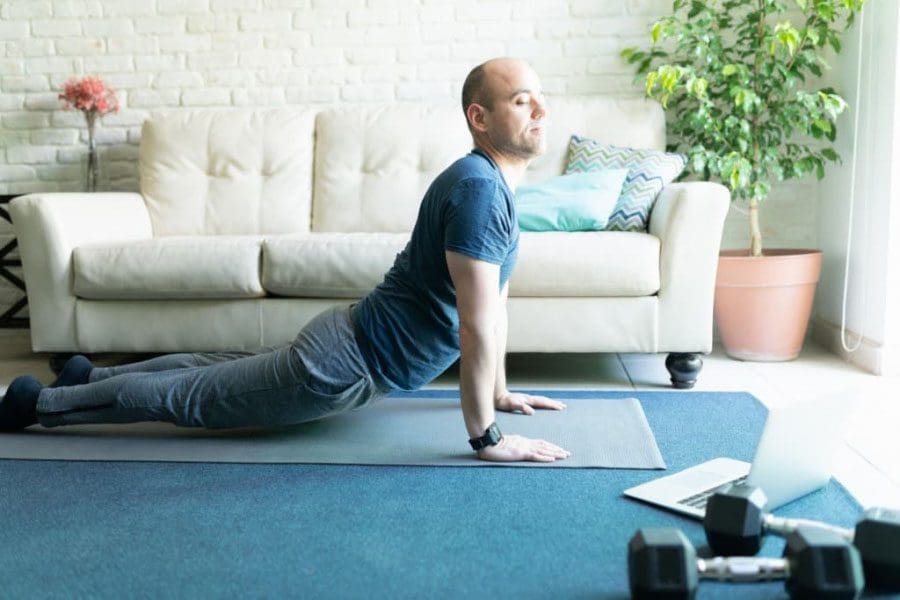
After a hot bath is a perfect time to stretch. Toe touches can loosen tight hamstrings that can strain the lower back. Also, try out yoga's upward-facing dog pose. Sun salutationscan help the spine go through a wide range of motion. Therefore do them slowly and hold each pose for a few breaths. A long salutation or two can feel tremendous when the spine is nice and relaxed.
Take Care When Getting Out
Hot baths might not be a good idea or the right option for certain people. If there is instability in your spine and the vertebra move around more than they are supposed to then a hot bath might not be the best option. Instead, a hot shower with a massage setting could be equivalent to taking a hot bath.
However, if a hot bath is not helping with back pain it could be a sign of something more than muscle tightness or a muscle spasm. A spine specialist or chiropractor can give you a proper diagnosis.
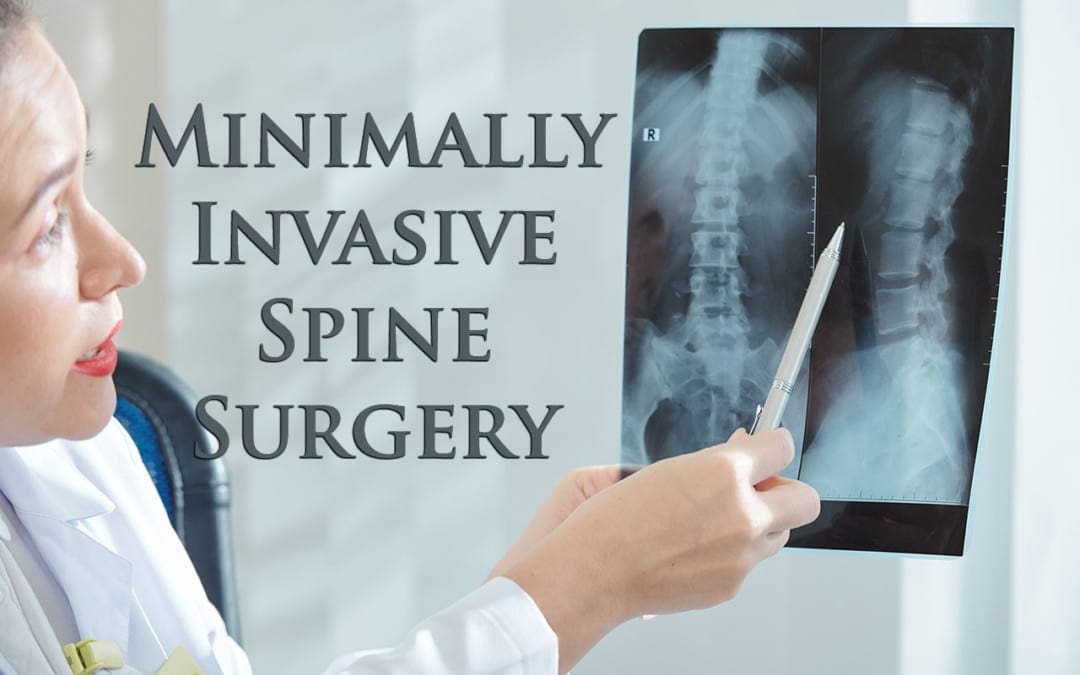
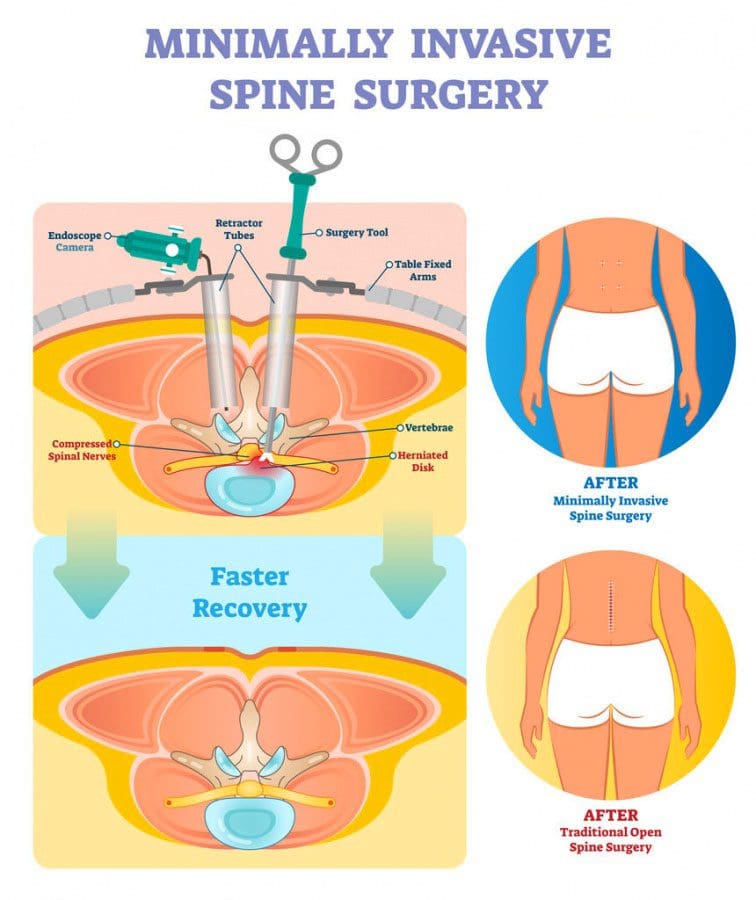
Minimally invasive spine surgery known as M.I.S.S is an option to traditional open surgical procedures, as well as an alternative when non-surgical approaches are working but the pain or condition is becoming worse, regardless. These are performed to treat a variety of spinal disorders like:
Bone spurs
Degenerative disc disease
Herniated disc
Scoliosis
Spinal instability
Spinal stenosis
Spinal tumors
Minimally invasive surgery can offer potential benefits. These include
A small/tiny incision/s
Minimal cutting through soft tissues like ligaments, and muscles
Outpatient option/s
Reduced post-operative pain
Quicker recovery
�
The Focus of Spine Surgery
There are two main goals when it comes to spine surgery or rather the goal/focus of the surgery. These are decompressing and stabilizing the spine.
�
Decompression of the spine
Spinal decompression involves removing any tissue/s that are compressing/pinching the nerve structures like a spinal nerve root or the spinal cord itself. Bone spurs and fragments from a herniated disc are the types of tissue/s that can cause neural compression.
�
Stabilization of the spine
An abnormal movement of one or more levels/segments of the spinal cord can cause back pain, neck pain, or both. Surgeries that are meant to stabilize and stop these abnormal movements utilize spine instrumentation combined with fusion.
�
Spine Surgery Techniques
Minimally invasive spine surgery techniques include:
Rather than cutting through soft tissues, a tubular retraction instrument generates a tunnel that expands and passes between the muscle/s to access the spine's column. Then an endoscope or a tiny video camera goes in and around the area, projecting a visualization of what's happening on a monitor during the procedure.
�
This is the surgeon's/team's eyes as they work to repair the damage. The surgery is run through the tubular retraction system along with any specially designed instruments that are needed. Types of surgical procedures performed with minimally invasive surgery include:
Discectomy
Microdiscectomy
Foraminotomy
Microforaminotomy
Microlaminectomy
Microlaminotomy
The micro means that the surgery is done using a special microscopic camera to view the disc/s and nerve/s. Imaging scans, systems, and image-guidance technologies, like fluoroscopy, which is a real-time x-ray are utilized during the surgery pinpointing the key aspects of the patient�s spinal anatomy. The surgical imaging shows 2D and 3D views, which guides the placement of any instrumentation, like pedicle screws.
�
Disorders Treated with Minimally Invasive Surgery
�
Degenerative disc disease
Degenerative disc disease is known as DDD often develops progressively in older adults and affects the intervertebral discs. The normal wear and tear of cellular age-related changes in the body can cause the spine's discs to:
Stiffen
Lose Flexibility
Loss of Strength
Loss of Height
Lose shape, along with the ability to absorb/distribute the forces associated with moving
These structural changes increase the risk of disc herniation and subluxations.
�
Herniated discs
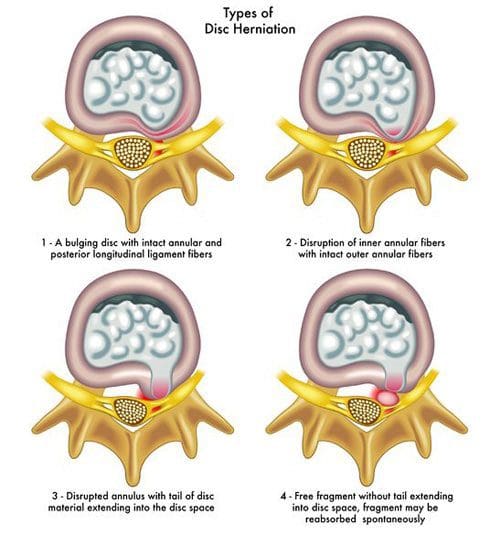
A herniated disc also called a slipped, bulging, and ruptured disc. This happens when the soft gel cushion of a disc breaks through the protective outer layer. Other than the damaged disc, the loose interior gel can also irritate and inflame the nerves causing back pain. �
�
Scoliosis
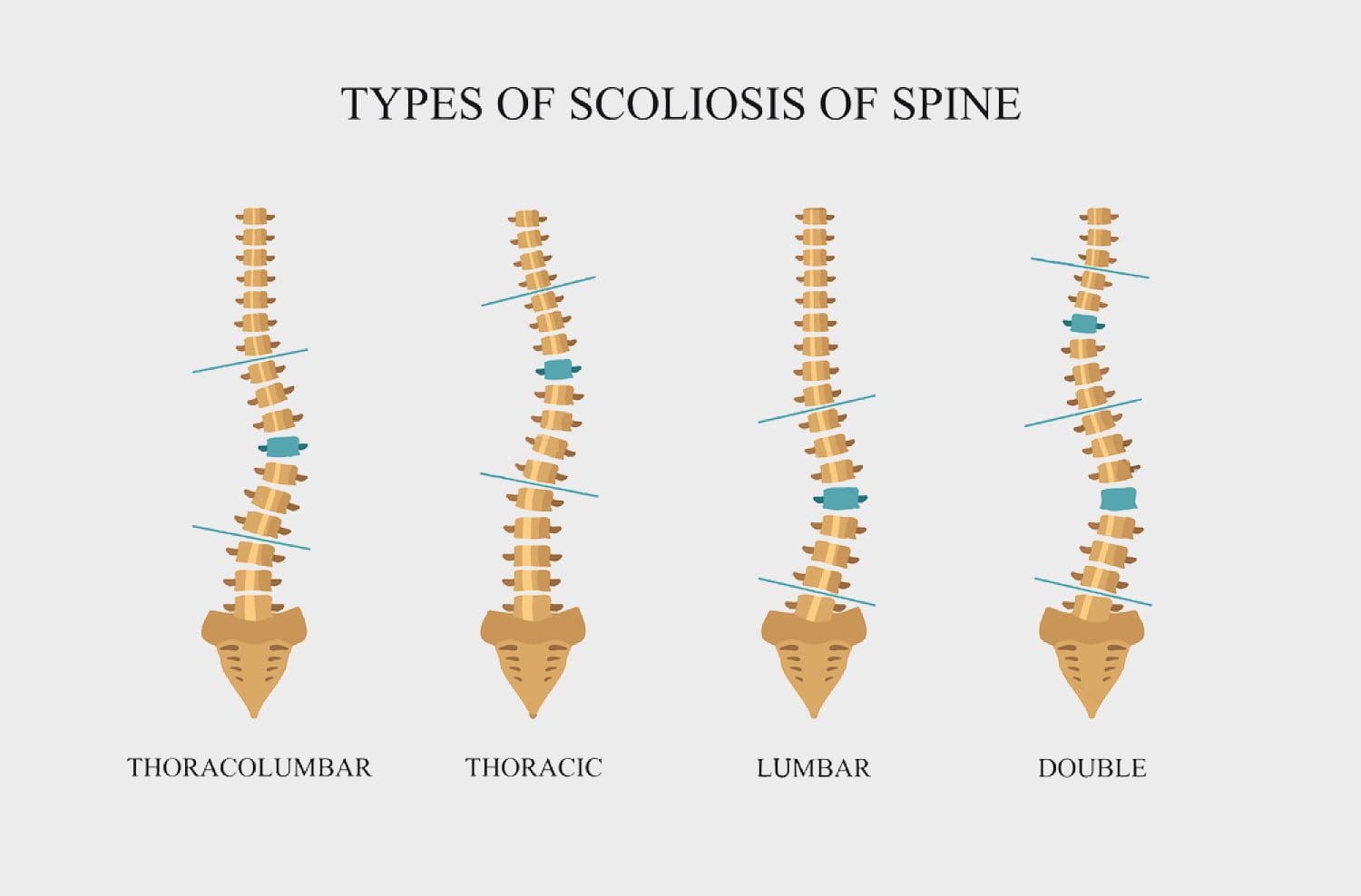
Scoliosis is an abnormal sideways curve of the spine that can cause progressive spinal deformity. A scoliotic curve can look like an �S� or �C.� Most cases have no known cause, and while the condition is more commonly associated with children, adults can develop scoliosis, as well.
�
Spinal stenosis
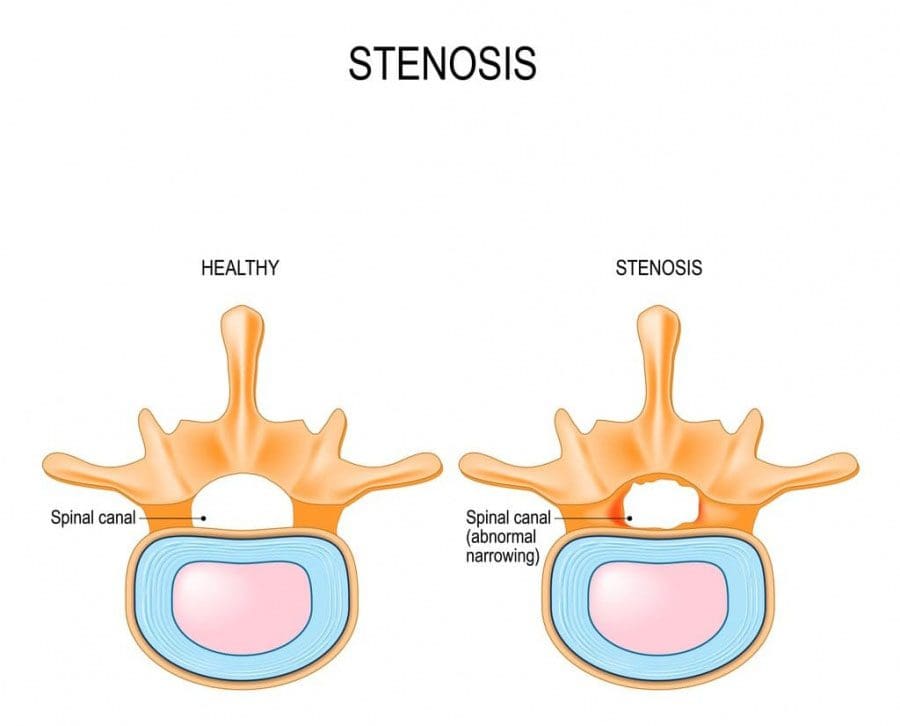
Spinal stenosis happens when the spinal nerve roots and the spinal cord become compressed/pinched. These nerves branch off the spinal cord and exit the spinal canal through passageways called neuroforamen. Nerve and spinal cord compression can cause symptoms like:
Pain
Weakness
Tingling sensations
Numbness
Sometimes, pain can travel into the arms or legs
�
Spine Surgery Risks
With any spine surgery there are potential risks and complications that can occur. Here are some possible complications that can happen during and after surgery, with both open and minimally invasive procedures.
Minimally invasive spine surgery does offer many benefits:
Tiny incision
Less pain
Reduced risk
Faster recovery
Let's not forget that M.I.S.S is still surgery. Less than 5% of people with back or neck pain need spine surgery and, surgery is the last resort for treating pain and symptoms caused by a spinal condition/disorder.
It is only when non-surgical treatments like chiropractic, acupuncture, physical therapy, medication, or spinal injections do not reduce symptoms in 3 to 6 months. This is when you qualify to be a candidate for spine surgery. There are certain types of spinal disorders that require urgent or immediate surgical intervention.
Talk with your doctor, chiropractor, or spine specialist about the pain, the symptoms, and compare the results of the different therapies/treatments and go from there. With any type of surgery there are many considerations to discuss before making a decision to treat back or neck pain and if minimally invasive surgery could be an option.
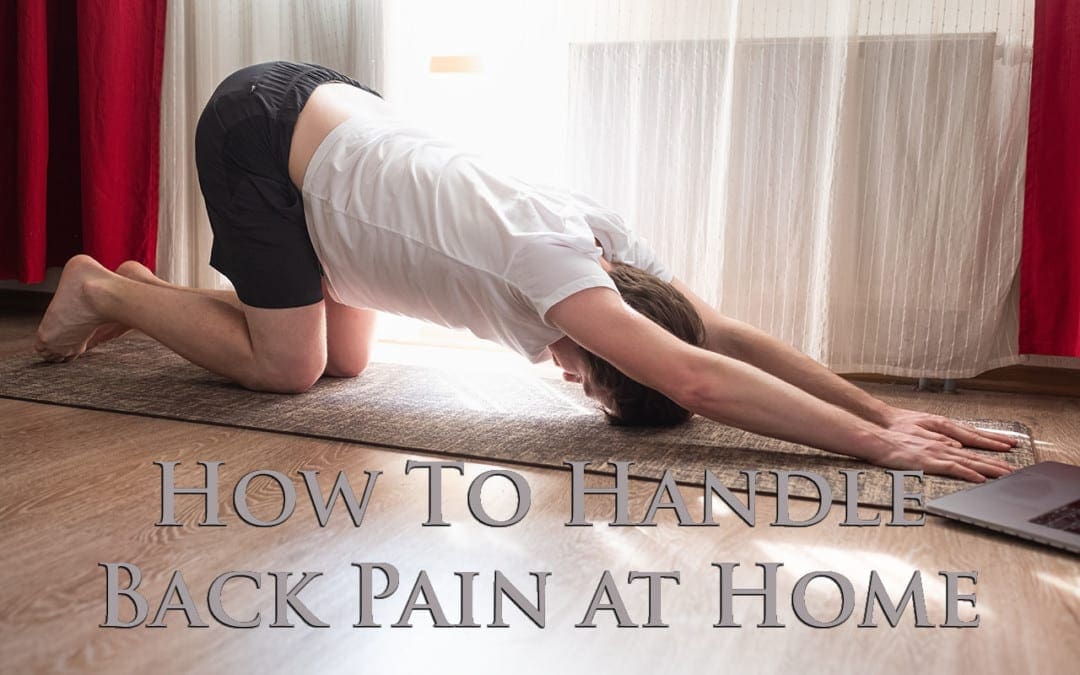
Staying at home means it can be tough to see a doctor, chiropractor, spine specialist, or neurosurgeon to handle back pain, especially when it tends to flare up at the most inconvenient times. There are still options, here�s what to do. What options are available when you want to see a doctor about back pain, but getting to the clinic can be a challenge.
Fortunately, there are a variety of tools to handle back pain that can provide some relief.
Over-the-counter pain medications like Motrin are one of the best medicines for non-traumatic back pain inflammation.
�
Heat Packs/Heat Therapy
Heat therapy promotes vasodilation and draws nutrient-rich blood into the targeted tissues. Increased blood flow delivers oxygen and nutrients and cell waste is removed. The warmth decreases muscle spasms, relaxes tense muscles, relieves pain, and increases range of motion.
Superficial heat is available in different forms, which include:
Hot and moist compresses
Dry or moist heating pads
Hydrotherapy
Commercial chemical/gel packs
Remember heat packs in any form should be wrapped in a towel to prevent burns, as a punctured heat pack should be discarded, as the chemical agent/gel can burn skin. �
�
Cold Packs/Cold Therapy
Cold therapy produces vasoconstriction. This slows blood circulation, which reduces inflammation, muscle spasms, and pain. Superficial cold is also available in different forms, which include:
Commercial cold packs
Ice cubes
Iced towels/compresses
Hydrotherapy.
The application of cold therapy is usually less than 15 minutes, as the effects of cold are known to last longer than heat. Cold packs or ice should never be applied directly to the skin.
A towel, should be placed between the cold object and the skin surface to prevent any skin and nerve damage. A punctured cold pack should be discarded, as the chemical agent/gel will also burn the skin.
�
Telemedicine
It might be hard to believe that a virtual video visit can work to handle back pain. On a video call, a chiropractor is unable to physically palpate the sore areas and measure the range of motion and strength. However, this should not discourage you from scheduling a virtual appointment.
Telemedicine, without a physical examination, can be highly beneficial. A chiropractor can start the process of ordering tests, like MRI, X-ray, etc. Even if the pain is tolerable, meaning the kind that doesn�t need medicine or imaging tests, this should not be an excuse to skip an orthopedic visit.
With telemedicine, a chiropractor can still give advice, show back stretches, exercises, order back pain supplements, and talk about the risks and benefits of treatments available to try on your own. �
�
Physical Therapy
With chronic low back pain, chances are your chiropractor suggested physical therapy or PT. Now is the time to bring back those PT exercises, especially with a back-pain flare-up.
Low-back pain or any back pain for that matter with no neurological issues, could mean that a stretching and exercise program is all that is needed. Find out if your chiropractor or a physical therapist offers other options:
Patient portal communication or e-visits.
Uploads of illustrated handouts describing how to do various stretches and exercises.
Remote evaluation. The individual submits pictures or a video of their movements for personalized feedback, which the chiropractor or physical therapist evaluates and provides.
�
Get Active
Evidence shows that being active is better than resting. Moving increases the blood flow to the muscles, which helps with muscle spasms, trigger points, tense muscles/ligaments, and other issues.
�
Pilates
Pilates focuses on controlled movement, breathing, and stretching. A review found Pilates can be a highly effective and beneficial approach to handle back pain and related discomfort. Check out beginner Pilates videos. Be sure to avoid any move/s that cause pain, worsens the existing pain, or generate new pain.
�
Yoga
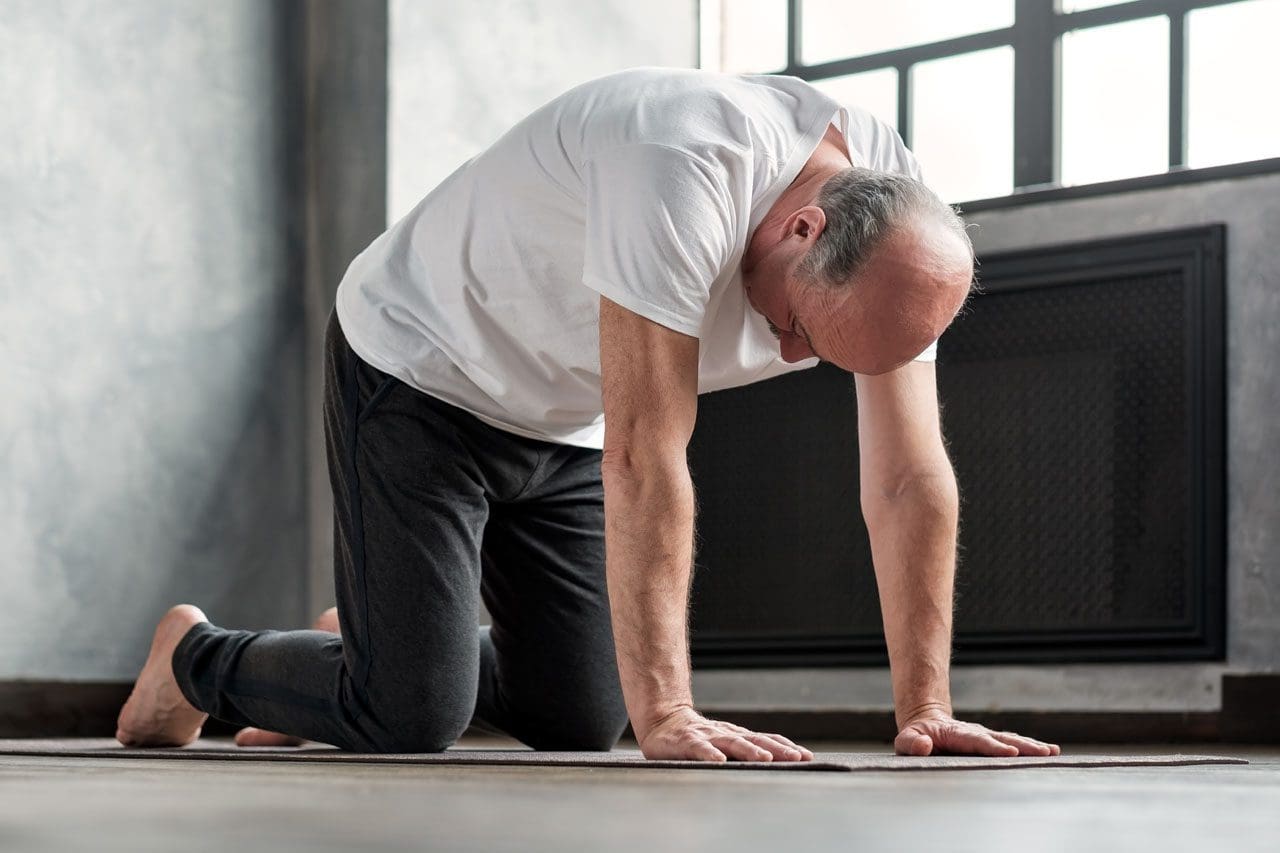
A review found that yoga can help improve mobility and decrease pain. If this is a new practice, start with gentle yoga or restorative yoga.
�
Walking
Going for a walk is easy, accessible, and is beneficial for the spine. Walking can be as effective as non-drug interventions in decreasing pain and discomfort in chronic low-back pain. Simple movements along with rollers and massagers can handle back pain as well. These include:
Self-massage with a tennis ball
Foam rolling
Hand-held massager
Stretching
McKenzie Method, comprised of gentle stretching exercises
These strategies and approaches can become the methods and techniques for the relief of existing back-pain in the absence of a doctor, chiropractor, or physical therapist.
IFM's Find A Practitioner tool is the largest referral network in Functional Medicine, created to help patients locate Functional Medicine practitioners anywhere in the world. IFM Certified Practitioners are listed first in the search results, given their extensive education in Functional Medicine