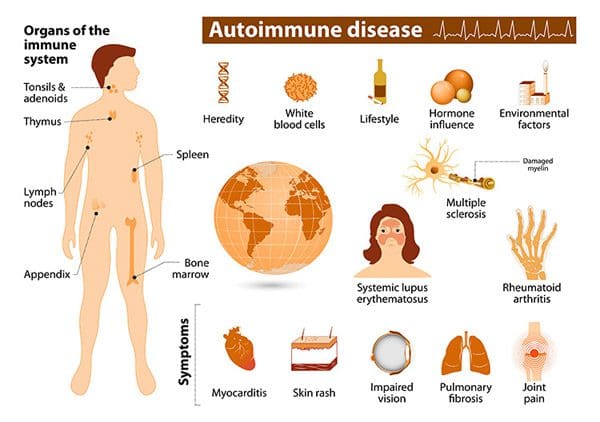
Everyone knows that the brain is the command center of the body. This organ is part of the central nervous system that works with the spinal cord and the vital organ systems to send signals that provide motor-sensory functions to make the body do everyday movements. The signals from the brain have a casual relationship with the immune system. When environmental factors enter the body, the brain signals the immune system to send inflammatory cytokines to the area where it was affected and begin the body’s healing process. The immune system helps clean up the body’s cellular structure by replacing old, damaged cells with new, healthy cells. However, when the immune system starts to attack specific parts of the body mistakenly, it can damage the healthy cells causing autoimmune diseases to develop in the body. Today’s article looks at one of the rare autoimmune diseases known as multiple sclerosis, how it impacts the body, and how to manage multiple sclerosis. We refer patients to certified providers specializing in autoimmune therapies to help those with multiple sclerosis. We also guide our patients by referring to our associated medical providers based on their examination when it’s appropriate. We find that education is the solution to asking our providers insightful questions. Dr. Alex Jimenez DC provides this information as an educational service only. Disclaimer
How Would You Describe Multiple Sclerosis?
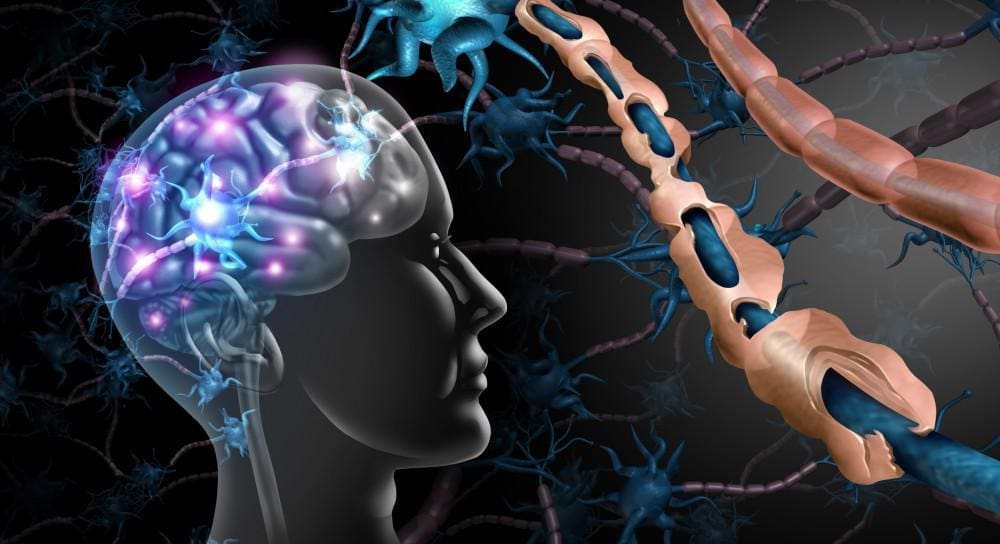
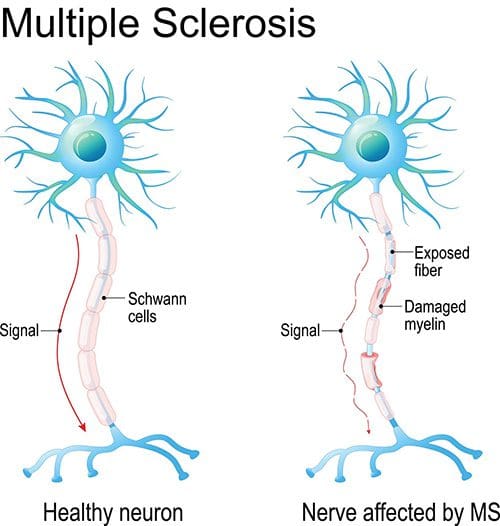
Have you been dealing with constant, shifting mood swings? Do certain muscle areas begin to feel stiff or spasm out? Or are you experiencing gut issues throughout the entire day? Some of these symptoms are associated with MS or multiple sclerosis. Multiple sclerosis is a rare autoimmune disease affecting the central nervous system. When the body’s immune system starts to see the brain or spinal cord as a foreign invader, it will begin to attack the protective layer known as myelin and cause damage to the nerve fibers. An example is when an electrical wire doesn’t have a protective coating, and all the cables are exposed. So when multiple sclerosis affects the brain or spinal cord, the communication signal will deteriorate, causing chronic pain and inflammation. Multiple sclerosis goes through a manifestation of relapses and remission that affects the sensory(feel), motor(move), and cognitive(think) functions of different parts of the body.
How Does It Impact The Body?
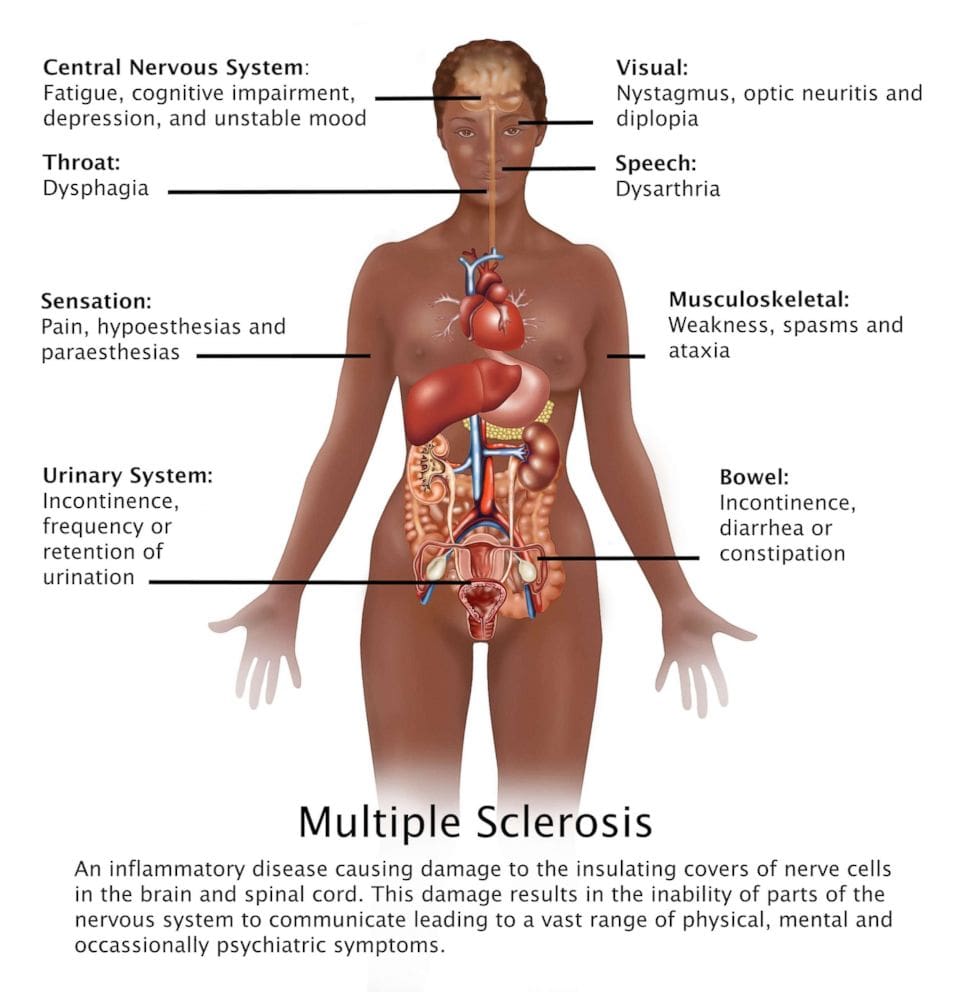
When an individual begins to suffer from MS (multiple sclerosis), like all autoimmune diseases, the causes are unknown. Still, genetic and environmental factors are linked to MS while associated with neuropathic pain. Neuropathic pain is due to damage or injury of the nerves in the central nervous system. It is a common symptom of MS. Both neuropathic pain and MS are associated with similar symptoms that correlate with different chronic issues that affect the body; however, the times and severity of these two are different. Some of the similar symptoms that MS and neuropathic pain share include:
Burning
Sharp, stabbing sensations
Muscle stiffness or spasms
Pain
Twitching
Numbness
When MS impacts the body, it could potentially involve other body parts while mimicking different chronic symptoms. Studies reveal that even though neuropathic pain and other pain syndromes occur in most people with MS, the manifestation of pain in different body parts is involved. When dealing with pain, it is associated with the central nervous system while overlapping various chronic issues in other areas of the body. This is known as somatovisceral pain, where the affected muscles and tissues are causing problems to the organs and vice versa. Some of the somatovisceral symptoms that are common in MS that are potentially involved with other issues include:
Instability
Electic sensations in the neck or back
Bladder, bowel, or sexual dysfunctions
Forgetfulness or mood swings
Slurred speech
An Overview Of Multiple Sclerosis-Video
Are you experiencing issues of fatigue? How about numbness or tingling sensations that are down your arms and legs? Do problems like constipation seem to be affecting your bladder function? Many of these issues are associated with MS or multiple sclerosis. The video above gives an overview of what MS is, its symptoms, and how to manage it. How multiple sclerosis affects the body depends on the various signs and symptoms damaging the nerves in different body areas. Some signs and symptoms are similar to chronic issues ranging from mild to severe. Multiple sclerosis in individuals goes through a relapse-remitted phase where a person will experience different symptoms over days or weeks and sometimes have a recovery period. Like all autoimmune diseases, the causes of MS are unknown, but the factors developed over time remain the same. Fortunately, there are ways to manage multiple sclerosis.
Ways To Manage Multiple Sclerosis
Like all autoimmune diseases, inflammation is one of the common symptoms that are associated with autoimmunity. For multiple sclerosis, inflammatory effects trigger the neuron signals causing communication issues to be delivered to the rest of the body. When this happens, it can become a wide range of symptoms associated with different chronic problems. All is not lost as autoimmune diseases are treatable, and there are ways to manage the symptoms associated with autoimmunity. Eating anti-inflammatory foods like fish, drinking green tea, and broccoli can dampen the inflammatory effects that are in the body. Exercising improves strength, flexibility, and mobility for individuals with MS. Incorporating an exercise regime for several weeks and a certain amount of time is beneficial in managing the associated symptoms and preventing complications and comorbidities. It may protect neuro-actions, as research shows. Even treatments like chiropractic care utilize spinal manipulation to increase the body’s natural healing factor while optimizing nerve circulation that can adequately communicate with the body without sending damaged signals to initiate pain.
Conclusion
The brain is the command center that has a casual relationship with the immune system to regulate a functioning body. The immune system’s primary function is to eliminate old, damaged cells, make way for new, healthy cells, and protect the body from foreign invaders. When factors affect the body over time, the immune system mistakenly attacks different body parts as a foreign invader. This is known as autoimmune disease and can range from mild to severe. MS or multiple sclerosis is a rare autoimmune disease associated with similar symptoms from different chronic issues. MS affects the neurons in the central nervous system and has identical signs to chronic problems during a relapse-remitted phase. Fortunately, MS is treatable by incorporating an exercise regime to strengthen the affected muscles, consuming anti-inflammatory food to lower inflammatory markers, and utilizing chiropractic care to optimize nerve circulation through spinal manipulation. These are some ways to manage MS and improve a person’s quality of life.
References
Ghasemi, Nazem, et al. “Multiple Sclerosis: Pathogenesis, Symptoms, Diagnoses and Cell-Based Therapy.” Cell Journal, Royan Institute, 2017, https://www.ncbi.nlm.nih.gov/pmc/articles/PMC5241505/.
Giesser, Barbara S. “Exercise in the Management of Persons with Multiple Sclerosis.” Therapeutic Advances in Neurological Disorders, SAGE Publications, May 2015, https://www.ncbi.nlm.nih.gov/pmc/articles/PMC4409551/.
Racke, Michael K, et al. “Pain in Multiple Sclerosis: Understanding Pathophysiology, Diagnosis, and Management through Clinical Vignettes.” Frontiers in Neurology, Frontiers Media S.A., 13 Jan. 2022, https://www.ncbi.nlm.nih.gov/pmc/articles/PMC8794582/.
The body’s immune system is vital in protecting the body from foreign invaders that can wreak havoc. The immune system has a casual relationship with different body systems like the gut, endocrine, and central nervous systems that work together to keep the body functional. When environmental or genetic factors affect the body over time, the immune system will begin to attack normal, healthy cells causing issues and becoming a risk of developing autoimmune diseases. Autoimmune diseases are when the body starts to attack itself, and if it is not managed over time, it can lead to the development of chronic disorders. Today’s article looks at one of the most common autoimmune diseases, systemic lupus erythematosus or lupus, its symptoms and factors, and how to manage lupus with available treatments. We refer patients to certified providers specializing in autoimmune therapies to help those with systemic lupus and its associated symptoms. We also guide our patients by referring to our associated medical providers based on their examination when it’s appropriate. We find that education is the solution to asking our providers insightful questions. Dr. Alex Jimenez DC provides this information as an educational service only. Disclaimer
What Is Systemic Lupus Erythematosus?
Are you experiencing fatigue? How about sharp pain located in your chest? Have you been experiencing headaches that seem to pop up for no reason? Some of these symptoms are signs that you could be at risk of developing lupus. Lupus or systemic lupus erythematosus is a systemic autoimmune disease with a multisystem involvement that occurs when an individual’s immune system starts to attack their tissue and organs. Systemic refers to multiple affected organs, lupus refers to various skin diseases, and erythematosus refers to inflamed, reddened skin. Studies reveal that lupus is a chronic inflammatory autoimmune disease affecting multiple organ systems and potentially associated with different factors. Lupus is tricky to diagnose because it often mimics other ailments like fibromyalgia, rheumatoid arthritis, and other autoimmune diseases; it can cause inflammation in the different body systems.
The Symptoms and Factors
Even though lupus is difficult to diagnose, the signs and symptoms vary for individuals who might be at risk of developing lupus. Some signs may suddenly appear or evolve, ranging from mild to severe depending on the factors. Some of the factors that are associated with lupus include:
Many of these factors contribute to the development of lupus and are closely associated with other autoimmune diseases like diabetes, RA (rheumatoid arthritis), and fibromyalgia. So how do these autoimmune diseases correlate with lupus? Since lupus can mimic other autoimmune disorders, some symptoms overlap, affecting the different body systems like the joints, skin, kidneys, blood cells, brain, heart, and lungs. For example, many autoimmune diseases are closely associated with inflammation, which could potentially be involved with the gut. Some of the symptoms that are associated with lupus include:
Fatigue
Joint and muscle pain
Headaches
Butterfly rash
Headaches
Skin legions
Stomach issues
Systemic Lupus Erythematosus Overview-Video
Have you been experiencing issues with your gut? How about joint stiffness and swelling? Or are you constantly feeling the effects of fatigue? Many of these symptoms are associated with lupus, and the video above explains what systemic lupus erythematosus is and how it affects the body. Lupus is an autoimmune disease that is difficult for physicians to diagnose since it mimics other issues that a person may be experiencing. An example would be fibromyalgia associated with lupus. Studies reveal that the presence of fibromyalgia could be a separate diagnosis or potentially be involved with lupus as a confounder. In fibromyalgia and lupus, somatic symptoms like fatigue, aching, and pain may overlap and affect the surrounding muscles and organs. This is known as somato-visceral pain. Fortunately, there are ways to manage autoimmune diseases like lupus.
Treatments To Manage Lupus
When a person is dealing with an autoimmune disease like lupus, it may feel like it is the end of the world to them. While there is no cure for lupus, there are ways to manage this autoimmune disease from progressing further to causing more damage to the body. Making small changes in food intake, adding more supplements to boost the immune system like vitamin D, exercising, and chiropractic care work together to manage autoimmunity in the body. So how do all these things work together? Well eating anti-inflammatory foods filled with antioxidants to dampen inflammatory effects. Supplements like vitamin D can help improve and maintain a healthy immune system. Chiropractic care not only focuses on the musculoskeletal system but can help the immune system to its total capacity by correcting any subluxations or spinal misalignments in the body.
Conclusion
The immune system helps the body by attacking foreign invaders that wreak havoc inside while having a casual relationship with different body systems. When environmental or genetic factors affect the body over time, the immune system mistakenly attacks normal, healthy cells thinking they are foreign invaders. This is known as autoimmune disease and, if not managed over time, can lead to the development of chronic disorders. Lupus is an autoimmune disease that can mimic other chronic conditions, making it tricky to diagnose. Some of the overlapping symptoms associated with lupus can vary in severity. While there is no cure for lupus, available treatments can help manage the symptoms and associated conditions. Combining healthy eating habits, exercise, vitamin intake, and chiropractic care can help improve a person’s health and wellness.
References
Justiz Vaillant, Angel A, et al. “Systemic Lupus Erythematosus – Statpearls – NCBI Bookshelf.” In: StatPearls [Internet]. Treasure Island (FL), StatPearls Publishing, 15 Mar. 2022, https://www.ncbi.nlm.nih.gov/books/NBK535405/.
Maidhof, William, and Olga Hilas. “Lupus: An Overview of the Disease and Management Options.” P & T : a Peer-Reviewed Journal for Formulary Management, MediMedia USA, Inc., Apr. 2012, https://www.ncbi.nlm.nih.gov/pmc/articles/PMC3351863/.
Wolfe, Frederick, et al. “Fibromyalgia, Systemic Lupus Erythematosus (SLE), and Evaluation of SLE Activity.” The Journal of Rheumatology, U.S. National Library of Medicine, Jan. 2009, https://www.ncbi.nlm.nih.gov/pmc/articles/PMC2944223/.
Everyone has dealt with acute or chronic pain at some point in their lives. The body’s response tells many of us where the pain is located and can leave the body sore as the immune system begins to heal the affected area. When disorders like autoimmune diseases start to attack the body for no reason, then that is when chronic issues and disorders begin to overlap in risk profiles on other various problems that affect both the muscles and organs. Autoimmune diseases like fibromyalgia can affect a person’s body; however, they could be associated with different issues affecting the body. Today’s article looks at fibromyalgia, how it affects the musculoskeletal system, and how chiropractic care helps manage fibromyalgia in the body. We refer patients to certified providers specializing in musculoskeletal treatments to help those with fibromyalgia. We also guide our patients by referring to our associated medical providers based on their examination when it’s appropriate. We find that education is the solution to asking our providers insightful questions. Dr. Alex Jimenez DC provides this information as an educational service only. Disclaimer
What Is Fibromyalgia?
Have you experienced excruciating pain that is spread all over your body? Do you have trouble sleeping and feel exhausted every day? Do you experience brain fog or other cognitive disturbances? Many of these issues are signs and conditions of fibromyalgia. Fibromyalgia is defined as a chronic condition that is characterized by widespread musculoskeletal pain. Symptoms like fatigue, cognitive disturbances, and multiple somatic symptoms often overlap and accompany this disorder. Around two to eight percent of the world population suffers from fibromyalgia, and it affects women more than men. Sadly though, fibromyalgia is a challenge to diagnose, and the pain can last several months to years. Some of the main symptoms that fibromyalgia does to the body include:
Muscle and joint stiffness
General sensitivity
Insomnia
Cognitive dysfunction
Mood disorders
Fibromyalgia could also potentially be associated with specific diseases like diabetes, lupus, rheumatic diseases, and musculoskeletal disorders.
How Does It Affect The Musculoskeletal System?
The musculoskeletal system in the body has three muscle groups: skeletal, cardiac, and smooth muscles that provide different functions correlating how the body moves. Individuals with fibromyalgia will experience amplified painful sensations affecting their brain and spinal cord to process pain and nonpainful signals potentially associated with musculoskeletal disorders. The neural structures from the brain become hyper-reactive to any soft tissues close to the spine, known as segmental facilitation. These changes that occur to the soft tissues are called trigger points, and if situated in the muscles, they are referred to as “myofascial” trigger points. Studies reveal that the pathophysiology of musculoskeletal dysfunction can be considered secondary to central abnormalities of pain modulation associated with fibromyalgia.
An Overview Of Fibromyalgia-Video
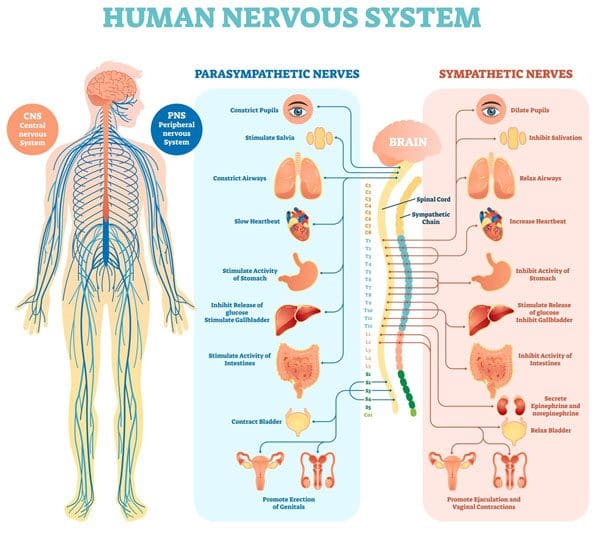
Have you been experiencing excruciating pain in different areas of your body? Have you been constantly tired throughout the entire day? Or has your mood been dampened all of a sudden? These are the signs that you have fibromyalgia, and the video above gives an overview of what fibromyalgia is. Fibromyalgia is defined as a chronic disorder that is difficult to diagnose. Studies reveal that fibromyalgia is possible to be described as a cognitive disorder that triggers painful amplifications and sensory nociceptors that become hypersensitive. So what does this mean, and how is the nervous system affected by fibromyalgia? The nervous system has the central and peripheral systems. The peripheral system has a component known as the autonomic nervous system that regulates involuntary bodily functions. The autonomic system consists of two subsystems: the sympathetic and parasympathetic systems. For individuals with fibromyalgia, the sympathetic nervous system, which provides the “fight or flight” response, is constantly active, causing the parasympathetic nervous system, which provides the “rest and digest” response, to be inactive in the body. The good news is that individuals with fibromyalgia and its associated symptoms can find relief through treatment.
Chiropractic Care & Fibromyalgia
Even though there hasn’t been a cure for fibromyalgia yet, treatments are available to manage and improve the symptoms associated with fibromyalgia with chiropractic care. Chiropractic care can help relieve fibromyalgia pain by carefully correcting spinal misalignments or subluxations through spinal adjustments and manual manipulations of the body. Studies reveal that the effectiveness of chiropractic care for fibromyalgia patients helps improve their range of motion to the cervical and lumbar areas of the spine. Chiropractic care can help improve their flexibility, decrease their pain levels, and have better sleep quality. People diagnosed with fibromyalgia need to understand that many options for pain management don’t rely on medicines. Chiropractic care is gentle and non-invasive. It can be helpful for individuals that want to take control of their circumstances and have chiropractic therapy as a vital part of managing their well-being.
Conclusion
Fibromyalgia is a chronic disorder that affects the musculoskeletal system by causing stiffness in the muscles and joints, general sensitivity, and other chronic issues associated with this disorder. Individuals with fibromyalgia will describe their pain as unbearable due to the nerves in the sympathetic system being hyperactive and tender to the touch. Fortunately, treatments like chiropractic care can help relieve fibromyalgia pain through spinal adjustments and manual manipulations. Chiropractic care for individuals with fibromyalgia can help improve their range of motion and flexibility and decrease their pain levels without using medicines. Incorporating chiropractic care as a treatment for fibromyalgia can be vital in managing a person’s well-being.
References
Bhargava, Juhi, and John A Hurley. “Fibromyalgia – Statpearls – NCBI Bookshelf.” In: StatPearls [Internet]. Treasure Island (FL), StatPearls Publishing, 1 May 2022, https://www.ncbi.nlm.nih.gov/books/NBK540974/.
Blunt, K L, et al. “The Effectiveness of Chiropractic Management of Fibromyalgia Patients: A Pilot Study.” Journal of Manipulative and Physiological Therapeutics, U.S. National Library of Medicine, 1997, https://pubmed.ncbi.nlm.nih.gov/9272472/.
Geel, S E. “The Fibromyalgia Syndrome: Musculoskeletal Pathophysiology.” Seminars in Arthritis and Rheumatism, U.S. National Library of Medicine, Apr. 1994, https://pubmed.ncbi.nlm.nih.gov/8036524/.
Maugars, Yves, et al. “Fibromyalgia and Associated Disorders: From Pain to Chronic Suffering, from Subjective Hypersensitivity to Hypersensitivity Syndrome.” Frontiers, Frontiers, 1 July 2021, https://www.frontiersin.org/articles/10.3389/fmed.2021.666914/full.
Siracusa, Rosalba, et al. “Fibromyalgia: Pathogenesis, Mechanisms, Diagnosis and Treatment Options Update.” International Journal of Molecular Sciences, MDPI, 9 Apr. 2021, https://www.ncbi.nlm.nih.gov/pmc/articles/PMC8068842/.
Polymyositis is a disease that causes the body’s muscles to become irritated and inflamed. It can affect the muscles all over the body. The muscles gradually begin to break down and weaken, making everyday movements difficult. This disease falls into a category known as inflammatory myopathies.
Polymyositis Unknown Causation
The causes of polymyositis are currently unknown. However, experts believe it could be associated with or triggered by a virus or an autoimmune reaction. An autoimmune response is when the body attacks itself along with the body’s tissues. It’s seen in individuals ages 31 to 60 and is rarely seen in individuals younger than 18. In some instances, medication can lead to an allergic reaction/response that causes muscle irritation and damage. But in most cases, healthcare experts are not able to find the exact cause.
Symptoms
The condition can affect the muscles all over the body. Physical activities like walking, getting up from a chair, or lifting objects can become difficult to perform. It can also affect the muscles that allow for eating and breathing. The muscles at the center of the body tend to be affected the most. Common symptoms include:
Muscle pain.
Muscle stiffness.
Muscle weakness, specifically in the abdomen, shoulders, upper arms, and hips.
Joint pain and stiffness.
Breathing problems.
Problems swallowing.
Abnormal weight loss can become an issue if there are problems with swallowing.
Irregular heart rhythms if the heart muscle/myocardium becomes inflamed.
Individuals may notice they have trouble climbing stairs or lifting their arms.
The inflammation can worsen, causing pain and weakness that affects the wrists, lower arms, and ankles.
Diagnosis
Diagnosis begins with the individual’s medical history, family medical history if necessary, and a physical examination. The examination includes seeing and feeling the strength of the muscles. Tests will be required that include:
Blood Tests
Blood tests allow the doctor to see if there are signs of muscle inflammation.
They also show if there are abnormal proteins that form in autoimmune diseases.
Electromyogram EMG
This test can be used to find abnormal electrical activity in the affected muscles.
MRI
Magnets and computer graphic imagery are used to help the doctor inspect for inflammation in the body.
Muscle Biopsy
A small piece of muscle tissue is removed to be analyzed with a microscope.
Treatment
Treatment depends on how severe the condition is,individual symptoms, age, and overall health. Currently, there is no cure for polymyositis, but symptoms can be managed. Individuals are recommended to utilize more than one type of treatment because the treatment plan may also need to be changed as treatment progresses. Treatments include:
Anti-inflammatory Medication
Steroid medication can help manage the disease and reduce symptoms, and corticosteroids can help ease inflammation in the body. The symptoms improve within 4 to 6 weeks, and a healthcare provider can lower the dosage after the symptoms decrease to reduce and ease any side effects.
Immunosuppressive Medication
These medications block or slow down the body’s immune system responses.
Talk with a doctor about the risks, benefits, and side effects of all medications.
Chiropractic and Physical therapy
Chiropractic treatment and physical therapy can help:
Aligning the spine to provide optimal nerve energy and blood circulation.
Therapeutic massage to stimulate and keep the muscles loose.
Specific exercises to help stretch and strengthen the muscles.
These can help keep the muscles from shrinking.
Heat therapy and Rest
Heat therapy and allowing the body to rest thoroughly can help decrease pain symptoms.
Special Braces
Body, hip, and leg braces can help support the muscles and help with mobility.
Complications
Polymyositis left untreated can lead to severe complications. The muscles become weaker, increasing the risk of falling and limiting daily activities.
If the chest muscles are affected, there could be problems with breathing that can lead to respiratory failure.
If the digestive tract is affected, malnutrition and unintentional weight loss can result.
Polymyositis poorly managed well can cause severe disability.
Body Composition
Nutrition and Muscle Growth
Protein
Protein is the foundation for gaining muscle.
This essential component is for all of the body’s daily functions.
It is essential to balance protein increase with overall diet.
Carbs should be a daily element of nutritional intake because they are the primary component.
Acquiring energy
Preventing muscle weakness and degradation
Consuming Carbs
Understanding how accurate results only happen when both sides work together.
Healthy consumption of protein and carbohydrates can help muscle growth and sustain optimal health for all body types.
References
Corrado, Bruno et al. “Supervised Physical Therapy and Polymyositis/Dermatomyositis-A Systematic Review of the Literature.” Neurology international vol. 12,3 77-88. 24 Nov. 2020, doi:10.3390/neurolint12030015
Findlay, Andrew R et al. “An overview of polymyositis and dermatomyositis.” Muscle & nerve vol. 51,5 (2015): 638-56. doi:10.1002/mus.24566
Sasaki, Hirokazu, and Hitoshi Kohsaka. “Current diagnosis and treatment of polymyositis and dermatomyositis.” Modern rheumatology vol. 28,6 (2018): 913-921. doi:10.1080/14397595.2018.1467257
Van Thillo, Anna et al. “Physical therapy in adult inflammatory myopathy patients: a systematic review.” Clinical rheumatology vol. 38,8 (2019): 2039-2051. doi:10.1007/s10067-019-04571-9
The nervous system helps regulate the body’s immunity. Any dysfunction can initiate or aggravate issues associated with autoimmune disease. Chiropractic medicine focuses on the body�s ability to heal itself. These natural abilities function optimally when the body, and the nervous system, are well-balanced. Total body homeostasis elevates:
Mood
Immunity
Overall health
Quality of life
Autoimmune Disease
The immune system goes after any foreign bodies that the body comes in contact with to combat/prevent illness and disease. This could be:
Bacteria
Cancer cells
Viruses
However, the system can over-activate and start attacking its own cells and organs. This can manifest as an autoimmune disease. The type of disease depends on the specific area of the body that is being attacked. Common autoimmune diseases include:
Rheumatoid arthritis
Lupus
Multiple sclerosis
Irritable bowel syndrome
Psoriasis
A chiropractic approach to addressing autoimmune disease will usually begin with stress reduction. Therapies include:
Chiropractic adjustments to get the body balanced
Massage to loosen and relax the body’s tissues
Meditation to help manage stress, learn strategies of healthy coping
Yoga to keep the body limber
Exercise to strengthen the body inside and out
Diet to help with gut health and inflammation
The Nervous System and Immunity
The nervous system has a significant role in the body’s immunity. The system transmits signals when to battle illness when to engage in the healing process, and so on. If the nerve’s path is compromised it can interfere with the brain�s ability to properly function and regulate immunity. This can lead to an underactive or overactive immune system that translates into an autoimmune disease.
Proper spinal alignment is vital for maintaining optimal nervous system function. When the spine is out of alignment/balance, the communication highway/s are inhibited, deteriorating the body’s health and neural tissue response. Spinal misalignment restoration is a chiropractic specialty that will increase the body’s natural healing power and promote whole-body balance. The nerve circulation is optimized and can properly communicate without sending improper/damaged signals.
Chiropractic
Any type of misalignment can be overlooked as a cause for body dysfunction. Chiropractic is about naturally sustained spinal and whole-body health. It will optimize the body to manage the disease and possibly reverse it. Injury Medical and Functional Chiropractic Clinic can offer a variety of customized treatment plans to achieve optimal health and maximum quality of life.
Back Pain Treatment
��
Dr. Alex Jimenez�s Blog Post Disclaimer
The scope of our information is limited to chiropractic, musculoskeletal, physical medicines, wellness, and sensitive health issues and/or functional medicine articles, topics, and discussions. We use functional health & wellness protocols to treat and support care for injuries or disorders of the musculoskeletal system. Our posts, topics, subjects, and insights cover clinical matters, issues, and topics that relate and support directly or indirectly our clinical scope of practice.*
Our office has made a reasonable attempt to provide supportive citations and has identified the relevant research study or studies supporting our posts. We also make copies of supporting research studies available to the board and or the public upon request. We understand that we cover matters that require an additional explanation as to how it may assist in a particular care plan or treatment protocol; therefore, to further discuss the subject matter above, please feel free to ask Dr. Alex Jimenez or contact us at 915-850-0900. The provider(s) Licensed in Texas& New Mexico*
References
Stojanovich, Ljudmila, and Dragomir Marisavljevich. �Stress as a trigger of autoimmune disease.��Autoimmunity reviews�vol. 7,3 (2008): 209-13. doi:10.1016/j.autrev.2007.11.007
For most individuals experiencing symptoms,� health care providers will run a few tests. For the most part, these tests come back normal or inconclusive. The patient is usually relieved, but not satisfied as they are still experiencing symptoms. The truth of the matter is, most tests practitioners run on patients are basic.
What Does That Mean?
It means that they are checking your levels and ruling out issues based on standard testing, but they are not diving deep into the cause of the symptom itself. Most individuals have a family history of one or more autoimmune diseases. An autoimmune disease is when the body misidentifies its own cells as a foreign body leading them to attack. These diseases can be triggered at any point in one’s life.
So What Do I Do Now?
Due to family history,� an ANA test can be run. Most of the time for patients still experiencing symptoms after the standard tests came back negative, the ANA comes back positive. However, a positive test does not always mean answers. This test can provide useful information but does not include a definitive answer as to what kind of autoimmunity a patient may have.
Using A Functional Approach
In modern/traditional medicine, most practitioners will suggest the patient is fine and that there is nothing to treat until they have been diagnosed. However, by using a more naturopathic and holistic approach, integrative practitioners can take these symptoms and use them to the patient’s advantage to help avoid a full-blown diagnosis.� The main reason this is effective is due to the fact that individuals do not just wake up one day with a new disease, but rather there are steps progressing in the background that eventually build up to a diagnosis if not treated.
Uncovering the underlying issue and using this stage in someone’s life as an opportunity to improve their quality of living is what functional medicine revolves around. By combining symptoms, previous lab results, and the patients declining quality of life, testing that relates to triggers of autoimmunity can be conducted. These tests will provide insightful information allowing the practitioner to not only treat the symptom but more importantly, to treat the cause.
Testing
There are multiple factors, including environmental that cause an autoimmune response to start to express. There are certain markers in the body that will shift before the onset of the autoimmune disease in which the environmental triggers will be shown.
Many labs are equipt to test for these markers and use top of the line technology. Some tests that evaluate these triggers that contribute to the progression of autoimmunity are:
The Gut Zoomerfrom Vibrant Wellness:The Gut Zoomer provides information and patient potential risks for intestinal permeability, IBS & IBD, SIBO, celiac, MS, obesity, diabetes, nutrition, viruses, fungal or yeast species, worm species, bile acids, SCFAs and more
The Food Sensitivity Panel from Vibrant Wellness:This test from Vibrant Wellness recognizes the specific antibody-to-antigen responses in commonly ingested foods. This panel tests for IgG and IgA sensitivity to the food antigens. This test is beneficial so patients do not have to an elimination diet, but rather have the test remove the guesswork and let results tell them what foods cause their body inflammation.
Dietary Antigen Test Plus from Dunwoody Labs:��This specific test from Dunwoody Labs allows the health care provider to see if there is an increased antibody response to food. Often times, the antibodies this screens for attack the body’s tissue leading to more autoimmune symptoms. This test looks at 4 separate antibody types IgE, IgG4, Total IgG, IgA, and complement.
Oxidative Stress Test from Dunwoody Labs:If the body is under large amounts of stress, this will cause an increase in the activity of T-Cells, thus keeping the body out of balance.
GI Microbial Assay Plus (GI-MAP� ) from Diagnostic Solutions: This is a stool test that not only analyzes but also evaluates the DNA of the actual organisms that are living in the gut. This allows the health care providers to see what is impacting health such as, mucus metabolism, methane production, T-Cells, and inflammatory LPS.�
Why Would I Want / Need This?
Preventative medicine provides the ability to keep up with, if not improve a patient’s quality of life while decreasing or avoiding the hard prescription medicine! By treating the underlying cause and not just masking the symptom, it allows individuals to truly feel better.
The number of individuals diagnosed with a disease that could have been prevented should earlier steps have been taken, is on the rise while their quality of life is declining. Feeling good should not be a delicacy, but rather a normal standard. With the use of integrative medicine, many grandparents will be able to play hide and seek and tag with their grandchildren, parents will be able to get through the day without as much fatigue and headaches, and children will be able to play, focus, and learn with fewer belly aches no matter the hour of the day. Integrative medicine not only utilizes tests to guide patients in the right direction but also gives patients tools and further educates them on exercise and nutrition components that will help prevent inflammation and stimulate good bacteria in their bodies to grow. – Kenna Vaughn, Senior Health Coach
*The scope of our information is limited to chiropractic, musculoskeletal, and nervous health issues or functional medicine articles, topics, and discussions. We use functional health protocols to treat injuries or disorders of the musculoskeletal system. Our office has made a reasonable attempt to provide supportive citations and has identified the relevant research study or studies supporting our posts. We also make copies of supporting research studies available to the board and or the public upon request. To further discuss the subject matter above, please feel free to ask Dr. Alex Jimenez or contact us at 915-850-0900.
Resources:
�Basic Oxidative Stress.� Dunwoody Labs, 20 July 2018, www.dunwoodylabs.com/index.php/ox-stress/.
Burdette, Cheryl. �Is There Such Thing as Being Pre-Autoimmune.� 3 Dec. 2019.
�588 Dietary Antigen A, G, E, and C.� Dunwoody Labs, 17 Jan. 2019, www.dunwoodylabs.com/index.php/dietary-antigen-and-environmental-allergen-exposure-profiles/.
Cyrex Laboratories is an advanced clinical laboratory that specializes in the functional approach in environmentally induced autoimmunity.� Cyrex works with the leading experts in medical research and provides arrays that address the cross-connections throughout the body systems. In addition to this, Cyrex�strives to deliver the best quality for the patients by always improving and using the most accurate and advanced technology.
Arrays
Cyrex has multiple arrays they use to test patients depending on their symptoms. These arrays range from Alzheimer�s to Joint auto-immune reactivity screenings. Often times, patients who have issues with their joints or headaches and pain, can be traced back to an underlying issue. When a patient comes to a doctor, the practitioner will evaluate and assess the patient based on the symptoms they bring.� From here, the practitioner can go to Cyrex and order the arrays that best suit their patient�s needs. The Cyrex system revolves around immune function and measures the identifiers that can affect multiple tissues in the body, including the brain, heart, pancreas, nervous system, liver, gastrointestinal system, bones, and joints.� The turn around time for these labs is fairly quick and helps highlight the underlying route of the patient�s symptoms.
Cyrex arrays use serum (a blood draw) as their main form of testing. No matter the array the doctor orders, the patient will receive the same kit. The requisition form that is inside the kit is what matters to the phlebotomist and lab as this is where the array ordered will be marked.
The kit is a small box labeled Cyrex Laboratories, Serum Collection Kit. On top of the kit held in place by a rubber band will be a shipping label and bag for the sample to go in once collected. Inside the kit is a smaller styrofoam box that includes a serum separator tube, a serum transport tube, tube labels, a biohazard bag, and collection instructions.
As one can see from the above photo, the different arrays test for different reactions/conditions. A doctor may order one or multiple arrays depending on the patient.
Array 2 is one of the most popular, as leaky gut is a condition that affects most Americans. This test screens for IgG, IgA, and IgM of Lipopolysaccharides and Occludin/Zonulin.
Integrative Testing
Often times, practitioners will use multiple lab companies on one patient. This is not because one is superior to the other, but rather because they specialize in different areas. Even though the doctor may order labs from different companies, it is in the patient�s best interest because it allows the practitioner to view multiple areas to truly understand the underlying issue.
Patients who come in with symptoms like aching joints, headaches, trouble falling asleep, difficulty staying asleep, leaky gut, and brain fog will certainly benefit from using multiple lab companies.
Using Cyrex array 2 and DUTCH + CAR the patient will get extremely accurate information in regards to what is occurring in their body. The Cyrex array test will show the practitioner if the patient has a leaky gut and how severe. While the DUTCH + CAR allows the doctor to determine the cortisol patterns in the individual�s body. Sometimes, these levels are not rising and falling at the right times, causing the patient to be tired or having trouble staying asleep.
The patient�s health should always come first, and when doctors are knowledgable enough to use more than one lab, the patient benefits are outstanding. By using the companies together, the doctor is able to check multiple areas, leaving no guesswork when it comes to a treatment protocol. However, it is important to remember that labs vary on patient needs. Some patients are able to use the same company for all labs and obtain the accurate results they need.
Cyrex tests for many conditions and has multiple arrays. Although many
Cyrex labs are a great tool for practitioners and health coaches to use! By using these arrays, it helps the practitioner not only treat the symptoms, but it allows them the insight they need to treat the problem at the route source. The tools that Cyrex provides go a long way in evaluating the complex disorders the human body may have. By using Cyrex and coupling it with other tests from DUTCH or labrix, the patient is able to get proper treatment and get back to the hobbies they used to love and enjoy. These companies are all fantastic and provide specialities in different areas. By using more than one company, the pateint truly gets the best results and the doctors are able to construct a solid treatment protocol with all of the information obtained.�� Kenna Vaughn, Senior Health Coach�
*All information was obtained from Cyrex.com
The scope of our information is limited to chiropractic, musculoskeletal and nervous health issues as well as functional medicine articles, topics, and discussions. We use functional health protocols to treat injuries or chronic disorders of the musculoskeletal system. To further discuss the subject matter above, please feel free to ask Dr. Alex Jimenez or contact us at 915-850-0900.
IFM's Find A Practitioner tool is the largest referral network in Functional Medicine, created to help patients locate Functional Medicine practitioners anywhere in the world. IFM Certified Practitioners are listed first in the search results, given their extensive education in Functional Medicine