Everyone tries to make healthy life choices by boosting their immune system. Getting adequate sleep, eating plenty of fruits and vegetables, drinking plenty of water, and exercising all help increase the immune system. The immune system is known as the “protector” of the body as it eliminates foreign invaders that enter the body and causes chaos to the effective systems. The immune system releases cytokines to the alien invaders causing inflammation in the affected area. When environmental factors affect the body over time, the immune system mistakenly attacks its cells, thinking it’s a foreign invader causing autoimmunity. Today’s article looks at autoimmunity, its triggers, how inflammation plays its role in the body, and what is D.I.R.T. We refer patients to certified providers specializing in autoimmune therapies to help many individuals dealing with autoimmune diseases and inflammation. We also guide our patients by referring to our associated medical providers based on their examination when it’s appropriate. We find that education is the solution to asking our providers insightful questions. Dr. Alex Jimenez DC provides this information as an educational service only. Disclaimer
What Is Autoimmunity?
Have you been dealing with abdominal issues that affect you when you eat something? How about pain and swelling in your joints? How about unexplained skin problems? Some of these symptoms are signs that many individuals risk developing autoimmunity. Autoimmunity is defined as a self-directed inflammation of the body’s tissue, which results from a loss of tolerance by aberrant dendric cells and B & T cell responses. This causes the development of immune reactivity towards native antigens. When autoimmune diseases occur in the body, studies reveal that this is due to the immune system attacking self-molecules; many disorders are strongly associated with many predisposing factors.
Things That Trigger Autoimmunity
When it comes to the link between the triggering factors and the immune system, studies reveal that the cause and pathway of many autoimmune diseases affecting the body are unknown but that the many factors that trigger the progression of autoimmune diseases are associated with different chronic issues. The adaptive immune response consists of antibodies and activated T lymphocytes that play a predominant role in clinical conditions. The multiple pathways that autoimmune diseases do to the body are ongoing and multifactorial due to the initial trigger for systemic and organ-specific disorders that may predate clinical diseases by many years. Some of the factors that may trigger autoimmunity in the body include:
Gut
Endothelial
Brain
Stress
Toxins
Infections
Food
Biotoxins (innate)
What Is Inflammation?-Video
Have you been dealing with swelling around your joints and muscles? Do the foods seem to cause issues in your gut? What about feeling radiating pain traveling down your arms or legs? These are signs that your body is experiencing inflammation. The video above gives an excellent explanation of what inflammation is and its role in the body. Inflammation is the immune system’s natural defenses triggered by various factors that affect the body while it promotes healing to the affected area. Inflammation can be good or bad; it depends on the severity of the body’s injury and location. Inflammation has a casual relationship with the immune system in acute and chronic forms. In its acute form, inflammation can minimize the injury or infection to promote healing in the affected area with heat, redness, and swelling. However, in its chronic condition, where the damage is more profound, various pathogens affecting the body’s tissues may result in chronic issues associated with inflammation. Luckily, there are ways to manage autoimmunity-related inflammatory symptoms.
What Is D.I.R.T?
The body needs the immune system to protect itself from foreign invaders that enter the body. Studies reveal that the immune system does more than protect the body; it can flush out old, damaged cells in the body and replace them with new ones. The immune system also mobilizes responses to the invaders with its ability to distinguish self from non-self. As stated earlier, the immune system has a causal relationship to inflammation. It may succumb to triggering factors that could be involved with the muscles and joints associated with pain. The immune system uses the acronym D.I.R.T. to regulate and defend the body when needed.
D: Detect & Defensive
The immune system in the body has a mechanism that identifies potentially threatening molecular structures like:
Strange signals found in microbes, food, plants & fungi, chemicals
Danger signals (alarmins) that are found in tissues or secreted by stimulated leukocytes or epithelia
When these structures attack the body, the immune system begins to detect and becomes a defense mechanism that will mount the appropriate responses to the threat level. Once the threat is eliminated, the body can regenerate new, healthy cells.
I: Internally Regulated
The body has immune responses that are tightly controlled and actively resolved through multiple cellular, genomic, and enzymatic mechanisms. Some of the regulations that the immune system provides are:
T regulatory lymphocytes
Lipid-derived pro-resolution mediators
Redox balance: Nrf2-ARE activation
Even though it is difficult to manipulate the immune system, finding ways to regulate the immune system from going crazy and finding the right balance for a healthy immune system is essential for a healthy body.
R: Restorative
The immune system’s function is to repair any damages resulting from injury or negative encounters that the body has gone through. When the body becomes injured, the immune system sends inflammatory cytokines to the affected area and begins the healing process. Other cellular structures that help the immune system restore the body include:
Phagocytes
Fibroblasts
Stem cells
Endothelial cells
There are other ways to restore the body and improve the immune system. Eating healthy foods to boost the immune system, exercising, and even getting chiropractic care may help the immune system. But isn’t chiropractic care used for the back? Yes, chiropractic care focuses on the musculoskeletal system, but they also support many individuals in maintaining their health and wellness. The immune system will function to its total capacity when any spinal misalignments or subluxations are corrected through spinal manipulation.
T: Tolerant
The immune system helps the body build a tolerance to the pathogens that are affecting the body. For example, food allergens. With many common food allergens, like nuts, gluten, milk, fish, and eggs, the body will begin to build a tolerance to these allergens when it is introduced slowly. Other healthy boundaries that the immune system provides to the body include:
Self or fetal antigens
Innocuous environmental antigens
Microbes
Plants and fungi
By building a healthy tolerance to these pathogens, the body has a solid chance to build up immunity to the pathogen. It can help the immune system be stronger when reencountering these pathogens.
Conclusion
Overall the immune system is the primary protector of the body from foreign invaders. When harmful pathogens enter the body, the immune system sends out cytokines to where the invaders are and get rid of them. This causes inflammation in the affected area in the body, causing swelling and redness in the skin. When these pathogens infect the body over time, the immune system mistakenly attacks the body, especially the vital organs causing chronic inflammation associated with autoimmunity. Autoimmunity is a cluster of disorders that causes body dysfunction, which overlaps with inflammation causing the body to be dysfunctional. Luckily it is treatable with the right foods, exercises, and treatments that can help lower inflammation and help regulate the immune system back to its original self.
References
Chaplin, David D. “Overview of the Immune Response.” The Journal of Allergy and Clinical Immunology, U.S. National Library of Medicine, Feb. 2010, https://www.ncbi.nlm.nih.gov/pmc/articles/PMC2923430/.
Chen, Linlin, et al. “Inflammatory Responses and Inflammation-Associated Diseases in Organs.” Oncotarget, Impact Journals LLC, 14 Dec. 2017, https://www.ncbi.nlm.nih.gov/pmc/articles/PMC5805548/.
Smith, D A, and D R Germolec. “Introduction to Immunology and Autoimmunity.” Environmental Health Perspectives, U.S. National Library of Medicine, Oct. 1999, https://www.ncbi.nlm.nih.gov/pmc/articles/PMC1566249/.
Vojdani, Aristo. “A Potential Link between Environmental Triggers and Autoimmunity.” Autoimmune Diseases, Hindawi Publishing Corporation, 12 Feb. 2014, https://www.ncbi.nlm.nih.gov/pmc/articles/PMC3945069/.
Everyone knows that the brain is the command center of the body. This organ is part of the central nervous system that works with the spinal cord and the vital organ systems to send signals that provide motor-sensory functions to make the body do everyday movements. The signals from the brain have a casual relationship with the immune system. When environmental factors enter the body, the brain signals the immune system to send inflammatory cytokines to the area where it was affected and begin the body’s healing process. The immune system helps clean up the body’s cellular structure by replacing old, damaged cells with new, healthy cells. However, when the immune system starts to attack specific parts of the body mistakenly, it can damage the healthy cells causing autoimmune diseases to develop in the body. Today’s article looks at one of the rare autoimmune diseases known as multiple sclerosis, how it impacts the body, and how to manage multiple sclerosis. We refer patients to certified providers specializing in autoimmune therapies to help those with multiple sclerosis. We also guide our patients by referring to our associated medical providers based on their examination when it’s appropriate. We find that education is the solution to asking our providers insightful questions. Dr. Alex Jimenez DC provides this information as an educational service only. Disclaimer
How Would You Describe Multiple Sclerosis?
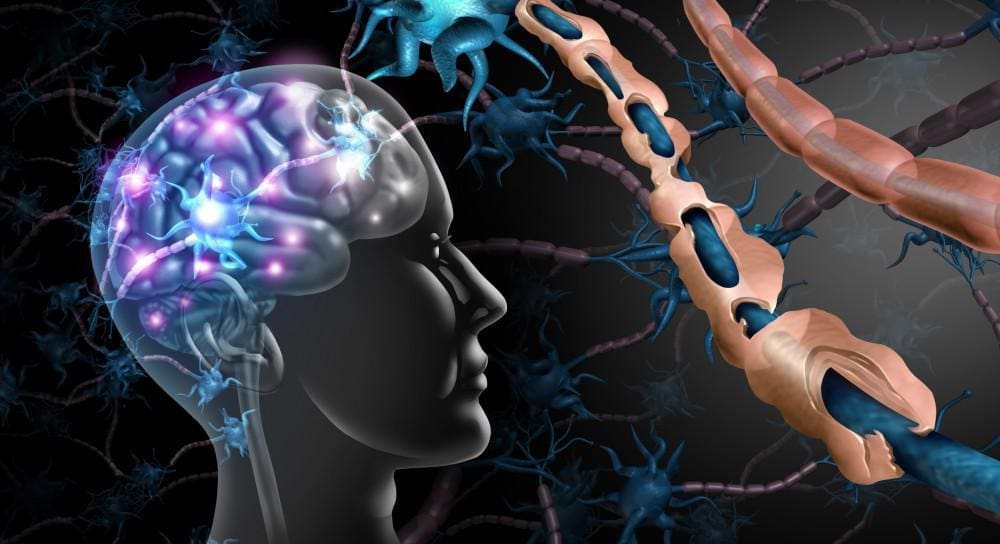
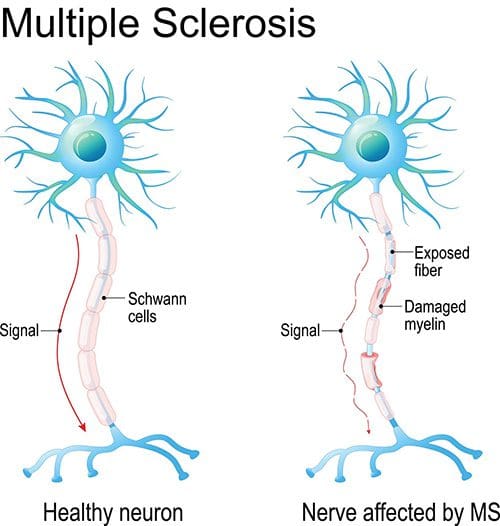
Have you been dealing with constant, shifting mood swings? Do certain muscle areas begin to feel stiff or spasm out? Or are you experiencing gut issues throughout the entire day? Some of these symptoms are associated with MS or multiple sclerosis. Multiple sclerosis is a rare autoimmune disease affecting the central nervous system. When the body’s immune system starts to see the brain or spinal cord as a foreign invader, it will begin to attack the protective layer known as myelin and cause damage to the nerve fibers. An example is when an electrical wire doesn’t have a protective coating, and all the cables are exposed. So when multiple sclerosis affects the brain or spinal cord, the communication signal will deteriorate, causing chronic pain and inflammation. Multiple sclerosis goes through a manifestation of relapses and remission that affects the sensory(feel), motor(move), and cognitive(think) functions of different parts of the body.
How Does It Impact The Body?
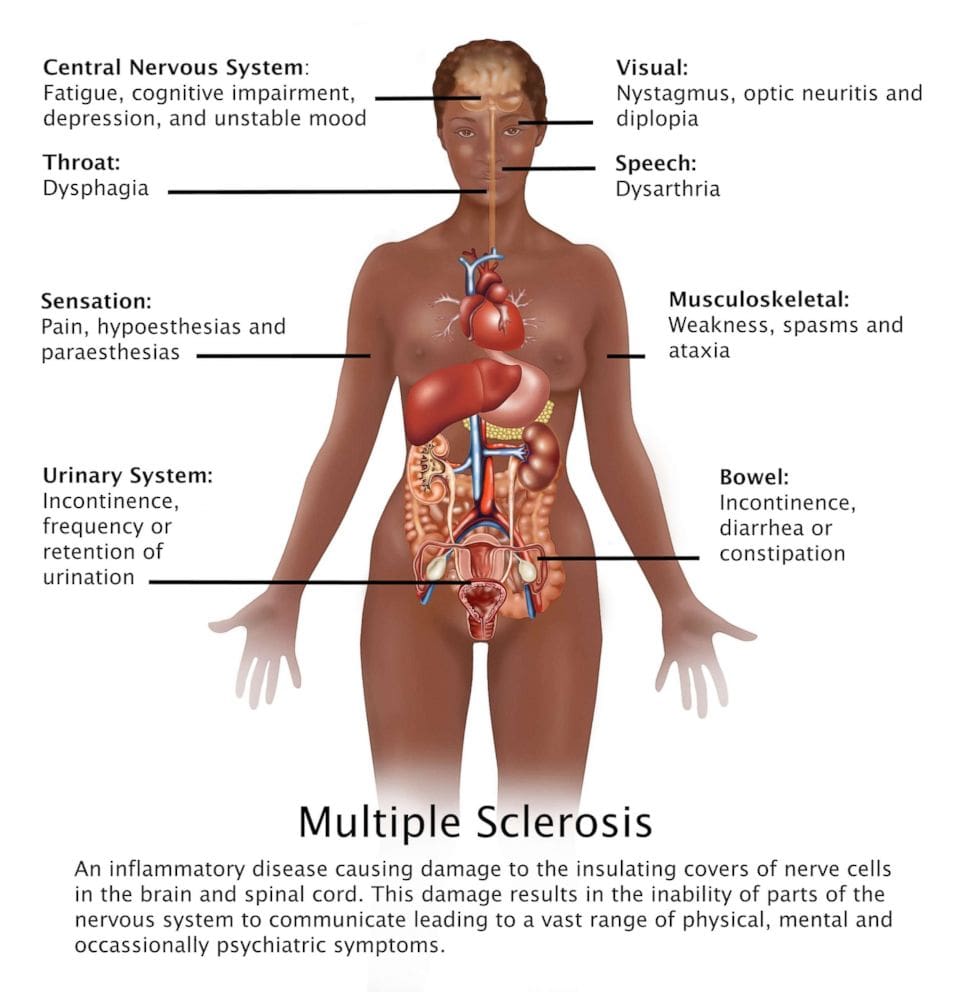
When an individual begins to suffer from MS (multiple sclerosis), like all autoimmune diseases, the causes are unknown. Still, genetic and environmental factors are linked to MS while associated with neuropathic pain. Neuropathic pain is due to damage or injury of the nerves in the central nervous system. It is a common symptom of MS. Both neuropathic pain and MS are associated with similar symptoms that correlate with different chronic issues that affect the body; however, the times and severity of these two are different. Some of the similar symptoms that MS and neuropathic pain share include:
Burning
Sharp, stabbing sensations
Muscle stiffness or spasms
Pain
Twitching
Numbness
When MS impacts the body, it could potentially involve other body parts while mimicking different chronic symptoms. Studies reveal that even though neuropathic pain and other pain syndromes occur in most people with MS, the manifestation of pain in different body parts is involved. When dealing with pain, it is associated with the central nervous system while overlapping various chronic issues in other areas of the body. This is known as somatovisceral pain, where the affected muscles and tissues are causing problems to the organs and vice versa. Some of the somatovisceral symptoms that are common in MS that are potentially involved with other issues include:
Instability
Electic sensations in the neck or back
Bladder, bowel, or sexual dysfunctions
Forgetfulness or mood swings
Slurred speech
An Overview Of Multiple Sclerosis-Video
Are you experiencing issues of fatigue? How about numbness or tingling sensations that are down your arms and legs? Do problems like constipation seem to be affecting your bladder function? Many of these issues are associated with MS or multiple sclerosis. The video above gives an overview of what MS is, its symptoms, and how to manage it. How multiple sclerosis affects the body depends on the various signs and symptoms damaging the nerves in different body areas. Some signs and symptoms are similar to chronic issues ranging from mild to severe. Multiple sclerosis in individuals goes through a relapse-remitted phase where a person will experience different symptoms over days or weeks and sometimes have a recovery period. Like all autoimmune diseases, the causes of MS are unknown, but the factors developed over time remain the same. Fortunately, there are ways to manage multiple sclerosis.
Ways To Manage Multiple Sclerosis
Like all autoimmune diseases, inflammation is one of the common symptoms that are associated with autoimmunity. For multiple sclerosis, inflammatory effects trigger the neuron signals causing communication issues to be delivered to the rest of the body. When this happens, it can become a wide range of symptoms associated with different chronic problems. All is not lost as autoimmune diseases are treatable, and there are ways to manage the symptoms associated with autoimmunity. Eating anti-inflammatory foods like fish, drinking green tea, and broccoli can dampen the inflammatory effects that are in the body. Exercising improves strength, flexibility, and mobility for individuals with MS. Incorporating an exercise regime for several weeks and a certain amount of time is beneficial in managing the associated symptoms and preventing complications and comorbidities. It may protect neuro-actions, as research shows. Even treatments like chiropractic care utilize spinal manipulation to increase the body’s natural healing factor while optimizing nerve circulation that can adequately communicate with the body without sending damaged signals to initiate pain.
Conclusion
The brain is the command center that has a casual relationship with the immune system to regulate a functioning body. The immune system’s primary function is to eliminate old, damaged cells, make way for new, healthy cells, and protect the body from foreign invaders. When factors affect the body over time, the immune system mistakenly attacks different body parts as a foreign invader. This is known as autoimmune disease and can range from mild to severe. MS or multiple sclerosis is a rare autoimmune disease associated with similar symptoms from different chronic issues. MS affects the neurons in the central nervous system and has identical signs to chronic problems during a relapse-remitted phase. Fortunately, MS is treatable by incorporating an exercise regime to strengthen the affected muscles, consuming anti-inflammatory food to lower inflammatory markers, and utilizing chiropractic care to optimize nerve circulation through spinal manipulation. These are some ways to manage MS and improve a person’s quality of life.
References
Ghasemi, Nazem, et al. “Multiple Sclerosis: Pathogenesis, Symptoms, Diagnoses and Cell-Based Therapy.” Cell Journal, Royan Institute, 2017, https://www.ncbi.nlm.nih.gov/pmc/articles/PMC5241505/.
Giesser, Barbara S. “Exercise in the Management of Persons with Multiple Sclerosis.” Therapeutic Advances in Neurological Disorders, SAGE Publications, May 2015, https://www.ncbi.nlm.nih.gov/pmc/articles/PMC4409551/.
Racke, Michael K, et al. “Pain in Multiple Sclerosis: Understanding Pathophysiology, Diagnosis, and Management through Clinical Vignettes.” Frontiers in Neurology, Frontiers Media S.A., 13 Jan. 2022, https://www.ncbi.nlm.nih.gov/pmc/articles/PMC8794582/.
The body’s immune system is vital in protecting the body from foreign invaders that can wreak havoc. The immune system has a casual relationship with different body systems like the gut, endocrine, and central nervous systems that work together to keep the body functional. When environmental or genetic factors affect the body over time, the immune system will begin to attack normal, healthy cells causing issues and becoming a risk of developing autoimmune diseases. Autoimmune diseases are when the body starts to attack itself, and if it is not managed over time, it can lead to the development of chronic disorders. Today’s article looks at one of the most common autoimmune diseases, systemic lupus erythematosus or lupus, its symptoms and factors, and how to manage lupus with available treatments. We refer patients to certified providers specializing in autoimmune therapies to help those with systemic lupus and its associated symptoms. We also guide our patients by referring to our associated medical providers based on their examination when it’s appropriate. We find that education is the solution to asking our providers insightful questions. Dr. Alex Jimenez DC provides this information as an educational service only. Disclaimer
What Is Systemic Lupus Erythematosus?
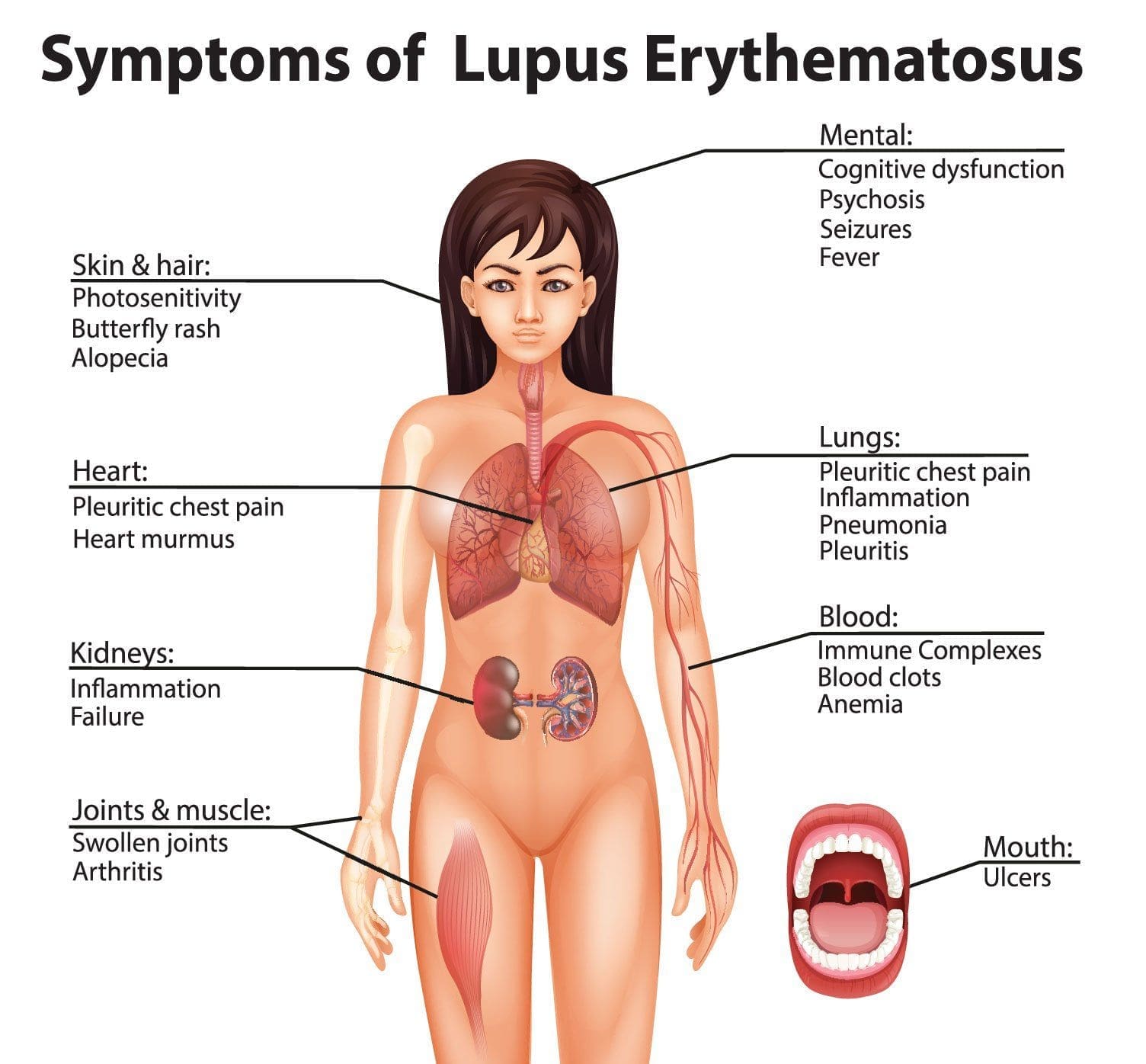
Are you experiencing fatigue? How about sharp pain located in your chest? Have you been experiencing headaches that seem to pop up for no reason? Some of these symptoms are signs that you could be at risk of developing lupus. Lupus or systemic lupus erythematosus is a systemic autoimmune disease with a multisystem involvement that occurs when an individual’s immune system starts to attack their tissue and organs. Systemic refers to multiple affected organs, lupus refers to various skin diseases, and erythematosus refers to inflamed, reddened skin. Studies reveal that lupus is a chronic inflammatory autoimmune disease affecting multiple organ systems and potentially associated with different factors. Lupus is tricky to diagnose because it often mimics other ailments like fibromyalgia, rheumatoid arthritis, and other autoimmune diseases; it can cause inflammation in the different body systems.
The Symptoms and Factors
Even though lupus is difficult to diagnose, the signs and symptoms vary for individuals who might be at risk of developing lupus. Some signs may suddenly appear or evolve, ranging from mild to severe depending on the factors. Some of the factors that are associated with lupus include:
Many of these factors contribute to the development of lupus and are closely associated with other autoimmune diseases like diabetes, RA (rheumatoid arthritis), and fibromyalgia. So how do these autoimmune diseases correlate with lupus? Since lupus can mimic other autoimmune disorders, some symptoms overlap, affecting the different body systems like the joints, skin, kidneys, blood cells, brain, heart, and lungs. For example, many autoimmune diseases are closely associated with inflammation, which could potentially be involved with the gut. Some of the symptoms that are associated with lupus include:
Fatigue
Joint and muscle pain
Headaches
Butterfly rash
Headaches
Skin legions
Stomach issues
Systemic Lupus Erythematosus Overview-Video
Have you been experiencing issues with your gut? How about joint stiffness and swelling? Or are you constantly feeling the effects of fatigue? Many of these symptoms are associated with lupus, and the video above explains what systemic lupus erythematosus is and how it affects the body. Lupus is an autoimmune disease that is difficult for physicians to diagnose since it mimics other issues that a person may be experiencing. An example would be fibromyalgia associated with lupus. Studies reveal that the presence of fibromyalgia could be a separate diagnosis or potentially be involved with lupus as a confounder. In fibromyalgia and lupus, somatic symptoms like fatigue, aching, and pain may overlap and affect the surrounding muscles and organs. This is known as somato-visceral pain. Fortunately, there are ways to manage autoimmune diseases like lupus.
Treatments To Manage Lupus
When a person is dealing with an autoimmune disease like lupus, it may feel like it is the end of the world to them. While there is no cure for lupus, there are ways to manage this autoimmune disease from progressing further to causing more damage to the body. Making small changes in food intake, adding more supplements to boost the immune system like vitamin D, exercising, and chiropractic care work together to manage autoimmunity in the body. So how do all these things work together? Well eating anti-inflammatory foods filled with antioxidants to dampen inflammatory effects. Supplements like vitamin D can help improve and maintain a healthy immune system. Chiropractic care not only focuses on the musculoskeletal system but can help the immune system to its total capacity by correcting any subluxations or spinal misalignments in the body.
Conclusion
The immune system helps the body by attacking foreign invaders that wreak havoc inside while having a casual relationship with different body systems. When environmental or genetic factors affect the body over time, the immune system mistakenly attacks normal, healthy cells thinking they are foreign invaders. This is known as autoimmune disease and, if not managed over time, can lead to the development of chronic disorders. Lupus is an autoimmune disease that can mimic other chronic conditions, making it tricky to diagnose. Some of the overlapping symptoms associated with lupus can vary in severity. While there is no cure for lupus, available treatments can help manage the symptoms and associated conditions. Combining healthy eating habits, exercise, vitamin intake, and chiropractic care can help improve a person’s health and wellness.
References
Justiz Vaillant, Angel A, et al. “Systemic Lupus Erythematosus – Statpearls – NCBI Bookshelf.” In: StatPearls [Internet]. Treasure Island (FL), StatPearls Publishing, 15 Mar. 2022, https://www.ncbi.nlm.nih.gov/books/NBK535405/.
Maidhof, William, and Olga Hilas. “Lupus: An Overview of the Disease and Management Options.” P & T : a Peer-Reviewed Journal for Formulary Management, MediMedia USA, Inc., Apr. 2012, https://www.ncbi.nlm.nih.gov/pmc/articles/PMC3351863/.
Wolfe, Frederick, et al. “Fibromyalgia, Systemic Lupus Erythematosus (SLE), and Evaluation of SLE Activity.” The Journal of Rheumatology, U.S. National Library of Medicine, Jan. 2009, https://www.ncbi.nlm.nih.gov/pmc/articles/PMC2944223/.
Autoimmune disease is the disease of the modern era. It is a condition where the body�s immune system mistakenly attacks the body. Since the body�s immune system usually guards against bacteria and viruses, it can sense the foreign cells and send out fighter cells to attack them. When it�s an autoimmune disease, however, the immune system starts to make mistakes to certain parts of the body. It starts attacking the joints, the skin, or the musculoskeletal system as foreign cells and attacking them. The immune system releases autoantibody proteins to attack the healthy cells, thus causing autoimmune disease in the body.
What Triggers the Activation of the Autoimmune Mechanism?
Surprisingly, the body�s antibodies go through a process by cleaning up the old and damaged cells, so that way, new healthy cells can grow and replace the old cells. Although if the body has an excessive number of antibodies in their system, it can cause the individual to have an autoimmune disease. Research has shown that a part of the autoimmune ecology, the influence of environmental exposure can not only develop autoimmune disorder but shape the function of the immune system.
Another study stated that approximately 30% of all autoimmune diseases come from genetic disposition while 70% is due to environmental factors, including toxic chemicals, dietary components, gut dysbiosis, and infections in the body. So some of the ecological factors that are included are adjuvants (immunostimulant effects). These are typically used in vaccines to produce a more effective immunization reaction.
Researchers stated that molecular mimicry is one of the mechanisms, where a foreign antigen shares a sequence or structural similarities with self-antigens. This means that any infections that can initiate and maintain autoimmune responses can lead to specific tissue damage in the body. It is a phenomenon that molecular mimicry and cross-reactivity are identical. Cross-reactivity is significant when it comes to food allergies and is often responsible for many disorders. It affects the scope of the disease, the reliability of diagnostic testing, and has implications for any current and potential therapies.
Common and Rare Autoimmune Diseases
The primary function of the immune system is to repair the body with new cells. Individuals with an autoimmune disease will have many chronic illnesses that are both common and rare when they are being diagnosed. Below is a list of autoimmune diseases that range from common to some of the rarer autoimmune conditions an individual may experience.
Rheumatoid arthritis (RA)
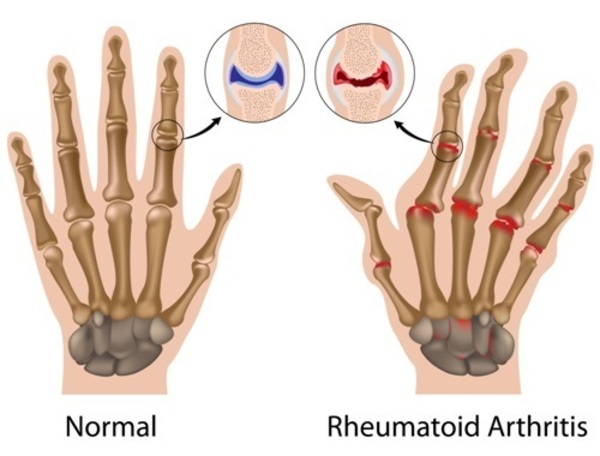
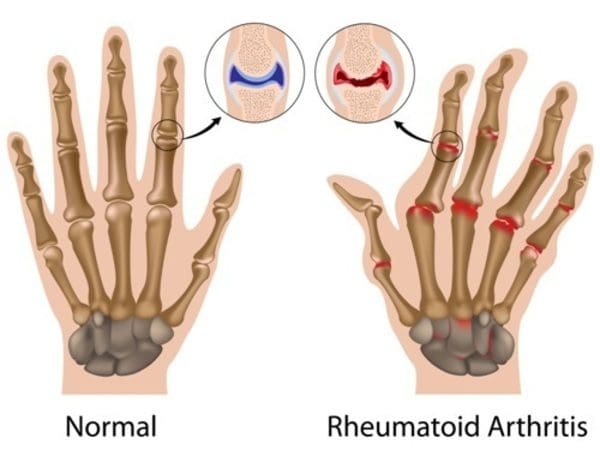
Rheumatoid arthritis is when the immune system is attacking the joints. This attack causes redness, warmth, soreness, and stiffness. It�s one of the most common autoimmune diseases that is found in women but can affect men and elderly people as well. Studies have shown that if a family member has rheumatoid arthritis, it is likely that other family members may have an increased chance of developing this autoimmune disease. The signs and symptoms of rheumatoid arthritis can vary depending on the severity of the inflamed joints, potentially causing them to deform and shift out of place.��
Lupus
Lupus is a systemic autoimmune disease that occurs when an individual�s immune system starts attacking their own tissue and organs. Even though lupus is difficult to diagnose because it often mimics other ailments, it can cause inflammation to different body systems. These body systems include the joints, skin, kidneys, blood cells, brain, heart, and lungs. A distinctive sign of lupus is a facial rash that resembles butterfly wings unfolding across booth cheek.
Ehlers-Danlos Syndrome (EDS)
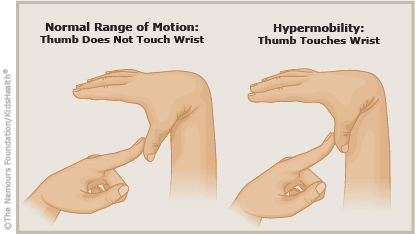
EDS (Ehlers-Danlos Syndrome) is a rare autoimmune disease that causes soft connective tissues to be fragile in the body. This autoimmune disease is still new for doctors; however, there is always more research to be done about this disease. The symptoms can vary from mild skin and joint hyperlaxity to severe physical disability and life-threatening vascular complications. One of the most common symptoms is joint hypermobility. This disease can cause the joints to be unstable or loose, and it can cause the body�s joints to have frequent dislocations and pain.
Polymyalgia Rheumatica
Polymyalgia rheumatica is an inflammatory musculoskeletal disorder that is most common in elderly adults. This disease causes muscle pain and stiffness around the joints, most commonly occurring in the morning.�It also shares similarities with another disease known as giant cell arteritis. If an individual has polymyalgia rheumatica, they can have the symptoms of giant cell arteritis as well. The symptoms are inflammation in the lining of the arteries. The two factors that can cause the development of polymyalgia rheumatica are genetics and environmental exposure that can increase the chances of having the disorder.
Ankylosing spondylitis
Ankylosing spondylitis is an autoimmune inflammatory disease that can cause some of the vertebrae in the spine to fuse over time. When this happens, the fusing makes the spine less flexible and causes the body to be in a hunched-forward posture. It is most common for men, and there are treatments to lessen the symptoms and possibly slow down the progression of the disease.
Celiac disease
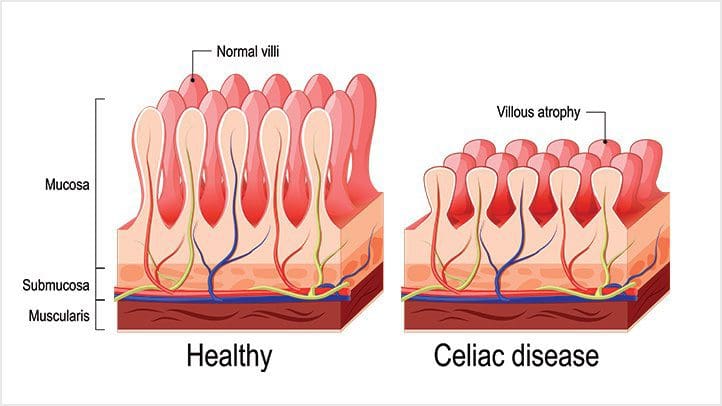
Celiac disease is an autoimmune disease that occurs in about 1% of individuals. This disease makes the individual have an inflammatory reaction to the intestinal permeability barrier from eating gluten found in wheat, rye, and barley. Studies show that patients with celiac disease and autoimmune disease have to be on a gluten-free diet to heal the gut. Symptoms can include bloating, digestive issues, inflammation, and skin rashes.
Conclusion
Mechanisms of an autoimmune disease can be caused by genetics or induced by environmental factors. This can cause an individual to have problems in their body related to inflammation.�There are many autoimmune diseases�that can affect the body from the most common to some of the rarer kinds and it can have lasting effects.
In honor of Governor Abbott’s declaration, October is Chiropractic Health Month. To learn more about the proposal on our website.
The scope of our information is limited to chiropractic, musculoskeletal, and nervous health issues as well as functional medicine articles, topics, and discussions. We use functional health protocols to treat injuries or chronic disorders of the musculoskeletal system. To further discuss the subject matter above, please feel free to ask Dr. Alex Jimenez or contact us at 915-850-0900 .
References:
Anaya, Juan-Manuel, et al. �The Autoimmune Ecology.� Frontiers in Immunology, Frontiers Media S.A., 26 Apr. 2016, www.ncbi.nlm.nih.gov/pmc/articles/PMC4844615/.
Bonds, Rana S, et al. �A Structural Basis for Food Allergy: the Role of Cross-Reactivity.� Current Opinion in Allergy and Clinical Immunology, U.S. National Library of Medicine, Feb. 2008, www.ncbi.nlm.nih.gov/pubmed/18188023.
Clinic Staff, Mayo. �Ankylosing Spondylitis.� Mayo Clinic, Mayo Foundation for Medical Education and Research, 7 Mar. 2018, www.mayoclinic.org/diseases-conditions/ankylosing-spondylitis/symptoms-causes/syc-20354808.
Clinic Staff, Mayo. �Lupus.� Mayo Clinic, Mayo Foundation for Medical Education and Research, 25 Oct. 2017, www.mayoclinic.org/diseases-conditions/lupus/symptoms-causes/syc-20365789.
Clinic Staff, Mayo. �Polymyalgia Rheumatica.� Mayo Clinic, Mayo Foundation for Medical Education and Research, 23 June 2018, www.mayoclinic.org/diseases-conditions/polymyalgia-rheumatica/symptoms-causes/syc-20376539.
Cusick, Matthew F, et al. �Molecular Mimicry as a Mechanism of Autoimmune Disease.� Clinical Reviews in Allergy & Immunology, U.S. National Library of Medicine, Feb. 2012, www.ncbi.nlm.nih.gov/pmc/articles/PMC3266166/.
De Paepe, A, and F Malfait. �The Ehlers-Danlos Syndrome, a Disorder with Many Faces.� Clinical Genetics, U.S. National Library of Medicine, July 2012, www.ncbi.nlm.nih.gov/pubmed/22353005.
Schmidt, Zsuzsa, and Gyula Po�r. �Polymyalgia Rheumatica Update, 2015.� Orvosi Hetilap, U.S. National Library of Medicine, 3 Jan. 2016, www.ncbi.nlm.nih.gov/pubmed/26708681.
Scott, David L, et al. �Rheumatoid Arthritis.� Lancet (London, England), U.S. National Library of Medicine, 25 Sept. 2010, www.ncbi.nlm.nih.gov/pubmed/20870100.
Vojdani, Aristo, et al. �Environmental Triggers and Autoimmunity.� Autoimmune Diseases, Hindawi Publishing Corporation, 2014, www.ncbi.nlm.nih.gov/pmc/articles/PMC4290643/.
As a doctor who practices functional medicine, Dr. Jimenez utilizes the Neural Zoomer Plus. This is a blood test that analyzes neurological autoantibodies which offer very specific antibody-to-antigen recognition. The Neural Zoomer Plus tests the reactivity an individual has to 48 neurological antigens. These neurological antigens may be related to neurological disease and can help individuals assess the presence of a neurological condition.
There are 48 markers that are measured and they can be summed up and categorized into 7 larger groups. These groups include demyelination antigens, blood-brain barrier disruption, optical and autonomic nervous system disorders, peripheral neuropathy, neuromuscular disorders, brain autoimmunity, brain inflammation, and infections. (For a full list of the markers that the Neural Zoomer Plus measures, click here).�
The truth of the matter is that autoimmune disorders affect 5-10% of the general population and can target virtually and structure within the central or peripheral nervous system. Symptoms of an autoimmune disorder involving the CNS/PNS include but are not limited to:�
Having the tools to prevent a disease or disorder can be life-changing. With the ability to assess these markers, the rate of cognitive decline can steadily reduce. If you suffer from any of the above symptoms, the Neural Zoomer Plus may be right for you.
The intention of having our patients complete a Neural Zoomer Plus is to help us detect an individual’s IgA, IgG, and IgM sensitivity to antigens, down to the peptide level. Once we receive the results, not only do we have a resource that aids in the early detection of neurological diseases, but we also have a path. This path allows us to create a personalized prevention plan that will focus on the patient along with their lifestyle. – Kenna Vaughn, Senior Health Coach�
It has currently been accepted that the interaction between environmental factors, and that of certain genes, can influence the destructive immune response characterized in many autoimmune diseases. As a matter of fact, approximately less than 10 percent of those people with a higher genetic susceptibility to disease may actually develop autoimmunity. This implies a solid environmental cause behind the beginning of the autoimmune process. Environmental factors have also been believed to likely affect the results of the process as well as the rate of development of autoimmune diseases. One theory is that intestinal luminal antigens absorbed through the gut might be involved in the pathogenesis of autoimmune diseases. The intestinal epithelium is the largest mucosal surface in the human body and it provides a connection between the external environment and the mammalian host.
What environmental factors cause autoimmune diseases?
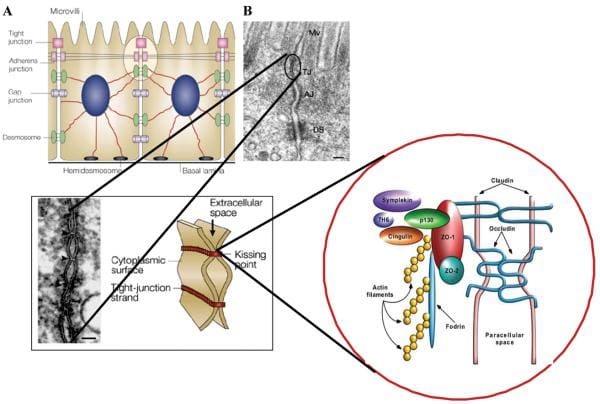
Healthy, mature intestinal mucosa with its absolute tight junctions, or TJs, is the most significant barrier for the passage of macromolecules, as seen on Figure 1. In a physiological state, quantitatively small but immunologically active antigens can cross the mucosal barrier. These antigens are absorbed through the mucosa via two practical paths. The massive collection of absorbed proteins, amounting to about 90 percent, cross the intestinal barrier throughout the transcellular pathway followed by lysosomal degradation which converts the proteins into smaller, non-immunogenic peptides. The remaining proteins are then carried as entire proteins, causing antigen-specific immune responses in the body. This occurrence utilizes the Microfold (M) cell pathway or the paracellular pathway, which requires a subtle but complex balance of intercellular TJs that can result in antigenic tolerance.
Figure 1
After the integrity of the intestinal barrier are compromised, best known as TJ disassembly, an immune response to environmental antigens that spanned the gut mucosa can grow, leading to autoimmune diseases or allergies. The cells that play a vital part in this immune response lie in close proximity to the intestinal epithelial barrier. Another critical component for this immune response is the human leukocyte antigen, or HLA, system. HLA class I and II genes encode the antigen presenting cell (APC) glycoprotein receptors that present antigens to T cells in the intestinal mucosa. Susceptibility to up to 50 diseases, such as celiac disease, or CD, and type 1 diabetes, or T1D, has been associated with certain HLA class I or class II alleles. A typical denominator of these diseases is the occurrence of numerous preexisting conditions which can lead to autoimmunity. The first is a hereditary susceptibility for the host immune system to recognize, and potentially misinterpret, an environmental antigen introduced within the gastrointestinal tract, or GI tract. Second, the host needs to be exposed to the antigen. Finally, the antigen needs to be introduced into the gastrointestinal mucosal immune system, following its M-cell passage or paracellular passage, usually blocked by TJ competency, from the intestinal lumen to acquire the intestine submucosa. In most instances, higher intestinal permeability precedes disease and triggers an abnormality in antigen delivery which triggers an immune response, ultimately causing autoimmunity. Researchers have therefore hypothesized that genes, environment, and decreased intestinal barrier function are all critical to develop autoimmune diseases, especially CD and T1D.
Gliadin as an Environmental Factor of Autoimmune Diseases
Celiac Disease
Gluten is a well-known environmental factor that triggers celiac disease. It is the gliadin fraction of wheat germ and equal alcohol-soluble proteins in distinct grains, known as prolamins, which are connected to the growth of intestinal damage. A standard characteristic of the prolamins of wheat, rye, and barley is a greater content of glutamine (>30%) and proline (>15%), whereas the non-toxic prolamins of rice and corn have decreased glutamine and proline content. However, the environmental factor that influenced the development CD is complex and unknown. Some aspects of gluten consumption might help determine the risk of CD incidence, particularly in: the amount of gluten intake, the higher the amount, the larger the risk; the caliber of consumed gluten, a few grains contain more hazardous epitopes than others; and the pattern/timing of infant feeding. Recent research studies suggest that the pattern of infant nutrition might have a very important role on the development of the CD as well as that of other autoimmune diseases. Breastfeeding is believed to delay or reduce the possibility of developing CD. The positive effects of breast milk may be attributed to its influence on the microbial colonization procedure for the own newborn’s intestine. The genus Bifidobacterium is predominant in the feces of breast-fed infants, while a larger variety of bacterial groups, including Bacteroides, Streptococcus, Clostridium, etc., are found in the fecal microbiota of all formula-fed infants. Changes in the composition of the intestinal microbiota also occur as a consequence of the following changes from breastfeeding or formula feeding to weaning and even the introduction of solid food. Alterations in the intestinal balance between favorable and possibly harmful bacteria have also been associated with allergy symptoms, type 1 diabetes and inflammatory bowel diseases, among others.
Type 1 Diabetes
It is believed that genetically predisposed individuals develop T1D after encountering one or more environmental factors of the disease. Fast improvements could be made in disease prevention and treatment if these environmental factors were identified. Amongst the others, gliadin has only been the subject of a series of research studies that aim at establishing its part in the pathogenesis of type 1 diabetes. Early introduction of gliadin-containing cereals were reported to raise the prospect of islet cell autoimmunity in humans. Gliadin-specific, lamina propria-derived T cells play an important role in the pathogenesis of CD. The same HLA class II haplotype, DQ (? 1 * 0501, �1 * 0201), that can be connected with gliadin peptides in CD is also one of two HLA class II haplotypes inherited most frequently by people with T1D. There are also signs of immunological activity in the intestine of T1D patients: jejunal specimens from T1D patients have been found to consist of much higher doses of interferon gamma (IFN?)- and tumor necrosis factor-alpha (TNF-?) positive cells in contrast to people with healthy controls, suggesting an inflammatory response. Still another study found substantially increased manifestation of HLA-DR and HLA-DP molecules on intestinal villi of jejunal specimens from T1D patients in comparison with specimens from healthy controls. Recent evidence confirmed these findings by assessing the mucosal immune response to gliadin in the jejunum of patients with T1D. Small intestinal biopsies from children with T1D were cultured with gliadin and evaluated for epithelial infiltration and lamina propria T-cell activation. The caliber of intraepithelial CD3+ cells and of lamina propria CD25+ mononuclear cells has been higher in jejunal biopsies from T1D patients versus control subjects. In the patients’ biopsies cultured with enzymatically treated gliadin, there was epithelial infiltration by CD3 cells, a more significant growth in lamina propria CD25+ and CD80+ cells, enhanced manifestation of lamina propria cells favorable into ligand and receptor molecules ?4/?7 and ICAM 1, along with enhanced expression of CD54 and crypt HLA-DR. Also, ?4 positive T cells have been recovered in the pancreatic islets of an T1D person, providing an immediate connection between gliadin-activated T cells and destruction of pancreatic islet cells.
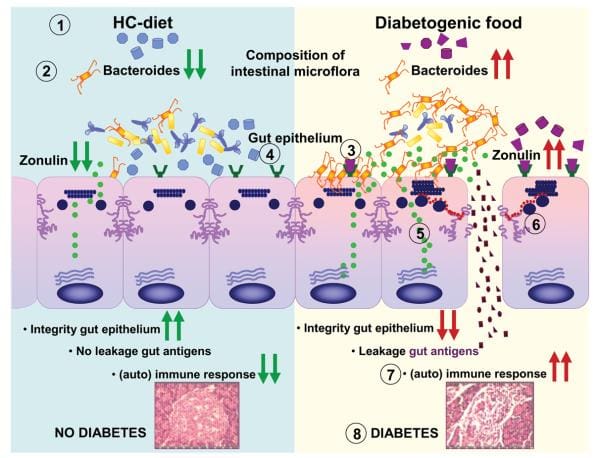
Findings from research studies using non-obese diabetic, or NOD, mice in addition to the BioBreeding diabetes-prone, or BBDP, rats have also implicated wheat gliadin as a nutritional supplement diabetogen. In BBDP rats, gliadin vulnerability is accompanied by increased intestinal permeability, and changes in gut microbiota composition, as seen on Figure 2., presumably allow food antigens to grow in contact with all the underlying lamina propria. Feeding NOD mice and BBDP rats a gluten free hydrolyzed casein diet resulted in a delay and decline in T1D development. Interestingly, these T1D animal models additionally demonstrated the moment of exposure to wheat proteins is quite important to the development of T1D. Delaying the vulnerability of diabetogenic wheat proteins by prolonging the breastfeeding period decreased T1D expansion from the BBDP rats. What is more, exposing neonatal rats or mice to diabetogenic wheat components or bacterial antigens diminished T1D incidence, which is perhaps due to the induction of immunological tolerance.
Figure 2
Rats that were fed corn protein-based diets developed T1D and demonstrated a moderate celiac-like enteropathy. Mesenteric lymph nodes, or MLNs, which drain the gut, are the substantial inductive site where dietary antigens are famous in the gut-associated connective tissue. The authors described an increase in the expression ratio of T-bet:Gata3, master transcription factors for Th1 and Th2 cytokines, respectively, in the MLN by wheat-fed BBDP rats compared to this by BBDR rats, mainly due to diminished Gata3 expression. Also, CD3+CD4+IFN?+ T cells were prevalent in the MLN of wheat-fed BBDP rats, but remained at control levels in BBDP rats fed with a diabetes-retardant wheat-free diet. BioBreeding diabetes-prone MLN cells increased quickly in response to wheat protein antigens in a particular, dose-dependent manner, and 93 percent of cells were CD3+CD4+ T cells. This proliferation was connected using a minimum proportion of CD4+CD25+ T cells and a greater proportion of dendritic cells in the MLN of BBDP rats. These results suggest that, before insulitis is established, the MLNs of wheat-fed BBDP rats contain a remarkably large proportion of Th1 cells that rapidly increased particularly in response to wheat protein antigens. Collectively, these research studies suggest a deranged mucosal immune response to gliadin in T1D and a direct connection between gliadin-induced stimulation of gut mucosal T cells and abuse of pancreatic islet cells, as seen on Figure 2.
Link between Gliadin, Zonulin & Increased Intestinal Permeability in Autoimmune Diseases
Researchers have generated enough evidence to support that gliadin can induce increased intestinal permeability by releasing preformed zonulin. Intestinal cell lines exposed to gliadin released zonulin from the cell medium with subsequent zonulin binding to the cell surface, rearrangement of the cell cytoskeleton, loss of occludin-ZO1 protein interaction, and increased monolayer permeability. Pre-treatment with all of the zonulin antagonist AT1001 blocked these alterations without affecting zonulin release. When exposed to luminal gliadin, intestinal biopsies from patients with celiac disease in remission expressed a continuous luminal zonulin discharge and increase in intestinal permeability. On the contrary, biopsies from non-CD patients showed a limited, transient zonulin release, which was paralleled by a decline in intestinal permeability that had not reached the level of permeability found in celiac disease cells. As a matter of fact, when gliadin was added to the basolateral side of cell lines or intestinal biopsies, no zonulin release was detected. The latter finding indicates that gliadin interacts using an intestinal luminal receptor, which encouraged researchers to comprehend this issue. In vitro experiments revealed specific colocalization of gliadin along with the chemokine receptor CXCR3 expressed in human and mouse intestinal epithelium and lamina propria. Gliadin vulnerability led to a tangible establishment of CXCR3 and MyD88. Ex vivo experiments revealed that gliadin exposure to intestinal segments from wild-type mice increased zonulin terminal and intestinal permeability, whereas CXCR3 intestinal segments failed to respond to gliadin. The increased intestinal permeability appeared cause a specific impact for gliadin, because the subsequent CXCR3 ligand, IP-10, did not affect intestinal barrier function. Based on these figures, researchers suggested that gliadin contrasts to CXCR3 additionally lead to stimulation of the zonulin pathway and improved intestinal permeability in a MyD88-dependent manner.
Conclusive Remarks
The classical paradigm of the pathogenesis of autoimmune diseases involving certain receptor makeup and exposure to environmental factors was contested with the addition of a third component, the decrease of intestinal barrier function. Genetic predisposition, miscommunication between innate and adaptive immunity, exposure to environmental factors and loss in intestinal barrier function secondary to the breakdown of intercellular tight junctions, or TJs, seem to be vital components in the pathogenesis of autoimmune disorders. Both in CD and T1D gliadin may play a role in inducing loss of intestinal barrier function or inducing the gastrointestinal response in genetically predisposed individuals. This new hypothesis suggests that after the digestive process is triggered, it is not auto-perpetuating, but rather, it might be balanced or reversed by preventing the continuous interaction between genes and the environment. Since TJ dysfunction allows this interaction, new treatment procedures targeted at re-establishing the intestinal barrier function supply innovative, unexplored procedures for caring for autoimmune diseases. Information referenced from the National Center for Biotechnology Information (NCBI) and the National University of Health Sciences. The scope of our information is limited to chiropractic and spinal injuries and conditions. To discuss the subject matter, please feel free to ask Dr. Jimenez or contact us at 915-850-0900 .
By Dr. Alex Jimenez
Additional Topics: Wellness
Overall health and wellness are essential towards maintaining the proper mental and physical balance in the body. From eating a balanced nutrition as well as exercising and participating in physical activities, to sleeping a healthy amount of time on a regular basis, following the best health and wellness tips can ultimately help maintain overall well-being. Eating plenty of fruits and vegetables can go a long way towards helping people become healthy.
1.�Fasano A.�Tight Junctions.�CRC Press, Inc.; Boca Raton, FL: 2001. Pathological and therapeutic implications of macromolecule passage through the tight junction; pp. 697�722.
2.�Mowat AM. Anatomical basis of tolerance and immunity to intestinal antigens.�Nat. Rev. Immunol.�2003;3:331�341.�[PubMed]
3.�Fasano A. Intestinal zonulin: open sesame!�Gut.�2001;49:159�162.�[PMC free article]�[PubMed]
4.�Brandtzaeg P, Halstensen TS, Kett K, et al. Immunobiology and immunopathology of human gut mucosa: humoral immunity and intraepithelial lymphocytes.�Gastroenterol.�1989;97:1562�1584.�[PubMed]
5.�Brandtzaeg P. Overview of the mucosal immune system.�Curr. Top. Microbiol. Immunol.�1989;146:13�25.�[PubMed]
6.�Bjorkman PJ, Saper MA, Samraoui B, et al. Structure of the human class I histocompatibility antigen, HLA-A2.�Nature.�1987;329:506�512.�[PubMed]
7.�Bjorkman PJ, Saper MA, Samraoui B, et al. The foreign antigen binding site and T cell recognition regions of class I histocompatibility antigens.�Nature.�1987;329:512�518.�[PubMed]
8.�Cuvelier C, Mielants H, De Vos M, et al. Major histocompatibility complex class II antigen (HLA-DR) expression by ileal epithelial cells in patients with seronegative spondylarthropathy.�Gut.�1990;31:545�549.[PMC free article]�[PubMed]
9.�Wendling D. Role of the intestine in the physiopathology of inflammatory rheumatism.�Rev. Rhum. Mal. Osteoartic.�1992;59:389�392.�[PubMed]
10.�Bjarnson I, Williams P, Smethurst P, et al. Effect of non-steroidal anti-inflammatory drugs and prostaglandins on the permeability of the human small intestine.�Gut.�1986;27:1292�1297.[PMC free article]�[PubMed]
11.�Bjarnason I, Peters TJ, Levi AJ. Intestinal permeability: clinical correlates.�Dig. Dis.�1986;4:83�92.[PubMed]
12.�Pratesi R, Gandolfi L, Garcia SG, et al. Prevalence of coeliac disease: unexplained age-related variation in the same population.�Scand. J. Gastroenterol.�2003;38:747�50.�[PubMed]
13.�Fasano A, Berti I, Gerarduzzi T, et al. Prevalence of celiac disease in at-risk and not-at-risk groups in the United States: a large multicenter study.�Arch. Int. Med.�2003;163:286�292.�[PubMed]
14.�Nistico L, Fagnani C, Coto I, et al. Concordance, disease progression, and heritability of coeliac disease in Italian twins.�Gut.�2006;55:803�808.�[PMC free article]�[PubMed]
15.�Louka AS, Sollid LM. HLA in coeliac disease: unravelling the complex genetics of a complex disorder.�Tissue Antigens.�2003;61:105�117.�[PubMed]
16.�Vader W, Stepniak D, Kooy Y, et al. The HLA-DQ2 gene dose effect in celiac disease is directly related to the magnitude and breadth of gluten-specific T cell responses.�Proc. Natl. Acad. Sci. USA.�2003;100:12390�12395.�[PMC free article]�[PubMed]
17.�Monsuur AJ, Bakker PI, Alidazeh BZ, et al. Myosin IXB variant increases the risk of celiac disease and points toward a primary intestinal barrier defect.�Nat. Gen.�2005;37:1341�1344.�[PubMed]
18.�Wapenaar MC, Monsuur AJ, van Bodegraven AA, et al. Associations with tight junction genes PARD3 and MAGI2 in Dutch patients point to a common barrier defect for coeliac disease and ulcerative colitis.�Gut.�2008;57:463�467.�[PubMed]
19.�Kelly MA, Rayner ML, Mijovic CH, et al. Molecular aspects of type 1 diabetes.�Mol. Pathol.�2003;56:1�10.�[PMC free article]�[PubMed]
20.�Santiago JL, Martinez A, Nunez C, et al. Association of MYO9B haplotype with type 1 diabetes.�Hum. Immunol.�2008;69:112�115.�[PubMed]
21.�Sollid LM. Breast milk against celiac disease.�Gut.�2002;51:767�768.�[PMC free article]�[PubMed]
22.�Gr�nlund M-M, Arvilommi H, Kero P, et al. Importance of intestinal colonization in the maturation of humoral immunity in early infancy: a prospective follow up study of healthy infants aged 0�6 months.�Arch. Dis. Child. Fetal. Neon.�2000;83:F186�F192.�[PMC free article]�[PubMed]
23.�Kirjavainen PV, Arvola T, Salminen SJ, et al. Aberrant composition of gut microbiota of allergic infants: a target of bifidobacterial therapy at weaning?�Gut.�2002;51:51�55.�[PMC free article]�[PubMed]
24.�Sartor RB. Therapeutic manipulation of the enteric microflora in inflammatory bowel diseases: antibiotics, probiotics, and prebiotics.�Gastroenterol.�2004;126:1620�1633.�[PubMed]
25.�Lefebvre DE, Powell KL, Strom A, et al. Dietary proteins as environmental modifiers of type 1 diabetes mellitus.�Annu. Rev. Nutr.�2006;26:175�202.�[PubMed]
26.�Ziegler AG, Schmid S, Huber D, et al. Early infant feeding and risk of developing type 1 diabetes-associated autoantibodies.�JAMA.�2003;290:1721�1728.�[PubMed]
27.�Norris JM, Barriga K, Klingensmith G, et al. Timing of initial cereal exposure in infancy and risk of islet autoimmunity.�JAMA.�2003;290:1713�1720.�[PubMed]
28.�Lundin KEA, Scott H, Hansen T, et al. Gliadin-specific, HLA-DQ (?180501,�1 * 0201) restricted T cells isolated from the small intestinal mucosa of celiac patients.�J. Exp. Med.�1993;178:187�196.[PMC free article]�[PubMed]
29.�Agardh D, Nilsson A, Tuomi T, et al. Prediction of silent celiac disease at diagnosis of childhood type 1 diabetes by tissue transglutaminase autoantibodies and HLA.�Pediatric Diab.�2001;2:58�65.�[PubMed]
30.�Westerholm-Ormio M, Vaarala O, Pihkala P, et al. Imunologic activity in the small intestinal mucosa of pediatric patients with type 1 diabetes.�Diabetes.�2003;52:2287�2295.�[PubMed]
31.�Savilahti E, Ormala T, Saukkonen U, et al. Jejuna of patients with insulin-dependent diabetes mellitus (IDDM) show signs of immune activation.�Clin. Exp. Immunol.�1999;116:70�77.�[PMC free article][PubMed]
32.�Auricchio R, Paparo F, Maglio M, et al. In vitro deranged intestinal immune response to gliadin in type 1 diabetes.�Diabetes.�2004;53:1680�1683.�[PubMed]
33.�Hanninen A, Salmi M, Simell O, et al. Endothelial cell-binding properties of lymphocytes infiltrated into human diabetic pancreas: Implications for pathogenesis in IDDM.�Diabetes.�2003;42:1656�1662.[PubMed]
34.�Chakir H, Lefebvre DE, Wang H, et al. Wheat protein-induced proinflammatory T helper 1 bias in mesenteric lymph nodes of young diabetes-prone rats.�Diabetologia.�2005;48:1576�1584.�[PubMed]
35.�Scott FW, Cloutier HE, Kleeman R, et al. Potential mechanisms by which certain foods promote or inhibit the development of spontaneous diabetes in BB rats. Dose, timing, early effect on islet area, and switch in infiltrate from Th1 to Th2 cells.�Diabetes.�1997;46:589�598.�[PubMed]
36.�Funda DP, Kaas A, Taskalova-Hogenova H, et al. Gluten-free but also gluten-enriched (gluten+) diet prevent diabetes in NOD mice; the gluten enigma in type 1 diabetes.�Diab. Metab. Res. Rev.�2008;24:59�63.�[PubMed]
37.�Meddings JB, Jarand J, Urbanski SJ, et al. Increased gastrointestinal permeability is an early lesion in the spontaneously diabetic BB rat.�Am. J. Physiol.�1999;276:G951�957.�[PubMed]
38.�Visser J, Brugman S, Klatter F, et al. Short-term dietary adjustment with a hydrolyzed casein-based diet postpones diabetes development in the diabetes-prone BB rat.�Metabolism.�2003;52:333�337.�[PubMed]
39.�Brugman S, Klatter F, Visser J, et al. Neonatal oral administration of DiaPep277, combined with hydrolysed casein diet, protects against Type 1 diabetes in BB-DP rats. An experimental study.�Diabetologia.�2004;47:1331�1333.�[PubMed]
40.�Brugman S, Klatter F, Visser J, et al. Antibiotic treatment partially protects against type 1 diabetes in the Bio-Breeding diabetes-prone rat. Is the gut flora involved in the development of type 1 diabetes?�Diabetologia.�2006;49:2105�2108.�[PubMed]
41.�Visser J, Groen H, Klatter F, et al. The diabetes prone BB rat model of IDDM shows duration of breastfeeding to influence Type 1 diabetes development later in life.�Diabetologia.�2003;46:1711�1713.[PubMed]
42.�Scott FW, Rowsell P, Wang GS, et al. Oral exposure to diabetes-promoting food or immunomodulators in neonates alters gut cytokines and diabetes.�Diabetes.�2002;51:73�78.�[PubMed]
43.�Fasano A, Fiorentini C, Donelli G, et al. Zonula occludens toxin modulates tight junctions through protein kinase C-dependent actin reorganization,�in vitro.�J. Clin. Invest.�1995;96:710�720.[PMC free article]�[PubMed]
44.�Fasano A, Uzzau S, Fiore C, et al. The enterotoxic effect of zonula occludens toxin (Zot) on rabbit small intestine involves the paracellular pathway.�Gastroenterol.�1997;112:839�846.�[PubMed]
45.�Marcial MA, Carlson SL, Madara JL. Partitioning of paracellular conductance along the ileal crypt-villus axis: a hypothesis based on structural analysis with detailed consideration of tight junction structure-function relationships.�J. Membr. Biol.�1984;80:59�70.�[PubMed]
46.�Uzzau S, Lu R, Wang W, et al. Purification and preliminary characterization of the zonula occludens toxin receptor from human (CaCo2) and murine (IEC6) intestinal cell lines.�FEMS Microbiol. Lett.�2001;194:1�5.�[PubMed]
47.�Wang W, Uzzau S, Goldblum SE, et al. Human zonulin, a potential modulator of intestinal tight junctions.�J. Cell Sci.�2000;113:4435�4440.�[PubMed]
48.�Fasano A, Baudry B, Pumplin DW, et al.�Vibrio cholerae�produces a second enterotoxin, which affects intestinal tight junctions.�Proc. Natl. Acad. Sci. USA.�1991;88:5242�5246.�[PMC free article]�[PubMed]
49.�Baudry B, Fasano A, Ketley JM, et al. Cloning of a gene (zot) encoding a new toxin produced by�Vibrio cholerae.�Infect. Immun.�1992;60:428�434.�[PMC free article]�[PubMed]
50.�Di Pierro M, Lu R, Uzzau S, et al. Zonula occludens toxin structure-function analysis. Identification of the fragment biologically active on tight junctions and of the zonulin receptor binding domain.�J. Biol. Chem.�2001;276:19160�19165.�[PubMed]
51.�El Asmar R, Panigrahi P, Bamford P, et al. Host-dependent activation of the zonulin system is involved in the impairment of the gut barrier function following bacterial colonization.�Gastroenterol.�2002;123:1607�1615.
52.�Fasano A, Not T, Wang W, et al. Zonulin, a newly discovered modulator of intestinal permeability, and its expression in coeliac disease.�Lancet.�2000;358:1518�1519.�[PubMed]
53.�Watts T, Berti I, Sapone A, et al. Role of the intestinal tight junction modulator zonulin in the pathogenesis of type-I diabetes in BB diabetic prone rats.�Proc. Natl. Acad. Sci. USA.�2005;102:2916�2921.�[PMC free article]�[PubMed]
54.�Sapone A, de Magistris L, Pietzak M, et al. Zonulin upregulation is associated with increased gut permeability in subjects with type 1 diabetes and their relatives.�Diabetes.�2006;55:1443�1449.�[PubMed]
55.�Clemente MG, Virgiliis S, Kang JS, et al. Early effects of gliadin on enterocyte intracellular signalling involved in intestinal barrier function.�Gut.�2003;52:218�223.�[PMC free article]�[PubMed]
56.�Drago S, El Asmar R, De Pierro M, et al. Gliadin, zonulin and gut permeability: Effects on celiac and non-celiac intestinal mucosa and intestinal cell lines.�Scand. J. Gastroenterol.�2006;41:408�419.�[PubMed]
57.�Lammers KM, Lu R, Brownley J, et al. Gliadin induces an increase in intestinal permeability and zonulin release by binding to the chemokine receptor CXCR3.�Gastroenterol.�2008;135:194�204.[PMC free article]�[PubMed]
58.�Barbeau WE, Bassaganya-Riera J, Hontecillas R. Putting the pieces of the puzzle together � a series of hypotheses on the etiology and pathogenesis of type 1 diabetes.�Med. Hypotheses.�2007;68:607�619.[PubMed]
The thyroid gland is a butterfly-shaped organ located in the base of the neck. It’s in charge of releasing essential thyroid hormones which control the body’s metabolism, the way the body uses energy. The thyroid gland’s hormones regulate vital body functions, such as breathing, heart rate, central and peripheral nervous systems, body temperature and more.
What causes autoimmune thyroid disease?
As essential as the thyroid gland is, however, the body’s own immune system can sometimes malfunction and attack this important endocrine organ, ultimately affecting its function. Autoimmune thyroid diseases, like Hashimoto’s thyroid disease and Graves’ disease, have been on the rise in the United States. While the diagnosis of thyroid disease has increased, many doctors still don’t know the cause of the issue, but these have been linked to several factors.
Environmental Factors for AITD
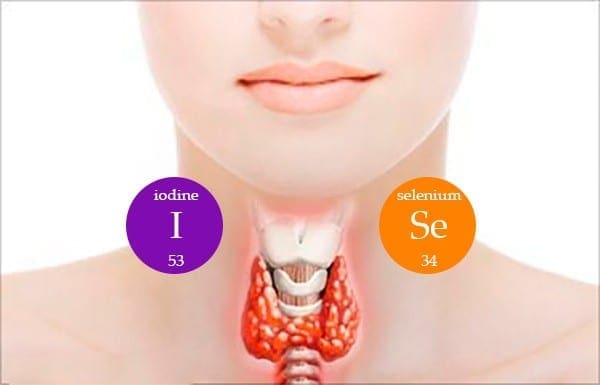
A number of environmental factors have been associated with the development and growth� of autoimmune thyroid disease in individuals, including iodine intake and selenium deficiency as well as pollutants like tobacco smoke, infectious diseases, particular medications, and physical and emotional stress. Herein, we focus on the causes that are preventable. It’s also suggested that, in addition to genetics, some variables can also be important to the development of AITDs, such as growth spurts in childhood, puberty, pregnancy, menopause, aging, and sex.
Iodine Intake
Dietary iodine plays a significant part in the presence of autoimmune thyroid diseases. Epidemiological studies have indicated that increases in AITDs occur in parallel with increases in the consumption of dietary iodine and that AITDs are common in areas of iodine sufficiency than of deficiency. Chronic autoimmune thyroiditis is common in countries with a low iodine intake, according to research statistics.
The thyroid gland requires the right amount of iodine in order to perform it’s everyday functions. Thyroid issues are caused by either too much or too little iodine intake. Decreased levels of iodine brings the adaptive immune mechanisms of the thyroid into action, but despite this natural solution, iodine deficiency disorders may result. Too much iodine can also affect the thyroid. Immune mechanisms of the thyroid associated with increased levels of iodine include diminished trapping of iodide by the thyroid gland and iodide organification. In experimental thyroid disease studies, Tg epitopes were discovered, including some containing conformational epitopes as well as some iodine and hormones.�Increasing the iodination of Tg makes the protein more antigenic Optimally, the iodine intake of a population should be kept inside a relatively narrow interval that prevents iodine ailments, but avoid it being too high.
The mechanism of action of iodine intake in contributing to autoimmune thyroid disease isn’t apparent. Iodine may stimulate B lymphocytes to increase the creation of immunoglobulin and so induce AITDs by enhancing the activity of lymphocytes which have been primed by thyroid-specific antigens. Iodine may enhance the antigen-presenting capacities of macrophages, resulting in enhanced lymphocyte stimulation and increased activity. Additionally, a high iodine intake increases the content of the Tg molecule. Lastly, iodine may cause issues by turning normal thyrocytes that are genetically predisposed to thyroid follicular cells to become APCs and thus potentiate AITDs.
Selenium Deficiency
The next factor which plays a significant part in the presence as well as the progression of autoimmune thyroid disease is the trace component selenium, or Se. Selenium is a constituent of selenoproteins (SePs), in which it is incorporated as selenocysteine. Relevant actions of Se and SePs consist of antioxidant effects, proper operation of the immune system, antiviral effects, influence on fertility, and a beneficial effect on disposition.
Selenium deficiency is considered to be involved in the pathogenesis of autoimmune thyroid disease by lengthening the duration and exacerbating the severity of the illness; these effects might occur via activity of this SeP glutathione peroxidase, which leads to an alteration of hydrogen peroxide within the body. Another class of SePs are the selenodeiodonases D1 and D2, that are accountable for producing exceptionally T3 through 5 -deiodination in extrathyroidal tissues. Deficiencies and combined Se contribute to cretinism. Adequate Se nutrition protects the thyroid gland from harm from excess iodine exposure and supports metabolism and effi-cient thyroid hormone synthesis. In areas having acute combined de-ficiencies of Se and potassium, it is compulsory to normalize the Se supply before the initiation of supplementa-tion that is potassium to prevent hypothyroidism.
In celiac disease, the inability to absorb Se may modu-late SeP gene expression and promote intestinal mucosal damage, and this deficiency could additionally predis-pose to complications such as AITDs. Derumeaux et al. found that between selenium status and thyroid gland as well as echo-structure in adults and reasoned that Se may protect against autoimmune thyroid disease. Duntas et al. found effects when treating patients with autoimmune thyroid disease for 6 weeks because of its ability using selenomethionine. In the category treated with LT4 together with Se, these effects were prominent after 6 months of therapy. A majority of the patients reported an improvement in well-being.
The scope of our information is limited to chiropractic and spinal injuries and conditions. To discuss options on the subject matter, please feel free to ask Dr. Jimenez or contact us at 915-850-0900 .�
By Dr. Alex Jimenez
Additional Topics: Wellness
Overall health and wellness are essential towards maintaining the proper mental and physical balance in the body. From eating a balanced nutrition as well as exercising and participating in physical activities, to sleeping a healthy amount of time on a regular basis, following the best health and wellness tips can ultimately help maintain overall well-being. Eating plenty of fruits and vegetables can go a long way towards helping people become healthy.
IFM's Find A Practitioner tool is the largest referral network in Functional Medicine, created to help patients locate Functional Medicine practitioners anywhere in the world. IFM Certified Practitioners are listed first in the search results, given their extensive education in Functional Medicine







 �
�