
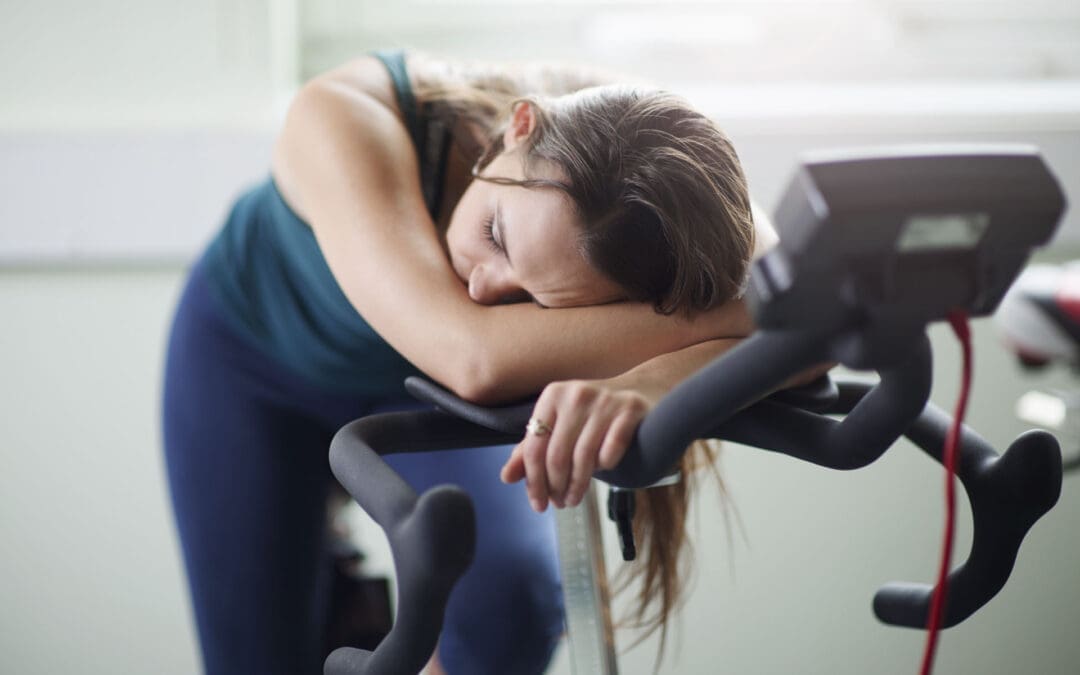
Athletic Performance and Why Rest Matters for Success
Sleep, Athletic Performance, and Recovery: Why Rest Matters and How Integrative Chiropractic Care May Help
Athletes often focus on training, nutrition, and discipline. However, sleep is one of the most important performance tools in sports. When athletes do not get enough sleep, performance can drop fast. Reaction time slows, decision-making worsens, speed and accuracy may decline, and the body tires sooner. Poor sleep also increases the risk of illness and injury by reducing recovery and weakening immune function. Research suggests that sleep loss is not just a side issue. It can be an independent risk factor for sports injury.
For most adults, about 7 to 9 hours of sleep per night is a common recommendation. Athletes, especially those training hard, may benefit from the upper end of that range or even more in some cases. Sleep is when the body repairs tissue, supports hormone balance, strengthens memory, and prepares the brain and muscles for the next day’s demands.
Why Sleep Is So Important for Athletes
Sleep is not passive downtime. It is active recovery. During sleep, the body repairs tissue, supports cardiovascular recovery, and produces immune signals that help fight infection. Sleep also supports memory and learning, which are important when an athlete is building skills, timing, and game awareness.
Deep sleep is especially important. Mass General Brigham notes that muscle repair happens best when an athlete spends enough time in deep sleep. The same source explains that poor sleep can weaken brain signals, which then affect decision-making, reaction time, and how quickly muscles respond.
In simple terms, sleep helps athletes in three major ways:
-
It restores the body
-
It sharpens the brain
-
It lowers injury risk
When sleep is cut short night after night, all three areas can suffer.
What Happens When Athletes Do Not Sleep Enough
Athletes who sleep too little often notice physical changes first. They may feel slower, heavier, and less explosive. Sprinting, accuracy, and endurance can all drop. The Sleep Foundation reports that both sleep quantity and quality can affect performance, and more sleep has been linked to better results in sport-specific skills. In a well-known study cited by the Sleep Foundation, basketball players who extended their sleep improved their sprinting and shooting performance.
Poor sleep also affects the mind. A tired athlete may still be motivated, but the brain is not working at full speed. That can lead to:
-
Slower reaction times
-
Worse judgment under pressure
-
Lower concentration
-
Poorer memory and learning
-
More irritability and emotional stress
These changes matter in all sports, but they are especially dangerous in sports that depend on split-second timing, field awareness, and fast motor control.
Sleep loss can also affect overall health. The Sleep Foundation explains that sleep helps the immune system function properly, and reduced sleep may make athletes more vulnerable to common illnesses. That matters because even mild sickness can reduce training quality and delay recovery.
Sleep Deprivation and Injury Risk
One of the strongest concerns in sports medicine is the link between short sleep and injury. The American Academy of Cardiovascular Sleep Medicine states that athletes who sleep fewer than 7 hours per night may have about 1.7 times the risk of musculoskeletal injury compared with well-rested peers. The same source also highlighted research showing that athletes who slept more had lower odds of sustaining a new injury.
A PubMed-indexed study on adolescent athletes found that those sleeping less than 8 hours per night were 1.7 times more likely to have had an injury than athletes who slept 8 hours or more. The authors concluded that sleep deprivation appeared to be associated with injury in this athletic population.
This makes sense clinically. An athlete who is under-rested may have slower reflexes, worse coordination, poorer body control, and more fatigue. Over time, that can increase the chance of:
-
Bad landings
-
Delayed muscle firing
-
Poor movement patterns
-
Overuse stress
-
Mistakes during play or training
Sleep loss does not guarantee injury, but it clearly increases the odds.
Recovery, Hormones, and Immune Function
Recovery is more than just “feeling rested.” It includes muscle repair, nervous system reset, energy restoration, and immune support. The Sleep Foundation notes that sleep helps cells and tissues repair and supports illness prevention through immune signaling. Mass General Brigham adds that without enough deep sleep, the body may not repair muscles well enough to train at the same level the next day.
A broader PubMed review also explains that sleep is part of the adaptive process between bouts of exercise and that improved sleep is associated with better performance and competitive success.
Athletes who routinely cut sleep may feel trapped in a cycle:
-
Hard training creates soreness and fatigue
-
Pain or stress disrupts sleep
-
Poor sleep slows recovery
-
Slower recovery worsens soreness and performance
-
The athlete keeps training while under-recovered
That loop can lead to burnout, mood changes, reduced output, and a greater risk of injury. This is one reason sleep should be treated like training, not as something optional.
Can Integrative Chiropractic Care Help Athletes Sleep Better?
Integrative chiropractic care may help some athletes sleep better, especially when pain, stiffness, muscle tension, or poor recovery—issues related to the body’s musculoskeletal system— are keeping them awake. The strongest support here is indirect: pain and musculoskeletal problems can disrupt sleep, and improving them may lead to better rest. Evidence specifically proving chiropractic as a direct treatment for insomnia is still limited. A review of the literature found only minimal high-quality evidence supporting chiropractic as a primary treatment for insomnia.
That said, the relationship between pain and sleep is well established. Poor sleep can worsen pain, and pain can worsen sleep. When an athlete has neck pain, back pain, joint restriction, or muscle tension, care that reduces discomfort and improves movement may make it easier to rest.
A careful, balanced way to say it is: integrative chiropractic care may support better sleep by reducing musculoskeletal pain, improving mobility, lowering physical tension, and supporting an athlete’s overall recovery plan. It should not be presented as a guaranteed cure for insomnia, but it can be part of a broader recovery strategy.
Clinical Observations from Dr. Alexander Jimenez
Dr. Alexander Jimenez, DC, APRN, FNP-BC, describes athlete recovery as a system, not a single treatment. In his clinical education materials, he emphasizes that athletes need training, nutrition, and proper rest together, and he recommends treating sleep as seriously as training and diet. His sports rehabilitation content also highlights a dual-scope model that combines chiropractic care, medical diagnostics, soft tissue therapy, exercise, nutrition, and recovery planning for athletes.
Based on Dr. Jimenez’s published observations, athletes often do better when care addresses several factors at the same time:
-
Joint and spinal motion
-
Soft tissue tension
-
Neuromuscular control
-
Inflammation and pain
-
Nutrition and hydration
-
Stress and recovery habits
-
Sleep quality
This integrative view is useful because athletes rarely have only one issue. A player with poor sleep may also have soreness, overtraining stress, tight hips, neck pain, poor recovery habits, or nutritional gaps. In that setting, hands-on care, movement correction, sleep support, and medical evaluation may work better together than any single strategy.
Practical Ways Athletes Can Improve Sleep
Athletes do not need perfect sleep every night, but they do need consistent sleep habits. Helpful steps include:
-
Aim for a regular sleep schedule
-
Protect 7 to 9 hours of sleep, and sometimes more during heavy training
-
Reduce screens and stimulation before bed
-
Keep the room cool, dark, and quiet
-
Avoid very late caffeine
-
Watch for overtraining
-
Address pain early instead of trying to “push through” it
-
Use recovery routines such as mobility work, breathing, hydration, and proper nutrition
Athletes with ongoing pain, repeated sleep disruption, or signs of overtraining may need a deeper evaluation. Sometimes the real problem is not motivation. It is an under-recovered nervous system and body.
Final Thoughts
Athletes who do not sleep enough usually perform worse, think more slowly, recover less effectively, and face a higher risk of injury. Sleep affects speed, reaction time, memory, mood, immune health, and muscle repair. It is one of the most powerful and most overlooked tools in athletic recovery.
Integrative chiropractic care may help athletes stuck in a cycle of pain, poor sleep, and poor recovery, especially when treatment is paired with exercise guidance, nutritional support, and good sleep habits, which promote better rest and recovery. The best evidence supports improving sleep itself and reducing pain-related barriers to sleep. The evidence for chiropractic as a direct insomnia treatment remains limited, so it is best viewed as one part of a full recovery approach rather than a stand-alone sleep cure.
For athletes, the message is simple: sleeping better is not laziness. It is performance care.
References
-
Dr. Alexander Jimenez. (n.d.). Athletes and sleep: The key to performance and recovery.
-
Dr. Alexander Jimenez. (2025). Chiropractic athlete rehabilitation care for sports injuries.
-
Dr. Alexander Jimenez. (2025). Dr. Alexander Jimenez on chiropractic nutrition for injury recovery.
-
Jimenez, A. (n.d.). Dr. Alexander Jimenez, DC, APRN, FNP-BC. LinkedIn.
-
Kingston, J., & Dorion, J. P. (2011). A review of the literature on chiropractic and insomnia.
-
Mass General Brigham. (2024). How does sleep affect athletic performance?
-
Sleep Foundation. (2025). Sleep, athletic performance, and recovery.







