Dr. Jimenez, D.C., presents how to prevent atherosclerosis through various therapies that can help reduce the effects of cardiovascular diseases. By understanding the risk factors causing these issues, many specialists associated with cardiovascular disorders can develop a solution to minimize these symptoms that correlate with the vital organs and muscles with a personalized treatment plan. We acknowledge patients to certified providers that provide treatment options for cardiovascular disorders that can restore body functionality and improve a person’s health. We assess each individual and their symptoms by entrusting them to our associated medical providers based on their diagnosis results for a better understanding. We recognize that education is a tremendous way to ask our providers questions about the patient’s knowledge and symptoms. Dr. Jimenez, D.C., implements this information as an educational service. Disclaimer
The Cardiovascular System & Atherosclerosis
Dr. Alex Jimenez, D.C., presents: When the body deals with various issues causing muscle and joint pain, it could be due to overlapping risk profiles affecting the cardiovascular system. In a normal functioning body, the cardiovascular system works with different systems, including the musculoskeletal system, the pulmonary system, the endocrine system, the central nervous system, and the gut system. The heart is one of the main vital organs in the cardiovascular system that supplies oxygen-riched blood to the different muscles, tissues, and organs to function properly. The oxygen-rich blood also carries other items to circulate in the body, like hormones, protein, and nutrients, to be used later. However, when environmental factors start to disrupt the body, they can affect the cardiovascular system and can do serious damage. To that point, it can develop cardiovascular diseases over time and cause body pain. Many studies and research have shown cardiovascular diseases are still the number one in the world that causes mortality and morbidity in the body. They can cause other issues that can affect the body.
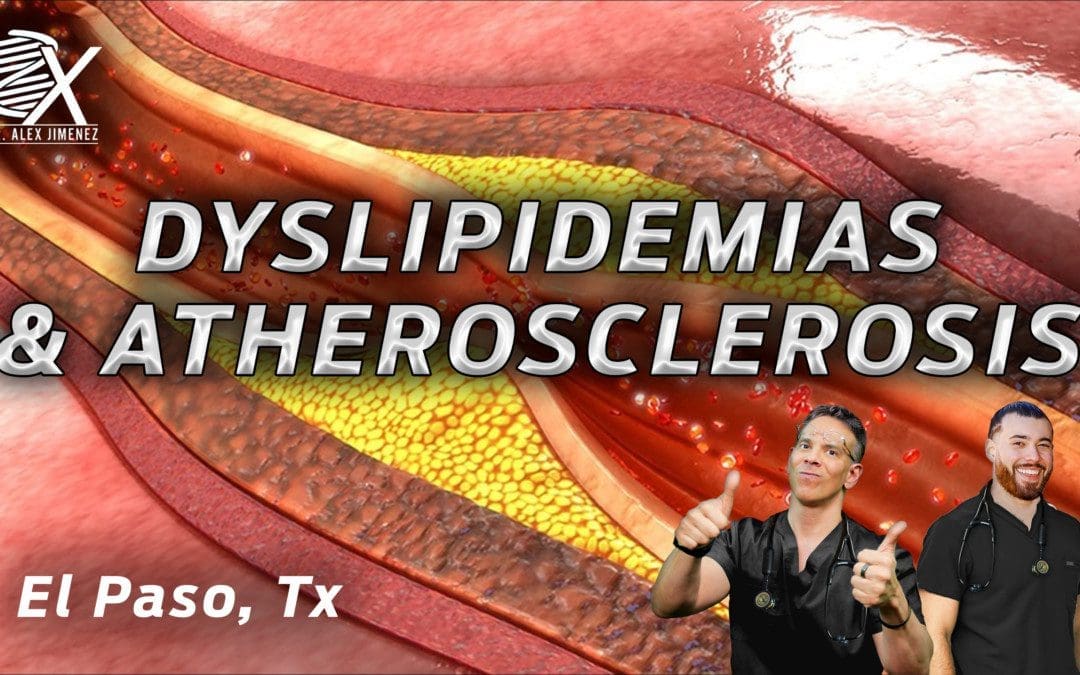
One of the cardiovascular diseases that can lead to heart dysfunction is atherosclerosis. Atherosclerosis is a buildup of plaque (fats, cholesterol, and other hard, sticky substances) that builds up over time along the artery walls that can slow down the blood flow, causing less circulation in the arteries. When the circulation becomes obstructed, it can lead to ischemia associated with a blood clot due to the different body areas not getting enough blood and oxygen to function properly.
Inflammation Associated With Atherosclerosis
Dr. Alex Jimenez, D.C., presents: When this happens, there can be an imbalance of LDLs (low-density lipoproteins) which can then develop various symptoms over time that can lead to muscle and joint pain. Some of the most common underlying reasons that can cause LDL imbalances associated with atherosclerosis could include the following:
Chronic inflammation
Immune dysfunction
Oxidative stress in the vascular system
Poor diet
Tobacco exposure
Genetics
Pre-existing cardiovascular disease
When various disruptors can damage LDL, it can become oxidized over time, damage the cardiovascular endothelium wall, and cause macrophage and platelet activation. To that point, once the macrophages start to eat, they form into foam cells and then explode and release peroxidation, which means that they damage the lining of the blood vessel.
Looking closer at the oxidized LDL, it can biotransform into pro-inflammatory markers and is correlated with vascular inflammation. When dealing with vascular inflammation, the body can develop metabolic endotoxemia. Metabolic endotoxemia is where LPS (lipopolysaccharides) levels elevate even though there is a presence of infections in the body. To that point, it can correlate to gut dysbiosis and chronic inflammatory diseases to stimulate the immune system to increase NFkB inflammatory cytokines and cause muscle and joint pain.
When there is an increase in inflammation due to atherosclerosis or any cardiovascular disease an individual may have, the signs and symptoms can vary depending on their environment. Excessive weight gain, hypertension, increased oxidative stress, high triglycerides, low HDLs, etc., can affect the body and make it dysfunctional. These mechanic factors can influence dysbiosis in the cardiovascular and gut systems, leading to chronic conditions like IBS, metabolic syndrome, and cardiovascular diseases.
Treatments To Lower Inflammation
Dr. Alex Jimenez, D.C., presents: So what can we do to reduce the inflammation associated with atherosclerosis causing muscle and joint pain? Well, one of the ways that many people can do this is by eating less refined carbohydrates, and high sugar can lower high glycemic levels in the body can reduce the risk of cardiovascular diseases. Another way is to try the Mediterranean diet, which includes lean proteins, nuts, extra virgin olive oil, heart-healthy vegetables, fresh fruits, and whole grains to reduce inflammatory markers from proceeding further to causing issues in the body. Even supplements and nutraceuticals like glutathione and omega-3s can reduce chronic inflammation and cardiovascular disease complications by enhancing their antioxidant properties to preserve redox homeostasis while regulating oxidative stress in the body.
Another way people can prevent atherosclerosis is by exercising regularly. An exercise routine is an excellent way to keep the heart pumping and allow the muscles to move. Any exercise like yoga, Crossfit, dancing, swimming, walking, and running will allow more oxygen intake to the lungs, allowing the heart to pump out more blood to allow more circulation to the various organs, muscles, and tissues. Plus, any exercise can reduce plaque buildup in the arteries and reduce inflammation in the muscles and joints affecting the body.
Chiropractic Care & Inflammation
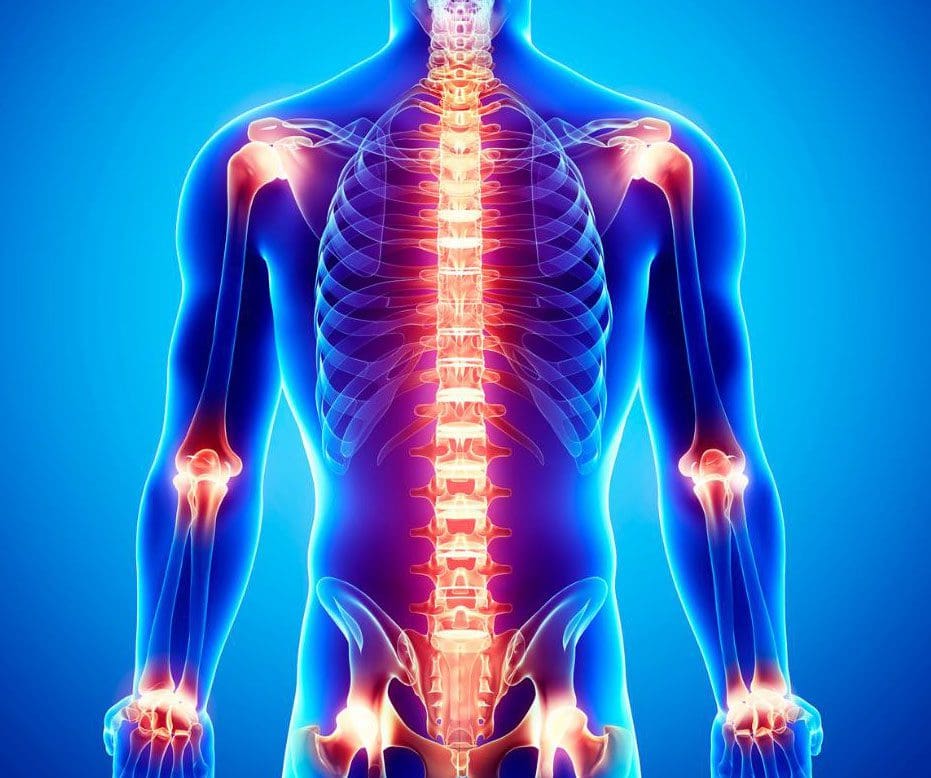
Dr. Alex Jimenez, D.C., presents: And finally, treatments like chiropractic care can help restore functionality to the body through spinal manipulation. Now, how does chiropractic care correlate with cardiovascular diseases like atherosclerosis? When the body is dealing with inflammation and chronic stress associated with atherosclerosis, the decrease in blood circulation can cause internal organ dysfunction and disrupt the transmitted signals to reach the brain. So when the transmitted signals become blocked, it can cause spinal subluxation to the spine and invokes pain in the upper, middle, and lower sections of the back, neck, hips, and shoulders. To that point, a chiropractor incorporates mechanical and manual manipulation to realign the spine and allow joint and muscle function back to the body. At the same time, chiropractic care can work with other associated medical providers to develop a personal treatment plan that allows the body to begin its recovery process.
Conclusion
Our goal is to reduce inflammation and oxidative stress in the body to dampen the effects of cardiovascular diseases associated with pain. Covering some of the different ways to prevent atherosclerosis from affecting the cardiovascular system in the body can help the vital organs and muscles from producing more inflammation associated with pain. Incorporating heart-healthy and anti-inflammatory food, taking supplements, exercising, and going to treatments can make big changes to the body. The process may be tedious, but the results will slowly improve the body’s functionality and help the individual stay on the path of health and wellness.
Dr. Jimenez, D.C., presents how to reverse dyslipidemia and atherosclerosis through various therapies that can help the body function. By understanding the risk factors causing these issues, many specialists associated with these cardiovascular risk factors can develop a solution to reduce these and other pre-existing symptoms that correlate with the vital organs and muscles. We acknowledge patients to certified providers that provide treatment options for cardiovascular disorders that can restore body functionality and improve a person’s health. We assess each individual and their symptoms by entrusting them to our associated medical providers based on their diagnosis results for a better understanding. We recognize that education is a tremendous way to ask our providers questions that apply to the patient’s knowledge and symptoms. Dr. Jimenez, D.C., implements this information as an educational service. Disclaimer
Coming Up With A Treatment Plan
Dr. Alex Jimenez, D.C., presents: Today, we will look at how to reverse dyslipidemia and atherosclerosis functionally. In the previous article, we observed the risk factors of dyslipidemia and how it is associated with metabolic syndrome. Today’s objective looks at the emerging biomarkers that could lead to dyslipidemia and atherosclerosis. Looking at the fundamental guidelines from lifestyle, nutrition, physical activity, stress response, and incorporating supplements and nutraceuticals can help many individuals transform their health from a personal perspective. To that point, everyone is different, and their treatment plans are unique as they cater to each individual regarding health and wellness.
When it comes to functional medicine, tools like the Living Matrix and the IFM allow doctors to look at results that are being presented to the patient allowing them to see their cholesterol and the history that could lead to these cardiovascular disorders. Some of the earlier studies would enable doctors to prescribe their patients to go through nutrient depletion from statin therapy to reduce the effects of cardiovascular diseases. Supplements like CoQ10, vitamin K2, omega-3 fatty acids, vitamin D, zinc, and copper are all heart-healthy supplements that can give an insight into what the individual is missing to prevent dyslipidemia and atherosclerosis. Another thing is that statin therapies could also note how the hormone levels are also being affected in the body as these cardiovascular risk factors can cause hormone levels to be lower than they are and can affect both men and women.
Cardiovascular Risk Factors & Treatments
Dr. Alex Jimenez, D.C., presents: Now, this can be a double edge sword because we know that erectile dysfunction is a vascular issue, and it allows blood flow to the reproductive system. So say, for example, if someone has poor endothelial function reduction in nitric oxide vascular disease, they will have erectile dysfunction. So when this happens, statin therapy can help the individual and improve endothelial function. Utilizing these therapies is important when dysfunction in the body can cause overlapping risk profiles to the cardiovascular system and disrupt hormone reproduction. Without these various treatments, it can lead to pain associated with these symptoms that make the body have an imbalance of hormones, high cholesterol, and other issues that affect the body. As stated earlier, everybody is different, and the treatment plans are unique as they cater to each individual.
How can we tell when a person is dealing with dyslipidemia and atherosclerosis? After the examination and listening to how the patient is doing, many doctors would combine the AAPIER and SBAR protocol to come up with a diagnosis and look at the risk factors that correlate with these disorders. When the body is dealing with various environmental factors like poor sleep quality, being under constant stress, eating food high in saturated fats, and not getting enough exercise, it can cause the body to develop high cholesterol that can lead to building up plaque in the artery walls, causing chest pain associated with the heart. This is known as somato-visceral referred pain, where the affected muscle is causing issues to the corresponding organs related to pain. Another thing is that these environmental risk factors could overlap with inflammation and cause muscle and joint pain, which can cause complaints of limited mobility and stiffness that can cause a person to feel tight and miserable.
Inflammation Is A Key Factor
Dr. Alex Jimenez, D.C., presents: Factoring inflammation as a key player affecting the body is the first step in functional medicine. When it comes to the body being in constant pain due to inflammation, chronic stress, dyslipidemia, or atherosclerosis, it can cause the brain to transmit signals through the spinal cord and cause the surrounding muscles to be sensitive. The inflammatory markers can cause many individuals to be easily confused as they think they are dealing with back pain instead of somato-visceral pain. This is because inflammation can be good or bad, depending on the severity. When the immune system begins to release inflammatory cytokines, despite no infections, bacteria, or viruses, into the cardiovascular, gut, and musculoskeletal systems, it can cause symptoms of swelling, pain, redness, and heat that can affect the corresponding organs. So inflammation affects the heart; it can cause overlapping symptoms of shortness of breath, fluid buildup, and mimic chest pains. At the same time, inflammation in the gut can lead to unwanted factors that can cause harmful changes that can impair the homeostatic mechanism and activate multiple pathways that can trigger cardiovascular disease risk factors like atherosclerosis and dyslipidemia.
Now how would atherosclerosis be correlated with the heart? When the body deals with factors that can correlate with inflammation, many factors like high blood pressure or plaque buildup cause a blockage in the arteries, which can cause blood flow reduction to the heart for circulation. When this happens, it can lead to cardiovascular disease associated with chest pains. In functional medicine, figuring out where the inflammatory effects are coming from, which is most likely in the gut, can help many individuals to reduce and reverse dyslipidemia and atherosclerosis.
Reducing Cardiovascular Risk Factors
Dr. Alex Jimenez, D.C., presents: When it comes to reducing the development of dyslipidemia and atherosclerosis, various ways can help protect vital organs and reduce the inflammatory effects in the musculoskeletal system. One of the treatments that functional medicine corresponds with is chiropractic treatment. When it comes to the organs and spinal nerves in the body, there is a connection, as all internal organs are connected through the spinal cord that sends signals to the brain. When the transmitted signals are blocked or interrupted by risk factors that have entered the body, the vital organs can not function properly. So how would chiropractic treatment help with this? A chiropractor would use manual and mechanized manipulation to realign the spine from subluxation. This will allow the blockage to interrupt the transmitted signals to function properly and restore joint function while preventing degeneration, slowing the disease’s progress in the bones, muscles, and organs.
Another way to reduce inflammatory effects in the body is by incorporating heart and gut-healthy foods that can lower inflammation and improve gut microbiome health. Eating nutritious foods that are rich in prebiotics, have anti-inflammatory properties, and have soluble fibers can help the body turn them into SCFAs (short-chain fatty acids) that allow the large intestines to create more energy for the body. Incorporating these various ways as part of the treatment plan for individuals dealing with dyslipidemia or atherosclerosis can help reverse the effects slowly.
Conclusion
Combining heart-healthy foods, exercising regularly, and changing lifestyle habits can provide amazing results when these small changes are gradually incorporated. This will allow the person to see what works and what doesn’t while constantly communicating with their medical providers to ensure they get the amazing benefits that will improve their health and wellness.
IFM's Find A Practitioner tool is the largest referral network in Functional Medicine, created to help patients locate Functional Medicine practitioners anywhere in the world. IFM Certified Practitioners are listed first in the search results, given their extensive education in Functional Medicine