ClickCease
+1-915-850-0900 [email protected]
Select Page
Active Release Technique (A.R.T.) for Chronic Neck Pain in El Paso, TX

Active Release Technique (A.R.T.) for Chronic Neck Pain in El Paso, TX

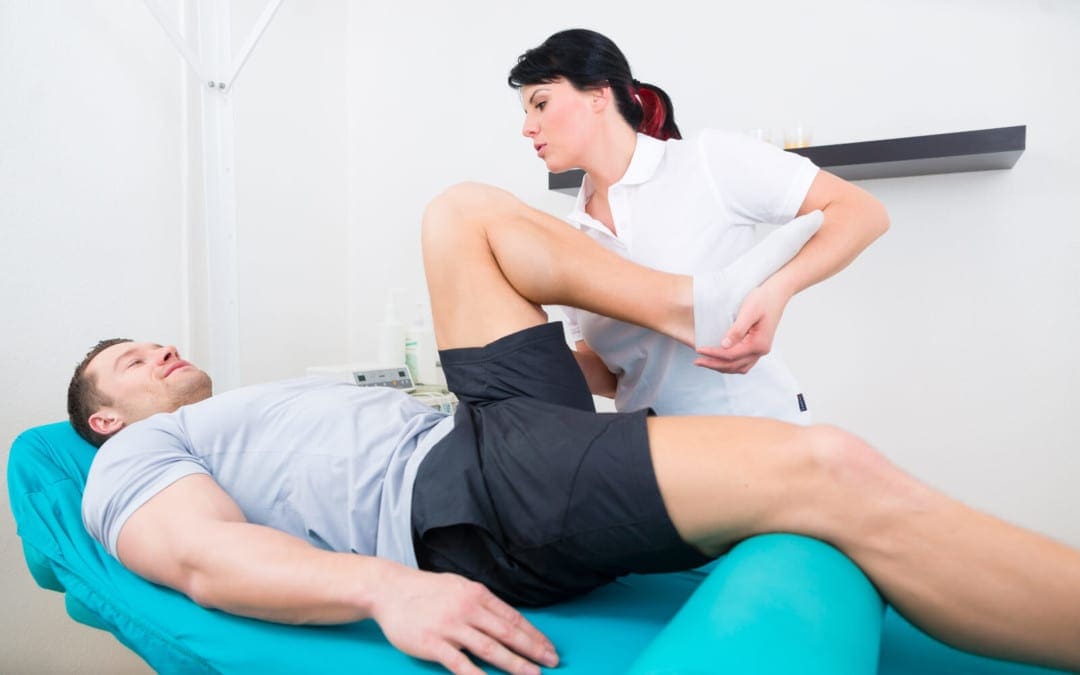
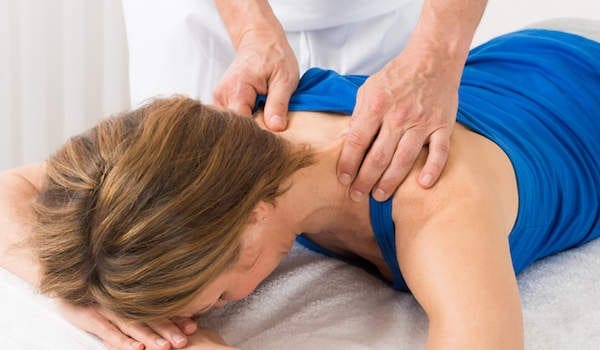
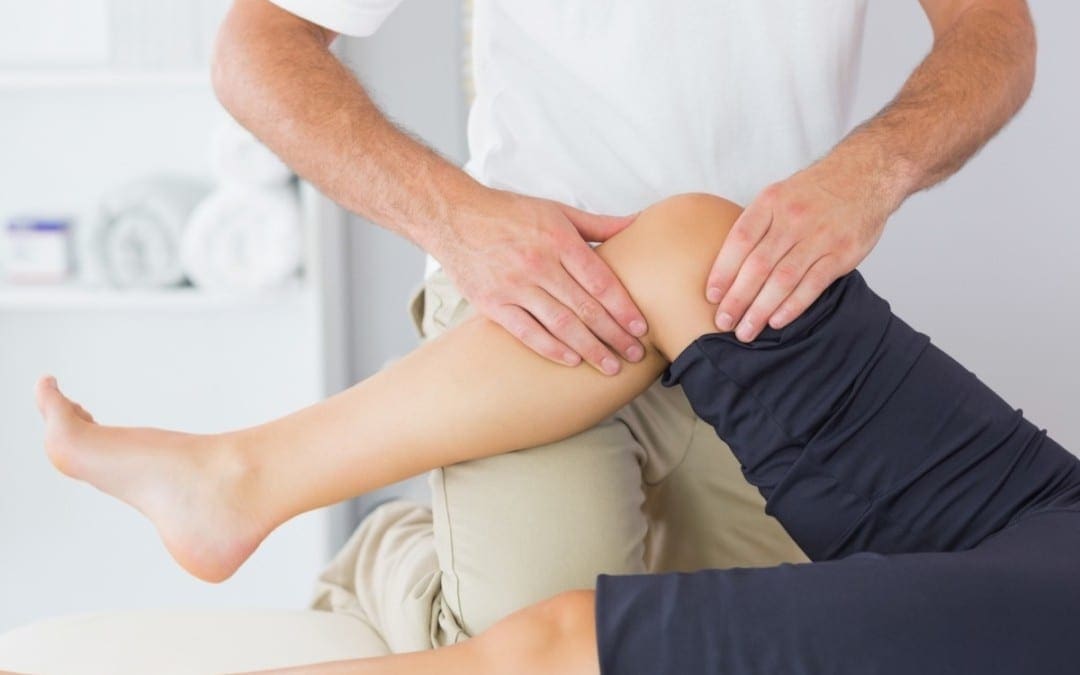
Active Release Technique (A.R.T) is a hands on soft tissue treatment for ligaments, tendons muscles and nerves. It is the leading soft tissue treatment utilized widely in the treatment of soft tissue injuries and conditions among professional athletes and the general population alike. In the instance of chronic neck pain, along with shoulder and subscapularis pain, ART involves guided pressure being applied to a shortened muscle in the top region of the neck or cervical spine. Most commonly, a healthcare professional will move the patient’s head in a direction that lengthens the muscle. During the motion the doctor maintains a strain on the muscle, as it slides out from beneath the doctor’s fingers.


The active release technique hurts a bit (many patients describe it as a”good hurt”), and it feels like a stretch that you need but can’t do yourself. When a muscle is tight the procedure operates by increasing the nervous system’s tolerance to extend the muscle. ART is utilized to take care of repetitive strain injuries, and it is often used in a variety of other medical practices. This is because it can offer quick results in treating ailments like: tennis elbow, frozen shoulder, shoulder rotator cuff injuries and plantar fasciitis. ART permits the physician to isolate treatment to each individual small muscle of the neck, and treat it through its full selection of movement. The neck muscles are layered, and also to isolate them during therapy demands careful attention.


Effects of the Active Release Technique on Pain and Range of Motion in Patients with Chronic Neck Pain


Abstract


  • Purpose: To compare the influences of the active release technique (ART) and joint mobilization (JM) on the visual analog scale (VAS) pain score, pressure pain threshold (PPT), and neck range of motion (ROM) of patients with chronic neck pain.
  • Subjects: Twenty-four individuals with chronic neck pain were randomly and equally assigned to 3 groups: an ART group, a joint mobilization (JM) group, and a control group. Before and after the intervention, the degree of pain, PPT, and ROM of the neck were measured using a VAS, algometer, and goniometer, respectively.
  • Results: The ART group and JM group demonstrated significant changes in VAS and ROM between pre and post-intervention, while no significant change was observed in the control group. Significant differences in the PPT of all muscles were found in the ART group, while significant differences in all muscles other than the trapezius were found in the JM group. No significant difference in PPT was observed in any muscle of the control group. The posthoc test indicated no statistically significant difference between the ART and JM group, but the differences of variation in VAS, PPT, and ROM were greater in the ART group than in the JM and control groups.
  • Conclusion: ART for the treatment of chronic neck pain may be beneficial for neck pain and movement.
  • Key words: Active release technique, Soft tissue, Chronic neck pain


Introduction


People have a 70% likelihood of developing neck pain during their lives; thus, neck pain is an important issue affecting economic productivity in modern society[1]. Neck pain is a work-related musculoskeletal disorder that can occur when a person works for a long time or at a high intensity. An increasing number of patients also visit hospitals complaining of pain occurring not only in the neck but also in the upper extremities and head as a result of sustained excessive tension[2]. Although the issue of neck pain is becoming increasingly common and important, research into optimal treatmentslacking[3].


A common cause of neck pain is mechanical dysfunction, which causes abnormal joint movement, as abnormal cervical joint mobility inside the joint capsule can limit neck movement[4, 5]. Additionally, unbalanced soft tissue around the head and neck structure can place limits on the range of motion (ROM) of the head and cause neck pain[6]. Therefore, many treatments are performed with the aim of restoring soft tissue function or mobility to the joints in patients with chronic neck pain. Joint mobilization (JM) and joint manipulation are the most widely used methods to increase mobility inside the joint capsule. These methods have been reported to increase the ROM and relieve pain[7, 8]. However, JM and joint manipulation performed at the end range of the ROM directly on the joints of the cervical vertebrae can cause tension in the patient�s neck muscles, because the cervical vertebrae are the most sensitive part of the spine and this tension protects the nerves and blood vessels[9].


The active release technique (ART) is a manual therapy for the recovery of soft tissue function that involves the removal of scar tissue, which can cause pain, stiffness, muscle weakness, and abnormal sensations including mechanical dysfunction in the muscles, myofascia, and soft tissue[10]. The effectiveness of ART has been reported for carpal tunnel syndrome, Achilles tendonitis, and tennis elbow, all of which involve soft tissue near joints in the distal parts of the body[11]. ART is also effective at reducing pain and increasing ROM in patients with a partial tear of the supraspinatus tendon[12]. Most patients with chronic neck pain experience pain and movement limitation as a result of soft tissue impairment in the neck[13]. Accordingly, more research on ART for the treatment of the soft tissues of the neck is warranted. However, no previous studies have assessed how ART can improve ROM in patients with neck pain.


Therefore, the purpose of this study was to compare the influence of ART and JM on the visual analog scale (VAS) score, pressure pain threshold (PPT), and neck ROM of patients with chronic neck pain, with the aim of elucidating additional information on their effects and identifying more efficient treatments that can be used in clinical settings.


Subjects and Methods


The study subjects were 24 patients admitted to Hospital A in Gangnamgu who had a 3-month or longer history of neck pain and had mild disability based on the Neck Disability Index (NDI; 5�14 points). The sample size of this study was based on that of Hyun[14], while considering the subject dropout rate, and accounting for significance level (5%), power of the test (0.8), and the effect size (f=0.7). Patients with structural abnormalities involving bone fracture or nerves those who had undergone surgery for hernia or had high blood pressure, spondyloarthritis, lumbar spinal stenosis, or scoliosis were excluded from the study. The participating patients understood the study purpose and associated information and provided their written consent to participation. This study was conducted using a procedure ethically suitable for human research in accordance with the Declaration of Helsinki.


We used the VAS to evaluate the degree of neck pain. The VAS is a subjective scoring method for recording the degree of present pain from 0 (no pain) to 10 (the most severe pain ever experienced) on a 10-cm scale. The VAS is difficult to compare among patients because of the subjective nature of the pain, but its reproducibility has been recognized in individual patients (ICC=0.97)[15].


The PPT measurement was performed by one investigator using an algometer. The right and left upper trapezius and sternocleidomastoideus (SCM) were pressed at a constant speed. The subject was asked to respond immediately when the pressure changed to pain, and the mechanical pressure was recorded. The mean value of two measurements was used; increasing PPT values indicate a higher-pressure pain threshold. An algometer is particularly useful for measuring the trigger point in myofacial pain syndrome, because it can determine the precise location of the source pain and quantify the pressure sensitivity of muscles (ICC=0.78�0.93)[16, 17].


Passive ROM was measured by fixing the subject�s shoulder so that it was not affected by the other parts of the trunk. Then, neck flexion, extension, right side bending, left side bending, right rotation, and left rotation were measured. The range of the angle was measured with a therapist passively assessing the patient�s pain-free neck-joint ROM[18].


The 24 subjects with chronic neck pain included in the study were randomly assigned to one of three groups following an equivalent control group pre-test/post-test design. For 3 weeks, the ART and JM groups received treatment twice per week for 20 minutes. After all the interventions were completed, the VAS score, PPT, and ROM were measured again. In the ART group, ART was used to treat the muscles demonstrating scar tissue, among the muscles involved in neck movement. After shortening based on fiber texture in the longitudinal direction, soft tissue mobilization was performed with active or passive stretching to lengthen the tissue that had been shortened[12].


JM was performed using Kaltenborn�s techniques of traction and gliding. In order to relieve pain with physiological movements including flexion, extension, side bending, and rotation, traction at Grade I or II was performed for 10 seconds. Additionally, in order to recover hypomobility, traction and gliding were performed at level 3 and maintained for 7 seconds. Both treatments included 2�3 seconds of rest and were repeated 10 times[19]. Subjects in the control group did not receive any treatment for chronic neck pain.


SPSS 18.0 for Windows was used to analyze the results. In order to confirm the homogeneity of subjects� general characteristics and dependent variables, descriptive statistics and the Kruskal-Wallis test were used. The Wilcoxon rank test was performed to assess the difference between pre- and post-treatment values in each group, and the Mann-Whitney U test was used to identify significant differences among the groups. The threshold for statistical significance was chosen as 0.05.


Results


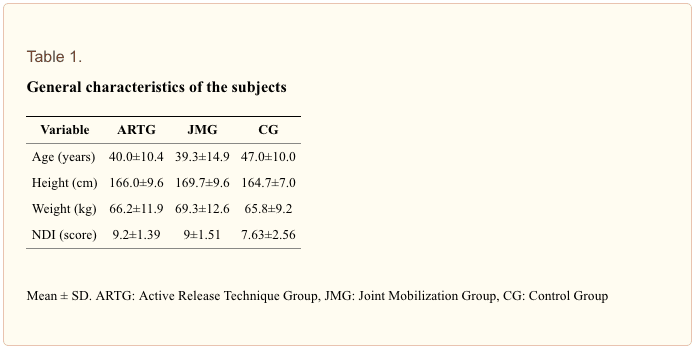
The extent of change in VAS score, PPT, and ROM was compared between patients with chronic neck pain who underwent ART or JM. Twenty-four patients with a 3-month or longer history of chronic neck pain participated in this study. The three groups demonstrated no significant differences in NDI scores, ages, heights, or weights (p>0.05) (Table 1).
 

ART Table 1 | El Paso, TX Chiropractor


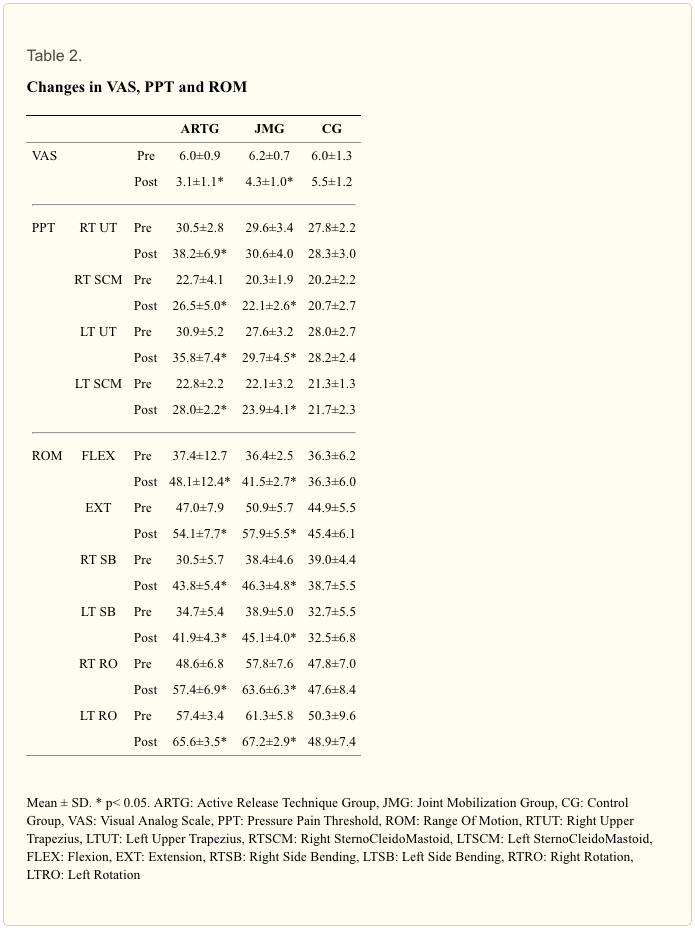
The ART and JM groups both demonstrated significant improvements in VAS pain scores (p<0.05), but no significant change was observed in the control group (p>0.05). The PPT significantly increased (p<0.05), in every muscle measured in the ART group, and in all muscles other than the right upper trapezius in the JM group. Muscle PPT demonstrated no significant change in the control group (p>0.05) (Table 2).
 

ART Table 2 | El Paso, TX Chiropractor


After treatment, the ART and JM groups both demonstrated significant increases (p<0.05) in every neck joint ROM parameter, while no significant changes were observed in the control group (p>0.05) (Table 2).


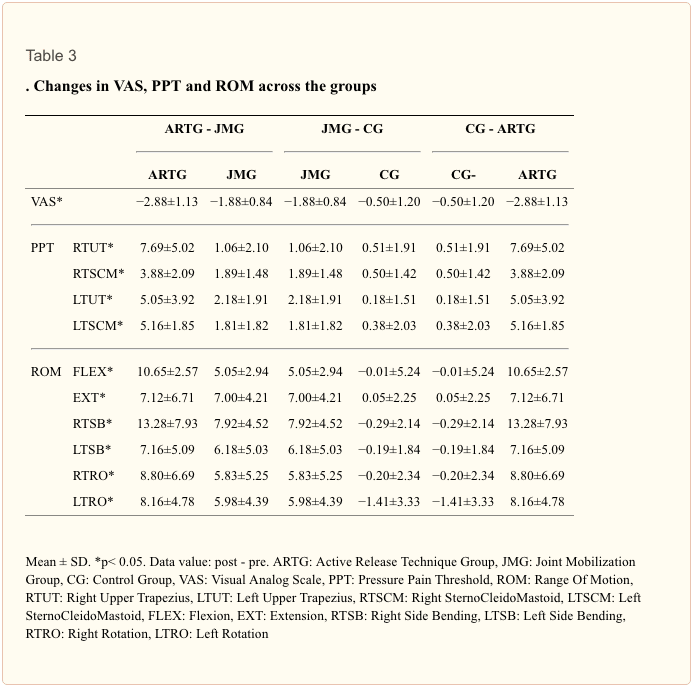
The extent of change in the VAS pain score and PPT between pre- and post-treatment significantly differed across the three groups (p<0.05). The posthoc test indicated that changes in the VAS scores significantly differed between the ART and control groups, and between the JM and control groups (p<0.05), but not between the ART and JM groups (p>0.05). The changes in PPTs of the right upper trapezius and left SCM significantly differed to between the ART and JM groups (p<0.05); however no significant differences were observed in the other muscles (p>0.05). Between the JM and control groups, the change in right SCM PPT demonstrated a significant difference (p<0.05); however, no difference was observed in other muscles (p>0.05). Between the ART and control group, the change in PPT significantly differed for all the measured muscles (p<0.05). The changes in VAS score and PPT were greater in the ART group than in the JM group, but these differences were not statistically significant (Table 3).
 

ART Table 3 | El Paso, TX Chiropractor


The extent of change in ROM after the treatments significantly differed across the three groups (p<0.05). The posthoc test indicated that the change in ROM significantly differed between the ART and JM groups only in neck flexion (p<0.05), but not in other ROM measurements (p>0.05). There was no significant difference in neck flexion ROM between the JM and control groups (p>0.05), but all other ROM parameters significantly differed between these groups (p<0.05). The ART and control groups significantly differed in terms of the change in ROM for all the parameters measured (p<0.05). The change in ROM was greater in the ART group than in the JM group, but this difference was not reach statistically significant (Table 3).

 

Dr-Jimenez_White-Coat_01.png

Dr. Alex Jimenez’s Insight

The following study compared the use of the active release technique (A.R.T.) to the use of joint mobilization to determine the best method for treating chronic neck pain symptoms. As it will be properly described below, the research study concluded that ART and joint mobilizations are both effective as treatment for patients with chronic neck pain, however, the active release technique demonstrated a greater effectiveness for neck pain associated with soft tissue injury. A.R.T. is believed to be a better treatment option for chronic neck pain mainly because soft tissue injuries are believed to be the cause of painful symptoms in 87.5 percent of cases, where ART is performed directly on the area of damage.


Discussion


Repetitive motions and the use of smart phones and tablets in abnormal head postures can stress the head, neck, and shoulder areas. Additionally, abnormal head posture can cause mechanical dysfunction of the cervical joint, which can lead to pain, fibrosis of soft tissue, adaptive shortening, loss of flexibility, and mechanical deformation reflecting the condition of hypomobility, where there is no movement inside the normal joint capsule[20, 21]. When mechanical dysfunction is present in a vertebra, manual therapy is typically performed, and it can be an effective method of relieving neck pain related to such dysfunction[22]. JM is used to treat joints with hypomobility or progressive limitation of mobility, by identifying a cervical segment with abnormal mobility and irritating the sensory receptors that sense pain, thus eliciting effects on the muscle, which in turn stimulate the muscles to apply force in the appropriate direction[8].


After 3 weeks of JM, the VAS, ROM, and PPT values of muscles other than the right upper trapezius demonstrated significant improvements compared to their pre-test values. The PPT also increased in the right upper trapezius, but the difference was not statistically significant. The trapezius is particularly susceptible to damage by repetitive movements of the hand and arm while performing work such as using a computer[23]. Most of the study participants were right-handed and thus performed more movement of the right upper extremity than the left, which may explain why the improvement of the right upper trapezius PPT was not reach statistically significant.


ART is a method for treating the soft tissues such as the tendon, nerve, and myofascia, and is performed for repetitive strain injury, acute injury, and functional fixation damage due to abnormal posture maintained over the long term. Furthermore, ART is an effective at resolving adhesion of scar tissue and the soft tissue that causes pain, spasm, muscle weakness, tingling, and other symptoms[11].


Robb et al.[24] demonstrated immediate improvement of muscle PPT when ART was used to treat patients with adductor strain. Additionally, in a study by Tak et al.[10], ART treatment for 3 weeks on the gluteus medius of a patient with low back pain for 3 weeks resulted in improvement of the patient�s VAS score and PPT. Although our target area differed from the studies of Tak et al.[10] and Robb et al.[24], significant improvement was observed in the VAS score, PPT, and ROM after using ART to treat the neck muscles in the present study. It is our opinion that these improvements in VAS score and PPT after treatment is the result of decreases in muscle tone after removing scar tissue adherent to soft tissue.


In a study by James[25] involving 20 young men with no injury of the lower extremity, hamstring flexibility increased immediately after ART was applied. Similarly, in the present study, ROM significantly increased after ART was applied on the neck for 3 weeks. This finding indicates that scar tissue, which can limit the mobility of soft tissue, can be removed by ART and thus relieve limitations of movement[12].


Although no statistically significant difference was detected in many cases, the change in the VAS score, PPT, and ROM demonstrated a consistent trend toward being greater in the ART group than in the JM group. This greater effect may be related to the observation that soft tissue injury is the cause of pain in 87.5% of neck pain cases, and ART is performed directly on the injured soft tissue[13], whereas JM treats the limited area of the joint. This study compared the effect of treatment over a short period of 3 weeks, and thus, it remains unclear how long its effectiveness is maintained. Longerterm follow-up surveys are needed after the cessation of treatment. Additionally, it is difficult to generalize our findings, as the sample sizes were small. In order to reinforce these findings, more research is needed.


In conclusion, this study compared the VAS score, PPT, and ROM across 24 subjects with chronic neck pain receiving ART, JM, or no treatment. It revealed that ART and JM both positively affected the VAS score, PPT, and ROM, and that the two methods demonstrated few significant differences in their effects. Thus, ART and JM are both effective for the treatment of patients with chronic neck pain, but ART demonstrated a trend toward greater effectiveness for patients with neck pain involving soft tissue injury. Therefore, ART appears to be a better option for treating patients with chronic neck pain in the clinical setting. Follow-up research involving greater numbers and diversity of subjects with longer terms are needed to expand upon these findings.


The purpose of the article above is to present the effectiveness of the active release technique, or ART, towards the management and improvement of chronic neck pain in a clinical setting. Information referenced from the National Center for Biotechnology Information (NCBI). The scope of our information is limited to chiropractic as well as to spinal injuries and conditions. To discuss the subject matter, please feel free to ask Dr. Jimenez or contact us at 915-850-0900 .


Curated by Dr. Alex Jimenez

 

Green-Call-Now-Button-24H-150x150-2-3.png


Additional Topics: Sciatica

Sciatica is medically referred to as a collection of symptoms, rather than a single injury and/or condition. Symptoms of sciatic nerve pain, or sciatica, can vary in frequency and intensity, however, it is most commonly described as a sudden, sharp (knife-like) or electrical pain that radiates from the low back down the buttocks, hips, thighs and legs into the foot. Other symptoms of sciatica may include, tingling or burning sensations, numbness and weakness along the length of the sciatic nerve. Sciatica most frequently affects individuals between the ages of 30 and 50 years. It may often develop as a result of the degeneration of the spine due to age, however, the compression and irritation of the sciatic nerve caused by a bulging or herniated disc, among other spinal health issues, may also cause sciatic nerve pain.



blog picture of cartoon paperboy big news


EXTRA IMPORTANT TOPIC: Chiropractor Sciatica Symptoms


MORE TOPICS: EXTRA EXTRA: El Paso Back Clinic | Back Pain Care & Treatments

Blank
References
1.�Chung SH, Her JG, Ko TS, et al. :�Effects of exercise on deep cervical flexors in patients with chronic neck pain.�J Phys Ther Sci, 2012,�24: 629�632.
2.�Hwangbo G:�Analysis of the change of the neck pressure pain threshold in long term computer users.�Int J Contents, 2008,�8: 151�158.
3.�Sarig-Bahat H:�Evidence for exercise therapy in mechanical neck disorders.�Man Ther, 2003,�8: 10�20.[PubMed]
4.�Hyung IH, Kim SS, Lee SY:�The effect of immediate pain and cervical ROM of cervical pain patients on stretching and manipulation.�J Korean Soc Phys Ther, 2009,�21: 1�7.
5.�Oh SG, Yu SH:�Biomechanical changes in lower quadrant after manipulation of low back pain patients with sacroiliac joint dysfunction.�J Korean Soc Phys Ther, 2001,�8: 167�180.
6.�Jull GA, Falla D, Vicenzino B, et al. :�The effect of therapeutic exercise on activation of the deep cervical flexor muscles in people with chronic neck pain.�Man Ther, 2009,�14: 696�701.�[PubMed]
7.�Ko TS, Jeong UC, Lee KW:�Effects of the inclusion thoracic mobilization into cranio-cervical flexor exercise in patients with chronic neck pain.�J Phys Ther Sci, 2010,�22: 87�91.
8.�Kim DD:�The effects of manipulation and mobilization on NDI and CROM in young adults with mild neck disability.�J Korean Acad Orthop Man Phys Ther, 2010,�16: 53�60.
9.�Jun YW: The effects of upper thoracic joint mobilization technique using Kaltenborn-Evjenth concept on cervicothoracic ROM and pain in patients with chronic neck pain. Graduate school Korea University Master�s Degree, 2012.
10.�Tak SJ, Lee YW, Choi W, et al. :�The effects of active release technique on the gluteus mediusfor pain relief in persons with chronic low back pain.�Physical Therapy Rehabilitation Science, 2013,�2: 27�30.
11.�Brian A, Kamali A, Michael Leahy P: Release Your Pain: Resolving Repetitive Strain Injuries with Active Release Techniques. Pub Group West, 2005, 15�29.
12.�Lee SJ, Park JH, Nam SH, et al. :�Two clinical cases of active release technique with Korean medicine treatment for supraspinatus tendon partial tear.�J CHUNA Man Med Spine Nerves, 2014,�9: 89�101.
13.�Dvord J, Valach L, Schmdt S:�Cervical spine injuries in Swizerland.�Man Med, 1989,�4: 7�16.
14.�Hyun SW: The effects of joint mobilization and conservative physical therapy on the range of motion and pain in patients with cervical pain. Graduate school Kookmin University Master�s Degree, 2003.
15.�Bijur PE, Silver W, Gallagher EJ:�Reliability of the visual analog scale for measurement of acute pain.�Acad Emerg Med, 2001,�8: 1153�1157.�[PubMed]
16.�Kim SH, Kwon BA, Lee WH:�Effects of cervical spinal stabilization training in private security on chronic neck pain and cervical function, neck pain, ROM.�Korean Secur Sci Rev, 2010,�25: 89�107.
17.�Cho SH: The effect of myofascial release technique and forward head posture correction exercise on chronic tension-type headache. Graduate school Catholic University of Pusan Doctor�s Degree, 2014.
18.�Jang HJ: Effects of combined exercise program on pain and function and range of motion and fatigability in chronic neck pain. Graduate school University Sahmyook Master�s Degree, 2011.
19.�Kim HJ, Bae SS, Jang C:�The effects of joint mobilization on neck pain.�J Korean Soc Phys Ther, 2003,15: 65�90.
20.�C�t� P, Cassidy JD, Carroll LJ, et al. :�The annual incidence and course of neck pain in the general population: a population-based cohort study.�Pain, 2004,�112: 267�273.�[PubMed]
21.�Lee JH, Lee YH, Kim HS, et al. :�The effects of cervical mobilization combined with thoracic mobilization on forward head posture of neck pain patients.�J Phys Ther Sci, 2013,�25: 7�9.
22.�Ferreira LA, Santos LC, Pereira WM, et al. :�Analysis of thoracic spine thrust manipulation for reducing neck pain.�J Phys Ther Sci, 2013,�25: 325�329.
23.�Seo HK: The effect of myofascial release, joint mobilization, and Mckenzine on the cervical muscle activity. Graduate school Daegu University Doctor�s Degree, 2008.
24.�Robb A, Pajaczkowski J:�Immediate effect on pain thresholds using active release technique on adductor strains: pilot study.�J Bodyw Mov Ther, 2011,�15: 57�62.�[PubMed]
25.�George JW, Tunstall AC, Tepe RE, et al. :�The effects of active release technique on hamstring flexibility: a pilot study.�J Manipulative Physiol Ther, 2006,�29: 224�227.�[PubMed]
Close Accordion
What is A.R.T. Active Release Technique?

What is A.R.T. Active Release Technique?

Specially certified healthcare professionals utilize the active release techniques, A.R.T., to diagnose and treat soft tissue injuries created by scar tissue. This manual, hands on treatment divides adhesions which limit normal range of motion causing strain and painful symptoms.


What is Active Release Technique (ART)?


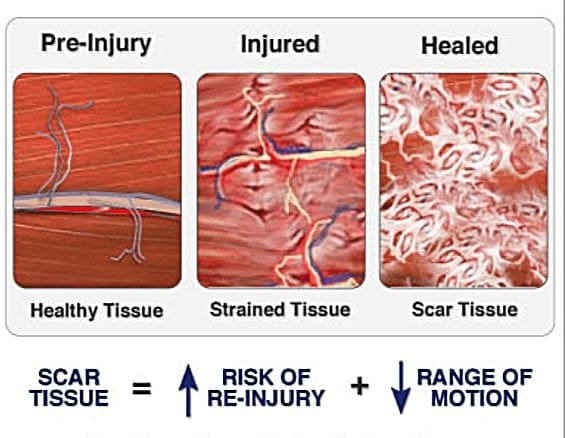
Active Release Techniques (ART) is a guide treatment administered by trained healthcare practitioners to particular soft tissue structures of the human body. The ART soft tissue control process relies on scientific proof that muscles, nerves, blood vessels, and connective tissue develop adhesions inside and between them as a result of various injuries that include: acute, or sudden injury, cumulative, or chronic injury, and pressure because of poor posture. These adhesions cause the motion of joints or muscles to be altered, leading to a vast array of signs and symptoms, including fatigue, pain and reduced range of movement, as well as tingling sensations and numbness.


What is the History of A.R.T.?


Michael Leahy, D.C., now practicing in Colorado Springs, Colorado, began developing A.R.T. in 1984. Prior to practicing chiropractic care, Dr. Leahy was an aeronautical engineer with the US Air Force. This technology background enabled Dr. Leahy to strategize soft tissue injuries in a new perspective, turning into the active release technique. Dr. Leahy is now widely considered a top rated soft tissue authority in the United States and the entire world.


What is ART Treatment Like?


After a diagnosis has been achieved according to a medical history and evaluation, treatment can be rendered by the appropriate healthcare professional with experience and certification in the active release technique, ART. Since soft tissue injuries made by scar tissue cannot be detected by a machine, for instance, X-ray or MRI, or by any orthopedic tests, A.R.T. is itself a diagnostic tool. The healthcare practitioner can determine where the adhesions are and also how intense the soft tissue injury is, only by touch.


ART is usually performed using direct contact from the doctor to the patient’s skin. The practitioner will locate the area to be worked on and either have the individual actively move a body part or they will passively move the body part for the individual.


The active release technique (ART) is a hands on treatment in which muscle, fascia, ligament, tendon, nerve, or capsule is held with pressure and tension on the tissue involved (not the skin) in a shortened position, while the arrangement is lengthened through a full, comfortable range of active movement and force is maintained throughout the movement. There is no skin tension or slipping on the epidermis.


Active release technique differs from massage in the use of movement of the limb, or spine under pressure and tension, along with the attention to anatomical detail and potential nerve entrapments in the area. Instead of treating a general region, an active release technique healthcare provider uses their hands to feel damaged or abnormal tissues in muscle, fascia, tendons, ligaments or nerves. Abnormalities present as having a different feel and affect the motion and operation in which a patient can perform.


The qualified and experienced healthcare professional’s contact, coupled with the motion of the patient, allows the adhesions to separate. The therapy protocols, currently amounting to over 500 specific moves, are unique to ART or active release techniques. They allow healthcare practitioners to identify and correct the specific health issues which are impacting each patient.


What is Active Release Techniques (A.R.T)? | Video


Does A.R.T. Hurt?


Active release techniques, or ART, goes right after the adhesion in order to break up the scar tissues producing the painful symptoms and malfunction. Considering these sites are extremely sensitive to begin with, A.R.T. might cause some discomfort described by many patients as a “good hurt”. However, pressure or tension is never applied beyond the patient’s tolerance.


How Long Does ART Treatment Last?


Each individual’s active release technique differs. On average, between 2 to 6 visits, each lasting about 15 to 30 minutes, are needed for correction of soft tissue problems. Factors that affect this range include the intensity of the health issue, the individual’s willingness to take part in their treatment and the patient’s overall health status. Patients need to have an active part in their recovery to help lower the chances of reoccurrence. This may entail strengthening a certain tissue or altering certain physical activities.


ART is considered one of the best and most successful treatments for soft tissue injuries. However, like any other therapy, ART can not fix everything. If significant improvement isn’t seen throughout the course of treatment, other treatments options will be considered to fully resolve the patients injuries or conditions. Healthcare professionals generally will not encourage ongoing sessions if no improvement is observed within a specific number of visits.


Who Can Benefit from A.R.T.?


Anybody who is in pain due to a soft tissue injury can benefit from the active release technique. ART is utilized in a clinical setting on professional and olympic athletes, office workers, laborers, housewives, young athletes, in addition to many others. These individuals all have in common their altered movement patterns, but their mechanism or trigger often differs. A.R.T. effectively heals muscles, tendons and ligaments throughout the body that are very congested with scar tissue by freeing up their ability to function and thereby decreasing pain and other painful symptoms.


Active release techniques can also be effective in treating plantar nerve entrapments in which a nerve is entangled by scar tissue and has pressure or tension exerted during specific positions or movements. Through a healthcare provider’s extensive training, they’re taught where the nerves are likely entrapped and how best to reduce the adhesions. This provides individuals who suffer from sciatica, carpal tunnel syndrome and other peripheral nerve entrapments a fast and effortless solution for their complaints. Palliative therapies such as ART ought to be researched before a person has decided they cannot be properly treated due to their current health and wellness. If it is a soft tissue structure that is causing your pain, it could most likely be fixed.


Scar Tissue Diagram 1 | El Paso, TX Chiropractor


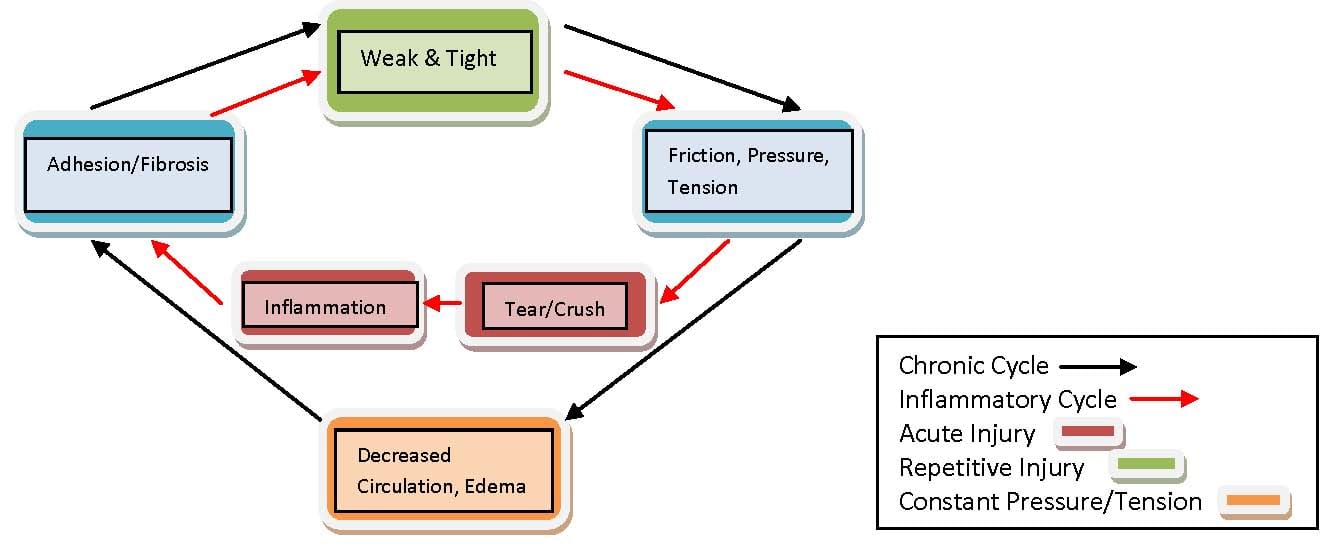
Active Release Technique Diagram 2 | El Paso, TX Chiropractor


How Does ART Help?


Active release technique promotes faster healing, recovery of normal tissue function, and may also prevent future injuries. For the athlete, it is going to make it possible for them to train better and more frequently. For the employee, it can keep them injury free, if used as a preventative therapy.


Abnormal tissue, or scar tissue, can go unnoticed by an athlete as well as for the office employee and it may manifest into an injury. Symptoms of damaged tissue include tightening and shortening of the muscle. What was once simple could become a chore, for instance, stiffer golf swing rotation, or fighting to reach your seatbelt. A reduction of mobility, limited range of motion, poor biomechanics, overcompensation along other body parts, and loss of strength could all be identified and adjusted with ART. Many times, a patient will not understand why scar tissue is building up until it is too late. No apparent injury is necessary for this to happen.


Possibly an IT band pain can be traced back to some dysfunctional hip. Tingling sensations or numbness in the hand may be from constant insult to the nerve from poor computer desk setup along with the shoulder, neck, forearm posture causing the nerve to be entrapped up the arm or neck; it doesn’t even have to develop in your hand.


How Does ART Improve Performance?


Performance of almost any activity, such as golfing, typing, walking or running could be improved considerably with the active release technique, or ART, by restoring proper muscle function and motion to permit the entire body to perform at its most efficient level. Adhesions create drag and tension which requires additional energy and effort to accomplish a desired movement. Reaction times may also be enhanced as muscle function is improved.


Who Can Provide Active Release Technique?


Only certified healthcare professionals in active release techniques, such as chiropractors or physical therapists, can efficiently render treatment. Regrettably, there are a number of people who claim they provide ART but don’t really get the true training needed to provide safe and efficient therapy. It’s essential to find a qualified and experienced healthcare practitioner in A.R.T..


Dr-Jimenez_White-Coat_01.png

Dr. Alex Jimenez’s Insight

Active release technique is a type of soft tissue therapy which helps relieve tight muscles and nerve trigger points, tremendously reducing joint stress and muscular pains. Relieving muscle stiffness and trigger points can make a big difference towards improving overall health and wellness. Furthermore, the active release technique, or A.R.T., can help turn on muscles which may have been turned off due to trauma from an injury or an aggravated condition. ART is primarily used to treat health issues which affect muscles, fascia, tendons, ligaments and even nerves, which contribute to the formation of scar tissue, strains and sprains as well as pain and inflammation.


The scope of our information is limited to chiropractic as well as to spinal injuries and conditions. To discuss the subject matter, please feel free to ask Dr. Jimenez or contact us at 915-850-0900 .


Curated by Dr. Alex Jimenez


Green-Call-Now-Button-24H-150x150-2-3.png


Additional Topics: Sciatica

Sciatica is medically referred to as a collection of symptoms, rather than a single injury and/or condition. Symptoms of sciatic nerve pain, or sciatica, can vary in frequency and intensity, however, it is most commonly described as a sudden, sharp (knife-like) or electrical pain that radiates from the low back down the buttocks, hips, thighs and legs into the foot. Other symptoms of sciatica may include, tingling or burning sensations, numbness and weakness along the length of the sciatic nerve. Sciatica most frequently affects individuals between the ages of 30 and 50 years. It may often develop as a result of the degeneration of the spine due to age, however, the compression and irritation of the sciatic nerve caused by a bulging or herniated disc, among other spinal health issues, may also cause sciatic nerve pain.


blog picture of cartoon paperboy big news


EXTRA IMPORTANT TOPIC: Chiropractor Sciatica Symptoms


MORE TOPICS: EXTRA EXTRA: El Paso Back Clinic | Back Pain Care & Treatments

ART and PNF Treatment for Sciatica in El Paso, TX

ART and PNF Treatment for Sciatica in El Paso, TX

Low back pain occurs due to a variety of causes, which is why it is often poorly diagnosed and treated. As there are many mechanisms by which lower back pain happens, such as trauma, overuse from weight lifting for example, and repetitive motion, it’s important to mention that this article will only focus on sciatic nerve pain, or sciatica.


Sciatica refers to pain and other symptoms which radiate or travel down the leg, associated with numbness, tingling or burning sensations, and weakness in one or both lower extremities. Many patients complain of sharp, intense pain and discomfort when sitting and driving, affecting their capacity to bear weight properly when one has to walk or move. Their pain can shoot down the length of the sciatic nerve, into the buttocks, down the back of the leg, into the calf, and lastly, into the ankle and foot. The sciatic nerve, which is the longest nerve in the body, can become compressed or entrapped by certain muscles leading to sciatica.


Based on the location of this impingement, the individual will present with a variety of symptoms. If the health issue is diagnosed to originate in the low back, then the problem normally occurs around the hole in which the nerve exits the spine, resulting in symptoms surrounding the entire lower extremity. If the health issue is correctly diagnosed to originate from the buttocks, it most often includes the piriformis muscle because the sciatic nerve travels beneath it as it makes its way down the length of the leg. The source of this type of sciatica may involve different muscles just below the piriformis, otherwise known as a group of muscles called the hip rotators.


If the health issue is not in the lower back, or buttocks, then the problem is very likely to have occurred in the hamstrings, primarily at one of the muscles where the plantar nerve divides the hamstrings at the back of the thigh. The sciatic nerve may also manifest symptoms when compressed in the calf, however, these symptoms will often only be reported below the knee.


ART and PNF Treatment for Sciatic Nerve Pain


In regards to treatment, sciatica can be worked out by performing active release techniques, or ART, through the release of the entire nerve where it is being compressed. The objective when using ART for sciatic nerve pain would be to maneuver the nerve while trapping the muscle(s) in their own position. The nerve is then pulled from beneath the muscle. Also, using rehabilitation exercises through specific stretches and strengthening exercises of the muscle groups involved may allow for faster healing alongside chiropractic care to boost the communication between the spine and the positioning of the nerve entrapment/compression.


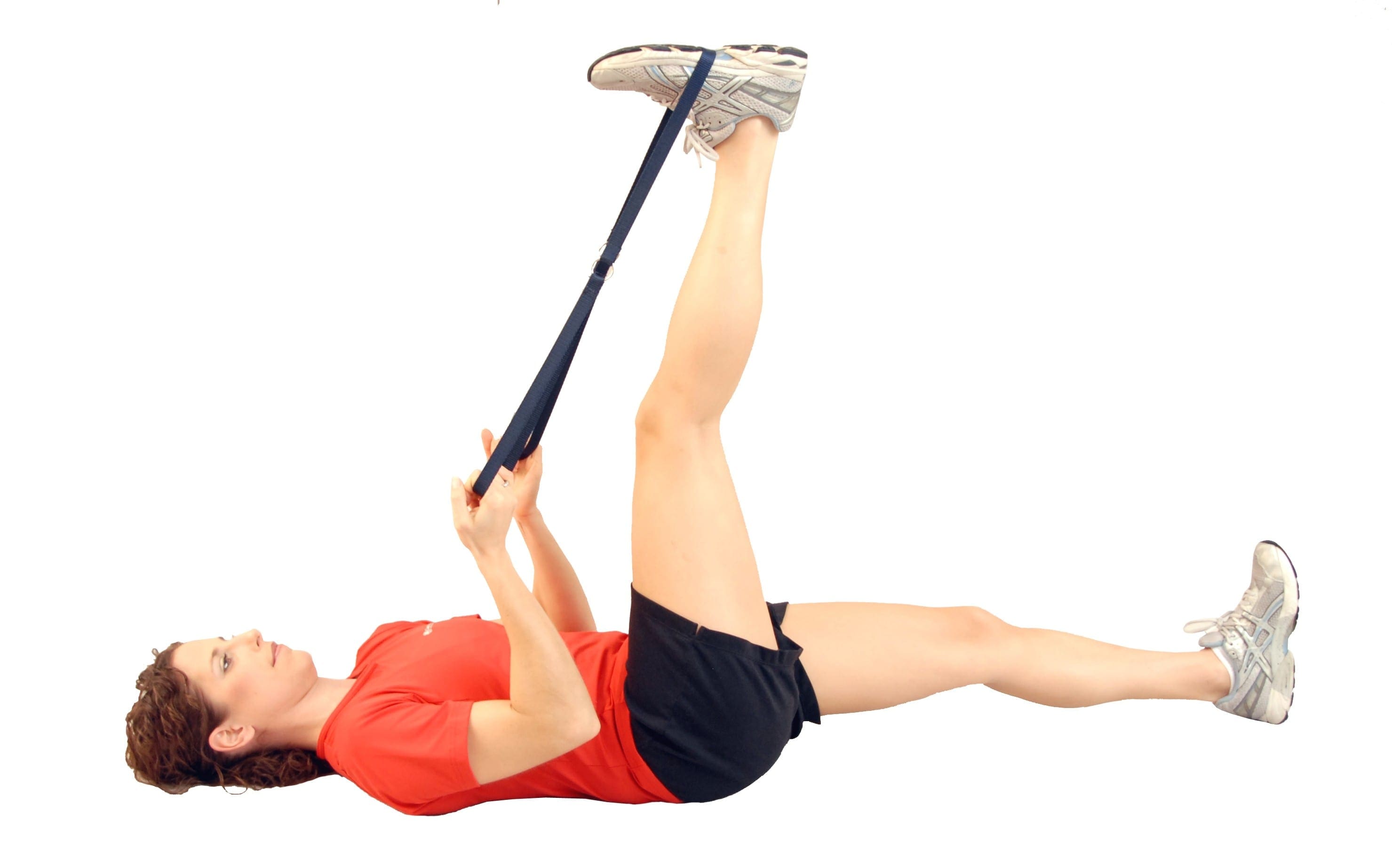
One of the most common stretching methods for sciatica is PNF or proprioceptive neuromuscular facilitation. PNF is a sort of stretch that produces a rebound relaxation of the muscle. PNF is a more advanced kind of flexibility training that involves both the contraction and stretching of the muscle group being targeted. PNF is a stretching technique utilized to increase range of motion and flexibility. PNF increases range of motion by increasing the length of the muscle and increasing neuromuscular efficiency. PNF stretching has been found to increase ROM in trained, as well as untrained, individuals. Effects can last 90 minutes or more after the stretching has been completed. PNF stretching was initially created as a form of rehabilitation, and to that effect, it is very effective. It’s also excellent for targeting specific muscle groups as well as increasing flexibility and enhancing muscle power and strength.


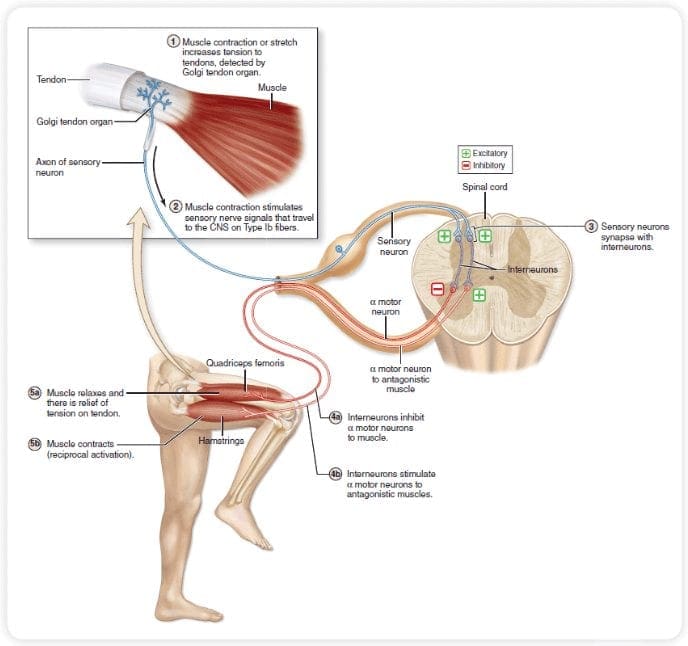
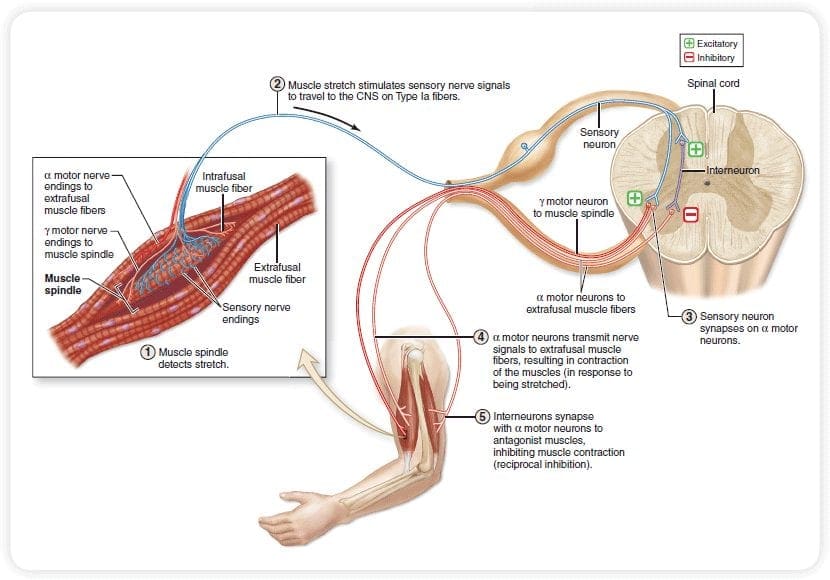
Four theoretical physiological mechanisms for increasing range of motion were identified using PNF stretching: autogenic inhibition, reciprocal inhibition, stress relaxation, and the gate control theory.�Autogenic Inhibition is what occurs in a contracted or stretched muscle in the form of a decrease in the excitability because of inhibitory signals sent from the same muscle.�Reciprocal inhibition is what occurs in the TM when the opposing muscle is contracted voluntarily in the form of decreased neural activity. It occurs when an opposing muscle is contracted in order to maximize its contraction force, and it relaxes.�Stress relaxation is what occurs when the musculotendinous unit (MTU), which involves the muscles and the connected tendons, is under a constant stress.�The gate control theory is what occurs when two kinds of stimuli, such as pain and pressure, activate their respective receptors at the same time.


How to Perform a PNF Stretch


The practice of doing a PNF stretch involves the next steps. The muscle group to be stretched is first placed so that the muscles are stretched and under pressure. The individual then contracts the muscle, using a band for 5 to 6 seconds while a partner, or immovable object, applies sufficient resistance to inhibit motion. Please be aware, the effort of contraction ought to be relevant to the individual’s amount of conditioning. The contracted muscle group is then relaxed and a controlled stretch is used for approximately 20 to 30 seconds. The muscle band is then allowed 30 seconds to recover and the process is repeated 2 to 4 more times.


Information differs marginally regarding time recommendations for PNF stretching, determined by which healthcare professional you’re speaking to. Although there are conflicting responses to the question of how long should a patient contract the specific muscle group for and how long should they rest for between each stretch, it’s been found through a study of research and patient experience, that the above timing recommendations offer the most advantages from proprioceptive neuromuscular facilitation stretching.


PNF Diagram 3 | El Paso, TX Chiropractor


PNF Diagram 2 | El Paso, TX Chiropractor


PNF Diagram 1 | El Paso, TX Chiropractor


Furthermore, certain precautions will need to be taken when performing PNF stretches because they may put additional stress on the targeted muscle group, which can boost the possibility of soft tissue injury. To reduce this risk, it’s essential for the patient to include a conditioning phase before a maximum, or intense effort is utilized.


About the Active Release Technique or ART


The active release technique, or ART, is among the newest treatments in the world of chiropractic. ART is used to target muscle, nerve, and tendon problems. It is also used to treat blood vessel problems. Quite a few studies have been conducted and these have generated positive results which reveal that ART is really an effective treatment method. A lot of individuals nowadays try ART since so many are experiencing muscle problems.


Oftentimes, individuals, particularly the older ones, wake up and they feel that their body is quite hard to move. There are also those who start to feel their range of motion getting more and more limited with time. A number of the most common body parts that suffer from limited selection of motion include the neck, the arms, and the back. For many individuals, there is also restricted range of motion. There are numerous factors that cause restricted range of movement. The active release technique can be used to improve limited mobility as well as improve sciatica symptoms associated with a variety of health issues.


How ART Affects Limited Range of Motion


ART therapists initial assess the muscles that they are supposed to take care of. They check the texture, the stiffness, and needless to say, their freedom. Since the groundwork is conducted, the therapists would then attempt to elongate the muscles so as to break the adhesions. The stretching is usually conducted with the management of vein in consideration. Also, the practitioner would need to ask the patient to move the affected body parts in ways prescribed by the practitioner. So essentially, ART is a joint-venture. Practitioner and patients work together in order to generate great medical outcomes.


Dr-Jimenez_White-Coat_01.png

Dr. Alex Jimenez’s Insight

The active release techniques, or ART, and the proprioceptive neuromuscular facilitator, or PNF, stretches are therapeutic procedures commonly utilized for the common practice of releasing tension in the soft tissues as well as increasing the range of motion of the human body. Although a variety of treatment options are available to help treat sciatica, ART and PNF can be used by qualified and experienced healthcare professionals to safely and effectively improve and manage sciatic nerve pain. Moreover, alternative treatment options, such as chiropractic care, and strengthening exercises can also be used in combination with these therapeutic methods to help speed up the recovery process.


The Future of ART and PNF


It’s important to remember that both ART and PNF should only be run by accredited practitioners. Healthcare professionals are not just expected to find basic instruction and permit but they are also expected to have attended numerous workshops and seminars about the subject. In some countries, credential tests even must be passed. In addition, it ought to be noted that ART and PNF must be conducted on muscle stiffness not due to blunt trauma. The condition should also not involve inflammation.


There are many healthcare professionals who focus on ART and PNF. A few of these include chiropractors, physical therapists, massage therapists, medical physicians, and even athlete trainers. The active release technique and the proprioceptive neuromuscular facilitation stretches helps people do things that they used to do. It helps them become more efficient at work as well as be practical in their daily lives. Due to the health benefits of ART and PNF, more and more people from the medical and therapeutic world are learning how to concentrate on it. The scope of our information is limited to chiropractic as well as to spinal injuries and conditions. To discuss the subject matter, please feel free to ask Dr. Jimenez or contact us at 915-850-0900 .


Curated by Dr. Alex Jimenez


Green-Call-Now-Button-24H-150x150-2-3.png


Additional Topics: Sciatica

Sciatica is medically referred to as a collection of symptoms, rather than a single injury and/or condition. Symptoms of sciatic nerve pain, or sciatica, can vary in frequency and intensity, however, it is most commonly described as a sudden, sharp (knife-like) or electrical pain that radiates from the low back down the buttocks, hips, thighs and legs into the foot. Other symptoms of sciatica may include, tingling or burning sensations, numbness and weakness along the length of the sciatic nerve. Sciatica most frequently affects individuals between the ages of 30 and 50 years. It may often develop as a result of the degeneration of the spine due to age, however, the compression and irritation of the sciatic nerve caused by a bulging or herniated disc, among other spinal health issues, may also cause sciatic nerve pain.


blog picture of cartoon paperboy big news


EXTRA IMPORTANT TOPIC: Chiropractor Sciatica Symptoms


MORE TOPICS: EXTRA EXTRA: El Paso Back Clinic | Back Pain Care & Treatments

Mastodon