A healthy diet and proper nutrition are essential for the body’s overall health and physical wellness. Improper nutrition can lead to the body’s inability to repair muscle, affect muscle density, affect fluid levels in the cells, organ function, and nerve function. Individuals who receive chiropractic treatment regularly tend to experience fewer colds and illnesses, reduced aches and pains, and improved mood overall. There are nutritional options and certain foods individuals are recommended to follow to get the most benefits from the chiropractic treatment. A healthy diet, proper hydration, exercise, and rest can help keep the body on the road to optimal health.
Poor Diet Inflammation
A poor diet and bad eating habits cause the body not to operate efficiently. The body becomes weary and tired, causing it to break down. Those who favor processed foods, sugar, and empty calories that have no nutritional value put their bodies at risk for inflammation. Inflammation can lead to muscle pain, joint pain, and other health conditions. Chronic inflammation over time can lead to:
DNA damage
Tissue death
Internal scarring
All are linked to the development of several diseases, including cancer.
Physical Wellness Foods
Individuals begin to feel much better and healthier when eating whole foods. It can be hard to make the switch for those that have been eating poorly for years, but once begun, most individuals feel better almost immediately.
Steamed Vegetables
Eat a variety of tolerable vegetables.
Steaming improves the utilization/availability of the food substances and reduces the irritating residue in the gut, allowing it to restore itself.
For anti-inflammation, it is recommended to avoid tomatoes, potatoes, eggplant, and bell peppers.
Nuts
Any nut that is tolerable except peanuts, like almonds, cashews, brazil nuts, sunflower seeds, and walnuts are all recommended.
Legumes
Any legumes tolerable like split peas, lentils, kidney beans, pinto beans, soybeans, mung beans, garbanzo beans, and adzuki beans.
Grains
It is recommended to eat one to two cups of cooked grains per day.
These include millet, basmati or brown rice, quinoa, barley, buckwheat, oatmeal, and amaranth.
It is recommended not to eat wheat, whole grain, or otherwise.
No bread, plan meals so that bread is not required, as bread can raise sugar levels and increase an inflammatory marker.
Fish
Deep-sea fish is preferred that includes salmon, halibut, cod, sardines, tuna, mackerel.
The fish should be poached, baked, steamed, or broiled.
No shellfish or swordfish.
Chicken and Turkey
Eat only white meat and do not eat the skin.
The chicken should be baked, broiled, or steamed.
Free-range or organic chicken is preferable.
Fruit
Raw is best, can be baked at a low temp and made into juice.
One of the essential things that chiropractors recommend is to cut out artificial sweeteners and excess sugar.
Small amounts of maple syrup, rice syrup, barley syrup, and honey can be used.
Sugar cravings can be avoided by eating protein with each meal.
Water and Herbal Teas
Drink 8 to 10 glasses of water every day.
Drink 2 to 4 cups of herbal tea, sipped slowly in the evening.
Body Composition
Antibiotics
Antibiotics are designed to cure bacterial infections by killing invading bacteria. However, antibiotics don’t separate the good bacteria from the bad. As a result, antibiotic therapy of only three to four days can alter gut microbe population and diversity. Studies have shown that children are particularly at risk as reduced gut bacteria diversity has been linked with childhood obesity. For this reason, make sure to follow a physician’s instructions when using antibiotics. Spending time outdoors regularly can help increase the body’s exposure to microbial diversity. Gardening is a great way to get dirty with soil to reacquaint the gut flora and maintain the body’s physical wellness.
References
Fritsche, Kevin L. “The science of fatty acids and inflammation.” Advances in nutrition (Bethesda, Md.) vol. 6,3 293S-301S. 15 May. 2015, doi:10.3945/an.114.006940
Kapczuk, Patrycja et al. “Żywność wysokoprzetworzona i jej wpływ na zdrowie dzieci i osób dorosłych” [Highly processed food and its effect on health of children and adults]. Postepy biochemii vol. 66,1 23-29. 23 Mar. 2020, doi:10.18388/pb.2020_309
Ricker, Mari Anoushka, and William Christian Haas. “Anti-Inflammatory Diet in Clinical Practice: A Review.” Nutrition in clinical practice: official publication of the American Society for Parenteral and Enteral Nutrition vol. 32,3 (2017): 318-325. doi:10.1177/0884533617700353
Serafini, Mauro, and Ilaria Peluso. “Functional Foods for Health: The Interrelated Antioxidant and Anti-Inflammatory Role of Fruits, Vegetables, Herbs, Spices and Cocoa in Humans.” Current pharmaceutical design vol. 22,44 (2016): 6701-6715. doi:10.2174/1381612823666161123094235
Wahlqvist, Mark L. “Food structure is critical for optimal health.” Food & function vol. 7,3 (2016): 1245-50. doi:10.1039/c5fo01285f
Individuals and doctors have praised the anti-inflammatory, pain-relieving properties of drinking tea. Inflammation is the body’s natural immune response when injury and infection present. This is good. However, it’s meant to be a temporary response that deactivates when there is no longer any danger. When the body is exposed to various irritants like industrial chemicals, inflammatory foods like sugar, refined carbohydrates, and autoimmune disorderscan cause the immune system to go into overdrive. Chronic inflammation can develop, circulating powerful hormones and chemicals through the body, causing damage to the cells. One consequence of chronic inflammation is back pain. Besides standard backaches, some chronic conditions are directly tied to inflammation. These include forms of arthritis:
Ankylosing spondylitis
Rheumatoid arthritis
Transverse myelitis
Multiple sclerosis
These conditions involve inflammation of the central nervous system.
Drinking tea can help with back pain and pain in general.
Teas With Anti-Inflammatory Properties
Certain teas contain anti-inflammatory compounds. These compounds are called polyphenols and work to decrease the chemicals in the body responsible for pain and inflammation. There are varieties of teas that contain anti-inflammatory properties.
Certain Teas Reduce Inflammation
Drinking specific teas with more polyphenols can better decrease inflammation. For example, green tea is higher in polyphenols than black tea. Recent studies centered on individuals with rheumatoid arthritis over six months found significant improvement in symptoms in those who drank green tea. Green tea works best when part of an anti-inflammatory and nutritional lifestyle adjustment. This supports combating inflammation. Other teas that are believed to reduce inflammation include:
Turmeric
Holy basil
Ginger
Three Cups a Day
The amount of tea depends on the quality of the tea and how it is prepared. Doctors recommend around three cups a day for individuals with rheumatoid arthritis. However, these could contain caffeine. If this is an issue, there are decaffeinated versions with the same anti-inflammatory properties.
Drinking Tea Works Best When Combined with Other Treatments
If experiencing back pain or looking to combat a specific condition, it’s recommended to utilize various treatment approaches combined with drinking tea. This includes:
Certain back conditions benefit from drinking tea regularly; however, spine structural issues or fractures will not benefit from tea’s mild anti-inflammatory properties. It is vital for individuals with back pain that a spine specialist or chiropractor perform a proper and thorough examination, especially for Individuals that take medication that could directly interact with anti-inflammatory teas.
Drinking Tea for Back Pain
For most individuals, drinking tea is safe to help treat back pain conditions and added health benefits. For example, studies have found that green tea has mild anti-cancer, anti-diabetic properties and can help in maintaining a healthy weight. If tea helps reduce pain, it’s worth trying. Remember, pain is the body’s way to alert the individual that something is wrong.
Body Composition
Alcohol and Heart Health
According to the Mayo Clinic, consuming more than three alcoholic drinks in one sitting causes a temporary blood pressure elevation. Foods often served with alcohol are usually high in salt, which can also raise blood pressure. A few alcoholic beverages on a night out is fine, but heavy or binge drinking can lead to short-term spikes in blood pressure that could cause cardiac health problems. These are the short-term effects of alcohol on blood pressure. Heavy alcohol consumption can lead to long term health risks like:
Hypertension
Heart disease
Digestive issues
Liver disease
Stroke
It’s recommended that individuals incorporate regular exercise/physical activity and healthy diet changes and watch alcohol intake to improve heart health.
References
The Clinical Journal of Pain. (October 2019) “Nonspecific Low Back Pain:
Inflammatory Profiles of Patients With Acute and Chronic Pain” https://journals.lww.com/clinicalpain/fulltext/2019/10000/nonspecific_low_back_pain__inflammatory_profiles.2.aspx
Certain Teas Bring Down Inflammation More Than Others: Journal of Physical Therapy Science. (October 2016) “Green tea and exercise interventions as nondrug remedies in geriatric patients with rheumatoid arthritis” https://www.ncbi.nlm.nih.gov/pmc/articles/PMC5088134/
The Bottom Line: Proceeding of the Japan Academy, Series B Physical and Biological Sciences. (March 2012) “Health-promoting effects of green tea” https://www.ncbi.nlm.nih.gov/pmc/articles/PMC3365247/
Many individuals will be looking up at the fireworks this 4th of July weekend. A word of caution when keeping the neck in one position for too long can cause neck discomfort and/or pain. Neck discomfort and pain can cause significant disruption with everyday activities. The neck is an area that is constantly in motion. Keeping it in one position for an extended period can cause damage/injury and spinal misalignment. Although neck pain often resolves on its own in a few days. However, it can lead to headaches or an inability to concentrate, affecting an individual’s quality of life. Here are some potential causes and remedies for decreasing neck discomfort and pain.
Keeping The Neck In One Position For Too Long Can Cause
Mechanical issues and imbalances in the upper spine, known as the cervical spine
Muscle tension
Muscle strain
Spinal misalignment
Poor posture
Sleeping problems
Injury or trauma to the neck from the force and weight
Chronic neck misalignment
If symptoms come on suddenly, are severe, or result in neurological issues like severe shooting pain, tingling, numbness, or sudden loss of arm strength, seek medical attention immediately.
Treatment
When the neck is strained or out of alignment, it disrupts nerve circulation integrity. Spinal misalignment is subtle in nature and can be difficult to detect without a professional examination. A chiropractor is trained to recognize any underlying issues to reset/realign the entire spine to optimal form. They will assess, guide, and treat the issue/s specific to the individual’s needs. Once the nerves are working uninhibited, a chiropractor can recommend neck exercises, stretches, and more to strengthen and prevent neck problems. When spinal alignment is restored, the body will begin to operate at full potential.
Healthy Body Composition
Meal Prep to Success
For individuals that want to eat less and change eating habits, change up the approach.
Meal prepping is a healthy habit that many have had success with because it helps achieve sustainable outcomes in weight loss. Every meal plan will vary for everyone.
First, individuals have different health goals.
Second, everyone has a different approach to their diet choices. For example, an individual might want to go low-carb and goes with the ketogenic diet. In comparison, some individuals are comfortable planning a week in advance and freezing labeled plastic containers.
Regardless of goals, dietary, or fitness preferences, a workable meal plan is recommended. The ultimate goal is to prevent feeling overwhelmed about planning the next healthy meal and resort to a junk food meal. To steer clear of unhealthy food choices and achieve a healthy body composition, here is a real-world tip to create and stick to a healthy meal plan.
Have a well-stocked fridge and pantry
Keeping to a meal plan is easier with a well-stocked fridge and pantry. Ensure to keep a list of essential groceries whenever going to the store to ensure plenty. This list of staples includes:
Having these ingredients ready to go means a healthy meal can be quickly put together when short on time.
Be realistic and make room for crazy days
You don’t have to come up with a seven-day weekly meal plan. It is important to change up the routine, so boredom doesn’t set in. Before planning and prepping several meals, double-check the calendar. Allow yourself some slack. This could be one or two lunches or dinners in a week just in case something comes up. If batch cooking, even schedule days for leftovers for that extra flexibility.
References
BMJ. 2017 Advances in the diagnosis and management of neck pain. Available at: https://pubmed.ncbi.nlm.nih.gov/28807894/
Mayo Clin Proc. 2015. Epidemiology, diagnosis, and treatment of neck pain. Available at: https://pubmed.ncbi.nlm.nih.gov/25659245/
Open Orthop J. 2016. A Qualitative Description of Chronic Neck Pain has Implications for Outcome Assessment and Classification. Available at: https://www.ncbi.nlm.nih.gov/pmc/articles/PMC5301418/
Phys Ther. 2018. A Mechanism-Based Approach to Physical Therapist Management of Pain. Available at: https://www.ncbi.nlm.nih.gov/pmc/articles/PMC6256939/
Stomach pain, burning, or aching 1-4 hours after eating?
Unpredictable abdominal pain?
Gas immediately following after a meal?
Excessive belching, burping, or bloating?
If you are experiencing any of these situations, then try these top ten superfoods to prevent inflammation in your body.
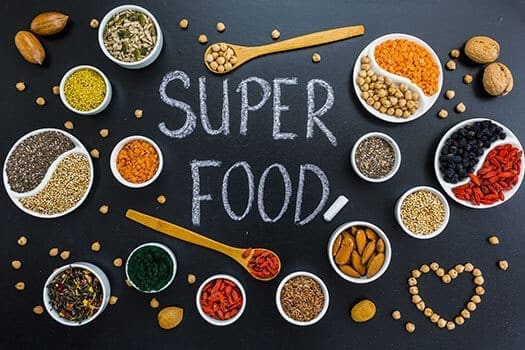
Superfoods lack any formal criteria, and people wonder what makes a food a superfood. Medical experts agreed that foods with the title “superfood” have health benefits that go far beyond what is listed on their nutrition labels. There is a wide range of health-promoting superfoods that can be incorporated into a person’s diet in several different ways. Eating superfood alone will not make anyone healthier overnight, but adding them to an already balanced diet can give anyone a mega-dose of added health benefits to their body.
Getting to Know Superfoods
According to the Merriam-Webster Dictionary, a superfood is defined as “a food that rich in compounds and considered beneficial to a person’s health. It can be any foods that have antioxidants, fatty acids, or fibers in their nutrient compounds. While the Oxford Dictionary defines a superfood as �a nutrient-rich food that is considered to be especially beneficial for health and well-being.�
Here are the top ten superfoods that have been scientifically proven to help optimize the body’s ability to function correctly. These superfoods are not only super healthy, but they are affordable and readily available in the grocery stores, online, and at farmer’s markets.
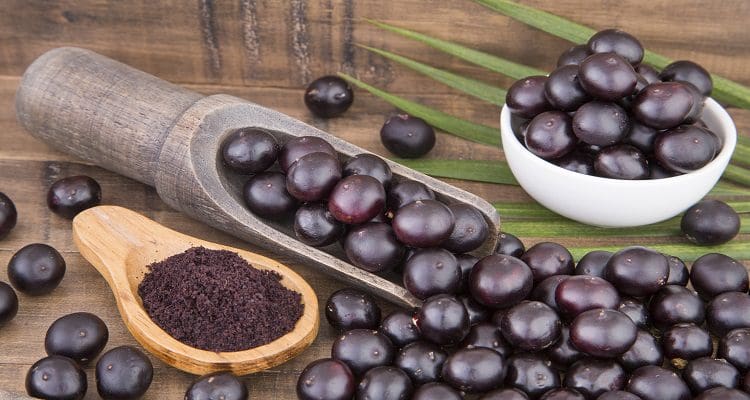
A�ai Berries
A�ai berries are high in antioxidants. They also contain B vitamins, magnesium, potassium, healthy fats, and phosphorus. The a�ai berry is one of the most well-known superfoods that is beneficial for the body’s microbiome. Studies have shown that a�ai berries have anti-inflammatory properties, help improve the cognitive function, maintaining healthy blood sugar levels, and protect against heart diseases. The berries themselves have also been suggested to help slow down age-related memory loss in individuals.
Studies have shown that the health benefits of the a�ai berries are that the berries contain a range of polyphenols that protects cellular oxidative damage in vitro and can provide ant-inflammatory signaling in the body by reducing the production of free radicals by inflammatory cells. Chronic inflammation in the body can lead to diseases like fibromyalgia. So consuming this berry can help lower the risk of inflammation in the body.
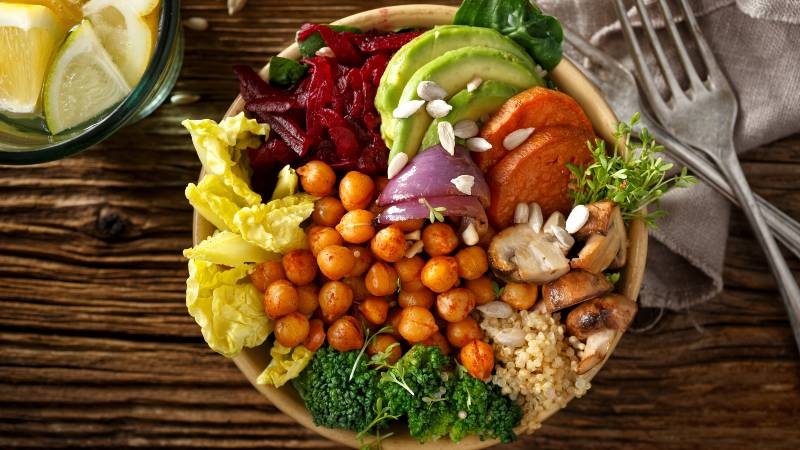
Plant-based protein
Plant proteins are abundant, branched-chain containing essential amino acids, and are exceptionally high in lysine. Research has been shown that lysine can help balance blood glucose in the body. Lysine even can increase muscle strength and combat anxiety in the body.
Plant-based proteins that contain carotenoids and flavonoids can modulate inflammatory responses in the body as well as the immunological process as well. Plant foods have anti-inflammatory potential that everyone needs in their diet to reduce inflammatory responses that is in the body.
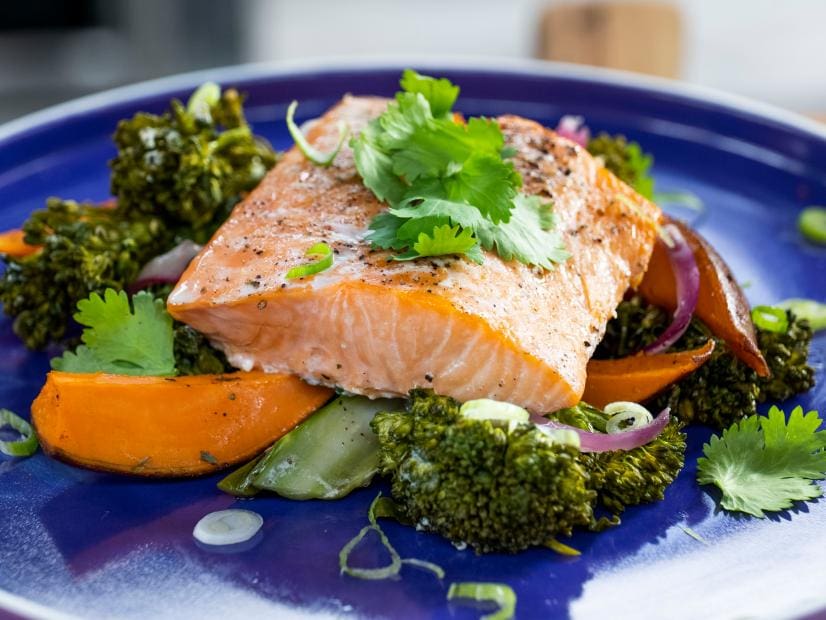
Salmon
Salmon is a superfood that has one of the highest sources for omega-3 fatty acids. Omega-3 fatty acids have been shown to lower the risk of developing coronary heart diseases, lowers metabolic syndrome, and diabetes. Studies have been shown that fish oil has also been known to help combat late-onset Alzheimer�s disease.
Consuming salmon or any foods that contain omega-3s may help alleviate oxidative stress that the body may have picked up. Omega-3s even play a role in lowering the risk of inflammation on individuals who have to develop fibromyalgia. Since it associates with pro-inflammatory cytokines, eating omega-3 fatty foods can help lower the inflammation and alleviate it as well.
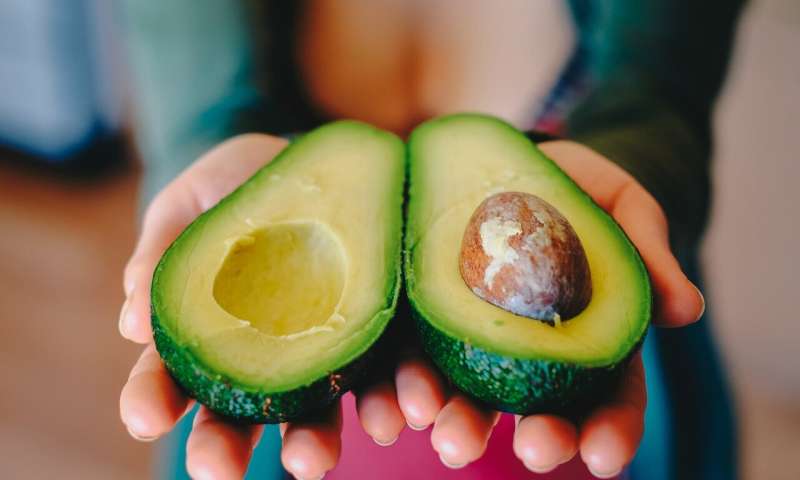
Avocados
Avocados are a nutrient-rich superfood, high fiber fruits that play a significant role in combating chronic diseases in the body. Eating avocados regularly have been known to lower the risk of heart disease, metabolic syndrome, diabetes, and certain cancers.
Since avocados are a nutrient-dense source of MUFA (monounsaturated fatty acids), the fruit can be used to replace SFA (saturated fatty acids) in a diet to lower LDL-C (low-density lipoprotein cholesterol) in the body.
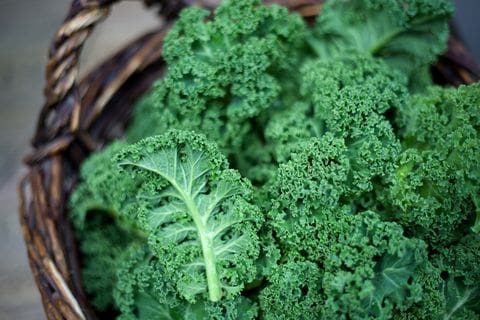
Kale
Kale has an excellent source of nutrients like zinc, folate, magnesium, calcium, vitamin C, fiber, and iron. Research has shown that dark leafy greens can reduce the risk of chronic illnesses like type 2 diabetes and heart disease.
Olive oil
Olive oil is a superfood that has been shown to provide a range of various health benefits. Extra virgin olive oil is associated with reducing the risk of cardiovascular disease and mortality on individuals that have a high cardiovascular risk.
Olive oil has a monounsaturated fat called oleic acid, which helps reduce inflammation in the body.
Sweet potato
Sweet potato is the superfood root vegetable that is full of nutrients that are beneficial to the body. They are an excellent source of carotenoids, fiber, potassium, vitamin C, and vitamin A.
Consuming sweet potato is beneficial for the body due to reducing the risk of inflammation and DNA damage. Since it contains high levels of antioxidants, it may also prevent cell damage as well in the body.
Fermented Foods
Fermented foods like yogurt, kefir sauerkraut, and many others are heavily sought after superfoods by consumers. This is because fermented foods have a range of fantastic health benefits like antioxidants, anti-microbial, anti-fungal, anti-inflammatory, andante-diabetic properties.
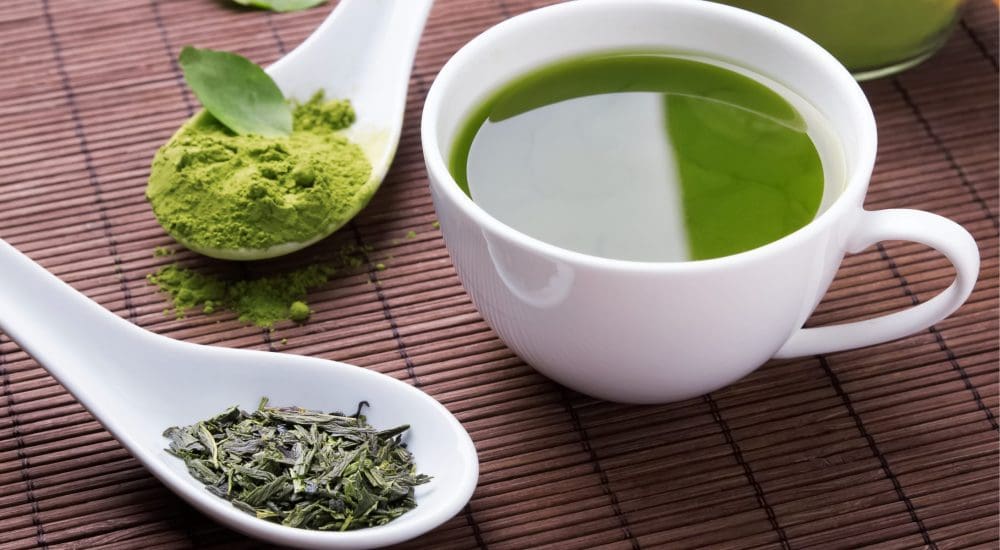
Green tea
Green tea is a lightly caffeinated beverage that has a broad spectrum of health benefits for the body. It is rich with antioxidants and polyphenolic compounds that can protect the body against chronic diseases and be a useful tool for bodyweight management.
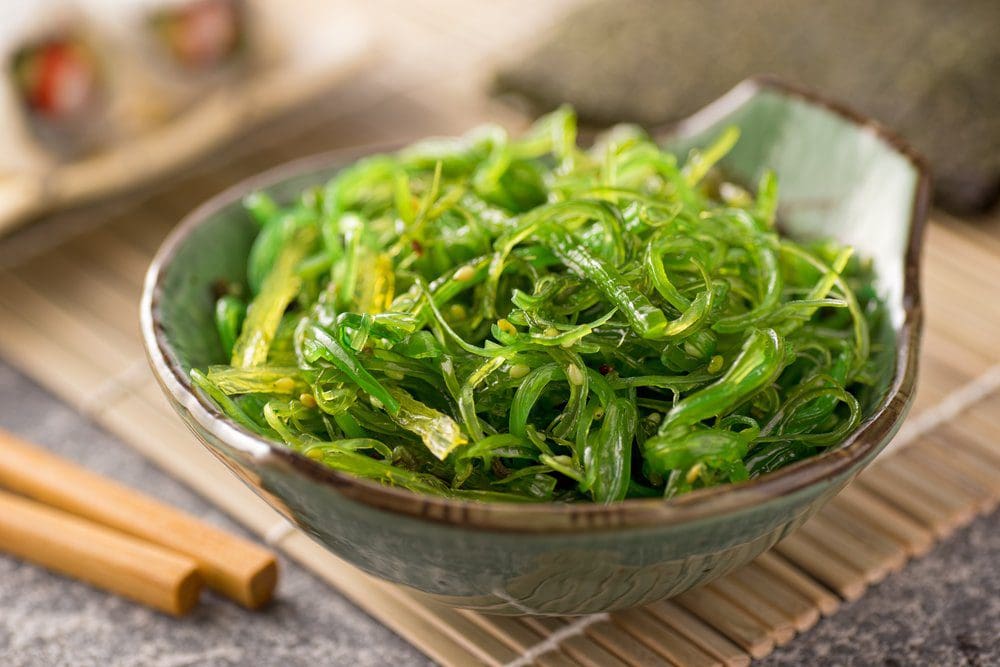
Seaweed
Seaweed is packed with several nutrients like folate, vitamin K iodine, and fiber that is beneficial for the body. It plays an essential role by helping lowering blood pressure and to treat several chronic illnesses. Studies have shown that due to their potential beneficial activities such as anti-inflammatory and anti-diabetic effects that are beneficial to prevent flare-ups in the white adipose tissue and systemic IR.
Conclusion
Superfoods are an essential additive boost to any healthy diet. These ten superfoods contain anti-inflammatory properties that are beneficial to the body to prevent the risk of inflammation in the body. Eating these foods combine with these products will provide relief from oxidative stress and inflammation that the body may encounter, as well as providing support to the endocrine system.
The scope of our information is limited to chiropractic, musculoskeletal, and nervous health issues as well as functional medicine articles, topics, and discussions. We use functional health protocols to treat injuries or chronic disorders of the musculoskeletal system. To further discuss the subject matter above, please feel free to ask Dr. Alex Jimenez or contact us at�915-850-0900�.
References:
Basu, Arpita, et al. �Dietary Factors That Promote or Retard Inflammation.� Arteriosclerosis, Thrombosis, and Vascular Biology, U.S. National Library of Medicine, May 2006, www.ncbi.nlm.nih.gov/pubmed/16484595.
Dellwo, Adrienne. �The Potential Benefits of Omega-3 for Fibromyalgia & CFS.� Verywell Health, Verywell Health, 7 July 2019, www.verywellhealth.com/omega-3-for-fibromyalgia-and-chronic-fatigue-syndrome-715987.
Felman, Adam. �Fibromyalgia: Symptoms, Causes, and Treatment.� Medical News Today, MediLexicon International, 5 Jan. 2018, www.medicalnewstoday.com/articles/147083.php.
Jensen, Gitte S, et al. �Pain Reduction and Improvement in Range of Motion after Daily Consumption of an A�ai (Euterpe Oleracea Mart.) Pulp-Fortified Polyphenolic-Rich Fruit and Berry Juice Blend.� Journal of Medicinal Food, Mary Ann Liebert, Inc., 2011, www.ncbi.nlm.nih.gov/pmc/articles/PMC3133683/.
Oh, Ji-Hyun, et al. �Anti-Inflammatory and Anti-Diabetic Effects of Brown Seaweeds in High-Fat Diet-Induced Obese Mice.� Nutrition Research and Practice, The Korean Nutrition Society and the Korean Society of Community Nutrition, Feb. 2016, www.ncbi.nlm.nih.gov/pmc/articles/PMC4742310/.
Smriga, Miro, et al. �Lysine Fortification Reduces Anxiety and Lessens Stress in Family Members in Economically Weak Communities in Northwest Syria.� Proceedings of the National Academy of Sciences of the United States of America, National Academy of Sciences, 1 June 2004, www.ncbi.nlm.nih.gov/pubmed/15159538.
Tanaka, Takuji, et al. �Cancer Chemoprevention by Carotenoids.� Molecules (Basel, Switzerland), MDPI, 14 Mar. 2012, www.ncbi.nlm.nih.gov/pubmed/22418926.
Unknown, Unknown. �What Are Superfoods? Top 10 Superfoods.� Fullscript, 4 Mar. 2019, fullscript.com/blog/superfoods.
Unni, Uma S, et al. �The Effect of a Controlled 8-Week Metabolic Ward Based Lysine Supplementation on Muscle Function, Insulin Sensitivity and Leucine Kinetics in Young Men.� Clinical Nutrition (Edinburgh, Scotland), U.S. National Library of Medicine, Dec. 2012, www.ncbi.nlm.nih.gov/pubmed/22524975.
Wang, Li, et al. �Effect of a Moderate Fat Diet with and without Avocados on Lipoprotein Particle Number, Size and Subclasses in Overweight and Obese Adults: a Randomized, Controlled Trial.� Journal of the American Heart Association, Blackwell Publishing Ltd, 7 Jan. 2015, www.ncbi.nlm.nih.gov/pubmed/25567051.
Wang, Ping-Yu, et al. �Higher Intake of Fruits, Vegetables or Their Fiber Reduces the Risk of Type�2 Diabetes: A Meta-Analysis.� Journal of Diabetes Investigation, John Wiley and Sons Inc., Jan. 2016, www.ncbi.nlm.nih.gov/pubmed/26816602.
Watzl, Bernhard. �Anti-Inflammatory Effects of Plant-Based Foods and of Their Constituents.� International Journal for Vitamin and Nutrition Research. Internationale Zeitschrift Fur Vitamin- Und Ernahrungsforschung. Journal International De Vitaminologie Et De Nutrition, U.S. National Library of Medicine, Dec. 2008, www.ncbi.nlm.nih.gov/pubmed/19685439.
?anlier, Nevin, et al. �Health Benefits of Fermented Foods.� Critical Reviews in Food Science and Nutrition, U.S. National Library of Medicine, 2019, www.ncbi.nlm.nih.gov/pubmed/28945458.
Inflammation is generally identified as a symptoms accompanied by pain and discomfort, however, this symptom is often necessary for�for preventing illnesses, treating injuries, and healing wounds. To a larger extent, inflammation is necessary to keep us healthy. However, occasionally, an individual’s own immune system can cause inflammation when there’s no apparent cause for it. From an improper diet to increased levels of stress and even environmental factors, inflammation can develop without any of the previously mention complications.
Fortunately, if this is the case, following a properly balanced diet, focusing on a variety of anti-inflammatory foods, an individual can reduce their inflammation and experience relief once more. The following 10 foods are some of the top, recommended anti-inflammatory foods which can help fight the symptoms.
1. Leafy green vegetables
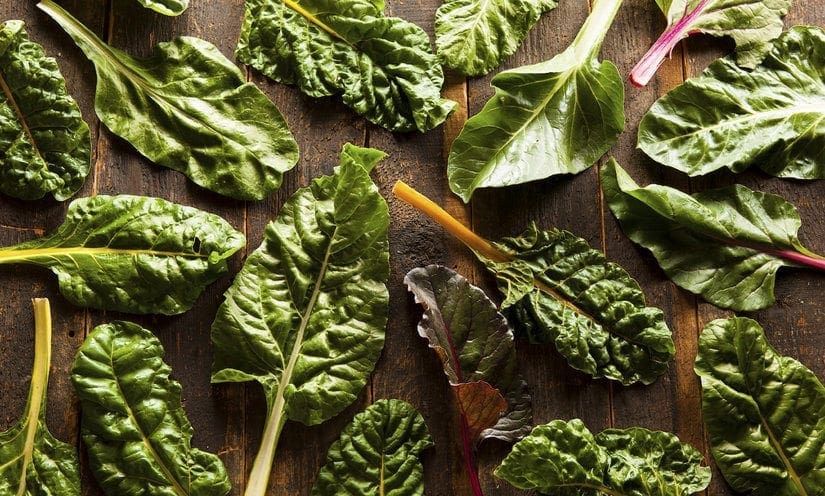
Dark, leafy greens like kale, spinach, bok choy, and Swiss chard are rich in flavonoids (powerful, plant-based antioxidants) that restore cellular health, which is essential to stopping inflammation.
In addition, they provide vitamins A, C, and K, which protect your brain against the oxidative stress caused by free-radical damage � the same process that causes aging and disease development.
A very large portion of your immune system actually lives within your gut and is run by bacterial organisms � what you can think of as �your gut�s bugs.�
Microbial imbalances (when the bad bacteria outnumber the good) have been associated with heightened inflammation and increased risk of various diseases, but probiotic foods like sauerkraut and kimchi can help rebalance and heal your gut.
Probiotics are also linked to improvements in immune, cognitive, digestive, and endocrine system functions, and taking probiotics can even cheer you up!
3. Bone broth
Bone broth � the rich liquid that results from boiling the bones of organic, grass-fed beef or poultry for hours � comes packed with a number of nutrients, including collagen. Collagen and the amino acids proline and glycine work in unison to heal the lining of an inflamed gut, which quickly stops your immune system from acting on overdrive and attacking the body�s healthy tissues, from the skin to the brain.
Bone broth is also a great natural source of chondroitin sulphates and glucosamine � the same compounds sold as expensive over-the-counter supplements used to limit arthritis and joint pain caused by inflammation.
4. Walnuts
As a great source of omega-3s and trace minerals, walnuts are known for being a �brain food� because they supply special phytonutrients that help protect against cognitive decline.
An imbalance between oxidants (bad) and antioxidants (good) can eventually lead to oxidative stress, but walnuts help to calm an overactive immune system and reduce widespread inflammation.
5. Coconut oil
Coconut oil is a special kind of saturated fat that has built-in antioxidant, anti-inflammatory, and antibacterial properties. Benefits of this miracle oil include being both easy to digest and helpful in restoring gut health, thanks to its ability to cause a thermic, warming response in the body.
Because coconut oil contains essential fatty acids that can fight bacteria, yeast, and infections within the digestive tract � where most illness and disease begins � it�s beneficial for both preventing and treating inflammation.
6. Beets
As their deep pigment suggests, beets contain the antioxidant betalain, which works to repair cellular damage caused by inflammation. Beets can also help improve blood flow and supply high levels of inflammation-fighting potassium and magnesium, two important nutrients many people are deficient in.
7. Broccoli (and other cruciferous veggies)
Broccoli and other cruciferous vegetables like cauliflower, cabbage, and Brussels sprouts are packed with antioxidants, flavonoids, carotenoids, and key vitamins like vitamin C. These nutrients work together to lower oxidative stress in the body and help battle chronic inflammation and reduce the risk of developing cancer.
8. Berries
The stars of the fruit world, berries stand out because of their high content of both fiber and antioxidants like quercetin, a flavonoid compound that supports healthy bacterial growth in the gut and prevents colon damage.
Berries have also been shown to slow cognitive decline and improve memory and motor function.
9. Salmon
Consuming the ideal ratio of omega-3 to omega-6 essential fatty acids is one of the keys to fighting inflammation. Omega-6es are �pro-inflammatory� while omega-3s are considered potent anti-inflammatory substances.
Wild-caught salmon and other oily fish (including mackerel and sardines) are the best food sources of omega-3s. They naturally lower the risk for developing many inflammatory diseases, especially heart disease, arthritis, depression, and cognitive disorders.
10. Super seeds (chia, flax and hemp)
Super seeds like chia, flax, and hemp offer both omega-3 (in the form of plant-based alpha-linolenic acid) and omega-6 fatty acids, which help stop our immune system from overproducing cytokines and oxidant molecules that can lead to inflammation.
They�re also full of fiber, antioxidants, protein, and numerous trace minerals that help regulate cholesterol and lower blood pressure levels before they cause further damage.
Inflammatory symptoms can create feelings of discomfort among those affected. Inflammation is a natural response to a harmful stimulation in the body, where even certain foods can cause it. Fortunately, several types of foods can have wonderful anti-inflammatory effects on the body as well as disease-fighting benefits.
For more information, please feel free to ask Dr. Jimenez or contact us at 915-850-0900 .
IFM's Find A Practitioner tool is the largest referral network in Functional Medicine, created to help patients locate Functional Medicine practitioners anywhere in the world. IFM Certified Practitioners are listed first in the search results, given their extensive education in Functional Medicine