Experience the powerful properties of moringa. Understand its health benefits and how it can support a healthier lifestyle.
Introduction
How often do you experience joint pain after doing daily tasks? Do you find that the upper and lower body extremities are hot and sensitive to the touch? Or do you wake up with widespread joint and muscle discomfort that goes away over the day? Inflammatory effects might result from overlapping pain feelings that are caused by inflammation in certain bodily joints. When this occurs, a lot of folks start searching for strategies to lessen joint inflammation. To lessen joint inflammation, many patients choose holistic therapies that include vitamins, herbal supplements, and nutraceuticals. Moringa is one of the supplements we will examine.
Moringa: The Nutritional Powerhouse
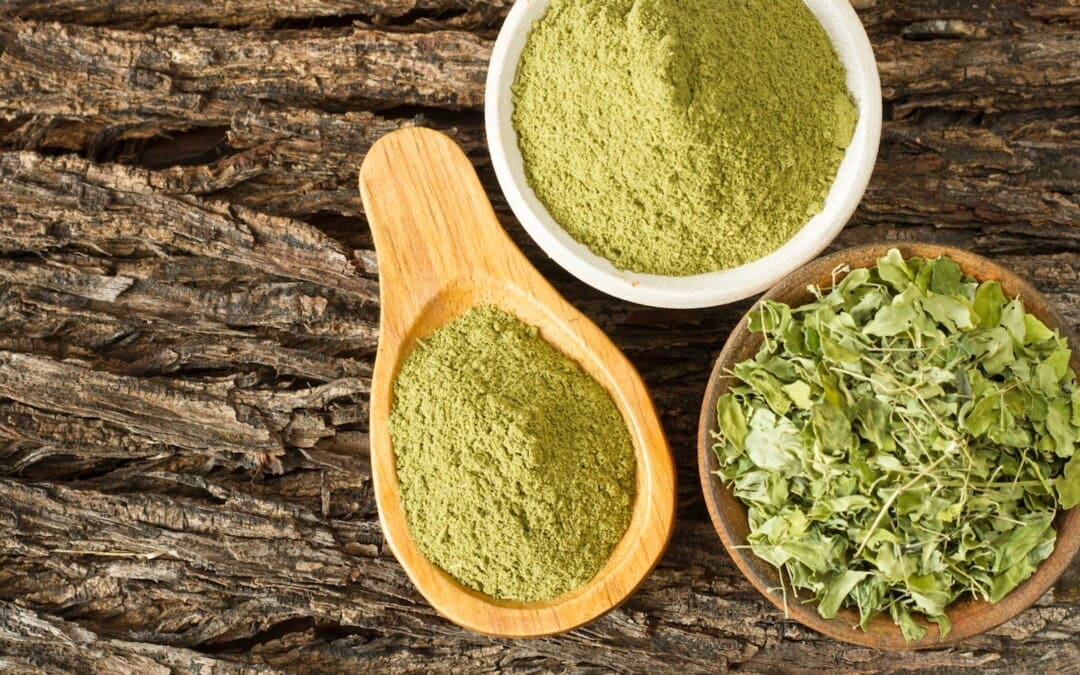
The “Miracle Tree,” or moringa, is a plant that is indigenous to many regions of Africa and Asia and has strong nutritional and therapeutic qualities. This nutrient-dense superfood is a multifunctional plant with a wide range of nutritional and medicinal benefits. (Arora and Arora, 2021) Numerous vital vitamins, minerals, antioxidants, and bioactive substances found in moringa plants support general health. To demonstrate the nutritional value of moringa oleifera, one gram of dried moringa leaves contains:
9 grams of protein.
Vitamin C: 51.7 milligrams
378 mcg of Vitamin
185 mg of calcium; 337 mg of potassium; 4 mg of iron; and 147 mg of magnesium
Two grams of fiber
Additionally, moringa’s inherent capacity to reduce inflammation and ease joint pain brought on by arthritis and other joint disorders is among its most advantageous qualities for a large number of people.
A Natural Remedy For Inflammation
The body’s normal reaction to diseases, traumas, and long-term joint disorders like arthritis is inflammation. Depending on how severe the damaged region is, a person may have either acute or chronic inflammation. In contrast to chronic inflammation, which may result in overlapping risk profiles and cause tissue damage and long-term discomfort, acute inflammation causes redness and heat to radiate from the afflicted location. When this occurs, moringa’s anti-inflammatory properties may aid in the natural reduction of joint inflammation.
How Moringa Helps Fight Inflammation
Moringa has numerous beneficial properties to reduce the impact of inflammation; it includes:
Antioxidant Riched
Strong antioxidants found in moringa neutralize dangerous oxidants brought on by inflammation and oxidative stress while also inhibiting the pro-inflammatory enzymes quercetin and kaempferol. (Chis and others, 2023) By neutralizing free radicals, moringa’s antioxidant properties help reduce the harm they cause. (Jimenez-Vergara et al., 2017)
Contains Natural Anti-Inflammatory Compounds
Moringa has strong antioxidants that neutralize dangerous oxidants brought on by inflammation and oxidative stress while blocking the pro-inflammatory enzymes quercetin and kaempferol. (Chis and others, 2023) Moringa’s antioxidant properties may neutralize free radicals and reduce their harmful effects. In 2017, Vergara-Jimenez et al.
Supports Immune Function
Many individuals are unaware that immune system failure is often associated with chronic inflammation, and that moringa may enhance immunological function. By causing a mild inflammatory phase to aid in healing, moringa consumption may reduce chemical and physical irritants as well as immunological problems. (Xiao and others, 2020) Moringa also contains significant levels of beta-carotene, vitamin A, and vitamin C, which enhance the immune system and support and control a healthy inflammatory response.
Unlocking The Secrets Of Inflammation-Video
Moringa for Joint Pain & Arthritis
Moringa may be a natural remedy for joint pain, whether from rheumatoid arthritis or osteoarthritis, without the typical negative effects of prescription drugs. This is because as the body ages, the joints may get smaller, resulting in inflammation-related pain that eventually leads to malalignment. (Gessl and others, 2021)
Reduces Joint Swelling
The anti-inflammatory properties that moringa has can help decrease joint swelling and reduce stiffness and pain. At the same time, the anti-inflammatory properties of moringa can help improve skeletal muscle dysfunction associated with joint swelling by reducing the pro-inflammatory cytokines. (Sailaja et al., 2022)
Prevents Cartilage Breakdown
The antioxidants in moringa help protect against cartilage degradation, which is a major cause of joint pain.
Improves Joint Mobility & Flexibility
Many people found that incorporating and regularly consuming moringa can help reduce joint pain and stiffness while improving mobility and flexibility in the upper and lower extremities.
Incorporating Moringa Into Your Diet
Many people who are thinking about their health and wellness can make small changes to their daily routine, especially regarding their eating habits. Since food and nutrition are crucial to developing and maintaining a healthy lifestyle, adding moringa into a person’s daily routine can do that. (Bibi et al., 2024) There are several ways to enjoy moringa’s benefits:
1. Moringa Powder
– Adding 1-2 teaspoons of moringa powder to smoothies, soups, or teas can provide an extra nutritional boost to the body.
2. Moringa Capsules
– For individuals with a busy, hectic lifestyle, consuming moringa capsules daily can help many people incorporate taking supplements as a daily habit.
3. Moringa Tea
– For those individuals who enjoy a warm cup of tea, seeping moringa leaves for three to five minutes in hot water can create a soothing anti-inflammatory tea.
4. Moringa Oil (Ben Oil)
– Individuals dealing with joint pain can apply moringa oil to their joints for additional pain relief.
Final Thoughts
Moringa is a powerful superfood with anti-inflammatory and joint pain-relieving properties that can be incorporated into a healthy diet. Due to its essential nutrients, antioxidants, and bioactive compounds can be a natural alternative for individuals seeking relief from arthritis and chronic inflammation. Incorporating moringa as part of a healthy dietary habit can improve individuals’ health and joint mobility.
Injury Medical & Functional Medicine Clinic
We associate with certified medical providers who understand the importance of the various effects of incorporating moringa to reduce the inflammatory effects that are causing joint pain. When asking important questions to our associated medical providers, we advise patients to implement small changes to their daily routine, like incorporating anti-inflammatory foods into their diets to reduce the effects of joint inflammation and restore mobility. Dr. Alex Jimenez, D.C., utilizes this information as an academic service. Disclaimer.
References
Arora, S., & Arora, S. (2021). Nutritional significance and therapeutic potential of Moringa oleifera: The wonder plant. J Food Biochem, 45(10), e13933. https://doi.org/10.1111/jfbc.13933
Bibi, N., Rahman, N., Ali, M. Q., Ahmad, N., & Sarwar, F. (2024). Nutritional value and therapeutic potential of Moringa oleifera: a short overview of current research. Nat Prod Res, 38(23), 4261-4279. https://doi.org/10.1080/14786419.2023.2284862
Chis, A., Noubissi, P. A., Pop, O. L., Muresan, C. I., Fokam Tagne, M. A., Kamgang, R., Fodor, A., Sitar-Taut, A. V., Cozma, A., Orasan, O. H., Heghes, S. C., Vulturar, R., & Suharoschi, R. (2023). Bioactive Compounds in Moringa oleifera: Mechanisms of Action, Focus on Their Anti-Inflammatory Properties. Plants (Basel), 13(1). https://doi.org/10.3390/plants13010020
Cuellar-Nunez, M. L., Gonzalez de Mejia, E., & Loarca-Pina, G. (2021). Moringa oleifera leaves alleviated inflammation through downregulation of IL-2, IL-6, and TNF-alpha in a colitis-associated colorectal cancer model. Food Res Int, 144, 110318. https://doi.org/10.1016/j.foodres.2021.110318
Gessl, I., Popescu, M., Schimpl, V., Supp, G., Deimel, T., Durechova, M., Hucke, M., Loiskandl, M., Studenic, P., Zauner, M., Smolen, J. S., Aletaha, D., & Mandl, P. (2021). Role of joint damage, malalignment and inflammation in articular tenderness in rheumatoid arthritis, psoriatic arthritis and osteoarthritis. Ann Rheum Dis, 80(7), 884-890. https://doi.org/10.1136/annrheumdis-2020-218744
Sailaja, B. S., Hassan, S., Cohen, E., Tmenova, I., Farias-Pereira, R., Verzi, M. P., & Raskin, I. (2022). Moringa isothiocyanate-1 inhibits LPS-induced inflammation in mouse myoblasts and skeletal muscle. PLOS ONE, 17(12), e0279370. https://doi.org/10.1371/journal.pone.0279370
Vergara-Jimenez, M., Almatrafi, M. M., & Fernandez, M. L. (2017). Bioactive Components in Moringa Oleifera Leaves Protect against Chronic Disease. Antioxidants (Basel), 6(4). https://doi.org/10.3390/antiox6040091
Xiao, X., Wang, J., Meng, C., Liang, W., Wang, T., Zhou, B., Wang, Y., Luo, X., Gao, L., & Zhang, L. (2020). Moringa oleifera Lam and its Therapeutic Effects in Immune Disorders. Front Pharmacol, 11, 566783. https://doi.org/10.3389/fphar.2020.566783
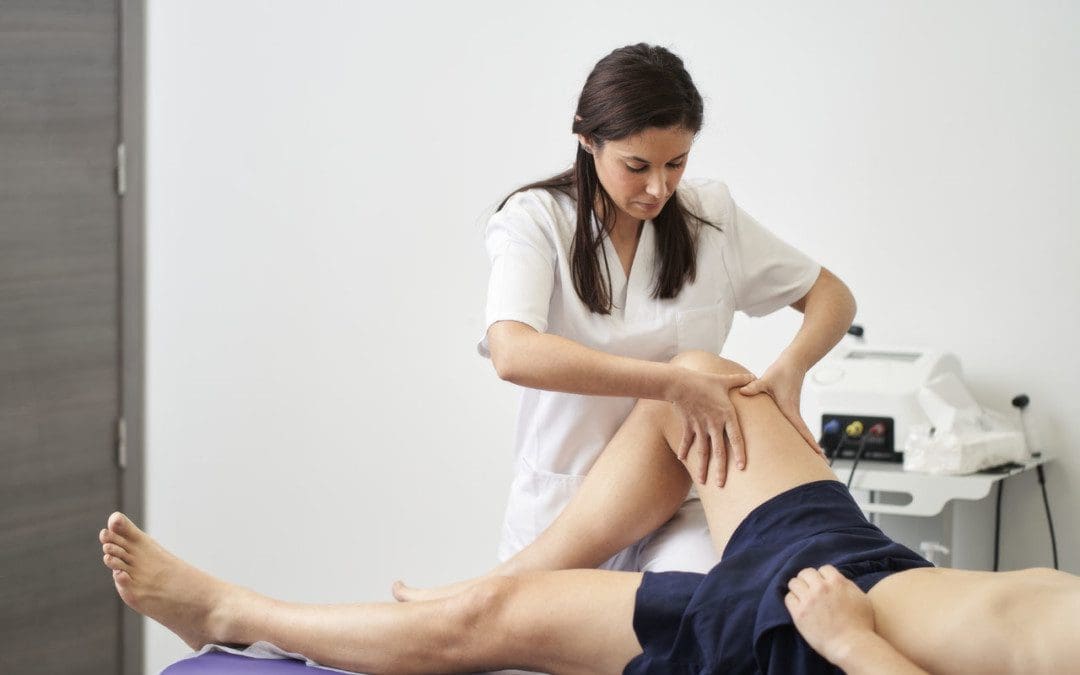
Automobile accidents and collisions can cause knee and ankle injuries in various ways. Automobile crashes are considered high-energy collisions versus slip and fall traumas which are generally low-energy. However, a 30mph or under-collision can have serious and detrimental effects on the knees and ankles. The sudden forces can cause the knees to collide with the dashboard or push the feet and legs into the body, generating intense pressure and compressing the bones, muscles, and ligaments damaging soft tissues and bone structures from the impact. The Injury Medical Chiropractic and Functional Medicine Clinic Team can rehabilitate, realign, strengthen, and restore function to individuals with minor to severe auto collision injuries.
Knee and Ankle Injuries
Musculoskeletal motor vehicle crash/collision injuries affect the body’s movement. The impact can pull, tear, crush, and smash bones, muscles, tendons, ligaments, discs, and nerves. These injuries restrict the range of motion and can cause pain and sensation symptoms. The National Accident Sampling System reports 33% of injuries sustained during vehicle collisions are to the lower extremities.
Despite the knees and ankles having soft tissues that absorb and distribute the energy’s impact, the forces from the collision often happen instantly and unexpectedly, causing the individual to tense up, which overwhelms the structures.
Even panic stepping on the brake pedal can cause injury to the ankle and foot.
A passenger’s reflex of trying to resist forces can experience foot, ankle, and knee injuries from bracing off the vehicle’s floorboard.
Automobile collisions can cause strains, sprains, fractures, and dislocations.
Torn, Strained, or Sprained Knee
If the foot becomes planted on the floorboard while the body continues to move forward or sideways, the force can travel into the knee, causing twisting or shearing.
Depending on the injury type, the impact strength can damage different ligaments.
The ligaments resist forces that push the knee inwards/medially and outwards/laterally and slightly resist rotational forces.
When any of these ligaments are damaged, swelling, pain, and limited ranges of motion can result.
Putting weight on the affected leg can be difficult.
In some cases, the ligaments tear completely, necessitating surgical repair.
Once the individual can engage in mild activity, they can begin a rehabilitation program to restore function.
Recovery times vary based on the location and severity of the injury.
Fractured Knee or Ankle
When a fracture occurs in a joint, like the knees or ankles, surgical procedures may be necessary to repair the broken bone/s.
Broken bones can result in simultaneous damage and/or inflammation of the connective tissues that can cause the muscles to contract/tighten or atrophy during the recovery and healing phases.
Joints and bones are kept healthy with moderate movement and weight-bearing.
Fractures require immobilization of the affected area.
A physical therapy rehabilitation program can begin when the brace or cast comes off.
Targeted exercises and resistance will strengthen and stretch the joint to improve flexibility and promote healing through improved circulation.
Torn Meniscus
The meniscus is a C-shaped area of cartilage that rests between the thigh and shin bones.
It acts as a shock absorber.
The meniscus can become torn, resulting in pain, stiffness, and loss of motion.
This injury can heal independently with the right rest and therapeutic exercises.
A chiropractic auto collision specialist can diagnose the severity of the tear and provide the recommendations needed to rehabilitate and strengthen the knee.
If the tear is severe enough, surgery may be required.
Strained or Sprained Ankle
Strained tendons and sprained ligaments can result from the ankle being subject to tremendous force.
Strains and sprains vary in severity.
Both indicate that the connective tissue has been damaged or stretched beyond normal limits.
They can present with pain, inflammation, and problems moving the affected area.
With proper medical attention and rehabilitation, recovery is possible.
Torn Achilles Tendon
The Achilles tendon connects the calf muscle to the heel and is necessary for walking, running, physical activity, and bearing weight.
If the tendon gets torn, surgery will be required to reattach the muscle and tendon.
After recovery, the individual can begin physical therapy to work the tendon and muscle, slowly building strength and range of motion.
It is critical to do this with the supervision of an expert in musculoskeletal rehabilitation to avoid re-injury or developing new injuries.
Chiropractic Treatment
Any musculoskeletal motor vehicle injuries can result in intense pain that worsens with activity, inflammation, swelling, redness, and/or heat in the affected area. This is why correctly diagnosing the injury is essential if the condition is to be properly and thoroughly treated. A physical examination will vary based on the individual’s state and can include:
Strength assessment
Range of motion
Reflexes
Other variables to determine the underlying issues.
Diagnostic imaging such as X-rays, MRIs, and CT scans can help identify and clarify injuries’ extent, nature, and location and rule out problems.
A qualified healthcare professional will combine the data with medical history to develop an accurate diagnosis. Our ability to effectively treat accident individuals is based on applying clinical expertise in musculoskeletal diagnosis and care. Our medical team takes a practical approach to help individuals quickly heal from musculoskeletal injuries using the latest treatments possible. When you meet with one of our professionals, you will feel relaxed and confident that you have come to the right place.
From Injury To Recovery
References
Dischinger, P C et al. “Consequences and costs of lower extremity injuries.” Annual proceedings. Association for the Advancement of Automotive Medicine vol. 48 (2004): 339-53.
Fildes, B et al. “Lower limb injuries to passenger car occupants.” Accident; analysis and prevention vol. 29,6 (1997): 785-91. doi:10.1016/s0001-4575(97)00047-x
Gane, Elise M et al. “The impact of musculoskeletal injuries sustained in road traffic crashes on work-related outcomes: a protocol for a systematic review.” Systematic reviews vol. 7,1 202. 20 Nov. 2018, doi:10.1186/s13643-018-0869-4
Hardin, E C et al. “Foot and ankle forces during an automobile collision: the influence of muscles.” Journal of biomechanics vol. 37,5 (2004): 637-44. doi:10.1016/j.jbiomech.2003.09.030
Li, Wen-Wei, and Cheng-Chang Lu. “Knee deformity following a motor vehicle accident.” Emergency medicine journal: EMJ vol. 38,6 (2021): 449-473. doi:10.1136/emermed-2020-210054
M, Asgari, and Keyvanian Sh S. “Crash Injury Analysis of Knee Joint Considering Pedestrian Safety.” Journal of biomedical physics & Engineering vol. 9,5 569-578. 1 Oct. 2019, doi:10.31661/jbpe.v0i0.424
Torry, Michael R et al. “Relationship of knee shear force and extensor moment on knee translations in females performing drop landings: a biplane fluoroscopy study.” Clinical biomechanics (Bristol, Avon) vol. 26,10 (2011): 1019-24. doi:10.1016/j.clinbiomech.2011.06.010
The immune system is crucial in protecting the body from foreign pathogens that cause inflammation in the affected area. Cytokines produce inflammation in the body to fight off infections or bacteria. However, inflammation can be beneficial or harmful, depending on the severity of the affected area. Acute inflammation is a natural healing process that causes redness, swelling, and heat in the affected area, and it usually resolves within a few days. In contrast, chronic inflammation causes pain and damages healthy tissues, mistaking them for foreign invaders. Environmental factors can trigger chronic inflammation, leading to muscle and joint pain and other chronic conditions. Fortunately, an anti-inflammatory diet combined with soft tissue therapy can help reduce the effects of chronic inflammation. Our article today discusses how these diets work and how they can be combined with MET therapy to restore the body. We utilize and incorporate valuable information about our patients to certified medical providers using MET therapy to relieve chronic inflammation associated with the musculoskeletal system through dieting. We encourage and refer patients to associated medical providers based on their findings while supporting that education is a remarkable and fantastic way to ask our providers the essential questions at the patient’s acknowledgment. Dr. Alex Jimenez, D.C., comprises this information as an educational service. Disclaimer
What Are Anti-Inflammatory Diets?
Are you experiencing inflammation in your muscles, joints, or vital organs? Do you feel musculoskeletal pain or have uncertain symptoms after eating certain foods? Chronic stress, obesity, autoimmune disorders, and abdominal pain can cause chronic inflammation. These conditions may be caused by environmental factors leading to chronic inflammation. Research shows that certain dietary components can contribute to inflammation, which can be beneficial and harmful. While additional research studies reveal that incorporating lean meats, omega-3s, antioxidants, fruits, and vegetables can help minimize inflammasome activation and its negative effects on the muscles, joints, and vital organs to reduce chronic inflammation.
How Anti-Inflammatory Diets Help The Body?
Did you know that adopting an anti-inflammatory diet can help reduce the effects of chronic inflammation in the body? Research studies reveal that lowering the intake of pro-inflammatory foods and increasing the consumption of unsaturated fats, fruits, and vegetables can effectively combat inflammation. While inflammation is a natural defense mechanism, excessive production of inflammatory cytokines can lead to chronic conditions. However, combining an anti-inflammatory diet with exercise or physical therapy can help reduce these cytokines and identify the underlying causes of inflammation. By consuming specific foods and vitamins, an individual can effectively reduce the progression of inflammation and prevent further damage to the body.
Understanding Inflammation- Video
Are you experiencing muscle or joint pain, tenderness, or redness in certain body areas? Do you notice that certain foods cause issues with your organs? These symptoms may be caused by inflammation affecting your body. Inflammation is a natural immune system response that releases cytokines to affected areas. When cytokines are released onto healthy tissue can lead to aggravating issues such as autoimmune disorders and chronic pain. However, there is hope. You can understand the root cause of inflammation and reduce its effects on your body. The video above provides an excellent overview of how environmental factors can cause inflammatory impacts on the body and how whole-nutritional foods and vitamins with antioxidants can help reduce pain associated with inflammation.
Anti-Inflammatory Diets & MET Therapy
According to “Clinical Application of Neuromuscular Techniques” by Judith Walker DeLany, L.M.T. and Leon Chaitow, N.D., D.O., inflammation can be a normal part of healing. Still, if left untreated, it can cause soft tissue injuries. Muscle energy techniques (MET) can help reduce inflammation by stretching soft tissues, improving joint mobility, and draining the lymphatic system. Combining MET with an anti-inflammatory diet can help reduce inflammation and heal the body naturally. Here are some diets to consider merging with MET.
The Exclusion Diet
The exclusion diet is a way to identify which foods are causing negative symptoms in the body. By listing foods that cause allergic or inflammatory reactions, the doctor can create a personalized dietary plan for the patient, excluding these problem foods. After at least 3-4 weeks of avoiding these foods, reintroduce them to see if symptoms return. If they do, remove the food from the diet. This anti-inflammatory diet can help reduce muscle and joint pain associated with inflammation and is effective for many people with food sensitivities/allergies.
The Oligoantigenic Diet
The oligoantigenic diet is an anti-inflammatory diet involving whole foods rich in vitamins and minerals to reduce inflammation in individuals with severe food allergies. This diet allows the person to identify which foods are causing inflammation by removing them from their diet for a few weeks and then reintroducing them one at a time. If the symptoms return, the food can be eliminated from the diet.
Conclusion
Inflammation is a double-edged sword as it can have beneficial and harmful effects on the body depending on environmental factors and can result in musculoskeletal pain. Nevertheless, one can aid the body’s natural recovery process by consuming whole foods rich in anti-inflammatory properties and undergoing therapies that can alleviate the effects of inflammation in the musculoskeletal system. By adopting these approaches, individuals can eliminate foods and other environmental factors that may trigger chronic inflammation, enhancing their quality of life.
References
Chaitow, Leon, and Judith Walker DeLany. Clinical Applications of Neuromuscular Techniques. Churchill Livingstone, 2003.
Dragan, Simona, et al. “Dietary Patterns and Interventions to Alleviate Chronic Pain.” Nutrients, 19 Aug. 2020, www.ncbi.nlm.nih.gov/pmc/articles/PMC7551034/.
Kiecolt-Glaser, Janice K. “Stress, Food, and Inflammation: Psychoneuroimmunology and Nutrition at The Cutting Edge.” Psychosomatic Medicine, May 2010, www.ncbi.nlm.nih.gov/pmc/articles/PMC2868080/.
Sears, Barry, and Asish K Saha. “Dietary Control of Inflammation and Resolution.” Frontiers in Nutrition, 10 Aug. 2021, www.ncbi.nlm.nih.gov/pmc/articles/PMC8382877/.
Nutrition and Chiropractic Care: Chiropractic care treats the body as a whole. It can relieve and alleviate ailments from injuries, conditions, or diseases to help maintain optimal health. A treatment plan includes nutrition recommendations to support the body’s systems, reduce inflammation responses, build muscle and bone strength, and maintain chiropractic adjustments.
Nutrition and Chiropractic Care
Individuals can influence musculoskeletal system health by balancing what they consume. If food choices are unhealthy, the benefits of chiropractic may be lessened from the negative effects of unhealthy foods on the body.
Muscle Repair
Muscle injuries are common from normal wear and tear, work, sports, and personal injuries. Calorie-heavy foods can lead to increased weight. Increased weight puts extra stress on the body as it is healing, making the healing process last longer and less effective. A recommended nutritional plan to build muscle strength around the injured areas will supplement chiropractic care.
Foods include sweet potatoes, salmon, eggs, spinach, bananas, nuts, and seeds.
Bone Health
Misalignment, imbalances, and injuries can be caused in part by weakness in various bones.
Calcium is integral in improving bone strength.
Foods high in calcium can benefit chiropractic adjustments by strengthening the skeletal system.
A balanced intake of calcium and magnesium helps build bone strength and decreases the chances of developing osteoporosis.
Magnesium can be found in almonds, spinach, avocado, cashews, and bananas.
Digestion
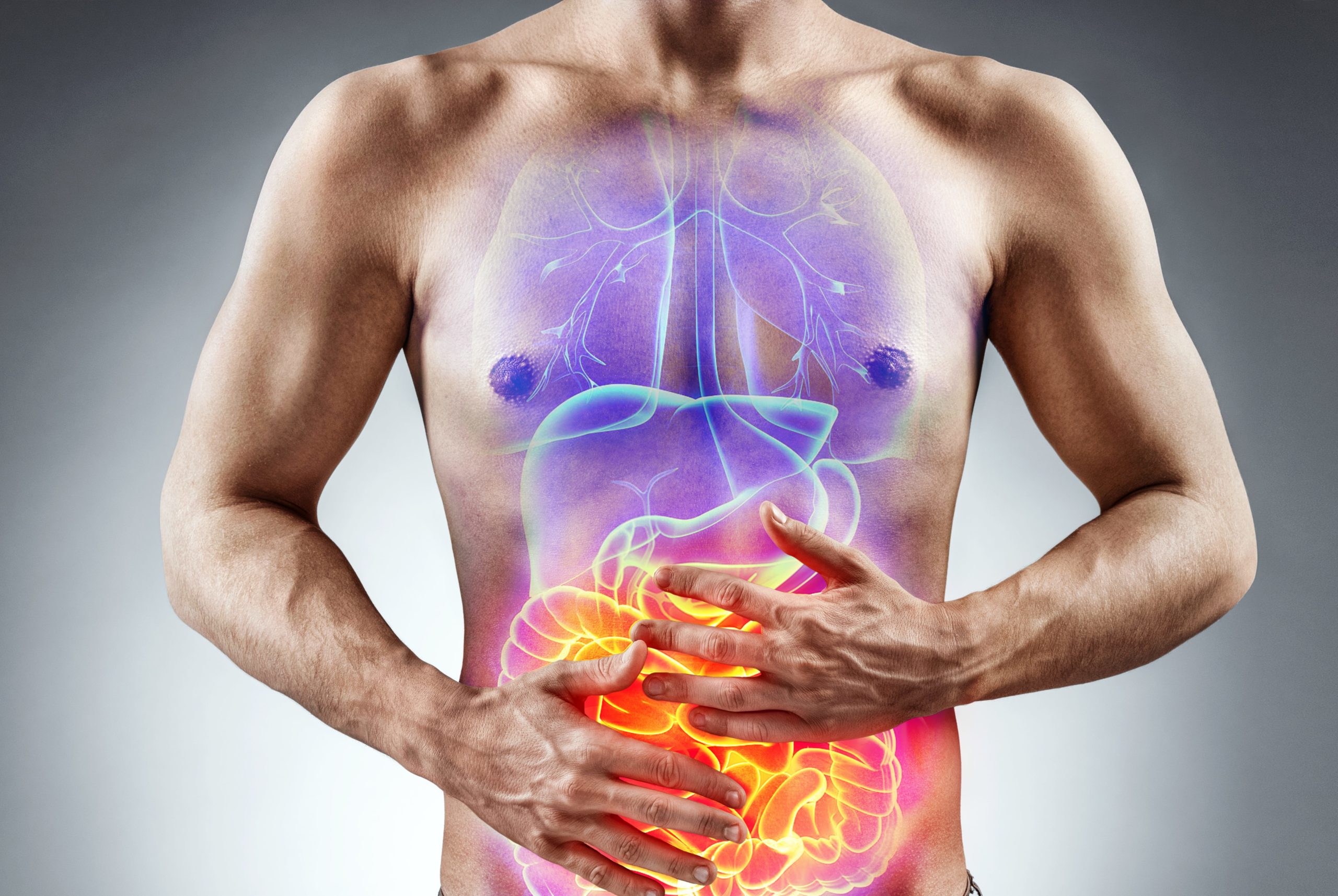
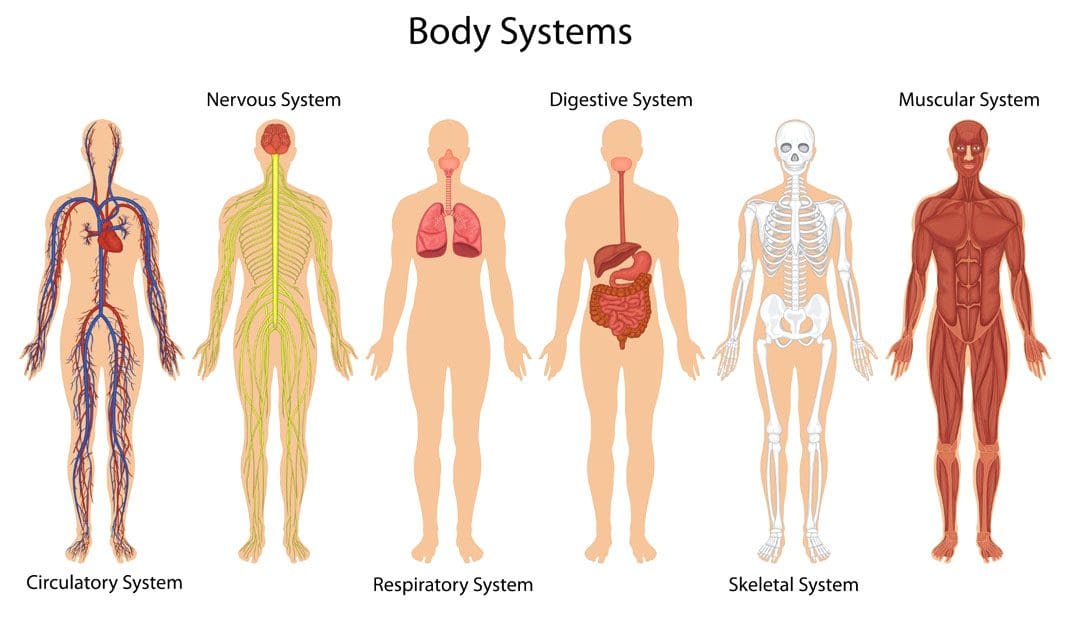
Chiropractic treatments also help promote healthy digestion by relieving tension in the stomach and helping to restore proper function in the organs and muscles. Regular chiropractic has been shown to reduce symptoms associated with constipation, bloating, diarrhea, nausea, irritable bowel syndrome – IBS, Crohn’s disease, colitis, GERD – Gastroesophageal Reflux Disease, and vomiting.
Foods that help maintain a healthy gut include brown rice, beans, oats, and fruits and vegetables.
Respiratory Health
Breathing problems come in various forms depending on the individual and their case. The ribs, upper chest, and neck muscles all support breathing. Stress can cause rapid and shallow breathing that overworks these muscles. Breathing problems often correlate with other health issues, including back and neck pain, poor digestion, fatigue, and tension headaches. Chiropractic pinpoints subluxations or undue interruption of the nerve signals and corrects any misalignments so that nerve signals flow properly.
Foods that help with lung health include tomatoes, apples, berries, and broccoli.
Nervous System Health
Chiropractic focuses on restoring the body to optimal function so that it can heal through normal nervous system function. Treatment resets the vertebrae into proper alignment, reducing swelling, blockages, and nerve stress, allowing the nervous system to function at full capacity.
Foods that can help are dark chocolate, spinach, avocados, garlic, and asparagus.
Circulatory System
Chiropractic adjustments increase blood circulation. Adjustments and massage loosen the muscles attached to the specific areas, which also promotes the flow and movement of waste in the lymphatic system in and out of specific areas.
Foods that help with circulation include onions, beets, citrus fruits, tomatoes, walnuts, and fatty fish.
Nutrition and chiropractic care go hand in hand. When the body gets the nutrition it needs, it works more efficiently.
An unhealthy diet can cause sluggishness, low energy, and increase inflammatory responses that can lead to chronic conditions. A nutritionist can create a personalized nutrition plan to maximize the benefits as they work together to improve overall health and wellness.
Intermittent Fasting
References
Elma, Ömer, et al. “Chronic Musculoskeletal Pain and Nutrition: Where Are We and Where Are We Heading?.” PM & R: the journal of injury, function, and rehabilitation vol. 12,12 (2020): 1268-1278. doi:10.1002/pmrj.12346
Elma, Ömer, et al. “Do Nutritional Factors Interact with Chronic Musculoskeletal Pain? A Systematic Review.” Journal of clinical medicine vol. 9,3 702. 5 Mar. 2020, doi:10.3390/jcm9030702
Holtzman, Denise, and Jeanmarie Burke. “Nutritional counseling in the chiropractic practice: a survey of New York practitioners.” Journal of chiropractic medicine vol. 6,1 (2007): 27-31. doi:10.1016/j.jcme.2007.02.008
Koehler, Karsten, and Clemens Drenowatz. “Integrated Role of Nutrition and Physical Activity for Lifelong Health.” Nutrients vol. 11,7 1437. 26 Jun. 2019, doi:10.3390/nu11071437
Lee, Mi Kyung, et al. “The use of nutritional guidance within chiropractic patient management: a survey of 333 chiropractors from the ACORN practice-based research network.” Chiropractic & manual therapies vol. 26 7. 20 Feb. 2018, doi:10.1186/s12998-018-0175-1
Mangano, Kelsey M et al. “Dietary protein is associated with musculoskeletal health independently of dietary pattern: the Framingham Third Generation Study.” The American journal of clinical nutrition vol. 105,3 (2017): 714-722. doi:10.3945/ajcn.116.136762
Mendonça, Carolina Rodrigues et al. “Effects of Nutritional Interventions in the Control of Musculoskeletal Pain: An Integrative Review.” Nutrients vol. 12,10 3075. 9 Oct. 2020, doi:10.3390/nu12103075
Tajary, Zahra, et al. “Musculoskeletal Pain Is Associated with Dietary Diversity Score among Community-Dwelling Older Adult: A Cross-Sectional Study.” International journal of food science vol. 2022 4228925. 7 Feb. 2022, doi:10.1155/2022/4228925
Dr. Alex Jimenez, D.C., presents how anti-inflammatory phytochemicals can reduce inflammation and treat other chronic conditions that inflammation is correlated with. We dive into what medicines can trigger inflammatory cytokines and some treatments that work together to reduce chronic inflammation. We refer our patients to certified medical providers incorporating multiple therapies for many individuals suffering from chronic inflammation and its correlating symptoms affecting the body. We encourage each of our patients by mentioning them to associated medical providers based on their analysis appropriately. We understand that education is a delightful way when asking our providers questions at the patient’s request and understanding. Dr. Jimenez, D.C., only makes use of this information as an educational service. Disclaimer
How Medications Associate With Inflammation
Dr. Alex Jimenez, D.C., presents: When it comes to a person’s health and wellness, it is important to know that when you are introducing them to potential antigenic medication, that person’s immune system is already imbalanced and much more likely to make abnormal immune responses, which then can lead to inflammatory effects in the body’s system. You see them mostly with chimeric human marine antibodies, which are the ones that make antibodies for the immune system, to that point, will elicit a much higher immune response. When this happens, it becomes a challenge to long-term pharmacotherapy. So when people go to their doctors for a prescription, about 20-30% of medication prescriptions are never filled because, most of the time, the prescription will never fill them in the drugstore, which can cascade into various issues.
And when people follow their prescription, sometimes they’ll take it for a little while, and after six months, they stop taking it. So the drop in prescriptions taken for longer than six months is quite low. In the last article, we discussed NSAIDs, DMARDs, and biologics, and we will touch base with acetaminophen. Acetaminophen is another one that’s just really widely used, and it’s because it’s put into all of these different cold and flu, and pain products. They sneak it into many other medications; you must read the labels. This is because some people metabolize acetaminophen quickly, which can become toxic. This can lead to individuals getting random headaches throughout the day and causes their glutathiones to be used promptly. So when looking for cold and flu medicine, it is best to look at the labels for acetaminophen because it doesn’t have anti-inflammatory responses since it is used for pain control.
How Acetaminophen Affects the Immune System
Dr. Alex Jimenez, D.C., presents: So even though we do not know how exactly how the analgesic effects work when people take cold and flu medicines, however, we do know that when people take a ubiquitous amount of acetaminophen, it could increase the pain threshold by inhibiting nitric oxide pathways in the body through mediation through the receptors for NMDA and substance P. We still don’t have a great handle on that, but that’s how it works. So, these drugs can be quite useful in the short term, but long-term use has serious side effects.
When looking for medications, it is important to read the labels that have a black box warning, which is the highest warning that the FDA issues for any potential overlapping risk profiles that the FDA issues. This can include severe liver injuries or serious possible allergic reactions that can develop into chronic inflammation of the muscles and joints. Now there are ways to reduce inflammation and prevent the body from being in more pain by slowly introducing anti-inflammatory botanicals and phytochemicals to detoxify the medication causing these complications.
Some individuals may not realize that constant medication for various pains and issues affecting the body can mask other problems involving the body’s systems. This can include:
Endocrine system
Cardiovascular system
Gastrointestinal system
Reproductive system
When these systems have been affected by medications, they can develop inflammatory markers in the vital organs and cause lead to visceral-somatic dysfunction in the body. When pain medications target pain localized in one location, but the issue is in a different area, this is known as referred pain. Referred pain is where the pain is in one muscle group location but is felt in another area of the body. When the organs are involved, it can cause inflammatory symptoms in the system. To that point, this causes the immune system to be induced into autoimmunity.
How The Immune System Is Induced Into Autoimmunity
Dr. Alex Jimenez, D.C., presents: When the immune system has been induced with autoimmunity, the corticosteroids can develop side effects that can be long termed and delay the healing process. Some of the physical symptoms that are visible with autoimmunity include:
Muscle weakness
Diabetes
High blood pressure
Thin bones
Delay wound healing
Flare-ups
Rheumatoid arthritis
Mood changes
When dealing with these inflammatory symptoms associated with pain, there are fundamental functional treatment approaches that can reduce the inflammatory cytokines causing joint and muscle pain.
Treatments To Target Inflammation
Dr. Alex Jimenez, D.C., presents: Some of the treatments that target inflammation include the following:
Slowly incorporating healthy lifestyle choices into a person’s daily lifestyle can reduce the effects of inflammatory cytokines affecting the vital organs, muscles, and joints. It is important to know that incorporating antioxidants, phytonutrients, and anti-inflammatory supplements can reduce residual symptoms in the body. All these treatments are some of the foundations that can address these inflammatory triggers and help reduce muscle and joint pain associated with inflammation.
Anti-Inflammatory Vitamins & Supplements
Dr. Alex Jimenez, D.C., presents: Another important note about these treatments is that vitamins and supplements can combine to help treat inflammatory effects that are causing issues in the body. These anti-inflammatory botanicals and phytochemical agents can not only act on the different pathways in the body but also have different mechanisms similar to healthy nutritional foods. Incorporating anti-inflammatory botanicals and phytochemical agents into the body will help modulate the inflammatory cascades and provide multiple synergistic activities to the body.
These agents down-regulate the inflammatory pathways caused by NF-kappaB. They can act as modulators that dissociate the cytokines from causing more issues like oxidative stress or infections triggering inflammation. However, we need inflammation to heal the body from wounds and infections. We mustn’t want the cytokines too high to cause inflammatory effects. So incorporating anti-inflammatory botanicals and phytochemicals provides a much safer option to the body and can be used in many chronic inflammatory conditions.
Conclusion
Since many botanicals and phytochemicals have anti-inflammatory properties, it can be difficult to find a good amount that the body needs to reduce chronic inflammation. Since many cultures and places have used many nutritional plants and herbs for years worldwide, it can be exhausting. Some of the botanical supplements include:
Zinc
Green tea extract
Capsaicin
S-adenosylmethionine
Ginger
To summarize how it is important to know which supplements have anti-inflammatory properties, doing research and incorporating small changes into a daily lifestyle can provide amazing results and allow the individual to be pain-free and have good health when combining botanicals and phytonutrients.
Bone Broth Benefits: Bone broth is made by simmering the bones and connective tissue from just about any animal, including chicken, turkey, beef, pork, fish, lamb, bison, buffalo, and venison. It is a highly nutritious stock commonly used in soups, sauces, and gravies and recently as a health drink.Research has shown bone broth benefits, including increased immune system function and helping build up the body’s systems to overcome disorders like allergies, asthma, and arthritis. And the broth form allows the body to easily absorb minerals like calcium, magnesium, phosphorus, silicon, and sulfur.
Bone Broth Benefits
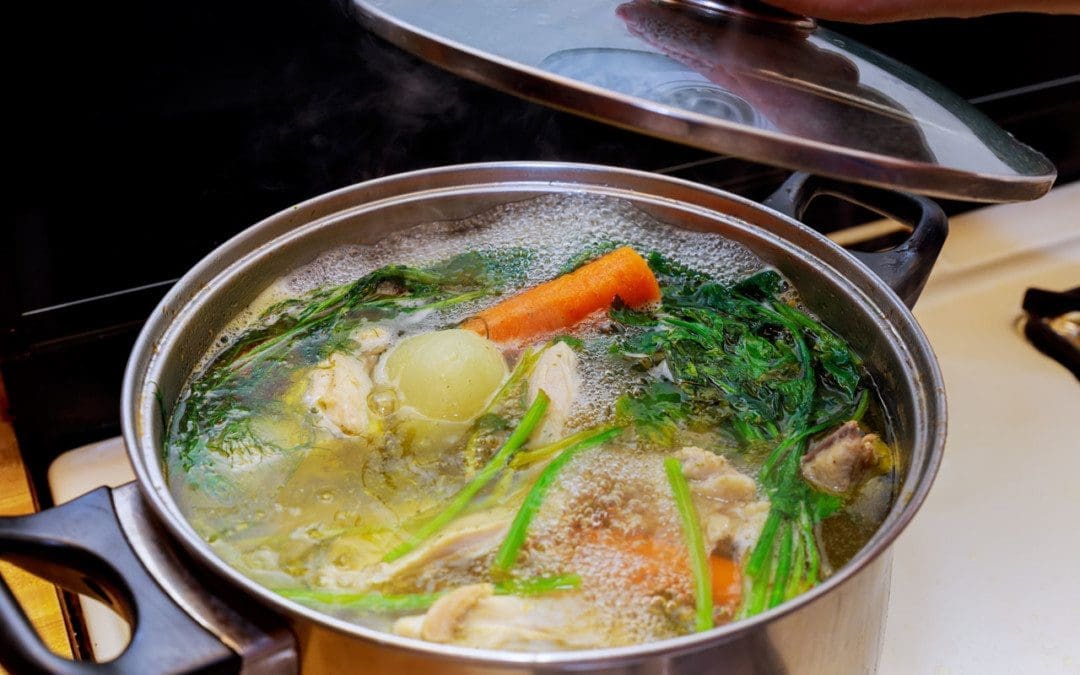
Bone broth dates back to prehistoric times when inedible animal parts like bones, hooves, and knuckles were turned into broth. It is important to understand that most store-bought stocks and broths are not made of bone or animals. Companies, instead, use lab-produced meat flavors. Homemade bone broth is made by simmering bones, water, and vinegar for 10 -12 hours, extracting the collagen from the bones into the liquid. This creates a rich form of stock. Bones are often roasted before making the broth.
Simple Recipe
Making bone broth is very simple, and there are many recipes online. A large pot, water, bones, and vinegar are all that is necessary to get started, here’s an easy recipe:
Ingredients
One gallon (4 liters) of water.
2 tbsp (30 mL) apple cider vinegar.
Adding vinegar is important because it extracts valuable nutrients out of the bones and into the water.
2–4 pounds (around 1–2 kg) of animal bones.
Salt and pepper, to taste.
Vegetables, herbs, or spices can be added to create and enhance flavor.
Garlic, onion, celery, carrot, parsley, and thyme can be added in step one.
Directions
Place all ingredients in a large pot or slow cooker.
Bring to a boil.
Reduce to a simmer and cook for 12–24 hours.
The longer it cooks, the better it tastes and provides more nutrition.
Let the broth cool.
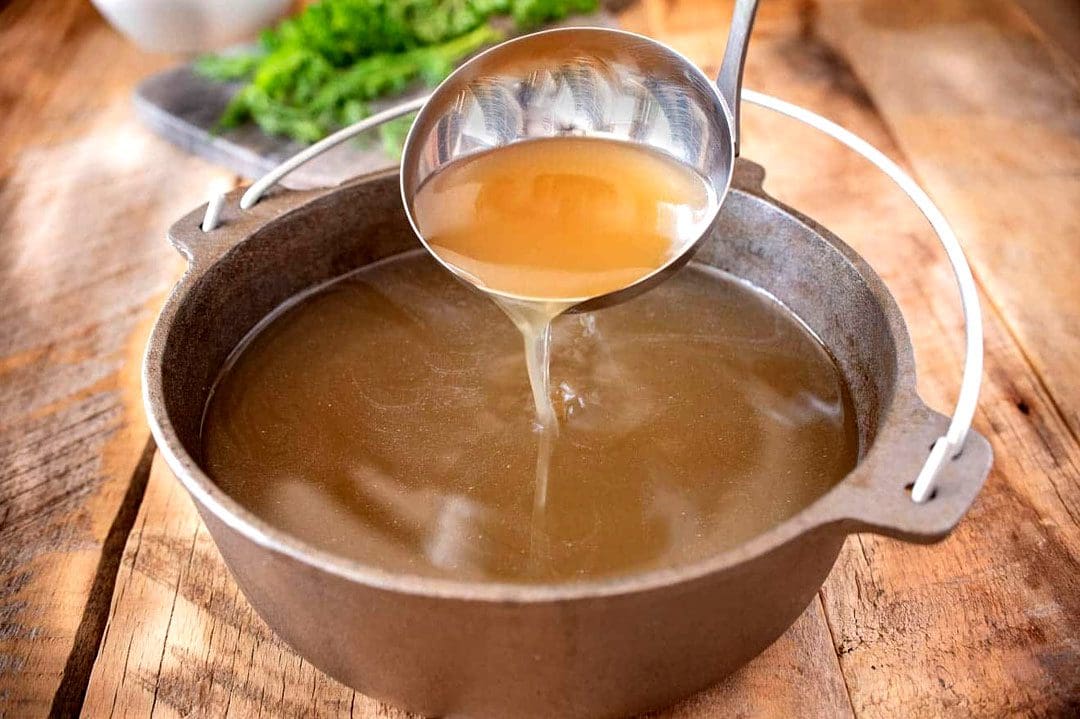
Strain into a large container and discard the bones.
Because of the long cooking, large amounts of collagen are extracted, making the bone broth gelatinous at room temperature.
Benefits
Digestion
Bone broth is a rich source of glutamine, an amino acid that improves digestion and gut health.
It can be particularly beneficial for people with digestive conditions such as leaky gut syndrome or inflammatory bowel disease.
Gelatin can also bind to water in the digestive tract, which helps foods move through the gut more easily.
Bone broth can benefit individuals with the following:
Leaky gut
Irritable bowel syndrome – IBS.
Inflammatory bowel disease/IBD like ulcerative colitis or Crohn’s disease.
Low Glycemic Index
Homemade vegetarian or meat-based broths are very low glycemic, with no added sugar, low in calories, and a great way to hydrate the body.
It can be a healthy snack between meals without an insulin spike that can lead to post-meal energy crashes.
Collagen Improves Hair, Skin, and Nail Health
Bone broth contains collagen. Collagen is a protein in structural and connective tissues that includes skin, bones, muscles, tendons, and ligaments.
The fibrous structure contributes to strength, shape, and elasticity and can fortify hair, skin, and nails.
Bone broth can be beneficial for pregnant women, as it can help preserve skin elasticity during pregnancy while the skin stretches and grows.
Anti-Inflammation
The amino acids glycine and arginine have anti-inflammatory effects.
Arginine may be especially beneficial for fighting chronic inflammation.
Protects Bones and Joints
Bone broth contains calcium for maintaining strong bones and preventing bone loss as the body ages.
Collagen also protects joints from age-related deterioration.
It can help individuals with bone and joint conditions like osteoarthritis.
Bones
Instead of throwing leftover bones from meals in the garbage, save them. They can be collected in a bag and stored in the freezer until ready to roast and cook. Individuals who don’t buy and eat whole chickens and bone-in meat can ask for them at the local butcher or farmers market. The meat department at most grocery stores will often have them. They’re inexpensive, and a butcher may even offer them for free. It is recommended to find pastured chicken or grass-fed beef bones as these are the healthiest and provide maximum health benefits.
Storage
Making broth in large batches is recommended, as it can only be stored safely in the refrigerator for up to 5 days.
To help the broth last longer, it can be frozen in small containers and heated up for individual servings as needed.
Functional Nutrition
References
Koutroubakis, I E et al. “Serum laminin and collagen IV in inflammatory bowel disease.” Journal of clinical pathology vol. 56,11 (2003): 817-20. doi:10.1136/jcp.56.11.817
Mar-Solís, Laura M et al. “Analysis of the Anti-Inflammatory Capacity of Bone Broth in a Murine Model of Ulcerative Colitis.” Medicina (Kaunas, Lithuania) vol. 57,11 1138. 20 Oct. 2021, doi:10.3390/medicina57111138
McCance, R A et al. “Bone, and vegetable broth.” Archives of disease in childhood vol. 9,52 (1934): 251-8. doi:10.1136/adc.9.52.251
Peterson, Orion J et al. “Neuroprotective Effect of Enriched Chicken Bone Broth as a Dietary Supplement in a Model of Migraine Mediated by Early Life Stress.” Journal of medicinal food vol. 23,12 (2020): 1259-1265. doi:10.1089/jmf.2019.0312
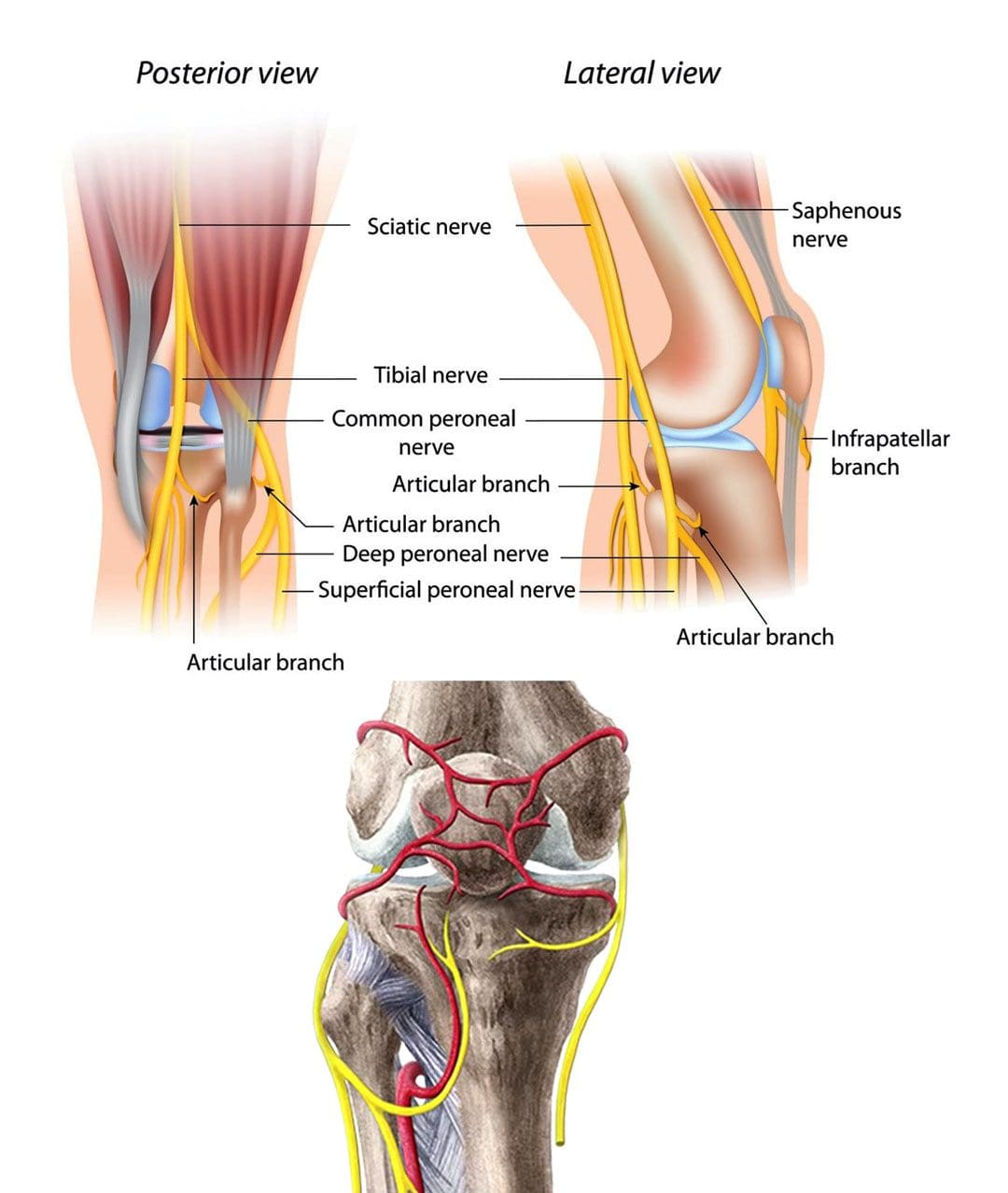
Individuals dealing with aching knees is one of the most common health problems and affects people of all ages. The knee is the largest joint in the body, comprised of muscles, tendons, ligaments, cartilage, and bones. The knees support walking, standing, running, and even sitting. Constant use makes them highly susceptible to injuries and conditions. The knees are also surrounded by a complex network of nerves that transmit messages to and from the brain. Damage to the nerves from an injury or disease can create various symptoms of discomfort in and around the knee joint.
Knee Neuropathy
Causes
Knee discomfort symptoms can be brought on by injury, degenerative disorders, arthritis, infection, and other causes, including:
Rheumatoid arthritis
This is a chronic inflammatory disorder that causes the knees to swell and causes damage to the cartilage.
Osteoarthritis
This type of arthritis causes the cartilage to steadily wear away, causing damage to the joints and various symptoms.
Cartilage Issues
Overuse, muscle weakness, injury, and misalignments can cause compensating postures and movements that can wear down and soften the cartilage, generating symptoms.
Several factors can increase the risk of developing knee neuropathy, including:
Previous knee injury
Undiagnosed and untreated knee injury
Unhealthy Weight
Gout
Compromised leg muscle strength and/or flexibility
Symptoms
Symptoms associated with a knee injury or disorder can vary, depending on the severity and damage. Symptoms can include:
Joint stiffness
Swelling in the joint.
Reduced movement/flexibility in the joint.
Increased instability/feeling of weakness in the knee.
Changes in skin color around the knee joint, like increased redness or pale discoloration.
Numbness, coldness, or tingling in and/or around the joint.
Pain symptoms could be a dull ache or throbbing felt throughout the knee.
Sharp, stabbing discomfort in a specific area.
If left untreated, knee neuropathy could permanently affect the ability to walk and lead to partial or total loss of knee function and mobility. Doctors recommend taking note of the following:
What activity/s generates symptoms?
Where are the symptoms located?
What the pain feels like?
Treatments available for knee pain
Chiropractic treatment offers various approaches to addressing the pain caused by nerve damage. Standard treatment includes chiropractic adjustments, therapeutic massage, non-surgical decompression, stretching, posture and movement training, and nutritional anti-inflammatory plans. Our medical team specializes in non-surgical treatments that decrease symptoms and increase strength, flexibility, mobility, and restore function.
Knee Injuries Adjustment
References
Edmonds, Michael, et al. “The current burden of diabetic foot disease.” Journal of clinical orthopedics and trauma vol. 17 88-93. 8 Feb. 2021, doi:10.1016/j.jcot.2021.01.017
Hawk, Cheryl, et al. “Best Practices for Chiropractic Management of Patients with Chronic Musculoskeletal Pain: A Clinical Practice Guideline.” Journal of alternative and complementary medicine (New York, N.Y.) vol. 26,10 (2020): 884-901. doi:10.1089/acm.2020.0181
Hunter, David J et al. “Effectiveness of a new model of primary care management on knee pain and function in patients with knee osteoarthritis: Protocol for THE PARTNER STUDY.” BMC musculoskeletal disorders vol. 19,1 132. 30 Apr. 2018, doi:10.1186/s12891-018-2048-0
Kidd, Vasco Deon, et al. “Genicular Nerve Radiofrequency Ablation for Painful Knee Arthritis: The Why and the How.” JBJS essential surgical techniques vol. 9,1 e10. 13 Mar. 2019, doi:10.2106/JBJS.ST.18.00016
Krishnan, Yamini, and Alan J Grodzinsky. “Cartilage diseases.” Matrix biology: journal of the International Society for Matrix Biology vol. 71-72 (2018): 51-69. doi:10.1016/j.matbio.2018.05.005
Speelziek, Scott J A, et al. “Clinical spectrum of neuropathy after primary total knee arthroplasty: A series of 54 cases.” Muscle & nerve vol. 59,6 (2019): 679-682. doi:10.1002/mus.26473
IFM's Find A Practitioner tool is the largest referral network in Functional Medicine, created to help patients locate Functional Medicine practitioners anywhere in the world. IFM Certified Practitioners are listed first in the search results, given their extensive education in Functional Medicine







 Bone Broth Benefits