If you are experiencing any of these situations, then you might have suffered from glutathione deficiency, why not trying some NAC supplements.
NAC and Its Benefits
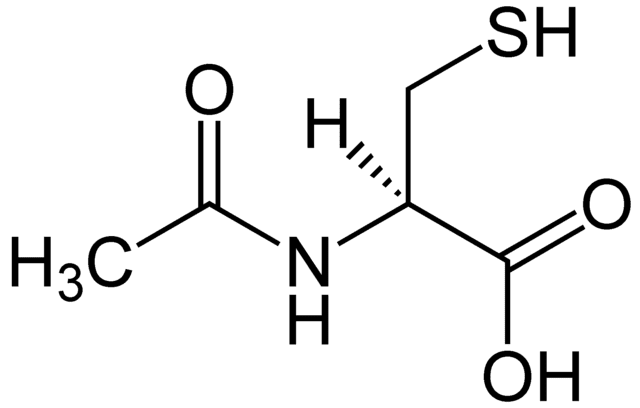
NAC or N-Acetyl Cysteine is an amazing semi-essential amino acid. This amino acid can be produced from the body through other amino acids like methionine and serine. It can only become an essential amino acid when dietary intake of methionine and serine are low in the body. When a person is trying to incorporate NAC in their diet, it can be found in high protein foods like meats, dairies, and legumes. Studies show that consuming NAC is essential for a variety of health reasons, especially replenishing the most potent antioxidant, glutathione in the body.
Since NAC is a nutritional supplement that is exceedingly powerful, it can help glutathione be elevated in biosynthesis. NAC is recognized for supporting average mucous production, respiratory function, and eye health positively. Research shows that NAC can protect cell and tissue health from chronic illnesses and providing support for a healthy mental status in the body. There is even more research on NAC supplements, especially when someone increases their intake on the supplement. When there is an increase in NAC, and when it is consumed in the body, the effects are astounding. The NAC supplements can help the body boost the levels of some of the neurotransmitters and improving mental health.
In a 2011 study, researchers found that NAC is emerging to be a useful agent to help treat psychiatric disorders. The results of using NAC supplements to treat psychiatric disorders has helped alleviate some of these symptoms:
Addiction
Compulsive and grooming disorders
Schizophrenia
Bipolar disorders
Alzheimer�s disease
Since NAC can exert beneficial effects on the body, this supplement is useful to provide antioxidant, neuropathy, and anti-inflammatory properties to make sure that the body is functioning. Studies show that NAC can improve the outcomes of reducing lipopolysaccharides inflammation and preventing oxidative stress from being overexposed.
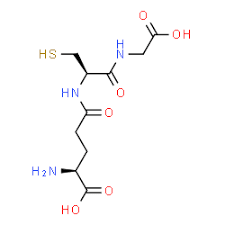
With NAC being a sulfur-containing derivative for the amino acid L-cysteine, this supplement provides supportive antioxidants and detoxification mechanisms for the body. Studies show that NAC can support the body�s antioxidant activity by neutralizing highly reactive hydroxyl radicals and serving as a source to sulfhydryl groups. They are thus enhancing the production or tripeptide glutathione in the body since it is a crucial component for antioxidant and detoxification enzymes.
Glutathione
Glutathione is a powerful antioxidant that has recently gained attention for its fantastic health benefits. This powerful antioxidant is found in every cell in the human body and can be absorbed in oral form. Research shows that even though the absorption of oral glutathione may be limited, the NAC supplementation can significantly increase the circulating levels of glutathione in the body. Studies stated that individuals who are infected with HIV, have glutathione deficiency in their system and have been associated with an impaired T-cell function and survival. So taking NAC orally can be used to replenish glutathione deficiency and is useful in the HIV infection.
Another study showed that taking NAC orally can help improve the responses of patients with chronic lung disease (CLD), chronic obstructive pulmonary disease (COPD), and cystic fibrosis (CF). The beneficial effects of taking NAC orally shows a decrease of inflammation in the lungs, improving the lung function, and reducing the neutrophil burden in cystic fibrosis airways.
Once this is done, though, NAC can help promote the production of glutathione and incorporate it into the crucial antioxidant enzymes and detoxification enzymes. With these enzyme activities being in play in the body, the glutathione is helping out by directly supporting their activities and the metabolism breakdown. Glutathione can also participate in fatty acid synthesis and can transport across the cell membrane.
Glutathione Factors
There are a variety of factors that can determine the requirements that glutathione can provide for the body. Glutathione can help control the toxin level exposure, increase the detoxification, and provide the overall needed support for antioxidants. Studies show that maintaining glutathione levels are essential to maintain the necessary health of the respiratory, hepatic, and the immune system from inflammation.
Research shows that since glutathione has multiple metabolic actions, they are essential for cellular homeostasis. Since it plays an important role, diseases like HIV, oxidative stress, chronic lung disease, and COPD can lower the body’s glutathione. The best way to make sure that individuals who have any chronic diseases, take NAC orally to prevent glutathione deficiency.
Glutathione can even help support antioxidant protection for lipids and proteins for the body as well as helping to maintain the standard response of inflammation due to injury. Studies show that elderly adults have altered their cellular redox levels and their dysregulated immune responses. Researchers also found out that the progression of chronic degenerative diseases of aging and that glutathione decreases with age naturally.
Conclusion
NAC is a semi-essential amino acid that has outstanding properties for the body. It helps replenishes the body�s glutathione and alleviate the symptoms caused by chronic illnesses. Taking NAC supplements is highly essential since it helps maintain adequate levels of glutathione to support overall health and well-being in the body. Some products help support glutathione levels as well as working well with NAC supplements by providing more excellent stability, bioavailability, and digestive comfort.
The scope of our information is limited to chiropractic, musculoskeletal, and nervous health issues or functional medicine articles, topics, and discussions. We use functional health protocols to treat injuries or disorders of the musculoskeletal system. Our office has made a reasonable attempt to provide supportive citations and has identified the relevant research study or studies supporting our posts. We also make copies of supporting research studies available to the board and or the public upon request. To further discuss the subject matter above, please feel free to ask Dr. Alex Jimenez or contact us at 915-850-0900.
References:
Atkuri, Kondala R, et al. �N-Acetylcysteine–a Safe Antidote for Cysteine/Glutathione Deficiency.� Current Opinion in Pharmacology, U.S. National Library of Medicine, Aug. 2007, www.ncbi.nlm.nih.gov/pmc/articles/PMC4540061/.
Dean, Olivia, et al. �N-Acetylcysteine in Psychiatry: Current Therapeutic Evidence and Potential Mechanisms of Action.� Journal of Psychiatry & Neuroscience : JPN, Canadian Medical Association, Mar. 2011, www.ncbi.nlm.nih.gov/pmc/articles/PMC3044191/.
Favier, A., et al. �Antioxidant Status and Lipid Peroxidation in Patients Infected with HIV.� Chemico-Biological Interactions, Elsevier, 23 Jan. 2003, www.sciencedirect.com/science/article/abs/pii/000927979490037X?via%3Dihub.
Grandjean, EM, et al. “Efficacy of Oral Long-Term N-Acetylcysteine in Chronic Bronchopulmonary Disease: a Meta-Analysis of Published Double-Blind, Placebo-Controlled Clinical Trials.” Clinical Therapeutics, Centre for Reviews and Dissemination (UK), Feb. 2000, www.ncbi.nlm.nih.gov/pubmed/10743980.
Hu, Heng-long, et al. �Antioxidants May Contribute in the Fight against Ageing: an in Vitro Model.� Mechanisms of Ageing and Development, Elsevier, 26 Jan. 2001, www.sciencedirect.com/science/article/abs/pii/S0047637400002128?via%3Dihub.
Keogh, Julian P., et al. �Cytotoxicity of Heavy Metals in the Human Small Intestinal Epithelial Cell Line I?407: The Role of Glutathione.� Taylor & Francis, 20 Oct. 2009, www.tandfonline.com/doi/abs/10.1080/15287399409531926.
Nakamura, Hajime, et al. �Redox Imbalance and Its Control in HIV Infection.� Mary Ann Liebert, Inc., Publishers, 5 July 2004, www.liebertpub.com/doi/10.1089/15230860260196245.
Nall, Rachel. �NAC: Use, Benefits, and Side Effects.� Medical News Today, MediLexicon International, 4 Dec. 2019, www.medicalnewstoday.com/articles/327219.php.
Ottenw�lder, H., and P. Simon. “Differential Effect of N-Acetylcysteine on Excretion of the Metals Hg, Cd, Pb, and Au.” SpringerLink, Springer-Verlag, July 1987, link.springer.com/article/10.1007/BF00295763.
Pace, Gary W., and Cynthia D. Leaf. �The Role of Oxidative Stress in HIV Disease.� Free Radical Biology and Medicine, Pergamon, 14 Jan. 2000, www.sciencedirect.com/science/article/abs/pii/0891584995000472?via%3Dihub.
Roberts, Robert L., et al. �N -Acetylcysteine Enhances Antibody-Dependent Cellular Cytotoxicity in Neutrophils and Mononuclear Cells from Healthy Adults and Human Immunodeficiency Virus-Infected Patients.� OUP Academic, Oxford University Press, 1 Dec. 1995, academic.oup.com/jid/article-abstract/172/6/1492/820544?redirectedFrom=fulltext.
Rosa, De, et al. �N?Acetylcysteine Replenishes Glutathione in HIV Infection.� Wiley Online Library, John Wiley & Sons, Ltd (10.1111), 24 Dec. 2001, onlinelibrary.wiley.com/doi/abs/10.1046/j.1365-2362.2000.00736.x.
White, Alexander C., et al. �Glutathione Deficiency in Human Disease.� The Journal of Nutritional Biochemistry, Elsevier, 17 Jan. 2003, www.sciencedirect.com/science/article/abs/pii/0955286394900396.
Witschi, A., et al. �The Systemic Availability of Oral Glutathione.� SpringerLink, Springer-Verlag, Dec. 1992, link.springer.com/article/10.1007%2FBF02284971.
Yal�in, Elvan, et al. �N-Acetylcysteine in Chronic Blepharitis.� Cornea, 1 Mar. 2002, insights.ovid.com/crossref?an=00003226-200203000-00007.
Stomach pain, burning, or aching 1-4 hours after eating?
If you are experiencing any of these situations, then you might be experiencing low glycine levels in your body.
Glycine
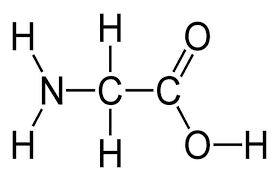
Glycine is a vital amino acid that is beneficial to the body. It helps support the gastrointestinal system, the neurological system, the musculoskeletal system, and the body�s metabolism from harmful factors that can cause the human body to malfunction. Glycine is even a neurotransmitter and can help increase glutathione in the brain by providing anti-inflammatory effects. Glycine provides a sweet taste when it is consumed in the body. Even though glycine has a crucial role in the human body, the amino acid has received little to no attention until recently.
The fantastic thing about glycine is that it is a “non-essential” amino acid. What this means is that the body can make glycine by itself and distribute it to the necessary systems that need glycine. This is different from the “essential” amino acids since some nutrients and vitamins must come from the food diet themselves. When there is a mild deficiency of glycine, it is not harmful to the body; however, when there is a severe shortage of glycine, it can lead to immune response failure, slow body growth, and abnormal nutrient metabolism.
Glycine for The Brain
Since glycine is a neurotransmitter for the brain, it composes both excitatory and inhibitory capacities. For the excitatory capacity function, glycine serves as the antagonist for NMDA receptors for the brain. For inhibitory capacities, glycine helps increase the neurotransmitter serotonin. Studies show that serotonin is the ancestor of melatonin. When the levels are increased due to glycine supplements, the beneficial factors it causes can help reduce insomnia and provide better sleep quality.
Glycine on Sleep
Despite being a massive impact on serotonin, glycine has been known to be used as a therapeutic option for individuals to improve their sleep quality as a novel and safe approach.� Studies show that glycine can increase the blood flow to extremities by reducing the body�s core temperature, which is an important signal to initiate sleep. When this happens, glycine can increase a person�s time when they are in REM sleep, providing the person to have a good night’s sleep. Further research shows that glycine can inhibit the stimulatory orexin neurons that are responsible for arousal and energy homeostasis, which is critical and can induce non-REM sleep or even night waking.
Glycine�s Cognitive Effects
There are many beneficial cognitive effects that glycine has to offer. Research shows that the beneficial effect of glycine can help improve episodic memory in young and middle-aged adults. This can be beneficial for patients who have schizophrenia, Parkinson’s disease, and Huntington’s disease. Additional research also shows that patients who have Alzheimer’s disease use glycine as energy production for their brains.
Glycine Osteoprotective Effects
There is even more information on glycine supplementation, providing estrogen-like osteoprotective effects for menopausal women. The research shows that glycine helps decreased weight gain and providing an increase in vaginal weight gain caused by ovariectomy. Many healthcare providers recommend their female patients that have menopause to use glycine in their diet.
More Glycine Effects
Since glycine is a non-essential amino acid and a neurotransmitter for the central nervous system, this supplement can help supple muscle, bone, and connective tissue with collagen. Glycine has a small R group, which forms a triple helix structure that makes up of tropocollagen. In the body, 33% of all collagen is composed of glycine. Collagen levels in the body can decrease naturally due to anyone getting old. When this happens, inflammatory symptoms like arthritis occur. Researchers hypothesize that supplemental doses of glycine can strengthen joints and prevent reactive arthritis by blunting cytokine release by increasing chloride influx in the body.
Glycine is one of the three amino acids that can help aid the production of glutathione for the human body. Since this amino acid is a scavenger antioxidant, it will oppose proinflammatory signals from hydrogen peroxide. Studies show that glycine supplementation plays a vital role in balancing the redox reactions caused by metabolic syndrome in the human body and protecting patients from oxidative damage. There is even more research as a study stated that glycine has a vital role in the metabolism and nutrition of mammals and humans. Since glycine protects from inflammation and has fantastic health benefits for the body, when there are decreased levels of glycine in the body, it can be linked to metabolism-related disorders like type 2 diabetes and fatty liver disease.
Glycine provides cytoprotective effects on the liver and gastrointestinal tract by conjugating bile acids. This is crucial because glycine plays a role in helping lipids to be digested and lipid-soluble vitamins to be absorbed in the body. In alcohol-induced hyperlipidemia, studies have shown that glycine can reduce alcohol levels in the bloodstream while also retaining the membrane integrity by reducing lipid levels. Glycine can even protect the stomach and intestines from damages caused by gastrointestinal disorders. Since glycine can maintain enterocyte integrity and prevent apoptosis, its anti-inflammatory effects can fight oxidative stress. They can provide the requirements to the intestines and the gut in the body.
Conclusion
Glycine is a vital amino acid that provides anti-inflammatory properties for not only the body’s metabolism but also helps the gastrointestinal system. With more and upcoming research about glycine, it is essential for this amino acid to continue to provide outstanding effects to the human body and to make sure that it functions properly. When harmful factors start entering the body, or there is a glycine deficiency, it can cause the body to malfunction. So incorporating glycine-rich foods in the daily diet can help alleviate the symptoms gradually. Some products are beneficial for the body since they help support the immune system and make sure the body is functioning.
The scope of our information is limited to chiropractic, musculoskeletal, and nervous health issues or functional medicine articles, topics, and discussions. We use functional health protocols to treat injuries or disorders of the musculoskeletal system. Our office has made a reasonable attempt to provide supportive citations and has identified the relevant research study or studies supporting our posts. We also make copies of supporting research studies available to the board and or the public upon request. To further discuss the subject matter above, please feel free to ask Dr. Alex Jimenez or contact us at 915-850-0900.
References:
Bannai, Makoto, et al. �Oral Administration of Glycine Increases Extracellular Serotonin but Not Dopamine in the Prefrontal Cortex of Rats.� Wiley Online Library, John Wiley & Sons, Ltd (10.1111), 17 Mar. 2011, onlinelibrary.wiley.com/doi/full/10.1111/j.1440-1819.2010.02181.x.
D�az-Flores, Margarita, et al. �Oral Supplementation with Glycine Reduces Oxidative Stress in Patients with Metabolic Syndrome, Improving Their Systolic Blood Pressure.� Canadian Journal of Physiology and Pharmacology, U.S. National Library of Medicine, Oct. 2013, www.ncbi.nlm.nih.gov/pubmed/24144057.
File, S E, et al. �Beneficial Effects of Glycine (Bioglycin) on Memory and Attention in Young and Middle-Aged Adults.� Journal of Clinical Psychopharmacology, U.S. National Library of Medicine, Dec. 1999, www.ncbi.nlm.nih.gov/pubmed/10587285.
Griffin, Jeddidiah WD, and Patrick C Bradshaw. “Amino Acid Catabolism in Alzheimer’s Disease Brain: Friend or Foe?” Oxidative Medicine and Cellular Longevity, Hindawi Publishing Corporation, 2017, www.ncbi.nlm.nih.gov/pmc/articles/PMC5316456/.
Kawai, Nobuhiro, et al. �The Sleep-Promoting and Hypothermic Effects of Glycine Are Mediated by NMDA Receptors in the Suprachiasmatic Nucleus.� Neuropsychopharmacology: Official Publication of the American College of Neuropsychopharmacology, Nature Publishing Group, May 2015, www.ncbi.nlm.nih.gov/pmc/articles/PMC4397399/.
Kim, Min-Ho, et al. “Estrogen-like Osteoprotective Effects of Glycine in Vitro and in Vivo Models of Menopause.” Amino Acids, U.S. National Library of Medicine, Mar. 2016, www.ncbi.nlm.nih.gov/pubmed/26563333.
Li, X et al. “Dietary Glycine Prevents Peptidoglycan Polysaccharide-Induced Reactive Arthritis in the Rat: Role for Glycine-Gated Chloride Channel.” Infection and Immunity, American Society for Microbiology, Sept. 2001, www.ncbi.nlm.nih.gov/pmc/articles/PMC98707/.
McCarty, Mark F, et al. �Dietary Glycine Is Rate-Limiting for Glutathione Synthesis and May Have Broad Potential for Health Protection.� The Ochsner Journal, The Academic Division of Ochsner Clinic Foundation, 2018, www.ncbi.nlm.nih.gov/pmc/articles/PMC5855430/.
Razak, Meerza Abdul, et al. �Multifarious Beneficial Effect of Nonessential Amino Acid, Glycine: A Review.� Oxidative Medicine and Cellular Longevity, Hindawi, 2017, www.ncbi.nlm.nih.gov/pmc/articles/PMC5350494/.
Ross, Krista Anderson. �Glycine: Another Tool for the Hormone and Sleep Balancing Kit.� Doctor’s Data Specialty Testing Clinical Laboratory, 3 Dec. 2019, www.doctorsdata.com/resources/uploads/newsletters/Glycine’s-Role-in-Sleep-and-Hormone-Balancing.html.
Among the numerous risk factors which can lead to cardiovascular disease and hypertension, dietary and nutritional imbalances are among some of the most prevalent causes behind heart health issues, according to various research studies. While vitamin and mineral deficiencies have been commonly linked to the development of CVD and hypertension, other related compound deficiencies may be just as important towards heart health.
What’s the significance between amino acids and cardiovascular disease?
Many research studies have found a fundamental correlation between the proper intake of amino acids and cardiovascular disease, as well as the increased risk of hypertension. As previously discussed, protein plays a crucial role in almost all biological processes and amino acids are the building blocks of it.�A large proportion of our cells are made up of amino acids, meaning they carry out many important bodily functions, such as giving cells their structure as well as transporting and storing nutrients. Amino acids have an influence on the function of organs, glands, tendons and arteries.
Amino Acids for Cardiovascular Disease
Researchers believe that almost every disease is the result of imbalances to our metabolism and amino acids are mainly responsible for achieving a balanced metabolism.�The objective is that there is a complete amino acid content, maintained in the correct combination. If the one or more amino acids are not available in sufficient quantities, the production of protein is weakened and the metabolism may only function in a limited way. The following are several of the amino acids necessary to sustain overall health and wellness, improving the risk of cardiovascular disease and hypertension.
L-Arginine
L-arginine and endogenous methylarginines are the precursors for the production of NO, or nitric oxide, which has beneficial cardiovascular effects, mediated through conversion of L-arginine to nitric oxide, or NO from eNOS. Patients with hypertension, hyperlipidemia, diabetes mellitus and atherosclerosis have increased levels of HSCRP and inflammation, greater microalbumin, low levels of apelin (stimulates NO in the endothelium), elevated amounts of arginase (breaks down arginine) and increased serum levels of ADMA, which inactivates NO.
Under normal physiological conditions, intracellular arginine levels significantly exceed the Km of eNOS that is less than 5 ?mol. But, endogenous NO formation is dependent on extracellular arginine concentration. The intracellular concentrations of L-arginine are 0.1-3.8 mmol/L in endothelial cells while the plasma concentration of arginine is 80-120 ?mol/L that is about 20-25 times greater than the MMC. Despite this, mobile NO formation depends on exogenous L-arginine and this really is actually the paradox. Arginine can be a more powerful antioxidant and blocks the formation of endothelin, reduces renal sodium reabsorption and modulates BP. The NO production in endothelial cells is closely coupled to arginine uptake indicating that transport mechanics play a significant part in the regulation of function. Arginine can raise vascular and NO bioavailability and influence perfusion, function and BP. Molecular eNOS might occur in the absence of tetrahydrobiopterin which stabilizes eNOS, which leads to production of ROS.
Individual studies in hypertensive and normotensive subjects of L-arginine of parenteral and oral administrations demonstrate an antihypertensive effect as well as progress in coronary artery blood flow and peripheral blood circulation in PAD. The BP decreased by 6.2/6.8 mmHg on 10 g/d of L-arginine when provided as a nutritional supplement or even organic foods to a group of hypertensive subjects. Arginine produces a significant decrease in BP and improved impact in normotensive and hypertensive individuals that is comparable in magnitude to that plan. Arginine awarded in g/d also significantly reduced BP in women with gestational hypertension without proteinuria, decreased the demand for anti-hypertensive therapy, decreased maternal and neonatal complications and protracted the maternity. The combination of arginine (1200 mg/d) and N-acetyl cysteine (NAC) (600 mg bid) administered over 6 mo to hypertensive patients with type 2 diabetes, lowered SBP and DBP (p < 0.05), greater HDL-C, diminished LDL-C and oxLDL, decreased HSCRP, ICAM, VCAM, PAI-I, fibrinogen and IMT. An analysis of 54 hypertensive subjects given grams three times every day for four weeks had significant reductions in 24 h ABM. A meta-analysis of 11 trials with 383 subjects administered arginine 4-24 g/d discovered average reduction in BP of 5.39/2.66 mmHg (p < 0.001) in 4 wk. Although these doses of L-arginine seem to be secure, no long term studies in humans have been released at this time and there are worries of a pro-oxidative influence or even an increase in mortality in individuals who might have severely dysfunctional endothelium, advanced atherosclerosis, CHD, ACS or MI. In addition to the path, there is an pathway that is connected to nitrates out of berries, beetroot juice along with the DASH diet which are converted into nitrites by salivary symbiotic, GI and oral bacteria. Administration of extract or beetroot juice at 500 mg/d improve endothelial function and lower BP, increases nitrites, increase peripheral, coronary and cerebral blood flow.
L-Carnitine and Acetyl-L-Carnitine
L-carnitine is a nitrogenous muscle. Animal studies suggest that carnitine has both hereditary anti-hypertensive effects and anti-oxidant consequences in the heart by up-regulation of both eNOS and PPAR gamma, inhibition of RAAS, modulation of NF-?B and down regulation of NOX2, NOX4, TGF-? and CTGF that reduces vascular fibrosis. While BP and cognitive stress are reduced, endothelial NO function and oxidative defense are improved.
Studies on the effects of L-carnitine and acetyl-L-carnitine are limited. In patients with MS, acetyl-L-carnitine, improved dysglycemia and decreased SBP from 7-9 mmHg, but diastolic BP was significantly decreased only in people with sugar. Low amounts are correlated with a nondipping BP routine in Type 2 DM. Carnitine might be beneficial in the treatment of essential hypertension, type II DM with hyperlipidemia, hypertension, cardiac arrhythmias, CHF and cardiac ischemic syndromes and has anti-inflammatory and antioxidant results. Doses of 2-3 grams per day are recommended.
Taurine
Taurine is a sulfonic acid that is regarded as a conditionally-essential amino acid, which is not used in protein synthesis, but is located free or in easy peptides with its concentration in the brain, retina and myocardium. In cardiomyocytes, it has a role of inotropic factor, an osmoregulator and agent and reflects approximately 50 percent of the amino acids.
Human studies have noted that essential hypertensive subjects have reduced urinary taurine as well as other sulfur amino acids. Taurine lowers BP, SVR and HR, reduces arrhythmias, CHF symptoms and SNS activity, raises urinary sodium and water excretion, raises atrial natriuretic factor, improves insulin resistance, raises NO and improves endothelial function. Taurine also decreases A-II, PRA, aldosterone, SNS activity, plasma norepinephrine, plasma and urinary epinephrine, lowers homocysteine, enhances insulin sensitivity, kinins and acetyl choline responsiveness, reduces intracellular sodium and calcium, reduces reaction to beta receptors and has antioxidant, anti-atherosclerotic and anti-inflammatory activities, reduces IMT and arterial stiffness and may shield from risk of CHD. There is A urinary taurine associated with greater risk of CVD and hypertension. A study of 31 males with hypertension showed a 26 percent increase in taurine levels and also a 287 percent growth in cysteine levels. The BP reduction of 14.8/6.6 mmHg was proportional to increases in serum taurine and discounts in plasma norepinephrine. Fujita et al revealed a reduction in BP of 9/4.1 mmHg (p< 0.05) in 19 hypertension issues given 6 grams of taurine for 2 days. Taurine has numerous beneficial effects on the cardiovascular system and BP. Taurine’s dose is 2 to 3 g/d at but doses around 6 g/d could be required to reduce BP.
In conclusion, amino acids, as well as proteins in this case, are ultimately essential towards improving cardiovascular disease and hypertension. As the essential building block of a majority of the human body’s biological processes, amino acids, as well as the proper consumption of protein, can help maintain a balanced metabolism in order to continue improving cardiovascular disease and hypertension. The scope of our information is limited to chiropractic and spinal injuries and conditions. To discuss the subject matter, please feel free to ask Dr. Jimenez or contact us at 915-850-0900 .
By Dr. Alex Jimenez
Additional Topics: Wellness
Overall health and wellness are essential towards maintaining the proper mental and physical balance in the body. From eating a balanced nutrition as well as exercising and participating in physical activities, to sleeping a healthy amount of time on a regular basis, following the best health and wellness tips can ultimately help maintain overall well-being. Eating plenty of fruits and vegetables can go a long way towards helping people become healthy.
IFM's Find A Practitioner tool is the largest referral network in Functional Medicine, created to help patients locate Functional Medicine practitioners anywhere in the world. IFM Certified Practitioners are listed first in the search results, given their extensive education in Functional Medicine