When you don’t have breadcrumbs or want to try something else, what are healthy substitutes for breadcrumbs that may yield similar results without sacrificing flavor or texture?
Bread Crumbs
Various recipes call for bread crumbs. Adding bread crumbs to sauces and other dishes helps bind and thicken wet ingredients while sprinkling bread crumbs on top of casseroles can add a crispy, crunchy texture. Individuals who follow low-carb or gluten-free meal plans or those with allergies to wheat may choose to avoid bread crumbs and dishes made with them. Wheat-free substitutes can replace bread crumbs in recipes with similar results, though the recipe may vary slightly.
Why Use Substitutes?
Individuals with food allergies or dietary restrictions may seek a substitute for bread crumbs since they may contain common allergens like wheat and gluten. Wheat is among the most common food allergies in the U.S. (Asthma and Allergy Foundation of America, 2022)
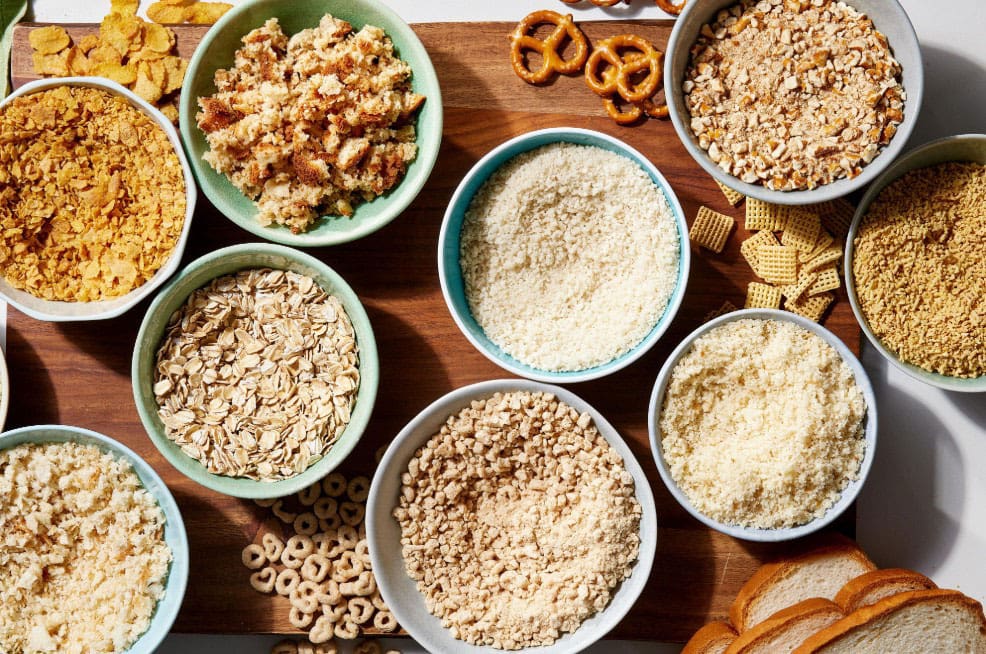
For those with allergies or sensitivities, gluten- and wheat-free bread crumbs are available to purchase at some stores, and some use alternatives out of preference. Crushing different varieties of chips, crackers, and pretzels can be used instead of bread crumbs, adding a unique flavor and texture. However, these substitutes may not be an option for recipes that call for bread crumbs to bind or thicken wet ingredients.
Bread products like bread crumbs can be part of a balanced diet. Guidelines recommend between 3 and 5 servings of whole grains daily for adults, including whole-wheat bread. (United States Department of Agriculture, 2025)
The main macronutrient in bread crumbs is carbohydrates.
Bread crumbs are usually consumed in small amounts because they are not the main ingredient.
Substitutes
Rolled Oats or Oat Flour
Oats and oat flour are often used as gluten-free alternatives to wheat in baking. Oats by weight are:
Lower in calories
Provide more complex carbohydrates.
They are a richer source of dietary fiber than bread crumbs.
Like regular flour, oats can be a binder in meat-based recipes. For example, if a recipe for meatloaf or meatballs calls for bread crumbs, rolled oats or oat flour can be successfully substituted.
Ensure the oats are gluten-free for individuals with gluten allergies, celiac, or gluten sensitivity. Though oats are inherently gluten-free, they may be processed on shared equipment and exposed to cross-contamination.
Cornflakes
Cornflakes can also add a crunchy texture to baked recipes. While corn is inherently gluten-free, cornflakes may not be. For individuals who have allergies or sensitivities, ensure you use gluten-free cornflakes. To use cornflakes, crunch them up by adding them to a ziplock bag and pressing them on the outside.
Nuts
Try nuts like almonds, walnuts, pecans, and cashews to add crunch and nutrients to a recipe. They are rich in healthy fats, protein, vitamins, and minerals. Plain nuts are also gluten-free, but roasted nuts may contain a wheat-based coating. Be sure to read the labels before using them.
Seeds
Seeds are a nutritious substitute.
They offer a different crispy, crunchy texture.
Shredded Coconut
Shredded or desiccated coconut can be used for sweet or rich recipes. It is perfect for adding to baked goods, especially gluten-free varieties. The recipe may need to be adjusted slightly because coconut has more moisture than regular bread crumbs. Do a small sample first to see how the coconut works in the recipe.
Injury Medical Chiropractic & Functional Medicine Clinic
Injury Medical Chiropractic and Functional Medicine Clinic works with primary healthcare providers and specialists to develop highly effective treatment plans through an integrated approach for each patient and restore health and function to the body through nutrition and wellness, functional medicine, acupuncture, electroacupuncture, and integrated medicine protocols. We focus on what works for you to relieve pain, restore function, prevent injury, and mitigate issues through adjustments that help the body realign itself. The clinic can also work with other medical professionals to integrate a treatment plan to resolve musculoskeletal problems.
Hypertension? There’s a Diet for That
References
Asthma and Allergy Foundation of America. (2022). Food allergies. https://aafa.org/allergies/types-of-allergies/food-allergies/
United States Department of Agriculture, FoodData Central. (2018). Bread crumbs, dry, grated, plain. Retrieved from https://fdc.nal.usda.gov/food-details/174928/nutrients
United States Department of Agriculture. Dietary Guidelines for Americans 2020-2025. (2020). Dietary Guidelines for Americans, 2020-2025. Retrieved from https://www.dietaryguidelines.gov/sites/default/files/2021-03/Dietary_Guidelines_for_Americans-2020-2025.pdf
For individuals with diabetes or who are watching their sugar intake, is sugar-free candy a healthy choice?
Sugar-Free Candy
Sugar-free candies can be an option for individuals with diabetes and those watching their sugar intake. Different types of sweeteners are used in sugar-free candies, with pros and cons and possible side effects.
Ingredients
Sugar-free candies use artificial sweeteners or sugar substitutes to generate a sweet taste. Most of these sweeteners have fewer calories and carbohydrates than sugar, but not all are calorie or carb-free. Some sugar substitutes on labels include:
Aspartame
Saccharin
Sucralose
Aspartame, saccharin, stevia, and sucralose are calorie-free and carb-free.
Stevia is a non-alcoholic, non-artificial sugar substitute made from plant leaves.
Sugar alcohols – erythritol, xylitol, maltitol, lactitol, and sorbitol contain some carbohydrates.
Pros
Pros over candies sweetened with sugar.
Satisfies Cravings
Sugar-free candies can satisfy sweet cravings with less impact on blood sugar than their full-sugar counterparts.
For some individuals, especially with irritable bowel syndrome/IBS, sugar alcohols can cause unpleasant gastrointestinal side effects like bloating and diarrhea. (Mäkinen K. K. 2016)
It is recommended to avoid large amounts, especially for individuals with a sensitive stomach. (Evert, A. B. et al., 2019)
Taste
There may be an irregular or unfamiliar taste that can require getting used to.
Try other types and brands.
Carbohydrates
Always read the label.
The sweetener may contain some or none.
Other ingredients may have added carbohydrates.
For example, sugar-free chocolates may be high in saturated fat from ingredients like cocoa butter.
Appetite stimulants
Zero-calorie sweeteners may stimulate appetite, leading to eating more, which can be counterproductive to dietary goals. (Azad, M. B. et al., 2017)
Options
Choosing which types are best depends on personal taste and health goals.
Because of fatty ingredients, sugar-free chocolates may not be recommended if heart problems exist or fat intake must be limited.
Hard candies may be a better option.
Sugar alcohols can have an impact on blood sugar levels, which may make the candies less than ideal for those with diabetes. Digestive side effects can make them less appealing as well.
Some artificial sweeteners may cause discomfort. Learning the body’s response will help when choosing.
When it comes to taste, note what the preferred candy is sweetened with, as well as other ingredients, to guide future purchases.
Choose a snack that blends something sweet with other healthy ingredients, like fiber or protein, whole grains, nuts, or dried fruit. For example, strawberries with dark chocolate or apple slices with peanut butter.
Dr. Jimenez Functional Medicine Team. Healthy eating does not have to be hard. Using an integrated approach, we aim to restore health and function to the body through Nutrition and Wellness, Functional Medicine, Acupuncture, Electro-Acupuncture, and Sports Medicine protocols. If the patient needs other treatment, they will be referred to a clinic or physician best suited for them, as Dr. Jimenez has teamed up with the top surgeons, clinical specialists, medical researchers, nutritionists, and health coaches to provide the most effective clinical treatments. We focus on what works for you and strive to better the body through researched methods and total wellness programs.
How Chiropractic Can Help Diabetic Back Pain
References
U.S. Department of Agriculture and U.S. Department of Health and Human Services. (2020). Dietary Guidelines for Americans, 2020-2025. 9th Edition. Available at DietaryGuidelines.gov. Retrieved from https://www.dietaryguidelines.gov/sites/default/files/2020-12/Dietary_Guidelines_for_Americans_2020-2025.pdf
American Heart Association. (2020). Federal dietary guidelines emphasize healthy eating but fall short on added sugars. https://newsroom.heart.org/news/federal-dietary-guidelines-emphasize-healthy-eating-habits-but-fall-short-on-added-sugars
University of California, San Francisco, Diabetes Teaching Center: Diabetes Education Online. (2024). Counting sugar alcohols. https://dtc.ucsf.edu/living-with-diabetes/diet-and-nutrition/understanding-carbohydrates/counting-carbohydrates/learning-to-read-labels/counting-sugar-alcohols/
Mäkinen K. K. (2016). Gastrointestinal Disturbances Associated with the Consumption of Sugar Alcohols with Special Consideration of Xylitol: Scientific Review and Instructions for Dentists and Other Health-Care Professionals. International journal of dentistry, 2016, 5967907. https://doi.org/10.1155/2016/5967907
Evert, A. B., Dennison, M., Gardner, C. D., Garvey, W. T., Lau, K. H. K., MacLeod, J., Mitri, J., Pereira, R. F., Rawlings, K., Robinson, S., Saslow, L., Uelmen, S., Urbanski, P. B., & Yancy, W. S., Jr (2019). Nutrition Therapy for Adults With Diabetes or Prediabetes: A Consensus Report. Diabetes care, 42(5), 731–754. https://doi.org/10.2337/dci19-0014
Azad, M. B., Abou-Setta, A. M., Chauhan, B. F., Rabbani, R., Lys, J., Copstein, L., Mann, A., Jeyaraman, M. M., Reid, A. E., Fiander, M., MacKay, D. S., McGavock, J., Wicklow, B., & Zarychanski, R. (2017). Nonnutritive sweeteners and cardiometabolic health: a systematic review and meta-analysis of randomized controlled trials and prospective cohort studies. CMAJ : Canadian Medical Association journal = journal de l’Association medicale canadienne, 189(28), E929–E939. https://doi.org/10.1503/cmaj.161390
For individuals with peanut allergies, can finding a peanut alternative be as satisfying as a real creamy or crunchy peanut butter sandwich?
Peanut Butter Sandwich Alternatives
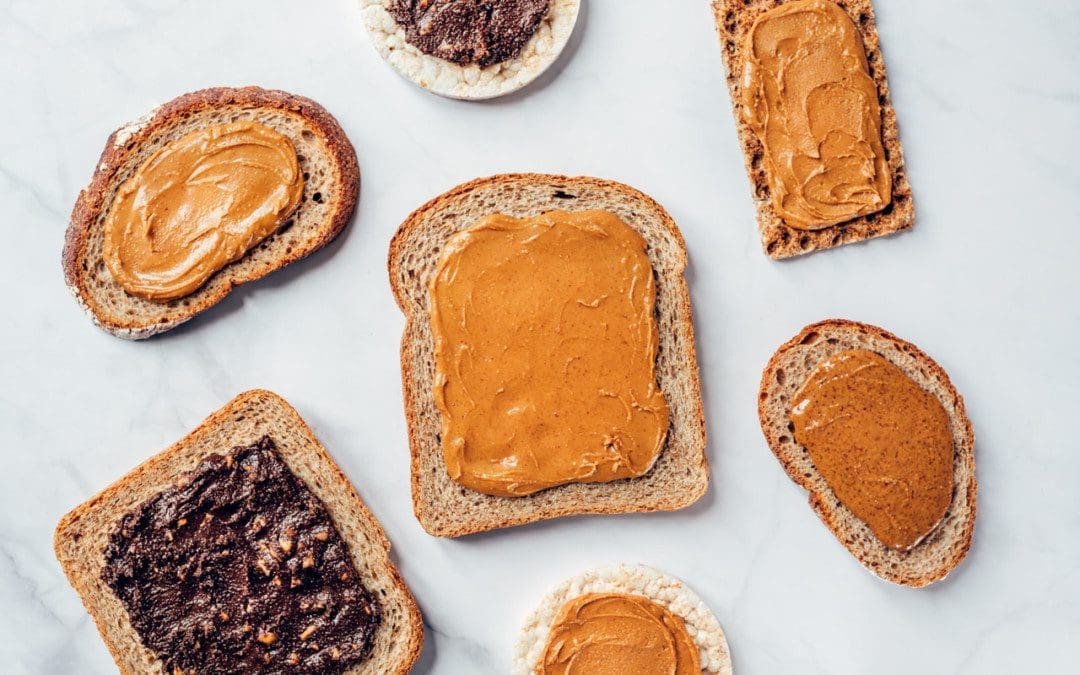
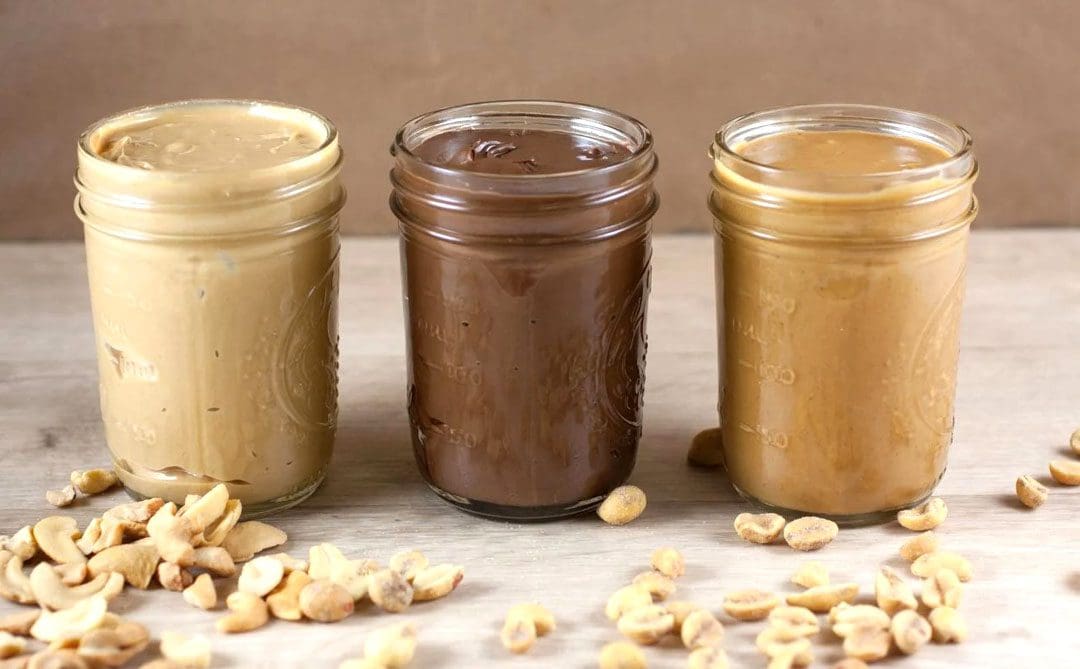
For individuals who are unable to have a peanut butter sandwich due to an allergy, there are healthy satisfying alternatives. Tree nut butter, seed butter, and deli meats can all satisfy sandwich cravings and provide nutrition. Here are a few healthy, nutritious alternatives to try out:
Sunflower Seed Butter and Jam, Jelly, or Preserves
It can be substituted for a PBJ with jam, jelly, and preserves.
Ham and Cheese, Grainy Mustard on Rye Bread
Getting ham and cheese from the deli can potentially have cross-contamination with allergens during slicing and packaging.
Prepackaged and sliced ham and cheese is a safer bet in terms of allergens.
It is recommended to read the ingredient label for potential allergens, as processing in facilities can have cross-contamination issues. (William J. Sheehan, et al., 2018)
Turkey, Tomato, Lettuce, and Hummus on Whole Grain Bread
The same is true for turkey and is recommended to buy prepackaged and sliced.
Check the ingredients for possible allergens.
Hummus is made from chickpeas/garbanzo beans and tahini/ground sesame seeds.
Hummus comes in a variety of flavors that can be used as a dip or spread.
Although chick peas’ are a member of the legume family, hummus can be tolerated with peanut allergies. (Mathias Cousin, et al., 2017)
Check with a healthcare provider if unsure.
Pita Pocket with Salad and Hummus
Pita pockets are great with hummus stuffed with vegetables.
This is a delicious crunchy pocket sandwich loaded with protein, fiber vitamins, and minerals.
Cashew butter on a hot English muffin with raisins on top for a boost of iron is reminiscent of a cinnamon roll.
Pumpkin Seed Butter and Honey Sandwich
Pumpkin butter is made from the orange flesh of the pumpkin.
Pumpkin seed butter is made by roasting pumpkin seeds and grinding them to a butter consistency.
The seed butter can be spread on bread and drizzled with some honey on top for a nutritious and delicious snack.
There are tasty healthy peanut butter alternatives that can be mixed, matched, and reinvented into various satisfying sandwiches. Individuals are recommended to consult their healthcare provider or a dietician or nutritionist to find what works for them.
Smart Choices, Better Health
References
Lavine, E., & Ben-Shoshan, M. (2015). Allergy to sunflower seed and sunflower butter as a proposed vehicle for sensitization. Allergy, asthma, and clinical immunology: Official Journal of the Canadian Society of Allergy and Clinical Immunology, 11(1), 2. https://doi.org/10.1186/s13223-014-0065-6
U.S. Department of Agriculture: FoodData Central. Seeds, sunflower seed butter, with salt added (Includes foods for USDA’s Food Distribution Program).
Sheehan, W. J., Taylor, S. L., Phipatanakul, W., & Brough, H. A. (2018). Environmental Food Exposure: What Is the Risk of Clinical Reactivity From Cross-Contact and What Is the Risk of Sensitization. The journal of allergy and clinical immunology. In practice, 6(6), 1825–1832. https://doi.org/10.1016/j.jaip.2018.08.001
Gorrepati, K., Balasubramanian, S., & Chandra, P. (2015). Plant-based butters. Journal of food science and technology, 52(7), 3965–3976. https://doi.org/10.1007/s13197-014-1572-7
Cousin, M., Verdun, S., Seynave, M., Vilain, A. C., Lansiaux, A., Decoster, A., & Sauvage, C. (2017). Phenotypical characterization of peanut-allergic children with differences in cross-allergy to tree nuts and other legumes. Pediatric allergy and immunology: Official publication of the European Society of Pediatric Allergy and Immunology, 28(3), 245–250. https://doi.org/10.1111/pai.12698
Almond Board of California. Nutrient comparison chart for tree nuts.
American Academy of Allergy, Asthma and Immunology. Everything you need to know about a tree nut allergy.
IFM's Find A Practitioner tool is the largest referral network in Functional Medicine, created to help patients locate Functional Medicine practitioners anywhere in the world. IFM Certified Practitioners are listed first in the search results, given their extensive education in Functional Medicine