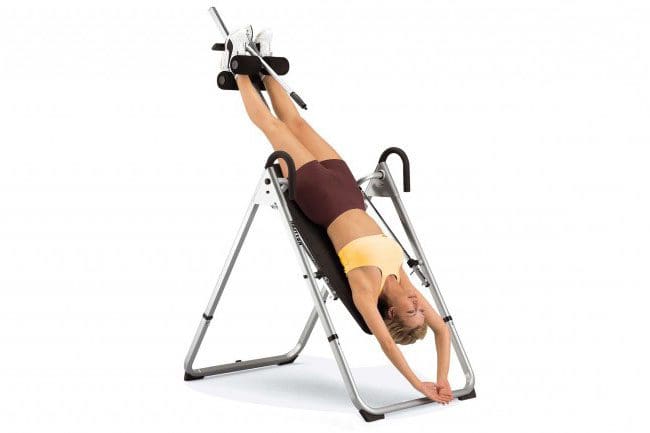
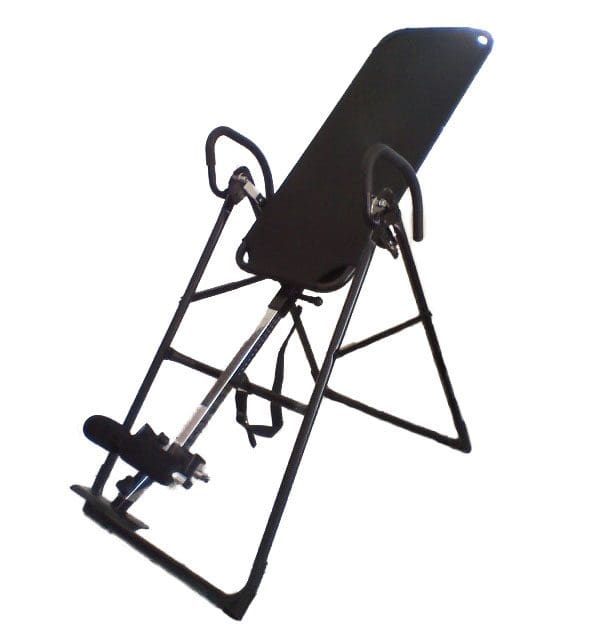
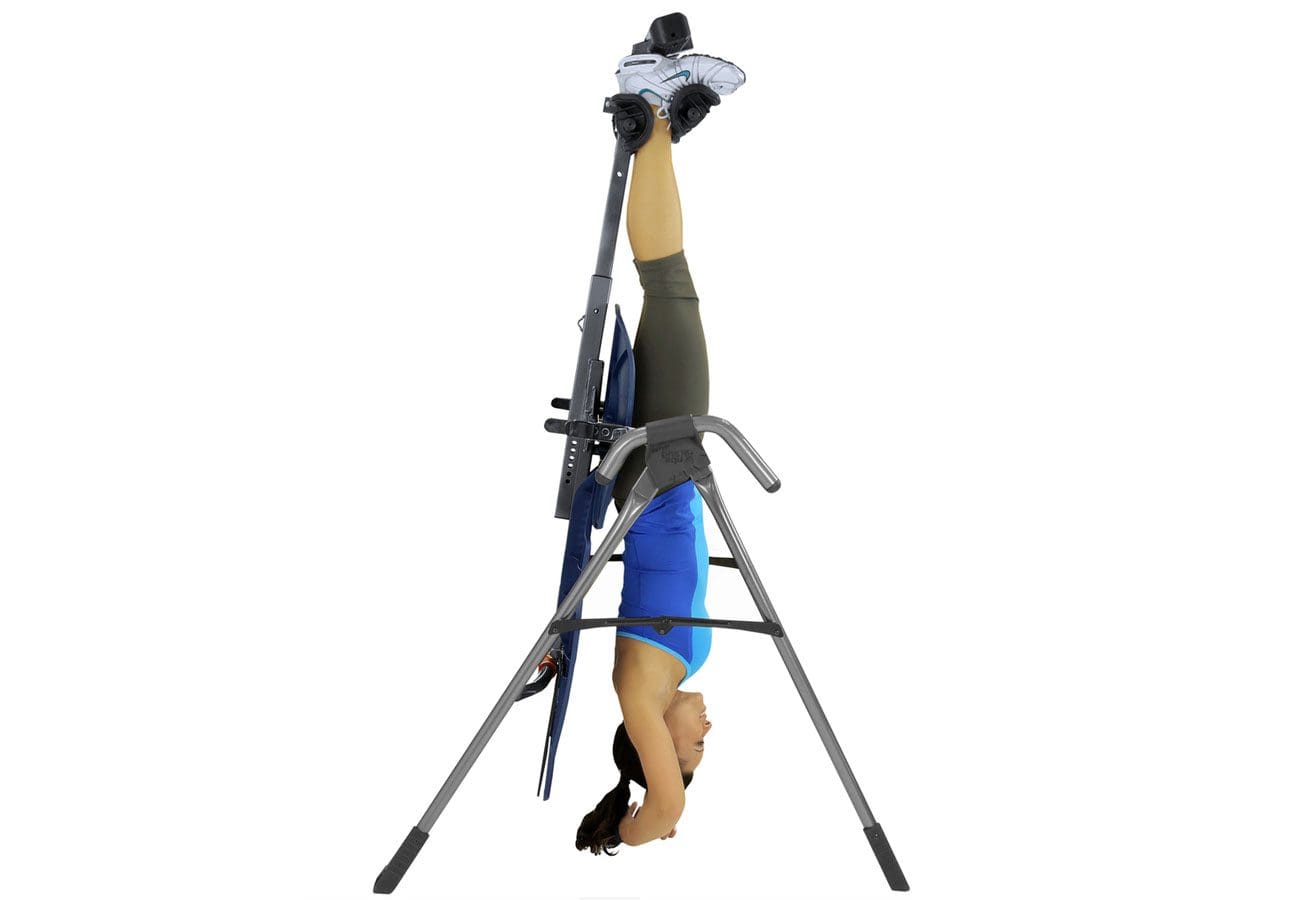
Inversion tables and inversion treatment/therapy could help with low back/leg pain and sciatica. It�s non-surgical and an option your doctor, or chiropractor could recommend to you before looking into more invasive options. Individuals with low back pain, sciatica or both found inversion therapy with an inversion table provided relief from symptoms, and continued use has kept them and their spines healthy.
With an inversion table, you don�t have to use gravity boots or completely hanging upside down. There are inversion boots and hanging racks that also offer inversion therapy, this type is not for beginners. With experience, you can move on to this type but for now, leave it to individuals in top health and athletic condition. This type of inversion table therapy is an alternative that doesn’t require being completely upside down.
An Ancient Therapy Brought Back
Inversion therapy is nothing new. Hippocrates, the father of medicine, saw what inversion therapy could do and the benefits around 400 BC. The goal is to use gravity to release compression in the spine. The downward force pulls everything toward the earth’s center.
How It Works
Inversion therapy works in a way like spinal traction.
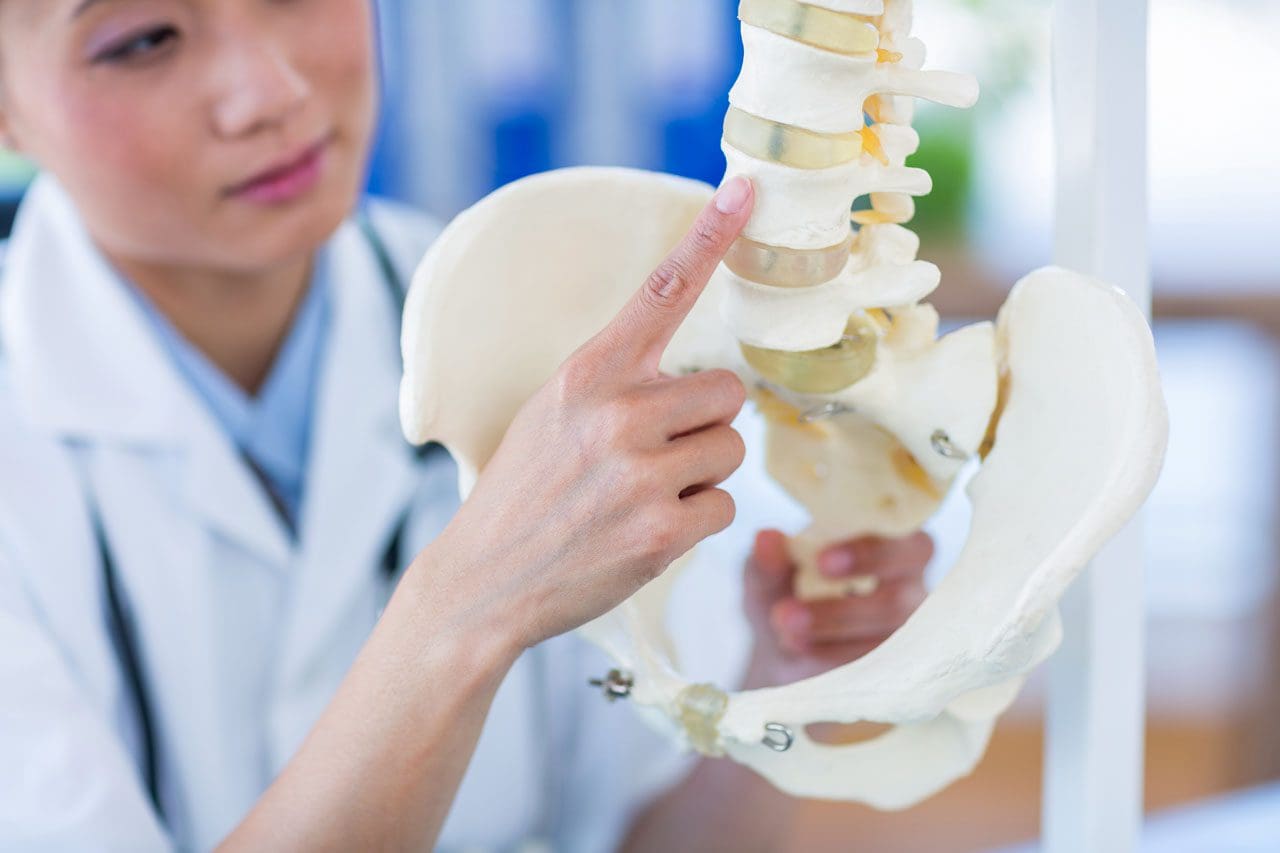
For example, when we stand and sit gravity pulls the spine downward and this is what compresses the discs, vertebral bodies, nerves, and other spinal structures. The physical dynamics along with gravity helps relieve spinal compression. As the spine is stretched out the pressure on your back is reduced.
The theory behind inversion therapy sounds like a fantastic non-surgical option to back pain. However, the research going into inversion therapy is a bit more mixed. One study found that almost 77% of patients that were candidates for surgery no longer needed the surgery after using inversion therapy. For patients that didn�t use inversion therapy, only 23% avoided surgery.
But like all back pain/sciatica treatment plans, it’s what works for you. Ask your doctor/chiropractor about the pros and cons of this type of treatment as it relates to your condition to make an informed decision.
Other Benefits
Many patients report that inversion therapy is a great way to:
Stretch the muscles and ligaments
Reduce muscle spasms
Improve circulation
Stretching stimulates the lymph glands which increases the flow of lymphatic fluids, that are part of the body’s waste disposal. Cellular health depends on healthy blood circulation to be delivered, to nourish and remove waste.
The therapy also helped to relieve motion sickness and stress. This is because the body is more aware of its spatial orientation along with balance as the inner ear gets stimulated while inverted. As stated earlier it is not necessary to be positioned completely upside down to benefit from this therapy. Inversion tables are adjustable and offer the flexibility to find the best angle.
Discuss Inversion Therapy with A Doctor
Before you start using an inversion table�talk to your doctor. Certain medications and health conditions could make using an inversion table unsafe.
It could be recommended against inversion table therapy if you have:
There could be other medical conditions that are not listed but could interfere with inversion therapy, so make sure your doctor knows all your medical history/conditions and current health state before beginning.
Starting Inversion Therapy
How to start an inversion therapy program? Take it very slow, easy, taking your time and have someone there to help and assist until you are comfortable doing it on your own.�The tables can be set at different angles and it is recommended you start at the first and work your way to the last. At the 15-degree angle, your body will feel a stretch along with the benefits of increased blood circulation.
Most people don’t have to go beyond 60-degrees, as the spine decompresses at this angle. But you might want to completely invert yourself as you work through the different degrees and go for the full inversion. But don’t overdo it and listen to what your body tells you.
The tables come in a variety of styles, so be sure to research the different brands. Some tables can include a sliding backrest and foot lock that lets you work in gentle stretching exercises during inversion. This could include head movements from side-to-side, stretching the arms overhead, and doing abdominal sit-ups or crunches.
But first, find out from your doctor how often you should invert and the kinds of movements that will help with your condition and enhance your inversion program. Inversion therapy is another option for a back, sciatic pain treatment plan. For the different forms of spine pain, a doctor will try several non-surgical treatment options before discussing surgery. Inversion therapy could be part of a conservative treatment plan and could help prevent the need for spine surgery.
*Effective Treatment* for Sciatic Nerve Pain| El Paso, Tx
NCBI Resources
The spine is the primary support for the body. When it breaks down, the body suffers. Regular chiropractic treatment ensures that the spinal column remains in proper alignment which, in turn, keeps the body in proper alignment. It helps with joint health as well as the health of the related muscles and ligaments.
Your chiropractor can also recommend stretching and strength-building exercises to help keep your spine healthy and supple. Chiropractic helps to keep the back flexible which aids in preventing injury. A healthy spine is also less likely to become misaligned or experience pain. It can significantly improve your quality of life as you are more flexible and mobile.
Spinal cord injury/s are separated into two phases: There is the primary injury and the secondary injury.
The primary injury refers to the physical trauma to the spine. This could be a:
Car accident
Sports accident
Severe fall
Other traumatic events
When the primary injury happens, neurological injury to the nerves and spinal cord can take place in the form of:
Compression
The compressing of the spinal cord/nerves can cause an impact of bone, disc, and ligaments against the tissues. This is because the spinal canal becomes narrowed and shifts out of proper alignment. This causes the nerves to get pinched during the injury.
Stretching
Tissues get stretched beyond what they’re capable of so the spinal cord can suffer serious damage with the slightest trauma directly to it. Complete cutting or severing of the cord is rare.
Blood supply inadequacy
The injury can cut off or significantly reduce blood supply to the cord and nerves. If the microscopic blood vessels get damaged almost instantaneous hemorrhage or bleeding into the spinal cord.
Spinal cord damage can be seen on an MRI immediately after trauma.
Secondary injury is a cascade of events that occur after the initial trauma, which is the body’s attempt to heal the injury.
This could be seconds, hours, days, and weeks afterward. Several factors play a role in how severe secondary injury will be.
The body releases chemicals in response to trauma. These chemicals cause inflammation, decreased blood flow, and cell death.
Treatments/therapies for spinal cord injuries usually directed at one or more steps during this cascade. Goals of treatment:
Decrease inflammation
Increase blood flow
Reduce scar formation
Slow degradation and cell death
The overall treatment of a spine injury is focused on stabilizing the injury. Once that has been accomplished, there are two following goals:
Treatment priority is to reduce the effects of primary and secondary injuries. One is to immobilize the spine to prevent further injury. This typically happens at the scene of the accident and can be done with a hard collar or brace. IV fluids and medications to maintain blood pressure and possible administration of oxygen may be used. These techniques are fairly standard to deal with primary injury/s.
Surgery could be needed to remove physical impingement/compression on the nerves, restore blood flow, and provide room for subsequent inflammation to help the body heal itself.
Sometimes surgery takes place later to restore the alignment of the bone and correct any deformities that may have occurred. This is as important as decompression for maximizing a patient’s rehabilitation. Stabilization from surgery can help patients sit upright, walk, and maintain proper weight on the trunk. It also helps to avoid developing posture problems in the future.
Methylprednisolone is a steroid that’s considered a neuroprotective agent. This is the only drug treatment supported by the medical community to be used immediately following the primary injury. There is still debate among the medical community as to the effectiveness of this steroid. To date, it has not been defined as a standard of care by any major medical associations.
Treatment Research
Other treatments have been proposed and proven successful in animal trials. These treatments first go through animal trials before human trials. Replicating the benefits in humans is still quite difficult to achieve. There were 100 different treatments that do work in animals, however, methylprednisolone is the only treatment that has demonstrated consistent results.
Reasons why research for spinal cord injuries is tough:
Anatomical differences in animal’s spinal cords: While rodents are typically used for most research, their spinal cords have the ability to create stepping patterns without signals from the brain. That means that after a spinal cord injury with no treatment they can learn to walk again. The human spinal cord cannot do this.
The differences between actual injury and a simulated one: Actual injuries that result in trauma to the spine usually have neurological compression that exceeds that seen in the animal models during the simulated injury. This means that treatments that are effective in animal trials where there is less trauma to the bones and nerves than�when the same treatments are tried for actual injuries, could be less effective because the injury/s are more severe.
During spinal cord treatment tests, researchers typically use mild/moderate spinal cord injuries. Human injuries can vary from one extreme to another that they are either too severe for therapy or too mild that they recover without treatment.
Doing the same experiments and research on animals and humans is complicated: There are all kinds of variables in animal research that can’t be controlled in human studies. There are different models of injury, that happen at different times and are treated with different medications, and all contribute to inconsistencies. The results significantly change the accounts of how useful any given treatment is, especially when comparing the animal studies and human studies.
Example –� Treatments in a laboratory are begun within one hour after injury simulation. This doesn’t happen in clinical settings, because typically, first responders at accident sites work to stabilize the patient’s airway, and spine before they are transported to an emergency room. Replicating that procedure with actual first responders can be quite difficult to do in clinical studies.
Promising Treatments
There are promising treatments in spinal cord injury:
Hypothermia
Naloxone
Corticosteroids
All three have shown positive results in animal trials. But there have been varying results in human trials. While these are positive results, further research from scientists and physicians is needed to develop a highly effective treatment for spinal cord injury.
Hypothermia treatment has piqued a great deal of interest based on a case of its use on a professional football player, that suffered a spinal cord injury. It was a success, but unfortunately, other human studies utilizing this treatment failed to demonstrate the same benefits and some believe the risks outweigh the benefits. Physicians believe that the player’s positive outcome was the result of a less severe injury and early decompression, and not necessarily from the hypothermia treatment.
Researchers debate that freezing reduces blood flow in the injured spinal cord but that it could worsen the secondary injury/s.
Conclusion
Treating spinal cord injury research is still a major focus in the medical community. With progress taking place there is still not yet the major breakthrough. Continued investigation into treatments for spinal cord injuries will go on until spinal injuries are no more.
Severe *Sciatica”* Pain Relief | El Paso, Tx (2020)
NCBI Resources
Spinal injury or trauma can result in myofascial pain syndrome, but lifestyle factors usually have a hand in the condition. Poor posture over a long period,�for example,�sleeping in an awkward position can cause physical muscular stress on the spinal muscles.�Mental and emotional stress can present itself through muscle tension�that helps the development of trigger points.
The�trapezius muscle, that extends from the back of the neck down the shoulders and upper back, is the most common site of spinal trigger points and myofascial pain because of the significant amount of pressure that the muscle has to bear and its susceptibility to whiplash.
When you struggle with anxiety, it can make living your day-to-day life more difficult. Anxiety comes in a variety of forms and varies by individual. The treatments that are most effective for one person may not be as effective for another, but there is some general guideline for dealing with anxiety that most sufferers can benefit from. Regular chiropractic care, including a focus on improving overall health, can serve as a foundation for navigating the difficulties of anxiety.
Ways Chiropractic Can Help
1. Keeping track of triggers.
Chiropractors are big fans of keeping diaries surrounding any type of health issue you are dealing with�and anxiety is no exception. Just like keeping a food diary can help you identify a food allergy, keeping an anxiety diary can help you see what things in your life are triggering your anxiety. Triggers for anxiety can include a wide range of things, not all of them related to human interactions. Some of these triggers can include:
Allergies to certain foods
Consumption of alcohol
Consumption of caffeine
Vitamin deficiencies, particularly B vitamins, calcium, and magnesium
Consumption of sugar
Your chiropractor can tell you how to keep a diary that will help you see what you do in your day-to-day life, and how those actions relate to your anxiety.
2. Keeping your body in Top Form.
The relationship between the body and the mind is still far from being fully understood. However, there is no denying the significant connection between our physical health and our mental health. When your body is healthier, your mood is more level and positive.
Chiropractic care is focused on treatments that improve your health. These can include chiropractic adjustments, massage therapy, spinal decompression, ultrasound and more. Which treatments are right for you will depend on the results of your physical examination with the chiropractor. What you can be sure of is that your chiropractor will do everything possible to ensure your body is healthy and functioning at an optimal level.
3. Maintaining Spinal Alignment.
There are many ways that the nervous system affects the body and the brain�and the full effects are not totally clear as of yet. What we do know is that many chiropractic patients report improvements in their health seemingly unrelated to the pain in their back or neck. A few adjustments into a treatment plan and patients discover that some other health issue gets resolved.
Adjustments are designed to put your vertebrae back into proper alignment. With proper alignment, your nervous system can function optimally. The results may or may not improve your anxiety directly, but they will make you feel better and keep your body running the way it was intended to.
4. Improving Your Diet.
What you eat plays a huge role in your overall health. Improving your diet could lead to an improvement in your anxiety symptoms, which is why your chiropractor will try to help you make healthy changes to what you eat. Chiropractors are trained in the latest research in nutrition and are well-versed in the benefits of various approaches to a healthy diet. You can work with your chiropractor to shift your diet from its current state to one that includes more healthy options.
Other Healthcare Providers & Your Chiropractor
If you are seeing a mental healthcare professional for your anxiety, your chiropractor will strive to work with your provider to ensure the best possible outcomes. Sometimes the best way to improve your health is to take a multi-pronged approach�which your chiropractor can help you with!
Please contact us today to schedule an appointment with our chiropractic team. We look forward to seeing you.
Depression & Chronic pain | El Paso, Tx
Chronic pain caused by accidents and/or aggravated conditions can often be one of the primary reasons for depression in patients. When painful symptoms induce patients to struggle with their everyday physical activities, their mental health can be tremendously influenced. Chiropractic care utilizes spinal adjustments and manual manipulations which could help restore the initial integrity of the backbone. Patients describe how chiropractic care has helped them recover their well-being and they highly recommend Dr. Alex Jimenez, doctor of chiropractic, as the non-surgical choice for chronic pain and depression, one of a variety of other common health issues.
Gait Related Low Back Pain
Currently, more than 2 million Americans are dependent on opioids. For many, their addiction comes from seeking pain management for an injury or chronic condition. Opioids are a convenient and fast remedy, but only provide pain relief and not actual treatment of the cause. Therefore, opioids should be a last resort when experiencing pain and discomfort. Starting at the foundation (feet) of the body with orthotics can help the rest of the body stay aligned.
NCBI Resources
If you are suffering from depression or anxiety, you may feel hopeless and helpless. You may be less apt to seek or follow treatment, believing there is nothing you can do to make it better. When you have a chronic medical condition, it doesn�t just impact your health. Often you can�t work or miss time at work, you may have financial problems. Relationships frequently suffer when one partner is sick. While these can be true for all chronic conditions, when you add in depression or anxiety, coping is even more difficult.
Most people think that chiropractic care is something to do if they experience back or neck pain, and rightly so, as these are the most common reasons people visit a chiropractor. But chiropractic does way more than that.
Chiropractic helps with a variety of ailments from headaches to digestive issues and addresses problems like sports injuries, work injuries, arthritis, and injury prevention. Regular trips to the chiropractor are a good idea. Here are three important benefits that you can get from regular chiropractic adjustments.
What Taking an Active Role in Your Health Can Do
Chiropractic is a holistic kind of care that has a chiropractor serve as a guide as your own body uses its own innate ability to heal itself. When you see a chiropractor on a regular basis, even if there is not a pressing problem, you are taking an active role in assuring you are in the best health you can be.
Chiropractic adjustments correct misalignments in the spine that may be blocking nerve function and causing pain to muscles, joints, and ligaments. When you are adjusted by a chiropractor, these blocks are removed and you are able to move and function better than you did before.
A chiropractor can also provide you with nutritional and lifestyle advice, including exercises you can do between visits that will improve strength, flexibility, and various other functions. Without your active participation and cooperation, the success of chiropractic diminishes, so you can feel good about taking responsibility for your own health.
Improved Neurological Conditions
The spine connects to several different areas of the body, including the brain. Adjustments have been shown to increase blood flow to the brain, which in turn improves function in many areas.
The brain and spine are frequent communicators, and the nervous system is often the “wires” that are used to assure proper communication. Stress can trigger misalignments and the breakdown in these systems. Chiropractic is able to identify when stress is placed on these nerves and has even been shown to increase white blood cell count in some patients.
Eliminated Need for Pain Medications
One of the cornerstones of chiropractic is that it does not rely on pain medications or surgery in order to treat pain. Instead, it is designed to trigger your body’s own ability to heal itself without drugs and surgery.
Through methods such as manual adjustment, massage, and electrical muscle stimulation, chiropractic strengthens communication throughout the body in order to help it heal naturally. Chiropractors use important diagnostic tools such as x-rays, laboratory analysis, and reviewing your health history to pursue a treatment plan.
Conversely, when misalignments are allowed to build up over time, there is a greater risk that you will be tempted to seek out pain medications in order to mask the pain temporarily. While occasional use of these is okay, over time they can build up in the system and damage liver function, so it is important to find other methods of pain management whenever possible.
In closing, chiropractic benefits the overall health of people that utilize it consistently. So if you’re ready to experience these benefits yourself, just pick up the phone and give us a call. We’re here to help!
Benefits of Custom-Made *ORTHOTICS* | El Paso, Tx
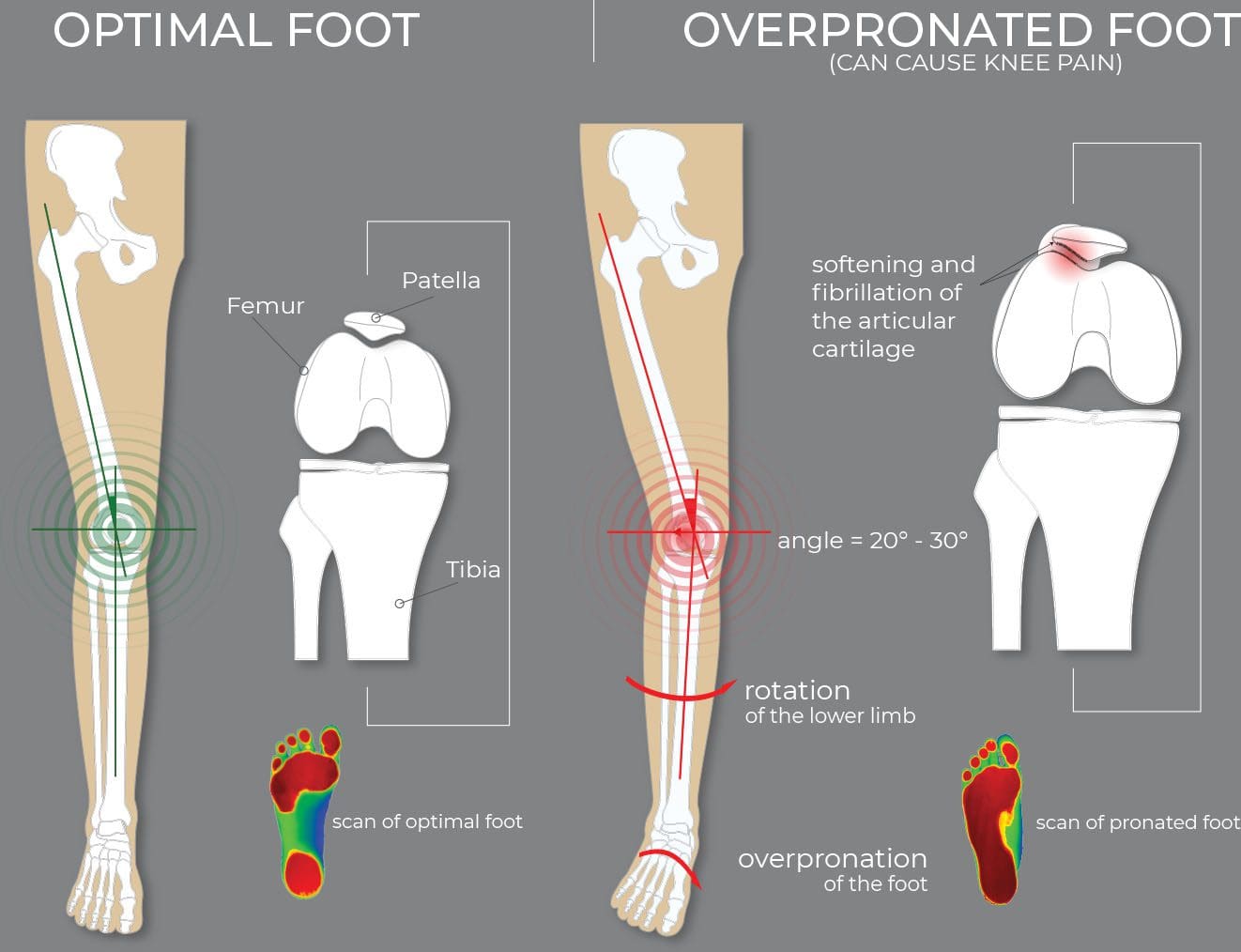
Overpronation
99% of the population has some degree of foot pronation.
Foot pronation occurs when the foot/feet roll inwards.
People with excessive pronation may experience inward rotation of the knee and forward tilting of the pelvis, which causes pain in the:
Feet
Knees
Hips
Back
Shoulders
Neck
Foot Orthotics
Foot Dysfunction�can very easily cause a domino effect that extends all the way to the back. The feet are the foundation of the body and when there is a problem with the way they function it can cause the entire body to shift out of alignment.
Pronation & Misalignment
For the foot to function correctly, there must be a significant degree of pronation. However, excessive pronation, or overpronation, can cause injury and damage to the foot and ankle. It creates the arch in the foot to flatten, and the ligaments, tendons, and muscles under the foot overstretch.
NCBI Resources
Chiropractic seeks to find the cause of the conditions it is used to treat, including pain, instead of just treating symptoms. Because of this, the chiropractor will work to find the cause of the pain.
Daniel Alvarado, owner of PUSH Fitness, first met Dr. Alex Jimenez through the connection of a good friend and they became workout partners. Daniel Alvarado learned a lot regarding chiropractic alignment and physiology by training with Dr. Jimenez. After experiencing upper and mid back pain as well as shoulder pain, Daniel Alvarado began receiving regular chiropractic care with Dr. Alex Jimenez in order to restore the original alignment of his spine and improve the symptoms of his injury. Daniel Alvarado highly recommends Dr. Jimenez as the non surgical choice for sports injuries, as he discusses how Dr. Alex Jimenez’s relationship with his patients can ensure a positive environment for a better, more improved treatment. Together with Dr. Alex Jimenez’s chiropractic care and his own rehabilitation and sports therapy, Daniel Alvarado emphasizes the dynamic of their services.
Chiropractic Alignment
Sports injuries are injuries which occur in athletic activities or exercising. There are kids and approximately 30 million teens alone that participate in some form of sport. About 3 million sports athletes experience sports injuries annually, which causes some loss of time of participation in the sport. Prevention helps reduce sport injuries. It’s crucial to set up participation in warm-ups and exercises which focus on primary muscle groups utilized in the game of interest. Also, establishing an accident prevention program as a staff, including education on rehydration, nutrition, tracking staff members “in danger”, tracking behavior, skills, and techniques.
Our team has takes great�pride in bringing our families and injured patients only�clinically proven treatments protocols. �By teaching complete holistic wellness as a lifestyle,�we also change not only our patients lives but their families as well.� We do this so that we may reach as many El Pasoans who need us, no matter the affordability issues.
There is no reason we cannot help you.�?
Our uplifting southwest community surrounded by it limitless beauty is an amazing place to live and enjoy our families; it is therefore our mission to help each of our patients to�live,�to�love,�to�matter�and�to�thrive�pain free�in this wonderful special place.
If you have enjoyed this video and/or we have helped you in any way please feel free to subscribe and share us.
IFM's Find A Practitioner tool is the largest referral network in Functional Medicine, created to help patients locate Functional Medicine practitioners anywhere in the world. IFM Certified Practitioners are listed first in the search results, given their extensive education in Functional Medicine