

The Future of Musculoskeletal Injury Treatment Today
The Future of Musculoskeletal Injury Treatment
Abstract
In this educational post, I will take you on a journey through the cutting-edge landscape of regenerative and integrative medicine for treating common musculoskeletal conditions. Drawing on the latest evidence-based research and my clinical experience, we will explore which injuries respond best to advanced orthobiologic therapies such as Platelet-Rich Plasma (PRP) and microfragmented adipose tissue. We will explore a systematic, algorithm-based approach for patient selection, focusing on conditions such as partial rotator cuff tears, tendinopathies like tennis elbow, and mild-to-moderate osteoarthritis. Furthermore, I will introduce a groundbreaking study that uses machine learning to identify key biomarkers—such as uric acid and lipoprotein(a)—that predict patients’ treatment response. Finally, I will explain how our unique multidisciplinary practice in El Paso, Texas, integrates advanced medical oversight with chiropractic care, physical therapy, and functional medicine to create a comprehensive and personalized healing environment for our patients.
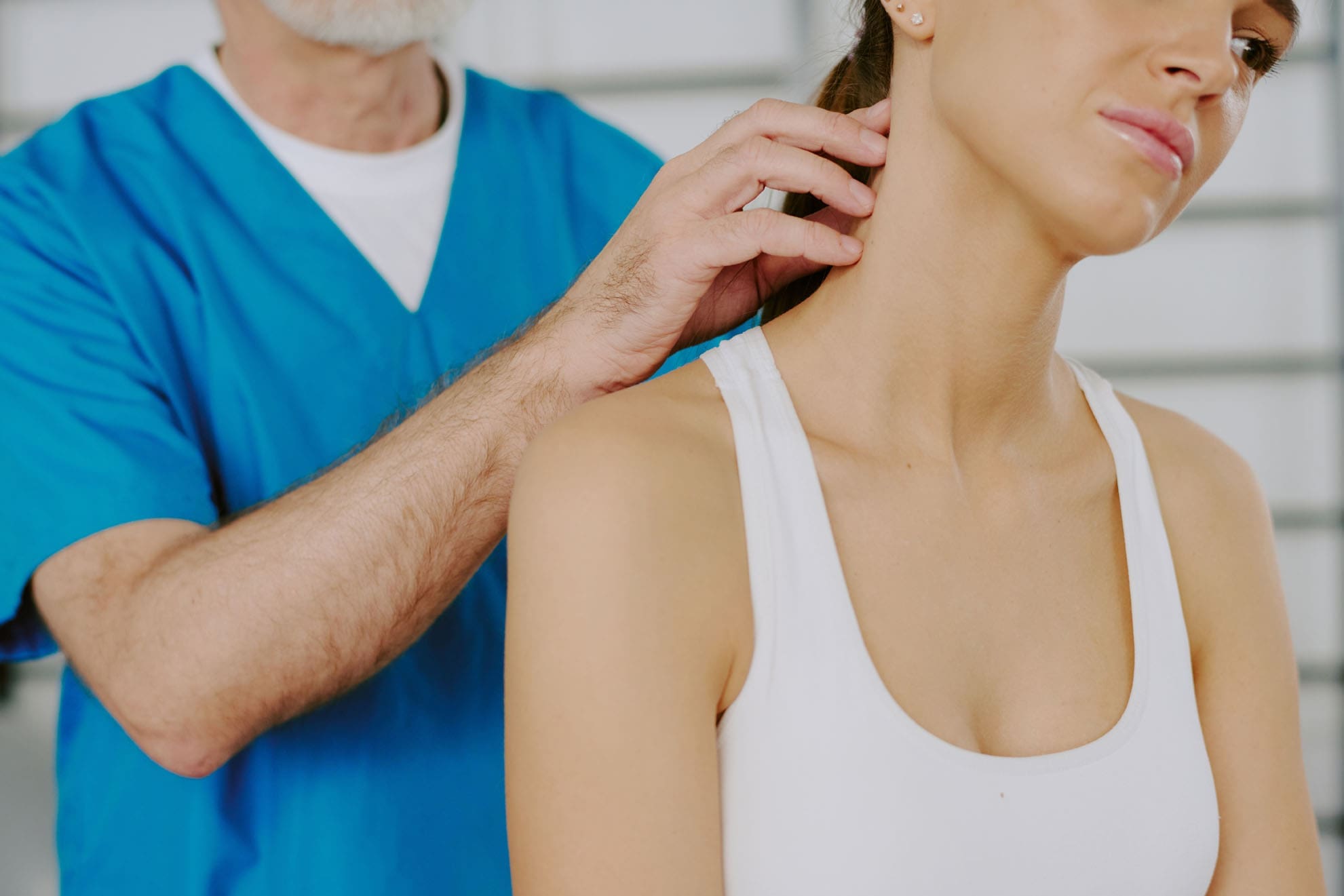
A New Era of Collaboration in Patient Care
I am thrilled to announce a significant enhancement to our patient care model here at Injury Medical Clinic. We are honored to welcome Dr. Maria Guadalupe Cardenas, MD, to our team as our Medical Director and Collaborative Physician. Dr. Cardenas is a highly respected, board-certified Internist with over four decades of clinical experience (NPI #1164426749, Texas MD License #J2933).
This collaboration represents a powerful fusion of expertise. Our clinic has always been at the forefront of providing exceptional chiropractic care, physical therapy, and rehabilitation, particularly for those suffering from personal injuries. With Dr. Cardenas providing medical oversight, we can now offer an even more robust and integrated treatment paradigm. This multidisciplinary setup allows us to manage complex cases by combining my expertise in chiropractic, functional, and regenerative medicine with her profound knowledge of internal medicine. This ensures that every aspect of a patient’s health—from musculoskeletal alignment and function to underlying systemic factors—is addressed, creating a truly holistic path to recovery.
The Foundation of Our Approach: Evidence-Based Integrative Care
When I established my practice in El Paso, TX, this environment ingrained in me the necessity of grounding every clinical decision in solid, evidence-based research. We developed a structured protocol to identify which conditions were most appropriate for orthobiologic treatments. This required a deep dive into the scientific literature to ensure we were offering therapies with proven efficacy.
This commitment to evidence is the cornerstone of our practice in El Paso. We specialize in treatments that bridge the gap between conservative care and invasive surgery. Our focus is on harnessing the body’s innate healing capabilities, supported by advanced diagnostics and targeted interventions.
Identifying the Right Conditions for Orthobiologic Therapies
Through rigorous review of studies and extensive clinical experience, we have identified a specific cohort of conditions that respond well to integrative and regenerative treatments. It is crucial to be precise in our diagnosis and patient selection to achieve the best possible outcomes.
Here are some of the primary conditions we treat:
- Shoulder: Low-grade, partial-thickness rotator cuff tears and mild-to-moderate glenohumeral arthritis. For arthritis, it is vital to consider the Walsh classification (e.g., A1, A2, B1) to ensure that the joint architecture is stable and that the “golf ball” (humeral head) isn’t falling off the “tee” (glenoid).
- Elbow: Lateral epicondylitis (tennis elbow) and medial epicondylitis (golfer’s elbow), as well as proximal partial tears of the ulnar collateral ligament (UCL).
- Hand/Wrist: Mild-to-moderate carpometacarpal (CMC) arthritis. A landmark study from my professor at the Mayo Clinic validated the use of biologics for this condition.
- Hip: Femoroacetabular Impingement (FAI) of grade two or less, where the labrum is not shredded, and there are no large pincer or cam deformities. We also achieve great results with gluteus medius and hamstring tendinopathy, especially focal mid-portion tears.
- Foot/Ankle: Plantar fasciitis.
- Knee: Classically, mild-to-moderate knee osteoarthritis and very small meniscal tears.
Interestingly, recent literature has shown promise in the use of PRP post-operatively. Some forward-thinking surgeons now refer patients for a PRP injection between 0 and 6 weeks after a rotator cuff repair to potentially enhance healing.
A Deeper Look at Tendinopathy: Diagnosis and Treatment Strategy
Let’s examine a common case: tennis elbow, or a partial-thickness tear of the common extensor tendon. Using musculoskeletal ultrasound, we can visualize the injury with incredible detail. I look at the tendon in both long-axis and short-axis views to measure the tear’s precise length and width.
A key to my treatment success has been the technique of tenotomy with fenestration. This involves using a needle to meticulously break up the scarred, degenerative tissue throughout the entire length and width of the tear. Many practitioners might inject only into one spot, but I have found that ensuring the biologic agent is delivered throughout the full extent of the damaged area significantly improves results. We are essentially creating micro-trauma to stimulate a new, robust healing cascade and delivering the growth factors right where they are needed most. The study by Gosens et al. (2011) provides strong support for using PRP to treat chronic tennis elbow, and it is a paper I often share with my colleagues to explain the rationale for this approach.
Consider the case of a 31-year-old weightlifter with patellar tendinopathy. His ultrasound revealed a complex picture: early-stage arthritis with a knee effusion (fluid), a large partial-thickness tear of the patellar tendon, heterogeneous echogenicity changes (indicating tendinosis), and even a large calcium deposit. The critical question becomes: what is the primary pain generator? Is it the joint cartilage, the degenerated tendon, or the calcification?
After a thorough discussion about the risks and benefits, and correlating his physical exam findings with the imaging, I decided to treat the tendon tear with PRP. My decision was influenced by research, such as the work of Jason Dragoo, who demonstrated the efficacy of leukocyte-rich PRP for tendinopathy. For a tear of this significant size, PRP provides a powerful concentration of growth factors to orchestrate cellular repair and tissue regeneration. In these challenging cases, pinpointing the source of pain is paramount.
The Nuances of Treating Rotator Cuff Tears
Rotator cuff tears present another layer of complexity. An MRI might show a partial-thickness tear (less than 50% of the tendon’s thickness) and also an interstitial tear (a split within the tendon fibers), along with surrounding edema (fluid). My approach is often to treat both. I will perform a guided injection into the subacromial bursa to reduce inflammation and another directly into the interstitial tear itself.
Using ultrasound guidance is non-negotiable. I can watch the needle in real-time as it passes through the deltoid muscle and subacromial bursa to precisely target the tear on the superficial facet of the greater tuberosity. I use a small amount of fluid to hydrodissect the tissue planes, which confirms I am in the correct location and helps distribute the biologic throughout the length of the tear.
It’s important to clarify terminology. A partial-thickness tear involves only a portion of the tendon’s depth. A full-thickness tear goes all the way through, but this can be a partial-width tear (affecting only part of the tendon’s footprint) or a full-thickness, full-width tear (a complete rupture). Orthobiologics are most effective for partial-thickness and full-thickness, partial-width tears, not complete ruptures, which typically require surgery.
Choosing the Right Tool: PRP vs. Adipose Tissue
When a patient presents with a more severe injury, we must consider more robust therapies. This is where my treatment algorithm helps guide the decision-making process.
- For low-grade partial-thickness tears (less than 50%): I will consider PRP, sometimes augmented with dextrose prolotherapy (P2G), to stimulate a healing response.
- For high-grade partial-thickness tears (greater than 50%): I will consider using microfragmented adipose tissue.
Why adipose? Adipose tissue is not just fat; it is a rich source of mesenchymal stem cells (MSCs) and other perivascular cells that create a biological scaffold. This scaffold provides a structural framework and a sustained-release reservoir of signaling molecules that guide tissue repair over a longer period. This is particularly beneficial in larger defects where a simple injection of PRP might not be sufficient to bridge the gap. For moderate-to-severe arthritis (Kellgren-Lawrence grade 3-4), I also lean towards adipose tissue or bone marrow aspirate concentrate (BMAC) for their more potent anti-inflammatory and regenerative capabilities.
For patients with neuralgia or nerve entrapment, I have found that hydrodissection—using fluid to carefully separate the nerve from surrounding fibrotic tissue—can provide significant relief by freeing the nerve and reducing compression.
An Algorithmic Approach to Treating Knee Osteoarthritis
To standardize care and optimize outcomes, I have developed a treatment algorithm for patients with knee osteoarthritis (OA). This systematic process ensures we address all contributing factors:
- Assess Systemic Health: First, I investigate for underlying systemic diseases (like autoimmune conditions) or factors that impair healing. We must address the whole person, not just the knee.
- Evaluate Functional Markers: Next, I consider a functional medicine workup. What are their hormone levels? Is there evidence of gut dysbiosis or microbiome imbalance? These factors create the systemic environment in which the knee must heal.
- Grade the Arthritis: Using X-rays and MRIs, I determine the severity. Is it grade 3 or 4 arthritis? Is there significant subchondral bone edema (a sign of stress and inflammation in the bone beneath the cartilage)?
- Select the Treatment:
- If the patient has mild-to-moderate OA (grade 1-2) without the above complicating factors, PRP is my first-line orthobiologic treatment.
- If they have severe OA (grade 3-4) or significant bone edema, I will discuss microfragmented adipose tissue or BMAC.
- Monitor and Adjust: Healing is a process. PRP typically causes increased soreness for about three days, with functional improvements beginning around weeks three to six. By twelve weeks, we should have a clear indication if we are on the right track. If the patient has achieved at least 60% improvement, we continue with our supportive care plan. If not, we re-evaluate and adjust the strategy.
The Future is Now: Machine Learning and Personalized Medicine
A groundbreaking study published in April 2026 in BMC Musculoskeletal Disorders is already changing how I think about patient selection. Researchers in China used a machine learning algorithm to predict clinical response to PRP for knee osteoarthritis. They analyzed a vast dataset including patient demographics, BMI, lab markers, and pain scores.
The algorithm aimed to identify the factors that were most predictive of a high response rate (defined as increasing the success rate from 65% to 85%). The results were fascinating. While we often focus on the “special recipe” of the PRP itself, the study found that three biomarkers were most important in predicting success:
- Osmotic Pressure (Joint Swelling): This was self-explanatory. My clinical experience confirms that patients with recurrent, large effusions do not respond as well. The inflammatory environment dilutes the biologic and impedes healing.
- Lipoprotein(a) [Lp(a)]: A marker for cardiovascular risk, elevated Lp(a) is also strongly associated with inflammation.
- Uric Acid: Commonly known for its role in gout, high uric acid is a powerful pro-inflammatory marker.
This study reinforces the critical link between systemic metabolic health and local musculoskeletal healing. It’s making me consider routinely checking uric acid and Lp(a) levels in my patients. Perhaps by addressing these metabolic imbalances first—through diet, lifestyle, and targeted supplementation, a core principle of functional medicine—we can turn potential non-responders into high-responders. It highlights the importance of our integrative model, in which chiropractic adjustments and physical therapy optimize biomechanics, while functional and internal medicine address the underlying biochemistry.
This is the future of medicine: personalized, predictive, and integrative. By combining advanced orthobiologics, sophisticated diagnostics, and a deep understanding of the body as an interconnected system, we can offer our patients in El Paso a truly transformative level of care.
References
- Gosens, T., Peerbooms, J. C., van Laar, W., & den Oudsten, B. L. (2011). Ongoing positive effect of platelet-rich plasma versus corticosteroid injection in lateral epicondylitis: a double-blind randomized controlled trial with 2-year follow-up. The American Journal of Sports Medicine, 39(6), 1200–1208. https://doi.org/10.1177/0363546510397173







