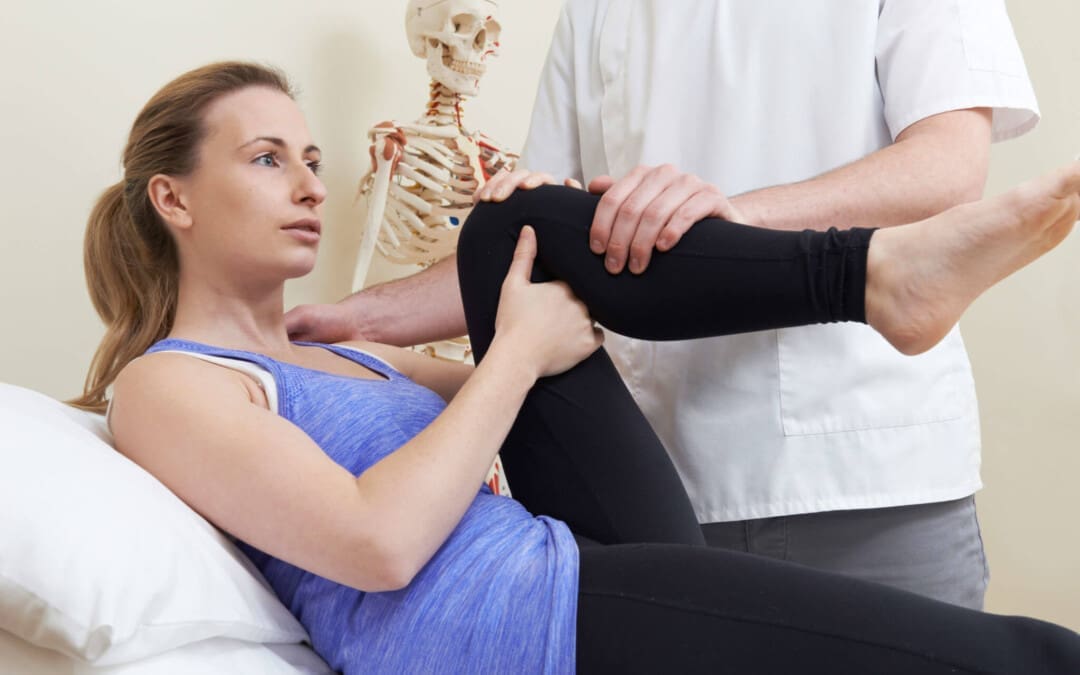
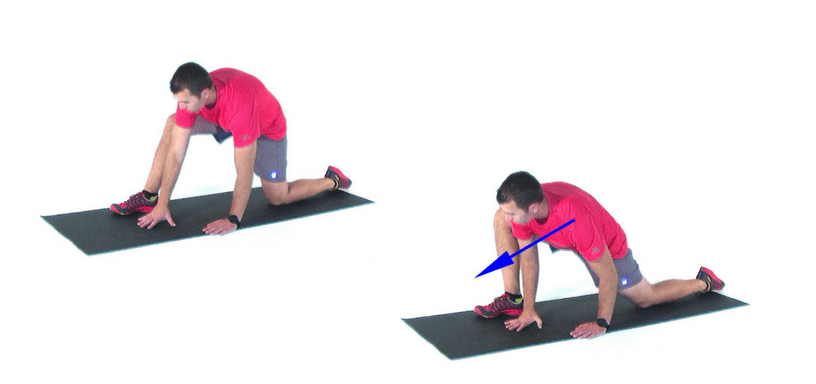
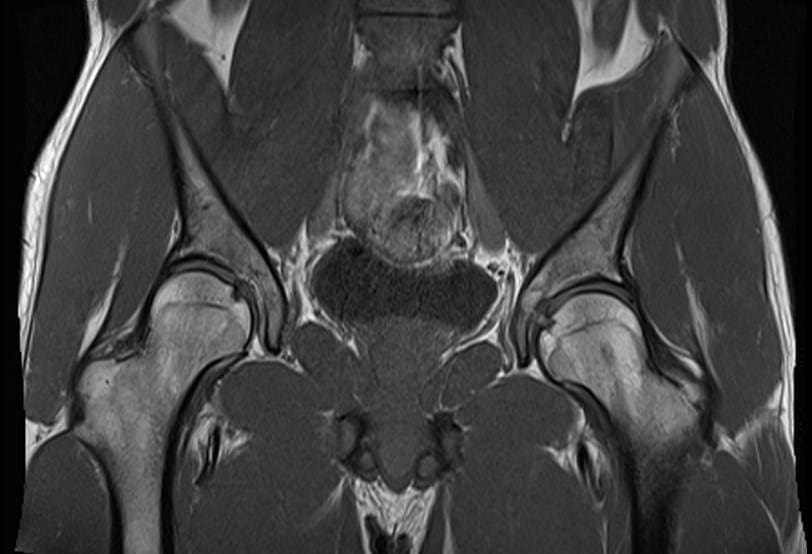
Can athletic individuals incorporate MET (muscle energy techniques) therapy to reduce the pain-like effects of adductor strain?
Introduction
The body’s lower extremities have an important role as they provide stability and mobility to the individual. Many athletes utilize their lower extremities by adding much power to exert the energy to win matches or competitions. The various muscles, soft tissues, ligaments, and joints help support the body’s skeletal structure and can succumb to injuries from repetitive motions or environmental factors. One of the muscles that can be affected by constant repetitive motions and environmental factors is the adductor muscles, which can cause many athletes to be in continuous pain and affect their performance during competitions. Luckily, there is a technique that many treatments offer to reduce muscle strain in the adductors and provide relief to the lower extremities. Today’s article looks at how adductor strain can affect many individuals, how MET therapy can help with an adductor strain, and its positive effect on athletic individuals. We discuss with certified medical providers who consolidate our patients’ information to assess the pain-like effects of an adductor strain in the lower extremities. We also inform and guide patients on how MET therapy can help stretch and strengthen tight adductor muscles to reduce strain and provide relief. We also encourage our patients to ask their associated medical providers many intricate and important questions about incorporating MET and other non-surgical therapies into their personalized treatment plan for a healthier lifestyle. Dr. Jimenez, D.C., includes this information as an academic service. Disclaimer.
How Does Adductor Strain Affect Individuals?
Do you feel tightness along your thighs and legs after a long day at work? Do you experience instability when walking from one location to another? Or do you feel pain when stretching your thighs that causes temporary relief? Many individuals experiencing pain in their lower extremities will often think it is hip pain, but their adductor muscles are in pain. The adductor muscles consist of three muscles that provide torque to the lower extremities by allowing them to move inward when a person is walking and help keep the trunk muscles steady. So, when many athletes begin to make constant repetitive motions while performing, it can cause issues for the adductors. As a common injury to many athletes, adductor strain can put exaggerated stress on the actual tendon, leading to biomechanical abnormalities affecting the musculoskeletal system. (Kiel & Kaiser, 2024a) Also, when athletes start to use constant repetitive motions during an increased volume or intensity of the training workload, it can cause stress factors in the lower extremities. (Kiel & Kaiser, 2024b) This, in turn, can have many individuals feel like they are experiencing hip and groin pain when it is, in fact, stress fractures in the adductor muscles causing myofascial pain.
So, for athletic individuals dealing with adductor strain, primary doctors need to differentiate between adductor strain and regular muscle strain in the lower extremities, as the pain symptoms sometimes have overlapping risk profiles with acute onset pain symptoms associated with distinct injury mechanisms. (McHugh et al., 2023) This is because when athletes overuse their adductor muscles, it causes pain, as many injuries within the adductors are associated with the hips and groin region. (Koscso et al., 2022) However, there are ways for athletes to find the relief they seek to reduce adductor strain and return to their routine.
Movement Medicine- Video
How MET Therapy Helps With Adductor Strain
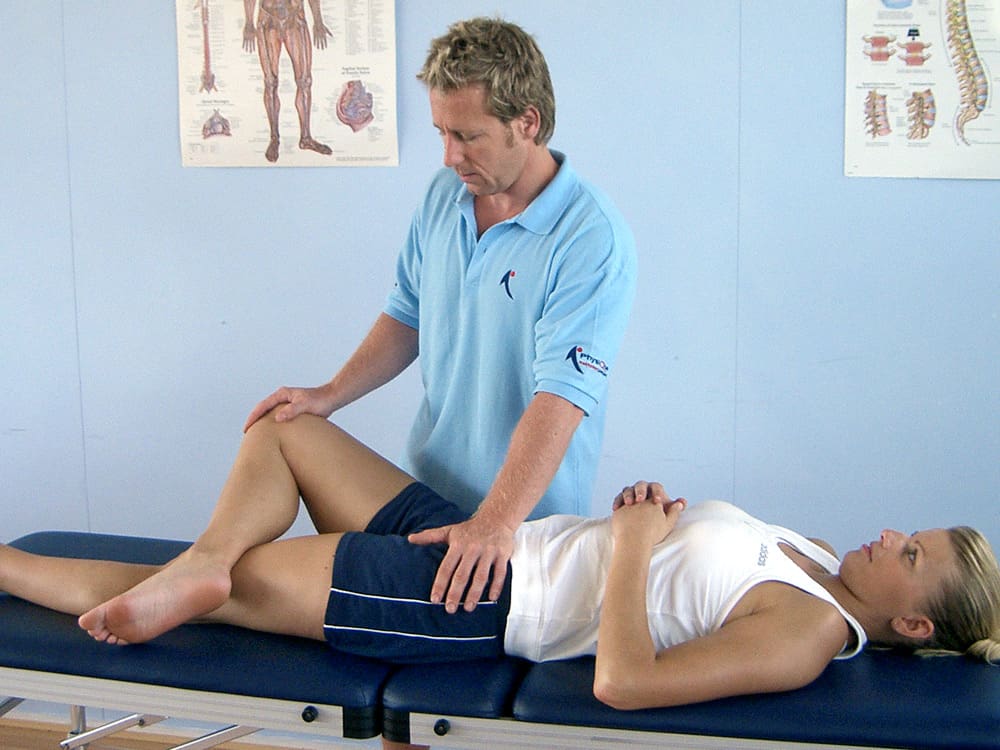
For athletes and individuals engaged in physical activity, MET therapy can be a valuable part of the recovery process for adductor strain. MET (muscle energy technique) therapy, a form of osteopathic manipulative medicine, is used by pain specialists such as chiropractors, massage therapists, and sports physicians to alleviate pain symptoms in the musculoskeletal system. By using gentle, controlled muscle contractions, these specialists can improve musculoskeletal function by mobilizing joints, stretching tight muscles and fascia, and improving circulation and lymphatic flow. (Waxenbaum et al., 2024) Many pain specialists, including chiropractors and massage therapists, incorporate MET therapy into their practices due to its effectiveness in addressing muscular imbalances and alignment issues that contribute to pain and limited mobility in the lower extremities.
The Positive Effect Of MET Therapy
One of the positive effects of MET therapy for adductor strain is that when athletes and individuals start to utilize it as part of their recovery, their pain is reduced, and muscle mobility is increased since there are changes in the viscoelastic properties in the soft tissue. (Thomas et al., 2019) For the adductor muscles, MET therapy helps with:
Increasing muscle length & flexibility
Reduce muscle tension
Improving blood flow and promoting healing
Enhance joint function
MET therapy, when incorporated for pain relief for adductor strain, can put many individuals at ease as it actively focuses on muscle relaxation, lengthening, and strengthening the affected muscles. MET therapy can be combined with other therapies in a person’s personalized treatment plan to enhance mobility, be mindful of what is causing pain and discomfort to their bodies, and live a healthier lifestyle.
Koscso, J. M., McElheny, K., Carr, J. B., 2nd, & Hippensteel, K. J. (2022). Lower Extremity Muscle Injuries in the Overhead Athlete. Curr Rev Musculoskelet Med, 15(6), 500-512. https://doi.org/10.1007/s12178-022-09786-z
McHugh, M. P., Nicholas, S. J., & Tyler, T. F. (2023). Adductor Strains in Athletes. Int J Sports Phys Ther, 18(2), 288-292. https://doi.org/10.26603/001c.72626
Thomas, E., Cavallaro, A. R., Mani, D., Bianco, A., & Palma, A. (2019). The efficacy of muscle energy techniques in symptomatic and asymptomatic subjects: a systematic review. Chiropr Man Therap, 27, 35. https://doi.org/10.1186/s12998-019-0258-7
The hips and thighs have a working relationship as their jobs are to maintain stability for the legs and pelvis while supporting the upper body’s weight. These two body groups have various muscles, tendons, and nerves that have specific jobs that allow mobility to the lower body. Many athletes in multiple sports events use their thighs to exert a huge amount of power to be the best. This is due to the adductor muscles in the thighs that allow the athlete to win the event. These adductor muscles are voluminous in size and can become overstretched if the muscles have been worked out too much or injuries have caused dysfunction in the surrounding muscles, causing mobility issues. To that point, the adductor muscles will develop myofascial trigger points and cause hip and thigh pain. Today’s article looks at the two adductor muscles (Longus and Magnus), how myofascial trigger points affect the adductor muscles, and available treatments to manage hip adductor trigger points. We refer patients to certified providers who incorporate multiple methods in the lower body extremities, like thigh and hip pain treatments correlating to myofascial trigger point pain, to aid individuals dealing with pain symptoms along the adductor muscles. We encourage and appreciate patients by referring them to associated medical providers based on their diagnosis, especially when appropriate. We understand that education is an excellent solution to asking our providers complex questions at the patient’s request. Dr. Jimenez, D.C., utilizes this information as an educational service only. Disclaimer
Adductor Longus & Adductor Magnus
Have you been dealing with groin pain located near your thighs? Do you feel muscle tenderness or stiffness when stretching your inner thighs? Or have you been feeling unstable in your hips or thighs when walking? Many individuals, especially athletes and older adults, could be experiencing myofascial trigger points associated with groin pain along their adductor muscles. The thighs contain several muscles and functions that allow many people to bend and extend their knees and hips. The adductor muscles allow the legs to move inward toward one another. The adductor muscles have five muscles: magnus, brevi, longus, pectineus, and gracilis. These muscles enable functionality to the thighs and hips, and we will look at two adductor muscles in the inner thighs. The long adductor muscle is a large, fan-shaped muscle that starts from the superior aspect of the pubis bone and travels down to connect at the thigh bone. Studies reveal that the adductor longus is a long and thin muscle with many actions for the thighs, including external/lateral rotation and thigh flexion.
Now the adductor Magnus is a large triangular-shaped muscle of the inner thighs that are important for thigh and hip function and stabilizing the pelvis. Studies reveal that even though the adductor Magnus is a large muscle in the inner thighs, its primary function is to allow the thigh to move in a larger range of motion without any pain inflicted on the thigh muscles. However, the adductor muscle can succumb to various issues affecting the thighs and groin regions of the body that can be overstretched and strain the body.
Myofascial Trigger Points Affecting The Adductor Muscles
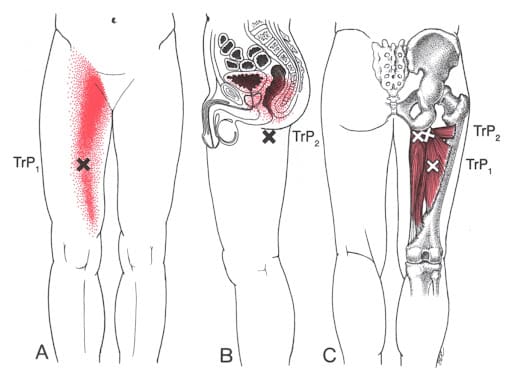
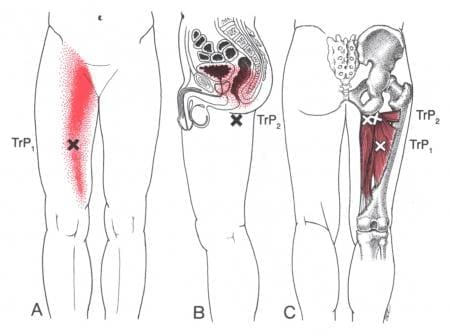
Groin pain is a multi-factorial pain issue that affects the lower limbs, and its often due to muscle strain in the inner thigh muscles. This pain increases during vigorous activities and when there is a sudden twist in the hips. When the adductor muscles suddenly change in motion when the body is active, they can be overstretched and correlate to myofascial trigger points that can affect the inner thigh and groin regions. According to “Myofascial Pain and Dysfunction,” by Dr. Travell, M.D., patients with active myofascial trigger points in the two adductor muscles (Longus and Magnus) would become frequently aware of the pain in their groin and medial thigh. When the adductor muscles have myofascial trigger points in the inner thigh, diagnosing is difficult since the individual thinks they are suffering from groin pain when the pain is in their inner thighs. To that point, studies reveal that many individuals participating in various sports would suffer from groin pain due to myofascial trigger points affecting the adductor muscles. Luckily, there are multiple treatments to reduce the pain in the adductor muscles.
Hip Adductors: Trigger Point Anatomy- Video
Have you been dealing with groin pain when you are walking? What about experiencing unquestionable thigh pain that affects your daily activities? Or does stretching your inner thigh muscles seem difficult, causing muscle tenderness? Many of these symptoms correlate with groin pain associated with myofascial trigger points affecting the adductor muscles in the inner thighs. The adductor muscles allow mobility function to the thighs and enable the hips to have a wide range of motion. When the adductor muscles are overstretched due to a sudden change of hip rotation or injury has occurred on the thighs can lead to referred pain in the groin and inner thighs and develop myofascial trigger points. The video above shows where the trigger points are located in the hip adductor muscles. The video also explains where the pain is localized in the adductor muscles and the symptoms it produces that can affect the lower body extremities. Fortunately, even though diagnosing myofascial trigger points are a bit challenging, available treatments can manage trigger points along the hip adductors.
Available Treatments To Manage Hip Adductor Trigger Points
When myofascial trigger points affect the hip adductor muscles, many individuals complain about stiffness in their inner thighs and how they feel miserable when they don’t have mobility from their thighs and hips. As stated earlier, trigger points are a bit challenging when diagnosed, but they are treatable when doctors examine patients dealing with myofascial pain in their hips and thigh muscles. Once the diagnosis is complete, doctors work with pain specialists who can locate the trigger points and devise a treatment plan to relieve the pain. Available treatments like trigger point injections can minimize the pain and reduce the chances of trigger points returning. Other available therapies like exercising or stretching, especially for the hips and thighs. Specific exercises for the hips and thigh muscles can help strengthen the adductor muscles from suffering pain and can help reduce the pain symptoms. Another treatment is applying moist heat on the hip adductor muscles to release the tension from the tight muscles and allow mobility back to the hip adductors.
Conclusion
The adductor muscles work with the hips and thighs to allow a wide range of motions and extension to the knees and hips. The hips and the thighs allow stability to the lower body and support the weight to the upper body. When injuries or sudden changes start to affect the adductor muscles, it can lead to symptoms of groin pain associated with myofascial trigger points. Myofascial trigger points produce tiny nodules in the affected muscle that causes referred pain to the muscle group. When this happens, it causes the body to be dysfunctional and can affect a person’s mobility to function in the world. Luckily myofascial trigger points are treatable through various techniques and treatments that can reduce the chances of trigger points from re-occurring in the body.
References
Jeno, Susan H, and Gary S Schindler. “Anatomy, Bony Pelvis and Lower Limb, Thigh Adductor Magnus Muscle.” In: StatPearls [Internet]. Treasure Island (FL), StatPearls Publishing, 1 Aug. 2022, https://www.ncbi.nlm.nih.gov/books/NBK534842/.
Sedaghati, Parisa, et al. “Review of Sport-Induced Groin Injuries.” Trauma Monthly, Kowsar, Dec. 2013, https://www.ncbi.nlm.nih.gov/pmc/articles/PMC3864393/.
Simons, D. G., and L. S. Simons. Myofascial Pain and Dysfunction: The Trigger Point Manual: Vol. 2:the Lower Extremities. Williams & Wilkins, 1999.
Takizawa, M, et al. “Why Adductor Magnus Muscle Is Large: The Function Based on Muscle Morphology in Cadavers.” Scandinavian Journal of Medicine & Science in Sports, U.S. National Library of Medicine, 27 Apr. 2012, https://pubmed.ncbi.nlm.nih.gov/22537037/.
van de Kimmenade, R J L L, et al. “A Rare Case of Adductor Longus Muscle Rupture.” Case Reports in Orthopedics, Hindawi Publishing Corporation, 2015, https://www.ncbi.nlm.nih.gov/pmc/articles/PMC4397006/.
Athletic pubalgia, also known as a hockey hernia,�hockey groin, Gilmore’s Groin,�sports hernia, or groin disruption, is a health issue of the pubic joint. It is a condition characterized by chronic groin pain in athletes and identified by a dilated ring of the inguinal canal. Soccer and ice hockey players are the athletes most commonly affected by athletic pubalgia, and both recreational and professional athletes can be impacted.
Athletic Pubalgia Symptoms
Symptoms of athletic pubalgia�generally manifest as pain following physical activity, most frequently through hip extension, and twisting and turning movements. The painful symptoms usually radiate into the adductor muscle region and the testicles, although it is often difficult for the individual to pinpoint the exact location of the�symptoms. Athletes with athletic pubalgia�experience soreness and stiffness after physical activity.
Any exertion which increases intra-abdominal pressure, such as sneezing or�coughing, as well as physical activity, can lead to pain. While pain in the stomach and pelvis can occur due to a variety of health issues, including injuries to the low back, or lumbar spine, the hip joint, the sacroiliac joint, and the abdomen, along with the genito-urinary system, diagnosis of athletic pubalgia demands skillful differentiation and evaluation.
Clinical Presentation of Athletic Pubalgia
The diagnosis of athletic pubalgia is based on the patient’s history, where healthcare professionals may also depend on the use�of magnetic resonance imaging,�or MRI. Symptoms can frequently be reproduced by certain movements, such as performing crunches or sit-ups. Pain associated with athletic pubalgia may also be elicited with the patient in a “frog posture,” in which the individual is supine with knees bent and heels together.
Many athletes experience concomitant fatigue or tearing of the�adductor muscles or labral tears of the hip. If there is stiffness in the adductor muscles post-injury, painful symptoms can manifest. Alternative treatment options should be to restore normal movement after the adductor has begun to heal, normally 6 to 8 weeks post-injury. Moreover, sleeping in a prone position with the hip on the affected side flexed and externally rotated can offer relief to some athletes with athletic pubalgia.
The precise prevalence of this health issue is unknown. Conservative therapies,�such as gentle stretching, may temporarily alleviate painful symptoms, however, definitive treatment options should be considered for long-term relief.�The scope of our information is limited to chiropractic as well as to spinal injuries and conditions. To discuss the subject matter, please feel free to ask Dr. Jimenez or contact us at�915-850-0900�.
Curated by Dr. Alex Jimenez
Additional Topics: Acute Back Pain
Back pain�is one of the most prevalent causes of disability and missed days at work worldwide. Back pain attributes to the second most common reason for doctor office visits, outnumbered only by upper-respiratory infections. Approximately 80 percent of the population will experience back pain at least once throughout their life. The spine is a complex structure made up of bones, joints, ligaments, and muscles, among other soft tissues. Because of this, injuries and/or aggravated conditions, such as�herniated discs, can eventually lead to symptoms of back pain. Sports injuries or automobile accident injuries are often the most frequent cause of back pain, however, sometimes the simplest of movements can have painful results. Fortunately, alternative treatment options, such as chiropractic care, can help ease back pain through the use of spinal adjustments and manual manipulations, ultimately improving pain relief.
IFM's Find A Practitioner tool is the largest referral network in Functional Medicine, created to help patients locate Functional Medicine practitioners anywhere in the world. IFM Certified Practitioners are listed first in the search results, given their extensive education in Functional Medicine