Around 60% of individuals have a condition caused by or complicated by chronic inflammation. The body reacts with acute inflammation, which is beneficial as the immune system fights off bacteria that could infect the injury. Examples could be getting a cut on the finger that swells for a day or so to repair the wound or catching a cold and coughing up mucus to expel the germs. However, acute inflammation only lasts as long as necessary; chronic inflammation can last for weeks, months, and years. Individuals can have chronic inflammation and not know the damage being done to arteries and organs until pain or other issues begin to present. There are a few anti-inflammatory diets, which are nutrition plans that can help reduce inflammation.
Anti-Inflammatory Diets
Health-promoting substances include vitamins, minerals, fiber, omega-3 fatty acids, flavan-3-ols in tea and cocoa, and anthocyanins in blueberries, strawberries, raspberries, and other red and purple plant foods. Certain chemicals in the body cause inflammation, and naturally-occurring chemicals in foods, can prevent and combat inflammation by providing essential nutrients.
Nordic Diet
This includes Denmark, Sweden, and Finland, which each have different cuisines, but traditionally, they share healthy foods that provide anti-inflammatory benefits, including:
Rye is a grain shown to help reduce blood sugar, the inflammatory marker C-reactive protein. Individuals that follow this way of eating have lower blood levels of C-reactive protein and other inflammation markers. A randomized study was done in various Nordic countries and lasted six to 24 weeks. One group was assigned a healthy Nordic diet while the other stayed on the country’s modern, less healthy diet. The studies found that individuals that practiced a healthy Nordic diet even for a short while improved inflammatory markers and lost weight.
Mexican Diet
Research has linked a traditional Mexican diet to lower inflammation. Staple foods of a traditional Mexican diet include:
Cheese
Corn tortillas
Fruits and vegetables, including hot peppers
Rice – brown and white
Legumes/Beans
Legumes/beans are linked to protection from inflammatory-related conditions that include:
Obesity
High blood pressure
High blood cholesterol
Type 2 diabetes
Cardiovascular disease
Legumes are high in fiber, which helps:
Reduce inflammation
Reduce unhealthy cholesterol
Reduce blood sugar spikes after a meal, which helps prevent type 2 diabetes and inflammation.
A National Cancer Institute study of post-menopausal women of Mexican descent living in the U.S. found that those following a more traditional Mexican diet averaged 23% lower C-reactive protein levels.
Nutritionist Health Coach and Chiropractic
In some instances, chronic inflammation can come from acute inflammation that does not turn off, which can happen when the body does not make enough chemical substances responsible for turning off the immune response. Blood tests for inflammation can include tests that detect the C-reactive protein and the erythrocyte sedimentation rate, which measures the speed red blood cells settle in a test tube that shows if more inflammatory compounds are present. A combined approach and team of medical professionals, including chiropractic, massage therapy, health coaching, and nutrition, can help relieve and prevent inflammation.
Nutritionist
Consulting a nutritionist is recommended to figure out and determine the best diet/nutrition plan for the individual.
A nutritionist may also suggest supplementation like vitamin D, magnesium, and fish oil supplements.
Body composition analysis breaks down the body elements of water, protein, minerals, and fat that can also discover inflammation markers.
Chiropractic
Chiropractic adjustments help reduce the production of cytokines or proteins that regulate the cells of the immune system. Overproduction of cytokines can cause a severe inflammatory response. Chiropractic’s purpose is to rebalance the body by realigning the vertebrae to reduce pressure on the nerves and promote a healthy nervous system. When the spine and other joints are correctly aligned, the nerves function correctly, returning the body’s biomechanics to normal.
InBody Results
References
Galbete C, Kröger J, Jannasch F, et al. Nordic diet, Mediterranean diet, and the risk of chronic diseases: the EPIC-Potsdam study. BMC Med. 2018;16(1):99.
Lankinen M, Uusitupa M, Schwab U. Nordic Diet and Inflammation-A Review of Observational and Intervention Studies. Nutrients. 2019;11(6):1369.
Ricker MA, Haas WC. Anti-Inflammatory Diet in Clinical Practice: A Review. Nutrition in Clinical Practice. 2017;32(3):318-325.
Santiago-Torres M, Tinker LF, Allison MA, et al. Development and Use of a Traditional Mexican Diet Score in Relation to Systemic Inflammation and Insulin Resistance among Women of Mexican Descent. J Nutr. 2015;145(12):2732-2740.
Valerino-Perea, Selene, et al. “Definition of the Traditional Mexican Diet and Its Role in Health: A Systematic Review.” Nutrients vol. 11,11 2803. 17 Nov. 2019, doi:10.3390/nu11112803
Yang, Yoon Jung, et al. “Dietary flavan-3-ols intake and metabolic syndrome risk in Korean adults.” Nutrition research and practice vol. 6,1 (2012): 68-77. doi:10.4162/nrp.2012.6.1.68
Restaurant work takes a toll on the body with the repetitive moving, bending, twisting, reaching, prepping, cutting, serving, and washing. This is especially true of the shoulders, arms, and hands. When individuals avoid treating their aches and pains, this can lead to chronic pain conditions that can cause severe and permanent damage to the musculoskeletal system. Chiropractic can alleviate the tingling and pain by removing the compression, re-stretching/lengthening, and strengthening the muscles and nerves to perform at optimal levels.
Restaurant Work
The arms and hands are designed to accomplish various tasks. When functioning normally, tasks can be performed flawlessly. Repetitive/Overuse or trauma can cause nerve compression, stiffness, and pain, decreasing function and affecting daily routines.
Carpal Tunnel
Carpal tunnel syndrome is one of the most common disorders that affect the arm and hands.
The carpal tunnel is a space where a nerve and several tendons pass. If the nerve becomes compressed, it can cause numbness, tingling in the fingers, pain, and muscle weakness, making it difficult to grip objects.
Discomfort and pain start gradually in one or both hands.
It can cause tightness and pain in the shoulder, forearm, wrist, and hand.
It can also cause numbness in the palm and fingers.
Avoid scheduling multiple consecutive long shifts for jobs that require repetitive hand motions.
Body Composition
Sticking To A Meal Plan
Identify personal motivation to stick to a meal plan other than improving body composition. To keep motivation high, individuals need to identify other reasons behind goals. This could be:
Saving money from the food budget.
Spending time with loved ones preparing a healthy recipe.
Setting an example to family and friends.
It can be whatever motivates you.
Reassess and tweak the meal plan as needed.
Nutritional needs or dietary preferences change.
Meal planning should be a dynamic process.
Don’t get disappointed if not going as planned.
Refocus by making changes as needed.
References
Gentzler, Marc D, and Janan A Smither. “Using practical ergonomic evaluations in the restaurant industry to enhance safety and comfort: a case study.” Work (Reading, Mass.) vol. 41 Suppl 1 (2012): 5529-31. doi:10.3233/WOR-2012-0872-5529
Laperrière, Ève et al. “Work activity in foodservice: The significance of customer relations, tipping practices and gender for preventing musculoskeletal disorders.” Applied ergonomics vol. 58 (2017): 89-101. doi:10.1016/j.apergo.2016.05.013
Masear, V R et al. “An industrial cause of carpal tunnel syndrome.” The Journal of hand surgery vol. 11,2 (1986): 222-7. doi:10.1016/s0363-5023(86)80055-7
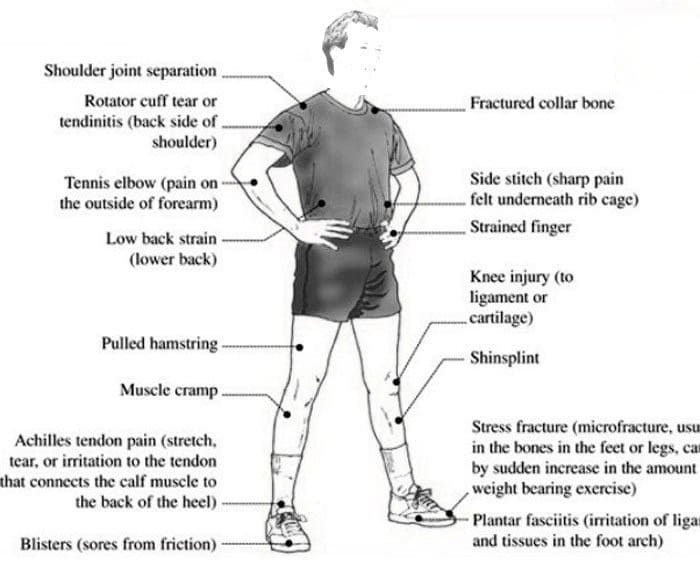
Acute and chronic sports injuries. Individuals who participate in sports or physical activities have an increased risk of experiencing an injury. These types of damages range from minor to severe and could require medical attention. Acute sports injuries happen suddenly and are usually the result of trauma to the area. A specific, identifiable incident is what causes an acute injury. Chronic sports injuries, also known as repetitive/overuse injuries, happen with time and are not caused by a single incident.
Acute and Chronic Sports Injuries Identification
Acute injuries can be identified by their cause. This could be a falling down during a run, sharp pain that presents in the shoulder after a throw, or a sprained ankle. The ability to focus on one cause usually means it’s acute. Acute injuries are characterized by:
Sudden pain in an area where there was none.
Swelling
Redness
Tenderness
Limited range of motion.
The inability of the injured area to support its weight.
A broken bone.
Dizziness
Headache
Nausea
Vomiting
Chronic injuries are different but are usually easy to identify. The pain begins gradually, usually over weeks or months. Repetitive activities like running, throwing, and swinging can exacerbate the pain. However, it is difficult to point to a specific issue that first caused the discomfort or pain. Chronic sports injuries are characterized by:
Pain and tenderness in the area, especially during and immediately after activity.
Minor swelling and limited range of motion.
Dull pain when resting.
These two types of injuries have different causes – trauma for acute and wear-and-tear for chronic – but they can both result in similar issues. For example, shoulder rotator cuff injuries are common, especially those that repeatedly use their shoulder to swing, throw, swim, etc. The individual needs to undergo a rotator cuff injury test to diagnose the injury correctly, whether the damage is acute or chronic. Chronic injuries can cause acute injuries, and acute injuries can lead to chronic injuries if left untreated.
Examples of Acute and Chronic Sports Injuries
Chronic and acute injuries are common in every type of sport. There’s an opportunity for both types of injuries. The most common include:
Other injuries from trauma, overuse, or both include:
Nonspecific Back Pain
Herniated Disc/s
Spondylolysis
Treatment
Minor acute injuries can be treated with rest, ice, compression, and elevation, aka R.I.C.E. Overuse injuries, are different as the injury has been gradually increasing in its severity, possibly causing scar tissue and ganglion cysts to develop. To prevent the injury from worsening, it’s recommended to see a sports injury chiropractor or physical therapist. These professionals can help heal the body and educate the individual on self-care and prevention.
Chiropractic
The musculoskeletal system takes a beating. Chronic injuries usually affect the bones, joints, muscles, or a combination. Chiropractic helps keep the musculoskeletal system limber and in proper alignment. Adjustments include:
Neck adjustments
Arm and hand adjustments
Shoulder adjustments
Knee adjustments
Hip adjustments
Foot adjustments
Physical Therapy
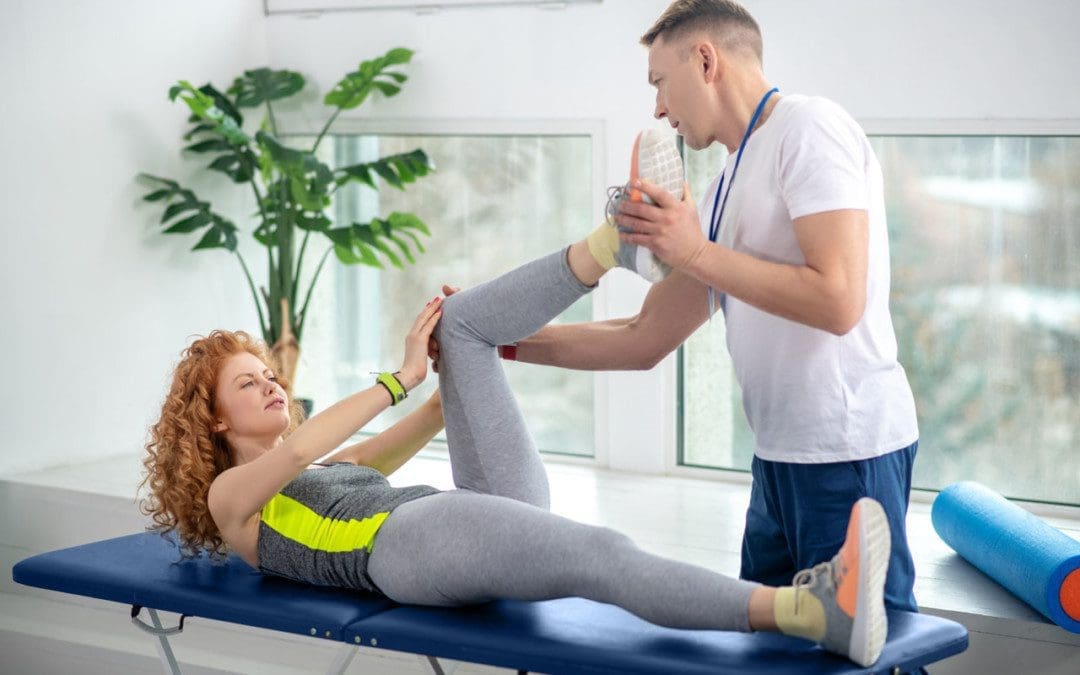
Physical therapy for a chronic injury can help prevent future injuries. A physical therapist helps:
Improve range of motion
Reduces pain and swelling
Increases strength
Whether an athlete or is just staying active and having some fun with sports, acute and chronic injuries can sneak up and worsen if they are not treated properly. Healing with the help of a professional can quicken recovery time and prevent future injuries.
Body Composition
Maintain Muscle Mass While Losing Fat
Individuals who want to lose weight should focus on losing excess fat tissue, not muscle mass. Studies have shown that diet and exercise are crucial to preserving Skeletal Muscle Mass while losing weight. Losing weight healthily includes:
A healthy balance of cardio and resistance training to burn calories and build muscle.
Wörtler, K, and C Schäffeler. “Akute Sportverletzungen und chronische Überlastungsschäden an Vor- und Mittelfuß” [Acute sports injuries and chronic overuse stress damage to the forefoot and midfoot]. Der Radiologe vol. 55,5 (2015): 417-32. doi:10.1007/s00117-015-2855-3
Yang, Jingzhen et al. “Epidemiology of overuse and acute injuries among competitive collegiate athletes.” Journal of athletic training vol. 47,2 (2012): 198-204. doi:10.4085/1062-6050-47.2.198
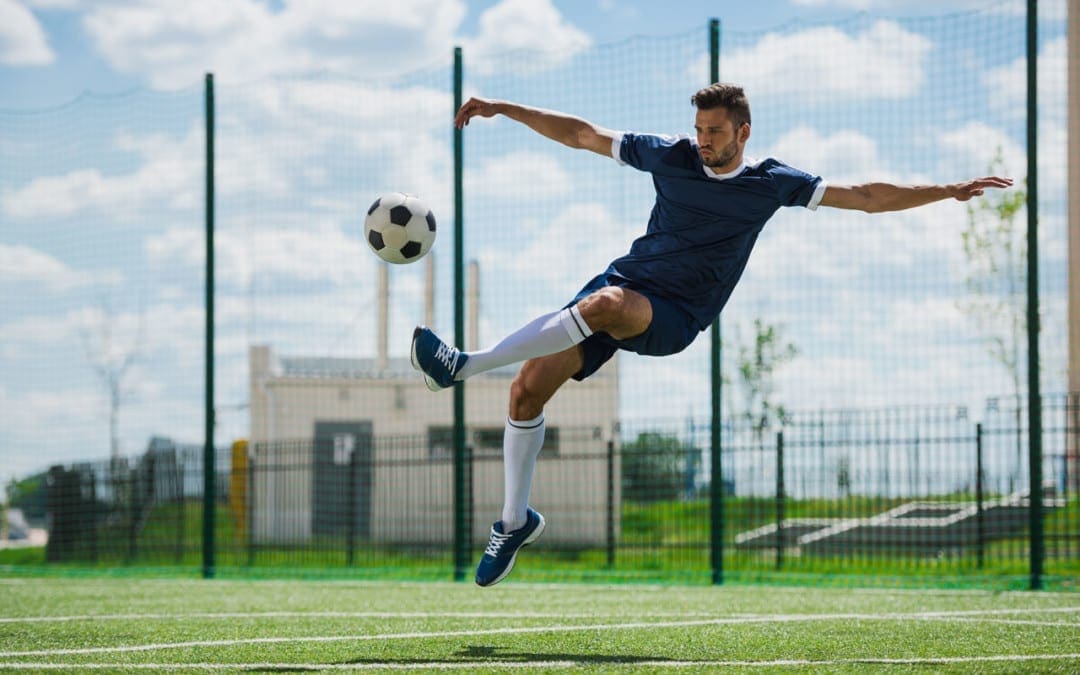
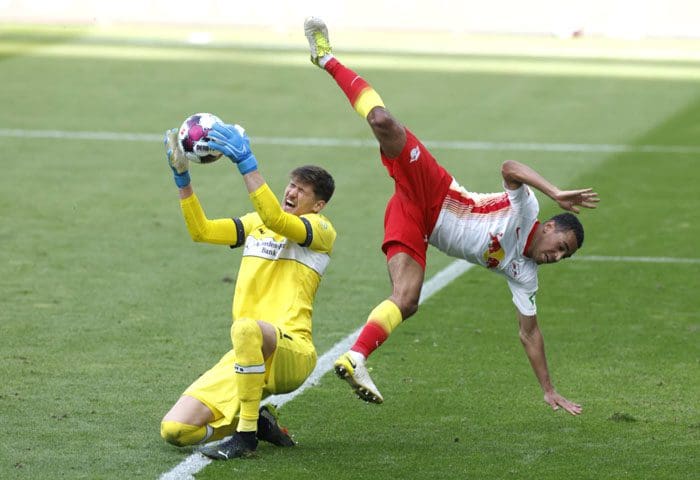
Although many soccer injuries involve the legs and lower extremities, other body areas are susceptible to injury/s as well. Acute or cumulative is how soccer injuries are generally described. Acute injuries are traumatic. They are usually caused by a slip, trip, and fall, getting hit, and crashing into other players. Cumulative injuries involve repetitive stress on a muscle, joint, or connective tissue. This triggers progressive aches, pain, and physical impairment that gets worse with time. Understanding how and why they happen is the first step in injury prevention. The more common injuries experienced among soccer athletes include.
Concussion
This is a form of mild traumatic brain injury mTBI caused by a sudden hit/impact to the head. Players are trained to head the ball; however, concussions can happen if not ready for impact or heading at an awkward position.
Ankle Sprains
Ankle sprains are when there is stretching and tearing of ligament/s that surround the ankle joint.
Lateral ankle sprains or outside of the ankle can happen when a player kicks the ball with the top of the foot.
A medial ankle sprain or inside of the ankle can happen when the toes are turned out when the foot is flexed up.
Achilles Tendonitis
This is a chronic injury that occurs from overuse with pain in the back of the ankle. Players are constantly performing repetitive and sudden movements that, over time, can cause this type of injury.
Achilles Tendon Rupture
A rupture involves a partial or complete tear of the Achilles tendon. Often players say with a popping sound. This happens when players perform fast, explosive movements. Rapid stopping, starting, shifting, jumping can all contribute.
Groin Pull/Strain
This is a type of strain that happens when the inner thigh muscles are stretched beyond their limit. As a result, a player can pull the groin when kicking and/or resistance from an opponent trying to take the ball or kick in the opposite direction.
Hamstring Injury
These injuries involve the three back muscles of the thigh and can vary from minor strains to complete ruptures/tears. This comes from running, sprinting, jumping, and stopping, leading to these types of injuries.
Iliotibial Band Syndrome
This is an overuse/repetitive injury that involves a tendon known as the IT band. This is the connective tissue that runs along the outside of the thigh. Constant running can create friction as the band gets pulled along the outside of the knee, which can cause tendonitis.
Plantar Fasciitis
This causes foot pain caused by inflammation of the tissue bands that run from the heel to the toes. Several factors can cause the condition. This could be players using inappropriate or not correctly fitting shoes, shoes that do not provide proper arch support or playing on a hard surface.
Calf Muscle Pull
This is when one of the muscles of the lower leg gets pulled from the Achilles tendon. Again, quick and spontaneous sprinting, running, or jumping is usually the cause.
Knee Injuries
The most common soccer injuries are those that involve the knee. This is because of the stopping and shifting directions quickly and suddenly. The explosive, spontaneous movements place extreme stress on the knees and the supporting ligaments. When the stress goes beyond the ligament’s limits, it can cause a sprain or tear in the joint. When there is an injury to the knee/s, it is diagnosed using a grading scale.
Grade 1 Mild sprain
Grade 2 Partial tear
Grade 3 Complete tear
Runner’s Knee
Patellofemoral pain syndrome, also known as runner’s knee, is a condition where the cartilage under the kneecap gets damaged from an injury or overuse. This happens when there is a misalignment in the knee and/or strained tendons.
ACL Injury
The anterior cruciate ligament or ACL is at the front of the knee. These are the most common knee injuries. This is because the ligaments are less retractable than muscles or tendons. And those in the knees are highly vulnerable to damage.
Cruciate Ligament Injury
This type of injury does not always cause pain but often causes a popping sound when it happens. Pain and swelling develop within 24 hours. This is followed by the loss of range of motion and tenderness around and along the joint.
Meniscus Injury
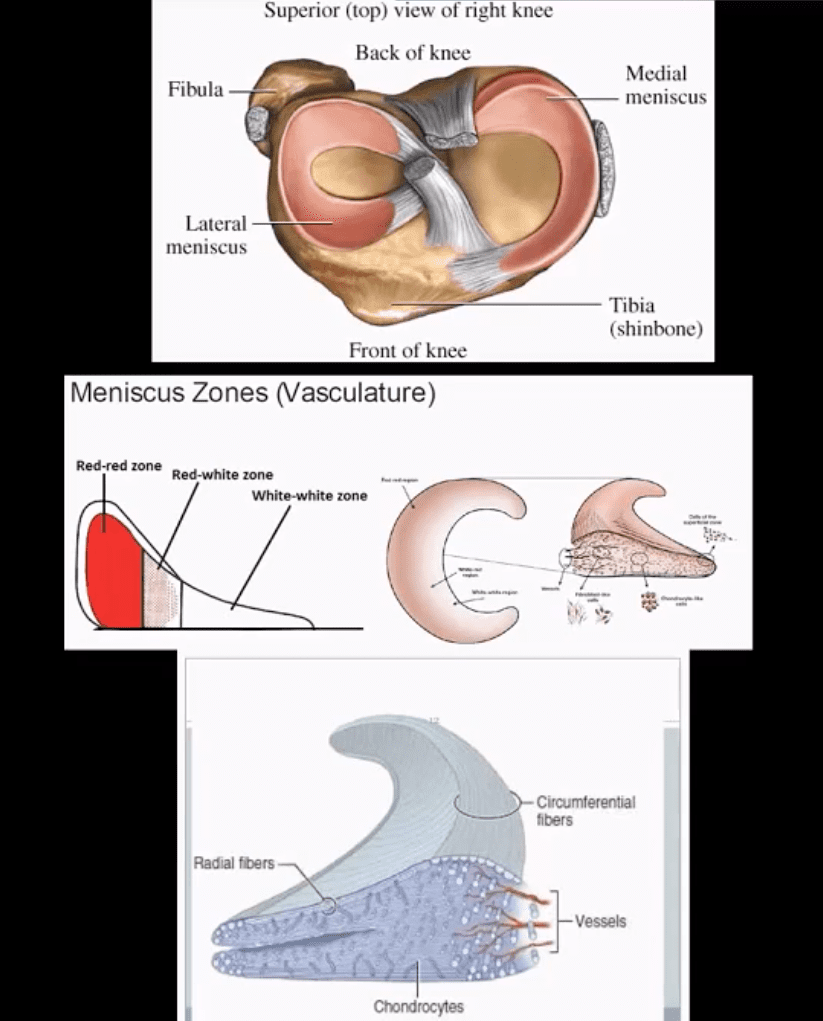
The Meniscus involves a C-shaped piece of cartilage that cushions the space between the femur and the shin bone. These tears are painful and are often the result of twisting, pivoting, decelerating, or quick/rapid impact.
Shin Splints
The term describes a variety of painful symptoms that develop in the front of the lower leg. This often happens from over/intense training, or the training gets changed. Players can also develop shin splints from training while not using appropriate shoes.
Stress Fractures
These types of fractures are usually the result of overuse or repeated impact on a bone. The result is severe bruising or a slight crack in the bone.
Tendonitis
When tendons get inflamed, it is referred to as tendonitis. This comes with repetitive overuse but can also develop from a traumatic injury that causes micro-tears in the muscle fibers.
Soccer Injuries Prevention
Many of these injuries result from overuse, overtraining, improper conditioning, and/or not warming up properly. Here are few tips to help reduce the risk.
Warm-up for at least 30 minutes before playing
Pay special attention to stretching the:
Groin
Hips
Hamstrings
Achilles’ tendons
Quadriceps
Wear protective gear
This includes:
Mouthguards
Shin guards
Kinesio tape
Ankle supports
Eye protection
Ensure they are correctly sized and maintained.
Check the field
Check for anything that could cause injury/s. This includes:
Holes
Puddles
Broken glass
Stones
Debris
Avoid playing in bad weather
Or immediately after heavy rain when the field is especially slick and muddy.
Allow enough time to heal after an injury.
This also goes for minor soccer injuries. Trying too fast to get back increases the risk of worsening the injury, re-injury, and/or creating new injuries.
Utilize carb-loading to help them increase energy storage for long runs, bike rides, swims, etc. When timed effectively, carb-loading has been shown to increase muscle glycogen, leading to improved performance.
Bodybuilders and fitness athletes
Use carbo-loading to build size and mass before competitions. The timing and efficacy of carb-loading vary from person to person. Make sure to experiment before the next big competition.
References
Fairchild, Timothy J et al. “Rapid carbohydrate loading after a short bout of near maximal-intensity exercise.” Medicine and science in sports and exercise vol. 34,6 (2002): 980-6. doi:10.1097/00005768-200206000-00012
Kilic O, Kemler E, Gouttebarge V. The “sequence of prevention” for musculoskeletal injuries among adult recreational footballers: A systematic review of the scientific literature. Phys Ther Sport. 2018;32:308-322. doi:10.1016/j.ptsp.2018.01.007
Lingsma H, Maas A. Heading in soccer: More than a subconcussive event?. Neurology. 2017;88(9):822-823. doi:10.1212/WNL.0000000000003679
Pfirrmann D, Herbst M, Ingelfinger P, Simon P, Tug S. Analysis of Injury Incidences in Male Professional Adult and Elite Youth Soccer Players: A Systematic Review. J Athl Train. 2016;51(5):410–424. doi:10.4085/1062-6050-51.6.03
Sometimes low back pain comes out of nowhere, but that sudden twinge in the lower back does have a cause. With some cases, there�s a trigger, like picking up a heavy object/furniture from an awkward position.� But sometimes it can be a mystery and a challenge to diagnose.
It is important to know the cause of lower back pain to figure out the proper treatment plan. Otherwise, one could receive treatment for the wrong diagnosis and possibly exacerbate the existing injury.
Why do I need to know what triggers my back pain
Knowing what triggers back pain is the first step toward prevention and how to treat it.
Muscle spasms can stop you cold, and so I’m sure you don�t want another one.
Acute Back Pain
Acute low back pain typically comes on suddenly and lasts for a short time.
It often resolves on its own with self-care and a little time.
Back pain that lasts longer than three months, is considered chronic.
Chronic back pain can be more complex and require doctor/spine specialist-directed treatment, like physical therapy.
Lower Back Pain Is Common
Over 90 percent of adults will have some type of low back pain during their life.
It happens to be the number one cause of job disability globally and the leading contributor to missed work.
Lower back pain happens more often, compared to mid or upper back pain because of the location and all of the movement.
The lower back supports the upper body’s weight.
The low back known as the (lumbar spine) absorbs and distributes all of the forces and stress when we move:
Walking
Standing
Rest
Sitting
Sleeping
Spinal and abdominal muscles that are weakened heighten injury risk.
These factors combined make the lower back vulnerable to painful spinal conditions.
Common Triggers
When the lumbar spine:
Muscles
Tendons
Ligaments
And other connective tissues get:
Pulled
Strained
Sprained
Is when lower back pain happens.
Small tears in the disc can also contribute to back pain.
Basically, any number of activity and non-activity can cause damage to the spinal discs depending on the movement.
A study published in Arthritis Care & Research saw 999 people from 300 clinics in Australia, to examine their pain triggers.
The most common triggers include:
Manual tasks performed in an awkward posture
This includes:
Lifting boxes with the back and not bending the knees
Lifting something too heavy
Moderate physical activity
Vigorous physical activity
High intense strength training, long bike rides without proper conditioning, handling people or animals, and picking up children can be triggers and cause injury.
Other triggers include:
Overstretching
Twisting
And Trauma
From:
Falls
Vehicle accidents
Sports
Triggers You Might Not Know About
Although we don’t think about it being Distracted can increase the odds of low back pain.
When we’re not paying attention,� we are more likely to lift and carry something too far from our body or distribute the weight unevenly.
Feeling tired and Fatigued is associated with lower back pain.
Getting the proper amount of sleep is vital to restore our bodies to optimal performance.
When we don’t sleep the right amount of hours we make our bodies more susceptible to injury.
Treatment
Thankfully most cases are not serious and typically resolve within a few days to, four weeks healing on its own.
But if not, then there are these conservative treatments that can help you feel better and speed up healing.
Continue to Move Around
Depending on how much pain your body will allow, keep doing regular activities and exercise, as best as you can.
Activity increases blood flow, that moves oxygen and minerals/nutrients through the body.
Activity and movement help reduce muscle tension and inflammation.
Heat/Ice
This will not cure a strain or sprain, but they do help in pain reduction.
Heat helps loosen tight muscles.
This can be done by making warm compresses by soaking a towel in hot water.
Fold it to the size you need and wrap it around your lower back up to 20 minutes.� Then rest, massage and re-apply.
Massage can bring temporary relief from short-term back pain.
If the pain is intense and interferes with daily activities, a chiropractor/physical therapist can offer exercises and stretches to:
Improve posture
Increase mobility
Correct muscle imbalances
Acute lower back pain can stop you cold with its intensity.
Understanding triggers can take steps to maintain a healthy spine and avoid unpleasant surprises.
Medication
Both acetaminophen (Tylenol) and non-steroidal anti-inflammatory drugs (NSAIDs) can relieve pain.
These need to be taken, specifically as directed by your doctor. We’ve seen the opioid crisis going on and now this type of treatment is now a last resort. Various medical associations are now pushing towards natural and alternative therapies before turning to medication.
Prolonged use of NSAIDs (Aleve, Advil) can be associated with an upset stomach, kidney damage and gastrointestinal conditions and bleeding, among other conditions.
Back Pain Specialist | El Paso, Tx
Back pain is one of the most common health issues frequently diagnosed by healthcare professionals. Approximately 80 percent of the population will experience some type of back pain throughout their lifetimes. Because back pain can occur due to a wide array of health issues, diagnosis is essential to follow-up with the proper treatment approach. Dr. Alex Jimenez, chiropractor or doctor of chiropractic in El Paso, TX, utilizes chiropractic care to help treat back pain. Patients describe how their back pain affected their quality of life, and how Dr. Jimenez helped them improve their overall health and wellness with chiropractic. Patients highly recommend Dr. Jimenez and his staff as the non-surgical choice for back pain, among other common health issues.
NCBI Resources
Throbbing, dull and achy, sharp and excruciating. All of these words can be used to describe lower back pain. Unfortunately, lower back pain is a common occurrence in adults. According to the�American Chiropractic Association, low back pain is the single leading cause of disability worldwide, with millions of reported cases every year. Patients who experience lower back pain never want to deal with it again, but�it can flare up periodically. According to the�National Institute of Neurological Disorders and Stroke,�roughly 20% of those who suffer from low back pain will eventually deal with it chronically. This can cause frustration, primarily when it affects mobility.
When dealing with a sports injury or a similar type of injury, many people are familiar with the R.I.C.E. protocol for injury care. R.I.C.E. stands for Rest, Ice, Compression, and Elevation and has long been used when treating everything from sprained ankles to banged up knees. With acute injury patients, experts recommend adding �P� for protection because of the protection of the area is vital in the healing process. It is crucial that this is implemented as soon after the injury as possible and it should be maintained for anywhere from 24 hours to 72 hours afterward. Of course, this depends on the severity of the injury.
P is for Protection: Injuries hurt and pain can be a good thing because it prevents you from further injuring that area. It encourages you to protect it.
It is essential to listen to your body and protect the injured area through full or partial immobilization and restricted use. The way you do this depends on the body part.
An arm or shoulder injury can be protected with the use of a sling. An ankle injury may require a brace or splint, and you may have to avoid or limit weight bearing for a while. This means using crutches a walker, or a cane.
R is for Rest: The body needs rest to heal. This could mean complete rest, but in many cases, it means what is known as �relative rest.� This means that it allows for enough rest to heal but is not entirely restrictive which could slow or inhibit recovery.
This means avoiding activities that are stressful to the area to the point that they cause pain or that they might compromise healing. Many times, though, some movement is a good thing, even beneficial. Some gentle movements can speed recovery.
Isometric contractions of the muscles and joints that surround the injury and even some range of motion exercises can help. The key is to keep the movements gentle and to listen to your body for guidance on how much and how far to push.
I is for Ice:Cryotherapy or cold treatments can come in the form of actual ice, or there can be other types such as a cold soak. When treating acute injuries at home, the best known, and probably most straightforward way is to put some crushed ice in a freezer bag with a zip lock closure and wrap it in a small towel to keep the pack from directly touching the skin.
Frozen vegetables, like green beans, peas, or edamame work well too � remember to use the towel as a barrier between the skin and the pack. You should not use the pack more than 10 to 15 minutes as a time. The recommended cycle is 10 to 15 minutes on and 1 to 2 hours off.
In some cases, you may not be able to apply ice directly to the site. In those cases, you can use the pack at the joint above the affected area. For instance, a tightly wrapped ankle can still benefit from ice, you just apply the ice pack to the back on the knee on the same leg.
C is for Compression: A compression wrap can offer mild support and reduce swelling. Typically, an elastic bandage is used to compress or apply pressure to the injured tissue.
When applying a compression bandage, start it several inches below the area that is injured. It should be applied directly to your skin.
Use some tension as you wrap, but not to the point that it cuts off circulation (characterized by tingling or numbness and the soft tissue should not change color). Wrap the bandage in a figure eight configuration or spiral, depending on the area, stopping a few inches above the injury.
E is for Elevation: When an injured joint or extremity is not elevated, fluid can pool in the area and swelling can occur. This can lead to increased pain and limited range of motion. Elevation helps prevent these things from happening and can even help to speed up recovery.
The key to elevation is positioning the injured area at a level that is above the heart. The most effective way to accomplish this is to keep the area elevated as much as possible while awake and prop it up with pillows while sleeping for at least the first 24 to 48 hours. Some injuries may require more time though, so listen to your body.
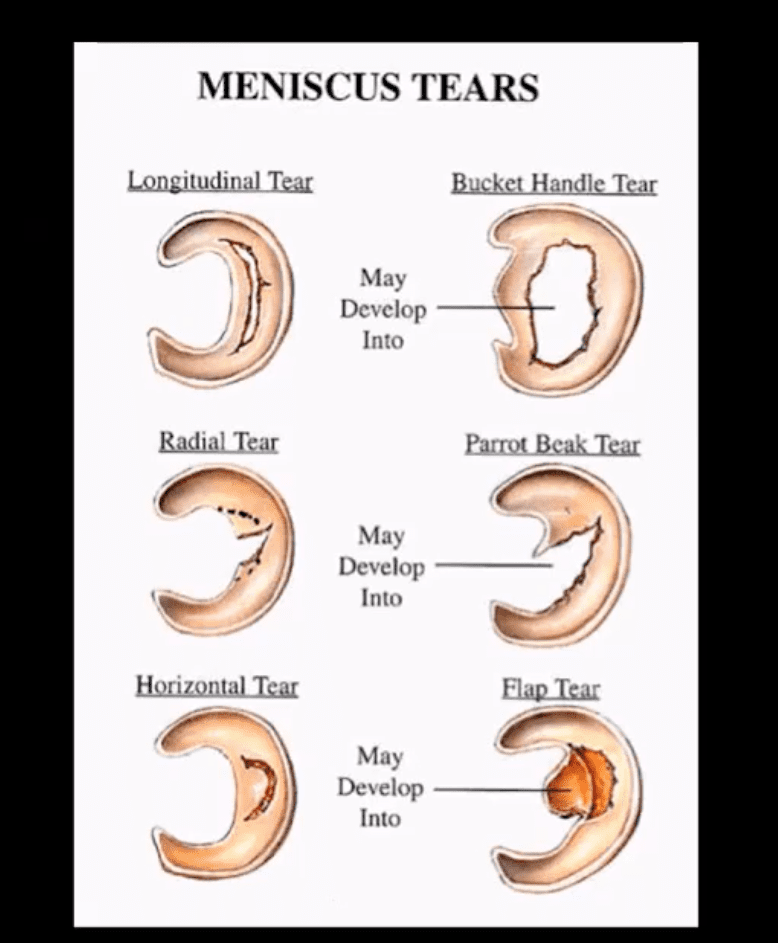
Types, location, and stability of tears are v. important during MRI Dx
Vertical/longitudinal tears especially occur in acute ACL tears. Some longitudinal tears found at the periphery or “red zone” may heal
Bucket handle tear: longitudinal tear in the inner edge that is deep and vertical extending through the long axis and may displace into a notch
Oblique/flap/parrot-beak are complex tears
Radial tear at 90-degree to plateau
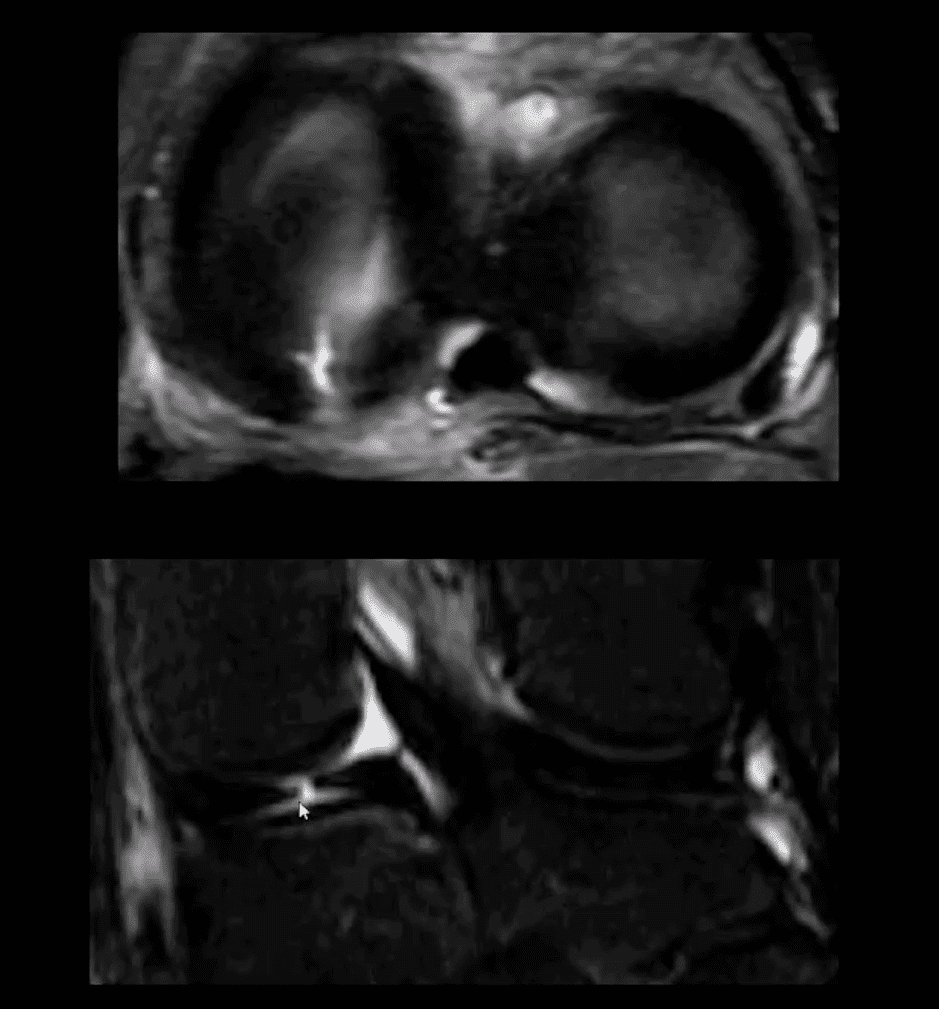
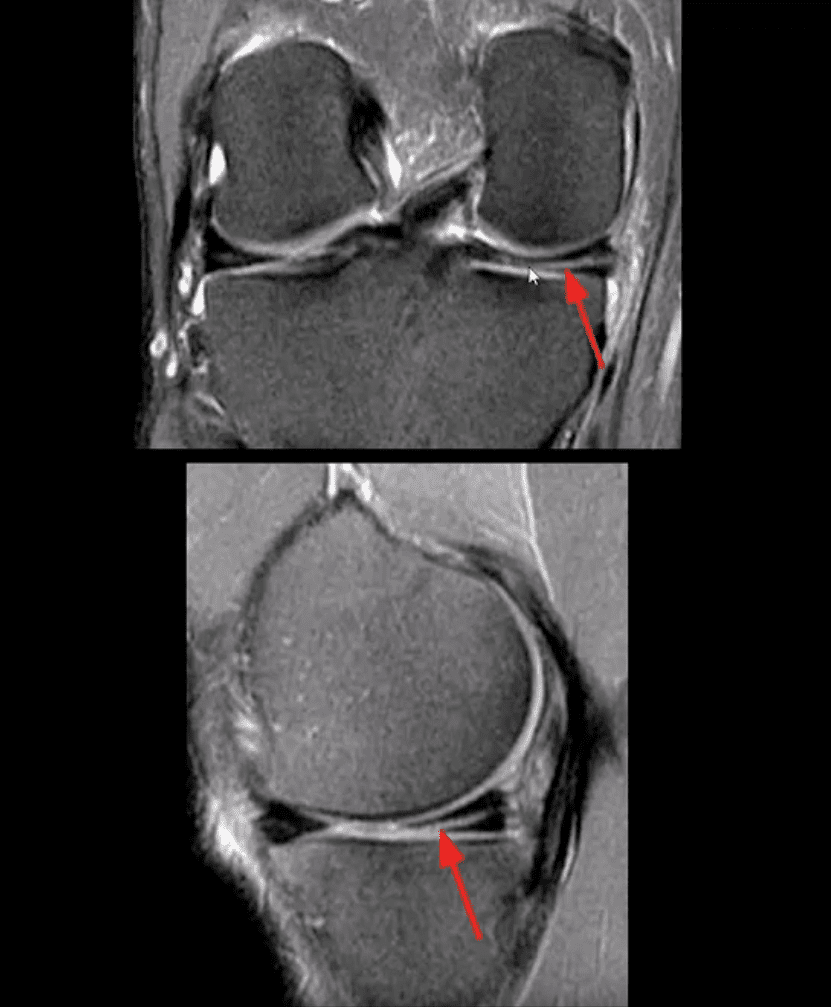
Axial T2
Axial T2 WI fat-sat and coronal STIR slices of the posterior horn of the medial meniscus.
Note a radial tear of the posterior horn of the medial meniscus near the meniscal root. This is potentially an unstable lesion requiring operative care
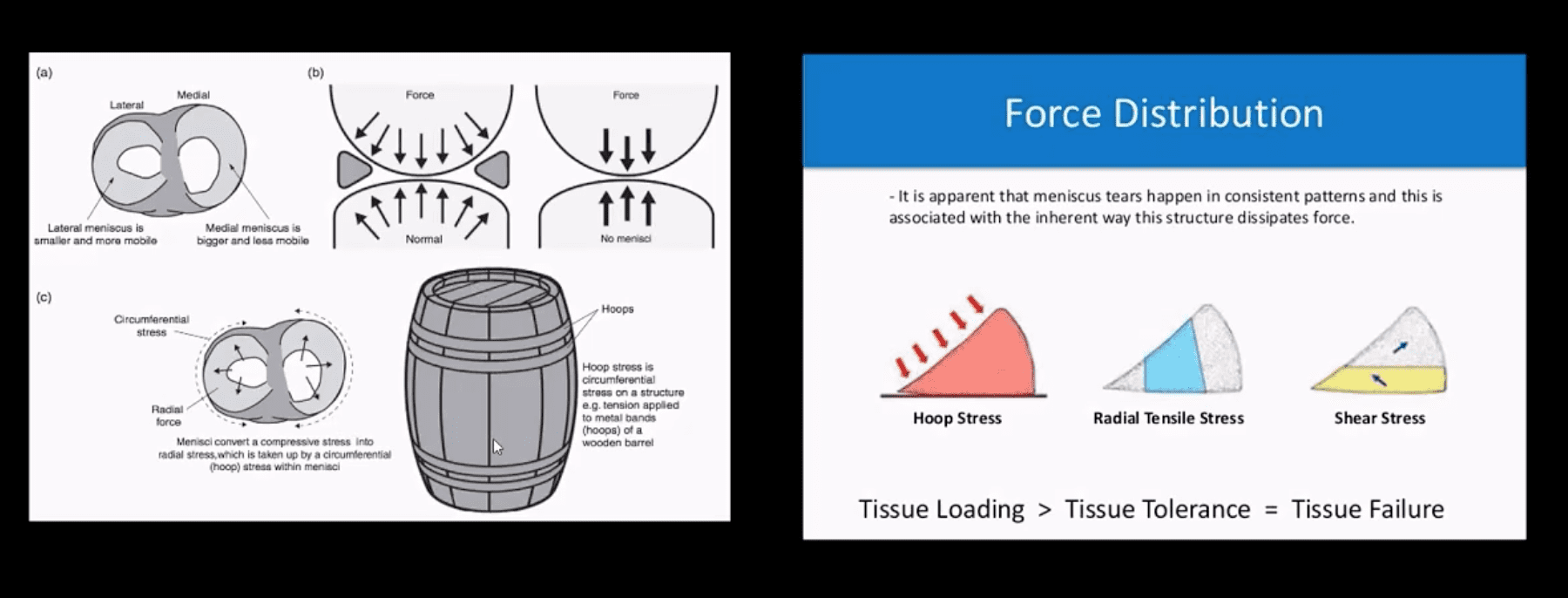
The meniscus, in this case, is unable to provide a “hoop-stress mechanism.”
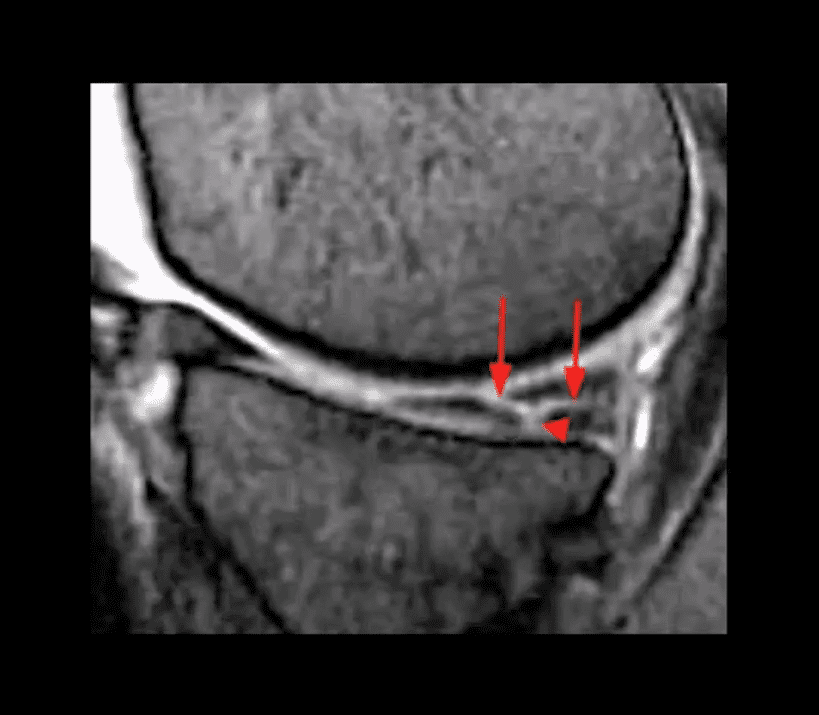
MRI Slices Coronal & Sagittal
Fat-sat coronal and sagittal proton density MRI slices revealing horizontal (cleavage) tear that is more typical in the aged meniscus
In some cases, when this tear does not contain a radial component, it may partially heal obviating the need for operative care
T2 w GRE Sagittal MRI Slice
Complex tear with a horizontal oblique and radial component.
This type of tear is very unstable and in most cases may need operative care
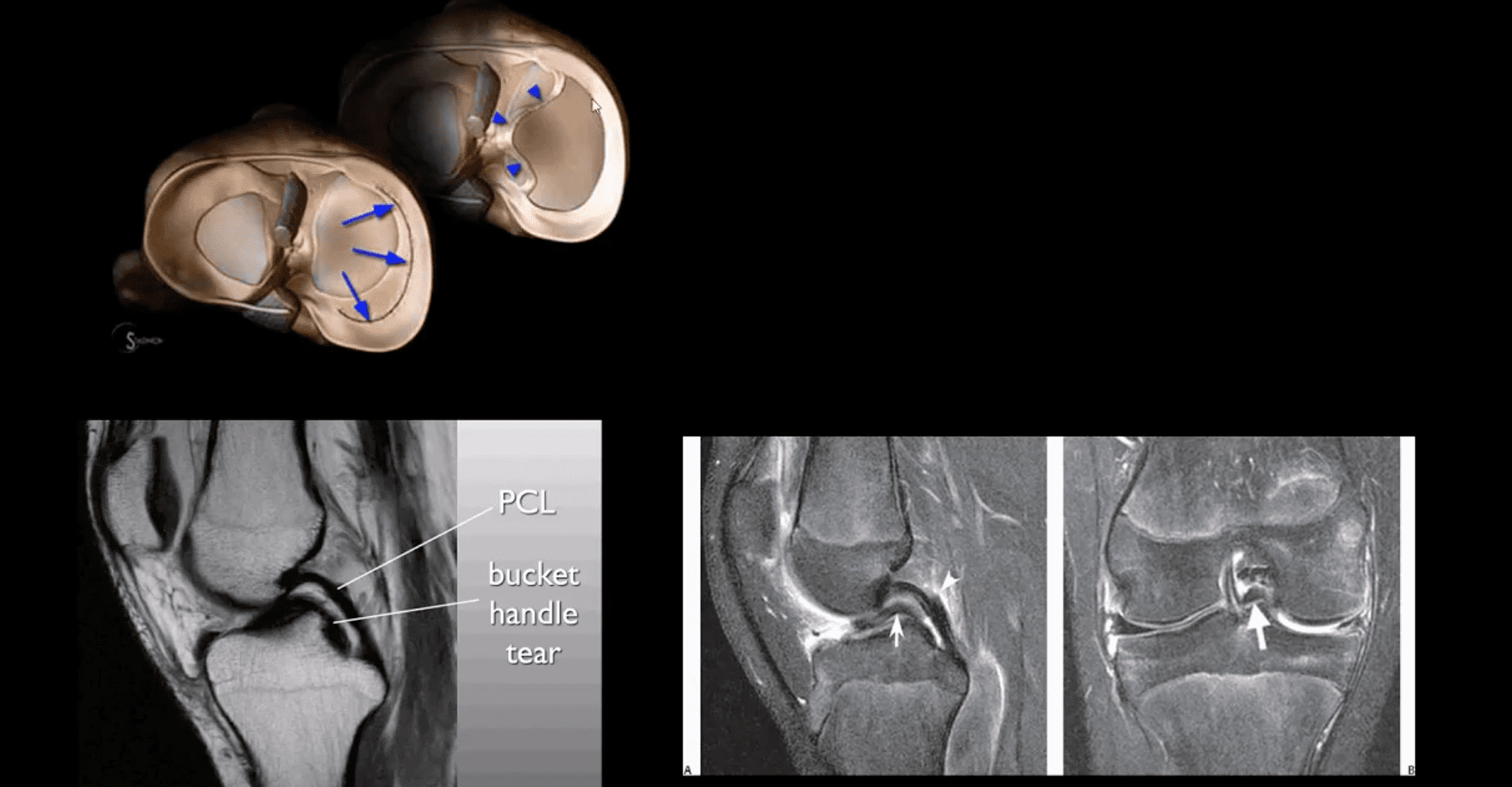
Bucket Handle Tear
Bucket handle tear are m/c in the medial meniscus esp. with acute ACL and MCL tear
MRI signs; double PCL sign on sagittal slices
Absent “bow-tie” sign and others
Most cases require operative care
DDx From Meniscal Degeneration
Occasionally meniscal tears need to be DDx from meniscal degeneration which may also appear bright (high signal) on fluid-sensitive MRI
The simplest rule is that if there is a true meniscal tear aka Grade 3 lesion, it always reaches/extends to the tibial plateau surface
The Role of MSK Ultrasound (US) in Knee Examination
MSK US of the knee permits high resolution and dynamic imaging of primarily superficial anatomy (tendons, bursae, capsular ligaments)
MSK US cannot adequately evaluate cruciate ligaments and the menisci in their entirety
Thus MR imaging remains modality of choice
Potential Pathologies Successfully Evaluated by MSK US
Patellar tendionosis/patellar tendon rupture
Quadriceps tendon tear
Prepatellar bursitis
Infrapatellar bursitis
Pes Anserine bursitis
Popliteal cyst (Baker cyst)
Inflammation/joint effusion with synovial thickening and hyperemia can be imaged with US (e.g., RA) especially with the addition of color power Doppler
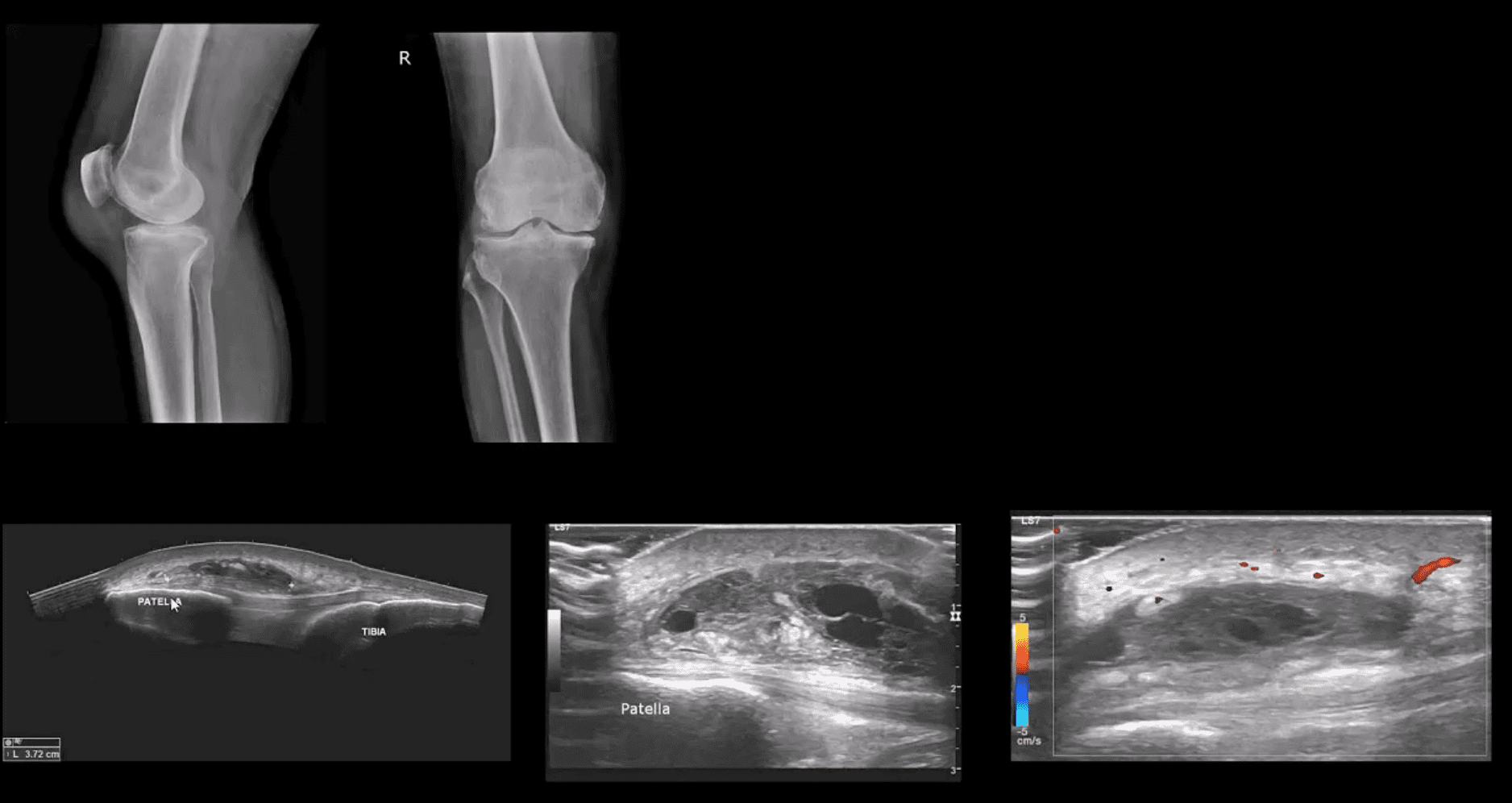
Patient Presented With Atraumatic Knee Pain & Swelling
Radiography revealed sizeable soft tissue density within the superficial pre-patella region along with mild-to-moderate OA
MSK US demonstrated large septated heterogeneous fluid collection with mild positive Doppler activity on the periphery indicating inflammation d/t Dx of Superficial pre-patella bursitis
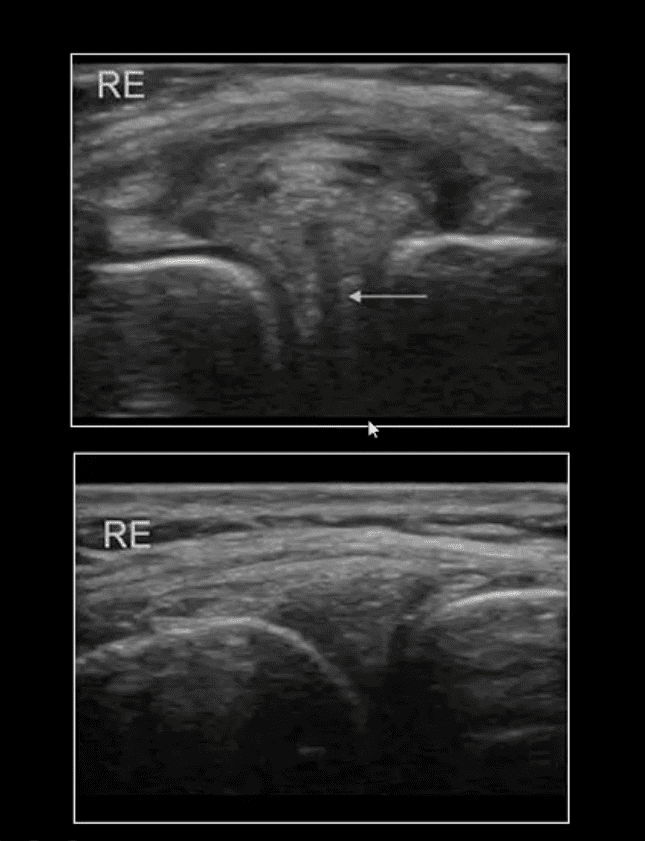
Long Axis US Images
Note normal lateral meniscus and fibers of LCL (above bottom image) compared to
Horizontal degenerative cleavage tear along with protrusion of lateral meniscus and LCL bulging (above top image)
Major limitation: unable to visualize the entire meniscus and the ACL/PCL
MRI referral is suggested
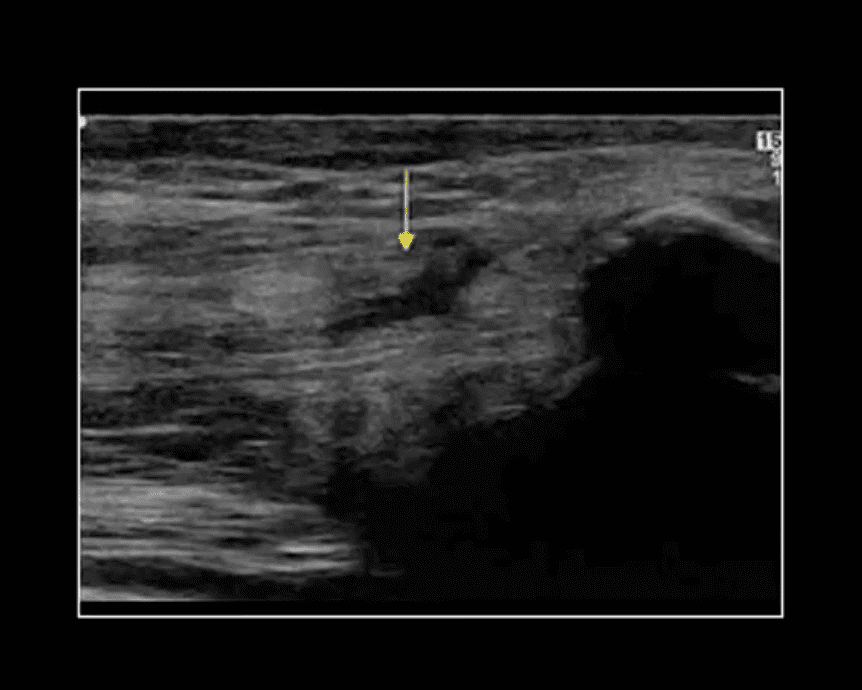
Rupture of Distal Tendon of Quadriceps
Note rupture of distal tendon of the Quadriceps muscle presented as fiber separation and fluid (hypo to anechoic) fluid collection within the substance of the tendon
Advantages of MSK US over MRI to evaluate superficial structures:
Dynamic imaging
Availability
Cost-effective
Patient’s preparation
Disadvantages: limited depth of structures, inability to evaluated bone and cartilage, etc.
Osteochondral Knee Injuries (OI)
osteochondral knee injuries can occur in children 10-15 y.o presented as Osteochondritis Dissecance (OCD) and in mature skeleton m/c following hyperextension and rotation trauma, particularly in ACL tear.
OCD-typically develops from repeated forces in immature bone and affects m/c postero-lateral portion of the medial femoral condyle.
OI in mature bone occurs m/c during ACL tears mainly affecting so-called terminal sulcus of the lateral femoral condyle at the junction of the weight-bearing portion opposed to tibial plateau and the part articulating with the patella
Osteochondral injuries may potentially damage the articular cartilage causing secondary OA. Thus need to be evaluated surgically
Imaging plays an important role and should begin with radiography often followed by MR imaging and orthopedic referral.
OCD Knee
95% associated with some trauma. Other etiology: ischemic bone necrosis especially in adults
Other common location for osteochondral injuries: elbow (capitellum), talus
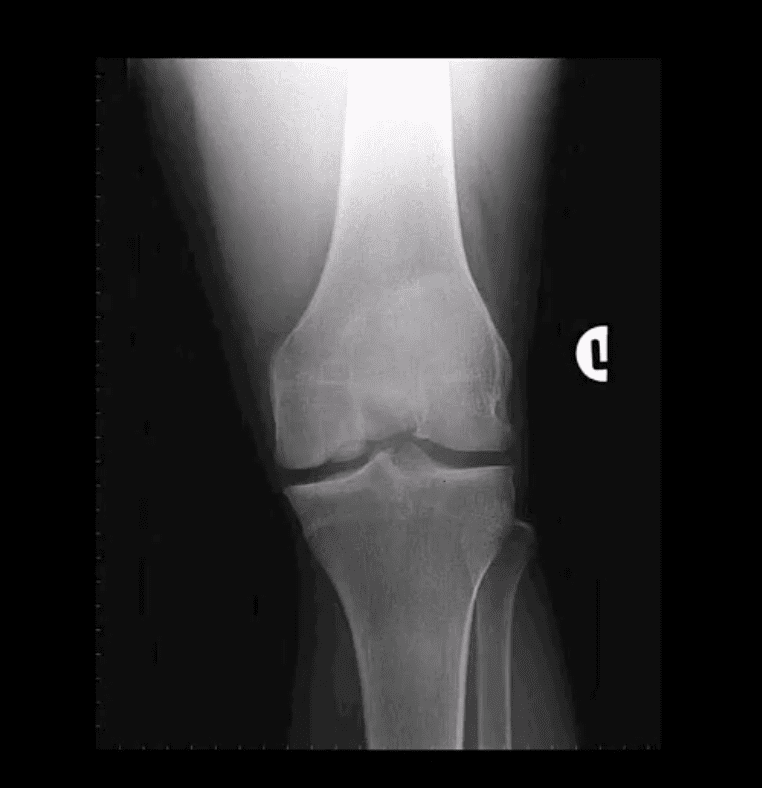
1st step: radiography may detect osteochondral fragment potentially attached or detached
Location: a posterior-lateral aspect of the medial femoral condyle. Tunnel (intercondylar notch) view is crucial
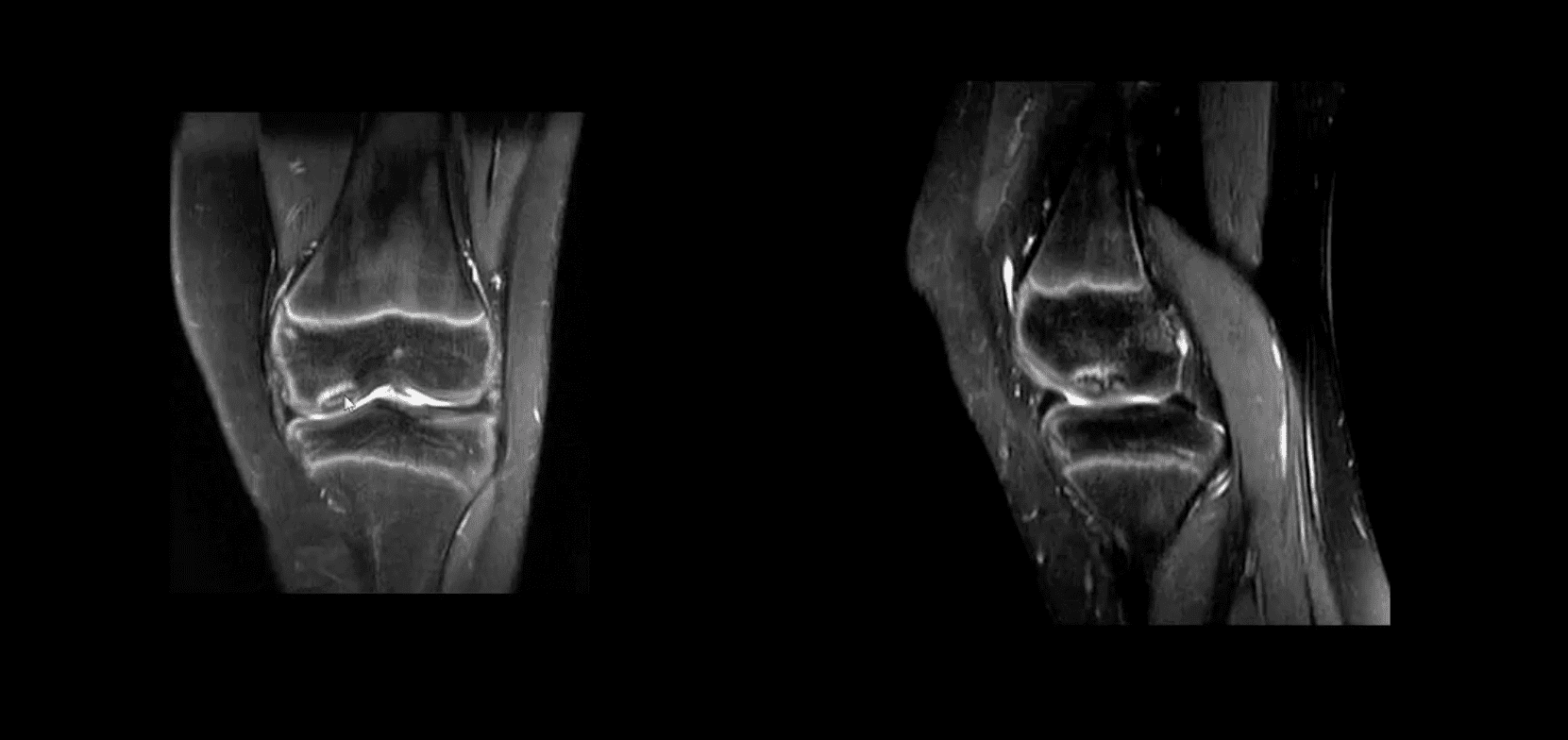
MRI: modality of choice >90% specificity and sensitivity. Crucial for further management. T1-low signal demarcating line with T2 high signal demarcating line that signifies detachment and unlikely healing. Refer to orthopedic surgeon
Management: stable lesion esp. in younger children>off weight-bearing-heals in 50-75%
Unstable lesion and older child or impending physeal closure>operative fixation.
IFM's Find A Practitioner tool is the largest referral network in Functional Medicine, created to help patients locate Functional Medicine practitioners anywhere in the world. IFM Certified Practitioners are listed first in the search results, given their extensive education in Functional Medicine