Individuals dealing with pain in the buttocks and in the back of the thigh, along with numbness and tingling down to the bottom of the foot, may be experiencing hamstring syndrome, a condition caused by pressure on the sciatic nerve. What is the recommended treatment?
Hamstring-Syndrome Relief
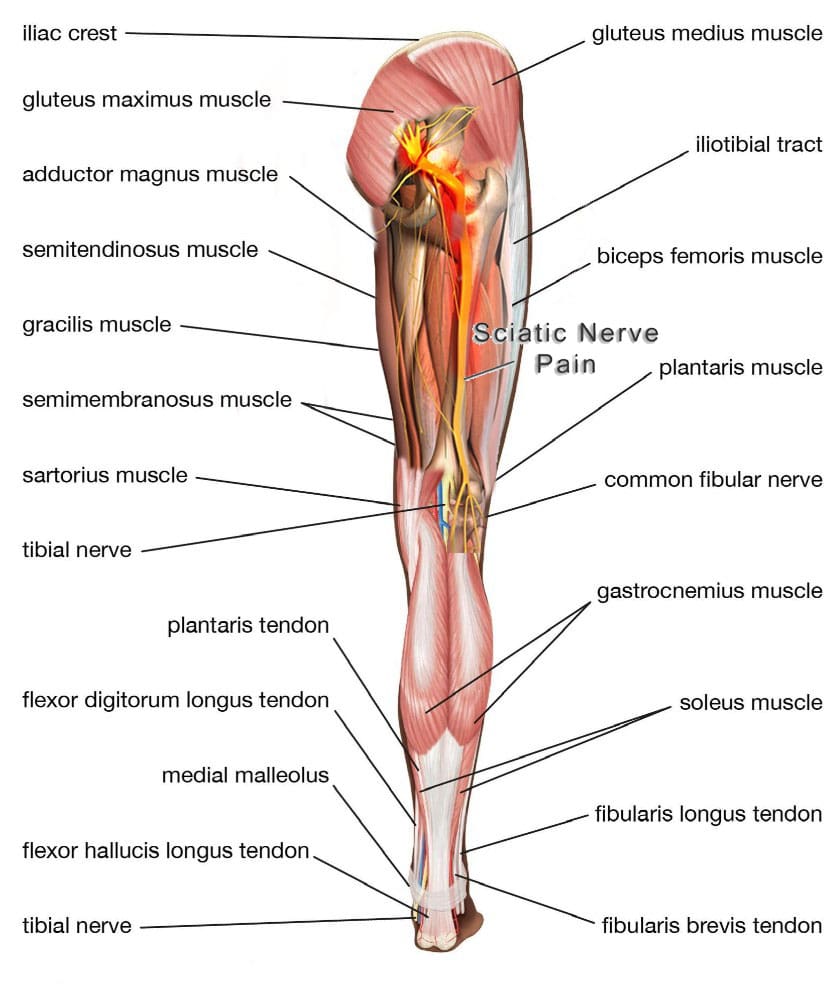
The hamstrings are three muscles in the back of the thigh, extending from the pelvis or upper thigh across the back of the knee to the leg. This muscle group is important for bending the knee, straightening the hip, and stabilizing the knee. The sciatic nerve is a large nerve that runs from the lower back down the legs. It usually passes near or through these muscles, and the pelvis then runs under these muscles in the thigh. Hamstring syndrome refers to pain in the buttock and back of the thigh, often radiating down the leg, caused by compression or irritation of the sciatic nerve at the hamstring-insertion point on the ischial tuberosity, typically due to tight or scarred tissue. (Sakari Orava, 1997)
Pain Location
The pain is primarily felt in the buttock and back of the thigh, sometimes extending down the leg. It’s characterized by pressure on the sciatic nerve, which runs through the buttock and into the back of the thigh, where it supplies the hamstring muscles. (Kaiser Permanente, 2024)
In some cases, injections with cortisone and numbing medicine may be used to reduce nerve inflammation and pain. (Lower Limb Surgery, 2024)
Surgery
In severe cases, surgery may be necessary to release the compressing bands and free the sciatic nerve. (Lower Limb Surgery, 2024)
Injury Medical Chiropractic & Functional Medicine Clinic
Talk to a healthcare provider about what interventions would help the most. Injury Medical Chiropractic and Functional Medicine Clinic works with primary healthcare providers and specialists to develop an optimal health and wellness solution. We focus on what works for you to relieve pain, restore function, and prevent injury. Regarding musculoskeletal pain, specialists like chiropractors, acupuncturists, and massage therapists can help mitigate the pain through spinal adjustments that help the body realign itself. They can also work with other medical professionals to integrate a treatment plan to resolve musculoskeletal issues.
Kaiser Permanente. (2024). Hamstring Syndrome: Care Instructions. https://healthy.kaiserpermanente.org/health-wellness/health-encyclopedia/he.hamstring-syndrome-care-instructions.abr3618
Puranen, J., & Orava, S. (1988). The hamstring syndrome. A new diagnosis of gluteal sciatic pain. The American Journal of Sports Medicine, 16(5), 517–521. https://doi.org/10.1177/036354658801600515
Zion Physical Therapy. (2023). Hamstring Tendinitis Vs. Hamstring Syndrome. https://www.zionpt.com/post/hamstring-tendinitis-vs-hamstring-syndrome
When you don’t have breadcrumbs or want to try something else, what are healthy substitutes for breadcrumbs that may yield similar results without sacrificing flavor or texture?
Bread Crumbs
Various recipes call for bread crumbs. Adding bread crumbs to sauces and other dishes helps bind and thicken wet ingredients while sprinkling bread crumbs on top of casseroles can add a crispy, crunchy texture. Individuals who follow low-carb or gluten-free meal plans or those with allergies to wheat may choose to avoid bread crumbs and dishes made with them. Wheat-free substitutes can replace bread crumbs in recipes with similar results, though the recipe may vary slightly.
Why Use Substitutes?
Individuals with food allergies or dietary restrictions may seek a substitute for bread crumbs since they may contain common allergens like wheat and gluten. Wheat is among the most common food allergies in the U.S. (Asthma and Allergy Foundation of America, 2022)
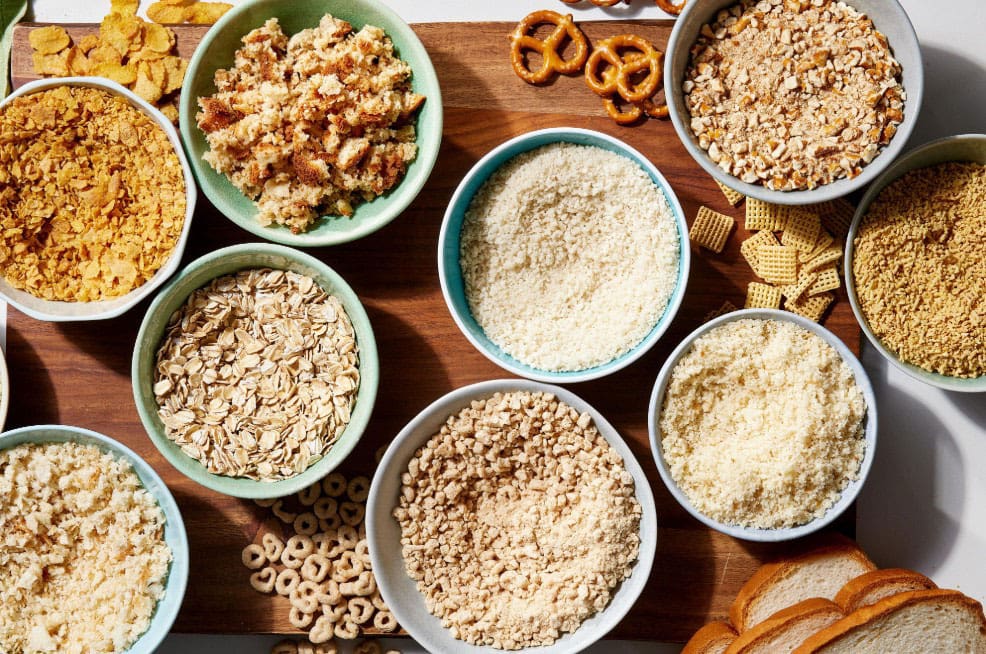
For those with allergies or sensitivities, gluten- and wheat-free bread crumbs are available to purchase at some stores, and some use alternatives out of preference. Crushing different varieties of chips, crackers, and pretzels can be used instead of bread crumbs, adding a unique flavor and texture. However, these substitutes may not be an option for recipes that call for bread crumbs to bind or thicken wet ingredients.
Bread products like bread crumbs can be part of a balanced diet. Guidelines recommend between 3 and 5 servings of whole grains daily for adults, including whole-wheat bread. (United States Department of Agriculture, 2025)
The main macronutrient in bread crumbs is carbohydrates.
Bread crumbs are usually consumed in small amounts because they are not the main ingredient.
Substitutes
Rolled Oats or Oat Flour
Oats and oat flour are often used as gluten-free alternatives to wheat in baking. Oats by weight are:
Lower in calories
Provide more complex carbohydrates.
They are a richer source of dietary fiber than bread crumbs.
Like regular flour, oats can be a binder in meat-based recipes. For example, if a recipe for meatloaf or meatballs calls for bread crumbs, rolled oats or oat flour can be successfully substituted.
Ensure the oats are gluten-free for individuals with gluten allergies, celiac, or gluten sensitivity. Though oats are inherently gluten-free, they may be processed on shared equipment and exposed to cross-contamination.
Cornflakes
Cornflakes can also add a crunchy texture to baked recipes. While corn is inherently gluten-free, cornflakes may not be. For individuals who have allergies or sensitivities, ensure you use gluten-free cornflakes. To use cornflakes, crunch them up by adding them to a ziplock bag and pressing them on the outside.
Nuts
Try nuts like almonds, walnuts, pecans, and cashews to add crunch and nutrients to a recipe. They are rich in healthy fats, protein, vitamins, and minerals. Plain nuts are also gluten-free, but roasted nuts may contain a wheat-based coating. Be sure to read the labels before using them.
Seeds
Seeds are a nutritious substitute.
They offer a different crispy, crunchy texture.
Shredded Coconut
Shredded or desiccated coconut can be used for sweet or rich recipes. It is perfect for adding to baked goods, especially gluten-free varieties. The recipe may need to be adjusted slightly because coconut has more moisture than regular bread crumbs. Do a small sample first to see how the coconut works in the recipe.
Injury Medical Chiropractic & Functional Medicine Clinic
Injury Medical Chiropractic and Functional Medicine Clinic works with primary healthcare providers and specialists to develop highly effective treatment plans through an integrated approach for each patient and restore health and function to the body through nutrition and wellness, functional medicine, acupuncture, electroacupuncture, and integrated medicine protocols. We focus on what works for you to relieve pain, restore function, prevent injury, and mitigate issues through adjustments that help the body realign itself. The clinic can also work with other medical professionals to integrate a treatment plan to resolve musculoskeletal problems.
Hypertension? There’s a Diet for That
References
Asthma and Allergy Foundation of America. (2022). Food allergies. https://aafa.org/allergies/types-of-allergies/food-allergies/
United States Department of Agriculture, FoodData Central. (2018). Bread crumbs, dry, grated, plain. Retrieved from https://fdc.nal.usda.gov/food-details/174928/nutrients
United States Department of Agriculture. Dietary Guidelines for Americans 2020-2025. (2020). Dietary Guidelines for Americans, 2020-2025. Retrieved from https://www.dietaryguidelines.gov/sites/default/files/2021-03/Dietary_Guidelines_for_Americans-2020-2025.pdf
Can understanding how leg cramps feel, their causes, and prevention help individuals with treatment options?
Leg Cramp Causes
A leg cramp is an involuntary contraction of the muscles in the leg, typically the calf muscle. It causes a sudden, sharp, and painful tightening of the muscle. They commonly occur from
Dehydration
Muscle overexertion
They can be a symptom of an underlying health condition, such as type 2 diabetes or kidney failure.
They can also be a side effect of certain medications.
Sensation
Leg cramps typically cause sudden, severe pain in the affected muscle. Individuals may also feel a hard knot or twitching of the muscle. The calf muscles are the most common site. (Harvard Health Publishing, 2024)
Causes
The underlying cause of leg cramps isn’t always known. However, work, lifestyle factors, and medical conditions can play a role. Common causes include:
Dialysis – treatment to remove excess fluid from the blood when kidneys fail.
Respiratory diseases of the lungs and airways
Amyotrophic lateral sclerosis (ALS, or Lou Gehrig’s disease, a neurological condition affecting the brain, nerves, and muscles)
Self-Care
Leg cramps often go away on their own after a few minutes. However, other self-care can help. Recommendations: (Harvard Health Publishing, 2024)
Change Body Positions
Moving can help relieve tension and pain.
If the leg cramps happen at night, stand up and take a few steps.
Massage
Gently rubbing the cramped muscle can help it relax.
Stretch
Stretching the cramping muscle can help it relax.
Apply Heat
If the leg cramp lasts more than a few minutes, apply a heating pad or take a warm shower to increase blood circulation to and around the muscle to help it relax.
Treatment
There are no medications specifically for treating leg cramps. However, if symptoms are caused by another medical condition, treating the underlying condition might help reduce cramp frequency. Dehydration or low electrolytes can cause leg cramps; in these cases, drinking water or electrolyte-infused beverages can help. If cramps are related to overexercising, consider reducing the intensity of your activity or exercising in a cooler environment. (Maughan R. J. & Shirreffs S. M. 2019) Magnesium supplements are usually marketed to relieve muscle cramps; they are not proven to alleviate them. (Garrison, S. R. et al., 2020)
Exercises and Stretches
It is important to know which muscle to target when stretching the leg. If the cramp does not resolve after the first stretch attempt, try again.
Place palms flat against the wall at shoulder height.
Step the cramping leg away from the wall around 12 to 18 inches.
Keep your heels flat on the floor.
Keeping the back leg straight, bend the front knee slowly and lean forward until you feel a stretch along the calf.
Hold for 30 to 60 seconds.
Prevention
They can’t always be prevented. However, if they are related to dehydration or other lifestyle factors, individuals may be able to prevent them from occurring or decrease the frequency. Try the following: (Harvard Health Publishing, 2024)
Drink plenty of water.
Stretch the leg muscles before you go to bed.
Try drinking a beverage with electrolytes for longer workouts or activities in hot weather.
Warm up before exercise, such as with a slow jog, before getting into more intense exercises.
Properly cool down after a workout.
Stretch the leg muscles before and after exercising.
Maintain a healthy body weight.
Contact a Healthcare Provider
Leg cramps can sometimes signify something more serious than a Charley horse. See a healthcare provider if any of the following symptoms present (National Library of Medicine, 2020)
Change in skin color, including redness or a deeper tone than normal
Cramps that last more than a few minutes or occur frequently
Muscle weakness
Severe pain from the cramps
Swelling
Warm skin
Injury Medical Chiropractic & Functional Medicine Clinic
Talk to a healthcare provider about leg cramps to learn what interventions would help the most. Injury Medical Chiropractic and Functional Medicine Clinic works with primary healthcare providers and specialists to develop an optimal health and wellness solution. We focus on what works for you to relieve pain, restore function, and prevent injury. Regarding musculoskeletal pain, specialists like chiropractors, acupuncturists, and massage therapists can help mitigate the pain through spinal adjustments that help the body realign itself. They can also work with other medical professionals to integrate a treatment plan to resolve musculoskeletal issues.
Is Motion Key to Healing?
References
Harvard Health Publishing. (2024). How to get rid of muscle cramps in your legs. https://www.health.harvard.edu/pain/how-to-get-rid-of-muscle-cramps-in-your-legs
National Library of Medicine. (2020). Muscle cramps. Retrieved from https://medlineplus.gov/musclecramps.html
Maughan, R. J., & Shirreffs, S. M. (2019). Muscle Cramping During Exercise: Causes, Solutions, and Questions Remaining. Sports Medicine (Auckland, N.Z.), 49(Suppl 2), 115–124. https://doi.org/10.1007/s40279-019-01162-1
Garrison, S. R., Korownyk, C. S., Kolber, M. R., Allan, G. M., Musini, V. M., Sekhon, R. K., & Dugré, N. (2020). Magnesium for skeletal muscle cramps. The Cochrane database of systematic reviews, 9(9), CD009402. https://doi.org/10.1002/14651858.CD009402.pub3
American Academy of Orthopaedic Surgeons. (2018). Knee conditioning program. https://orthoinfo.aaos.org/en/recovery/knee-conditioning-program/
Can understanding antinutrients and the importance of a balanced diet help individuals get the most out of their foods?
Antinutrients
Antinutrients are compounds in some plant foods that can reduce the body’s ability to absorb and use certain nutrients. (Petroski W., & Minich D. M. 2020) The purpose of these compounds is to protect the plants from infections and insects, which benefits the plant. It can also lower the human body’s ability to absorb nutrients properly. They are found in many grains, legumes, seeds, nuts, fruits, and vegetables. Plant-based foods high in antinutrients have beneficial nutrients, such as antioxidants, fiber, and other vitamins and minerals, and have been associated with a lower risk of chronic disease. The antinutrients may prevent the digestion and absorption of some minerals and have other negative effects that include:
Altered gut function
Increased inflammation
Endocrine disruption
Increased risk of calcium kidney stones
Common Types
Some of the main antinutrients of concern include phytates, lectins, oxalates, tannins, and phytoestrogens.
Phytates (phytic acid)
They are found in grains, legumes, nuts, and seeds.
They are found in various plant foods, including fruits, vegetables, nuts, and grains. (Mitchell T. et al., 2019)
Oxalates bind to certain minerals, such as calcium-forming calcium oxalate.
Tannins
They are found in many plant foods, such as legumes, cereal grains, nuts, cacao, leafy and green vegetables, coffee, and tea. (Ojo M. A. 2022)
Tannins are antioxidant-phenolic compounds that can reduce the absorption of some minerals and proteins in the body.
Phytoestrogens
They are found in various plant foods, such as fruits, vegetables, legumes, nuts, and seeds.
These estrogen-like compounds have many health benefits but may also act as endocrine disruptors (interfering with hormones). (Petroski W., & Minich D. M. 2020)
Effects on the Body
Antinutrient compounds typically bind to minerals or other nutrients, which inhibits digestion and absorption. For example,
How these foods containing antinutrient compounds are prepared and consumed can influence their impact on the body and the quantity consumed.
Advantages and Disadvantages
Plant foods have long been associated with improved health and a decreased risk of some chronic diseases, such as heart disease, diabetes, cancer, stroke, and others. (Craig W. J. et al., 2021) For most, the effects of antinutrients are not of major concern after processing and cooking. The benefits and drawbacks of consuming foods high in antinutrients include: (Petroski W., & Minich D. M. 2020)
Benefits
Some antinutrients act as antioxidants.
Some have cancer-fighting abilities.
Some may increase immune system function.
They are often sources of dietary fiber and other beneficial nutrients.
Drawbacks
It may be difficult for some individuals to digest.
Phytoestrogens may behave like endocrine disruptors.
High amounts of oxalates can contribute to kidney stones.
Cooking methods to minimize antinutrient content, like boiling, steaming
Autoclaving – a cooking process that uses high pressure and heat to cook and sterilize food.
Peeling the skins of fruits and nuts is effective for reducing tannins.
Combining foods to enhance nutrient absorption.
For example, pairing high-oxalate foods with high-calcium foods.
Combining different cooking and processing methods can completely degrade and reduce many antinutrient compounds. The exception is phytoestrogens, where boiling, steaming, and fermentation can increase antinutrients. (Petroski W. & Minich D. M., 2020)
Injury Medical Chiropractic & Functional Medicine Clinic
Individuals concerned about antinutrients in their diet and who want individualized advice on how to get the most out of the food they eat should consider consulting with a registered dietitian nutritionist or another healthcare professional. Injury Medical Chiropractic and Functional Medicine Clinic works with primary healthcare providers and specialists to develop an optimal health and wellness solution.
Smart Choices, Better Health
References
Petroski, W., & Minich, D. M. (2020). Is There Such a Thing as “Anti-Nutrients”? A Narrative Review of Perceived Problematic Plant Compounds. Nutrients, 12(10), 2929. https://doi.org/10.3390/nu12102929
Gupta, R. K., Gangoliya, S. S., & Singh, N. K. (2015). Reduction of phytic acid and enhancement of bioavailable micronutrients in food grains. Journal of food science and technology, 52(2), 676–684. https://doi.org/10.1007/s13197-013-0978-y
Adamcová, A., Laursen, K. H., & Ballin, N. Z. (2021). Lectin Activity in Commonly Consumed Plant-Based Foods: Calling for Method Harmonization and Risk Assessment. Foods (Basel, Switzerland), 10(11), 2796. https://doi.org/10.3390/foods10112796
Mitchell, T., Kumar, P., Reddy, T., Wood, K. D., Knight, J., Assimos, D. G., & Holmes, R. P. (2019). Dietary oxalate and kidney stone formation. American journal of physiology. Renal physiology, 316(3), F409–F413. https://doi.org/10.1152/ajprenal.00373.2018
Ojo, M. A. (2022). Tannins in Foods: Nutritional Implications and Processing Effects of Hydrothermal Techniques on Underutilized Hard-to-Cook Legume Seeds-A Review. Preventive nutrition and food science, 27(1), 14–19. https://doi.org/10.3746/pnf.2022.27.1.14
Craig, W. J., Mangels, A. R., Fresán, U., Marsh, K., Miles, F. L., Saunders, A. V., Haddad, E. H., Heskey, C. E., Johnston, P., Larson-Meyer, E., & Orlich, M. (2021). The Safe and Effective Use of Plant-Based Diets with Guidelines for Health Professionals. Nutrients, 13(11), 4144. https://doi.org/10.3390/nu13114144
Harvard T.H. Chan School of Public Health. (2022). Are anti-nutrients harmful? https://nutritionsource.hsph.harvard.edu/anti-nutrients/
U.S. Department of Agriculture. (2020). Dietary Guidelines for Americans, 2020-2025. Retrieved from https://www.dietaryguidelines.gov/sites/default/files/2021-03/Dietary_Guidelines_for_Americans-2020-2025.pdf
National Institutes of Health Office of Dietary Supplements. (2024). Iron. Retrieved from https://ods.od.nih.gov/factsheets/Iron-HealthProfessional/
For individuals managing chronic pain conditions, can incorporating a personal TENS device help?
Personal TENS Device
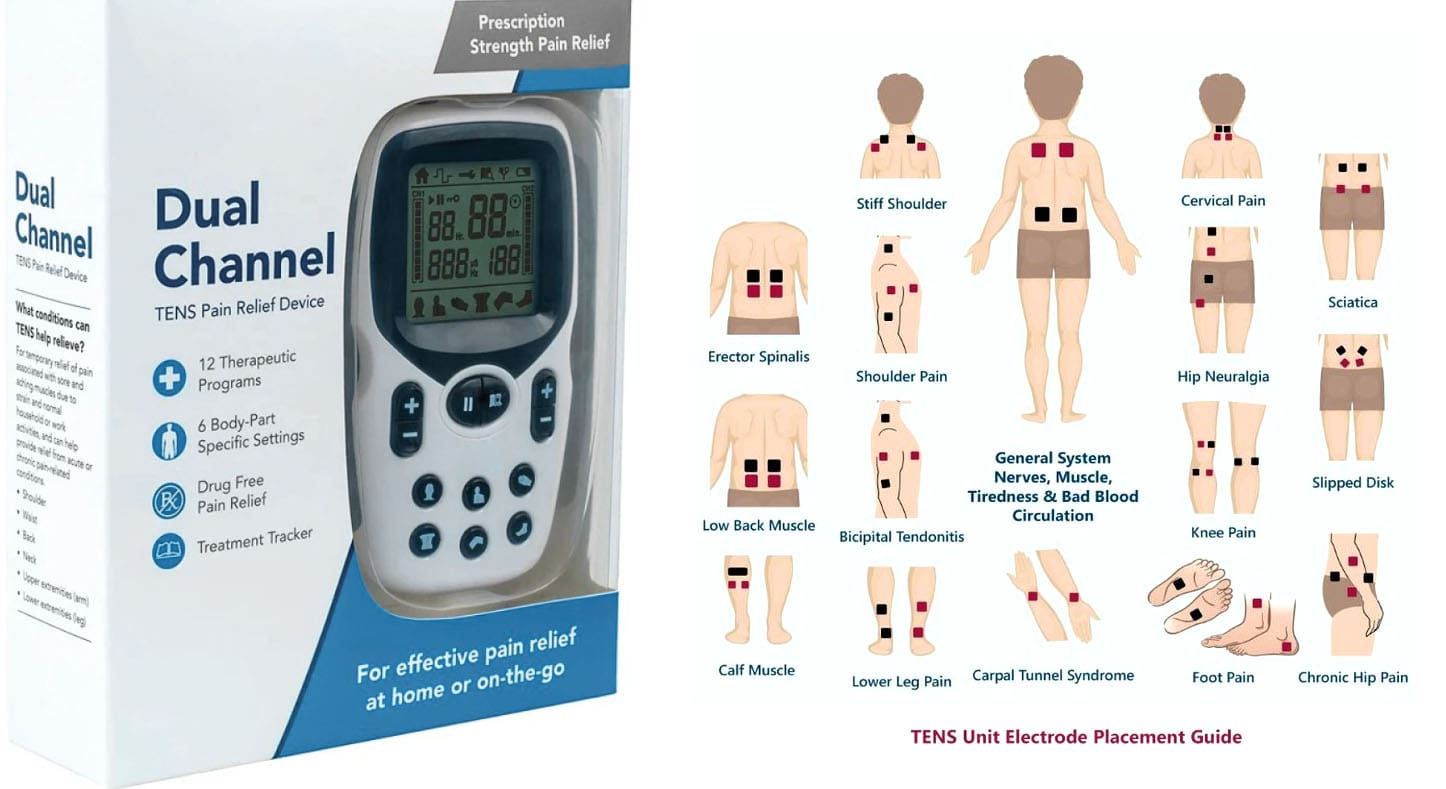
Almost all physical therapy, chiropractic, acupuncture, and massage clinic healthcare providers offer TENS (transcutaneous electrical nerve stimulation) therapy. Individuals can buy a TENS unit for on-the-go and home care use. A personal TENS unit is a small, battery-powered device that uses low-voltage electrical currents delivered through electrodes placed on the skin to help relieve pain.
How It Works
TENS units work by stimulating nerve fibers in pain, which can help block pain signals from reaching the brain or by stimulating the release of endorphins, the body’s natural pain-killing chemicals.
Uses
TENS units are used to treat a variety of conditions, including:
Arthritis
Muscle cramps
Neck pain
Back pain
Pelvic pain
Knee pain
Osteoarthritis
Fibromyalgia
Tendinitis
Bursitis
Diabetes-related neuropathy
Pelvic pain from periods or endometriosis
Features
Portability
TENS units are small, lightweight, and portable, making them convenient for home or on the go. It can be held in a pocket or clipped to a belt. (National Health Service UK, 2025)
Electrodes
The unit is connected to a series of electrodes placed on the skin to deliver the electrical charge.
Adjustable Settings
Many TENS units allow users to adjust the electrical pulses’ intensity, frequency, and duration.
Benefits
Non-Invasive
TENS therapy is a non-invasive method for relieving pain.
Drug-Free
It can provide pain relief without the need for medication.
Convenient
TENS units are small, portable, and relatively discrete.
Precautions
Consult a healthcare provider before using a TENS device to ensure its safety for you and your injury/condition. The treatment should not be used for individuals who are pregnant, have epilepsy, poor sensation, a heart problem, a pacemaker, or another electrical or metal implant in their body. (National Health Service UK, 2025) The electrodes should not be placed on certain areas of the body, including (Teoli D, Dua A, An J. 2025)
Head
Eyes
Mouth
Front of the Neck
Chest and upper back at the same time
Numb areas
Broken skin
Tumors
There is a minor risk of skin irritation, particularly if allergic to the adhesive pads.
Effectiveness
Researchers are still determining how effective TENS units are for relieving and reducing pain. A study found that TENS was effective in relieving pain for patients with fibromyalgia. (Dailey D. L. et al., 2013) Another study suggested that TENS may improve bone pain for cancer patients, but the results were inconclusive because of the limited number of randomized trials. (Vance C. G. et al., 2014)
Research suggests that some factors can impact the effectiveness of the intervention. Varying the intensity and frequency may help it be more effective so the body doesn’t develop a tolerance to it. In addition, using the electrodes in areas that are acupuncture points may help to reduce pain. While further study is needed, TENS is considered a safe pain-relief option for many conditions because it’s non-invasive and doesn’t require medication. (Vance C. G. et al., 2014)
Injury Medical Chiropractic & Functional Medicine Clinic
Individuals interested in trying a personal TENS unit should consult their healthcare provider. They may be able to refer them to a physical therapist, who can show them which type and how to use it for their particular condition. Injury Medical Chiropractic and Functional Medicine Clinic works with primary healthcare providers and specialists to develop an optimal health and wellness solution. We focus on what works for you to relieve pain, restore function, and prevent injury. Regarding musculoskeletal pain, specialists like chiropractors, acupuncturists, and massage therapists can help mitigate the pain through spinal adjustments that help the body realign itself. They can also work with other medical professionals to integrate a treatment plan to resolve musculoskeletal issues.
Don’t Ignore Post-Accident Pain
References
National Health Service UK. (2025). TENS (transcutaneous electrical nerve stimulation). https://www.nhs.uk/conditions/transcutaneous-electrical-nerve-stimulation-tens/
Teoli, D., Dua, A., & An, J. (2025). Transcutaneous Electrical Nerve Stimulation. In StatPearls. https://www.ncbi.nlm.nih.gov/pubmed/30725873
Dailey, D. L., Rakel, B. A., Vance, C. G. T., Liebano, R. E., Amrit, A. S., Bush, H. M., Lee, K. S., Lee, J. E., & Sluka, K. A. (2013). Transcutaneous electrical nerve stimulation reduces pain, fatigue, and hyperalgesia while restoring central inhibition in primary fibromyalgia. Pain, 154(11), 2554–2562. https://doi.org/10.1016/j.pain.2013.07.043
Vance, C. G., Dailey, D. L., Rakel, B. A., & Sluka, K. A. (2014). Using TENS for pain control: the state of the evidence. Pain management, 4(3), 197–209. https://doi.org/10.2217/pmt.14.13
Enzymes’ function is to help trigger bodily processes ranging from digestion to blood clotting to growth. What is the best way to support enzyme production?
Enzymes
Enzymes are proteins that act as biological catalysts. They cause and speed up crucial chemical reactions and help the body complete necessary chemical reactions. They are vital for many biological processes, including digestion, metabolism, and molecule building and breaking down. This includes breaking down food, facilitating growth, and forming blood clots. Too little of a certain type can lead to serious health implications like a fatal buildup of toxins. Individuals missing a certain kind of enzyme or having too little of it can develop serious health conditions.
Function
They help speed up chemical reactions in the body (National Human Genome Research Institute, 2025). They facilitate chemical reactions in everything from digesting food to muscle growth. Enzymes facilitate this by binding to a cell, creating the reactions needed. With enzyme binding, chemical reactions can occur without destroying the cell. (Nemours KidsHealth, 2023) Each cell in the body has thousands of enzymes to help facilitate all the complex reactions to maintain health. (National Human Genome Research Institute, 2025)
Factors Affecting Production
In healthy individuals, the body produces the enzymes it needs. However, metabolic disorders can occur if the body does not produce enough of a certain type. (Kennedy Krieger Institute, 2025) These disorders can be serious and are usually caused by a genetic malfunction that impacts production.
Types
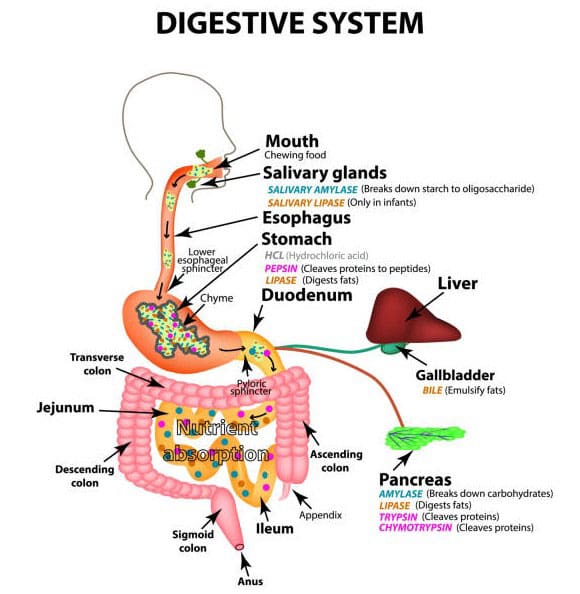
There are thousands of different types. Digestive enzymes, for example, aid in the breakdown of food and convert it into energy. Common enzymes that are critical for health include (Nemours KidsHealth, 2023)
Amylase
Digestive helps break down starches.
Aspartate aminotransaminase (AST) and Alanine Aminotransaminase (ALT)
Help the liver convert sugar into energy.
Creatine Kinase (CK)
Helps muscles create energy.
DNA Polymerase
Facilitates growth by allowing DNA to duplicate.
Glucose-6-Phosphate Dehydrogenase
Keeps red blood cells healthy by preventing damage to the cell.
Lipase
A digestive enzyme that helps break down fats and oils.
Protease
Digestive helps break down proteins.
Thrombin
Causes blood to clot.
Deficiencies
If the body doesn’t make enough of a certain enzyme, it cannot undergo the bodily processes that the enzyme helps facilitate. This can lead to a variety of symptoms. Some are minor, like not being able to eat lactose. Others are serious, like developmental delays caused by the build-up of toxins. (Kennedy Krieger Institute, 2025) Usually, these deficiencies are caused by genetics.
Types
There are various deficiencies. Some are very rare, while others can lead to conditions such as: (Nemours KidsHealth, 2023)
Lactose Intolerance
This is caused by not having enough of the enzyme that breaks down lactose, a sugar found in milk, leading to gas and bloating.
Tay-Sachs Disease
An often fatal disease caused by a missing hexosaminidase, which is responsible for breaking down fats
Gilbert’s Syndrome
This is caused by a missing enzyme that removes waste product (bilirubin) from the blood, leading to bilirubin buildup and
Jaundice or yellowing of the skin and whites of the eyes
Galactosemia
This leads to slow growth and trouble gaining weight, which is caused by the missing galactose-1-phosphate uridylyltransferase (GALT), which helps break down a sugar called galactose.
Phenylketonuria (PKU)
This is caused by having too little phenylalanine hydroxylase, which breaks down a protein called phenylalanine, causing brain damage.
Morquio Syndrome
This is caused by having too few enzymes that break down glycosaminoglycans, a type of sugar molecule.
This leads to bone and growth abnormalities.
Wilson’s Disease
A liver disease is caused by a missing protein that helps break down copper in the body.
Enzyme Production Support
Eat a healthy, well-balanced diet of fruits and vegetables to support enzyme production. Avoid processed foods, especially those that are very fatty (Johns Hopkins Medicine, 2025). The body produces all the necessary enzymes unless the individual has a genetic condition. Supplements aren’t usually required, but they can help with lactose intolerance or digestion in cystic fibrosis patients. (Nemours KidsHealth, 2023)
One supplement type, pancreatic enzyme replacement therapy (PERT), is available. PERT is an FDA-regulated prescription medication prescribed to patients with serious illnesses such as cystic fibrosis. (U.S. Food and Drug Administration, 2019)
Injury Medical Chiropractic & Functional Medicine Clinic
Injury Medical Chiropractic and Functional Medicine Clinic works with primary healthcare providers and specialists to develop an optimal health and wellness solution. We focus on what works for you to relieve pain, restore function, and prevent injury. Regarding musculoskeletal pain, specialists like chiropractors, acupuncturists, and massage therapists can help mitigate the pain through spinal adjustments that help the body realign itself. They can also work with other medical professionals to integrate a treatment plan to resolve musculoskeletal issues.
Chiropractic Care and Metabolism: The Hidden Link
References
National Human Genome Research Institute. (2025). Enzyme. Retrieved from https://www.genome.gov/genetics-glossary/Enzyme
U.S. Food and Drug Administration. (2019). FDA approves new breakthrough therapy for cystic fibrosis. Retrieved from https://www.fda.gov/news-events/press-announcements/fda-approves-new-breakthrough-therapy-cystic-fibrosis
For individuals experiencing musculoskeletal pain symptoms like lower back pain and shoulder pain, can incorporating cupping therapy help bring relief and manage pain?
Cupping Therapy
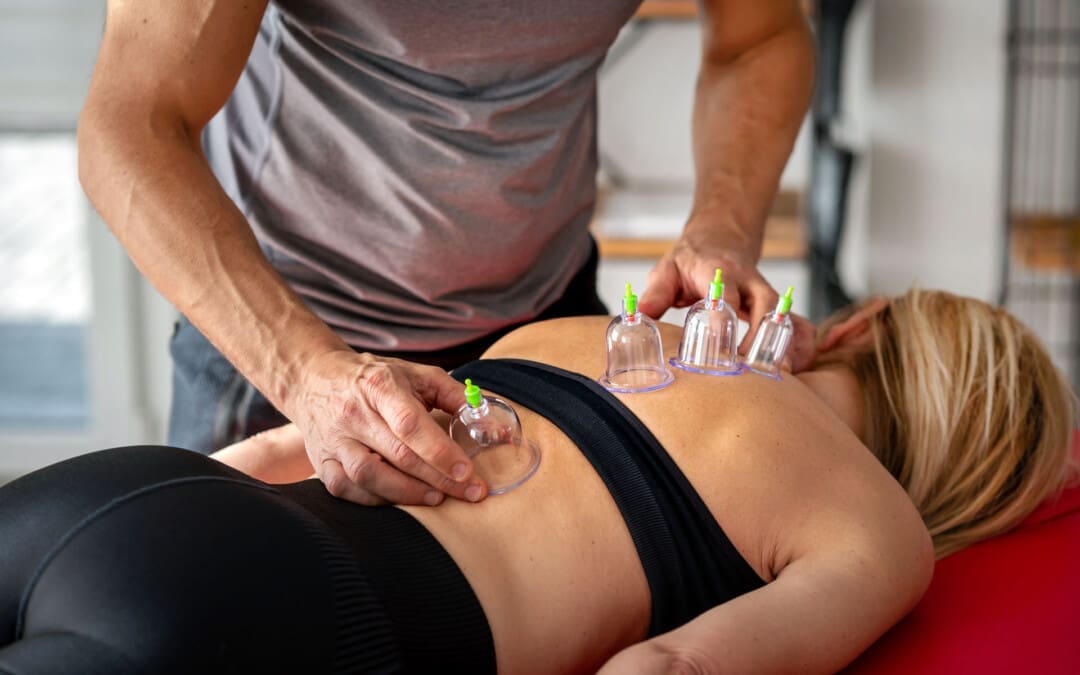
This ancient treatment is gaining public acceptance, and awareness has heightened, with various individuals and athletes being seen with round marks on their shoulders and backs. It is a pain treatment that, like acupuncture, comes from traditional Chinese medicine, or TCM. The therapy involves placing glass, silicone, or bamboo cups on the skin to create suction. The treatment is an alternative medicine technique used to relieve musculoskeletal pain. The suction is believed to promote healing (Cleveland Clinic, 2023)
Increasing Blood Circulation
The suction draws blood to the area, which can help reduce inflammation and promote healing.
Releasing Muscle Tension
The suction can stretch and pull on muscles, which can help relieve pain and tightness.
Breaking Up Adhesions
The suction can help break up scar tissue and adhesions that can cause pain and restricted movement.
Detoxifying the Body
Some practitioners believe that cupping can help remove toxins from the body.
It is typically performed by a trained practitioner who places the cups on the skin and leaves them in place for several minutes. The cups can be placed on various body areas, including the back, neck, shoulders, and legs. (Cleveland Clinic, 2023)
Benefits
Pain relief, especially for muscle and joint pain
Reduced inflammation
Improved circulation
Increased range of motion
Detoxification
Procedure
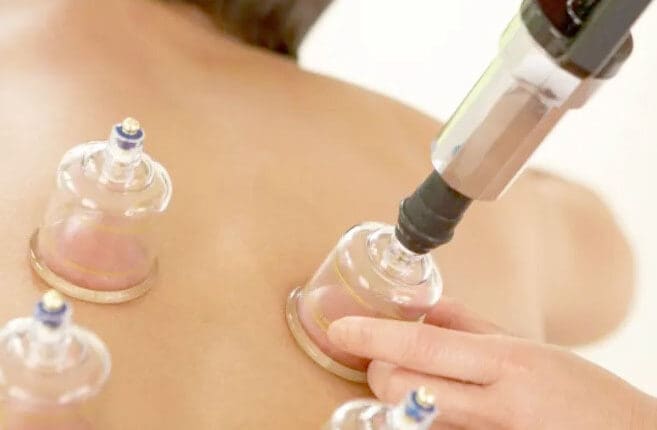
The medical practice involves creating skin suction using glass, ceramic, or plastic cups. How it’s done:
Preparation
The practitioner cleans the area where the cups will be placed.
They may apply oil or massage cream to the skin for easier movement of the cups.
Techniques
Dry
The practitioner heats the inside of the cup with a flame or pump, creating a vacuum.
The cup is then placed on the skin, which adheres due to the negative pressure.
The cup remains on the skin for several minutes, allowing the suction to draw blood and tissue into the cup.
Wet
Like the dry technique, the practitioner makes small incisions in the skin before applying the cup.
This allows blood to flow into the cup, creating a more intense suction.
Aftercare
The cups are removed, and the practitioner may apply pressure to the area to stop bleeding.
The patient is advised to avoid strenuous activity and hot showers for a few hours after the treatment.
The benefits of therapy include opening pores, stimulating blood flow, filtration, and balancing energy flow through the body. It’s often combined with massage and acupuncture. (Cleveland Clinic, 2023)
It also aims to alleviate symptoms of systematic diseases like diabetes and hypertension. However, more research is needed to see and fully analyze the effects of the treatment. (Aboushanab T. S., & AlSanad S. 2018)
Risks
The therapy is generally safe when done correctly and by a licensed professional. However, there is some risk of side effects like skin discoloration and scarring. Reports of rare side effects include bleeding inside the skull from cupping on the scalp and anemia from repeated wet techniques. (National Center for Complementary and Integrative Health, 2018) Other side effects can include:
Bruising
It can cause temporary bruising at the site of the cups.
Skin Irritation
Some people may experience skin irritation or burns from the suction.
Infection
There is a small risk of infection if the cups are not properly sterilized.
Injury Medical Chiropractic & Functional Medicine Clinic
It is important to consult with a healthcare professional before trying any new treatment, especially if you have any underlying health conditions. Injury Medical Chiropractic and Functional Medicine Clinic works with primary healthcare providers and specialists to develop an optimal health and wellness solution. We focus on what works for you to relieve pain, restore function, and prevent injury. Regarding musculoskeletal pain, specialists like chiropractors, acupuncturists, and massage therapists can help mitigate the pain through spinal adjustments that help the body realign itself. They can also work with other medical professionals to integrate a treatment plan to resolve musculoskeletal issues.
Aboushanab, T. S., & AlSanad, S. (2018). Cupping Therapy: An Overview from a Modern Medicine Perspective. Journal of acupuncture and meridian studies, 11(3), 83–87. https://doi.org/10.1016/j.jams.2018.02.001
National Center for Complementary and Integrative Health. (2018). Cupping. Retrieved from https://www.nccih.nih.gov/health/cupping
IFM's Find A Practitioner tool is the largest referral network in Functional Medicine, created to help patients locate Functional Medicine practitioners anywhere in the world. IFM Certified Practitioners are listed first in the search results, given their extensive education in Functional Medicine