Individuals who have been injured or ill or have a chronic disability may be having difficulty performing everyday activities. Can recreation therapy help rehabilitate injuries and manage chronic conditions?
Recreation Therapy
Living with a chronic disability or functional limitation due to an illness or injury can significantly impact an individual’s quality of life. Working with a team of rehabilitation professionals can help improve mobility and the ability to complete everyday tasks comfortably. A recreational therapist is one professional who helps regain emotional and functional well-being. A recreational therapist is a healthcare professional who helps individuals maximize physical and emotional health through recreational activities. Also known as therapeutic recreation, the therapist will use activities to help move and feel better. A physical or occupational therapist uses exercises to improve functional mobility, and a recreational therapist uses recreational activities to help regain mobility and improve well-being. Activities can include:
Playing games
Outdoor activities
Hiking
Puzzles
Horseback riding
Cooking
Therapy
A healthcare specialist uses activity-based interventions to help individuals move and feel better after injury or illness or if they have a chronic disability. The interventions and therapies are based on recreational activities the individual likes and are designed to help recover physical, functional, and emotional health. Recreational therapists are trained to evaluate an individual’s condition and intervene in ways that help maximize social, mental, and physical health. The main goal is to reduce depression and anxiety and to help individuals socialize comfortably. (American Therapeutic Recreation Association, 2024)
Activities
Therapeutic recreation involves engaging in specific activities to help individuals regain their confidence and independence. Examples of activities can include: (American Therapeutic Recreation Association, 2024)
Painting or drawing
Dancing
Sports programs
Cooking
Community outings
Group exercise classes
The key to a positive experience is that the activity should be specific to the individual’s emotional and physical needs and capabilities and something the individual would want to do as an activity.
Other Types of Therapy
Individuals may be familiar with other types of therapists, like physical and occupational therapists. These professionals help individuals regain pain-free functional mobility after injury or illness. For individuals who cannot move their upper extremities after falling, the physical therapist can measure their shoulder range of motion and strength and develop a personalized treatment program. Recreation therapists are similar; they meet with patients regularly to help them recover from injuries or positively socialize with their community. During the initial meeting, they will evaluate the individual’s condition and learn how their emotional and physical needs prevent them from achieving maximal potential. (American Therapeutic Recreation Association, 2024) The patient and therapist will engage in activities to help move and feel better during therapy. During the activity, the therapist may suggest adjustments or ideas that improve movement and ability to interact with the environment.
Who Can Benefit?
Individuals of all ages and abilities with physical and psychological conditions can benefit from working with a recreational therapist. Children, teenagers, adults, and older individuals who have a disability, either temporary or permanent, can engage in recreation therapy as part of a rehabilitation and recovery program. (American Therapeutic Recreation Association, 2024)
Benefits
Whenever engaging in any healthcare activity or treatment, ask if that treatment can help your specific condition. A review of the use of recreational dance in children and young people ages 5 to 21 found evidence of the benefits of the therapy, which included: (Burkhardt J, Brennan C. 2012)
Decreased anxiety
Improve self-image
Improved cardiovascular fitness
Decreased obesity
Improved bone health
Another study examined health improvements in individuals injured in military service after a week-long recreational therapy wellness retreat. The participating service members’ results showed significant improvement in outcome measures for post-traumatic stress disorder, stress, anxiety, and depression. The health improvements remained three and six months after completing the recreation therapy. This shows that therapeutic recreation may offer significant emotional and psychological benefits to injured military service members’ long-term health and an effective treatment to improve the well-being of injured or disabled individuals with limited negative side effects. (Townsend J, Hawkins BL, Bennett JL, et al., 2018)
Professional Background
Most therapists have a bachelor’s degree in recreational or leisure studies, focusing on art, psychology, and music classes. Upon graduation, students can take a national exam and become Certified Therapeutic Recreation Specialists/CTRS. (Hoss M.A.K, 2019) Once certified, therapists must regularly take continuing education classes and undergo a recertification process every five years.
Receiving Therapy Services
To start working with a recreational therapist, visit your healthcare provider and request a referral. They can ensure the treatment is appropriate for the specific injury and/or condition and should be able to help find a therapist. (American Therapeutic Recreation Association, 2024) Individuals in an inpatient hospital will likely spend time with a recreational therapist at some point. Just like working with a physical or occupational therapist to help individuals move better, working with a recreation therapist while in rehabilitation may be an everyday occurrence to help reintegrate into the community after discharge.
Insurance Coverage
One question regarding recreational therapy is, will my insurance cover the services of a recreational therapist?
For individuals with Medicare insurance, recreational therapy is a covered service for individuals with certain diagnoses and settings.
Therapeutic recreation is a covered rehabilitation service for individuals in an inpatient rehabilitation facility.
Individuals who receive outpatient recreational therapy should ensure they have a prescription and letter of medical necessity from a physician to qualify for Medicare reimbursement. (American Therapeutic Recreation Association, 2024)
Individuals with private insurance should call their insurance provider and inquire about coverage for recreation therapy.
Individuals who do not have insurance can expect to pay $100-$150 per session.
Injury Medical Chiropractic and Functional Medicine Clinic
Working in therapeutic recreation may help decrease anxiety and depression, improve the sense of well-being, and improve function in daily tasks. (Townsend J, Hawkins BL, Bennett JL, et al., 2018) Always consult your healthcare provider before beginning new treatment methods. Injury Medical Chiropractic and Functional Medicine Clinic works with primary healthcare providers and specialists to develop an optimal health and wellness solution. We focus on what works for you to relieve pain, restore function, and prevent injury. Regarding musculoskeletal pain, specialists like chiropractors, acupuncturists, and massage therapists can help mitigate the pain through spinal adjustments that help the body realign itself. They can also work with other medical professionals to integrate a treatment plan to resolve musculoskeletal issues.
Integrative Healthcare
References
American Therapeutic Recreation Association. Association, A. T. R. (2024). What is Recreational Therapy? https://www.atra-online.com/about-rt
American Therapeutic Recreation Association. Association, A. T. R. (2024). Who We Are. https://www.atra-online.com/who-we-are
Burkhardt, J., & Brennan, C. (2012). The effects of recreational dance interventions on the health and well-being of children and young people: A systematic review. Arts & Health, 4(2), 148–161. https://doi.org/10.1080/17533015.2012.665810
Townsend, J., Hawkins, B. L., Bennett, J. L., Hoffman, J., Martin, T., Sotherden, E., … Duregger, C. (2018). Preliminary long-term health outcomes associated with recreation-based health and wellness programs for injured service members. Cogent Psychology, 5(1). https://doi.org/10.1080/23311908.2018.1444330
Hoss, PhD, CTRS, FACHE, FDRT, M. A. K. (2019). Recreational therapy workforce: An update. American Journal of Recreation Therapy, 18(3), 9–15. https://doi.org/10.5055/ajrt.2019.0191
De Vries, DHA, MPA, CTRS, D. (2014). Regulatory requirements for recreational therapy in nursing homes. American Journal of Recreation Therapy, 13(1), 25–30. https://doi.org/10.5055/ajrt.2014.0063
Can beginner workouts help individuals who want to improve their health by helping them lose weight and improve their quality of life?
Beginner Workouts
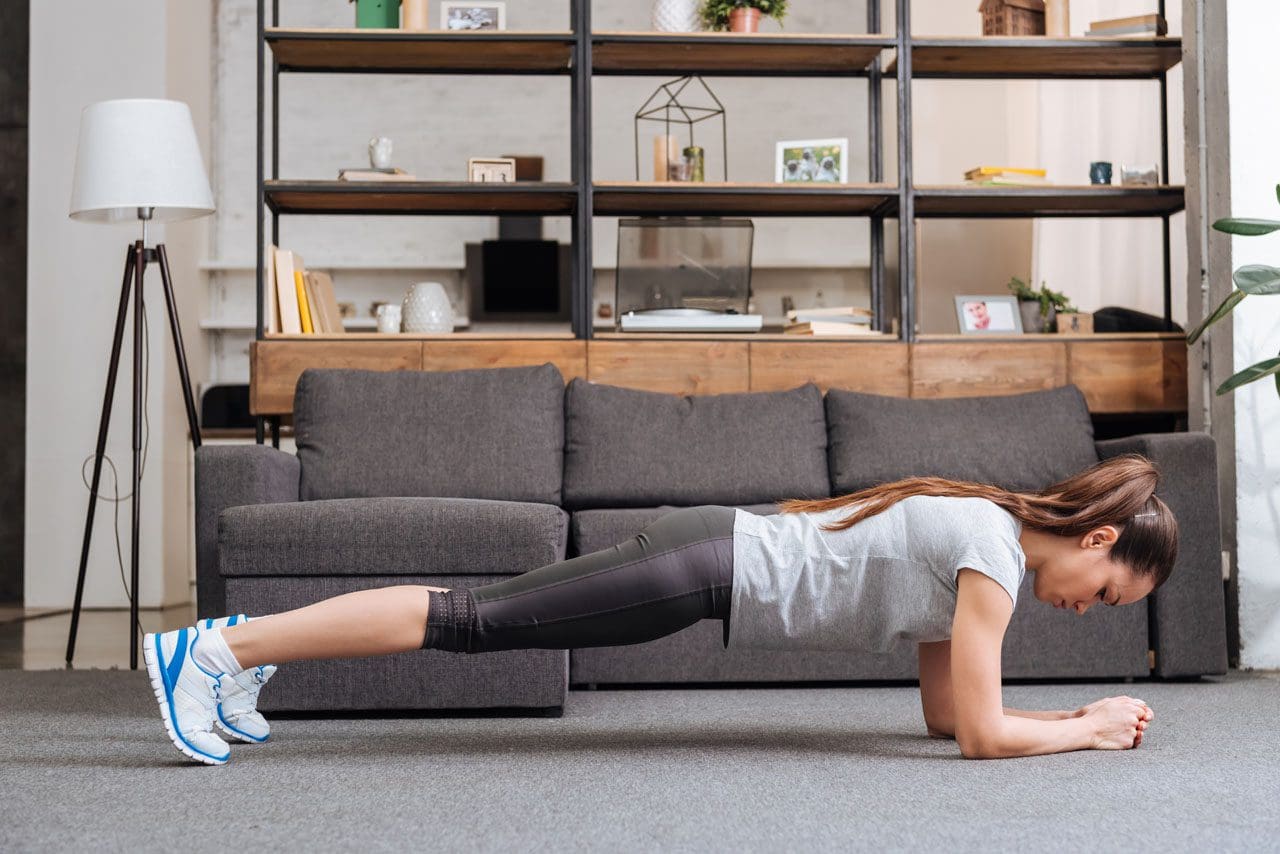
Individuals new to exercise do not need to go through intense workout sessions to gain the benefits of physical activity. Basic exercises and beginner workouts that can be done at home or outdoors, whichever is better or more convenient, are recommended when starting a fitness regimen to lose weight and improve overall health.
Health Benefits
Basic exercise sessions are the building blocks of a fitness program. They encourage habits that lead to significant weight loss and lifelong weight management skills. Here are a few workouts considered easy because they don’t require gym equipment, their intensity can be adjusted to match an individual’s physical activity level, and some can be done from a chair or bed for those who have trouble standing for long periods. Exercising offers immediate benefits, including increasing brain health and improving mood and long-term effects like decreased disease risk. (Centers for Disease Control and Prevention, 2024)
Easy Exercises
For individuals who are completely new to exercise, low-intensity activity sessions can help burn more calories so long as they don’t compensate for the hunger that the physical activity creates by eating more. Combining diet with exercise is essential if weight loss is the goal. This can involve learning to eat lean protein, fruit, and vegetables and watching portion sizes. Studies of low-intensity exercise show the body burns fat when performing basic exercise and physical activities. (Lee D. et al., 2021) Another study looked at the effect of beginner workouts on cortisol levels. Cortisol is a hormone associated with abdominal weight gain when levels stay elevated for long periods. The study found that low-intensity exercise decreased circulating cortisol levels. (Gerber M. et al., 2020) Beginner exercises to lose weight also help individuals (Vina J. et al., 2012)
Increase self-confidence
Decrease stress levels
Improve sleep
Establish healthy habits
Burn calories to stimulate weight loss and sustain weight management.
Develop strong muscles
Basic exercise remains a core component of fitness programs for many. This includes individuals with type 2 diabetes, metabolic syndrome, and cardiovascular disease. (Apostolopoulos V. et al., 2014)
Easy Workouts
Types of beginner workouts include:
Bodyweight training
Chair workouts
Dancing workouts
Online workouts
Shadowboxing
Stairclimbing
Aqua jogging
Biking
Walking
Gardening and yard work
At-Home
Set short-term goals to complete three workouts during the first week, then gradually add workout days until you can perform some form of physical activity on most days. The type of exercise chosen is less important than the consistency of the program.
Bodyweight Training
No special gym equipment is needed to burn calories and build stronger muscles.
Take 10 to 15 minutes for five incline push-ups against a surface that allows the body to be at an incline, such as a countertop, bathroom sink, etc.
Five chair squats
Five walking lunges or stationary lunges, holding on to a countertop for support.
Repeat the sequence two to three times.
Chair Workout
Individuals who are uncomfortable standing for long periods use a sturdy chair and complete 10 to 15 minutes of movement with a seated workout several times weekly.
Dancing
Put on music and dance for 15 to 30 minutes.
No choreography is necessary.
The important thing is to move to the music.
Online Workouts
Many online workouts are free, and most offer easy workouts for beginners.
Shadowboxing
Shadowboxing is easy, with no equipment required, and it helps to decrease stress.
Stairclimbing
Take 10 minutes to walk up and down a flight of steps.
Those who don’t have a staircase available can use a step or platform.
Outdoors
Exercising outside provides extra perks. There are stress-relieving benefits to breathing fresh air and enjoying the outdoors.
Aqua Jogging
Try pool running or aqua jogging for those with joint pain when walking for long periods.
Floatation devices keep the upper body afloat.
Once in the water, walk without letting your feet touch the bottom of the pool.
If no floatation device is available, individuals can walk in the water with their feet on the pool floor.
Biking
Take a leisurely spin around the neighborhood
Ride on a continuous path or track requiring 20 to 30 minutes of pedaling.
Walking
A 30-minute walk workout can be counted as daily exercise.
Walk slowly for five minutes.
Pick up the pace for 20 minutes
Cool down and walk slowly for five minutes.
Gardening or Yard Work
Spending time in the garden or yard is a great way to work muscles and burn calories.
Digging, weeding, raking, and mowing are all recommended activities that count as exercise for beginners.
Injury Medical Chiropractic and Functional Medicine Clinic
Remember, as a beginner, the point is to get the body moving, establish a workout routine, and gradually build confidence to increase exercise enjoyment and health benefits. Workouts for beginners, especially those who still need to maintain an exercise program, are designed to develop life-long habits of well-being. At Injury Medical Chiropractic and Functional Medicine Clinic, we focus on what works for you and strive to develop fitness and better the body through research methods and total wellness programs. These natural programs use the body’s ability to achieve improvement goals, and athletes can condition themselves to excel in their sport through proper fitness and nutrition. Our providers use an integrated approach to create personalized programs, often including Functional Medicine, Acupuncture, Electro-Acupuncture, and Sports Medicine principles.
Exercise Prescription
References
Centers for Disease Control and Prevention. (2024). Benefits of Physical Activity. Retrieved from https://www.cdc.gov/physical-activity-basics/benefits/?CDC_AAref_Val=https://www.cdc.gov/physicalactivity/basics/pa-health/index.htm
Lee, D., Son, J. Y., Ju, H. M., Won, J. H., Park, S. B., & Yang, W. H. (2021). Effects of Individualized Low-Intensity Exercise and Its Duration on Recovery Ability in Adults. Healthcare (Basel, Switzerland), 9(3), 249. https://doi.org/10.3390/healthcare9030249
Gerber, M., Imboden, C., Beck, J., Brand, S., Colledge, F., Eckert, A., Holsboer-Trachsler, E., Pühse, U., & Hatzinger, M. (2020). Effects of Aerobic Exercise on Cortisol Stress Reactivity in Response to the Trier Social Stress Test in Inpatients with Major Depressive Disorders: A Randomized Controlled Trial. Journal of clinical medicine, 9(5), 1419. https://doi.org/10.3390/jcm9051419
Vina, J., Sanchis-Gomar, F., Martinez-Bello, V., & Gomez-Cabrera, M. C. (2012). Exercise acts as a drug; the pharmacological benefits of exercise. British journal of pharmacology, 167(1), 1–12. https://doi.org/10.1111/j.1476-5381.2012.01970.x
Apostolopoulos, V., Borkoles, E., Polman, R., & Stojanovska, L. (2014). Physical and immunological aspects of exercise in chronic diseases. Immunotherapy, 6(10), 1145–1157. https://doi.org/10.2217/imt.14.76
Can the Oswestry Low Back Pain Disability Questionnaire help assess how low back pain impacts individuals’ ability to perform everyday tasks and activities and help physical therapists incorporate the outcome measure into an effective treatment plan?
Oswestry Disability Questionnaire
The Oswestry Disability Questionnaire, also known as the Oswestry Disability Index, provides objective data about an individual’s lower back pain. It determines the severity of the pain and how much it limits their daily activities. The questionnaire is a validated measure backed by research that can be used to justify the need for medical treatment. It includes questions regarding the symptoms and severity of low back pain and how these symptoms interfere with regular activities. Lower back pain can result from various causes (National Institute of Neurological Disorders and Stroke, 2020)
Arthritis, including inflammatory types of arthritis like psoriatic arthritis and ankylosing spondylitis.
Lumbar vertebrae compression fractures – usually from trauma or osteoporosis.
Low back surgery – including spinal fusions, discectomies, and laminectomies.
Spinal stenosis
Spondylolisthesis
Scoliosis
How The Questionnaire Works
The Oswestry Disability Questionnaire consists of 10 questions about the impact of lower back pain on daily life. The questions are divided into the following categories: (American Academy of Orthopedic Surgeons, N.D.)
Pain Intensity
How intense is the pain?
If painkillers are used, how much symptom relief do they provide?
Personal Care
Can the patient perform self-care activities like bathing and dressing when experiencing significant pain or limitations?
Whether physical assistance from another person is needed?
Lifting
Can the patient lift objects like weights with or without pain?
Can lifting be performed from the floor or a higher surface like a table if the objects are light, moderate, or heavy?
Walking
If and to what extent does the pain limit the patient’s walking distance and independence?
If an assistive device like a cane or crutches are needed?
Sitting
If so, how much pain limits the patient’s sitting tolerance?
Standing
If so, how much pain limits the patient’s standing tolerance?
Sleeping
If so, how much pain limits a patient’s sleeping duration?
Whether pain medication is needed to help the patient sleep comfortably?
Social Life
If and to what extent a patient’s social activities are limited because of pain symptoms?
Traveling
If so, to what extent does pain limit a patient’s ability to travel?
Employment and/or Homemaking Duties
Does pain limit a patient’s ability to perform job-related and/or household activities, including physically demanding and light duties?
Patients self-report the information and complete it on their own based on their understanding of the extent of their lower back pain and disability.
Each question can be scored between 0 and 5, with 0 indicating no limitations and 5 indicating complete disability.
The scores from all the questions are added together for a cumulative total score of 50 points.
Scores
The Oswestry Disability Questionnaire assesses how much a patient’s lower back pain limits daily activities. This information is used in clinical documentation for medical services. A higher score indicates a greater level of disability, according to the following scoring criteria:
0–4: No disability
5–14: Mild disability
15–24: Moderate disability
25–34: Severe disability
35–50: Completely disabled
Physical therapists must create individualized goals for each patient to develop a treatment plan and receive authorization from insurance companies. One of the most important aspects of a physical therapy goal is that it must be measurable. The Oswestry Disability Questionnaire provides a numerical score to track functional limitations and monitor the range of motion and strength testing. A baseline measurement is taken at the beginning of treatment, and progress is tracked in follow-up visits. A new score is used as a treatment goal. According to a study, the minimal clinically important difference (MCID) for the Oswestry Disability Questionnaire is 12.88. The MCID is the minimum score healthcare providers need to confirm a patient’s progress in function due to treatment. (Johnsen, L. G. et al., 2013)
By tracking changes in the total score before, during, and after treatment, healthcare providers can better assess whether treatment improves symptoms. A decrease in total score by 13 points or more would indicate that treatment is helping to improve a patient’s lower back pain and level of disability. Along with physical examination results, the patient’s score and the severity of symptoms can help healthcare providers determine an appropriate treatment plan.
No Disability
Treatment is unnecessary other than providing advice for lifting mechanics and general physical activity to maintain health.
Mild Disability
Conservative measures, such as physical therapy, exercise, hot or cold therapy, pain medication, and rest, are needed to help alleviate symptoms.
Moderate Disability
More aggressive intervention is needed, which can include extensive physical therapy services and pain management.
Severe Disability
Significant medical intervention is needed, including surgery, pain management, equipment like wheelchairs, and help from a caretaker.
Completely Disabled
Patients are either bedbound or have worsening symptoms, and a caretaker is needed to complete daily activities and self-care tasks.
Injury Medical Chiropractic and Functional Medicine Clinic
Improvements in range of motion, strength, and quality of movement and a decrease in total score can help show the treatment’s positive impact in managing lower back pain. A thorough medical exam and diagnostic tests, such as X-ray, MRI, or EMG, can help determine the underlying causes, discover the cause of the problem, and develop an effective treatment plan. Injury Medical Chiropractic and Functional Medicine Clinic works with primary healthcare providers and specialists to develop personalized treatment programs. Using an integrated approach to treating injuries and chronic pain syndromes to improve flexibility, mobility, and agility and help individuals return to normal activities. Our providers use Functional Medicine, Acupuncture, Electro-Acupuncture, and Sports Medicine principles. If other treatments are needed, Dr. Jimenez has teamed up with top surgeons, clinical specialists, medical researchers, and rehabilitation providers.
Optimizing Your Wellness
References
National Institute of Neurological Disorders and Stroke. (2020). Low Back Pain Fact Sheet. Retrieved from https://www.ninds.nih.gov/sites/default/files/migrate-documents/low_back_pain_20-ns-5161_march_2020_508c.pdf
American Academy of Orthopedic Surgeons. (N.D.). Oswestry Low Back Pain Disability Questionnaire. https://www.aaos.org/globalassets/quality-and-practice-resources/patient-reported-outcome-measures/spine/oswestry-2.pdf
Johnsen, L. G., Hellum, C., Nygaard, O. P., Storheim, K., Brox, J. I., Rossvoll, I., Leivseth, G., & Grotle, M. (2013). Comparison of the SF6D, the EQ5D, and the oswestry disability index in patients with chronic low back pain and degenerative disc disease. BMC musculoskeletal disorders, 14, 148. https://doi.org/10.1186/1471-2474-14-148
For individuals looking to improve overall health and wellness, how can paying attention to non-exercise activities help burn more calories and improve metabolic rates?
Non-Exercise Activity Thermogenesis – NEAT
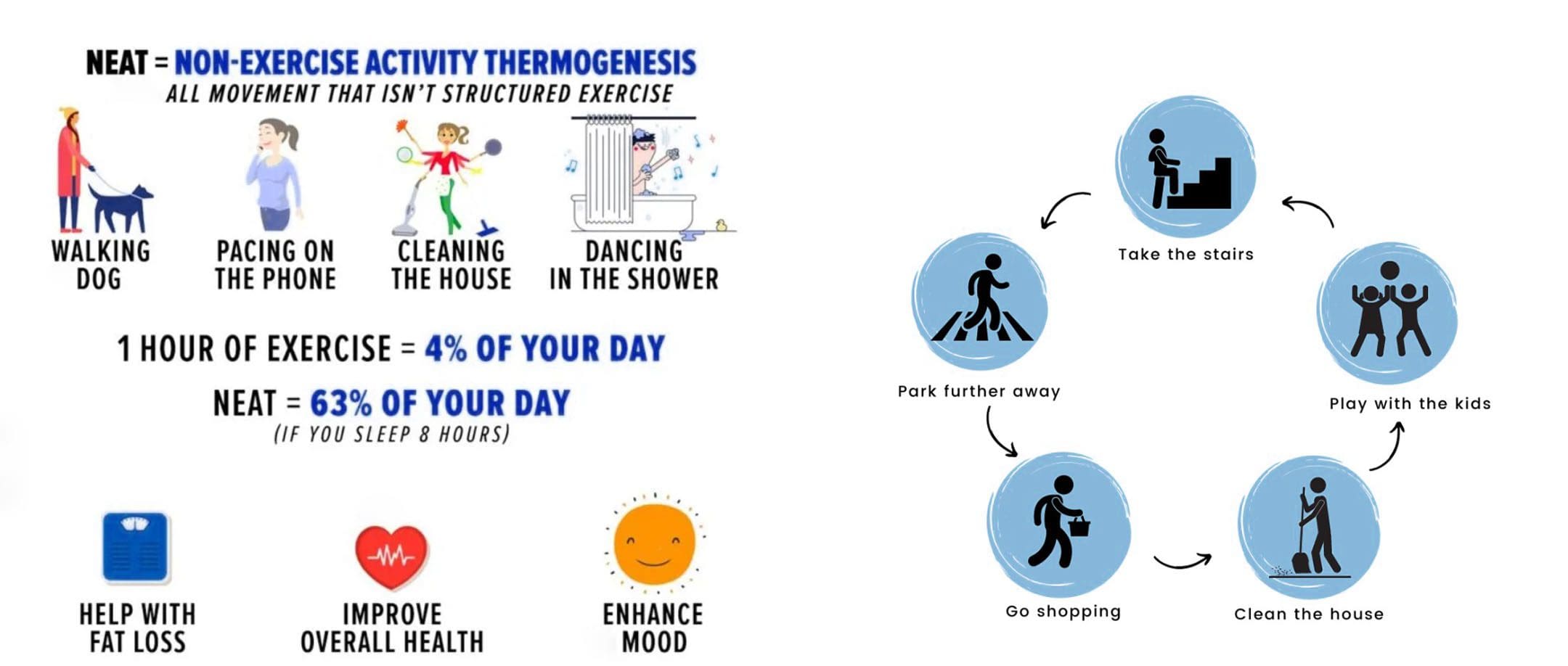
Non-exercise activity thermogenesis, or NEAT, describes the calories burned by daily movements and activities. These physical movements are not planned or structured exercises, workouts, or sports. It is also referred to as non-exercise physical activity or NEPA. Examples include activities like:
Cleaning
Cooking
Shopping
Playing a musical instrument
Small movements like fidgeting
When buying a few items, carry a basket instead of a shopping cart.
Take the stairs instead of the elevator or escalator.
While these movements might not seem like a lot, they can have a substantial impact on metabolic rates and calorie expenditures. A study followed over 12,000 women for 12 years and found that fidgeting can reduce the risk of death associated with excessive sedentariness. (Gareth Hagger-Johnson et al., 2016)
Calories Burned
The amount of calories burned varies from person to person. A study reported that the number of calories burned from non-exercise activity thermogenesis varies up to 2000 kilocalories a day between two individuals of similar size. (Christian von Loeffelholz et al., 2000). A number of factors can account for this difference, including environment and genetics. Individuals’ occupations and lifestyles can also influence non-exercise activity thermogenesis. For example, two individuals with similar body mass indexes or BMIs but different jobs, sedentariness versus activity, will burn different calorie amounts.
Improving Health
Non-exercise activity thermogenesis is thought to be one of the ways the body manages weight. When gaining weight, NEAT tends to increase, whereas when losing weight, NEAT decreases with individuals sitting more without moving as much. A research review noted that the benefits of non-exercise go well beyond the extra calories expended. (Pedro A. Villablanca et al., 2015). Increasing non-exercise activity thermogenesis reduces the risk of metabolic syndrome, cardiovascular issues, and other health problems. Plus, research shows that inactivity can negate the time and effort put into structured exercise. (John D. Akins et al., 2019). Combating sedentary behavior with non-activity thermogenesis helps increase the benefits of regular workouts.
Incorporating NEAT
There are small ways to incorporate non-exercise activity thermogenesis at work and at home. This could be using a standing desk or stability ball. According to the National Academy of Sports Medicine, a 145-pound person can approximately burn:
102 calories an hour while sitting at work.
174 calories if standing at work.
72 calories extra may not seem like a lot, but it can add up to more than 18,000 calories burned per year, leading to an approximate 5-pound weight loss.
If waiting in line or sitting in traffic, finding small ways to move, like tapping the hands or feet or moving the head to music, helps the body take advantage of non-exercise activity thermogenesis. Making more conscious efforts to move can go a long way in improving health.
Is Motion Key To Healing?
References
Hagger-Johnson, G., Gow, A. J., Burley, V., Greenwood, D., & Cade, J. E. (2016). Sitting Time, Fidgeting, and All-Cause Mortality in the UK Women’s Cohort Study. American journal of preventive medicine, 50(2), 154–160. https://doi.org/10.1016/j.amepre.2015.06.025
von Loeffelholz, C., & Birkenfeld, A. L. (2022). Non-Exercise Activity Thermogenesis in Human Energy Homeostasis. In K. R. Feingold (Eds.) et. al., Endotext. MDText.com, Inc.
Villablanca, P. A., Alegria, J. R., Mookadam, F., Holmes, D. R., Jr, Wright, R. S., & Levine, J. A. (2015). Nonexercise activity thermogenesis in obesity management. Mayo Clinic proceedings, 90(4), 509–519. https://doi.org/10.1016/j.mayocp.2015.02.001
Akins, J. D., Crawford, C. K., Burton, H. M., Wolfe, A. S., Vardarli, E., & Coyle, E. F. (2019). Inactivity induces resistance to the metabolic benefits following acute exercise. Journal of applied physiology (Bethesda, Md. : 1985), 126(4), 1088–1094. https://doi.org/10.1152/japplphysiol.00968.2018
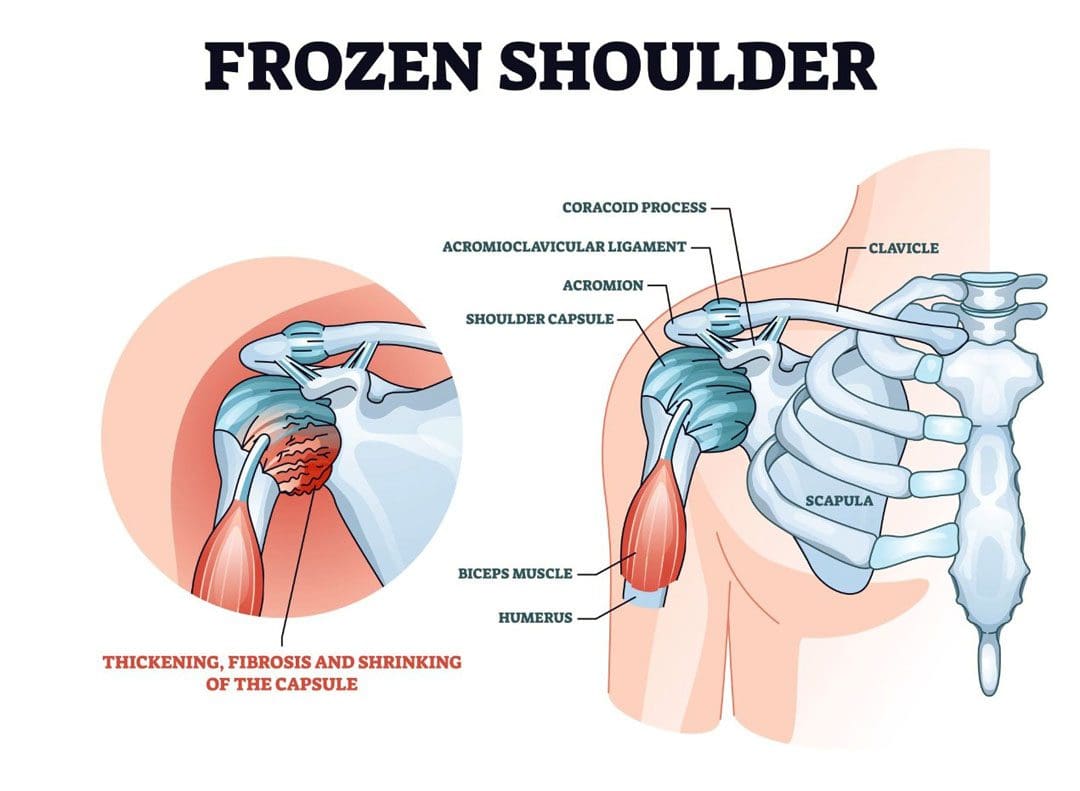
Stiffness and pain developing in the shoulder could be adhesive capsulitis, (frozen shoulder), a condition in the shoulder’s ball-and-socket joint/glenohumeral joint. It usually develops over time and limits the functional use of the arm. The pain and tightness restrict arm movement, and the duration of symptoms can persist for 12-18 months. The cause is often unknown, but it is more common in individuals over 40, individuals with diabetes, thyroid disease, and cardiac conditions have an increased risk of developing the condition, and women tend to develop the condition more than men. Chiropractic treatment can be effective at relieving pain and expediting recovery.
Stiffness and Pain
The shoulder joint allows more movement than any other joint in the body. A frozen shoulder causes the capsule surrounding the shoulder joint to contract and form scar tissue. The capsule contraction and the formation of adhesions cause the shoulder to become stiff, restrict movement, and cause pain and discomfort symptoms.
Stages
The progression is marked by three stages:
Freezing
Stiffness and pain begin to restrict motion.
Frozen
Movement and motion are severely restricted.
Thawing
The shoulder starts to loosen up.
It can take years to fully resolve symptoms.
In mild cases, a frozen shoulder can go away on its own but that does not mean that it is truly healed and correctly aligned.
Even in mild cases seeking treatment is recommended, rather than just waiting for it to go away.
Symptoms
Limited range of motion.
Stiffness and tightness.
Dull or aching pain throughout the shoulder.
Pain can radiate into the upper arm.
Pain can be triggered by the smallest movements.
The symptoms are not always due to weakness or injury, but actual joint stiffness.
Causes
Most frozen shoulders occur with no injury or discernible cause but the condition is often linked to a systemic condition or one that affects the entire body.
Age and Gender
Frozen shoulder most commonly affects individuals between the ages of 40 to 60, and is more common in women than in men.
Endocrine Disorders
Individuals with diabetes have an increased risk of developing a frozen shoulder.
Other endocrine abnormalities like thyroid problems can also lead to the development of this condition.
Shoulder Trauma and/or Surgery
Individuals who sustain a shoulder injury, or undergo surgery on the shoulder can develop a stiff and painful joint.
When injury or surgery is followed by prolonged immobilization/resting the arm, the risk of developing a frozen shoulder increases.
Other Systemic Conditions
Several systemic conditions such as heart disease have also been associated with an increased risk of developing the condition and can include:
High cholesterol
Adrenal disease
Heart and lung disease
Parkinson’s disease
Stiffness and pain can also be associated with damage to the joint from injuries or other shoulder problems that include:
A frozen shoulder associated with any of these causes is considered secondary.
Treatment
A diagnosis is made by observing the range of motion in the shoulder, considering the two types:
Active Range
This is how far an individual can move a body part on their own.
Passive Range
This is how far another person like a therapist or doctor can move the body part.
Therapies
Chiropractic, massage, and physical therapy involve stretches, realignment, and exercises to relieve pain symptoms and restore mobility and function.
Usually, strength is not affected by a frozen shoulder but a chiropractor may want to strengthen the surrounding muscles to better support the shoulder and prevent worsening the injury or causing a new injury.
Anti-inflammatory medications and corticosteroid injections may help manage pain symptoms.
Getting a diagnosis and treatment during the freezing stage can keep the condition from progressing and expedite recovery time.
Enhancing Health: Evaluation and Treatment
References
Brun, Shane. “Idiopathic frozen shoulder.” Australian Journal of general practice vol. 48,11 (2019): 757-761. doi:10.31128/AJGP-07-19-4992
Chan, Hui Bin Yvonne, et al. “Physical therapy in the management of frozen shoulder.” Singapore medical journal vol. 58,12 (2017): 685-689. doi:10.11622/smedj.2017107
Cho, Chul-Hyun, et al. “Treatment Strategy for Frozen Shoulder.” Clinics in orthopedic surgery vol. 11,3 (2019): 249-257. doi:10.4055/cios.2019.11.3.249
Duzgun, Irem, et al. “Which method for frozen shoulder mobilization: manual posterior capsule stretching or scapular mobilization?.” Journal of Musculoskeletal & neuronal interactions vol. 19,3 (2019): 311-316.
Jain, Tarang K, and Neena K Sharma. “The effectiveness of physiotherapeutic interventions in the treatment of frozen shoulder/adhesive capsulitis: a systematic review.” Journal of back and musculoskeletal rehabilitation vol. 27,3 (2014): 247-73. doi:10.3233/BMR-130443
Kim, Min-Su, et al. “Diagnosis and treatment of calcific tendinitis of the shoulder.” Clinics in shoulder and elbow vol. 23,4 210-216. 27 Nov. 2020, doi:10.5397/cise.2020.00318
Millar, Neal L et al. “Frozen shoulder.” Nature reviews. Disease primers vol. 8,1 59. 8 Sep. 2022, doi:10.1038/s41572-022-00386-2
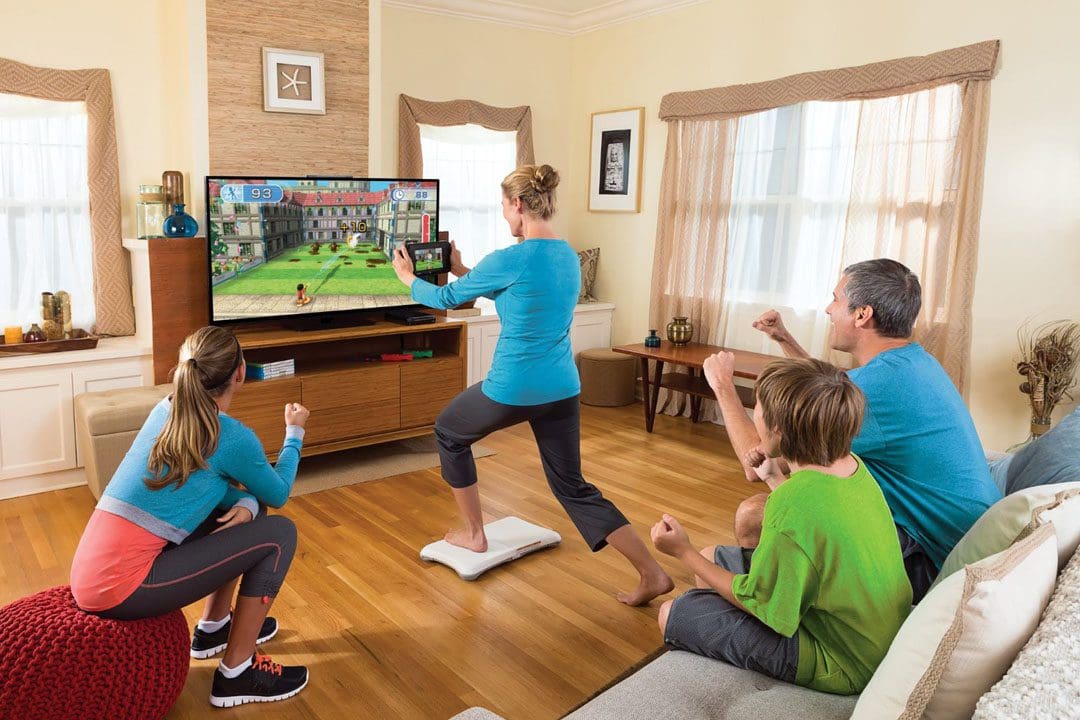
This time of year brings plenty of changes to normal day-to-day activities. We eat more and move less. But it is possible to stay on track while still enjoying the holiday festivities. The key is to balance healthy choices, stay aware of stressors, make a plan for staying healthy and get the whole family involved. The CDC recommends focusing on four areas to maintain family health: physical activity, nutritional habits, sleep, and screen time.
Family Health
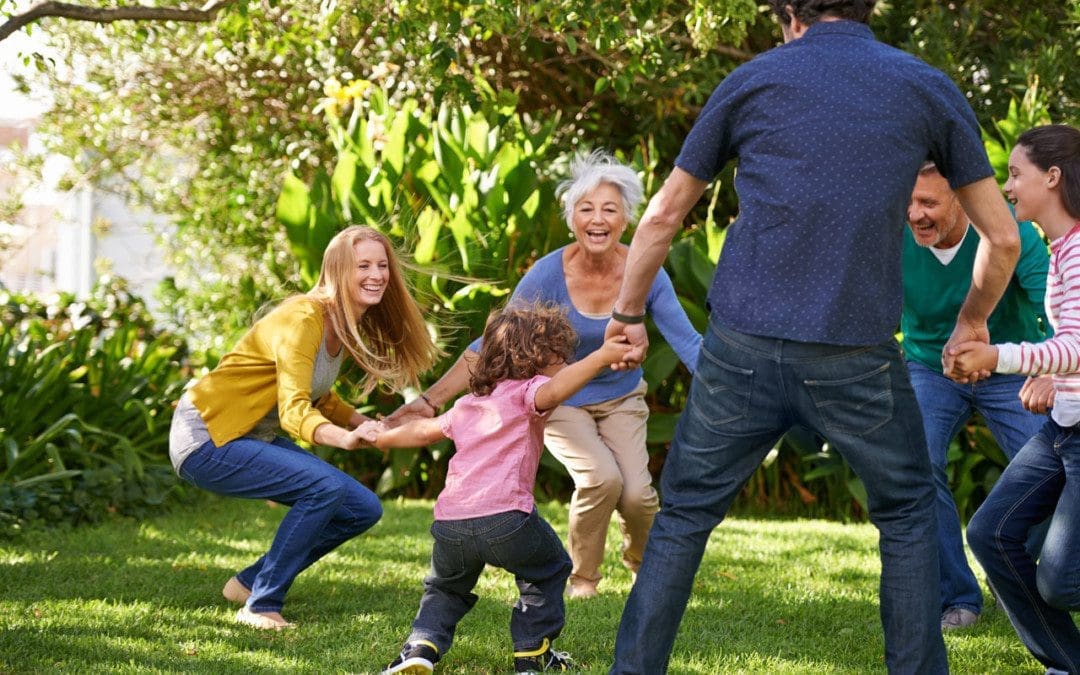
Striking a balance between being active and having fun will help to create a more enjoyable and relaxing holiday experience.
Get The Whole Family Moving
Physical activity develops stronger muscles and bones, improves heart health, increases blood circulation, and lowers body fat.
Children ages 3 to 5 years should be active throughout the day.
Children ages 6 to 17 need at least 60 minutes of physical activity daily.
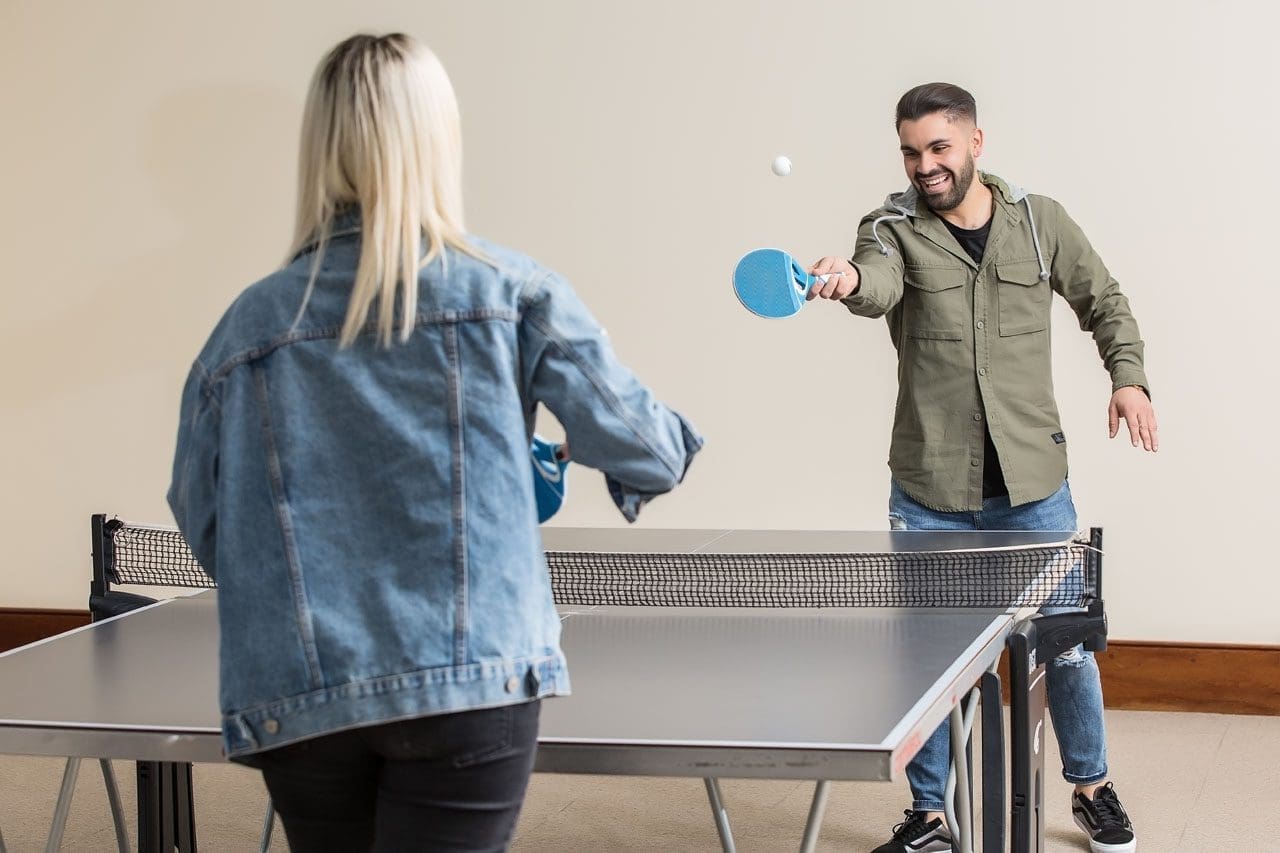
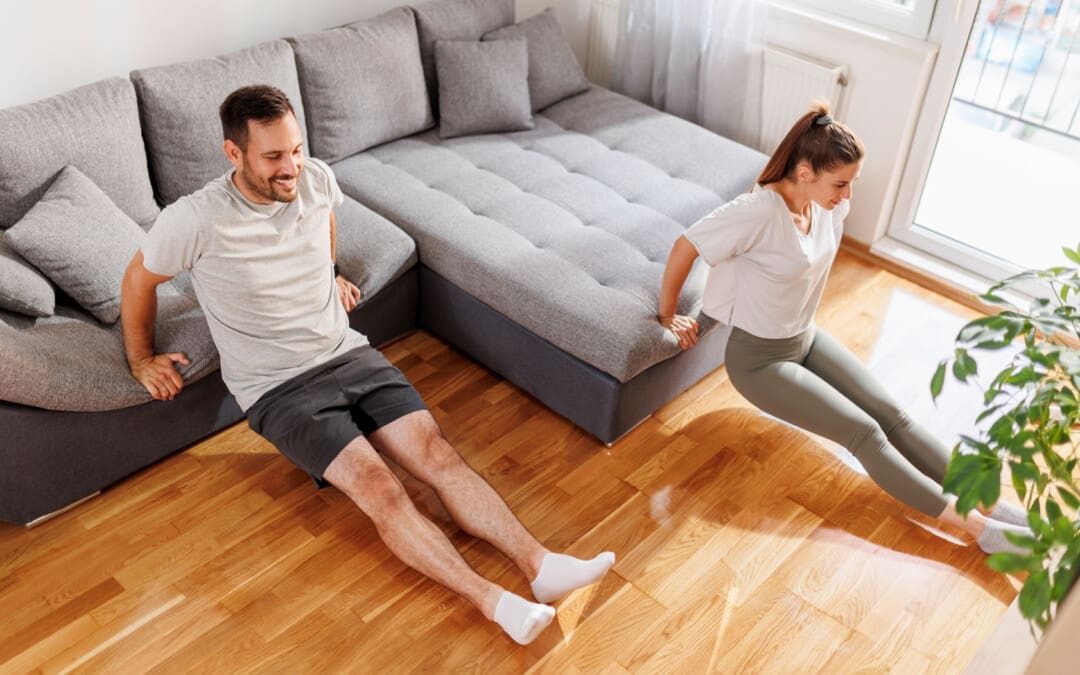
Look for ways to blend fun and physical activity as a family.
If you can get outside, play games like basketball or touch football, walk the dog, or take a nature walk.
Everyone has go-to foods, treats, and drinks they enjoy during the holidays. Restricting or avoiding these pleasures completely isn’t good, as it can lead to binge eating.
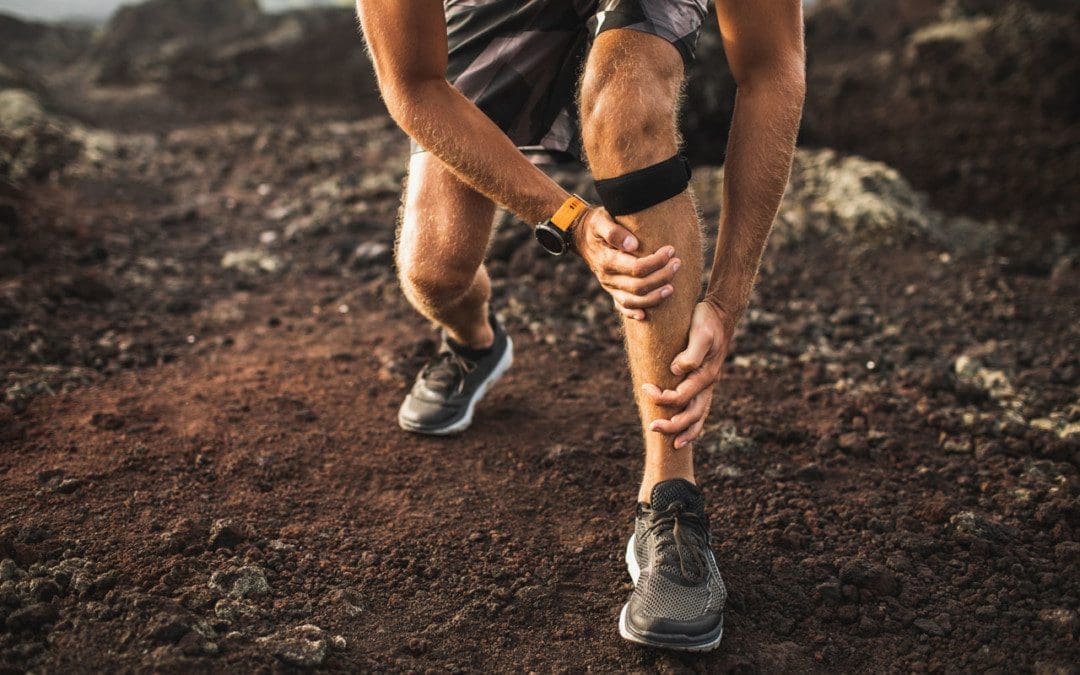
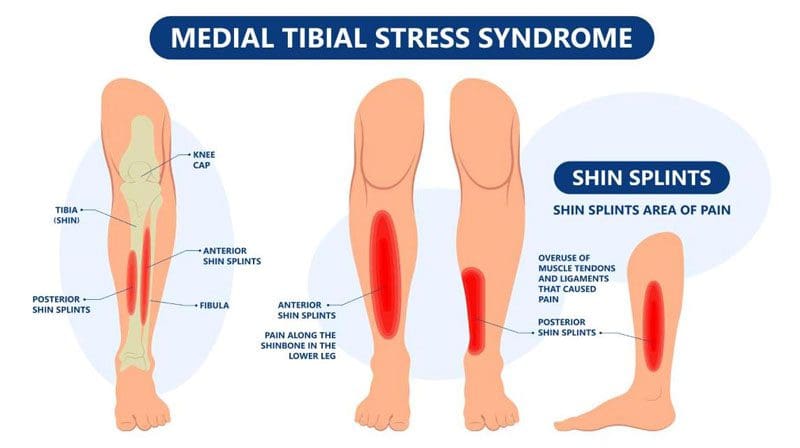
When stress is placed on the shins with physical activity from walking, running, or exercise, the connective tissues attaching the leg muscles to the tibia can become inflamed, causing medial tibial stress syndrome, more commonly known as shin splints. This inflammation is caused by tiny tears in the muscles and tendons of the shin. Chronic shin pain could be related to foot arch problems, underlying issues with the muscles, or shoes that don’t support the feet properly. Although it usually goes away within a few days, it’s important to monitor to ensure that it does not progress into a stress fracture. A chiropractor can offer treatments to relieve the pain and help prevent shin splints from recurring.
Medial Tibial Stress Syndrome
Medial tibial stress syndrome can impact anyone. It can come from walking far distances or in awkward positions like going downstairs with small steps, jumping rope, and playing with the kids on the playground can all cause burning, tightness, and pain in the shins. Shin splints affect individuals differently. For some, the pain recedes when the triggering activity is stopped. For others, the pain can become a chronic condition that results in continuous pain, even when at rest.
The Shin
The shin is a part of the tibia bone in the lower leg.
This bone absorbs the shocks when moving through daily activities.
The muscles that run along the shin support the foot’s arch and raise the toes during movement.
Medial tibial stress syndrome is caused by excessive force on the shinbone and the tissue around it, which causes the muscles to swell and increases pressure around the bone.
If left untreated, small tears in the muscle and the bone can form, leading to chronic pain and stress fractures.
Medial tibial stress syndrome is more likely to happen from:
Not stretching before physical activity or exercise.
Constantly walking or running on hard surfaces.
Wearing the wrong shoes that don’t provide enough cushioning or arch support.
Over-exertion on the body with activity and movement.
The body is not given the proper amount of time to recover.
Athletes often experience shin splints when they’ve intensified their training routine or changed it up.
Symptoms
Pain during exercise or activity.
Pain in the front of the lower leg.
Soreness in the lower leg.
Swelling in the lower leg.
Shin is hot to the touch.
Treatment
Whenever pain is being experienced, some muscles will either get tight or weak in response. By identifying the weak and/or tight muscles, a chiropractor can prescribe stretches and exercises that will help alleviate the pain and prevent it. One of the main principles of chiropractic is to treat the body as an interconnected system. A chiropractor may work on an unrelated part of the body to treat the symptomatic area. For example, they may work to align the spine and pelvis to lessen the impact on the lower legs.
Part of a treatment plan may include:
Soft Tissue Mobilization
A handheld instrument loosens tight tissues during soft tissue mobilization therapy and breaks scar tissue around the tibia.
Massaging tight muscles in the leg keeps them loose and alleviates the pain.
Percussion massage can be added to reduce muscle knots, improve blood flow, and loosen up scar tissue.
The treatment relieves pain and can help avoid shin splints when returning to normal activities.
Ultrasound and Low Laser Therapy
Ultrasound and low laser therapy use heat to warm the deep tissues in the lower leg gently.
The treatment eases pain, reduces inflammation, swelling, and increases blood flow.
Kinesio Taping
Applying flexible Kinesio tape to the foot and lower leg can reduce stress on the shins.
The chiropractor or physical therapist will show how to apply the tape correctly.
Foot Orthotics
Individuals may be more likely to develop shin splints if they have high or low arches or their feet tend to roll inward or outward when walking.
Prescription foot orthotics can be made to keep the feet properly balanced and supported.
Stretching Exercises
Shin splints could be related to tight muscles in the back of the calf and weak muscles in the front of the lower leg.
A chiropractor or physical therapist will show stretching and strengthening exercises to maintain muscle balance.
Body Composition
Retaining Water Due To Salt Intake
Salt/sodium is everywhere and hard to avoid.
It might not be a surprise that a single patty cheeseburger contains over 500 mg of sodium – almost a quarter of the daily recommended level, but it is a surprise to know that the ranch dressing on a salad contains as much as 270 mg or a tablespoon of soy sauce on a healthy, vegetable-only stir-fry has 879 mg of sodium. The Mayo Clinic estimates that the average individual consumes about 3,400 mg of sodium a day: close to double what is recommended. Sodium is linked with water retention, and it is the kidneys’ job to expel unneeded sodium out of the body. Until the kidneys activate, an individual will temporarily be retaining extra water. If daily water and sodium intake habits change daily, this can contribute to water retention, causing fluctuations in daily weight. So, if an individual was on a diet but flooded the body with more salt than usual, expect to see a temporary increase in weight.
References
Bates, P. “Shin splints–a literature review.” British journal of sports medicine vol. 19,3 (1985): 132-7. doi:10.1136/bjsm.19.3.132
Chiropractic Economics: The Science Behind Percussion Massage.
Gross, ML et al. “Effectiveness of orthotic shoe inserts in the long-distance runner.” The American journal of sports medicine vol. 19,4 (1991): 409-12. doi:10.1177/036354659101900416
Heer, Martina et al. “Increasing sodium intake from a previous low or high intake affects water, electrolyte and acid-base balance differently.” The British journal of nutrition vol. 101,9 (2009): 1286-94. doi:10.1017/S0007114508088041
McClure, Charles J. and Robert Oh. “Medial Tibial Stress Syndrome.” StatPearls, StatPearls Publishing, 11 August 2021.
IFM's Find A Practitioner tool is the largest referral network in Functional Medicine, created to help patients locate Functional Medicine practitioners anywhere in the world. IFM Certified Practitioners are listed first in the search results, given their extensive education in Functional Medicine






 Family Health