ClickCease
+1-915-850-0900 [email protected]
Select Page
Low Back Pain Associated with PH Balance

Low Back Pain Associated with PH Balance

Did you know that inflammation and low back pain can by caused by a low pH balance? Inflammation is believed to be caused by a variety of factors, including injury and/or an underlying condition, however, recent research studies have found a connection between inflammation, chronic back pain and pH balance. The lower your pH balance is, the more acidic your body is. When the human body is acidic, a condition referred to as acidosis, it can cause inflammation and other symptoms throughout the body, even in the lower back. Whether your pH balance or another health issue is causing your low back pain, it’s important to understand how acidity and low pH levels can affect the structure and function of the human body.


Metabolic acidosis is a condition used to describe when there is too much acid in your body fluids. When there is too much acid in your body, your pH balance reading will be low. In other words, your body will be considered acidic. When the human body is acidic, it neutralizes the acid by leaching calcium, magnesium, potassium and sodium from the bones. Over time, the excess acidity of the body can begin to gradually eat away at the bones, causing the progressive degeneration of the bones and eventually even leading to fractures. While a fracture may seem like a severe cause for back pain, the degeneration of the vertebrae of the spine can also cause disc degeneration disease, or DDD, leading to back pain and low back pain. The purpose of the article below is to demonstrate as well as discuss the relationship between low pH balance in intervertebral discs and low back pain.


The Relationship Between Low PH in Intervertebral Discs and Low Back Pain: a Systematic Review


Abstract


  • Introduction: To systematically review the relationship between low pH in intervertebral discs and low back pain.
  • Material and methods: Electronic database (PubMed, ISI Web of Science, Cochrane Library, CINAHL, AMED, and China National Knowledge Infrastructure) searches and hand searching of conference proceedings were conducted. Two authors independently evaluated the methodological quality and abstracted relevant data according to standard criteria. Then the experimental methods and samples employed in the finally retrieved articles were assessed.
  • Results: We first retrieved 136 articles regarding pain and pH, and only 16 of them were mainly about low back pain and pH. Finally, 7 articles met our expectation to focus on the pathogenesis of low back pain caused by pH. In these 7 studies the authors held three opinions to explain the pathogenesis of low back pain in relation to low pH. First, low pH caused by lactate stimulates the muscle and increases the muscle tension, which causes low back pain. Second, low pH stimulates the nerve roots and produces the feeling of pain. Third, low pH changes the matrix metabolism, leading to neuronal death and low back pain.
  • Conclusions: In this systematic review we propose a new hypothesis that low back pain may be caused by low pH based on the previous literature. Further experimental studies are necessary to verify our hypothesis. This hypothesis will promote our understanding of the pathogenesis of low back pain and the development of novel diagnostic and therapeutic approaches for low back pain.
  • Keywords: low back pain, pH, acidity, intervertebral disc, systematic review


Introduction


Low back pain is one of the most frequent causes of morbidity and disability. Low back pain affects up to 50% to 80% of the population in developed countries and its recurrence rate amounts to 85%, resulting in an economic loss of approximately 50 to 100 billion dollars per year in the US [1, 2].


Currently, effective treatment of low back pain is severely hampered due to the fact that its pathogenesis remains elusive [3, 4]. In recent years, several hypotheses have been proposed to explain the pathogenesis of low back pain and most of them focus on the dysfunction of the spinal column and its components, such as injury and clinical instability [5�7], spinal column degeneration [8], inferior facet-tip impingement on the lamina [9], and Schmorl’s nodes [10] and facet joint injury [11]. Other hypotheses focus on subfailure injury of the spinal muscles and ligaments and propose that spinal ligaments, disc annulus, facet capsules and thoracolumbar fascia may cause chronic back pain due to muscle control dysfunction [12�16]. In addition, the pain adaptation and pain-spasm-pain hypotheses have been proposed [17�19]. However, these hypotheses are largely speculative and need further experimental investigations.


The intervertebral disc (IVD) is composed of the nucleus pulposus (NP), the annulus fibrosus (AF), and the endplates (EP). The corpora vertebrae lie above and below the discs. The healthy disc is avascular, and its nutrition depends on diffusion via the AF and EP [20, 21]. The discs mainly produce ATP via anaerobic glycolysis; consequently lactate is produced and the pH is lower than other tissues. Low back pain is known to be related to intervertebral disc degeneration, and the pH would decrease in degenerated intervertebral discs [22, 23]. Therefore, low pH in the discs may be related to low back pain. Indeed, Hambly and Mooney [24] reported a close relationship between low back pain and low intradiscal pH in rabbits, while Krapf et al. [25] found that low pH could cause muscle spasm which was related to low back pain.


Based on the previous literature we propose a new hypothesis that low pH may cause low back pain. In this systematic review, we have collected and analysed the relevant literature regarding the relationship between low pH and low back pain to address the following questions: (1) What role does low pH play in low back pain? (2) Is the relationship obvious between low pH and low back pain? And (3), why are low pH and low back pain so relevant?


Material and Methods


Electronic databases (PubMed, ISI Web of Science, Cochrane Library, CINAHL, AMED, and China National Knowledge Infrastructure), which were last updated on 26 Nov. 2011, were searched without limit by two independent investigators. The search used terms and Boolean operators as follows: (low back pain OR lower back pain OR low back ache OR low backaches OR lumbago OR recurrent low back pain OR postural low back pain or mechanical low back pain) AND (low pH OR lactate OR lactate OR hydrogen ion concentration). Reference lists of all the selected articles were hand-searched for any additional trials. Conference abstracts of key pain and orthopaedic journals were hand-searched to identify unpublished data. If necessary, we contacted the authors to get additional information.


In total 136 articles were initially identified by literature search, and 113 articles were excluded after checking the titles and abstracts, which did not reach our expectation. Next we reviewed the full texts of the remaining articles and excluded the following articles: (1) articles not in English; (2) reviews, systematic reviews or letters; (3) pain in other tissues; (4) not related to pH, acidity or protons. As a result, 16 articles were retrieved and the references of these 16 articles were checked to ensure that other pertinent publications would not be missed. Finally, seven articles met our expectation to focus on the pathogenesis of low back pain caused by pH (Figure 1). The literature search was performed by two of the authors (CZL and HL) independently, and any disagreement was resolved by discussion.
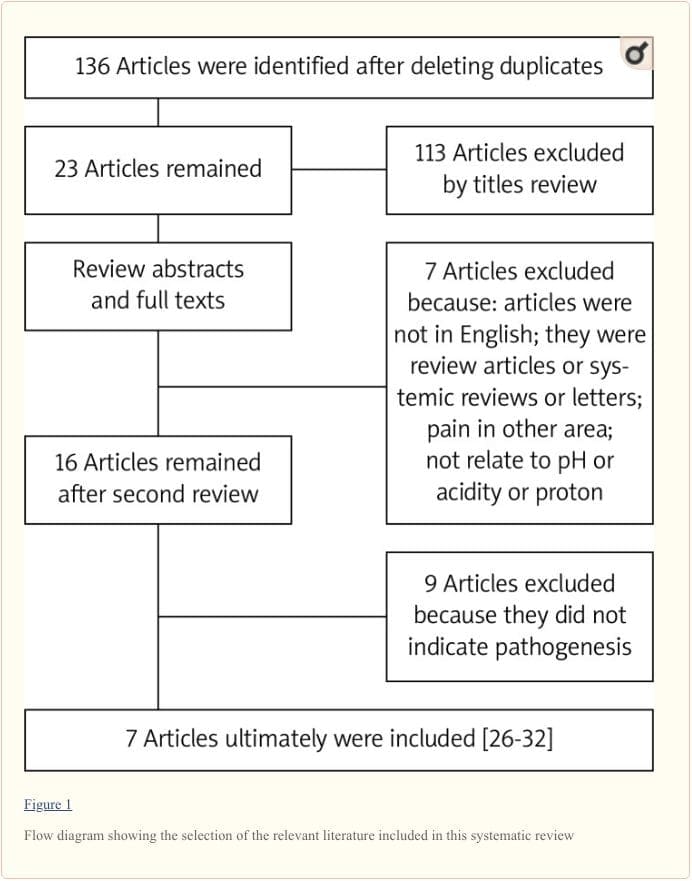
 

Figure 1 Flow Diagram Relevant Literature


We scrutinized the seven articles with the focus on �the mechanisms by which pH causes low back pain�, and then assessed the experimental methods and samples employed in the seven articles.


Results


Seven articles met our expectation [26�32]. Then we evaluated the level of evidence for each article, according to the standard listed in Table I [33]. Five of them were level II, and two were level III. The characteristics of the seven studies are listed in Table II.
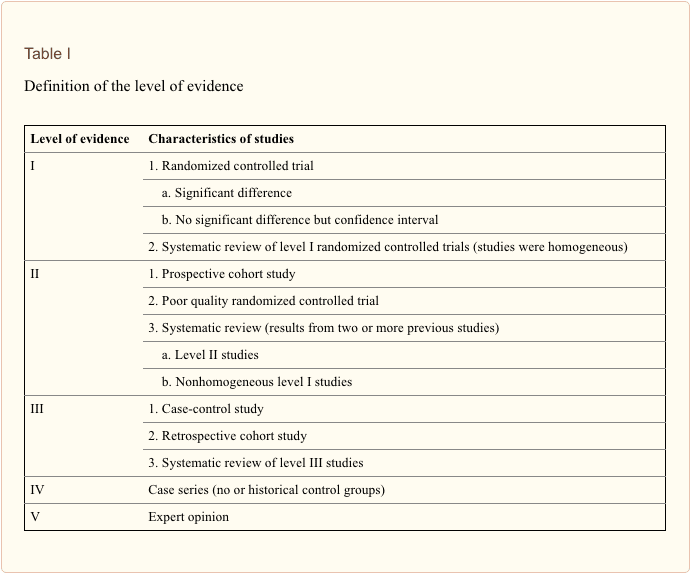
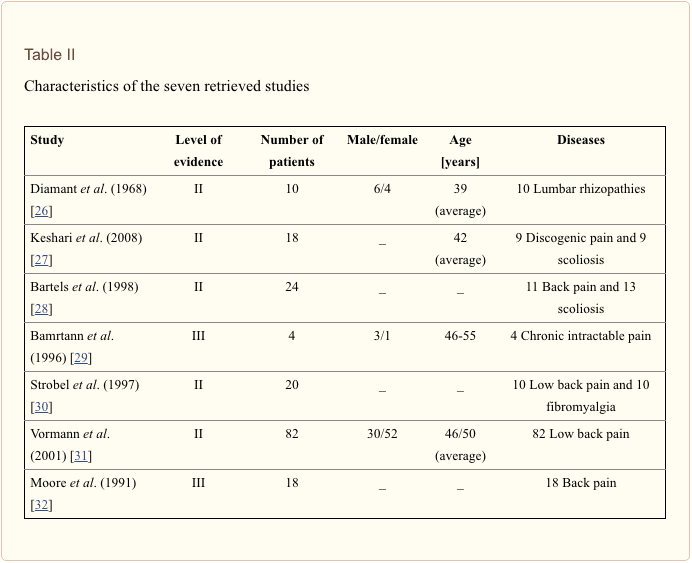
 

Table 1 Definition of the Level of Evidence


Table 2 Characteristics of the Seven Retrieved Studies


Nerve Roots


Three studies involving 32 patients [26, 27, 29] suggested that low pH would stimulate the nerve roots and cause low back pain.


Diamant et al. analysed the correlation between lactate level and pH in discs of patients with lumbar rhizopathy and found that low pH was caused by the increased lactate level due to the enhanced anaerobic glycolysis within the NP, which counteracts the decreased nutritional diffusion. The reaction of nerve roots in cases with low pH is related to increased production and leakage of acid metabolism. Sensitive structures such as the nerve roots could be irritated by the leakage of acid metabolites and it was shown that pain will arise in tissues with low pH [26, 34].


Keshari et al. used HR-MAS NMR spectroscopy to analyse snap frozen samples taken from 9 patients who underwent discectomy for painful disc degeneration [27, 35, 36]. They found that proteoglycan, collagen, and lactate may serve as metabolism markers of discogenic back pain. Therefore, they speculated that low pH was caused by increased lactate and increased lactate stimulated nerve fibres in granulation tissue associated with disc healing, which was correlated with discogenic pain [27, 35, 36].


Baumann et al. examined the responses of cultured adult human dorsal root ganglion (hDRG) neurons to low pH [29]. They found that low pH evoked, sustained depolarizations were due to more than one mechanism, and the inhibition of resting membrane conductance contributes to the responses to low pH in some hDRG neurons, which was related to low back pain [29].


Muscle Tension and Swelling of Connective Tissue


A previous study suggested that low pH would increase muscle tension, which could cause low back pain [30]. The authors examined 20 patients with chronic palpable tension of the erector muscles of the spine, and found that the pH decreased because of the enhanced anaerobic glycolysis in NP. The low pH was caused by the accumulation of lactate. Lactate would stimulate the multifidus muscle and increase the muscle tension. Simultaneously, myogelosis is induced, leading to low back pain [30]. Vormann et al. [31] showed that the simple and safe addition of an alkaline multimineral preparate was able to reduce the pain symptoms in these patients with chronic low back pain. These results suggest that a disturbed acid-base balance may contribute to the symptoms of low back pain.


Metabolism


Bartels et al. measured the oxygen and lactate concentrations in 11 patients with back pain and 13 patients with scoliosis, and found that in each case, the oxygen and lactate concentrations were the highest in the interior of the disc and fell toward the outer annulus [28]. Therefore, they speculated that the microcirculation through the endplate and the rate of cellular metabolism would influence the oxygen and lactate concentrations in the disc. For instance, the oxygen concentration would fall as cellular demand increases; consequently the lactate concentration would increase and the pH would decrease. It was observed that in some discs the concentration of oxygen was less than 40 mm Hg and that of lactate was more than 5 mmol/l, which would lead to cell death.


Another study also indicated that decreased pH, decreased PO2 and increased PCO2 may be related to the mechanisms of pain production in patients with back pain [32]. These abnormalities can be identified by magnetic resonance imaging. Further investigation is needed to determine whether therapeutic manipulation of these variables can be effective in relieving axial spinal pain.

Low pH would lead to a change in the matrix metabolism, which could strongly influence the cell activity and even cause cell death. It is well known that acid-sensing ion channels (ASICs) on the cell surface could be stimulated by protons. After cells die, the protons would increase and activate ASICs, which in turn mediate ischaemic neuronal death [37], and eventually cause low back pain [28, 38�40].

 

Dr-Jimenez_White-Coat_01.png

Dr. Alex Jimenez’s Insight

When an individual’s bodily fluids contain too much acid, or they’re too acidic,�a common concern known as acidosis, it can lead to a variety of health issues if not properly addressed. Your lungs and kidneys can generally compensate for slight pH imbalances, however, problems with any of these organs or even an improper nutrition consisting of processed foods high in sugar, can result in excess acid accumulating in the human body. Other risk factors which can contribute to an increased chance of developing acidosis include: a high-fat diet that’s low in carbohydrates, kidney failure, obesity, dehydration, aspirin or methanol poisoning, and diabetes. Furthermore, as mentioned in the article, acidosis has also been associated as a cause of inflammation which may lead to chronic back pain and low back pain. Therefore, maintaining pH balance is believed to be able to help treat low back pain, alongside other alternative treatment options, such as chiropractic care.


Discussion


After careful review of the seven articles we retrieved, we obtained a systematic view with regard to the relationship between low pH and low back pain, although the authors of the individual studies had proposed three different opinions.


If low pH directly stimulates the nerve roots, the pH is very important to the healing of low back pain. Lactate would cause low pH, stimulate the nerve roots, cause depolarization at the surface of the nerves, and modulate the nociceptors to let the patients feel pain. However, in order to establish a relationship between discogenic back pain and lactate, a much larger number of patients need to be studied and the changes in proteoglycans (PG)/collagen (col), PG/lactate peak (Lac), and Lac/col ratios should be correlated with visual pain scores or other pain indexes [27, 29].


The second opinion holds that low pH would act on the muscle but not nerve roots. If the oxygen tension falls below 5 mm Hg, the muscle tension would increase, and even result in myogelosis. Muscle contraction depends solely on the chemical energy of ATP. If the oxygen tension decreased, the cells would undergo anaerobic glycolysis and produce much lactate, leading to decreased pH. However, it remains elusive what level of pH would cause pain [30].


The third opinion claims that disc energy and matrix metabolism are crucially involved in low back pain [38�40]. This provides a valuable insight into the pathogenesis of low back pain. Nevertheless, the detailed cellular and molecular mechanisms by which disc energy and matrix metabolism disruption lead to neuronal death and eventually pain development are not completely understood.


This systematic review had several limitations. First, the heterogeneity between individual studies was substantial. Second, there are only small number patients in several prospective cohort studies of selected articles. Third, there may be some selection bias because the retrieved articles were confined to limited databases.


In conclusion, in this systematic review we propose a new hypothesis that low back pain may be caused by low pH based on previous literature, in which three opinions have been proposed by the authors to explain the pathogenesis of low back pain in relation to low pH. First, low pH caused by lactate stimulates the muscle and increases the muscle tension, which would cause low back pain. Second, low pH stimulates the nerve roots and produces the feeling of pain. Third, low pH changes the matrix metabolism, leading to neuronal death and low back pain. These different opinions are not exclusive but may be complementary. Further experimental studies are necessary to verify our hypothesis that low pH causes low back pain. This hypothesis will promote our understanding of the pathogenesis of low back pain and the development of novel diagnostic and therapeutic approaches for low back pain.


Acknowledgments


This study was partly supported by a grant from the National Nature Science Foundation of China (81171756) and the Science and Technology Planning Project of Zhejiang Province (2012C13G2010083).


In conclusion,�a lower pH balance can mean that your blood is more acidic, while a higher pH balance means that your blood is closer to the levels it should be at. While these numbers may only appear to differentiate slightly, these numerical differences can be serious and may ultimately affect your overall health and wellness. In the article above, researchers proposed that low back pain may be caused by low pH levels. Furthermore, the outcome measures of the systematic review will help support the understanding of the pathogenesis of low back pain, promoting more treatment options for chronic back pain. Information referenced from the National Center for Biotechnology Information (NCBI).�The scope of our information is limited to chiropractic as well as to spinal injuries and conditions. To discuss the subject matter, please feel free to ask Dr. Jimenez or contact us at�915-850-0900�.


Curated by Dr. Alex Jimenez

Green-Call-Now-Button-24H-150x150-2-3.png

Additional Topics: Back Pain

Back pain is one of the most prevalent causes for disability and missed days at work worldwide. As a matter of fact, back pain has been attributed as the second most common reason for doctor office visits, outnumbered only by upper-respiratory infections. Approximately 80 percent of the population will experience some type of back pain at least once throughout their life. The spine is a complex structure made up of bones, joints, ligaments and muscles, among other soft tissues. Because of this, injuries and/or aggravated conditions, such as herniated discs, can eventually lead to symptoms of back pain. Sports injuries or automobile accident injuries are often the most frequent cause of back pain, however, sometimes the simplest of movements can have painful results. Fortunately, alternative treatment options, such as chiropractic care, can help ease back pain through the use of spinal adjustments and manual manipulations, ultimately improving pain relief.



blog picture of cartoon paperboy big news


EXTRA IMPORTANT TOPIC: Low Back Pain Management


MORE TOPICS: EXTRA EXTRA:�Chronic Pain & Treatments
 

Blank
References
1.�Martin BI, Deyo RA, Mirza SK, et al. Expenditures and health status among adults with back and neck problems.�JAMA.�2008;299:656�64.�[PubMed]
2.�DePalma MJ, Ketchum JM, Saullo T. What is the source of chronic low back pain and does age play a role?�Pain Med.�2011;12:224�33.�[PubMed]
3.�Gracely RH. Pain measurement.�Acta Anaesthesiol Scand.�1999;43:897�908.�[PubMed]
4.�Ghahreman A, Bogduk N. Predictors of a favorable response to transforaminal injection of steroids in patients with lumbar radicular pain due to disc herniation.�Pain Med.�2011;12:871�9.�[PubMed]
5.�Panjabi MM. The stabilizing system of the spine. Part II. Neutral zone and instability hypothesis.�J Spinal Disord.�1992;5:390�6.�[PubMed]
6.�Depalma M, Ketchum J, Saullo T, Schofferman J. Structural etiology of chronic low back pain due to motor vehicle collision.�Pain Med.�2011;12:1622�7.�[PubMed]
7.�Raczkowski JW, Daniszewska B, Zolynski K. Functional scoliosis caused by leg length discrepancy.�Arch Med Sci.�2010;6:393�8.�[PMC free article][PubMed]
8.�Kirkaldy-Willis WH, Wedge JH, Yong-Hing K, Reilly J. Pathology and pathogenesis of lumbar spondylosis and stenosis.�Spine.�1978;3:319�28.�[PubMed]
9.�Yang KH, King AI. Mechanism of facet load transmission as a hypothesis for low-back pain.�Spine.�1984;9:557�65.�[PubMed]
10.�Lipson SJ, Fox DA, Sosman JL. Symptomatic intravertebral disc herniation (Schmorl’s node) in the cervical spine.�Ann Rheum Dis.�1985;44:857�9.�[PMC free article][PubMed]
11.�Farfan HF, Sullivan JD. The relation of facet orientation to intervertebral disc failure.�Can J Surg.�1967;10:179�85.�[PubMed]
12.�Schleip R, Vleeming A, Lehmann-Horn F, Klingler W. Letter to the Editor concerning �A hypothesis of chronic back pain: ligament subfailure injuries lead to muscle control dysfunction� (M. Panjabi)�Eur Spine J.�2007;16:1733�5.�[PMC free article][PubMed]
13.�Panjabi MM. A hypothesis of chronic back pain: ligament subfailure injuries lead to muscle control dysfunction.�Eur Spine J.�2006;15:668�76.�[PMC free article][PubMed]
14.�DePalma MJ, Ketchum JM, Saullo TR. Etiology of chronic low back pain in patients having undergone lumbar fusion.�Pain Med.�2011;12:732�9.�[PubMed]
15.�Karabekir HS, Yildizhan A, Atar EK, et al. Effect of ligamenta flava hypertrophy on lumbar disc herniation with contralateral symptoms and signs: a clinical and morphometric study.�Arch Med Sci.�2010;6:617�22.�[PMC free article][PubMed]
16.�Petronic I, Nikolic D, Cirovic D, et al. Distribution of affected muscles and degree of neurogenic lesion in patients with spina bifida.�Arch Med Sci.�2011;7:1049�54.�[PMC free article][PubMed]
17.�van Dieen JH, Selen LP, Cholewicki J. Trunk muscle activation in low-back pain patients, an analysis of the literature.�J Electromyogr Kinesiol.�2003;13:333�51.�[PubMed]
18.�Lund JP, Donga R, Widmer CG, Stohler CS. The pain-adaptation model: a discussion of the relationship between chronic musculoskeletal pain and motor activity.�Can J Physiol Pharmacol.�1991;69:683�94.�[PubMed]
19.�Maigne JY, Vautravers P. Mechanism of action of spinal manipulative therapy.�Joint Bone Spine.�2003;70:336�41.�[PubMed]
20.�Roberts S, Evans H, Trivedi J, Menage J. Histology and pathology of the human intervertebral disc.�J Bone Joint Surg Am.�2006;88(Suppl 2):10�4.�[PubMed]
21.�Raj PP. Intervertebral disc: anatomy-physiology-pathophysiology-treatment.�Pain Pract.�2008;8:18�44.[PubMed]
22.�Kitano T, Zerwekh JE, Usui Y, et al. Biochemical changes associated with the symptomatic human intervertebral disk.�Clin Orthop Relat Res.�1993;293:372�7.�[PubMed]
23.�Wuertz K, Godburn K, Iatridis JC. MSC response to pH levels found in degenerating intervertebral discs.�Biochem Biophys Res Commun.�2009;379:824�9.�[PMC free article][PubMed]
24.�Hambly MF, Mooney V. Effect of smoking and pulsed electromagnetic fields on intradiscal pH in rabbits.�Spine.�1992;17:S83�5.�[PubMed]
25.�Krapf MW, Muller S, Mennet P, et al. Recording muscle spasm in the musculus erector spinae using in vivo 31P magnetic resonance spectroscopy in patients with chronic lumbalgia and generalized tendomyopathies.�Z Rheumatol.�1992;51:229�37.�[PubMed]
26.�Diamant B, Karlsson J, Nachemson A. Correlation between lactate levels and pH in discs of patients with lumbar rhizopathies.�Experientia.�1968;24:1195�6.�[PubMed]
27.�Keshari KR, Lotz JC, Link TM, et al. Lactic acid and proteoglycans as metabolic markers for discogenic back pain.�Spine.�2008;33:312�7.�[PubMed]
28.�Bartels EM, Fairbank JC, Winlove CP, Urban JP. Oxygen and lactate concentrations measured in vivo in the intervertebral discs of patients with scoliosis and back pain.�Spine.�1998;23:1�7.�[PubMed]
29.�Baumann TK, Burchiel KJ, Ingram SL, Martenson ME. Responses of adult human dorsal root ganglion neurons in culture to capsaicin and low pH.�Pain.�1996;65:31�8.�[PubMed]
30.�Strobel ES, Krapf M, Suckfull M, et al. Tissue oxygen measurement and 31P magnetic resonance spectroscopy in patients with muscle tension and fibromyalgia.�Rheumatol Int.�1997;16:175�80.�[PubMed]
31.�Vormann J, Worlitschek M, Goedecke T, Silver B. Supplementation with alkaline minerals reduces symptoms in patients with chronic low back pain.�J Trace Elem Med Biol.�2001;15:179�83.�[PubMed]
32.�Moore MR, Brown CW, Brugman JL, et al. Relationship between vertebral intraosseous pressure, pH, PO2, pCO2, and magnetic resonance imaging signal inhomogeneity in patients with back pain. An in vivo study.�Spine.�1991;16:S239�42.�[PubMed]
33.�Prommahachai A, Wittayapirot K, Jirarattanaphochai K, Sae-Jung S. Correction with instrumented fusion versus non-corrective surgery for degenerative lumbar scoliosis: a systematic review.�J Med Assoc Thai.�2010;93:920�9.�[PubMed]
34.�Menkin V. Biochemical mechanisms in inflammation.�Br Med J.�1960;1:1521�8.�[PMC free article][PubMed]
35.�Aoki Y, Akeda K, An H, et al. Nerve fiber ingrowth into scar tissue formed following nucleus pulposus extrusion in the rabbit anular-puncture disc degeneration model: effects of depth of puncture.�Spine.�2006;31:E774�80.�[PubMed]
36.�Ozawa T, Ohtori S, Inoue G, et al. The degenerated lumbar intervertebral disc is innervated primarily by peptide-containing sensory nerve fibers in humans.�Spine.�2006;31:2418�22.�[PubMed]
37.�Wang YZ, Xu TL. Acidosis, acid-sensing ion channels, and neuronal cell death.�Mol Neurobiol.�2011;44:350�8.�[PubMed]
38.�Ohshima H, Urban JP. The effect of lactate and pH on proteoglycan and protein synthesis rates in the intervertebral disc.�Spine.�1992;17:1079�82.�[PubMed]
39.�Ishihara H, Urban JP. Effects of low oxygen concentrations and metabolic inhibitors on proteoglycan and protein synthesis rates in the intervertebral disc.�J Orthop Res.�1999;17:829�35.�[PubMed]
40.�Holm S, Maroudas A, Urban JP, Selstam G, Nachemson A. Nutrition of the intervertebral disc: solute transport and metabolism.�Connect Tissue Res.�1981;8:101�19.�[PubMed]
Close Accordion
Acidity And Alkalinity In The Body

Acidity And Alkalinity In The Body

There has been a lot in the media lately about alkalinity and acidity in the body, but finding solid, straightforward information isn�t always easy. In short, acidity can cause a number of health issues. There are many benefits of bringing your body into balance.

What Is High Acidity?

The term acidity describes a condition where the body is affected by the excess production of gastric acids. Under normal conditions, hydrochloric acid is secreted by the stomach, aiding in the digestion and breakdown of food.

However, when this normal process is triggered in such a way that it causes overproduction of the acid, it can result in health problems. Acidity can be caused by irregular eating patterns, fad diets, alcohol consumption, stress, smoking, an unhealthy diet, and a sedentary lifestyle. Symptoms can include:

  • Indigestion
  • Burning in the stomach
  • Belching
  • Sour taste
  • Burning in the throat
  • Constipation
  • Nausea
  • Restlessness

What Are The Dangers Of High Acidity In The Body?

When the body is acidic, it can affect everything from immunity to neurological function to bone health. The Japanese have linked acidity to degenerative diseases like arthritis, cancer, and osteoporosis.

An acidic body is also a very hospitable environment for bacteria and viruses to thrive meaning the person will often get sick more often. When the body is out of balance it becomes susceptible to conditions as simple as dandruff and as complex as diabetes. Interestingly, many people have reversed or gone into remission by simply bringing their body into balance.

acidity and alkalinity el paso tx.

What Is Alkalinity?

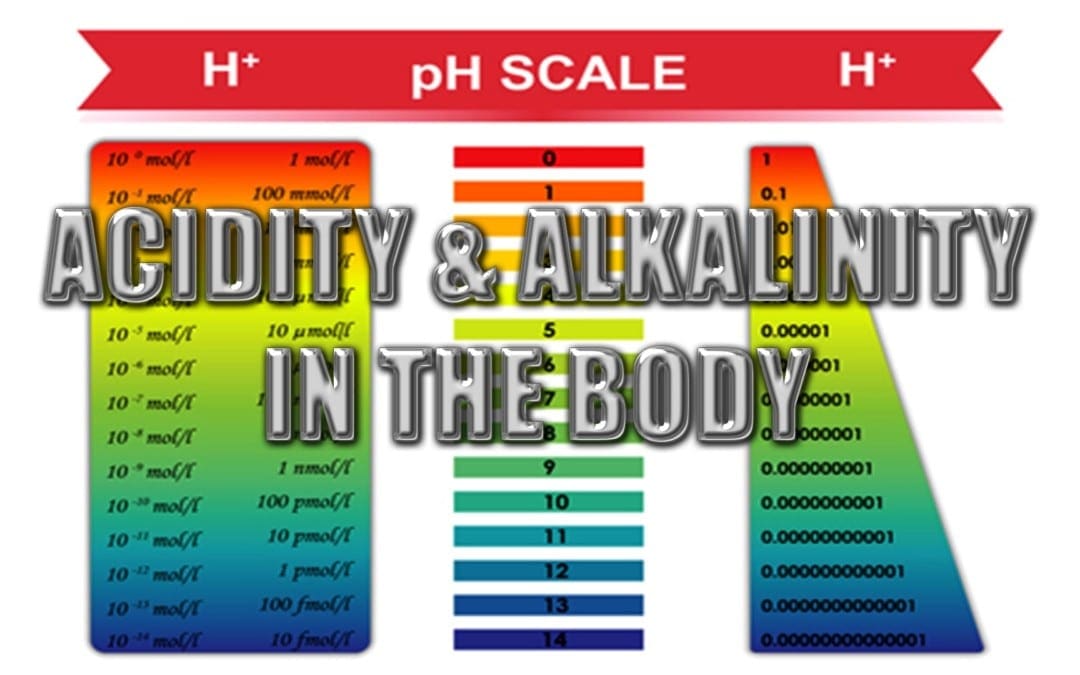
In order to understand alkalinity, you need to understand pH levels. This is the measure used to determine how alkaline or acid something is. A pH of 0 is at the acidic end of the scale and means the thing being measured is completely acidic. At the other end of the scale, a pH of 14 is totally alkaline. The neutral point is a pH of 7.

Different parts of the body have different pH levels, meaning that some parts are more acidic while others are more alkaline. For instance, blood typically has a pH that is between 7.35 and 7.45, making it slightly alkaline. The stomach, on the other hand, is highly acidic, registering a pH of 3.5 or lower. Making the body more alkaline is not about making it completely alkaline � you need some acidity, it is necessary for digestion and other processes � it is more about bringing the body into balance.

What Are The Benefits Of Alkalinity?

When the body has increased alkalinity, bringing it into better pH balance, it is healthier and has a decreased risk of chronic illness. There is also less likelihood of illness. When the body is in a better pH balance it can result in many benefits including:

  • More energy
  • Improved cognitive function
  • Slowed aging process
  • Weight loss
  • Lower cancer risk
  • Decreased risk of chronic illness
  • Increased immunity

How Can You Bring Your Body Into Balance?

The best way to bring your body into better pH balance is by modifying your diet. As a rule of thumb, animal based foods like meat, eggs, and dairy tend to be more acidic. A vegetarian diet rich in plant-based foods like vegetables and fruits tend to be more alkaline. While the body does need a diet that includes both acidic and alkaline foods, a diet of processed foods and foods high in fat and sugar can cause too much acidity. By adjusting the diet, eliminating processed foods, and maintaining a healthier, more vegetarian based diet, you can bring your body into balance and enjoy better health as a result.

Injury Medical Clinic: Elderly & Geriatric Fitness

Sugar, Acidity & Inflammation

Sugar, Acidity & Inflammation

El Paso, TX. Chiropractor Dr. Alex Jimenez investigates sugar, acidity and inflammation.

A study late last year, which appeared in JAMA Internal Medicine, presented a damning declaration hardly surprisingly to anyone remotely tuned in to the sugar debate recently.

Researchers here noted way back in the 1960s, the sugar industry paid three Harvard scientists to publish a study in the New England Journal of Medicine arguing fat (particularly saturated fat) and cholesterol triggered heart disease while largely exculpating sugar.(1)

Repercussions of that sugar-lobbied study resonated over the next few decades � into 2017, in fact � as low fat, cholesterol-free, and calorie counting became mantras for healthy eating.

Sugar? Well, it got a free pass as a �healthy� part of any sensible diet, whatever that meant. Meanwhile, over the ensuing decades we became fatter and sicker. And today, more experts acknowledge sugar became the chief culprit that sabotaged our health and waistlines.

Recent Studies on Sugar

Recent studies show sugar converts to belly fat, paving a nasty path for obesity�� and other problems. (2) One study found just 24 teaspoons of a few sugars, including sugar from �healthy� honey and orange juice, decrease your neutrophils� ability to destroy bacteria, thereby hijacking your immune system.(3) (A 12-ounce glass of OJ has nine teaspoons of sugar! So much for drinking OJ when you get a cold.)

Pick your poison � excess sugar probably messes with it. Consider brain health. One study found sugar triggers buildup of toxic amyloid proteins, directly responsible for dementia.(4) Another showed older adults who consumed excess sugar and other carbohydrates increased their risk for dementia compared with older adults who ate a higher-fat and protein diet.(3)

We�re eating more sugar than ever before. Between 1977-78 and 1994-96, the average American daily consumption of added sugars increased from 235 to 318 calories, an increase of 35 percent. Mostly that was due to soft drinks, the single biggest source of calories. Today, over 10 percent of Americans� daily calories (over 55 grams, in fact) come from sugar-sweetened beverages but also grain-containing foods and fruit or fruit juice, which are essentially sugar. (5)

Today Americans eat an average of 133 pounds of sugar yearly. That doesn�t account for bagels, breads, pasta, and other starchy foods that break down to sugar. According to some experts like Dr. Mark Hyman, altogether the average American eats about a pound of sugar daily!� (6, 7)

Those results, unsurprisingly, have been disastrous. In his new book The Case Against Sugar, Gary Taubes argues over-consuming the sweet stuff has created adverse metabolic and hormonal effects, predisposing us to obesity and preventable chronic diseases including cancer and Alzheimer�s disease (now referred to as Type 3 diabetes).

Anyone following the sugar debate won�t find this breaking news, although Taube�s book presents it in a more mainstream, palatable, arguably jarring light.

But how does sugar lead to obesity, Type 2 diabetes, Alzheimer�s, and pretty much any other disease on the planet? While the path isn�t necessarily linear, we can certainly trace it.

Sugar Wrecks pH Balance


Research shows an alkaline state is healthier for your body, and most tissues and cells maintain an alkaline pH balance.(8) Sugar does the opposite: It imbalances pH and makes you more acidic, increasing your risk for numerous problems including kidney stones, chronic inflammation, and oxidative stress.

The pH of your blood is tightly regulated and usually stays around 7.35 to 7.45. When experts talk about acidic or alkaline foods, they refer to your urine Ph, since blood Ph stays relatively stable. Urine pH provides clues about numerous things include cellular health and nutrient status.

However, excess sugar can lower pH between cells. Excess sugar also creates sodium and potassium imbalances, contributing to that more acidic environment. Combine that with lost calcium�in the urine and decreased sodium bicarbonate (the body�s major buffer) and you�ve got a perfect recipe for metabolic acidosis.(8)

Coupled with fewer higher-alkaline foods like fruits and vegetables, your body becomes more acidic while lowering its main buffer (serum bicarbonate). Metabolic stress ensues in your liver, pancreas, kidneys, and other organs.

Studies show overall people who eat more refined sugar consume fewer fruits and vegetables, creating sodium to potassium imbalances that mess with your body�s buffering system, creating � you guessed it � an even more acidic environment between your cells.(8)

An acidic environment also stresses your body out. Sugar-triggered metabolic acidosis raises your stress hormone cortisol, keeping your body on high alert and cranking out more free radicals that damage mitochondria (your cells� energy plants) while accelerating aging and ramping up fat storage.(9)

Acidity also flips the switch for cytokine production, spiking inflammation and free radical production. An acidic environment also stresses out your liver, kidneys, pancreas, and other organs, ramping up those inflammatory and oxidative stress pathways, damaging cells and sometimes leading to cancer. (10)

Sugar, Chronic Inflammation &�Oxidative Stress

The acidic environment excess sugar creates contributes to two major killers that often occur together: Chronic inflammation and oxidative stress.

Chronic inflammation plays a role in every disease on the planet. Numerous culprits contribute to chronic inflammation, including insufficient sleep, lack of exercise, and stress.(11, 12)

So does sugar. Excessive amounts can also increase oxidative stress,(13, 14) creating an antioxidant imbalance that leads to metabolic damage.(15) Oxidative stress weakens your antioxidant defense, dampening your body�s ability to clean up this oxidative damage.(16)

Studies also link oxidative stress to obesity(17) and chronic diseases like cancer.(10) That particularly becomes true when you eat a diet low in omega-3 fatty acids, dietary fiber, and antioxidant-rich foods like vegetables.(18)

A Healthier You!

Sugar &�Disease

So, sugar makes your body acidic, which increases chronic inflammation and oxidative stress, spiking obesity and nearly every disease on the planet. Consequently, obesity and disease increase chronic inflammation and oxidative stress, creating a vicious cycle.

What ensues is often catastrophic and sometimes deadly. Insulin resistance, which paves the path for Type 2 diabetes and other problems, might be sugar�s biggest culprit. Many overweight or obese people also have some form of insulin resistance, which becomes a major player for inflammation.(19)

None of this occurs in a vacuum. Metabolic syndrome � an umbrella term that affects 34 million Americans(20) and includes insulin resistance but also high blood sugar levels, hyperlipidemia, high blood pressure, weight gain, and high uric acid levels � also increases inflammation and oxidative stress.(21)

Taubes, like some other experts and recent studies, pins sugar as the chief driver for insulin resistance and metabolic syndrome.

Many studies particularly blame fructose. Yes, fruit contains fructose, but getting 15 grams of this simple sugar from an apple becomes far different than a soda. For one, that apple comes packaged with nutrients, fiber, and antioxidants that buffer its fructose load. (22, 23)

What�s Wrong With Fructose?

Ironically, fructose doesn�t raise insulin levels but contributes to insulin resistance.(24) It also depletes your main energy �currency� adenosine triphosphate (ATP), damages cells, and creates uric acid buildup (leading to gout and other problems).(25, 26)

There�s more. Fructose increases apolipoprotein B levels, creating �sticky� blood platelets that increase blood clotting, paving the way for stroke and heart attacks.(27) And it raises triglyceride levels while becoming the chief driver of non-alcoholic fatty liver disease (NAFLD).(28)

This simple sugar shuts down satiety hormones like leptin, delivering a double whammy of insulin resistance and leptin resistance.(29)

It can even make you less intelligent. A 2012 study at the David Geffen School of Medicine at UCLA showed compared with a control group, rats fed a high-fructose diet performed poorly in tests using mazes designed to observe memory and learning.(22)

Keep in mind sucrose (table sugar) breaks down to fructose and glucose, and even high-fructose corn syrup (HFCS) contains glucose. Glucose is no angel, but it behaves metabolically different and (at least compared with fructose) overall creates less damage. At the same time, eating large amounts of sugar means you�re simultaneously getting huge amounts of fructose, creating these and other problems.

Dialing Back Your Sugar Quota

Considering certain sugars (like fructose) are more damaging, and naturally occurring sugars create different effects than added sugars, the whole sugar debate can become confusing. And what does �excessive amounts of sugar� even mean?

Opinions differ, but the American Heart Association (AHA) recommends no more than six teaspoons daily for women and nine for men, while the World Health Organization (WHO) recommends no more than 10 percent (ideally less than five percent) of your calories come from added sugar or sugars like honey, syrups, and fruit juice.(27)

My own recommendations tend to be in-line with those of the World Health Organization, though I�d recommend those sugar calories only ever get into the body in the form of organic raw honey or unrefined maple syrup � if at all!

When you reduce sugar, you help restore acid-base balance and lower inflammation as well as oxidative stress, reducing your risk for obesity and chronic disease. You can�t eliminate sugar (even super-healthy foods like broccoli contain a little sugar), but you can cut back on it. Here are five ways to do that.

  1. Increase healthy foods.
    Add before you take away: Edge out sugary foods with more nutrient-rich ones. Studies show focusing on antioxidant-rich fruits and vegetables can reverse sugar�s inflammatory response.(30) No, eating three servings of steamed broccoli doesn�t give you leeway to eat chocolate cake, but that broccoli can help minimize sugar�s impact.
  2. Scrutinize labels.
    Never mind that the front package boasts �low sugar� or whatever. The only way to really know is by looking at nutrient facts. Keep in mind that roughly four grams equals one teaspoon of sugar. Do your math and multiply accordingly. Learn the many names for sugar that hide on ingredients lists (Jonathan Bailor notes 57!) and realize manufacturers keep serving sizes incredibly small to trick you into thinking you�re eating less sugar than you actually are.
  3. Beware of �healthy� foods and especially drinks.
    A green juice or honey-sweetened bottle of green tea can have as much (if not more) sugar than a cola. Just because it gets touted as healthy or you find it in a �healthy� grocery store doesn�t make it healthy.
  4. Remember all carbs break down to sugar.
    That bag of potato chips might only contain two grams of sugar per serving, but look at the complete carbohydrate count. Something like 20 grams of carbohydrate from processed foods � meaning foods without fiber, antioxidants, or other nutrients whole foods provide � essentially break down into about five teaspoons of sugar. That�s one Let�s face it: You�ll probably eat several servings of these �trigger� foods. Proceed accordingly.
  5. Eat real food.
    Cut through the chase and simplify your eating by avoiding processed foods. Even though some whole foods contain sugar, they come wrapped in fiber, nutrients, and antioxidants that buffer out that sugar load.

Have recent studies made you rethink how much sugar you consume, particularly from sneaky sources? Does sugar rightly deserve to be demonized or are we being overly dramatic making it public enemy number one? Share your thoughts in the comments below or on my Facebook page.


Call Today!


About Dr. B.J. Hardick

Raised in a holistic family, Dr. B.J. Hardick is the co-author of the best-selling Maximized Living Nutrition Plans, used in natural health clinics worldwide, and a contributing author for its follow-up publication, The Cancer Killers. Dr. Hardick shares his own journey dealing with heavy metal toxicity in Real Detox, his e-Book available on DrHardick.com. An organic food fanatic and green living aficionado, all Dr. Hardick�s passions are anchored in helping others achieve ecologically sound, healthy, and balanced lives. Learn More

Named after the Developer of Chiropractic, Dr. B.J. Hardick is a second-generation chiropractor, a 2001 graduate of Life University, and has spent the majority of his life working in natural health care. Dr. Hardick is in full-time clinical practice in London, Ontario.

Outside of patient hours, Dr. Hardick is known for speaking on his natural health strategies to numerous professional and public audiences every year in the Unites States and Canada. In 2009, he wrote his first book, Maximized Living Nutrition Plans, which has now been used professionally in over 500 health clinics, alongside a follow-up publication to which he was a contributor, The Cancer Killers. Dr. Hardick serves on the advisory board forGreenMedInfo.com, the world�s most widely referenced natural health database.

All Dr. Hardick�s passions are anchored in helping others achieve ecologically sound, healthy, and balanced lives.

Mastodon