Motor vehicle crashes and accidents cause significant trauma in a few seconds changing an individual’s life completely. Severe injuries include traumatic brain injury, spinal cord damage, fractures, and amputations. Many individuals experience post-traumatic stress disorder – PTSD after a vehicle collision; even a minor accident can cause emotional trauma symptoms. PTSD commonly presents with other symptoms that range from depression to heart disease, and the most frequent symptom is physical pain. Chiropractic decompression, physical therapy, and therapeutic massage can help alleviate physical pain.
PTSD Physical Pain
Physical trauma can cause immediate physical effects and injury, as well as physical symptoms that present later on.
Trying not to talk or think about the crash or accident with friends, family, places, or anything associated with the trauma.
Avoiding activities.
Emotional numbness.
Detachment.
All can generate physical muscle tension and chronic stress, leading to headaches, migraines, back pain, stomach pain, and body aches. Long-term physical pain symptoms can turn chronic pain and medication dependency into a vicious cycle.
Chiropractic Therapy
Chiropractic care diagnoses and treats disorders of the musculoskeletal system. Chiropractic treatment is recommended to help alleviate the physical symptoms of PTSD. Trauma causes individuals to store intense emotions in their bodies. Chiropractic manipulation and decompression release the tension in the muscles caused by the trauma and the emotional stress. Adjustments restore the body’s alignment and open the nervous system circulation, allowing signals to flow freely, leading to a healthier mind-body connection.
Non-Surgical Spinal Decompression Therapy
References
Beck, J Gayle, and Scott F Coffey. “Assessment and treatment of PTSD after a motor vehicle collision: Empirical findings and clinical observations.” Professional psychology, research, and practice vol. 38,6 (2007): 629-639. doi:10.1037/0735-7028.38.6.629
Elder, Charles et al. “Comparative Effectiveness of Usual Care With or Without Chiropractic Care in Patients with Recurrent Musculoskeletal Back and Neck Pain.” Journal of general internal medicine vol. 33,9 (2018): 1469-1477. doi:10.1007/s11606-018-4539-y
Hu, JunMei, et al. “Chronic widespread pain after motor vehicle collision typically occurs through immediate development and nonrecovery: results of an emergency department-based cohort study.” Pain vol. 157,2 (2016): 438-444. doi:10.1097/j.pain.0000000000000388
Restaurant work takes a toll on the body with the repetitive moving, bending, twisting, reaching, prepping, cutting, serving, and washing. This is especially true of the shoulders, arms, and hands. When individuals avoid treating their aches and pains, this can lead to chronic pain conditions that can cause severe and permanent damage to the musculoskeletal system. Chiropractic can alleviate the tingling and pain by removing the compression, re-stretching/lengthening, and strengthening the muscles and nerves to perform at optimal levels.
Restaurant Work
The arms and hands are designed to accomplish various tasks. When functioning normally, tasks can be performed flawlessly. Repetitive/Overuse or trauma can cause nerve compression, stiffness, and pain, decreasing function and affecting daily routines.
Carpal Tunnel
Carpal tunnel syndrome is one of the most common disorders that affect the arm and hands.
The carpal tunnel is a space where a nerve and several tendons pass. If the nerve becomes compressed, it can cause numbness, tingling in the fingers, pain, and muscle weakness, making it difficult to grip objects.
Discomfort and pain start gradually in one or both hands.
It can cause tightness and pain in the shoulder, forearm, wrist, and hand.
It can also cause numbness in the palm and fingers.
Avoid scheduling multiple consecutive long shifts for jobs that require repetitive hand motions.
Body Composition
Sticking To A Meal Plan
Identify personal motivation to stick to a meal plan other than improving body composition. To keep motivation high, individuals need to identify other reasons behind goals. This could be:
Saving money from the food budget.
Spending time with loved ones preparing a healthy recipe.
Setting an example to family and friends.
It can be whatever motivates you.
Reassess and tweak the meal plan as needed.
Nutritional needs or dietary preferences change.
Meal planning should be a dynamic process.
Don’t get disappointed if not going as planned.
Refocus by making changes as needed.
References
Gentzler, Marc D, and Janan A Smither. “Using practical ergonomic evaluations in the restaurant industry to enhance safety and comfort: a case study.” Work (Reading, Mass.) vol. 41 Suppl 1 (2012): 5529-31. doi:10.3233/WOR-2012-0872-5529
Laperrière, Ève et al. “Work activity in foodservice: The significance of customer relations, tipping practices and gender for preventing musculoskeletal disorders.” Applied ergonomics vol. 58 (2017): 89-101. doi:10.1016/j.apergo.2016.05.013
Masear, V R et al. “An industrial cause of carpal tunnel syndrome.” The Journal of hand surgery vol. 11,2 (1986): 222-7. doi:10.1016/s0363-5023(86)80055-7
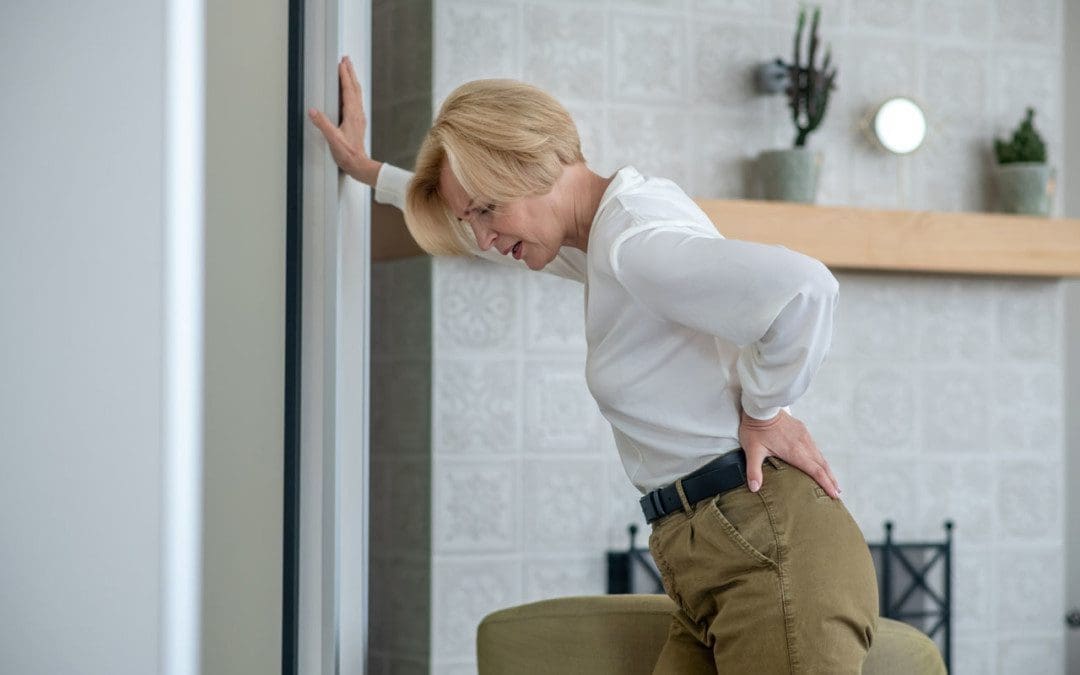
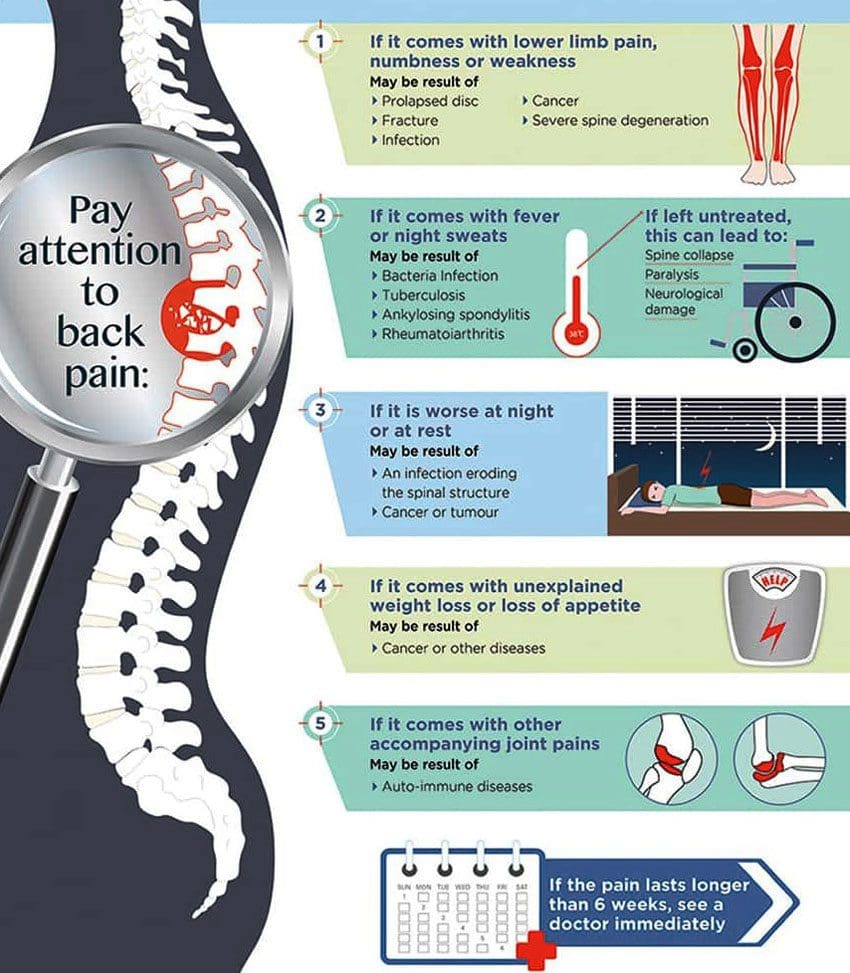
It is one thing to wake up with back pain, but another when the pain is combined with a fever, body aches, and chills. It could be the flu or another infection. However, after checking the body’s temperature and fever is present with no other symptoms than back pain unless it is the flu; the fever could be another issue that may or may not be related as there are a variety of causes for back pain like:
Muscle or ligament strain – If in poor physical condition, repeated and constant tension on the back can cause muscle spasms. Repeated heavy lifting or a sudden awkward movement can strain the back muscles and spinal ligaments.
Bulging or ruptured discs – Discs act as cushions between the bones/vertebrae in the spine. The soft material inside a disc can bulge or rupture and press on a nerve. However, a bulging or ruptured disc can present without back pain. Disc disease is often found by accident when spine X-rays are performed for another reason.
Arthritis – Osteoarthritis can affect the lower back. In some cases, arthritis in the spine can narrow the space around the spinal cord, a condition called spinal stenosis.
Osteoporosis – The spine’s vertebrae can develop painful fractures if the bones become porous and brittle.
Back pain without a fever is usually an indication of a misaligned spine.
Fever A Sign of Something Else
A fever is the body’s way of trying to raise its core temperature in an attempt to kill off a virus or a bacterial infection. Possible causes of back pain with fever include:
Kidney Infection
This type of infection often presents with low back pain and fever.
Spinal Epidural Abscess
This is an infection of the lower region of the spine, causing fever and lower back pain.
Vertebral Osteomyelitis
This is an infection of the lower spine that causes pain in the arms, lower back, and legs, along with a fever.
Meningitis
This causes swelling and inflammation of the brain and spine and needs to be addressed immediately.
Spinal Cord Abscess
This is an infection of the internal part of the spine. It is rare but can happen, causing low back pain and fever.
Symptoms
This is when seeing a chiropractor can help. A few signs that should not be ignored include:
Recently involved in an automobile accident.
Suffered a serious fall.
Feeling a tingling in the legs.
Having balance issues.
Having abdominal pain.
Pain is not going away, or it goes away for a while, then comes back.
Have weakness in the arms or legs.
Having bowel or urinary problems that were not present previously.
The pain is worse when sitting or standing up after sitting.
Have upper back pain after alcohol consumption.
A chiropractor will take a complete medical history, X-rays, an MRI if necessary, and a thorough physical examination will be performed to determine the cause. After a diagnosis is reached, the chiropractor will perform adjustments to relieve the pain and open the nerve pathways to increase circulation to the area. A chiropractic massage will help reduce stress, relieve back pain, and reduce depression, which can also help reduce the fever unless it is from another issue.
Body Composition
Influenza
Influenza or the flu is a contagious respiratory illness caused by viruses that infect the nose, throat, and lungs. It can cause mild to severe illness and, in extreme cases, can lead to death. Like a common cold, the flu is spread primarily through tiny droplets that get expelled from an infected person when they sneeze, cough, or talk. Approximately 8% of the population gets the flu each season. Flu symptoms are sudden, causing the following:
Fever
Chills
Muscle or body aches
Headaches
Sore throat
Runny or stuffy nose
Cough
Fatigue
Vomiting and diarrhea which is more common in children.
Most individuals with healthy immune systems will recover around seven days. However, the elderly, pregnant women, individuals of any age with certain chronic medical conditions like asthma, diabetes, or heart disease, and children under the age of five have an increased risk of developing complications. Flu vaccination is currently recommended for anyone older than six months in the U.S. and effectively prevents infection in 50 – 80% of the population. The primary treatment method for the flu is to support the immune system with plenty of rest, proper nutrition, and hydration.
References
Ameer MA, Knorr TL, Mesfin FB. Spinal Epidural Abscess. [Updated 2021 Feb 11]. In: StatPearls [Internet]. Treasure Island (FL): StatPearls Publishing; 2021 Jan-. Available from: https://www.ncbi.nlm.nih.gov/books/NBK441890/
Kehrer, Michala et al. “Increased short- and long-term mortality among patients with infectious spondylodiscitis compared with a reference population.” The spine journal: official journal of the North American Spine Society vol. 15,6 (2015): 1233-40. doi:10.1016/j.spinee.2015.02.021
Rubin, Devon I. “Epidemiology and risk factors for spine pain.” Neurologic clinics vol. 25,2 (2007): 353-71. doi:10.1016/j.ncl.2007.01.004
Tsantes, Andreas G et al. “Spinal Infections: An Update.” Microorganisms vol. 8,4 476. 27 Mar. 2020, doi:10.3390/microorganisms8040476
Stress in the workplace is a serious issue. Working is rewarding, but it can become a cause for major stress as well. Studies have shown that more than 40% of workers find their job to be a workplace stressor. Stress takes a toll on the body both mentally and physically. Numerous factors can result in being stressed. This includes:
Working for long hours regularly
Large amounts of work to complete
Meeting deadlines
Job insecurity
Workplace Stress Can Hurt The Body
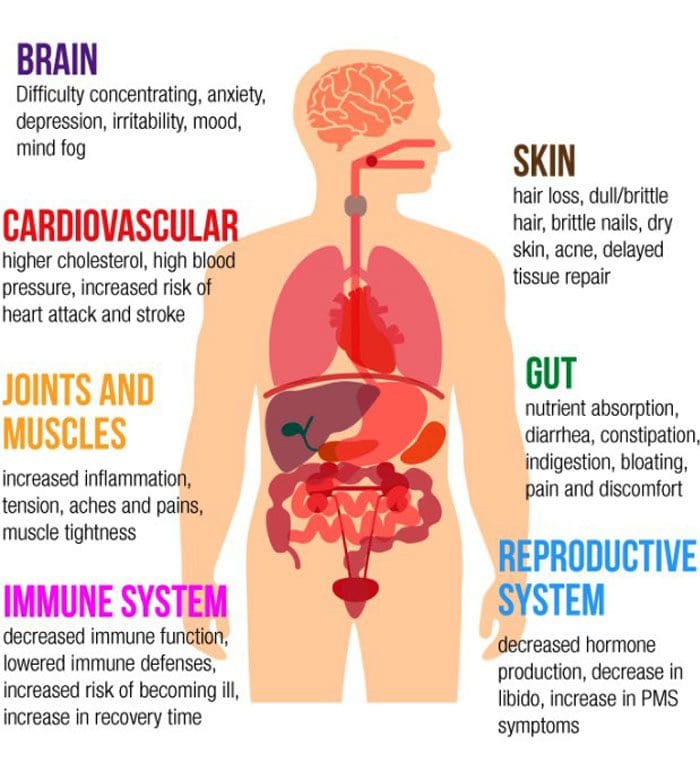
Workplace stress fatigues and agitates the body and can cause major health issues. These include:
Sometimes stress can be so intense that the heart races. For some, this can lead to panic attacks. To help calm the body down, breathing exercises can help.
One exercise to relieve stress is to take one deep inhale and hold it for three seconds.
After three seconds, with the front teeth over the edge of the upper lip.
Slowly exhale.
Wait a few seconds
Repeat until you feel calm.
Second exercise
Close your eyes and breathe in and out like blowing up a balloon.
Take a long inhale, pretend the stomach is a balloon and hold the air for seconds.
Exhaling, pretend the air escaping is like a balloon releasing the air.
This helps to slow down the heart and releases tension.
Stay Aware of Body Posture
When intensely working on something standing or hunched over for a long time, muscle tension is occurring.
When sitting, make sure the feet are planted firmly on the floor.
Keep the shoulders back and aligned.
Investing in an ergonomic chair with lumbar support can help.
Low back support will automatically encourage the body to maintain proper posture while also providing comfort.
Never cross the legs when sitting. This can place pressure on the pelvis that can lead to low back pain.
It’s important to keep the body moving as it promotes circulation and maintains muscle strength and flexibility. Not moving around can make the body feel lethargic and irritated.
By getting up and walking around, tension is released, which helps reduce stress.
Make an effort to get out and walk regularly.
Walking has been proven to reduce stress and strengthen the bones.
Therapeutic Massage
Another way to manage stress in the workplace is to get a therapeutic massage. It will soothe and relax the body, helping you feel more at ease at work and home. Benefits of massage include:
Improves flexibility
Boosts immune system function
Increases energy
Reduces anxiety symptoms
Types of massages that help with reducing tension and stress are:
Fast food and junk food can bring temporary/false relief, but eating poorly regularly will increase stress in the body. The food does not supply the body with the nutrients it needs to get large amounts of work done. Individuals get a quick jolt of energy then crash rapidly and feel worse creating an unhealthy cycle. To help manage stress, some of the best foods include:
Adjustments can be helpful to manage workplace stress. The benefits are able to release tension throughout the body and increase flexibility. Chiropractic can improve blood circulation which can reduce symptoms caused by hypertension and nerve damage. Some chiropractic techniques used include:
This can improve how the body responds to stress. Keeping the body stress-free while working will help to be more productive, and encouraged to live healthier. The nervous system is responsible for adapting to the environment, especially a stressful environment. A properly aligned spine and nervous system allow the body to manage stress better.
Body Composition
High blood pressure and diabetes prevention
Living a healthy lifestyle reduces the risk of chronic diseases, that includes diabetes and hypertension. Too much:
Sodium
Alcohol
Saturated fat
Combined with:
Smoking
Lack or no physical activity
Mental stress
These are all factors that can affect overall health and longevity.
The American Heart Association recommends at least 150 minutes a week of moderate-intense aerobic activity or 75 minutes a week of intense aerobic activity. Moderate-intense activities include:
Jamison, J R. “Stress management: an exploratory study of chiropractic patients.” Journal of manipulative and physiological therapeutics vol. 23,1 (2000): 32-6. doi:10.1016/s0161-4754(00)90111-8
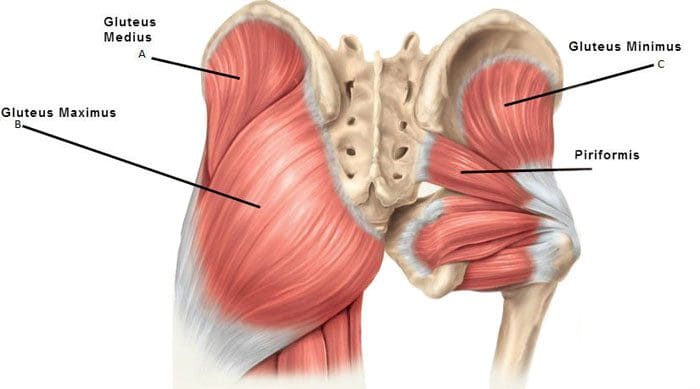
The Gluteus Maximus Muscle is the largest and the outermost of the gluteal muscles. It stretches from the sacrum and coccyx, parts of the spinal column, down to the femur. The other gluteal muscles include the gluteus minimus and medius. They each have a role in the normal function of the hips and legs. They are prone to tightness resulting in soreness, aches, and pain around the hips and in and around the buttocks.
The Gluteal/Rear End Muscles
There are three rear-end muscles:
The Gluteus Maximus extends the hip and rotates the thigh outwards, straightens the legs when moving, and provides strength.
Gluteus Minimus
Gluteus Medius
The minimus and medius are underneath the Maximus and stabilize the hip when:
Walking
Jumping
Other physical activities
There is another group of diagonal muscles under the gluteus minimus that attaches to the femur. The uppermost is the piriformis that is attached to the sacrum. The sciatic nerve and major arteries run below it.
Tightness and Irritation
The primary function of the muscles is to open the hips and push the legs out. Sitting for long periods shortens the gluteal muscles causing them to become tight, limiting normal hip function. The gluteal muscles are susceptible to tightness brought on from overuse and lack of development/strength. This can develop into tender/tight muscle bands that interfere with the normal function of the muscles. To get an example of what is happening imagine flexing and contracting one of the bicep muscles 6-10 hours a day. It would be extremely sore, tight, and tender.
Sports and Physically Active
Athletes and individuals that are physically active can also have tight gluteal muscles. This can cause post-game/exercise muscle soreness. Intense activities force the gluteal muscles to work overtime to support the back and knees. Sports that require a lot of leg muscle activation include:
Running
Soccer
Football
Crossfit
Dancing
Weight training
Awkward Walking Gait
Individuals that move with an unusual gait are vulnerable to straining the muscles. What happens is the muscles become stiff from the awkward positions/postures. This places additional strain on the back and hip muscles and worsens their overall posture. The hip muscles are also attached to the pelvis, and when the muscles begin to tighten they can pull on the gluteal muscles. Irritation of the sacroiliac joint can also place pressure on the piriformis, causing spasms that affect the gluteal muscles. Piriformis muscle spasms can also place pressure on the sciatic nerve, causing sciatica.
Diagnosis and Treatment
An examination will be necessary to diagnose whether the soreness or pain is due to muscle inflammation or other cause. Sciatica symptoms and problems at the hip level that involves the gluteus minimus and medius can be felt in the leg. The examination includes seeing and feeling muscle reactions, responses, contractions through a series of motion exercises and movements that involve different muscles. Common treatment includes:
Range of motion exercises
Strengthening exercises like bridging and resistance bands
Deep tissue massages
Heat and cold packs
Physical therapy
Electric muscle stimulation
Tightness in the glutes can be managed with chiropractic treatment. This includes:
Soft tissue work
Spinal joint manipulation
Lifestyle adjustments
Stretching
Diet
Health coaching
Simple exercises can help engage and strengthen the muscles. These include:
Individuals that sit for long periods of time, don’t get enough physical activity, and have an unhealthy diet can experience insulin resistance. This happens when insulin is not able to transport excess blood sugar out of the blood and into the muscles. A study found that women who sat for eight hours a day had an increased chance of developing diabetes. Diabetics can be inclined to have more fat within the body, specifically visceral fat. This further encourages insulin resistance. Diabetics also experience rapid loss of muscle mass as they age, intensifying symptoms and further affecting body composition.
References
Cochrane, Darryl J et al. “Does short-term gluteal activation enhance muscle performance?.” Research in sports medicine (Print) vol. 25,2 (2017): 156-165. doi:10.1080/15438627.2017.1282358
Coratella, Giuseppe et al. “The Activation of Gluteal, Thigh, and Lower Back Muscles in Different Squat Variations Performed by Competitive Bodybuilders: Implications for Resistance Training.” International journal of environmental research and public health vol. 18,2 772. 18 Jan. 2021, doi:10.3390/ijerph18020772
Distefano, Lindsay J et al. “Gluteal muscle activation during common therapeutic exercises.” The Journal of orthopedic and sports physical therapy vol. 39,7 (2009): 532-40. doi:10.2519/jospt.2009.2796
Kalyani, Rita Rastogi et al. “Age-related and disease-related muscle loss: the effect of diabetes, obesity, and other diseases.” The lancet. Diabetes & endocrinology vol. 2,10 (2014): 819-29. doi:10.1016/S2213-8587(14)70034-8
Selkowitz, David M et al. “Which exercises target the gluteal muscles while minimizing activation of the tensor fascia lata? Electromyographic assessment using fine-wire electrodes.” The Journal of orthopedic and sports physical therapy vol. 43,2 (2013): 54-64. doi:10.2519/jospt.2013.4116
IFM's Find A Practitioner tool is the largest referral network in Functional Medicine, created to help patients locate Functional Medicine practitioners anywhere in the world. IFM Certified Practitioners are listed first in the search results, given their extensive education in Functional Medicine