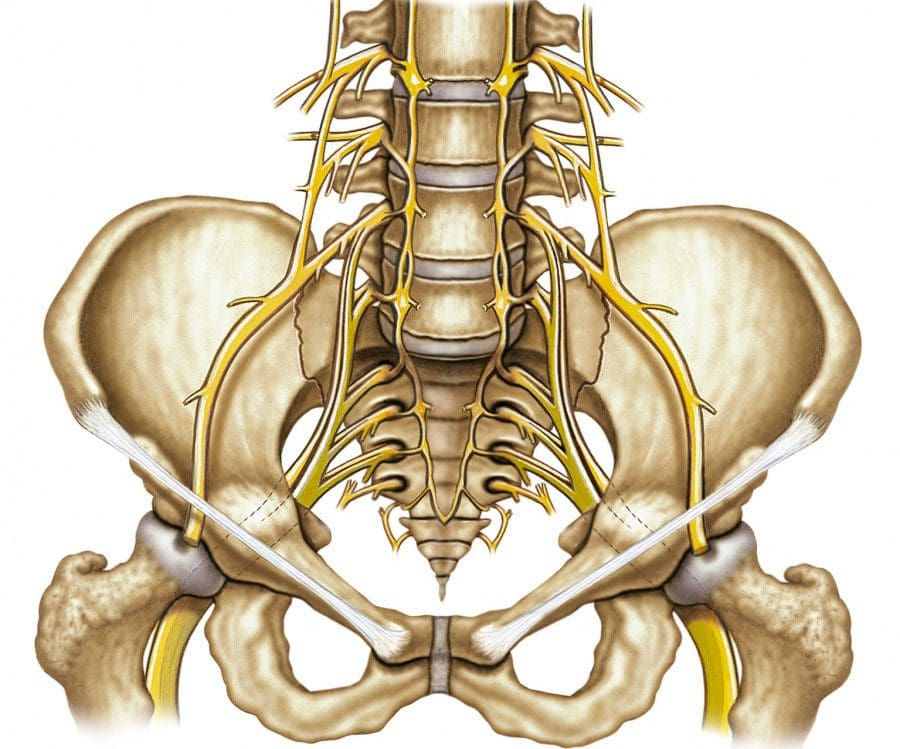
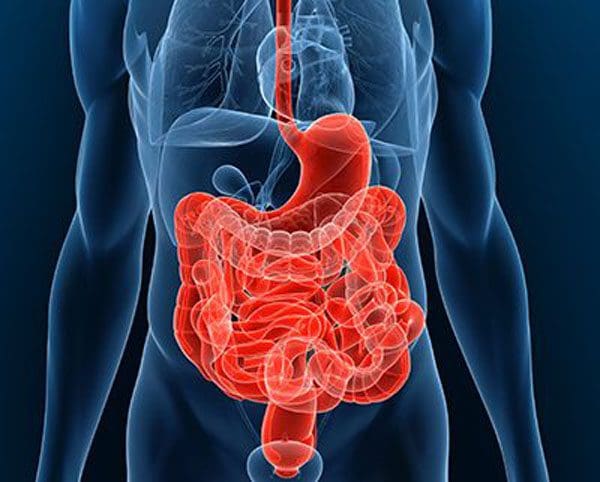
Stomach ache, acid reflux, gas, and other symptoms of gastric distress can be linked to spinal issues and misalignment. The spinal cord sends nerve signals to all parts of the body, specifically those affecting digestion functions. The lumbar spine/lower back includes the sacrum which is vital in terms of nerve function.
Various spinal cord issues could cause problems with the rest of the body. These include:
Disc compression
Herniated discs
Strained ligaments
Misalignments/problems in the lower back can result in gastric symptoms like:
Constipation
Diarrhea
Bloating
Gas
Bladder malfunction
This is because this area of the spine includes sympathetic and parasympathetic nerves that are connected to the digestive system. Any problem with these systems can result in miscommunicated signals to the rest of the body. The wide-range effects that compressed nerves can have on the body, as well as, how the spine is affected by the obstruction of these nerves, can be detrimental.
Chiropractic adjustments can help alleviate and release the gastric distress are able to correlate their spine�s role in gut health. This along with an education on the central nervous system. A chiropractic approach can help as a long-term solution to gastric distress.
The Nerves
Every organ in the body functions by sending and receiving electrical impulses, transmitted through the nerves. These impulses direct the function of organs. If blocked or the signals are improperly/partially sent/received, various health issues can begin to present. For the gut, proper nerve signal transmission at full capacity is crucial. The stomach needs to be able to properly digest food while absorbing nutrients and preparing for waste removal. This is where gastric distress conditions begin like:
Irritable bowel syndrome – IBS
Gastroesophageal reflux disease – GERD
Abdominal pain syndrome – APS
Nerve conditions worsen with time if the health and function of the affected nerves are not restored. This could mean severe chronic symptoms and the possibility of permanent nerve damage.
Nerve Blockage
Messed up nerve signals are usually pinched, blocked, or displaced. Most nerve bundles exit through the spine and are usually where a chiropractic exam will start. Through palpitation of the spine along with diagnostic imaging, a chiropractor can track down exactly where the nerve blockage/s are taking place.
The lower back and upper back are common areas to examine. This is because a majority of abdominal organ nerves branch out from these spinal segments. If spinal subluxations are present, more than likely they are affecting the function of these organs. Chiropractic will adjust the spine and reset/realign the spine to its proper form, allowing for proper blood circulation. Compressed nerves can also cause inflammation that could require more complex treatment.
Listening to the Body
If the gut is presenting with aches, and bloating after every meal, it could be indicating that something is wrong or off. Individuals cannot feel blocked nerve signals, but the gut can. Listen to it when it is alerting an issue or problem. We want to educate our patients on gut and spinal health. Chronic gastric distress can be corrected with chiropractic.
Chiropractic Pain Relief
Dr. Alex Jimenez�s Blog Post Disclaimer
The scope of our information is limited to chiropractic, musculoskeletal, physical medicines, wellness, and sensitive health issues and/or functional medicine articles, topics, and discussions. We use functional health & wellness protocols to treat and support care for injuries or disorders of the musculoskeletal system. Our posts, topics, subjects, and insights cover clinical matters, issues, and topics that relate and support directly or indirectly our clinical scope of practice.*
Our office has made a reasonable attempt to provide supportive citations and has identified the relevant research study or studies supporting our posts. We also make copies of supporting research studies available to the board and or the public upon request. We understand that we cover matters that require an additional explanation as to how it may assist in a particular care plan or treatment protocol; therefore, to further discuss the subject matter above, please feel free to ask Dr. Alex Jimenez or contact us at 915-850-0900. The provider(s) Licensed in Texas& New Mexico*
References
Spiegel, Brennan M R et al. �Understanding gastrointestinal distress: a framework for clinical practice.��The American journal of gastroenterology�vol. 106,3 (2011): 380-5. doi:10.1038/ajg.2010.383
Kehl, Amy S et al. �Relationship between the gut and the spine: a pilot study of first-degree relatives of patients with ankylosing spondylitis.��RMD open�vol. 3,2 e000437. 16 Aug. 2017, doi:10.1136/rmdopen-2017-000437
Dr. Alexander Jimenez takes a look at how to keep your back healthy while doing yard work and gardening. We�re looking for ways to find mental and physical engagement without socializing. Many individuals are breaking up isolation and monotony by doing some home projects out in the yard and garden.
Doctors may tell patients that yard work and gardening should be avoided if they have a bad back. Individuals with a history of back pain/issues or have had spinal surgery might think that gardening is out of the question.�None of this is true. Yard work and gardening can be therapeutic physically and mentally for individuals with compromised backs as long as they follow some common-sense safety concepts.
Gardening with an ergonomic approach can make yard work and gardening very back/spine-friendly. If possible try to get tools for gardeners with neck and back problems or modify your own. Modified tools can highly reduce the chances of injuring your back. Try to set up the yard or garden in a way where there is minimal bending and reaching.
If this cannot be achieved set up the work to be done in an order where any bending/reaching tasks are spaced out so as not to be doing them all at once. Here are some ways for back-preservation when doing yard work and gardening. They will make your work more productive and reduce fatigue, discomfort, and minimize the risk of exacerbating any back injuries/problems.
Environment
Working in the right environment is an important step for those with a bad back. If possible garden on a raised platform or a raised garden that is at a comfortable height to be able to stand and garden without bending and reaching. Structures can be purchased, or make them yourself with old broken used furniture like tables, shelves, etc. Garden beds can be worked using the square foot technique to minimize bending, reaching and squatting.
The Square Foot gardening technique was invented in 1976 by Mel Bartholomew, a civil engineer, and efficiency expert that took up gardening after retiring. These types of gardens are made to be waist level using old furniture, self-made or store-bought frames that are back-friendly. Gardening like this means less time weeding, bending and reaching with more time enjoying the therapeutic benefits.
Preparation with the Spine in Mind
Here are some tips on modifying your methods and tools for safe yard work and gardening. One example is using a golf bag with wheels for carrying and select long tools. Also using a two-wheeled garden cart/wheel-barrow. It is more balanced than a standard wheelbarrow and is better for the spine.
Practice Safe Posture/Position
Never use the back muscles to lift. Lift with the legs. Bend the knees, hinge at your hips and keep the back straight. If needed practice bending in front of a mirror to see your form and make sure the technique is being done properly. Check out this YouTube video on raking and hoeing. Plant containers while standing using a potting bench, or an old table. Have a stool, chair or heavy-duty bucket to sit down easily when a break is needed.
Containers
One back-friendly gardening technique is to plant in containers. Plant them where they will sit, which minimizes having to lift or carrying to a location. Styrofoam peanuts can be placed at the bottom third of the container instead of gravel to make the containers lighter. If using large containers, invest in a wheeled pot dolly to move the containers easily.
Focus on the Time and Not the Task
With big projects, break them down into smaller more manageable tasks. Dividing the bed/s into halves or thirds makes the work more pleasant. Underestimating how long a project might take can be a major set back. So set time limits and follow through. When recovering from surgery or a back injury, set a limit of 15 minutes of work and see how it feels.If your back is not irritated or sore then expand to 30 minutes and so on.
Work smarter not harder. Under no circumstances should you shovel or pull up heavy, deep-rooted plant/s. This type of movement could put an end to yard work and gardening for some time. Do not forget that pain is our body’s way of telling us to stop. Be sure to talk with a spine specialist or chiropractor before starting yard work or gardening.
Gardening Benefits
Activity and fresh air can make us feel healthy and happy. Gardening can provide this along with healthy exercise. Therapeutic benefits of yard work and gardening have been well documented. Gardeners that did daily work were found to experience significant reductions in stress and improvement in overall health and quality of life compared to non-gardeners.
Gardening can significantly raise levels of energy, optimism, zest for life, self-esteem, openness and other factors relevant to self-image. Even a little gardening goes a long way. Just being outside and the physicality of yard work and gardening contributes to stress reduction. Another benefit from gardening is if planting herbs, and veggies you can cook even healthier. Much like a farm to table restaurant.
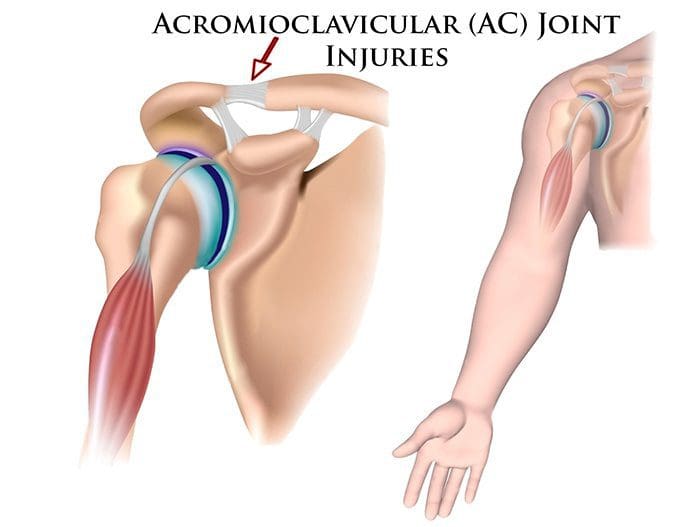
Shoulder pain along with the kinds of shoulder problems like sprains and strains that chiropractors regularly treat often involves a form of rotator dysfunction. The shoulder has the greatest mobility of any joint in the body. However, there is little stability when in certain positions the soft tissues in the shoulder area can get injured through sports injury/s, recreational activities, at work or in a fall.�
This usually begins with dysfunction of the rotator cuff muscles and progresses to:
In cases like this, there is no direct, acute injury.
Every sprain and strain injury to the shoulder must be treated and rehabilitated�properly�to avoid future injuries and pain. There is a higher probability of shoulder instability that becomes chronic after an injury. This is because the surrounding muscles and connective tissues are what create shoulder joint stability.
Shoulder Pain
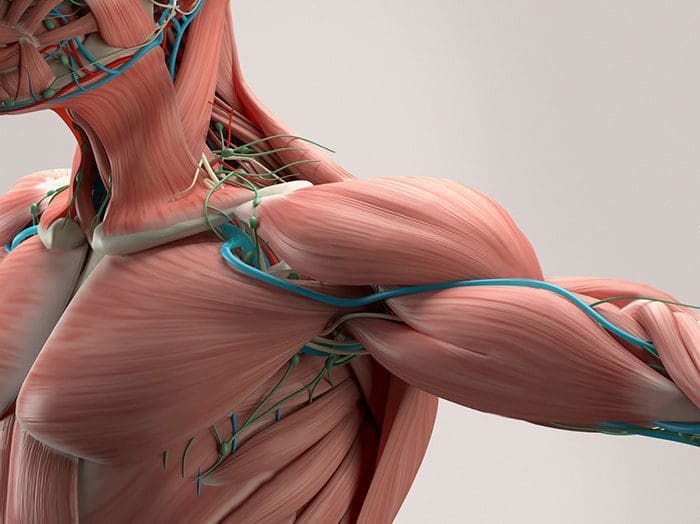
The shoulder goes through a great deal that we do not realize. It is made up of an intricate network of ligaments and muscles, with the rotator cuff taking most of the load/weight during movement and exertion. As aforementioned, the shoulder is the most flexible joint in the human body, but it is one of the most unstable. For athletes, shoulder injuries are pretty common, as the shoulder sustains more injuries than almost any other part of the body.
The shoulder is unstable because of its unique construction. Other joints like the ankle or elbow are limited in their range of motion. The shoulder, on the other hand, can move pretty widely, which leaves it open to stress, injury, and pain. The soft tissues in the shoulder, muscles, tendons, and ligaments can get injured from overuse, excessive strain, falls, and improper motion.
Treating shoulder pain can be a challenge because it is used so much daily. A Chiropractor can bring relief to shoulder pain and speed up the healing process.
Injury and pain causes
Shoulder pain can be caused by a variety of conditions. Injury is one of the most common causes and is seen in athletes, like swimmers, gymnasts, golfers, baseball players, bowlers, and tennis players, etc, who use their arms and shoulders regularly, place added stress on the joint.
Jobs that involve repetitive shoulder movements can also cause injury. People whose job requires repetitive motions or strenuous upper bodywork are at higher risk. Truck drivers, construction workers, warehouse and grocery store employees commonly experience shoulder injury and pain.
Prevention
Preventing shoulder pain and injury can be a simple process. Workers and athletes whose jobs require repetitive arm work or rotation should warm-up, and take stretching and shake out the hand/s and arm/s breaks. Pain should be addressed, as soon as it presents with ice/heat and a possible chiropractic appointment. Ignoring the pain could lead to a more serious/chronic condition.
Shoulder rest is always a must. The joint needs time off to heal and regular chores should not be resumed until the doctor or chiropractor clears the patient. Chiropractors usually recommend exercises and stretches geared toward the type of injury/s or condition/s.
Chiropractor
Chiropractic is highly beneficial for shoulder injury/s and shoulder pain.
It will:
Reduce pain
Relieve pain
Improve range of motion
Increase flexibility
Restore function to the joint
Different techniques are used depending on the type of injury or condition. The patient will be assessed by the chiropractor and will determine a treatment plan. Compression techniques have been found to be very effective for shoulder pain. It is favored because it is not strenuous for the doctor, is very safe, and is handled well by the patient. Chiropractic is the treatment of choice for shoulder pain because it is minimally invasive and it works.
Chiropractic addresses the entire body with its aim to relieve pain without drugs or surgery and keep the individual healthy and functioning at an optimal level. Are you, a family member, or friend suffering from shoulder stiffness/pain? If so, give us a call. Dr. Jimenez and his outstanding physical therapy team are here to help!
IFM's Find A Practitioner tool is the largest referral network in Functional Medicine, created to help patients locate Functional Medicine practitioners anywhere in the world. IFM Certified Practitioners are listed first in the search results, given their extensive education in Functional Medicine