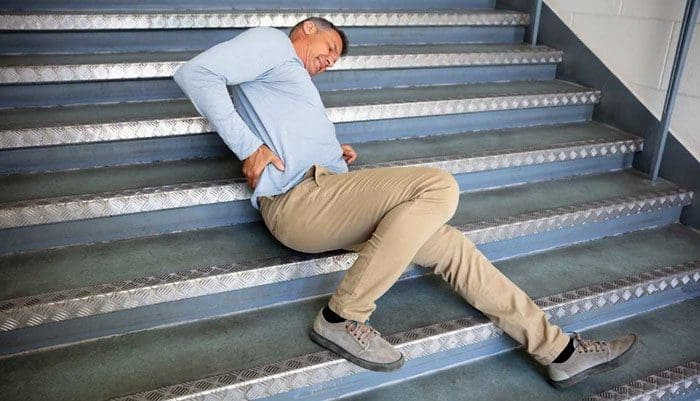
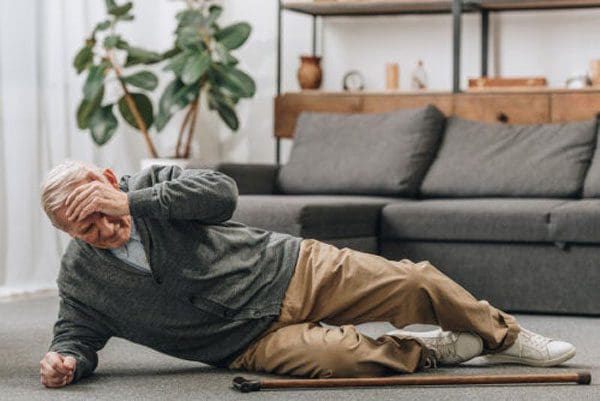
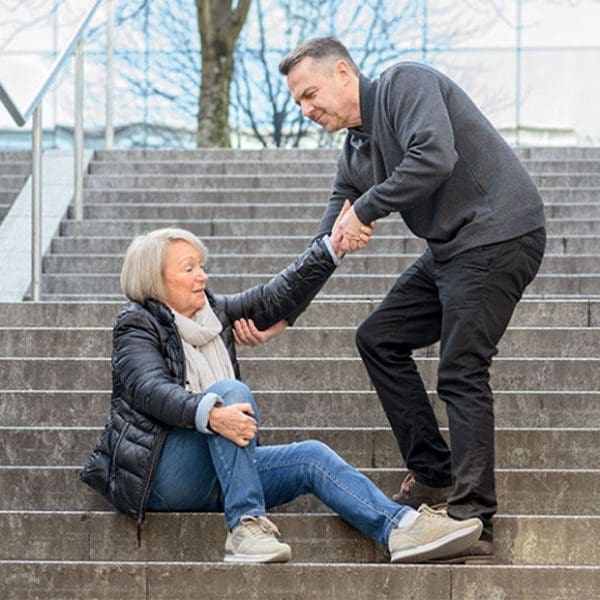
Individuals involved in slip and fall accidents lead to around 9 million emergency room visits a year. Recovering from a severe injury suffered in a slip and fall accident requires extensive medical care and physical rehabilitation. Older adults are susceptible to slip and fall injuries. According to the CDC, falls are the leading cause of nonfatal injuries of older adults and are a common hazard in nursing homes, where between half of the residents fall each year. The most common injuries sustained include:
Cuts and Abrasions
Cuts and abrasions can be minor to severe. Leg and arm abrasions are the most common, followed by wounds to the head and hips. These injuries require superficial treatment and possibly stitches. However, if the impact of the fall is severe, cuts and abrasions can overlap more severe injuries like concussions and broken bones.
Soft Tissue Injuries
Soft tissue injuries often do not get noticed, so individuals don’t realize they have a mild tissue injury until days or weeks after the fall.Soft tissue injuries can range from minor ankle and/or wrist sprains to severe tears in tendons and ligaments.Left untreated, these injuries can lead to chronic pain conditions making the body more vulnerable to further injuries.Even when individuals feel fine after a slip and fall accident, they are recommended to seek medical care or consult an injury specialist as soft tissue injuries don’t often produce immediate symptoms.
Sprains and Strains
A slip and fall accidents often happen as a result of taking an uneven or awkward step. Individuals also often react with their hands in front to try to cushion the fall. Both the awkward step and pushing the hands out can cause the wrist or ankle to tear, causing a sprain or a strain. The ligaments do not circulate a lot of blood, meaning that healing and recovery can take a significant amount of time.
Broken Bones
A fall can result in stressful forces on the bones of the body. In slip and fall accidents, hip, wrist, and ankle fractures are the most common bones that get broken. The older an individual is, the more likely they will break a bone from a slip and fall accident.
Hip Fractures
More than 95% of broken hips are caused by falls, according to the CDC.Hip fractures often require surgery that can include implantation of an artificial hip and hospitalization for about a week, followed by extensive physical therapy and rehabilitation.
Knee Injuries
Knee injuries can result from a slip and fall, especially if the knee gets rotated the wrong way or twisted. Knees are made up of bone and ligaments, meaning it could take a long to heal and recover. Dislocation of the patella is also a possibility that could require knee reconstruction.
Neck and Shoulder Injuries
Shoulder and neck injuries can be the result of landing on the shoulder or neck. They can also occur from overexertion when trying to right oneself during a fall. Neck injuries can range from:
Muscle sprains
Spinal injuries
Paralysis
Shoulder injuries can result in:
Shoulder dislocation
Torn nerves
Collarbone breaks
Even the most minor neck and shoulder injuries can require surgery and rehabilitation.
Back and Spinal Cord Injuries
Severe impact on the body in a slip and fall accident can cause slipped or herniated discs and fractured vertebrae, causing significant pain and limiting mobility. An injury to the spinal cord can lead to temporary paralysis, permanent paralysis, neurologic and sensory impairments. According to the Mayo Clinic, falls cause more than a quarter of spinal cord injuries and the majority of spinal injuries among adults 65 and older.
Traumatic Brain Injuries
Traumatic brain injuries occur when an individual hits their head on a hard surface during a fall. Traumatic brain injuries can range from:
A chiropractor will review imaging scans, medical history, and current symptoms to determine the best form of treatment. Inflammation is common and is the body’s defense to protect the injured area by slowing down the blood flow in that area to allow the body’s internal defenses to repair the injury. Sometimes the body overreacts to the problem and produces far more inflammation than is needed. Depending on the severity of the injury, various massage, manipulation techniques, and tools will be utilized to help the body heal itself.
Body Composition
Recovery and Swelling
Recovery is an essential part of individuals involved in physical training programs and after injury. A significant sign that the body has undergone intense physical exertion and requires recovery is swelling. Swelling occurs for several reasons and is the body’s response to tiny, microscopic muscle tears that arise from intense use. It is possible to see this swelling in body composition results. Recovery is about giving the body a chance to:
Relax
Recuperate
Recover from the swelling to resume normal physical activities.
References
Courtney, T K et al. “Occupational slip, trip, and fall-related injuries–can the contribution of slipperiness be isolated?.” Ergonomics vol. 44,13 (2001): 1118-37. doi:10.1080/00140130110085538
Kannus, Pekka et al. “Prevention of falls and consequent injuries in elderly people.” Lancet (London, England) vol. 366,9500 (2005): 1885-93. doi:10.1016/S0140-6736(05)67604-0
Reuben, David B et al. “The Strategies to Reduce Injuries and Develop Confidence in Elders Intervention: Falls Risk Factor Assessment and Management, Patient Engagement, and Nurse Co-management.” Journal of the American Geriatrics Society vol. 65,12 (2017): 2733-2739. doi:10.1111/jgs.15121
Rosen, Tony et al. “Slipping and tripping: fall injuries in adults associated with rugs and carpets.” Journal of injury & violence research vol. 5,1 (2013): 61-9. doi:10.5249/jivr.v5i1.177
Vehicle accidents are a leading cause of injury and death worldwide, with millions of crashes occurring annually. In 2023, the National Highway Traffic Safety Administration (NHTSA) reported approximately 6.1 million police-reported crashes in the United States alone, resulting in over 2.5 million injuries and 40,000 fatalities (NHTSA, 2024). Understanding the different types of vehicle accidents is critical for drivers, policymakers, and healthcare professionals to promote safer roads and effective injury prevention. This article explores the most common types of vehicle accidents, their causes, and their impacts on individuals and communities, while incorporating insights from recent research.
Common Types of Vehicle Accidents
1. Rear-End Collisions
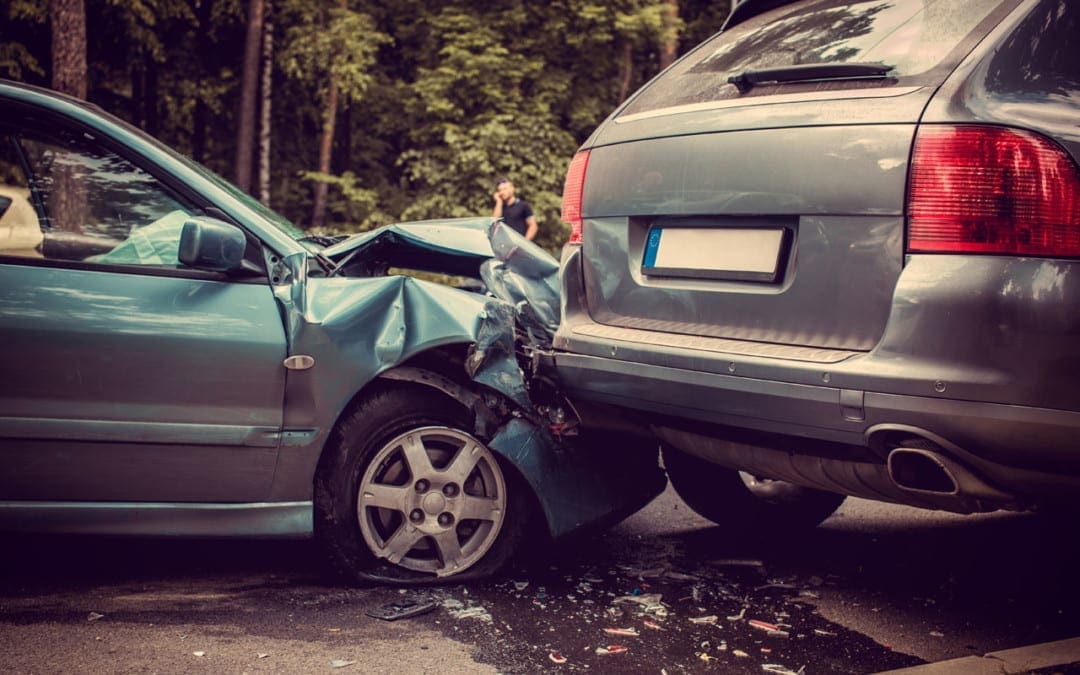
Rear-end collisions occur when one vehicle strikes the back of another. These are among the most frequent types of accidents, often caused by distracted driving, tailgating, or sudden stops. According to the Insurance Institute for Highway Safety (IIHS), rear-end crashes accounted for 29% of all collisions in 2022 (IIHS, 2023). Common injuries include whiplash, neck strains, and soft tissue damage, which can lead to chronic pain if untreated (Mayo Clinic, 2025).
Causes:
Distracted driving (e.g., texting, eating)
Following too closely
Sudden braking or traffic slowdowns
Poor weather conditions, reducing visibility or traction
Prevention:
Maintain a safe following distance (e.g., the 3-second rule).
Use advanced driver-assistance systems (ADAS) like automatic emergency braking.
Stay focused and avoid distractions while driving.
2. Side-Impact Collisions (T-Bone)
Side-impact collisions, often called T-bone accidents, occur when the front of one vehicle strikes the side of another, typically at intersections. These crashes are particularly dangerous due to limited side protection in most vehicles. The NHTSA notes that side-impact crashes accounted for 24% of passenger vehicle occupant deaths in 2022 (NHTSA, 2024).
Causes:
Running red lights or stop signs
Failure to yield the right-of-way
Misjudging traffic signals or other vehicles’ movements
Poor visibility at intersections
Prevention:
Always check for oncoming traffic before entering intersections.
Use side-impact airbags and reinforced vehicle frames.
Install intersection cameras to deter reckless driving.
3. Head-On Collisions
Head-on collisions occur when the front ends of two vehicles collide, often at high speeds. These accidents are rare but have a high fatality rate due to the combined force of impact. The IIHS reports that head-on crashes made up 10% of fatal accidents in 2022 (IIHS, 2023).
Causes:
Crossing the centerline (e.g., due to distracted or impaired driving)
Overtaking on two-lane roads
Fatigue or falling asleep at the wheel
Road design flaws, such as sharp curves
Prevention:
Use centerline rumble strips to alert drifting drivers.
Avoid driving while fatigued or under the influence.
Adhere to speed limits and road signs.
4. Rollover Accidents
Rollover accidents involve a vehicle tipping over onto its side or roof. These are more common with taller vehicles like SUVs and trucks due to their higher center of gravity. The NHTSA estimates that rollovers accounted for 17% of fatal crashes in 2022, despite being only 2% of total crashes (NHTSA, 2024).
Causes:
Sharp turns at high speeds
Overcorrecting during a skid
Collisions with curbs or other objects
Uneven road surfaces or tire blowouts
Prevention:
Drive at safe speeds, especially on curves.
Ensure proper tire maintenance and vehicle stability control.
Avoid overloading vehicles, which can raise the center of gravity.
5. Sideswipe Collisions
Sideswipe collisions occur when the sides of two parallel vehicles make contact, often during lane changes or merging. While typically less severe, they can cause vehicles to lose control, leading to secondary collisions. The IIHS notes that sideswipe crashes are often underreported but contribute significantly to property damage (IIHS, 2023).
Causes:
Failure to check blind spots
Improper lane changes
Drifting due to distraction or fatigue
Narrow roads or construction zones
Prevention:
Use turn signals consistently.
Install blind-spot monitoring systems.
Check mirrors and surroundings before changing lanes.
6. Single-Vehicle Accidents
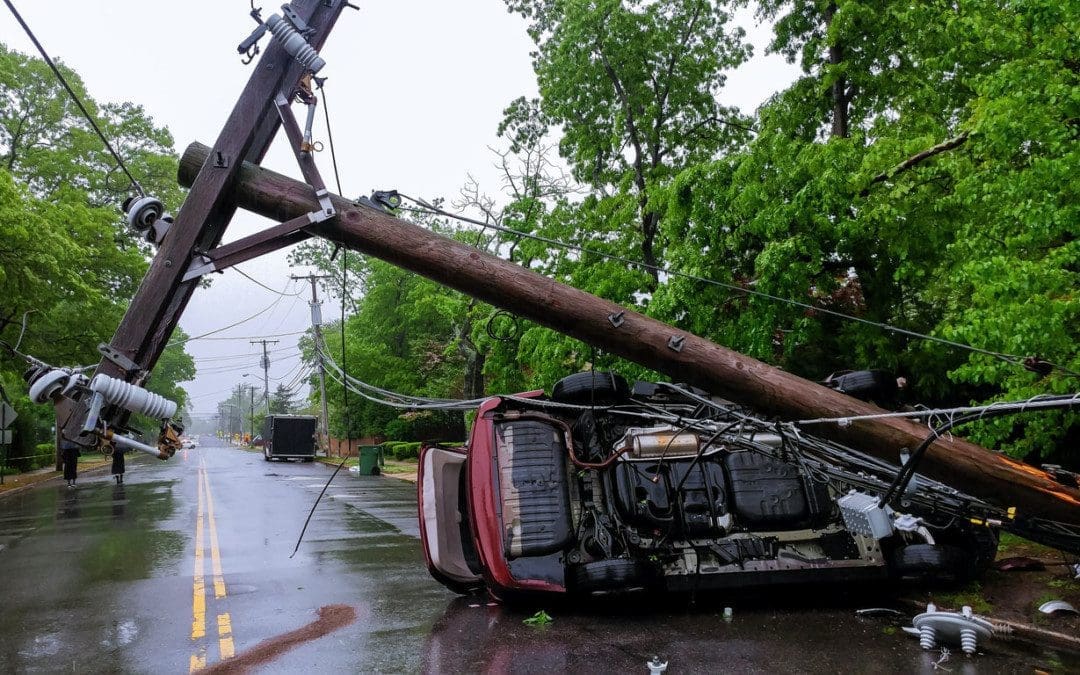
Single-vehicle accidents involve only one vehicle, often colliding with fixed objects like trees, poles, or guardrails. These crashes are frequently linked to driver error or environmental factors. According to a 2023 study by the AAA Foundation for Traffic Safety, single-vehicle crashes account for approximately 50% of all accidents (AAA, 2023).
Vehicle accidents result in significant physical, emotional, and financial consequences. Injuries range from minor bruises to severe trauma, such as spinal cord injuries or traumatic brain injuries (TBI). The Centers for Disease Control and Prevention (CDC) estimates that motor vehicle crashes cost the U.S. economy $340 billion annually in medical expenses, lost productivity, and property damage (CDC, 2024). Additionally, survivors may face long-term psychological effects, such as post-traumatic stress disorder (PTSD) (American Psychological Association, 2025).
Strategies for Reducing Vehicle Accidents
Driver Education: Comprehensive driver training programs can teach defensive driving techniques and hazard awareness.
Technology Adoption: Advanced safety features like lane departure warnings, adaptive cruise control, and automatic braking can reduce crash risks.
Infrastructure Improvements: Better road design, improved signage, and traffic calming measures can enhance safety.
Policy Enforcement: Stricter enforcement of traffic laws, such as speed limits and DUI regulations, can deter reckless behavior.
Public Awareness: Campaigns promoting safe driving habits, like avoiding distractions, can foster a culture of responsibility.
Conclusion
Vehicle accidents remain a significant public health and safety concern, with various types posing unique risks and challenges. By understanding the causes and implementing preventive measures, drivers and communities can work together to reduce crashes and their devastating impacts. Staying informed, adopting safety technologies, and advocating for better road policies are crucial steps toward safer roads for everyone.
References
National Highway Traffic Safety Administration (NHTSA). (2024). Traffic Safety Facts 2023. Retrieved from https://www.nhtsa.gov.
Insurance Institute for Highway Safety (IIHS). (2023). Crash Statistics and Analysis. Retrieved from https://www.iihs.org.
Mayo Clinic. (2025). Whiplash and Neck Injuries. Retrieved from https://www.mayoclinic.org.
Centers for Disease Control and Prevention (CDC). (2024). Motor Vehicle Crash Injuries. Retrieved from https://www.cdc.gov.
AAA Foundation for Traffic Safety. (2023). Single-Vehicle Crash Analysis. Retrieved from https://www.aaa.com.
American Psychological Association (APA). (2025). PTSD and Motor Vehicle Accidents. Retrieved from https://www.apa.org.
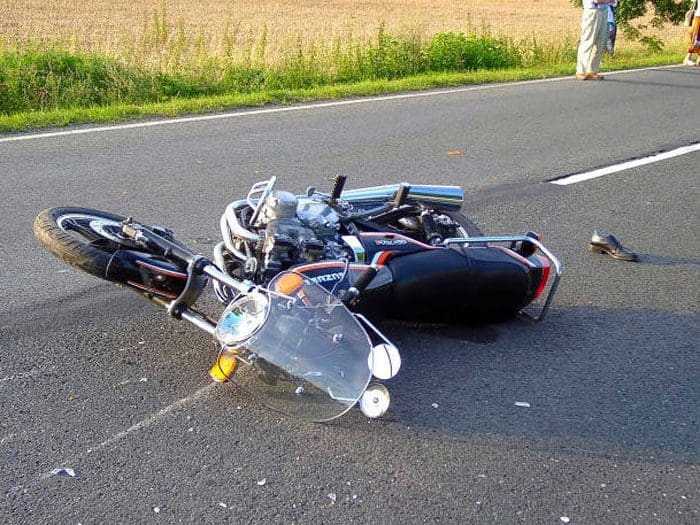
A motorcyclist has an increased risk of injury every time they get on their bike and get on the road. There is no barrier to protect them in the case of a crash or accident. Because of this, motorcycle injuries sustained can be life-changing. The most common injuries that motorcycle riders sustain and suffer when involved in accidents and crashes tend to be related to high traffic, speed, distracted drivers, and construction. This means that most common motorcycle accidents and crash injuries are severe.
Road Rash
Also known as road burn. This is a type of burn that is caused when the body’s skin gets badly scraped and shredded from the road. This often happens when a rider is thrown from the motorcycle skidding down the road before coming to a stop. Road rash can happen on any part of the body. For motorcyclists, it is common on the legs, hands, arms, and back. It can be excruciating even though the injury is not considered fatal, complications and overlapping injuries can develop. This is usually in the form of infections that can affect mobility and flexibility issues that can require further medical intervention and rehabilitation. In severe cases, it can require skin grafts. Depending on the severity it can leave permanent scarring. Treatment often includes antibiotics, bandage dressings, burn soothing and disinfectant creams.
Fractures and Broken Bones
When a motorcycle and a vehicle collide, it is very common for the motorcyclist to get thrown or knocked off with intense force. When the rider hits the ground, the impact alone can cause fractures and breaks. If the rider lands at an awkward angle this can definitely cause a fracture or break. Broken bones can happen anywhere on the body, but are most commonly sustained in the arms and legs. Broken ribs are also common and usually occur when the motorcyclist gets hit or falls hard. Motorcycle endorsement classes emphasize the ATGATT system that stands for All The Gear, All The Time. This means wearing motorcyclist protective clothing and ankle-high boots. Ankle injuries and fractures are commonly sustained from operating a motorcycle.
Spinal Cord Injuries
If the spinal cord gets injured or damaged the results can be devastating. Depending on the area of the injury, an individual might not be able to walk, use their arms, or move at all. Spinal cord injuries tend to happen when the motorcyclist gets thrown hard or up in the air landing hard on their neck, back, or the body gets pierced by an object. Spine fractures often happen when the rider gets pinned or crushed between vehicles and objects. This can cause temporary or permanent paralysis.
Traumatic Brain Injury
This is one of the most serious injuries sustained in a motorcycle crash. Traumatic brain injury – TBI is when the brain sustains trauma. These injuries usually happen when a motorcyclist is involved in an accident and is not wearing a helmet, their head hits an object forcefully, the head is shaken violently back and forth, or if the skull gets punctured. Around 15% of motorcyclists involved in accidents that receive medical treatment are diagnosed with a traumatic brain injury. When a person sustains a TBI, they can develop physical and cognitive deficits. Depending on the severity, brain injuries can be treated with surgery, traction, and rehabilitation, but can have lifelong effects.
Organ Injury and Damage
Intense and forceful impacts can cause internal organ damage. Internal bleeding is common in motorcycle accidents. This can be fatal if not diagnosed and treated. Injuries that prove to be fatal, more than three-quarters are caused by traumatic brain injury.
Therapy Rehabilitation
Our experienced team of accident physical therapists and chiropractic team will review the details of the collision, medical treatments and develop a thorough rehabilitation plan. Call our team today and let us help you put your life back together.
Body Composition
Breakfast and Mental Health
Beyond an individual’s physical health, breakfast can significantly impact mood and mental health. According to a 2018 study, a healthy high-quality breakfast has been shown to reduce stress and depression in adolescents. Breakfast nutritional quality was based on individual responses to the following questions:
Do you have cereal or other grain-based products bread, toast, etc?
Do you have some type of dairy product for breakfast?
Do you have commercially baked goods like biscuits or pastries for breakfast?
If a participant stated they consumed commercially baked goods and did not eat bread/toast/cereal or dairy products for breakfast, this was considered a poor quality breakfast. Avoiding commercially baked goods altogether and eating whole bread, healthy cereals, and/or dairy products was considered a good quality breakfast. Choosing grain-based foods along with dairy products was considered healthy because these foods provide a wide range of nutrients. Healthy cereals can provide:
Protein
Carbohydrates
Micronutrients
Results found that individuals that ate healthy quality breakfasts had:
Reduced mental distress
Reduced depressive symptoms
Increased positive mood
Improved quality of life
References
Alicioğlu, Banu et al. “Motosiklet kazalarina bağli yaralanmalar” [Injuries associated with motorcycle accidents]. Acta orthopaedica et traumatologica turcica vol. 42,2 (2008): 106-11.
Araujo, Miguel et al. “Effectiveness of interventions to prevent motorcycle injuries: a systematic review of the literature.” International journal of injury control and safety promotion vol. 24,3 (2017): 406-422. doi:10.1080/17457300.2016.1224901
Dupaix, John P et al. “A Comparison of Skeletal Injuries Arising from Moped and Motorcycle Collisions.” Hawai’i journal of health & social welfare vol. 78,10 (2019): 311-315.
Elsemesmani, Hussein et al. “Association Between Trauma Center Level and Outcomes of Adult Patients with Motorcycle Crash-Related Injuries in the United States.” The Journal of emergency medicine vol. 59,4 (2020): 499-507. doi:10.1016/j.jemermed.2020.06.018
Peng, Yinan et al. “Universal Motorcycle Helmet Laws to Reduce Injuries: A Community Guide Systematic Review.” American journal of preventive medicine vol. 52,6 (2017): 820-832. doi:10.1016/j.amepre.2016.11.030
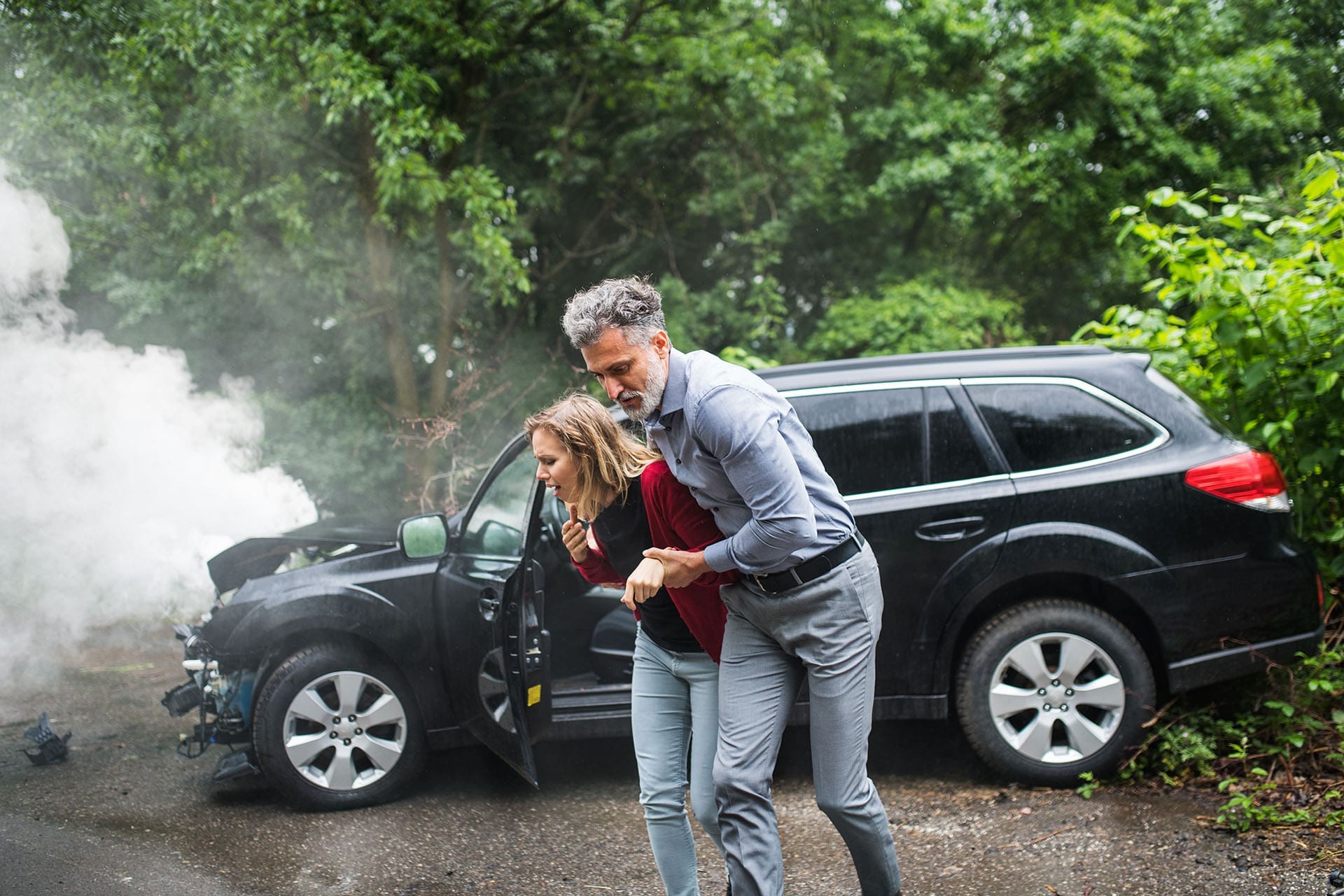
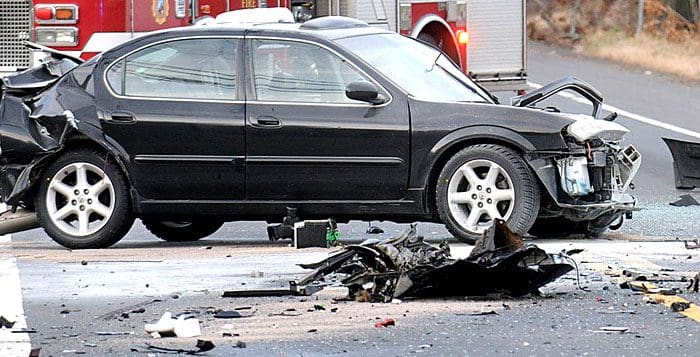
With the number of individuals/vehicles on the road today, automobile accidents are frequent and even minor ones can cause damage. The most obvious is the destruction of the vehicle during and after the collision. But these crashes and accidents also cause serious damage to the body that is not immediately visible or felt. Almost every accident and crash results in injuries to one or more of the individuals involved. Vehicle collisions both great and small involve force being applied as two or more vehicles collide. The direction and amount of force can cause damage to the body from twisting, bending, slamming, and jolting in ways the body was not meant to do. There is a 1 in 5 chance of being involved in an automobile accident that causes bodily injury.
The most frequent injuries include:
Frequent Soft Tissue Injuries
Bruising/Contusions
Even a minor automobile accident can cause bruising. A collision can jerk/jolt the body from the seat belt, while it is doing its job of keeping the individual from flying out the window, it can leave bruises for days afterward. Bruises are rarely serious injuries that require medical attention and usually heal within a week or two.
Whiplash
The physical force from an accident can cause the head to move at speeds that it should not move at. Pain or discomfort in the neck and back after a collision can indicate a sustained whiplash strain to the muscles and ligaments. These strains can be painful and take weeks for a full recovery and if left untreated could result in chronic pain.
Neck and Spinal injuries
The intense force that the body endures from a collision can cause serious damage to the body that is not immediately apparent or present with inflammation/pain letting the individual know that something is not right. Herniations or ruptures of the discs in the spine can occur. This can lead to serious injuries that cause intense pain and limit mobility and flexibility. If pain continues after several days, or there is a history of neck/back injury/s and/or condition/s, consult with an accident chiropractic specialist or spine specialist to see if there is an injury to the spine or surrounding muscles, tendons, and ligaments. Chiropractic treatment and physical therapy are important to return the body to optimal health. Surgery could be an option if there is sustained serious neck or spinal injury.
Frequent Head Injuries
Concussions
During a collision, hitting the head on the steering wheel, window, or roof is frequent and can cause a concussion. Individuals can experience problems with memory, like not remembering what happened before the collision, or feeling like brain function is not as quick. Treatment for any kind of head injury is crucial. Treatment will help alleviate headaches and help restore the brain to a healthy state.
Traumatic Brain Injuries
These injuries can cause life-altering effects. A traumatic brain injury can change:
The way the brain functions
Handles information
Processes emotions
Recovery from a brain injury is possible but can take time, depending on the type and severity of the damage.
Frequent Mental and Emotional Injuries
Post-traumatic Stress Disorder
When the body goes through extreme stress like an automobile accident there is the potential to develop emotional and mental conditions like post-traumatic stress disorder or PTSD. Symptoms can include:
Avoiding or responding fearfully to certain sounds or images that are associated with auto accidents
Sleeping problems brought on by anxiety and/or nightmares
Treatment is vital and psychologists and therapists can help individuals express their feelings, and educate individuals on techniques to deal with stresses, anxieties, and fears to get them to a healthy life.
Internal Injuries
Broken Bones
The impact of a collision can cause the body to hit various areas of the vehicle, stressing the musculoskeletal system that it can’t take. This can occur in a variety of ways, with the torso, arms, or legs getting pinned by a part of the vehicle causing fracture/s. Also, depending on the speed of the collision, the seatbelt could stop the body suddenly causing a fracture of the ribs. Broken bones are frequent in auto accidents/crashes, however, some fractures could require surgery and hardware to reset the bones to allow proper healing. Depending on the type of break, individuals could require a month or more of rest. Chiropractic care and physical therapy could help expedite recovery.
Internal Bleeding
The body’s organs are delicate and fragile. The impact forces from an auto accident can cause all kinds of damage, causing them to bleed. These are serious injuries and are quite common in high-speed collisions.
Auto Accident Doctors & Chiropractic Treatment
Body Positivity
Body positivity is about every individual having a psychological representation of their body or body image. This includes:
How an individual thinks about their body shape
Size
Emotions attached to their perception
Fitness and fashion industries used to promote what the perfect body should look like and those with a body image that did not fit these criteria could develop a sense of inferiority. In response to this, body positivity has become a rapidly growing movement on social media. The movement’s objective is to challenge society to focus on an individual’s overall health, and not their body. It encourages acceptance of all body types, no matter the size or shape. The movement has a companion known as the Healthy at Every Size or HAES movement that focuses on health indicators other than weight. It encourages the focus on developing healthy habits that lead to improved health. HAES involves three components:
Intuitive eating
Encourages body acceptance
Promotes physical activity through movement and health instead of a structured exercise regimen
These movements offer realistic and encouraging ways to recognize and achieve optimal health. They accept body and health at every stage of an individual’s fitness and health journey.
Disclaimer
The information herein is not intended to replace a one-on-one relationship with a qualified health care professional, licensed physician, and is not medical advice. We encourage you to make your own health care decisions based on your research and partnership with a qualified health care professional. Our information scope is limited to chiropractic, musculoskeletal, physical medicines, wellness, sensitive health issues, functional medicine articles, topics, and discussions. We provide and present clinical collaboration with specialists from a wide array of disciplines. Each specialist is governed by their professional scope of practice and their jurisdiction of licensure. We use functional health & wellness protocols to treat and support care for the musculoskeletal system’s injuries or disorders. Our videos, posts, topics, subjects, and insights cover clinical matters, issues, and topics that relate to and support, directly or indirectly, our clinical scope of practice.* Our office has made a reasonable attempt to provide supportive citations and has identified the relevant research study or studies supporting our posts. We provide copies of supporting research studies available to regulatory boards and the public upon request. We understand that we cover matters that require an additional explanation of how it may assist in a particular care plan or treatment protocol; therefore, to further discuss the subject matter above, please feel free to ask Dr. Alex Jimenez or contact us at 915-850-0900.
Dr. Alex Jimenez DC, MSACP, CCST, IFMCP*, CIFM*, CTG*
email: [email protected]
phone: 915-850-0900
Licensed in Texas & New Mexico
References
Duncan, G J, and R Meals. “One hundred years of automobile-induced orthopedic injuries.” Orthopedics vol. 18,2 (1995): 165-70.
Hamilton JB. Seat-belt injuries. Br Med J. 1968 Nov 23;4(5629):485-6. doi: 10.1136/bmj.4.5629.485. PMID: 5697665; PMCID: PMC1912721.
Sims, J K et al. “Automobile accident occupant injuries.” JACEP vol. 5,10 (1976): 796-808. doi:10.1016/s0361-1124(76)80313-9
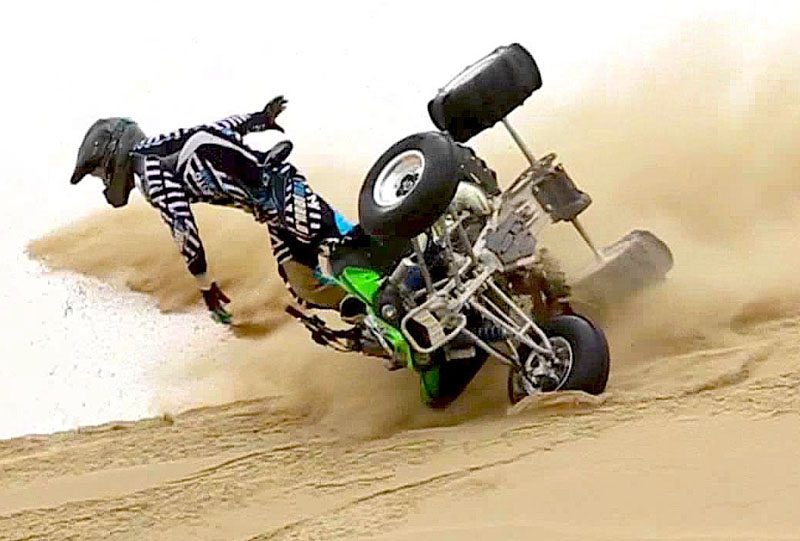
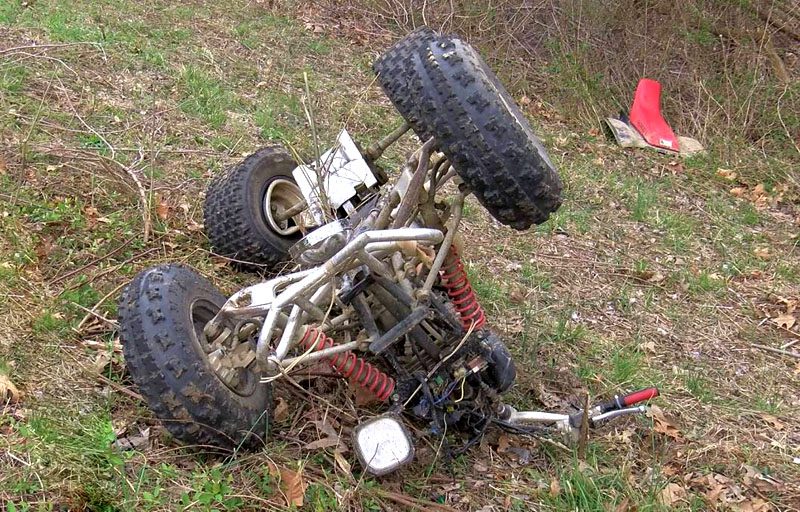
Many individuals enjoy riding all-terrain vehicles, or ATVs. It is a fun pastime and it gets individuals outdoors. However, when driving/riding any type of motor vehicle there is potential for crashes and accidents that can result in severe injuries. Unfortunately, many individuals get on an ATV without properly understanding how the vehicle operates, safety measures, and what to do in an emergency. Several facts about ATV accidents, provided by the Consumer Product Safety Commission:
130,000+ individuals are injured every year from ATV accidents
Over 700 individuals are killed in these accidents every year
Around one-third of the individuals killed are under the age of 16.
Many of the accidents could have been prevented if proper safety protocols were followed
Many of these accidents are based on negligence or recklessness of the driver or other individual/s doing the same in close proximity. The causes range from:
Speeding recklessly
Steep hill-climbing
Rollovers
Drunk driving
Exceeding capacity
Many of these vehicles are designed to hold one passenger only. When a second or third passenger is on the vehicle, the accidents are usually of the secondary passengers falling or getting thrown off. In other cases, the passenger is not able to shift their weight with the driver, resulting in throwing the entire vehicle off-balance.
ATV
Today ATVs are used for various jobs including border patrol, construction, emergency medical response, snow plowing, and maintaining farmland. They can be fun, but they can also be extremely dangerous if not properly ridden. Every year faster, and more powerful ATVs arrive on the market for purchase. The first ATVs had around 7-horsepower, an 89 cc engine, and weighed about 200 pounds. Today, some have engines that are 600 ccs, with 50 horsepower, weigh over 400 pounds, and can go up to 100 miles per hour. These are powerful machines that can cause severe injuries.
Injuries typically happen to men around 18 to 30 years of age
80 percent of injuries impact the driver and not the passenger
The most common injury cause is associated with flips and/or rolls
When this happens, both the driver and passenger can get thrown and in some cases, pinned underneath.
Symptoms and Injuries
Common ATV injuries include:
All around body pain
Muscle stiffness
Fractures
Broken bones
Dislocation/s
Whiplash
Headaches
Migraines
Concussion
Neurologic injuries
Spinal cord damage
Chronic pain
Blurred Vision
Chiropractic and Physical Therapy
Just like automobile accident injuries, there can be delayed symptoms that begin to present over days or weeks. Seeking the proper treatment as soon as possible is important to decrease inflammation and swelling before the injury/s worsens, or leads to other debilitating conditions. Injury Medical Chiropractic and Functional Medicine Clinic can help restore mobility and flexibility after an ATV accident. A combination of physical therapy, chiropractic adjustments, and massage will help with:
Keep a phone or other communication device in case of an emergency
Body Composition
Phase Angle values can determine what’s going on in the body
It can help identify health risks, address underlying health issues, and track the progress of lifestyle changes like diet and exercise. For many individuals phase angle analysis has helped them make data-driven health and wellness decisions. Many medical practices are using it to personalize a patient’s treatment plan. Lifestyle factors that are likely to impact phase angle include:
The information herein is not intended to replace a one-on-one relationship with a qualified health care professional, licensed physician, and is not medical advice. We encourage you to make your own health care decisions based on your research and partnership with a qualified health care professional. Our information scope is limited to chiropractic, musculoskeletal, physical medicines, wellness, sensitive health issues, functional medicine articles, topics, and discussions. We provide and present clinical collaboration with specialists from a wide array of disciplines. Each specialist is governed by their professional scope of practice and their jurisdiction of licensure. We use functional health & wellness protocols to treat and support care for the musculoskeletal system’s injuries or disorders. Our videos, posts, topics, subjects, and insights cover clinical matters, issues, and topics that relate to and support, directly or indirectly, our clinical scope of practice.* Our office has made a reasonable attempt to provide supportive citations and has identified the relevant research study or studies supporting our posts. We provide copies of supporting research studies available to regulatory boards and the public upon request. We understand that we cover matters that require an additional explanation of how it may assist in a particular care plan or treatment protocol; therefore, to further discuss the subject matter above, please feel free to ask Dr. Alex Jimenez or contact us at 915-850-0900.
Dr. Alex Jimenez DC, MSACP, CCST, IFMCP, CIFM, CTG* email: [email protected] phone: 915-850-0900 Licensed in Texas & New Mexico
References
Spine Trauma. The Anand Spine Group Web site. http://www.infospine.net/condition-spine-trauma.html. Accessed October 18, 2018.
Wilberger JE, Mao G. Spinal Trauma. Merck Manual Professional Version. https://www.merckmanuals.com/professional/injuries-poisoning/spinal-trauma/spinal-trauma. Last reviewed November 2017. Accessed October 18, 2018.
Pelvic Fracture. Cedars-Sinai Web site. https://www.cedars-sinai.org/health-library/diseases-and-conditions/p/pelvic-fracture.html. Accessed October 18, 2018.
As individuals advance in age, the risk of falling starts to become a regular concern. An average of one in four adults over 65 suffers from a fall every year. Around twenty percent of falling accidents result in serious injury. However, experiencing one fall increases the risk of future falls significantly. The most common injuries sustained include:
Hip fracture
Head injury
These injuries usually necessitate hospitalization. Therefore minimizing the risks is important for increasing/enhancing an individual’s quality of life and help minimize the financial burdens that can come with these types of accidents.
Risk Factors for Falling
Various factors can determine an increased risk of falling. If there are two or more at the same time, the risk goes up significantly. These factors include:
A physical therapist or chiropractor can assess the home for safety and possible tripping hazards
Regular vision check-ups at least every two years
Spinal Health
Restoring balance to the body will make the biggest difference in increasing overall health. However, pain, stiffness, and poor health can make getting started a difficult challenge. With the right chiropractic and physical therapy team, getting started does not have to be as challenging, with the transition being made as easily and as smooth as possible.
An essential building block for overall optimal health begins with spinal alignment. When the spine is misaligned it can lead to poor nerve circulation/energy. This slows down and interferes with the body’s functions. This is often manifested with poor balance, weakness, and pain. Chiropractic spinal alignment addresses whole-body health. A chiropractic practitioner is specialized in non-invasively and systematically restoring not only the alignment of the spine but the entire body.
Chiropractic Health
Find a chiropractor and talk to them about any health concerns, including falls. A customized chiropractic adjustment treatment plan will be developed along with a fitness and stretching regimen, and dietary adjustments will significantly optimize health and help prevent falls.
Sports Injuries Chiropractic Treatment
Dr. Alex Jimenez�s Blog Post Disclaimer
The scope of our information is limited to chiropractic, musculoskeletal, physical medicines, wellness, and sensitive health issues and/or functional medicine articles, topics, and discussions. We use functional health & wellness protocols to treat and support care for injuries or disorders of the musculoskeletal system. Our posts, topics, subjects, and insights cover clinical matters, issues, and topics that relate and support directly or indirectly our clinical scope of practice.*
Our office has made a reasonable attempt to provide supportive citations and has identified the relevant research study or studies supporting our posts. We also make copies of supporting research studies available to the board and or the public upon request. We understand that we cover matters that require an additional explanation as to how it may assist in a particular care plan or treatment protocol; therefore, to further discuss the subject matter above, please feel free to ask Dr. Alex Jimenez or contact us at 915-850-0900. The provider(s) Licensed in Texas& New Mexico*
References
Hawk, Cheryl et al. �Pilot study of the effect of a limited and extended course of chiropractic care on balance, chronic pain, and dizziness in older adults.��Journal of manipulative and physiological therapeutics�vol. 32,6 (2009): 438-47. doi:10.1016/j.jmpt.2009.06.008
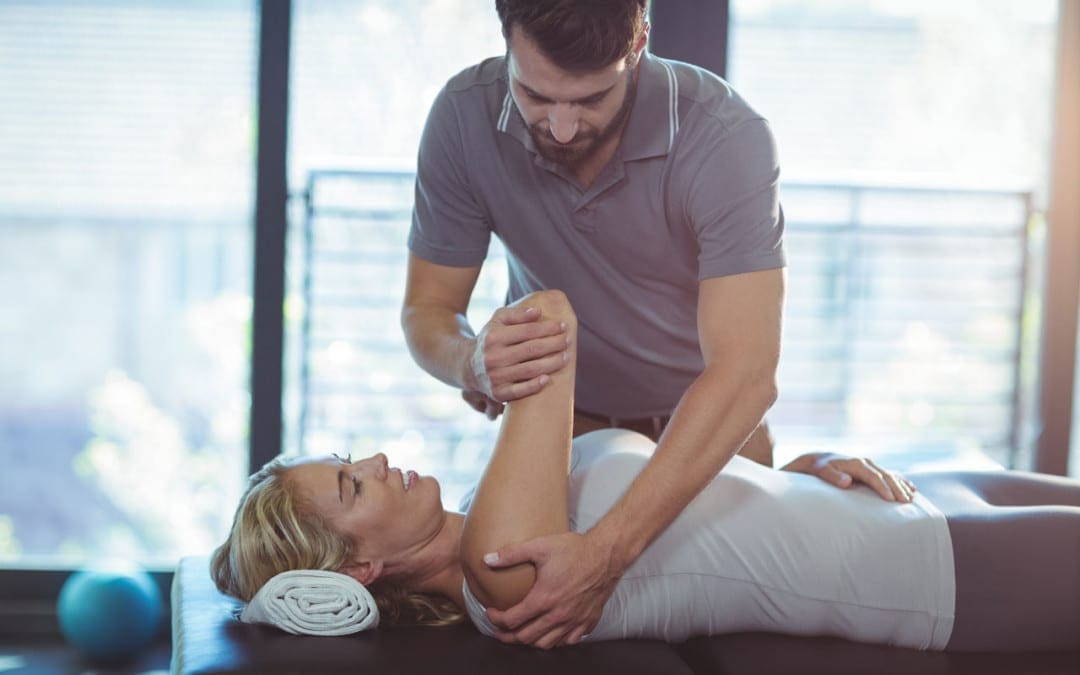
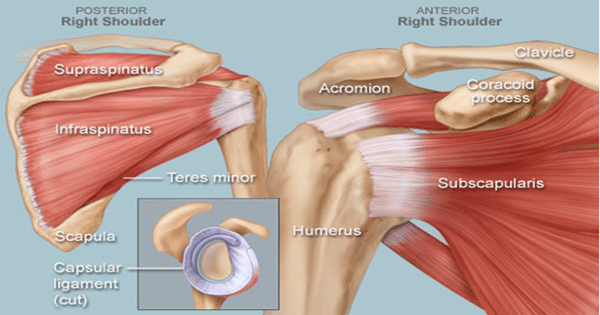
The shoulder/s are the joints where the upper-arm bones known as the humerus, the shoulder blades or scapula, and the collarbone/clavicle come together. The upper-arm bone fits into the scapula socket and is held in place by muscles and tendons. This is the rotator cuff. It covers and protects the upper-arm and allows for raising and movement of the arm. Pain in the shoulder can have a variety of causes.
Injuries can occur in a slip and fall or automobile accident. A task like painting the house could cause a repetitive/overuse injury. The�soft tissues in the shoulder, muscles, tendons, and ligaments�can get injured from excessive strain, falls, and improper motion. Shoulder pain can come from certain conditions like arthritis. And it can present from problems or issues in other parts of the body. This is known as referred pain.
The shoulder takes on more than we realize. It is made up of an intricate network of ligaments and muscles, with the rotator cuff taking most of the load when moving. It is the most flexible joint in the human body, and one of the most unstable. It is�unstable because of its unique construction. Other joints like the ankle or elbow are limited in their range of motion. Shoulder injuries�are common, as the shoulder sustains more injuries than almost any other part of the body.
Injury Symptoms
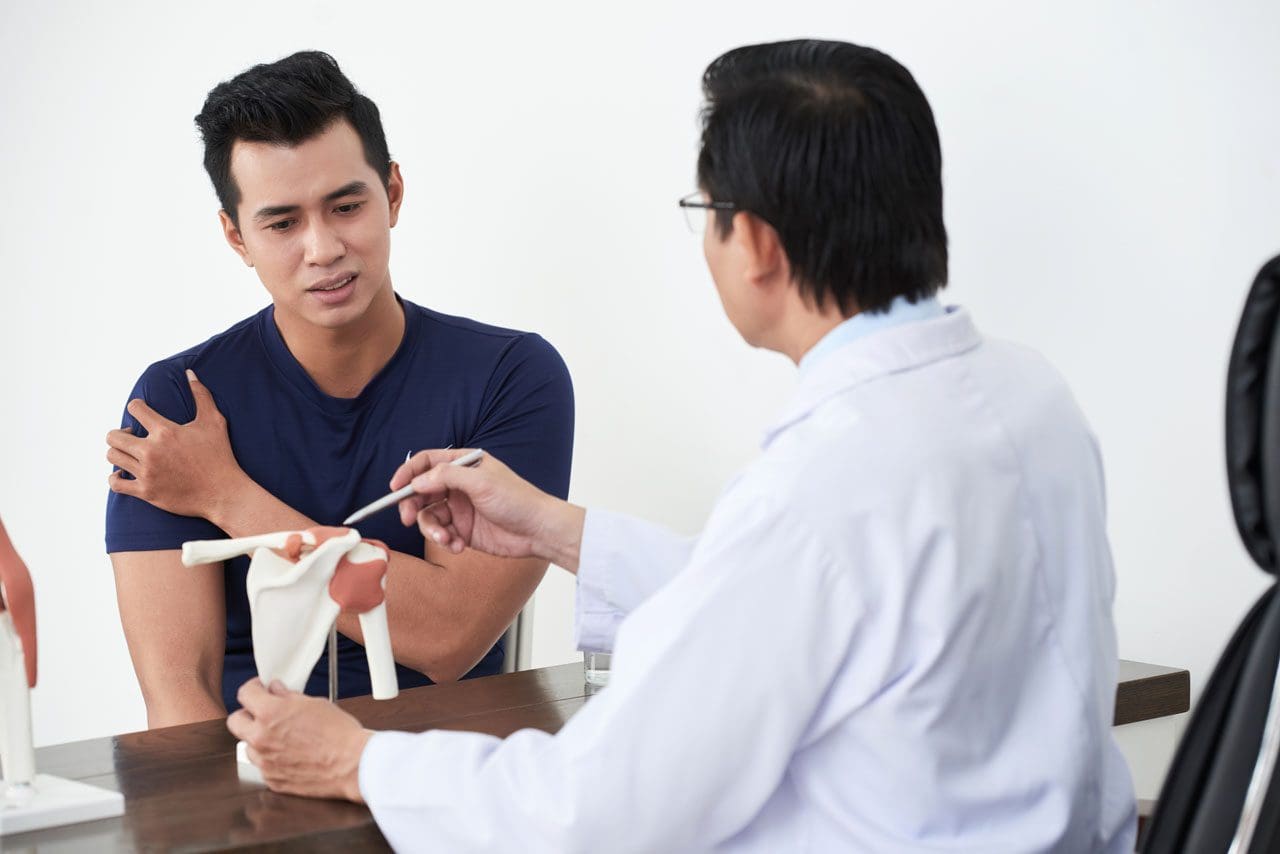
Here are some questions to help figure out if there is a shoulder injury:
Does the arm move normally?
Is there extreme stiffness?
Is there pain and what type – throbbing, stinging, shooting
Does it feel like it could pop out of the socket?
Is it strong enough for normal activities?
Certain shoulder injuries can be treated at home for a few days with rest and ice. The shoulder can be bandaged with Kinesio tape to hold it in place if necessary. But serious injuries require professional medical help. Symptoms/signs that a medical professional is needed:
The shoulder joint looks deformed
The shoulder cannot be used at all
The pain is extreme and intense
The shoulder is swelling rapidly
The arm and/or hand is weak and/or numb
Common injuries
Dislocation
When the shoulder gets pulled back hard or rotated too far, the top of the arm can get popped out of the socket. This can cause pain, weakness, swelling, numbness, and bruising.
Separation
This is an injury affecting the joint where the collarbone and shoulder blade come together. It is the acromioclavicular or AC joint. An accident, fall, or traumatic impact can tear the ligaments holding it together. If the collarbone gets shifted out of place, a bump on top of the shoulder will appear.
Fracture
After a fall or a hard hit, the bones can break or become cracked. The most common breaks are to the collarbone and the arm bone that is the closest to the shoulder. Pain presents along with bruising can occur. If the collarbone is broken, the shoulder may sag and there will be no ability to lift the arm.
Cartilage tear
The cartilage or rubbery padding that runs around the rim of the shoulder joint can suffer injury and/or get torn. Repetitive motions and overuse can lead to a tear. It can also be injured in a fall, or anytime it absorbs the brunt of the force. Pain can be felt when reaching over the head, or the shoulder feels/seems to be weak. Sensations like catching, locking, or grinding may also be felt.
Rotator cuff tear
The rotator cuff belongs to a group of muscles and tendons that hold the arm in place and allow for lifting the arm up and overhead. It can suffer damage through overuse or in an accident. The rotator cuff begins to show wear and tear with age. It can hurt at night and when trying to lift objects. Individuals have also reported a crackling sound when moving.
Frozen shoulder
This is a condition that limits how much the joint moves. Bands of tissue or adhesions build up in the joint and keep the shoulder from moving freely. This is where the freeze happens. It comes from the pain, causing the individual to not use it, this allows the adhesions to build.
Impingement
This is when the tendons of the rotator cuff become pinched within the bones of the shoulder. It can cause swelling and pain. It is often set off when lifting the arms over the head repetitively.
Bursitis
This is when the fluid-filled sacs or bursa that cushion the joints get swollen and irritated. Usually, the onset occurs from repetitive motions. However, it can also be caused by a fall or other injury. The pain occurs most when moving the shoulder.
Other causes
Osteoarthritis
Also known as degenerative joint disease. It is the most common form of arthritis. It can affect any joint, including the shoulders. The cartilage between the bones breaks down and allowing them to rub against each other causing pain and stiffness.
Rheumatoid arthritis
This is a disease that causes the immune system to attack the protective lining in the joints. It causes pain and stiffness in the shoulders.
Referred pain
There could be nothing wrong, yet pain or discomfort presents. This could be a sign of a condition involving the lungs, gallbladder, liver, nerves, etc.
Heart attack
Shoulder pain could be brought on from the tightness in the chest and trouble breathing. Get emergency medical help immediately.
Tendinitis
The tendons that make up the rotator cuff become inflamed. It can happen progressively over time or quickly from an accident, fall, or a direct hit to the shoulder.
Bone spurs
These are small, smooth pieces of bone that begin to rub up against the rotator cuff keeping the shoulder from proper movement. They can lead to tendonitis or a tear.
Diagnosis
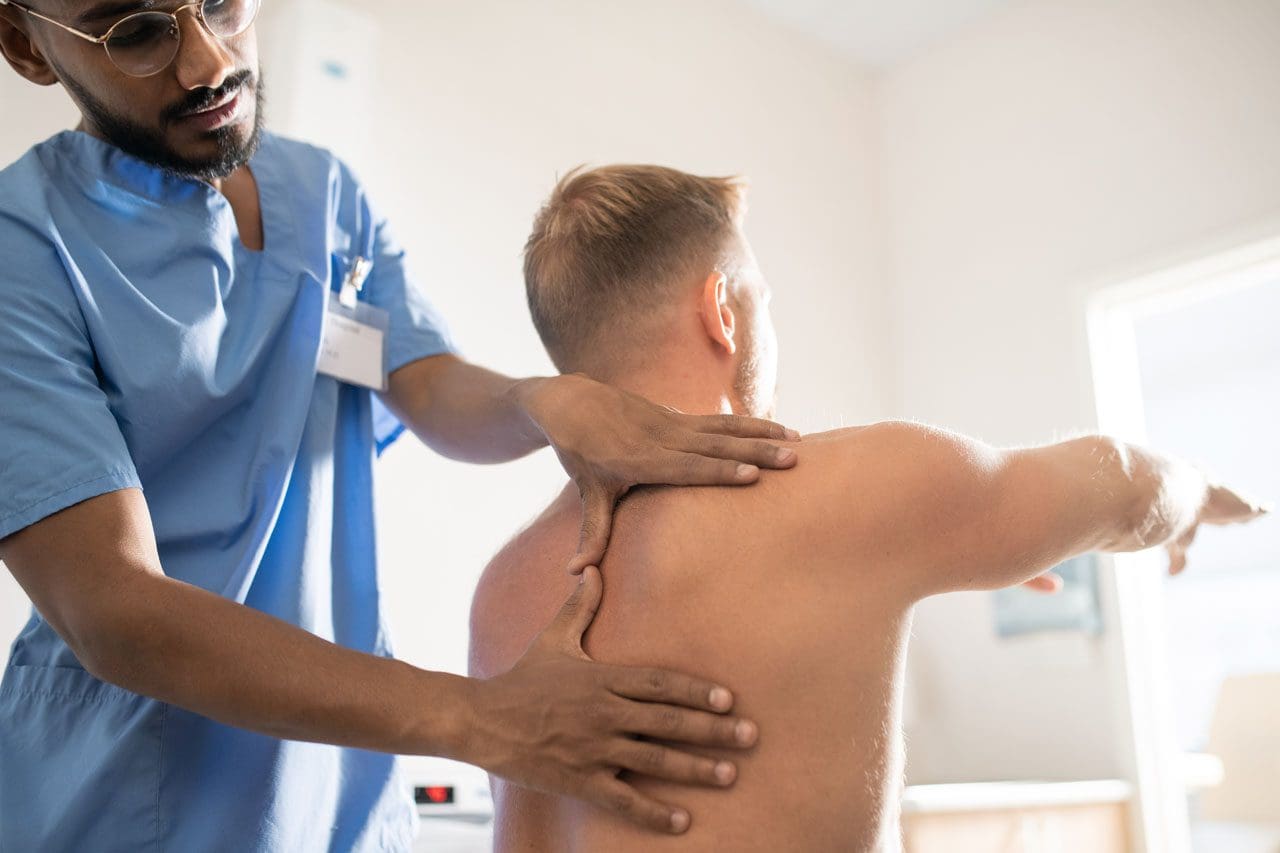
A doctor or chiropractor will begin with a physical exam to check for structural problems to rule out anything involving the spine or neck. Next, is the range of motion exam to see how strong and flexible the shoulder is. This involves moving the arms in different ways, like:
Above the head
Across the body
Behind
Rotate 90 or 180 degrees
The doctor could recommend imaging tests to get a closer look:
X-rays
These can help find bone spurs, arthritis, and other bone-related causes of shoulder pain. The doctor could recommend an arthrogram. This involves using a dye to enhance the details allowing them to render more clearly.
MRI scan
Radio waves and a powerful magnet generate detailed images of the shoulder.
CT scan
This is a series of X-rays taken from various angles. When placed together, they allow for optimal views to be seen.
EMG
This measures electrical activity in the muscles to see if there are any problems with the nerves.
Arthroscopy
A surgical procedure that utilizes a tiny fiber-optic camera, allowing the doctor to see high-definition images. With certain cases, the doctor could be able to treat the problem during the procedure.
Treatment
Dislocations, separations, and fractures require medical attention. Getting the shoulder back to the right position followed by a sling to hold it in place while healing and in recovery. For less serious issues, the doctor could recommend rest, heat/ice, and medicine like ibuprofen or aspirin to help with the pain and swelling.
Chiropractic treatment for shoulder injury/s and pain. A Chiropractor can:
Relieve pain
Improve range of motion
Increase flexibility
Restore function to the joint
If the shoulder does not show improvement after the first steps, the doctor could recommend injecting an anti-inflammatory medication straight into the joint for the swelling and pain relief. There are times when cartilage tears, rotator cuff tears, and a frozen shoulder does not improve with rest, physical therapy, or medication. As a last resort, the doctor could recommend surgery. Any problem with the shoulder means that the treatment plan will probably include stretches and exercises to help strengthen the joint and improve the range of motion.
Prevention
Consider how often the shoulders are used at work and play. Then find ways to protect it:
If working at a desk, make sure the chair has proper back support and promotes proper posture.
Take several short breaks to move around at least once an hour.
If work requires heavy lifting, proper technique is essential.
First face the object being lifted
Keep the back straight
Bend the knees using the legs for power
When reaching for a heavy object overhead, use a step-ladder to get a better position.
Ask the doctor or chiropractor about a strength and conditioning regimen for the muscles around the shoulders, to keep them strong and flexible.
Chiropractic Treatment Shoulder Pain
Dr. Alex Jimenez�s Blog Post Disclaimer
The scope of our information is limited to chiropractic, musculoskeletal, physical medicines, wellness, and sensitive health issues and/or functional medicine articles, topics, and discussions. We use functional health & wellness protocols to treat and support care for injuries or disorders of the musculoskeletal system. Our posts, topics, subjects, and insights cover clinical matters, issues, and topics that relate and support directly or indirectly our clinical scope of practice.*
Our office has made a reasonable attempt to provide supportive citations and has identified the relevant research study or studies supporting our posts. We also make copies of supporting research studies available to the board and or the public upon request. We understand that we cover matters that require an additional explanation as to how it may assist in a particular care plan or treatment protocol; therefore, to further discuss the subject matter above, please feel free to ask Dr. Alex Jimenez or contact us at 915-850-0900. The provider(s) Licensed in Texas& New Mexico*
IFM's Find A Practitioner tool is the largest referral network in Functional Medicine, created to help patients locate Functional Medicine practitioners anywhere in the world. IFM Certified Practitioners are listed first in the search results, given their extensive education in Functional Medicine