Chair & Abdominal Exercises In MET Therapy
Introduction
Everyone, at some point, has some form of physical activity that helps them release the stresses of everyday factors. Whether for athletic training or to keep a healthy lifestyle, exercising for at least 30 minutes to an hour can help promote muscle growth and toning, reducing stress and high blood pressure. However, many individuals would often not be able to find time to exercise, which can lead to many problems in their bodies. When many individuals are physically inactive, it can lead to musculoskeletal pain, weak muscles, and other chronic conditions. To that point, it can make the person miserable and cause disability. Luckily numerous therapies can help reduce the effects of pain-like symptoms associated with physical inactivity and can help restore the body. Today’s article focuses on how MET (muscle energy techniques) therapy uses a chair and abdominal exercises to help promote spinal flexibility, reduce abdominal weakness, and strengthen low back and pelvic muscles. We utilize and incorporate valuable information about our patients to certified medical providers using the chair and abdominal exercises in MET therapy. We encourage and refer patients to associated medical providers based on their findings while supporting that education is a remarkable and fantastic way to ask our providers the essential questions at the patient’s acknowledgment. Dr. Alex Jimenez, D.C., comprises this information as an educational service. Disclaimer
Chair Exercises In MET Therapy

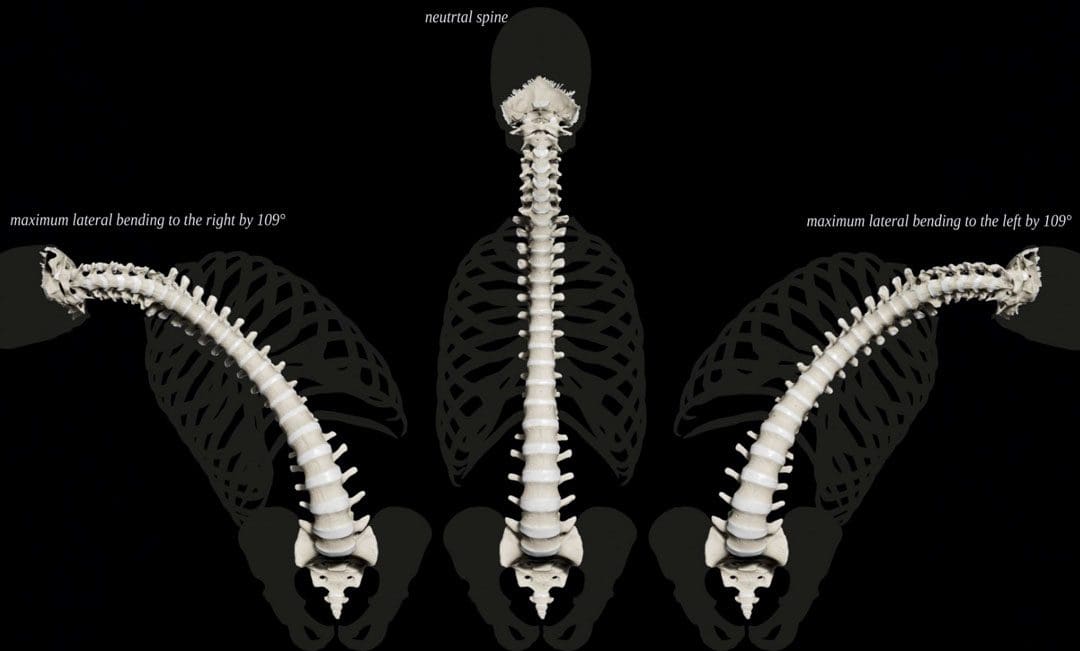
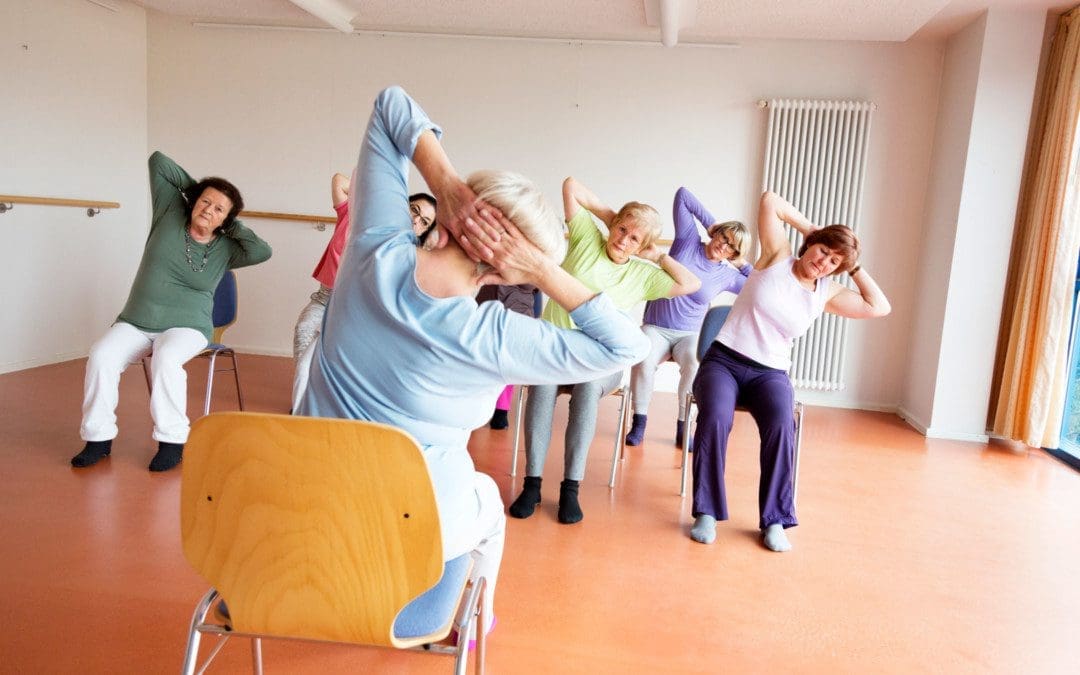
Are you experiencing muscle pain in specific areas of your body? Do your legs feel tired after a long day at work or when you bend down to pick something up? These musculoskeletal pain symptoms are often caused by physical inactivity, which can cause muscles to become weak and short. This can lead to various health issues related to musculoskeletal pain if not addressed. However, you can help reduce these effects by incorporating everyday objects like a chair into your exercise routine. Research studies have revealed that chair-based exercises can provide cognitive and psychological benefits while reducing the risk of injury. Additionally, using a chair for exercise can improve spinal flexibility.
Chair-Based Exercises For Spinal Flexibility
When doing chair-based exercises to enhance spinal flexibility in MET therapy, it’s crucial to ensure that each repetition is pain-free and comfortable. Stick to the recommended sets given by your trainer or physical therapist.
- Sit in a chair so the feet are planted on the floor, and the palms are resting at the knees.
- Lean forward so the chair’s arms support the upper body weight; this allows the elbows to bend outward and the head to hang backward.
- Hold the position for three deep breaths to allow the lower back to stretch.
- On exhalation, ease yourself forward until you feel a slight increase in the stretch, not feeling pain, and repeat the three deep breath cycles.
- Repeat the sequence until you can not go further than you can without discomfort or pain.
- Return to the chair and rest for a few minutes to allow the lower back muscles to relax.
Unlocking Athletic Potential with Chiropractic Care-Video
Are you experiencing musculoskeletal problems that are affecting your athletic performance? Do you feel muscle weakness in your abdominals, low back, or pelvis? Or is the right exercise not working out for you? These issues are often associated with physical inactivity and can cause pain. Physical inactivity can be caused by various factors, which can impact your daily life and prevent you from exercising. Fortunately, there are many ways to incorporate physical activity into your healthy lifestyle. Chiropractic care and MET therapy are two treatments that can be combined with physical activity to reduce muscle and joint pain. Research studies have revealed that MET, or muscle energy techniques, are a type of soft tissue treatment that pain specialists use to stretch tight muscles and fascia, mobilize joints, reduce pain, and improve circulation in the lymphatic system. This treatment can help relieve pain and naturally restore the body when combined with exercise. Watch the video above to learn more information about how combining treatments and physical activity can help you kickstart your wellness journey to better health.
Abdominal Exercises In MET Therapy

Many people may not be physically active due to weak abdominal muscles, which can cause low back pain in the musculoskeletal system. In the book “Clinical Applications of Neuromuscular Techniques” by Judith Walker DeLany, L.M.T. and Leon Chaitow, N.D., D.O., suggests that combining exercise with MET therapy can help strengthen weak abdominal muscles and even alleviate low back pain. As research studies reveal, this combination can eliminate factors that weaken the abdominal muscles and activate deep and superficial muscles to improve core stability. Below are some abdominal exercises commonly used in MET therapy.
Exercises For Abdominal Weakness
- Lie on a yoga mat or carpeted floor with a pillow under your head.
- Bend one knee at the hip and hold it with both hands.
- Inhale and exhale deeply, and pull the knee to the side of the shoulder as far as you can comfortably.
- Repeat twice and rest the leg on the floor.
- Repeat the sequence on the other leg.
This exercise sequence helps stretch the numerous abdominals and low back muscles associated with abdominal weakness. Additionally, this exercise sequence helps restore muscle tone in the abdominals and reduce muscle tightness in the back.
Exercises For Low Back & Pelvic Muscles
- Lie on your back and keep your legs straight.
- By keeping the low back flat throughout the exercise, inhale and exhale as you draw your right hip toward the shoulders.
- Allow the left heel to press on the surface and away from you; try to make the left leg longer while keeping the low back flat.
- Hold this position briefly before inhaling and relaxing, then switch to the other leg.
- Repeat the sequence for five times on each side.
This exercise sequence helps stretch and tone the muscles along the pelvis and lower back. This exercise is effective for many individuals with low back pain associated with physical inactivity.
Conclusion
To prevent musculoskeletal issues from affecting our bodies, it’s important to exercise for at least 30 minutes to an hour daily. Combining physical activities with MET therapy can help stretch and strengthen weakened muscles while promoting natural healing to prevent future problems. Using a chair or doing abdominal exercises can stabilize core muscles and aid natural recovery. Focusing on our health and wellness can lead to a better lifestyle.
References
Calatayud, Joaquín, et al. “Tolerability and Muscle Activity of Core Muscle Exercises in Chronic Low-Back Pain.” International Journal of Environmental Research and Public Health, 20 Sept. 2019, www.ncbi.nlm.nih.gov/pmc/articles/PMC6801665/.
Chaitow, Leon, and Judith Walker DeLany. Clinical Applications of Neuromuscular Techniques. Churchill Livingstone, 2003.
Furtado, Guilherme Eustáquio, et al. “Combined Chair-Based Exercises Improve Functional Fitness, Mental Well-Being, Salivary Steroid Balance, and Anti-Microbial Activity in Pre-Frail Older Women.” Frontiers in Psychology, 25 Mar. 2021, www.ncbi.nlm.nih.gov/pmc/articles/PMC8026892/.
Thomas, Ewan, et al. “The Efficacy of Muscle Energy Techniques in Symptomatic and Asymptomatic Subjects: A Systematic Review.” Chiropractic & Manual Therapies, 27 Aug. 2019, www.ncbi.nlm.nih.gov/pmc/articles/PMC6710873/.