Can individuals with sensory nerve dysfunction incorporate nonsurgical decompression to restore sensory-mobility function to their bodies?
Contents
Introduction
The spinal column in the musculoskeletal system comprises bones, joints, and nerves that work together with various muscles and tissues to ensure that the spinal cord is protected. The spinal cord is part of the central nervous system where the nerve roots are spread out to the upper and lower body parts that supply sensory-motor functions. This allows the body to move and function without pain or discomfort. However, when the body and spine ages or when a person is dealing with injuries, the nerve roots can become irritated and cause weird sensations like numbness or tingling, often correlating with body pain. This can cause a socio-economic burden on many individuals and, if not treated right away, can lead to chronic pain. To that point, it can lead to many individuals dealing with body extremity pain associated with sensory nerve dysfunction. This causes many individuals dealing with musculoskeletal disorders to start looking for treatment. Today’s article examines how nerve dysfunction affects the extremities and how nonsurgical decompression can help reduce nerve dysfunction to allow mobility back to the upper and lower limbs. We speak with certified medical providers who incorporate our patients’ information to provide nonsurgical solutions like decompression to help individuals with nerve dysfunction. We also inform patients how nonsurgical decompression can restore mobility-sensory to the upper and lower extremities. We encourage our patients to ask intricated and educational questions to our associated medical providers about the pain-like symptoms they are experiencing correlating with the sensory nerve dysfunction. Dr. Alex Jimenez, D.C., utilizes this information as an academic service. Disclaimer.
How Nerve Dysfunction Affects The Extremities
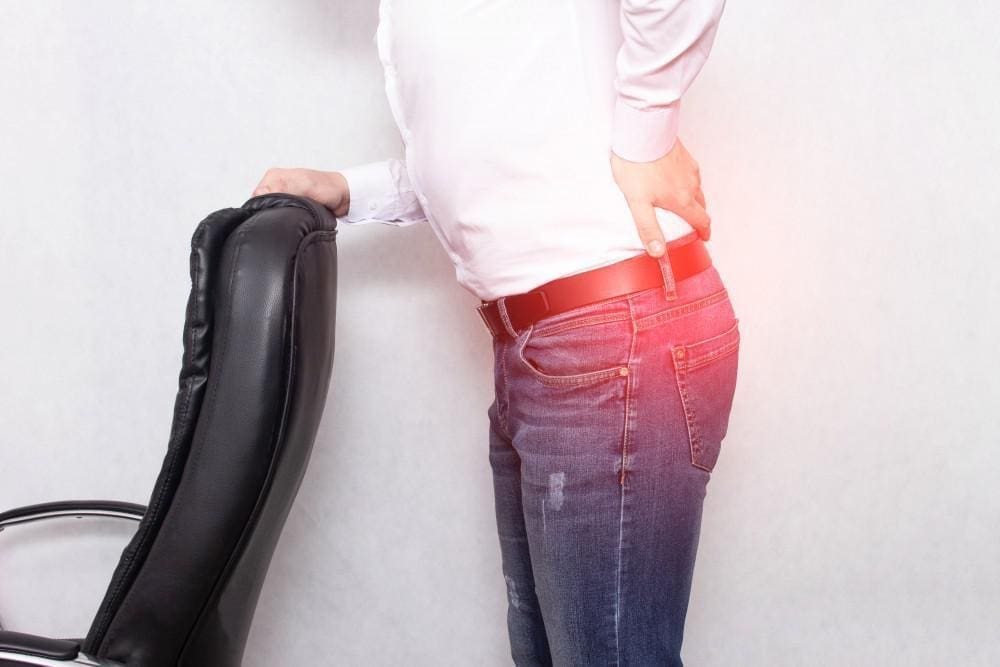
Do you experience tingling or numb sensations in your hands or feet that don’t want to go away? Do you feel pain in different back portions that can only be relieved through stretching or resting? Or does it hurt to walk for long distances that you feel like you need to rest constantly? Many pain-like scenarios are associated with sensory nerve dysfunction that can affect the upper and lower extremities. When many individuals experience sensory nerve dysfunction and deal with weird sensations in their extremities, many think it is due to musculoskeletal pain in their neck, shoulders, or back. This is only part of the issue, as many environmental factors can be associated with sensory nerve pain, as the nerve roots are being compressed and agitated, causing sensory nerve dysfunction in the extremities. Since the nerve roots are spread out from the spinal cord, the brain sends the neuron information to the nerve roots to allow sensory-mobility function in the upper and lower extremities. This allows the body to be mobile without discomfort or pain and functional through daily activities. However, when many individuals start to do repetitive motions that cause the spinal disc to be compressed constantly, it can lead to potential disc herniation and musculoskeletal disorders. Since numerous nerve roots are spread to the different extremities, when the main nerve roots are aggravated, it can send pain signals to each extremity. Hence, many people are dealing with nerve entrapment that leads to lower back, buttock, and leg pain that can affect their daily routine. (Karl et al., 2022) At the same time, many people with sciatica are dealing with sensory nerve dysfunction that affects their walking ability. With sciatica, it can be associated with spinal disc pathology and causes many individuals to seek treatment. (Bush et al., 1992)
Sciatica Secrets Revealed-Video
When it comes to looking for treatment to reduce sensory nerve dysfunction, many individuals will opt for nonsurgical solutions to minimize the pain-like symptoms and reduce the pain signals that are causing the upper and lower extremities to suffer. Nonsurgical treatment solutions like decompression can help restore sensory nerve function through gentle traction by causing the spinal disc to lay off the aggravated nerve root and start the body’s natural healing process. At the same time, it helps reduce musculoskeletal disorders from returning. The video above shows how sciatica associated with sensory nerve dysfunction can be decreased through nonsurgical treatments to allow the body’s extremities to feel better.
Nonsurgical Decompression Reducing Nerve Dysfunction
Nonsurgical treatments can help reduce low back pain associated with sensory nerve dysfunction to restore sensory-motor function to the upper and lower extremities. Many individuals who incorporate nonsurgical treatments like decompression as part of their health and wellness routine can see improvement after consecutive treatment. (Chou et al., 2007) Since many healthcare practitioners incorporate nonsurgical treatments like decompression into their practices, there has been quite an improvement in pain management. (Bronfort et al., 2008)
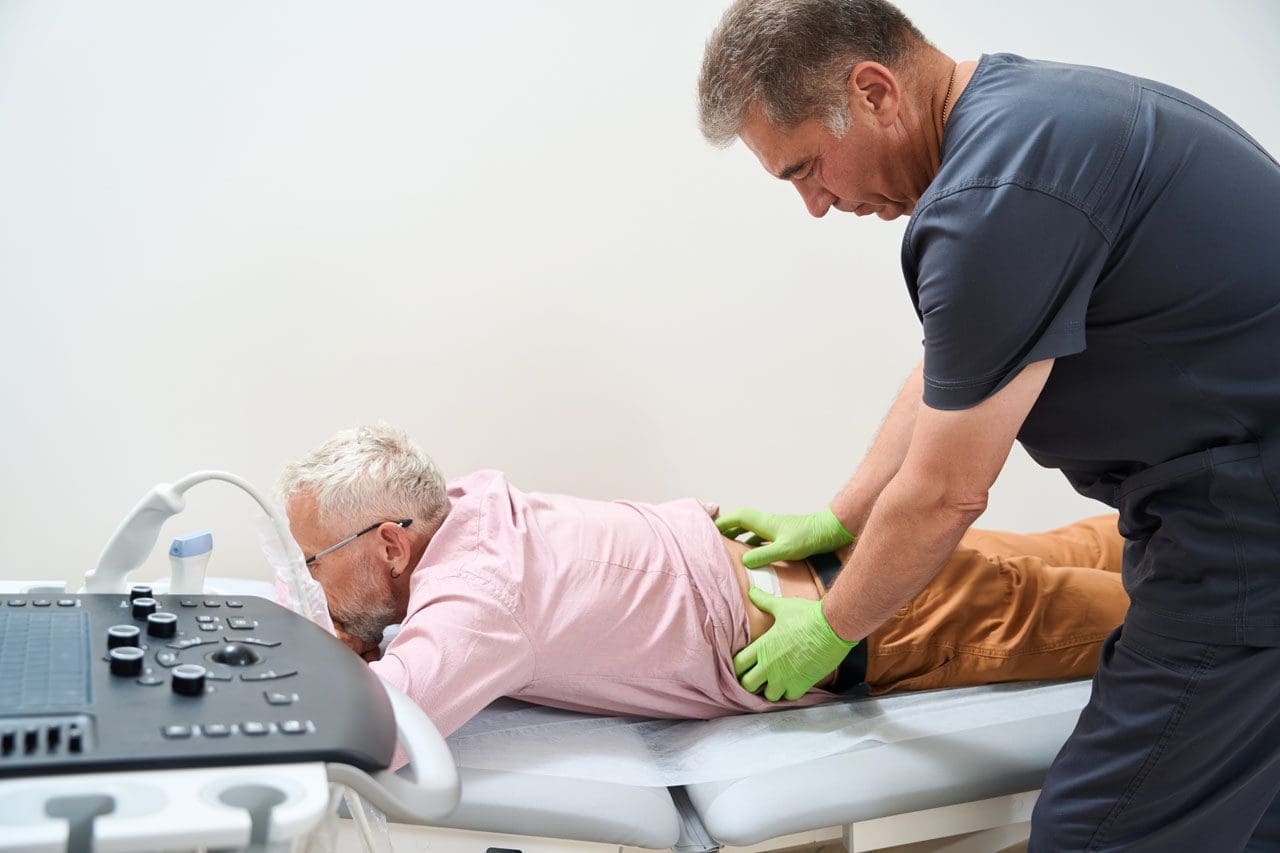
When many individuals start to use nonsurgical decompression for sensory nerve dysfunction, many will see improvement in their pain, mobility, and activities of their daily living. (Gose et al., 1998). What spinal decompression does for the nerve roots is that it helps the affected disc that is aggravating the nerve root, pulls the disc back to its original position, and rehydrates it. (Ramos & Martin, 1994) When many individuals start thinking about their health and wellness, nonsurgical treatments can be effective for them due to their affordable cost and how they can be combined with other therapies to manage better the pain associated with nerve dysfunction affecting their body extremities.
References
Bronfort, G., Haas, M., Evans, R., Kawchuk, G., & Dagenais, S. (2008). Evidence-informed management of chronic low back pain with spinal manipulation and mobilization. Spine J, 8(1), 213-225. https://doi.org/10.1016/j.spinee.2007.10.023
Bush, K., Cowan, N., Katz, D. E., & Gishen, P. (1992). The natural history of sciatica associated with disc pathology. A prospective study with clinical and independent radiologic follow-up. Spine (Phila Pa 1976), 17(10), 1205-1212. https://doi.org/10.1097/00007632-199210000-00013
Chou, R., Huffman, L. H., American Pain, S., & American College of, P. (2007). Nonpharmacologic therapies for acute and chronic low back pain: a review of the evidence for an American Pain Society/American College of Physicians clinical practice guideline. Ann Intern Med, 147(7), 492-504. https://doi.org/10.7326/0003-4819-147-7-200710020-00007
Gose, E. E., Naguszewski, W. K., & Naguszewski, R. K. (1998). Vertebral axial decompression therapy for pain associated with herniated or degenerated discs or facet syndrome: an outcome study. Neurol Res, 20(3), 186-190. https://doi.org/10.1080/01616412.1998.11740504
Karl, H. W., Helm, S., & Trescot, A. M. (2022). Superior and Middle Cluneal Nerve Entrapment: A Cause of Low Back and Radicular Pain. Pain Physician, 25(4), E503-E521. https://www.ncbi.nlm.nih.gov/pubmed/35793175
Ramos, G., & Martin, W. (1994). Effects of vertebral axial decompression on intradiscal pressure. J Neurosurg, 81(3), 350-353. https://doi.org/10.3171/jns.1994.81.3.0350
Disclaimer
General Disclaimer, Licenses, and Board Certifications *
Professional Scope of Practice *
The information herein on "The Benefits of Nonsurgical Decompression for Nerve Dysfunction" is not intended to replace a one-on-one relationship with a qualified health care professional or licensed physician and is not medical advice. We encourage you to make healthcare decisions based on your research and partnership with a qualified healthcare professional.
Blog Information & Scope Discussions
Welcome to El Paso's Premier Wellness and Injury Care Clinic & Wellness Blog, where Dr. Alex Jimenez, DC, FNP-C, a Multi-State board-certified Family Practice Nurse Practitioner (FNP-BC) and Chiropractor (DC), presents insights on how our multidisciplinary team is dedicated to holistic healing and personalized care. Our practice aligns with evidence-based treatment protocols inspired by integrative medicine principles, similar to those on this site and on our family practice-based chiromed.com site, focusing on naturally restoring health for patients of all ages.
Our areas of multidisciplinary practice include Wellness & Nutrition, Chronic Pain, Personal Injury, Auto Accident Care, Work Injuries, Back Injury, Low Back Pain, Neck Pain, Migraine Headaches, Sports Injuries, Severe Sciatica, Scoliosis, Complex Herniated Discs, Fibromyalgia, Chronic Pain, Complex Injuries, Stress Management, Functional Medicine Treatments, and in-scope care protocols.
Our information scope is multidisciplinary, focusing on musculoskeletal and physical medicine; wellness; contributing etiological viscerosomatic disturbances within clinical presentations; associated somato-visceral reflex clinical dynamics; subluxation complexes; sensitive health issues; and functional medicine articles, topics, and discussions.
We provide and present clinical collaboration with specialists from various disciplines. Each specialist is governed by their professional scope of practice and licensure jurisdiction. We use functional health & wellness protocols to treat and support care for musculoskeletal injuries or disorders.
Our videos, posts, topics, and insights address clinical matters and issues that directly or indirectly relate to our clinical scope of practice.
Our office has made a reasonable effort to provide supportive citations and has identified relevant research studies that support our posts. We provide copies of supporting research studies upon request to regulatory boards and the public.
To discuss how these matters can assist in a specific care plan or treatment protocol, please contact Dr. Alex Jimenez, DC, APRN, FNP-BC, or reach out to us at 915-850-0900.
We are here to help you and your family.
Blessings
Dr. Alex Jimenez DC, MSACP, APRN, FNP-BC*, CCST, IFMCP, CFMP, ATN
Email: [email protected]
Multidisciplinary Licensing & Board Certifications:
Licensed as a Doctor of Chiropractic (DC) in Texas & New Mexico*
Chiropractic Licenses:
Texas DC License #: TX5807, Verified: TX5807
New Mexico DC License #: NM-DC2182, Verified: NM-DC2182
Nurse Practitioner Licenses:
Texas APRN License #: 1191402, Verified: 1191402 *
New Mexico CNP License #: 90560, Verified 90560
Florida APRN License #: 11043890, Verified: APRN11043890 *
Colorado License #: C-APN.0105610-C-NP, Verified: C-APN.0105610-C-NP
New York License #: N25929, Verified N25929
Georgia APRN License #: GAA-NP005701
Multi-State Advanced Practice Registered Nurse (APRN*) Texas & Multi-States
Multi-state Compact APRN License by Endorsement (43 States)
Compact Status: Multi-State License: Authorized to Practice in 43 States*
Nursing Licensure Compact: Updated Here
DEA Registration: (Drug Enforcement Agency Registered)
All medical (MDs) and family practice providers (FNP-APRN) are registered and licensed to offer various levels of medication.
Verify Providers Here
License Verification Link: Nursys License Verifier
* Prescriptive Authority Authorized (DEA Registered Providers). Call if Required
Board Certification:
ANCC FNP-BC: Board Certified Nurse Practitioner*
Education:
Graduate with Honors: ICHS: MSN-FNP (Family Nurse Practitioner Program)
Degree Granted. Master's in Family Practice, MSN Diploma (Cum Laude)
Dr. Alex Jimenez, DC, APRN, FNP-BC*, CFMP, IFMCP, ATN, CCST
(Board Certified: Family Practice Nurse Practitioner—Multistate)*
(Licensed Nurse Practitioner & Chiropractor - Multistate)*
Clinical Director
DC & FNP License (Review Above)
Digital Business Card
NPI: 1205907805
Dr. Maria Cardenas, MD
(Board Certified: Internal Medicine)
(Licensed Medical Doctor)
Medical Director, Clinical Director & Collaborative Physician
NPI # 1164426748
MD License #: J2933
Licenses and Board Certifications:
MD: Medical Doctor
DC: Doctor of Chiropractic
APRNP: Advanced Practice Registered Nurse
FNP-BC: Family Practice Specialization (Multi-State Board Certified)
FNP-BC: Family Practice Across Life Span (Neonatal to Geriatrics)
RN: Registered Nurse (Multi-State Compact License)
CFMP: Certified Functional Medicine Provider
MSN-FNP: Master of Science in Family Practice Medicine
MSACP: Master of Science in Advanced Clinical Practice
IFMCP: Institute of Functional Medicine
CCST: Certified Chiropractic Spinal Trauma
ATN: Advanced Translational Neutrogenomics
Family with Primary Care Focus (Family Nurse Practitioner or FNP)
- The Family Nurse Practitioner (FNP) promotes, maintains, and restores health for individuals and families across the lifespan. FNPs also identify health risks, promote wellness, and diagnose and manage acute and chronic illness.
- The FNP focuses on comprehensive primary care, promoting healthy lifestyles for patients across the lifespan in settings such as private practice, physician offices, and community health centers.
Memberships & Associations:
TCA: Texas Chiropractic Association: Member ID: 104311
TNA: Texas Nurse Association: Member ID: 06458222
TNP: Texas Nurse Practitioner Association ID: 2025091511
AANP: American Association of Nurse Practitioners: Member ID: 2198960
ANA: American Nurses Association: Member ID: 06458222 (District TX01)
| Primary Taxonomy | Selected Taxonomy | State | License Number |
|---|---|---|---|
| No | 111N00000X - Chiropractor | NM | DC2182 |
| Yes | 111N00000X - Chiropractor | TX | DC5807 |
| Yes | 363LF0000X - Nurse Practitioner - Family | TX | 1191402 |
| Yes | 363LF0000X - Nurse Practitioner - Family | FL | 11043890 |
| Yes | 363LF0000X - Nurse Practitioner - Family | CO | C-APN.0105610-C-NP |
| Yes | 363LF0000X - Nurse Practitioner - Family | NY | N25929 |
| Yes | 363LF0000X - Nurse Practitioner - Family | NM |
90560 |
| Yes | 363LF0000X - Nurse Practitioner - Family | GA | GAA-NP005701 |
Dr. Alex Jimenez, DC, APRN, FNP-BC*, CFMP, IFMCP, ATN, CCST
(Board Certified: Family Practice Nurse Practitioner—Multistate)*
(Primary Care Across Lifespan—Neonatal / Pediatric / Adult / Geriatrics)
(Licensed Nurse Practitioner & Chiropractor - Multistate)*
Clinical Director
Digital Business Card
NPI: 1205907805
Dr. Maria Cardenas, MD
(Board Certified: Internal Medicine)*
(Licensed Medical Doctor)*
Medical Director, Clinical Director & Collaborative Physician
NPI # 1164426748
MD License #: J2933
📆 Schedule Appointment: Schedule 24/7 (Click Here)