Contents
Ketogenic Diet in 2026: A Smarter, Safer Approach for Metabolic Health, Brain Support, and Better Movement
In early 2026, the ketogenic (“keto”) diet is still widely used—but the way people use it has matured. Keto is no longer just a “trend diet.” It is now better understood as a structured clinical nutrition strategy that can help certain people with epilepsy, type 2 diabetes, and weight loss, while also being actively studied for brain health and mental health. At the same time, leading medical sources continue to warn that keto can raise LDL (“bad”) cholesterol in some people, and long-term heart outcomes are still not fully clear. That is why the modern keto plan in 2026 is less about “more fat” and more about better fat, better fiber, and better monitoring. (Harvard Health Publishing, 2024a, 2024b)
For a clinic focused on spine, mobility, and whole-body function—such as El Paso Back Clinic—this is important because metabolic and musculoskeletal health are interconnected. Many people who want to lose weight or improve blood sugar also deal with back pain, neck pain, joint stiffness, poor sleep, and high stress, which can make lifestyle changes harder to stick with. In 2026, the best outcomes usually come from a team approach: nutrition guidance (often supported by a nurse practitioner) plus chiropractic support for movement, posture, and nervous system regulation—so the person can keep moving and recover well while changing how they eat. (Masood et al., 2023)
What the Keto Diet Is (Plain and Simple)
A ketogenic diet is typically:
-
Very low in carbohydrates
-
Moderate in protein
-
Higher in fat
The goal is to achieve nutritional ketosis, in which the body uses fat and ketones for much of its energy rather than relying primarily on glucose (blood sugar). UC Davis describes keto as a strict high-fat plan with very low carbohydrates, and they emphasize that it is not right for everyone. (UC Davis Health, 2025)
Important safety note: Nutritional ketosis is not the same as diabetic ketoacidosis (DKA). DKA is a dangerous medical emergency, most often linked to type 1 diabetes and uncontrolled blood sugar. Keto dieting is not meant to create that state, which is why medical screening and medication review matter—especially for people taking diabetes medications. (Masood et al., 2023)
Why Keto Is Still Clinically Relevant in 2026
Epilepsy: Keto’s Most Established Medical Use
Keto has a long history in epilepsy care and is still used in specialized settings for seizure control. This is one reason keto has remained part of mainstream medical conversation, not just social media. (Masood et al., 2023)
Key point: When keto is used therapeutically for epilepsy, it is often monitored closely, with specific nutrition targets and professional oversight. (Masood et al., 2023)
Type 2 Diabetes and Insulin Resistance: Helpful for Some, Needs Monitoring
Keto can sharply reduce carbohydrate intake, which often improves blood glucose control for some people. Many people also experience changes in appetite and reduced cravings after adaptation. But if a person is taking glucose-lowering medications, the plan must be coordinated with a clinician to reduce the risk of hypoglycemia and to adjust medications safely. (Masood et al., 2023)
UC Davis also notes that keto can lead to weight loss and metabolic changes, but it is restrictive and should be approached carefully with individual health factors in mind. (UC Davis Health, 2025)
Weight Loss: Often Fast Early Results, Long-Term Success Requires a Real Plan
Keto is known for quick early weight change, often due to:
-
Lower carbohydrate intake
-
Water shifts early on
-
More structured eating patterns (fewer refined foods for many people)
But long-term outcomes depend less on “perfect keto” and more on:
-
Sleep
-
Stress
-
Food quality
-
Consistency you can sustain
Harvard also points out that keto may work short-term, but long-term heart effects and sustainability are big concerns. (Harvard Health Publishing, 2024a)
Keto and the Brain in 2026: Mental Health and “Metabolic Therapy”
One of the most significant shifts in 2026 is the growing interest in the effects of keto on brain metabolism. Stanford Medicine reported results from a small pilot study in severe mental illness, suggesting potential improvements in metabolic health and psychiatric measures while participants followed a ketogenic diet under clinical guidance. (Stanford Medicine, 2024; Sethi et al., 2024)
Stanford also discussed “keto therapy” as a topic of active interest in psychiatry, while still emphasizing that larger trials are needed and keto is not a replacement for standard care. (Stanford Medicine, 2025)
The responsible 2026 takeaway:
Keto may be promising for certain brain-related conditions, but it should not be oversold as a cure. It should be included in a medically supervised, whole-person plan when appropriate. (Stanford Medicine, 2025; Sethi et al., 2024)
Keto and Athletic Performance: It Depends on the Sport and the Person
In 2026, keto is often discussed differently for endurance athletes vs. power athletes. Some people report steadier energy after adaptation, whereas others struggle with high-intensity training, where rapid carbohydrate fuel helps performance.
A practical way to view this:
-
Keto may fit some endurance goals
-
Keto may be tougher during high-intensity bursts
-
Training quality, sleep, hydration, and recovery matter either way (UC Davis Health, 2025)
The Heart Question in 2026: Why Fat Quality Matters So Much
Here is the reality: keto can improve some markers (like triglycerides and HDL) while raising LDL in some people—especially when saturated fat intake is high. (McGaugh et al., 2022; Harvard Health Publishing, 2024a, 2024b)
Harvard Health warns that keto is associated with increased LDL cholesterol and that long-term heart outcomes remain uncertain. They also emphasize limiting saturated fat due to its association with increased risk of heart disease. (Harvard Health Publishing, 2024a)
A scientific review in PMC reports that ketogenic diets often lower triglycerides and raise HDL, but lipid responses can vary, and LDL may rise depending on diet composition and the person. (McGaugh et al., 2022)
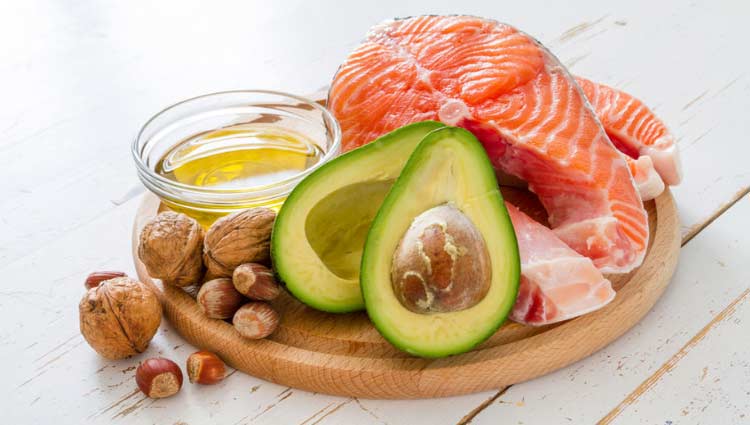
“Better Keto” fats (heart-smarter choices)
If you do keto in 2026, many clinicians push the plan toward unsaturated fats and fiber-rich foods:
-
Extra-virgin olive oil
-
Avocados and avocado oil
-
Nuts and seeds (portion-aware)
-
Fatty fish (like salmon and sardines)
-
Lots of low-carb vegetables for fiber (Harvard Health Publishing, 2024a)
Fats to limit if LDL rises
-
Heavy reliance on butter, cream, and fatty processed meats
-
Frequent fried foods
-
A pattern where saturated fat dominates most meals (Harvard Health Publishing, 2024a)
Long-Term Keto and Longevity: Newer Cautions in 2026
A UT Health San Antonio-led study (animal research) found that continuous long-term ketogenic dieting in mice increased cellular senescence (“aged cells”) in multiple organs, with particular attention to heart and kidney tissues. The same research line reported that an intermittent approach appeared to prevent those pro-inflammatory senescence effects in their model. This does not automatically prove the same outcome in humans, but it supports today’s more careful “longevity-minded” keto planning. (UT Health San Antonio, 2024)
Practical meaning for 2026:
Some people may do better with:
-
Cycles or planned breaks
-
A “modified keto” approach with more fiber and better fats
-
Regular lab monitoring and symptom tracking (UT Health San Antonio, 2024)
Who Should Be Careful (Or Avoid Keto)
Clinical education sources emphasize screening for contraindications and identifying patients who need close monitoring or personalized adjustments before starting keto. (Masood et al., 2023)
Situations that often require extra caution:
-
Diabetes medications that can cause low blood sugar (needs clinician review)
-
History of kidney stones or significant kidney disease (case-by-case)
-
Pregnancy or breastfeeding (specialized guidance)
-
History of eating disorders (risk of triggering restrictive patterns)
-
Certain rare metabolic conditions (Masood et al., 2023)
Why El Paso Back Clinic’s “Whole-Person” Angle Fits 2026, Keto
A common reason people fail on diet plans is not lack of motivation—it is pain, poor sleep, stress overload, and limited movement capacity. Back pain and neck pain can reduce daily activity. Reduced activity can worsen insulin resistance. Poor sleep can increase hunger hormones and cravings. Stress can increase comfort eating. These factors stack together.
That is why keto in 2026 works best with an integrated plan that addresses:
-
Nutrition structure
-
Mobility and function
-
Sleep and stress regulation
-
Realistic habit systems (Masood et al., 2023)
The Nurse Practitioner role: safety, labs, and medication review
The NP-guided side of keto commonly includes:
-
Reviewing medications and contraindications
-
Tracking metabolic markers and side effects
-
Personalizing protein, fiber, hydration, and electrolytes
-
Adjusting the plan based on response (Masood et al., 2023)
This is also consistent with the increasing involvement of nurse practitioners in contemporary obesity and metabolic care, which combines nutrition strategies with patient-centered support and medical interventions when appropriate. (American Association of Nurse Practitioners, 2025)
The Chiropractic role: movement, posture, and the “pain barrier” problem
When pain limits activity, people often get stuck. Chiropractic care can support the musculoskeletal side of the plan by helping patients:
-
Improve mobility and joint motion
-
Reduce mechanical stress that flares pain
-
Support posture and movement patterns
-
Build a more consistent foundation for walking, training, and rehab work
El Paso Back Clinic has published educational materials on ketogenic diets and brain-fuel concepts (ketones vs. glucose), as well as on basic principles, reflecting an integrative wellness approach that links nutrition and function. (El Paso Back Clinic, n.d.-a, n.d.-b)
A Practical “Safer Keto” Framework for 2026
Step 1: Choose your goal (and set a time frame)
Common goals:
-
Weight loss jump-start
-
Blood sugar improvement
-
Reduced cravings
-
A monitored metabolic therapy trial for brain or mood support (UC Davis Health, 2025; Stanford Medicine, 2025)
Step 2: Build your plate the 2026 way (quality first)
-
Protein: eggs, poultry, fish, leaner cuts as needed
-
Vegetables: leafy greens, broccoli, cucumbers, peppers
-
Fats: olive oil, avocado, nuts, seeds
-
Fluids/electrolytes: plan ahead (many people feel “keto flu” symptoms when hydration and sodium are too low) (UC Davis Health, 2025)
Step 3: Track the markers that matter
Beyond the scale:
-
Waist measurement
-
Blood pressure
-
Energy and sleep quality
-
Lipid panel (LDL, HDL, triglycerides)
-
A1C (for blood sugar trends) (Harvard Health Publishing, 2024a; McGaugh et al., 2022)
Step 4: Re-check at 6–12 weeks and personalize
If LDL climbs or symptoms worsen, a clinician may adjust:
-
Fat quality (shift from saturated → unsaturated)
-
Fiber intake
-
Carb target (sometimes “less strict” works better long-term)
-
Overall approach (including cycling or modified keto) (Harvard Health Publishing, 2024a; UT Health San Antonio, 2024)
Bottom Line: Keto Is Still Useful in 2026—But It Must Be Done Well
Keto remains a valuable tool for:
-
Epilepsy therapy (the most established medical use)
-
Some cases of type 2 diabetes and insulin resistance (with monitoring)
-
Fast early weight loss (especially when it reduces refined foods)
But in 2026, the higher-standard approach is clear:
-
Keto is not a cure-all
-
Heart markers matter
-
Fat quality matters
-
Long-term planning matters
-
A team approach helps people succeed safely (Harvard Health Publishing, 2024a; Masood et al., 2023)
For individuals pursuing weight loss and metabolic health while managing chronic back or neck problems, pairing clinical nutrition guidance with function-focused chiropractic care can remove key obstacles, making the plan not only possible but also sustainable.
References
American Association of Nurse Practitioners. (2025, December 23). Nurse practitioners exploring obesity treatments in endocrinology.
El Paso Back Clinic. (n.d.-a). What is a ketogenic diet? | El Paso chiropractor.
El Paso Back Clinic. (n.d.-b). Keto diet: Ketones vs glucose for brain function (advanced nutrition).
Harvard Health Publishing. (2024a, March 28). Should you try the keto diet?.
Harvard Health Publishing. (2024b, May 1). Keto diet is not healthy and may harm the heart.
Masood, W., Annamaraju, P., & Uppaluri, K. R. (2023). The ketogenic diet: Clinical applications, evidence-based practice. In StatPearls. StatPearls Publishing.
McGaugh, E., et al. (2022). A review of ketogenic diet and lifestyle. Nutrients.
Sethi, S., et al. (2024). Ketogenic diet intervention on metabolic and psychiatric outcomes in schizophrenia and bipolar disorder. Schizophrenia Research.
Stanford Medicine. (2024, April 1). Pilot study shows ketogenic diet improves severe mental illness.
Stanford Medicine. (2025, April 23). Five things to know about keto therapy and serious mental illness.
UC Davis Health. (2025, May 14). What is the keto diet, and can it be beneficial for you?.
UT Health San Antonio. (2024). A long-term ketogenic diet accumulates aged cells in normal tissues, a UT Health San Antonio-led study shows.
General Disclaimer, Licenses, and Board Certifications *
Professional Scope of Practice *
The information herein on "Ketogenic Diet in 2026: New Insights and Guidance" is not intended to replace a one-on-one relationship with a qualified health care professional or licensed physician and is not medical advice. We encourage you to make healthcare decisions based on your research and partnership with a qualified healthcare professional.
Blog Information & Scope Discussions
Welcome to El Paso's Premier Wellness and Injury Care Clinic & Wellness Blog, where Dr. Alex Jimenez, DC, FNP-C, a Multi-State board-certified Family Practice Nurse Practitioner (FNP-BC) and Chiropractor (DC), presents insights on how our multidisciplinary team is dedicated to holistic healing and personalized care. Our practice aligns with evidence-based treatment protocols inspired by integrative medicine principles, similar to those on this site and on our family practice-based chiromed.com site, focusing on naturally restoring health for patients of all ages.
Our areas of multidisciplinary practice include Wellness & Nutrition, Chronic Pain, Personal Injury, Auto Accident Care, Work Injuries, Back Injury, Low Back Pain, Neck Pain, Migraine Headaches, Sports Injuries, Severe Sciatica, Scoliosis, Complex Herniated Discs, Fibromyalgia, Chronic Pain, Complex Injuries, Stress Management, Functional Medicine Treatments, and in-scope care protocols.
Our information scope is multidisciplinary, focusing on musculoskeletal and physical medicine; wellness; contributing etiological viscerosomatic disturbances within clinical presentations; associated somato-visceral reflex clinical dynamics; subluxation complexes; sensitive health issues; and functional medicine articles, topics, and discussions.
We provide and present clinical collaboration with specialists from various disciplines. Each specialist is governed by their professional scope of practice and licensure jurisdiction. We use functional health & wellness protocols to treat and support care for musculoskeletal injuries or disorders.
Our videos, posts, topics, and insights address clinical matters and issues that directly or indirectly relate to our clinical scope of practice.
Our office has made a reasonable effort to provide supportive citations and has identified relevant research studies that support our posts. We provide copies of supporting research studies upon request to regulatory boards and the public.
To discuss how these matters can assist in a specific care plan or treatment protocol, please contact Dr. Alex Jimenez, DC, APRN, FNP-BC, or reach out to us at 915-850-0900.
We are here to help you and your family.
Blessings
Dr. Alex Jimenez DC, MSACP, APRN, FNP-BC*, CCST, IFMCP, CFMP, ATN
Email: [email protected]
Multidisciplinary Licensing & Board Certifications:
Licensed as a Doctor of Chiropractic (DC) in Texas & New Mexico*
Chiropractic Licenses:
Texas DC License #: TX5807, Verified: TX5807
New Mexico DC License #: NM-DC2182, Verified: NM-DC2182
Nurse Practitioner Licenses:
Texas APRN License #: 1191402, Verified: 1191402 *
New Mexico CNP License #: 90560, Verified 90560
Florida APRN License #: 11043890, Verified: APRN11043890 *
Colorado License #: C-APN.0105610-C-NP, Verified: C-APN.0105610-C-NP
New York License #: N25929, Verified N25929
Georgia APRN License #: GAA-NP005701
Multi-State Advanced Practice Registered Nurse (APRN*) Texas & Multi-States
Multi-state Compact APRN License by Endorsement (43 States)
Compact Status: Multi-State License: Authorized to Practice in 43 States*
Nursing Licensure Compact: Updated Here
DEA Registration: (Drug Enforcement Agency Registered)
All medical (MDs) and family practice providers (FNP-APRN) are registered and licensed to offer various levels of medication.
Verify Providers Here
License Verification Link: Nursys License Verifier
* Prescriptive Authority Authorized (DEA Registered Providers). Call if Required
Board Certification:
ANCC FNP-BC: Board Certified Nurse Practitioner*
Education:
Graduate with Honors: ICHS: MSN-FNP (Family Nurse Practitioner Program)
Degree Granted. Master's in Family Practice, MSN Diploma (Cum Laude)
Dr. Alex Jimenez, DC, APRN, FNP-BC*, CFMP, IFMCP, ATN, CCST
(Board Certified: Family Practice Nurse Practitioner—Multistate)*
(Licensed Nurse Practitioner & Chiropractor - Multistate)*
Clinical Director
DC & FNP License (Review Above)
Digital Business Card
NPI: 1205907805
Dr. Maria Cardenas, MD
(Board Certified: Internal Medicine)
(Licensed Medical Doctor)
Medical Director, Clinical Director & Collaborative Physician
NPI # 1164426748
MD License #: J2933
Licenses and Board Certifications:
MD: Medical Doctor
DC: Doctor of Chiropractic
APRNP: Advanced Practice Registered Nurse
FNP-BC: Family Practice Specialization (Multi-State Board Certified)
FNP-BC: Family Practice Across Life Span (Neonatal to Geriatrics)
RN: Registered Nurse (Multi-State Compact License)
CFMP: Certified Functional Medicine Provider
MSN-FNP: Master of Science in Family Practice Medicine
MSACP: Master of Science in Advanced Clinical Practice
IFMCP: Institute of Functional Medicine
CCST: Certified Chiropractic Spinal Trauma
ATN: Advanced Translational Neutrogenomics
Family with Primary Care Focus (Family Nurse Practitioner or FNP)
- The Family Nurse Practitioner (FNP) promotes, maintains, and restores health for individuals and families across the lifespan. FNPs also identify health risks, promote wellness, and diagnose and manage acute and chronic illness.
- The FNP focuses on comprehensive primary care, promoting healthy lifestyles for patients across the lifespan in settings such as private practice, physician offices, and community health centers.
Memberships & Associations:
TCA: Texas Chiropractic Association: Member ID: 104311
TNA: Texas Nurse Association: Member ID: 06458222
TNP: Texas Nurse Practitioner Association ID: 2025091511
AANP: American Association of Nurse Practitioners: Member ID: 2198960
ANA: American Nurses Association: Member ID: 06458222 (District TX01)
| Primary Taxonomy | Selected Taxonomy | State | License Number |
|---|---|---|---|
| No | 111N00000X - Chiropractor | NM | DC2182 |
| Yes | 111N00000X - Chiropractor | TX | DC5807 |
| Yes | 363LF0000X - Nurse Practitioner - Family | TX | 1191402 |
| Yes | 363LF0000X - Nurse Practitioner - Family | FL | 11043890 |
| Yes | 363LF0000X - Nurse Practitioner - Family | CO | C-APN.0105610-C-NP |
| Yes | 363LF0000X - Nurse Practitioner - Family | NY | N25929 |
| Yes | 363LF0000X - Nurse Practitioner - Family | NM |
90560 |
| Yes | 363LF0000X - Nurse Practitioner - Family | GA | GAA-NP005701 |
Dr. Alex Jimenez, DC, APRN, FNP-BC*, CFMP, IFMCP, ATN, CCST
(Board Certified: Family Practice Nurse Practitioner—Multistate)*
(Primary Care Across Lifespan—Neonatal / Pediatric / Adult / Geriatrics)
(Licensed Nurse Practitioner & Chiropractor - Multistate)*
Clinical Director
Digital Business Card
NPI: 1205907805
Dr. Maria Cardenas, MD
(Board Certified: Internal Medicine)*
(Licensed Medical Doctor)*
Medical Director, Clinical Director & Collaborative Physician
NPI # 1164426748
MD License #: J2933
📆 Schedule Appointment: Schedule 24/7 (Click Here)