“Star Trek” fans will, of course, recognize these immortal words as the famed salutation of the beloved Mr. Spock. But they’re also the focus of a new book about the links between health, wealth, and longevity by Newsmax contributor Dr. Michael Roizen and financial expert Jean Chatzky.
The book — “Age-Proof: Living Longer Without Running Out of Money or Breaking a Hip” — has a clear and uplifting take-home message: With a little planning and foresight you can to live by Spock’s words to both live long and prosper.
To help you do so, Roizen and Chatzky have devised an eight-point plan for living the good life well into old age that spotlights the surprising connections between health, wealth, and longevity.
“The same eight principles that help you live longer also are the ones that help you live with more money so they really intertwine,” says Roizen, Cleveland Clinic’s chief wellness officer.
“For example, you want to do diagnostic areas of both. You want to take a look in the mirror financially and look in the mirror into your health so there really are eight principles that unite the two so you can in fact become age-proof.”
Rosen tells Newsmax Health one big mistake many people make is failing to recognize they are likely to live living longer than they expect, which makes long-term planning for fiscal and physical fitness critically important.
Average life expectancy in the U.S. is now in the high 70s for men, low 80s for women. But many people will live much longer than the national average, often with at least one chronic health condition.
“Most people expect … to live to 75 or 85. We’re now thinking that most of those people will live much longer,” Roizen explains. “(And) as you get older you’re going to spend money to stay healthy. Wealth without health that won’t work … because you’re going to spend a lot of money on that.”
The eight core principles of “Age-Proof” provide a roadmap to health and wealth that helps ensure you won’t wind up medically or fiscally bankrupt later in life, Roizen says. Here are the strategies he and Chatzky recommend:
No. 1: Automate good habits. “We are programmed, all of us to do the wrong thing,” Roizen says. “We’re programmed to survive and to splurge both in our money and in our food.” So what we need to is “reprogram” our brains and lifestyles to live healthier, fiscally responsible lives. Among the ways you can “automate” healthy habits and money-savvy strategies:
Set aside 15 percent of your earnings for retirement, or automatically deduct 401(K) savings from your paycheck.
Eat the same healthy foods every day. Trade the typical American diet for the Mediterranean diet, emphasizing healthy fats, lean protein, vegetables and fruit, and unprocessed grains.
Build regular exercise into your life, aiming to get 10,000 steps in a day, with no excuses.
No. 2: Look beyond vital signs. In addition to the regular tests your doctor will perform during an annual physical exam (blood pressure, heart, rate, pulse, respiration), opt for more advanced “body checks” that provide a better snapshot of your health. Roizen and Chatzky recommend undergoing a series of tests you can do at home for fitness, stress levels, and weight, among others.
He suggests taking a tape measure to your waist to determine your obesity risks.
“The number of inches around your belly at the bellybutton should be less than half your height so that tells you how much abdominal fat you have, a very important thing,” he says.
No 3: Maintain your “fiscal fitness.” Getting your financial house in order should not only involve having a solid bank balance, but also making sure you have a steady income, are putting away money for savings and investment, keeping your expenses under control, and checking your credit score annually.
“What you want to know is three basic things: your income versus your expenses, what you owe and what you own,” Roizen notes.
No. 4: Set priorities. You can’t have a plan for living well without setting priorities, so it’s important to identify five or six you identify as your top goals. They can include things like earning a decent living, making high-quality food your top budgetary item, paying yourself first with savings (15 percent of your income), spending less than you make, protecting your financial life (through insurance, savings, estate planning), and giving back to the community in a meaningful way that’s meaningful.
No. 5: Get organized. Gathering and maintaining your financial and health records can help you keep track or your priorities. That means keeping track of your medical records, important financial files, living wills, insurance files, and investment papers.
No. 6: De-stress your life. Stress — over your health or wealth — can kill you, and isn’t good for your bank account either, Roizen says. You have to de-stress your life by finding ways to manage it. “Stress is like ice cream — more than a little is bad for your health and it comes in all flavors,” Roizen and Chatzky write.
No. 7: Consult experts. Creating a “people portfolio” of experts can help you reach your fiscal and physical goals. That means assembling a team of financial advisors, medical experts (doctors, pharmacists, nutritionists, and physical education specialists) to help you.
No. 8: Change bad habits. It’s never too late to change bad habits about money or your health to start the “age-proofing” your life, Roizen says. And if you’ve allowed yourself to fall behind, in your finances or health, you can catch up.
“We have some rules for retirement that Fidelity actually came up with,” he tells Newsmax Health. “At age 30 you should have one times your annual salary saved, at age 40 three times, at age 50 six times, at age 60 eight times, and when you actually retire 10 times your annual salary you should have saved.
“(But) if you’re way behind, don’t worry — you can catch up. We have a chapter called ‘Making Up for Lost Coin.’ We also have one for ‘Making Up for Lost Time in Health.’ (The) point is that there are benchmarks which you can compare to know where you are and whether you’ll be able to do it.”
High level performers are always looking for strategies that will give them an edge in their field of endeavor. Athletes want to run a split second faster and jump an inch higher while business executives want to have sharper mental clarity and improved working efficiency. Specific meal timing and superfood strategies have been shown to optimize performance and recovery.
We all want to perform at our peak no matter whether we are a teacher, stay at home mom, doctor or athlete. It is also integral that we recover fast and effectively. The goal is peak performance and quick and effective recovery so we can get up the next day and do it all over again.
Optimize Your Performance:
Performance in any field depends upon high level mental activity and often kinesthetic activity whether that be running or jumping or eye-hand coordination. The keys for healthy function include good fats, anti-oxidants and clean protein sources.
Providing lots of clean healthy foods and meal timing properly can make a huge difference in your overall energy and daily performance. Use the principles in this article to help guide you in preparing your body for great energy and daily performance in your daily life.
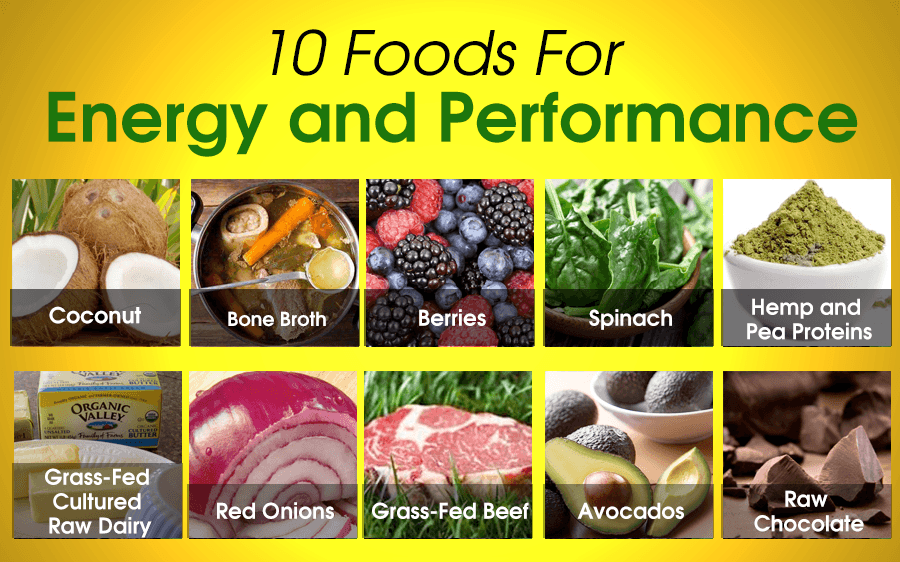
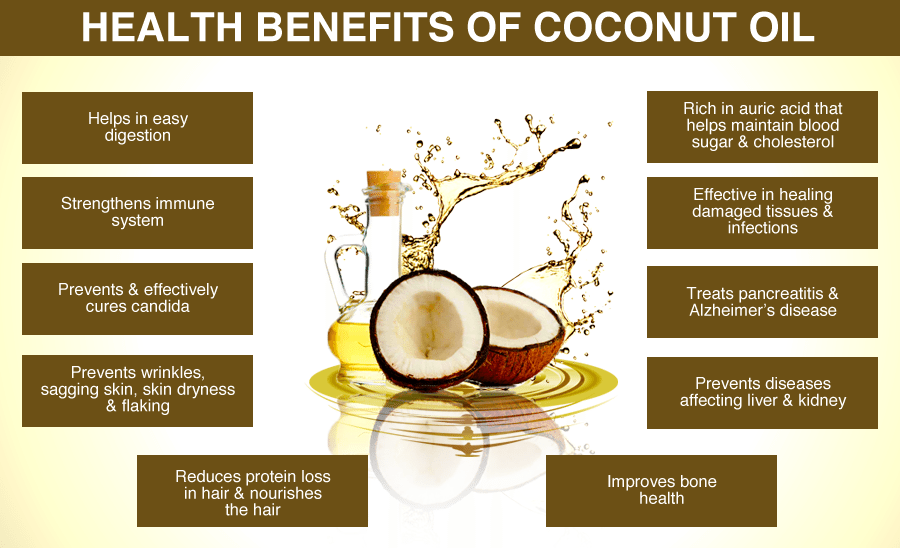
Coconut:
This superfood is loaded with medium chain triglycerides (MCT�s) that break down for energy very easily. Unlike most fat sources which consist of long chain fatty acids these MCT�s do not depend upon bile and instead go right to the liver and are metabolized immediately for energy.
Muscle cells are also able to store MCT�s and use them immediately for energy during exercise sessions.
Bone Broth Protein:
Bone broth contains a wide variety of valuable nutrients including collagen, gelatin, hyaluronic acid, chondroitin sulfate, glycosamino glycans, proline, glycine, calcium, phosphorus, magnesium and potassium. These all help with the development of healthy joints, bones, ligaments and tendons as well as hair and skin.
These nutrients are considered beauty foods because they help the body with proper structural alignment and beautiful skin and hair. They also help to prevent against injuries by strengthening joints, tendons and ligaments. Additionally, bone broth is great for the immune system.
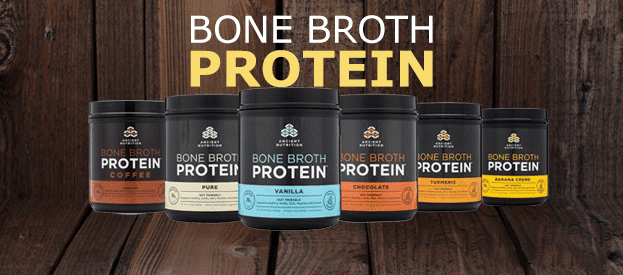
If you are unable to make your own bone broth, than you can try our Bone Broth Protein which comes with the same benefits as homemade broth, but it�s even more versatile in so many recipes. Bone Broth Protein begins as a true bone broth liquid. It�s then dehydrated, making it into a concentrated source of high-quality, tasty powder.
Berries:
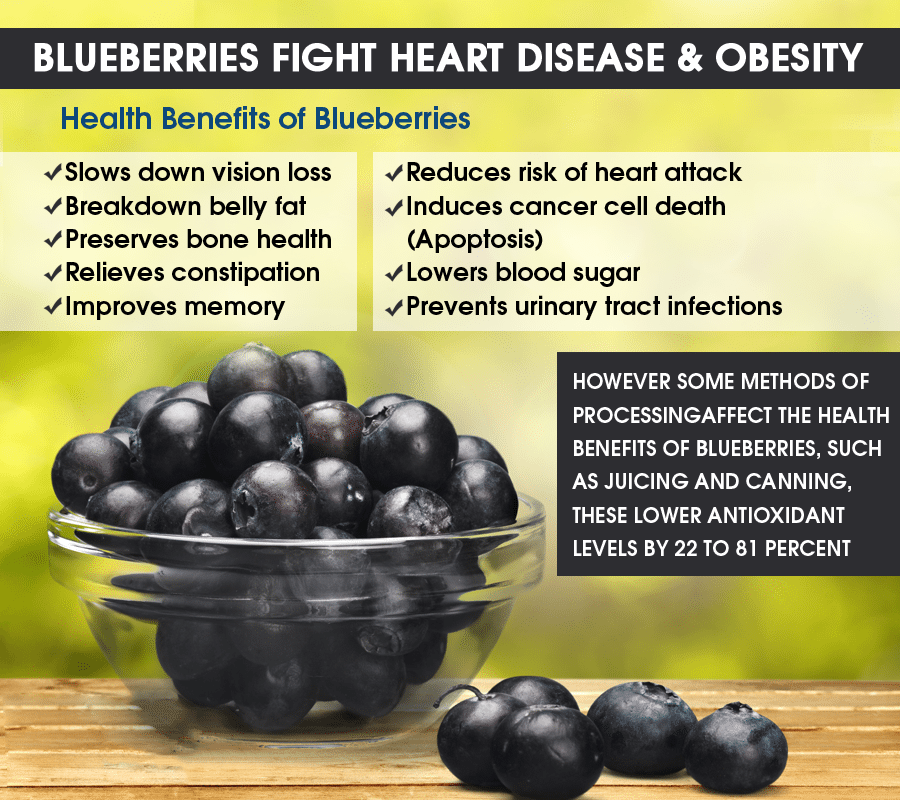
Berries are loaded with anti-oxidants and are low in sugar. Berries contain unique phytonutrients called anthocyanin�s that give them their strong pigments and allow them to handle intense sunlight. Consuming these anthocyanin�s helps our bodies adapt to stress effectively.
Be sure to get your berries organic as the thin skin makes them susceptible to pesticides and they are highly contaminated with dangerous pesticides when produced on conventional farms.
Spinach:
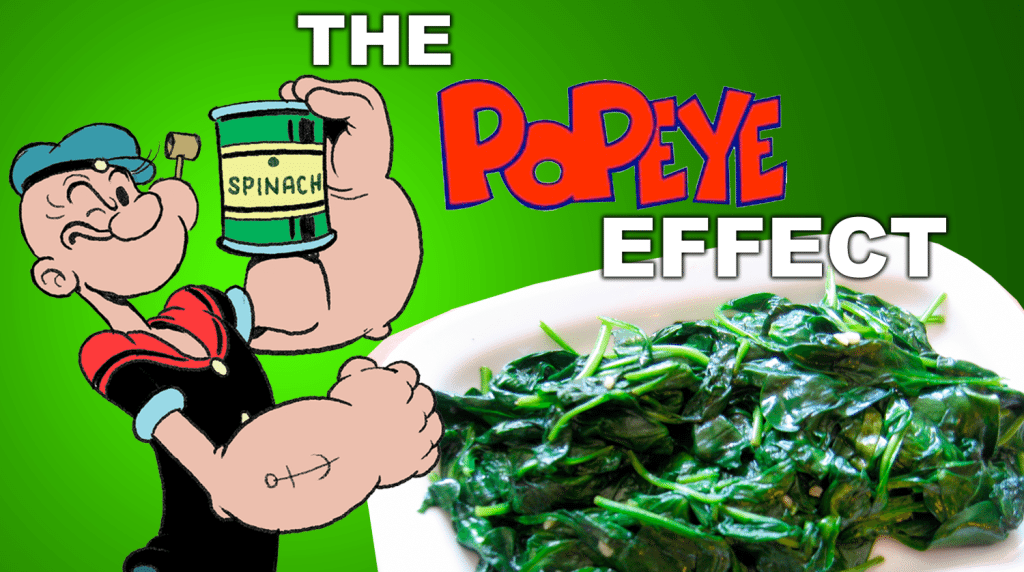
This superfood is loaded with blood purifying chlorophyll and the anti-oxidants lutein and zeaxanthin. Spinach also contains its own plant based steroids called phyoecdysteroids that boost the bodies ability to adapt to stress. Phytoecdysteroids are similar to insect molting hormones and have been shown to dramatically increase glucose metabolism.
This keeps blood sugar levels stable and minimizes the need for the critical fat-storage hormone insulin. Additionally, phytoecdysteroids increase human muscle tissue growth rates by 20% when applied in a culture medium.
Rice & Pea Proteins
For sensitive cases where people have pronounced sensitivities I prefer to use either a brown rice or pea protein. Pea protein appears to be the most hypoallergenic of all protein powders and has a 98% absorption rate. This combination of 1% brown rice and 99% pea protein has a great blend of branched chain amino acids, lysine and arginine for lean body tissue development and good circulation
Pea & brown rice protein has also been shown to be very easy on the digestive system and the protein is fairly quickly assimilated into muscle tissue. This is important because slower digesting and assimilating proteins have a greater chance of producing gas and making one feel bloated. Most plant proteins have poor assimilation rates but pea, brown rice and hemp proteins are the rare exceptions.
These are loaded with sulfur containing amino acids like methionine and cysteine which are critical for glutathione production. They are also a rich vegetarian source of branched chain amino acids. They contain essential fatty acids and edestin and albumin which are similar to the makeup of human blood and these help with critical functions like DNA repair.
Grass-Fed Butter:
Dairy from grass-fed cows is extraordinarily rich in essential fats and critical nutrients like vitamin K2 and magnesium. The best foods from this group include grass-fed butter and ghee which are loaded with anti-inflammatory fats and anti-oxidants.
Grass-fed butter and ghee are also rich in conjugated linoleic acid, which helps burn fat and is anti-carcinogenic. It is the best food source of the anti-inflammatory short chain fatty acid butyrate. Finally, it is full of choline which supports healthy brain and neurotransmitter production. I use butter and ghee generously each day. Look for Kerry Gold grass-fed butter.
Red Onions:
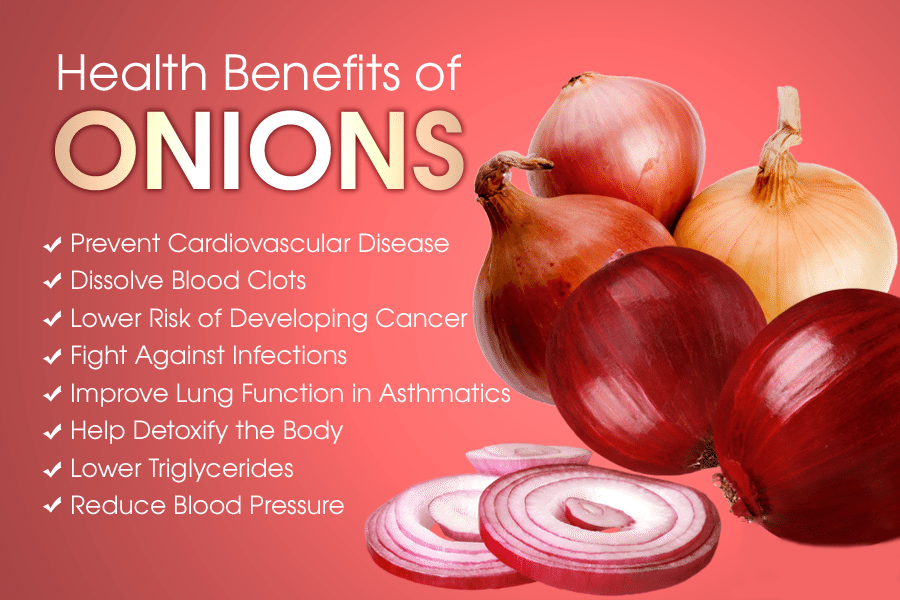
These are loaded with the flavonoid anti-oxidant quercetin. They also contain sulfur containing amino acids that boost cysteine and glutathione production within the body. They also have chromium which helps to regulate blood sugar levels.
Grass-Fed Beef:
Cows that are fed a 100% green diet are loaded with anti-oxidants like carnosine and essential fatty acids. Because cows have multiple stomachs and are able to fully digest grass (humans cannot) we are getting the benefits of this fully digested super-greens in a high protein food.
A fantastic source for grass-fed beef and pastured poultry is US Wellness Meats.
Avocados:
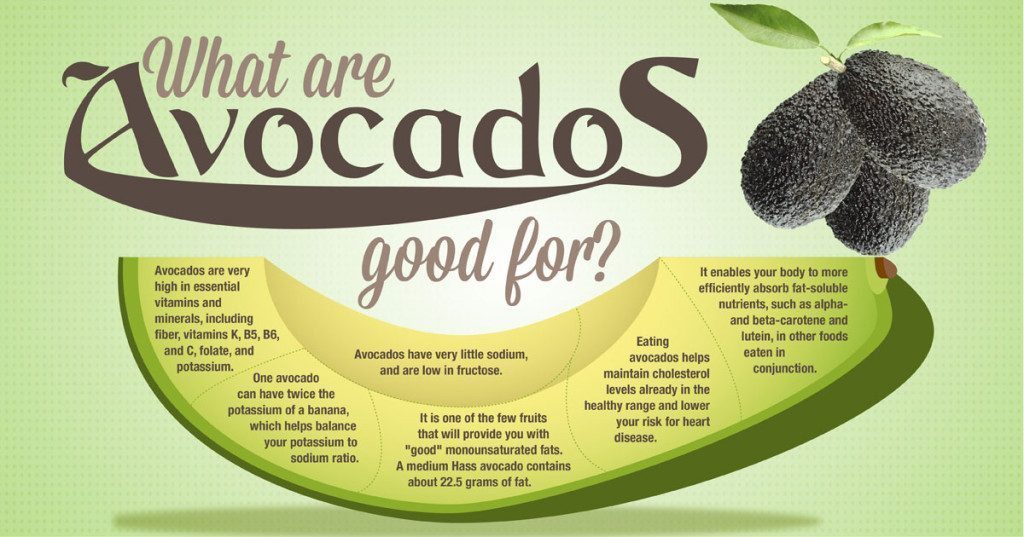
Avocados are loaded with good fats and carotenoid anti-oxidants like lutein and zeaxanthin. It is very easy on the digestive system and helps support optimal hormone function, muscle development and exercise recovery.
Raw Chocolate:
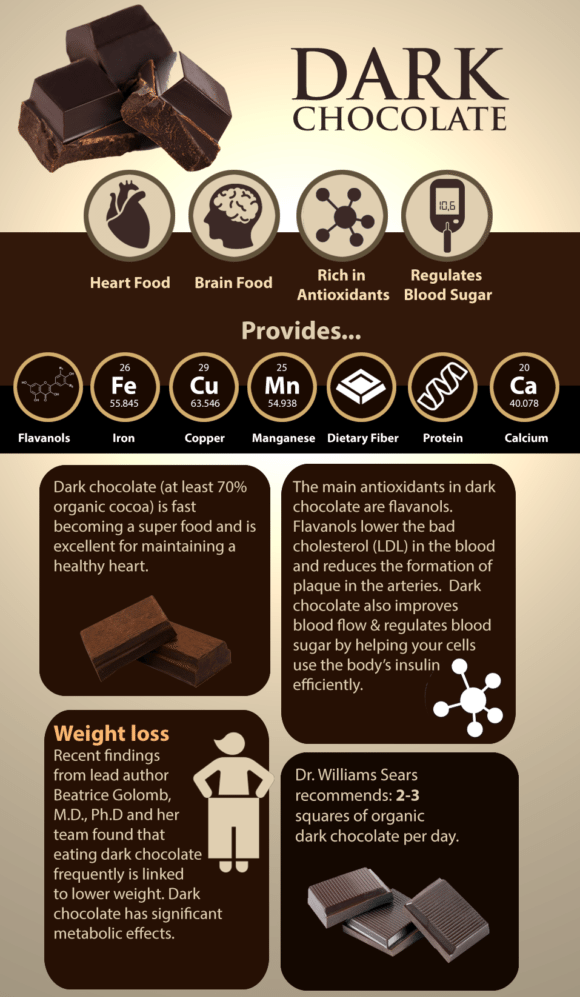
This is rich in good fats and polyphenol anti-oxidants for fuel and recovery. Chocolate contains theobromine which is a natural cardiovascular stimulant that helps improve circulation throughout the body.
Proper Meal Timing:
It is best to eat light before our times of performance to keep as much energy focused on the specific performance rather than on digestion. Instead of food, turn to water, as optimal hydration correlates very strongly with great performance. I try to stay super hydrated throughout the day and notice that as my water intake drops, my energy and mental acuity declines.
After the performance we want to have our largest meal to replenish our system with nutrients. Ideally, you have your largest meal at the end of your day as opposed to the beginning of your day. This helps your body to recover from the stresses of the day. You are in a relaxed position at this point, as you no longer have to work hard and perform, so it allows you to digest and absorb the nutrients you need more effectively.
This helps to take stress off of your gut lining and improves the integrity of your digestive system. When you eat in a hurry or have a large meal before a stressful event or a busy day, you compromise your digestive system and cause more inflammation in the body.
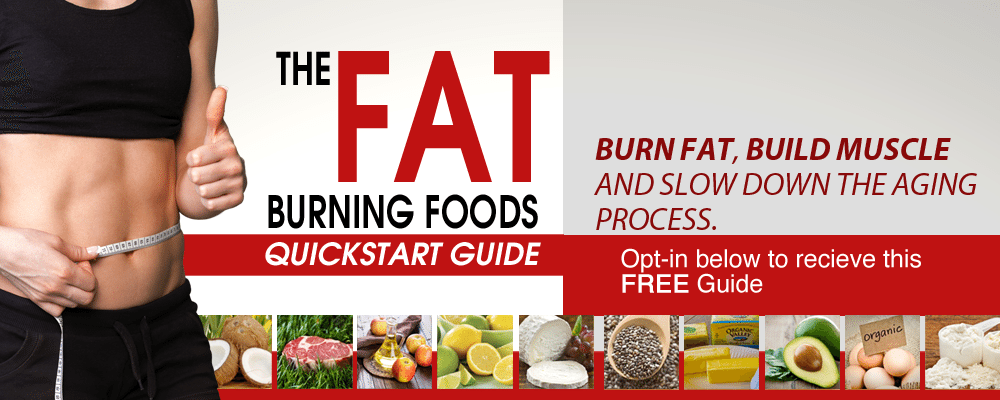
These ideas and much more I teach in our Navigating the Ketogenic diet program. Opt-in here for more details and a FREE video training series I give you on advanced strategies to improve your performance.
Fat Burning Foods Video
Food: Diet and Nutrition for a Healthy Back
As most patients are well aware, good nutrition and a balanced diet are important components of overall health. What may surprise people with back problems is that diet, nutrition and maintaining a healthy weight also play a major role in the back – including preventing many problems and healing from injuries.
The bones, muscles and other structures in the spine need good nutrition and vitamins so that they are strong enough to support the body and to perform their other functions. Using these nutritional guidelines, patients can integrate back-friendly vitamins and nutrients into their diets.
Eating a balanced diet that includes the right amount and variety of vitamins and nutrients will reduce back problems by nourishing the bones, muscles, discs and other structures in the spine. Particular importance is given to calcium, which can be obtained through a variety of healthy food choices as well as nutritional supplements.
While a healthy diet calls for many vitamins and nutrients, this partial list highlights a number of healthy choices that can be directly beneficial for helping back patients.
Role of Vitamin or Nutrient Food Sources
Vitamin A:
An antioxidant that assists the immune system in fighting off diseases. It is good for the back because it helps repair tissue and in the formation of bone. It also helps the body use protein effectively.
Additionally, the body can convert beta-carotene into vitamin A. Beta-carotene can be found in dark green leafy vegetables and most orange vegetables and fruits.
It’s important not to get more then the recommended daily allowance of vitamin A, as too much can promote bone fractures. Beta-carotene does not increase the risk of fracture.
Vitamin A can be found in beef, calf and chicken liver; dairy products like milk, butter, cheese and eggs; orange fruits such as apricots, nectarines and cantaloupe; orange or green vegetables such as carrots, sweet potatoes and spinach.
Vitamin B12:
Necessary for healthy bone marrow and for the body – and the spine – to grow and function normally. Vitamin B12 can be found in meat products, such as liver, fish, red meat and poultry; dairy products, such as milk, yogurt and cheese; and eggs.
Vitamin C:
Necessary for the development of collagen, which is an important part of the process that allows cells to be able to form into tissue. This is extremely important for healing problems caused by injured tendons, ligaments and vertebral discs, as well as for keeping bones and other tissues strong.
Vitamin C can be found in fruits, such as strawberries, kiwi fruit and citrus fruits (e.g. oranges, guavas, grapefruits) and tomatoes; many vegetables, such as broccoli, spinach, red and green peppers, sweet potatoes and white potatoes.
Vitamin D:
Improves calcium absorption, which is important for the development of strong and healthy bones. Adequate calcium absorption is particularly important to help prevent development of osteoporosis, a disorder characterized by weak and brittle bones in the spine that can results in painful vertebral fractures. Vitamin D is naturally occurring in egg yolks and fish oils; also found in most brands of fortified milk in the US; can also be obtained by spending time in the sunlight.
Vitamin K:
Needed for the bones to properly use calcium. The combination of vitamin K and calcium works to help bones throughout the body stay strong and healthy. Vitamin K is found in liver, pork, green leafy vegetables such as spinach, kale and broccoli, and dairy products.
Iron:
Needed for cells to remain healthy as it helps them receive oxygen and get rid of carbon dioxide. It also aids in the production of myoglobin, an important element of healthy muscles that are needed to support the spine. Iron is found in meat products such as liver, pork, fish, shellfish, red meat and poultry; lentils, beans, soy, eggs, grains, and green leafy vegetables such as spinach, kale and broccoli.
Magnesium:
Important for the relaxing and contracting of muscles. It also helps maintain muscle tone and bone density, which in turn can help prevent back problems. Further, it assists in the body’s use of protein. Magnesium is found in whole grains and whole-grain breads, beans, seeds, nuts, potatoes, avocados, bananas, kiwi fruit, shrimp, and green leafy vegetables such as spinach, kale and broccoli.
Calcium:
Essential for bone health and helps maintain the necessary level of bone mass throughout the lifespan and especially in old age. Adequate calcium intake is particularly important to help prevent development of osteoporosis, which results in weak and brittle bones in the spine that can results in painful vertebral fractures. Calcium is found in dairy products such as yogurt, cheese and especially milk; dark green leafy vegetables such as spinach, broccoli and kale; tofu, peanuts, peas, black beans and baked beans; some types of fish (salmon and sardines); a variety of other foods such as sesame seeds, blackstrap molasses, corn tortillas, almonds and brown sugar.
Specific meal timing and superfood strategies have been shown to optimize performance and recovery. As most patients are well aware, good nutrition and a balanced diet are important components of overall health. What may surprise people with back problems is that diet, nutrition and maintaining a healthy weight also play a major role in�spine health.�For Answers to any questions you may have please call Dr. Jimenez at�915-850-0900
A new technique that relieves severe tennis elbow faster and more quickly than traditional surgery can provide relief for this painful condition, a top expert says.
“In the past, there have been types of surgical options available to relieve the pain of tennis elbow, but there is a new procedure becoming popular that requires less recuperation time,” Dr. Kevin Plancher tells Newsmax Health.
That new technique, called the Tenex FAST procedure, is for people with the severe form of the condition who need surgery, says Plancher, a leading New York-area orthopedist and expert in sports medicine.
But not all people who get tennis elbow need surgery. In fact, the vast majority do not, says Plancher.
Another myth about tennis elbow is that people develop it from playing the game. Not always, says Plancher.
“Tennis elbow is a bit of a misnomer. In fact, this is a condition that is seen much more often in people who don’t play tennis. In fact, they don’t play racquet sports at all,” says Plancher.
Known medically as lateral epicondylitis, tennis elbow affects about 1-3 percent of the population. But less than 5 percent of tennis elbow diagnoses are actually related to playing tennis, according to the American Academy of Orthopaedic Surgeons (AAOS).
The condition, known medically as lateral epicondylitis, occurs more often in men and most commonly occurs in those between ages 30 and 50, the AAOS says.
“Those whose sports or activities require repetitive arm, elbow, and wrist movement – such as golfers, baseball players, bowlers, lawn workers, painters, carpenters, and others – are the most prone to developing tennis elbow,” Plancher says.
Tennis elbow actually is a type of tendonitis, or the swelling of the tendons that stems from overusing the forearm.
“Tennis elbow is an inflammation of the tendon that attaches to the ulna, one of the three bones that make up the elbow joint,” he says.
Like the Achilles tendon or rotator cuff in the shoulder, this tendon has a poor blood supply and gets injured easily.
“This means that anyone who uses this area of their arm repetitively can develop the condition, including those whose work involves lifting, or people who pursue other hobbies, or sports like golf and baseball,” says Plancher, the official orthopedic surgeon of the U.S. Olympic ski and snowboard teams.
“In fact, more golfers get tennis elbow than tennis players do.”
There are different degrees of tennis elbow, so the treatment must be customized, says Plancher, a clinical professor in Albert Einstein College of Medicine in New York.
In its mildest form, the tendon becomes inflamed, but an MRI shows no sign of injury.
“The approach for this type of condition is known as ‘RICE’ – Rest, Ice, Compression, and Elevation. No further treatment is usually required,” says Plancher.
A more serious form is when the MRI shows a partial tear.
“Fifty percent of people in this category can be treated with physical therapy, but, for that to be successful, it must be performed by an occupational hand therapist,” he says.
But what about the 5 percent of people who do suffer a complete tear of their tendon and require surgery?
In the past, this has involved an operation to remove the dead tissue around the tendon – which is the cause of the pain, says Plancher – and then the healthy muscle is reattached back to the bone.
This can be done either as open surgery, or performed arthroscopically.
Tradition surgery involves making a two-inch incision in the shoulder area, but, when the operation is done arthroscopically, the surgeon makes a few small cut, and, using a camera, performs the operation using miniature instruments.
But no matter whether open surgery or arthroscopy is used, a 4- to 6-month recuperation period is required, Plancher says.
This is where the Tenex FAST (or “Focused Aspiration of Scar Tissue”) procedure comes in.
The Tenex procedure is performed on an out-patient basis under light sedation. A tiny incision is made to insert a toothpick-sized device that uses ultrasound to remove the dead tissue, says Plancher.
“It’s a quick, 20-minute procedure with a small incision, so small at times it doesn’t require stitches,” he says.
Instead of a 4- to 6-month recuperative period, patients can return to their regular sports or work activities in one or two months, Plancher says.
Although the procedure is geared for the 5 percent of people who require surgery, the Tenex procdure may make it more feasible for those who have the moderate form of the condition, he adds.
“This is a wonderful procedure. You make a small nick in the skin, restore the good tissue, and get people back to full activity in a rapid fashion,” he says.
If you do play racquet sports, here are Plancher’s tips for preventing tennis elbow:
Warm it up. Always spend a few minutes prior to a game or match gently warming up the muscles and areas of the body that will be used during any sport. For the elbow, gentle arm circles and bicep stretches will allow fluid to flow into the elbow joint, providing protection to the joint.
Be aware. Most tennis elbow cases are the result of repeated awkward and forceful movements involving the elbow joint. Be aware of your form, and use only the amount of force necessary to accomplish each move. Ask a professional to evaluate your stroke.
Let it rest. To avoid overuse injuries, it’s important not to overuse the joint. Engage in sports that use different muscles and joints on alternating days, giving each joint a day or two to recover.
Check your equipment. People who play racquet sports and develop tennis elbow should check their equipment for proper fit. Racquets that are stiffer and/or looser-strung can lower stress on the forearm, or a smaller racquet head may help prevent recurring symptoms.
Peripheral neuropathy is a medical condition where nerve damage or dysfunction occurs, triggering common symptoms such as tingling or burning sensations or numbness in the hands and feet. The source of the neuropathy can often be difficult to diagnose but some of the factors which can contribute to the development of the condition include: vitamin deficiencies, traumatic injuries, diabetes, chemotherapy, alcoholism, infections, kidney disease, tumors and exposure to poisons.
Although these are some of the most frequently reported factors responsible for the development of the condition, many of the common foods people eat on a daily basis and in large quantities can actually worsen peripheral neuropathy. The following are various of the foods which can aggravate nerve damage and dysfunction as well as increase the painful symptoms of neuropathy.
Gluten
First of all, what is gluten? Gluten is a storage protein found in wheat, barley and rye. The most common sources of gluten include a majority of breads, cereals, pasta, crackers, cookies, cakes, pastries and all foods containing white, wheat, cake or baking flour.
People with celiac disease, best described as a gluten allergy, can trigger and worsen the symptoms of peripheral neuropathy if gluten is consumed. Approximately 50 percent of adults with celiac disease aren’t even aware that they have this autoimmune disorder. Celiac disease, as mentioned before, is an allergy to gluten, however, many individuals may have a sensitivity to gluten without celiac disease. As a matter of fact, 18 million people in the United States have currently been diagnosed with some form of gluten sensitivity. Both gluten sensitivity and celiac disease can cause or increase tingling sensations and numbness as well as other neuropathic symptoms.
If you have any type of gluten sensitivity or allergy, suitable alternatives to the storage protein include: rice, oatmeal, corn and rice-based cereals, breads labeled as gluten free and potatoes.
Refined Grains
Refined grains can aggravate peripheral neuropathy because these are high-glycemic, meaning they can have a tremendous impact on your blood sugar levels. Because refined sugars cause a spike in blood sugar, inflammation throughout the body is increased, worsening any other symptoms associated with it. Chronic inflammation can both cause peripheral neuropathy and worsen nerve damage, resulting in increased pain and decreased function of many structures of the body.
According to the Diabetes Association, controlling glycemic levels in the body can be the most effective strategy for preventing the progression of neuropathy associated with pre-diabetes or diabetes, which is the most common reason for the disorder.
To control glycemic in the body, replace refined grains and products, including white and wheat bread, enriched pasta, white and instant rice, low-fiber cereals and processed snack foods, such as pretzels, potato chips and crackers, with whole grains. Nutritious whole grade alternatives include oats, barley, brown rice, quinoa and millet.
Added Sugars
Supplementary sugars which are added to foods, such as cane sugar, corn syrup, and high fructose corn syrup, add sweet flavor to many of our favorite snack but these supply very few nutrients to foods and can ultimately increase the symptoms associated with peripheral neuropathy.
Common sources of added sugars include: regular soft drinks, candy, milk chocolate, sugary cereals, pancake syrup, jellies, frozen desserts and commercially baked cakes, cookies, pastries and pies.Similar to refined grains, they are high-glycemic and can affect blood sugar levels in the body. Additionally, diets rich in added sugars are most commonly associated with poor nutrient intake.
To protect yourself against nutritional deficiencies which may lead to worsened neuropathic symptoms, choose nutritious foods with natural sugars, such as fruits, vegetables and whole grains, instead of sugary snacks.
Bad Fats
Fats are as essential to your diet as protein and carbohydrates as these are necessary to provide energy to the body and to assist in processing a variety of vitamins and manufacturing hormones. However, when our diet is made up of mostly bad fats as compared to good fats,�many complications can begin to affect the body.
The worst type of dietary fats are trans fats. Trans fats are commonly listed on labels as hydrogenated oils or partially hydrogenated oils. These can increase inflammation in the body, raise bad cholesterol or LDL, and may contribute to the development of insulin resistance which can harm small blood vessels necessary for delivering nutrients to the peripheral nerves.
Saturated fats commonly found in fatty meats and dairy products are often given a bad reputation within the medical field but research studies, including one study from Harvard Health Publications, show that a diet with a moderate amount of saturated fat from fruits, such as avocados and coconut oil, may offer extensive health benefits to the cardiovascular system. Further studies also concluded that a small to moderate consumption of animal saturated fat can also provide several health benefits. It’s recommended to eat moderate amounts of healthy fat sources, including: avocados, nuts, seeds, coconut oils and ghee.
Dairy
Dairy is one of the most inflammatory foods in our modern diet, second only to gluten. It causes inflammation in a large percentage of the population. Individuals who’ve already developed peripheral neuropathy have some form of nerve damage and inflammation can impact the nerves even further, subsequently increasing the pain and other symptoms associated with neuropathy. �Inflammation caused by the consumption of dairy can also result in digestive issues, such as bloating, gas, constipation, diarrhea and may worsen autistic behaviors.
Why the Food We Eat Impacts Neuropathy
Essentially, the food we consume provides our body with the necessary nutrients it needs to function properly. Without the proper nutrients, our metabolic processes can suffer and our overall health and wellness can decline. The food we eat is central to our well-being.
Nutrients are the substances found in food which are fundamental for the growth, development, repair and maintenance of the body’s functions. If an individual’s diet is deficient in nutrients, their health may be affected. Nutritional deficiencies occur by consuming a diet made up fast foods, junk foods or processed foods with very little whole foods. In addition, consuming regular beverages such as soda, coffee, energy drinks, sugary drinks and alcohol, can deplete essential vitamins and minerals in the body, including: vitamins B1, B6, B12, folic acid, calcium and magnesium, among others.
Nutrients are in charge of giving our bodies instructions about how to effectively function by also providing it with the necessary materials to carry out the appropriate functions to maintain overall health and wellness. In conclusion, its important to remember that the food we eat can act as a medicine to maintain, prevent, and treat diseases, such as peripheral neuropathy.
For more information, please feel free to ask Dr. Jimenez or contact us at 915-850-0900 .�
Neck pain is characterized as the most prevalent symptom after being involved in an automobile accident. During an auto collision, the body is exposed to a sheer amount of force due to the high speed impact, causing the head and neck to jolt abruptly back-and-forth as the rest of the body remains in place. This often results in the damage or injury of the cervical spine and its surrounding tissues, leading to neck pain and other common symptoms associated with whiplash-related disorders.
When older women fracture a hip, they usually don’t get bone density tests that might show whether they need treatment to help prevent more broken bones, a recent U.S. study suggests.
“Osteoporosis screening after hip fracture is so important because there are a number of highly effective and relatively low-risk treatments available that can substantially reduce future fracture risk,” said lead study author Catherine Gillespie of the AARP Public Policy Research Institute and George Washington University in Washington, D.C.
For the study, researchers examined insurance data on medical care and prescription use for 8,359 women over 50 who had a hip fracture between 2008 and 2013.
None of the women had a prior history of osteoporosis, hip fracture, or taking medications to improve bone density.
More than half of the women in the study were at least 80 years old when they first fractured their hip. Most had multiple chronic medical problems.
Within six months of experiencing their first hip fracture, just 17 percent of the women got tested for osteoporosis or received a treatment for the condition, researchers report in the Journal of Bone and Mineral Research.
After one year, only 23 percent of the women had been screened or put on treatment for osteoporosis.
During the study period, use of bone mass measurement tests increased among women 65 and older but declined among women from 50 to 64.
Over the same timeframe, the rate of osteoporosis drug use remained constant for women aged 50 to 64 but declined among older women in the study.
Seeing a primary care doctor after fracture was the strongest and most consistent predictor of osteoporosis assessment or treatment, the study found. Women with private health insurance and higher income also appeared more likely to get screening and treatment.
One limitation of the study is that researchers lacked data on women who were uninsured or covered by Medicaid, the government health program for the poor.
They also lacked data on some interventions used to strengthen bones and help prevent future falls such as calcium and vitamin D supplements, counseling on exercise and fall prevention, or home repairs and modifications to make day-to-day life safer to navigate.
Even so, the study confirms a long recognized gap in routine osteoporosis care for patients with hip fractures, said Dr. Matthew Drake, a researcher at the Mayo Clinic in Rochester, Minnesota, who wasn’t involved in the study.
“Almost all patients who have a hip fracture should be screened for osteoporosis as this will allow their provider to assess their bone mineral density, and will also establish a baseline so that if pharmacologic or other treatment approaches are chosen there is data against which to compare later in order to determine how the therapy is working,” Drake said by email.
“If a woman or man has a hip fracture, she/he should speak with her/his doctor about getting screened for osteoporosis and strongly consider starting therapy,” Drake added. “As this study clearly shows, this screening and treatment continues to occur at a rate which is abysmal.”
SOURCE: http://bit.ly/2m4InBt Journal of Bone and Mineral Research, online February 23, 2017.
Peripheral neuropathy most commonly develops in patients who’ve been previously diagnosed with pre-diabetes. According to researchers from the University of Utah, early interventions can allow people to maintain their overall health and wellness. Further research studies have revealed that peripheral nerve damage begins with pre-diabetes and obesity.
Approximately more than one in three adults in the United States, about 86 million people, have pre-diabetes. Without the proper body weight and moderate physical activity, 15 to 30 percent of these individuals could develop type 2 diabetes within 5 years.
“We now know a lot more than we did 3 to 5 years ago about neuropathic pain in patients with pre-diabetes. Neuropathy affects patients with pre-diabetes in a continuum,” stated Dr. Rob Singleton, MD, and professor of neurology at the University of Utah in Salt Lake City. “We think obesity and the dysfunction of lips or fats are what’s actually causing the issues.”
During another research study conducted and published by researchers from the University of Michigan in JAMA Neurology, peripheral neuropathy was also commonly diagnosed in patients with obesity, regardless if they had normal blood sugar levels when compared with lean, control patient participants. This same study additionally confirmed that the rate of neuropathy increased in individuals with pre-diabetes and diabetes, leading the researchers to conclude that pre-diabetes, diabetes and obesity are possible metabolic drivers of peripheral neuropathy.
Dr. Singleton and his team of researchers have been studying peripheral neuropathy associated with pre-diabetes and metabolic syndrome as well as which forms of treatment may work best for the condition. Metabolic syndrome is characterized as the group of risk factors which increases the chance of experiencing heart disease, diabetes and stroke. Risk factors include: high blood pressure; elevated blood glucose, high cholesterol and abdominal fat. Throughout their research, they discovered that many patients with metabolic syndrome had pre-diabetes and peripheral neuropathy.
�We have demonstrated that in pre-diabetics with neuropathic pain, exercise can reduce neuropathic pain and can increase the intradermal nerve fibers in the thigh and ankle. We are in the process now of replicating that study,� Dr. Rob Singleton explained in an interview with an endocrinology advisor. �You need to improve lipid, or cholesterol, function and glucose levels. Lifestyle issues have to be addressed.�
The Relation Between Pre-Diabetes & Peripheral Neuropathy
New research studies have evaluated the relationship between pre-diabetes and peripheral neuropathy. In a study published in Diabetes Care, Dr. Christine Lee, PhD, of the University of Toronto, determined that pre-diabetes created similar risks towards nerve damage and dysfunction, which often lead to the development of peripheral neuropathy, as those caused by diabetes.
Evidence suggests that peripheral neuropathy begins in the early stages of the diabetes pathogenesis. Dr. Lee and other researchers evaluated 467 individuals. The researchers found that peripheral neuropathy was common in 29 percent of adults with normal glucose levels as compared to 49 percent in adults diagnosed with pre-diabetes and 50 percent in adults diagnosed with diabetes. The researchers also established that pre-diabetes, or a progression of elevated glucose levels in the course of 3 years concluded an increased risk of developing peripheral neuropathy and nerve damage or dysfunction.
“Early interventions such as lifestyle changes involving proper diet and exercise, could be ultimately essential towards preventing severe nerve complications,” stated Dr. Christine Lee. Another study published in Diabetes Care by Dr. Rob Singleton in 2006, supported this statement. Dr. Singleton and other researchers concluded that dietary changes and physical activity can result in cutaneous reinnervation as well as improved symptoms in patients with pre-diabetes.
Peripheral Nerve Damage Before Diabetes
Its fundamental to acknowledge that the nerve injury which occurs with peripheral neuropathy can occur before diabetes develops. As a matter of fact, current research studies have shown that obesity, even with normal blood sugar levels, has been associated with causing peripheral neuropathy as well as pre-diabetes.
Fortunately, more and more research studies and evidence on the issue has been published to help enlighten doctors and the public. Although it is essential to maintain fasting glucose levels between 70 to 80 mg/dL, it is equally important to manage a healthy weight, LDL cholesterol and triglycerides. All of this can be achieved without the use of medication or bariatric procedures. Natural treatments and holistic care options are also available to help control the symptoms of the disease.
Nerve dysfunction, characterized by symptoms of pain, tingling sensations and numbness are common among individuals with diabetes. However, new research studies have found that nerve injuries can also occur as a result of obesity, where patients are diagnosed with pre-diabetes.
For more information, please feel free to ask Dr. Jimenez or contact us at 915-850-0900 .�
Neck pain is characterized as the most prevalent symptom after being involved in an automobile accident. During an auto collision, the body is exposed to a sheer amount of force due to the high speed impact, causing the head and neck to jolt abruptly back-and-forth as the rest of the body remains in place. This often results in the damage or injury of the cervical spine and its surrounding tissues, leading to neck pain and other common symptoms associated with whiplash-related disorders.
Waving white pom poms in the air, dozens of grey-haired cheerleaders in matching red and white uniforms hop and skip to K-pop music that fills the practice room.
Halfway into their two-hour practice session, most of the elderly dancers are panting and sweating, but do not let their bad knees or back pain stop them from what they say is keeping them healthy and youthful.
“Because I come here, I don’t need to take any medicine,” said 82-year-old Oh Geum-Nyu. “Although I’m ageing on the outside, this keeps me young at heart.”
Oh is one of the oldest members of Cheer Mommy, a 30-member cheerleading squad with an average age of 75, based in Samcheok, on South Korea’s east coast.
Life expectancy in Asia’s fourth-largest economy is accelerating rapidly, and for women born in 2030 it could stretch to nine decades on average, the longest in the world, according to research published in The Lancet medical journal.
The study by researchers at Imperial College London noted improved nutrition and broader access to health care as some of the reasons behind the phenomenon.
Some South Korean experts also point to social factors behind longevity.
“Their love for informal gatherings and forging new personal bonds can be a source of energy,” said Chung Soon-Dool, a social welfare professor at Ewha Women’s University in Seoul.
Most South Korean women in their 60s and older spent much of the lives in a strongly patriarchal society where women were expected to stay at home and raise the children.
Some are now embracing pursuits of their own choosing for the first time after retiring as the “caretaker”.
“I was done raising my seven grandchildren when my friend told me about this place,” said Cheer Mommy member Ahn Young-Ja, 65.
Lee Pal-Soon, 82, who also takes singing classes when she is not cheerleading, said she was enjoying the “second chapter” of her life after marrying off her five children.
Some are choosing to keep their brains active by going back to school, such as 88-year-old Kim Soon-Sil, who is among some 370 students aged 60 and up studying at Ilsung Women’s School in Seoul.
Kim, who grew up under Japan’s 1910-1945 colonial rule of Korea, had to leave school at 13 and it was not until seven decades later that she could fulfill her longing to continue her studies in history and English.
“I can feel small changes to my health every day, but if my health permits, I want to enroll in university,” said Kim.
South Korea’s government has rolled out various welfare programmes to accommodate its rising senior population — its men are also set to become the world’s longest-lived, according to the Imperial College study — including opening more community centres and organising leisure activities for the elderly.
But experts say the cost could become crippling in the face of a looming demographic crisis in the country with the world’s lowest birthrate.
Around 6.5 million out of the country’s 50 million population were 65 years or older in 2015, and in the next 10 years, one out of five South Koreans will be retired, according to a Statistics Korea report in December.
The country’s working age population started declining last year, it said, and by 2065 it will be overtaken by the number of retirees.
“It’s the question of who will cover the increase in social security cost,” said Professor Chung. “It wouldn’t be a problem if the number of young people were also rising, but that’s not the case.”
Authorities need to consider raising the retirement age, said Ha Jung-Hwa, social welfare professor at Seoul National University.
“It’s important the government introduces new policies to keep healthy and skilled senior citizens longer in the job market,” she said.
Cheer Mommy started out as a local authority leisure programme, but the elderly squad now regularly travels across the country to compete in national tournaments against rivals decades their juniors.
With the youngest member aged 63, the choreography lacks dynamic stunts like back flips or somersaults. It takes them twice as long to remember the routines, and instructor Yoon Bok-Ja said: “They are slow like turtles but they don’t give up until they are perfect.”
The bubbly grannies quickly changed into their next uniform — graffiti-printed jerseys, white tracksuit bottoms and black baseball caps — for a number set to Gangnam Style star Psy’s latest hit Daddy, chanting: “Hip hop! Youth! To 100 years!”
IFM's Find A Practitioner tool is the largest referral network in Functional Medicine, created to help patients locate Functional Medicine practitioners anywhere in the world. IFM Certified Practitioners are listed first in the search results, given their extensive education in Functional Medicine