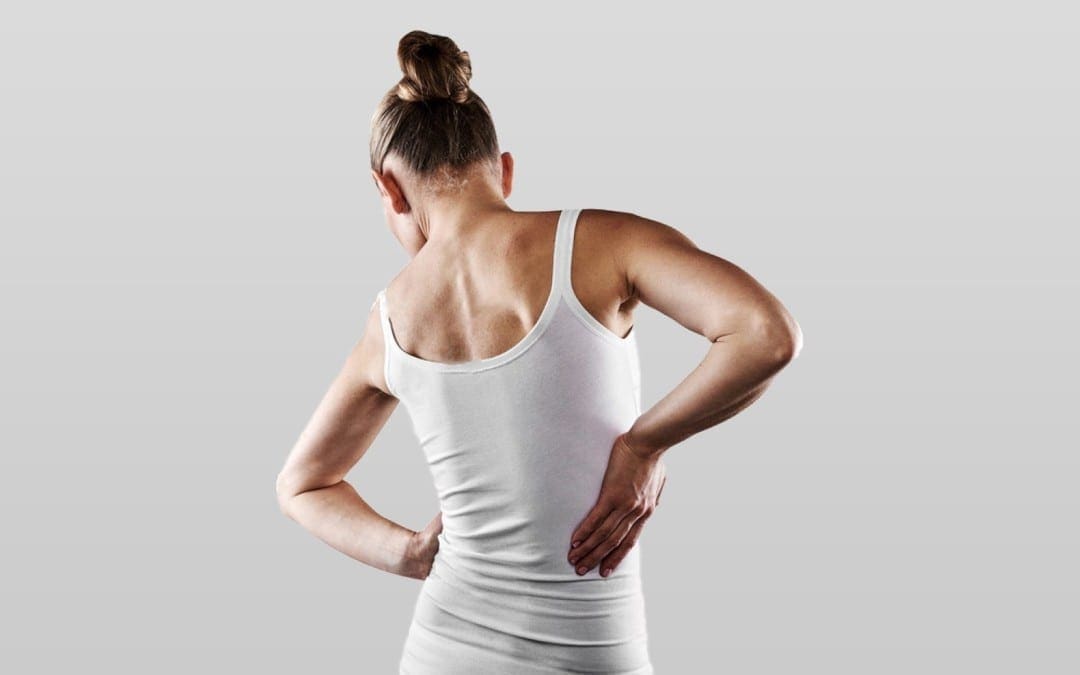
El Paso, TX. Chiropractor Dr. Alex Jimenez takes a look at sit/stand desks to see if they help with back pain and burn calories.
Regular utilization of sit-stand desks at work can help burn off calories and stop weight gain when coupled with other low-intensity tasks, according to findings from a current study in Occupational Medicine. The sit- stand desks did not increase pain or reduce productivity.
�In fact, other longer-term studies are demonstrating that using a sit-stand desk may actually reduce pain,� clarified lead writer Bethany Barone Gibbs, PhD, FAHA, Assistant Professor of Health and Physical Activity, Clinical, and Translational Science in the Physical Activity and Weight Management Research Center at the University of Pittsburgh.
For patients who have back pain or have lately experienced spinal surgery, the recommendation to stand on and off during the day is very important, commented A. Nick Shamie, MD, Chief of Orthopaedic Spine Surgery and Professor of Orthopaedic Surgery and Neurosurgery at UCLA School of Medicine.
�Sitting down puts significant pressure on disks and the backbone,� Dr. Shamie said. �In addition, the pressure on discs is extremely high when one is seated and bends forward to pick something off of the flooring,� he noted.
The Way The Study Was Performed
For the study, 18 people (9 men, 9 women) performed standardized deskwork at different positions for three independent one-hour sessions: 60 minutes sitting, 60 minutes standing, and 60 minutes spent alternating between sitting and standing for 30 minutes each. Standardized deskwork contained posts that were typing from a magazine, copying definitions from a dictionary, and math exercises. Areas completed experimental sessions in a haphazard order, at least and within four weeks.
All participants were between the ages of 22 and 57 years old, had earned at least a high school degree, and worked sedentary office occupations having an average daily sitting time of 8.8 hours.
Sit-Stand Desks May Burn Off 50-60 Calories Each Day
The research found that if your person stood for thirty minutes during each hour, they might burn 5.5 more calories than they’d have by sitting for the entire hour. Standing for the full hour burned an extra 8.2 calories. Changing evenly between sitting and standing on the course of an 8-hour day�4 hours sitting and 4 hours standing �could burn off as much as 56.9 calories for guys and 48.3 calories for girls.
While the number of calories is comparatively small, it may be sufficient to stop weight gain from working a sedentary job. In reality, the researchers pointed to other studies showing that modest increases in daily activity, the equivalent of burning 100 calories per day, prevents weight gain in most individuals. Routine usage of sit-stand desks could be one of many small tasks that would help weight is maintained by office workers, the researchers noted.
The Advantages Of Sit-Stand Desks
�Sit-stand desks are an easy way to get an increase in energy cost that matches into America�s present office culture. By combining the action of standing for part of the day with other occasional actions�say, electing to walk to the printer farthest away from your work space or selecting to make use of the restroom that�s found a few flights of stairs away�you can attain a significant amount of extra energy cost while at work which could help in weight control,� Dr. Barone Gibbs said.
�It’s essential that we understand standing at work isn�t going to burn off as many calories as choosing a brisk walk or a long term,� Dr. Barone Gibbs said. �However, our findings add to an increasing area of research that demonstrates the advantages of sit-stand desks, including increases in energy and productivity, blood sugar, and lower pain, and potentially blood pressure.�
Folks can certainly go online and also read reviews of the greatest sit-stand desks and how to incorporate them into work setting, Dr. Shamie said. He included that sit-stand desks are simply one part of back care. Eating a healthy diet, sleep, regular exercise, are all factors that play a job in an overall healthy lifestyle and back care, he explained.
El Paso, TX. Chiropractor Dr. Alex Jimenez &�Athletic Fitness Trainer Daniel Alvarado take a look at why people trying to lose weight are always hungry.
Why Am I famished � like all of the time?� Is that a question you�re asking a lot lately? That�s because weight loss is a bit more complex than �calories in, calories out.� While that is certainly important, getting your hormones under control is essential to stifle an out of control hunger.
Fortunately, you�re not destined to get a life of counting calories (and feeling starved all the time). Eating well, exercising and moving more during the day are key methods to shed weight. However, you can find several other ways to begin chipping away at those last few pounds, too. Here are a few odd things which make you hungry. And how you can start taking steps to reverse overeating �
I Am�Hungry Because? 3 Odd Causes
1. Salt
Eating salt makes you thirsty? Nope. A team of researchers from Vanderbilt University found that while excessive salt consumption can cause you to be thirsty initially that the body really begins producing and keeping more of its own water. This forces the body to truly use lots of fuel to break down muscle mass, fueling your hunger. This breakthrough finding changes what we all know about salt and hunger and sheds new light on overeating and its dangerous side effects. (1)
Getting your salt intake under control is essential, if you�re appearing to lose weight quickly.
2. Air Conditioning
There a theory that our body is primed by air condition for overeating and weight gain. Individuals look to eat more in chilly temperatures. Why? The body�s trying to remain warm. I get using air conditioning in order to avoid extreme and dangerous heat, but I wouldn�t make air conditioning a habit if you�re attempting to slim down. (2, 3)
3. Particular Drugs
Certain drugs might be fueling your desire. Insulin, some allergy meds, steroids and even some blood pressure meds and anti depressants are proven to activate hunger and weight gain. While you shouldn�t only get from your meds without speaking to your own doctor, fixing leaky gut can go a ways in actually reversing a long listing of other symptoms and also allergies. (Rather than simply covering them up.) Working on bowel repair can start the process of fixing the main cause of several ailments.(4)
How to Get Your Hunger Under Control
It’s possible for you to take several approaches to get reset your food cravings � and finally Why I ‘m keen, involve some solutions on your �?� question. You might want to work with your doctor to ID any hormone imbalances. But regardless of that, here are other things it is possible to do:
Work natural appetite suppressants. These generally include green tea extract, foods that are hot, saffron extract and high-fiber foods.
Find out the way to work with grapefruit essential oil. Just the smell of grapefruit oil excites sympathetic nerves that supply the brown adipose tissue and adrenal glands, which might help stimulate fat loss.
Exercise consistently. Mix it up with other types of exercise and busted training you like.
Eat foods that balance your hormones naturally. Avocados are at the very top of that list.
Final Thoughts�On, �Why Am I Always Hungry?�
There really are several things that are surprising that may be causing you to overeat.
A lot of salt doesn�t make you thirsty, it really activates your body to generate and keep more water, which makes you even hungrier and takes bunch of energy.
Getting enough sleep, eating foods that balance your hormones and selecting appetite-suppressing foods and spices are able to help you avoid overeating.
Straightforward smelling grapefruit essential oil can in fact help boost weight loss and hunger amounts that are reduced.
El Paso, TX. Chiropractor Dr. Alex Jimenez examines scoliosis.
We all have curves in our backs, but scoliosis causes the spine to curve in the wrong direction. It causes sideways curves, and those are not the same as the normal curves of the spine. In case you looked at your spine from your side, you had see it curves out at your neck (cervical spine), in at your mid-back (thoracic spine), and out again at your low back (lumbar spine). Your back is likely to curve that way.
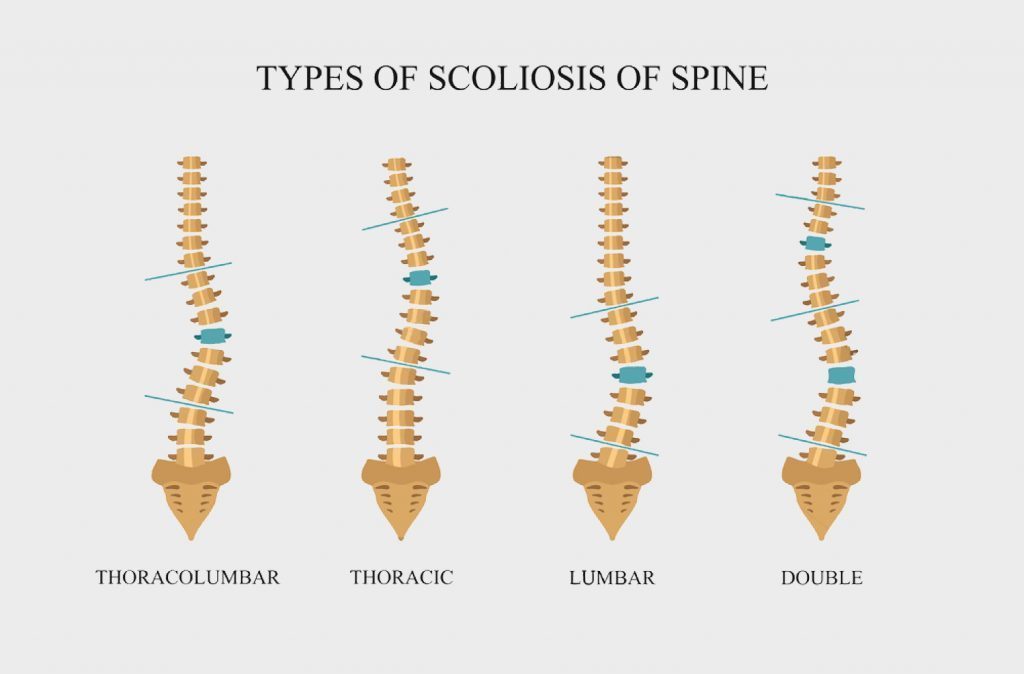
However, if your spine was looked at by you from behind, you shouldn’t see any curves. When there are sideways curves in the back from the back view, that is scoliosis. The curves can seem like an “S” or a “C.”
Spine Anatomy: Quick�Lesson
You first need to know what a healthy back looks like, to comprehend scoliosis. You will find four areas in your back:
Cervical Spine:
That is your neck, which begins at the base of your skull. It features seven little spinal bones (called vertebrae), which doctors label C1 to C7 (the “C” means cervical). The numbers one to seven signify the level of the vertebrae. C1 is closest for your skull, while C7 is closest to your torso.
Thoracic Spine:
Your mid-back has 12 vertebrae which are labeled T1 to T12 (the “T” means thoracic). Vertebrae in your thoracic spine connect to your own ribs, making this a part of your back comparatively stiff and stable. Your thoracic spine doesn’t move as the other areas of your back.
Lumbar Spine:
In your low back, you’ve got five vertebrae that are tagged L1 to L5 (the “L” means lumbar). These vertebrae are your strongest and biggest vertebrae, responsible for carrying lots of the weight of your body’s. The lumbar vertebrae are also your last “authentic” vertebrae; down from this region, your vertebrae are fused. The truth is, L5 may be fused with part of your sacrum.
Sacrum & Coccyx:
The sacrum has five vertebrae that usually fuse by adulthood to form one bone. The coccyx�commonly known as your tail bone�has four (but occasionally five) fused vertebrae.
Normal Spinal Curves: Lordosis & Kyphosis
When viewed in the side, you can observe the spine has both outward and inward curves. These curves help your back are also very important to flexibility and hold your weight.
There are just two types of normal curves in your back, and they’re called lordosis and kyphosis. Kyphosis means the spine curves inward, and lordosis means the spine curves out.
There are two spinal curves that are lordotic and two kyphotic in an ordinary back. Your cervical and lumbar spinal columns each possess a lordotic curve. Sacrum and your thoracic back have kyphotic curves.
While lordosis and kyphosis refer to a healthy curvature in your back, in addition they describe abnormal spinal curves which might be different than scoliosis. Lordosis that is strange is an extreme inward spinal curve. Kyphosis that is strange is a state that results in a hunchback or slouching posture, and you also will read about it in our Kyphosis Center.
Types Of�Scoliosis
Scoliosis is ordinarily associated with kids, but adults can have it, also. This generally occurs the disorder progresses aggressively or when scoliosis is not discovered during childhood. Most cases of scoliosis�more than 80%, in fact�are idiopathic, meaning they don�t possess a cause that is known.
Listed here are the various kinds of scoliosis:
Infantile idiopathic scoliosis is diagnosed in kids ages 0 to 3.
Congenital scoliosis happens when the spine doesn’t grow properly in the womb.
Neuromuscular scoliosis is caused by brain, spinal cord, and muscular system disorders..
Syndromic scoliosis grows as part of an illness or an underlying syndrome.
Juvenile idiopathic scoliosis is diagnosed in kids ages 4 to 10.
Adolescent idiopathic scoliosis is diagnosed in young people ages 11 to 18.
Adult degenerative or idiopathic scoliosis is diagnosed in individuals older than 18.
Along with the types noted above, your back specialist may refer to your scoliosis early-onset scoliosis�a term for scoliosis detected before 10 years of age. Syndromic scoliosis, congenital scoliosis, neuromuscular scoliosis, infantile idiopathic scoliosis, and juvenile idiopathic scoliosis may all be considered early-onset scoliosis.
Treating Scoliosis
Scoliosis brings up images of braces and perhaps memories of being examined for it by the school nurse. Bracing is one of the most common treatment choices for scoliosis as the curve may be fixed by it without back surgery.
Sometimes, though, the curve is too extreme and bracing does not help enough. Because scenario, you could have scoliosis surgery to correct the curve. You can find out more on the topic of surgical treatment for scoliosis in scoliosis surgery for scoliosis and adults operation for kids.
For kids, particularly, it can be frightening to learn they have scoliosis. Having that label makes them different at a time in their own lives when they do not need to be different. They may not enjoy the concept of wearing a brace, either. But scoliosis is nothing to be scared or ashamed of. With the correct treatment, scoliosis doesn’t have to define your life.
A European Medicines Agency panel said on Friday it recommended granting marketing approval to Sanofi and Regeneron’s experimental drug to treat rheumatoid arthritis.
The Committee for Medicinal Products for Human Use gave a positive opinion on the drug, Kevzara, citing its ability to reduce the signs and symptoms of rheumatoid arthritis.
Sarilumab, the active substance of Kevzara, a treatment for adult patients with moderate to severe rheumatoid arthritis, works by blocking a protein called IL-6, which is associated with inflammation.
The panel’s opinion will now be reviewed by the EMA.
In October, U.S. regulators declined to approve sarilumab because of manufacturing deficiencies at a Sanofi plant in France.
Regeneron said in February that it was planning to resubmit a marketing application to the U.S. Food and Drug Administration for sarilumab.
The drug has already been approved by Canadian health regulators to treat rheumatoid arthritis.
More than 23 million people worldwide suffer from rheumatoid arthritis. Current treatments include the widely used methotrexate as well as non-steroidal anti-inflammatory drugs.
Other IL-6 inhibitors for rheumatoid arthritis include Roche Holding AG’s approved Actemra and Johnson & Johnson’s experimental sirukumab.
Last Friday, the FDA declined to approve a new rheumatoid arthritis drug, Olumiant, made by Eli Lilly and Co and partner Incyte Corp.
It�s hard to overcome a bad reputation � even for food! But some edibles once deemed to be health hazards have been vindicated by the ever-evolving science of nutrition.
�With new research emerging on these topics, our recommendations change,� says Kelly Pritchett, national media spokesperson for the Academy of Nutrition and Dietetics.
It happened with eggs. One of America�s most popular breakfast foods was branded a villain to heart health in the 1970s due to high levels of cholesterol. Now, experts are changing their tune. They�re even singing praise for the egg � yoke and all.
�The 2015 Dietary Guidelines gives the thumbs-up on having one egg per day,� says registered dietician Joy Dubost. �Eggs are an all-natural source of high quality protein and a number of other essential nutrients, all for 70 calories per large egg.�
In a 2013 study, participants who ate an egg breakfast were better able to control their food intake than those who a carbohydrate-heavy cereal breakfast. And don�t go the egg white-only route. The yolk is packed with three grams of protein as well as vitamins D and B12, riboflavin, folate, phosphorous, selenium and choline.
Here are seven other good foods with bad reps:
Whole milk: A 2015 review of 25 studies published in the European Journal of Nutrition found that people who ate full-fat dairy products were no more likely to develop cardiovascular disease or Type 2 diabetes than those who stuck with the low-fat versions. Even more surprising, the full-fat crowd reported less weight gain and obesity. Experts recommend drinking only organic milk from grass-fed cows.
Coconut oil: A high saturated fat content tarnished the reputation of coconut oil, but research reveals that much of it is medium-chain triglycerides, which are healthy fats that boost both immunity and metabolism. A study published in the journal Lipids found that coconut oil reduced abdominal fat. It�s also one of the healthiest oils for cooking because it can withstand high heat without oxidizing better than vegetable oils.
Potatoes: The carb-heavy spud was kicked to the curb due to its high glycemic index, meaning it can spike blood sugar. But pairing potatoes with protein or healthy oils slows down digestion of them. Furthermore, potatoes are low-calorie, very filling and rich in several nutrients, including potassium, fiber and vitamin C. Eat the skin and you�ll also reap powerful antioxidants. Just don�t deep fat fry them or slather a baked tater with gobs of butter, sour cream and bacon bits.
Popcorn: All bets are off if you eat this movie theater munchie bathed in unhealthy oils � or cooked in a microwaveable bag lined with toxic chemicals. But air-popping organic popcorn will deliver a 100-calorie whole grain treat, per three-cup serving, that also delivers three grams of fiber and more healthy phytonutrients than most fruit.
Coffee: Once blamed for stunting growth and contributing to various maladies including heart disease and cancer, coffee is now being hailed as healthy for most folks. In fact, research published in the journal Circulation found that people who downed three to five cups a day were 15 percent less likely to die from any cause than non-coffee drinkers. Credit the anti-aging flavonoids for protecting cells from deterioration. Just don�t go dumping a lot of fattening sugars and creams into your java.
Avocados: It�s hard to believe that the U.S. Food and Drug Administration only got around to declaring this superfood to be �healthy� in May 2016. The problem previously was its high fat content, but most of it is the healthy monounsaturated kind. Avocados are not only rich in nutrients but their fats also help you to absorb fat-soluble nutrients from other foods. So go ahead and order the guacamole, but nix the chips!
Beer: The sudsy stuff is a source of B vitamins and minerals, including potassium, magnesium and bone-building silicon. It�s also loaded with antioxidants. �Beer is not just empty calories,� declares Dubost. �In addition to the nutrients, large population studies consistently show that moderate alcohol consumption, including beer, reduces mortality.�
Eating lots of fruits and vegetables is good for everyone — and may even help current and former smokers avoid chronic lung disease, a new investigation reveals.
Apples, pears, green leafy vegetables and peppers appear to offer protection against COPD, or chronic obstructive pulmonary disease,, stated researchers led by Joanna Kaluza, of the Warsaw University of Life Sciences in Poland. And the more servings of fruits and vegetables consumed regularly, the greater the protection, Kaluza and her colleagues found.
The study can’t actually prove that diet prevents the debilitating lung disease. However, “we would argue that clinicians should consider the potential benefits of a healthy diet in promoting lung health, and advocate optimizing intake of fruits and vegetables, especially in smokers who are unable to stop smoking,” said the authors of an editorial accompanying the study. Smoking is the main risk factor for COPD. This term applies to a group of breathing conditions, including emphysema, caused by the narrowing of airway passages.
The new 13-year study involved 44,000 Swedish men between the ages of 45 and 79. Nearly two-thirds had smoked at some point. Roughly one-quarter still smoked, while nearly four in 10 said they had never smoked.
The men filled out food questionnaires and answered questions about smoking and other behaviors.
Over the study period, more than 1,900 new cases of COPD developed.
Analyzing the data, the study team determined that regardless of smoking history those who ate five or more servings of certain fruits and vegetables a day were 35 percent less likely to develop COPD than those who consumed just two servings daily.
Among former smokers, each additional serving was tied with a 4 percent lower risk of COPD. In current smokers, each extra serving was linked to an 8 percent lower risk, the study says. Researchers theorized that antioxidants found in some fruits and vegetables may play a role in reducing tissue stress and inflammation that is central to the onset of COPD.
That said, not all fruits and veggies were deemed protective. Bananas, berries, citrus fruits, tomatoes, onions, garlic and peas did not appear to lower COPD risk.
Looked at in reverse, the team found that current and former smokers who consumed fewer than two portions of fruits and vegetables each day faced a greater risk for COPD respectively than those who had never smoked and ate five or more such portions daily.
SOURCE: Thorax, news release, Feb. 22, 2017
Additional Topics: Whole Body Wellness
Following a balanced nutrition as well as engaging in regular physical activity and sleeping properly are all proper lifestyle habits which can help increase and maintain overall health and wellness. Many common complications associated with improper lifestyle habits, such as obesity, diabetes, heart disease and cancer, however, the risk of developing these can be prevented with a few lifestyle changes. In addition, visiting a chiropractor and receiving chiropractic care can help maintain and improve the overall health of the spine as well as its surrounding structures.
Your tendency to indulge in chocolate, go heavy on salt, or eat veggies may be tied to certain gene variants, a new study suggests.
The study, of more than 800 adults, found links between several genes and people’s food likes and dislikes.
The gene variants were already known. One, for example, is linked to obesity risk; others are involved in hormone regulation.
It’s not yet clear what the new findings mean, the researchers said.
And they stressed that aversion to broccoli is not genetically determined: You might just need a better way of cooking it.
But the findings add to evidence that food preferences are partly related to genetic variation.
“Research is really beginning to look at the role of genes in food intake and nutrient use,” said Lauri Wright, a registered dietitian in Florida who was not involved in the study.
Some researchers believe that understanding the genetics behind food preferences will lead to more individualized diet advice. In fact, there’s a burgeoning field known as “nutrigenomics,” Wright noted.
For now, though, you are unlikely to have your DNA analyzed when you see a dietitian.
Nor do you need to, added Wright. She said dietitians already ask people about their food preferences — and a slew of other information — to help craft personalized diet plans.
Wright is a spokesperson for the Academy of Nutrition and Dietetics, and director of the doctorate in clinical nutrition program at the University of North Florida.
Past studies have found correlations between gene variations and people’s tastes for certain foods.
For the most part, they have looked at genes related to taste receptors, said Silvia Berciano, who led the current study.
Berciano said her team focused on certain genes that have been connected to behavioral and psychological traits (such as depression or addiction), to see if any are also related to eating habits.
To do that, the researchers analyzed variations in those genes, along with self-reported diet habits, among 818 white U.S. adults.
In general, the study found, there were associations between several genes and food preferences. Variations in a gene called FTO, which is related to obesity, were tied to vegetable and fiber consumption, for instance.
It’s possible that the FTO gene influences both obesity risk and people’s desire for veggies, said Berciano, a researcher at Tufts University in Boston.
Could the link exist simply because people prone to obesity are less likely to be vegetable lovers? Berciano said that’s unlikely: The FTO variation tied to vegetable/fiber intake is in a different place on the gene than the variant related to obesity.
In other findings, a gene called SLC6A2, which helps regulate hormones like norepinephrine, was related to fat intake.
Meanwhile, variations in a gene that helps regulate oxytocin — the so-called “love hormone” involved in bonding, mood and other behaviors — were related to chocolate intake, as well as heavier weight.
Oxytocin “enhances the brain’s reward system,” Berciano noted. On the other hand, she said, lower oxytocin levels could boost chocolate cravings as a way to get that same reward.
Berciano was scheduled to present the findings Sunday at the American Society for Nutrition’s annual meeting, in Chicago. The results should be considered preliminary until published in a peer-reviewed medical journal.
The study does not prove that any of those gene variants directly affect people’s food preferences, Wright pointed out.
And even if they have an influence, she said, diet habits are much more than a matter of genes. Economics, culture and a range of environmental factors are at play, she added.
And, with help, people can change even long-standing diet habits. “We don’t want people to think, ‘I can’t help bingeing on chocolate, it’s in my genes,’ ” Wright said.
Still, Berciano said an understanding of the genetics behind food preferences could eventually prove useful in the real world.
“Understanding how genetic differences affect neural regulation of eating behavior means that we’ll be able to predict the behavioral tendencies of the individual,” she said.
That, she added, could help in creating diet plans that are “easier for the individual to adhere to.”
For now, though, Wright said she is unsure how expensive genetic testing would enhance what dietitians already do. “We already look at the individual — not just their food preferences, but their other lifestyle habits and their economic and social situations,” she said.
That bigger context, Wright said, is critical in helping people make lasting diet changes.
IFM's Find A Practitioner tool is the largest referral network in Functional Medicine, created to help patients locate Functional Medicine practitioners anywhere in the world. IFM Certified Practitioners are listed first in the search results, given their extensive education in Functional Medicine