by Dr Alex Jimenez DC, APRN, FNP-BC, CFMP, IFMCP | Natural Health, Wellness
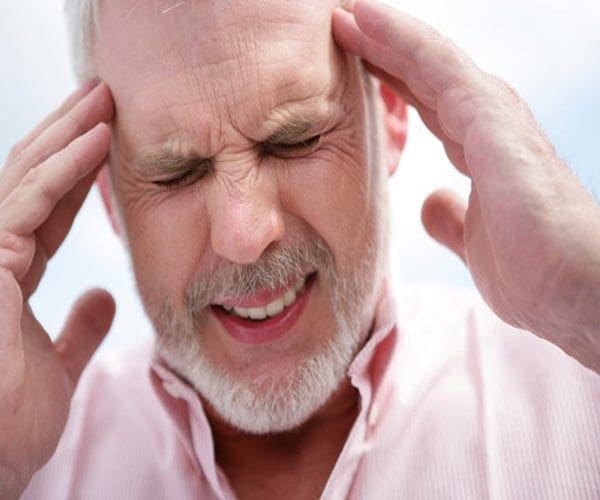
Your weight just might influence your risk of migraine headaches, a new review finds.
“Those with migraine and [their] doctors need to be aware that excessive weight and extreme weight loss are not good for [migraine sufferers], and that maintaining a healthy weight can decrease the risk of migraine,” said study corresponding author Dr. B. Lee Peterlin.
She is director of headache research at Johns Hopkins University School of Medicine in Baltimore.
“Healthy lifestyle choices in terms of weight management and diet and exercise are warranted,” she added.
Migraines affect about 12 percent of U.S. adults, according to background information from Johns Hopkins. These debilitating headaches are often accompanied by throbbing, nausea and sensitivity to light and sounds.
Peterlin’s team evaluated 12 previously published studies with nearly 300,000 people, a process known as a meta-analysis.
The investigators found that obese people were 27 percent more likely to have migraines than people who were at a normal weight.
And those who were underweight were 13 percent more likely to have migraines.
The researchers used the standard definitions of both obesity — a body mass index (BMI) of 30 or higher — and underweight, a BMI of less than 18.5. A person who is 5 feet 4 inches tall and weighs 175 pounds has a BMI of 30, while someone of the same height who weighs 105 has a BMI of 18.
In previous research, Peterlin’s team found that the link between obesity and migraines was greater for women and for those under the age of 55. This new study reaffirmed those findings.
The new review found that the link between obesity and migraines is a moderate one, Peterlin said. It’s similar to the link between migraines and ischemic heart disease, in which the heart doesn’t get enough blood, she added.
Peterlin said she can’t explain with certainty how body composition affects migraine risk. But, she speculated that fat tissue “is an endocrine organ and like other endocrine organs, such as the thyroid, too much and too little cause problems.”
The change in fat tissue that occurs with weight gain or extreme weight loss alters the function and production of several proteins and hormones, Peterlin explained, changing the inflammatory environment in the body. This could make a person more prone to a migraine or it could trigger a migraine, she said.
However, the study only found an association, and not a cause-and-effect relationship, between weight and migraine risk.
The review was published April 12 in the journal Neurology.
Would weight loss or gain help? It’s not certain, Peterlin said.
“Limited data in humans show that in both episodic and chronic [migraine sufferers] who are extremely obese and undergo bariatric surgery for other health reasons also have a reduction in headache frequency by over 50 percent,” she said. Aerobic exercise has also been shown to decrease headaches.
“What is not yet clear is if it is the weight loss per se or other factors related to exercise that result in the improvement,” Peterlin said.
One headache specialist who wasn’t involved with the study lauded the findings.
The new analysis is “a valuable addition to the growing body of literature on migraine and body mass index,” said Dawn Buse, director of behavioral medicine at the Montefiore Headache Center in New York City.
With her patients, Buse said, she has seen migraine frequency increase with weight gain. And she has also seen improvement in migraines after weight loss, she said.
Buse acknowledged that, while weight loss appears to help, losing weight can be challenging. Health care professionals should discuss with their patients the relationship with migraines, and help them by providing education and referrals for treatments that may help weight loss.
by Dr Alex Jimenez DC, APRN, FNP-BC, CFMP, IFMCP | Anti Aging
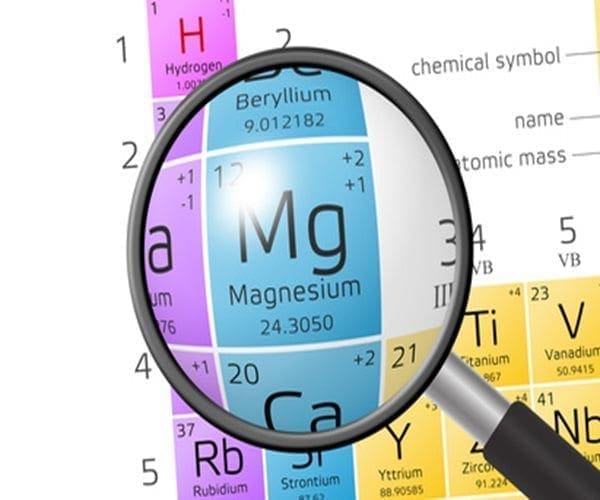
You should be adding a magnesium supplement to your daily vitamin regimen in middle age to prevent fractures later, says a new study.
Bone fractures, which are often caused by osteoporosis, are one of the leading causes of disability in the elderly. Calcium and vitamin D are known to play a role in bone health, and while magnesium is a vital nutrient and an important component of bone, no studies have shown that supplements might have a beneficial effect on bone health.
Researchers at the Universities of Bristol and Eastern Finland followed 2,245 middle-aged men for 20 years. They found that men with lower blood levels of magnesium had an increased risk of fractures, particularly fractures of the hip.
Men who had higher blood levels of magnesium lowered their risk by 44 percent. None of the men who had very high magnesium levels suffered a fracture during the 20-year follow-up.
However, dietary magnesium intake was not found to be linked with fractures. Only supplements were shown to be beneficial.
“The findings do suggest that avoiding low serum concentrations of magnesium may be a promising though unproven strategy for risk prevention of fractures,” said Dr. Setor Kunutsor of the University of Bristol.
Low blood levels of magnesium are common among the middle-aged and elderly, since the mineral becomes harder for the body to absorb as it ages, but the majority of people have no symptoms. Since blood magnesium isn’t measured routinely in the hospital, those with low levels are usually not diagnosed. The researchers believe their findings could help trigger initiatives to include blood magnesium screening in routine blood panels, especially for the elderly.
Magnesium may also help solve another problem faced by seniors — getting a good night’s sleep. British researchers found that magnesium helps cells keep track of the natural cycles of day and night.
Other studies show that magnesium provides a wide range of health benefits, including boosting the immune system and lowering the risk of heart attacks. Studies have also shown that people who have migraines tend to have lower levels of magnesium than those who are headache free.
by Dr Alex Jimenez DC, APRN, FNP-BC, CFMP, IFMCP | Anti Aging, Seniors
The health benefits of exercise are well-established for people of all ages. But until now, little has been known about which type of exercise best counters the aging process in senior citizens.
The answer may be high-intensity interval training, suggests a new study published in Cell Metabolism by researchers from the Mayo Clinic.
High-intensity interval training (HIIT) alternates short bursts of intense aerobic activity such as biking or walking with short periods of easing up on the same activity.
This type of exercise, which originated in Sweden, is promoted as an efficient training method that avoids the risk of injuries associated with non-stop, repetitive activity.
Compared to other types of exercise, it appears to be dramatically more effective at boosting the activity of aging cells and even reversing age-related cellular damage.
The Mayo Clinic researchers recruited 72 healthy but sedentary men and women from two age groups: “young” subjects ages 18-30 and “older” subjects ages 65-80.
The researchers conducted baseline measurements of aerobic fitness, lean muscle mass, blood-sugar levels, and insulin sensitivity. After taking biopsies from the subjects’ thighs, they also assessed genetic activity in muscle cells and the health of the energy-producing mitochondria within those cells.
As we age, mitochondrial capacity gradually deteriorates. As a result, cells become damaged and weak.
The researchers randomly assigned subjects to one of three groups:
HIIT on stationary bicycles. Three days per week, they pedaled hard for four minutes, eased up for three minutes, then repeated the sequence three more times. On other days, they did a moderate treadmill routine,
Moderate-intensity training. Three days per week, they pedaled on stationary bikes for 30 minutes. On other days, they lifted light weights.
Vigorous weight training. Participants engaged in weight lifting several times per week.
No exercise. A fourth group did not engage in organized physical activity.
After 12 weeks, the researchers found that all three exercise groups experienced significant gains in fitness and blood-sugar regulation compared to non-exercisers.
As expected, they found that the high-intensity interval training group had the biggest improvement in endurance while the weight training group had the biggest improvement in muscle mass and strength.
But they were astonished to find that high-intensity interval training was most strongly associated with age-reversing changes at the genetic and cellular levels.
In the “younger” group assigned to high-intensity interval training, the activity level changed in 274 genes. That compared to activity-level changes in 170 genes in the moderate-intensity training group and 74 genes in the weight training group.
Genetic changes were even more dramatic in the “older” group assigned to high-intensity interval training. They saw activity-level changes in nearly 400 genes. That compared to activity-level changes in only 33 genes in the weight training group and only 19 genes in the moderate-intensity training group.
High-intensity interval training had a similar effect on mitochondrial capacity: a 49 percent increase in the “younger” group and a whopping 69 percent increase in the “older” group.
This type of exercise also led to improved insulin sensitivity, which is associated with a reduced risk of diabetes.
The researchers cautioned that their primary goal was to show how exercise works at a molecular level, not to provide prescriptive exercise for seniors or anyone else. They hope to learn more about how exercise benefits different tissues in the body.
For the time being, they say that vigorous exercise remains the most effective way to bolster health.
“There are substantial basic science data to support the idea that exercise is critically important to prevent or delay aging. There’s no substitute for that,” senior author Dr. Sreekumaran Nair said in a statement.
Most experts agree that many older adults can participate in an age-appropriate high-intensity interval training program that takes into account their physical limitations.
Older adults are more likely to have an underlying health issue such as osteoporosis, arthritis, diabetes, hypertension or a history heart disease, heart attack, or stroke.
So it’s essential for them to consult with their primary care provider and take a cardio-stress test before beginning a new exercise program, especially one that involves vigorous activity.

by Dr Alex Jimenez DC, APRN, FNP-BC, CFMP, IFMCP | Diets, Fitness
Local bans on artery-clogging trans fats in restaurant foods led to fewer heart attacks and strokes in several New York counties, a new study suggests.
The study hints at the potential for widespread health benefits from an upcoming nationwide ban, the authors and other experts say. The U.S. Food and Drug Administration in 2015 gave the food industry until next year to eliminate artificial trans fats from American products.
New York City enacted a restaurant ban on the fats in 2007 and several counties in the state did the same. Hospital admissions for heart attacks and strokes in those areas declined 6 percent starting three years after the bans, compared with counties without bans. The results translate to 43 fewer heart attacks and strokes per 100,000 people, said lead author Dr. Eric Brandt, a Yale University cardiology fellow.
His study was published Wednesday in JAMA Cardiology.
Trans fats, also called partially hydrogenated oils, enhance food texture and structure. They were once commonly used to make restaurant fried chicken, French fries, doughnuts and other foods and found in grocery items including cookies, crackers and margarine.
These fats can boost blood levels of unhealthy cholesterol, increasing risks for heart problems. The FDA in 2006 required them to be listed on food labels and the food industry has been switching to healthier oils.
The researchers examined hospital admissions data from 2002 to 2013 in 11 New York counties that adopted bans and in 25 counties that did not. Admissions for heart attacks and strokes declined in all counties, going from more than 800 to less than 700 per 100,000 people, but the drop was steeper in counties that enacted bans.
Alice Lichtenstein, a heart and nutrition specialist at Tufts University’s Boston campus, said the results are encouraging but that other changes could have contributed, such as smoking bans and mandatory calories on menus.
Dr. Mark Creager, former American Heart Association president, said the results echo previous studies “and are consistent with the thinking of most scientists” on potential benefits of these bans.
“Policies such as these when adapted on a nationwide level will be good for our entire population,” said Creager, director of Dartmouth-Hitchcock Medical Center’s heart center in Lebanon, New Hampshire.
by Dr Alex Jimenez DC, APRN, FNP-BC, CFMP, IFMCP | Anti Aging
Many nursing home residents suffering from chronic pain don’t get any medication or don’t get enough to fully relieve their symptoms, a recent U.S. study suggests.
Researchers examined data on almost 1.4 million residents in nursing homes nationwide from 2011 to 2012 and found that overall, roughly two in five had either intermittent or chronic pain.
Among the residents with persistent pain, about 6 percent received no medication at all and another 32 percent didn’t get enough drugs to properly address their symptoms, the study found.
“The good news is that we documented lower levels of untreated pain than previous studies,” said lead study author Jacob Hunnicutt of the University of Massachusetts Medical School in Worcester.
“However, pain may still be undertreated and disparities in pain management by cognitive impairment and race/ethnicity remain,” Hunnicutt said by email.
Previous studies have estimated that at least 40 percent of nursing home residents experience persistent pain, and that 20 percent of those in pain don’t get any medications, researchers note in the journal Pain.
More than 1.4 million adults live in U.S. nursing homes, including about 3 percent of people over 65 and roughly 10 percent of people over 85.
For the current study, researchers examined data on nursing home residents who spent at least 100 days in the same facility with no gaps in residency of more than 30 days.
Residents provided information on the intensity and frequency of any pain they experienced as well as any medications provided during two assessments three months apart. Participants were counted as having persistent pain if they described pain on both assessments, and intermittent pain if they only mentioned it during one of the assessments.
If residents reported pain and didn’t have any scheduled or as-needed medications noted in their medical records, researchers counted them as having untreated pain. If their records only included as-needed pain medications, researchers counted them has having potentially undertreated pain.
Non-white residents were 19 percent more likely than white residents to have undertreated or untreated pain, the study found.
In addition, residents with severe cognitive impairments were 51 percent more likely to have untreated or undertreated pain than people with only mild impairments or none at all.
One of the study authors is a consultant with the pharmacy benefits manager and drugstore chain CVS Caremark.
Limitations of the study include the lack of data on pain levels between the two assessments, the authors note. Researchers also relied on residents to accurately recall and report on their own pain levels, which can be subjective.
The study also didn’t account for patient preferences or medical histories, said Dr. Gary Winzelberg, a geriatrics researcher at the University of North Carolina School of Medicine in Chapel Hill who wasn’t involved in the study.
“It’s possible that some patients prefer not to receive pain medications and may use non-pharmacologic approaches to managing their pain,” Winzelberg said by email.
Some residents might not believe they should report being in pain or think they shouldn’t take medications. This might at least partially explain why older adults, men and residents of color were less likely to report pain and receive medications, Winzelberg added.
Residents and families can see how nursing homes compare on pain management and other quality measures online, Hunnicutt said.
To avoid untreated pain, residents and their loved ones shouldn’t be shy about speaking up, said Dr. XinQi Dong of the Rush Institute for Healthy Aging in Chicago.
“Patients and family should seek help when the pain is beginning to rise, and not to wait until pain is intolerable before asking for pain medications,” Dong, who wasn’t involved in the study, said by email.
“After adequate assessment, health care professionals should provide an adequate mixture of long acting and short acting pain medications for those with chronic and inadequately treated pain,” Dong added.
by Dr Alex Jimenez DC, APRN, FNP-BC, CFMP, IFMCP | Chiropractic, Health, Nutrition
Wondering exactly how much protein you should be consuming each day?�The Recommended Dietary Allowance (RDA), which is the minimum amount you need to be healthy, is 0.8 grams per kilogram (0.36 grams per pound) of body weight per day�46 grams for an average woman. That equals as little as 10% of daily calories. If you’re not super active, that’s likely adequate, and you’ll hit the target effortlessly if you follow a typical Western diet.
To get your personal protein “RDA,” multiple the number 0.36 by your weight in pounds. (For a sedentary 150-pound woman, that would be 54 grams.) Double it if you’re very active or aiming for “optimal protein,” which can help you maintain muscle as you age and support weight loss.
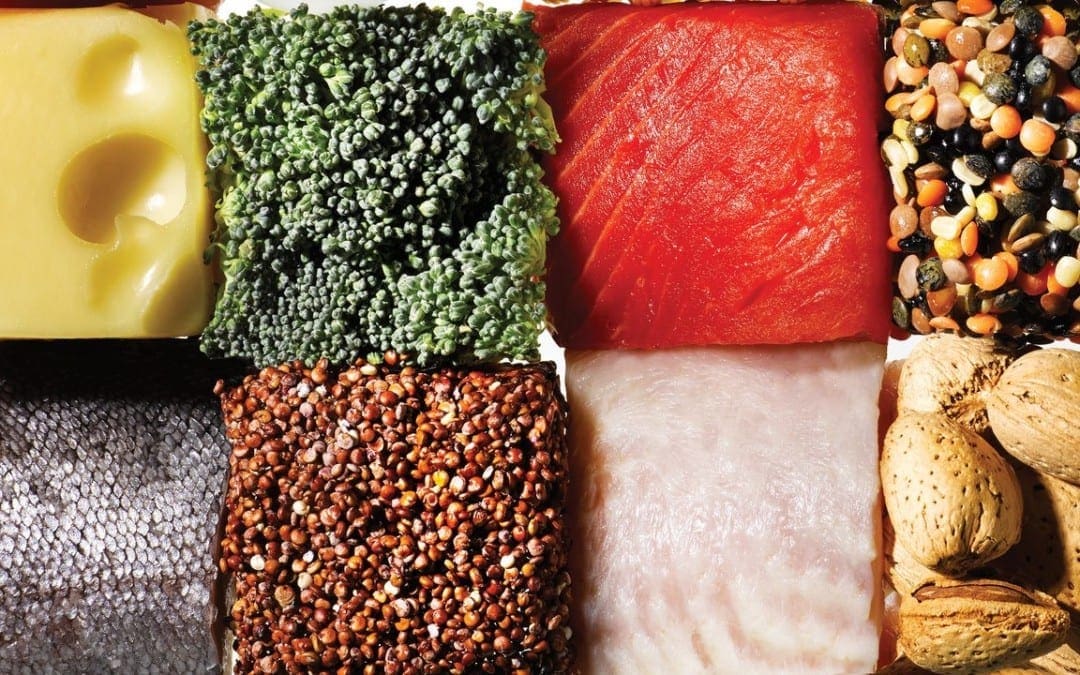
American women already eat about 68 grams a day, according to the latest data from the National Health and Nutrition Examination Survey. “There’s no reason to go out of your way to get protein,” says Dariush Mozaffarian, MD, dean of the Tufts Friedman School of Nutrition Science & Policy. “Just eat a variety of fish, nuts, beans, seeds, and dairy, including yogurt.”�However, increasing your protein well above the RDA may make sense if…
RELATED: 17 High-Protein Snacks You Can Eat on the Go
You’re Very Active
That means getting at least 35 to 40 minutes of moderate exercise four or five days a week, including resistance training two or more times a week. Consider eating 1.2 to 2 grams of dietary protein per kilogram (or about 0.5 to 0.9 grams per pound) of body weight each day, says Nancy Rodriguez, PhD, professor of nutritional sciences at the University of Connecticut. That amount is best for rebuilding muscle tissue, especially if you do a lot of high-intensity workouts, research suggests.
RELATED: The Best Vegan and Vegetarian Protein Sources
You’re Trying To Lose Weight
Protein takes longer to digest than carbs, helping you feel full, and also pushes your body to secrete the gut hormone peptide YY, which reduces hunger. “When you bring protein to about 30% of your daily calories, you’ll naturally eat less,” says Lauren Slayton, RD, founder of Foodtrainers, a nutrition practice in New York City, and author of The Little Book of Thin. “Protein decreases appetite and also, in my experience, helps you manage cravings.”
While studies are mixed about whether consuming more protein leads to weight loss, research is pretty clear that protein can help you retain more of your lean muscle as you lose fat. One 2011 study suggests amping up protein to as much as 1.8 to 2 grams per kilogram (roughly 0.8 to 0.9 grams per pound) of body weight per day to stave off muscle loss when restricting calories. Cut back on refined carbs to balance out the extra calories from adding protein.
RELATED: 3 Delicious Protein Pancake Recipes
You’re In Middle Age
Eating more protein as you get older may help you maintain muscle and ward off osteoporosis, “so you can stay stronger and more functional,” says Rodriguez. In a 2015 study, adults over the age of 50 who roughly doubled the RDA (eating 1.5 grams of protein per kilogram, or 0.68 grams per pound, of body weight) were better able to rebuild and retain muscle after only four days, compared with control groups eating the RDA.
Doubling the RDA gives you “optimal protein,” a concept that Rodriguez and more than 40 nutrition scientists advanced at a recent Protein Summit, the findings from which were published in 2015 in The American Journal of Clinical Nutrition. Optimal protein works out to be about 15% to 25% of your daily calories, still below the level recommended by many popular high-protein diets. Over a day, that could look like 20-30 grams per meal and 12 to 15 grams per snack, for a total of 90 to 105 grams daily.

Call Today!

by Dr Alex Jimenez DC, APRN, FNP-BC, CFMP, IFMCP | Chiropractic, Chronic Back Pain, Integrative Functional Wellness, Integrative Medicine, Wellness
If It Sounds Too Good to Be True�
When you�re in pain, you might try just about anything to feel better. Claims of miracle cures that instantly relieve back and neck pain are tempting, but they often fall short of their promises.
Save your money and steer clear of the products featured promising to eliminate your spine-related pain.
Copper Bracelets

Copper bracelets and wristbands have attracted a following of arthritis sufferers because of their perceived ability to reduce joint pain.
The key word here is perceived.
A 2013 study in the UK examining the effects of copper bracelets in patients with rheumatoid arthritis found no difference in pain outcomes between those wearing copper bracelets and those using a placebo.
While the bracelets won�t do you any harm, they�re more for looks than clinical benefit. There�s no solid medical evidence available proving they reduce pain or inflammation.
Magnets
From magnetic shoe inserts to bandages, magnets have been heavily marketed as a miracle cure to zap away a variety of back pain conditions, including fibromyalgia and arthritis. However, no proof exists to back up magnets� health claims.
While studies have examined magnets� impact on pain, the results are mixed�and the quality of some of the research is questionable. Additionally, magnets are not safe for some people, including those who use pacemakers or insulin pumps.
Colloidal Silver

Silver jewelry? Classic. Silver home furnishings? Sure thing. Colloidal silver for your spine pain? Never a good idea.
Colloidal silver for back pain is typically found as a topical cream containing small particles of silver. In 1999, the U.S. Food and Drug Administration (FDA) recommended that people not use colloidal silver to treat any medical condition because it�s neither safe nor effective.
Even worse than the false claims of back and neck pain relief are colloidal silver�s strange and serious side effects. This product can interfere with the absorption of some prescription drugs and even permanently tint your skin a blue-gray color.
DMSO and MSM Dietary Supplements
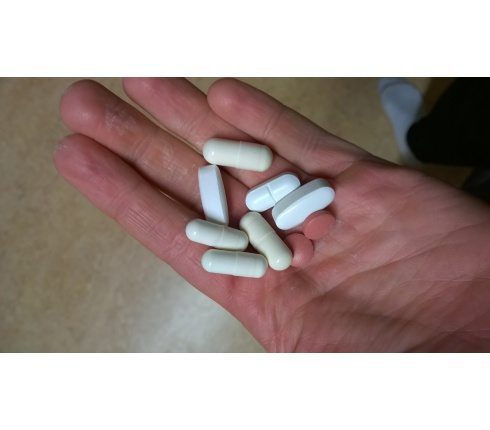
If you have spondylosis (osteoarthritis), you may have heard of the dietary supplements dimethyl sulfoxide (DMSO) and methylsulfonylmethane (MSM). Some believe this pair of supplements can block pain and inflammation, but no real medical evidence shows these substances actually relieve painful arthritis symptoms.
Instead of eliminating your arthritis pain, MSM and DMSO might cause some unwanted side effects. Both have been linked to causing upset stomach and skin rashes, while DMSO may also leave you with garlic breath and body odor.
A Word on Drug-Supplement Interactions

Speaking of supplements, it�s important to understand that dietary supplements may not mix with over-the-counter or prescription drugs. Some interactions result in mild side effects, but others can be much more serious�even life-threatening.
If you�re using a dietary supplement�even if it�s a seemingly benign herbal or vitamin�always let your doctor and pharmacist know before taking it with an over-the-counter or prescription medication. They will share any dangerous interactions, and ensure you�re safely addressing your back and neck pain.
The Real Deals: Alternative Treatments that Work

Many who fall prey to the products listed in this slideshow have an interest in alternative or complementary therapies for back and neck pain. While some non-traditional treatments should be avoided, many have been proven to reduce spine pain.
Scientists from the National Center for Complementary and Integrative Health at the National Institutes of Health reviewed 105 U.S.-based trials from the past 50 years that included more than 16,000 participants. They found the therapies below effective at controlling pain:
� Acupuncture � Massage � Relaxation techniques � Tai chi
If you prefer alternative methods to manage for your spinal condition, explore the therapies above. They are effective, safe, and will help you live a healthier life.
Call Today!








