In the latest installment of the Alien franchise, set 10 years after 2012’s Prometheus, a new heroine has been charged with kicking some major alien butt: Katherine Waterston plays Daniels, a chief teraformist on a colonizing mission to a new planet. And after an advanced screening of Alien: Covenant, which hits theaters Friday, I can assure you that Waterston embodies the strong female lead that’s been a staple of the Alien movies since Sigourney Weaver’s portrayal of Ellen Ripley, the original badass known for beating down extraterrestrials.
As you might imagine, sparring with (or running from!) blood thirsty—and let’s face it, pretty freaking scary—creatures isn’t an easy task. Translation: Waterston needed to be in great shape.
“I was so nervous that [director] Ridley [Scott] wasn’t going to let me do the stunts,” she said during a pre-screening talkback with cast members. “There was a sort of fit test at the beginning that nearly killed me, but I didn’t want to seem like I couldn’t handle it, because I thought they might take the fun moves away from me.”
But the 37-year-old actress explained that she didn’t arrive on set in the best shape of her life on purpose: “I didn’t want to seem like some kind of warrior at the beginning of the film, because I feel like that journey happens within it, so I didn’t want to come in too ripped,” she said.
Waterston’s plan worked: She got progressively fitter just by playing her role, she said. “A lot of the training happened on set because we were carrying heavy packs and carrying really heavy guns—for me it was heavy.”
Still, Waterston knew she needed to build muscle before filming began to avoid getting hurt on the job. “I didn’t want to rip my shoulder out my socket or something,” she said.
One of her strengtheners of choice: “curls, really heavy bicep curls.” Which totally makes since considering you’ll see her wielding gigantic guns, and swinging and climbing around a space shuttle for two-plus hours.
Channel your inner warrior and try a few: Stand tall with feet hip-width distance apart and arms at sides, a dumbbell in each hand; palms face forward. Without moving upper arms, bend elbows and curl weight toward shoulders. Slowly lower back to start, and then repeat.
Prefer to do curls with a cable machine? Check out the video below to see the proper form.
Clearly Waterston nailed her training approach for the sci-fi horror flick because actor Michael Fassbender (who plays the androids David and Walter in the film) had this to say about his costar: “She was fearless.”
Janette Sherman, 38, a recent transplant to Colorado, recalls how a casual walk with her dog last month turned into a frantic trip to the ER�and the mistakes she made along the way.
On one of the first warm days of April here in Denver, I set off on my lunch break for a hike in nearby Bear Creek Lake Park. I work for a cycling company where most people ride for an hour in the afternoons, but I had my dog with me that day and he needed a good walk.
I moved to Colorado last year from California, and my boss had warned me about rattlesnakes on the trail�especially in the spring, when the ground starts to warm up and the cold-blooded critters�look for places to soak up some sun. Still, I�ve encountered snakes before and wasn�t overly concerned: I was wearing shorts (instead of pants and snake gaiters, like some experts recommend), and certainly wasn�t watching the ground every step of the way.
Almost a mile into my hike, I felt a sharp, sudden pain on my ankle, like I�d been stung by a wasp. I looked up, expecting to see a bug flying away. Then I looked down and saw the obvious puncture wounds.
I glanced behind me and saw the snake, coiled up, ready to strike again. It wasn�t particularly large�its coil was maybe 6 inches across�and it hadn�t rattled, the warning sign that often alerts people to back away. I wasn�t sure what kind of a snake it was, but I knew I should call 911 just to be safe.
The dispatcher asked me if my bite looked like a horseshoe; I learned later that horseshoe-shaped wounds come from nonvenomous snakes with tiny teeth all the way around their mouths. When I told her no, there were three distinct holes (which indicates the fangs of a venomous snake), she calmly told me I should get to a hospital.
But at that point I still felt OK, and was embarrassed to make a big deal about things. Even though the dispatcher wanted to send an ambulance, I told her I�d walk back to my car�the long way, since I refused to backtrack past where the snake had been�and drive myself to a fire station down the road.
As I walked, my foot began to swell and hurt badly. A driver on the road saw me limping and gave me a ride to my car, and I managed to get myself to the fire station. I was sweating a lot more than normal, and my lips and face had started to go numb. Now I know that overexertion can speed up a person�s reaction to snake venom and make symptoms worse. Looking back, I should have waited for help to arrive.
At the fire station, the EMTs took my shoe off and used a Sharpie to mark how far the swelling had spread�up my leg and across my foot�in the 30 minutes since my bite. This would help the doctors determine how serious my case was, they explained. (They also told me that commercial �snake bite� kits are worthless, but that hiking with a permanent marker is a good idea for this very reason.)
I asked if I could go to an urgent care center, but the EMTs told me that only major hospitals would have antivenin, the technical name for what’s also known as anti-venom. About two out of five rattlesnake bites are what�s known as a �dry bite��not venomous�but with my swelling and facial numbness, that didn�t seem to be the case.
An ambulance took me to Saint Anthony�s Hospital in Denver, where the paramedics’�suspicions were confirmed. But the antivenin had to be mixed in the pharmacy�it�s not always stored in a ready-to-use formula�which would take a while. I was seriously starting to regret not agreeing to an ambulance right away.
In the meantime, the doctors performed an EKG to check my heart rhythm, and gave me anti-nausea medication to keep me from throwing up (a common symptom of snake bites). Then, about two hours from when I was bitten, I started seeing double and my vision began fading to black. In the nick of time, the antivenin was ready, and the doctors administered six vials.
Over the next few hours, I received six more vials as the hospital staff monitored my vital signs, making sure I didn�t have a bad reaction to the drug. Snake venom can interfere with blood cells� ability to clot, so my doctors also had to take frequent blood draws and pay close attention to that, as well.
The pain from the swelling in my leg was excruciating, and I had to be monitored closely to make sure I didn�t develop compartment syndrome, when pressure builds up and causes tissue and blood vessel damage. But I got really lucky: Because I�d been treated quickly enough, I didn�t have any permanent injury.
I spent about three days in the hospital, and was discharged with crutches and some strong pain meds. I was cleared for exercise, and went back to the office, a week after the bite happened. I�d tried to answer work emails while recovering at home, but I felt really out of it those first few days�like my brain wasn�t working at full speed.
Then came several follow-up appointments, with an orthopedist and my primary care doctor, to make sure there were no lasting complications. My liver enzymes tested a little high, so I was told not to drink alcohol or take acetaminophen for a month.
It�s now been about three weeks since I was bitten, and I still have tenderness and swelling in my leg�especially if I spend a lot of time on my feet. But the bruising has faded and you can barely see the puncture marks. Also thankfully, I have health insurance: I haven�t gotten a bill yet, but I�ve read that antivenin can cost $2,500 a vial, and that it�s not unusual for snake-bite treatment to total $100,000 or more.
The most lasting effect of all this, honestly, is that it�s made me a little freaked out to go back out on the trail. I finally went for a bike ride at Bear Creek Lake this past weekend, and I screamed a few times when things brushed my leg. Luckily, I was able to calm myself down with some deep breaths and logical thinking.
I did learn a lot from my experience� that rattlesnakes don�t always rattle, how to recognize a venomous bite, how important it is to get to a hospital ASAP, and what not to do: Experts agree that you shouldn�t apply ice, cut into the wound, raise the affected limb above your heart, or apply a tourniquet.
I do plan to buy some snake gaiters, especially for when I�m exploring on foot, and I�m sure I will be more cautious from now on when I do get back out there. I know I�ll get my confidence back soon, though, because hiking and biking is what keeps me happy and healthy�rattlesnakes and all.
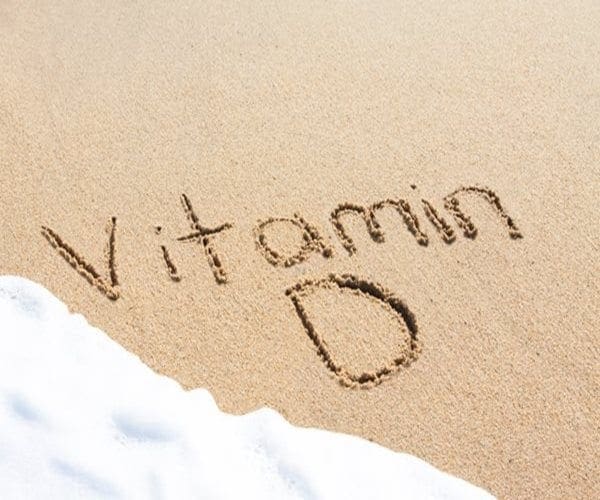
People who are genetically intolerant to lactose, the main sugar found in milk and dairy products, have lower than average vitamin D levels, according to new Canadian research.
Limiting or eradicating dairy products from the diet due to lactose intolerance has been associated with lower levels of vitamin D in the blood, according to research from the University of Toronto studying 1,495 Canadian men and women aged between 20 and 29 years old.
The researchers found that people of Caucasian origin who were genetically intolerant to lactose had lower than average levels of vitamin D.
The study, published in The Journal of Nutrition, also found people who carry a gene associated with lactose intolerance, called LCT, to be slightly shorter than those who don’t, suggesting an insufficient intake of vitamin D could limit bone growth.
The inability to digest lactose was found in 32% of Caucasian participants, 99% of East Asians, 74% of South Asians and 59% of mixed ethnicities, the study reports.
The researchers advise lactose-intolerant people to ensure they make up for the lack of vitamin D by eating other fortified foods or by adding lactose-free dairy products to their diets.
Produced by exposure to sunlight, vitamin D helps the body absorb calcium. Food sources include oily fish (salmon, trout, tuna, sardines and mackerel), calf’s liver, soy drinks and egg yolks. Hard cheeses (cheddar, edam, gouda, gruyere), in particular, contain very low levels of lactose.
Dietary sources of vitamin D and exposure to sunlight are not always sufficient to ensure healthy levels of vitamin D. In such cases, health care professionals may prescribe supplements.
Previous research has highlighted the importance of vitamin D and its role in the prevention of cardiovascular disease, cognitive decline, autoimmune disease and cancer. It is also known for its role in bone health, protecting against osteoporosis and increasing muscle mass.
Proponents of intermittent fasting contend that this popular way to lose weight is better than conventional dieting. But this type of diet isn’t necessarily best for everyone, a top expert says.
“Fasting is currently one of the newest diet fads and, while there are studies showing benefits, there are also potential downsides,” Dr. Kent Holtorf tells Newsmax Health.
A recent University of Illinois at Chicago study finds intermittent, or alternate-day fasting, was equal in results to calorie counting when it came to weight loss, along with keeping off the excess pounds.
The study, which followed 100 obese people for a year, found that those who engaged in intermittent fasting lost 6 percent of their body weight, while those who ate a calorie-restricted diet lost 5.3 percent, not a statistically significant difference, the researchers say in JAMA Internal Medicine.
Holtorf is the Los Angeles-based medical director of the Holtorf Medical Group and a founder and director of the nonprofit National Academy of Hypothyroidism. He also has appeared as a medical expert on several TV shows, including “The Today Show,” “Good Morning America,” and “ABC News.”
Here are excerpts from his recent interview with Newsmax Health.
Q: What exactly is intermittent fasting?
A: The idea is to intermittently significantly reduce calories in a strategic way to reduce overall caloric intake instead of eating less per day. One common method is called the 5:2 diet, which involves significant caloric restriction two non-consecutive days per week while eating normally the other five days.
Q: How did this type of diet catch on?
A: Several studies were published showing that severe periodic calorie reduction had been shown to have many benefits including changing gene expression and stimulating cell repair, reducing the risk of Type 2 diabetes, improving cholesterol, lowering the risk of cholesterol levels, reducing heart disease and cancer risk and even extending lifespan.
Q: What do you think of intermittent fasting for weight loss?
A: There is a large amount of research supporting the safety and efficacy of intermittent fasting. If an individual fasts for a designated period of time, weight loss is to be expected as caloric intake has been reduced; however, research finds fasting offers long-term benefits including reduction of inflammation and improvement in mood. For example, a randomized, clinical trial of 71 people who followed intermittent fasting for three months lost an average of 5.7 pounds while the weight of the control group, which didn’t alter their eating habits, lost no weight. Those in the fasting group saw a reduction in blood pressure, body fat, and waist size.
Q: What effect does intermittent fasting have on mood?
A: Going without food for 10-16 hours causes the body to release fatty acids known as ketones. According to Mark Mattson, a senior investigator for the National Institute of Aging, who has done extensive investigation on the health benefits of intermittent fasting, ketones have been shown to protect memory and learning function as well as slow disease processes in the brain. Ketones are also shown to boost the body’s formation of particular stress reducing neurotransmitters, such as serotonin and GABA, which helps you stay calm under stress and have fewer cravings.
Q: What are the drawbacks of using this type of diet for weight loss?
A: While it can be a way to jumpstart weight loss and have health benefits, studies also show that it can permanently reduce metabolism (calories burned per day). The metabolism may not go back to normal when normal eating is resumed unless steps are taken to prevent or reverse the drop in metabolism. Thus, fasting or so-called “yo-yo dieting” can contribute to long-term weight gain, wiping out the short-term health benefits of fasting.
Q: Are there any groups for which this may be a particular problem?
A: This is shown to be more of an issue for women because women’s bodies appear to perceive fasting as more of a threat of starvation and respond by lowering metabolism to survive the perceived famine. This is especially true if a woman has any signs of low thyroid, including low body temperature, depression, cold intolerance, PMS, cold extremities or suffers with fatigue.
Q: So is there any one best diet out there for everyone?
A: Studies show that most diets are successful short-term but most suffer from equal long-term failure. But thyroid evaluation and optimization, if low, can increase the likelihood of successful weight loss whether via fasting or other diet plan.
Eating red meat increases your risk of death from nine diseases, according to a new study.
Researchers tracked the diet and health of more than 536,000 people, ages 50-71, for an average of 16 years, The New York Times reported.
Compared with the one-fifth who ate the least red meat, the one-fifth who ate the most were 26 percent more likely to die from cancer, heart disease, respiratory disease, stroke, diabetes, infections, Alzheimer’s disease, kidney disease and liver disease.
People who ate the most white meat were 25 percent less likely to die from various causes than those who ate the least white meat, according to the study in the journal BMJ.
“This is an observational study and we can’t determine whether red meat is responsible for these associations. But we have a 16-year follow-up, and we had the numbers to look at different causes, and we can see that it’s happening” said lead author Arash Etemadi, an epidemiologist at the U.S. National Cancer Institute, The Times reported.
A coffee, a caffeinated and an energy soda proved a deadly combination for a South Carolina teenager who died within two hours of consuming them, triggering warnings about the risks of caffeine overdose.
Davis Allen Cripe died on April 26 from a “caffeine-induced cardiac event causing a probable arrhythmia,” the Richland County coroner’s office in the southern US state wrote in a statement.
Two hours before he collapsed, Cripe drank a cafe latte, large Diet Mountain Dew and an energy drink.
Richland County Coroner Gary Watts noted Tueday that such occurrences are “highly unusual.”
“It was mainly due to the time period that he ingested a rapid amount of caffeine that affected his heart,” Watts told The Post and Courier, adding that Cripe had collapsed just 15 minutes after taking the energy drink.
The US Food and Drug Administration recommends that adults consume no more than 400 mg of caffeine per day, which is equivalent to four or five cups of coffee.
“While adults should be mindful of their caffeine consumption, it’s important for parents to know the risks of children and adolescents consuming caffeine,” Jill Michels of the Palmetto Poison Center said in a statement.
“Take the time to talk with your children about the dangers of caffeinated drinks.”
At a news conference on Monday, the boy’s father said his son was very careful about drugs and alcohol.
However, “it wasn’t a car crash that took his life. Instead, it was an energy drink,” Sean Cripe said.
While energy drinks account for just a small segment of the non-alcoholic beverages industry, they are very popular with young people.
Health experts have expressed concern about the drinks’ high caffeine content, which can cause arrhythmia and raise blood pressure in young people.
Energy drinks can contain up to 240 mg of caffeine, according to a 2012 Consumer Reports study.
There is a belief among many that if you want to lose weight, you should do cardio. If you want to put it on, you need to pick up a barbell.
There is some truth to this � cardio will burn fat, resistance training will build muscle. However, weights will also burn fat. And fix your posture. And increase your power. Running? Not so much. So take a trip to the other side of the gym. It�s time to embrace the appeal of steel.
You�ll Burn More Fat In Less Time
The more muscle you use, the more calories you burn. And some of the bigger lifts call on almost every muscle in your body, says Dylan Jones, founder of P4 Body. �Due to the higher neurological demand and multi-joint involvement in some of the more complex lifts, the body works twice as hard compared to when sitting on a stationary bike or fixed path rowing machine.�
Even if tight for a time, weights mean you can still work the entire body. �Combine a dumbbell curl with a lunge, finished with an overhead press,� says Jones. Do 15 reps on each side, for three rounds total. �This uses the large muscles in the legs, shoulder, back and core to stabilise you. All of which requires a demand for oxygen to perform every rep.�
You�ll Burn More Fat Sitting Down
To oversimplify things a little, cardio burns calories while you�re moving. Strength training torches fat even when back at home. �It helps build muscle, and muscle is �active� tissue,� says Rob Aitken, a senior trainer at Matt Roberts gyms. Unlike fat, which is inactive, active tissue constantly uses energy: the more muscle you have, the more calories you burn. Even in bed.
�Try circuits using dumbbells or kettlebells,� says Jones. Pick five exercises then perform 40 seconds of work, 20 seconds of rest. Repeat for three rounds total in your normal cardio slot. �You are likely to burn more body fat at the same time as holding on to muscle.�
You�ll Power Up
Cardio is good for endurance, less so for brawn. �Choosing the weights room over a steady paced run wins hands down in the delivery of building performance and power into your game,� says Jones. This can have knock-on effects on your performance back in the park � the better you can put your strength through the ground, the faster you�ll move.
To hit everywhere that matters, all you need is a barbell and some serious weight. Deadlifts in sets of six reps will hit your glutes and posterior chain as well as fire up your metabolism. �You�ll be surprised by the additional power you create focusing on the non-favoured muscle groups,� says Jones.
You�ll Stop Feeling The Burn
Trying to squat too much weight does nothing good for your back. But lifting right can help ease the fire in your spine. �One of the main causes of bad posture and injury is from muscle imbalance,� says Jones. �This is developed by repetitive actions of everyday life, like sitting at a desk, using the telephone, operating a mouse, or commuting for hours a day. Adding to this with repetitive cardio is not going to help.�
Instead, strengthen what your day job has weakened by getting a qualified trainer to assess where you�re lacking. �A balanced weight training programme, which is designed specifically for you and your imbalances, will allow the body to move the way it was originally designed. This improves your posture and reverses some of the nasties that modern life has imposed.�
The scope of our information is limited to chiropractic and spinal injuries and conditions. To discuss options on the subject matter, please feel free to ask Dr. Jimenez or contact us at 915-850-0900 .
Additional Topics: Weight Loss Eases Back Pain
Back pain and symptoms of sciatica can affect a majority of the population throughout their lifetime. Research studies have demonstrated that people who are overweight or obese experience more back complications than people with a healthy weight. A proper nutrition along with regular physical fitness can help with weight loss as well as help maintain a healthy weight to eliminate symptoms of back pain and sciatica. Chiropractic care is also another natural form of treatment which treats back pain and sciatica utilizing manual spinal adjustments and manipulations.
IFM's Find A Practitioner tool is the largest referral network in Functional Medicine, created to help patients locate Functional Medicine practitioners anywhere in the world. IFM Certified Practitioners are listed first in the search results, given their extensive education in Functional Medicine